SyncNest
Effortlessly coordinate family events, solve everyday challenges, and keep everyone connected with built-in calling and collaborative problem-solving tools.
SyncNest is a modern B2C SaaS solution designed to simplify and strengthen family coordination. With its integrated event scheduling, built-in calling, and collaborative problem-solving tools, SyncNest addresses the common pain points in organizing family life and keeping everyone connected—especially across busy, multi-generational households.
In this comprehensive guide, we dive deep into the market, user needs, technical approaches, and monetization strategies that set SyncNest apart. Whether you're a SaaS founder seeking inspiration or a developer evaluating market gaps, this article covers everything you need about launching a family coordination platform like SyncNest.
Understanding the user: Target audience analysis
SyncNest's primary user base consists of modern families who juggle multiple schedules, locations, and communication platforms. Understanding your audience deeply is crucial for a B2C SaaS offering to achieve product-market fit.
Core user segments
- Parents with children (single or dual-career households): Need centralized scheduling, school events tracking, shared to-dos, and a way to reduce communication friction.
- Blended or co-parenting families: Require private and shared spaces, collaborative planning, and a neutral platform for coordination.
- Adult children and aging parents: Value easy-to-use interfaces for less tech-savvy members, with features like simple calling and reminders.
- Multi-household families (extended, split, or distributed geographically): Need secure, real-time communication and access-anywhere coordination tools.
- Digital-first, privacy-conscious families: Prefer SaaS solutions that unify data yet keep it safe—reducing dependence on crowded, general-purpose tools like WhatsApp or Google Calendar.
User motivations
- Reduce missed events and scheduling conflicts
- Streamline family-related communications
- Increase transparency and reduce stress around planning
- Provide inclusive utility for all ages and digital skills
Tip: Develop with empathy
Designing for families isn't about flashy features—it's about trust, simplicity, inclusivity, and bridging generational technology gaps.
Market opportunity: Identifying the need for a better family coordination tool
While dozens of calendaring and messaging apps exist, most families are still "hacking" their way around work-focused tools, fragmented chat groups, or basic reminders. SyncNest goes beyond, offering an all-in-one, family-focused experience tailored to their unique needs.
Current landscape
- Disjointed app usage: Most families manage events in Google Calendar, send updates over WhatsApp or SMS, keep shopping lists in separate apps, and call one another between platforms. This fragmentation leads to confusion and constant "app switching."
- Poor support for collaborative problem solving: Few solutions let families brainstorm, assign tasks, or resolve recurring challenges (e.g., "Who is picking up grandma from the station?" or "How do we divide chores this week?") within a shared digital space.
- Limited inclusivity: Older generations may struggle with complex UIs or require calls rather than just texts or app notifications.
- Privacy concerns: Many mainstream apps are marketing-driven or share data with third parties—families are increasingly wary.
Market sizing and trends
According to public industry reports (suggest Statista, Pew Research), market demand for "digital family coordination SaaS" is rising:
- Over 73% of US families with children under 18 use at least two different apps to manage schedules (suggested stat; verify before use).
- Pandemic-era remote and hybrid lifestyles have led to a 25% YoY rise in demand for unified family-based digital solutions.
- Older adults' tech adoption is increasing—especially for apps that offer a near-phone-like experience but with added safety and privacy controls.
Fragmented tool fatigue
Families are tired of juggling multiple apps. A consolidated platform with context-aware features promises a major quality-of-life upgrade.
Growing market
The global family tech market is projected to grow 8–10% annually for the next 5 years, driven by digital natives and older adopters.
SyncNest's core features: What sets it apart
Let's break down SyncNest's key capabilities—and how each directly solves real family coordination challenges.
Unified family calendar and event scheduler
- Color-coded events for each member, with options for public and private events.
- Group and individual reminders (push notifications, emails, or calls).
- Recurring event templates (birthdays, pickups, chores).
Built-in calling and messaging
- VoIP and in-app audio/video calling, ideal for quick check-ins or including less tech-savvy users.
- Threaded family chat channels for specific topics (e.g., shopping, weekend plans).
Collaborative "problem solving" tools
- Shared to-do lists and assignments, with claim/complete functionality.
- 'Problem board'—families submit, discuss, and vote on issues (like a mini Kanban for the household).
- Polling and suggested solutions (e.g., "Where to eat tonight?").
Privacy-first communication
- End-to-end encrypted chat and calling.
- Per-member profile controls (visibility, notification preferences).
- Optional anonymous feedback or dispute resolution channels.
Easy onboarding and accessibility
- Simple onboarding flows—ideal for grandparents or kids. Invite via link or phone number.
- Mobile-first and responsive web experience.
- Accessibility support: large buttons, voice assistance, compatibility with screen readers.
Integrations and automation
- Sync with Google or Apple Calendars optionally.
- Integration hooks for popular shopping lists (e.g., Instacart) and smart home devices.
- Automation: e.g., auto-reminders for recurring events, or "If we're all out, set the security mode."
Detailed feature breakdown
| Unified calendar | Built-in calling | Problem board | Privacy-first | Integrations |
|---|---|---|---|---|
| ✅ | ❌ | ❌ | ✅ | ❌ |
| ✅ | ❌ | ✅ | ✅ | ❌ |
Recommended tech stack: Trade-offs and best choices
Choosing the right stack for SyncNest means ensuring performance, security, accessibility, and scalability:
Frontend
- React: Rapid UI development, component reuse, robust ecosystem.
- Next.js: SSR/SSG support for SEO, server-side authentication patterns.
- TailwindCSS: Fast, accessible, and responsive design.
- Accessibility: ARIA standards and regular audits (see WAI guidelines).
Backend
- Node.js + Express: Fast prototyping, real-time API support via Socket.IO for chats/calls.
- PostgreSQL: Relational DB for calendaring, events, and permissions.
- Redis: Session management and real-time message queues.
- WebRTC: Native, secure in-browser calling.
Mobile & Notifications
- React Native: For unified iOS/Android experience that mirrors web features.
- Firebase Cloud Messaging: Push notifications, with backup for SMS.
Security & Integrations
- End-to-end encryption libraries: (e.g., Libsodium).
- OAuth for third-party calendar integrations.
Trade-offs to consider
- Real-time features (calls/chat) require more DevOps resources and monitoring than simple reminders or calendar sync.
- Accessibility can add initial development effort, but boosts adoption, especially among older users.
- WebRTC and real-time tools must be stress-tested for reliability and privacy compliance.
- Use React + Next.js for speedy development and a unified codebase.
- TailwindCSS offers utility-first styling, reducing bloat and enhancing accessibility.
- Leverage Node.js/Express for quick API construction.
- Focus on PostgreSQL for transactional data; use Redis and WebRTC for real-time events.
- React Native bridges the gap between web and mobile, streamlining updates.
- Push and SMS notifications improve reliability for less tech-savvy members.
Monetization strategies: Making SyncNest sustainable
A successful family SaaS must balance approachability with a clear value proposition and sustainable, family-friendly monetization.
Freemium with premium upgrades
- Free tier: Core event/calendar features, messaging, and basic call minutes.
- Premium tier: Unlimited history, advanced calling, integrations, priority support, and additional family members (e.g., more than 6 users per group).
Family-focused subscriptions
- Monthly or annual family plans, one payment covers all users.
- Optional “extended family” add-on for linking multiple households (ideal for blended, divorced, or bi-coastal families).
Transactional or add-on revenue
- Custom features: E.g., printable calendars, branded themes for special occasions.
- Integrated services: Allow direct ordering of groceries or event-related items via partner integrations (with opt-out).
Advertising (use with care)
- Only if strictly privacy-respecting. Consider opt-in, family-friendly recommendations—ideal for F2P hybrid models but must not undermine trust.
Risks and mitigations
Releasing a SaaS for families comes with real-world risks. Here’s a breakdown of potential pitfalls and ways to address them responsibly:
| Potential risk | Mitigation strategy |
|---|---|
| Privacy and safety concerns | Use end-to-end encryption, conduct privacy audits, employ opt-in for all data-sharing features. |
| Adoption among older or less tech-savvy family members | Simplicity first UI, offer in-app tutorials, provide phone support. |
| Reliability of real-time calling/messaging | Redundant infrastructure, fallback to traditional SMS or calls. |
| Competition from big tech (Apple, Google) | Differentiate by depth of family-focused features, privacy-first messaging, and inclusive design. |
| Market saturation (app fatigue) | Offer consolidated, stress-reducing experience—reduce the number of apps families use, not add to their burden. |
Build transparent onboarding, provide simple privacy dashboards, and never monetize sensitive user data. Certify compliance with standards like GDPR where applicable.
Launch with robust accessibility (WCAG), offer voice guidance, and easy-to-read modes. Provide onboarding that grandparents can follow without frustration.
Provide seamless import/export; integrate with major calendaring and chat services. Offer unique value, so SyncNest becomes the home base rather than an extra step.
Competitive analysis: SyncNest's edge in the market
SyncNest isn’t the only entrant, but it stands out through depth, privacy, and true inclusion.
Where competitors fall short
- Generic calendar/messaging solutions: Poor fit for nuanced, emotional family life; lack collaborative tools or inclusivity for less tech-literate.
- Kids- or senior-focused apps: Don't bridge the generational gap; rarely provide unified group tools or family-wide features.
- Big tech platforms: Often treat privacy as an afterthought and require families to adapt workflows to their tools.
SyncNest’s unique selling proposition (USP)
- Family-specific workflows: Kanban-style "problem boards," group calls, context-aware reminders, and polls—all in one private place.
- Inclusive onboarding: Grandma, teens, and toddlers can all join and contribute meaningfully.
- Unmatched privacy and control: End-to-end encryption, granular permissions, and no targeted ads.
- Open integrations: Families can sync with calendars or shopping lists if they want—but aren't forced to.
Actionable implementation steps: Taking SyncNest from idea to MVP
Launching a family coordination SaaS is an ambitious project. Here’s how to structure your build for maximum user value and feedback:
Conclusion: Build the home for effective family coordination
SyncNest offers a comprehensive alternative to scattered apps and workarounds. By focusing on seamless family collaboration, state-of-the-art privacy, and true accessibility, it creates a digital "home base"—not just another utility.
Ready to make family coordination effortless and enjoyable? Turn your SyncNest vision into reality with frameworks like TurboStarter, which empowers SaaS founders to launch scalable, full-featured platforms faster and with built-in best practices.
Key takeaways:
- SyncNest addresses a real, validated need for unified, private, and inclusive family coordination.
- Its feature set and architecture deliberately bridge generational and technical gaps.
- Sustainable monetization and trust-building are core to success in the family SaaS space.
By marrying empathy with robust technology, SaaS founders can turn SyncNest from a bold idea into a daily essential for families everywhere.
More 👥 B2C Application SaaS ideas
Discover more innovative b2c application SaaS ideas that are trending in 2026. Each idea is AI-generated with market validation and growth potential to help you find your next profitable venture faster than competitors.
Your competitors are building with TurboStarter
Below are some of the SaaS ideas that have been generated and built with our starter kit.
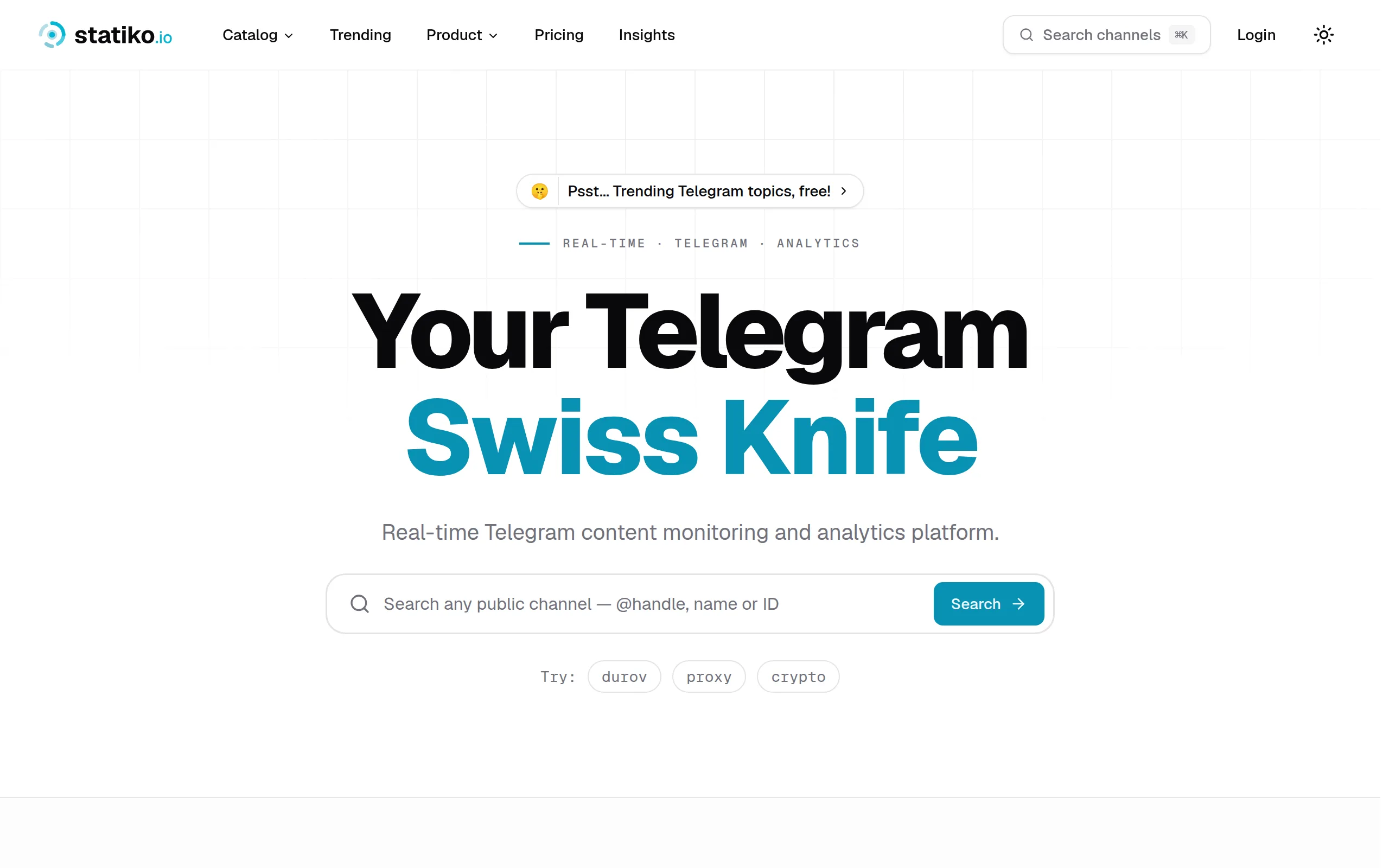
Statiko
Monitor any Telegram channel in real time - track posts, edits, deletions, and growth with AI recaps 📡
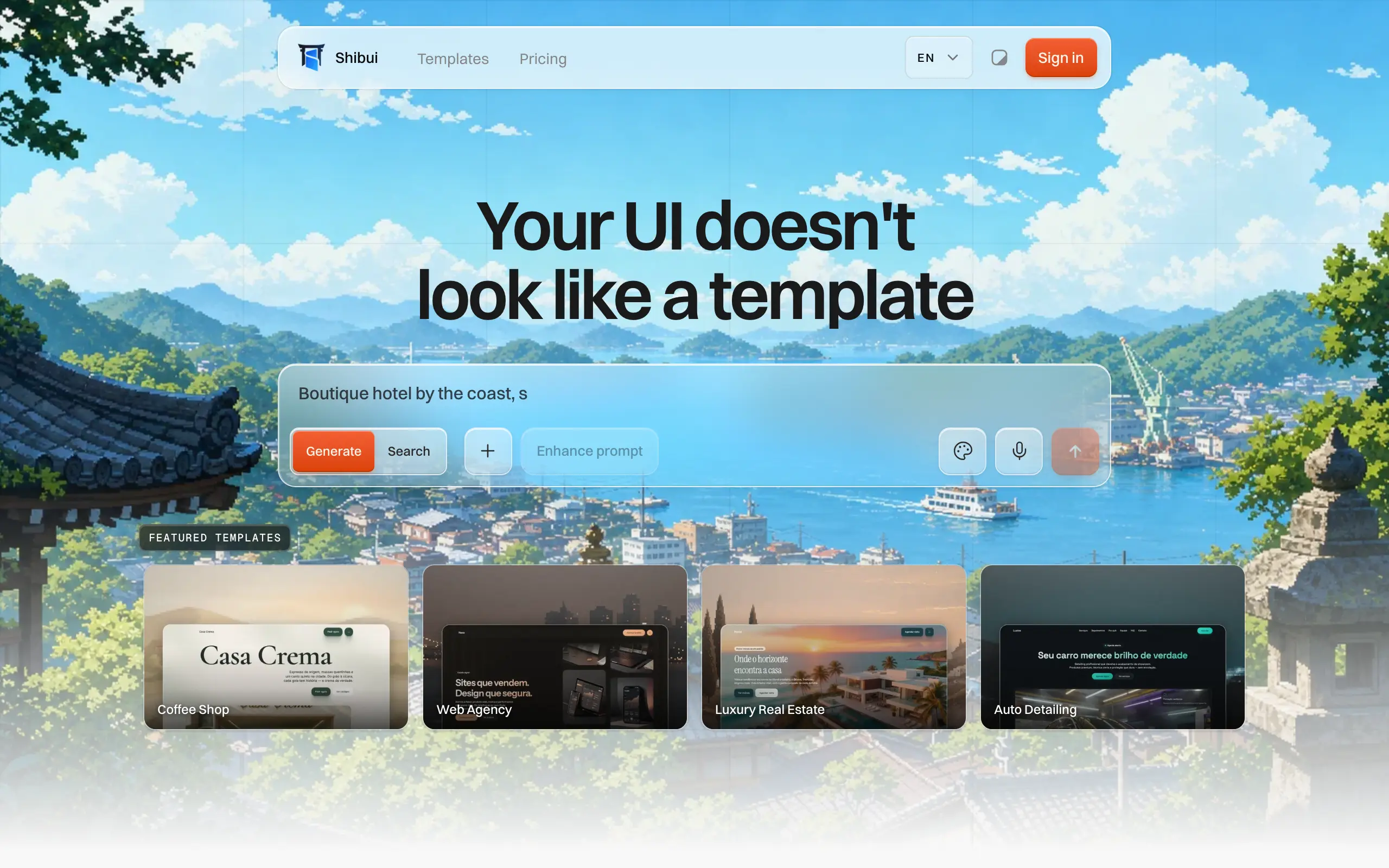
Shibui
AI website builder - describe your business, pick a niche template, edit by chatting, and publish instantly ✨
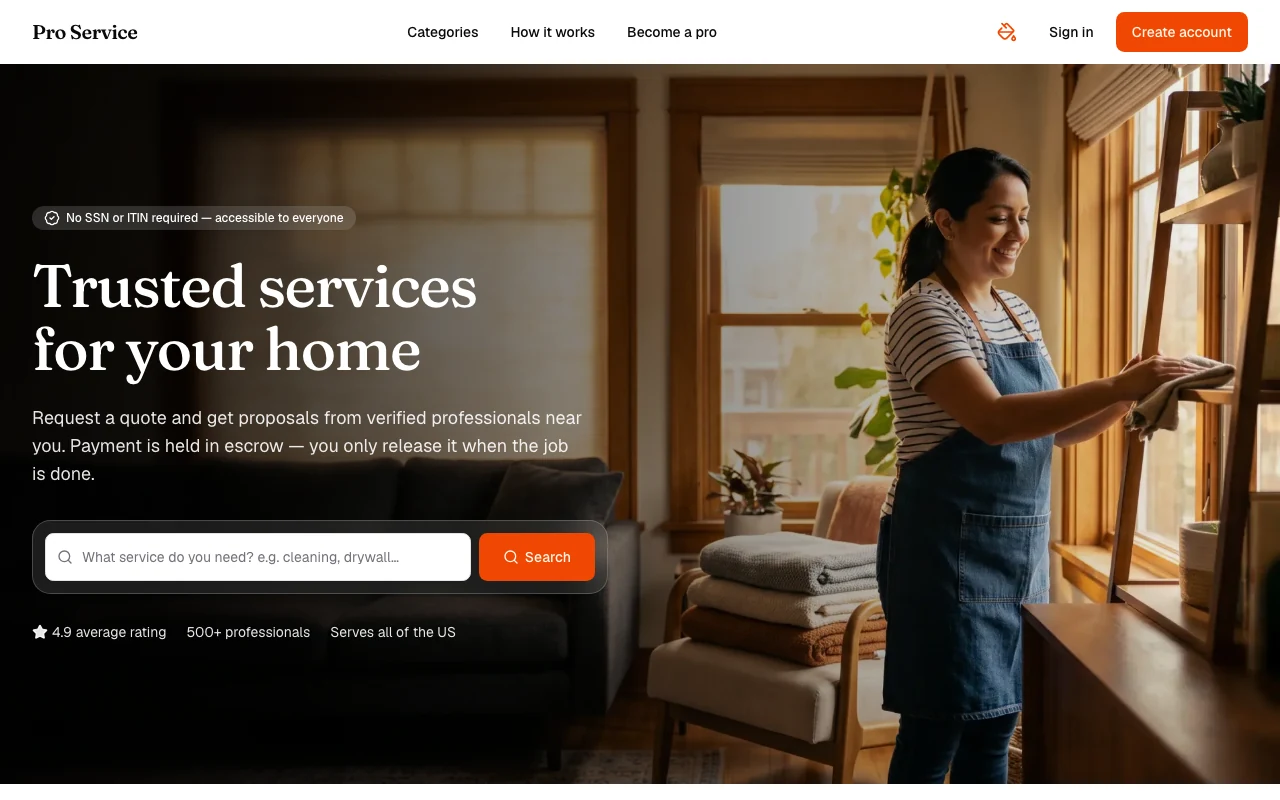
Pro Service
Find verified home service professionals, compare quotes, and pay securely through escrow - built for Brazilians across the US 🏠
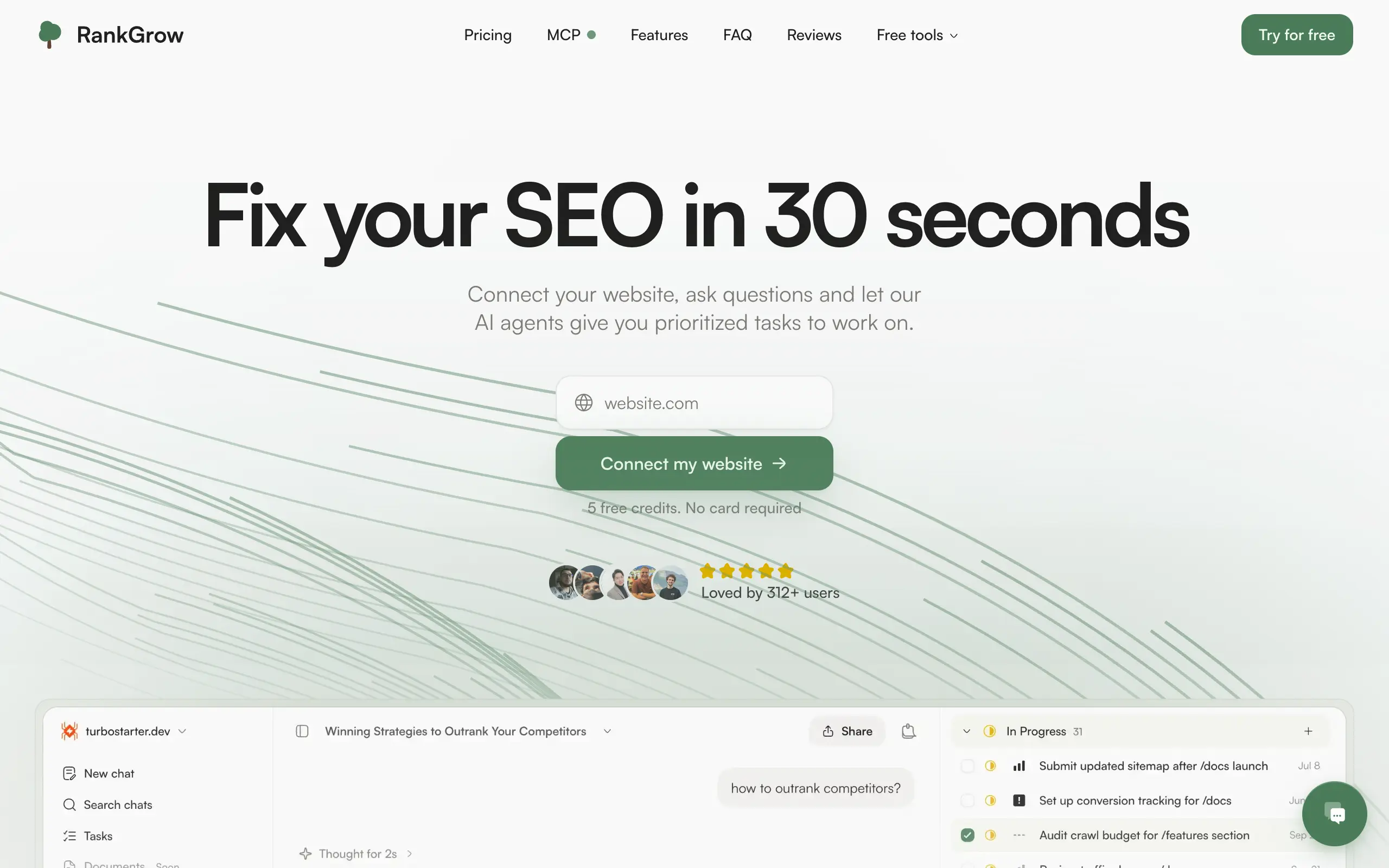
RankGrow
Fix your SEO with AI agents - connect Search Console, get prioritized tasks, and grow organic traffic 📈
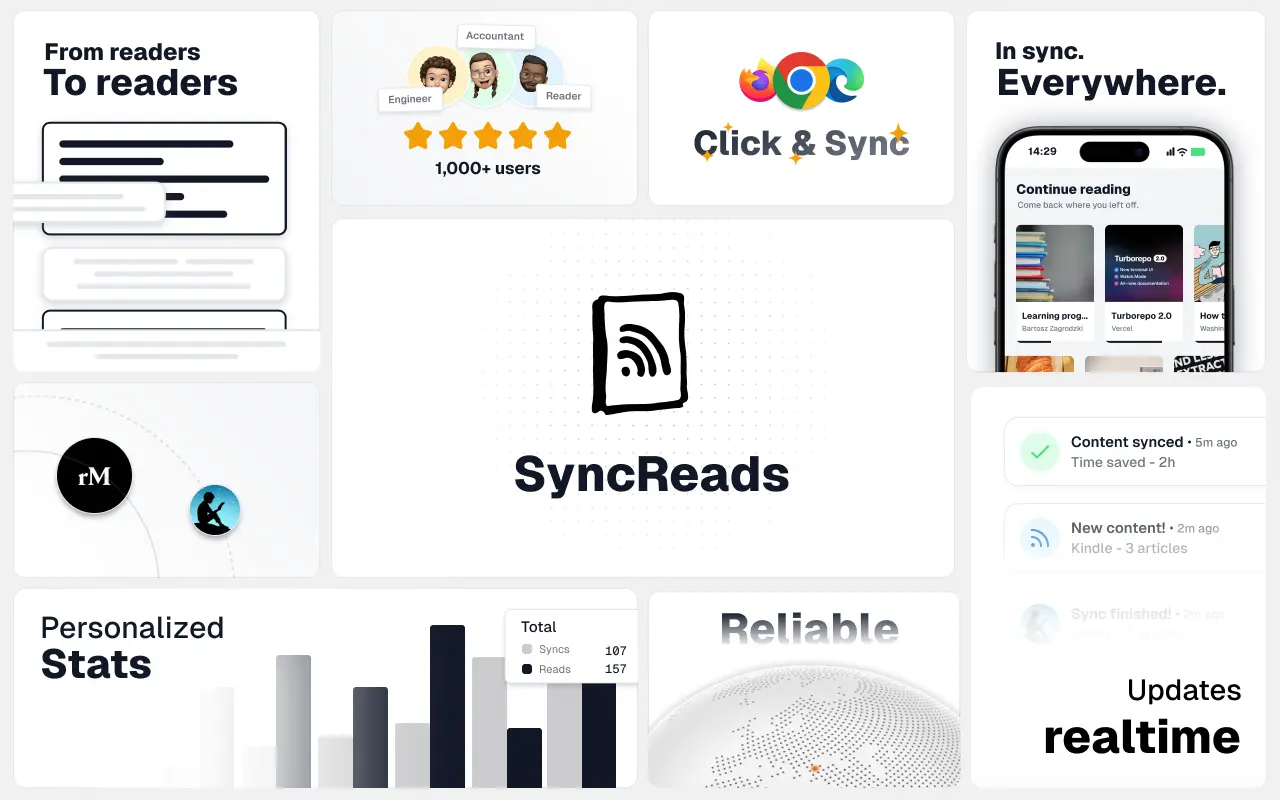
SyncReads
Sync your favorite content for distraction-free reading, save time and replace multiple apps. Anytime, anywhere 🔄
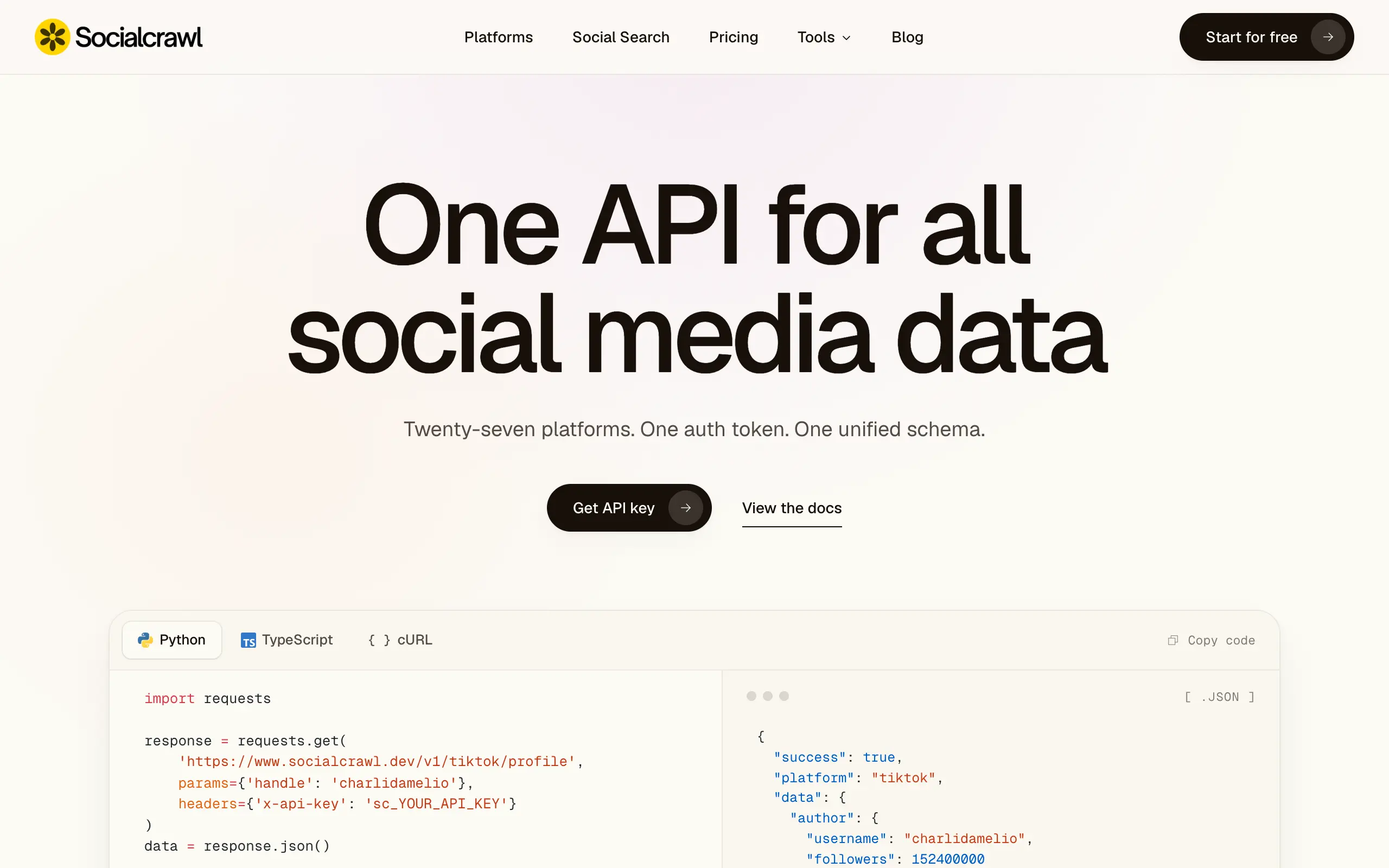
Socialcrawl
Get clean, structured data from 21 platforms like TikTok, Instagram, and YouTube with a single request 📊
Statiko
Monitor any Telegram channel in real time - track posts, edits, deletions, and growth with AI recaps 📡
Shibui
AI website builder - describe your business, pick a niche template, edit by chatting, and publish instantly ✨
Pro Service
Find verified home service professionals, compare quotes, and pay securely through escrow - built for Brazilians across the US 🏠
RankGrow
Fix your SEO with AI agents - connect Search Console, get prioritized tasks, and grow organic traffic 📈
SyncReads
Sync your favorite content for distraction-free reading, save time and replace multiple apps. Anytime, anywhere 🔄
Socialcrawl
Get clean, structured data from 21 platforms like TikTok, Instagram, and YouTube with a single request 📊
Statiko
Monitor any Telegram channel in real time - track posts, edits, deletions, and growth with AI recaps 📡
Shibui
AI website builder - describe your business, pick a niche template, edit by chatting, and publish instantly ✨
Pro Service
Find verified home service professionals, compare quotes, and pay securely through escrow - built for Brazilians across the US 🏠
RankGrow
Fix your SEO with AI agents - connect Search Console, get prioritized tasks, and grow organic traffic 📈
SyncReads
Sync your favorite content for distraction-free reading, save time and replace multiple apps. Anytime, anywhere 🔄
Socialcrawl
Get clean, structured data from 21 platforms like TikTok, Instagram, and YouTube with a single request 📊
Statiko
Monitor any Telegram channel in real time - track posts, edits, deletions, and growth with AI recaps 📡
Shibui
AI website builder - describe your business, pick a niche template, edit by chatting, and publish instantly ✨
Pro Service
Find verified home service professionals, compare quotes, and pay securely through escrow - built for Brazilians across the US 🏠
RankGrow
Fix your SEO with AI agents - connect Search Console, get prioritized tasks, and grow organic traffic 📈
SyncReads
Sync your favorite content for distraction-free reading, save time and replace multiple apps. Anytime, anywhere 🔄
Socialcrawl
Get clean, structured data from 21 platforms like TikTok, Instagram, and YouTube with a single request 📊
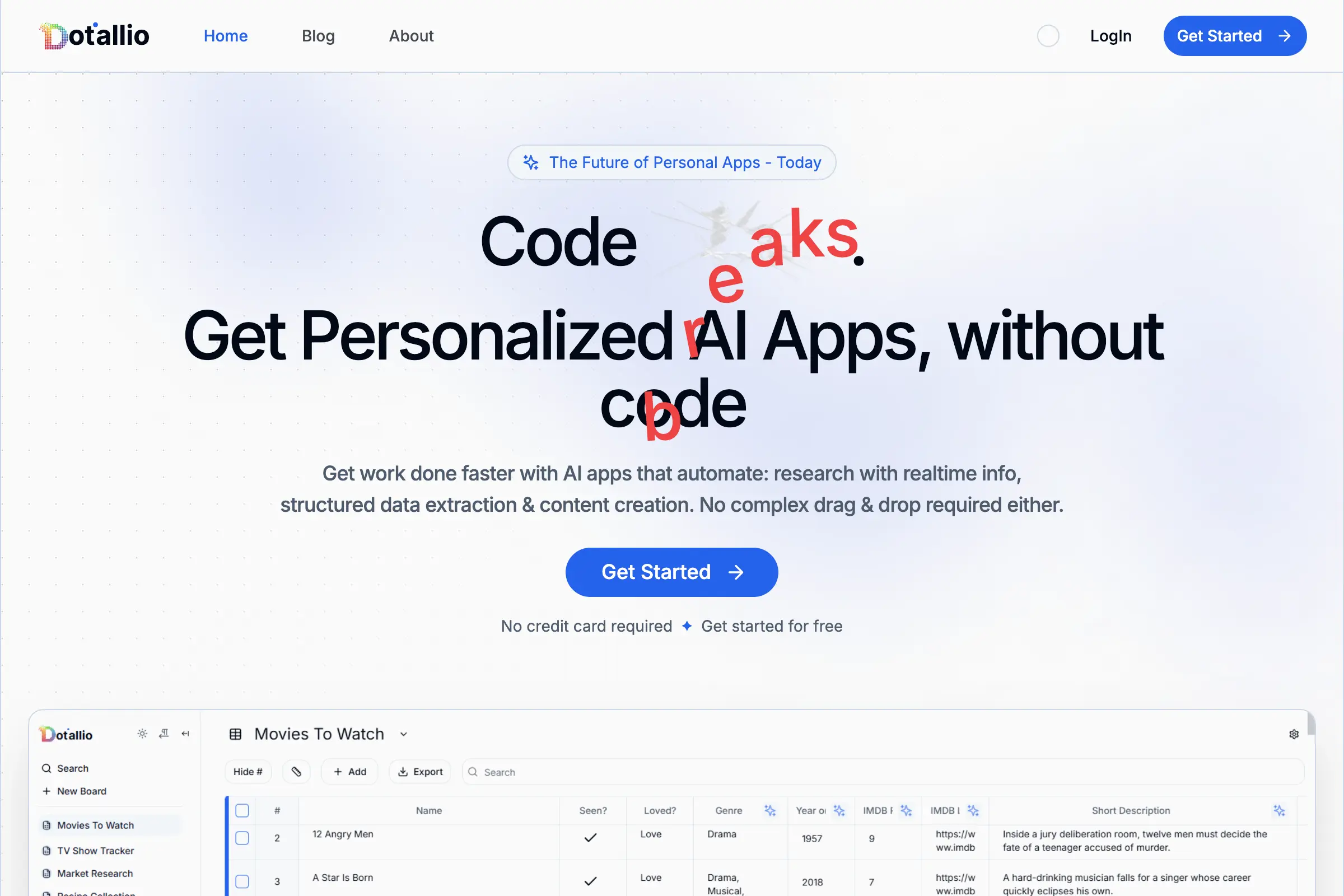
Dotallio
Personalized AI apps that automate research, data extraction, and content creation without code 🤖
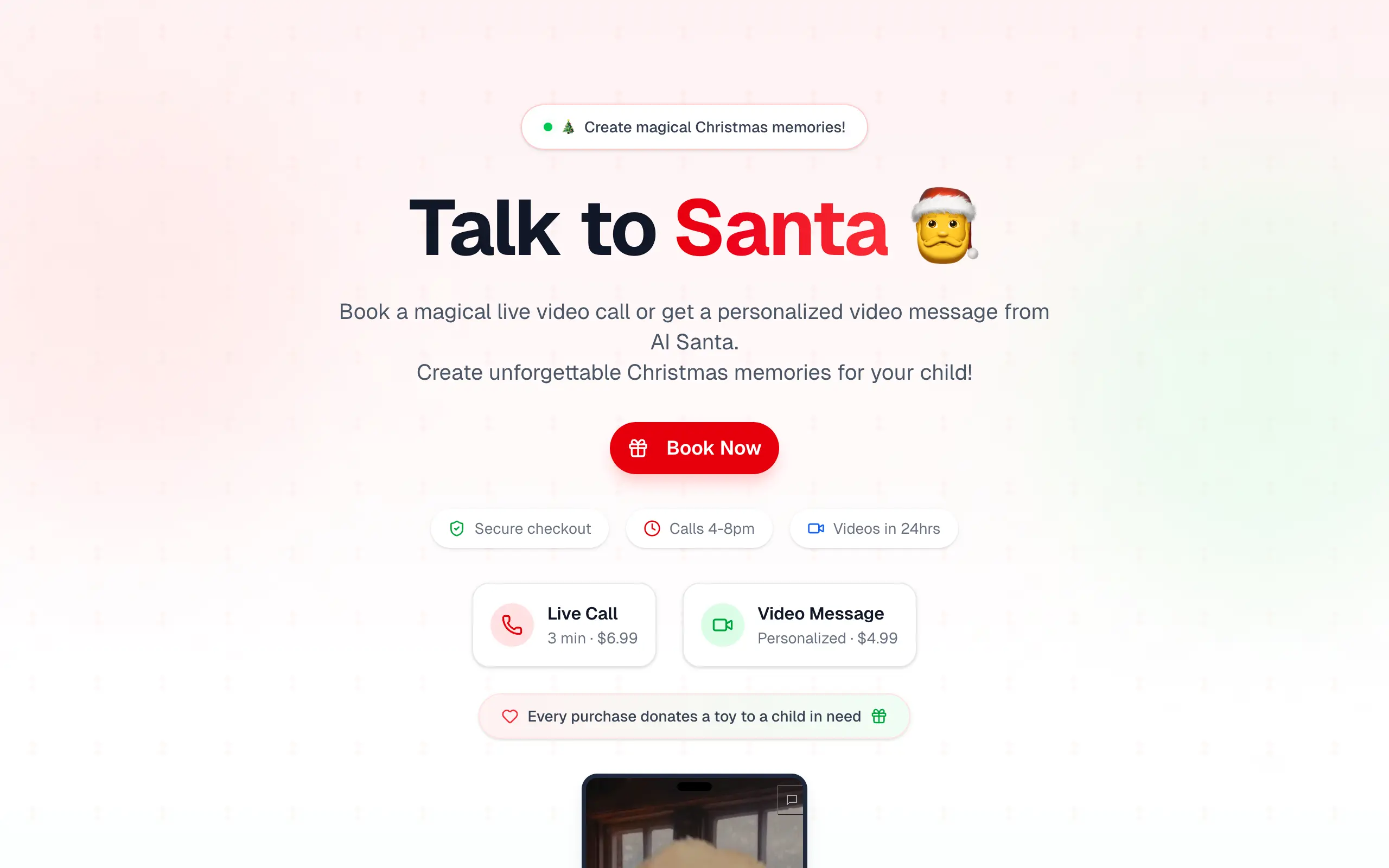
Talk to Santa
Enjoy a magical live video chat or receive a unique AI-generated video greeting from Santa Claus 🎅
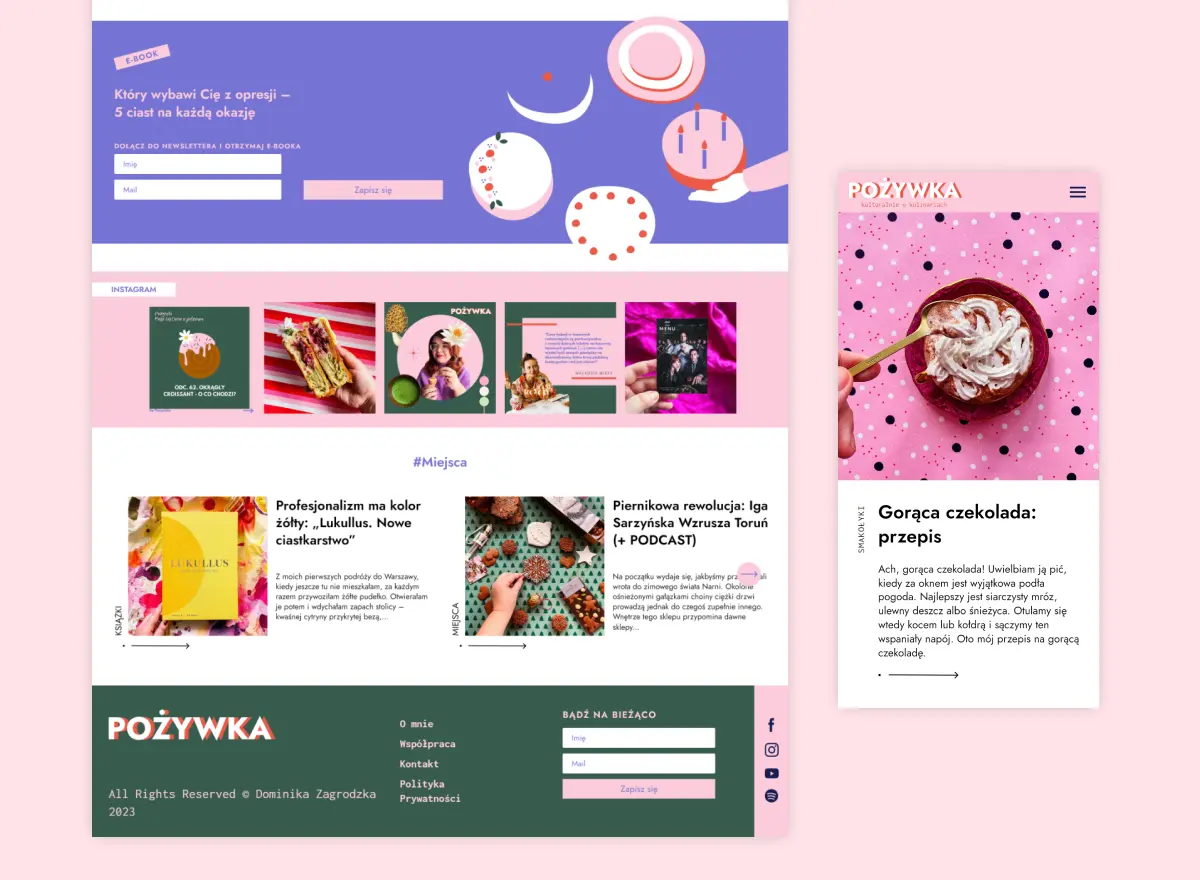
pozywka.pl
Scalable blog for food journalist, focused on performance and user experience 🌭
zagrodzki.me
Personal blog and portfolio of Bart Zagrodzki, where he shares his knowledge and work 💼
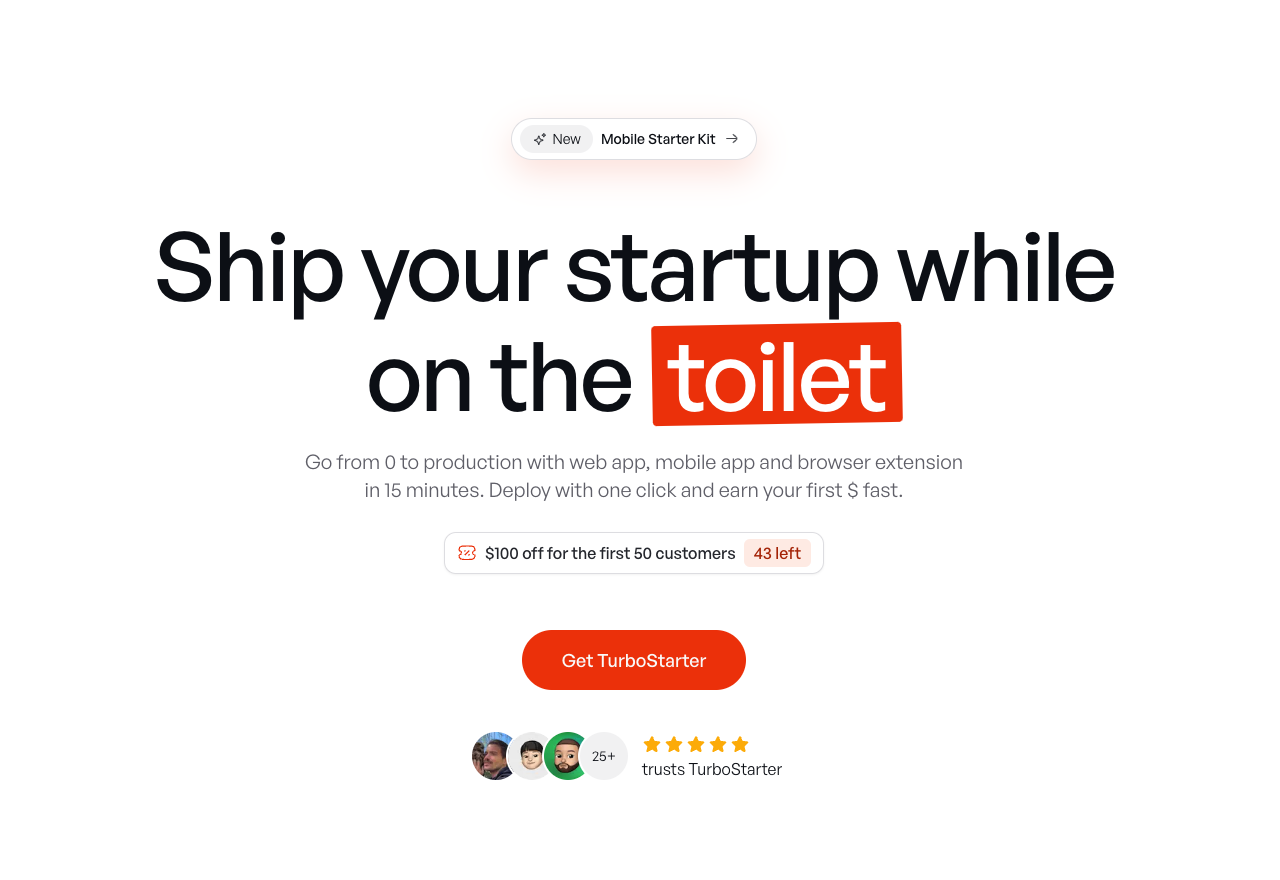
TurboStarter
Ship your startup everywhere. In minutes.
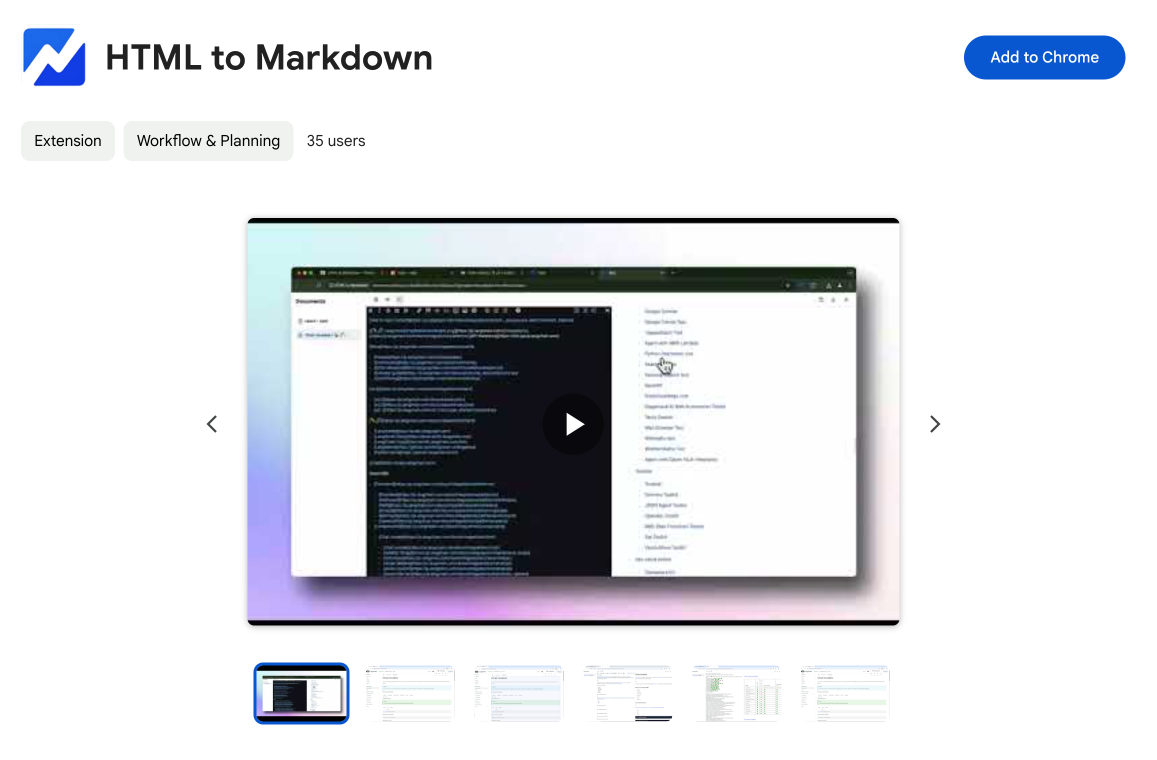
HTML to Markdown
Convert HTML to Markdown with ease, directly in your browser 📄
Dotallio
Personalized AI apps that automate research, data extraction, and content creation without code 🤖
Talk to Santa
Enjoy a magical live video chat or receive a unique AI-generated video greeting from Santa Claus 🎅
pozywka.pl
Scalable blog for food journalist, focused on performance and user experience 🌭
zagrodzki.me
Personal blog and portfolio of Bart Zagrodzki, where he shares his knowledge and work 💼
TurboStarter
Ship your startup everywhere. In minutes.
HTML to Markdown
Convert HTML to Markdown with ease, directly in your browser 📄
Dotallio
Personalized AI apps that automate research, data extraction, and content creation without code 🤖
Talk to Santa
Enjoy a magical live video chat or receive a unique AI-generated video greeting from Santa Claus 🎅
pozywka.pl
Scalable blog for food journalist, focused on performance and user experience 🌭
zagrodzki.me
Personal blog and portfolio of Bart Zagrodzki, where he shares his knowledge and work 💼
TurboStarter
Ship your startup everywhere. In minutes.
HTML to Markdown
Convert HTML to Markdown with ease, directly in your browser 📄
Dotallio
Personalized AI apps that automate research, data extraction, and content creation without code 🤖
Talk to Santa
Enjoy a magical live video chat or receive a unique AI-generated video greeting from Santa Claus 🎅
pozywka.pl
Scalable blog for food journalist, focused on performance and user experience 🌭
zagrodzki.me
Personal blog and portfolio of Bart Zagrodzki, where he shares his knowledge and work 💼
TurboStarter
Ship your startup everywhere. In minutes.
HTML to Markdown
Convert HTML to Markdown with ease, directly in your browser 📄
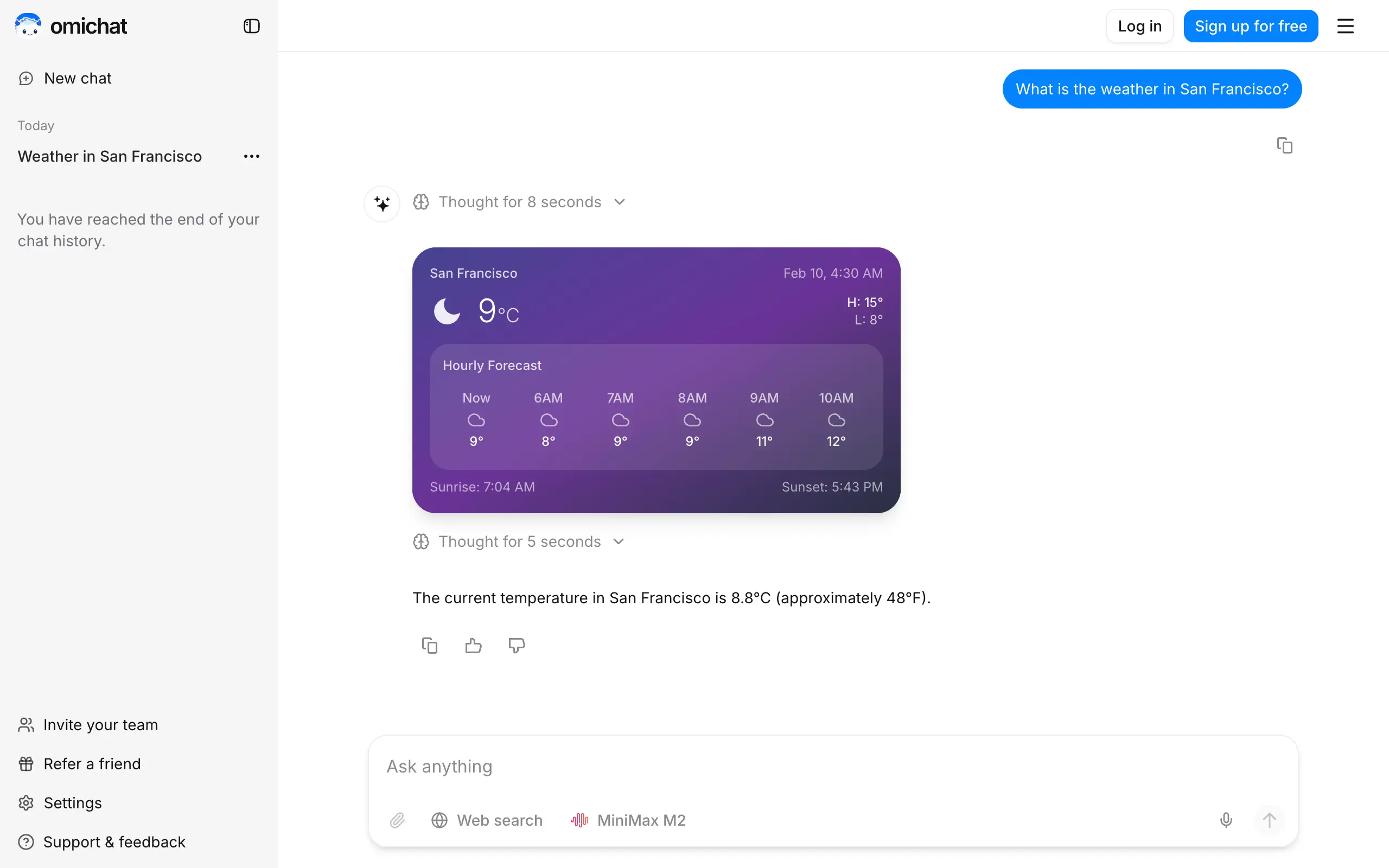
Omichat
Chat with 50+ AI models, including ChatGPT and Claude, in one place - switch models anytime without losing context 🤖
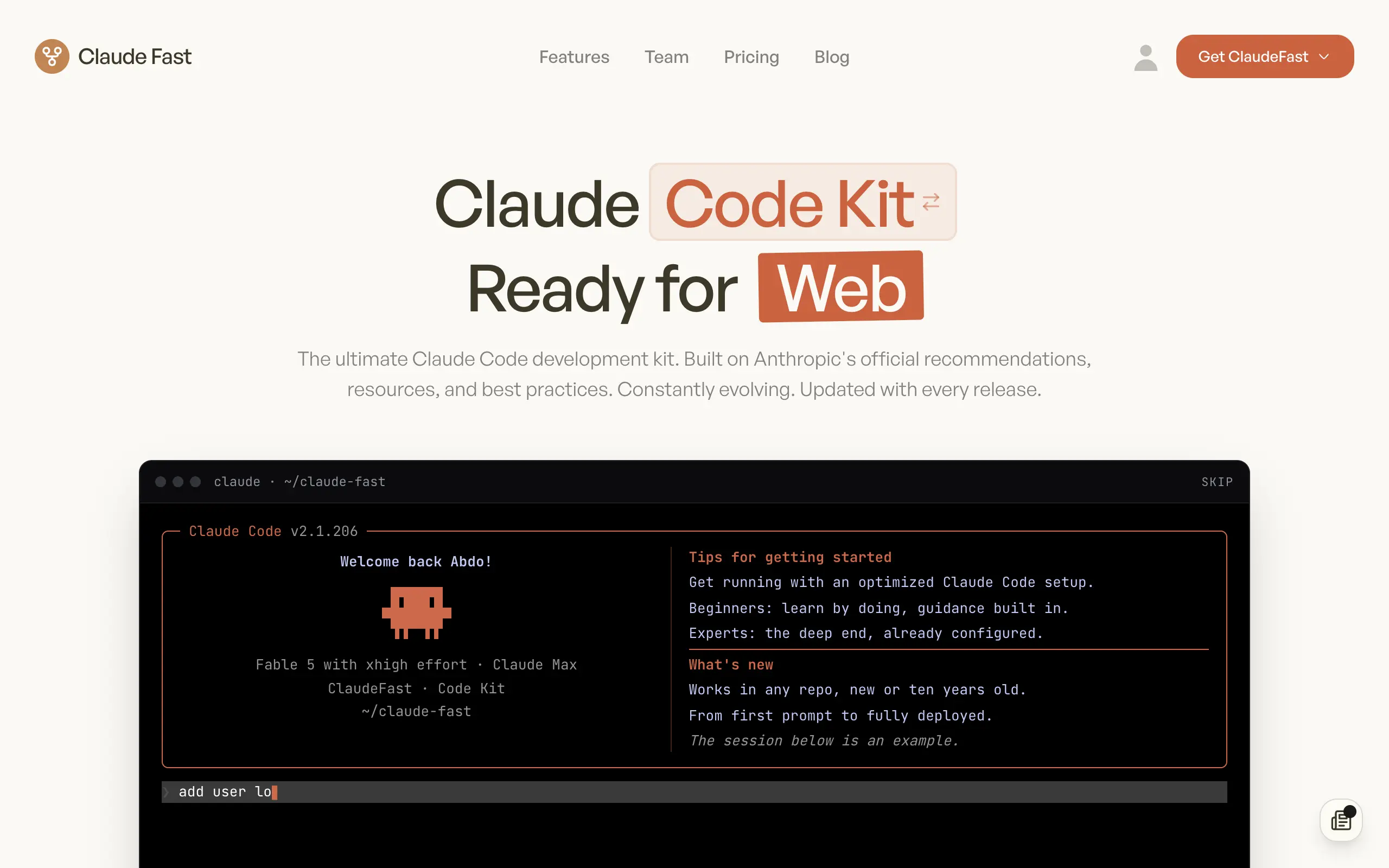
Claude Fast
Supercharge your Claude Code with 6x effective context window and specialized AI agents 🤖
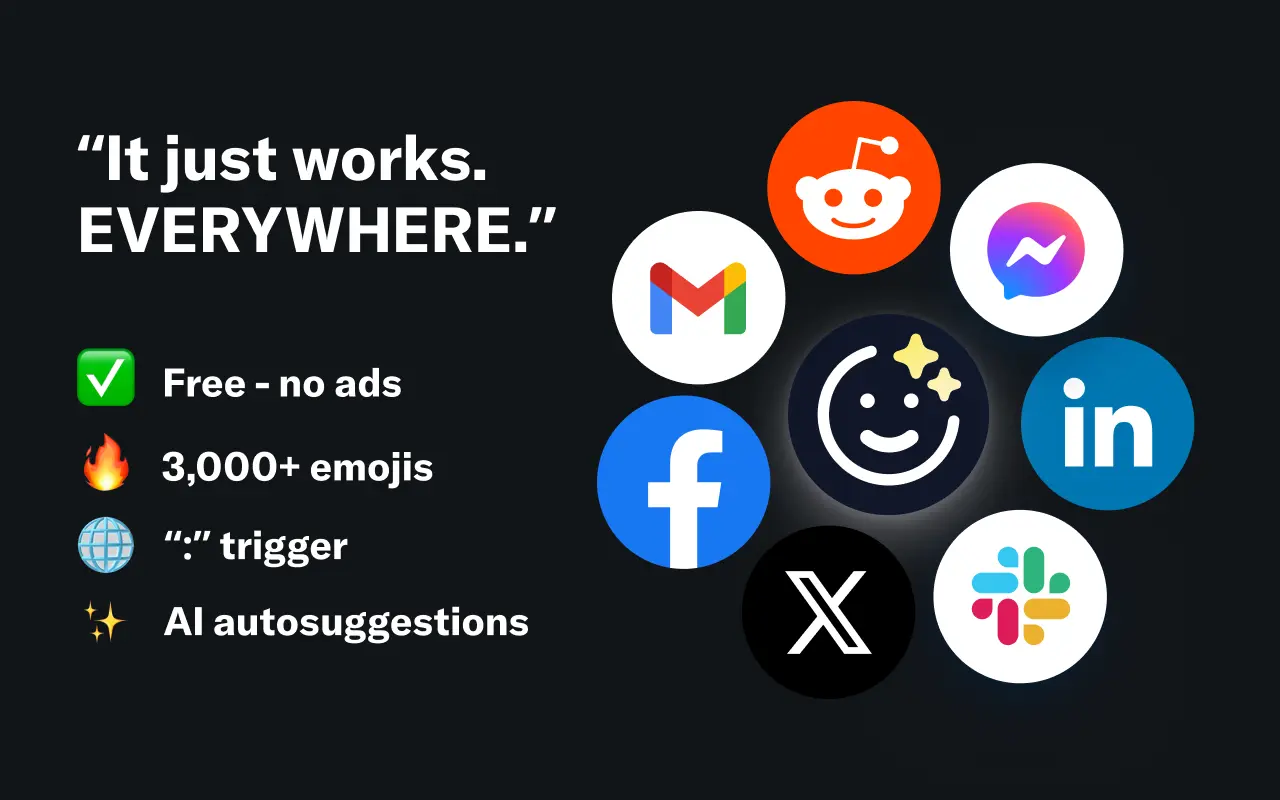
EmojAI
AI-powered emoji picker with smart, context-aware suggestions 🤖
Solohacker
Autonomous company launcher - AI agents work 24/7, escalate what matters, and you stay in control 🤖
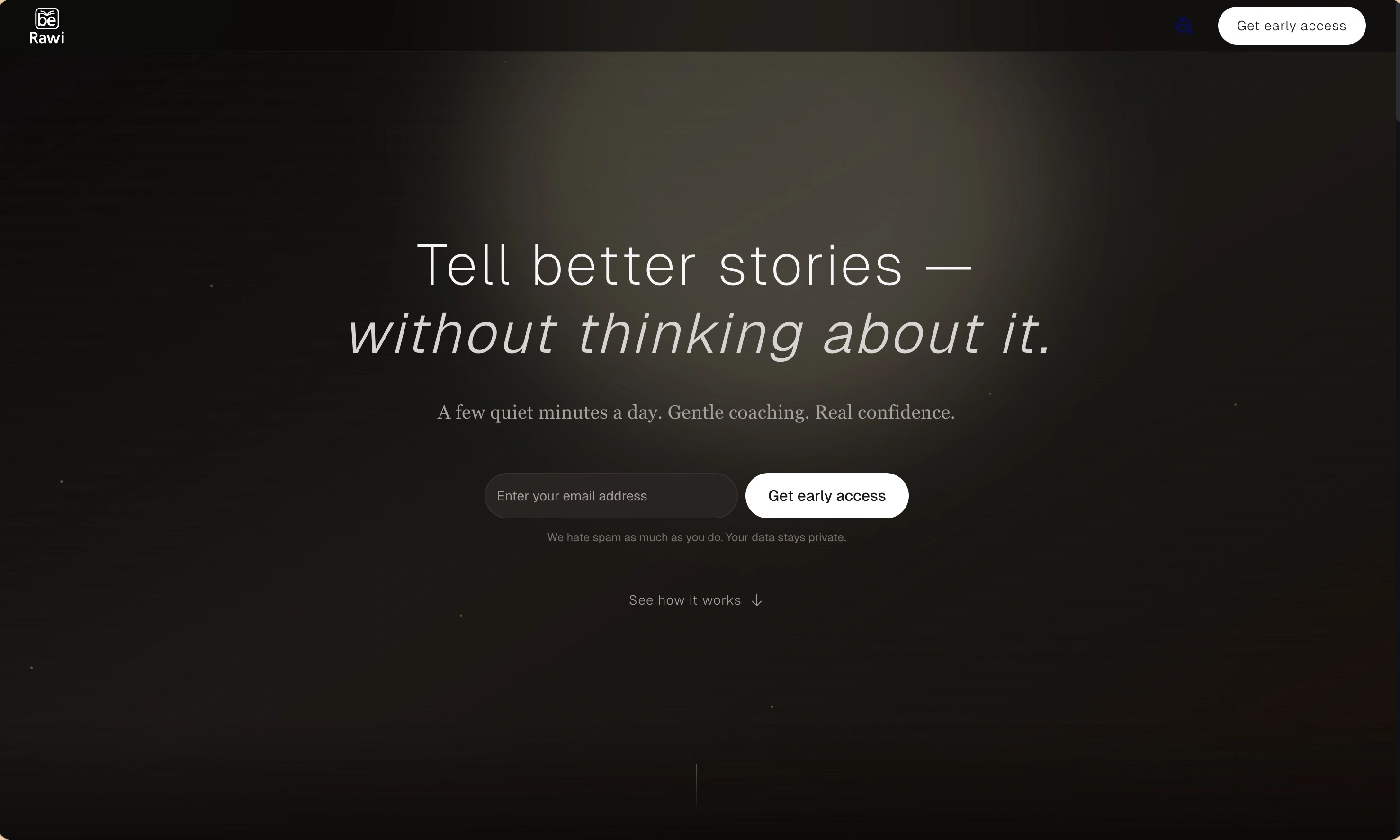
BeRawi: Storytelling Coach
Practice storytelling daily with instant feedback to sound clearer, more engaging, and confident 🎤
Omichat
Chat with 50+ AI models, including ChatGPT and Claude, in one place - switch models anytime without losing context 🤖
Claude Fast
Supercharge your Claude Code with 6x effective context window and specialized AI agents 🤖
EmojAI
AI-powered emoji picker with smart, context-aware suggestions 🤖
Solohacker
Autonomous company launcher - AI agents work 24/7, escalate what matters, and you stay in control 🤖
BeRawi: Storytelling Coach
Practice storytelling daily with instant feedback to sound clearer, more engaging, and confident 🎤
Omichat
Chat with 50+ AI models, including ChatGPT and Claude, in one place - switch models anytime without losing context 🤖
Claude Fast
Supercharge your Claude Code with 6x effective context window and specialized AI agents 🤖
EmojAI
AI-powered emoji picker with smart, context-aware suggestions 🤖
Solohacker
Autonomous company launcher - AI agents work 24/7, escalate what matters, and you stay in control 🤖
BeRawi: Storytelling Coach
Practice storytelling daily with instant feedback to sound clearer, more engaging, and confident 🎤
Omichat
Chat with 50+ AI models, including ChatGPT and Claude, in one place - switch models anytime without losing context 🤖
Claude Fast
Supercharge your Claude Code with 6x effective context window and specialized AI agents 🤖
EmojAI
AI-powered emoji picker with smart, context-aware suggestions 🤖
Solohacker
Autonomous company launcher - AI agents work 24/7, escalate what matters, and you stay in control 🤖
BeRawi: Storytelling Coach
Practice storytelling daily with instant feedback to sound clearer, more engaging, and confident 🎤

Connect with like-minded people
Join our community to get feedback, support, and grow together with 1,000+ builders on board, let's ship it!
Join usShip your startup everywhere. In minutes.
Don't burn tokens on setup and start building features on day one.