SystemCraft
Practice software architecture through interactive distributed-systems challenges, failure simulations, and an AI tutor. Build practical system-design skills at your own pace.
Why SystemCraft addresses a real learning gap
SystemCraft is a proposed interactive platform for practicing software architecture through distributed-systems challenges, failure simulations, and an AI tutor. Its central promise is simple: help learners build system-design skills by making architectural decisions, seeing what breaks, and improving their designs—not just by watching videos or memorizing interview frameworks.
That distinction matters because system design is difficult to learn from explanation alone. A learner can understand why a queue helps absorb traffic spikes, yet still struggle to decide when to introduce one, how to handle duplicate messages, or what to do when a dependency becomes unavailable. SystemCraft can turn those decisions into practical exercises with consequences.
The product sits at the intersection of several familiar needs:
- Engineers preparing for system design interviews
- Developers who want to take on more architecture responsibility
- Computer science students looking for practical distributed-systems experience
- Self-taught developers who need a structured path beyond tutorials
- Engineering teams that want consistent, hands-on learning
The strongest version of SystemCraft would not try to replace production cloud environments or promise that simulations perfectly predict real-world behavior. Instead, it would provide a safe, repeatable practice environment for learning how systems behave under load, partial failure, and changing requirements.
The target audience for SystemCraft
A clear audience helps determine the product’s curriculum, pricing, challenge difficulty, and marketing. SystemCraft can serve multiple learner groups, but it should avoid treating them as one generic “developer” persona.
Software engineers preparing for system design interviews
Interview candidates are likely to be an important early audience. They often need to explain trade-offs involving scalability, latency, availability, storage, and consistency under time pressure. Many have read system design guides but lack a place to practice making decisions and receiving feedback.
For this audience, SystemCraft should provide:
- Interview-style prompts with clear constraints
- A structured way to move from requirements to architecture
- Timed practice sessions, if learners want them
- Feedback on trade-offs and missing failure scenarios
- Reusable diagrams or architecture summaries
- Explanations that distinguish strong reasoning from a single “correct” answer
The product should be careful not to frame system design as a checklist of buzzwords. Interview preparation is most valuable when learners practice explaining why a design fits the constraints, not merely naming databases, queues, or caches.
Developers growing into senior or staff-level roles
Engineers moving into higher-responsibility roles may already know how to build services but want more confidence making decisions across systems. Their learning goal is broader than passing an interview. They need to reason about operational risk, migration plans, ownership boundaries, and how architecture decisions affect teams.
SystemCraft can serve these learners with longer scenarios that evolve over time. A challenge might begin with a small application and introduce new constraints as the learner progresses: traffic grows, a regional dependency becomes unreliable, or a data-retention requirement changes.
Students and self-taught developers
A textbook or lecture can explain distributed-systems concepts, but learners may struggle to connect them to practical engineering decisions. SystemCraft can bridge that gap by pairing short explanations with hands-on challenges.
For this group, clear prerequisites and supportive explanations are especially important. The platform should label what learners are expected to know and offer refreshers when an exercise depends on concepts such as replication, partitioning, or idempotency.
Teams and engineering managers
Although the idea is B2C, a team offering could become a useful expansion. Engineering managers may want a way to support professional development without assembling a custom curriculum. A team plan could include cohort exercises, private progress reporting, or shared challenge paths.
This should be treated as a future segment rather than the MVP’s starting point. Selling to teams adds requirements around administration, access management, reporting, and procurement. The initial product can still be designed so that team features are possible later without distracting from individual learners.
The market opportunity and learning gap
The opportunity for SystemCraft is not simply “more online courses.” It is the gap between understanding a concept and being able to apply it to an unfamiliar system.
Existing ways to learn architecture each have strengths, but they often leave some practice needs unmet:
- Books and articles can explain concepts in depth, but usually cannot respond to a learner’s specific design.
- Video courses provide structure and demonstrations, but learners may remain passive.
- Interview question banks provide prompts, but often rely on the learner to evaluate their own answers.
- Cloud sandboxes offer realism, but may require setup, cloud knowledge, and careful cost management.
- Production experience is highly valuable, but failures can be expensive and difficult to reproduce safely.
SystemCraft can occupy a practical middle ground: more interactive than reading, more structured than an open-ended sandbox, and safer and more repeatable than experimenting on production systems.
A useful product principle is to teach reasoning under constraints. Rather than asking only “How would you design a URL shortener?”, a challenge can ask learners to make decisions based on explicit traffic, latency, consistency, budget, and availability requirements. It can then introduce a failure or a changed requirement and ask them to adapt.
That approach also creates a stronger content strategy. Searchers looking for “system design practice,” “distributed systems exercises,” “architecture interview prep,” or “how to learn system design” are often looking for actionable learning, not another abstract definition. SystemCraft’s educational content can answer those questions and lead naturally into interactive practice.
When publishing market-size or learning-effectiveness claims, the company should cite current, credible research and state what the research actually measures. Avoid unsupported claims such as guaranteed interview success or a specific percentage improvement in architecture skill.
SystemCraft’s core product experience
A compelling SystemCraft session should feel like a guided engineering investigation. The learner receives a scenario, makes a decision, observes the result, and gets help understanding the trade-offs.
1. A structured challenge brief
Each challenge should begin with a concise description of the system and its goals. Include functional requirements, non-functional requirements, constraints, and known assumptions.
For example, a challenge might ask the learner to design a service that accepts events from multiple producers and makes them available to downstream consumers. The brief could specify expected throughput, delivery expectations, retention needs, and how quickly new consumers should be able to catch up.
Good challenge briefs make constraints explicit while leaving room for multiple valid architectures. If a requirement is ambiguous, the learner should be able to ask clarifying questions or choose an assumption and see how that choice affects the design.
2. Incremental architecture decisions
SystemCraft should break complex design work into manageable decisions. Depending on the exercise, learners might choose:
- How clients interact with the service
- Where requests are authenticated and rate-limited
- How data is written and read
- Whether work should be synchronous or asynchronous
- How the system behaves when a dependency fails
- How the design changes as load increases
The product should avoid turning every challenge into a fixed sequence of multiple-choice questions. A mix of diagrams, short written explanations, configuration choices, and structured decision prompts will better reflect how engineers actually think.
3. Failure simulations with visible consequences
Failure simulation is one of SystemCraft’s most distinctive potential features. Instead of describing a failure in prose, the platform can let learners introduce or respond to events such as:
- A database replica lagging behind the primary
- A queue growing faster than consumers can process it
- A service timing out while its dependency remains slow
- A cache becoming unavailable or serving stale data
- A network partition separating parts of the system
- A retry storm amplifying an upstream outage
The simulation should make cause and effect understandable. If a learner configures aggressive retries, the platform can show how request volume rises under a slow dependency. If the learner selects a queue, the platform can demonstrate buffering while also highlighting delayed processing and backlog growth.
The first version does not need to simulate every detail of a real cloud platform. A carefully designed model of a few core system behaviors is more valuable than a large collection of superficial toggles.
4. An AI tutor that explains, not just answers
An AI tutor can make practice more accessible by responding to questions in context. It might explain a concept, point out an unaddressed failure mode, or ask a learner to justify a trade-off.
For example, instead of immediately presenting the “best” design, the tutor could ask:
- What happens if a consumer processes the same event twice?
- Does this requirement need strong consistency, or is eventual consistency acceptable?
- Which part of this design becomes the bottleneck first?
- What assumption would you validate before choosing this storage model?
The tutor should support learning rather than replace the learner’s reasoning. Useful safeguards include grounding responses in approved course material, identifying uncertainty, and separating objective scenario constraints from architectural recommendations. AI-generated feedback should be reviewed against a rubric, especially when it evaluates correctness or makes strong claims about distributed-systems behavior.
5. A post-challenge review
After each exercise, SystemCraft should provide a review that shows:
- The learner’s chosen design and assumptions
- Important constraints they addressed or missed
- Alternative approaches and their trade-offs
- Failure modes that were not considered
- Suggested next exercises based on the learner’s performance
Feedback should distinguish between a factual error and a reasonable choice with different trade-offs. There is rarely one universally correct architecture. The review should explain which design fits the stated constraints and why.
An MVP that proves the learning loop
SystemCraft’s first release should prove that learners return to practice because the exercises help them think more clearly. It does not need a huge curriculum or a production-grade cloud simulator on day one.
A focused MVP could include:
- A learner profile and progress dashboard
- A small set of carefully reviewed challenges
- Several challenge types, such as architecture planning and failure response
- A lightweight architecture editor or structured design interface
- A deterministic simulation for a limited set of failure scenarios
- An AI tutor with scoped, context-aware assistance
- A review rubric and explanations for each challenge
- A way to collect feedback and identify confusing exercises
Start with a handful of scenarios that teach transferable concepts. For example, a request-heavy read service can teach caching and availability trade-offs, while an asynchronous processing challenge can teach queueing, retries, and idempotency.
The quality of the challenge design matters more than the number of challenges. Each exercise should have defined learning objectives, tested assumptions, expected decision branches, and a reviewed debrief. A small library of excellent exercises can establish trust more effectively than a large library of inconsistent content.
Recommended technology stack for SystemCraft
The best technology stack depends on whether SystemCraft’s simulation is primarily a guided interface, a set of deterministic models, or a true code-execution environment. For an MVP, a web application with server-side challenge logic is likely to offer a strong balance of speed, cost, and safety.
Frontend
A practical frontend could use React with TypeScript. React supports interactive challenge interfaces, while TypeScript can help make challenge schemas, learner responses, and simulation events more predictable.
A visual architecture editor can be built using established diagramming libraries, but the product should validate that learners benefit from drawing before investing heavily in a complex canvas. A structured interface with services, connections, and configuration choices may be enough to test the learning experience.
Backend and data
A TypeScript backend can share types with the frontend and support challenge APIs, progress tracking, tutor orchestration, and billing. A relational database such as PostgreSQL is a sensible default for users, challenge definitions, attempts, and structured feedback.
Challenge definitions should be versioned. If a challenge changes after a learner has started it, the platform needs to know which version was used for that attempt. This is especially important for fair progress reporting and reproducible feedback.
Simulation architecture
For the MVP, implement simulations as isolated, deterministic state transitions rather than running arbitrary learner code. A simulation might accept a system configuration and a sequence of events, then return metrics such as latency bands, request outcomes, queue depth, or availability indicators.
This approach offers several advantages:
- Lower infrastructure and cloud costs
- Easier reproduction of bugs
- More predictable feedback
- A smaller security attack surface
- Better control over challenge difficulty
The trade-off is reduced realism. A deterministic model cannot capture every behavior of a complex production environment. SystemCraft should be transparent about what a simulation represents and avoid presenting its results as a guarantee of real-world performance.
If the product later runs learner code, that feature requires a separate security design. Consider strict resource limits, ephemeral execution environments, network restrictions, abuse monitoring, and careful isolation. Do not run untrusted code directly inside the main application process.
AI and observability
The AI tutor should use a server-side integration so that credentials and policy controls are not exposed in the browser. Keep challenge context structured, limit the data sent to the model, and log enough information to diagnose poor answers without unnecessarily retaining sensitive learner content.
Application monitoring should cover errors, latency, simulation failures, and tutor response quality. OpenTelemetry provides an open standard for observability instrumentation. Monitoring is particularly useful when the product combines deterministic challenge logic with probabilistic AI responses.
Infrastructure and trade-offs
A managed application platform can help a small team launch quickly, while containers can make deployment more consistent as the product grows. Docker is a widely used option for containerization. Kubernetes may be appropriate if SystemCraft develops complex workloads and has the operational capacity to manage them, but it is often unnecessary for an early MVP.
The central stack decision is not whether to use the most sophisticated infrastructure. It is whether the architecture makes challenges reliable, safe, inexpensive to run, and easy to improve.
A competitive advantage built around deliberate practice
SystemCraft’s strongest potential differentiator is the combination of interactive architecture decisions, failure simulations, and contextual tutoring in one learning loop.
A comparison of learning approaches can clarify the positioning:
| Learning approach | Structured curriculum | Hands-on decisions | Failure practice | Contextual feedback |
|---|---|---|---|---|
| Books and articles | Often | Limited | Usually described | No |
| Video courses | Often | Varies | Usually demonstrated | Limited |
| Open cloud sandbox | Usually not | Yes | Possible | Usually limited |
| SystemCraft concept | Yes | Yes | Built into challenges | AI-assisted and rubric-based |
The comparison describes a product direction, not a claim that every existing course or platform lacks these capabilities. SystemCraft will need to validate its differentiation through learner interviews and actual usage.
Its defensible advantage is unlikely to come from AI alone. AI features can be copied, and general-purpose assistants can explain many architecture concepts. More durable advantages could come from:
- A high-quality, reviewed challenge library
- Simulation models that teach specific failure patterns
- Learning paths that build on previous decisions
- Feedback rubrics that reward sound reasoning
- Evidence about where learners commonly get stuck
- A trusted reputation for accurate, practical instruction
SystemCraft should compete on learning outcomes and instructional quality, not on the number of AI features.
Monetization strategies for a B2C system design platform
A freemium model is a natural starting point because learners may want to try a challenge before paying. The free experience should be useful enough to demonstrate the product’s value, while paid plans can offer deeper practice and convenience.
Freemium subscription
A free tier could include a small set of foundational challenges and limited tutor interactions. A paid individual plan might add advanced challenge paths, more simulation attempts, detailed reviews, and interview-focused practice.
The key metric is not simply free-to-paid conversion. SystemCraft should also monitor whether paying learners complete challenges, return to practice, and perceive the feedback as valuable.
Course or challenge packs
One-time purchases can work for learners who want a specific outcome, such as preparing for a particular interview cycle or learning the fundamentals of distributed systems. Challenge packs are easier to understand than a subscription for users who do not expect to practice every month.
Premium interview preparation
A higher-priced plan could offer timed mock sessions, structured feedback, progress reports, or curated plans for upcoming interviews. Avoid promising employment outcomes. Position this as focused practice rather than a guarantee of passing an interview.
Team plans as a later expansion
If individual learners show consistent engagement, SystemCraft could introduce team subscriptions with shared learning paths and cohort exercises. Organizations may value practice that teaches common architectural vocabulary, but this model brings sales, support, and compliance requirements. Validate the individual learning product before investing heavily in enterprise features.
Risks and how to reduce them
AI feedback may be inaccurate or overconfident
An AI tutor can provide an incorrect explanation or treat one architectural option as universally best. Mitigate this risk by grounding feedback in reviewed content, using explicit challenge rubrics, testing common learner responses, and making uncertainty visible.
Simulations may oversimplify real systems
A model that makes failure behavior too predictable can teach false confidence. Clearly explain simulation assumptions and use each exercise to teach a specific concept. Invite experienced engineers to review whether the scenario’s cause-and-effect relationships are plausible.
The product may become a content library without a learning loop
Adding more scenarios can feel like progress, but a larger library does not necessarily improve learning. Measure whether learners complete, revisit, and understand the exercises. Improve feedback and challenge sequencing before maximizing challenge count.
Learners may expect production-level realism
The word “simulation” can imply a faithful reproduction of cloud infrastructure. State what the platform models and what it does not. If SystemCraft later introduces live infrastructure, present it as a distinct product mode with its own costs, limitations, and safety controls.
User acquisition may be expensive
Interview preparation and online education are competitive categories. SystemCraft should build distribution through helpful technical content, community participation, partnerships with educators, and learner referrals rather than relying only on paid advertising.
Search-focused articles can target specific questions, such as how to practice system design, how to reason about queue backlogs, or what trade-offs to consider when choosing consistency models. Each article should provide genuine instruction and link readers to a relevant challenge when appropriate.
Learners may not trust progress scores
A single numerical “architecture score” can oversimplify a complex skill and make the product feel arbitrary. If SystemCraft uses scoring, explain what each score measures. Separate dimensions such as requirement coverage, failure awareness, and trade-off reasoning rather than presenting an unexplained overall grade.
How to validate demand before building too much
SystemCraft should validate both the problem and the proposed learning format. Useful early research includes interviews with interview candidates, developers who recently moved into architecture responsibilities, and engineers who teach or mentor others.
Ask participants about their recent behavior rather than relying only on hypothetical enthusiasm:
- How did they last prepare for a system design interview?
- Which parts of architecture practice felt hardest?
- What did they try when they got stuck?
- Have they paid for courses, coaching, or practice tools?
- What feedback would make them trust a learning platform?
A prototype can test whether learners understand the challenge brief, make meaningful decisions, and find the debrief useful. Measure completion and return behavior alongside qualitative feedback. A learner saying an idea is interesting is less persuasive than a learner returning to complete another challenge.
Actionable implementation steps
Choose one primary learner segment. Start with a clearly defined group, such as engineers preparing for system design interviews. Write down their current alternatives, motivations, and barriers to practice.
Design a small curriculum around measurable skills. Select a few transferable topics, such as caching, queue backpressure, idempotency, and dependency failure. Define what a learner should be able to explain or decide after each challenge.
Prototype the learning loop before building infrastructure. Test a challenge brief, decision interface, simulation result, and review with target users. Find out whether learners understand the feedback and want to continue.
Build deterministic simulations for the first scenarios. Keep the models narrow, explain their assumptions, and make outcomes reproducible. Avoid arbitrary code execution until there is a validated need and a robust security plan.
Add AI assistance with clear boundaries. Ground the tutor in reviewed materials, test it against representative answers, and make it prompt learners to reason rather than simply reveal solutions.
Instrument learning and product quality. Track challenge completion, repeat practice, support requests, simulation errors, and feedback quality. Use privacy-conscious data collection and explain what is retained.
Test pricing only after demonstrating value. Compare a free sample, a subscription, and focused challenge packs with real learners. Make the paid benefit specific and avoid relying on vague claims about career outcomes.
Publish useful educational content and expand deliberately. Create accurate resources around the problems learners already search for, then add challenges based on observed demand and learner performance.
For a faster route from idea to a working web product, TurboStarter can help with the SaaS foundation so the team can focus more of its time on SystemCraft’s distinctive challenge and simulation experience.
Frequently asked questions about SystemCraft
SystemCraft is a concept for an interactive system design learning platform. It combines distributed-systems challenges, failure simulations, and an AI tutor to help learners practice architecture decisions at their own pace.
The initial audience could include software engineers preparing for system design interviews, developers taking on greater architecture responsibilities, and self-taught learners seeking practical distributed-systems exercises. Team learning could be explored later.
A course often explains concepts through lessons and demonstrations. SystemCraft’s proposed differentiator is a practice loop in which learners make design choices, observe simulated outcomes, and receive feedback tied to the scenario’s constraints.
Not necessarily. A deterministic simulation can teach focused concepts such as retries, queue growth, and dependency failure with lower cost and risk. The platform should explain what each simulation models and avoid implying that it reproduces every behavior of a production system.
AI can help explain concepts and prompt further reasoning, but it should not be treated as an unquestionable authority. SystemCraft should ground tutor responses in reviewed material, use explicit feedback rubrics, test outputs, and recognize that multiple designs may be reasonable under different assumptions.
SystemCraft has a clear opportunity if it focuses on the hardest part of learning architecture: applying concepts to changing constraints and failure conditions. Its most credible path is to begin with a narrow audience, build a small set of excellent challenges, and measure whether learners return because the practice makes them more capable.
That focus can become a meaningful competitive advantage. A reliable learning loop—challenge, decision, consequence, and explanation—would give SystemCraft a stronger foundation than a broad collection of lessons or an AI tutor without a well-designed curriculum.
More 👥 B2C Application SaaS ideas
Discover more innovative b2c application SaaS ideas that are trending in 2026. Each idea is AI-generated with market validation and growth potential to help you find your next profitable venture faster than competitors.
Your competitors are building with TurboStarter
Below are some of the SaaS ideas that have been generated and built with our starter kit.
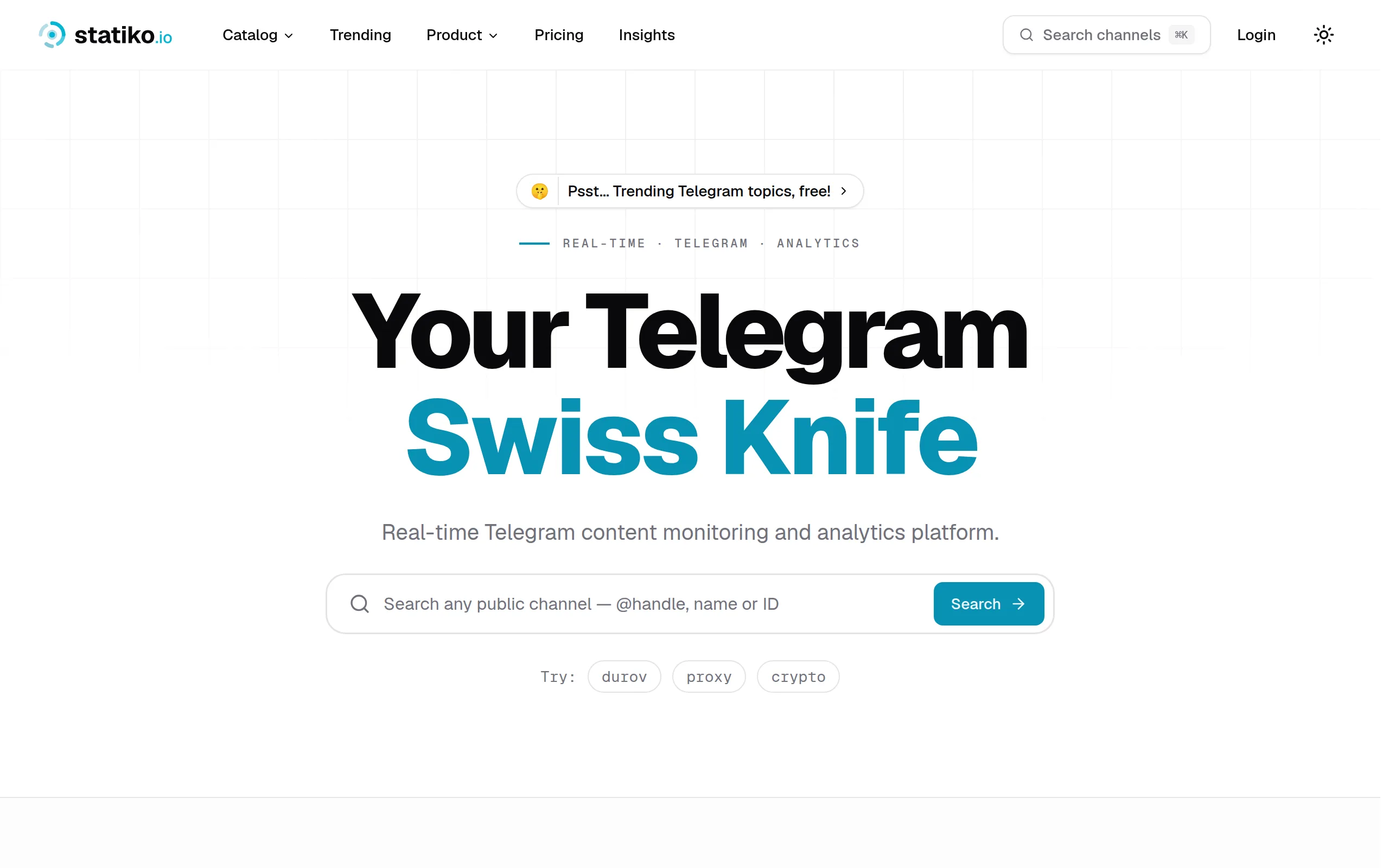
Statiko
Monitor any Telegram channel in real time - track posts, edits, deletions, and growth with AI recaps 📡
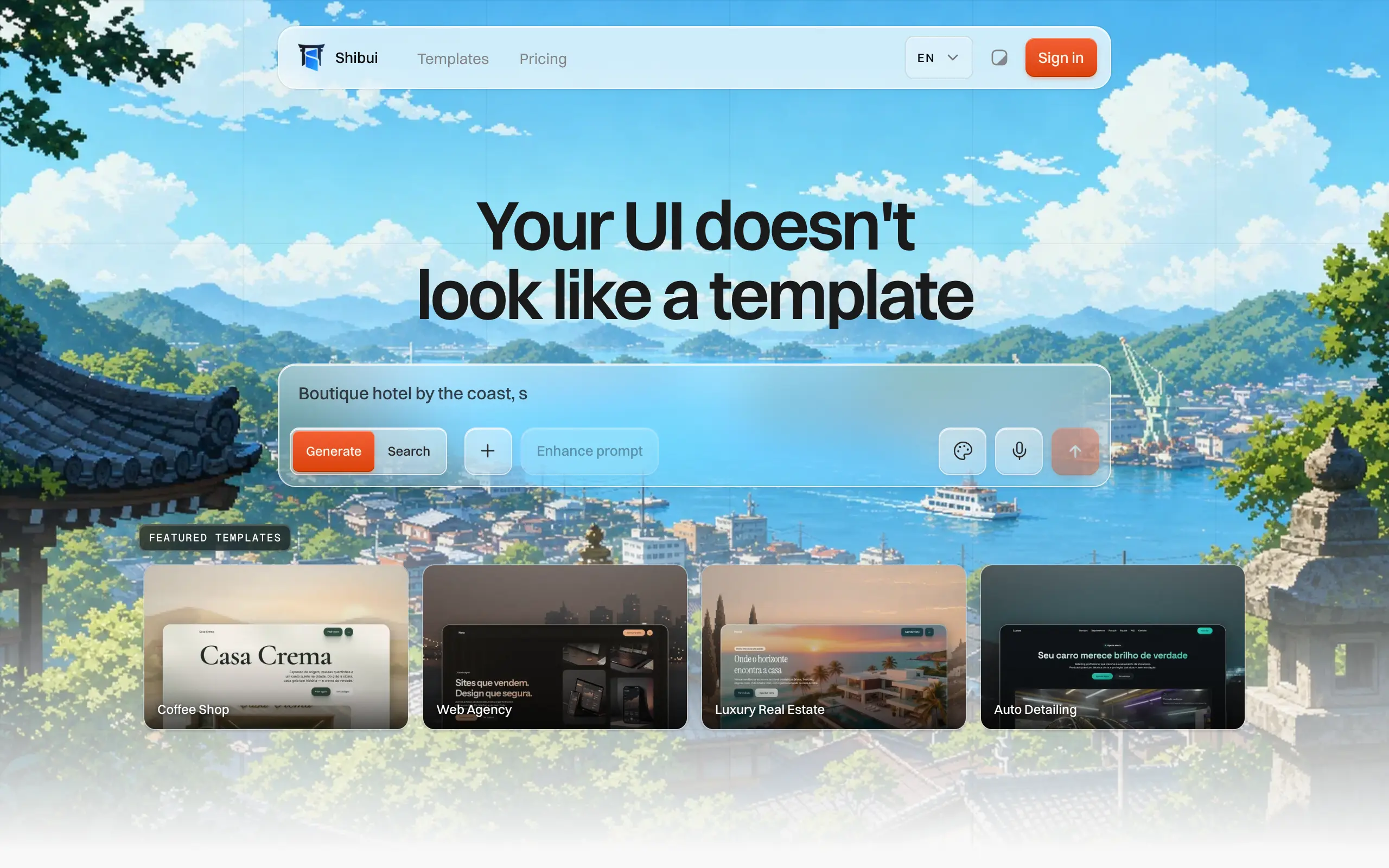
Shibui
AI website builder - describe your business, pick a niche template, edit by chatting, and publish instantly ✨

Pro Service
Find verified home service professionals, compare quotes, and pay securely through escrow - built for Brazilians across the US 🏠
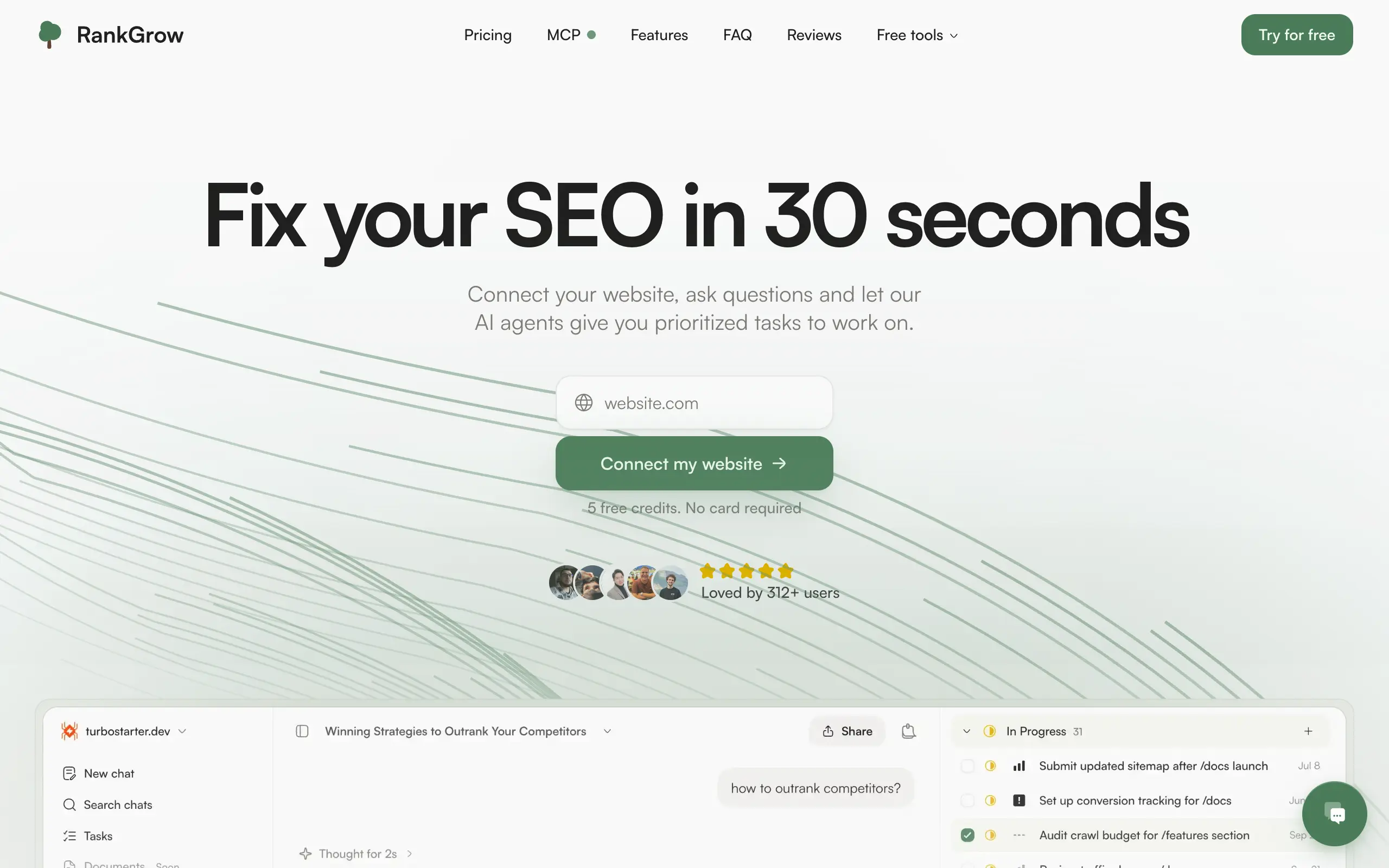
RankGrow
Fix your SEO with AI agents - connect Search Console, get prioritized tasks, and grow organic traffic 📈
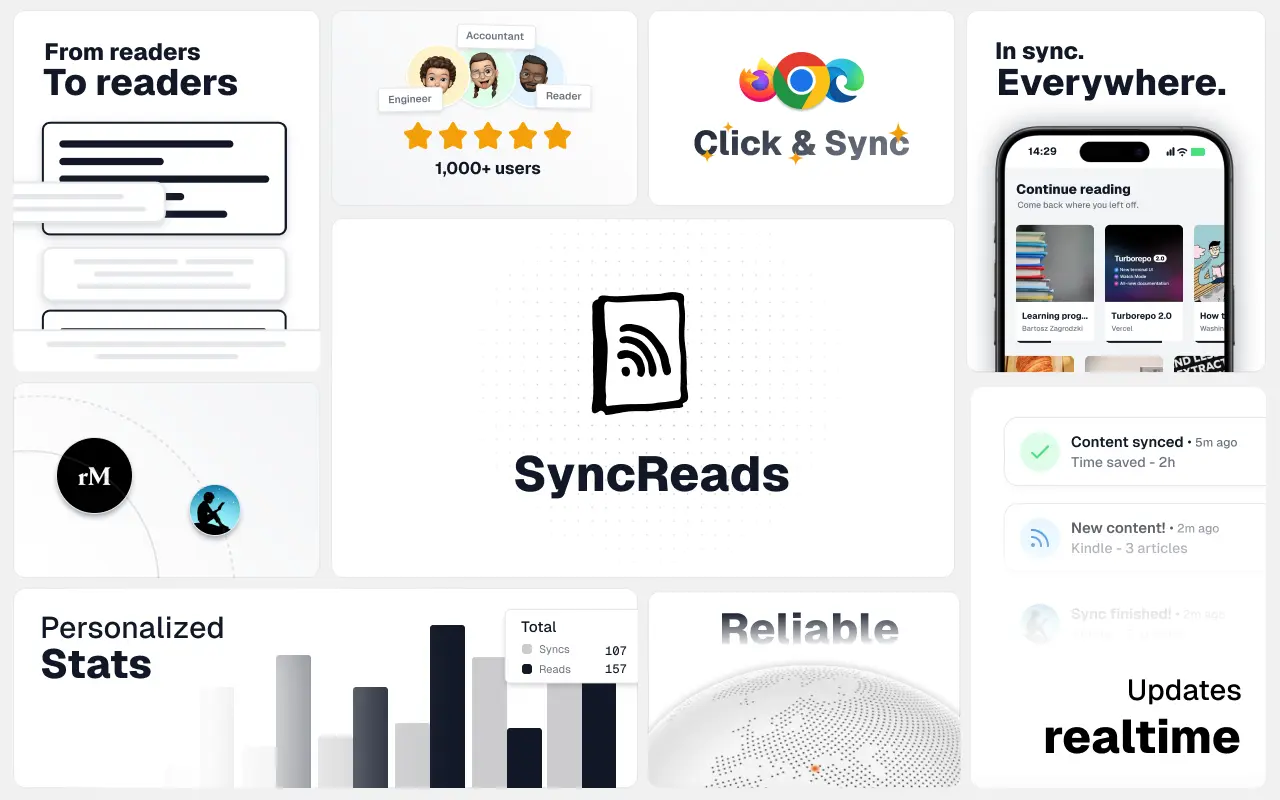
SyncReads
Sync your favorite content for distraction-free reading, save time and replace multiple apps. Anytime, anywhere 🔄
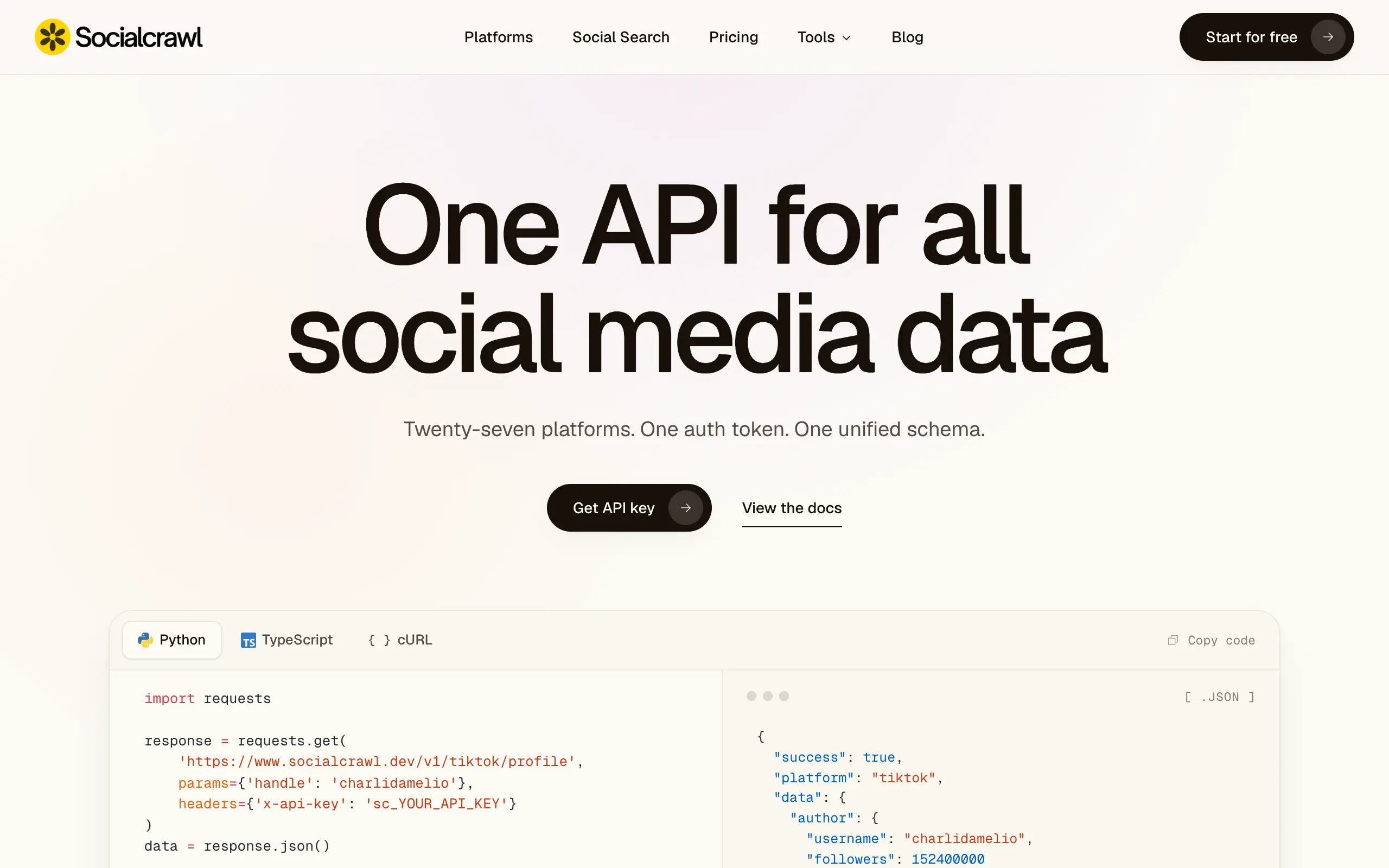
Socialcrawl
Get clean, structured data from 21 platforms like TikTok, Instagram, and YouTube with a single request 📊
Statiko
Monitor any Telegram channel in real time - track posts, edits, deletions, and growth with AI recaps 📡
Shibui
AI website builder - describe your business, pick a niche template, edit by chatting, and publish instantly ✨
Pro Service
Find verified home service professionals, compare quotes, and pay securely through escrow - built for Brazilians across the US 🏠
RankGrow
Fix your SEO with AI agents - connect Search Console, get prioritized tasks, and grow organic traffic 📈
SyncReads
Sync your favorite content for distraction-free reading, save time and replace multiple apps. Anytime, anywhere 🔄
Socialcrawl
Get clean, structured data from 21 platforms like TikTok, Instagram, and YouTube with a single request 📊
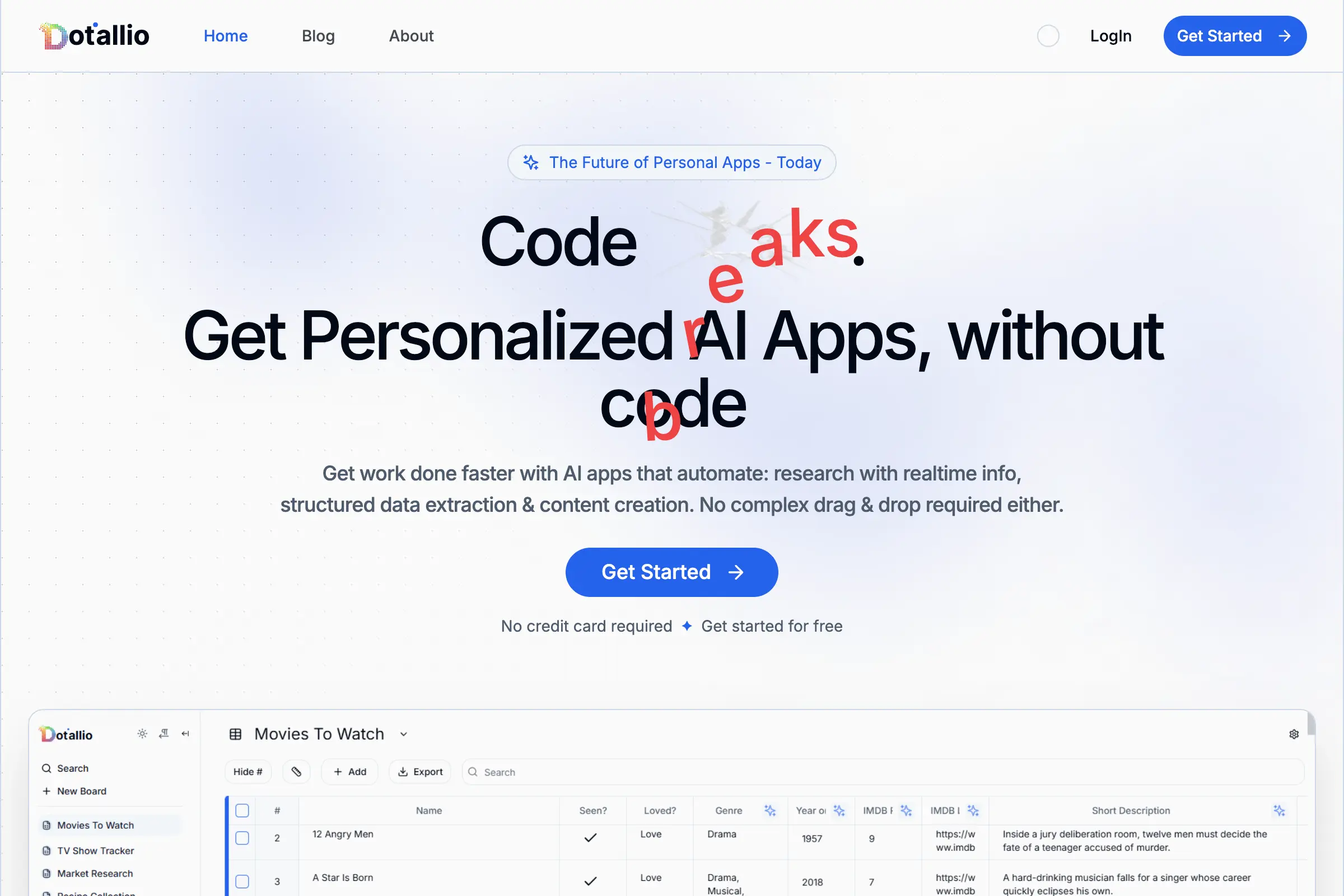
Dotallio
Personalized AI apps that automate research, data extraction, and content creation without code 🤖

Talk to Santa
Enjoy a magical live video chat or receive a unique AI-generated video greeting from Santa Claus 🎅
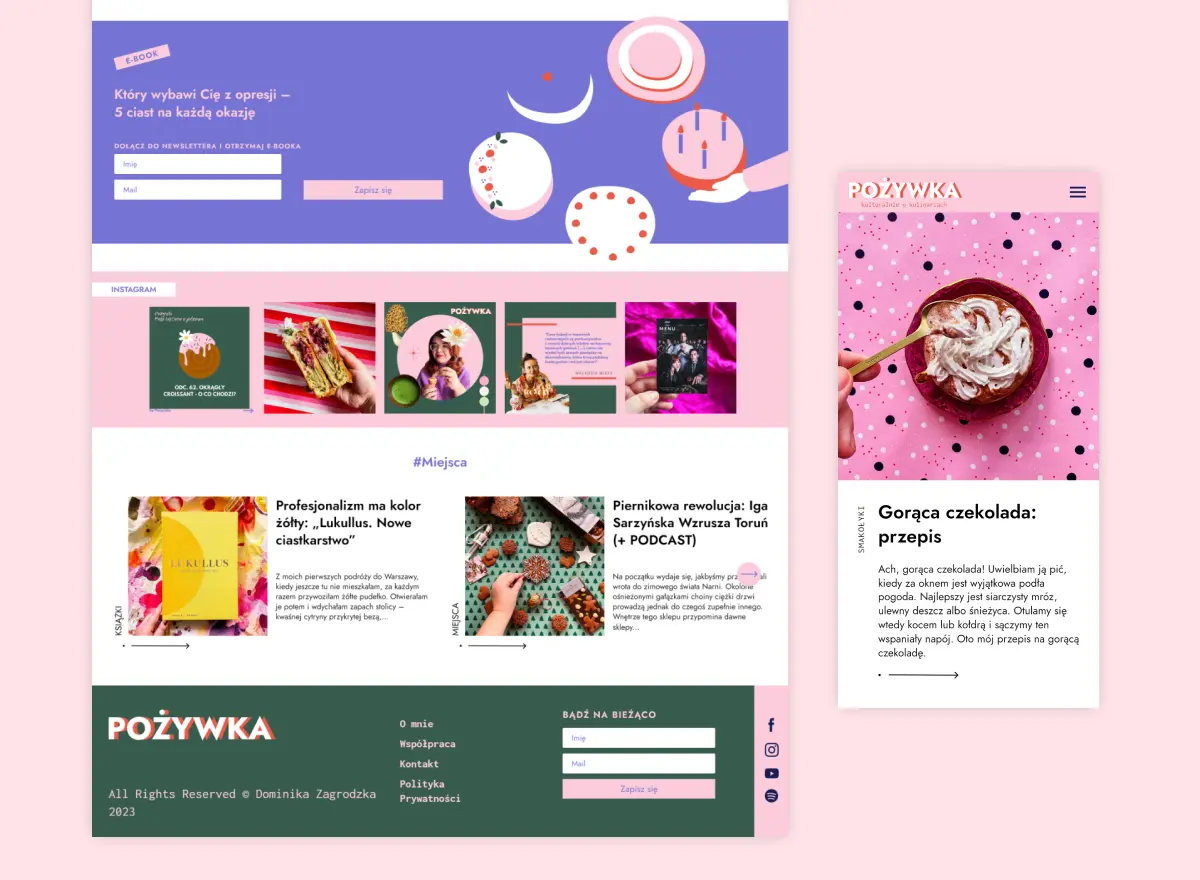
pozywka.pl
Scalable blog for food journalist, focused on performance and user experience 🌭
zagrodzki.me
Personal blog and portfolio of Bart Zagrodzki, where he shares his knowledge and work 💼
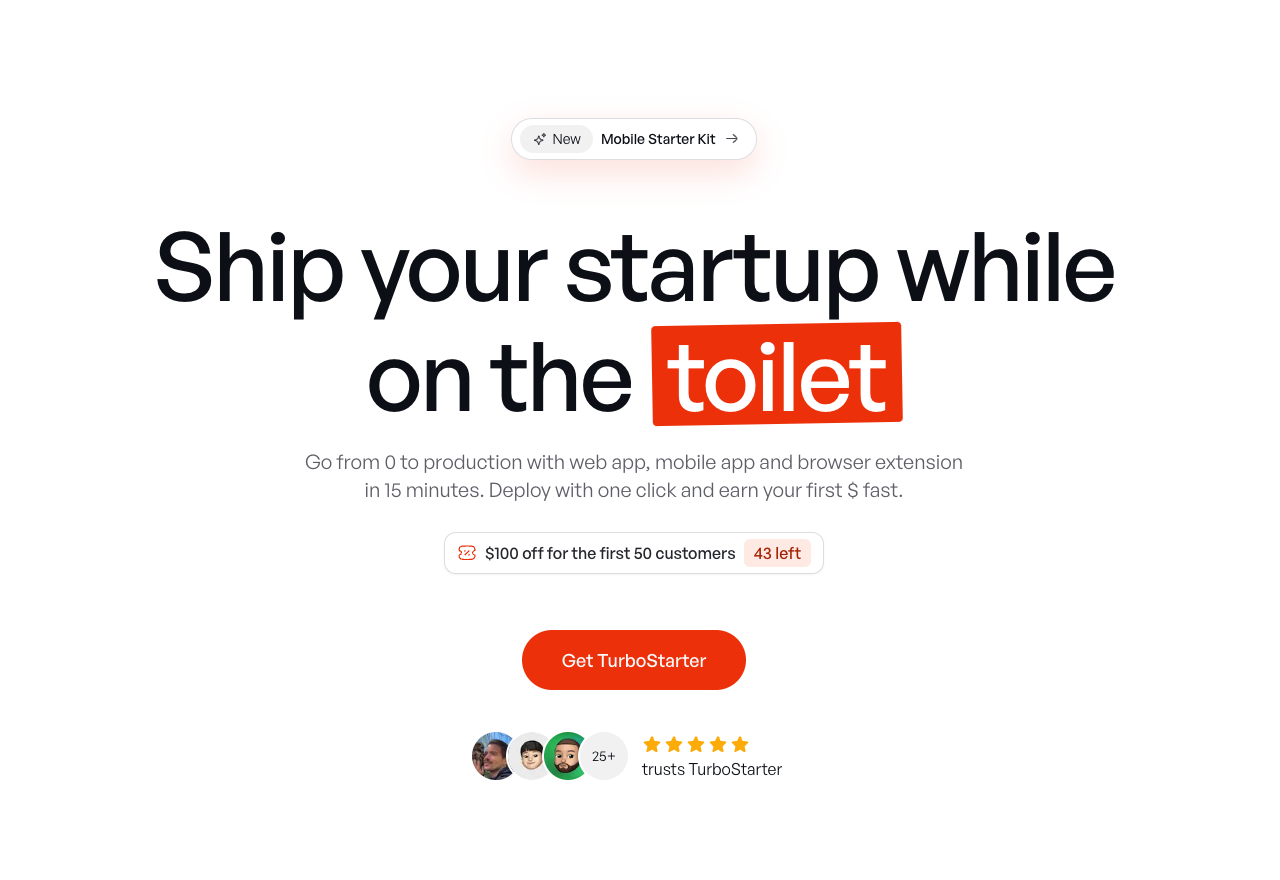
TurboStarter
Ship your startup everywhere. In minutes.
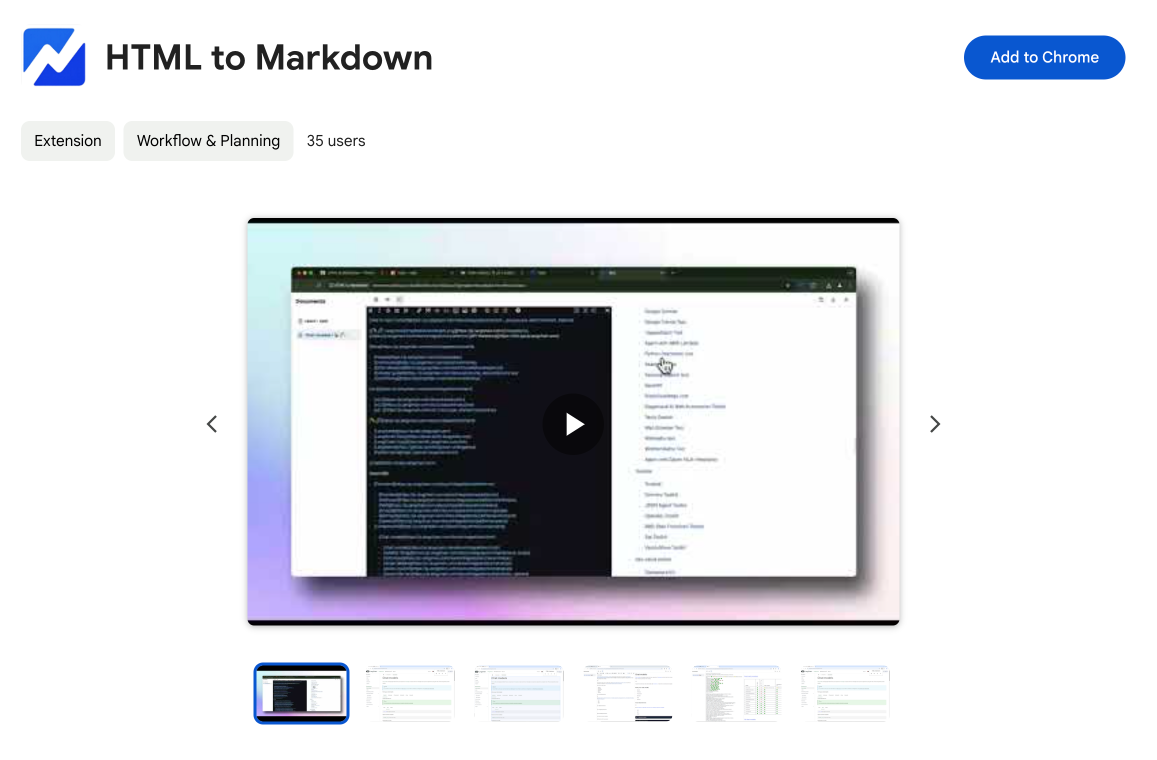
HTML to Markdown
Convert HTML to Markdown with ease, directly in your browser 📄
Dotallio
Personalized AI apps that automate research, data extraction, and content creation without code 🤖
Talk to Santa
Enjoy a magical live video chat or receive a unique AI-generated video greeting from Santa Claus 🎅
pozywka.pl
Scalable blog for food journalist, focused on performance and user experience 🌭
zagrodzki.me
Personal blog and portfolio of Bart Zagrodzki, where he shares his knowledge and work 💼
TurboStarter
Ship your startup everywhere. In minutes.
HTML to Markdown
Convert HTML to Markdown with ease, directly in your browser 📄
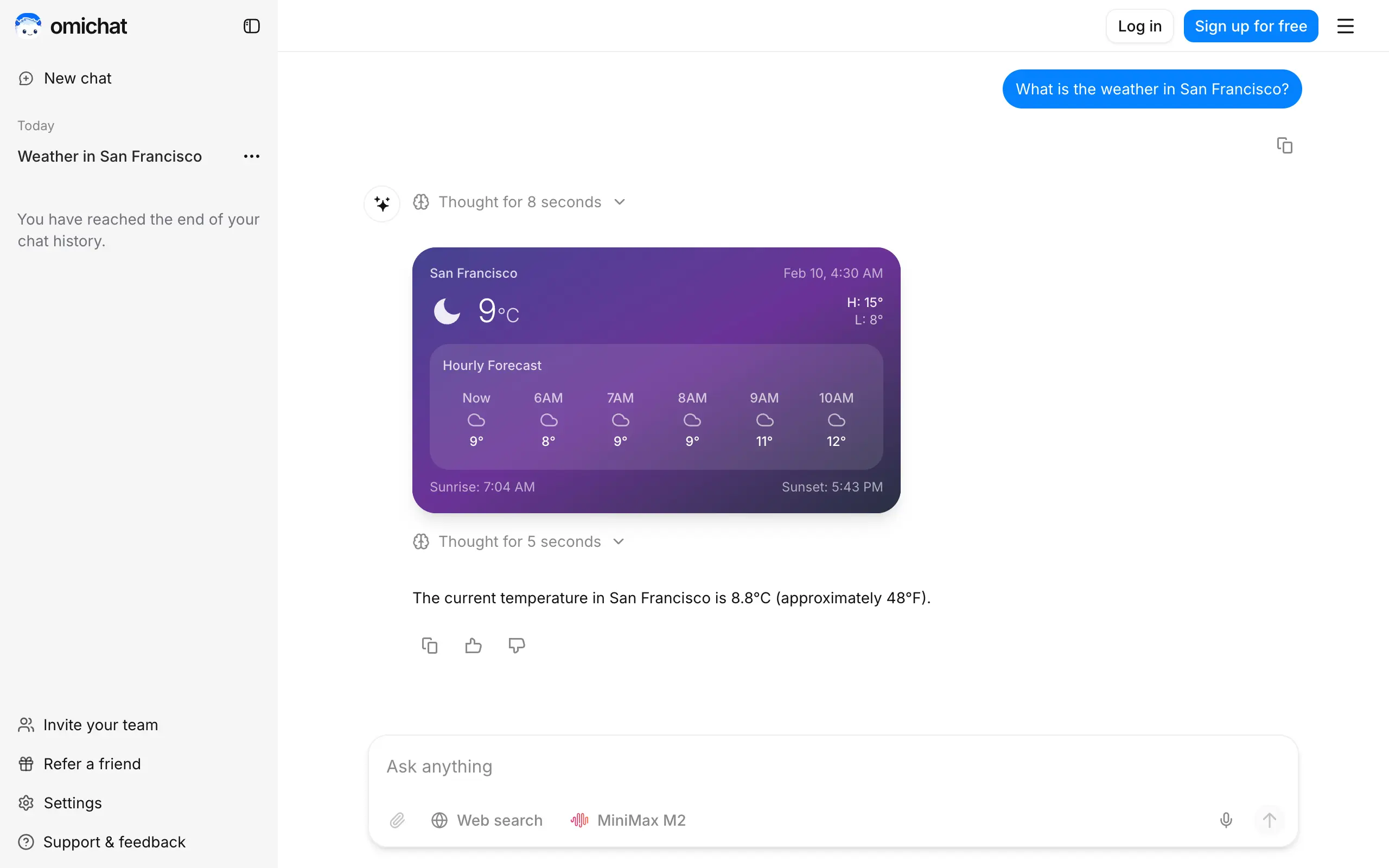
Omichat
Chat with 50+ AI models, including ChatGPT and Claude, in one place - switch models anytime without losing context 🤖
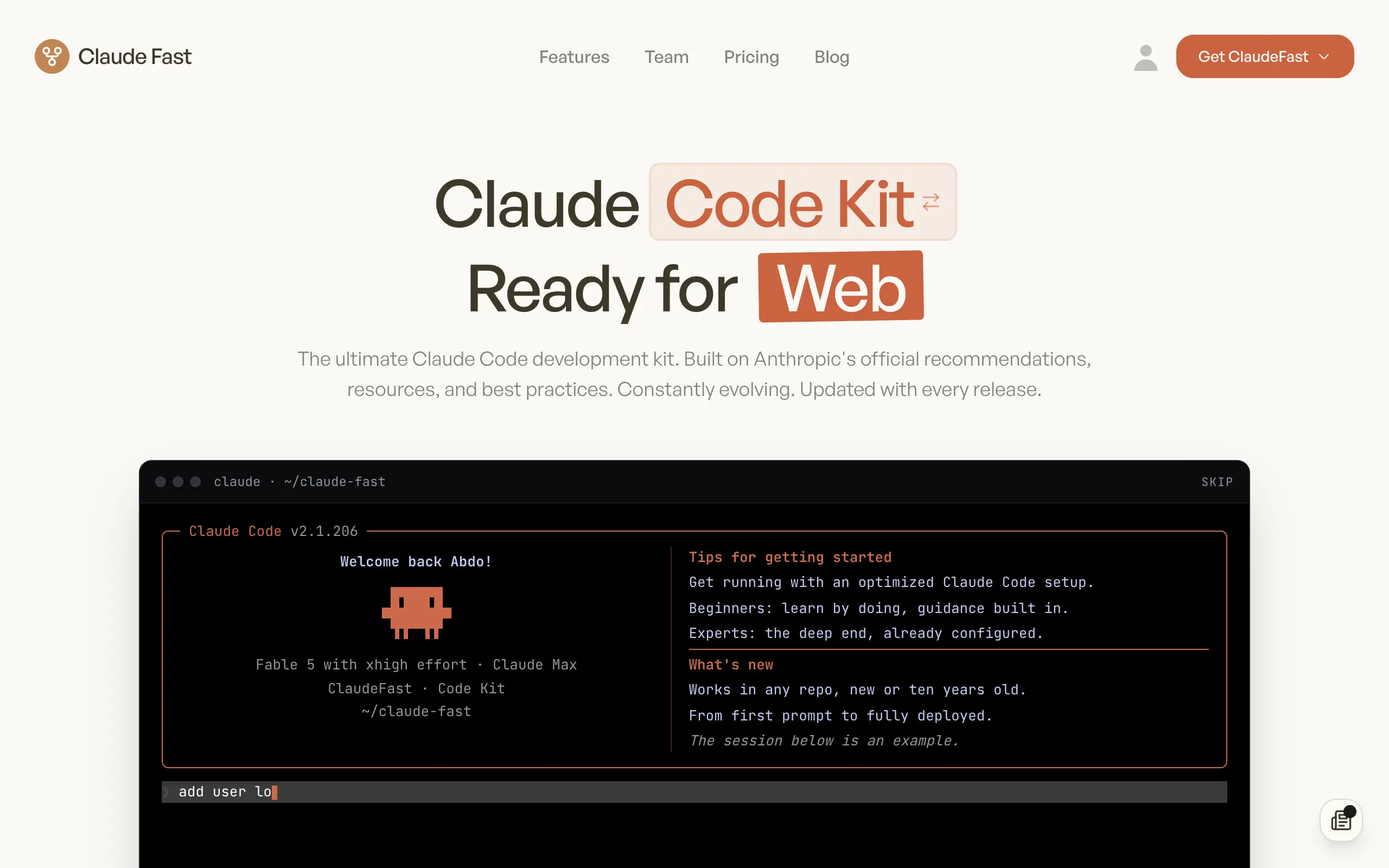
Claude Fast
Supercharge your Claude Code with 6x effective context window and specialized AI agents 🤖
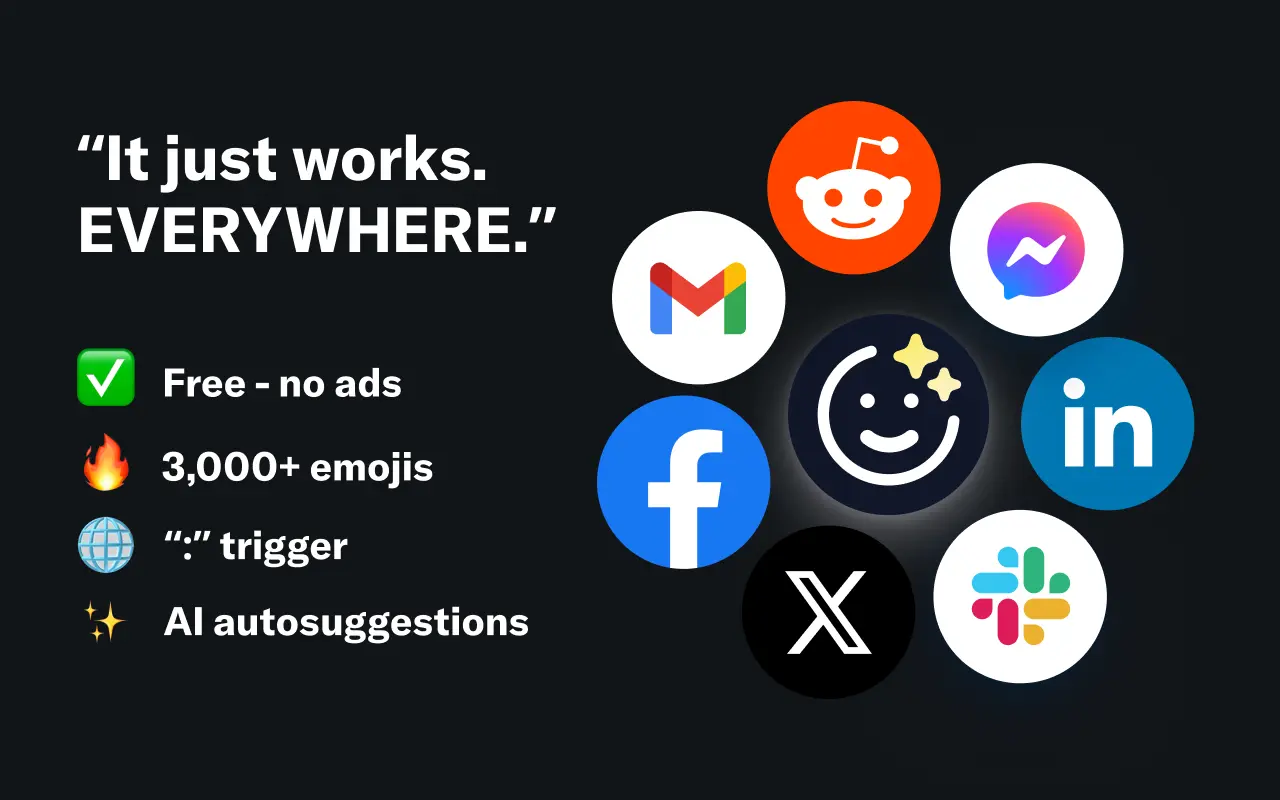
EmojAI
AI-powered emoji picker with smart, context-aware suggestions 🤖
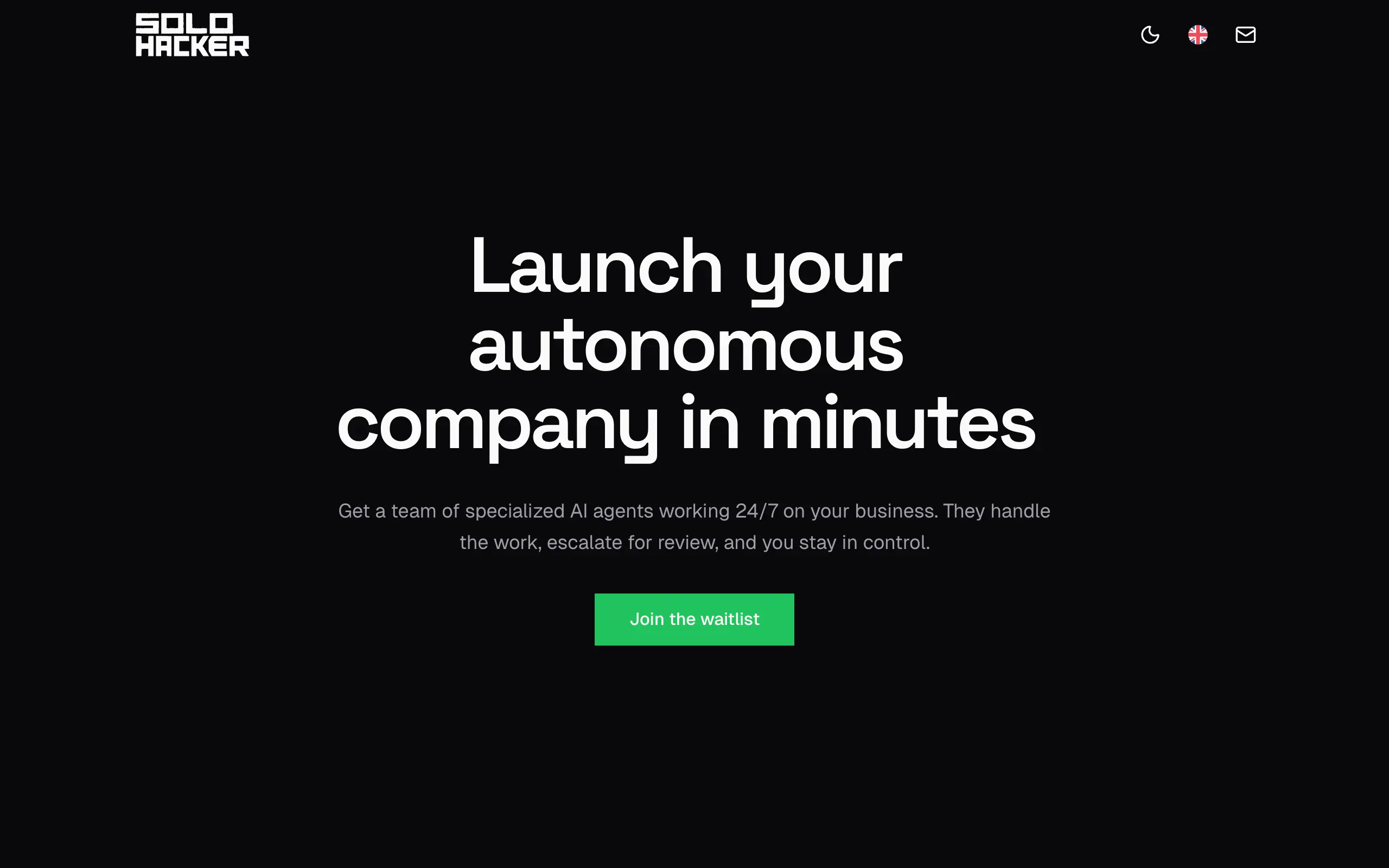
Solohacker
Autonomous company launcher - AI agents work 24/7, escalate what matters, and you stay in control 🤖
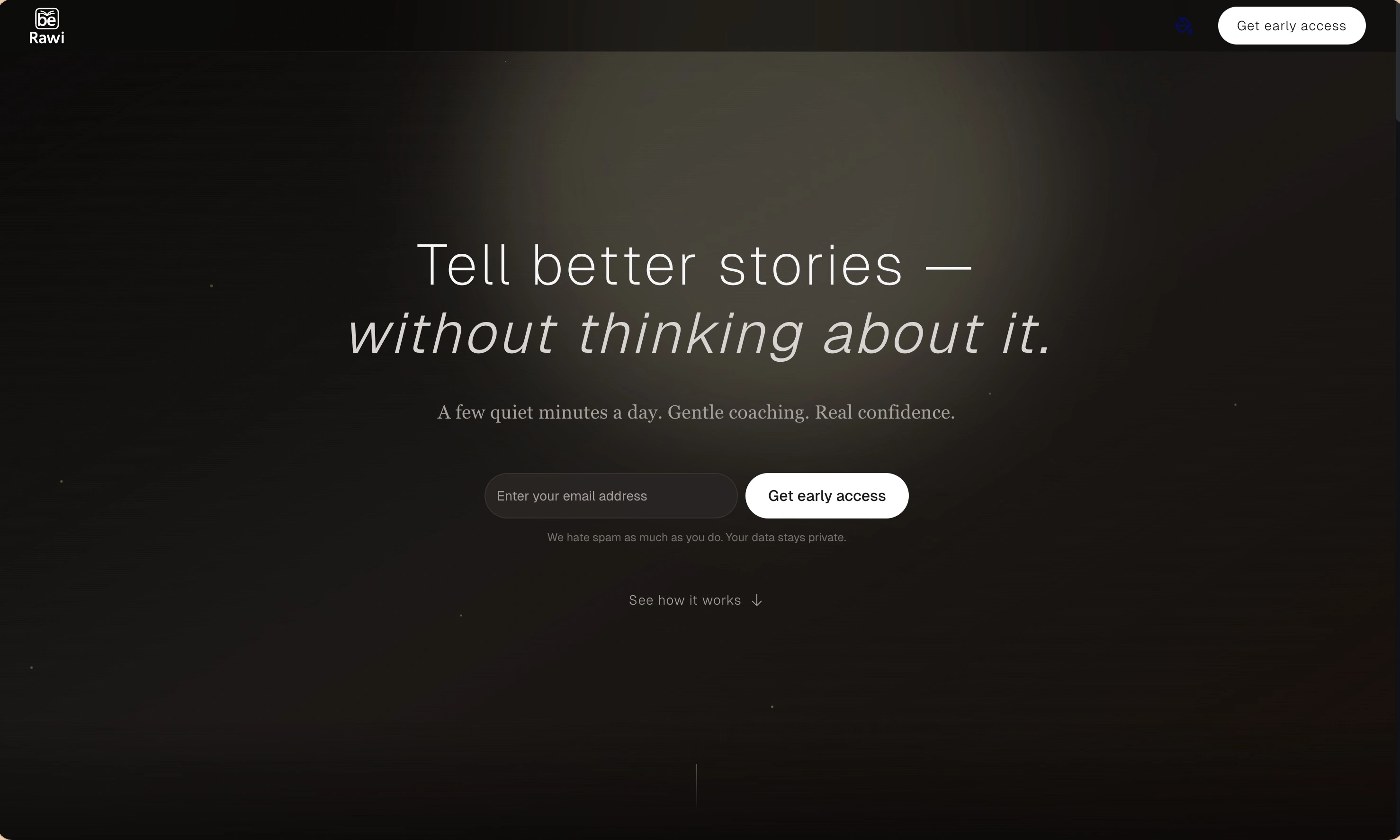
BeRawi: Storytelling Coach
Practice storytelling daily with instant feedback to sound clearer, more engaging, and confident 🎤
Omichat
Chat with 50+ AI models, including ChatGPT and Claude, in one place - switch models anytime without losing context 🤖
Claude Fast
Supercharge your Claude Code with 6x effective context window and specialized AI agents 🤖
EmojAI
AI-powered emoji picker with smart, context-aware suggestions 🤖
Solohacker
Autonomous company launcher - AI agents work 24/7, escalate what matters, and you stay in control 🤖
BeRawi: Storytelling Coach
Practice storytelling daily with instant feedback to sound clearer, more engaging, and confident 🎤

Connect with like-minded people
Join our community to get feedback, support, and grow together with 1,000+ builders on board, let's ship it!
Join usShip your startup everywhere. In minutes.
Don't burn tokens on setup and start building features on day one.