TalkTutor
A conversational AI voice coach that helps users improve their spoken language skills with real-time feedback, interactive lessons, and daily practice challenges.
Understanding the TalkTutor opportunity: why a conversational AI voice coach is poised to disrupt language learning
Language is the gateway to opportunity—personally, professionally, and globally. With over a billion people actively learning new languages worldwide, the market for tools that accelerate spoken fluency remains massive and unsaturated. Traditional text-based apps often fall short when it comes to actual conversational ability; users struggle to bridge the gap between passive recognition and real-life speaking proficiency.
TalkTutor addresses this critical pain point as a next-generation, B2C conversational AI voice coach. Its core promise: help users improve their spoken language skills with real-time feedback, interactive lessons, and daily practice challenges, all powered by cutting-edge AI conversation technology.
This comprehensive guide will explore the TalkTutor SaaS idea in depth—including its target audience, market gap, key features, tech stack recommendations, monetization models, risk mitigation, the unique value it brings, and actionable implementation steps. Whether you’re a founder considering product development, an angel investor, or a language education stakeholder, this deep dive is engineered to satisfy your search for market validation, technical clarity, and strategic insight.
Who is TalkTutor for? Deep dive into the target audience
A well-crafted SaaS solution thrives only if it accurately serves its users’ pain points. Let's analyze the core audiences driving demand for a conversational AI voice coach:
1. Adult language learners
- Global professionals: Employees relocating for work or seeking international roles who need practical, spoken proficiency for meetings, negotiations, or presentations.
- Young adults & university students: Pursuing study-abroad opportunities or enhancing resumes with fluent communication in a second language.
- Expatriates & immigrants: Navigating daily life and work in a new country, facing urgency in achieving real-world conversational skills.
2. Language learners with “speaking anxiety”
- Learners who understand grammar and vocabulary but “freeze” in actual dialogue due to a lack of speaking practice or fear of embarrassment.
3. High-frequency travelers
- Tourists, digital nomads, and travel enthusiasts wishing to engage authentically in local languages during trips.
4. Professionals preparing for certifications or interviews
- Candidates preparing for language proficiency tests (e.g., IELTS, TOEFL, DELE) or job interviews where spoken language carries significant weight.
5. Hobbyists and polyglots
- Individuals passionate about languages who want to master pronunciation and spontaneous conversation beyond textbook exercises.
Busy Professionals
Want to improve work-related conversation quickly and flexibly.
Study Abroad Students
Preparing for immersion where real-world communication is key.
Speaking-anxious Learners
Need a safe space to practice and receive objective, shame-free feedback.
Core user intent:
Users want a practical, convenient tool to practice spoken language and get actionable feedback—on their own schedule—rather than a passive, text-heavy app or intimidating in-person class.
Market gap analysis: why conversational AI is the missing piece in language edtech
While digital language learning has seen massive growth—think Duolingo, Babbel, and Rosetta Stone—most platforms excel in grammar, reading, and listening. Actual speaking fluency, however, remains the Achilles’ heel for millions.
The untapped opportunity
- True real-time feedback on pronunciation, intonation, and dialogue flow is rare.
- Human tutors are expensive, hard to schedule, and intimidating for many learners.
- Conventional apps have limited “speaking” practice: often just repeating phrases, not simulating real-life conversation, and rarely correcting nuanced mistakes.
- Today’s voice AI models (e.g., leveraging OpenAI’s Whisper and large language models) enable context-aware, dynamic feedback and rapid iteration—creating an effective, scalable “speaking partner.”
Data snapshot
- There are over 1.5 billion people learning English alone, and hundreds of millions more studying Spanish, Mandarin, French, and more (source: [British Council, 2024]).
- The language learning market is expected to surpass $31 billion by 2026, with “spoken practice” cited as the biggest unmet need ([HolonIQ 2024 Language Learning Market Report]).
TalkTutor’s unique solution
- Conversational (not monologue): Users engage in two-way, dynamic roleplays—not just parroting stock sentences.
- Real-time, AI-driven corrections and encouragement: Far beyond “speech-to-text,” TalkTutor analyzes and coaches intonation, stress, native-like rhythm, and error patterns.
- Daily challenges and gamified practice: Encourages regular engagement and habit-building, multiplying results compared to sporadic practice.
Why this matters for SaaS founders
This market gap means a razor-focused solution with strong AI voice capabilities faces little direct competition in B2C—opening doors for rapid user growth and high retention if executed well.
Core features of TalkTutor: what sets a conversational AI voice coach apart
To turn the promise into reality, TalkTutor must deliver features mapping directly to user intent and market gaps. Below are the essential and differentiating capabilities:
1. Real-time spoken feedback
- Pronunciation scoring: Instantly rate user’s word stress, rhythm, and even subtle accent challenges.
- Intonation guidance: Detect “robotic” tone and coach on native-like expression.
- Filler/hesitation detection: Identify overuse of “um,” “uh,” and provide personalized exercises to reduce them.
2. Interactive, AI-driven conversation simulation
- Dynamic roleplay scenarios: From ordering coffee to job interviews, let users select realistic situations and speak with the AI as if with a native speaker.
- Multi-level difficulty: Adjust vocabulary and pace based on user’s skill development.
3. Personalized lesson plans and daily challenges
- Strengths/weaknesses tracker: Adaptive curriculum homes in on what the user needs most—grammar slips, pronunciation quirks, etc.
- Habit-building push notifications: Encourage short, daily practice to sustain progress.
- Streaks and rewards: Gamification to drive motivation.
4. Analytics and progress tracking
- Visualize improvement: Pronunciation heatmaps, speaking speed changes, and conversation complexity over time.
- Goal setting: Allow users to set custom learning objectives.
5. Community and support
- Optional peer challenges: Friendly competition, group streaks.
- In-app help center: Trustworthy resources for stuck users.
6. Multi-language support
- Scalability: Launch with English, expand to Spanish, Mandarin, French based on user demand.
Users receive actionable feedback on common errors, with links to detailed explanations for deeper review.
Each lesson features conversation and listening tasks, replayable at different speeds for practice.
Designed for busy learners, supporting practice even without consistent internet.
Technology stack recommendations for building a robust, scalable TalkTutor SaaS
Choosing the right technical foundation is crucial—not just for reliability and speed to market, but for future-proofing as AI voice solutions evolve. Let’s break down the recommended stack:
Frontend
- React: Highly modular, supports fast UI iteration, broad community support.
- TailwindCSS: Efficient styling with utility-first approach, enabling a sleek, responsive interface.
- Web Audio API / Tone.js: Real-time audio processing for capturing, analyzing, and playing user speech.
Backend & AI
- Node.js: Lightweight, scalable backend well-suited for real-time APIs.
- Python: For integrating state-of-the-art speech recognition and natural language processing AI models.
- OpenAI Whisper: Highly accurate speech-to-text and voice analytics. Enables nuanced feedback beyond traditional speech APIs.
- OpenAI GPT-4: Generates dynamic, realistic dialogue and provides personalized language feedback.
- Google Cloud Speech-to-Text (alternative): Reliable, multi-language support for high-quality audio transcription at scale.
Database and user management
- PostgreSQL: Robust relational database; efficient for user progress tracking and analytics.
- Firebase Auth: Secure, low-friction user authentication (especially for mobile-first B2C).
Mobile and cross-platform
- React Native: Deploy fast to both iOS and Android, sharing core logic with web version.
- Expo: Streamlines mobile builds and deployments.
Trade-off considerations
- Latency vs. accuracy: Whisper is highly accurate for speech recognition, but can introduce slight latency; hybrid approach with Google Speech-to-Text for “fast mode” is possible.
- On-device inference: For privacy and offline usage, explore running models locally, trading off full AI power for convenience.
| Stack Area | Recommended | Pros | Cons | Note |
|---|---|---|---|---|
| Frontend | React, TailwindCSS | Fast UI, modern UX | Learning curve for advanced state | Best for web/mobile |
| Speech AI | OpenAI Whisper, GPT-4 | Top recognition, flexible | API cost, API latency | Hybrid Cloud/Edge possible |
Monetization strategies for TalkTutor: sustainable growth in B2C SaaS
Selecting the right revenue model is essential for both user growth and business sustainability. Here’s a breakdown of effective monetization options for a conversational AI voice coach:
1. Freemium with premium tiers
- Free: Basic conversation lessons, limited daily usage, and core feedback tools.
- Premium subscription: Unlock advanced, real-time pronunciation analytics, unlimited lessons, targeted daily challenges, and priority support.
2. Upsell packs
- Conversation scenario packs: Specialized modules (e.g., “Business English,” “Travel & Tourism,” “Technical Interviews”).
- Certification preparation modes: Tailored drills for major language exams (IELTS, TOEFL, etc.).
3. Family/Enterprise bundles
- Attracted by group discounts and centralized progress reporting.
- Relevant for language schools, professional organizations, or family accounts with multiple learners.
4. Affiliate partnerships and content licensing
- Partner with leading edtech publishers, YouTube influencers, or language tutors to expand reach and offer co-branded challenges.
5. Gamified one-off payments
- Sell digital badges, custom avatars, or “challenge” features separate from monthly plans, increasing engagement.
As TalkTutor grows, data-driven monetization—such as customized lesson upsells based on user weaknesses—can improve conversion rates while maintaining user trust and value.
Risks, challenges, and mitigation for TalkTutor’s AI voice learning platform
No SaaS journey is risk-free—especially in fast-moving fields like AI and edtech. Here are primary risks, plus strategies to address them:
Competition from larger edtech players
- Risk: Giants like Duolingo and Babbel could add conversational AI features.
- Mitigation: Focus on deep, feedback-rich spoken interaction and niche user personas; iterate faster with user-inspired features.
Speech recognition errors or bias
- Risk: AI may misunderstand accents or fail to correct subtle errors, leading to user frustration.
- Mitigation:
- Continuously fine-tune AI using diverse voice datasets.
- Offer user feedback and correction override tools.
Privacy and AI data governance
- Risk: Collection and processing of user voice data raises privacy concerns and regulatory hurdles.
- Mitigation:
- Transparent data policy and opt-out controls.
- Explore on-device processing for sensitive cases.
User motivation drop-off
- Risk: Good intentions fade without built-in engagement drivers.
- Mitigation:
- Gamify progress, social accountability, and push regular “micro-practice” sessions.
High infrastructure or API costs
- Risk: AI voice and dialogue processing can be expensive at scale.
- Mitigation:
- Hybrid processing (cloud+edge) and scalable serverless architecture.
- Encourage premium upgrades for heavy users.
Competitive advantage analysis: why TalkTutor stands out
While several platforms touch on aspects of voice learning, TalkTutor’s integrated, AI-powered conversational focus creates sustainable differentiation:
- Expertise: Purpose-built for spoken proficiency, not a generalist “all skill” language tool.
- Technology: Leverages the latest advancements in AI voice, from deep neural pronunciation evaluation to context-aware dialogue generation.
- Real engagement: True interactive practice, adaptive daily challenges, and gamified retention.
- Speed to improvement: Immediate, actionable feedback means users get “unstuck” faster than using text-based or flashcard apps.
- User trust: Transparent privacy approach and clear, helpful analytics reinforce trust at every step.
USP: Deep Feedback
Goes beyond speech-to-text, providing specific, nuanced spoken language coaching.
Realistic Practice
Simulates life-like, multi-turn conversations, not just phrase repetition.
AI-First Scaling
Adopts the newest speech AI models as soon as they are proven, future-proofing value.
Steps for implementing TalkTutor: from MVP to growth
Building a successful conversational AI voice coach demands more than a powerful backend—it requires clear vision, smart product choices, and user-driven iteration. Here’s a strategic roadmap:
Research target users and build a backlog of the most desired conversation scenarios, lesson types, and feedback needs.
Set up core tech stack: choose backend (Node.js + Python), speech AI (Whisper), and frontend (React, TailwindCSS, optional React Native for mobile).
Develop MVP with core features: basic voice capture, real-time feedback, a small set of roleplay scenarios, and basic user analytics.
Launch closed beta: onboard beta users, collect feedback, and refine accuracy of real-time feedback systems.
Scale up lesson library, add habit-forming features (daily challenges, streak rewards), and experiment with monetization options.
Conclusion: TalkTutor’s future, and your next steps
The demand for better, more engaging language speaking practice is enormous—yet underserved by current solutions. By focusing on real-time AI conversation, personalized spoken feedback, and habit-building interaction, TalkTutor positions itself to stand out as the premier B2C platform for practical language fluency. Its mix of advanced technology, user-centric product design, and scalable monetization reveals a path not just to market entry—but to enduring impact.
To accelerate your go-to-market strategy and technical foundations, platforms like TurboStarter can jumpstart your SaaS with modern tools and rapid prototyping capabilities.
Frequently asked questions about conversational AI voice coaches
Regular language apps focus on vocabulary, grammar, and reading. TalkTutor’s AI simulates real conversations, instantly analyzing and improving your speech, much like practicing with a native speaker.
Yes. A transparent data policy, opt-in privacy features, and (where possible) on-device processing are prioritized to ensure user safety and trust.
With consistent daily practice—even just 10-15 minutes—a user can expect noticeable improvements in pronunciation, confidence, and real-world conversation skills within weeks.
TalkTutor offers multi-level conversations, adaptive feedback, and beginner-friendly lessons, making it ideal for all fluency levels.
By bringing together conversational AI, advanced speech analytics, and user-centric design, TalkTutor offers a breakthrough in the world of language education—perfect for learners who want to truly speak with confidence, not just “know the words.”
More 👥 B2C Application SaaS ideas
Discover more innovative b2c application SaaS ideas that are trending in 2026. Each idea is AI-generated with market validation and growth potential to help you find your next profitable venture faster than competitors.
Your competitors are building with TurboStarter
Below are some of the SaaS ideas that have been generated and built with our starter kit.
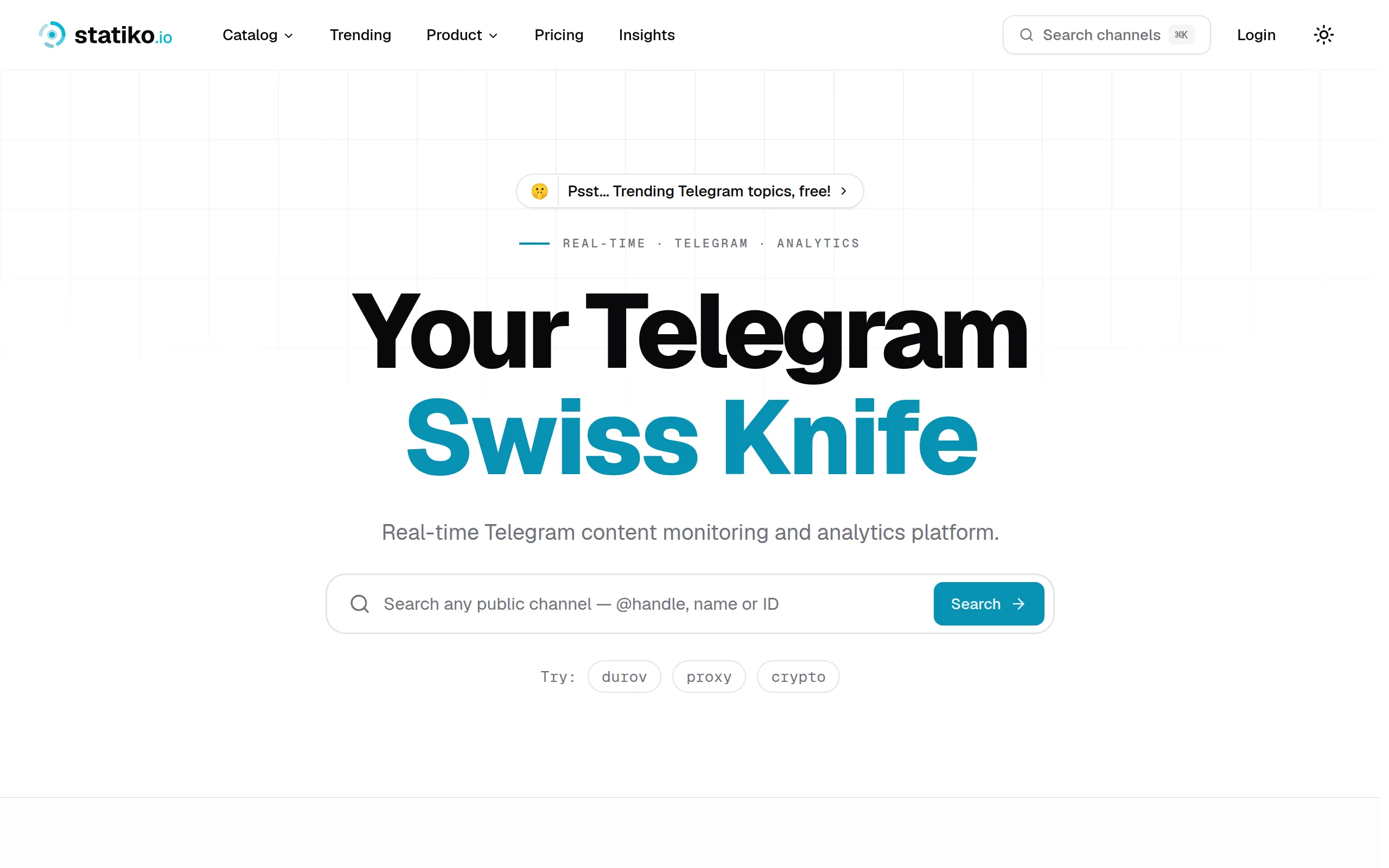
Statiko
Monitor any Telegram channel in real time - track posts, edits, deletions, and growth with AI recaps 📡

Shibui
AI website builder - describe your business, pick a niche template, edit by chatting, and publish instantly ✨

Pro Service
Find verified home service professionals, compare quotes, and pay securely through escrow - built for Brazilians across the US 🏠
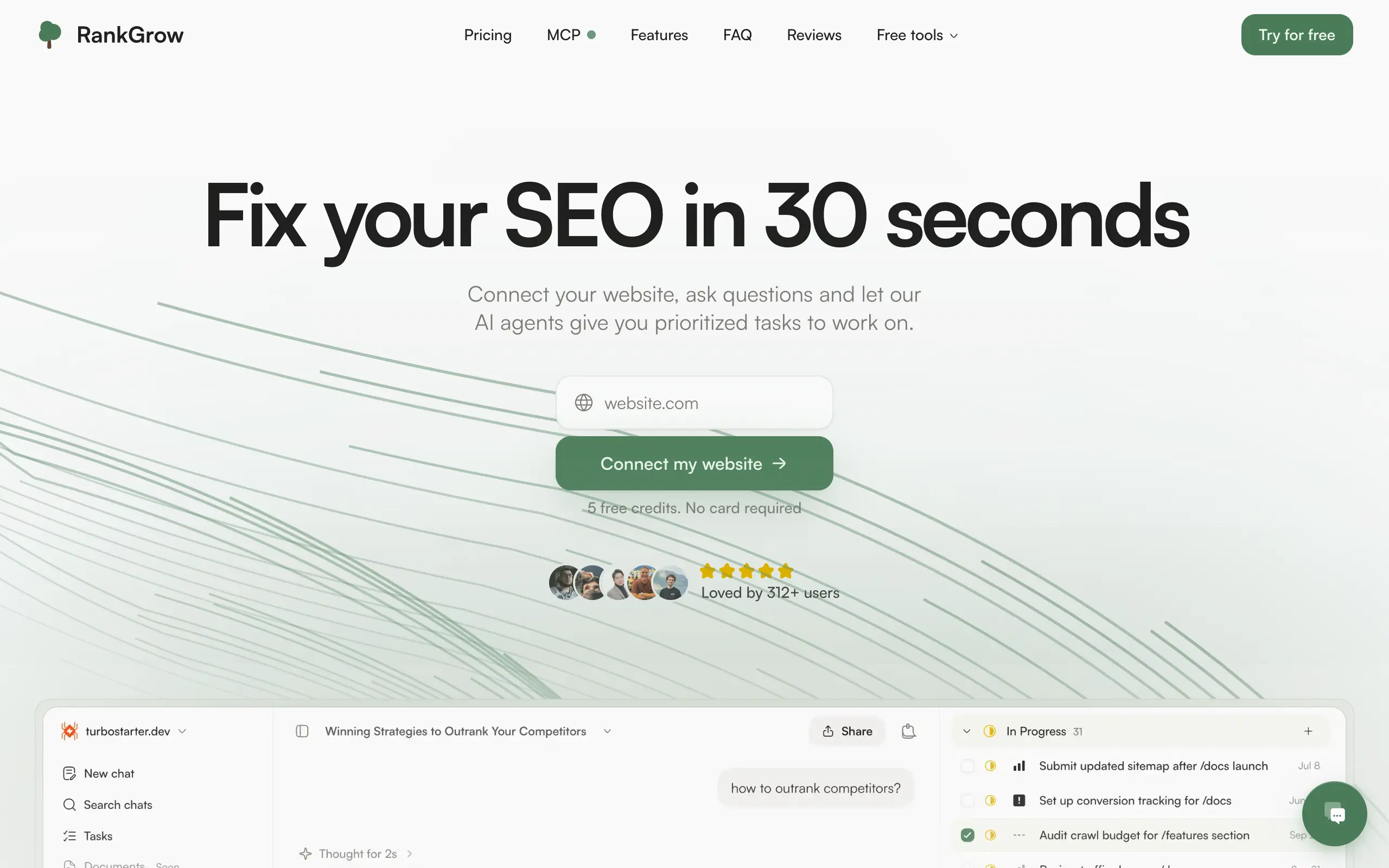
RankGrow
Fix your SEO with AI agents - connect Search Console, get prioritized tasks, and grow organic traffic 📈
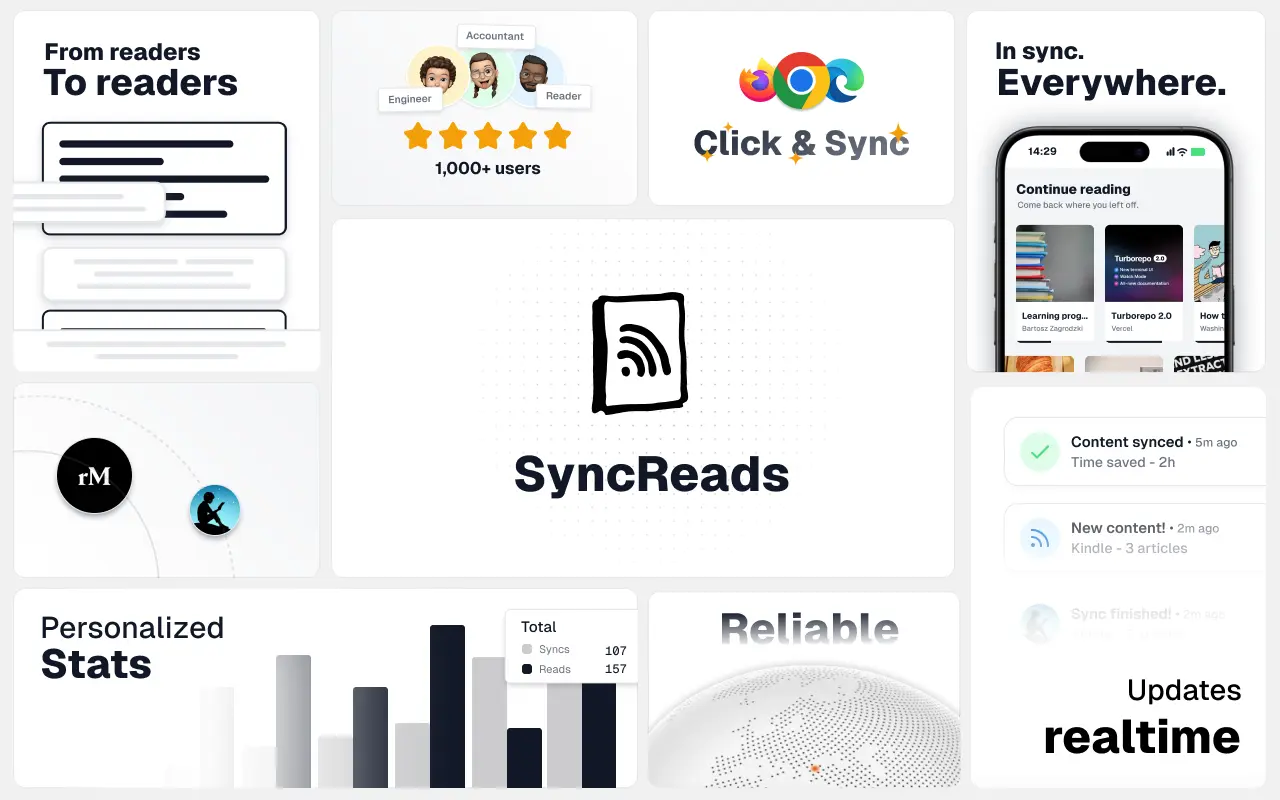
SyncReads
Sync your favorite content for distraction-free reading, save time and replace multiple apps. Anytime, anywhere 🔄
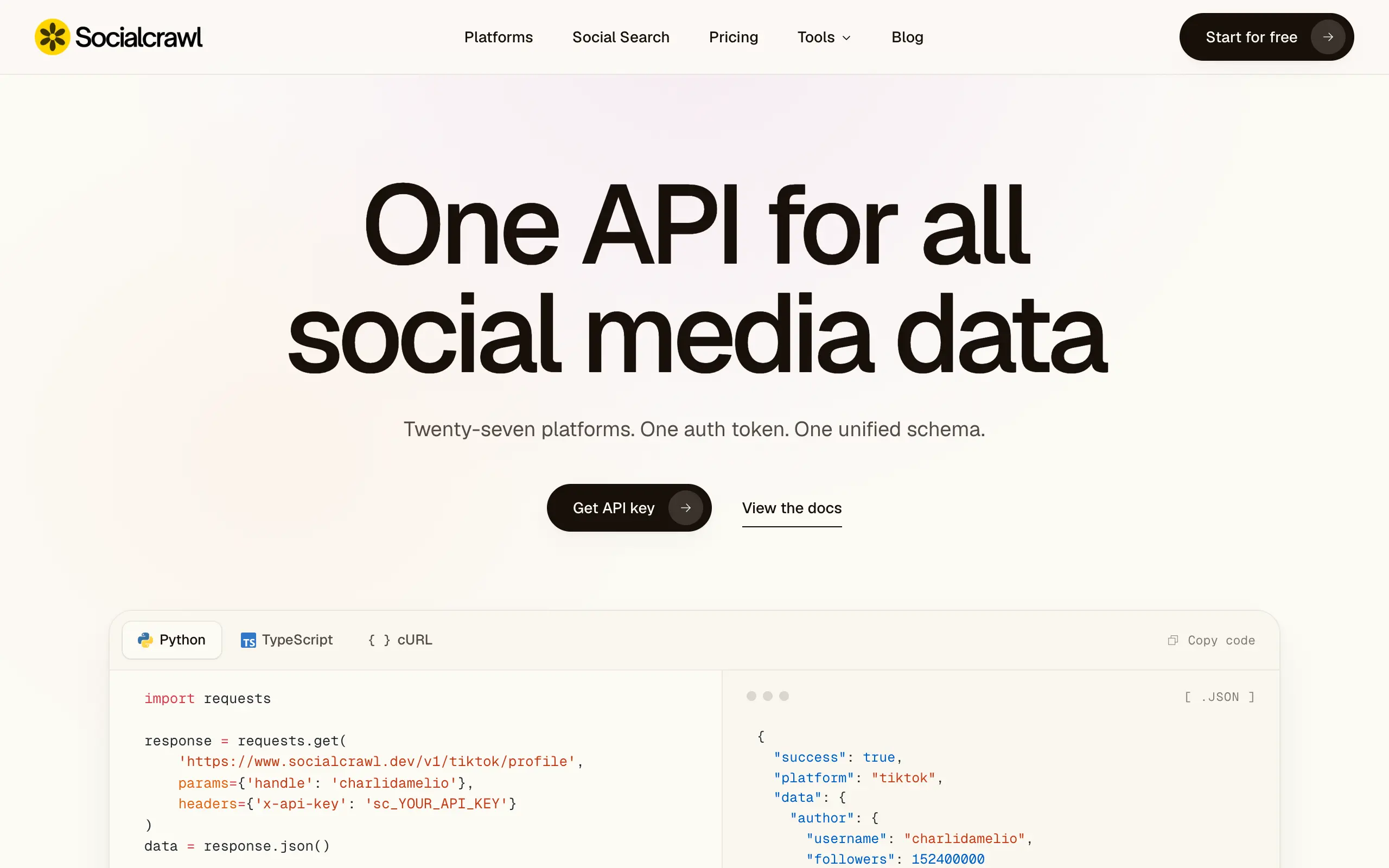
Socialcrawl
Get clean, structured data from 21 platforms like TikTok, Instagram, and YouTube with a single request 📊
Statiko
Monitor any Telegram channel in real time - track posts, edits, deletions, and growth with AI recaps 📡
Shibui
AI website builder - describe your business, pick a niche template, edit by chatting, and publish instantly ✨
Pro Service
Find verified home service professionals, compare quotes, and pay securely through escrow - built for Brazilians across the US 🏠
RankGrow
Fix your SEO with AI agents - connect Search Console, get prioritized tasks, and grow organic traffic 📈
SyncReads
Sync your favorite content for distraction-free reading, save time and replace multiple apps. Anytime, anywhere 🔄
Socialcrawl
Get clean, structured data from 21 platforms like TikTok, Instagram, and YouTube with a single request 📊
Statiko
Monitor any Telegram channel in real time - track posts, edits, deletions, and growth with AI recaps 📡
Shibui
AI website builder - describe your business, pick a niche template, edit by chatting, and publish instantly ✨
Pro Service
Find verified home service professionals, compare quotes, and pay securely through escrow - built for Brazilians across the US 🏠
RankGrow
Fix your SEO with AI agents - connect Search Console, get prioritized tasks, and grow organic traffic 📈
SyncReads
Sync your favorite content for distraction-free reading, save time and replace multiple apps. Anytime, anywhere 🔄
Socialcrawl
Get clean, structured data from 21 platforms like TikTok, Instagram, and YouTube with a single request 📊
Statiko
Monitor any Telegram channel in real time - track posts, edits, deletions, and growth with AI recaps 📡
Shibui
AI website builder - describe your business, pick a niche template, edit by chatting, and publish instantly ✨
Pro Service
Find verified home service professionals, compare quotes, and pay securely through escrow - built for Brazilians across the US 🏠
RankGrow
Fix your SEO with AI agents - connect Search Console, get prioritized tasks, and grow organic traffic 📈
SyncReads
Sync your favorite content for distraction-free reading, save time and replace multiple apps. Anytime, anywhere 🔄
Socialcrawl
Get clean, structured data from 21 platforms like TikTok, Instagram, and YouTube with a single request 📊
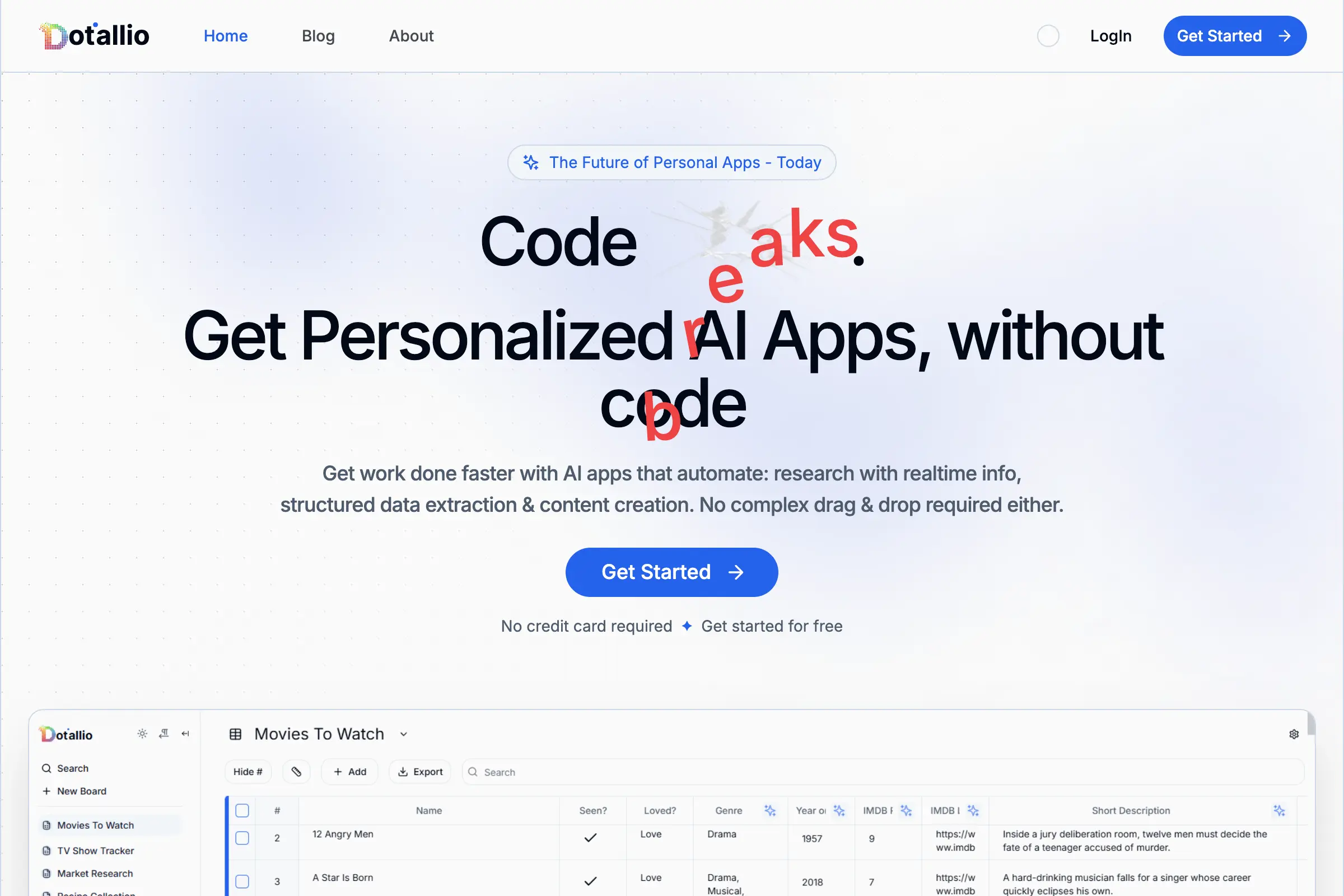
Dotallio
Personalized AI apps that automate research, data extraction, and content creation without code 🤖
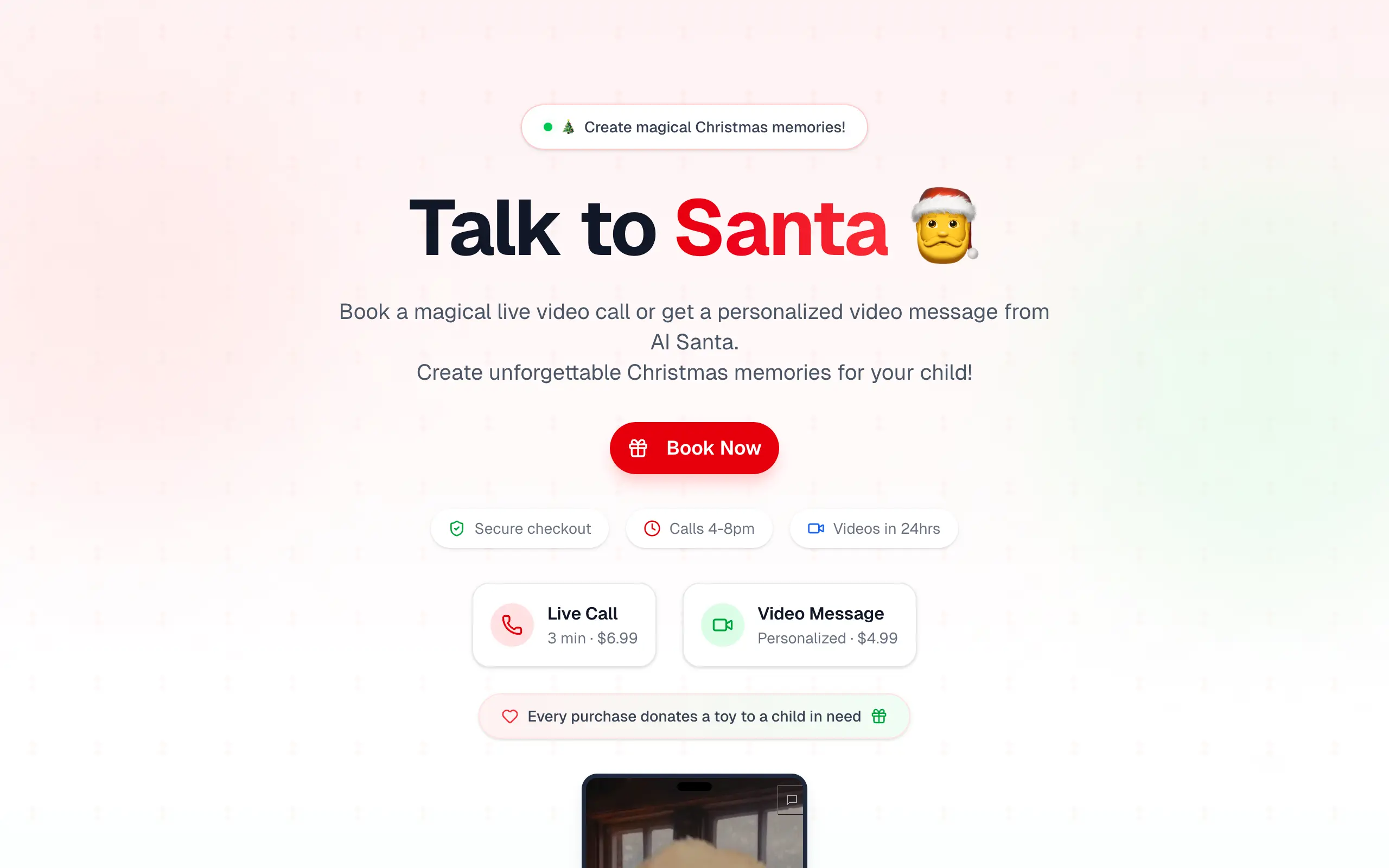
Talk to Santa
Enjoy a magical live video chat or receive a unique AI-generated video greeting from Santa Claus 🎅

pozywka.pl
Scalable blog for food journalist, focused on performance and user experience 🌭
zagrodzki.me
Personal blog and portfolio of Bart Zagrodzki, where he shares his knowledge and work 💼
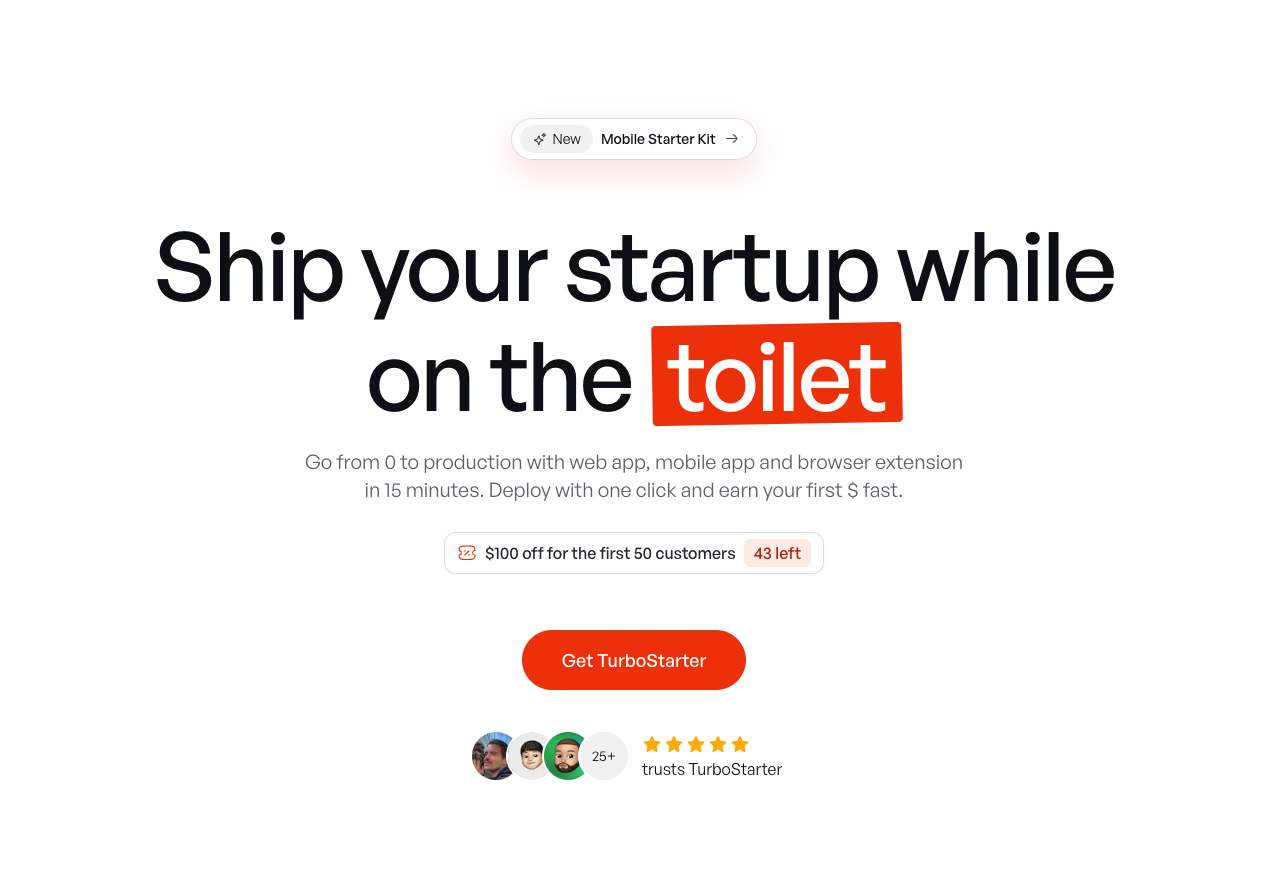
TurboStarter
Ship your startup everywhere. In minutes.
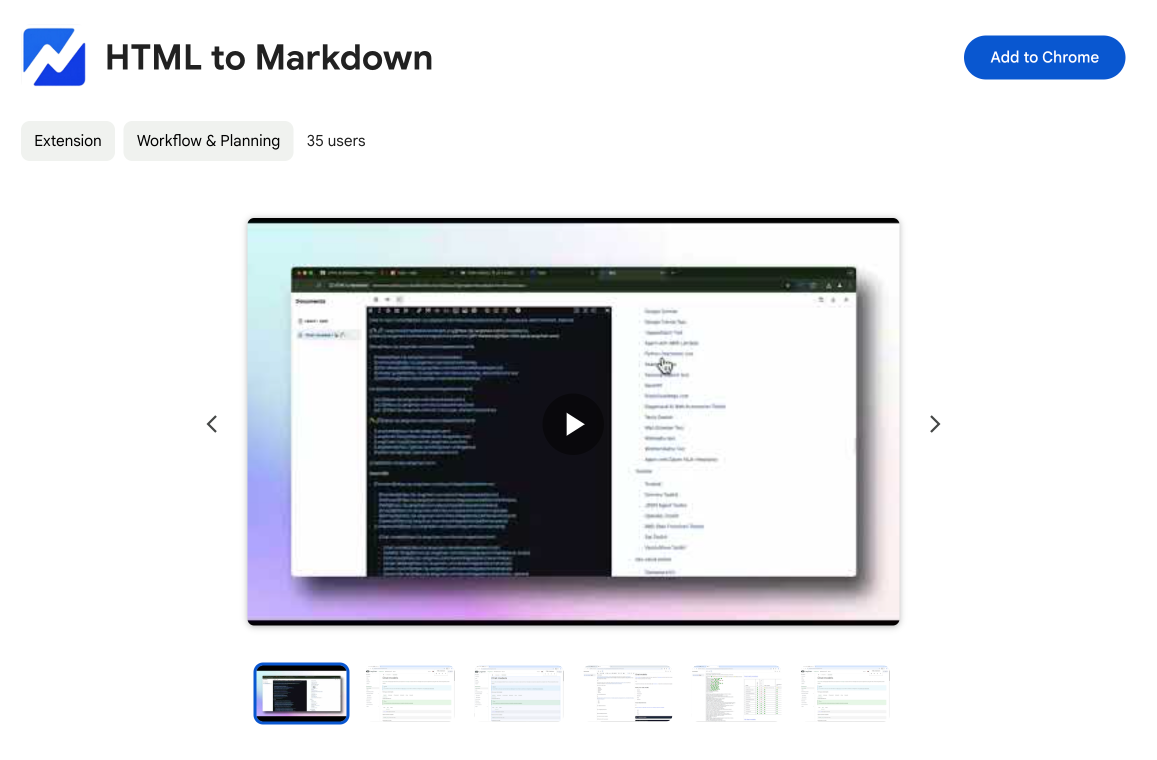
HTML to Markdown
Convert HTML to Markdown with ease, directly in your browser 📄
Dotallio
Personalized AI apps that automate research, data extraction, and content creation without code 🤖
Talk to Santa
Enjoy a magical live video chat or receive a unique AI-generated video greeting from Santa Claus 🎅
pozywka.pl
Scalable blog for food journalist, focused on performance and user experience 🌭
zagrodzki.me
Personal blog and portfolio of Bart Zagrodzki, where he shares his knowledge and work 💼
TurboStarter
Ship your startup everywhere. In minutes.
HTML to Markdown
Convert HTML to Markdown with ease, directly in your browser 📄
Dotallio
Personalized AI apps that automate research, data extraction, and content creation without code 🤖
Talk to Santa
Enjoy a magical live video chat or receive a unique AI-generated video greeting from Santa Claus 🎅
pozywka.pl
Scalable blog for food journalist, focused on performance and user experience 🌭
zagrodzki.me
Personal blog and portfolio of Bart Zagrodzki, where he shares his knowledge and work 💼
TurboStarter
Ship your startup everywhere. In minutes.
HTML to Markdown
Convert HTML to Markdown with ease, directly in your browser 📄
Dotallio
Personalized AI apps that automate research, data extraction, and content creation without code 🤖
Talk to Santa
Enjoy a magical live video chat or receive a unique AI-generated video greeting from Santa Claus 🎅
pozywka.pl
Scalable blog for food journalist, focused on performance and user experience 🌭
zagrodzki.me
Personal blog and portfolio of Bart Zagrodzki, where he shares his knowledge and work 💼
TurboStarter
Ship your startup everywhere. In minutes.
HTML to Markdown
Convert HTML to Markdown with ease, directly in your browser 📄
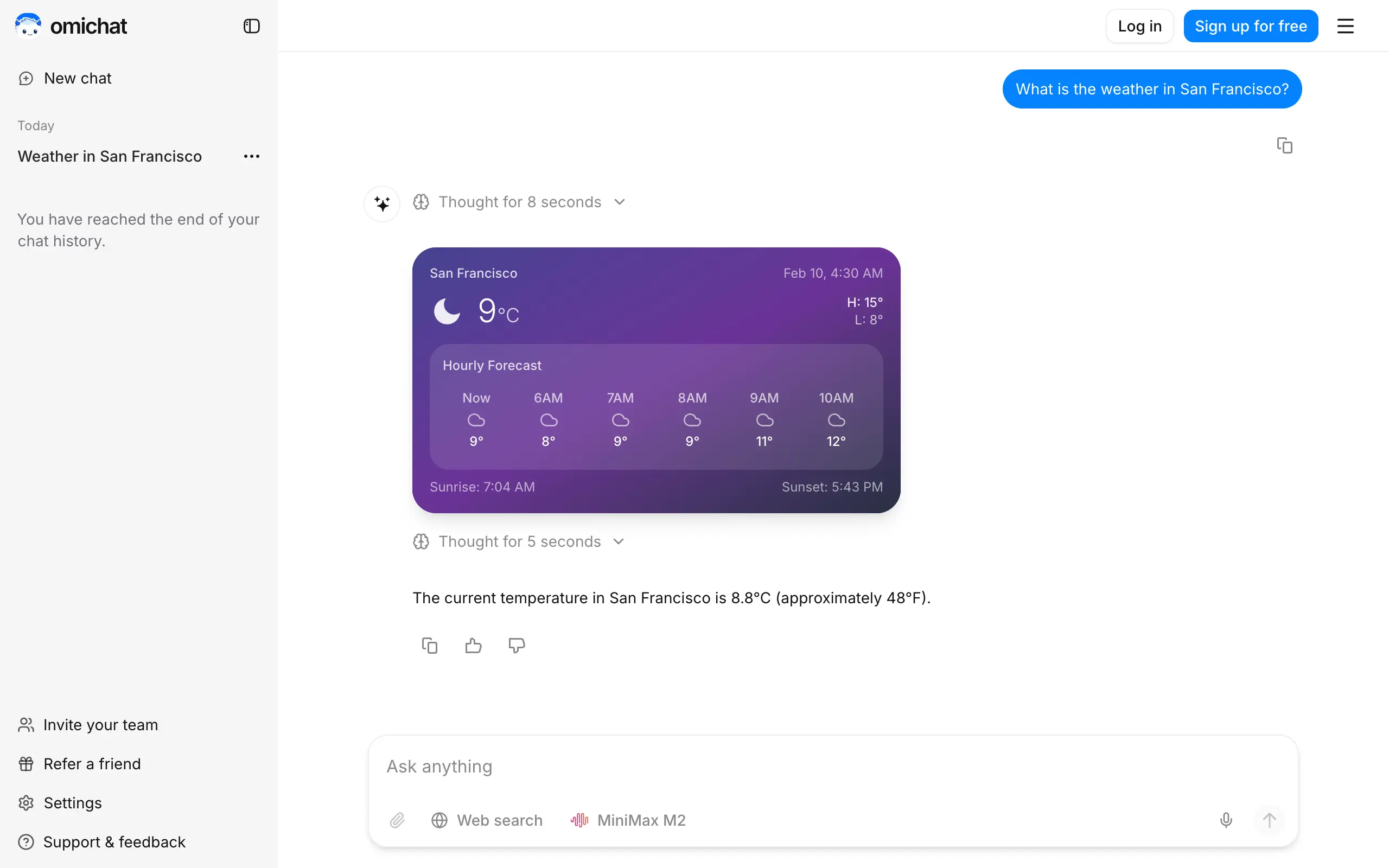
Omichat
Chat with 50+ AI models, including ChatGPT and Claude, in one place - switch models anytime without losing context 🤖
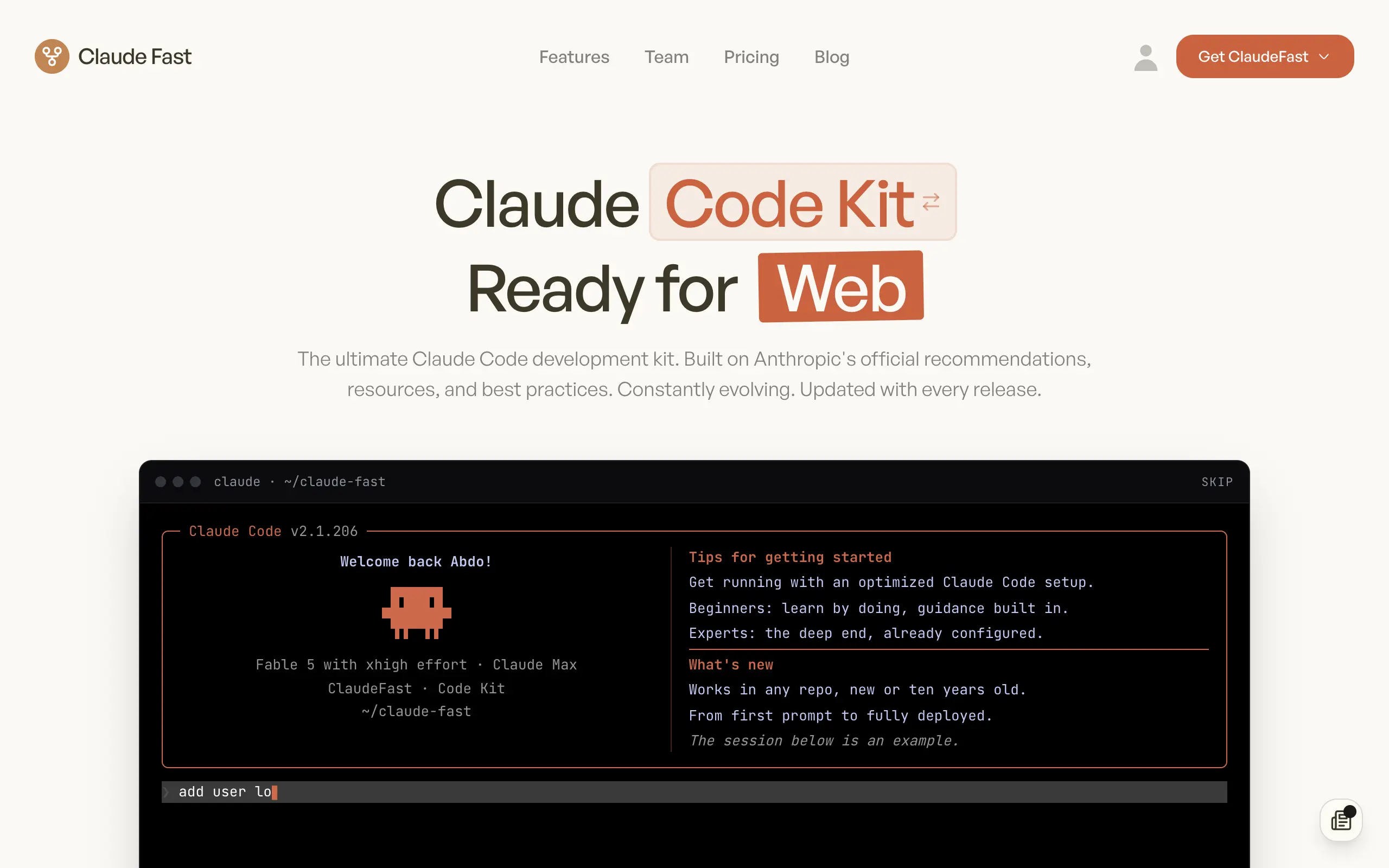
Claude Fast
Supercharge your Claude Code with 6x effective context window and specialized AI agents 🤖
EmojAI
AI-powered emoji picker with smart, context-aware suggestions 🤖
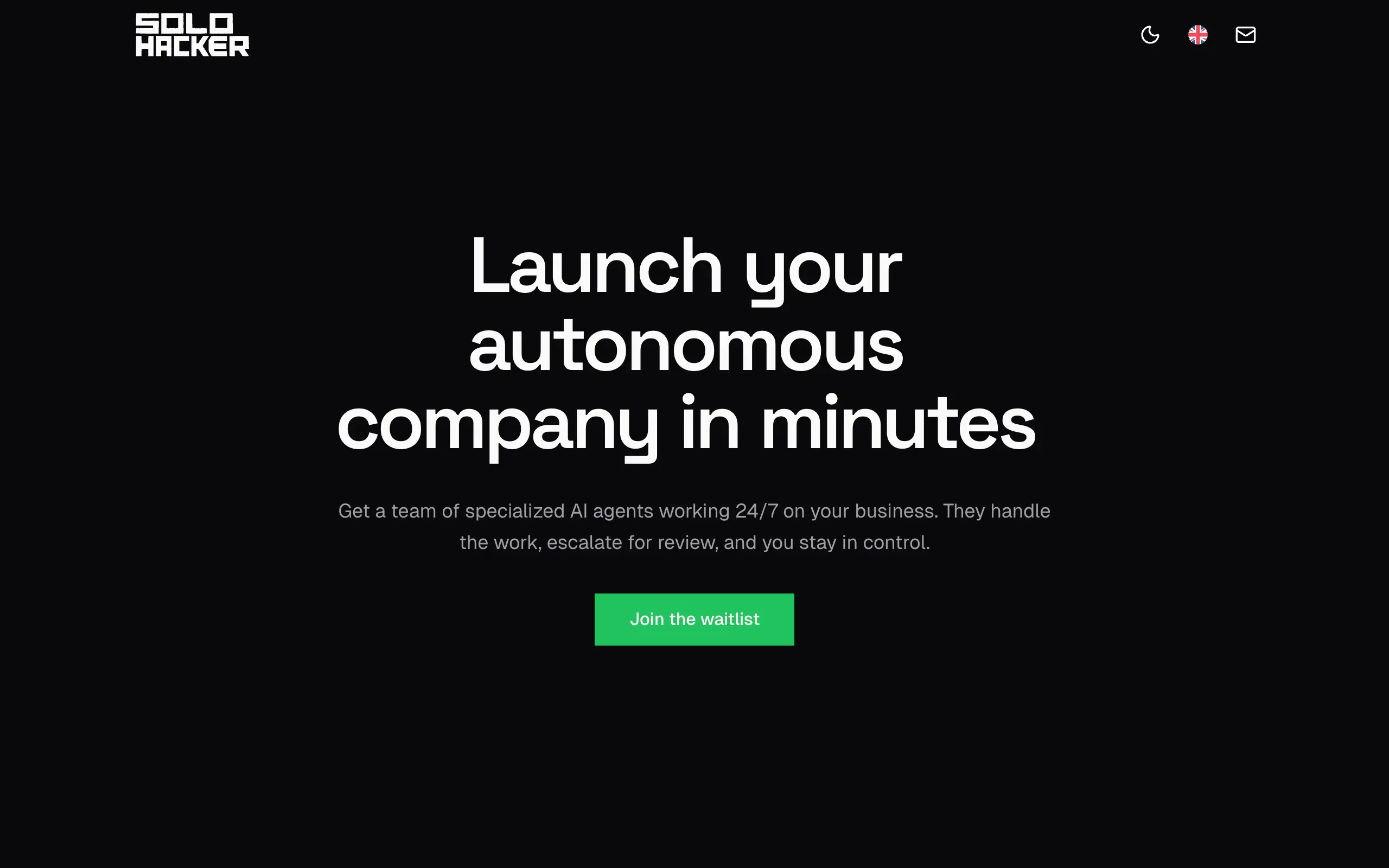
Solohacker
Autonomous company launcher - AI agents work 24/7, escalate what matters, and you stay in control 🤖
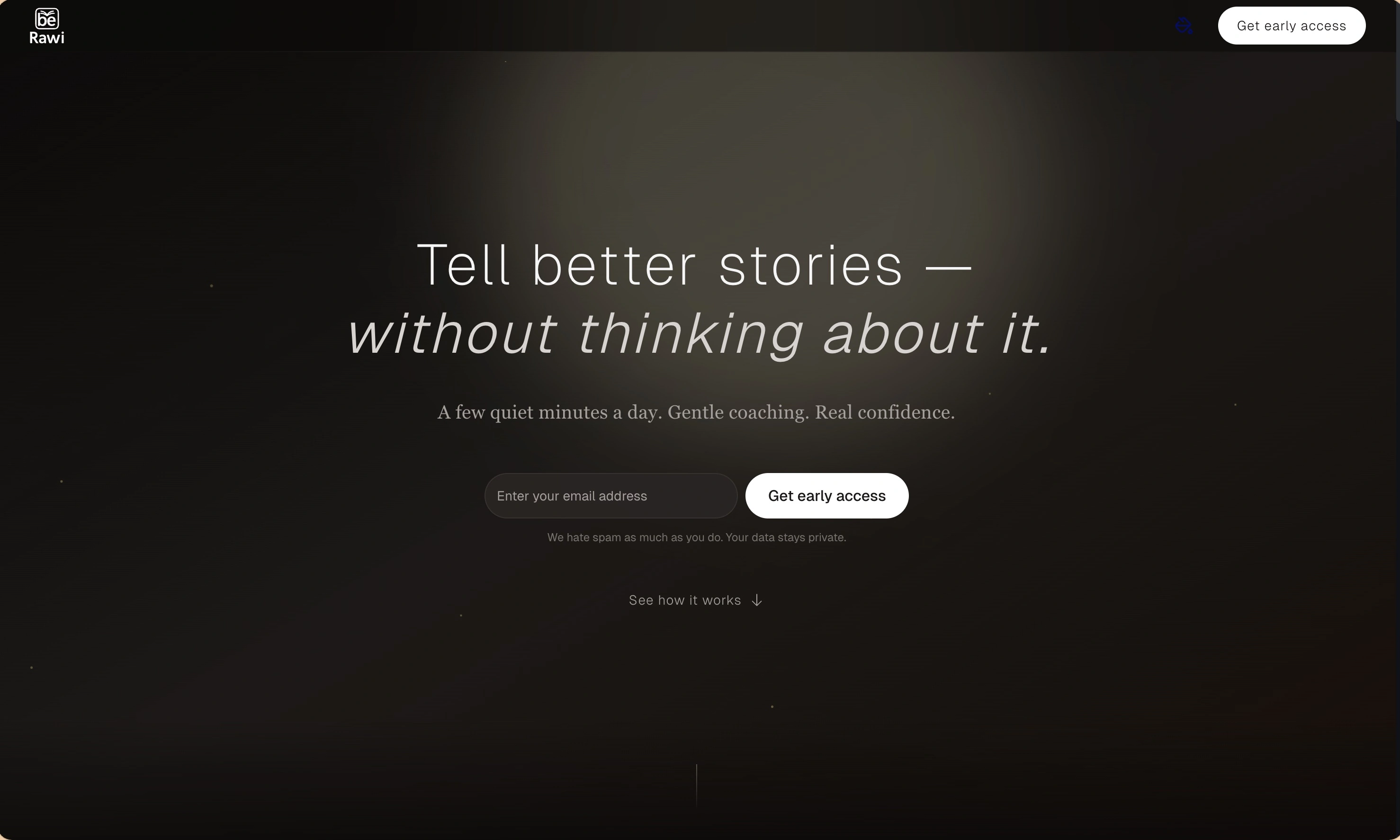
BeRawi: Storytelling Coach
Practice storytelling daily with instant feedback to sound clearer, more engaging, and confident 🎤
Omichat
Chat with 50+ AI models, including ChatGPT and Claude, in one place - switch models anytime without losing context 🤖
Claude Fast
Supercharge your Claude Code with 6x effective context window and specialized AI agents 🤖
EmojAI
AI-powered emoji picker with smart, context-aware suggestions 🤖
Solohacker
Autonomous company launcher - AI agents work 24/7, escalate what matters, and you stay in control 🤖
BeRawi: Storytelling Coach
Practice storytelling daily with instant feedback to sound clearer, more engaging, and confident 🎤
Omichat
Chat with 50+ AI models, including ChatGPT and Claude, in one place - switch models anytime without losing context 🤖
Claude Fast
Supercharge your Claude Code with 6x effective context window and specialized AI agents 🤖
EmojAI
AI-powered emoji picker with smart, context-aware suggestions 🤖
Solohacker
Autonomous company launcher - AI agents work 24/7, escalate what matters, and you stay in control 🤖
BeRawi: Storytelling Coach
Practice storytelling daily with instant feedback to sound clearer, more engaging, and confident 🎤
Omichat
Chat with 50+ AI models, including ChatGPT and Claude, in one place - switch models anytime without losing context 🤖
Claude Fast
Supercharge your Claude Code with 6x effective context window and specialized AI agents 🤖
EmojAI
AI-powered emoji picker with smart, context-aware suggestions 🤖
Solohacker
Autonomous company launcher - AI agents work 24/7, escalate what matters, and you stay in control 🤖
BeRawi: Storytelling Coach
Practice storytelling daily with instant feedback to sound clearer, more engaging, and confident 🎤

Connect with like-minded people
Join our community to get feedback, support, and grow together with 1,000+ builders on board, let's ship it!
Join usShip your startup everywhere. In minutes.
Don't burn tokens on setup and start building features on day one.