TenaTransit
Offline Addis Ababa minibus routes, landmarks and fare notes help commuters plan trips without mobile data. Earn from optional route packs and local ads.
TenaTransit is a proposed offline-first travel planning app for Addis Ababa. It would help commuters find minibus routes, identify landmarks along the way, and review fare notes—even when mobile data is unavailable. Its central promise is practical rather than flashy: make everyday trips easier to plan with locally useful information that works beyond a reliable internet connection.
This article evaluates the opportunity behind TenaTransit, including its target users, product features, technical approach, business model, risks, and launch plan. The recommendations are strategic hypotheses, not claims about current route coverage or commuter behavior. Before building, the team should validate them with Addis Ababa passengers, drivers, and local transport experts.
What is TenaTransit?
TenaTransit is an offline Addis Ababa minibus routes app concept. It would give users a searchable collection of route information, landmarks, and fare notes that they can save on their phones and consult without mobile data.
The product could address a common planning problem: a passenger may know where they want to go but not which minibus route to take, which landmark to ask for, or whether the information they find online is current. TenaTransit would organize that information around practical journeys rather than expecting users to interpret a complicated map or depend on a live connection.
A strong first version should help someone answer four questions:
- Where can I board?
- What route or transfer should I take?
- Which landmarks should I recognize or mention?
- What fare information should I check before traveling?
The app should present answers clearly while communicating uncertainty. Route and fare details can change, so trustworthy guidance needs dates, contributor information, and a way to report corrections.
The market opportunity for an offline Addis Ababa transit app
Transit information is valuable only when people can use it at the moment they need it. That makes offline access a product feature with a direct connection to the core task, not simply a technical extra. A passenger may want to plan ahead at home, check a route while walking, or confirm a landmark during a trip. A design that assumes continuous connectivity can fail at any of those moments.
TenaTransit could occupy a useful middle ground between informal local knowledge and complex digital trip planning. A commuter may already learn routes from friends, coworkers, drivers, or conductors. Those sources can be effective, but knowledge may be difficult to search, compare, or pass on to a new resident or occasional traveler. A digital guide can make local knowledge easier to retrieve without pretending to replace it.
The information gap to investigate
The opportunity is not simply “there is no transit app.” That claim would need current, local competitor research. A more useful question is whether existing options reliably solve the specific job of planning an Addis Ababa minibus journey offline.
The team should investigate gaps such as:
- Coverage: Do available services include the minibus routes that target users need?
- Offline usability: Can a user search saved routes and landmarks without a live connection?
- Local legibility: Are route directions expressed in terms passengers recognize?
- Fare clarity: Are fare notes dated, contextual, and easy to distinguish from guaranteed prices?
- Language access: Can users navigate the product in the languages they prefer?
- Trust: Can passengers tell when information was last reviewed and how to report an error?
These questions create a research agenda rather than an unsupported market-size claim. Before estimating revenue or adoption, interview likely users and compare the information they currently rely on with what a prototype could provide.
Why local detail can be a differentiator
A general map may show roads and places but not necessarily explain how passengers describe a minibus route. A static list of route names may be difficult to use if a traveler does not know where to board or which landmark signals the right direction.
TenaTransit’s opportunity is to combine:
- Route descriptions written for passengers
- Familiar landmarks and stop references
- Transfer guidance
- Offline search
- Clearly labeled fare notes
- Visible update and confidence information
The product’s value would come from making information understandable and dependable. The number of routes in a database matters, but it is not a substitute for accuracy, clarity, and maintenance.
Target audience for TenaTransit
A consumer transit app should not assume that every passenger has the same level of local knowledge, phone access, language preference, or travel frequency. TenaTransit should begin with a specific audience and learn from it before trying to serve everyone.
Daily commuters
Regular commuters may already know their usual journey. They could still benefit when a route changes, when they need an unfamiliar destination, or when they want to explain a trip to someone else.
For this group, the app should make common tasks fast. A saved route, recent search, or favorite destination may matter more than a long list of advanced settings. The team should test whether commuters prefer direct route search, a map, landmark search, or a combination.
New residents and occasional travelers
People who have recently moved to Addis Ababa, visit infrequently, or travel outside their normal routine may need more context than experienced passengers. They may not recognize a route name or know which landmark to ask for.
Useful features for this audience could include:
- Plain-language directions
- A step-by-step journey summary
- Transfer explanations
- Familiar landmark descriptions
- A clear indication of where to confirm details locally
The interface should avoid assuming that users already understand local route conventions.
Students and younger passengers
Students may be frequent travelers with limited budgets and a strong need for practical, easy-to-share information. TenaTransit could let them save routes to school or campus, share a journey plan, and check fare notes before traveling.
Research should establish whether this group prefers an app, a lightweight web experience, or a combination. It should also explore how students discover tools and whether group or campus partnerships could help with adoption.
Visitors and occasional city users
Visitors may value route guidance but face additional uncertainty around language, unfamiliar landmarks, and fare expectations. The app should not promise that a fare note is a fixed price unless it can substantiate that claim. Instead, it can show when the note was last checked and advise users to confirm the current fare before boarding.
For this group, a simple onboarding flow and concise directions may be more valuable than a large set of transit terminology.
Drivers, conductors, and community contributors
Although TenaTransit is a B2C concept, local transport workers and knowledgeable residents could play an important role in keeping information useful. They are potential contributors and reviewers, not merely data sources.
A responsible contribution process should explain:
- What information is being requested
- How the information will be checked
- Whether a contributor’s name or contact details will be shown
- How to report an error or request removal
- Whether contributions are paid, credited, or voluntary
The product should avoid collecting personal details it does not need. A route correction should not require a contributor to disclose sensitive information.
Core features for an offline Addis Ababa minibus routes app
The first release should focus on the essential trip-planning task. A feature is valuable when it helps a passenger make a better decision, not just because it is technically impressive.
1. Search routes, landmarks, and destinations
Users should be able to search by a destination, a familiar landmark, or a route label. Search should account for spelling variations and different ways people describe the same place. The team can learn which terms matter through interviews and real search logs, provided analytics are designed with privacy in mind.
Search results should explain why a route is relevant. Instead of showing only a route name, a result might display a starting area, key landmarks, and a short description of the journey.
2. Save route data for offline use
Offline support should cover the core information a traveler needs, including:
- Route descriptions
- Stop or landmark references
- Transfer instructions
- Saved journeys and favorites
- Fare notes and their last-reviewed dates
A useful offline design also tells users whether information is saved and when it was last synchronized. If some content is missing, the app should say so clearly rather than silently displaying an incomplete result.
3. Explain routes in local terms
A route can be represented with a map, but map lines alone may not be enough. The app should pair visual information with plain-language instructions and landmarks that passengers recognize.
For example, a route detail page could show:
- Where to start looking for the minibus
- Which landmarks or stops to watch for
- Where a transfer may be required
- What direction or destination to confirm with the operator
- When the route information was last reviewed
These directions should be tested with actual passengers. A technically accurate map that does not match local language may still be difficult to use.
4. Show fare notes responsibly
Fare information can be valuable, but it may also become outdated or vary by context. TenaTransit should label fare content as a note rather than a guaranteed price unless reliable verification supports a stronger claim.
Each fare note should ideally include:
- The date it was checked
- The route or trip context it applies to
- A confidence label or verification status
- A simple way to report a change
The app should avoid presenting a single number as universally applicable if local research shows that fares depend on circumstances.
5. Include map and list views
Some users may prefer a map, while others may find a list faster and easier to read. Offering both can make route information more accessible, particularly on smaller screens or for users who are not comfortable interpreting map symbols.
Offline maps can use more storage than text-based route data. The product can manage that trade-off by letting users choose an area or route pack to download, while keeping lightweight search data available by default.
6. Let users report corrections
A correction feature can help the product improve, but only if reports are manageable and do not become an unchecked source of misinformation. A report should capture the relevant route, issue type, and optional explanation. The team should then review changes before presenting them as verified.
Possible report types include:
- A stop or landmark is missing
- A route description is unclear
- A fare note may be outdated
- A route appears to have changed
- A search result uses an unfamiliar name
A visible status such as “reported,” “under review,” or “verified” can help users understand the difference between a suggestion and confirmed information.
7. Provide language and accessibility options
Language choices should follow user research. TenaTransit should determine which languages users want for the interface, place names, search, and route instructions rather than assuming one language can serve every use case.
The app should also support readable type, adequate contrast, touch-friendly controls, and clear labels. Essential travel details should not rely on color alone. If users may have different levels of literacy or familiarity with smartphones, test the interface with them directly.
How TenaTransit could stand out from alternatives
A competitive advantage is a specific reason a user would choose this product and continue trusting it. “A transit app for Addis Ababa” is a starting point, not a durable advantage. The strongest positioning for TenaTransit would combine offline usefulness with carefully maintained local route knowledge.
| Product approach | Offline route search | Landmark-based guidance | Fare-note context | Local contribution workflow | Potential limitation |
|---|---|---|---|---|---|
| General map service | Varies by service | May be limited | Often not the core focus | Varies | May not explain local minibus conventions |
| Static route directory | Often possible | Depends on data | May become outdated | Often limited | Can be difficult to maintain |
| Informal advice | Usually available in person | Often strong | Can reflect current experience | Unstructured | Hard to search or compare consistently |
| TenaTransit concept | Core product goal | Core product goal | Dated and clearly labeled | Reviewed reports and updates | Requires sustained local verification |
The table describes product approaches, not a verified audit of named competitors. Before launch, the team should test actual services and directories available to Addis Ababa users.
A defensible local-data advantage
If TenaTransit develops reliable route records, a clear update process, and trusted community relationships, that operating capability could become harder to copy than the interface itself. The advantage would not come from claiming exclusive ownership of public knowledge. It would come from making that knowledge useful, well organized, and responsibly maintained.
That advantage depends on ongoing work:
- Establishing consistent route-data standards
- Recording sources and review dates
- Resolving conflicting reports
- Making changes traceable
- Building relationships with local contributors
- Keeping user corrections visible and accountable
A route database that is not maintained is not a moat. It is a growing liability.
Recommended technology stack for TenaTransit
The technical architecture should support offline use, reliable updates, modest operating costs, and a small team’s ability to ship improvements. The best choice depends on team experience, target devices, and whether the product needs a native app, web app, or both.
Mobile application
A cross-platform mobile framework can reduce the work of maintaining separate Android and iOS codebases. Flutter is one option for building cross-platform applications. It may be attractive if the team wants a consistent interface and strong control over the app experience.
A web-first implementation can be faster to distribute and easier to update, but offline behavior and installation expectations should be tested on the devices used by the target audience. React is a possible foundation for a web client, while a native or cross-platform app may be preferable if deeper device integration is needed.
There is no universally best choice. The team should build a small offline prototype in its leading option and compare startup time, storage use, search performance, and developer productivity on representative devices.
Backend and data storage
A relational database is a sensible fit for structured entities such as routes, stops, landmarks, fare notes, sources, and revisions. A backend based on PostgreSQL can support relationships and data validation while leaving room for future querying.
The mobile app should keep a local copy of essential content. A synchronization process can deliver updates when connectivity returns, while conflict-handling rules prevent a new report from silently overwriting verified information.
A backend service such as Supabase may speed up an early build by providing managed database and authentication features. The trade-off is that product teams still need to understand data access rules, backup practices, vendor dependencies, and the cost of scaling. An in-house backend offers more control but requires more engineering and operational work.
Mapping and geospatial data
The product may need coordinates, route shapes, and offline map tiles. OpenStreetMap is a widely used map-data project, while MapLibre provides open-source mapping tools. The team should review applicable data and software licenses before using any map content in a commercial product.
Offline map downloads can increase app size and storage use. TenaTransit should compare a full offline map with a lighter design that stores route descriptions and landmarks first. For many trip-planning tasks, searchable text and simple route diagrams may deliver more value per megabyte than downloading a large map area.
Offline synchronization and data integrity
Offline support is an architectural requirement. It should be designed into the data model from the start rather than added after the online version is complete.
A practical model could include:
- A version number for each route record
- A reviewed-at date
- A source or verification note
- A status such as draft, reported, or verified
- A local cache on the device
- A background update process when connectivity is available
The client should handle stale content explicitly. For example, it can show the last synchronization time and allow the user to keep using saved information while understanding that it may have changed.
Analytics and privacy
Analytics can reveal whether people successfully find routes, where searches fail, and which downloaded packs are useful. The product should collect only what it needs to improve the service.
Avoid treating precise location tracking as a default requirement. If location is useful for a specific feature, explain why it is needed, ask for permission at the right moment, and offer an alternative when a user declines. The team should define data retention, access controls, and deletion procedures before collecting personal data.
Monetization strategy for TenaTransit
The concept proposes optional route packs and local advertising. Both could generate revenue, but they should support rather than undermine the product’s primary promise: useful, trustworthy travel information.
Optional route packs
A route pack could bundle an area, a set of popular journeys, or richer offline map content. This can make offline data distribution manageable and give users control over storage.
Potential packaging approaches include:
- Free core routes with paid expanded coverage
- Optional offline map downloads
- Premium trip collections for frequent travelers
- Sponsored or institution-provided route packs
The team should be cautious about putting essential safety or basic route information behind a paywall. A paid tier is more appropriate for added convenience or expanded content than for information people need to complete an ordinary journey.
Local advertising
Local ads may fit the product if they are relevant to the areas and businesses users care about. Potential advertisers could include nearby shops, services, or organizations, but the team should validate demand before designing the app around ad revenue.
Ads should be clearly labeled and separated from route guidance. An advertiser must not be able to purchase a higher ranking in a way that makes a route appear safer, faster, or more accurate. Avoid intrusive formats that interrupt a passenger while they are trying to confirm directions.
Partnerships and institutional revenue
A longer-term model could include partnerships with universities, employers, tourism organizations, or local service providers. Such partnerships may help fund route research or distribute the app to a defined audience.
Partnerships should not compromise editorial independence. If an organization funds content, disclose that relationship and retain a consistent verification standard.
A staged monetization plan
A prudent sequence is:
- Validate whether users want the product and which information they value.
- Measure repeat use and offline success before adding monetization.
- Test willingness to pay for optional packs without restricting core access.
- Pilot clearly labeled local advertising with a small number of partners.
- Compare revenue with the cost of keeping information accurate.
The business model should account for recurring data maintenance. If revenue cannot support updates, the team should revise its scope or funding assumptions rather than leave users with stale guidance.
Risks and mitigation strategies
TenaTransit’s largest risks are operational and trust-related. Offline technology matters, but an app can work perfectly and still fail if route information is misleading or out of date.
Outdated or inaccurate route data
Risk: Routes, stops, or local fare expectations may change, leaving saved information inaccurate.
Mitigation: Store review dates, provide a report function, assign responsibility for verification, and communicate when data has not been checked recently. Start with a limited area or set of routes that the team can maintain well.
Conflicting local information
Risk: Two contributors may give different route descriptions or fare notes.
Mitigation: Preserve sources and revisions, distinguish reports from verified records, and use a documented review process. Where uncertainty remains, present it instead of forcing a false consensus.
Limited connectivity and device storage
Risk: Some users may have constrained data plans, limited storage, or older devices.
Mitigation: Keep the core route database lightweight, make larger map downloads optional, compress updates, and test performance on lower-end devices. Offline access should remain useful even when a user cannot download a large regional map.
Weak user adoption
Risk: People may prefer existing personal networks or may not discover the app.
Mitigation: Research current travel-planning habits, test prototypes with passengers, and distribute through trusted local channels. Measure whether users can complete real tasks, not only whether they install the app.
Misleading fare expectations
Risk: Users may interpret a fare note as a guaranteed current price.
Mitigation: Date fare notes, explain their context, use careful language, and provide an easy reporting path. Do not imply a level of certainty the team cannot verify.
Advertising that damages trust
Risk: Ads may make route results feel biased or interfere with trip planning.
Mitigation: Label sponsored content, keep it separate from route ranking, restrict disruptive formats, and maintain a policy that advertisers cannot alter factual route information.
Privacy and location concerns
Risk: Location collection could create privacy concerns or expose sensitive travel patterns.
Mitigation: Make location optional where possible, explain its purpose, minimize collection, protect stored data, and establish deletion and retention policies. Do not collect location simply because it is technically available.
How to validate the idea before a full build
A focused discovery phase can prevent the team from investing in features that passengers do not need. The goal is to test the riskiest assumptions with real users and real route information.
Start by interviewing a diverse set of commuters, occasional travelers, students, and people new to the city. Ask participants to describe their most recent unfamiliar trip and show how they planned it. Avoid leading questions such as “Would you use an offline transit app?” Past behavior is more useful than hypothetical enthusiasm.
Then create a small prototype with a limited set of routes and landmarks. Test whether users can answer practical questions without help:
- Can they find a route from a starting point to a destination?
- Do they understand the landmark descriptions?
- Can they recognize when a transfer is required?
- Can they tell whether information is current?
- Can they retrieve saved content with connectivity turned off?
The team should also interview people with local transport knowledge to understand how route information is described, how it changes, and what a responsible verification process would require.
Track task completion and confusion, not just preference. If users repeatedly misunderstand a route, revise the information structure before adding more routes.
Actionable implementation steps
A staged launch keeps the project focused and makes it easier to learn before expanding coverage.
Define the initial user and use case
Choose a narrow starting audience and a specific trip-planning problem. For example, the first release might help occasional travelers search a selected set of verified routes by landmark. Confirm the choice through interviews rather than assumptions.
Audit existing information sources
Review available maps, public information, local directories, and community knowledge. Record the source, date, and confidence level for each route detail. Check licensing and permissions before reusing any third-party data.
Establish route-data standards
Define how the team records route names, stops, landmarks, transfers, fare notes, and review dates. Create statuses that distinguish unreviewed submissions from verified information. Decide who can approve changes.
Build a low-fidelity offline prototype
Test search, route detail pages, saved content, and last-updated indicators before investing in advanced map features. Use a small, carefully checked dataset and test the prototype without connectivity.
Run field usability tests
Ask participants to complete real or simulated trip-planning tasks. Observe where they hesitate, which terms they use, and whether instructions match their expectations. Include different levels of transit familiarity and smartphone experience.
Select the stack through a technical spike
Compare the leading mobile and mapping options with a practical prototype. Test app size, offline search, synchronization, map rendering, and performance on representative devices. Document the trade-offs before committing.
Launch a limited pilot
Release a small, maintainable route collection to a clearly defined group. Provide a way to report errors and establish a response process. Review reports regularly and communicate meaningful changes.
Measure usefulness and trust
Track whether users find a route, understand the instructions, and return to the product. Monitor data freshness and correction turnaround. Treat success as reliable trip support, not simply downloads or page views.
Expand coverage and test revenue carefully
Add routes only when the team can maintain them. Once repeat use and trust are established, test optional route packs or local ads without compromising essential information or route neutrality.
Key success metrics for TenaTransit
Metrics should connect to user outcomes and data quality. Downloads alone do not show whether the app helps passengers.
Useful early indicators include:
- Search success: The share of route searches that lead to a useful result
- Task completion: Whether a user can identify a route and relevant landmarks
- Offline task success: Whether core tasks work after connectivity is disabled
- Data freshness: The age of verified route records
- Correction resolution time: How long it takes to review and address reports
- Repeat use: Whether users return for another journey
- Trust signals: Whether users understand update dates and confidence labels
- Pack adoption: Whether users download optional route or map packs
Interpret metrics alongside interviews and observed usability tests. A high search-success rate may conceal confusion if users select a result without understanding it. Qualitative feedback can reveal problems that event analytics cannot.
Final assessment
TenaTransit has a focused product premise: help people plan Addis Ababa minibus journeys with route details, landmarks, and fare notes that remain available offline. Its clearest potential differentiator is the combination of local, passenger-friendly guidance and an explicit commitment to offline access.
That promise also creates a responsibility. The app will be useful only if route information is understandable, maintained, and presented with appropriate uncertainty. A small, well-verified launch is likely to be more valuable than broad coverage that the team cannot keep current.
The next step is not to build every feature. It is to validate the information gap, identify the first audience, test a limited offline dataset, and establish a credible update process. If those foundations work, TenaTransit can expand its coverage and evaluate optional route packs or local advertising without compromising the core experience.
For a faster path from product concept to a working SaaS foundation, consider TurboStarter. TenaTransit should still choose its mobile, mapping, and data architecture based on offline testing and local user research, but a strong starting point can help the team focus effort on the product’s distinctive route data and commuter experience.
More 👥 B2C Application SaaS ideas
Discover more innovative b2c application SaaS ideas that are trending in 2026. Each idea is AI-generated with market validation and growth potential to help you find your next profitable venture faster than competitors.
Your competitors are building with TurboStarter
Below are some of the SaaS ideas that have been generated and built with our starter kit.

Statiko
Monitor any Telegram channel in real time - track posts, edits, deletions, and growth with AI recaps 📡

Shibui
AI website builder - describe your business, pick a niche template, edit by chatting, and publish instantly ✨

Pro Service
Find verified home service professionals, compare quotes, and pay securely through escrow - built for Brazilians across the US 🏠
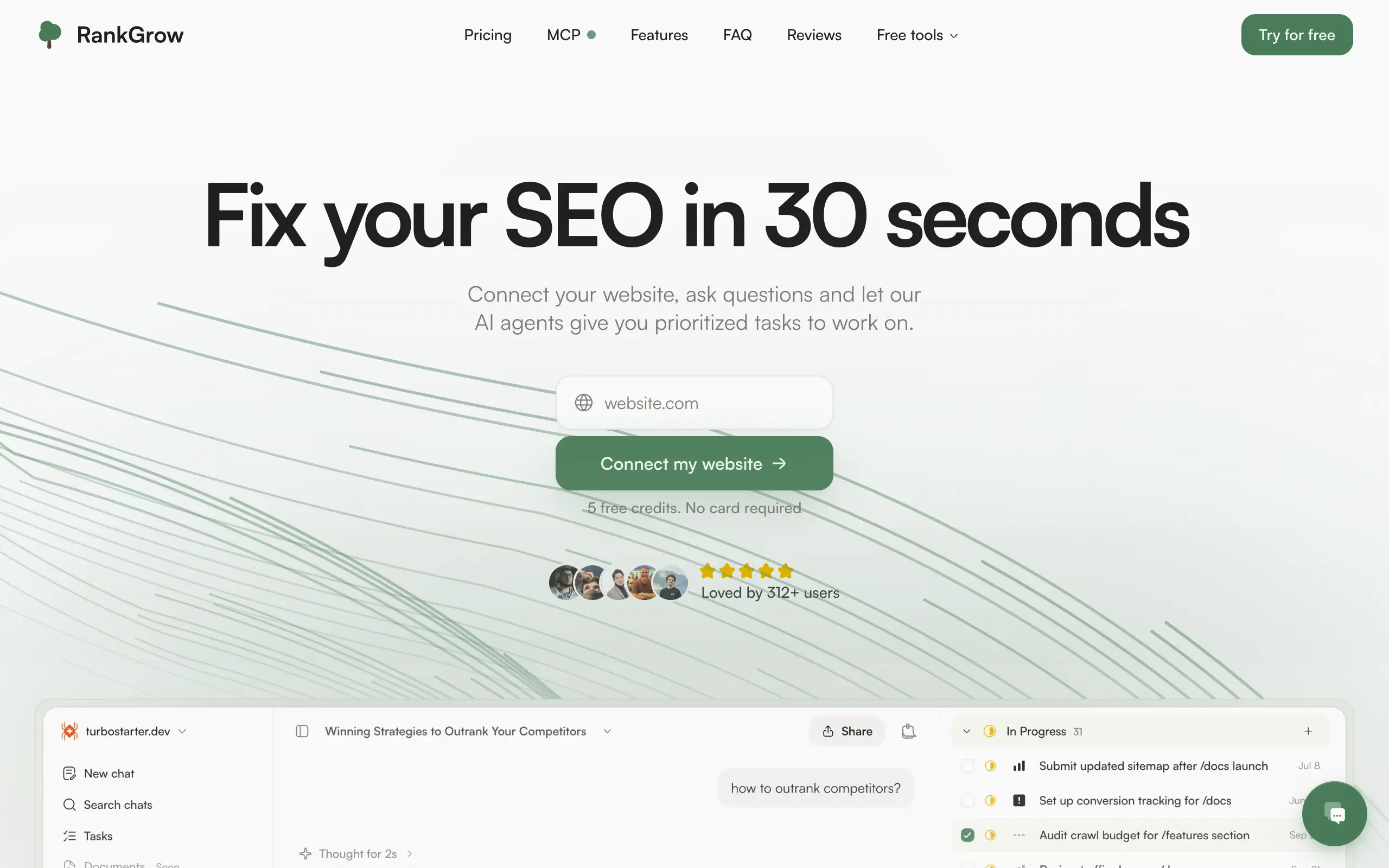
RankGrow
Fix your SEO with AI agents - connect Search Console, get prioritized tasks, and grow organic traffic 📈
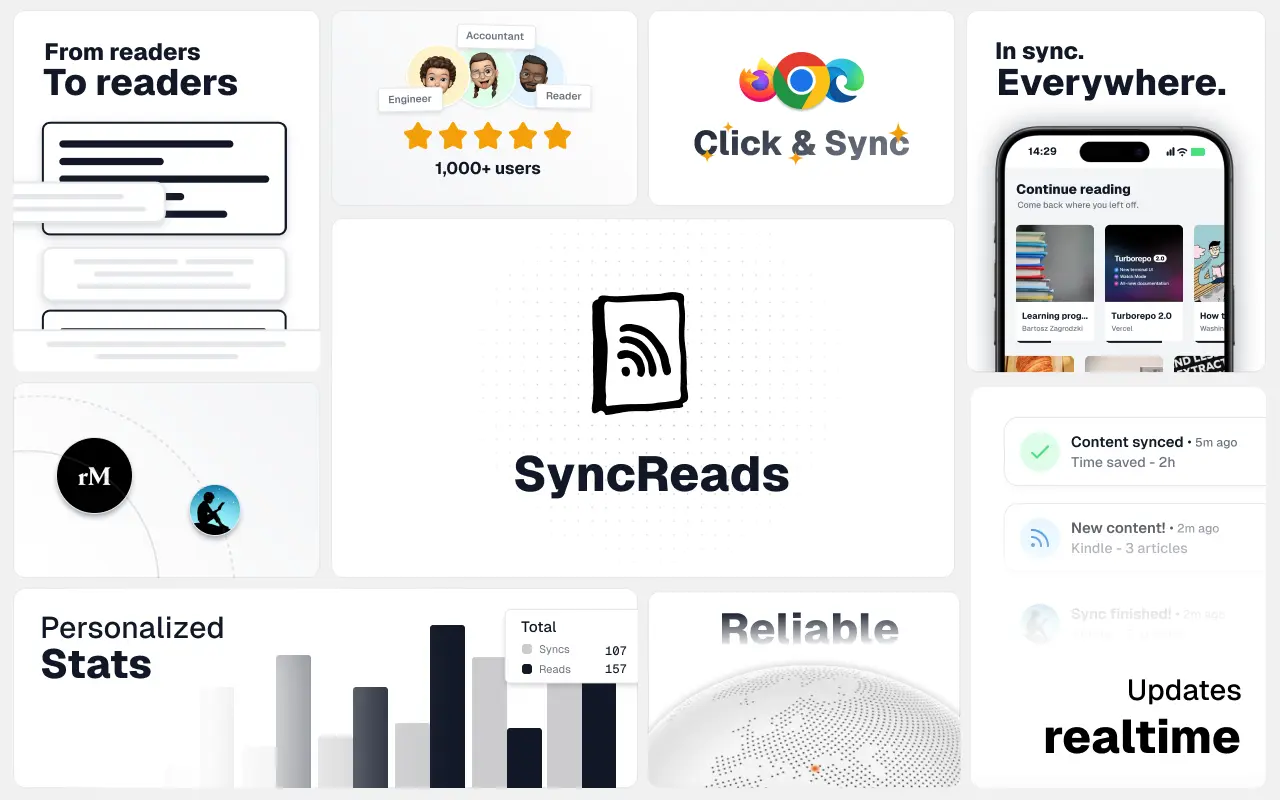
SyncReads
Sync your favorite content for distraction-free reading, save time and replace multiple apps. Anytime, anywhere 🔄
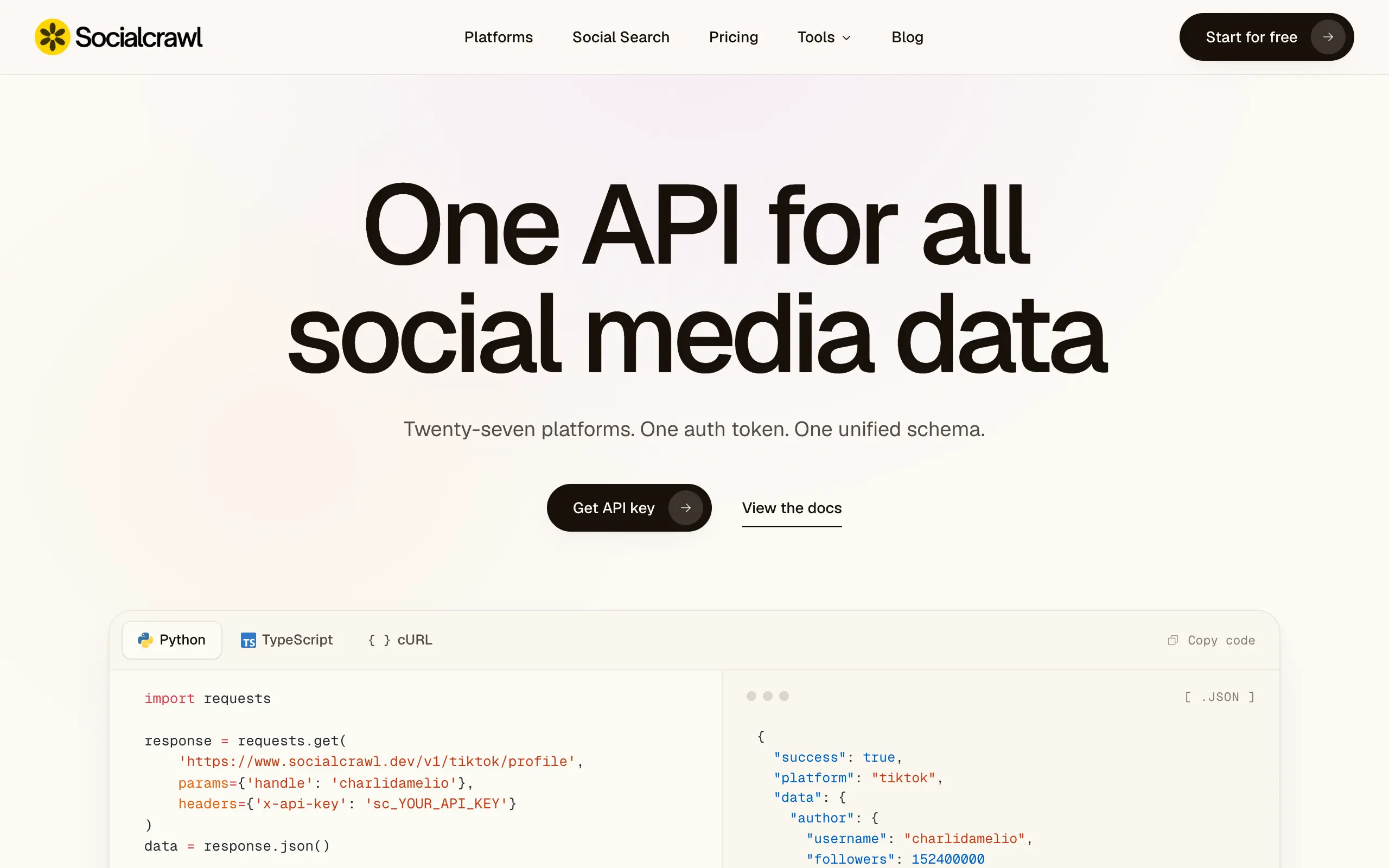
Socialcrawl
Get clean, structured data from 21 platforms like TikTok, Instagram, and YouTube with a single request 📊
Statiko
Monitor any Telegram channel in real time - track posts, edits, deletions, and growth with AI recaps 📡
Shibui
AI website builder - describe your business, pick a niche template, edit by chatting, and publish instantly ✨
Pro Service
Find verified home service professionals, compare quotes, and pay securely through escrow - built for Brazilians across the US 🏠
RankGrow
Fix your SEO with AI agents - connect Search Console, get prioritized tasks, and grow organic traffic 📈
SyncReads
Sync your favorite content for distraction-free reading, save time and replace multiple apps. Anytime, anywhere 🔄
Socialcrawl
Get clean, structured data from 21 platforms like TikTok, Instagram, and YouTube with a single request 📊
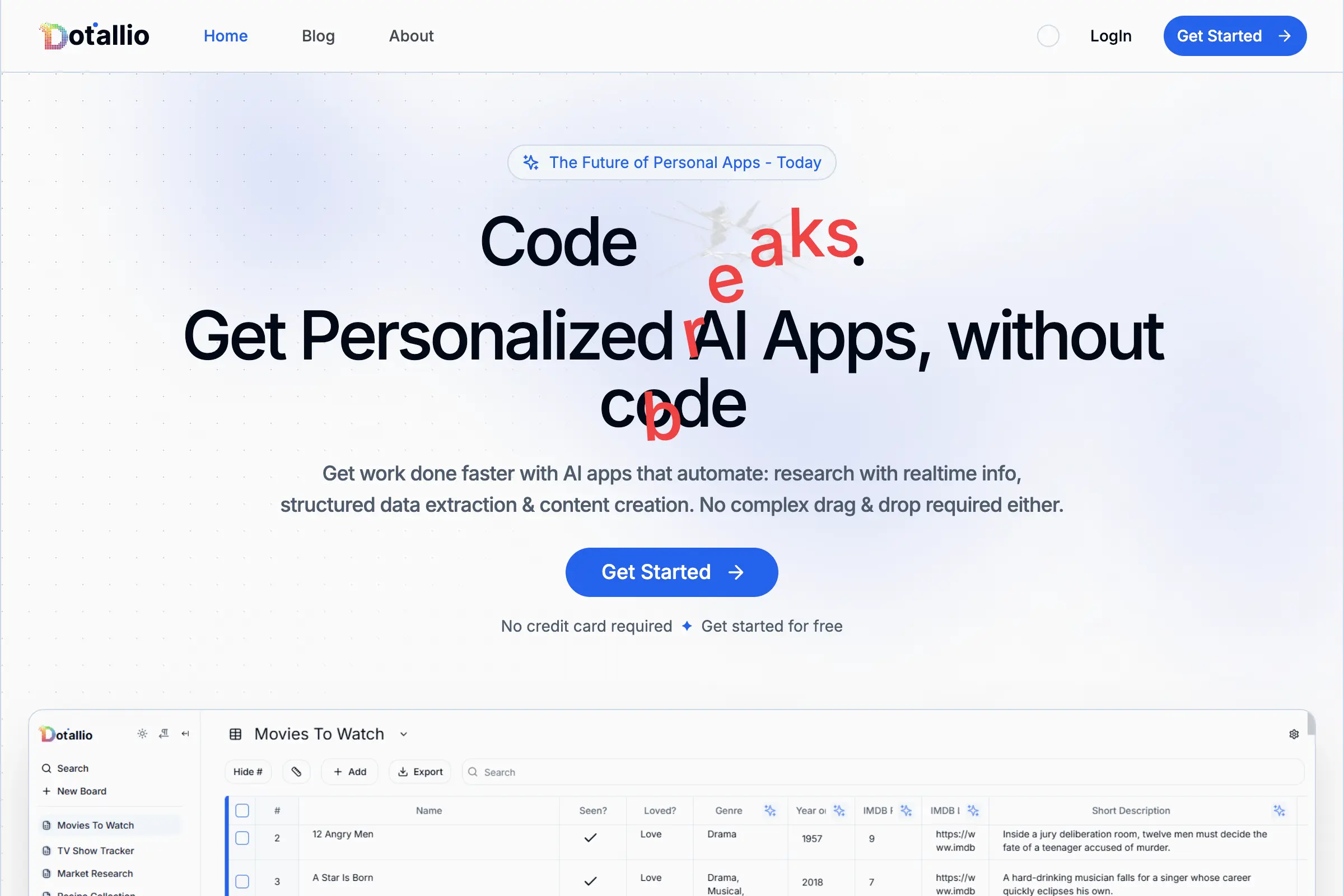
Dotallio
Personalized AI apps that automate research, data extraction, and content creation without code 🤖
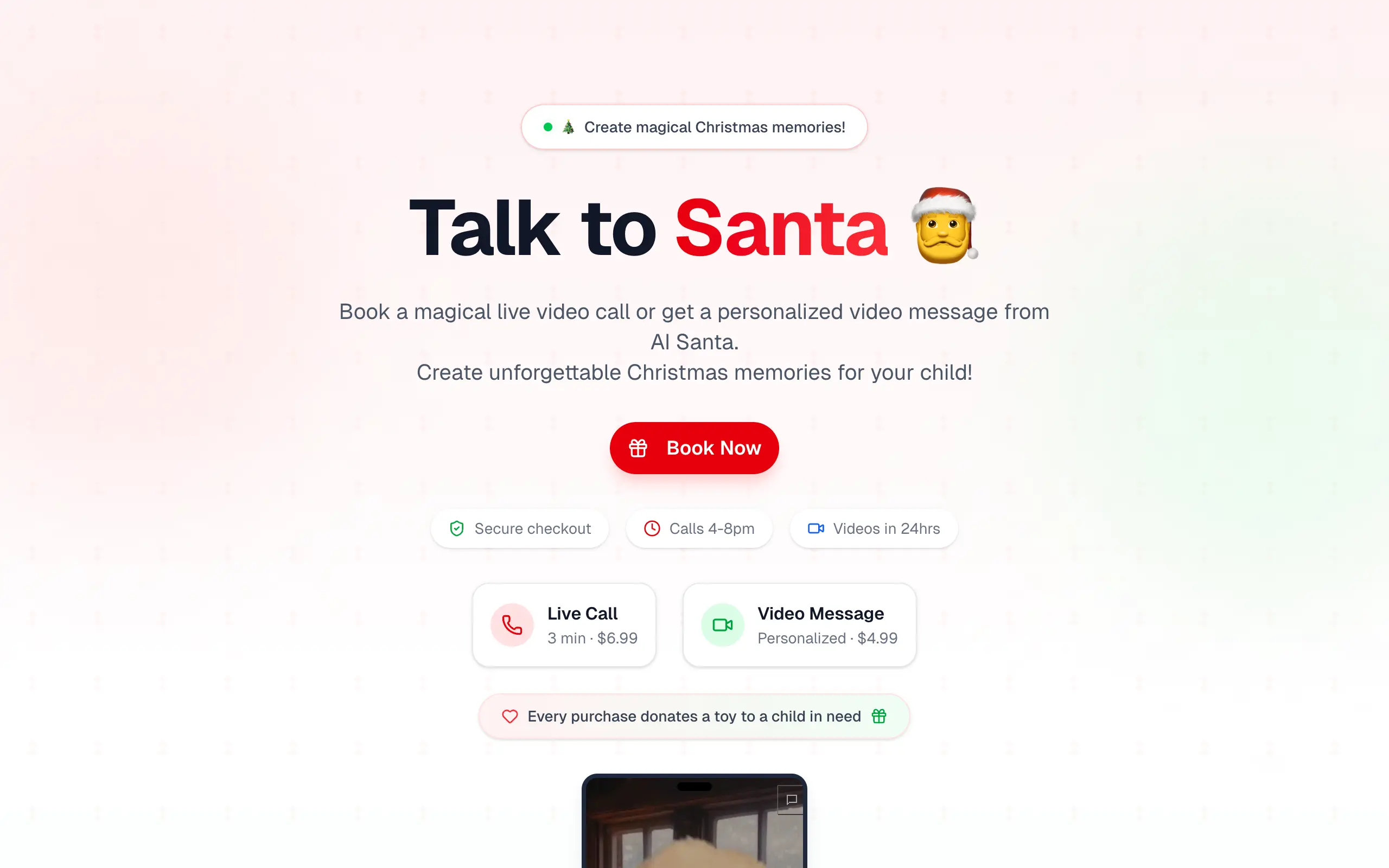
Talk to Santa
Enjoy a magical live video chat or receive a unique AI-generated video greeting from Santa Claus 🎅

pozywka.pl
Scalable blog for food journalist, focused on performance and user experience 🌭
zagrodzki.me
Personal blog and portfolio of Bart Zagrodzki, where he shares his knowledge and work 💼
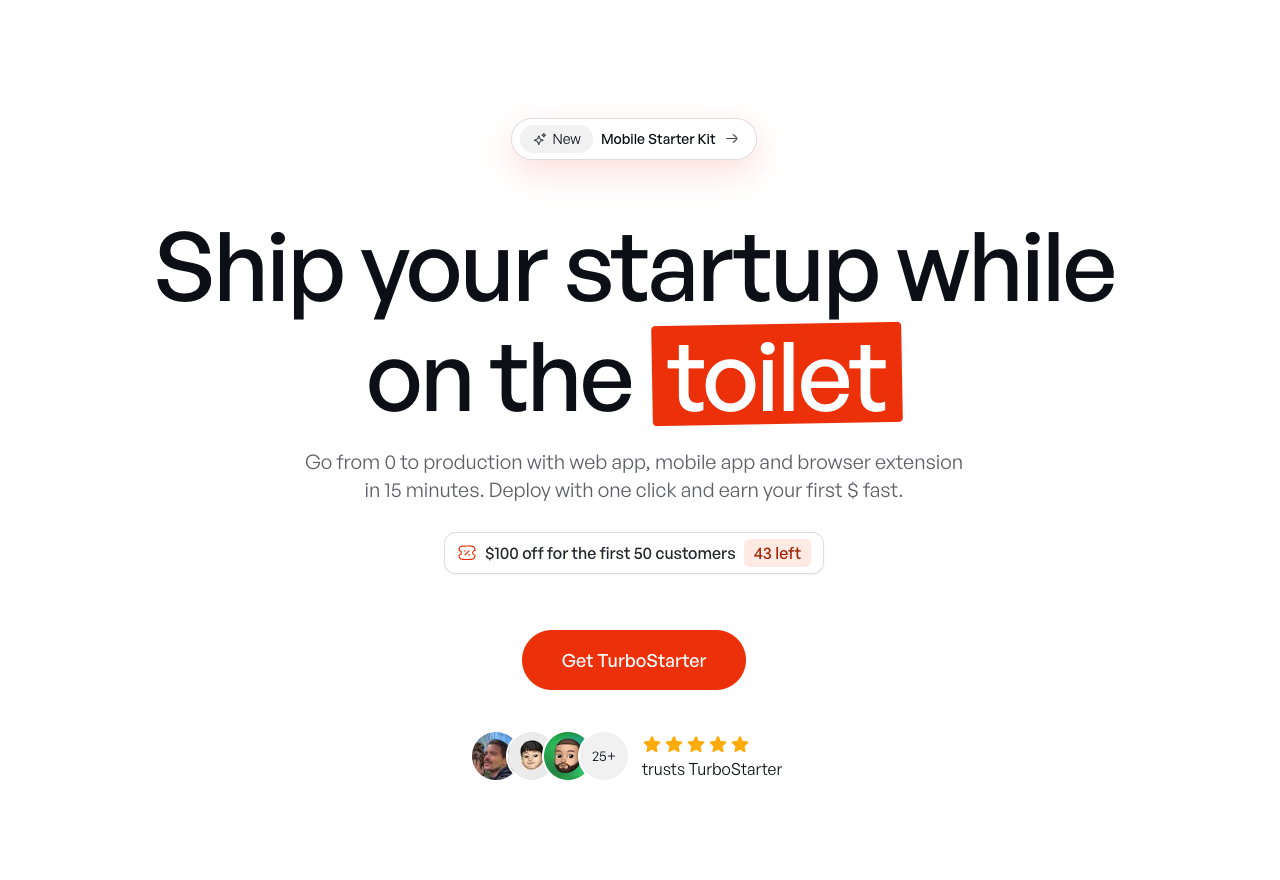
TurboStarter
Ship your startup everywhere. In minutes.
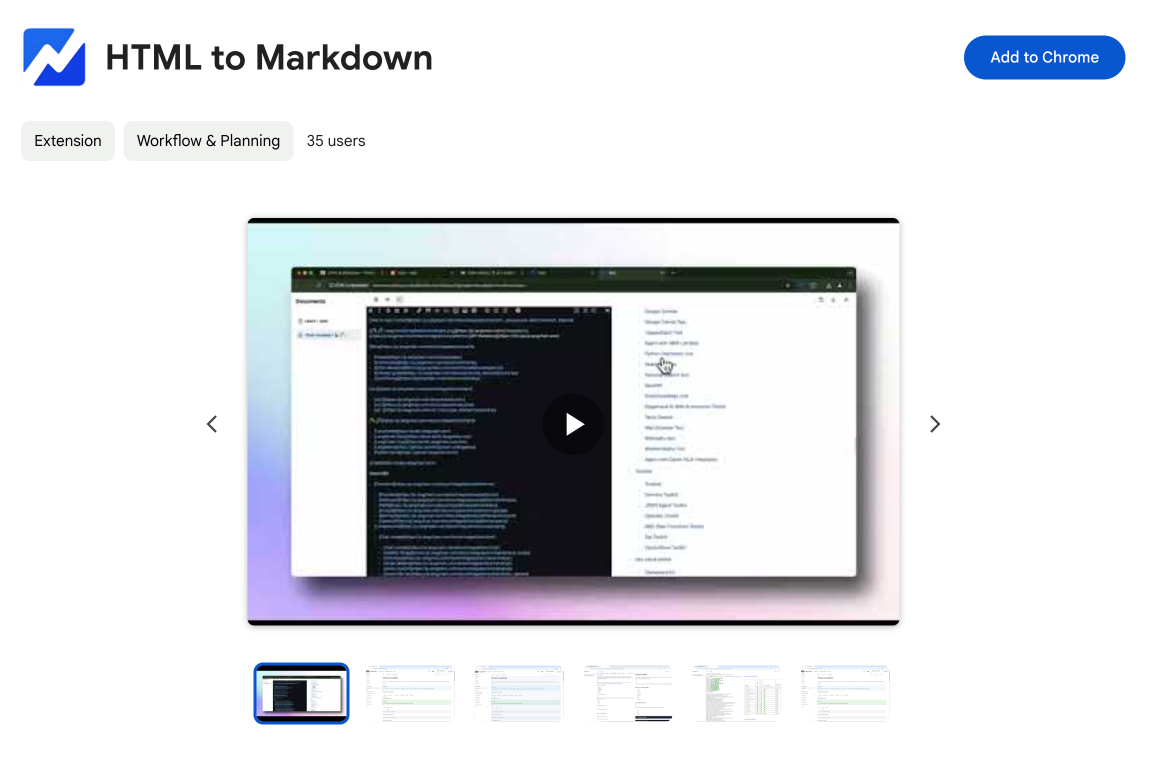
HTML to Markdown
Convert HTML to Markdown with ease, directly in your browser 📄
Dotallio
Personalized AI apps that automate research, data extraction, and content creation without code 🤖
Talk to Santa
Enjoy a magical live video chat or receive a unique AI-generated video greeting from Santa Claus 🎅
pozywka.pl
Scalable blog for food journalist, focused on performance and user experience 🌭
zagrodzki.me
Personal blog and portfolio of Bart Zagrodzki, where he shares his knowledge and work 💼
TurboStarter
Ship your startup everywhere. In minutes.
HTML to Markdown
Convert HTML to Markdown with ease, directly in your browser 📄
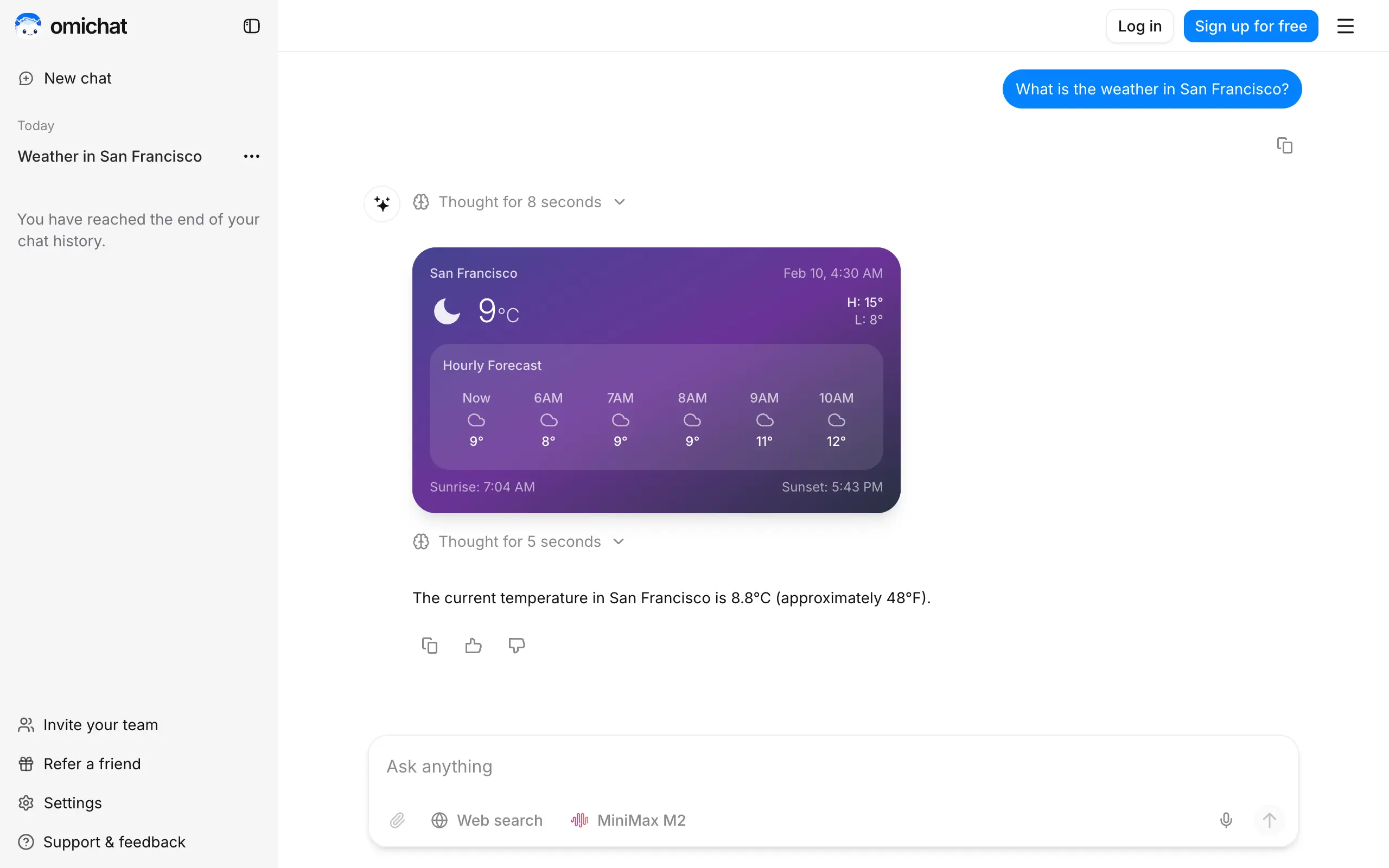
Omichat
Chat with 50+ AI models, including ChatGPT and Claude, in one place - switch models anytime without losing context 🤖
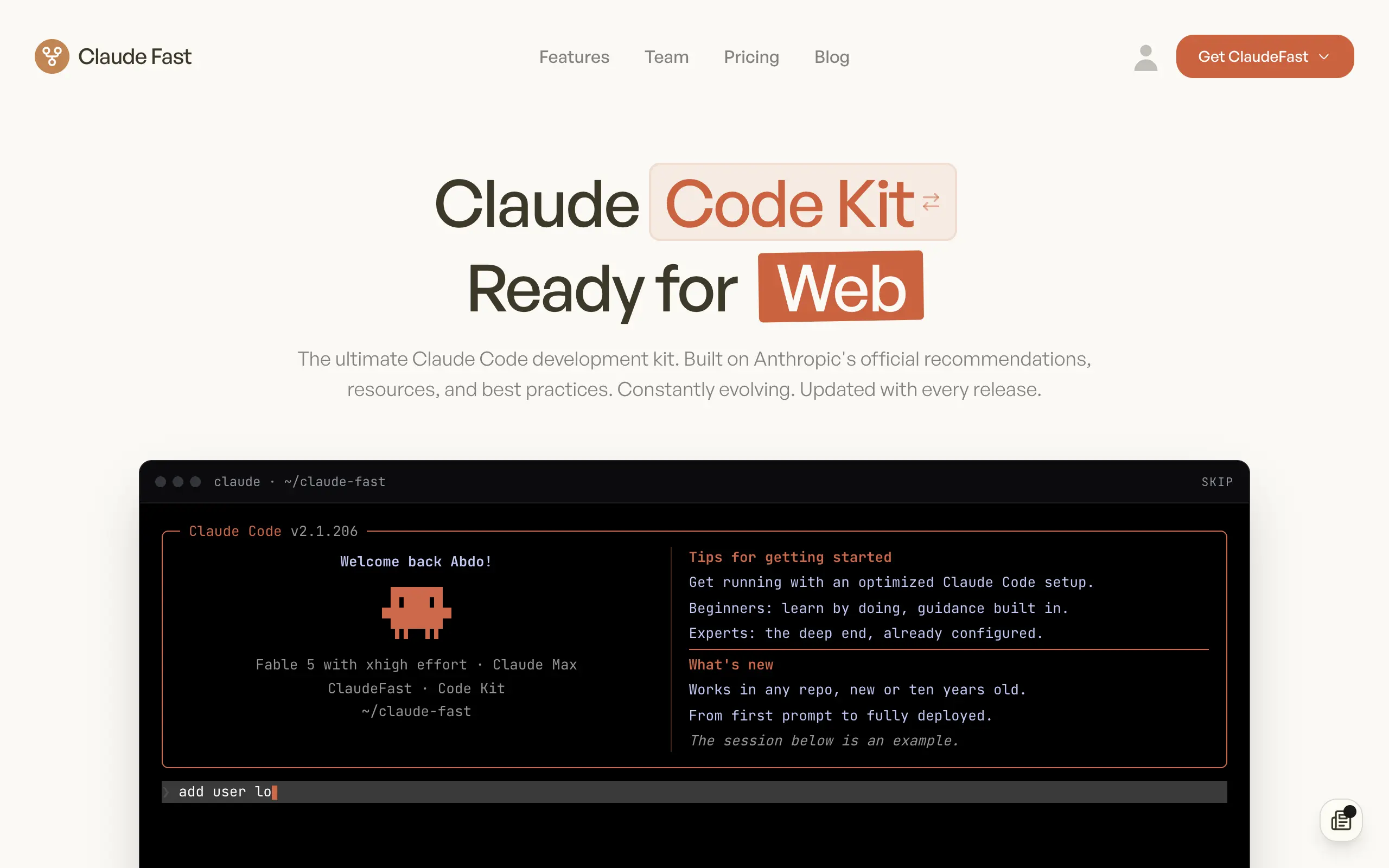
Claude Fast
Supercharge your Claude Code with 6x effective context window and specialized AI agents 🤖

EmojAI
AI-powered emoji picker with smart, context-aware suggestions 🤖
Solohacker
Autonomous company launcher - AI agents work 24/7, escalate what matters, and you stay in control 🤖

BeRawi: Storytelling Coach
Practice storytelling daily with instant feedback to sound clearer, more engaging, and confident 🎤
Omichat
Chat with 50+ AI models, including ChatGPT and Claude, in one place - switch models anytime without losing context 🤖
Claude Fast
Supercharge your Claude Code with 6x effective context window and specialized AI agents 🤖
EmojAI
AI-powered emoji picker with smart, context-aware suggestions 🤖
Solohacker
Autonomous company launcher - AI agents work 24/7, escalate what matters, and you stay in control 🤖
BeRawi: Storytelling Coach
Practice storytelling daily with instant feedback to sound clearer, more engaging, and confident 🎤

Connect with like-minded people
Join our community to get feedback, support, and grow together with 1,000+ builders on board, let's ship it!
Join usShip your startup everywhere. In minutes.
Don't burn tokens on setup and start building features on day one.