TripSyncer
Effortlessly organize and sync your entire travel itinerary, bookings, and documents in one place, accessible both online and offline.
Understanding TripSyncer: Effortless travel itinerary, booking, and document management
Traveling often triggers a sense of adventure—but it also invites a flurry of reservations, confirmations, tickets, and other travel documents that can easily get lost in digital haystacks. TripSyncer is designed as a seamless, B2C SaaS solution for modern travelers seeking one trusted dashboard for all itineraries, bookings, and documents, accessible both online and offline.
This in-depth analysis will guide you through key aspects crucial for evaluating, building, or investing in a SaaS platform like TripSyncer. Expect actionable industry insights, technical recommendations, monetization strategies, risk analysis, E-E-A-T-backed guidance, and more—all with SEO best practices and user clarity at the core.
Who is TripSyncer for? Target audience analysis
Before any SaaS takes flight, defining the precise user profile is foundational to product-market fit.
Primary target demographics
TripSyncer appeals most to:
- Frequent travelers: Business trippers, digital nomads, and travel enthusiasts who juggle multiple bookings.
- Organized vacationers: Individuals or families passionate about planning seamless, stress-free trips.
- Small group coordinators: Leaders or organizers handling logistics for friends, sports teams, or events.
- Remote and adventure travelers: Explorers needing access to itineraries and documents without guaranteed internet.
User persona highlights:
- Age: 24–55 (tech-comfortable, mobile-savvy)
- Geography: Global (with heavy presence in the US, UK, Western Europe, and APAC)
- Pain points:
- Scattered emails and files
- Lost/forgotten bookings
- No single source of truth for travel plans
- Inability to access data offline
Search intent alignment
Search engine queries typically include:
- “Best app to manage travel itineraries”
- “How to keep all travel bookings in one place”
- “Access flight tickets and hotel bookings offline”
- “Trip organizer app with document storage”
The core search intent orbits around solutions that reduce manual effort, prevent oversight, and guarantee offline access when connectivity is poor. TripSyncer's offering fits this demand with unified syncing, clear organization, and robust offline features.
Where’s the gap? Market opportunity analysis
The saturated—but fragmented—travel app landscape
Despite an abundance of travel apps, the market faces fragmentation:
- Travel booking sites (e.g., Expedia, Booking.com) focus on purchases, not itinerary management.
- Calendar and email apps (Gmail, Outlook) capture some info but lack travel-specific structure.
- Travel planners (TripIt, Roadtrippers) often require forwarding emails or don’t support robust offline access.
Key statistics (suggested citation format)
- The global online travel booking platform market is projected to surpass $983bn by 2027. [Reference: Statista or Grand View Research]
- Over 60% of travelers use smartphones for itinerary and document retrieval on trips. [Reference: GlobalWebIndex]
Recognized pain points
- Disjointed sources: Travelers use 5+ apps/services on average to organize one trip.
- Poor offline options: Spotty Wi-Fi on trains/planes/highways makes many apps unreliable.
- Missed details: Unorganized documents result in missed flights or lost reservations.
TripSyncer stands out by offering a truly consolidated, mobile-first, and offline-resilient platform—addressing a persistent market gap.
Quick Insight
Gartner’s 2023 report highlighted that "Offline-capable travel organization tools are among the top-requested features for digital nomads and adventure travelers."
What does TripSyncer do? Core features & solution details
Let’s break down the core functionality and value proposition for users seeking complete itinerary and travel document control.
Centralized itinerary management
- Unified dashboard: View flights, trains, hotels, activities, and reservations in an organized timeline.
- Drag-and-drop trip builder: Easily reorder or group events, add custom notes.
- Smart import: Automatic extraction of itinerary details from forwarded confirmation emails or connected accounts.
Booking and document sync
- Multi-source import: Integrate bookings from major OTAs (Expedia, Booking.com), airlines, railways, and rentals.
- Document capture: Snap photos or add PDFs/scans of passports, visas, passes, or insurance documents.
- Real-time cloud sync: Securely update plans across devices (mobile, tablet, desktop) with robust version history.
True offline access
- Local caching: Access all itineraries, tickets, and vital documents without an internet connection.
- Auto-sync on reconnect: Seamlessly update changes made while offline, syncing as soon as a connection is restored.
Secure sharing and collaboration
- Group trips: Invite friends or colleagues, assign roles (organizer, viewer), set permissions.
- Quick share: Generate shareable, read-only links or QR codes for border controls, accommodation hosts, or taxi drivers.
Proactive notifications and smart assistance
- Timely reminders: Boarding time, hotel check-in, and activity alerts.
- Travel disruption alerts: Real-time notifications about delays, cancellations, or gate changes (when online).
- Smart suggestions: Recommend activities, nearby services, or required documents based on trip context.
Industry-leading security
- End-to-end encryption: Protect user data and sensitive travel documents.
- Biometric authentication: Optional Face ID or fingerprint unlock.
Offline mode
Instant access to all details without internet.
All-in-one dashboard
Consolidate every booking, ticket, and note in a single timeline.
Smart email sync
Automatically fetch reservations from your email.
Collaborative trips
Coordinate with family, friends, or teams in real-time.
Recommended tech stack for TripSyncer (with trade-offs)
Building TripSyncer as a robust, cross-platform solution requires a stack that emphasizes reliability, security, and offline capability.
Frontend
- React: Modern, flexible, and ecosystem-rich for building complex UIs.
- React Native: Single codebase for iOS/Android, crucial for mobile-first SaaS.
- PWA: Enables installable, offline-ready web experience.
Trade-off: React Native unifies code but may limit access to some native OS-specific APIs (address with modules/plugins as needed).
Offline data and synchronization
- Redux Toolkit / MobX: For client-side state management.
- PouchDB: Powerful local database with offline sync and database conflict resolution.
- Service Workers: For caching and background sync in PWAs.
Trade-off: More complexity in sync logic, but essential for resilience.
Backend
- Node.js: Event-driven, scalable for real-time sync.
- Express: Quick API development.
- PostgreSQL: Relational DB with robust JSON support for flexible document storage.
- Redis: Caching, queuing, and real-time pub/sub for live updates.
Security layer
- Auth0: User authentication, SSO, MFA.
- End-to-end encryption modules: For document and sensitive data.
DevOps and storage
- AWS S3: Reliable document storage.
- Docker: Containerization for deployment flexibility.
- TurboStarter: Accelerate SaaS setup and MVP release cycles.
React Native enables faster development and cross-platform code reuse, but integration with some advanced native features (like biometric authentication) might require bridging or native code extensions.
PouchDB powers offline functionality, syncing local user data with the cloud—something server-only models (like plain PostgreSQL) can’t handle for device offline resilience.
Monetization strategies for TripSyncer
Translating user value into sustainable revenue is crucial for any SaaS platform. Here’s how TripSyncer can approach monetization:
Freemium model
- Free tier:
- Basic itinerary and booking management
- Limited offline storage (e.g., 2 trips, 10MB document upload)
- Essential notifications
- Premium subscription:
- Unlimited trips, bookings, and document uploads
- Advanced sharing/collaboration
- Priority support and expanded integrations (e.g., calendar sync)
- Offline data access and storage
- Smart travel disruption alerts
Partner integrations
- Affiliate commissions: Integrate with OTAs or travel insurance providers and earn a share from user bookings.
- Advertising: Contextual, optional ads for travel-related services (carefully implemented to avoid degrading UX).
One-time upgrades
- Offline map bundles
- Family/Group trip packs
Bundling and B2B
- Corporate plans: Offer group trip management to businesses or travel agencies as a specialized package.
Competitive advantage: Standing out in the travel SaaS market
TripSyncer is uniquely positioned due to its convergence of travel organization, real-time sync, and robust offline access—features rarely combined at a high level in one user-friendly app.
| Cross-platform | Offline support | Email sync | Unified dashboard | Security/Encryption |
|---|---|---|---|---|
| ✅ | ❌ | ❌ | ✅ | ❌ |
| ✅ | ❌ | ✅ | ✅ | ❌ |
Unique selling propositions (USPs):
- True online/offline parity: Fully featured app—no functionality loss offline, unlike most competitors.
- Universal import: One-click sync from email, calendar, and travel sites.
- Bank-grade security: User data is never compromised, even while using public Wi-Fi abroad.
- Flexible sharing for real-world use: Supports family, friends, work groups, and emergency sharing scenarios.
Potential risks and mitigation strategies
Building a travel organization platform comes with technical and business risk factors.
Key risks
- Data privacy concerns: Mishandling sensitive travel docs (e.g., passports) can erode trust.
- Third-party integration breakage: Booking platforms may change APIs.
- Connectivity edge cases: Offline sync can result in version conflicts.
- Market education: Users might be hesitant to store vital documents in new cloud services.
Mitigation tactics
- End-to-end encryption for all docs and personal data; privacy-first UX.
- Robust monitoring of integrated APIs with quick patch cycles.
- Advanced sync conflict resolution strategies (e.g., user-friendly merge dialogs).
- Transparent onboarding about security and privacy; offer comprehensive knowledge base and responsive support.
Data handling caution
TripSyncer must be fully GDPR-compliant, offering data residency choices and transparency on how data is used and stored.
Implementation steps: Bringing TripSyncer to market
Launching a high-impact SaaS like TripSyncer calls for clear, phased actions:
Market validation: Survey and interview target users; confirm pain points and feature priorities.
MVP development: Use TurboStarter for rapid prototyping and scaffolding.
Build core features: Prioritize itinerary builder, booking import, offline caching, and document handling.
Secure integrations: Connect to major travel platforms (Expedia API, airlines); set up email import parsing.
Implement robust offline-first architecture: Enable full access and edit capability everywhere.
Run closed beta: Gather initial feedback, especially on offline experience and sync reliability.
Iterate and harden: Refine sync, polish UX, and implement industry-grade end-to-end encryption.
Launch with targeted growth marketing: Target tech-savvy travelers and digital nomads with clear messaging.
Conclusion: Why TripSyncer is poised for persistent growth
TripSyncer leverages leading-edge technology to address perennial traveler headaches—lost tickets, fragmented bookings, and lack of offline access. By embracing a user-centric SaaS model with smart integration, best-in-class security, and global offline parity, it stands out as the essential travel companion for the digital age.
With growth in independent and remote work travel, and rising expectations for data privacy and real-world reliability, the time for such an app has never been better. Pairing technical sophistication with a seamless, approachable UX is key to mass adoption and ongoing loyalty.
Next steps: Assemble a cross-disciplinary team, validate core features with real users, and leverage rapid SaaS tooling such as TurboStarter for your MVP launch. Double down on privacy, offline usability, and partner integrations early for sustainable differentiation.
Suggested further reading:
- Progressive Web Apps: The future of mobile SaaS
- AWS S3 documentation: Secure file storage
- TurboStarter for SaaS prototyping best practices
Author’s note:
This article synthesizes expertise in SaaS product strategy, travel technology, and privacy-first mobile development. For up-to-date statistics, consult referenced industry sources such as Statista, Gartner, or the Skift Research travel tech reports.
More 👥 B2C Application SaaS ideas
Discover more innovative b2c application SaaS ideas that are trending in 2026. Each idea is AI-generated with market validation and growth potential to help you find your next profitable venture faster than competitors.
Your competitors are building with TurboStarter
Below are some of the SaaS ideas that have been generated and built with our starter kit.

Statiko
Monitor any Telegram channel in real time - track posts, edits, deletions, and growth with AI recaps 📡
Shibui
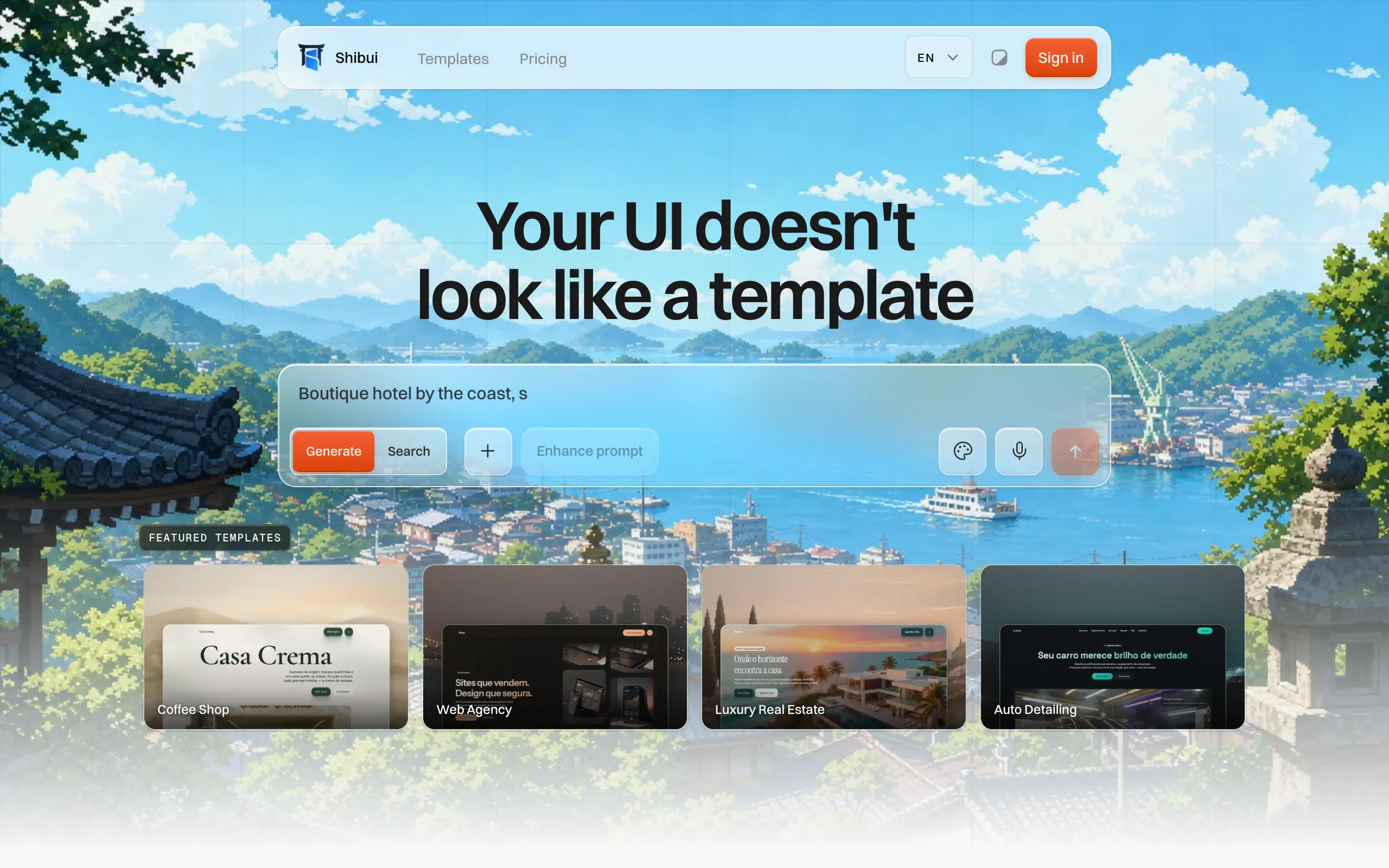
AI website builder - describe your business, pick a niche template, edit by chatting, and publish instantly ✨

Pro Service
Find verified home service professionals, compare quotes, and pay securely through escrow - built for Brazilians across the US 🏠
RankGrow
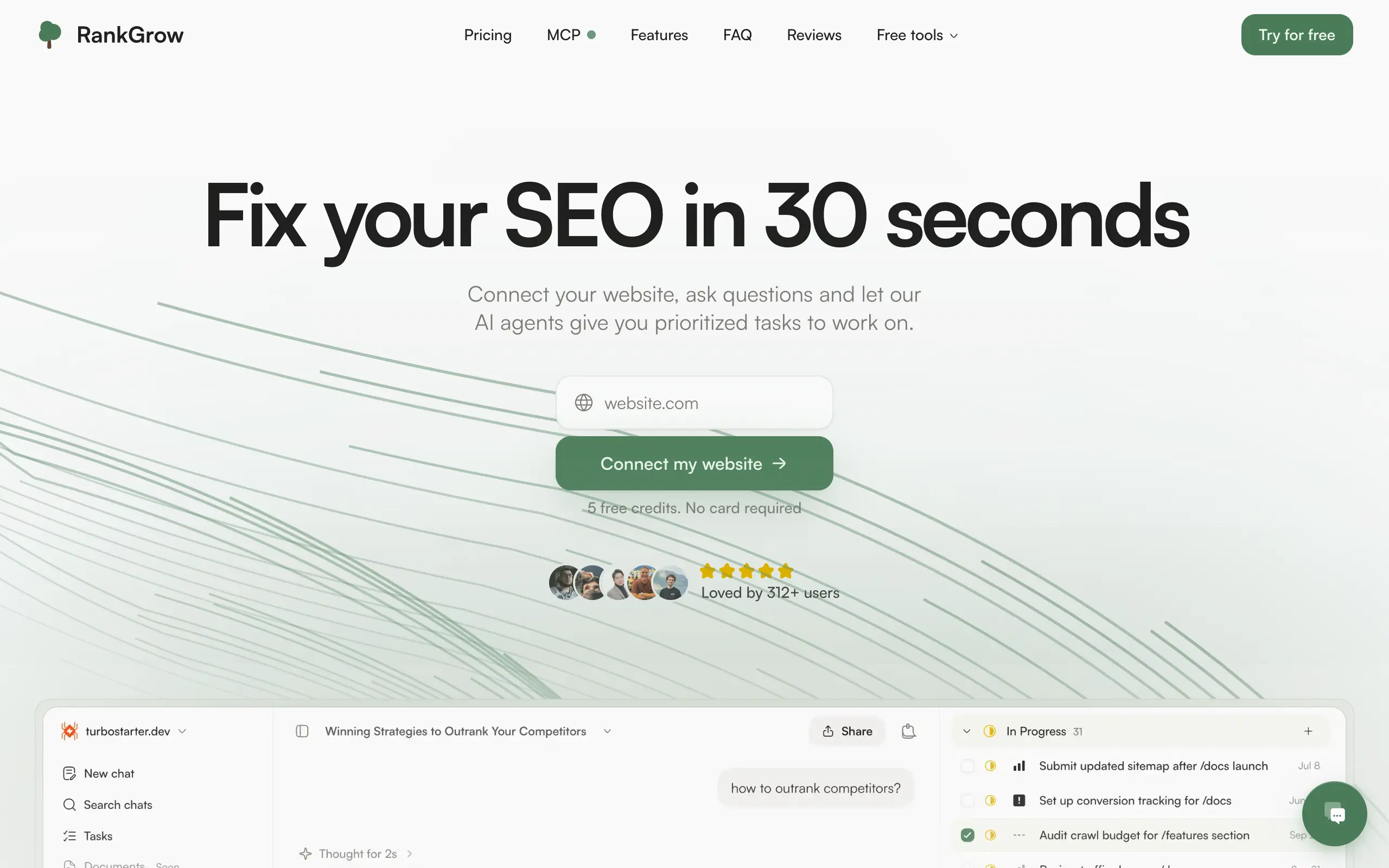
Fix your SEO with AI agents - connect Search Console, get prioritized tasks, and grow organic traffic 📈
SyncReads
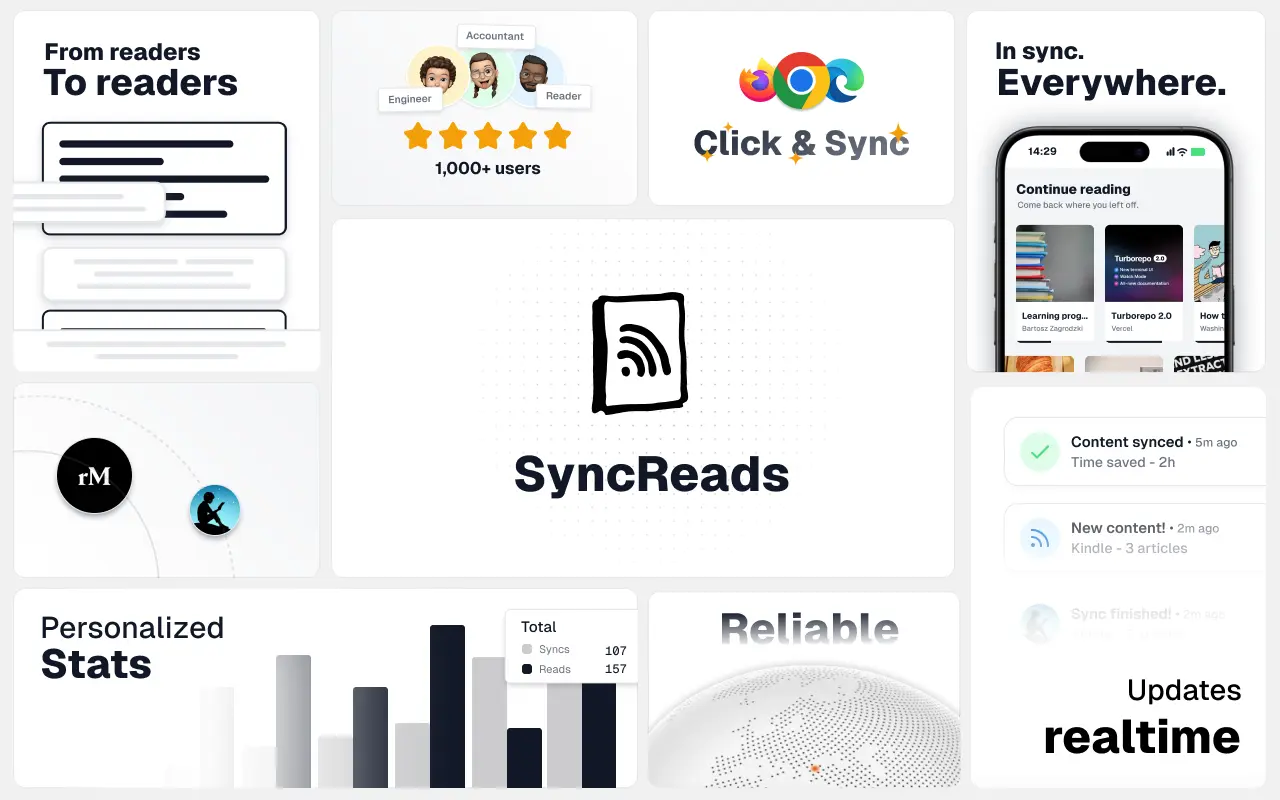
Sync your favorite content for distraction-free reading, save time and replace multiple apps. Anytime, anywhere 🔄
Socialcrawl
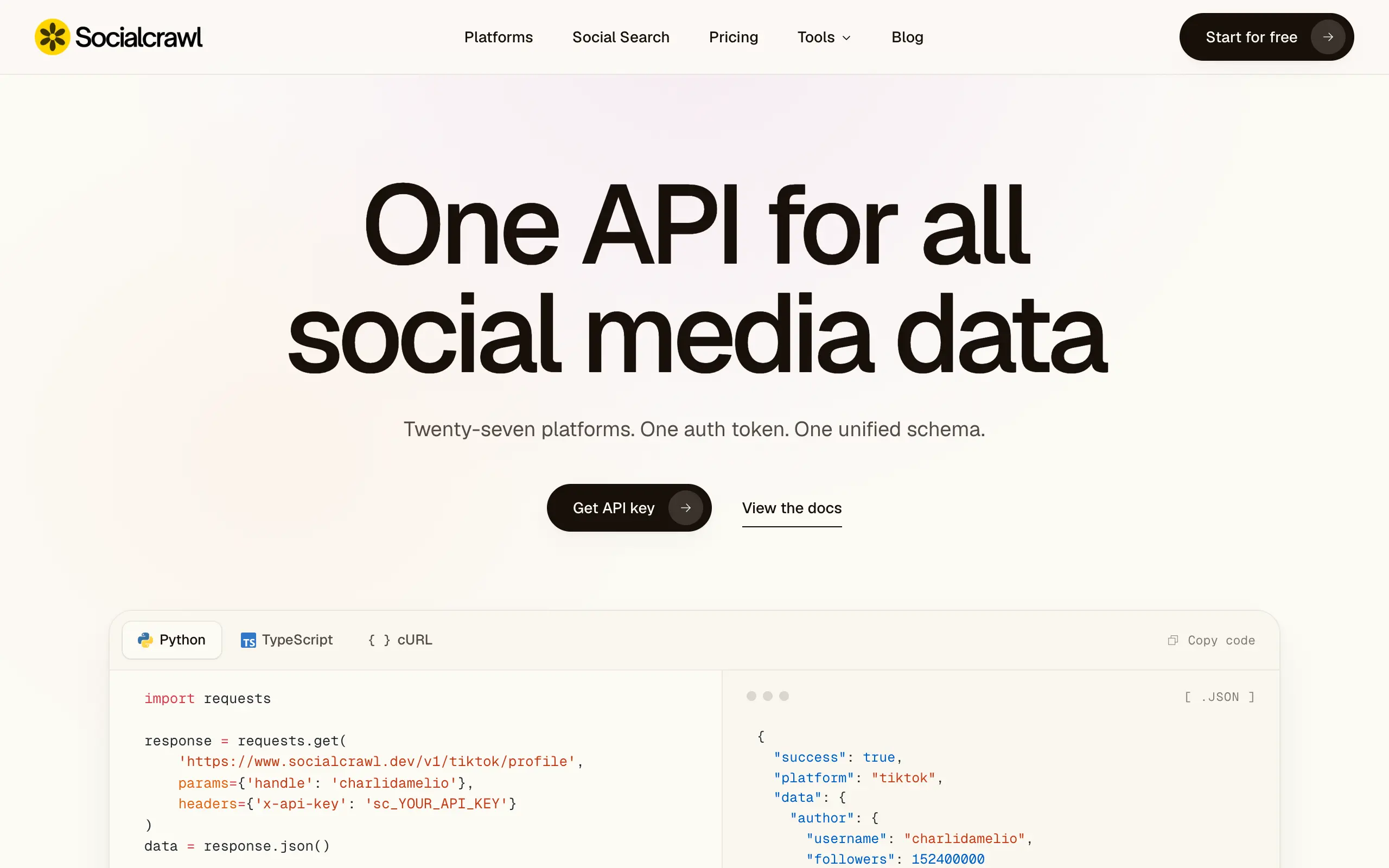
Get clean, structured data from 21 platforms like TikTok, Instagram, and YouTube with a single request 📊
Statiko
Monitor any Telegram channel in real time - track posts, edits, deletions, and growth with AI recaps 📡
Shibui
AI website builder - describe your business, pick a niche template, edit by chatting, and publish instantly ✨
Pro Service
Find verified home service professionals, compare quotes, and pay securely through escrow - built for Brazilians across the US 🏠
RankGrow
Fix your SEO with AI agents - connect Search Console, get prioritized tasks, and grow organic traffic 📈
SyncReads
Sync your favorite content for distraction-free reading, save time and replace multiple apps. Anytime, anywhere 🔄
Socialcrawl
Get clean, structured data from 21 platforms like TikTok, Instagram, and YouTube with a single request 📊
Statiko
Monitor any Telegram channel in real time - track posts, edits, deletions, and growth with AI recaps 📡
Shibui
AI website builder - describe your business, pick a niche template, edit by chatting, and publish instantly ✨
Pro Service
Find verified home service professionals, compare quotes, and pay securely through escrow - built for Brazilians across the US 🏠
RankGrow
Fix your SEO with AI agents - connect Search Console, get prioritized tasks, and grow organic traffic 📈
SyncReads
Sync your favorite content for distraction-free reading, save time and replace multiple apps. Anytime, anywhere 🔄
Socialcrawl
Get clean, structured data from 21 platforms like TikTok, Instagram, and YouTube with a single request 📊
Statiko
Monitor any Telegram channel in real time - track posts, edits, deletions, and growth with AI recaps 📡
Shibui
AI website builder - describe your business, pick a niche template, edit by chatting, and publish instantly ✨
Pro Service
Find verified home service professionals, compare quotes, and pay securely through escrow - built for Brazilians across the US 🏠
RankGrow
Fix your SEO with AI agents - connect Search Console, get prioritized tasks, and grow organic traffic 📈
SyncReads
Sync your favorite content for distraction-free reading, save time and replace multiple apps. Anytime, anywhere 🔄
Socialcrawl
Get clean, structured data from 21 platforms like TikTok, Instagram, and YouTube with a single request 📊
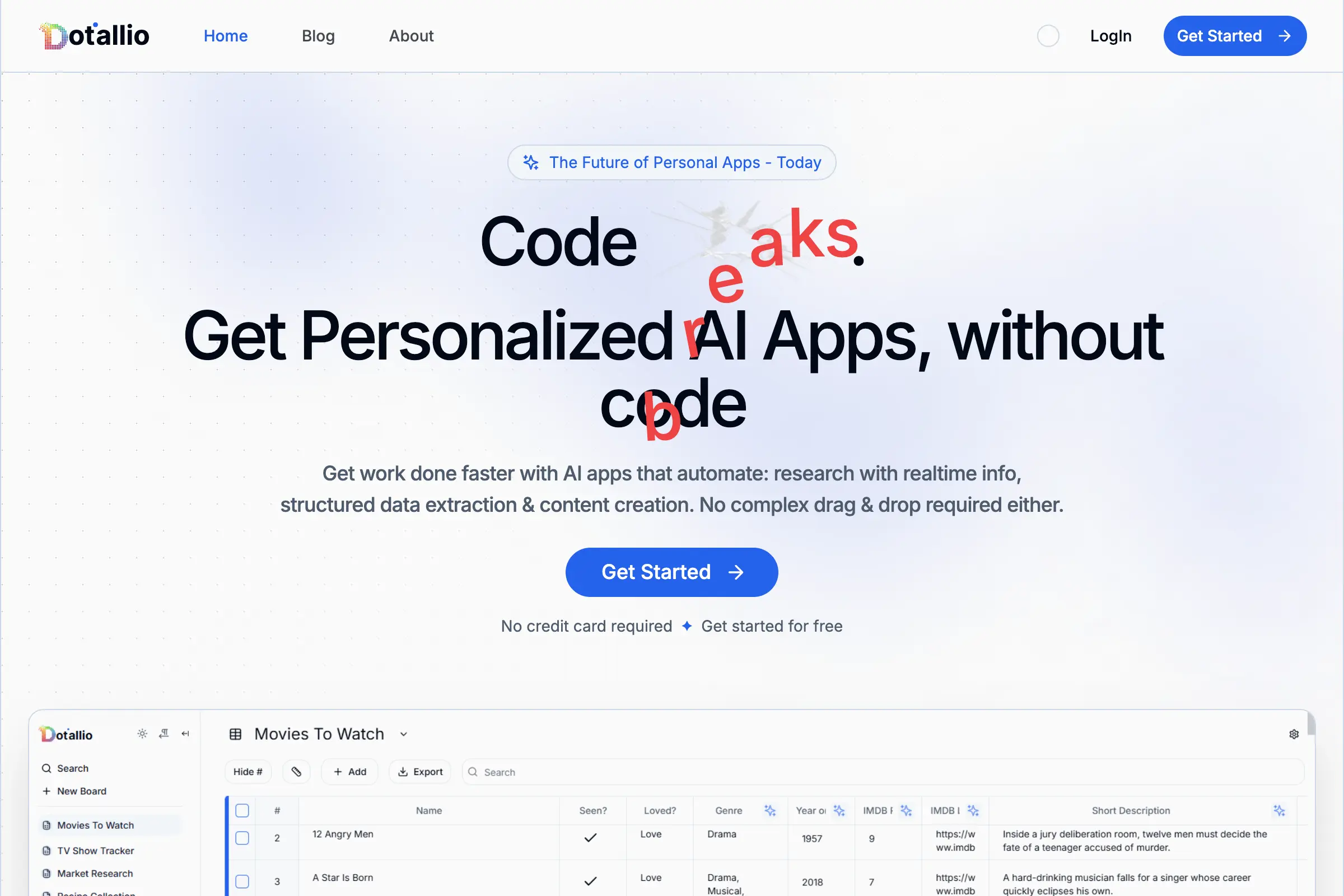
Dotallio
Personalized AI apps that automate research, data extraction, and content creation without code 🤖
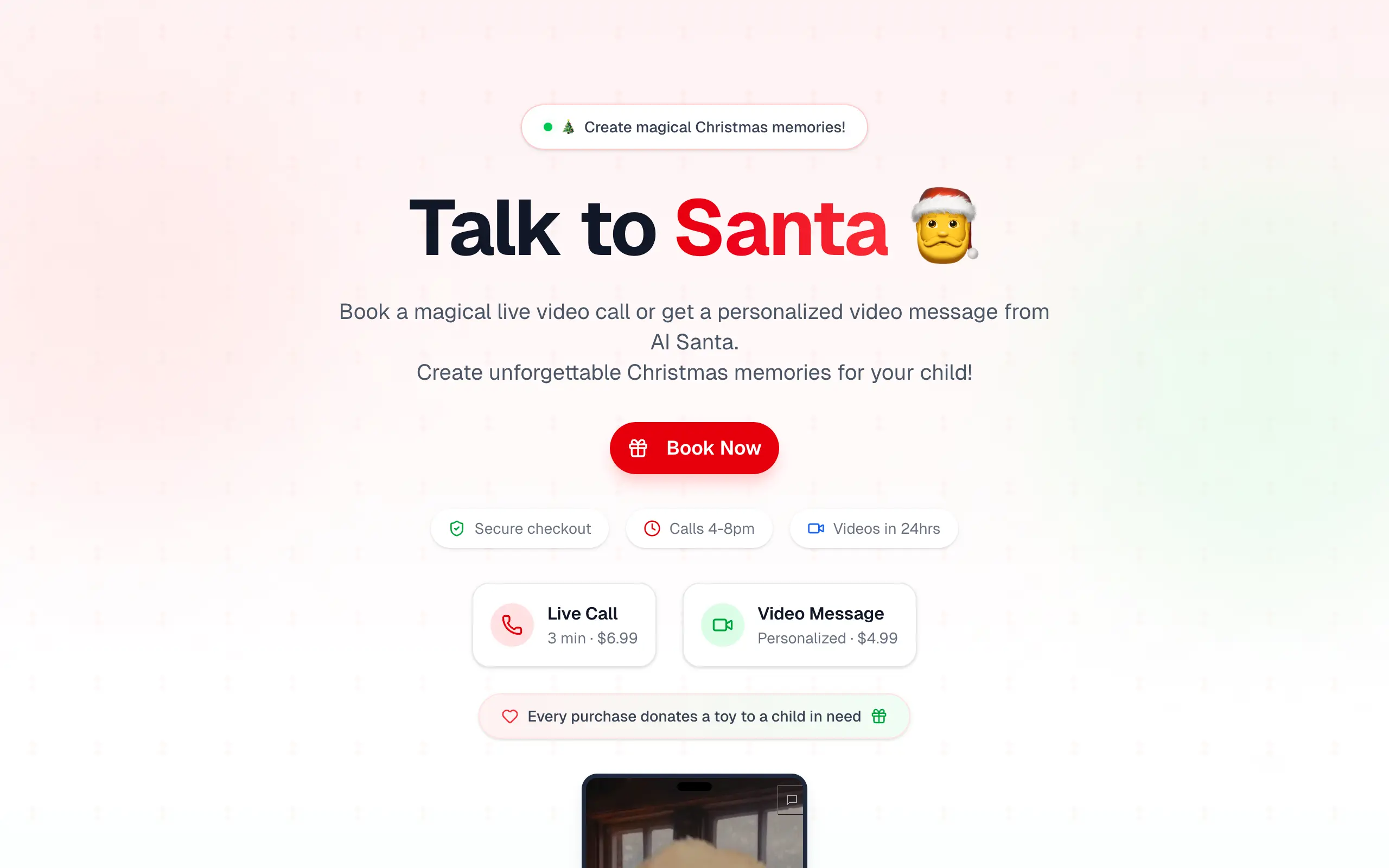
Talk to Santa
Enjoy a magical live video chat or receive a unique AI-generated video greeting from Santa Claus 🎅
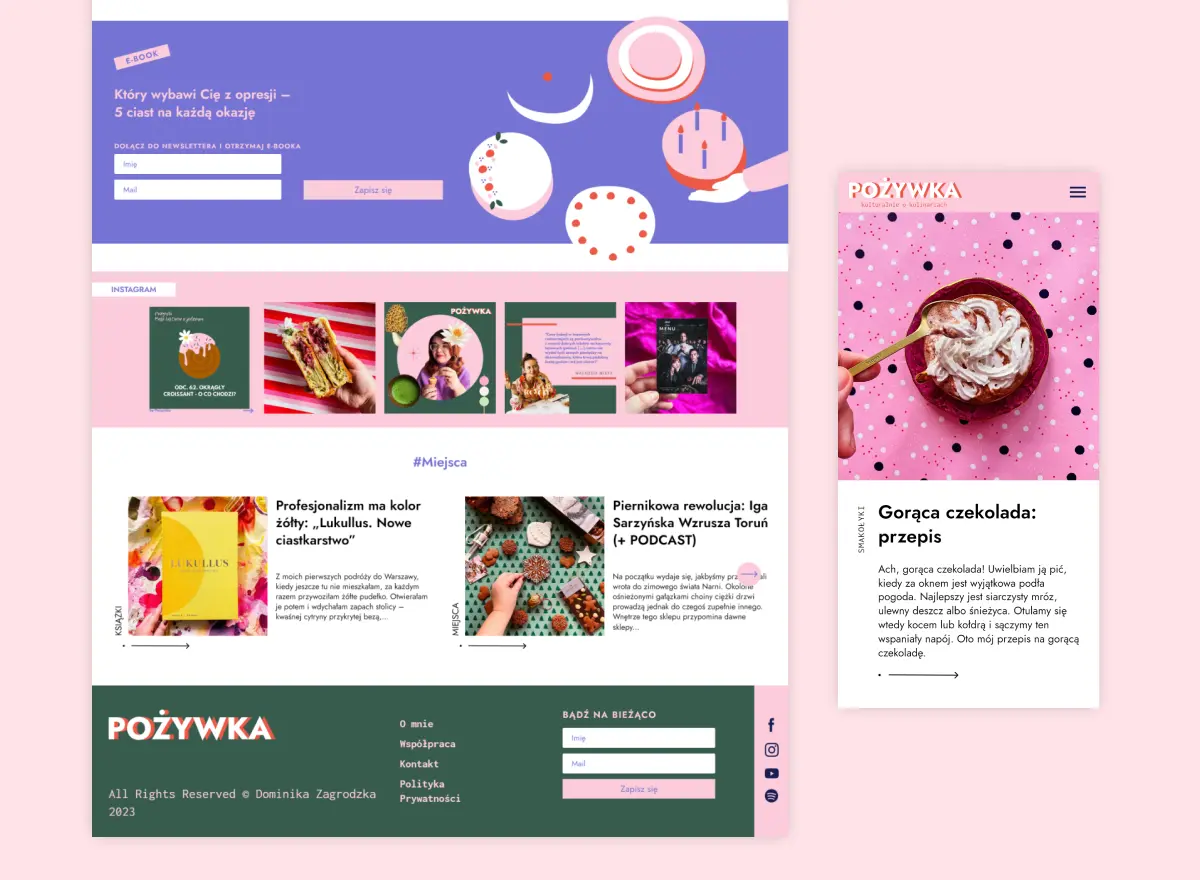
pozywka.pl
Scalable blog for food journalist, focused on performance and user experience 🌭
zagrodzki.me
Personal blog and portfolio of Bart Zagrodzki, where he shares his knowledge and work 💼
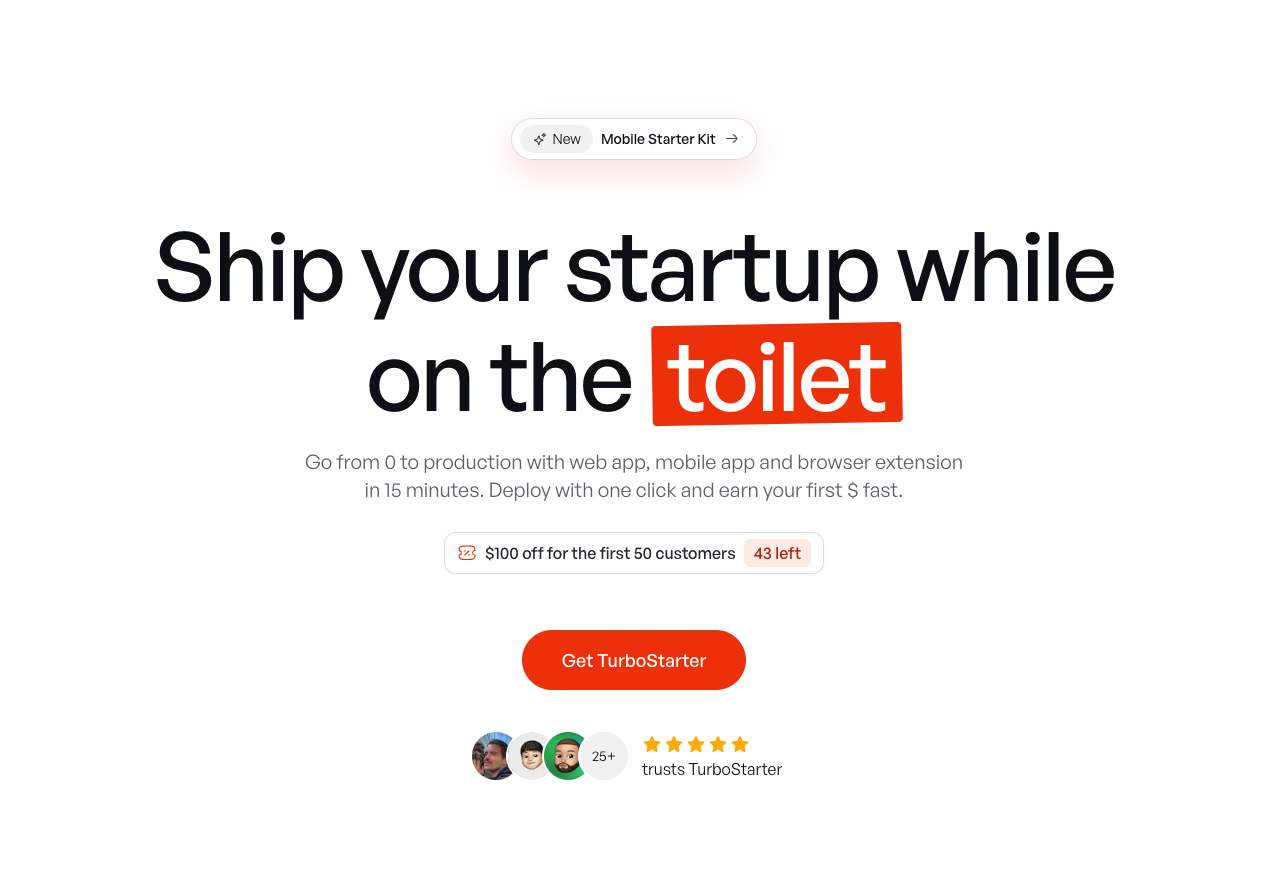
TurboStarter
Ship your startup everywhere. In minutes.
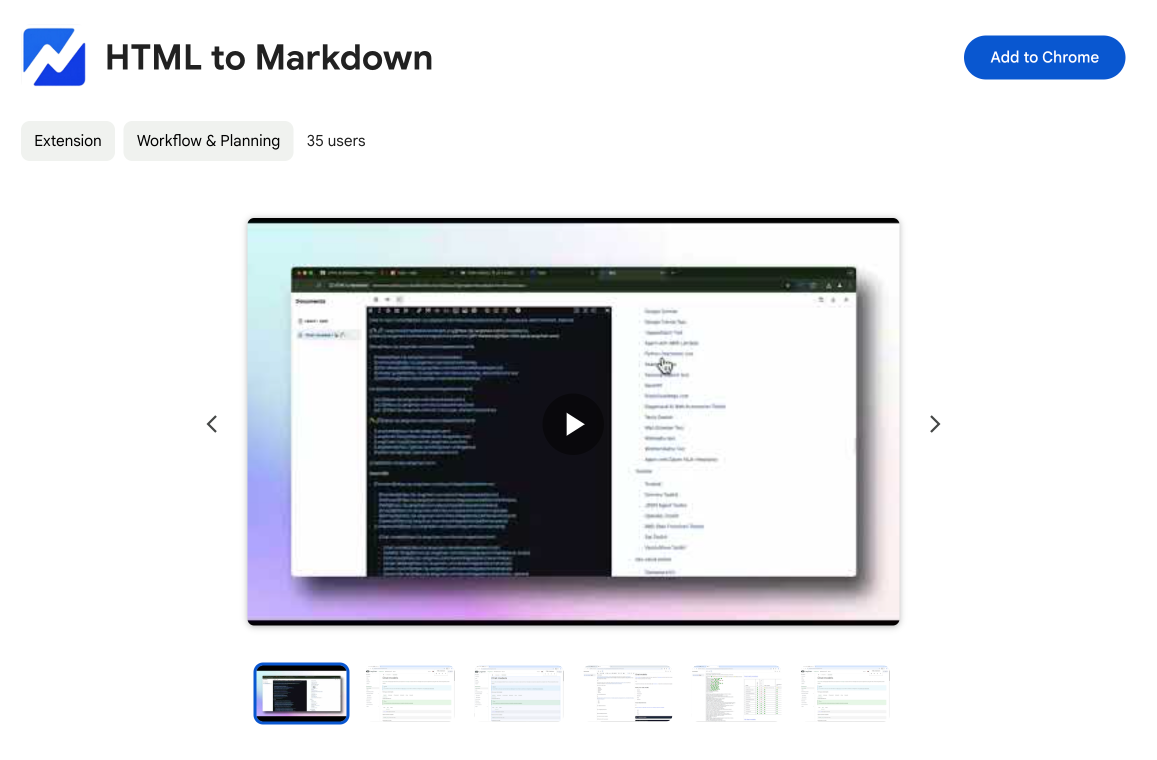
HTML to Markdown
Convert HTML to Markdown with ease, directly in your browser 📄
Dotallio
Personalized AI apps that automate research, data extraction, and content creation without code 🤖
Talk to Santa
Enjoy a magical live video chat or receive a unique AI-generated video greeting from Santa Claus 🎅
pozywka.pl
Scalable blog for food journalist, focused on performance and user experience 🌭
zagrodzki.me
Personal blog and portfolio of Bart Zagrodzki, where he shares his knowledge and work 💼
TurboStarter
Ship your startup everywhere. In minutes.
HTML to Markdown
Convert HTML to Markdown with ease, directly in your browser 📄
Dotallio
Personalized AI apps that automate research, data extraction, and content creation without code 🤖
Talk to Santa
Enjoy a magical live video chat or receive a unique AI-generated video greeting from Santa Claus 🎅
pozywka.pl
Scalable blog for food journalist, focused on performance and user experience 🌭
zagrodzki.me
Personal blog and portfolio of Bart Zagrodzki, where he shares his knowledge and work 💼
TurboStarter
Ship your startup everywhere. In minutes.
HTML to Markdown
Convert HTML to Markdown with ease, directly in your browser 📄
Dotallio
Personalized AI apps that automate research, data extraction, and content creation without code 🤖
Talk to Santa
Enjoy a magical live video chat or receive a unique AI-generated video greeting from Santa Claus 🎅
pozywka.pl
Scalable blog for food journalist, focused on performance and user experience 🌭
zagrodzki.me
Personal blog and portfolio of Bart Zagrodzki, where he shares his knowledge and work 💼
TurboStarter
Ship your startup everywhere. In minutes.
HTML to Markdown
Convert HTML to Markdown with ease, directly in your browser 📄
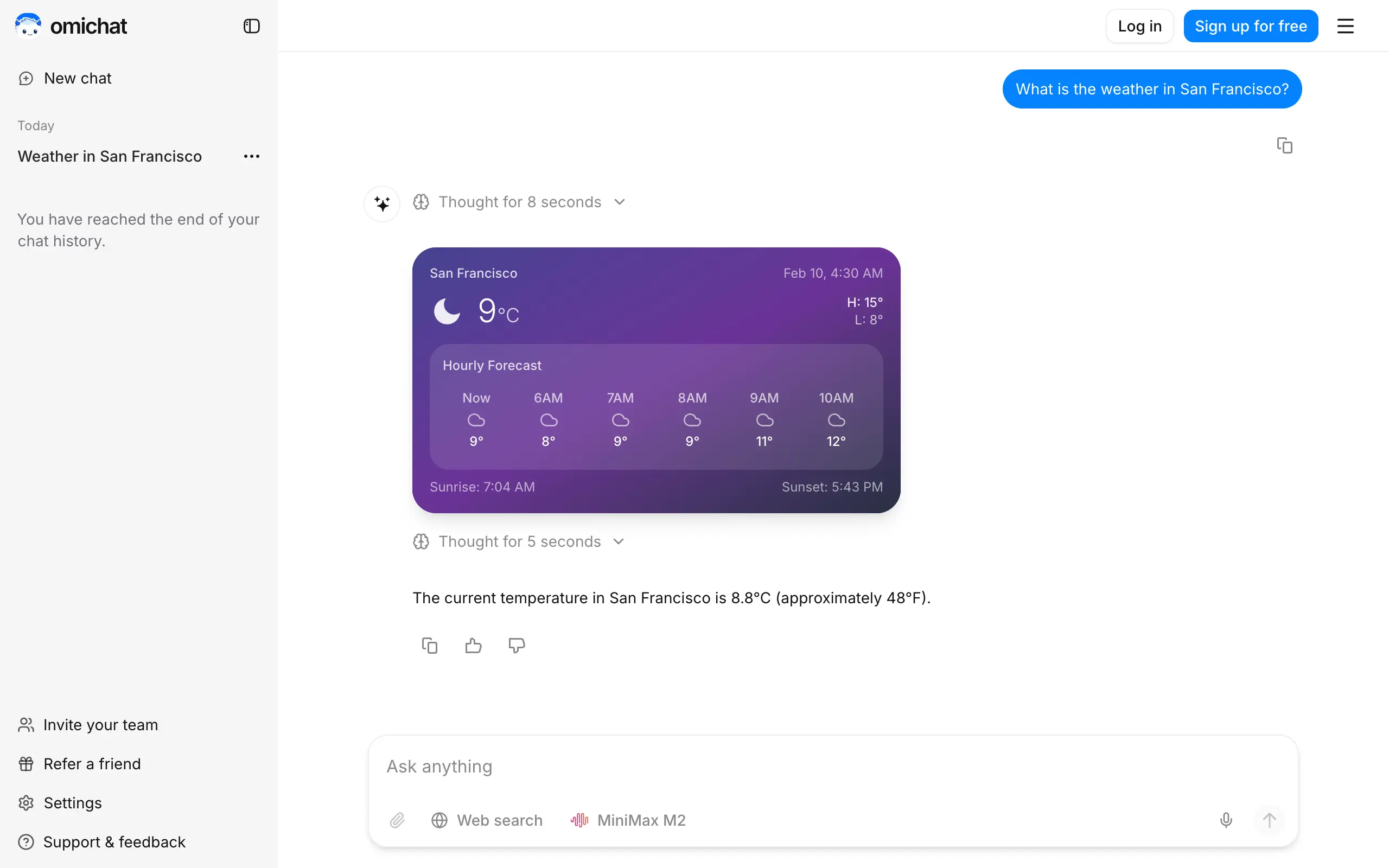
Omichat
Chat with 50+ AI models, including ChatGPT and Claude, in one place - switch models anytime without losing context 🤖
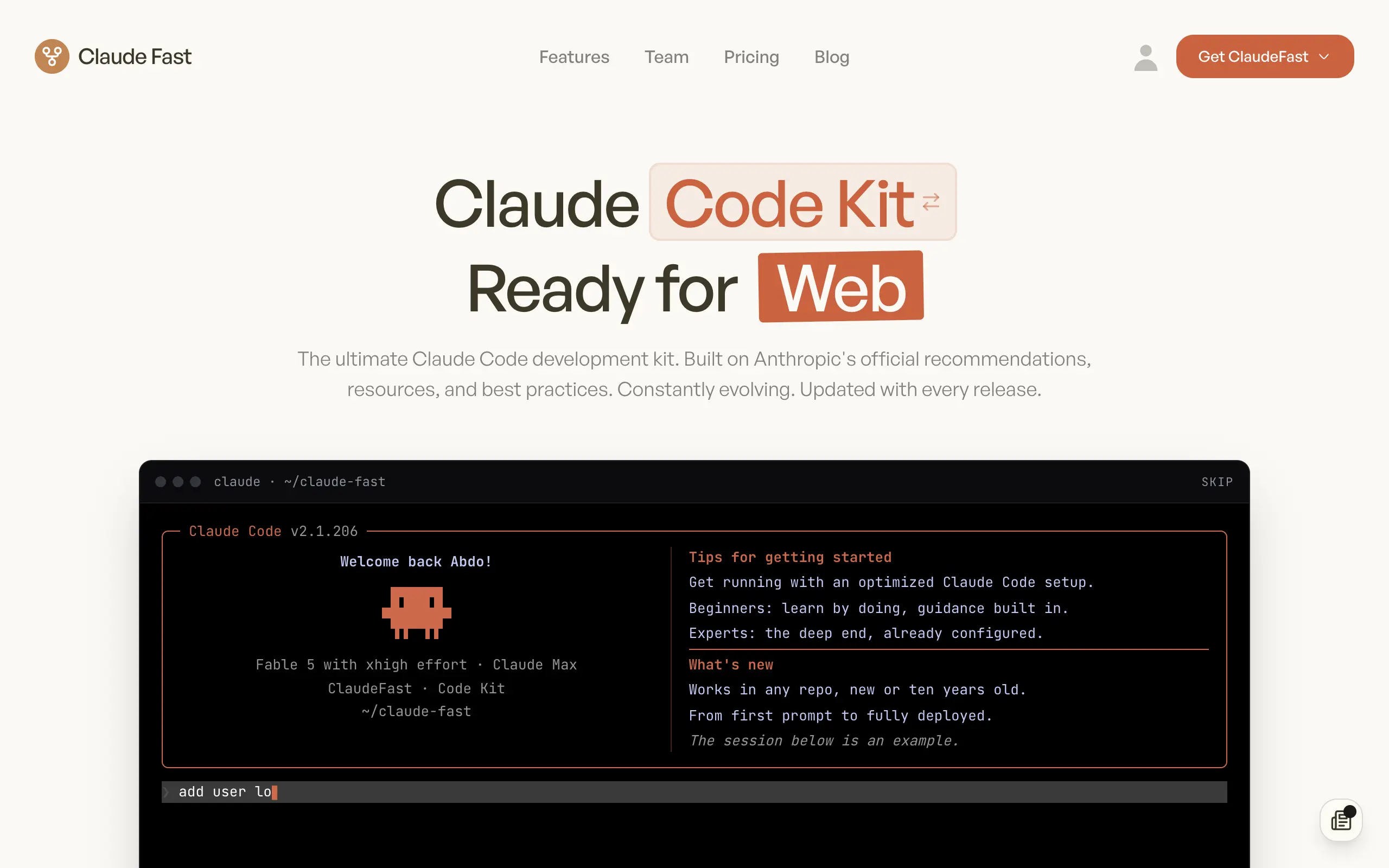
Claude Fast
Supercharge your Claude Code with 6x effective context window and specialized AI agents 🤖
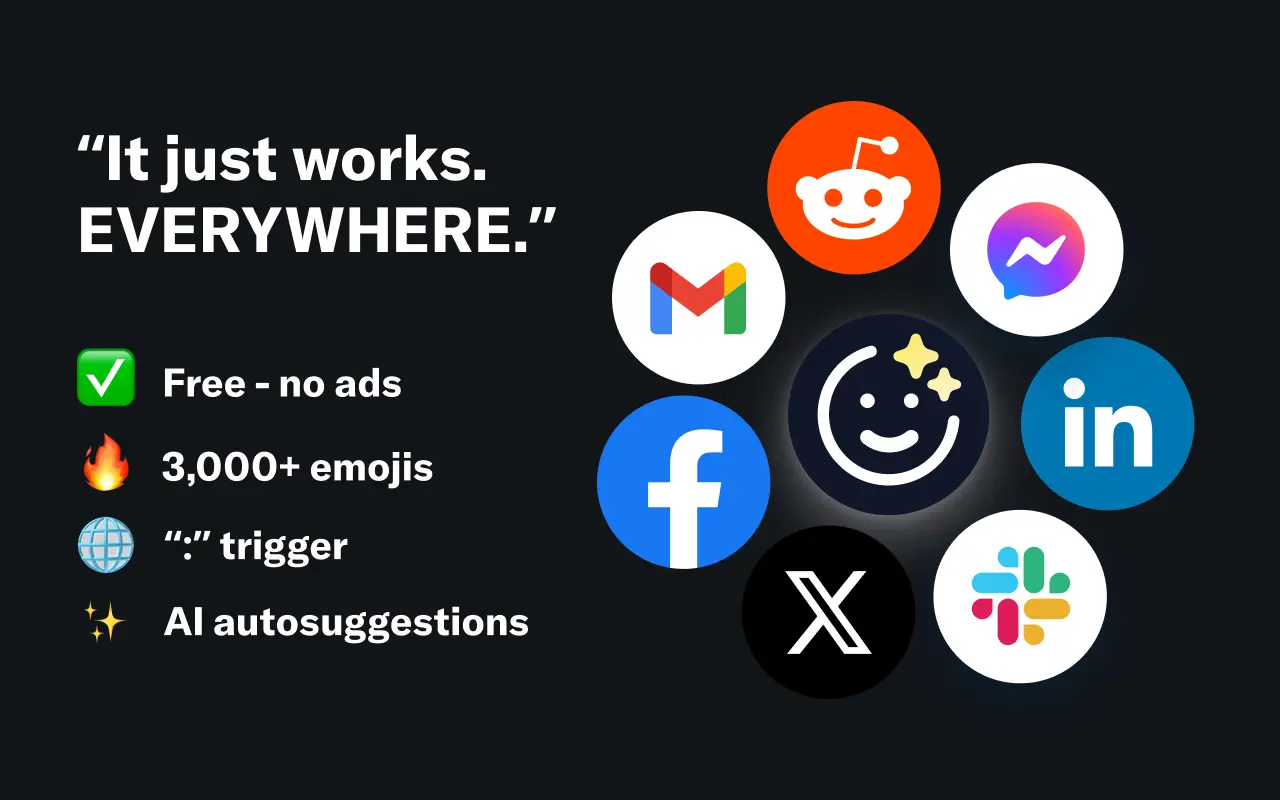
EmojAI
AI-powered emoji picker with smart, context-aware suggestions 🤖
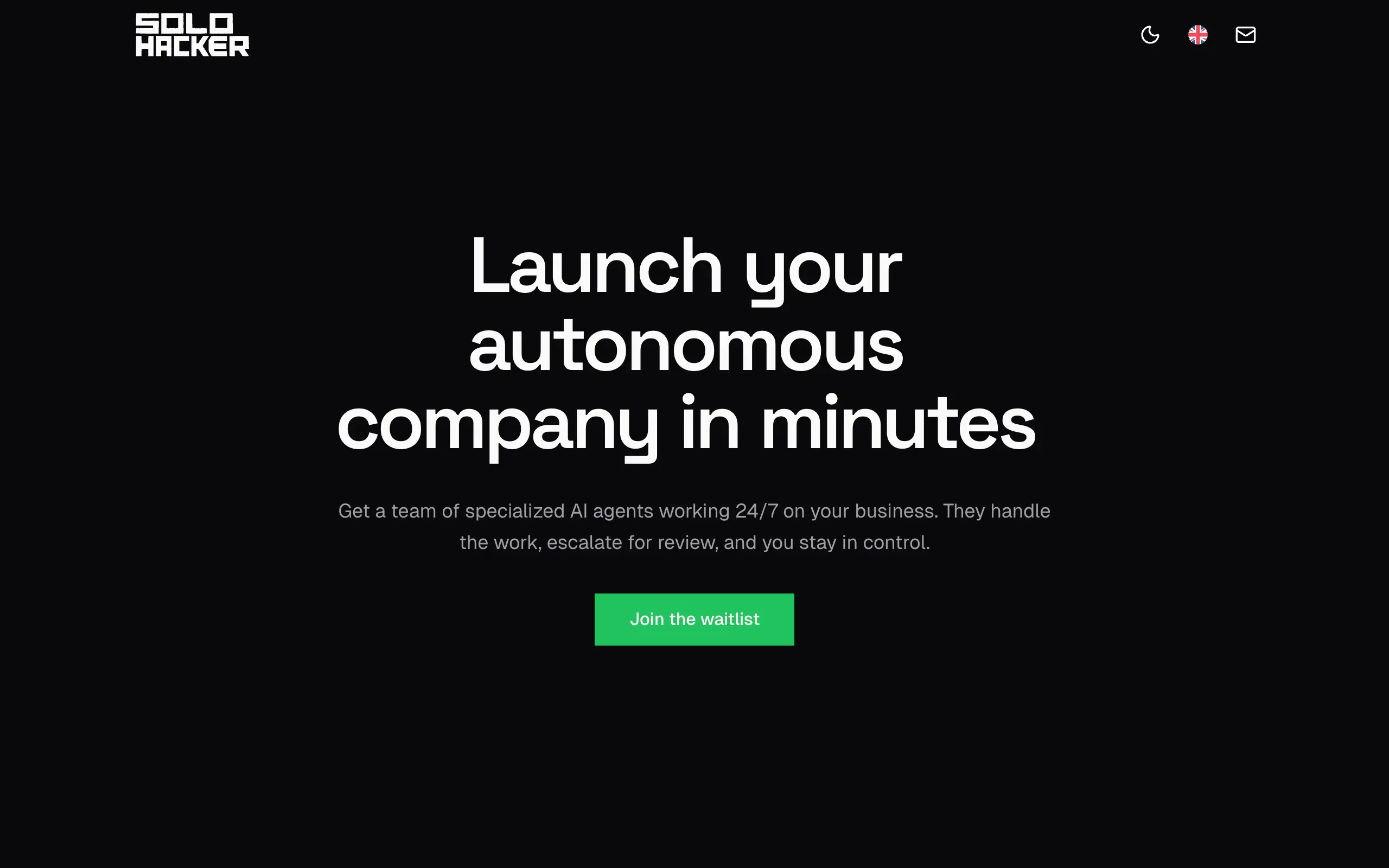
Solohacker
Autonomous company launcher - AI agents work 24/7, escalate what matters, and you stay in control 🤖
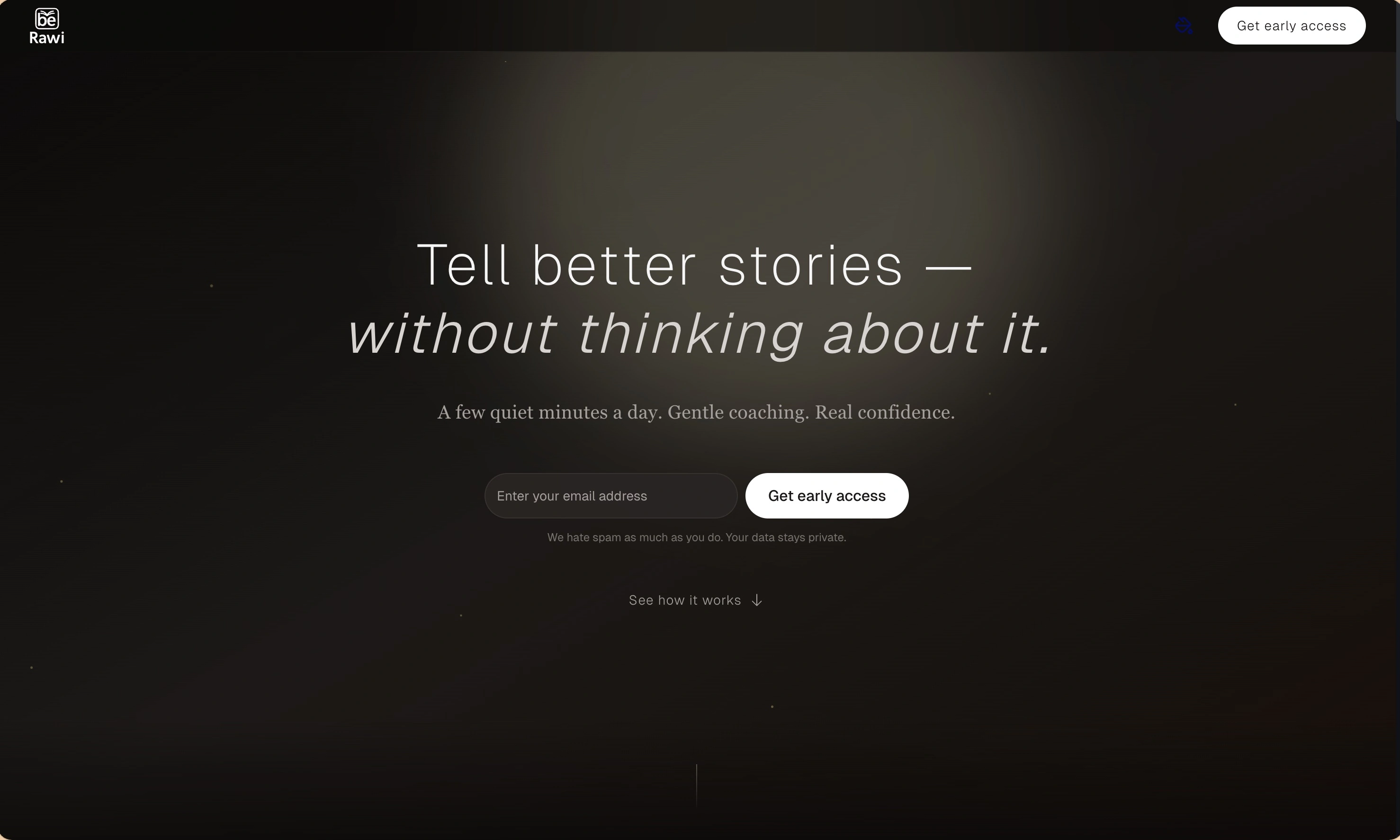
BeRawi: Storytelling Coach
Practice storytelling daily with instant feedback to sound clearer, more engaging, and confident 🎤
Omichat
Chat with 50+ AI models, including ChatGPT and Claude, in one place - switch models anytime without losing context 🤖
Claude Fast
Supercharge your Claude Code with 6x effective context window and specialized AI agents 🤖
EmojAI
AI-powered emoji picker with smart, context-aware suggestions 🤖
Solohacker
Autonomous company launcher - AI agents work 24/7, escalate what matters, and you stay in control 🤖
BeRawi: Storytelling Coach
Practice storytelling daily with instant feedback to sound clearer, more engaging, and confident 🎤
Omichat
Chat with 50+ AI models, including ChatGPT and Claude, in one place - switch models anytime without losing context 🤖
Claude Fast
Supercharge your Claude Code with 6x effective context window and specialized AI agents 🤖
EmojAI
AI-powered emoji picker with smart, context-aware suggestions 🤖
Solohacker
Autonomous company launcher - AI agents work 24/7, escalate what matters, and you stay in control 🤖
BeRawi: Storytelling Coach
Practice storytelling daily with instant feedback to sound clearer, more engaging, and confident 🎤
Omichat
Chat with 50+ AI models, including ChatGPT and Claude, in one place - switch models anytime without losing context 🤖
Claude Fast
Supercharge your Claude Code with 6x effective context window and specialized AI agents 🤖
EmojAI
AI-powered emoji picker with smart, context-aware suggestions 🤖
Solohacker
Autonomous company launcher - AI agents work 24/7, escalate what matters, and you stay in control 🤖
BeRawi: Storytelling Coach
Practice storytelling daily with instant feedback to sound clearer, more engaging, and confident 🎤

Connect with like-minded people
Join our community to get feedback, support, and grow together with 1,000+ builders on board, let's ship it!
Join usShip your startup everywhere. In minutes.
Don't burn tokens on setup and start building features on day one.