TripTailor: Instant Itinerary Generator
TripTailor lets users describe their dream trip in a plain text prompt—such as 'Romantic 5-day Paris escape, minimal walking, art museums, budget-friendly.' The app uses AI to build a fully optimized itinerary including best-priced transport, detailed local guides, unique activities, and insider tips. Revenue streams: subscription for unlimited planning, upsells on premium local experiences, and booking commissions on transport and accommodations.
Understanding the need for an instant itinerary generator
Travel planning has undergone a revolution over the past few years. People are looking for personalized experiences, easy-to-use tools, and curated recommendations that save time and make trips truly memorable. Yet, most travel platforms still require users to sift through countless results, read reviews, and cobble together their own plans—time-consuming, overwhelming, and often leading to decision fatigue.
TripTailor: Instant Itinerary Generator addresses this by leveraging AI to instantly turn travel dreams into custom, actionable itineraries based on a simple text prompt. This isn’t just a travel booking tool—it’s a new category: the AI-powered personalized travel assistant.
Let’s explore the full landscape behind TripTailor, from target user analysis to implementation, and why it promises disruptive value in the personalized travel space.
Target audience analysis: Who benefits most from TripTailor?
For a SaaS like TripTailor, understanding your core user personas is pivotal for product design, feature selection, and go-to-market strategy. User intent and pain points drive every facet of the solution.
Primary user segments
-
Busy professionals:
They crave efficient planning without the hassle of endless research. Their limited time demands instant, reliable travel solutions. -
First-time travelers & casual tourists:
These users feel overwhelmed by the options and uncertainties of unfamiliar destinations. They need trusted guidance and clarity. -
Travelers with specific needs:
Think of accessibility constraints (minimal walking, dietary needs), focus on unique activities (art, history, adventure), or families traveling with kids. -
Budget-conscious explorers:
Seeking the best experiences without overspending, these users value actionable, budget-optimized recommendations. -
Digital natives & Gen Z/Millennials:
This group is used to conversational interfaces, expects rich personalization, and values seamless, tech-driven journeys.
Key pain points addressed
- Decision fatigue from information overload
- Inefficient itinerary customization across multiple platforms
- Uncertainty about hidden gems, local tips, or cost-effective options
- Accessibility and inclusivity in travel planning
This audience is searching for: “Custom travel itinerary tool,” “AI trip planner,” “personalized vacation planner app,” and more. TripTailor directly answers these search intents.
Market opportunity and gap identification
The travel tech market is booming, but is also ripe for true innovation that breaks away from the aggregator model.
Industry trends and recent data
- AI adoption in travel: According to Statista and recent industry surveys, AI-powered personal assistants in travel are expected to see a CAGR of 17%+ through 2028, driven by demand for automation and personalization.
- Post-pandemic travel preferences: Safety, flexibility, and unique experiences are top priorities; planners want trust and up-to-date information.
- Experience economy: Younger travelers increasingly seek experiences over traditional sightseeing, and value local insights.
Market gaps TripTailor fills
- Overwhelming options, underwhelming experiences: Current leading platforms (TripAdvisor, Booking.com, Expedia) focus on search and booking, not end-to-end curated journeys.
- Lack of true personalization: Most tools offer pre-built itineraries or basic suggestion engines, lacking deep customization based on prompt intent, constraints, and nuanced preferences.
- Disconnected booking flow: Users hop between dozens of tabs and providers for accommodations, transport, and activities—TripTailor connects the entire journey.
- No conversational AI: Few competitors allow free-form natural language input and deliver contextual, nuanced itineraries with real-time price optimization.
Market size validation
With global consumer travel bookings totaling over $800B annually (Statista, 2023), even a small market share for an AI trip planner SaaS represents significant revenue potential.
Core features & solution details
To fulfill its promise as an instant AI-powered itinerary generator, TripTailor must deliver a seamless, delightful, and deeply personalized experience. Here’s how:
1. Intelligent itinerary creation via AI prompt parsing
- Users describe their dream trip in plain language (e.g., “Romantic 4-night Tokyo getaway, sushi experiences, cherry blossom spots, avoid stairs, mid-range hotel”).
- AI analyzes the prompt, extracts constraints (duration, location, budget, accessibility, interests), and generates an itinerary with:
- Detailed daily schedules
- Recommended activities and sights
- Restaurant and local experience suggestions
- Logical transit paths and optimized bookings
2. Dynamic price and deal aggregation
- Fetches best-priced transport and accommodation in real-time using integrated APIs.
- Surfaces exclusive deals or price alerts for users (enhancing both savings and upsell/commission potential).
3. Rich local guides and personalized recommendations
- Contextual insider tips (hidden gems, language/culture insights, safety guidance).
- Tailors recommendations to user persona: families, solo travelers, adventure seekers, etc.
4. Visual itinerary editor
- Drag-and-drop interface for polishing the AI-suggested itinerary.
- Allows users to swap activities, adjust time slots, or lock in non-negotiable preferences.
5. Seamless in-app bookings
- One-click booking for hotels, flights/trains, local experiences, and dining.
- Unified checkout flow for maximized conversion and commission revenue.
6. Save, share, and collaborate
- Save itineraries for repeated use or re-booking later.
- Share plans easily with friends, family, or travel companions for collaborative editing.
7. Accessibility & inclusivity
- Explicit support for users with physical, dietary, or sensory needs.
- Custom settings ensure recommendations are practical and safe for every traveler.
In-depth workflow example
- User enters: “Family-friendly 7-day trip to Rome, lots of walking, gluten-free restaurant suggestions, mid-budget, history focus.”
- AI parses the prompt, generating:
- 7-day itinerary with museums, parks, ancient sites, daily distance walked under 8km
- Restaurant picks tagged as gluten-free
- Hotel deals sorted by family-friendly amenities, location, and price
- Local guide notes on family safety and historical context per site
- User fine-tunes schedule in the editor (e.g., swaps two museum visits)
- Instantly books hotel and skip-the-line Colosseum tickets via aggregated booking partners
- Shares final plan link with co-travelers for last input
- Optional: receives notifications of new deals leading up to departure
Recommended tech stack and platform architecture
Building TripTailor requires leveraging modern, scalable, and robust technologies optimized for rapid iteration and reliability.
| Frontend | Backend | AI/ML | API Integrations | DB/Infra |
|---|---|---|---|---|
| ✅ React | ✅ Node.js | ✅ OpenAI | ✅ Booking, Skyscanner, Yelp | ✅ PostgreSQL, AWS |
| ✅ TailwindCSS | ✅ Python (microservices) | ✅ LangChain | ✅ Google Maps, Stripe | ✅ Redis, CDN |
Key stack choices and trade-offs
- React + TailwindCSS: Fast, highly interactive UIs. Atomically styled components improve accessibility and branding flexibility.
- Node.js & Python (microservices): Node.js offers efficient API handling and real-time features. Python supports advanced AI/ML processing and prompt-engineering workloads via frameworks like LangChain.
- OpenAI / LLM APIs: Rapid iteration for natural language understanding, but reliance means costs and variable response quality; hybrid with custom models may optimize for edge cases.
- API integrations (Booking.com, Skyscanner, Yelp, Google Maps, Stripe): Surface best transport/hotel prices, activities, and map data. However, integration maintenance and API limitations pose ongoing overhead.
- PostgreSQL & Redis: Reliable transactional storage, caching, and session management, scalable via cloud providers like AWS or GCP.
On scalability
Using managed cloud infra (AWS/GCP) with serverless components enables scale while minimizing DevOps friction—a must as itinerary generation can spike at seasonal peaks.
Monetization strategy options
To maximize lifetime value while ensuring a frictionless user experience, TripTailor can implement a hybrid revenue model:
Subscription-based planning
-
Free tier:
- Limited number of instant itineraries per month
- Ads or “Powered by TripTailor” branding
-
Premium subscription:
- Unlimited personalized itineraries
- Access to premium guide content (insider secrets, advanced filters)
- Priority support and collaborative travel planning
Affiliate & booking commissions
- Transport and accommodation bookings (hotels, buses, flights/trains):
- Partner with OTAs like Booking.com, Expedia, Skyscanner, and earn commission on fulfilled bookings.
- Local experience and tours upsell:
- Sell third-party tours/events with affiliate margins.
- Exclusive premium experiences:
- Curate or white-label unique local adventures at a markup.
In-app upsells
-
Day-by-day local guides
Unlock deeper city insights, offline access, or concierge features for an extra fee. -
Customization packs and APIs Allow pro users to integrate TripTailor itineraries with external calendars or CRM tools.
Potential revenue breakdown
- Subscriptions (SaaS MRR)
- Booking/affiliate commissions (variable, year-round)
- Premium content/upsells (incremental)
Competitive landscape and TripTailor’s unique selling proposition
In a crowded space of travel apps, standing out requires both feature innovation and concrete differentiation.
Key competitors
- AI trip planning tools: Wonderplan, JournyAI, TripHobo
- Aggregator platforms: TripAdvisor, Google Travel, Kayak
- Human-based itinerary services: Local tour planners, bespoke travel agencies
TripTailor vs the rest
Conversational AI planning
Users simply type or speak their trip preference; TripTailor turns it into a full, actionable plan with context-aware insights.
Real-time price optimization
Direct API links fetch best transport/accommodation prices and update itinerary in real time.
Accessibility-first
Inclusivity isn’t an afterthought—proactive support for mobility, dietary, and sensory needs embedded in every plan.
Visual collaboration
Itineraries can be edited together with friends or family, with change tracking and real-time updates.
Seamless end-to-end booking
No platform hopping—users research, plan, and book all in one flow.
What truly sets TripTailor apart?
- Natural language to itinerary—no forms, no multi-step filtering.
- Actionable, optimized, and creative—not just generic points of interest.
- Contextual cost saving with up-to-the-minute deals.
- Laser-focused on user trust, privacy, and transparency.
Potential risks and mitigation strategies
Like any SaaS venture, TripTailor faces technical, strategic, and user-experience risks. Proactive planning ensures resilience and trust.
AI-generated itineraries may contain factual inaccuracies, poor recommendations, or cultural missteps.
- Mitigation: Incorporate review/feedback functionality, combine AI plans with curated human-verified content, and regularly re-train AI with recent travel data and local expert input.
Reliance on third-party APIs for booking, prices, and map data introduces fragility if partners restrict access or change terms.
- Mitigation: Build modular integrations; maintain relationships with multiple providers to diversify risk; cache data responsibly.
Handling user PII, travel preferences, and payment data increases GDPR and security obligations.
- Mitigation: Deploy industry-standard encryption, privacy-first design, transparent user consent, and regular compliance audits.
Seasonal spikes around holidays or travel booms can challenge infrastructure scalability.
- Mitigation: Use serverless/cloud-native infra, autoscaling, and CDNs to ensure reliability under all loads.
As a new player, breaking into the trust cycle (over industry incumbents) is tough.
- Mitigation: Highlight data sources, publish transparent pricing, enable user reviews, and seek press/authority partnerships for credibility.
TripTailor’s competitive advantage: Why it will win
Many have attempted itinerary generators, but few have cracked the code on instant, truly personalized, and actionable travel planning that builds user trust:
- Speed & ease: From prompt to plan in seconds—no forms, scrolls, or manual curation.
- Deep personalization: From accessibility to budget to unique experiences, every trip feels hand-crafted.
- Transparency: Real-time pricing, deal surfacing, and commission disclosures foster credibility.
- Actionable collaboration: Instantly shareable, editable, and bookable plans invite group buy-in and satisfaction.
Expert recommendation
Early focus on building a passionate user community, collecting iterative feedback, and forming partnerships with reputable OTAs and experience providers will massively accelerate TripTailor’s trust and adoption curve.
Step-by-step: Actionable implementation path
Realizing TripTailor’s SaaS vision means balancing MVP delivery with future-proof scalability and partnerships.
Define core user flows: Outline journeys for "prompt to plan," itinerary editing, and booking.
Rapid prototype UI: Use React and TailwindCSS to create friendly, accessible interfaces.
Integrate AI and core APIs: Connect with OpenAI for prompt parsing, Booking/Skyscanner for bookings, and Yelp/Google Maps for local content.
Build feedback loop: Launch pilot access, gather user feedback, and refine AI recommendations based on real-world use.
Add monetization levers: Enable subscriptions, affiliate booking, and premium content upsells.
Invest in SEO and partnerships: Optimize for “AI trip planner,” “custom travel itinerary,” and local travel keywords. Pursue co-marketing with OTAs and travel influencers.
Scale and diversify: Expand to additional languages, regions, and experience types. Iterate based on analytics, reviews, and emerging travel trends.
Conclusion: Turning ‘dream trips’ into reality, instantly
Personalized travel is the new frontier in consumer tech. TripTailor is finely tuned to what modern travelers need: instant, AI-powered, context-aware itinerary generation that saves time, money, and stress. With a clear technical plan, differentiated features, and a robust go-to-market strategy, it is well-positioned to disrupt both traditional and AI-driven travel planning apps.
As trends point to ever-more customized experiences and seamless mobile-first journeys, solutions like TripTailor will define the next decade of travel technology.
For anyone exploring how to launch, iterate, or validate SaaS ideas—from travel to any sector—using frameworks and toolkits like TurboStarter can accelerate progress and de-risk early decisions.
Ready to shape the future of travel with TripTailor? Build, launch, and iterate—so every traveler gets more “wow” and less “how?” from their journey.
More 👥 B2C Application SaaS ideas
Discover more innovative b2c application SaaS ideas that are trending in 2026. Each idea is AI-generated with market validation and growth potential to help you find your next profitable venture faster than competitors.
Your competitors are building with TurboStarter
Below are some of the SaaS ideas that have been generated and built with our starter kit.

Shibui
AI website builder - describe your business, pick a niche template, edit by chatting, and publish instantly ✨

Pro Service
Find verified home service professionals, compare quotes, and pay securely through escrow - built for Brazilians across the US 🏠
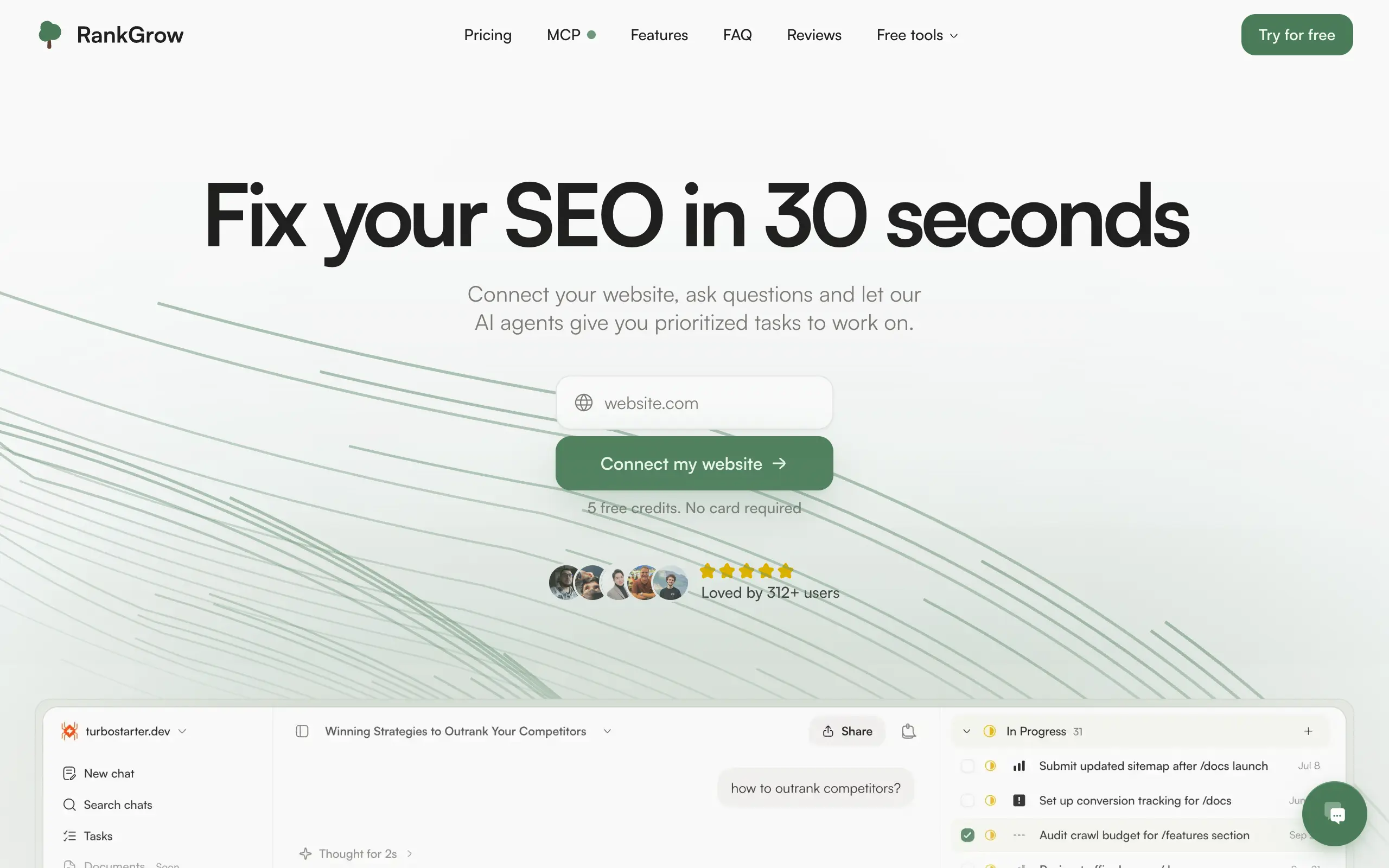
RankGrow
Fix your SEO with AI agents - connect Search Console, get prioritized tasks, and grow organic traffic 📈
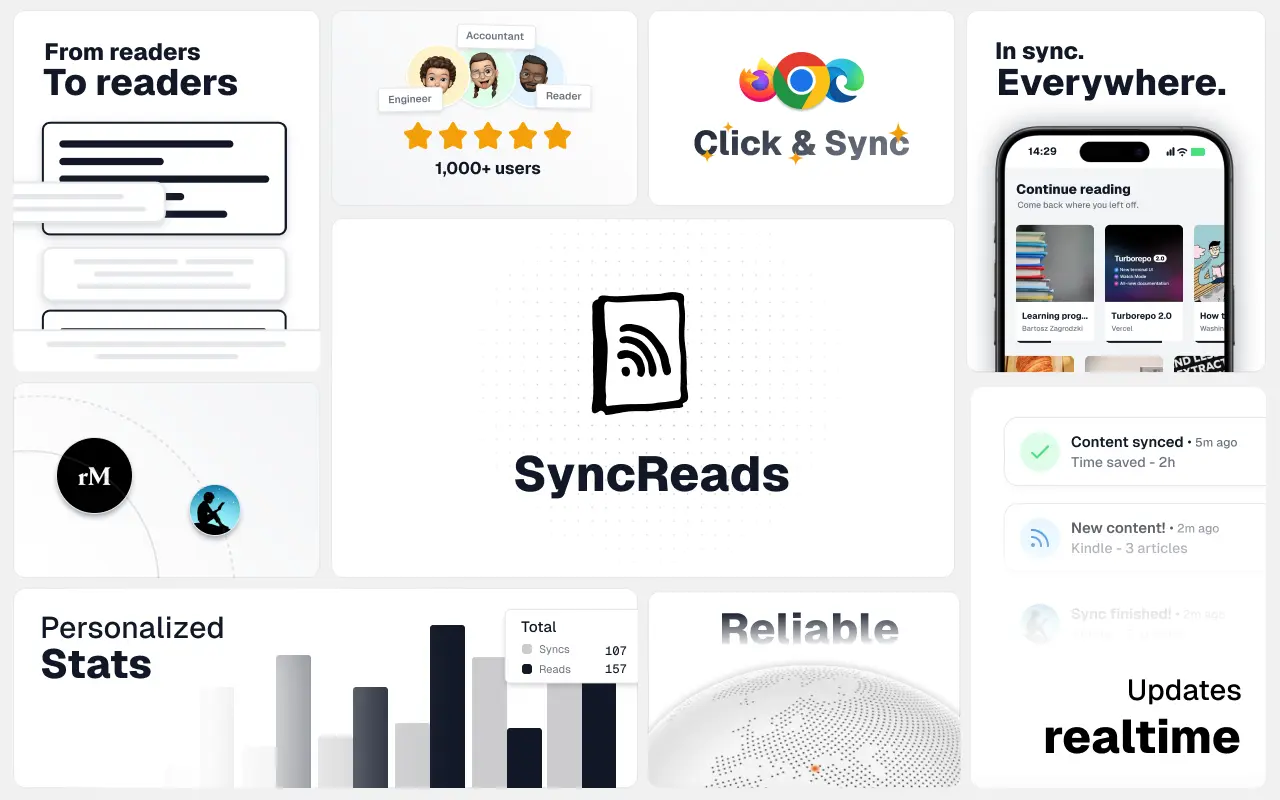
SyncReads
Sync your favorite content for distraction-free reading, save time and replace multiple apps. Anytime, anywhere 🔄
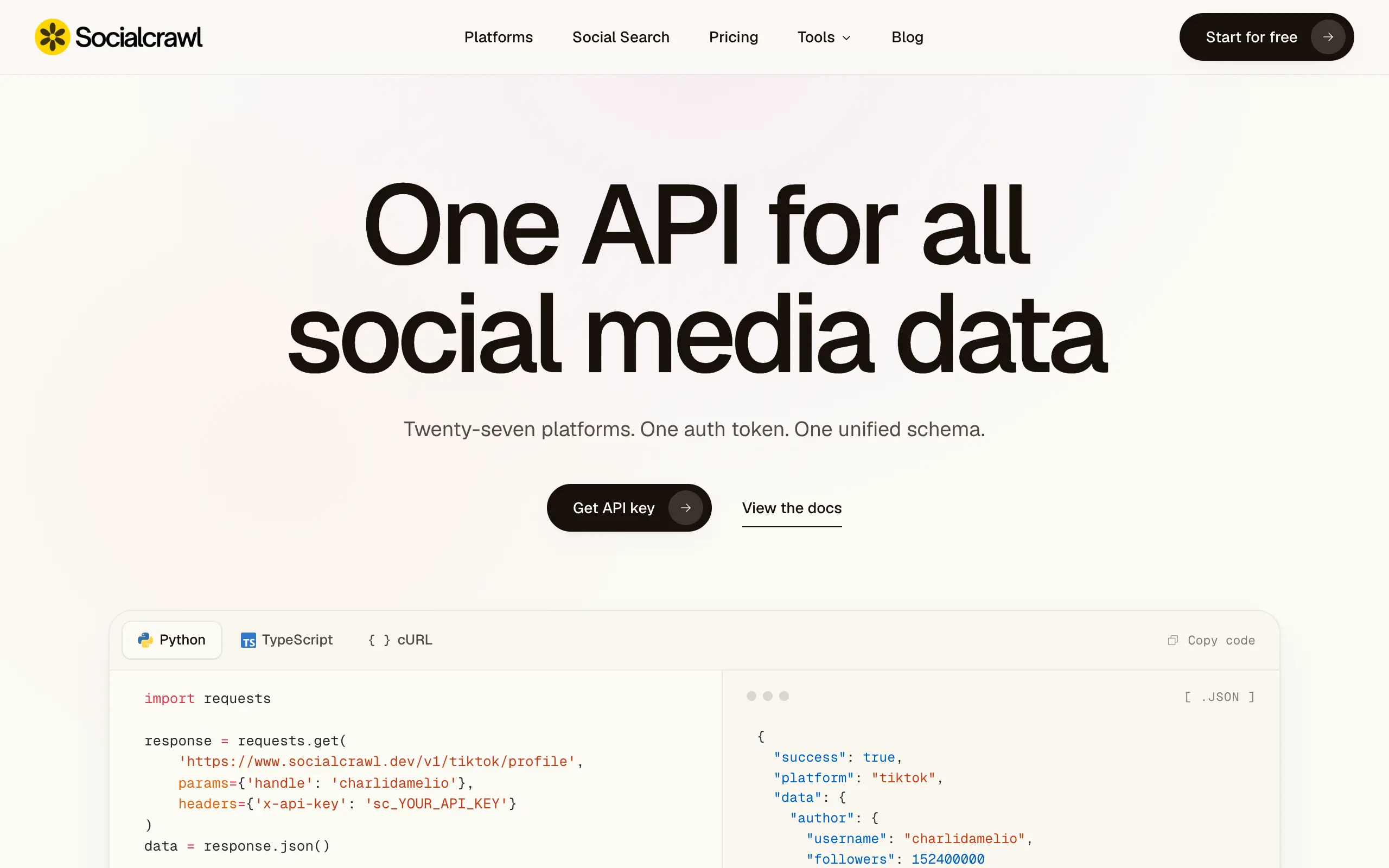
Socialcrawl
Get clean, structured data from 21 platforms like TikTok, Instagram, and YouTube with a single request 📊
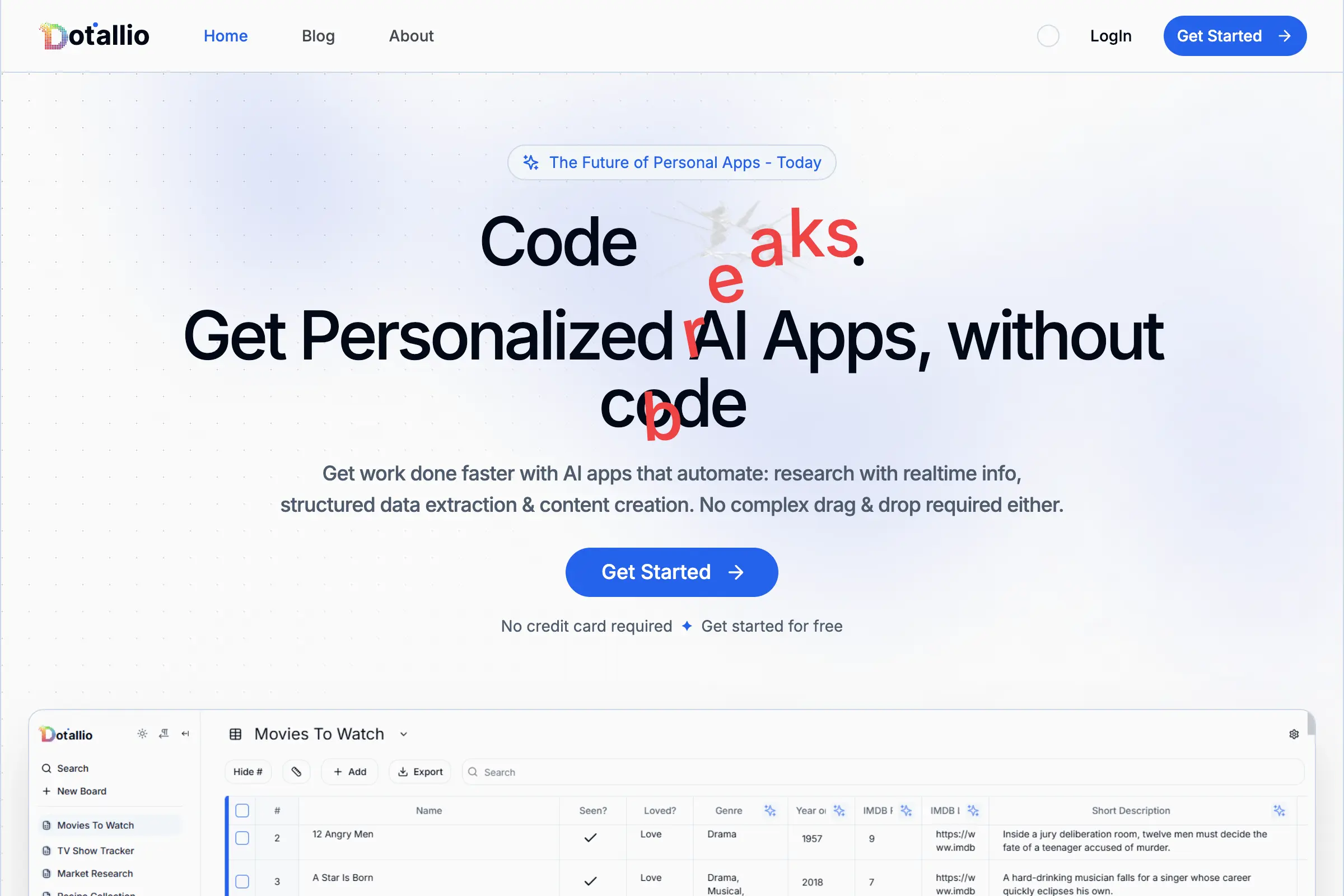
Dotallio
Personalized AI apps that automate research, data extraction, and content creation without code 🤖
Shibui
AI website builder - describe your business, pick a niche template, edit by chatting, and publish instantly ✨
Pro Service
Find verified home service professionals, compare quotes, and pay securely through escrow - built for Brazilians across the US 🏠
RankGrow
Fix your SEO with AI agents - connect Search Console, get prioritized tasks, and grow organic traffic 📈
SyncReads
Sync your favorite content for distraction-free reading, save time and replace multiple apps. Anytime, anywhere 🔄
Socialcrawl
Get clean, structured data from 21 platforms like TikTok, Instagram, and YouTube with a single request 📊
Dotallio
Personalized AI apps that automate research, data extraction, and content creation without code 🤖
Shibui
AI website builder - describe your business, pick a niche template, edit by chatting, and publish instantly ✨
Pro Service
Find verified home service professionals, compare quotes, and pay securely through escrow - built for Brazilians across the US 🏠
RankGrow
Fix your SEO with AI agents - connect Search Console, get prioritized tasks, and grow organic traffic 📈
SyncReads
Sync your favorite content for distraction-free reading, save time and replace multiple apps. Anytime, anywhere 🔄
Socialcrawl
Get clean, structured data from 21 platforms like TikTok, Instagram, and YouTube with a single request 📊
Dotallio
Personalized AI apps that automate research, data extraction, and content creation without code 🤖
Shibui
AI website builder - describe your business, pick a niche template, edit by chatting, and publish instantly ✨
Pro Service
Find verified home service professionals, compare quotes, and pay securely through escrow - built for Brazilians across the US 🏠
RankGrow
Fix your SEO with AI agents - connect Search Console, get prioritized tasks, and grow organic traffic 📈
SyncReads
Sync your favorite content for distraction-free reading, save time and replace multiple apps. Anytime, anywhere 🔄
Socialcrawl
Get clean, structured data from 21 platforms like TikTok, Instagram, and YouTube with a single request 📊
Dotallio
Personalized AI apps that automate research, data extraction, and content creation without code 🤖

Talk to Santa
Enjoy a magical live video chat or receive a unique AI-generated video greeting from Santa Claus 🎅
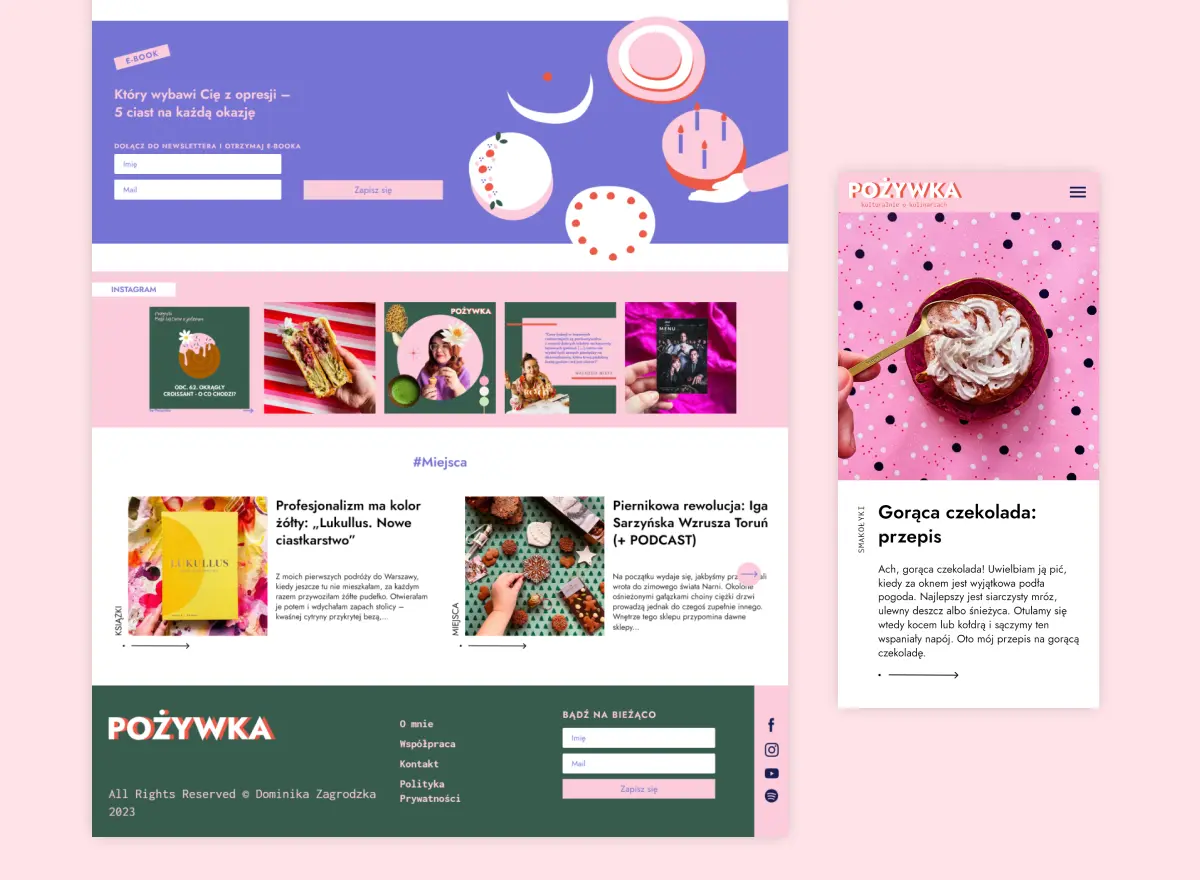
pozywka.pl
Scalable blog for food journalist, focused on performance and user experience 🌭
zagrodzki.me
Personal blog and portfolio of Bart Zagrodzki, where he shares his knowledge and work 💼
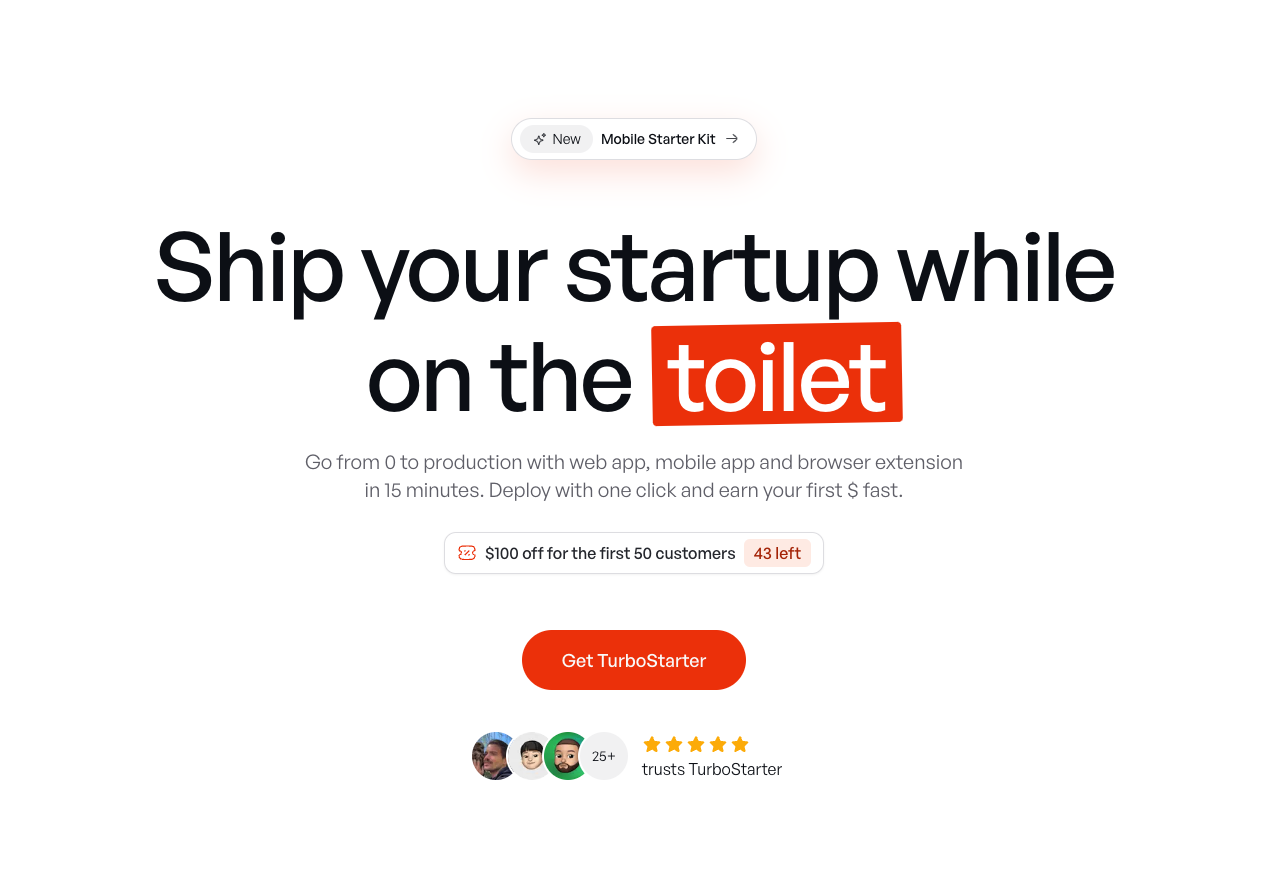
TurboStarter
Ship your startup everywhere. In minutes.
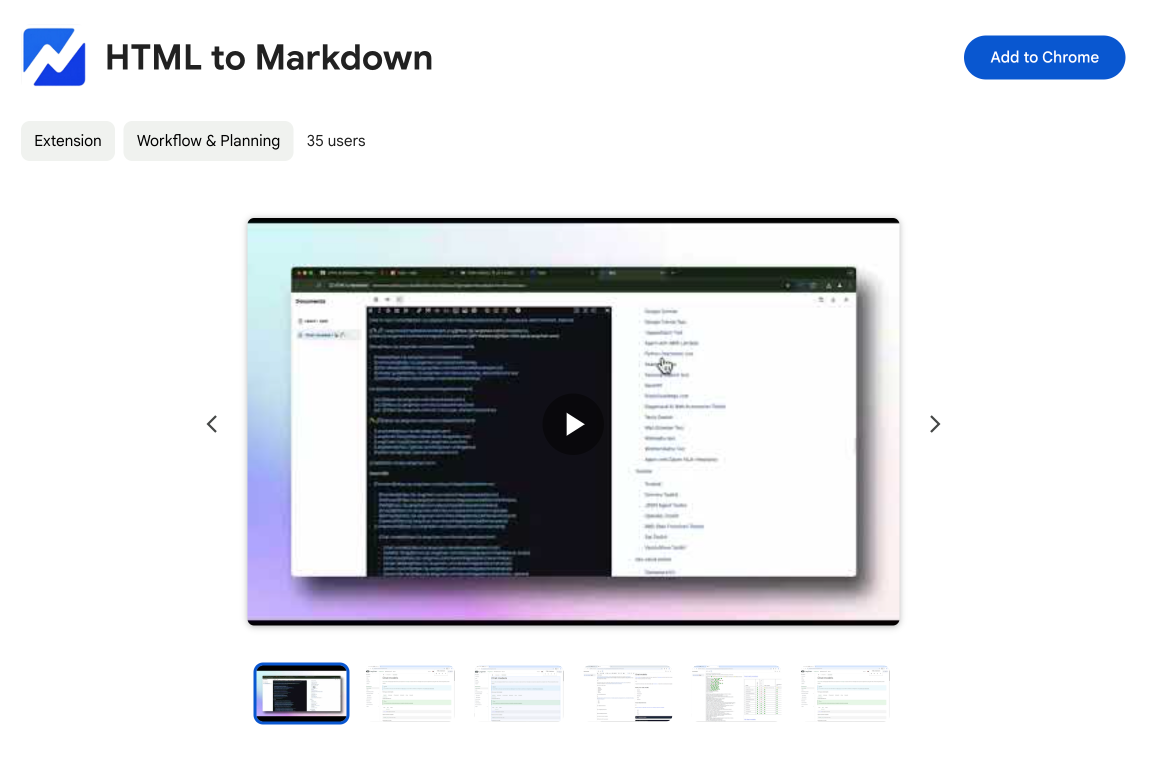
HTML to Markdown
Convert HTML to Markdown with ease, directly in your browser 📄
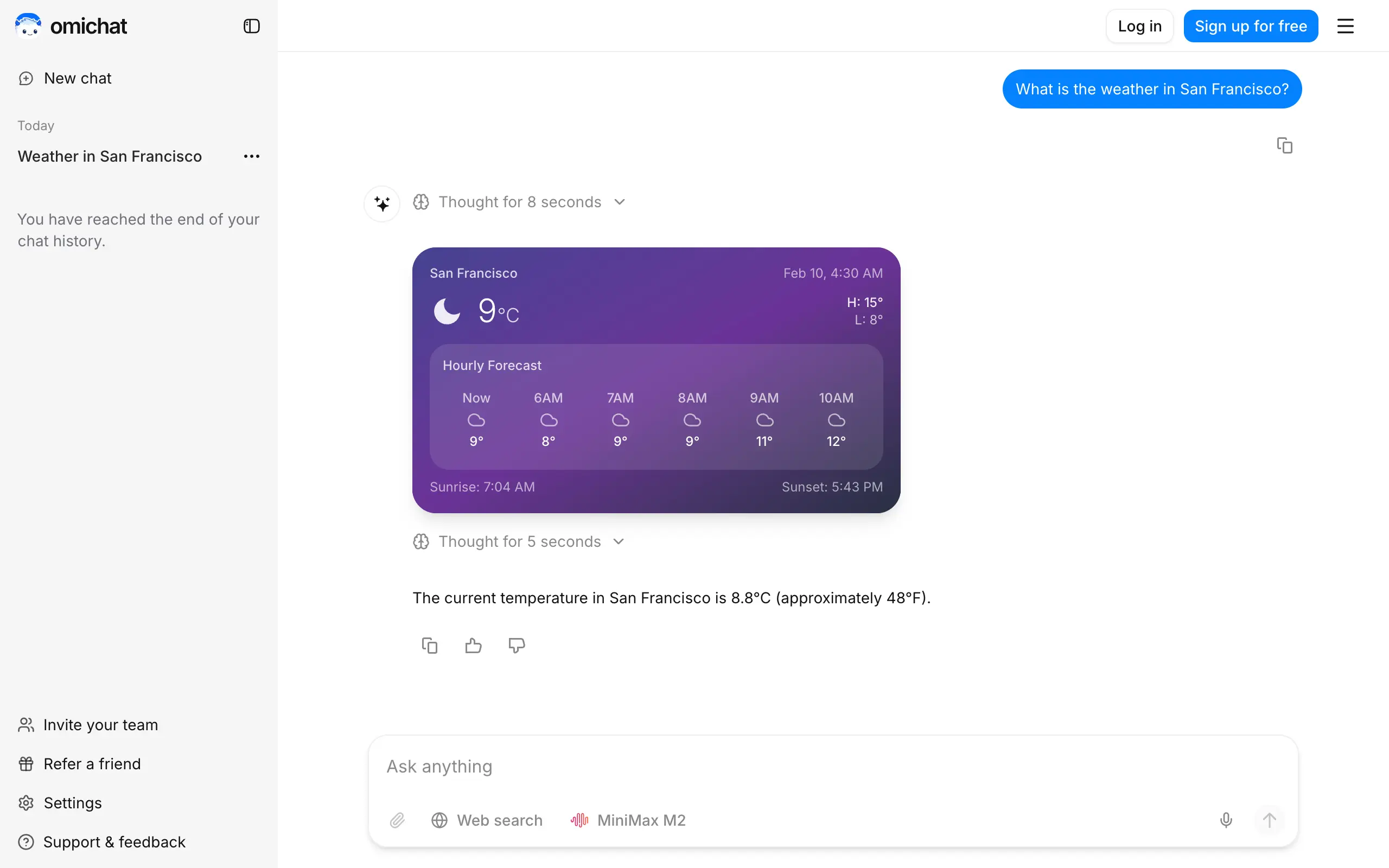
Omichat
Chat with 50+ AI models, including ChatGPT and Claude, in one place - switch models anytime without losing context 🤖
Talk to Santa
Enjoy a magical live video chat or receive a unique AI-generated video greeting from Santa Claus 🎅
pozywka.pl
Scalable blog for food journalist, focused on performance and user experience 🌭
zagrodzki.me
Personal blog and portfolio of Bart Zagrodzki, where he shares his knowledge and work 💼
TurboStarter
Ship your startup everywhere. In minutes.
HTML to Markdown
Convert HTML to Markdown with ease, directly in your browser 📄
Omichat
Chat with 50+ AI models, including ChatGPT and Claude, in one place - switch models anytime without losing context 🤖
Talk to Santa
Enjoy a magical live video chat or receive a unique AI-generated video greeting from Santa Claus 🎅
pozywka.pl
Scalable blog for food journalist, focused on performance and user experience 🌭
zagrodzki.me
Personal blog and portfolio of Bart Zagrodzki, where he shares his knowledge and work 💼
TurboStarter
Ship your startup everywhere. In minutes.
HTML to Markdown
Convert HTML to Markdown with ease, directly in your browser 📄
Omichat
Chat with 50+ AI models, including ChatGPT and Claude, in one place - switch models anytime without losing context 🤖
Talk to Santa
Enjoy a magical live video chat or receive a unique AI-generated video greeting from Santa Claus 🎅
pozywka.pl
Scalable blog for food journalist, focused on performance and user experience 🌭
zagrodzki.me
Personal blog and portfolio of Bart Zagrodzki, where he shares his knowledge and work 💼
TurboStarter
Ship your startup everywhere. In minutes.
HTML to Markdown
Convert HTML to Markdown with ease, directly in your browser 📄
Omichat
Chat with 50+ AI models, including ChatGPT and Claude, in one place - switch models anytime without losing context 🤖
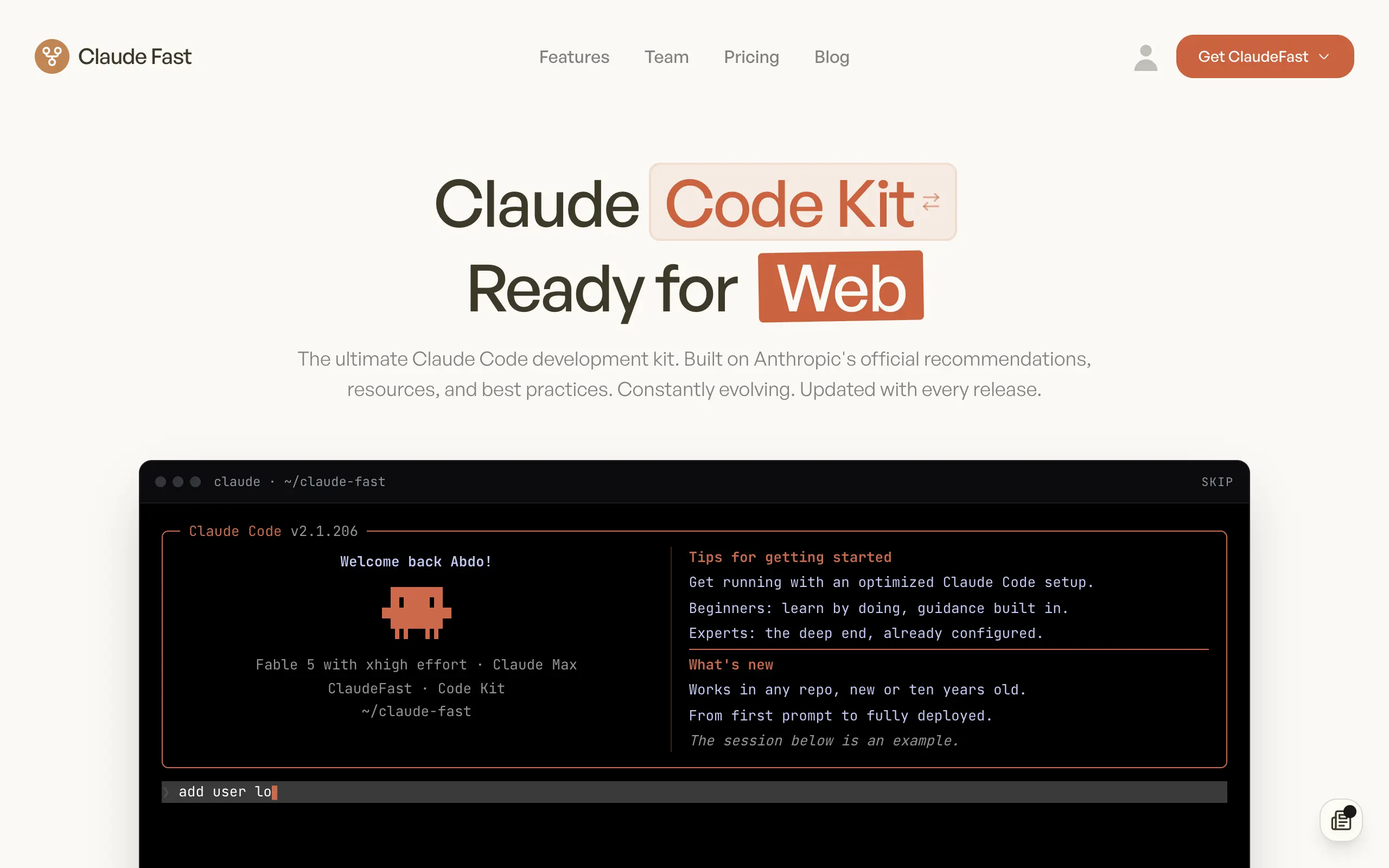
Claude Fast
Supercharge your Claude Code with 6x effective context window and specialized AI agents 🤖
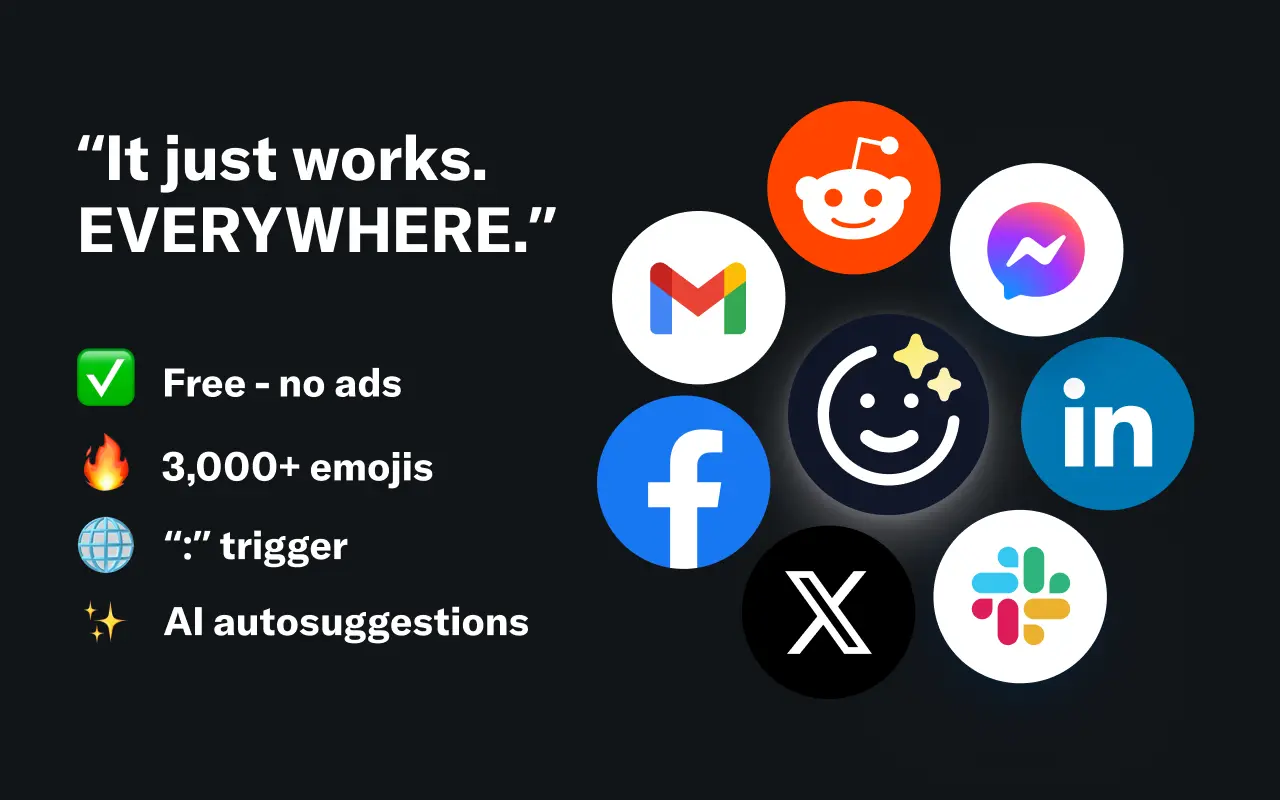
EmojAI
AI-powered emoji picker with smart, context-aware suggestions 🤖
Solohacker
Autonomous company launcher - AI agents work 24/7, escalate what matters, and you stay in control 🤖

BeRawi: Storytelling Coach
Practice storytelling daily with instant feedback to sound clearer, more engaging, and confident 🎤
Claude Fast
Supercharge your Claude Code with 6x effective context window and specialized AI agents 🤖
EmojAI
AI-powered emoji picker with smart, context-aware suggestions 🤖
Solohacker
Autonomous company launcher - AI agents work 24/7, escalate what matters, and you stay in control 🤖
BeRawi: Storytelling Coach
Practice storytelling daily with instant feedback to sound clearer, more engaging, and confident 🎤
Claude Fast
Supercharge your Claude Code with 6x effective context window and specialized AI agents 🤖
EmojAI
AI-powered emoji picker with smart, context-aware suggestions 🤖
Solohacker
Autonomous company launcher - AI agents work 24/7, escalate what matters, and you stay in control 🤖
BeRawi: Storytelling Coach
Practice storytelling daily with instant feedback to sound clearer, more engaging, and confident 🎤
Claude Fast
Supercharge your Claude Code with 6x effective context window and specialized AI agents 🤖
EmojAI
AI-powered emoji picker with smart, context-aware suggestions 🤖
Solohacker
Autonomous company launcher - AI agents work 24/7, escalate what matters, and you stay in control 🤖
BeRawi: Storytelling Coach
Practice storytelling daily with instant feedback to sound clearer, more engaging, and confident 🎤

Connect with like-minded people
Join our community to get feedback, support, and grow together with 1,000+ builders on board, let's ship it!
Join usShip your startup everywhere. In minutes.
Don't burn tokens on setup and start building features on day one.