TurismoLocal
A discovery and booking platform for local experiences, tours, and stays in the Dominican Republic, supporting small businesses and authentic travel.
Understanding the user intent behind local travel platforms
When users search for platforms like TurismoLocal, their intent is clear: they want to discover, book, and experience authentic local tours, stays, and activities—often with a focus on supporting small businesses and immersing themselves in genuine culture. In the context of the Dominican Republic, this means finding unique, off-the-beaten-path experiences that go beyond typical resort tourism.
Travelers today are increasingly seeking:
- Authenticity: Real, local experiences that connect them with the culture and people.
- Convenience: A seamless way to discover, compare, and book activities and accommodations.
- Trust: Verified providers, transparent pricing, and secure transactions.
- Support for local communities: Opportunities to contribute directly to small businesses and sustainable tourism.
TurismoLocal aims to address these needs by serving as a comprehensive discovery and booking platform tailored to the Dominican Republic’s vibrant local tourism sector.
Target audience analysis: who will use TurismoLocal?
Understanding the target audience is crucial for building a successful B2C SaaS platform. TurismoLocal’s primary users can be segmented as follows:
1. International tourists seeking authentic experiences
- Profile: Adventurous travelers, digital nomads, and culture seekers from North America, Europe, and Latin America.
- Needs: Curated local tours, unique stays, language support, secure payment options, and reliable reviews.
2. Domestic travelers exploring their own country
- Profile: Dominican residents, families, and young professionals interested in weekend getaways or cultural activities.
- Needs: Affordable options, last-minute bookings, group discounts, and local language support.
3. Small business owners and local hosts
- Profile: Tour guides, boutique hotel owners, eco-lodge operators, artisans, and experience providers.
- Needs: Easy onboarding, marketing support, booking management, and fair commission structures.
4. Travel influencers and content creators
- Profile: Bloggers, vloggers, and social media personalities focused on travel and lifestyle.
- Needs: Partnership opportunities, affiliate programs, and access to unique experiences for content creation.
International tourists
Looking for authentic, curated experiences and secure booking.
Domestic travelers
Seeking affordable, accessible local adventures and stays.
Small business owners
Need exposure, easy management, and fair commissions.
Travel influencers
Interested in partnerships and unique content opportunities.
Market opportunity and gap analysis
The Dominican Republic is one of the Caribbean’s top tourist destinations, welcoming over 7 million visitors annually (reference: Dominican Republic Ministry of Tourism). However, the majority of tourism revenue is concentrated in large resorts and international hotel chains, leaving small local businesses underrepresented.
Key market gaps
- Limited digital presence for local experiences: Many small providers lack the resources or know-how to market themselves online.
- Fragmented booking process: Travelers must often rely on word-of-mouth, social media, or in-person arrangements, leading to missed opportunities and trust issues.
- Lack of a unified, local-first platform: Existing global platforms (e.g., Airbnb Experiences, Viator) often overlook hyper-local, culturally rich offerings and may not cater to the nuances of the Dominican market.
Trends supporting the opportunity
- Rising demand for sustainable and community-based tourism.
- Growth in mobile internet usage and digital payments in the Caribbean.
- Post-pandemic shift toward smaller group travel and outdoor experiences.
Industry insight
According to the World Tourism Organization, travelers are increasingly seeking experiences that benefit local communities and promote cultural exchange. Platforms that facilitate this are well-positioned for growth.
Core features and solution details
TurismoLocal’s value proposition lies in its ability to connect travelers with authentic local experiences while empowering small businesses. Here’s a breakdown of the essential features:
1. Discovery engine for local experiences
- Curated listings: Tours, workshops, homestays, eco-lodges, and cultural events.
- Advanced filters: Location, activity type, price range, language, accessibility, and sustainability.
- Personalized recommendations: AI-driven suggestions based on user preferences and past bookings.
2. Seamless booking and payment system
- Real-time availability: Calendar integration for instant confirmation.
- Secure payments: Support for credit cards, PayPal, and local payment methods.
- Transparent pricing: No hidden fees, clear cancellation policies.
3. Provider onboarding and management
- Self-service dashboard: For experience providers to manage listings, bookings, and payouts.
- Verification process: Ensures quality and safety standards.
- Marketing tools: Analytics, promotional campaigns, and featured listings.
4. User reviews and community features
- Verified reviews: Only from users who have completed a booking.
- Photo and video uploads: To showcase real experiences.
- Community Q&A: Direct communication between travelers and hosts.
5. Multilingual and mobile-first design
- Spanish and English support: With potential for additional languages.
- Responsive UI: Optimized for mobile devices, crucial for on-the-go travelers.
6. Support for sustainable and responsible tourism
- Highlight eco-friendly and community-based experiences.
- Badges and filters for sustainability.
- Educational content on responsible travel.
All providers undergo a verification process, and only users who have completed bookings can leave reviews, ensuring genuine feedback and high-quality experiences.
Real-time availability, instant confirmation, and support for local payment methods remove friction and build trust for both travelers and providers.
Recommended tech stack for TurismoLocal
Choosing the right technology stack is critical for scalability, performance, and maintainability. Here’s a recommended stack for a modern B2C SaaS platform like TurismoLocal:
Frontend
- React: For building a dynamic, component-based user interface.
- Next.js: Enables server-side rendering, SEO optimization, and fast page loads.
- TailwindCSS: Utility-first CSS framework for rapid, responsive design.
- TypeScript: Adds type safety and improves code quality.
Backend
- Node.js: Scalable, event-driven server environment.
- Express: Minimalist web framework for building APIs.
- PostgreSQL: Robust, open-source relational database.
- Prisma: Modern ORM for type-safe database access.
Payments and authentication
Hosting and infrastructure
- Vercel: Optimized for Next.js deployments.
- AWS or DigitalOcean: For scalable backend and database hosting.
Trade-offs and considerations
- Serverless vs. traditional hosting: Serverless (e.g., Vercel, AWS Lambda) offers scalability and lower ops overhead but may introduce cold start latency for some APIs.
- NoSQL vs. SQL: While NoSQL (e.g., MongoDB) offers flexibility, PostgreSQL’s relational model is better suited for complex queries and transactional integrity in booking systems.
- React
- Next.js
- TailwindCSS
- TypeScript
- Node.js
- Express
- PostgreSQL
- Prisma
- Stripe
- Auth0
- Vercel
- AWS or DigitalOcean
Monetization strategy options
A sustainable SaaS platform requires a clear path to revenue. TurismoLocal can consider several monetization models:
1. Commission-based model
- How it works: Charge a percentage fee on each booking (e.g., 10-20%).
- Pros: Aligns revenue with platform usage; low barrier for providers.
- Cons: May face resistance from price-sensitive providers.
2. Subscription plans for providers
- How it works: Offer premium features (e.g., featured listings, advanced analytics) for a monthly fee.
- Pros: Predictable recurring revenue; incentivizes provider engagement.
- Cons: Requires clear value proposition to justify cost.
3. Featured listings and advertising
- How it works: Providers pay to promote their experiences or stays.
- Pros: Additional revenue stream; supports marketing for small businesses.
- Cons: Must balance paid promotion with user trust and relevance.
4. Affiliate partnerships
- How it works: Earn commissions by referring users to related services (e.g., travel insurance, transportation).
- Pros: Diversifies revenue; enhances user experience.
- Cons: Must ensure partnerships align with platform values.
| Commission | Subscription | Ads | Affiliate | Freemium |
|---|---|---|---|---|
| ✅ | ❌ | ❌ | ✅ | ❌ |
| ✅ | ❌ | ✅ | ✅ | ❌ |
Potential risks and mitigation strategies
Launching a B2C SaaS platform in the travel sector comes with unique challenges. Here’s how TurismoLocal can address them:
1. Trust and safety concerns
- Risk: Users may hesitate to book with unknown providers.
- Mitigation: Implement a robust verification process, display verified reviews, and offer secure payment options.
2. Provider onboarding and retention
- Risk: Small businesses may lack digital literacy or be wary of commissions.
- Mitigation: Offer onboarding support, educational resources, and transparent fee structures.
3. Seasonality and demand fluctuations
- Risk: Tourism in the Dominican Republic is highly seasonal.
- Mitigation: Diversify offerings (e.g., local events, workshops) to attract domestic travelers year-round.
4. Competition from global platforms
- Risk: Competing with established brands like Airbnb Experiences or Viator.
- Mitigation: Focus on hyper-local content, personalized service, and community engagement.
5. Regulatory and compliance issues
- Risk: Navigating local laws, taxes, and safety regulations.
- Mitigation: Consult with legal experts and maintain clear terms of service.
Pro tip
Building strong relationships with local tourism boards and community organizations can help navigate regulatory challenges and boost credibility.
Competitive advantage analysis
TurismoLocal’s unique selling proposition (USP) is its laser focus on the Dominican Republic’s local tourism ecosystem. Here’s how it stands out:
1. Hyper-local expertise
- Deep knowledge of Dominican culture, geography, and travel trends.
- Curated experiences that global platforms may overlook.
2. Empowerment of small businesses
- Low-barrier onboarding and fair commissions.
- Marketing and analytics tools tailored to local providers.
3. Commitment to responsible tourism
- Highlighting sustainable, community-based experiences.
- Educational content for travelers and providers.
4. Multilingual, mobile-first experience
- Designed for both international and domestic users.
- Optimized for mobile, reflecting user behavior in the region.
5. Community-driven trust
- Verified reviews, Q&A, and direct communication.
- Building a loyal user base through authentic engagement.
Hyper-local focus
Deeply rooted in Dominican culture and community.
Empowering small businesses
Tools and support for local providers.
Responsible tourism
Promoting sustainability and community benefit.
Mobile-first, multilingual
Accessible to all users, anywhere.
Actionable implementation steps
Building and launching TurismoLocal requires a structured, phased approach. Here’s a recommended roadmap:
Market research and validation:
Conduct interviews with travelers and local providers. Analyze competitors and identify unique value propositions.
MVP development:
Build a minimum viable product with core features: discovery, booking, provider onboarding, and reviews.
Provider acquisition:
Partner with local tourism boards, community organizations, and early adopters to onboard initial providers.
User acquisition and marketing:
Launch targeted campaigns (social media, SEO, influencer partnerships) to attract both domestic and international travelers.
Iterate and expand:
Gather feedback, refine features, and expand offerings (e.g., new regions, event-based experiences).
Scale and optimize:
Invest in performance, security, and customer support. Explore additional monetization channels and partnerships.
Conclusion: why TurismoLocal is the future of authentic travel in the Dominican Republic
TurismoLocal is uniquely positioned to transform the way travelers discover and book local experiences in the Dominican Republic. By bridging the gap between small businesses and global travelers, the platform not only drives economic growth for local communities but also delivers the authentic, meaningful experiences that modern travelers crave.
With a robust tech stack, a clear monetization strategy, and a commitment to responsible tourism, TurismoLocal stands out as a trusted, authoritative solution in a rapidly evolving market. By focusing on user needs, building strong community ties, and leveraging the latest digital trends, TurismoLocal can become the go-to platform for authentic travel in the Dominican Republic.
For entrepreneurs and developers looking to build similar platforms, leveraging tools like TurboStarter can accelerate development and ensure best practices from day one.
Frequently asked questions
TurismoLocal offers easy onboarding, marketing tools, and fair commissions, helping local providers reach a wider audience and manage bookings efficiently.
Yes, the platform supports both Spanish and English, with plans to add more languages as needed.
Its hyper-local focus, commitment to responsible tourism, and deep community engagement set it apart from generic, global booking sites.
By addressing real user needs, leveraging modern technology, and prioritizing community impact, TurismoLocal is set to redefine local travel in the Dominican Republic—making authentic, sustainable tourism accessible to all.
More 👥 B2C Application SaaS ideas
Discover more innovative b2c application SaaS ideas that are trending in 2026. Each idea is AI-generated with market validation and growth potential to help you find your next profitable venture faster than competitors.
Your competitors are building with TurboStarter
Below are some of the SaaS ideas that have been generated and built with our starter kit.

Statiko
Monitor any Telegram channel in real time - track posts, edits, deletions, and growth with AI recaps 📡
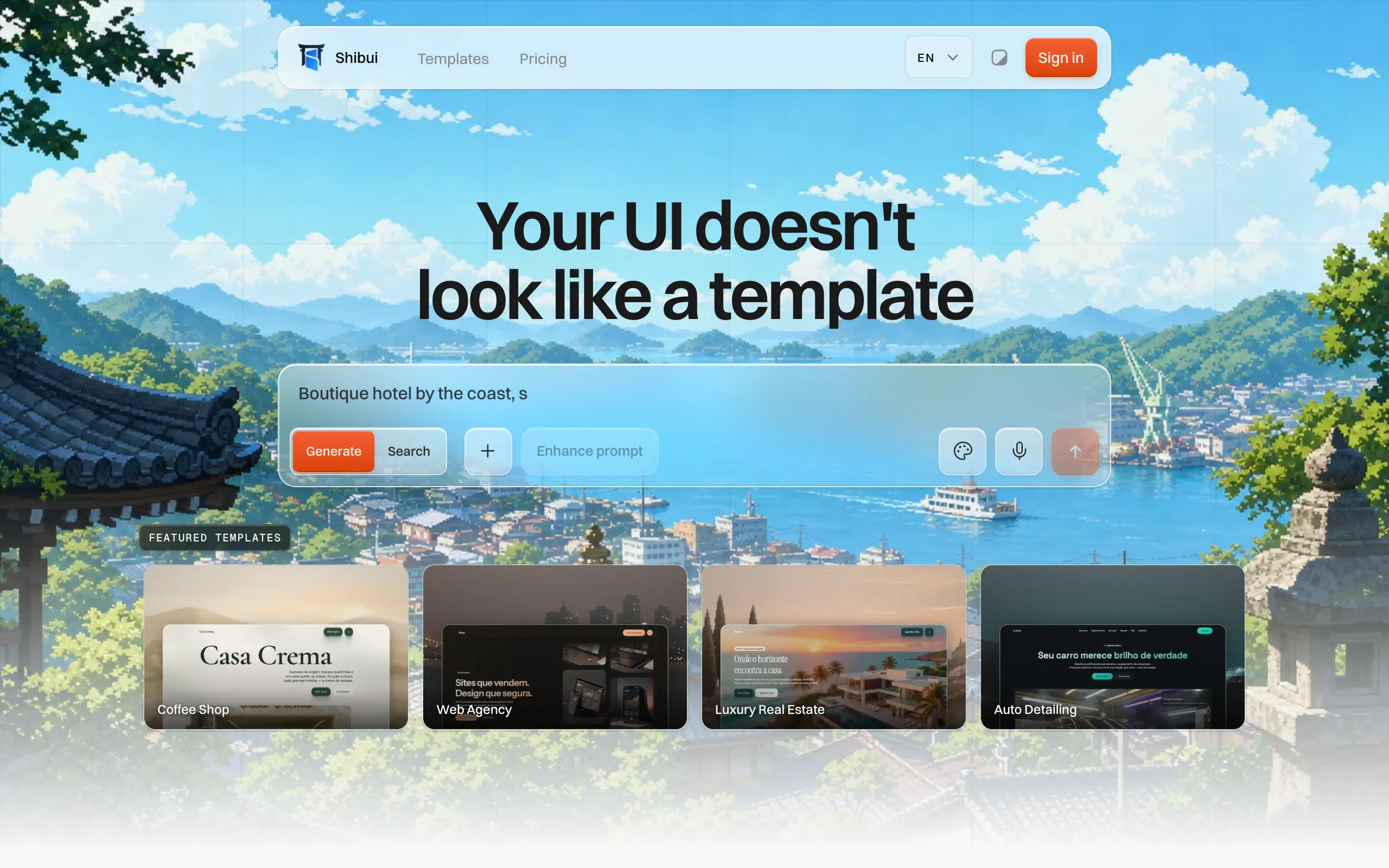
Shibui
AI website builder - describe your business, pick a niche template, edit by chatting, and publish instantly ✨
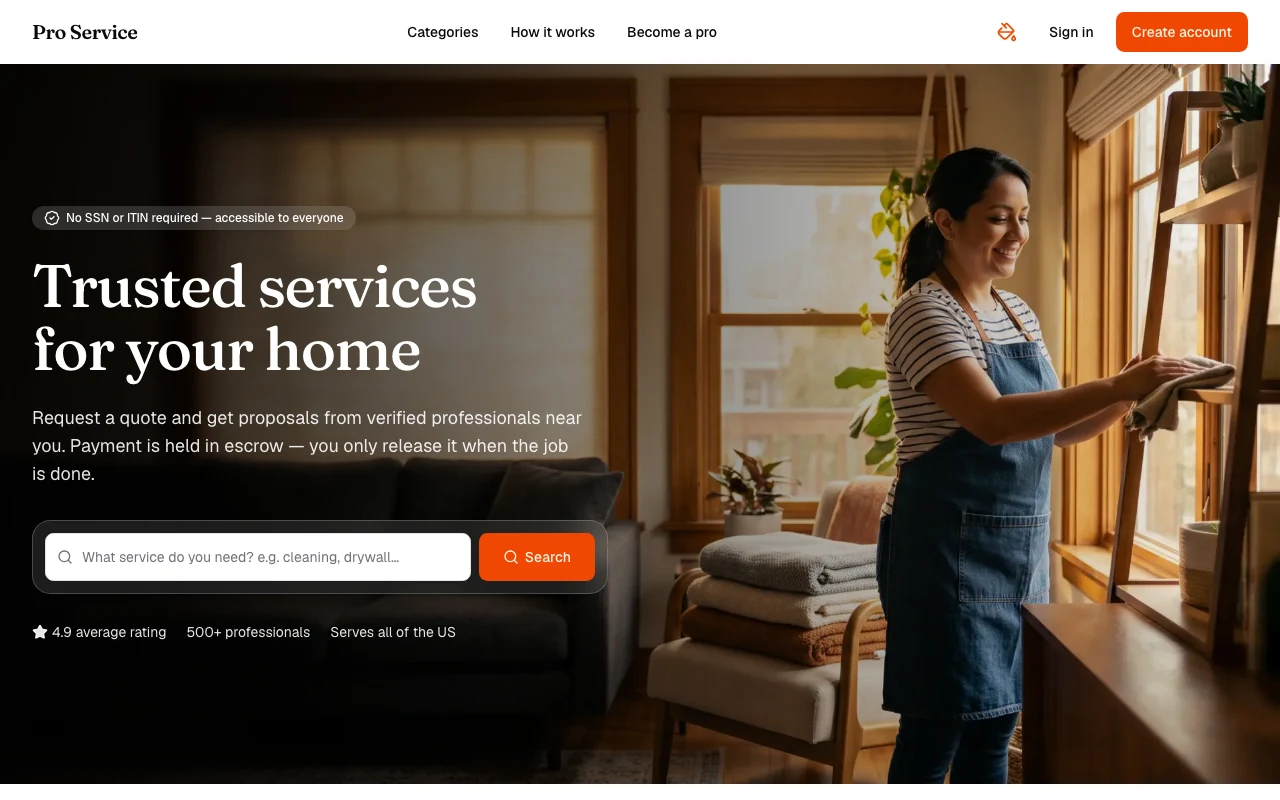
Pro Service
Find verified home service professionals, compare quotes, and pay securely through escrow - built for Brazilians across the US 🏠
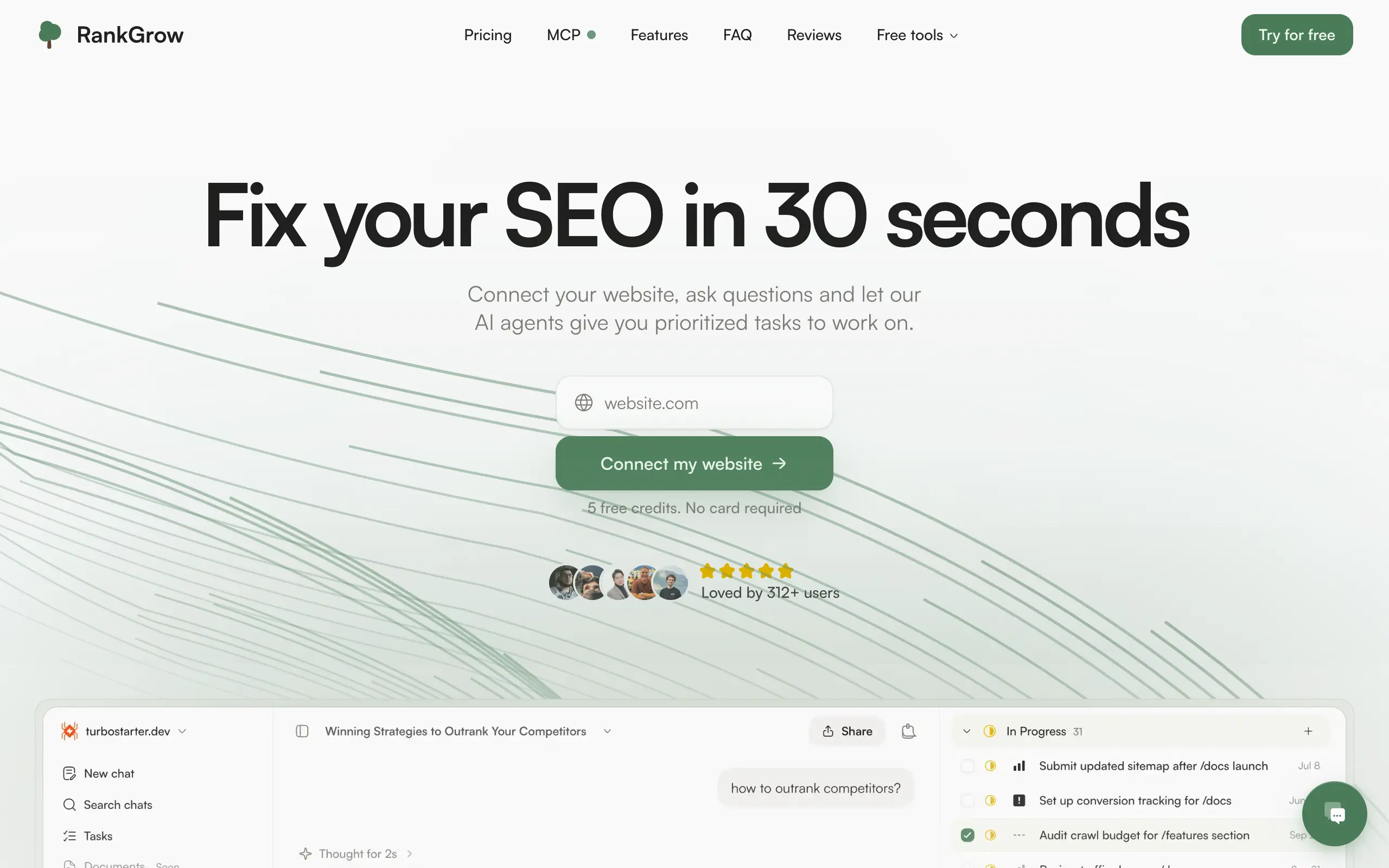
RankGrow
Fix your SEO with AI agents - connect Search Console, get prioritized tasks, and grow organic traffic 📈
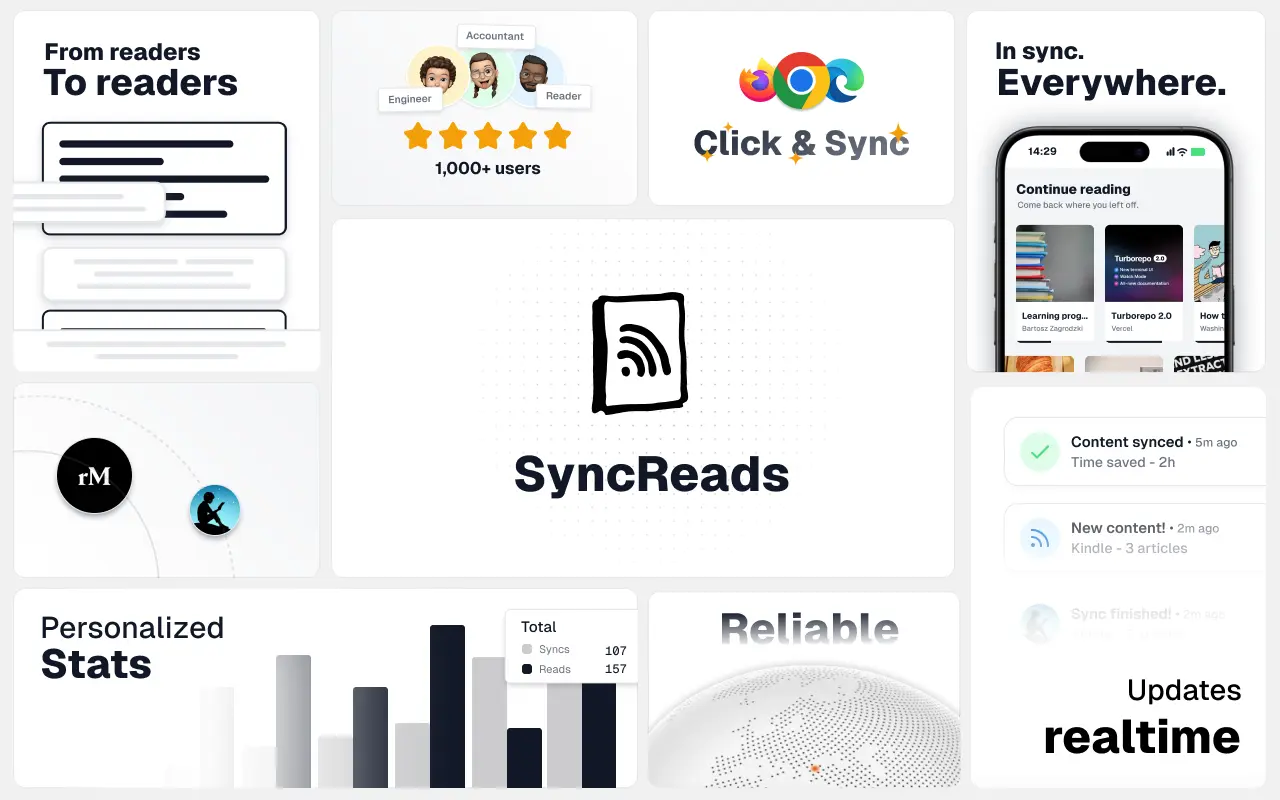
SyncReads
Sync your favorite content for distraction-free reading, save time and replace multiple apps. Anytime, anywhere 🔄
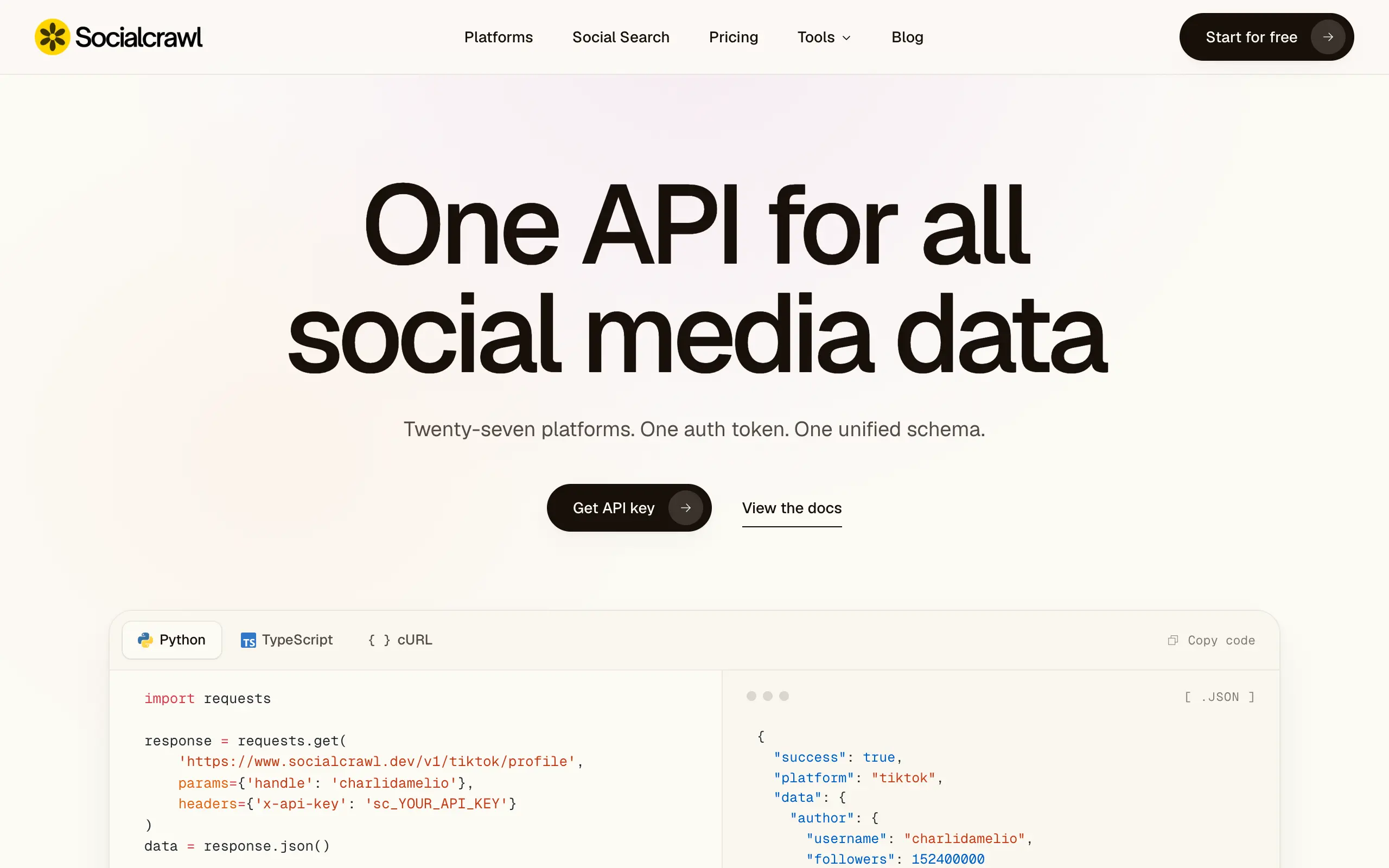
Socialcrawl
Get clean, structured data from 21 platforms like TikTok, Instagram, and YouTube with a single request 📊
Statiko
Monitor any Telegram channel in real time - track posts, edits, deletions, and growth with AI recaps 📡
Shibui
AI website builder - describe your business, pick a niche template, edit by chatting, and publish instantly ✨
Pro Service
Find verified home service professionals, compare quotes, and pay securely through escrow - built for Brazilians across the US 🏠
RankGrow
Fix your SEO with AI agents - connect Search Console, get prioritized tasks, and grow organic traffic 📈
SyncReads
Sync your favorite content for distraction-free reading, save time and replace multiple apps. Anytime, anywhere 🔄
Socialcrawl
Get clean, structured data from 21 platforms like TikTok, Instagram, and YouTube with a single request 📊
Statiko
Monitor any Telegram channel in real time - track posts, edits, deletions, and growth with AI recaps 📡
Shibui
AI website builder - describe your business, pick a niche template, edit by chatting, and publish instantly ✨
Pro Service
Find verified home service professionals, compare quotes, and pay securely through escrow - built for Brazilians across the US 🏠
RankGrow
Fix your SEO with AI agents - connect Search Console, get prioritized tasks, and grow organic traffic 📈
SyncReads
Sync your favorite content for distraction-free reading, save time and replace multiple apps. Anytime, anywhere 🔄
Socialcrawl
Get clean, structured data from 21 platforms like TikTok, Instagram, and YouTube with a single request 📊
Statiko
Monitor any Telegram channel in real time - track posts, edits, deletions, and growth with AI recaps 📡
Shibui
AI website builder - describe your business, pick a niche template, edit by chatting, and publish instantly ✨
Pro Service
Find verified home service professionals, compare quotes, and pay securely through escrow - built for Brazilians across the US 🏠
RankGrow
Fix your SEO with AI agents - connect Search Console, get prioritized tasks, and grow organic traffic 📈
SyncReads
Sync your favorite content for distraction-free reading, save time and replace multiple apps. Anytime, anywhere 🔄
Socialcrawl
Get clean, structured data from 21 platforms like TikTok, Instagram, and YouTube with a single request 📊
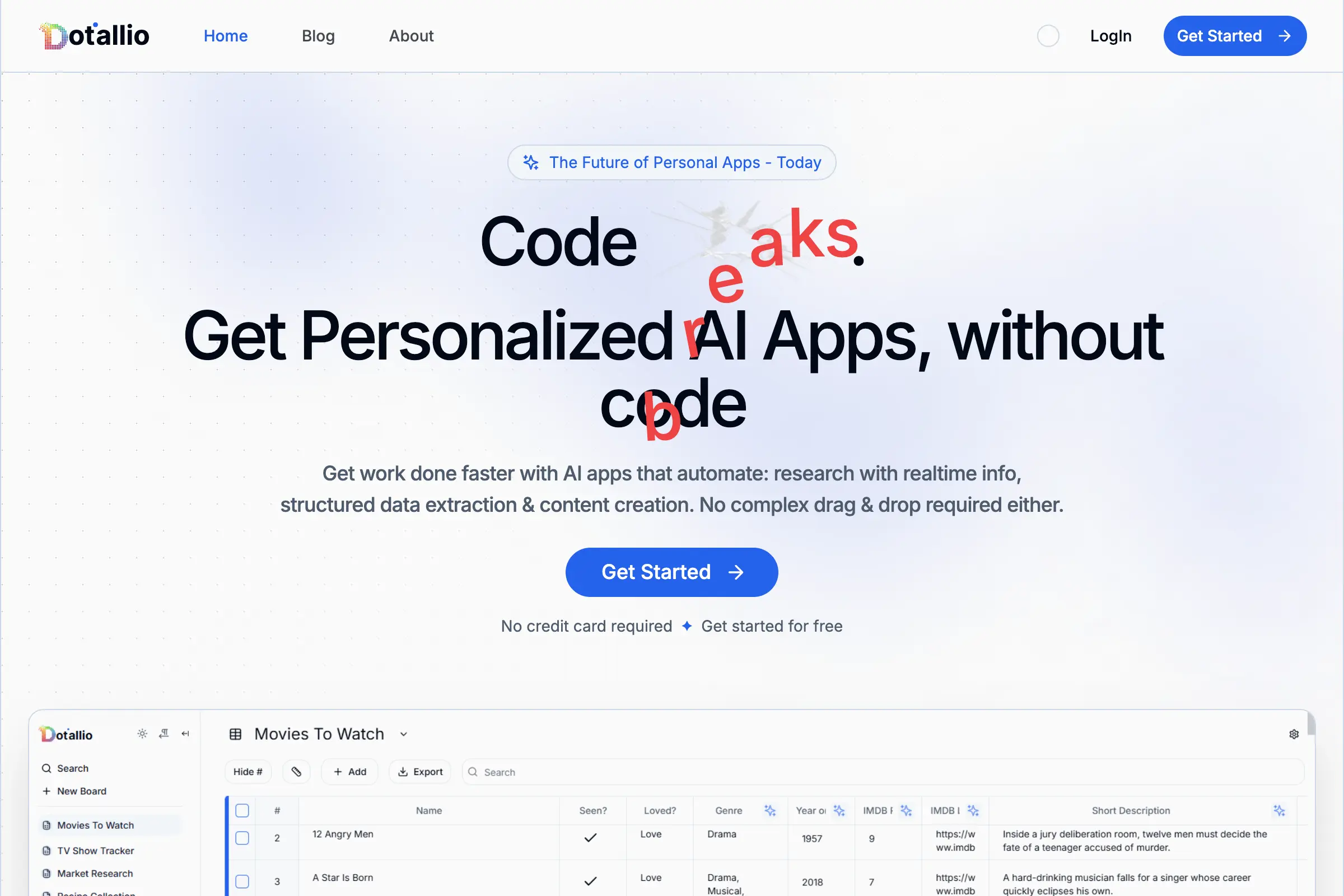
Dotallio
Personalized AI apps that automate research, data extraction, and content creation without code 🤖
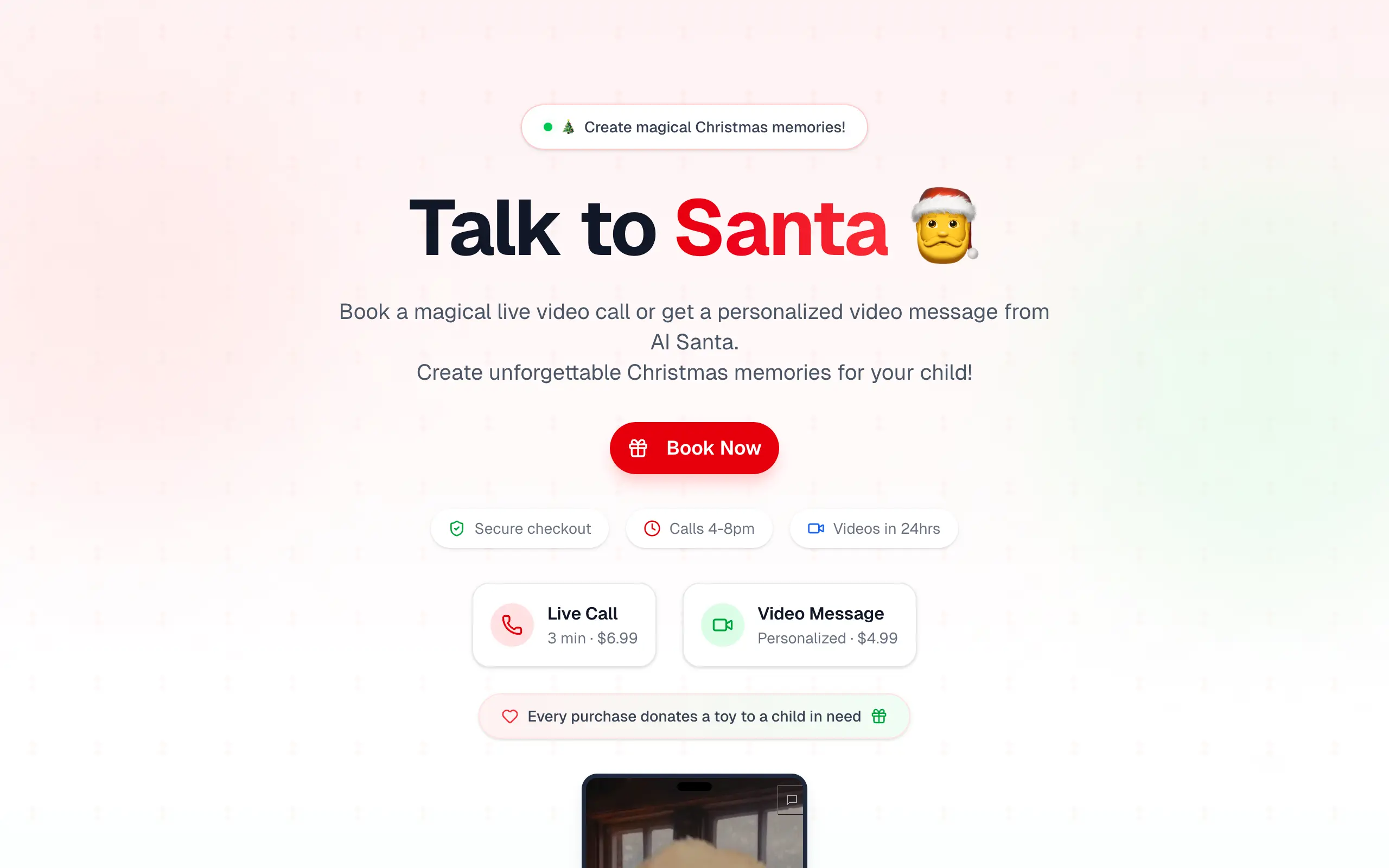
Talk to Santa
Enjoy a magical live video chat or receive a unique AI-generated video greeting from Santa Claus 🎅

pozywka.pl
Scalable blog for food journalist, focused on performance and user experience 🌭
zagrodzki.me
Personal blog and portfolio of Bart Zagrodzki, where he shares his knowledge and work 💼
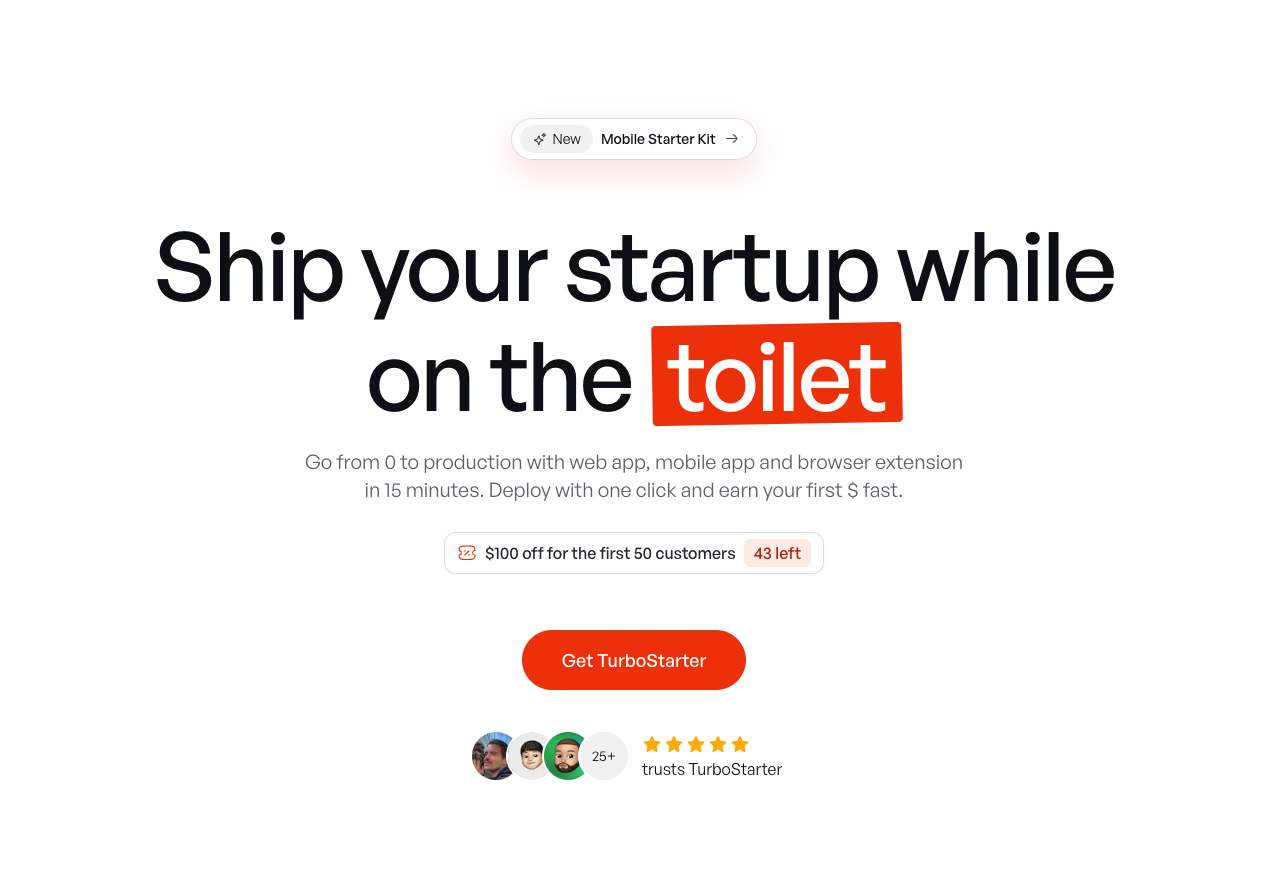
TurboStarter
Ship your startup everywhere. In minutes.
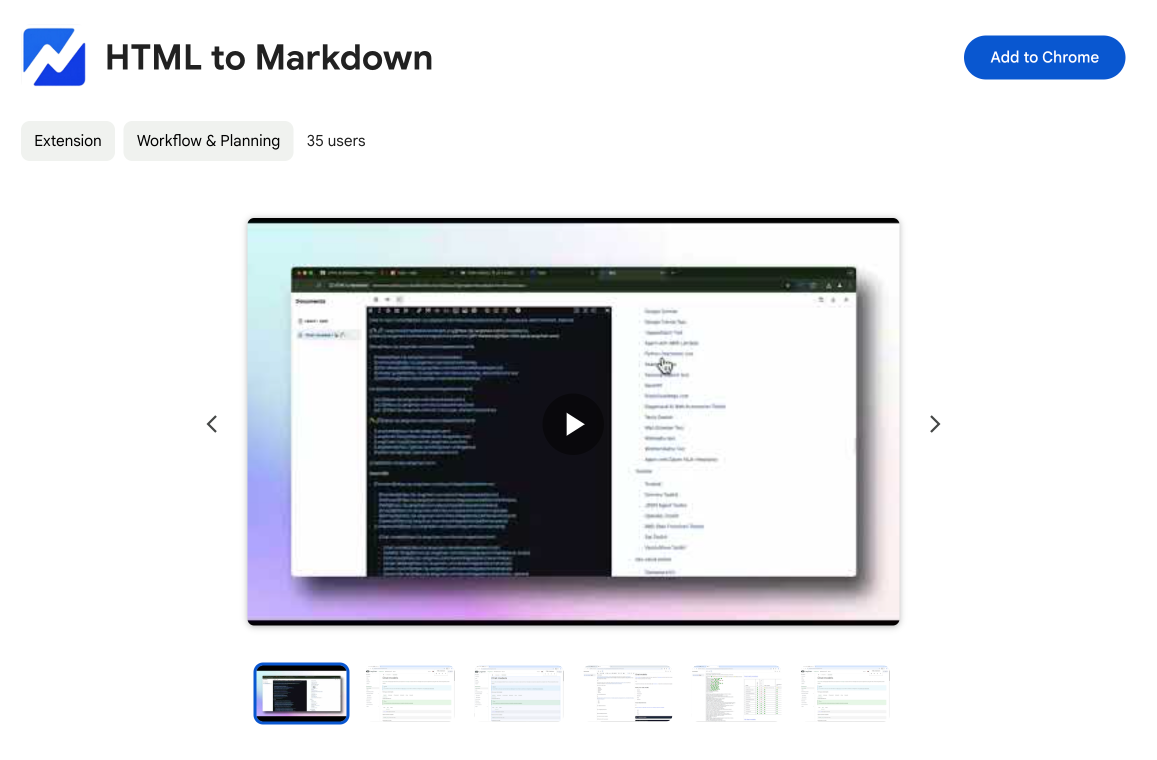
HTML to Markdown
Convert HTML to Markdown with ease, directly in your browser 📄
Dotallio
Personalized AI apps that automate research, data extraction, and content creation without code 🤖
Talk to Santa
Enjoy a magical live video chat or receive a unique AI-generated video greeting from Santa Claus 🎅
pozywka.pl
Scalable blog for food journalist, focused on performance and user experience 🌭
zagrodzki.me
Personal blog and portfolio of Bart Zagrodzki, where he shares his knowledge and work 💼
TurboStarter
Ship your startup everywhere. In minutes.
HTML to Markdown
Convert HTML to Markdown with ease, directly in your browser 📄
Dotallio
Personalized AI apps that automate research, data extraction, and content creation without code 🤖
Talk to Santa
Enjoy a magical live video chat or receive a unique AI-generated video greeting from Santa Claus 🎅
pozywka.pl
Scalable blog for food journalist, focused on performance and user experience 🌭
zagrodzki.me
Personal blog and portfolio of Bart Zagrodzki, where he shares his knowledge and work 💼
TurboStarter
Ship your startup everywhere. In minutes.
HTML to Markdown
Convert HTML to Markdown with ease, directly in your browser 📄
Dotallio
Personalized AI apps that automate research, data extraction, and content creation without code 🤖
Talk to Santa
Enjoy a magical live video chat or receive a unique AI-generated video greeting from Santa Claus 🎅
pozywka.pl
Scalable blog for food journalist, focused on performance and user experience 🌭
zagrodzki.me
Personal blog and portfolio of Bart Zagrodzki, where he shares his knowledge and work 💼
TurboStarter
Ship your startup everywhere. In minutes.
HTML to Markdown
Convert HTML to Markdown with ease, directly in your browser 📄
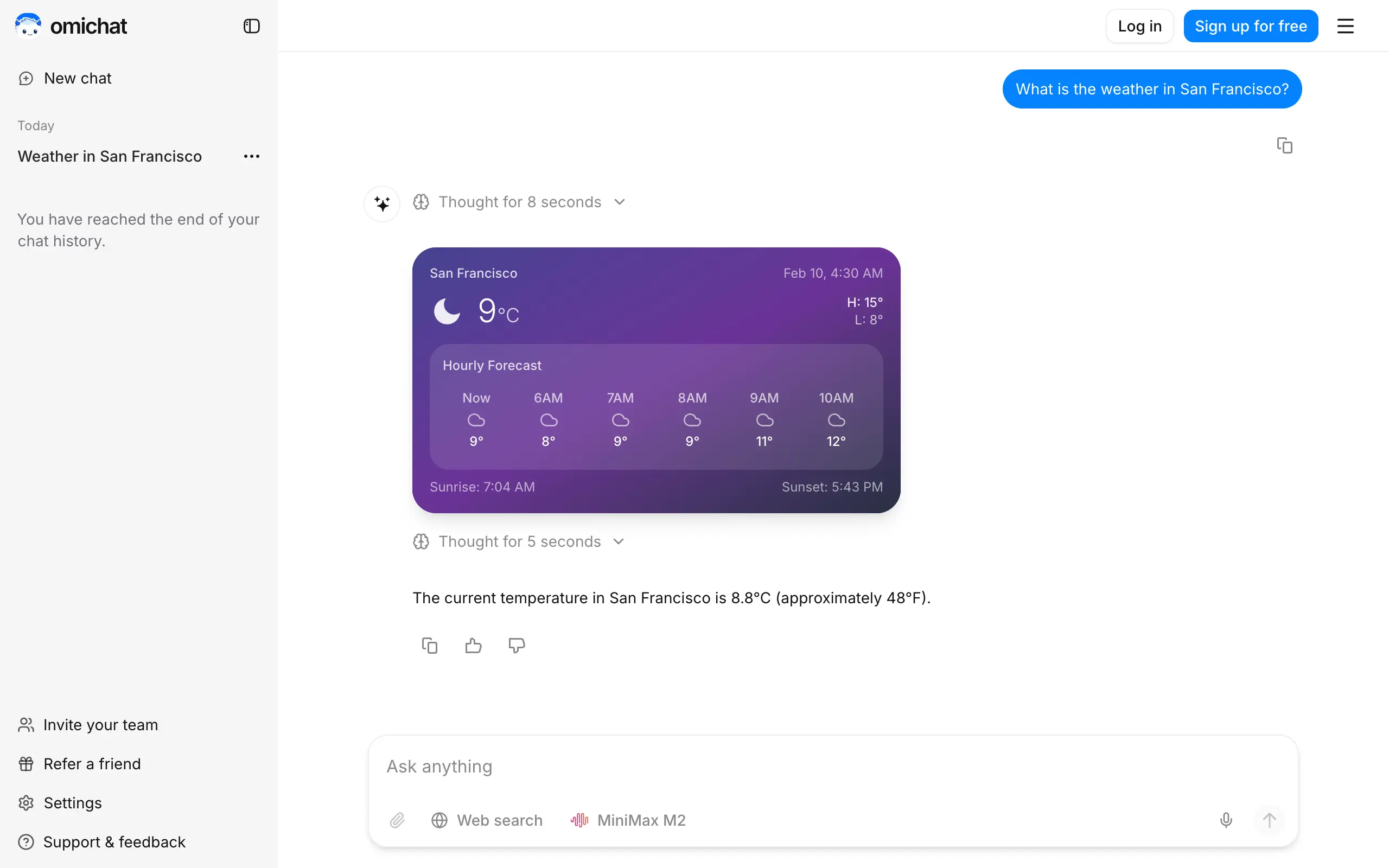
Omichat
Chat with 50+ AI models, including ChatGPT and Claude, in one place - switch models anytime without losing context 🤖
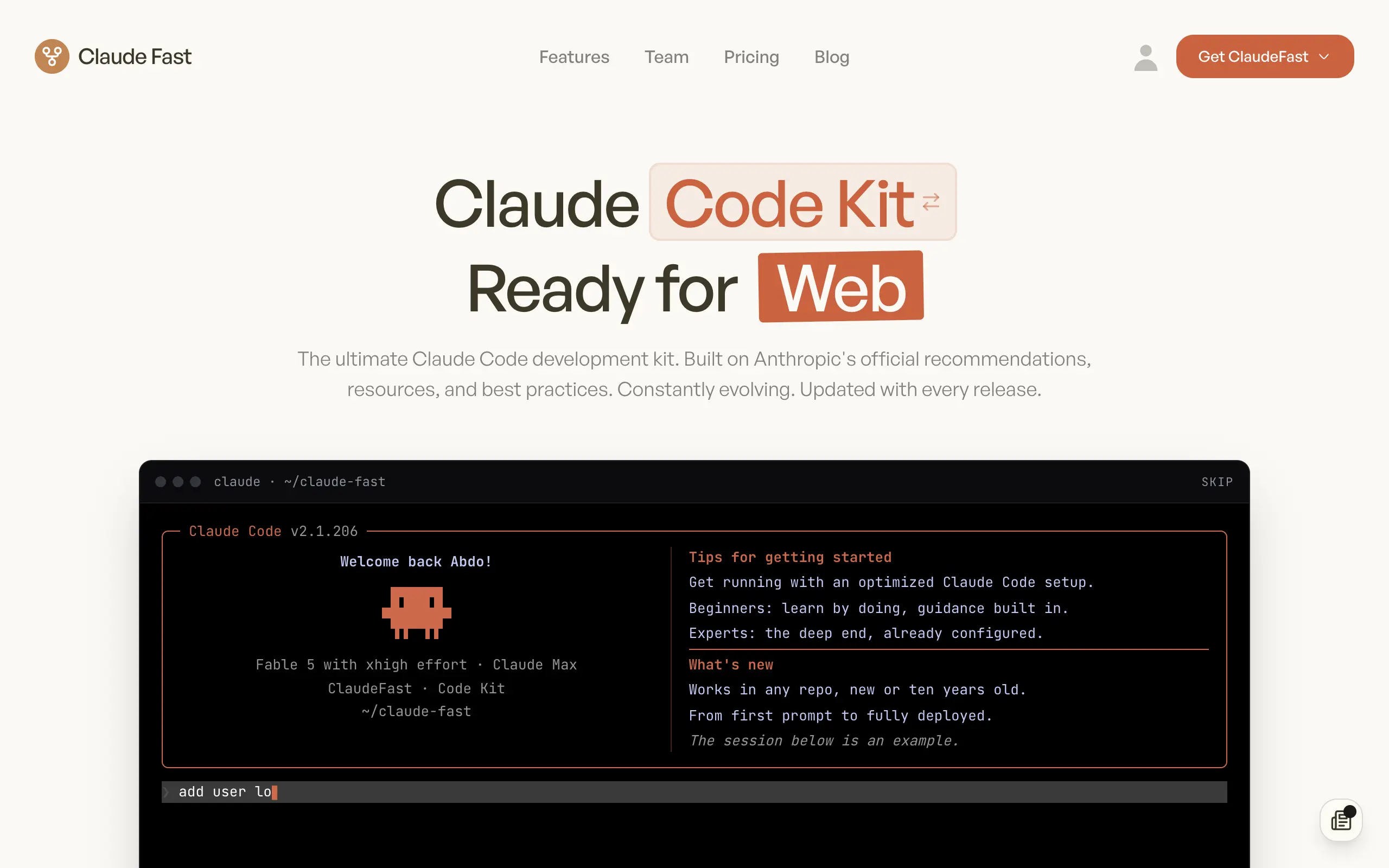
Claude Fast
Supercharge your Claude Code with 6x effective context window and specialized AI agents 🤖
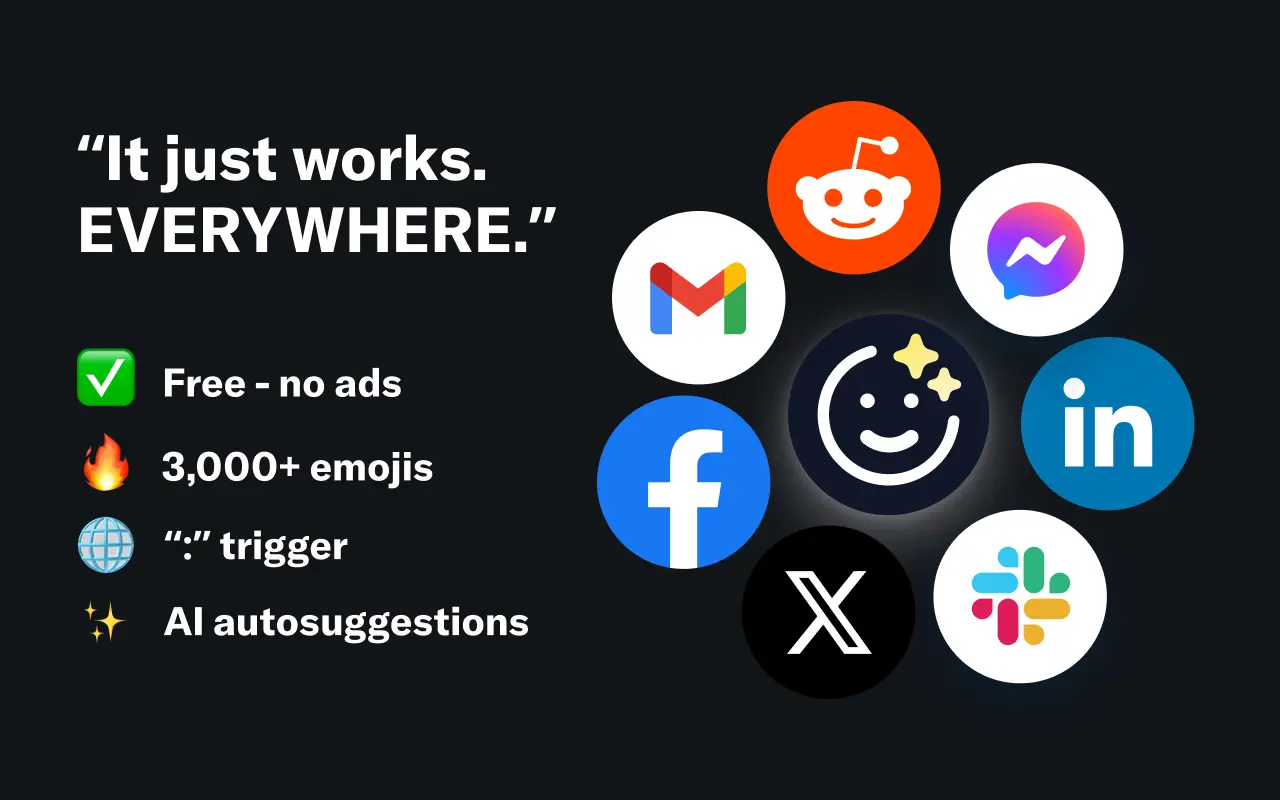
EmojAI
AI-powered emoji picker with smart, context-aware suggestions 🤖
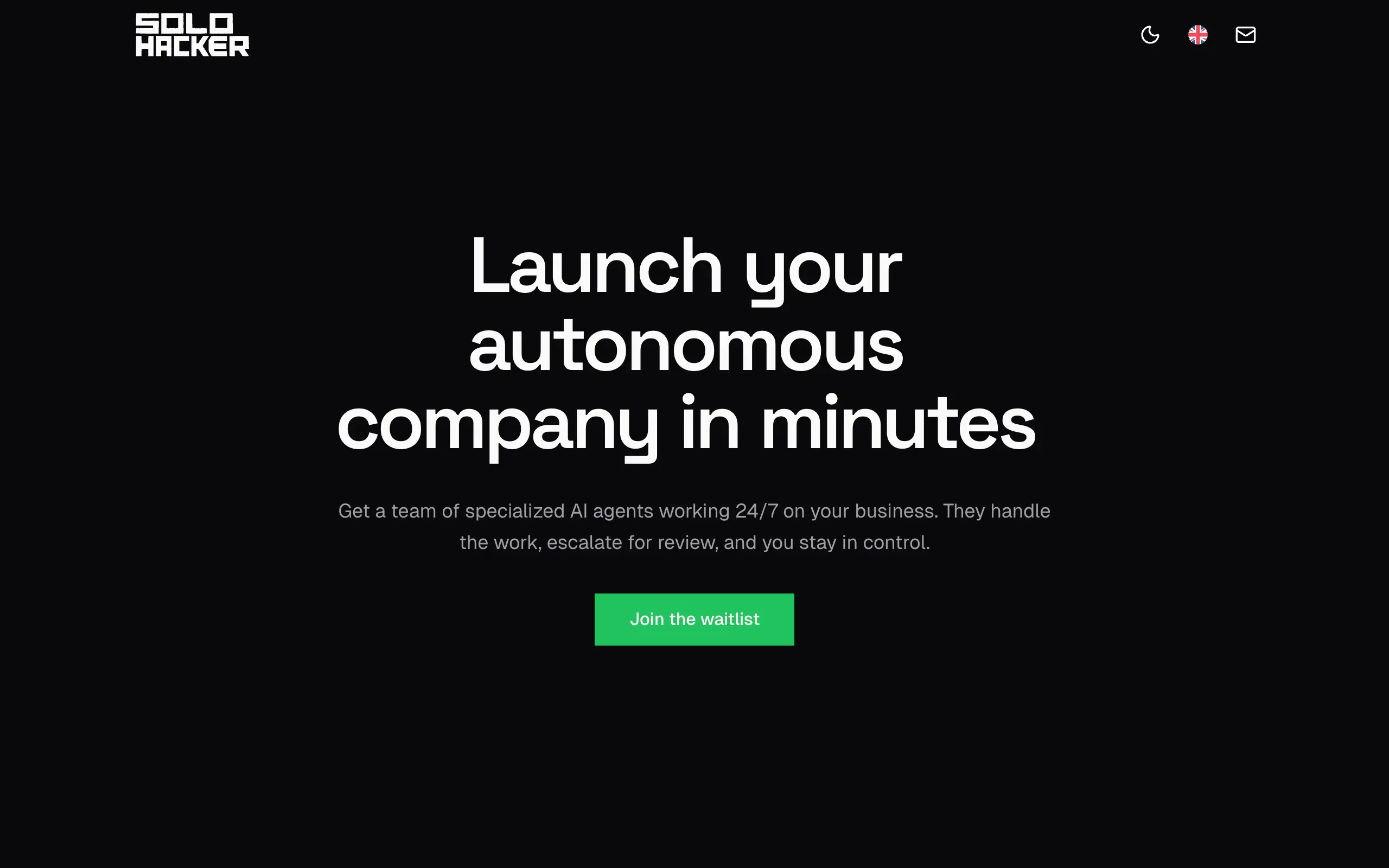
Solohacker
Autonomous company launcher - AI agents work 24/7, escalate what matters, and you stay in control 🤖

BeRawi: Storytelling Coach
Practice storytelling daily with instant feedback to sound clearer, more engaging, and confident 🎤
Omichat
Chat with 50+ AI models, including ChatGPT and Claude, in one place - switch models anytime without losing context 🤖
Claude Fast
Supercharge your Claude Code with 6x effective context window and specialized AI agents 🤖
EmojAI
AI-powered emoji picker with smart, context-aware suggestions 🤖
Solohacker
Autonomous company launcher - AI agents work 24/7, escalate what matters, and you stay in control 🤖
BeRawi: Storytelling Coach
Practice storytelling daily with instant feedback to sound clearer, more engaging, and confident 🎤
Omichat
Chat with 50+ AI models, including ChatGPT and Claude, in one place - switch models anytime without losing context 🤖
Claude Fast
Supercharge your Claude Code with 6x effective context window and specialized AI agents 🤖
EmojAI
AI-powered emoji picker with smart, context-aware suggestions 🤖
Solohacker
Autonomous company launcher - AI agents work 24/7, escalate what matters, and you stay in control 🤖
BeRawi: Storytelling Coach
Practice storytelling daily with instant feedback to sound clearer, more engaging, and confident 🎤
Omichat
Chat with 50+ AI models, including ChatGPT and Claude, in one place - switch models anytime without losing context 🤖
Claude Fast
Supercharge your Claude Code with 6x effective context window and specialized AI agents 🤖
EmojAI
AI-powered emoji picker with smart, context-aware suggestions 🤖
Solohacker
Autonomous company launcher - AI agents work 24/7, escalate what matters, and you stay in control 🤖
BeRawi: Storytelling Coach
Practice storytelling daily with instant feedback to sound clearer, more engaging, and confident 🎤

Connect with like-minded people
Join our community to get feedback, support, and grow together with 1,000+ builders on board, let's ship it!
Join usShip your startup everywhere. In minutes.
Don't burn tokens on setup and start building features on day one.