Ustod
A verified local tutor and skills-learning marketplace for Tajikistan, matching students with nearby teachers for language, exam, and career lessons.
Why a Tajikistan tutor marketplace solves a real local problem
Finding a reliable tutor in Tajikistan is still largely relationship-driven. Students and parents often ask friends, post in Telegram groups, search social media, or rely on informal recommendations. This approach can work, but it creates friction for everyone involved.
Students struggle to compare teachers, validate qualifications, understand pricing, and find lessons close to home. Tutors struggle to build a dependable pipeline of relevant students, showcase their expertise, manage schedules, and earn trust before the first lesson.
Ustod can close this gap as a verified local tutor and skills-learning marketplace for Tajikistan. The platform connects students with nearby teachers for language learning, school subjects, university entrance preparation, professional skills, and career-oriented lessons.
The primary opportunity is not simply to create another directory of tutors. The stronger product is a trust-first, location-aware learning marketplace designed around how people in Tajikistan actually discover services, communicate, make payments, and evaluate personal recommendations.
A successful Tajikistan tutor marketplace should help users answer practical questions quickly:
- Which tutors teach near me or online?
- Can I trust this tutor with my child or my exam preparation?
- What language does the tutor teach in?
- How much does a lesson cost?
- Is the tutor available on evenings or weekends?
- Can I contact them without a complicated registration process?
- Do other students recommend them?
Ustod’s unique selling proposition is its combination of verified tutor profiles, local discovery, multilingual learning categories, and a marketplace workflow built for the Tajik education and skills economy.
Core positioning
Ustod should position itself as the trusted place to find a verified tutor in Tajikistan, whether the student needs academic support, language lessons, exam preparation, or a practical career skill.
Who needs a local tutor marketplace in Tajikistan
The most valuable marketplace products begin with clear audience segmentation. A single “students and tutors” message is too broad to create effective onboarding, pricing, or growth campaigns.
Ustod should serve multiple audiences, while prioritizing the segments with the highest urgency and repeat demand.
School students and parents
Parents are likely to be one of the strongest demand-side segments because they often control the budget and make decisions about supplementary education.
Their needs commonly include:
- Better performance in mathematics, science, Tajik language, Russian language, and English
- Preparation for school examinations and university entrance requirements
- Reliable tutors with clear identity and qualifications
- In-person lessons near home, school, or a central meeting point
- Tutors who can teach in the student’s preferred language
- Transparent lesson pricing and schedules
- Reviews from other parents or students
For parents, trust matters more than a large number of listings. A platform with 100 verified, responsive tutors is more valuable than a directory containing 5,000 incomplete profiles.
The product experience should therefore make key trust signals highly visible:
- Tutor verification status
- Subject expertise
- Teaching experience
- Educational background
- Lesson format
- Service area
- Typical response time
- Parent and student reviews
- Whether the tutor works with children, teenagers, or adults
University applicants and exam-focused learners
Students preparing for high-stakes examinations have a more urgent and specific search intent. They are not browsing casually. They want proof that a tutor can help them make measurable progress.
This segment may seek help with:
- Mathematics and physics
- Chemistry and biology
- English proficiency
- Russian language
- University application guidance
- Interview preparation
- Subject-specific entrance exam preparation
- Academic writing and research skills
These learners are ideal for Ustod because they often need recurring weekly sessions over a defined period. That creates stronger retention and higher customer lifetime value than one-off lessons.
Ustod can support this segment with tutor tags such as “exam preparation,” “beginner friendly,” “intensive course,” “weekly homework support,” and “university applicant coaching.”
Language learners
Language learning is one of the most marketplace-friendly categories because demand exists across age groups and goals.
Relevant language categories may include:
- English
- Russian
- Tajik
- Persian
- Turkish
- Chinese
- Arabic
- German
- Korean
- IELTS and conversational English preparation
Language students vary significantly. Some want school support, some want career mobility, some want migration-related language readiness, and others want confidence in speaking. Ustod should let tutors define the outcomes they support instead of forcing every profile into a generic “language teacher” category.
For example, a tutor can describe services as:
- Conversational English for adults
- English for children
- IELTS speaking practice
- Russian for beginners
- Business Russian
- Tajik literacy support
- Turkish for travel or study
Career switchers and working professionals
The skills-learning side of Ustod expands the marketplace beyond traditional tutoring. Professionals and job seekers may want practical, outcome-driven instruction that is difficult to find in formal education.
High-potential career categories include:
- Microsoft Excel and office productivity
- Accounting fundamentals
- Graphic design
- Social media marketing
- Digital advertising
- Web development
- UI and UX design
- Freelancing skills
- Public speaking
- Interview preparation
- CV and cover letter coaching
- Sales and customer service training
This group may prefer short courses, workshops, group classes, or project-based mentoring rather than weekly one-to-one lessons. Supporting these formats gives Ustod a broader revenue base and reduces seasonal dependence on school calendars.
Tutors, teachers, and independent educators
Supply-side users are not simply “providers.” They are Ustod’s inventory, local brand ambassadors, and long-term marketplace partners.
The tutor audience may include:
- School teachers seeking additional income
- University students teaching junior learners
- Retired educators
- Language instructors
- Test preparation specialists
- Freelance professionals teaching practical skills
- Training centers looking for qualified leads
- Subject matter experts offering workshops
Tutors need more than a listing page. They need a simple way to be discovered, trusted, contacted, and paid.
A tutor’s onboarding promise should be clear: create a credible profile, pass verification, choose where and how you teach, receive relevant student inquiries, and build a reputation over time.
The market gap Ustod can own
The market gap is the difference between how learners currently search and how they would prefer to choose.
Today’s informal discovery methods create several structural problems:
- Search results are fragmented across social platforms and word of mouth.
- Tutor quality is difficult to compare consistently.
- Identity and credentials may be unclear.
- Listings become outdated quickly.
- Students cannot easily filter by district, price, format, language, or schedule.
- Tutors receive low-quality inquiries that do not match their subjects or availability.
- Reviews are either unavailable or lack credibility.
- Booking, reminders, and payment are managed manually.
A generic global tutoring platform may not solve these problems well for Tajikistan. International products can be too expensive, poorly localized, unavailable in local languages, or optimized for payment methods and user behavior that do not match the local market.
Ustod can win by solving local problems better than broad global alternatives.
| Decision factor | Informal social search | Generic global platform | Ustod opportunity | Why it matters |
|---|---|---|---|---|
| Trust | Low consistency | Varies by market | Verified local profiles | Reduces parent anxiety |
| Location | Manual coordination | Often online-first | District and nearby search | Supports in-person lessons |
| Language fit | Unstructured | Limited local context | Tajik, Russian, and English filters | Improves learning fit |
| Quality comparison | Hard to validate | May be too generic | Structured credentials and reviews | Improves conversion |
The defensible opportunity is a localized trust layer. That means Ustod does not have to beat every social channel at communication. Instead, it needs to become the place where users make the final, confident decision about whom to contact.
Core features for the Ustod tutor marketplace
A marketplace should launch with the smallest feature set that creates a better outcome than current alternatives. The first version should prioritize discovery, trust, matching, and lead quality over complex educational technology.
Verified tutor profiles
Verification is the foundation of Ustod’s brand. However, verification should not be presented as a vague badge. Users should understand what it means.
A practical verification model can include:
- Identity verification using an accepted identity document
- Phone number confirmation
- Profile photo review
- Education or credential review where relevant
- Manual review of biography and subject claims
- Optional enhanced verification for experienced tutors and institutions
- Regular profile renewal prompts to keep listings current
Avoid implying that verification guarantees teaching quality or student outcomes. It confirms specific checks have been completed. The platform should communicate this precisely to protect trust and reduce legal risk.
Each profile should include:
- Tutor name and professional photo
- Main subjects and skill categories
- Languages spoken and taught
- Experience level
- Teaching format, including online, in-person, or hybrid
- General area or district rather than a full home address
- Price range
- Availability summary
- Lesson duration options
- Age groups taught
- Biography and teaching approach
- Credentials and portfolio links where appropriate
- Reviews and completed lesson indicators
- Contact or booking action
Location-aware tutor search
“Nearby” is a central product feature, but location data must be handled carefully. Students may want a tutor in Dushanbe, Khujand, Bokhtar, Kulob, or a specific district. Tutors may not want their exact address exposed publicly.
Ustod should use broad location and optional travel radius filters:
- City
- District or neighborhood
- Online availability
- Willingness to travel
- Student’s preferred meeting location
- Tutor’s service radius
A privacy-conscious approach displays only a general service area until a booking is confirmed. This reduces safety risks, especially for minors and tutors teaching from home.
Smart matching and structured requests
Search works well when students know exactly what they want. Matching becomes more valuable when users are unsure.
A student request form can ask:
- Subject or skill needed
- Current level
- Learning goal
- Preferred language
- City or district
- Online or in-person preference
- Preferred days and times
- Approximate budget
- Learner age group
- Desired start date
Ustod can then recommend three to five suitable tutors rather than forcing a student to review dozens of profiles.
Early matching should be rule-based, not dependent on expensive artificial intelligence. Match quality can be calculated using subject relevance, location, language, availability, price range, verification level, response rate, and review quality.
Later, when Ustod has enough permissioned marketplace data, machine learning can help rank tutors based on conversion and satisfaction signals. Human review should remain available for sensitive cases and disputes.
Booking, inquiry, and scheduling tools
For the first release, Ustod does not need to force every user into a complex calendar workflow. A simpler flow may convert better:
- Student finds a tutor or submits a learning request.
- Student sends an inquiry with goals and preferred schedule.
- Tutor accepts, declines, or proposes alternatives.
- Both sides agree on a trial lesson or first session.
- Ustod sends reminders and asks for feedback after the session.
Once demand is proven, add:
- In-app booking
- Calendar availability
- Rescheduling policies
- Trial lesson offers
- Attendance tracking
- Recurring lesson packages
- Automated reminders by email, SMS, or a suitable messaging integration
- Video links for online sessions
Reviews designed for trust, not vanity
Reviews are powerful in local services marketplaces, but only if users believe they are real. Ustod should collect reviews after a confirmed session or verified interaction, not allow unrestricted anonymous testimonials.
A useful review framework can ask students about:
- Communication
- Punctuality
- Subject knowledge
- Clarity of explanations
- Lesson organization
- Whether the tutor matched the listed profile
- Likelihood of recommending the tutor
For child learners, the review workflow should be designed for parents or guardians.
Ustod should also develop moderation rules for defamatory, discriminatory, irrelevant, or abusive content. Tutors need a fair process to respond to reviews and appeal moderation decisions.
Multilingual interface and local learning categories
A Tajikistan learning marketplace should not treat localization as translation alone. Language, examples, category names, onboarding instructions, support content, and notifications must be understandable to the intended audience.
An initial language strategy could include Tajik and Russian, with English support where it is useful for language learners and international-facing professionals.
Categories should reflect real demand rather than a copied list from a foreign platform. For instance, “university preparation,” “school support,” “language learning,” “computer skills,” and “career coaching” may be more intuitive top-level choices than overly technical classifications.
Trust-first profiles
Verified identities, clear subjects, credentials, and review signals reduce uncertainty before contact.
Local discovery
City, district, teaching format, and travel-radius filters make in-person tutoring easier to arrange.
Outcome-based learning
Goal tags help students find tutors for exams, conversation, software skills, interviews, and career progress.
Building the right marketplace experience
Ustod’s product design should remove uncertainty at each point in the student journey.
Student journey from search to first lesson
The student journey should be fast enough for a mobile user with limited time and flexible enough for someone who needs guidance.
A strong flow looks like this:
The key activation event is not account creation. It is a meaningful connection between a learner and a suitable tutor. Product analytics should measure the path from search to inquiry, inquiry to tutor response, response to first lesson, and first lesson to repeat booking.
Tutor journey from application to earnings
Supply growth is often harder than demand growth in local marketplaces. Tutors may be hesitant to complete long forms, share documents, or pay for a listing before seeing results.
The tutor onboarding process should be mobile-first and staged:
- Create a basic profile with name, phone number, photo, and city.
- Choose subjects, skills, languages, and learner age groups.
- Add price range, format, and availability.
- Explain teaching experience in a guided biography form.
- Upload optional credentials or portfolio materials.
- Complete verification.
- Receive profile quality recommendations.
- Start receiving matched inquiries.
Profile completion should be encouraged through visible progress indicators and benefits. For example, tutors with verification, availability, and a complete description can receive stronger search visibility.
Recommended tech stack for Ustod
The best tech stack for a tutor marketplace is not necessarily the most complex one. Ustod needs a reliable, mobile-friendly platform that can launch quickly, support gradual localization, and remain maintainable as booking and payments become more sophisticated.
A modern web-first stack is a sensible starting point because it supports search engine visibility, shareable tutor profiles, and low-friction access without requiring every user to install an app.
Recommended application stack
- "Frontend": Next.js with React for server-rendered, SEO-friendly marketplace pages.
- "Language": TypeScript for safer forms, profile schemas, and API contracts.
- "Styling": Tailwind CSS for consistent responsive design and rapid interface iteration.
- "Database": PostgreSQL for relational marketplace data such as tutors, students, lessons, reviews, bookings, and verification records.
- "ORM": Prisma for typed database access and migrations.
- "Authentication": Auth.js or a managed authentication provider, depending on internal development capacity.
- "File storage": Object storage for tutor credentials, profile images, and portfolios with private access controls for sensitive documents.
- "Search": PostgreSQL full-text search at launch, with Meilisearch or Algolia when filtering, typo tolerance, and ranking requirements grow.
- "Maps": A provider selected after validating local address coverage, pricing, and privacy requirements.
- "Analytics": Privacy-conscious product analytics focused on funnels, activation, retention, and marketplace liquidity.
- "Error monitoring": Sentry for production error reporting and performance monitoring.
Why Next.js is a strong choice for tutor marketplace SEO
Tutor profiles can attract valuable long-tail organic traffic. Potential searches may include phrases such as “English tutor in Dushanbe,” “math tutor near me in Tajikistan,” “Russian language teacher Khujand,” or “IELTS preparation tutor.”
Next.js supports server-side rendering and static generation patterns that make public tutor and category pages easier for search engines to crawl. This is valuable because organic search can become a compounding acquisition channel.
Each public tutor page should include:
- A unique title and meta description
- Location and subject information
- Clear profile content, not thin duplicate pages
- Structured internal links to related subjects and cities
- Canonical URLs where needed
- Accessible page layout
- Optimized image handling
- Clear calls to action for contact or booking
Do not publish empty profile pages. Search engines and users both respond poorly to low-information marketplace inventory.
Trade-offs to consider before building native apps
A native mobile application may eventually be valuable for push notifications, tutor availability management, messaging, and repeat bookings. But building iOS and Android apps too early can slow market validation.
A responsive web app or progressive web app offers important early advantages:
- Faster launch
- Lower engineering cost
- Easier SEO
- Shareable profile links
- No app store installation barrier
- Faster iteration on onboarding and matching
The trade-off is that web push, offline capabilities, and deep device integrations may be more limited than in native apps. The right approach is to validate repeat behavior first, then build native experiences around proven high-frequency workflows.
Data model essentials
The data model should support marketplace operations from day one. Important entities include:
type TutorProfile = {
  id: string;
  userId: string;
  displayName: string;
  city: string;
  district?: string;
  subjects: string[];
  teachingLanguages: string[];
  lessonFormats: ("online" | "in_person" | "hybrid")[];
  hourlyRateFrom?: number;
  verificationStatus: "pending" | "verified" | "rejected";
  averageRating?: number;
  responseRate?: number;
};

type LearningRequest = {
  id: string;
  studentId: string;
  subject: string;
  goal: string;
  city?: string;
  preferredLanguage?: string;
  preferredFormat: "online" | "in_person" | "either";
  budgetRange?: string;
  status: "open" | "matched" | "closed";
};
Sensitive identity documents should never be stored or exposed like ordinary profile content. Apply encryption, restricted access, retention rules, audit logging, and clear internal procedures for staff who can review verification materials.
Monetization strategies for Ustod
Monetization should align with marketplace trust. If users feel that paid placement hides better tutors or that lead fees are unfair, long-term retention will suffer.
A blended model can create sustainable revenue while preserving a useful free tier.
Freemium tutor listings
A free profile can reduce the supply-side barrier and help Ustod build inventory quickly. The free plan should still require basic quality standards.
Paid upgrades can include:
- Higher placement in relevant search results
- More subject categories
- Featured profile badge
- Advanced profile analytics
- More inquiry credits
- Custom portfolio sections
- Priority verification review
- Availability calendar tools
- Promotional placement during high-demand seasons
Sponsored placement must always be clearly labeled. Ranking should still prioritize relevance, availability, verified status, and user satisfaction.
Lead fee or contact credit model
In a lead-fee model, tutors pay when they receive a qualified student inquiry or unlock student contact details.
This can work well if Ustod defines a qualified lead carefully. A low-quality inquiry with no schedule, no budget, or no serious intent will quickly frustrate tutors.
Lead quality controls may include:
- Phone verification for students
- Required subject and schedule fields
- One active request limit per topic
- Duplicate request detection
- Tutor ability to decline irrelevant leads
- Credit refunds for fraudulent or clearly invalid inquiries
Booking commission
Once Ustod supports confirmed bookings and payments, it can charge a percentage commission on completed lessons or lesson packages.
This is attractive because Ustod earns when value is created. However, it requires strong operations:
- Payment reliability
- Refund policies
- Cancellation terms
- Support workflows
- Dispute handling
- Clear tax and invoicing considerations
- Prevention of off-platform leakage
A commission model may be best introduced after the marketplace already delivers enough value that tutors and students prefer staying within the platform.
Learning center partnerships
Training centers, language schools, and small academies can become a separate business segment. They may pay for:
- Verified institution pages
- Course listings
- Lead generation
- Featured local placement
- Employer partnership visibility
- Enrollment management tools
- Brand pages and instructor directories
This adds supply depth, though Ustod should ensure institutions do not overwhelm independent tutors in search results.
Competitive advantage and defensibility
The durable advantage for Ustod is not the interface alone. Directories, filters, and profile pages are relatively easy to copy. Defensibility comes from the local marketplace network that grows around the product.
The Ustod moat
Ustod can build a stronger position through five reinforcing advantages:
-
Verified local supply
A growing database of trusted tutors is difficult for a new entrant to recreate quickly. -
Localized search behavior
Subject names, teaching languages, districts, pricing expectations, and learning goals can be tailored to Tajikistan rather than copied from another market. -
Trust and reputation data
Verified reviews, response rates, booking completion, and repeat learner signals become valuable ranking data over time. -
Marketplace liquidity
Faster matching creates more successful lessons, which attracts more reviews, referrals, tutors, and students. -
Operational knowledge
Learning how to verify tutors, resolve disputes, onboard parents, and manage safety locally becomes a meaningful execution advantage.
A key strategic principle is that Ustod should not compete only on “more tutors.” It should compete on better matches and safer decisions.
Risks and mitigation strategies
Every two-sided marketplace has risks. Identifying them early makes the business more credible and easier to operate.
Begin with a narrow geography and a small number of high-demand categories. For example, launch in one city with English, mathematics, Russian, and exam preparation before expanding categories or regions. High local liquidity is more valuable than a broad but inactive national directory.
Use tiered verification, clear profile standards, verified post-lesson reviews, moderation, and quality monitoring. Remove or pause tutors with repeated no-shows, misleading claims, or unresolved complaints.
Add guardian-aware workflows, privacy-protective location handling, reporting tools, clear conduct standards, and a process for reviewing safety concerns. Avoid publicly displaying exact residential addresses.
Give users reasons to stay on Ustod through verified reviews, scheduling, lesson reminders, support, packages, payment protection, and reputation benefits. Do not rely only on punitive rules.
Start with inquiry and booking coordination if payment infrastructure is not ready. Introduce platform payments only after validating provider reliability, customer support capacity, legal requirements, and clear cancellation terms.
Data privacy is especially important because Ustod may handle information about children, education, contact details, schedules, and identity documents. The platform should collect only what it needs, explain why information is collected, and apply strict access controls.
Before launch, obtain qualified local legal advice on business registration, consumer protection, payment handling, data protection, advertising claims, and rules affecting services for minors. This is not optional operational polish; it is part of marketplace trust.
SEO strategy for a Tajikistan tutor marketplace
Ustod can grow through a combination of local SEO, programmatic category pages, trusted content, partnerships, and referral loops.
The primary keyword theme should center on phrases such as:
- Tajikistan tutor marketplace
- Find a tutor in Tajikistan
- Local tutors in Dushanbe
- Online tutor Tajikistan
- English tutor in Dushanbe
- Math tutor in Tajikistan
- Language teacher in Tajikistan
- Exam preparation tutor
- Skills learning marketplace
Use these terms naturally. The goal is not to repeat a phrase mechanically. The goal is to publish pages that answer a real search query better than scattered social posts.
Build high-intent landing pages
High-value organic pages can be created for combinations of subject, location, and format:
- English tutors in Dushanbe
- Mathematics tutors in Khujand
- Russian language tutors in Tajikistan
- Online IELTS preparation tutors
- Excel teachers for beginners
- Career coaching for university graduates
Each page needs genuinely useful content:
- A short explanation of who the category helps
- Filters for tutor availability, price, language, and format
- Active tutor profiles
- Frequently asked questions
- Advice on choosing a tutor
- Internal links to nearby or related categories
Avoid generating thousands of thin location pages with little or no inventory. Start with pages backed by tutor supply and real user demand.
Publish trust-building educational content
Content marketing should support the marketplace rather than operate as a disconnected blog.
Useful article topics include:
- How to choose an English tutor in Dushanbe
- Questions parents should ask before hiring a private tutor
- How to prepare for a trial lesson
- How tutors can create a credible teaching profile
- Online versus in-person tutoring for school students
- How to set realistic goals for language learning
- What to look for in an exam preparation tutor
Where Ustod references research, education outcomes, digital adoption, or labor-market data, cite authoritative sources directly in the editorial workflow. Suitable sources may include national statistical agencies, multilateral organizations, peer-reviewed research, and official education institutions. Use a clear reference format with publication name, report title, date, and URL verified by the editorial team.
Earn local authority through partnerships
The strongest early acquisition channels are likely to be community-driven.
Potential partnership routes include:
- Universities and student organizations
- Language centers
- Schools and parent communities
- Career centers
- Youth organizations
- Local education creators
- Professional associations
- Employers seeking entry-level talent development
Partnerships can generate trusted tutor supply and reduce the cost of acquiring the first students.
Actionable implementation plan
Ustod should avoid trying to solve every education problem at once. Validate the marketplace in focused stages.
Phase one: validate demand and supply
Start with one primary city and four to six high-demand categories. Recruit tutors manually through schools, universities, teacher networks, language centers, and referrals.
The first goal is to answer:
- Will students submit real tutoring requests?
- Do tutors respond quickly?
- Which subjects produce the most repeat demand?
- What verification level do parents expect?
- Which lesson formats are most requested?
- What are users willing to pay for?
Use concierge matching at this stage. A small operations team can manually match students to tutors while learning what the product needs to automate.
Phase two: launch the marketplace MVP
Build the core public experience:
- Searchable tutor profiles
- City and subject filters
- Tutor verification workflow
- Learning request form
- Tutor inquiry dashboard
- Basic review system
- Admin moderation tools
- Multilingual content structure
- Analytics for inquiry and booking funnels
A production-ready starter can save significant time by providing authentication, billing foundations, dashboards, and application structure. TurboStarter is particularly useful for founders who want to spend more time validating marketplace workflows and less time rebuilding common SaaS infrastructure.
Phase three: improve match quality and retention
After successful first lessons become consistent, invest in features that make repeat use easier:
- Saved tutors
- Availability calendars
- Trial lesson booking
- Lesson packages
- Automated reminders
- Rebooking prompts
- Tutor response metrics
- Parent-friendly progress check-ins
- Referral incentives
At this point, prioritize the metrics that reflect real marketplace health:
- Student request-to-response rate
- Median first response time
- Inquiry-to-first-lesson conversion
- First lesson-to-repeat lesson conversion
- Tutor fill rate
- Student retention
- Review completion rate
- Complaint rate
- Contribution margin per completed booking
Phase four: expand intentionally
Expand to additional cities only after the first market has reliable supply density and repeat usage. Then add higher-value verticals such as career coaching, professional skills, group classes, and training center partnerships.
The strongest expansion model is not “add every subject everywhere.” It is to repeat a proven local playbook: recruit trusted tutors, build category demand, ensure fast response times, and create enough density that students find a credible option quickly.
Final perspective
Ustod has the potential to become more than a tutor directory. It can become the trusted infrastructure for finding practical learning support in Tajikistan.
The opportunity is strongest when the platform focuses on the real reasons people hesitate before hiring a tutor: uncertainty about identity, quality, location, language fit, price, safety, and outcomes. A verified local tutor marketplace addresses those concerns directly while giving good teachers a better way to build sustainable independent work.
The winning strategy is to launch narrow, verify deeply, match thoughtfully, and measure successful lessons rather than vanity metrics. If Ustod becomes the easiest place for a parent, student, or working professional to confidently find the right teacher, it can create a durable and valuable learning marketplace for Tajikistan.
More 👥 B2C Application SaaS ideas
Discover more innovative b2c application SaaS ideas that are trending in 2026. Each idea is AI-generated with market validation and growth potential to help you find your next profitable venture faster than competitors.
Your competitors are building with TurboStarter
Below are some of the SaaS ideas that have been generated and built with our starter kit.
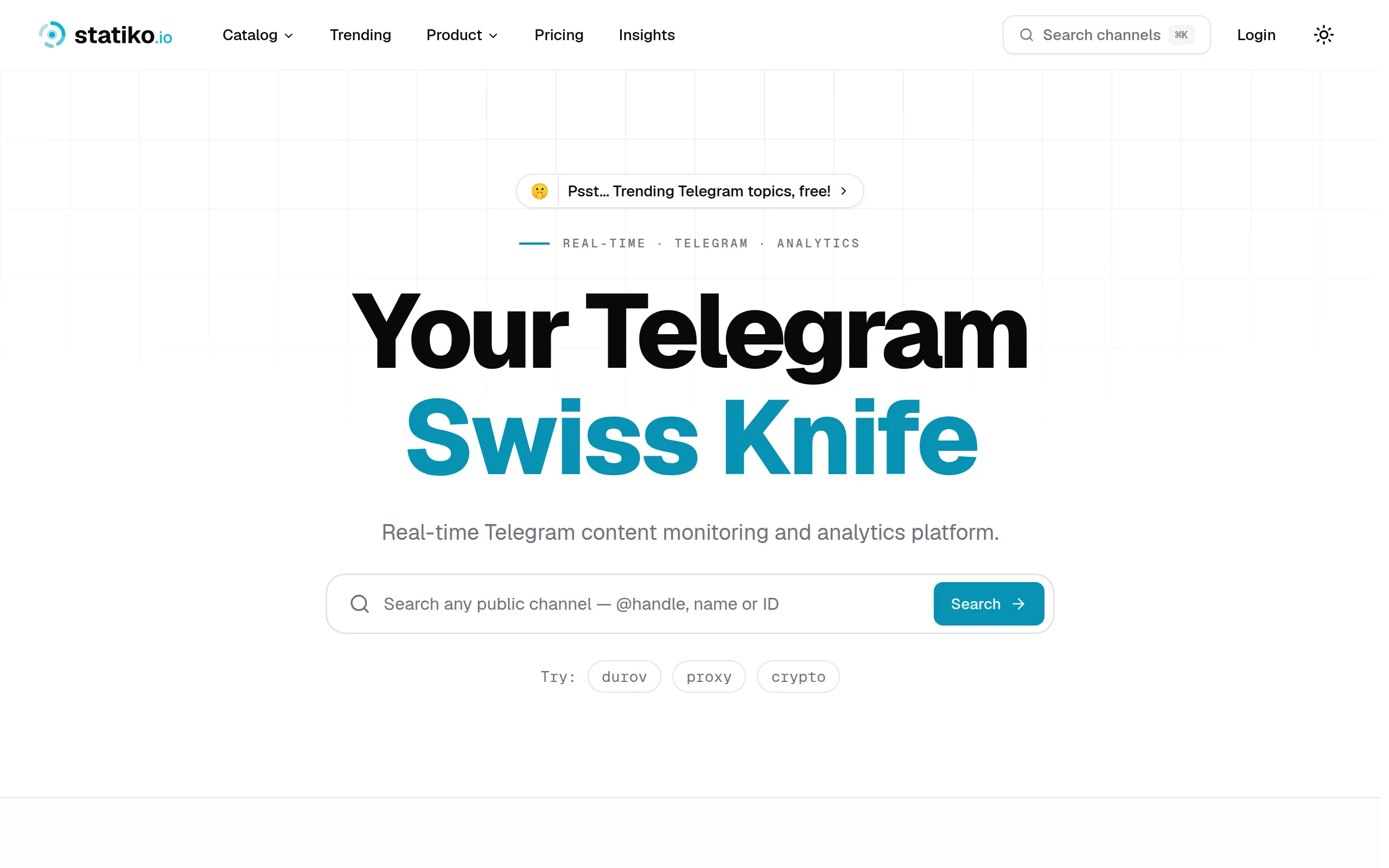
Statiko
Monitor any Telegram channel in real time - track posts, edits, deletions, and growth with AI recaps 📡
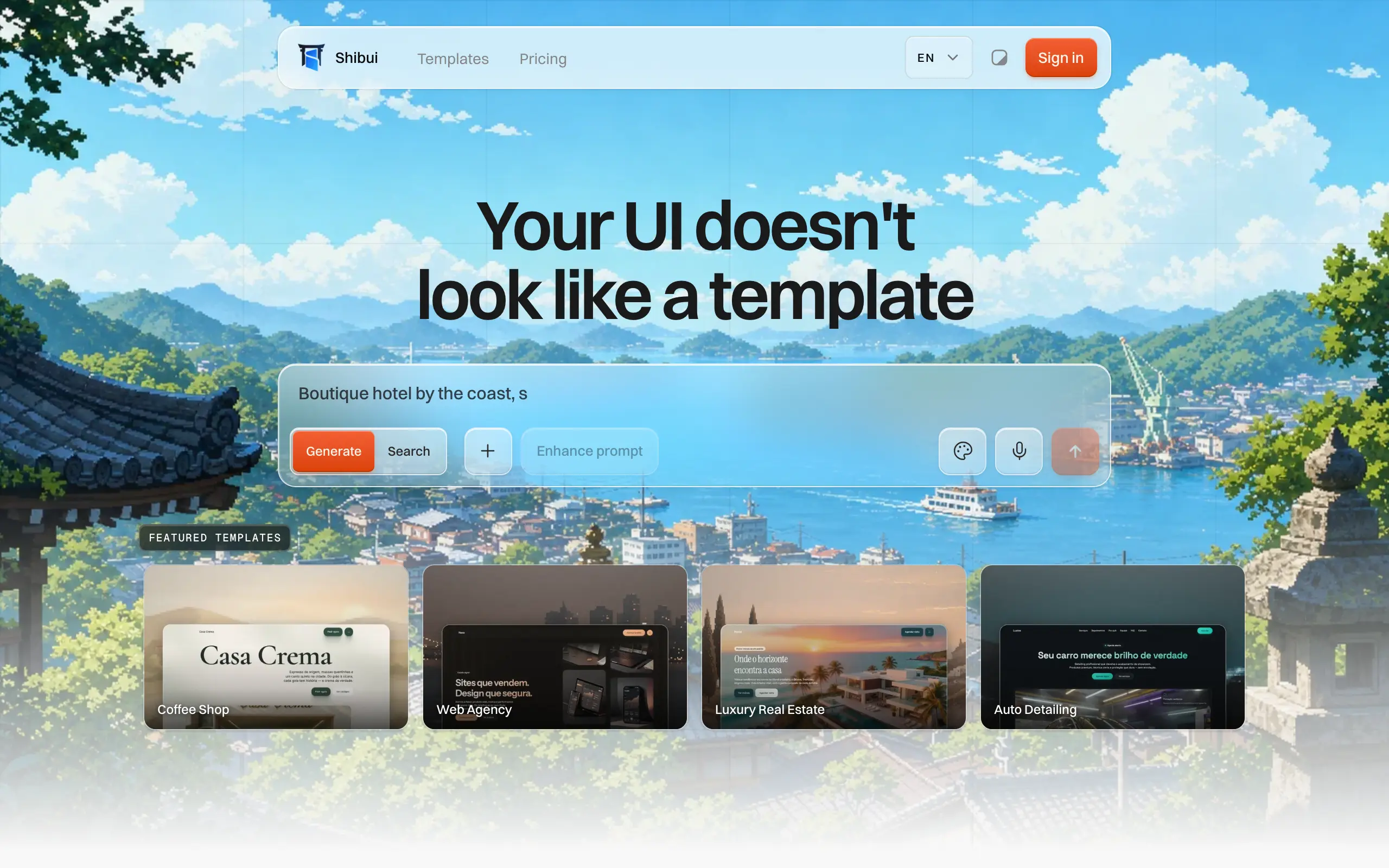
Shibui
AI website builder - describe your business, pick a niche template, edit by chatting, and publish instantly ✨

Pro Service
Find verified home service professionals, compare quotes, and pay securely through escrow - built for Brazilians across the US 🏠
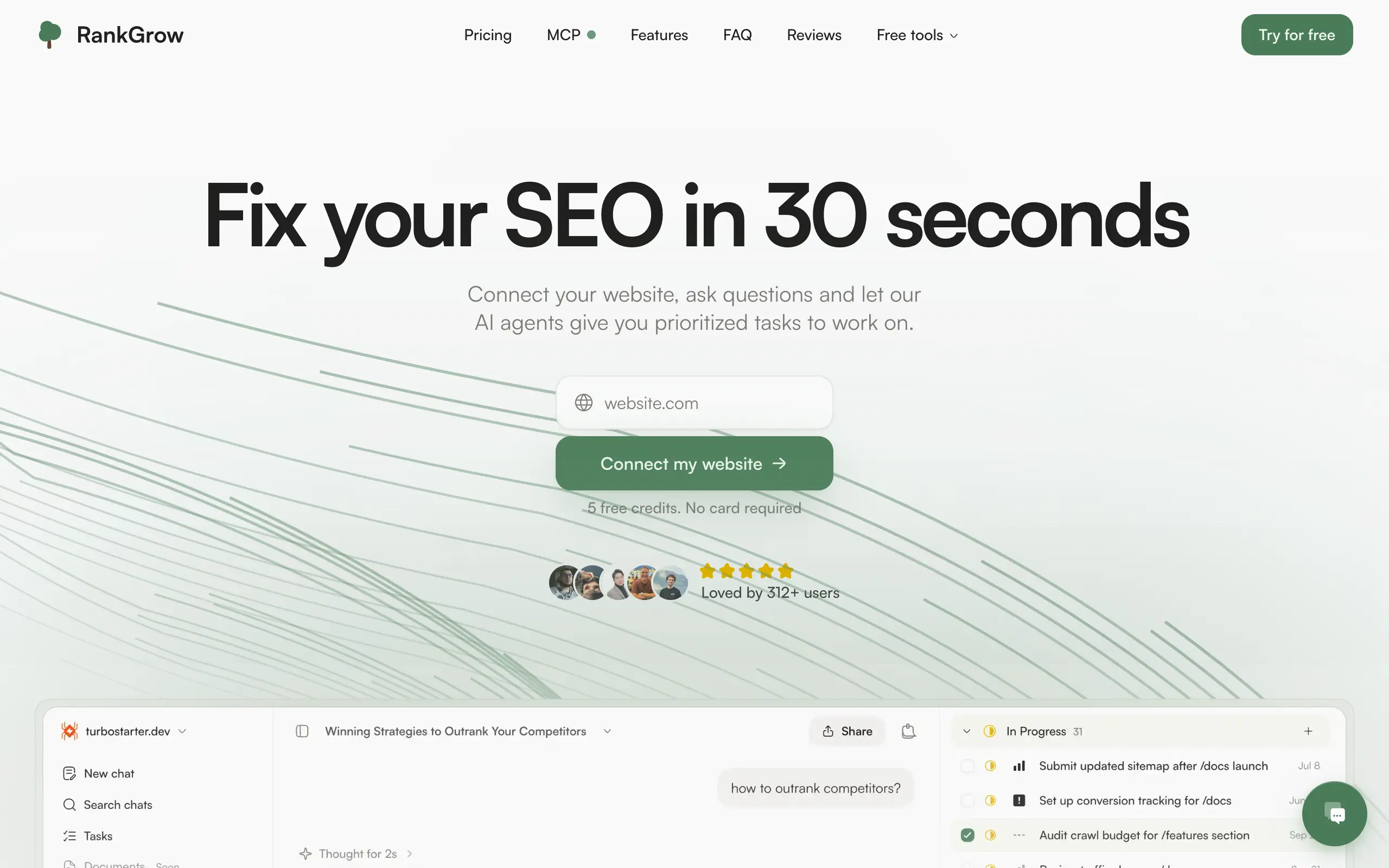
RankGrow
Fix your SEO with AI agents - connect Search Console, get prioritized tasks, and grow organic traffic 📈
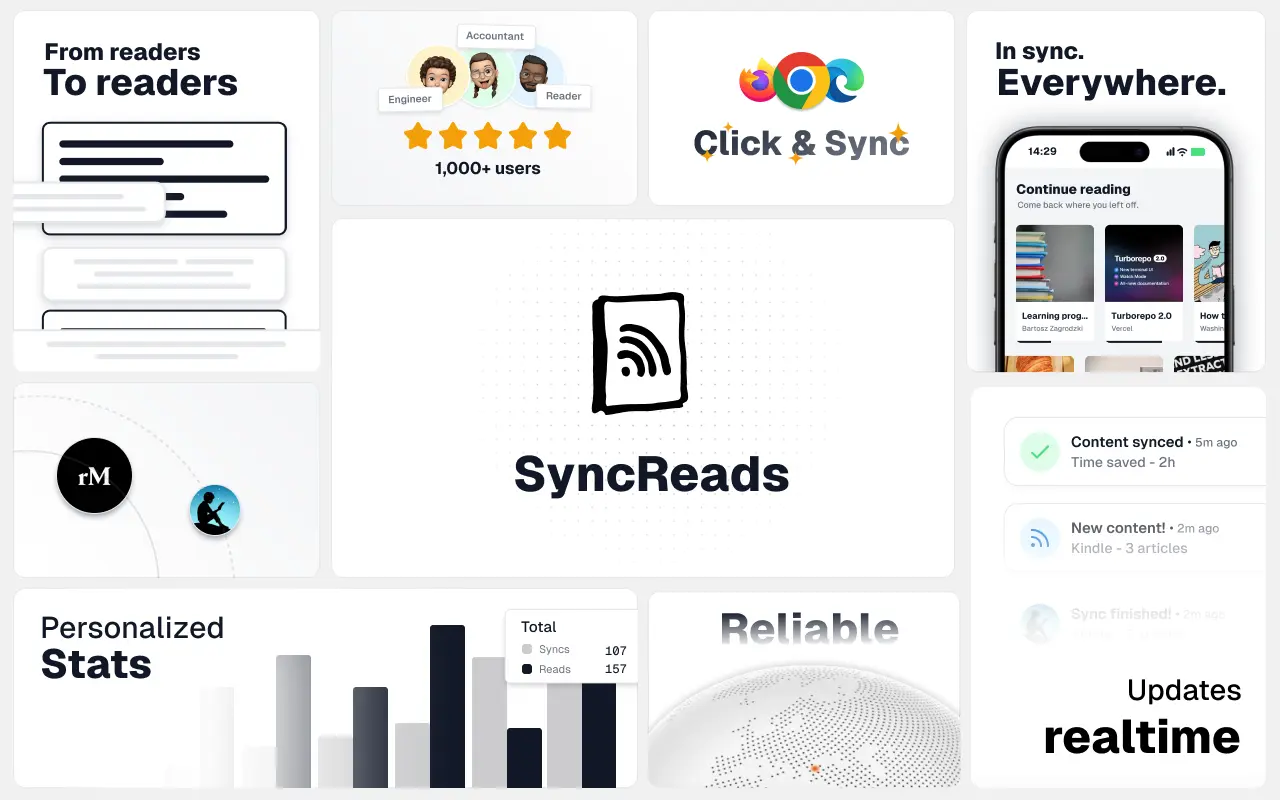
SyncReads
Sync your favorite content for distraction-free reading, save time and replace multiple apps. Anytime, anywhere 🔄
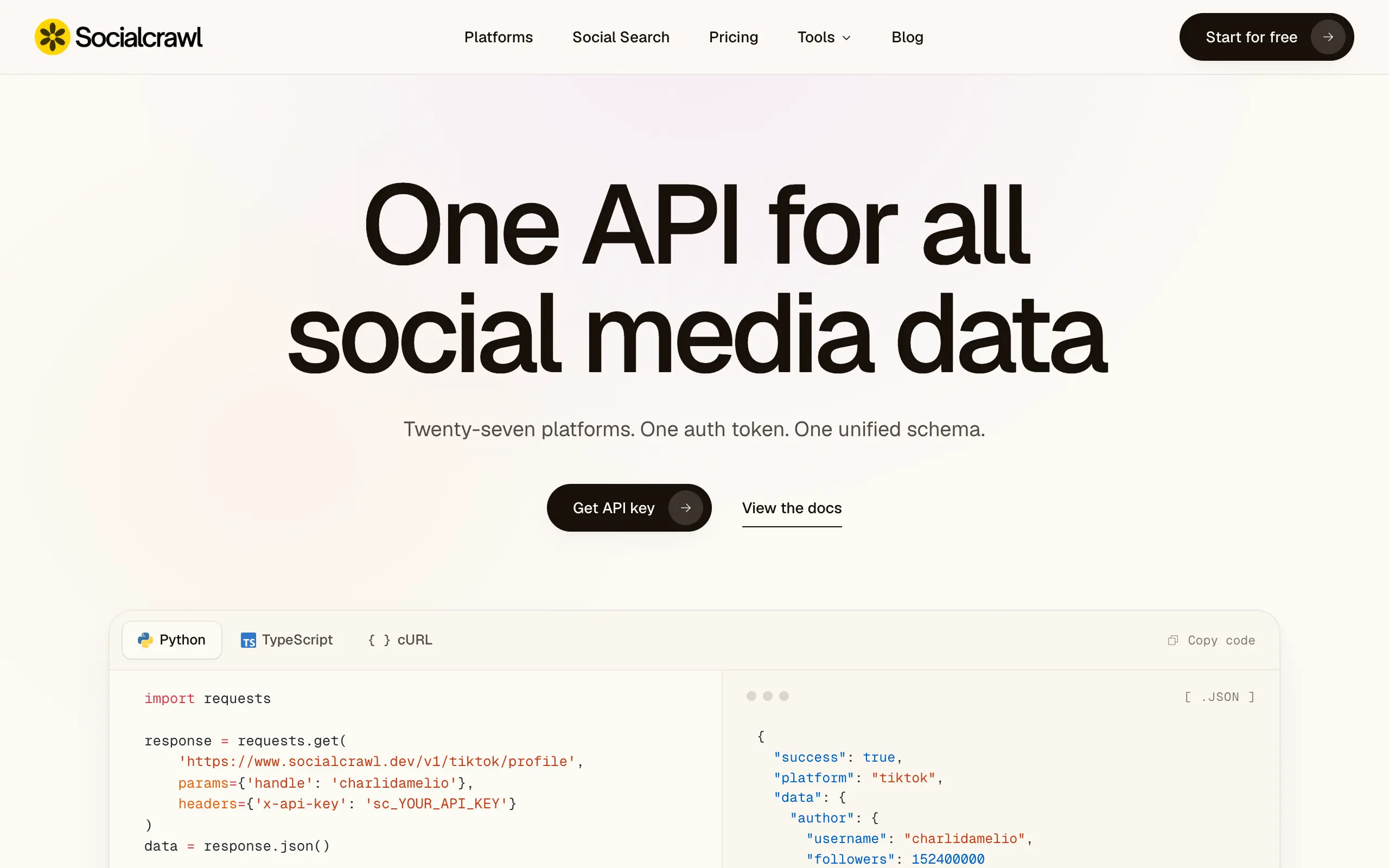
Socialcrawl
Get clean, structured data from 21 platforms like TikTok, Instagram, and YouTube with a single request 📊
Statiko
Monitor any Telegram channel in real time - track posts, edits, deletions, and growth with AI recaps 📡
Shibui
AI website builder - describe your business, pick a niche template, edit by chatting, and publish instantly ✨
Pro Service
Find verified home service professionals, compare quotes, and pay securely through escrow - built for Brazilians across the US 🏠
RankGrow
Fix your SEO with AI agents - connect Search Console, get prioritized tasks, and grow organic traffic 📈
SyncReads
Sync your favorite content for distraction-free reading, save time and replace multiple apps. Anytime, anywhere 🔄
Socialcrawl
Get clean, structured data from 21 platforms like TikTok, Instagram, and YouTube with a single request 📊
Statiko
Monitor any Telegram channel in real time - track posts, edits, deletions, and growth with AI recaps 📡
Shibui
AI website builder - describe your business, pick a niche template, edit by chatting, and publish instantly ✨
Pro Service
Find verified home service professionals, compare quotes, and pay securely through escrow - built for Brazilians across the US 🏠
RankGrow
Fix your SEO with AI agents - connect Search Console, get prioritized tasks, and grow organic traffic 📈
SyncReads
Sync your favorite content for distraction-free reading, save time and replace multiple apps. Anytime, anywhere 🔄
Socialcrawl
Get clean, structured data from 21 platforms like TikTok, Instagram, and YouTube with a single request 📊
Statiko
Monitor any Telegram channel in real time - track posts, edits, deletions, and growth with AI recaps 📡
Shibui
AI website builder - describe your business, pick a niche template, edit by chatting, and publish instantly ✨
Pro Service
Find verified home service professionals, compare quotes, and pay securely through escrow - built for Brazilians across the US 🏠
RankGrow
Fix your SEO with AI agents - connect Search Console, get prioritized tasks, and grow organic traffic 📈
SyncReads
Sync your favorite content for distraction-free reading, save time and replace multiple apps. Anytime, anywhere 🔄
Socialcrawl
Get clean, structured data from 21 platforms like TikTok, Instagram, and YouTube with a single request 📊
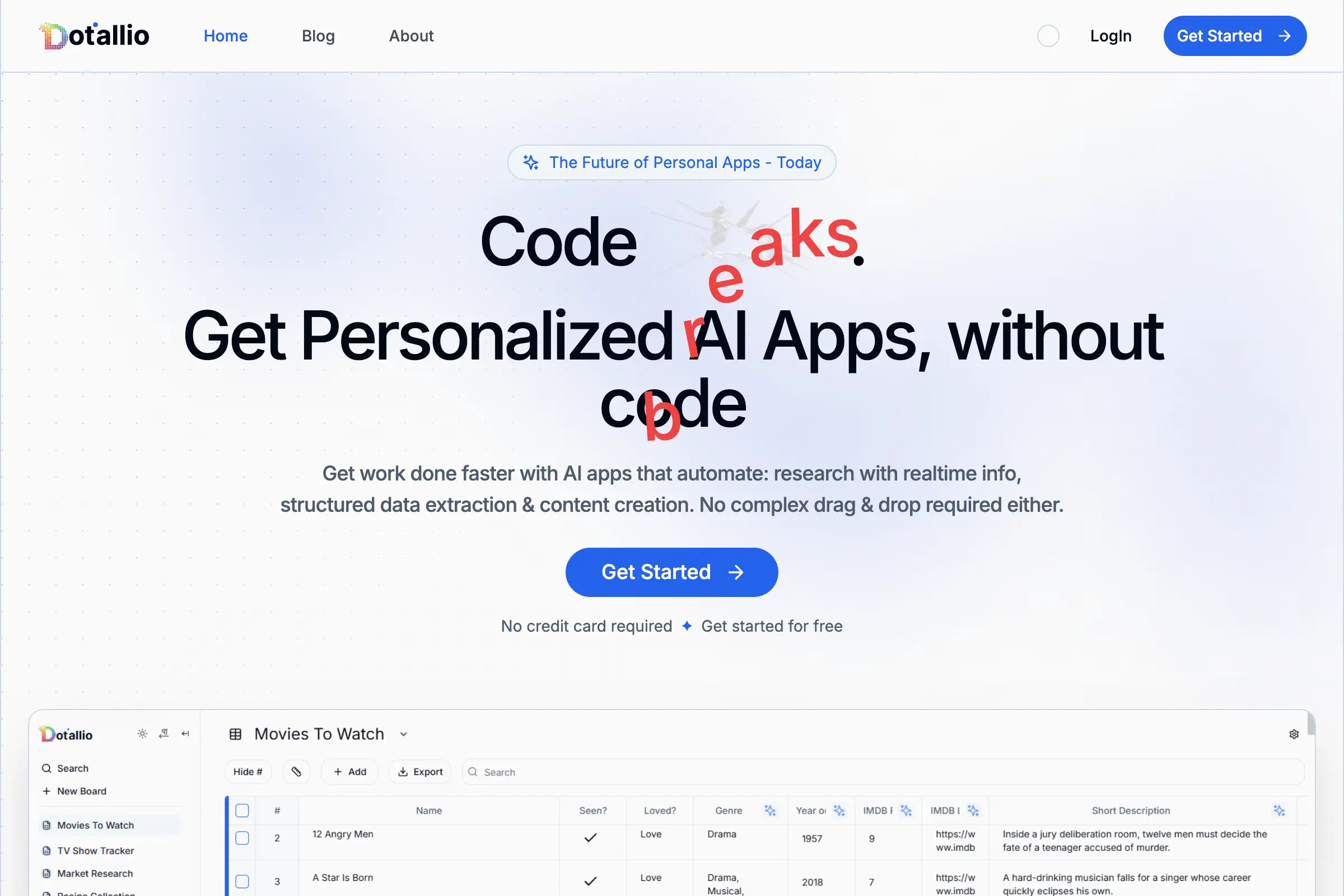
Dotallio
Personalized AI apps that automate research, data extraction, and content creation without code 🤖
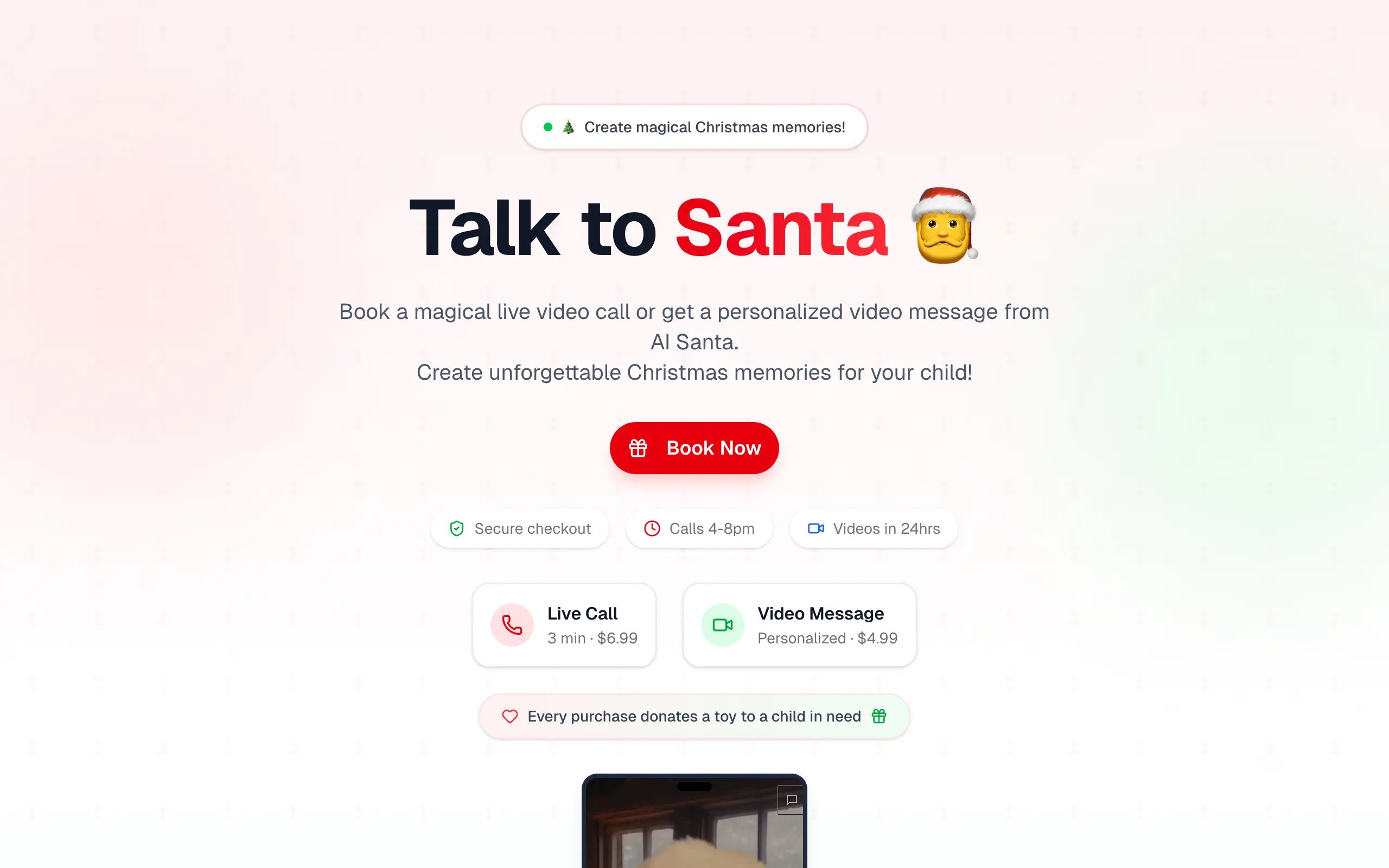
Talk to Santa
Enjoy a magical live video chat or receive a unique AI-generated video greeting from Santa Claus 🎅
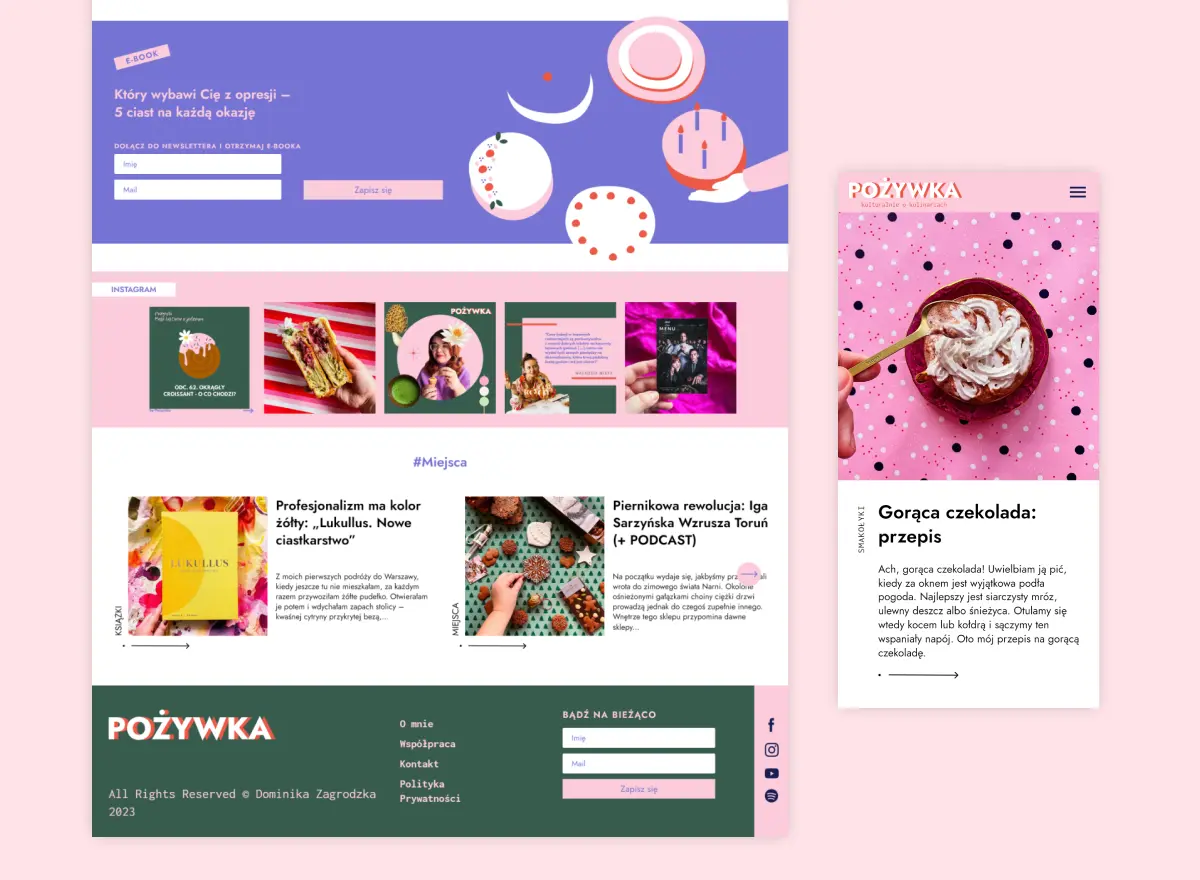
pozywka.pl
Scalable blog for food journalist, focused on performance and user experience 🌭
zagrodzki.me
Personal blog and portfolio of Bart Zagrodzki, where he shares his knowledge and work 💼
TurboStarter
Ship your startup everywhere. In minutes.
HTML to Markdown
Convert HTML to Markdown with ease, directly in your browser 📄
Dotallio
Personalized AI apps that automate research, data extraction, and content creation without code 🤖
Talk to Santa
Enjoy a magical live video chat or receive a unique AI-generated video greeting from Santa Claus 🎅
pozywka.pl
Scalable blog for food journalist, focused on performance and user experience 🌭
zagrodzki.me
Personal blog and portfolio of Bart Zagrodzki, where he shares his knowledge and work 💼
TurboStarter
Ship your startup everywhere. In minutes.
HTML to Markdown
Convert HTML to Markdown with ease, directly in your browser 📄
Dotallio
Personalized AI apps that automate research, data extraction, and content creation without code 🤖
Talk to Santa
Enjoy a magical live video chat or receive a unique AI-generated video greeting from Santa Claus 🎅
pozywka.pl
Scalable blog for food journalist, focused on performance and user experience 🌭
zagrodzki.me
Personal blog and portfolio of Bart Zagrodzki, where he shares his knowledge and work 💼
TurboStarter
Ship your startup everywhere. In minutes.
HTML to Markdown
Convert HTML to Markdown with ease, directly in your browser 📄
Dotallio
Personalized AI apps that automate research, data extraction, and content creation without code 🤖
Talk to Santa
Enjoy a magical live video chat or receive a unique AI-generated video greeting from Santa Claus 🎅
pozywka.pl
Scalable blog for food journalist, focused on performance and user experience 🌭
zagrodzki.me
Personal blog and portfolio of Bart Zagrodzki, where he shares his knowledge and work 💼
TurboStarter
Ship your startup everywhere. In minutes.
HTML to Markdown
Convert HTML to Markdown with ease, directly in your browser 📄
Omichat
Chat with 50+ AI models, including ChatGPT and Claude, in one place - switch models anytime without losing context 🤖
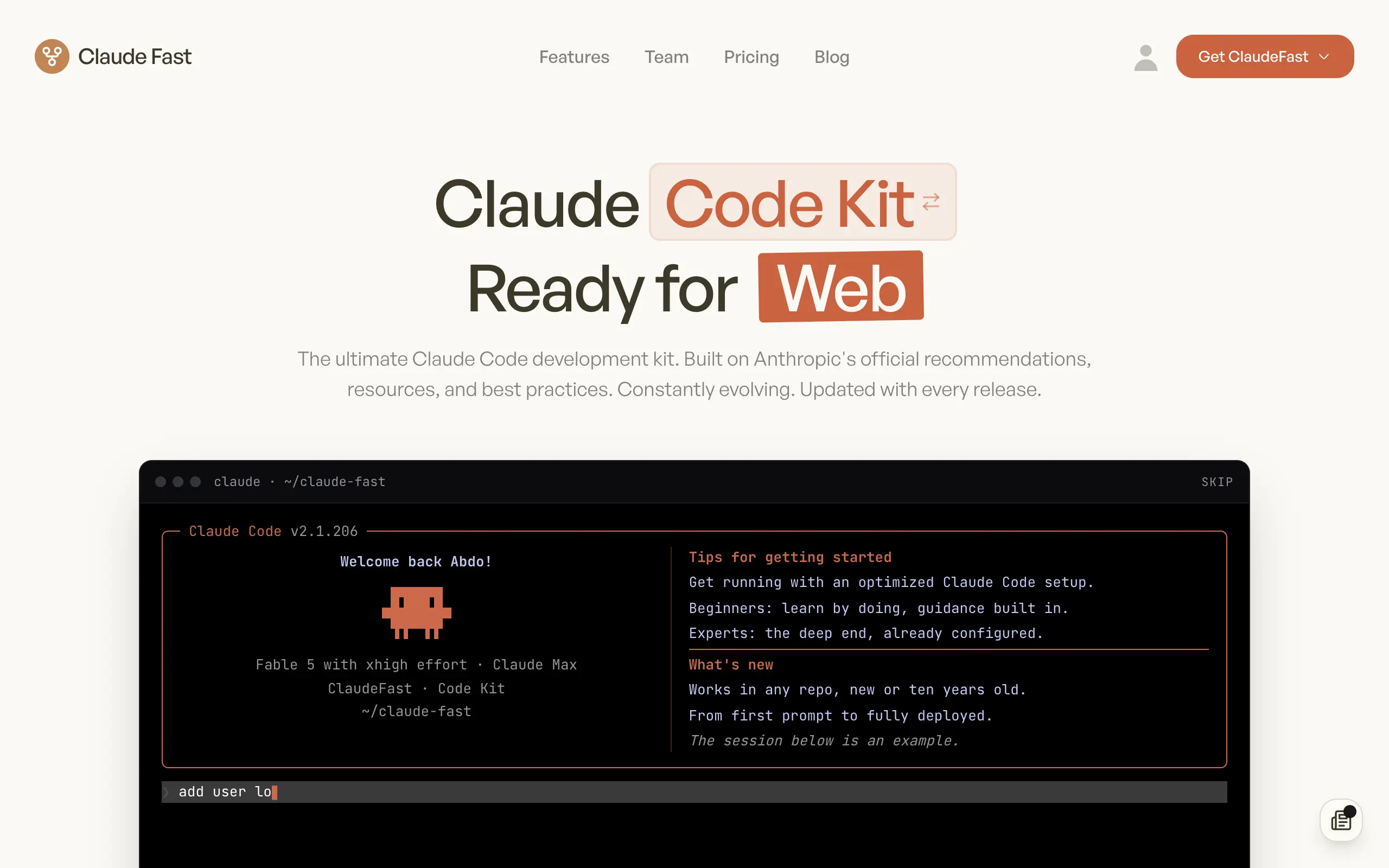
Claude Fast
Supercharge your Claude Code with 6x effective context window and specialized AI agents 🤖
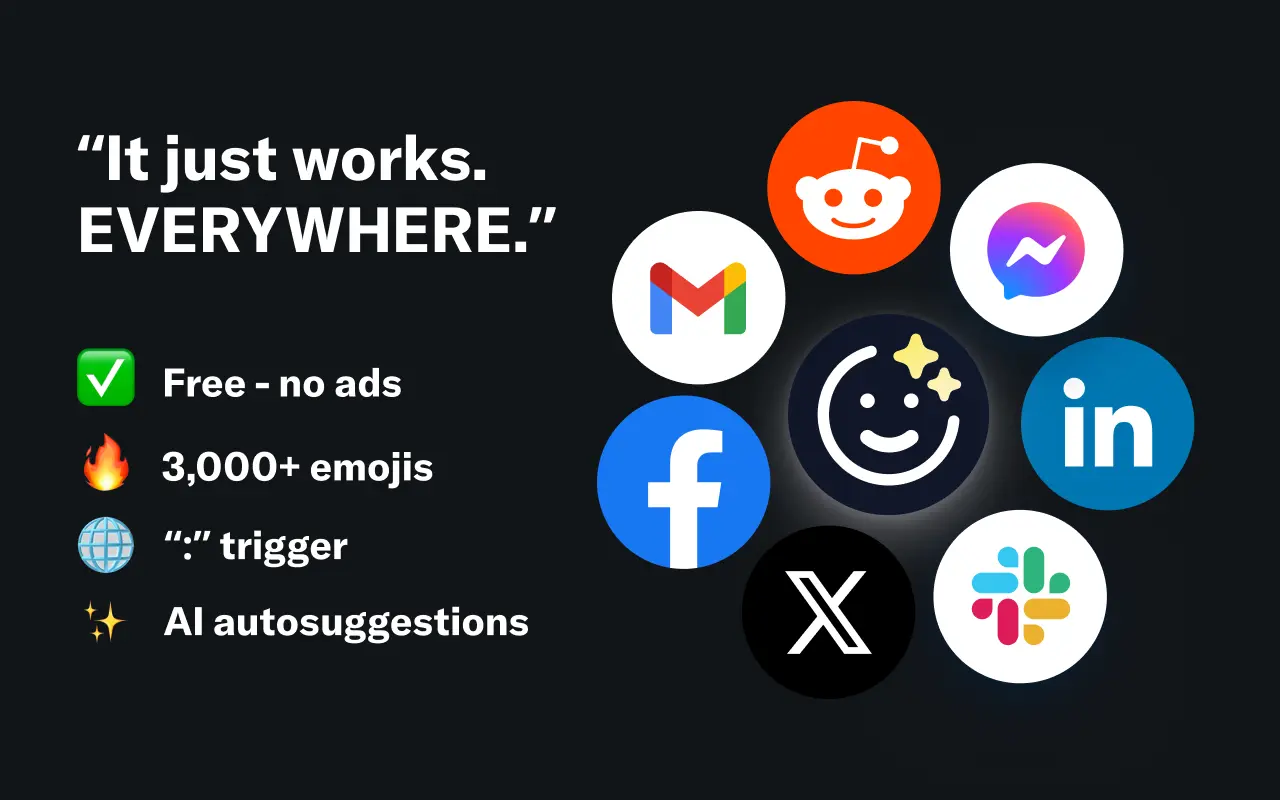
EmojAI
AI-powered emoji picker with smart, context-aware suggestions 🤖
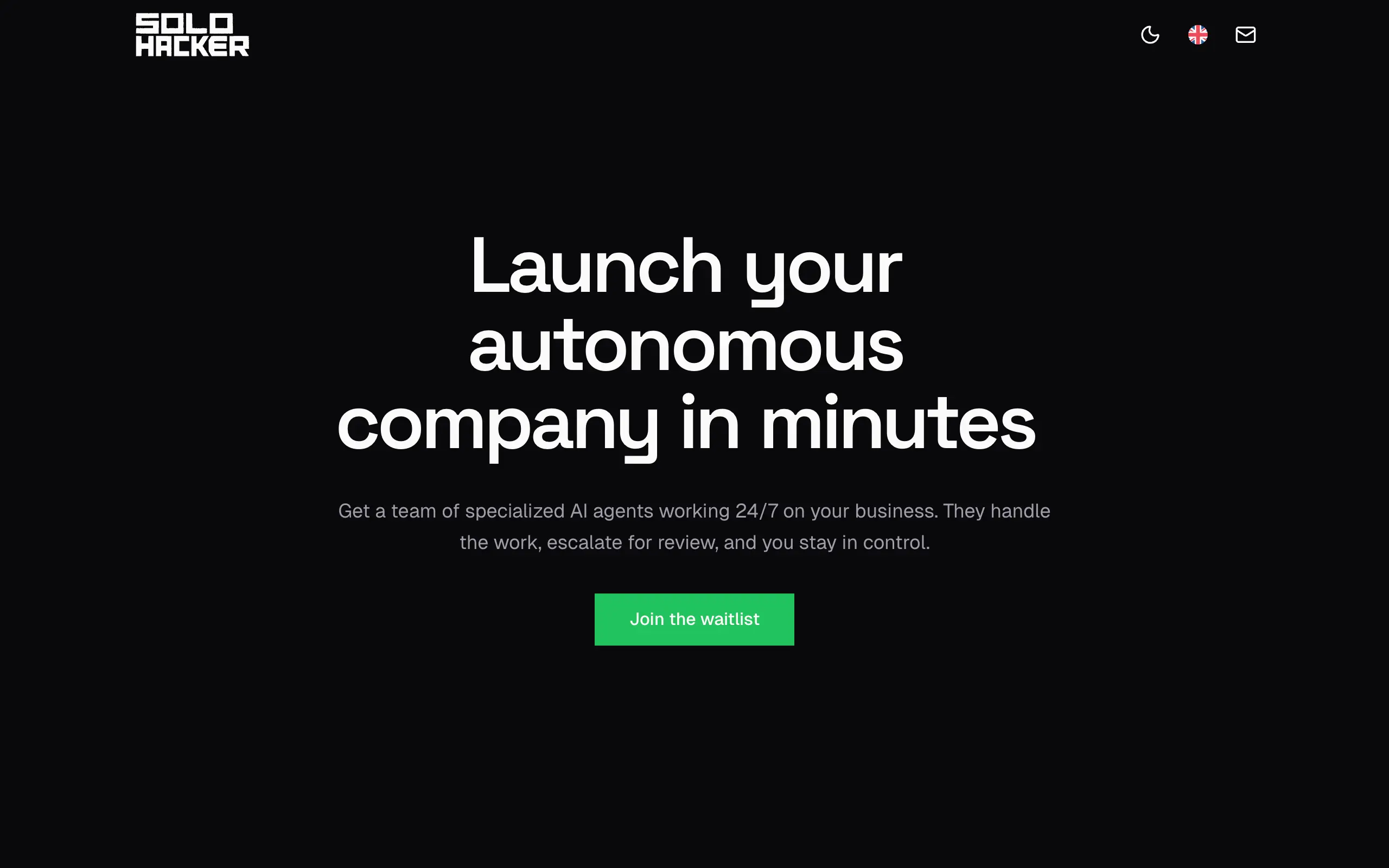
Solohacker
Autonomous company launcher - AI agents work 24/7, escalate what matters, and you stay in control 🤖
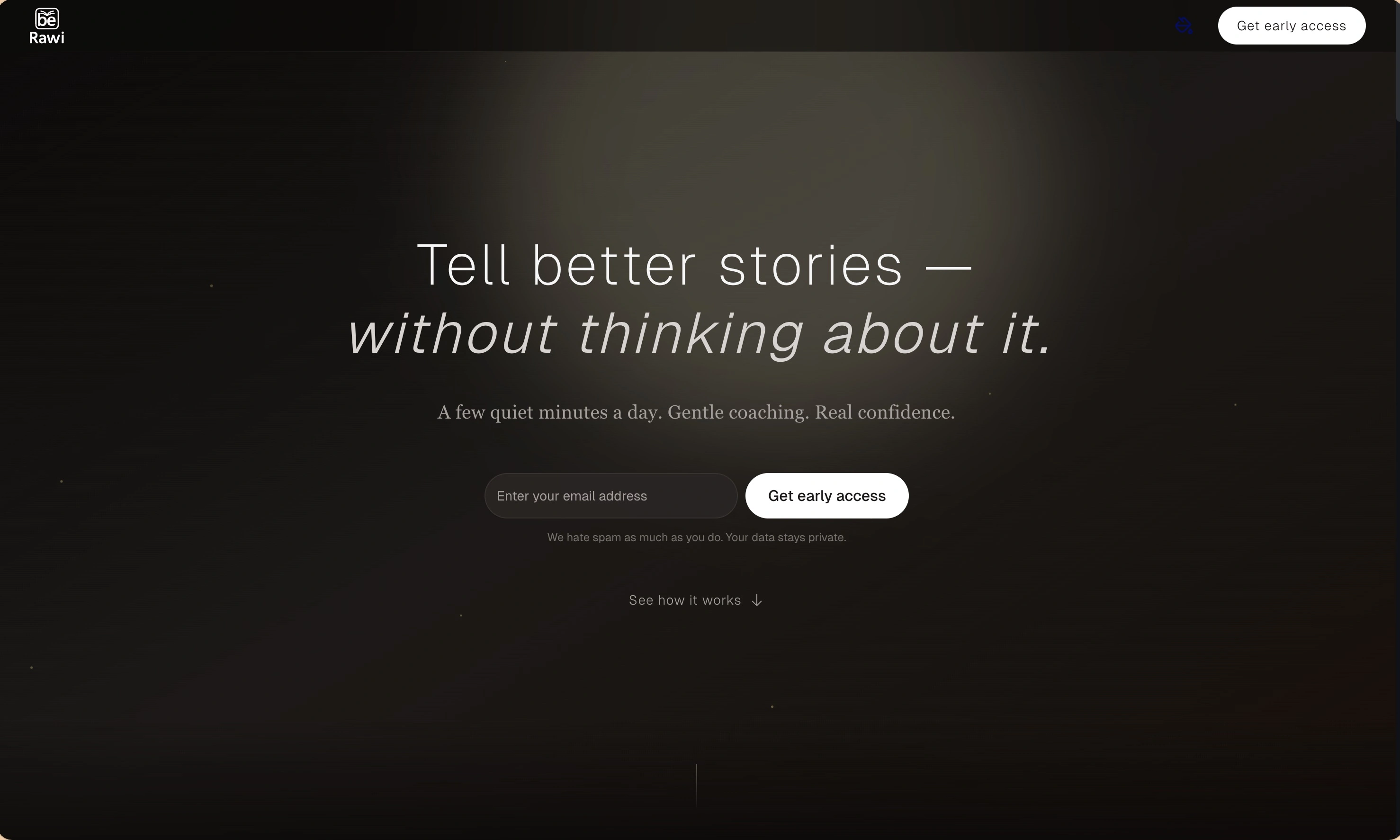
BeRawi: Storytelling Coach
Practice storytelling daily with instant feedback to sound clearer, more engaging, and confident 🎤
Omichat
Chat with 50+ AI models, including ChatGPT and Claude, in one place - switch models anytime without losing context 🤖
Claude Fast
Supercharge your Claude Code with 6x effective context window and specialized AI agents 🤖
EmojAI
AI-powered emoji picker with smart, context-aware suggestions 🤖
Solohacker
Autonomous company launcher - AI agents work 24/7, escalate what matters, and you stay in control 🤖
BeRawi: Storytelling Coach
Practice storytelling daily with instant feedback to sound clearer, more engaging, and confident 🎤
Omichat
Chat with 50+ AI models, including ChatGPT and Claude, in one place - switch models anytime without losing context 🤖
Claude Fast
Supercharge your Claude Code with 6x effective context window and specialized AI agents 🤖
EmojAI
AI-powered emoji picker with smart, context-aware suggestions 🤖
Solohacker
Autonomous company launcher - AI agents work 24/7, escalate what matters, and you stay in control 🤖
BeRawi: Storytelling Coach
Practice storytelling daily with instant feedback to sound clearer, more engaging, and confident 🎤
Omichat
Chat with 50+ AI models, including ChatGPT and Claude, in one place - switch models anytime without losing context 🤖
Claude Fast
Supercharge your Claude Code with 6x effective context window and specialized AI agents 🤖
EmojAI
AI-powered emoji picker with smart, context-aware suggestions 🤖
Solohacker
Autonomous company launcher - AI agents work 24/7, escalate what matters, and you stay in control 🤖
BeRawi: Storytelling Coach
Practice storytelling daily with instant feedback to sound clearer, more engaging, and confident 🎤

Connect with like-minded people
Join our community to get feedback, support, and grow together with 1,000+ builders on board, let's ship it!
Join usShip your startup everywhere. In minutes.
Don't burn tokens on setup and start building features on day one.