UstoYaqin
A trusted local-services app for finding verified plumbers, electricians, tutors, and repair specialists with voice requests in Tajik and Russian.
Why a trusted local services app is a strong opportunity in Tajikistan
Finding a reliable plumber, electrician, tutor, appliance technician, or home repair specialist is still largely an offline process in Tajikistan. People often depend on relatives, neighbors, Telegram groups, market noticeboards, and informal recommendations. This works when a trusted referral is available, but it becomes slow, uncertain, and risky when an urgent need arises.
UstoYaqin is positioned as a trusted local services app for Tajikistan that helps customers find verified specialists through a simple mobile-first experience. Its differentiator is especially relevant for the local market: customers can submit voice requests in Tajik and Russian rather than needing to type detailed service descriptions.
The primary search intent behind a product like UstoYaqin is practical. Users want to know whether a local-services marketplace can solve a real market problem, how it can earn trust, which features matter first, and what is required to launch it successfully. For founders and operators, the deeper intent is validation: can a marketplace for verified service providers become a defensible B2C business in Tajikistan?
The answer is yes, provided the business prioritizes trust, local language accessibility, service quality, and marketplace liquidity over feature volume.
Core positioning
UstoYaqin should not present itself as only a directory of workers. It should be positioned as a trusted local-services platform where customers can safely request help and hire verified professionals in Tajik or Russian.
The local services problem UstoYaqin solves
The home services market has several persistent problems that conventional classifieds and social media groups do not solve well.
Customers need urgent help, but they often lack a reliable way to assess whether a provider is skilled, available, fairly priced, and safe to invite into their home. Providers face the opposite problem. Many qualified workers have no predictable digital lead source, little time to market themselves, and limited technical knowledge for maintaining an online presence.
A local services marketplace can close this gap by creating a structured matching layer between demand and supply.
For customers, UstoYaqin can reduce uncertainty around questions such as:
- Is this plumber or electrician a real person?
- Has the provider completed jobs successfully before?
- Can they communicate in Tajik, Russian, or both?
- Are they available in my neighborhood today?
- What will the expected price range be?
- What happens if the work is incomplete or unsafe?
- Can I review the provider after the job?
For service professionals, the app can create a more consistent stream of local work without requiring them to build a website, run ads, or understand complex digital tools.
The opportunity is not limited to emergency repairs. Once trust is established, UstoYaqin can expand into recurring and planned services, including tutoring, cleaning, beauty services, moving help, device repair, furniture assembly, and seasonal home maintenance.
Target audience for a Tajikistan local services marketplace
UstoYaqin should avoid treating all users as one generic marketplace audience. Each side of the marketplace has different needs, motivations, and adoption barriers.
Customers who need trusted help quickly
The highest-value early customer segment includes urban residents in Dushanbe and other population centers who need services but lack a dependable personal referral network.
This may include:
- Young professionals living independently for the first time
- Families managing apartment repairs and household maintenance
- Tenants who need quick repair coordination
- Busy parents looking for tutors or childcare-related specialists
- Returning migrants and diaspora families arranging services remotely
- Small business owners who need electricians, cleaners, technicians, or repair support
- Elderly customers who prefer speaking instead of typing a request
Many users are already comfortable with mobile apps, messaging, and voice notes. The main obstacle is not mobile adoption. It is whether the platform feels trustworthy enough to replace a recommendation from a friend.
Service professionals seeking reliable job demand
On the supply side, UstoYaqin should begin with professionals who already earn income through informal referrals but want a more predictable pipeline of customer requests.
Early provider personas may include:
- Plumbers and heating repair specialists
- Electricians and appliance repair technicians
- Air conditioner, refrigerator, and washing machine repair workers
- Tutors for school subjects and language learning
- Handymen, painters, and furniture installers
- Mobile phone and computer repair specialists
- Cleaning professionals and moving helpers
Many providers will be highly skilled but not digitally sophisticated. Their onboarding must therefore be designed for mobile phones, low-friction identity checks, voice messages, and human-assisted support.
Bilingual and voice-first users
The strongest niche for UstoYaqin is the user who can explain a problem more naturally by speaking Tajik or Russian than by searching a category and typing a long description.
For example, a customer may say:
“The lights in my kitchen keep turning off and there is a burning smell near the switch.”
That request is far more useful than a generic search for “electrician.” A voice-first workflow can preserve context, improve matching, and reduce friction for users with varying literacy levels or limited confidence using formal written language.
Market gap: why existing alternatives leave room for UstoYaqin
Local services are usually discovered through a mix of personal referrals, social platforms, online classified listings, and neighborhood chat groups. These channels are useful, but none is purpose-built for accountable service delivery.
A Facebook post or Telegram message may produce several phone numbers, yet customers still need to verify availability, experience, pricing, location, and reliability themselves. A traditional classified listing may show a provider, but it rarely creates a complete record of job quality, reviews, identity status, or dispute resolution.
UstoYaqin can compete by transforming an unstructured offline habit into a repeatable marketplace workflow.
| Customer need | Personal referrals | Social groups | Classified listings | UstoYaqin |
|---|---|---|---|---|
| Provider verification | Informal | Rare | Limited | Structured |
| Voice request in Tajik or Russian | Possible but manual | Possible but unstructured | Usually unavailable | Built into request flow |
| Review and job history | Private only | Inconsistent | Often weak | Provider reputation profile |
| Support when a job goes wrong | None | None | Usually none | Marketplace support process |
The market gap is not simply “there is no app.” The true gap is the absence of a localized trust system for everyday services. UstoYaqin can build that system through verified identities, clear categories, reputation data, moderated reviews, transparent expectations, and responsive support.
UstoYaqin’s unique selling proposition
The core USP should be concise and memorable:
Find verified local specialists with a voice request in Tajik or Russian.
That statement addresses the two most difficult marketplace problems at once:
- Trust through verification and accountability
- Accessibility through language-first, voice-friendly service discovery
A provider directory could copy service categories. A large global marketplace could copy ratings. However, a product that is built around the local communication habits, languages, payment preferences, neighborhoods, and trust expectations of Tajik users will be harder to replace.
The product should reinforce this differentiation in every key touchpoint:
- The home screen should prominently offer “Describe your problem by voice.”
- Provider profiles should show what has been verified.
- Matching should prioritize local availability and relevant experience.
- Reviews should reflect actual completed jobs.
- Safety guidance should be visible for higher-risk services.
- Customer support should be accessible through familiar channels.
Trust layer
Verified profiles, completed-job reviews, provider response history, and a documented dispute process reduce the risk of hiring an unfamiliar specialist.
Voice-first requests
Customers can explain problems naturally in Tajik or Russian instead of navigating complex forms or typing detailed descriptions.
Local matching
Location, availability, category expertise, language preference, and service radius create more relevant recommendations.
Essential UstoYaqin features for an MVP
A successful MVP should solve one complete customer journey exceptionally well. It should not attempt to become a super app before proving that customers can reliably request services and providers can complete jobs.
Customer request creation
The request flow is the most important product experience. A customer should be able to create a service request in under two minutes.
A practical flow includes:
- Select a broad category such as plumbing, electrical work, tutoring, or appliance repair.
- Record a voice request in Tajik or Russian.
- Add optional photos or videos of the issue.
- Confirm location manually or through device location permissions.
- Choose preferred timing such as urgent, today, this week, or flexible.
- Set a budget range if the user knows one.
- Receive matched provider options or quotes.
Voice requests should be stored securely and made available only to relevant providers or internal support staff. The platform can later use speech-to-text and classification tools to suggest categories, extract urgency, and identify common issues. However, the initial experience should include human fallback review rather than relying entirely on automated transcription.
Verified specialist profiles
Provider profiles must make trust visible. A profile should not merely contain a name and phone number.
Each provider profile should include:
- Full name or approved professional display name
- Profile photo
- Service categories and specialties
- Languages spoken
- Areas served
- Years of experience, where self-reported
- Verification badges with understandable explanations
- Completed jobs through the platform
- Average rating and written reviews
- Typical response time
- Availability status
- Starting price or common pricing model
- Before-and-after portfolio photos where relevant
Avoid vague badges such as “trusted” with no explanation. Customers should understand whether “verified” means identity verified, phone verified, skill reviewed, background checked, or platform-approved after completed jobs.
Provider verification and onboarding
Verification is central to the UstoYaqin brand, but it must be operationally realistic. The strongest approach is a tiered trust model rather than promising checks that the business cannot consistently perform.
A provider verification program can include:
- Phone number confirmation
- Government-issued identity document review where legally appropriate
- Selfie or live verification check
- Professional references or prior work samples
- Trade certificate review for regulated work where applicable
- In-person or video onboarding for high-risk categories
- Ongoing quality monitoring through job outcomes and customer feedback
High-risk services deserve stricter controls. Electrical work, gas-related repairs, major construction, and services involving children should have additional requirements and careful category policies.
Do not overpromise verification
Only use verification labels that describe checks UstoYaqin has actually completed. Trust is difficult to earn and easy to lose when a badge is unclear or misleading.
Matching, quotes, and booking
There are two useful matching models for a local-services app.
Instant matching works best for common and urgent services. The app can recommend available nearby providers using category, distance, rating, language, response rate, and working hours.
Request and quote works best for jobs with uncertain scope. Customers submit details, and selected providers respond with availability, questions, and estimated pricing.
UstoYaqin should support both models over time. For the MVP, a request-and-quote model is often safer because many repairs require inspection before a final price can be given.
The platform should clearly distinguish between:
- An estimated call-out fee
- A diagnostic fee
- Labor pricing
- Material costs
- A final quote approved by the customer
Price ambiguity is a major source of marketplace conflict. Even when fixed prices are impossible, the app can improve trust by prompting providers to explain what is included and by documenting the customer’s approval.
Reviews, support, and dispute handling
Reviews are valuable only when they are connected to real jobs. UstoYaqin should request feedback after a job reaches a completed status, not simply after two people exchange messages.
A useful review system includes star ratings, structured questions, written feedback, and image uploads. Structured questions can ask whether the provider arrived on time, communicated clearly, completed the agreed work, and charged as expected.
Disputes will happen. The goal is not to eliminate them, but to make the resolution process fair and consistent.
An initial dispute workflow can include:
- Customer flags a job within a defined period.
- UstoYaqin collects chat messages, photos, and service details.
- The provider receives a chance to respond.
- Support determines the next step based on documented policy.
- Repeat quality issues affect provider visibility or account status.
Building a voice-first service request experience
Voice is not just a novelty feature for UstoYaqin. It can be one of the highest-leverage ways to reduce friction and capture better job details.
A typed request such as “washing machine broken” is ambiguous. A spoken request may explain that the machine fills with water but does not spin, makes a loud sound, and is needed before guests arrive. That context helps both matching and provider preparation.
Voice request design principles
The best voice experience is guided, optional, and forgiving.
Use a prominent microphone button, but also allow typing for users who prefer it. Before recording, provide short examples of what to say. Keep recordings limited to a practical duration, such as 30 to 90 seconds, and show clear consent language explaining how the recording will be used.
The app can ask follow-up prompts after the recording:
- What kind of help do you need?
- Is this urgent or can it wait?
- Can you attach a photo of the issue?
- Which language do you prefer for communication?
- What time can the specialist visit?
Speech recognition quality may vary across Tajik, Russian, dialects, noisy environments, and technical terminology. Therefore, customers must always be able to listen to, edit, or supplement the captured request. Providers should also have access to the original voice note when appropriate, not only an automated transcript.
AI should assist, not replace accountability
AI can improve request routing, detect likely categories, summarize voice notes, and suggest clarifying questions. It should not make safety-critical decisions or create false confidence.
For example, if a customer mentions a burning smell, exposed wires, gas odor, or flooding, the app should display emergency safety instructions and avoid suggesting that a user waits for a routine appointment.
A practical AI workflow could look like this:
type ServiceRequest = {
  category: "plumbing" | "electrical" | "tutoring" | "appliance_repair";
  voiceTranscript?: string;
  urgency: "emergency" | "today" | "scheduled";
  language: "tg" | "ru";
  locationId: string;
};

function routeRequest(request: ServiceRequest) {
  if (
    request.voiceTranscript?.toLowerCase().includes("burning smell") &&
    request.category === "electrical"
  ) {
    return {
      priority: "high",
      showSafetyNotice: true,
      requireManualReview: true,
    };
  }

  return {
    priority: request.urgency,
    showSafetyNotice: false,
    requireManualReview: false,
  };
}
The point is not the exact code. The business rule matters more: potentially dangerous requests should trigger support and safety workflows, not only automated ranking.
Recommended tech stack for UstoYaqin
The technical stack should support rapid iteration, reliable mobile experiences, multilingual content, secure media storage, and marketplace operations.
For a modern web and mobile product, a practical starting stack may include Next.js for the web application and admin dashboard, React for interface development, TypeScript for safer application code, and Tailwind CSS for fast, consistent UI implementation.
A possible architecture includes:
- Customer-facing responsive web app and mobile application
- Provider portal optimized for mobile browsers
- Internal operations dashboard for verification and support
- API layer for requests, matching, messaging, and payments
- Relational database for users, jobs, quotes, reviews, and provider records
- Object storage for photos, documents, and voice requests
- Push notifications, SMS, and messaging integrations
- Analytics and error monitoring tools
Web-first versus native mobile apps
A responsive web app or progressive web app can be the fastest way to validate demand. It is easier to update, reduces initial distribution friction, and allows users to access the service from a shared link.
Native mobile apps can become important once the marketplace has repeat demand. They offer better push notifications, background location capabilities, camera support, and a more polished experience for providers who use the platform daily.
The trade-off is speed versus native capability. A web-first launch is usually the more disciplined choice, especially when the central challenge is marketplace operations rather than interface performance.
Backend and data considerations
A relational database such as PostgreSQL is well suited to marketplace data because users, requests, jobs, reviews, providers, and payments have clear relationships. A backend platform such as Supabase can accelerate authentication, database access, file storage, and real-time features for an early-stage team.
However, a managed backend is not a substitute for thoughtful data design. UstoYaqin needs strong permission rules around personal information, provider identity documents, customer addresses, voice recordings, and private messages.
Sensitive records should be separated from general profile data. Access should follow a least-privilege approach, meaning support staff can view only the information required to do their work.
Bootstrap faster without sacrificing foundations
Marketplace products require more than screens. They need authentication, role management, billing logic, dashboards, emails, and operations tooling. Starting with TurboStarter can reduce setup time for common SaaS foundations so the product team can focus on the differentiated marketplace workflows.
The team should still validate every feature against the marketplace’s local needs. A generic SaaS starter does not automatically solve provider verification, location matching, multilingual voice requests, or dispute operations.
Monetization strategies for UstoYaqin
UstoYaqin should begin with a monetization model that aligns with trust and provider value. Charging too early or too aggressively can reduce supply liquidity before the marketplace has proven demand.
Commission on completed jobs
The most common marketplace model is a percentage fee on completed bookings. It aligns revenue with customer value and lets providers pay only when work is secured.
The challenge is payment capture. If most service transactions happen in cash, providers may complete the job outside the platform and avoid the fee. This is known as marketplace leakage.
UstoYaqin can reduce leakage by offering value that remains useful after the introduction, such as customer support, job records, payment receipts, repeat booking, dispute support, and better ranking for on-platform completion.
Lead fees or credits
Providers can pay for access to selected customer requests through credits or lead fees. This is easier to operate when payments are offline, but it creates risk for providers if leads are low quality or customers do not respond.
If using this model, disclose costs clearly and provide meaningful lead details before charging. A limited introductory credit balance can help providers learn the platform with low risk.
Subscription plans for professionals
A provider subscription can work after UstoYaqin has demonstrated regular lead volume. Paid tiers could include priority placement, enhanced analytics, more service areas, additional team members, portfolio features, or reduced commission rates.
Subscriptions should not allow low-quality providers to buy trust. Visibility can be influenced by a plan, but verified status and quality ranking must remain evidence-based.
Customer service fees and protection plans
For certain categories, the platform may charge customers a transparent service fee. It can fund customer support, payment processing, and a limited service guarantee.
This strategy works only when the benefit is clear. Customers should understand what the fee covers and what remedies are available if a provider fails to deliver.
Competitive advantage and marketplace defensibility
The competitive advantage of UstoYaqin will not come from having a plumber category before anyone else. The defensible advantage comes from creating a local trust network with data and workflows that improve over time.
The strongest moats include:
- A growing set of verified local professionals
- Completed-job reviews that competitors cannot easily recreate
- Local knowledge of service categories, neighborhoods, pricing behavior, and language preferences
- Voice request data that improves routing and categorization
- Provider response and reliability history
- A recognized consumer brand associated with safety and accountability
- Operational playbooks for quality control and dispute resolution
- Repeat customer behavior and saved provider relationships
The platform should use marketplace data carefully. Providers should understand how ratings and visibility are determined at a high level. Customers should know what a verification badge means. Transparent rules create confidence and reduce allegations of unfairness.
Key risks and how to mitigate them
Every local-services marketplace faces operational risk. A realistic plan should treat these risks as product requirements, not afterthoughts.
Start with a limited set of categories and actively onboard providers. Use verification tiers, mandatory profile completion, customer reviews from completed jobs, quality monitoring, and suspension policies for repeated complaints.
Launch in one city or a small number of dense neighborhoods. Focus supply and demand on high-frequency service categories rather than trying to cover the entire country from day one.
Require providers to state whether a price is an estimate, diagnosis fee, labor fee, or final quote. Encourage written confirmation of scope before work begins.
Make in-app completion valuable through support, repeat booking, reputation, customer guarantees, and provider ranking. Do not rely only on punitive rules.
Apply stricter verification and safety policies to electrical, gas, construction, and child-related services. Escalate emergency language to trained human support where possible.
Privacy is also a major concern. Customer addresses, phone numbers, family details, and voice recordings are sensitive. UstoYaqin should collect only the data needed to complete the service, communicate retention practices clearly, and apply security reviews before scaling.
For legal, consumer protection, tax, employment classification, and payments questions, founders should seek advice from qualified local counsel. The platform’s terms must clearly define whether providers are independent service professionals and how disputes, cancellations, and refunds are handled.
Go-to-market strategy for the first city
A marketplace needs focused density. Launching across too many cities or categories can make the app feel empty, even if there are hundreds of registered providers.
A stronger launch plan begins with Dushanbe, a limited radius, and a handful of categories where customer urgency and repeat demand are highest.
Recommended early categories include:
- Plumbing and water leak repair
- Electrical repair and installation
- Appliance repair
- Home cleaning
- Furniture assembly and handyman tasks
- Academic and language tutoring
Tutoring may have a different booking rhythm from emergency repairs, so it can become a separate demand funnel. Still, it benefits from the same trust mechanisms, provider profiles, reviews, language preferences, and scheduling tools.
Supply acquisition before broad customer marketing
The first priority is building a reliable provider base. Recruit providers through trade communities, local referrals, repair markets, vocational networks, and direct outreach.
During the earliest stage, manual onboarding is an advantage. It helps the team understand how providers quote jobs, communicate with customers, describe their skills, and manage availability.
Offer early providers tangible benefits:
- Free profile setup assistance
- Initial zero-commission period or credits
- Professional profile photos where feasible
- Help creating portfolio examples
- Clear rules around lead quality and payouts
- Priority visibility for fast response and good reviews
Demand acquisition channels
Customer acquisition should lean into the real behavior of the market. Social proof will likely matter more than polished brand advertising in the first months.
Potential channels include:
- Local Telegram communities and city groups
- Short Tajik and Russian video content demonstrating common repair problems
- Referral incentives for customers and providers
- Partnerships with apartment buildings, real estate agents, and property managers
- Search-optimized pages for urgent local needs
- Community ambassadors who can explain the app to less digital users
- Customer support through familiar messaging channels
The best early marketing message is not “download a marketplace.” It is specific and benefit-led:
Need a verified electrician or plumber? Send a voice request in Tajik or Russian and get matched with a local specialist.
Metrics that prove UstoYaqin is working
Vanity metrics such as app downloads and provider signups are not enough. The business should track whether the marketplace is reliably creating successful service outcomes.
Important early metrics include:
- Request-to-provider-response rate
- Median time to first provider response
- Request-to-booking conversion rate
- Booking completion rate
- Customer repeat booking rate
- Provider acceptance rate
- Provider fill rate
- Customer satisfaction after completed jobs
- Provider satisfaction with lead quality
- Dispute rate per completed job
- Percentage of requests created by voice
- Percentage of voice requests that need manual clarification
- Contribution margin by category and neighborhood
A useful north-star metric is completed trusted jobs per week. It combines demand, supply, matching, and service quality more effectively than registrations alone.
When sharing performance externally, avoid unsupported claims. If the company publishes market size, mobile adoption, or payments data, cite credible sources such as national statistical agencies, telecom reports, multilateral development institutions, or reputable research firms. Specific figures should always include the report name, publisher, publication date, and methodology.
Actionable implementation steps for launching UstoYaqin
The most effective path is to launch narrowly, operate manually where needed, and use real marketplace evidence to decide what to automate.
Final perspective on the UstoYaqin opportunity
UstoYaqin can become more than a service-search app. Its long-term value is in becoming the trusted layer between households and the professionals who keep homes, devices, and daily life running.
The strongest product strategy is to make local service hiring feel safer, simpler, and more accessible than asking around in a chat group. Voice requests in Tajik and Russian make the platform easier to use. Verified profiles, documented work history, transparent expectations, and responsive support make it easier to trust.
The winning version of UstoYaqin will not try to solve every service category immediately. It will earn credibility one completed job at a time, starting with the urgent, high-trust problems that customers most need help solving.
More 👥 B2C Application SaaS ideas
Discover more innovative b2c application SaaS ideas that are trending in 2026. Each idea is AI-generated with market validation and growth potential to help you find your next profitable venture faster than competitors.
Your competitors are building with TurboStarter
Below are some of the SaaS ideas that have been generated and built with our starter kit.
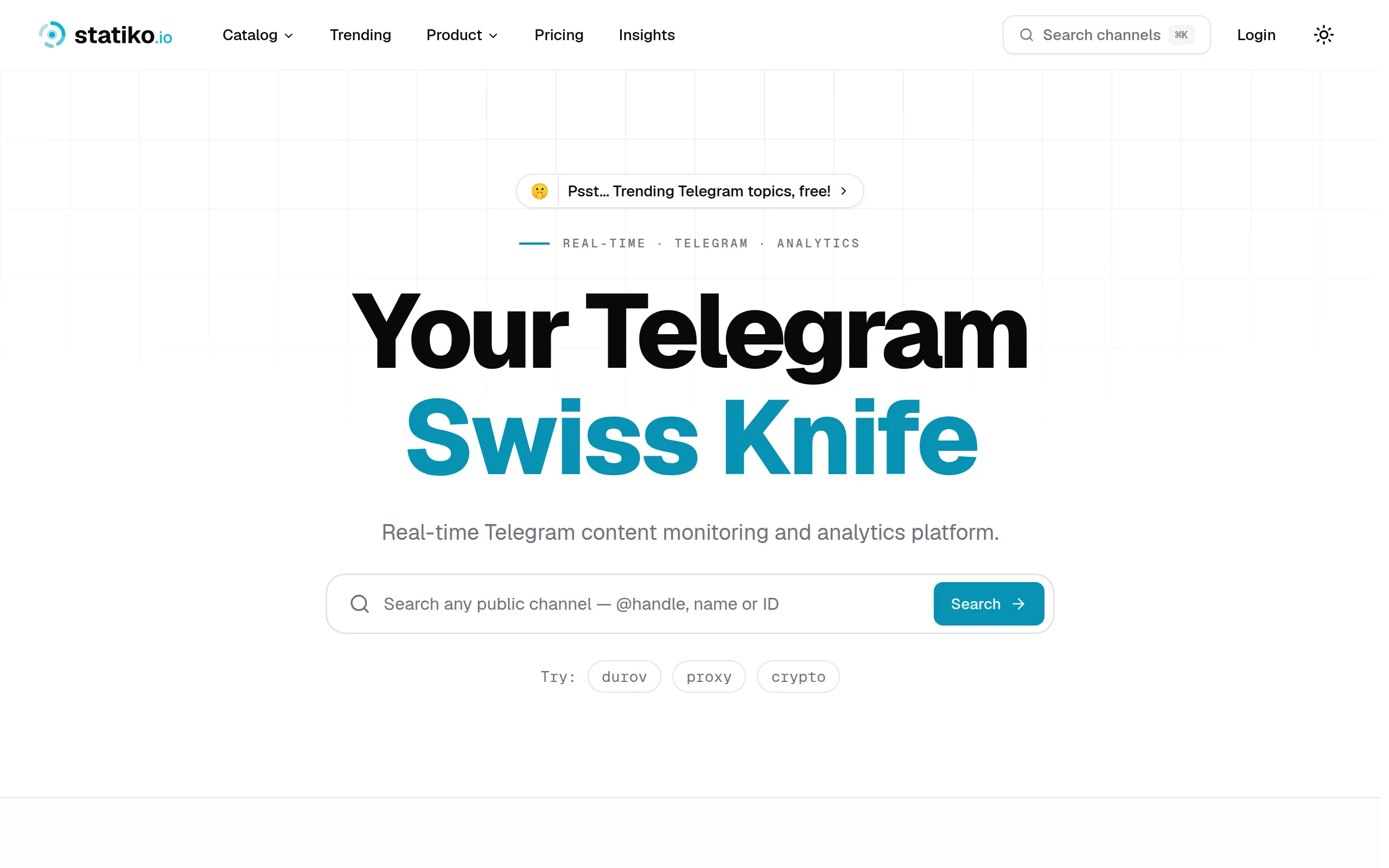
Statiko
Monitor any Telegram channel in real time - track posts, edits, deletions, and growth with AI recaps 📡

Shibui
AI website builder - describe your business, pick a niche template, edit by chatting, and publish instantly ✨

Pro Service
Find verified home service professionals, compare quotes, and pay securely through escrow - built for Brazilians across the US 🏠
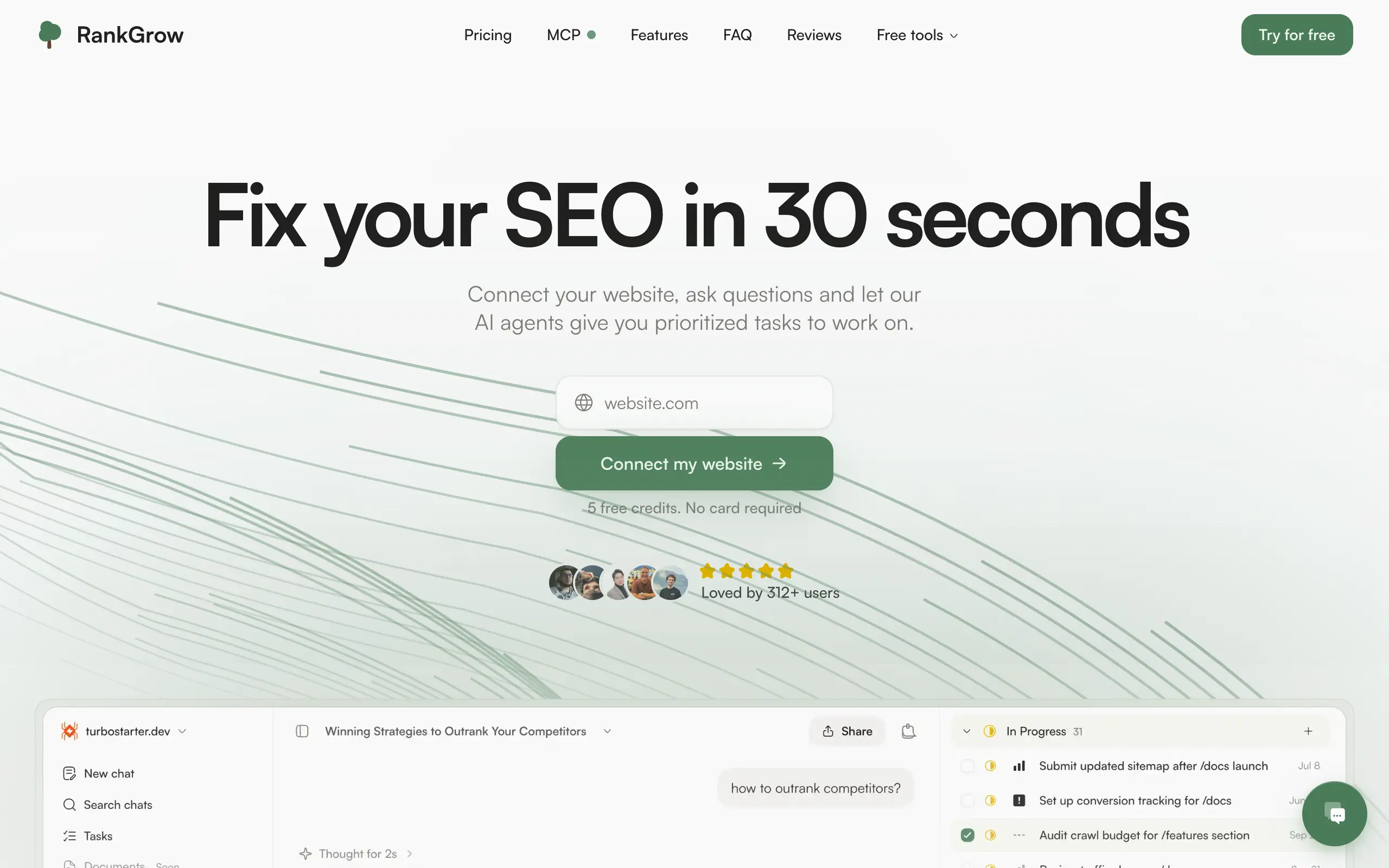
RankGrow
Fix your SEO with AI agents - connect Search Console, get prioritized tasks, and grow organic traffic 📈
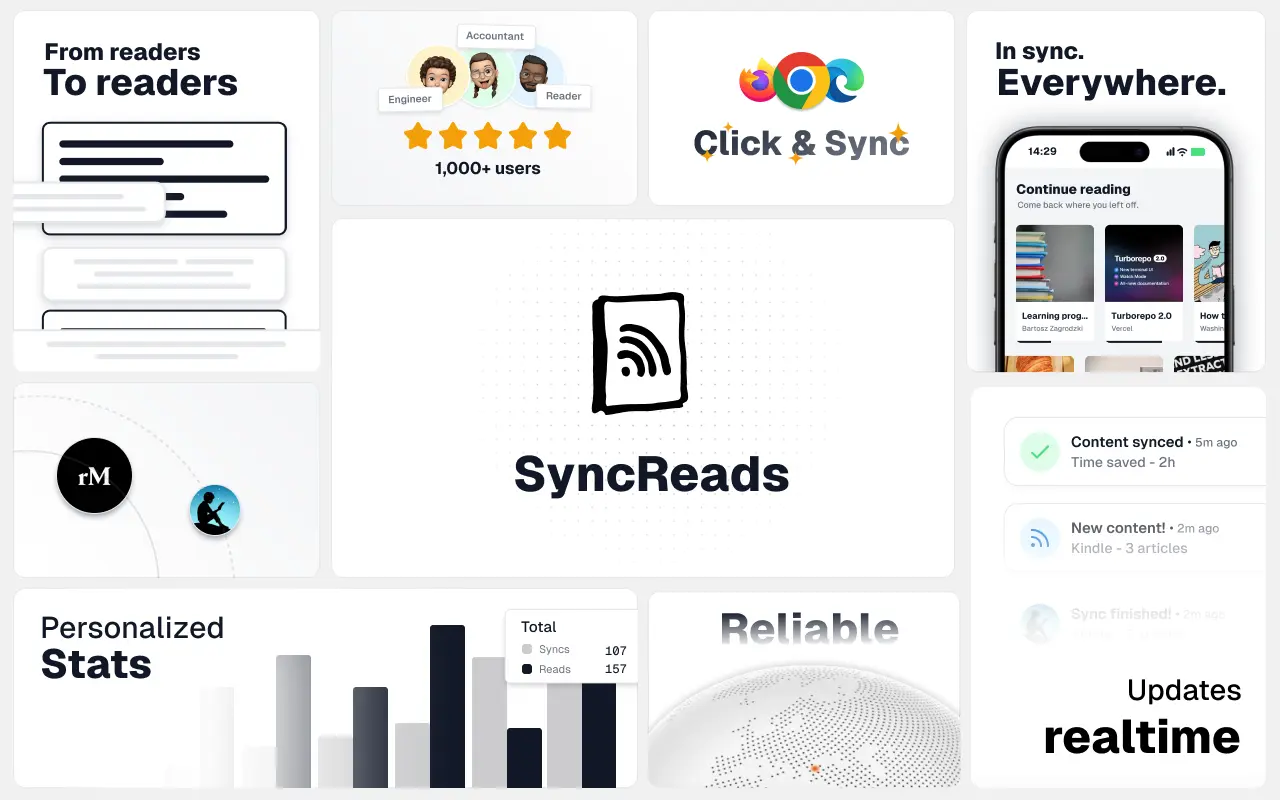
SyncReads
Sync your favorite content for distraction-free reading, save time and replace multiple apps. Anytime, anywhere 🔄
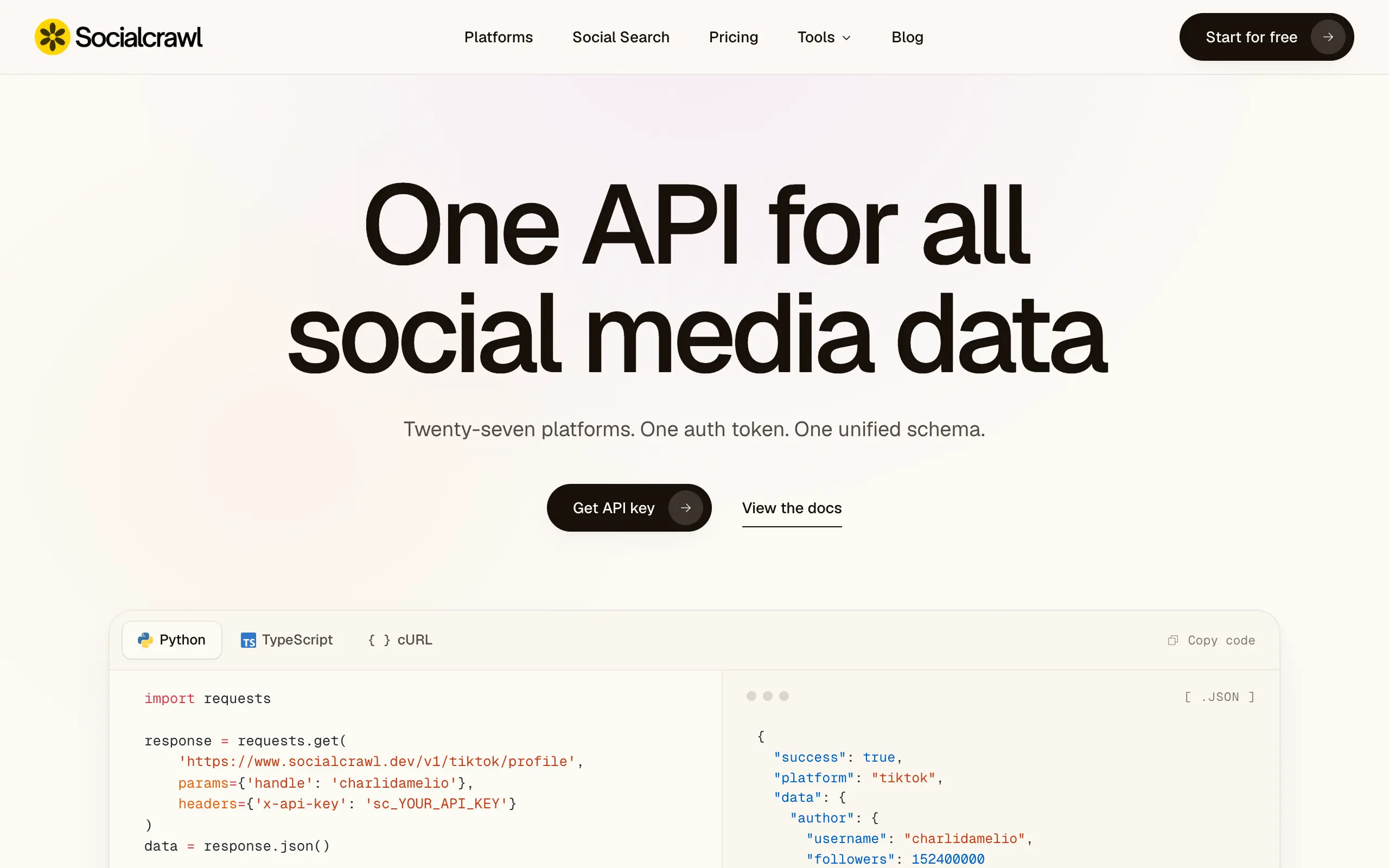
Socialcrawl
Get clean, structured data from 21 platforms like TikTok, Instagram, and YouTube with a single request 📊
Statiko
Monitor any Telegram channel in real time - track posts, edits, deletions, and growth with AI recaps 📡
Shibui
AI website builder - describe your business, pick a niche template, edit by chatting, and publish instantly ✨
Pro Service
Find verified home service professionals, compare quotes, and pay securely through escrow - built for Brazilians across the US 🏠
RankGrow
Fix your SEO with AI agents - connect Search Console, get prioritized tasks, and grow organic traffic 📈
SyncReads
Sync your favorite content for distraction-free reading, save time and replace multiple apps. Anytime, anywhere 🔄
Socialcrawl
Get clean, structured data from 21 platforms like TikTok, Instagram, and YouTube with a single request 📊
Statiko
Monitor any Telegram channel in real time - track posts, edits, deletions, and growth with AI recaps 📡
Shibui
AI website builder - describe your business, pick a niche template, edit by chatting, and publish instantly ✨
Pro Service
Find verified home service professionals, compare quotes, and pay securely through escrow - built for Brazilians across the US 🏠
RankGrow
Fix your SEO with AI agents - connect Search Console, get prioritized tasks, and grow organic traffic 📈
SyncReads
Sync your favorite content for distraction-free reading, save time and replace multiple apps. Anytime, anywhere 🔄
Socialcrawl
Get clean, structured data from 21 platforms like TikTok, Instagram, and YouTube with a single request 📊
Statiko
Monitor any Telegram channel in real time - track posts, edits, deletions, and growth with AI recaps 📡
Shibui
AI website builder - describe your business, pick a niche template, edit by chatting, and publish instantly ✨
Pro Service
Find verified home service professionals, compare quotes, and pay securely through escrow - built for Brazilians across the US 🏠
RankGrow
Fix your SEO with AI agents - connect Search Console, get prioritized tasks, and grow organic traffic 📈
SyncReads
Sync your favorite content for distraction-free reading, save time and replace multiple apps. Anytime, anywhere 🔄
Socialcrawl
Get clean, structured data from 21 platforms like TikTok, Instagram, and YouTube with a single request 📊
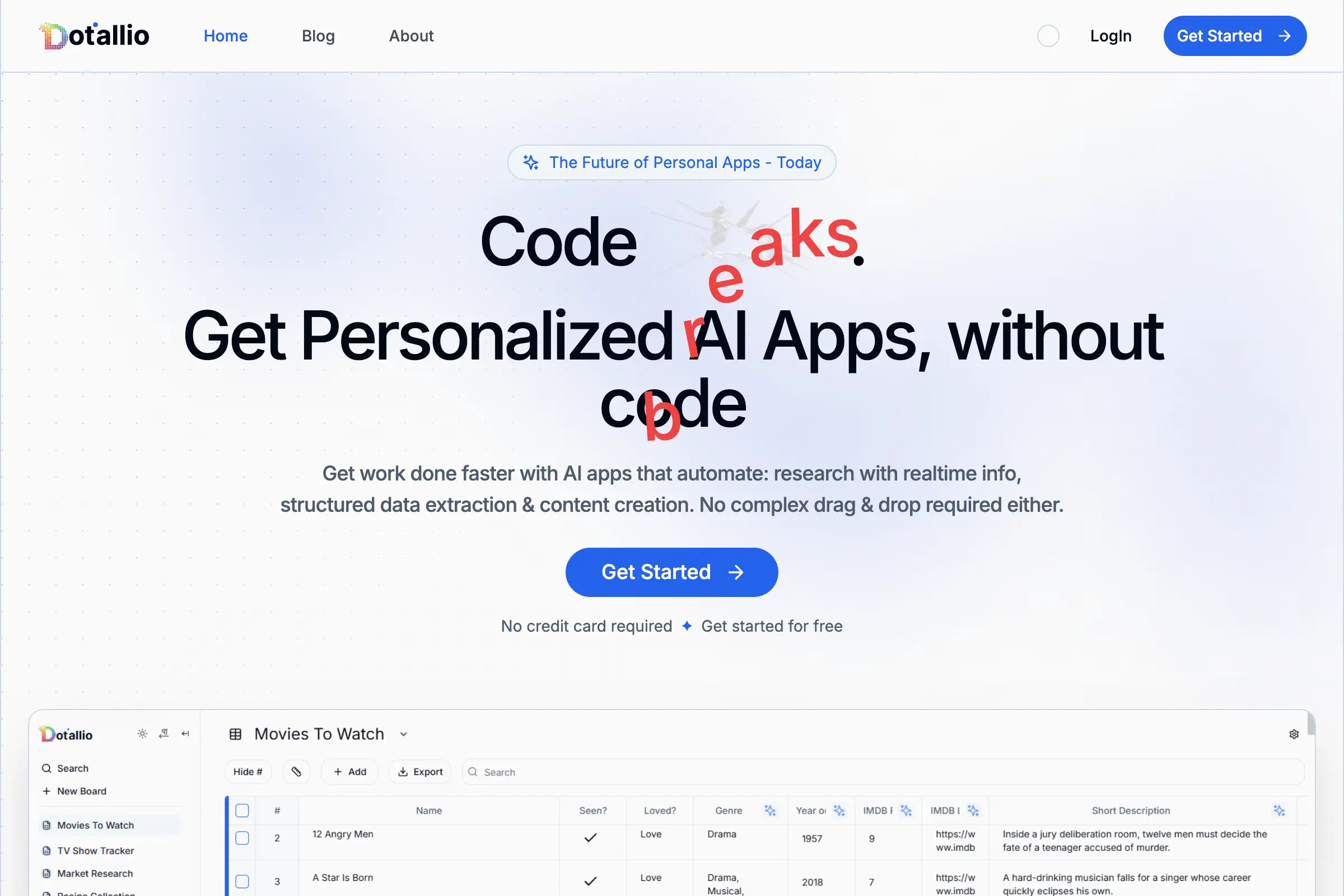
Dotallio
Personalized AI apps that automate research, data extraction, and content creation without code 🤖
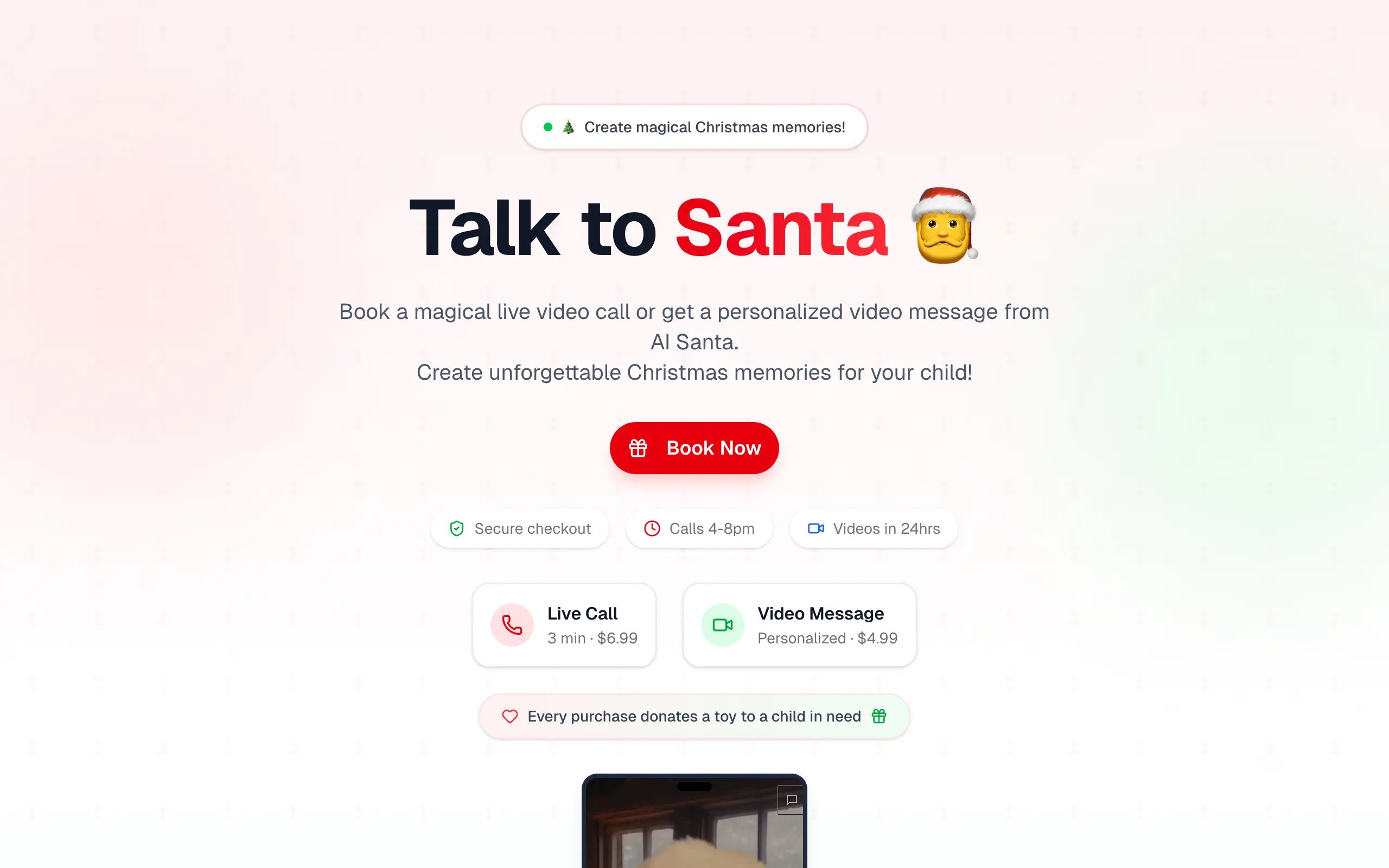
Talk to Santa
Enjoy a magical live video chat or receive a unique AI-generated video greeting from Santa Claus 🎅
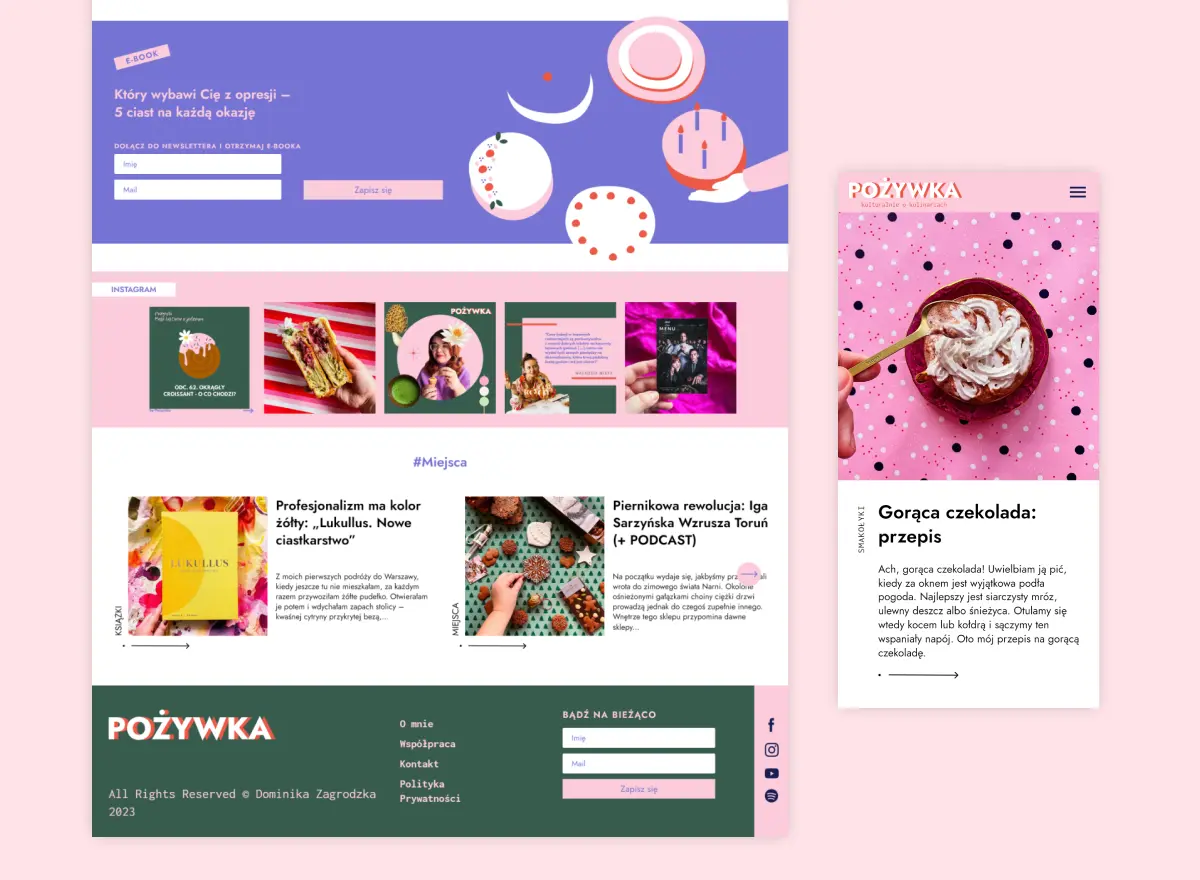
pozywka.pl
Scalable blog for food journalist, focused on performance and user experience 🌭
zagrodzki.me
Personal blog and portfolio of Bart Zagrodzki, where he shares his knowledge and work 💼
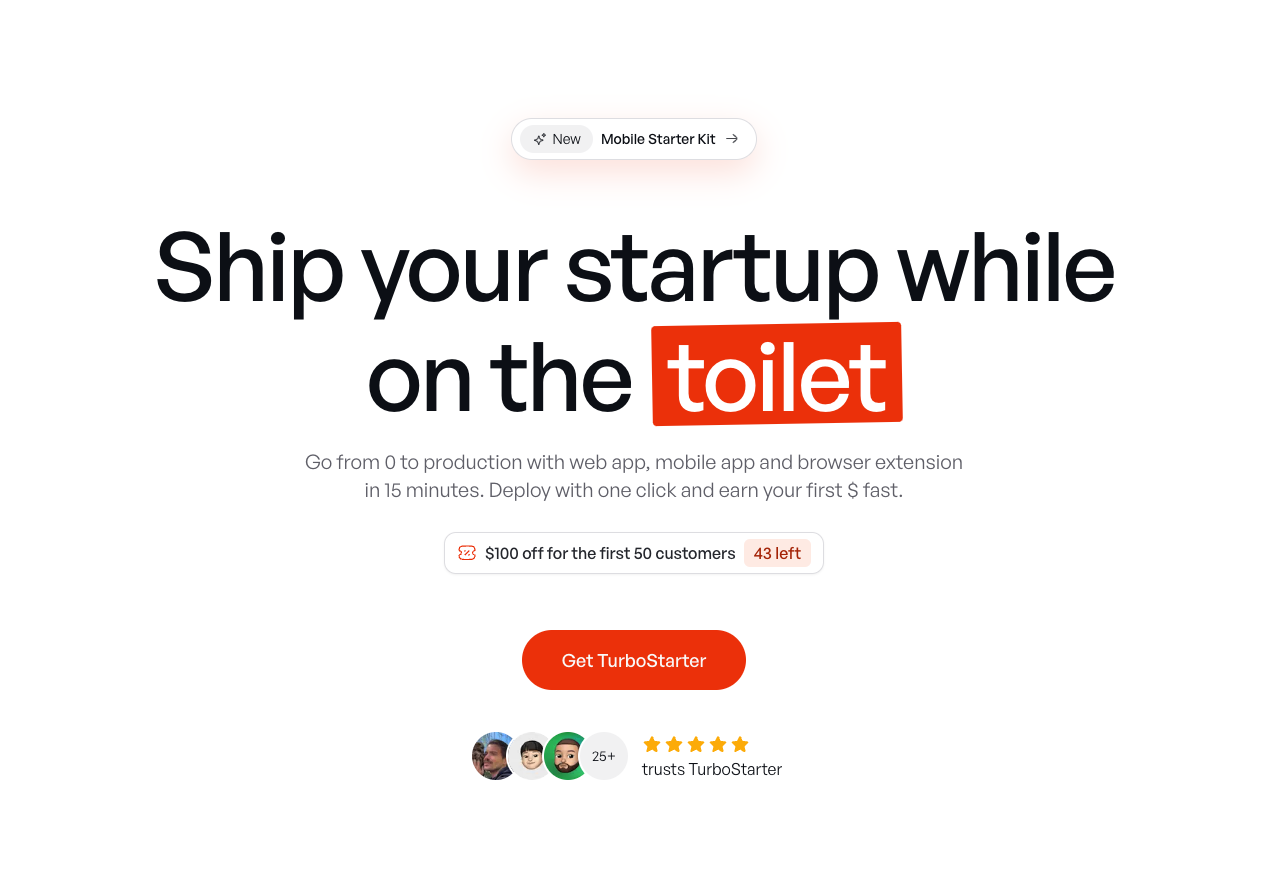
TurboStarter
Ship your startup everywhere. In minutes.
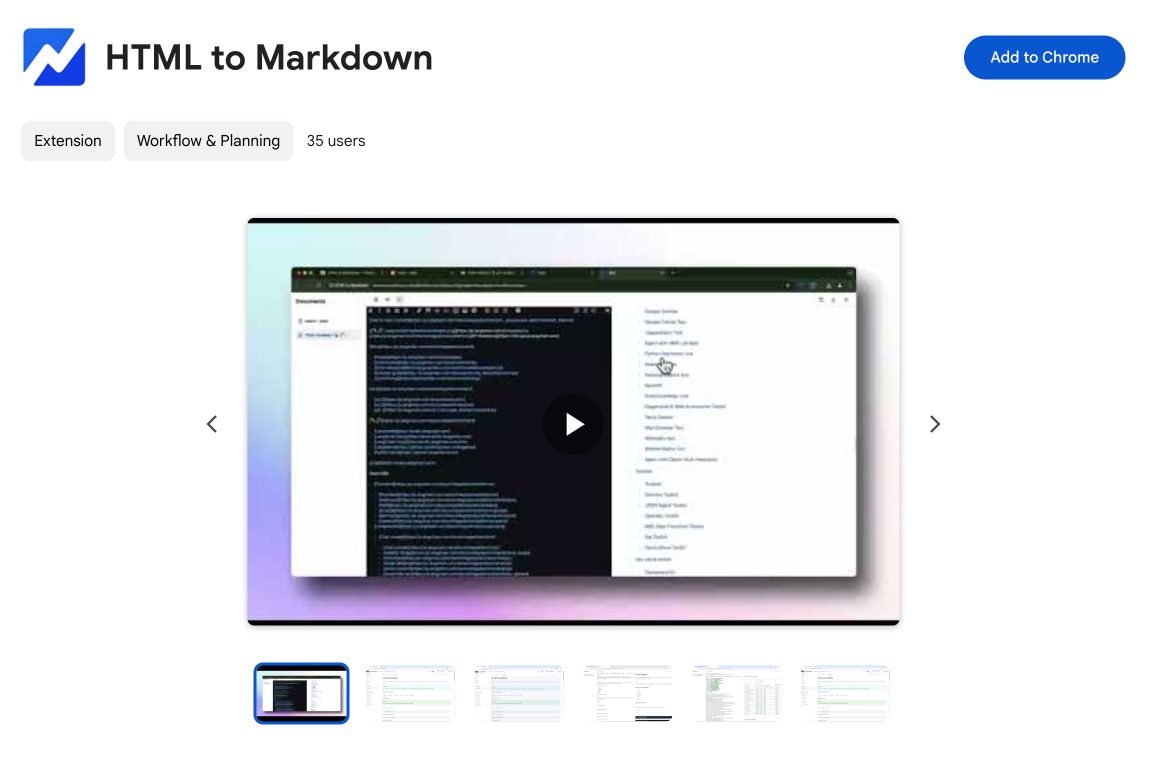
HTML to Markdown
Convert HTML to Markdown with ease, directly in your browser 📄
Dotallio
Personalized AI apps that automate research, data extraction, and content creation without code 🤖
Talk to Santa
Enjoy a magical live video chat or receive a unique AI-generated video greeting from Santa Claus 🎅
pozywka.pl
Scalable blog for food journalist, focused on performance and user experience 🌭
zagrodzki.me
Personal blog and portfolio of Bart Zagrodzki, where he shares his knowledge and work 💼
TurboStarter
Ship your startup everywhere. In minutes.
HTML to Markdown
Convert HTML to Markdown with ease, directly in your browser 📄
Dotallio
Personalized AI apps that automate research, data extraction, and content creation without code 🤖
Talk to Santa
Enjoy a magical live video chat or receive a unique AI-generated video greeting from Santa Claus 🎅
pozywka.pl
Scalable blog for food journalist, focused on performance and user experience 🌭
zagrodzki.me
Personal blog and portfolio of Bart Zagrodzki, where he shares his knowledge and work 💼
TurboStarter
Ship your startup everywhere. In minutes.
HTML to Markdown
Convert HTML to Markdown with ease, directly in your browser 📄
Dotallio
Personalized AI apps that automate research, data extraction, and content creation without code 🤖
Talk to Santa
Enjoy a magical live video chat or receive a unique AI-generated video greeting from Santa Claus 🎅
pozywka.pl
Scalable blog for food journalist, focused on performance and user experience 🌭
zagrodzki.me
Personal blog and portfolio of Bart Zagrodzki, where he shares his knowledge and work 💼
TurboStarter
Ship your startup everywhere. In minutes.
HTML to Markdown
Convert HTML to Markdown with ease, directly in your browser 📄
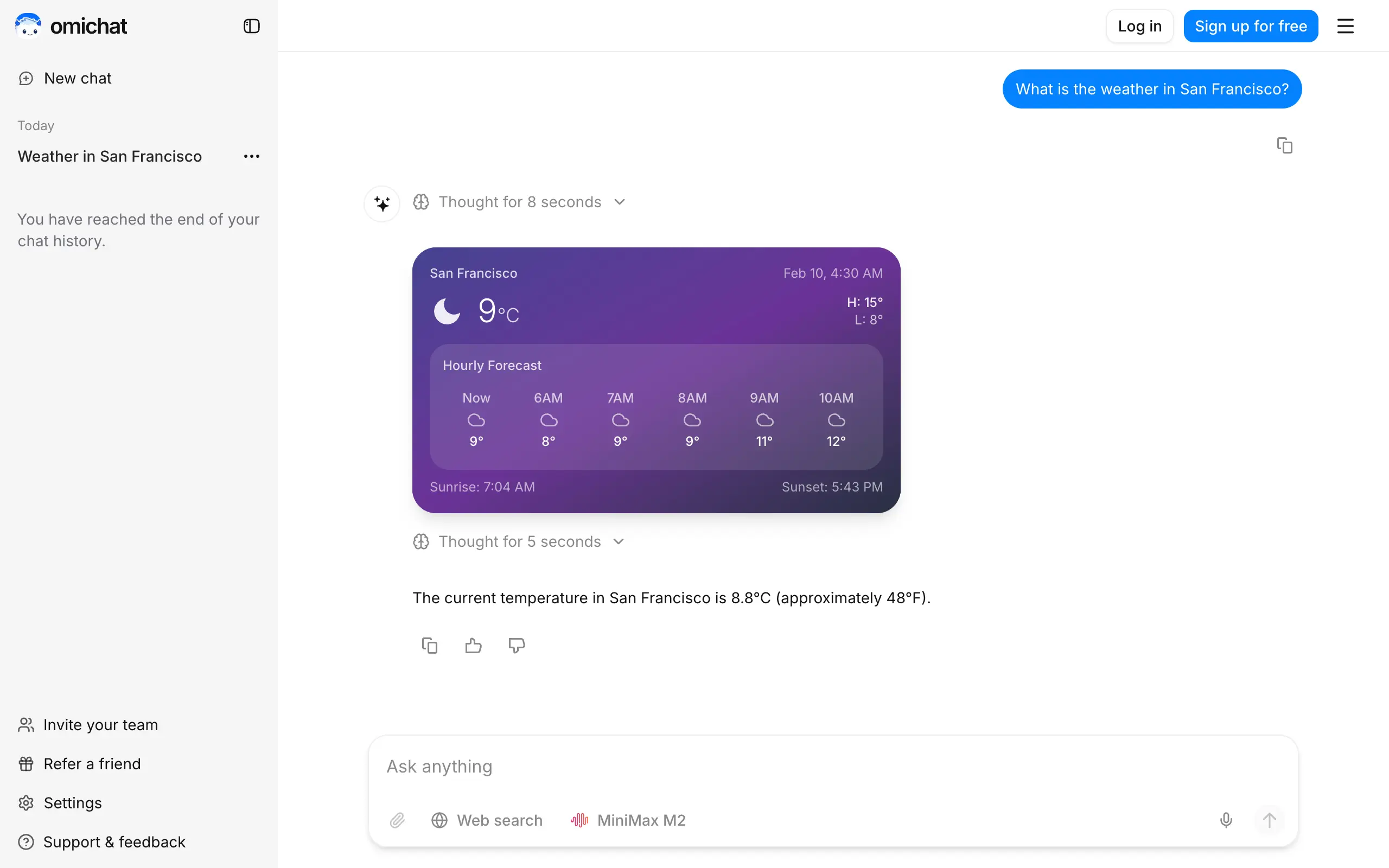
Omichat
Chat with 50+ AI models, including ChatGPT and Claude, in one place - switch models anytime without losing context 🤖
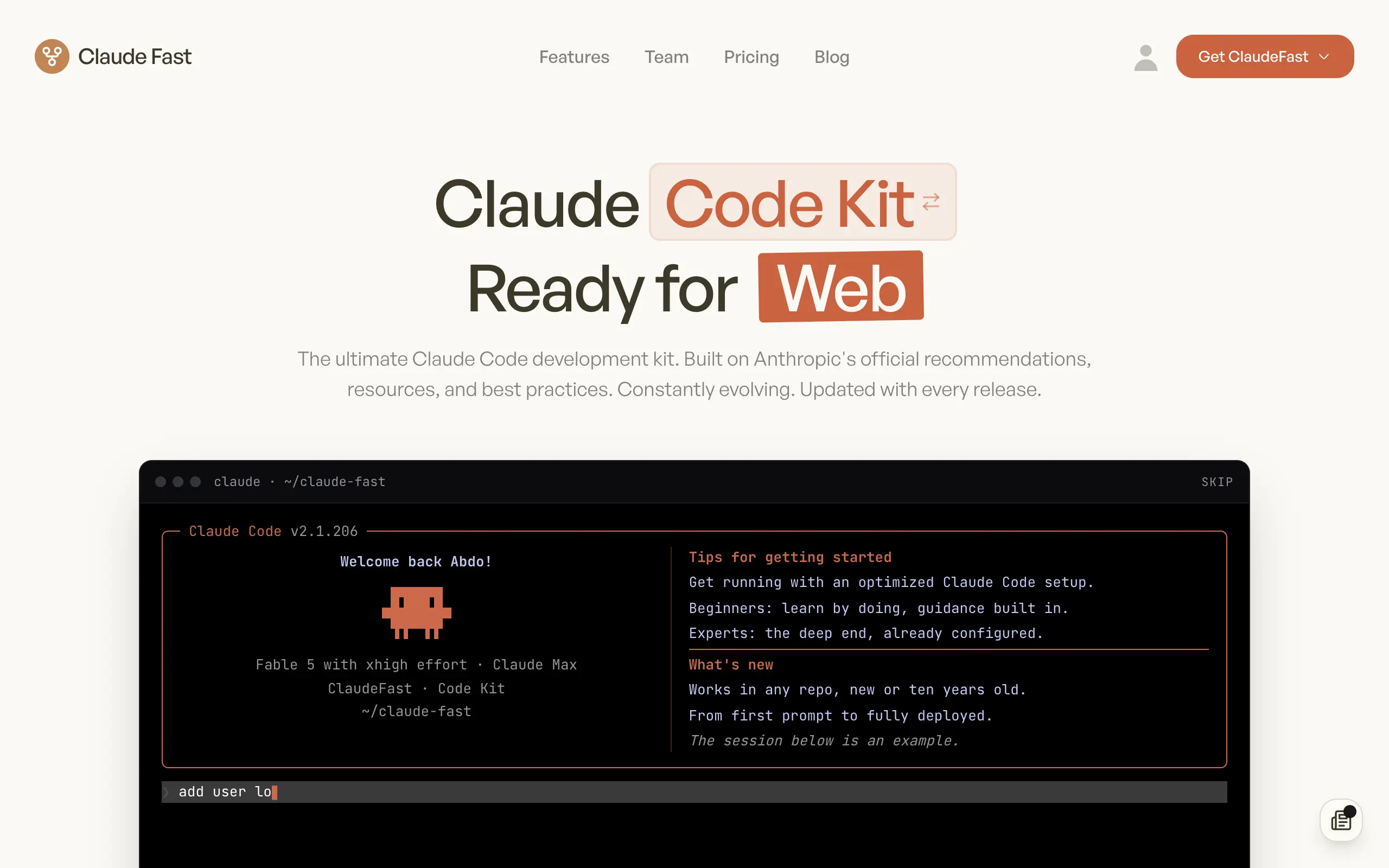
Claude Fast
Supercharge your Claude Code with 6x effective context window and specialized AI agents 🤖
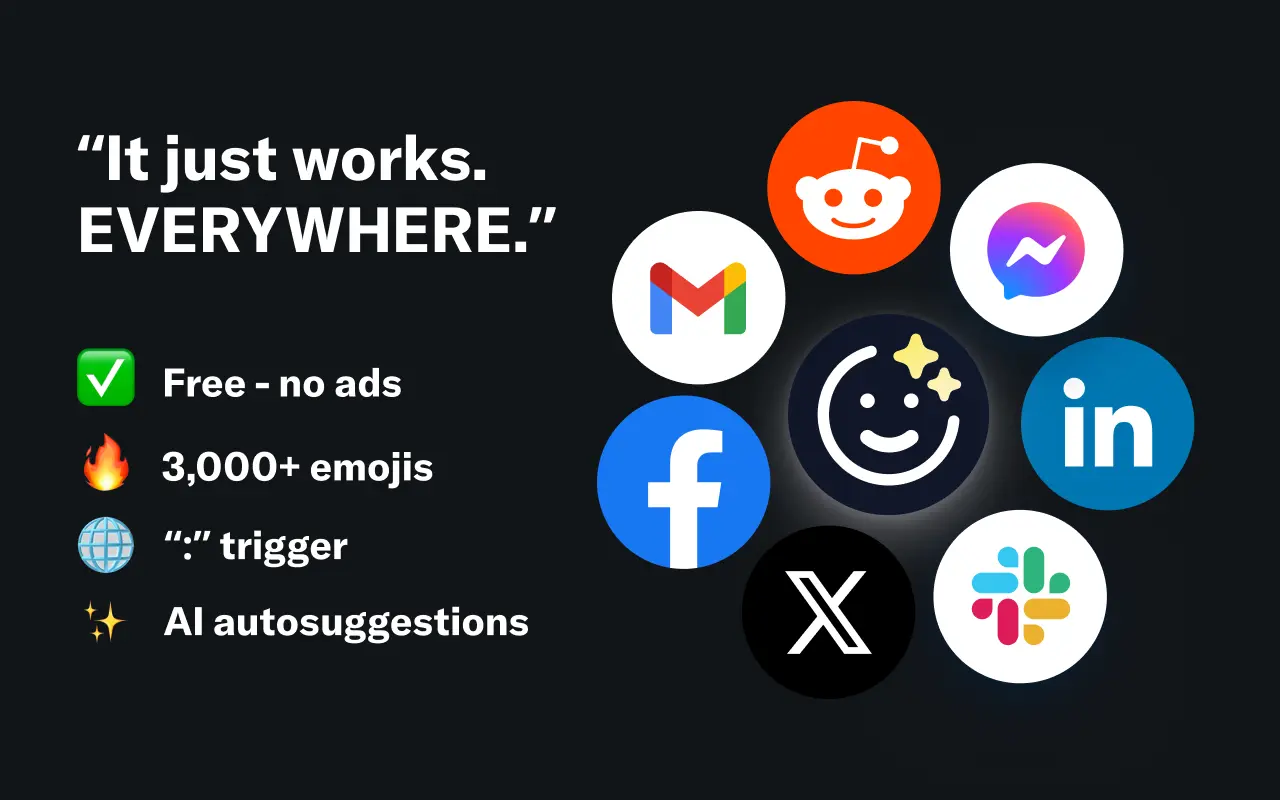
EmojAI
AI-powered emoji picker with smart, context-aware suggestions 🤖
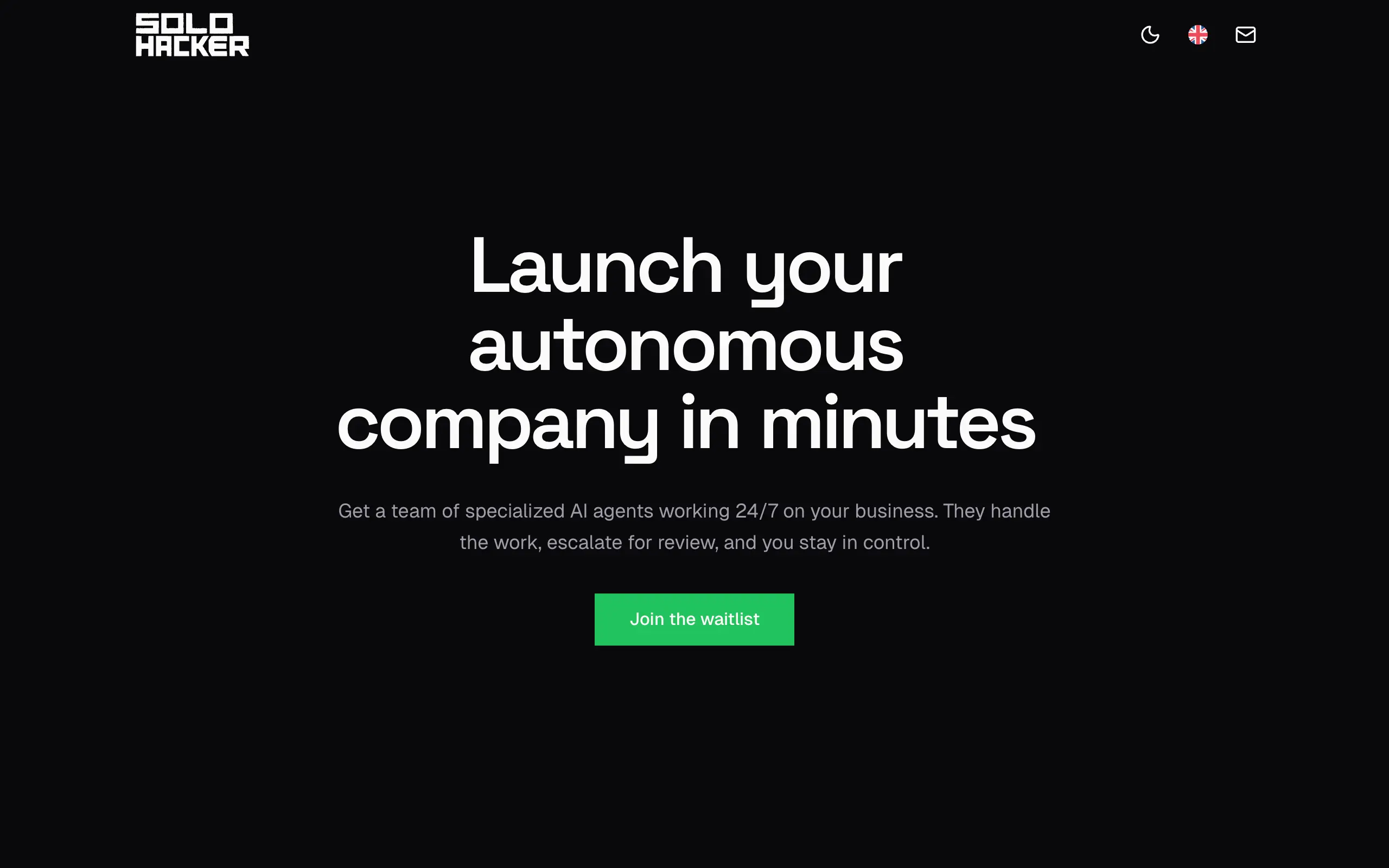
Solohacker
Autonomous company launcher - AI agents work 24/7, escalate what matters, and you stay in control 🤖
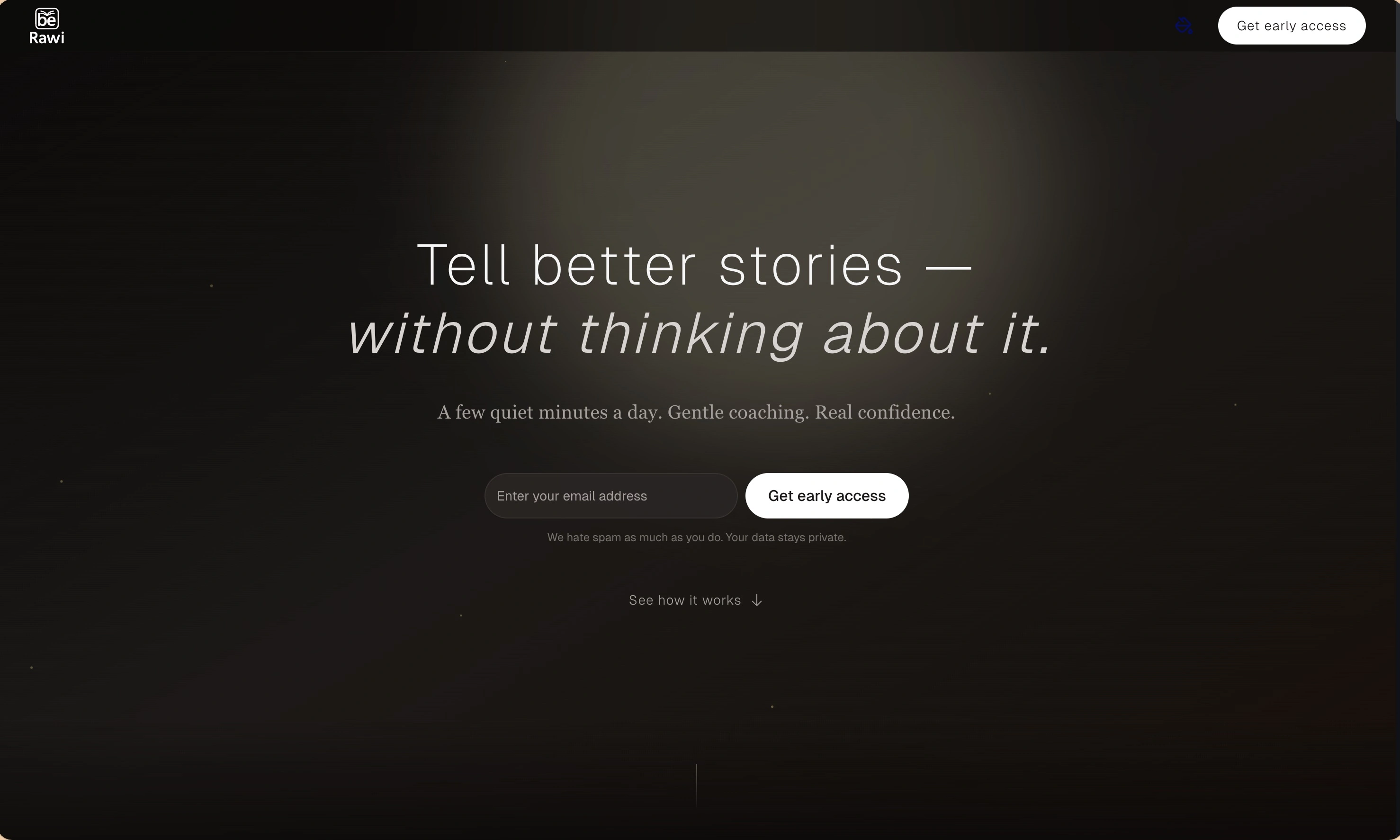
BeRawi: Storytelling Coach
Practice storytelling daily with instant feedback to sound clearer, more engaging, and confident 🎤
Omichat
Chat with 50+ AI models, including ChatGPT and Claude, in one place - switch models anytime without losing context 🤖
Claude Fast
Supercharge your Claude Code with 6x effective context window and specialized AI agents 🤖
EmojAI
AI-powered emoji picker with smart, context-aware suggestions 🤖
Solohacker
Autonomous company launcher - AI agents work 24/7, escalate what matters, and you stay in control 🤖
BeRawi: Storytelling Coach
Practice storytelling daily with instant feedback to sound clearer, more engaging, and confident 🎤
Omichat
Chat with 50+ AI models, including ChatGPT and Claude, in one place - switch models anytime without losing context 🤖
Claude Fast
Supercharge your Claude Code with 6x effective context window and specialized AI agents 🤖
EmojAI
AI-powered emoji picker with smart, context-aware suggestions 🤖
Solohacker
Autonomous company launcher - AI agents work 24/7, escalate what matters, and you stay in control 🤖
BeRawi: Storytelling Coach
Practice storytelling daily with instant feedback to sound clearer, more engaging, and confident 🎤
Omichat
Chat with 50+ AI models, including ChatGPT and Claude, in one place - switch models anytime without losing context 🤖
Claude Fast
Supercharge your Claude Code with 6x effective context window and specialized AI agents 🤖
EmojAI
AI-powered emoji picker with smart, context-aware suggestions 🤖
Solohacker
Autonomous company launcher - AI agents work 24/7, escalate what matters, and you stay in control 🤖
BeRawi: Storytelling Coach
Practice storytelling daily with instant feedback to sound clearer, more engaging, and confident 🎤

Connect with like-minded people
Join our community to get feedback, support, and grow together with 1,000+ builders on board, let's ship it!
Join usShip your startup everywhere. In minutes.
Don't burn tokens on setup and start building features on day one.