Visual Storyboarder
Easily turn your ideas into visual storyboards using templates and AI suggestions. Ideal for content creators, educators, and marketers.
Understanding the need for a visual storyboarder
In today's fast-paced digital landscape, the ability to communicate ideas visually is more important than ever. Whether you're a content creator, educator, or marketer, transforming abstract concepts into compelling visual narratives can make the difference between capturing attention and being overlooked. This is where a visual storyboarder comes into play—a SaaS solution designed to help users easily turn their ideas into visual storyboards using templates and AI-powered suggestions.
The demand for intuitive, accessible, and intelligent storyboarding tools is growing rapidly. As video content, e-learning modules, and digital marketing campaigns become increasingly visual, the need for streamlined tools that bridge the gap between ideation and execution is clear. In this article, we'll explore the market opportunity, target audience, core features, technology stack, monetization strategies, risks, and the unique advantages of launching a B2C SaaS like Visual Storyboarder.
Who needs a visual storyboarder? Target audience analysis
Understanding your audience is the cornerstone of any successful SaaS product. For Visual Storyboarder, the primary user segments include:
1. Content creators
- YouTubers, vloggers, and filmmakers: Need to plan video sequences, scenes, and transitions.
- Podcasters and scriptwriters: Use storyboards to visualize audio content or scripts.
- Animators and illustrators: Require visual outlines before production.
2. Educators
- Teachers and instructional designers: Create lesson plans, explainer videos, and e-learning modules.
- Corporate trainers: Develop onboarding materials and training content.
3. Marketers
- Social media managers: Plan campaigns, ad sequences, and branded content.
- Agencies and freelancers: Pitch concepts to clients with clear visual narratives.
4. Product teams
- UX/UI designers: Map out user flows and app walkthroughs.
- Product managers: Communicate feature ideas visually to stakeholders.
Key user needs
- Speed and simplicity: Users want to go from idea to storyboard quickly.
- Professional polish: Templates and AI suggestions help non-designers create visually appealing storyboards.
- Collaboration: Teams need to share, comment, and iterate in real time.
- Exportability: Ability to export storyboards in various formats (PDF, PNG, PPT, etc.).
Identifying the market opportunity and gaps
The storyboarding market is evolving, but significant gaps remain:
- Traditional tools are complex: Software like Adobe Photoshop or Illustrator is powerful but has a steep learning curve.
- Generic diagramming tools lack focus: Apps like PowerPoint or Google Slides are not optimized for storyboarding workflows.
- Few AI-powered solutions: Most tools lack intelligent suggestions, requiring users to start from scratch.
- Limited template libraries: Many platforms offer only basic templates, making it hard to achieve a professional look quickly.
Market trends
- Rise of video content: According to recent industry reports, over 80% of internet traffic is video-based (source: suggest referencing Cisco Visual Networking Index).
- Remote collaboration: The shift to remote work has increased demand for cloud-based, collaborative tools.
- AI adoption: AI-driven design and content generation are becoming mainstream, with users expecting smart assistance.
Market insight
The intersection of AI, visual communication, and remote collaboration presents a unique opportunity for a SaaS like Visual Storyboarder to stand out.
Core features and solution details
A successful visual storyboarder must deliver a seamless, intuitive, and intelligent user experience. Here are the essential features:
1. Template-driven storyboarding
- Diverse template library: Pre-built templates for different use cases (video, education, marketing, UX flows).
- Customizable layouts: Users can tweak templates to fit their unique needs.
2. AI-powered suggestions
- Scene generation: AI suggests scene layouts, transitions, and visual elements based on user input.
- Content enhancement: Smart recommendations for text, images, and icons.
- Auto-complete and auto-layout: Reduce manual effort and speed up the process.
3. Drag-and-drop editor
- Intuitive interface: Easily add, remove, and rearrange storyboard panels.
- Rich media support: Upload images, videos, audio, and vector graphics.
4. Collaboration tools
- Real-time editing: Multiple users can work on the same storyboard simultaneously.
- Comments and feedback: Threaded discussions and annotations.
5. Export and sharing options
- Multiple formats: Export to PDF, PNG, PPT, or share via a public link.
- Version history: Track changes and revert to previous versions.
6. Integrations
- Cloud storage: Connect with Google Drive, Dropbox, etc.
- Design tools: Import assets from Figma, Canva, or Adobe Creative Cloud.
7. Accessibility and device support
- Responsive design: Works on desktop, tablet, and mobile.
- Accessibility features: Keyboard navigation, screen reader support.
AI-powered suggestions
Get instant scene and layout ideas based on your project type.
Collaboration
Work with your team in real time, leave comments, and iterate faster.
Export options
Download your storyboard in multiple formats or share a live link.
Recommended tech stack for a visual storyboarder
Choosing the right technology stack is crucial for scalability, performance, and user experience. Here’s a recommended stack, along with trade-offs:
Frontend
- React: Popular, component-based, and ideal for building interactive UIs.
- TailwindCSS: Utility-first CSS framework for rapid styling.
- Redux or Recoil: For state management, especially in collaborative editing scenarios.
- Fabric.js or Konva.js: For canvas-based drawing and manipulation.
Backend
- Node.js with Express: Fast, scalable, and JavaScript-friendly.
- Python (for AI/ML modules): Leverage libraries like TensorFlow or PyTorch for AI-powered suggestions.
Database
- PostgreSQL: Reliable, scalable relational database.
- Redis: For real-time collaboration and caching.
Cloud & DevOps
- AWS or Google Cloud: For hosting, storage, and AI services.
- Docker: Containerization for easy deployment.
- GitHub Actions: CI/CD automation.
Integrations
Trade-offs
- React vs. Vue: React has a larger ecosystem and more third-party libraries, but Vue may offer a gentler learning curve.
- Custom AI vs. third-party APIs: Building your own AI models offers more control but requires more resources. Third-party APIs (like OpenAI) can accelerate development but may have usage costs and limitations.
No-code tools are great for MVPs, but for advanced AI features, real-time collaboration, and custom export options, a custom stack is more flexible and scalable.
Monetization strategy options
A B2C SaaS like Visual Storyboarder can adopt several monetization models:
1. Freemium
- Free tier: Limited templates, basic AI suggestions, watermarked exports.
- Premium tier: Full template library, advanced AI, unlimited exports, team collaboration.
2. Subscription plans
- Monthly/annual billing: Discounted rates for annual commitments.
- Team plans: Volume discounts for organizations or educational institutions.
3. Pay-per-export
- Microtransactions: Users pay a small fee for each high-resolution or commercial-use export.
4. Marketplace
- Template marketplace: Allow designers to sell custom storyboard templates, taking a commission.
5. Affiliate partnerships
- Integrations: Partner with stock image/video providers and earn referral fees.
| Freemium | Subscription | Pay-per-export | Marketplace | Affiliate |
|---|---|---|---|---|
| ✅ | ❌ | ❌ | ✅ | ❌ |
| ✅ | ❌ | ✅ | ✅ | ❌ |
Potential risks and mitigation strategies
Launching a SaaS like Visual Storyboarder comes with challenges. Here’s how to address them:
1. Market saturation
- Risk: Competing with established tools (e.g., Canva, Storyboard That).
- Mitigation: Focus on AI-powered features, niche templates, and superior collaboration.
2. AI accuracy and bias
- Risk: AI suggestions may be irrelevant or biased.
- Mitigation: Continuously train models on diverse datasets and allow user feedback to improve suggestions.
3. User retention
- Risk: Users may try the tool once and churn.
- Mitigation: Onboarding tutorials, gamification, and regular feature updates.
4. Data privacy
- Risk: Handling sensitive user content.
- Mitigation: Implement strong encryption, GDPR compliance, and transparent privacy policies.
5. Scalability
- Risk: Performance issues as user base grows.
- Mitigation: Use scalable cloud infrastructure and monitor usage patterns.
Pro tip
Regularly collect user feedback and iterate quickly to stay ahead of competitors and evolving user needs.
Competitive advantage analysis
To stand out in the visual storyboarding space, Visual Storyboarder must offer clear, tangible benefits:
Unique selling propositions (USPs)
- AI-driven ideation: Instantly generate scene ideas, layouts, and visual elements tailored to your project.
- Template diversity: Extensive library covering video, education, marketing, and UX.
- Real-time collaboration: Seamless teamwork, even across remote teams.
- Export flexibility: Multiple formats for every workflow.
- User-friendly interface: Designed for non-designers and professionals alike.
How Visual Storyboarder compares
- AI-powered suggestions
- Rich, niche templates
- Real-time collaboration
- Easy export options
- Designed for storyboarding
- Steep learning curve
- Manual design work
- Limited collaboration
- Expensive licenses
- Not optimized for storyboarding
- Basic shapes and slides
- No AI assistance
- Generic templates
- Limited export options
- Not purpose-built
Actionable implementation steps
Ready to bring Visual Storyboarder to life? Here’s a step-by-step roadmap:
Conclusion: Why Visual Storyboarder is the future of visual storytelling
The need for fast, intelligent, and accessible storyboarding tools is only growing. By combining AI-powered suggestions, a rich template library, and seamless collaboration, Visual Storyboarder is uniquely positioned to empower content creators, educators, and marketers to bring their ideas to life—faster and more beautifully than ever before.
If you're looking to build or invest in a SaaS that addresses a real, growing need with a clear competitive edge, Visual Storyboarder is a compelling opportunity. For rapid prototyping and MVP development, consider leveraging platforms like TurboStarter to accelerate your go-to-market journey.
Frequently asked questions
The platform leverages AI to suggest scene layouts, transitions, and visual elements based on your project type and content, saving you time and sparking creativity.
Yes, real-time collaboration features allow multiple users to edit, comment, and iterate on storyboards together.
You can export your storyboards in PDF, PNG, PPT, or share a live link for easy distribution.
Absolutely! The intuitive interface and AI-powered suggestions make it easy for anyone to create professional storyboards.
By focusing on user needs, leveraging the latest technology, and offering a truly differentiated experience, Visual Storyboarder can become the go-to solution for visual storytelling in the digital age.
More 👥 B2C Application SaaS ideas
Discover more innovative b2c application SaaS ideas that are trending in 2026. Each idea is AI-generated with market validation and growth potential to help you find your next profitable venture faster than competitors.
Your competitors are building with TurboStarter
Below are some of the SaaS ideas that have been generated and built with our starter kit.
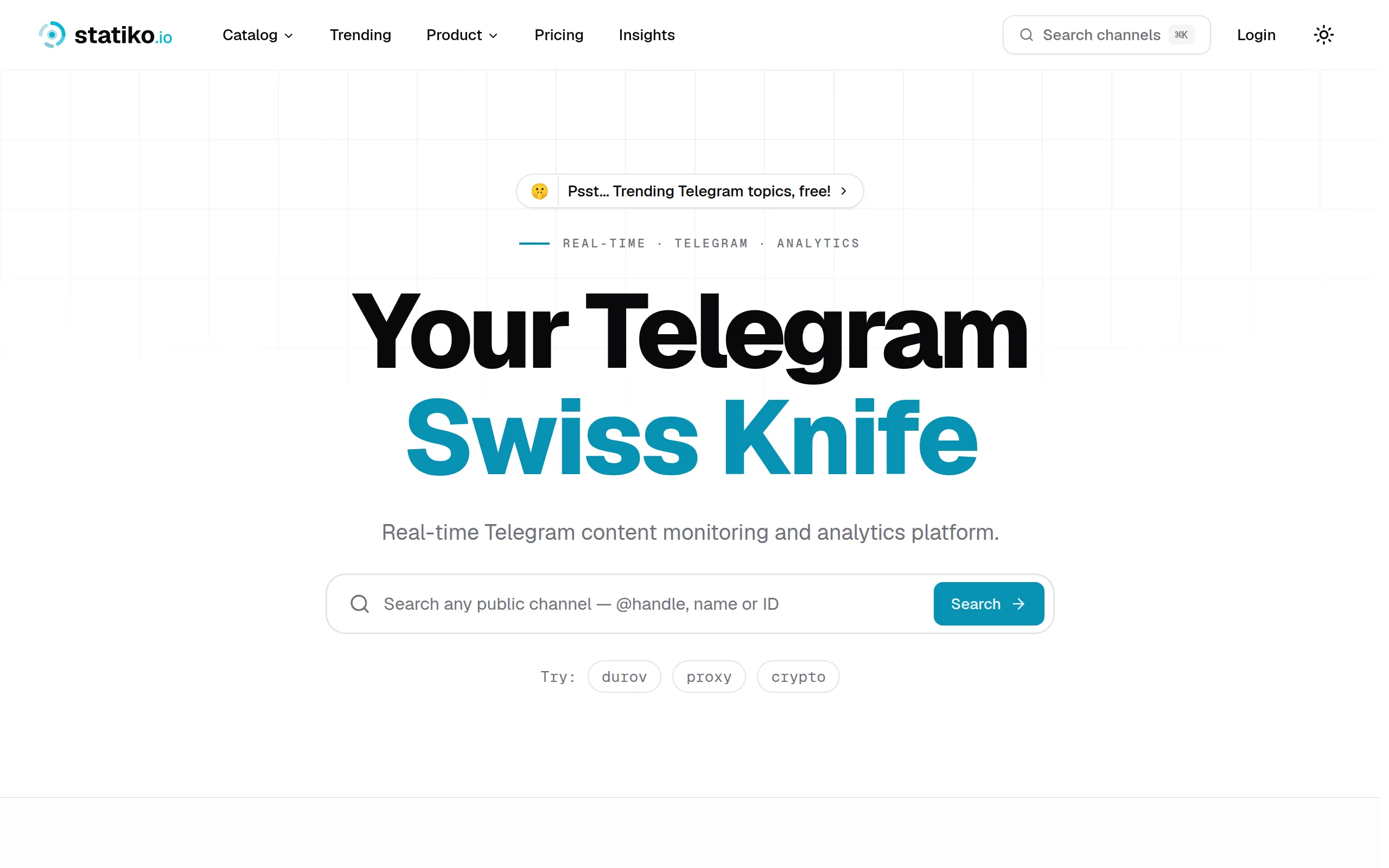
Statiko
Monitor any Telegram channel in real time - track posts, edits, deletions, and growth with AI recaps 📡

Shibui
AI website builder - describe your business, pick a niche template, edit by chatting, and publish instantly ✨

Pro Service
Find verified home service professionals, compare quotes, and pay securely through escrow - built for Brazilians across the US 🏠
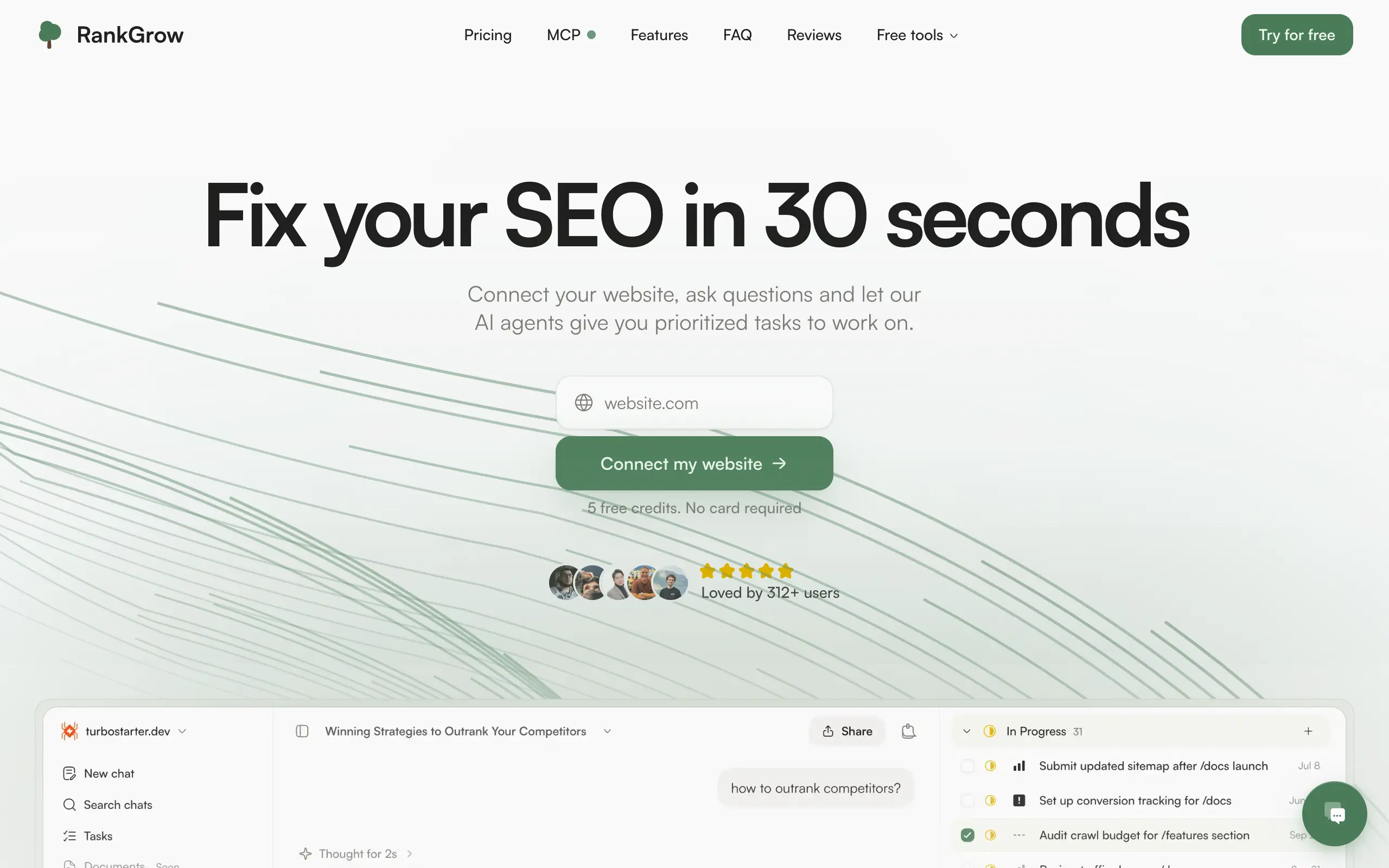
RankGrow
Fix your SEO with AI agents - connect Search Console, get prioritized tasks, and grow organic traffic 📈
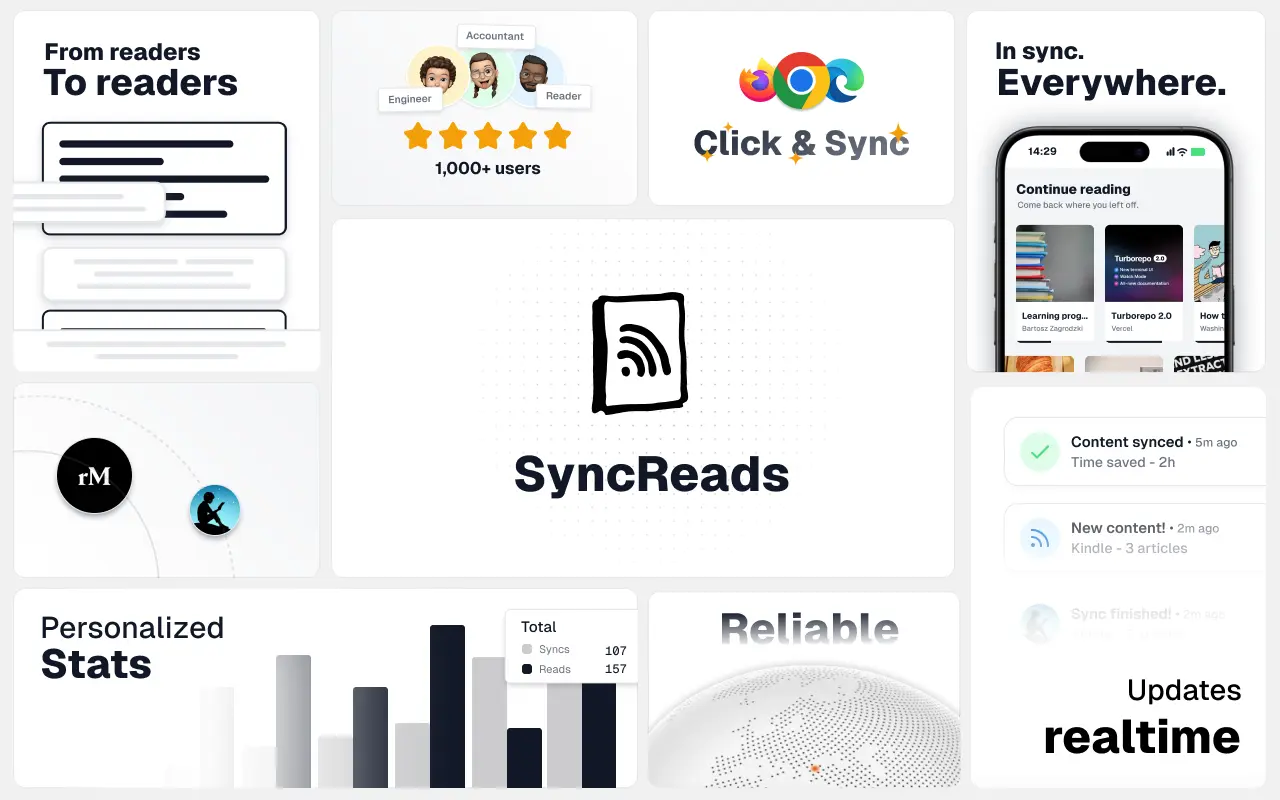
SyncReads
Sync your favorite content for distraction-free reading, save time and replace multiple apps. Anytime, anywhere 🔄
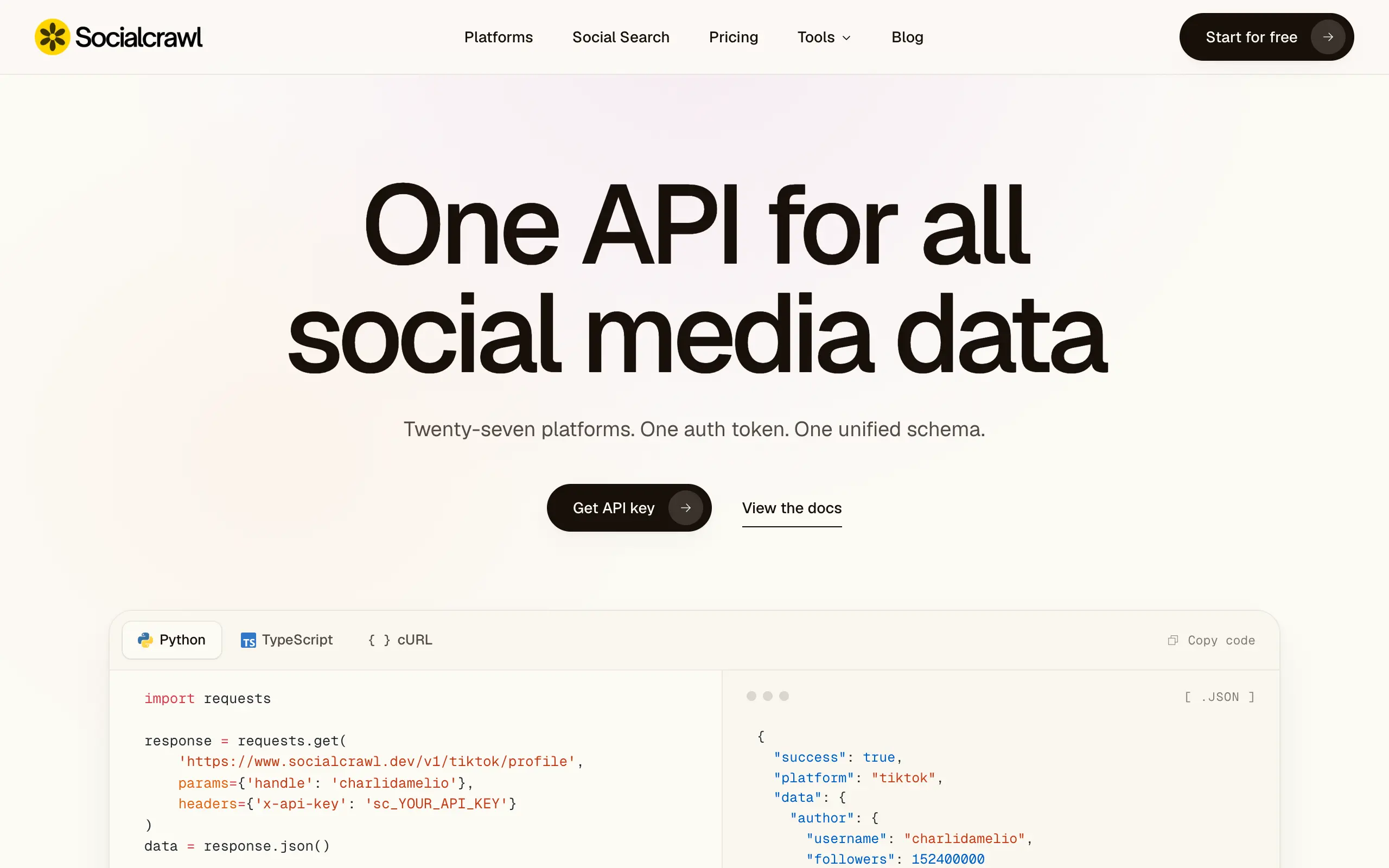
Socialcrawl
Get clean, structured data from 21 platforms like TikTok, Instagram, and YouTube with a single request 📊
Statiko
Monitor any Telegram channel in real time - track posts, edits, deletions, and growth with AI recaps 📡
Shibui
AI website builder - describe your business, pick a niche template, edit by chatting, and publish instantly ✨
Pro Service
Find verified home service professionals, compare quotes, and pay securely through escrow - built for Brazilians across the US 🏠
RankGrow
Fix your SEO with AI agents - connect Search Console, get prioritized tasks, and grow organic traffic 📈
SyncReads
Sync your favorite content for distraction-free reading, save time and replace multiple apps. Anytime, anywhere 🔄
Socialcrawl
Get clean, structured data from 21 platforms like TikTok, Instagram, and YouTube with a single request 📊
Statiko
Monitor any Telegram channel in real time - track posts, edits, deletions, and growth with AI recaps 📡
Shibui
AI website builder - describe your business, pick a niche template, edit by chatting, and publish instantly ✨
Pro Service
Find verified home service professionals, compare quotes, and pay securely through escrow - built for Brazilians across the US 🏠
RankGrow
Fix your SEO with AI agents - connect Search Console, get prioritized tasks, and grow organic traffic 📈
SyncReads
Sync your favorite content for distraction-free reading, save time and replace multiple apps. Anytime, anywhere 🔄
Socialcrawl
Get clean, structured data from 21 platforms like TikTok, Instagram, and YouTube with a single request 📊
Statiko
Monitor any Telegram channel in real time - track posts, edits, deletions, and growth with AI recaps 📡
Shibui
AI website builder - describe your business, pick a niche template, edit by chatting, and publish instantly ✨
Pro Service
Find verified home service professionals, compare quotes, and pay securely through escrow - built for Brazilians across the US 🏠
RankGrow
Fix your SEO with AI agents - connect Search Console, get prioritized tasks, and grow organic traffic 📈
SyncReads
Sync your favorite content for distraction-free reading, save time and replace multiple apps. Anytime, anywhere 🔄
Socialcrawl
Get clean, structured data from 21 platforms like TikTok, Instagram, and YouTube with a single request 📊
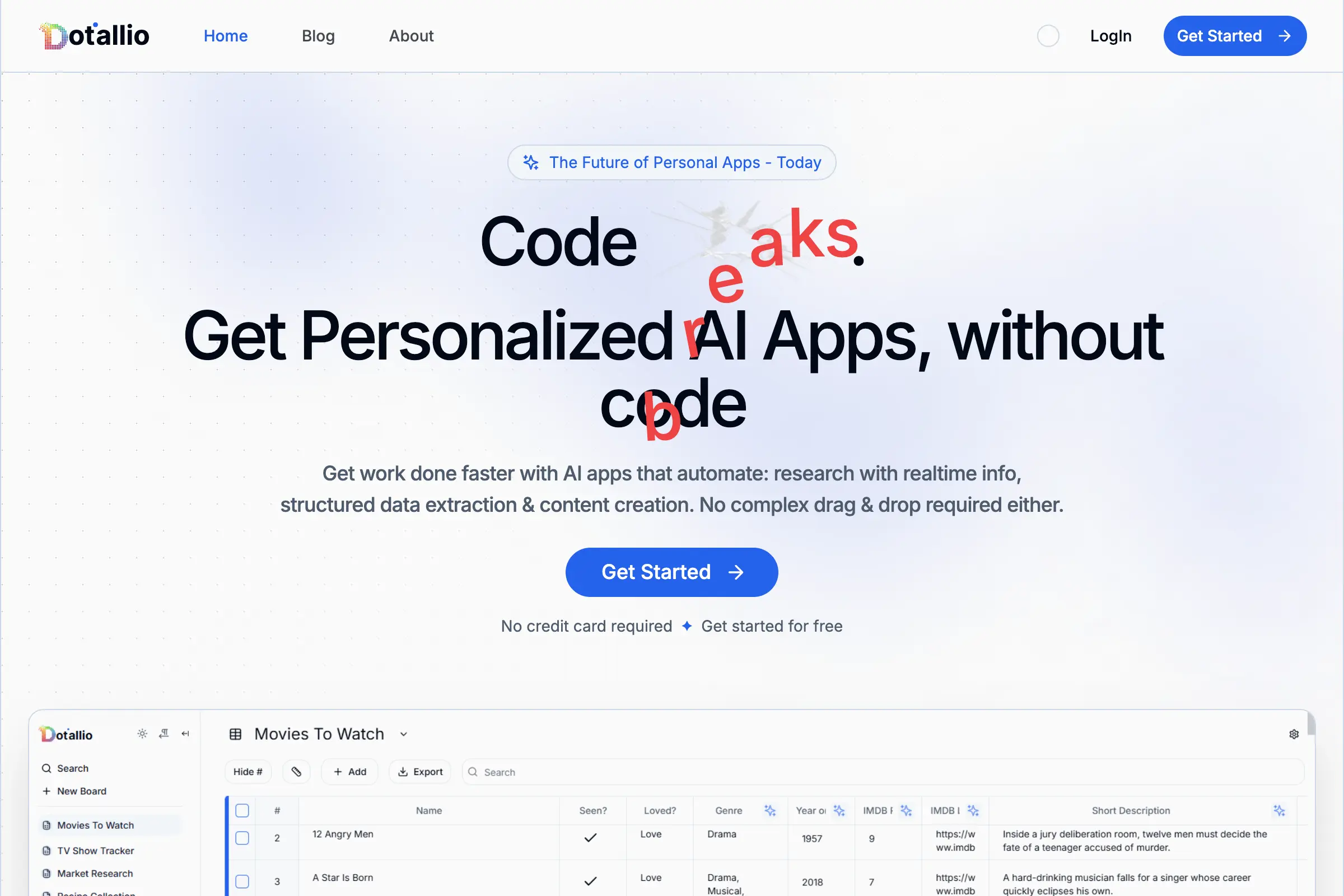
Dotallio
Personalized AI apps that automate research, data extraction, and content creation without code 🤖
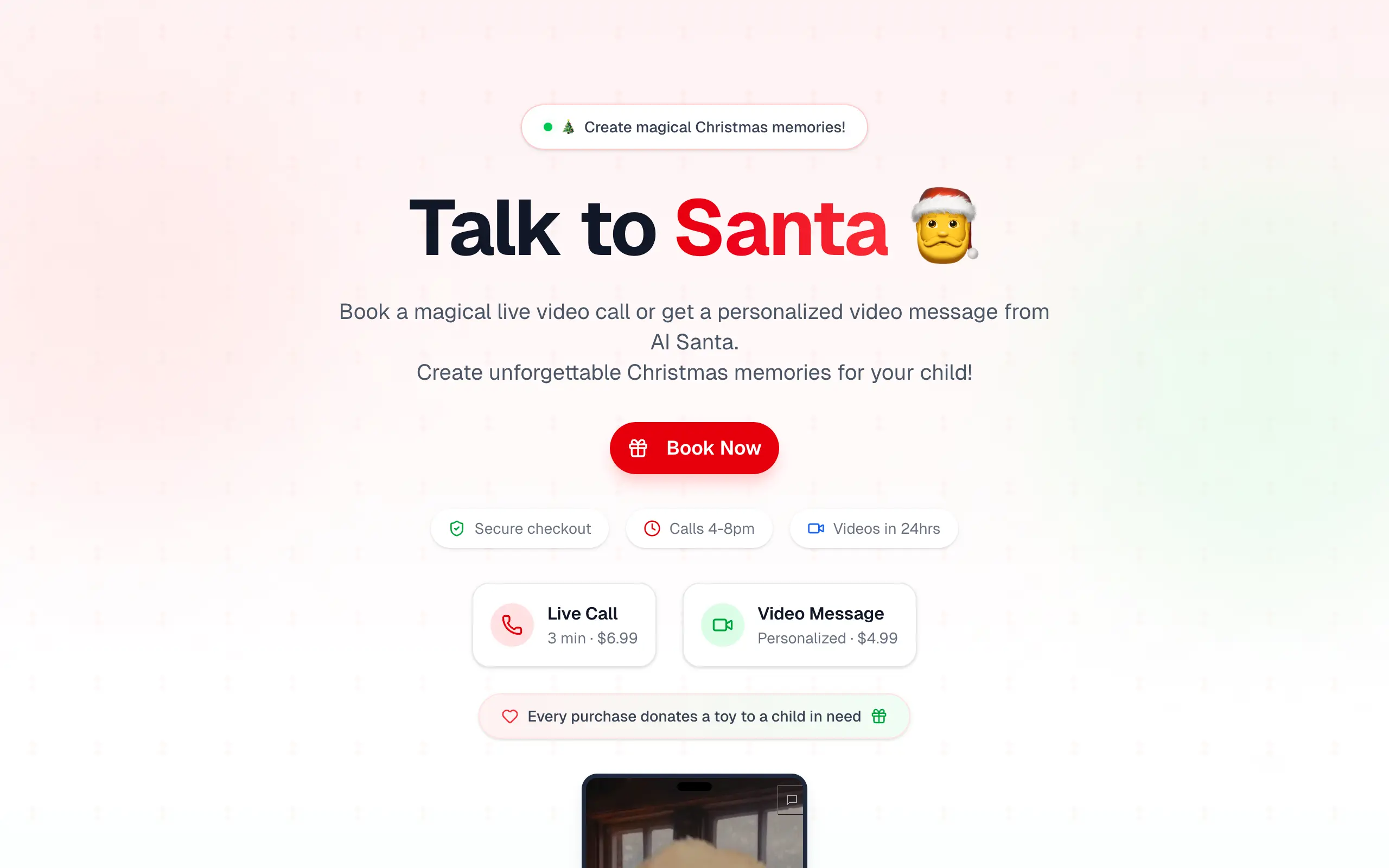
Talk to Santa
Enjoy a magical live video chat or receive a unique AI-generated video greeting from Santa Claus 🎅
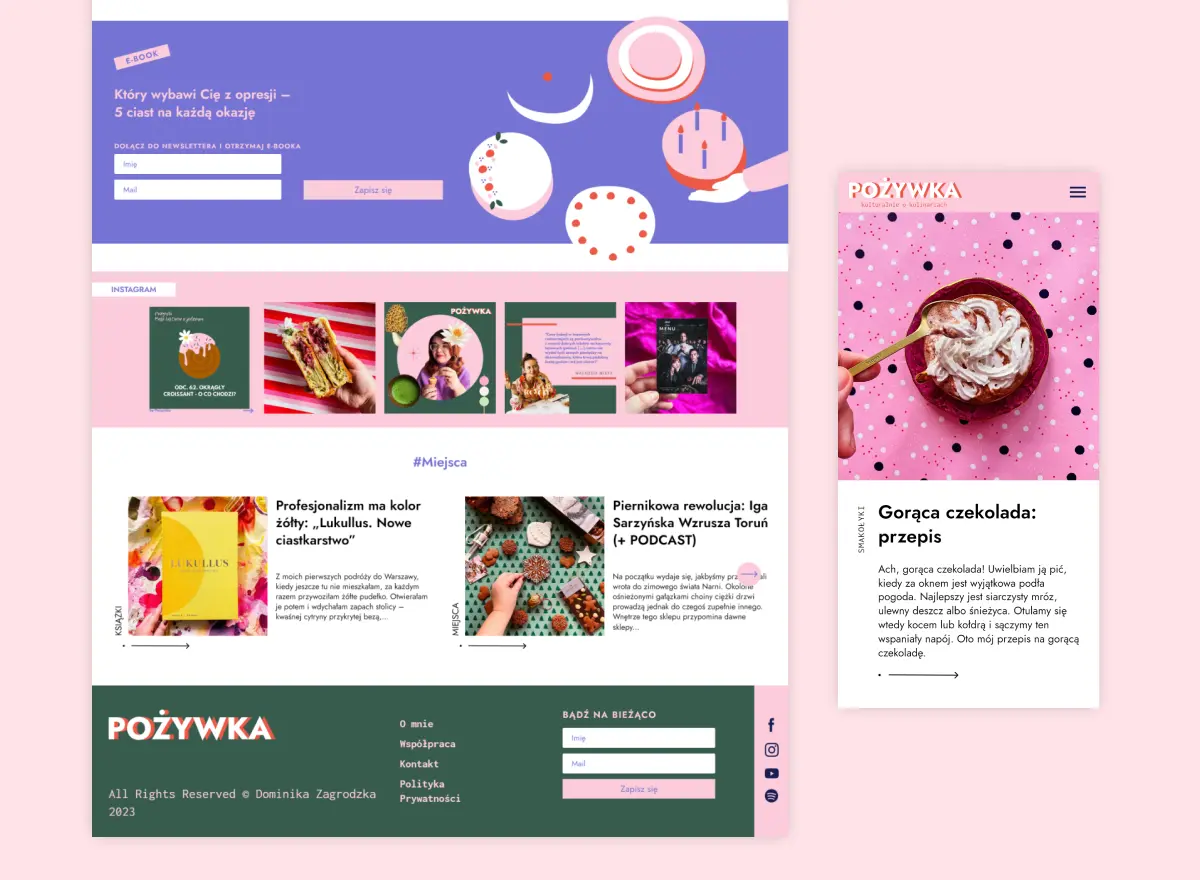
pozywka.pl
Scalable blog for food journalist, focused on performance and user experience 🌭
zagrodzki.me
Personal blog and portfolio of Bart Zagrodzki, where he shares his knowledge and work 💼
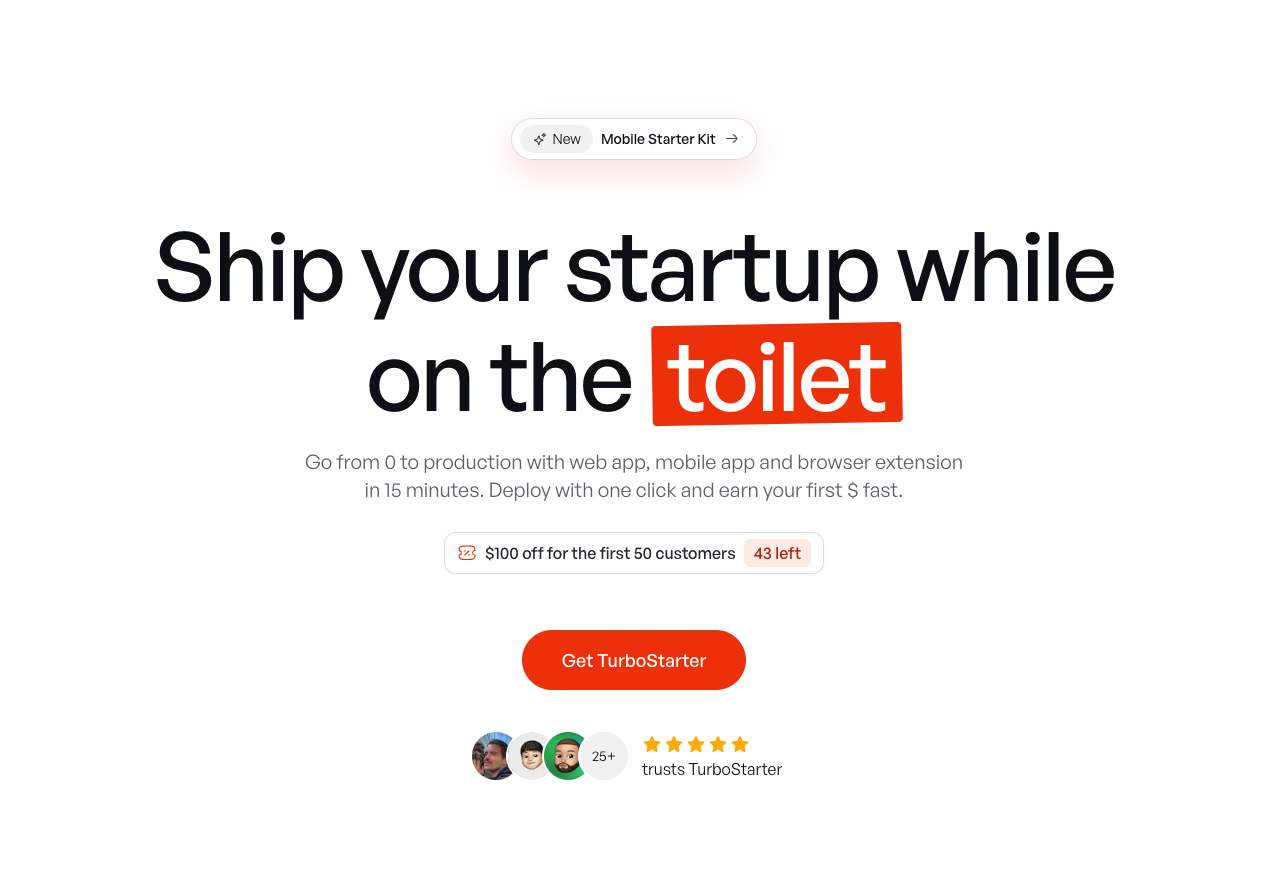
TurboStarter
Ship your startup everywhere. In minutes.
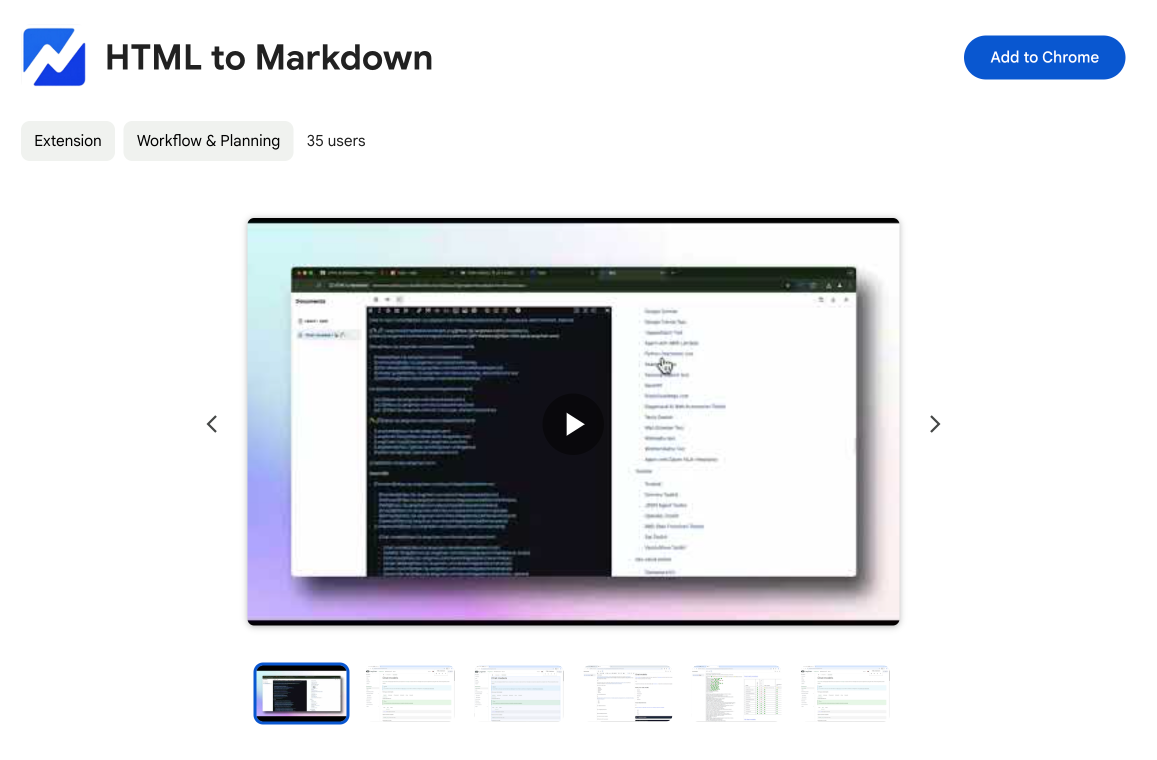
HTML to Markdown
Convert HTML to Markdown with ease, directly in your browser 📄
Dotallio
Personalized AI apps that automate research, data extraction, and content creation without code 🤖
Talk to Santa
Enjoy a magical live video chat or receive a unique AI-generated video greeting from Santa Claus 🎅
pozywka.pl
Scalable blog for food journalist, focused on performance and user experience 🌭
zagrodzki.me
Personal blog and portfolio of Bart Zagrodzki, where he shares his knowledge and work 💼
TurboStarter
Ship your startup everywhere. In minutes.
HTML to Markdown
Convert HTML to Markdown with ease, directly in your browser 📄
Dotallio
Personalized AI apps that automate research, data extraction, and content creation without code 🤖
Talk to Santa
Enjoy a magical live video chat or receive a unique AI-generated video greeting from Santa Claus 🎅
pozywka.pl
Scalable blog for food journalist, focused on performance and user experience 🌭
zagrodzki.me
Personal blog and portfolio of Bart Zagrodzki, where he shares his knowledge and work 💼
TurboStarter
Ship your startup everywhere. In minutes.
HTML to Markdown
Convert HTML to Markdown with ease, directly in your browser 📄
Dotallio
Personalized AI apps that automate research, data extraction, and content creation without code 🤖
Talk to Santa
Enjoy a magical live video chat or receive a unique AI-generated video greeting from Santa Claus 🎅
pozywka.pl
Scalable blog for food journalist, focused on performance and user experience 🌭
zagrodzki.me
Personal blog and portfolio of Bart Zagrodzki, where he shares his knowledge and work 💼
TurboStarter
Ship your startup everywhere. In minutes.
HTML to Markdown
Convert HTML to Markdown with ease, directly in your browser 📄
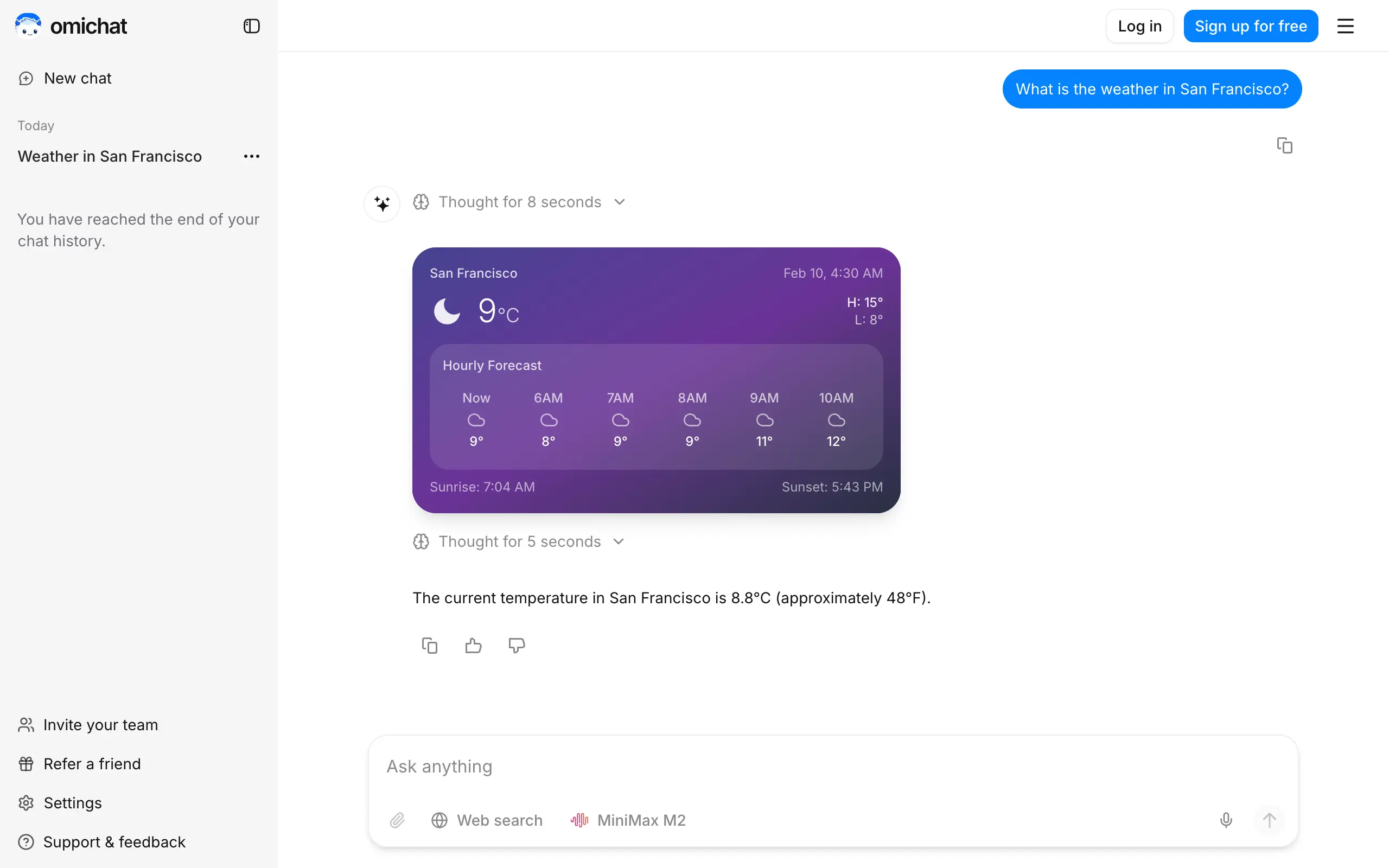
Omichat
Chat with 50+ AI models, including ChatGPT and Claude, in one place - switch models anytime without losing context 🤖
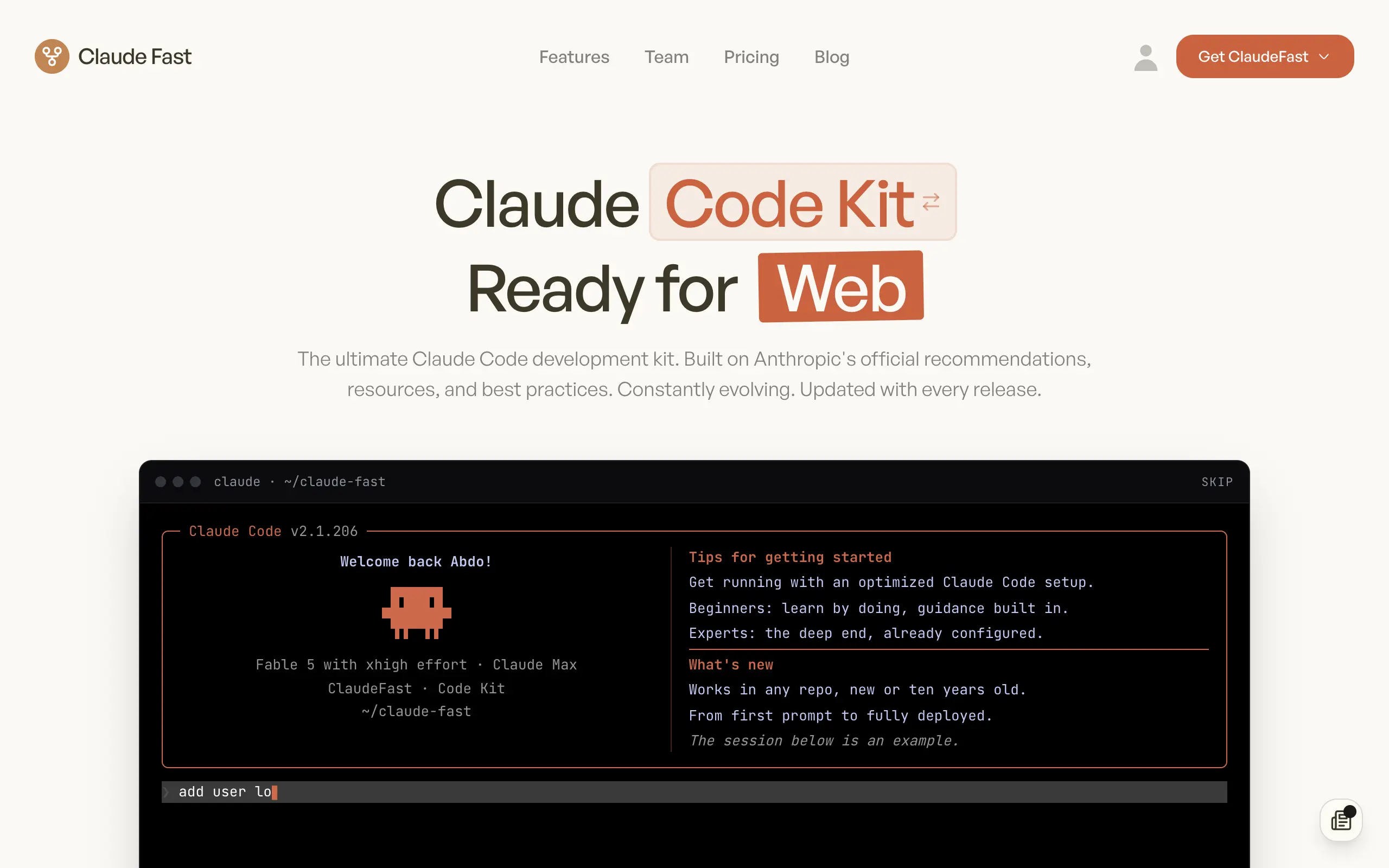
Claude Fast
Supercharge your Claude Code with 6x effective context window and specialized AI agents 🤖
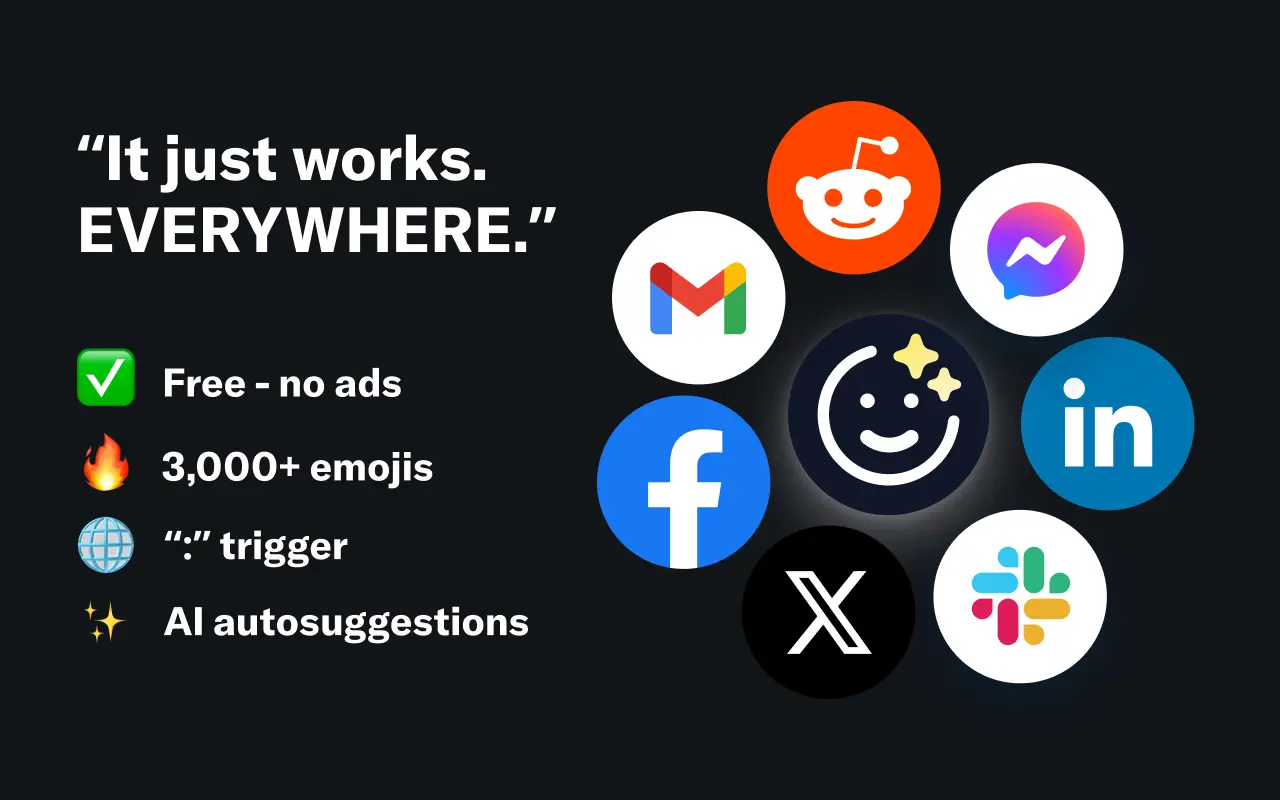
EmojAI
AI-powered emoji picker with smart, context-aware suggestions 🤖
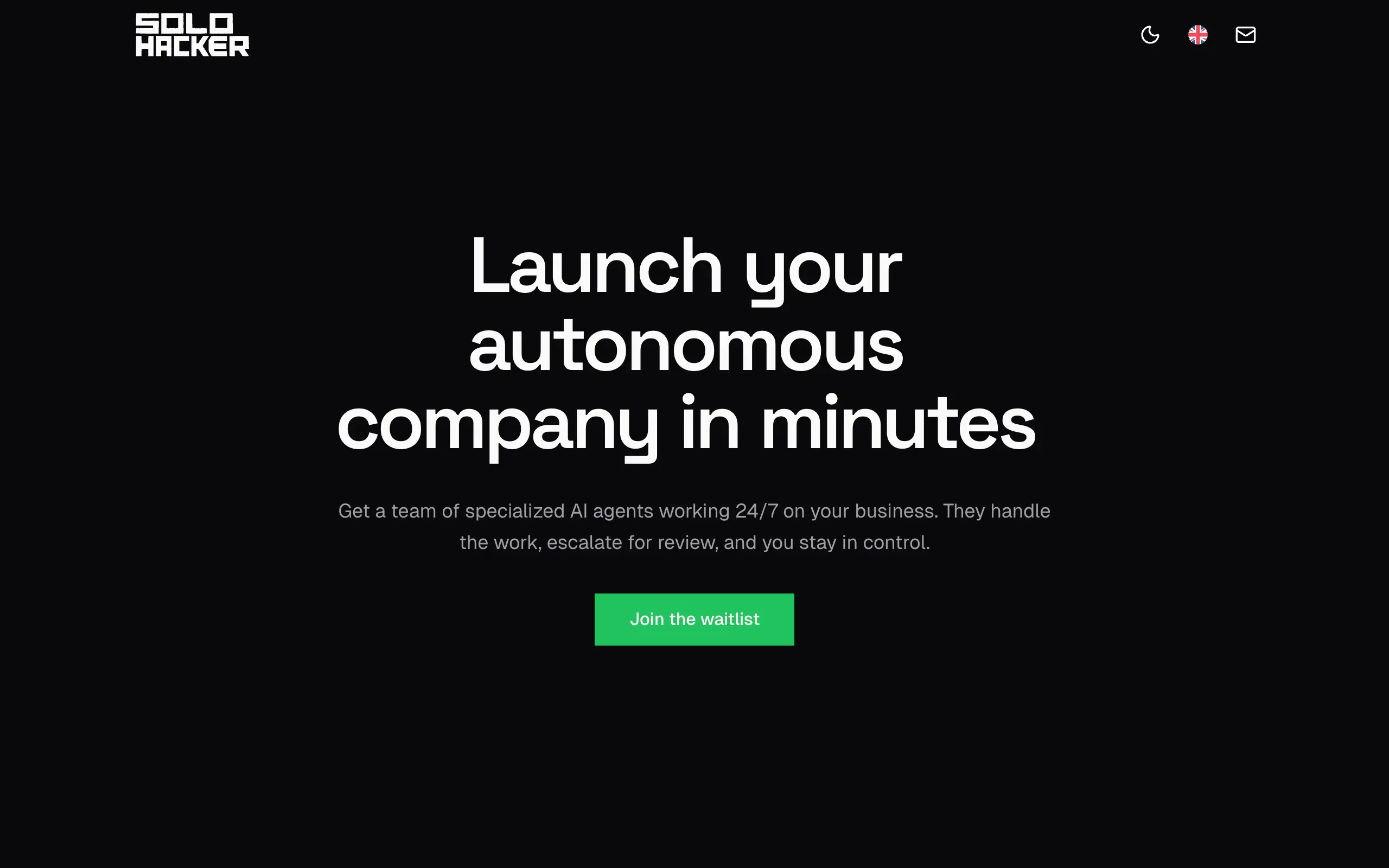
Solohacker
Autonomous company launcher - AI agents work 24/7, escalate what matters, and you stay in control 🤖
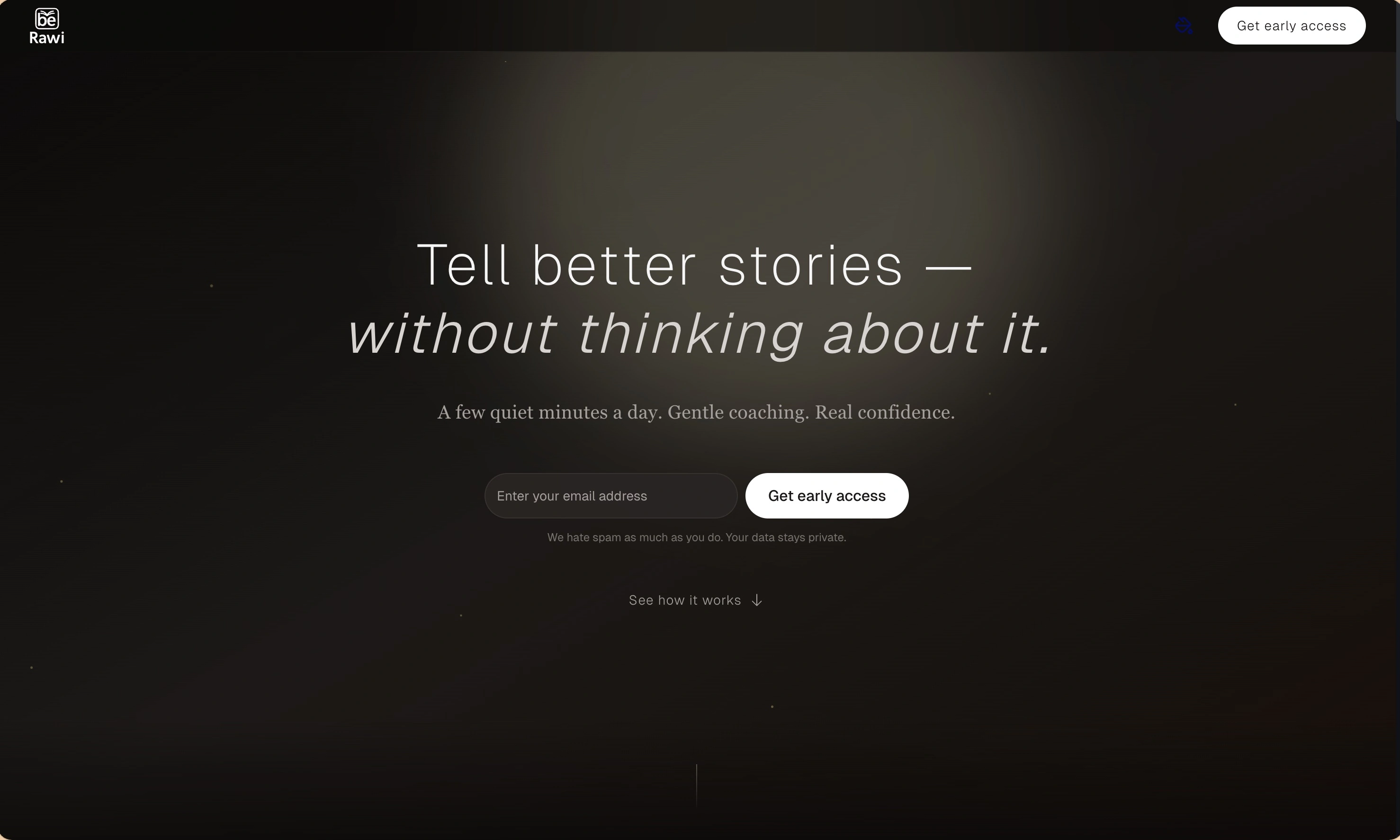
BeRawi: Storytelling Coach
Practice storytelling daily with instant feedback to sound clearer, more engaging, and confident 🎤
Omichat
Chat with 50+ AI models, including ChatGPT and Claude, in one place - switch models anytime without losing context 🤖
Claude Fast
Supercharge your Claude Code with 6x effective context window and specialized AI agents 🤖
EmojAI
AI-powered emoji picker with smart, context-aware suggestions 🤖
Solohacker
Autonomous company launcher - AI agents work 24/7, escalate what matters, and you stay in control 🤖
BeRawi: Storytelling Coach
Practice storytelling daily with instant feedback to sound clearer, more engaging, and confident 🎤
Omichat
Chat with 50+ AI models, including ChatGPT and Claude, in one place - switch models anytime without losing context 🤖
Claude Fast
Supercharge your Claude Code with 6x effective context window and specialized AI agents 🤖
EmojAI
AI-powered emoji picker with smart, context-aware suggestions 🤖
Solohacker
Autonomous company launcher - AI agents work 24/7, escalate what matters, and you stay in control 🤖
BeRawi: Storytelling Coach
Practice storytelling daily with instant feedback to sound clearer, more engaging, and confident 🎤
Omichat
Chat with 50+ AI models, including ChatGPT and Claude, in one place - switch models anytime without losing context 🤖
Claude Fast
Supercharge your Claude Code with 6x effective context window and specialized AI agents 🤖
EmojAI
AI-powered emoji picker with smart, context-aware suggestions 🤖
Solohacker
Autonomous company launcher - AI agents work 24/7, escalate what matters, and you stay in control 🤖
BeRawi: Storytelling Coach
Practice storytelling daily with instant feedback to sound clearer, more engaging, and confident 🎤

Connect with like-minded people
Join our community to get feedback, support, and grow together with 1,000+ builders on board, let's ship it!
Join usShip your startup everywhere. In minutes.
Don't burn tokens on setup and start building features on day one.