Wardrobe Wizard
Virtual closet organizer that digitizes your wardrobe, suggests daily outfits based on weather and events, and enables easy resale of unused items.
Understanding the virtual closet organizer market
The fashion-tech landscape is rapidly evolving, and the demand for digital wardrobe management tools is on the rise. With the proliferation of fast fashion, growing environmental concerns, and the increasing complexity of personal style, consumers are seeking smarter ways to manage their clothing. Wardrobe Wizard—a virtual closet organizer that digitizes wardrobes, suggests daily outfits based on weather and events, and enables easy resale of unused items—addresses these needs head-on.
This article provides a comprehensive analysis of the Wardrobe Wizard SaaS opportunity, covering target audience, market gaps, core features, technology stack, monetization, risks, competitive advantages, and actionable steps for implementation.
Who needs a virtual closet organizer? Target audience analysis
Understanding the user base is crucial for any B2C SaaS product. For Wardrobe Wizard, the primary and secondary audiences include:
Primary audience
- Fashion-conscious individuals: People who enjoy curating their style, keeping up with trends, and maximizing their wardrobe's potential.
- Busy professionals: Users who want to save time deciding what to wear, especially when balancing work, social events, and travel.
- Sustainability-minded consumers: Individuals aiming to reduce clothing waste, make mindful purchases, and resell unused items.
- Urban dwellers: City residents with limited closet space who need efficient wardrobe management.
Secondary audience
- Students and young adults: Tech-savvy users looking for affordable, practical fashion solutions.
- Frequent travelers: Those who need to plan outfits for trips, considering weather and events.
- Resale enthusiasts: Users interested in monetizing unused clothing through integrated resale platforms.
User intent for searching a virtual closet organizer typically falls into these categories:
- Seeking inspiration for daily outfits
- Looking for tools to digitize and organize their wardrobe
- Wanting to simplify the process of selling unused clothes
- Searching for ways to make sustainable fashion choices
Identifying the market opportunity and gaps
Despite the presence of several wardrobe management apps, the market remains fragmented and underserved in key areas:
- Lack of intelligent outfit suggestions: Many apps offer basic cataloging but lack advanced, context-aware recommendations.
- Limited integration with resale platforms: Users often have to manually list items on third-party marketplaces.
- Poor user experience: Existing solutions can be clunky, with outdated interfaces and tedious manual entry.
- Insufficient personalization: Few tools leverage AI to tailor suggestions based on weather, calendar events, or evolving style preferences.
Wardrobe Wizard stands out by addressing these gaps with a seamless, AI-powered experience that combines organization, personalization, and resale in one platform.
Core features and solution details
A successful virtual closet organizer must deliver tangible value through a robust feature set. Here’s how Wardrobe Wizard can achieve this:
1. Wardrobe digitization
- Smart photo upload: Users snap photos of their clothes; AI auto-detects item type, color, and fabric.
- Bulk import: Integration with email receipts or online shopping accounts to auto-add new purchases.
- Tagging and categorization: Custom tags for seasons, occasions, or personal notes.
2. Intelligent outfit suggestions
- Weather-based recommendations: Real-time weather data integration for location-specific outfit planning.
- Event-aware suggestions: Sync with calendar apps to suggest outfits for meetings, parties, or travel.
- Style evolution tracking: AI learns user preferences over time, refining suggestions.
3. Resale enablement
- Easy listing: One-tap listing of unused items on popular resale platforms (e.g., Poshmark, Depop).
- Price guidance: AI-powered price suggestions based on item condition, brand, and market trends.
- Sales tracking: Dashboard to monitor listed, sold, and pending items.
4. Analytics and insights
- Wardrobe utilization stats: See which items are worn most/least, helping users make informed decisions.
- Sustainability metrics: Track environmental impact, such as items saved from landfill.
5. Seamless user experience
- Mobile-first design: Intuitive, responsive interface for on-the-go access.
- Privacy controls: Robust data protection and user control over shared information.
AI-powered outfit suggestions
Personalized recommendations based on weather, events, and evolving style.
Integrated resale marketplace
List unused items directly from your closet, with smart pricing and tracking.
Wardrobe analytics
Visualize usage patterns, sustainability impact, and optimize your clothing choices.
Recommended tech stack for Wardrobe Wizard
Choosing the right technology stack is essential for scalability, performance, and user satisfaction. Here’s a recommended stack, with trade-offs considered:
Frontend
- React: Popular, component-based UI library with a vast ecosystem.
- TailwindCSS: Utility-first CSS framework for rapid, consistent styling.
- React Native: For cross-platform mobile app development (iOS and Android).
Trade-off: React Native accelerates development but may have performance limitations for complex animations compared to native apps.
Backend
- Node.js: Scalable, event-driven server environment.
- Express.js: Lightweight web framework for building RESTful APIs.
- Python (for AI/ML): Leverage libraries like TensorFlow or PyTorch for image recognition and recommendation algorithms.
Trade-off: Python excels at AI/ML but may require separate microservices for optimal integration with a Node.js backend.
Database
- MongoDB: Flexible, document-oriented database ideal for storing user wardrobes and metadata.
- PostgreSQL: For transactional data, such as sales and analytics.
Cloud and integrations
- AWS or Google Cloud: Scalable hosting, storage, and AI services.
- Third-party APIs: Weather data (e.g., OpenWeatherMap), calendar sync (Google Calendar), and resale platform integrations.
Security
- OAuth 2.0: Secure authentication and third-party integrations.
- GDPR compliance: Essential for user trust and international reach.
Monetization strategy options
A B2C SaaS like Wardrobe Wizard can explore multiple revenue streams:
1. Freemium model
- Free tier: Basic wardrobe digitization and outfit suggestions.
- Premium tier: Advanced analytics, unlimited items, resale integration, and exclusive style insights.
2. Transaction fees
- Resale commission: Small fee on successful sales through integrated marketplaces.
3. Affiliate partnerships
- Shopping recommendations: Earn commissions by suggesting new items from partner retailers based on wardrobe gaps.
4. In-app advertising
- Non-intrusive ads: For free users, with an option to remove ads via subscription.
5. Data-driven insights (with consent)
- Aggregated, anonymized data: Offer fashion trend analytics to brands or retailers (strictly opt-in and privacy-focused).
The freemium approach lowers the barrier to entry, attracting a broad user base. As users experience value, they're more likely to upgrade for premium features, driving recurring revenue.
Yes, especially as resale becomes more mainstream. By streamlining the listing process, Wardrobe Wizard can capture value without disrupting the user experience.
Potential risks and mitigation strategies
Launching a virtual closet organizer comes with challenges. Here’s how to address them:
1. User adoption and engagement
- Risk: Users may find wardrobe digitization tedious.
- Mitigation: Invest in AI-powered bulk import, intuitive onboarding, and gamification (e.g., streaks for daily outfit planning).
2. Privacy and data security
- Risk: Handling sensitive user data (photos, purchase history).
- Mitigation: Implement robust encryption, transparent privacy policies, and granular user controls.
3. Integration dependencies
- Risk: Reliance on third-party APIs (weather, resale platforms) may introduce instability.
- Mitigation: Build fallback mechanisms and diversify integration partners.
4. Market competition
- Risk: Competing with established apps or new entrants.
- Mitigation: Focus on unique features (AI, resale, analytics), superior UX, and community-building.
Data privacy is paramount
Always prioritize user trust by adhering to best practices in data security and privacy. Regularly update policies and communicate transparently with users.
Competitive advantage analysis
To stand out in the crowded fashion-tech space, Wardrobe Wizard must leverage its unique selling propositions:
| AI outfit suggestions | Resale integration | Wardrobe analytics | Weather/event sync | Bulk import |
|---|---|---|---|---|
| ✅ | ❌ | ❌ | ✅ | ❌ |
| ✅ | ❌ | ✅ | ✅ | ❌ |
Key differentiators:
- All-in-one platform: Combines organization, AI-powered suggestions, and resale in a single app.
- Personalization: Learns and adapts to user style, calendar, and local weather.
- Sustainability focus: Empowers users to make eco-friendly choices and reduce waste.
- Seamless resale: Lowers friction for selling unused items, unlocking new value for users.
Implementation steps: Bringing Wardrobe Wizard to life
Launching a successful SaaS like Wardrobe Wizard requires a structured, iterative approach. Here’s a recommended roadmap:
Staying ahead: Industry trends and future opportunities
The virtual closet organizer space is shaped by several key trends:
- AI and personalization: Users expect smarter, context-aware recommendations. Advances in computer vision and machine learning are making this possible.
- Sustainability: The resale market is booming, with platforms like Depop and Poshmark seeing record growth (see Statista for recent data).
- Mobile-first experiences: Consumers demand seamless, intuitive mobile apps.
- Privacy-first design: With increasing scrutiny on data practices, trust is a major differentiator.
Wardrobe Wizard is well-positioned to capitalize on these trends by continuously innovating and prioritizing user needs.
Conclusion: Why Wardrobe Wizard is the future of personal fashion management
Wardrobe Wizard offers a compelling, all-in-one solution for modern consumers seeking to organize, optimize, and monetize their wardrobes. By combining AI-powered outfit suggestions, seamless resale integration, and actionable analytics, it addresses real pain points with a user-centric, privacy-first approach.
Key takeaways:
- The market for virtual closet organizers is growing, driven by fashion complexity, sustainability, and digital lifestyles.
- Wardrobe Wizard’s unique blend of features and focus on user experience sets it apart from competitors.
- A thoughtful tech stack, robust monetization strategy, and commitment to privacy are essential for long-term success.
Ready to turn your vision into reality? Platforms like TurboStarter can accelerate your SaaS journey, from MVP to market leader.
Frequently asked questions
All user data is encrypted and stored securely. Users have full control over what information is shared, and the platform is designed to be GDPR-compliant.
Yes, a free tier offers core features. Premium features, such as advanced analytics and resale integration, are available via subscription.
Its unique combination of AI-powered suggestions, integrated resale, and actionable analytics—delivered through a seamless, mobile-first experience.
By focusing on user needs, leveraging the latest technology, and maintaining a strong commitment to privacy and sustainability, Wardrobe Wizard is poised to become the go-to virtual closet organizer for the modern consumer.
More 👥 B2C Application SaaS ideas
Discover more innovative b2c application SaaS ideas that are trending in 2026. Each idea is AI-generated with market validation and growth potential to help you find your next profitable venture faster than competitors.
Your competitors are building with TurboStarter
Below are some of the SaaS ideas that have been generated and built with our starter kit.
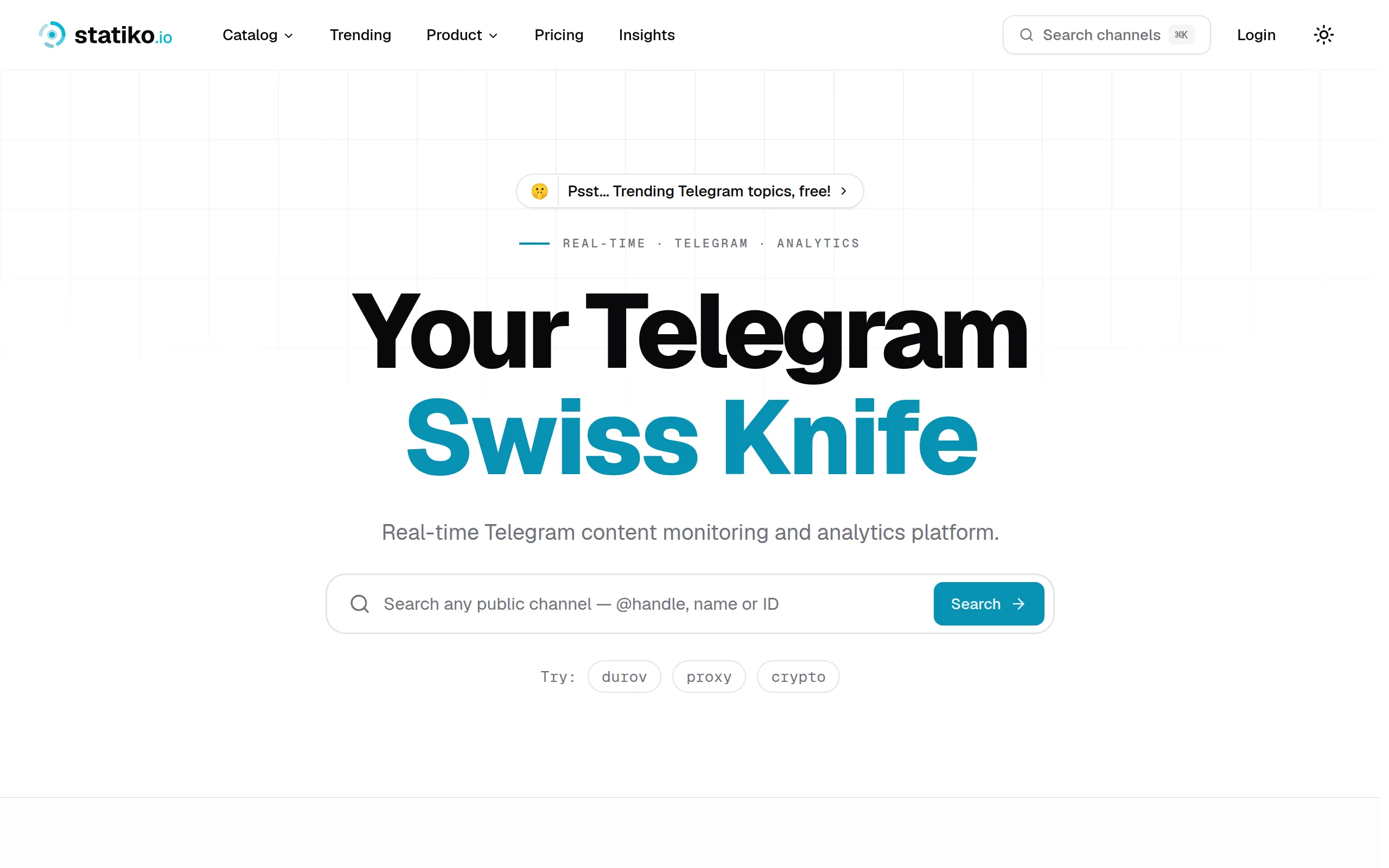
Statiko
Monitor any Telegram channel in real time - track posts, edits, deletions, and growth with AI recaps 📡

Shibui
AI website builder - describe your business, pick a niche template, edit by chatting, and publish instantly ✨

Pro Service
Find verified home service professionals, compare quotes, and pay securely through escrow - built for Brazilians across the US 🏠
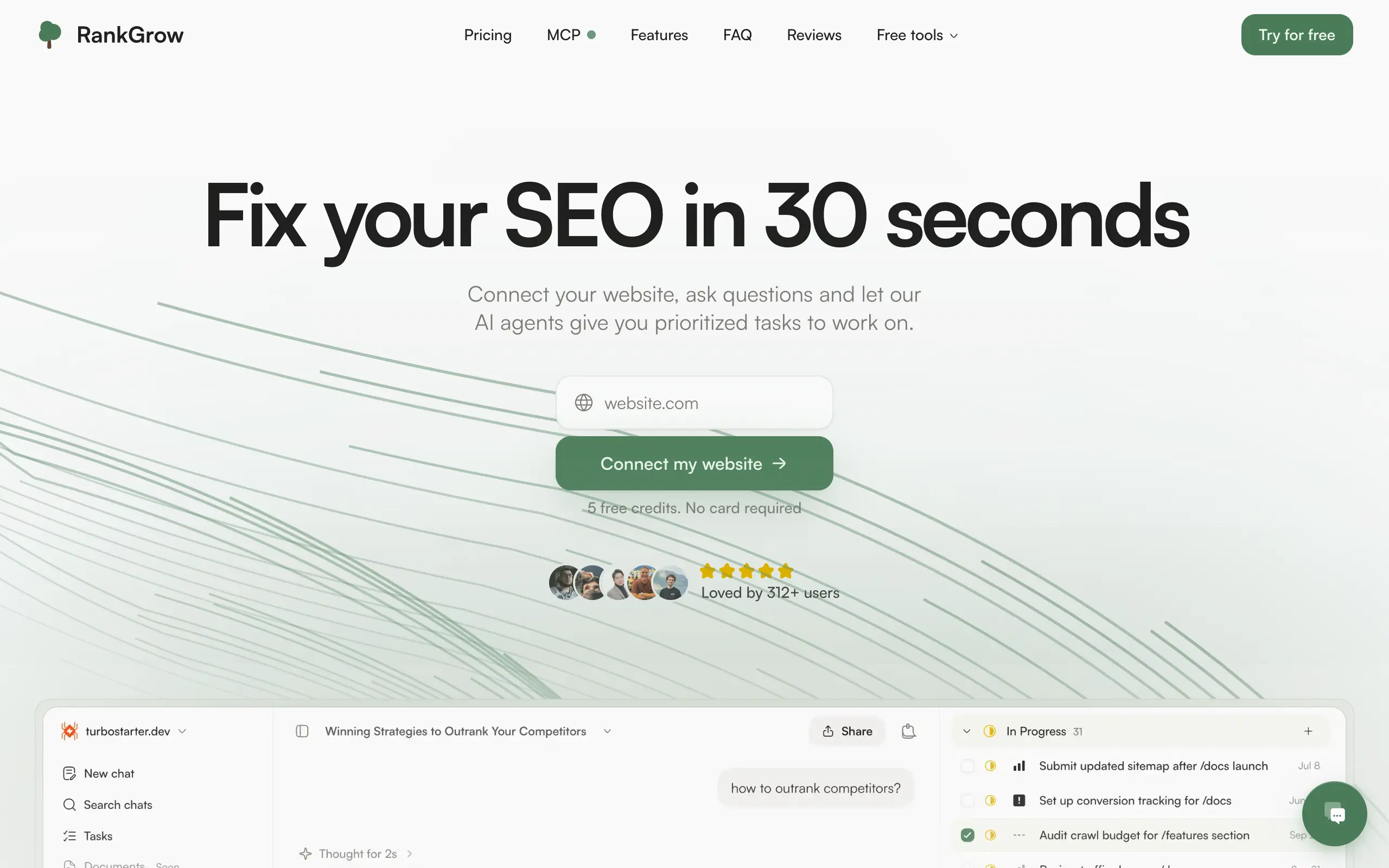
RankGrow
Fix your SEO with AI agents - connect Search Console, get prioritized tasks, and grow organic traffic 📈
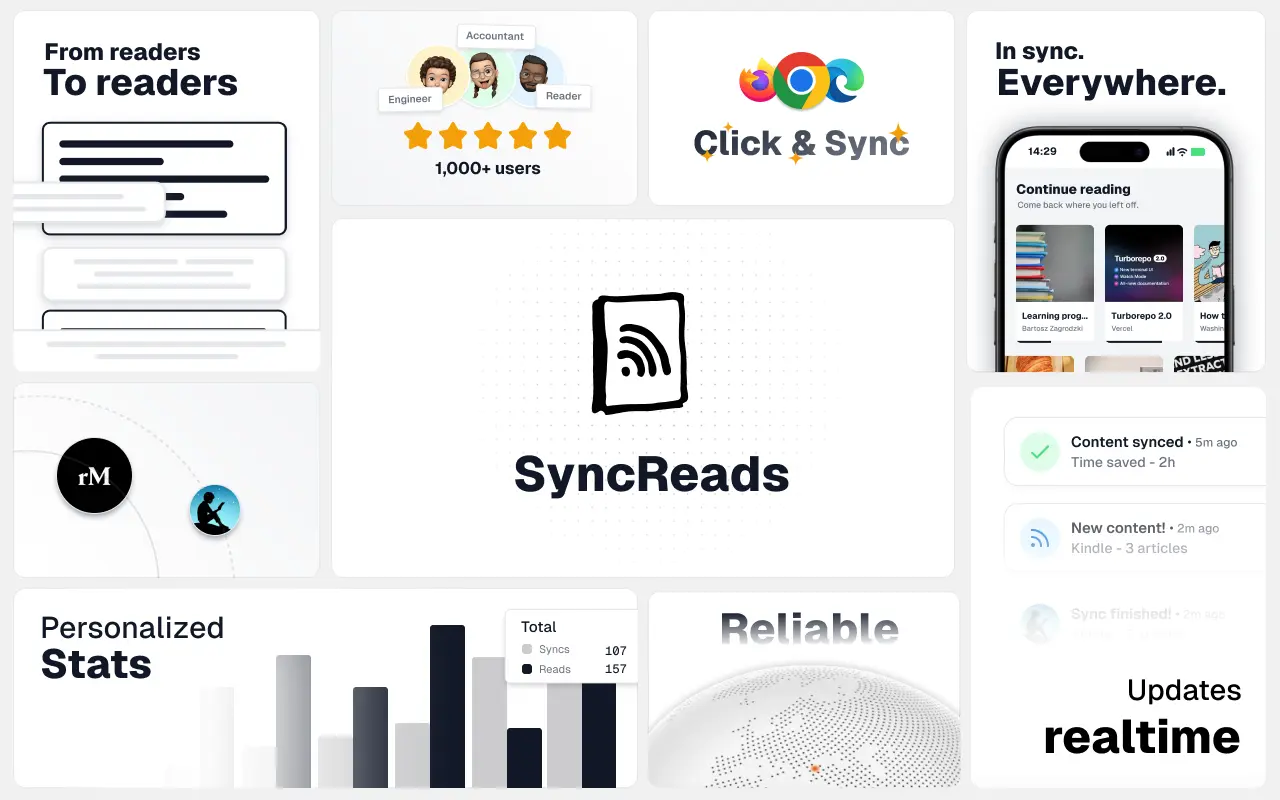
SyncReads
Sync your favorite content for distraction-free reading, save time and replace multiple apps. Anytime, anywhere 🔄
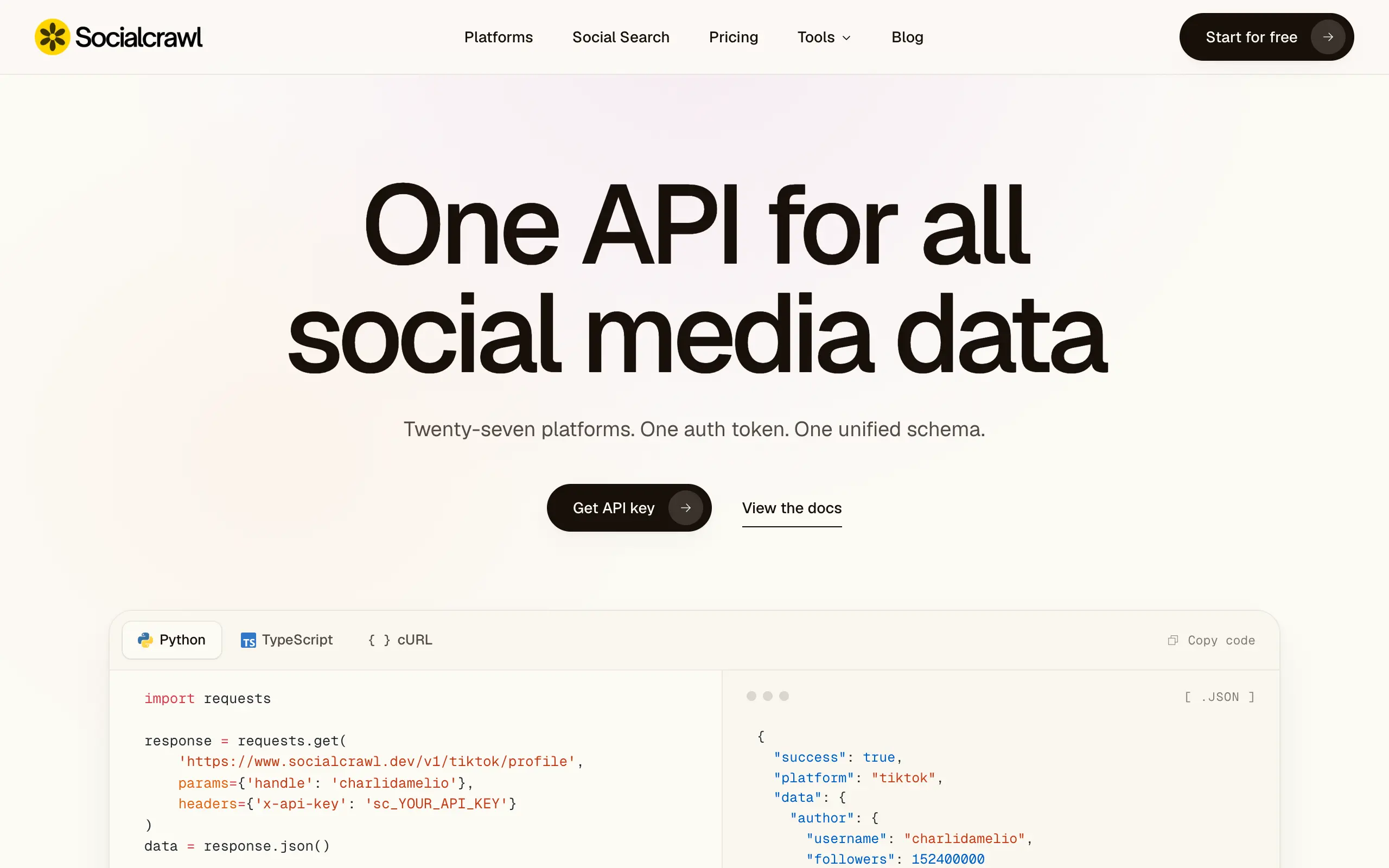
Socialcrawl
Get clean, structured data from 21 platforms like TikTok, Instagram, and YouTube with a single request 📊
Statiko
Monitor any Telegram channel in real time - track posts, edits, deletions, and growth with AI recaps 📡
Shibui
AI website builder - describe your business, pick a niche template, edit by chatting, and publish instantly ✨
Pro Service
Find verified home service professionals, compare quotes, and pay securely through escrow - built for Brazilians across the US 🏠
RankGrow
Fix your SEO with AI agents - connect Search Console, get prioritized tasks, and grow organic traffic 📈
SyncReads
Sync your favorite content for distraction-free reading, save time and replace multiple apps. Anytime, anywhere 🔄
Socialcrawl
Get clean, structured data from 21 platforms like TikTok, Instagram, and YouTube with a single request 📊
Statiko
Monitor any Telegram channel in real time - track posts, edits, deletions, and growth with AI recaps 📡
Shibui
AI website builder - describe your business, pick a niche template, edit by chatting, and publish instantly ✨
Pro Service
Find verified home service professionals, compare quotes, and pay securely through escrow - built for Brazilians across the US 🏠
RankGrow
Fix your SEO with AI agents - connect Search Console, get prioritized tasks, and grow organic traffic 📈
SyncReads
Sync your favorite content for distraction-free reading, save time and replace multiple apps. Anytime, anywhere 🔄
Socialcrawl
Get clean, structured data from 21 platforms like TikTok, Instagram, and YouTube with a single request 📊
Statiko
Monitor any Telegram channel in real time - track posts, edits, deletions, and growth with AI recaps 📡
Shibui
AI website builder - describe your business, pick a niche template, edit by chatting, and publish instantly ✨
Pro Service
Find verified home service professionals, compare quotes, and pay securely through escrow - built for Brazilians across the US 🏠
RankGrow
Fix your SEO with AI agents - connect Search Console, get prioritized tasks, and grow organic traffic 📈
SyncReads
Sync your favorite content for distraction-free reading, save time and replace multiple apps. Anytime, anywhere 🔄
Socialcrawl
Get clean, structured data from 21 platforms like TikTok, Instagram, and YouTube with a single request 📊
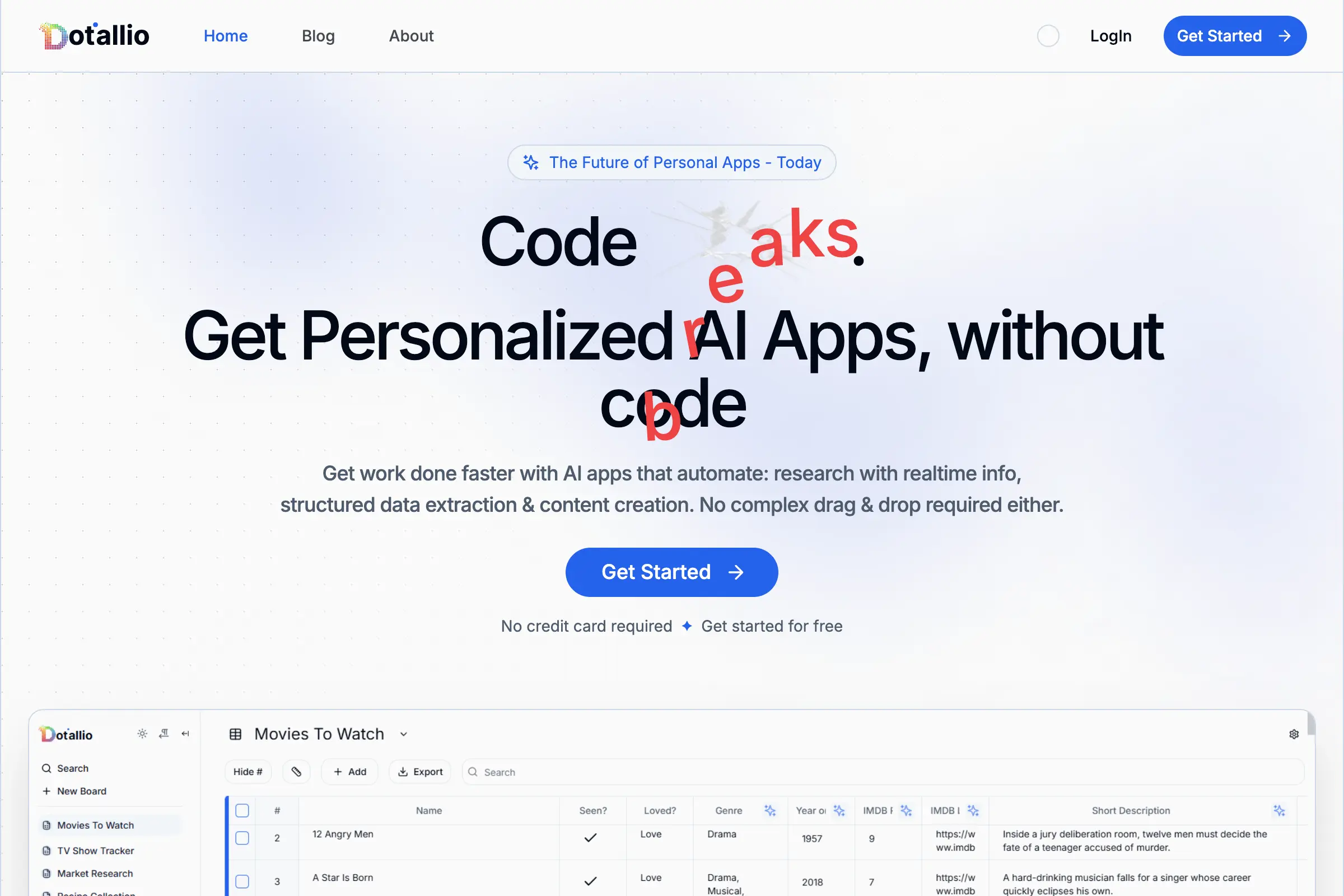
Dotallio
Personalized AI apps that automate research, data extraction, and content creation without code 🤖

Talk to Santa
Enjoy a magical live video chat or receive a unique AI-generated video greeting from Santa Claus 🎅
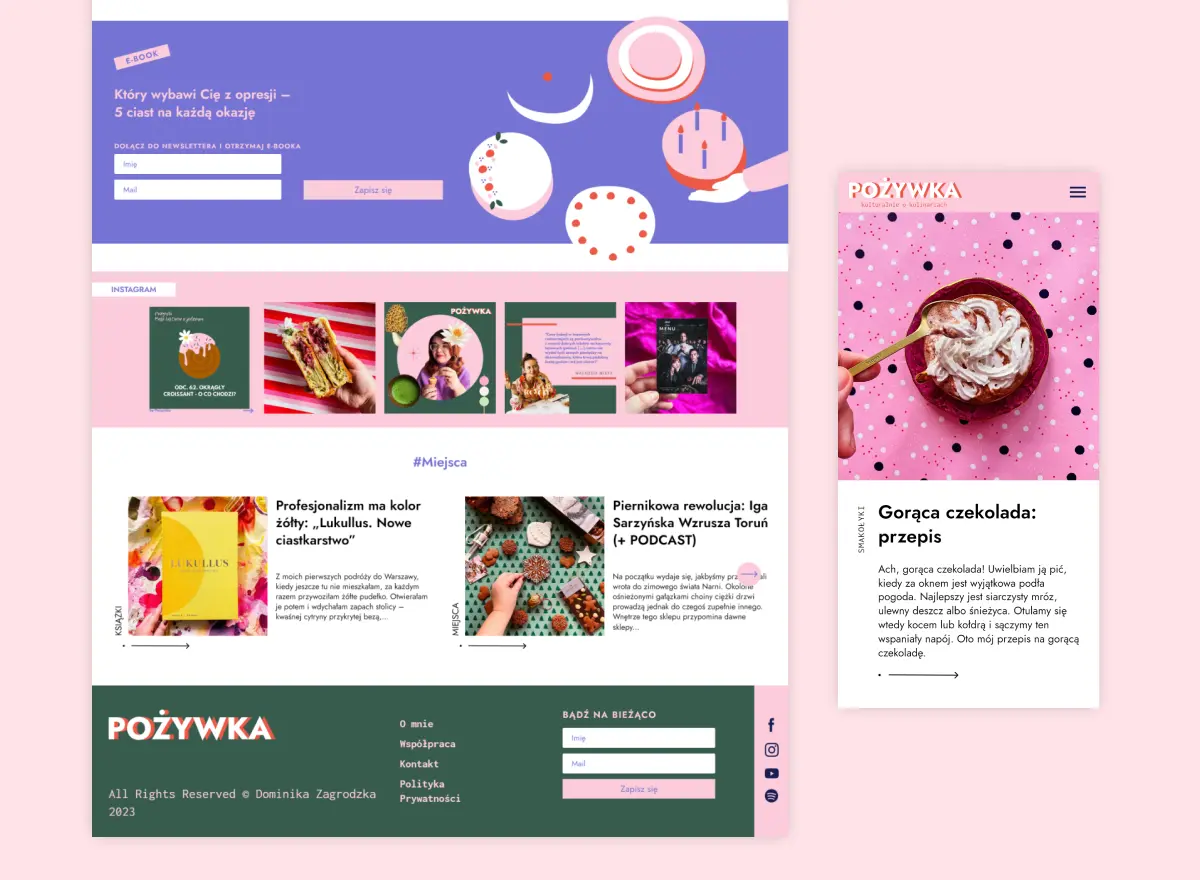
pozywka.pl
Scalable blog for food journalist, focused on performance and user experience 🌭
zagrodzki.me
Personal blog and portfolio of Bart Zagrodzki, where he shares his knowledge and work 💼
TurboStarter
Ship your startup everywhere. In minutes.
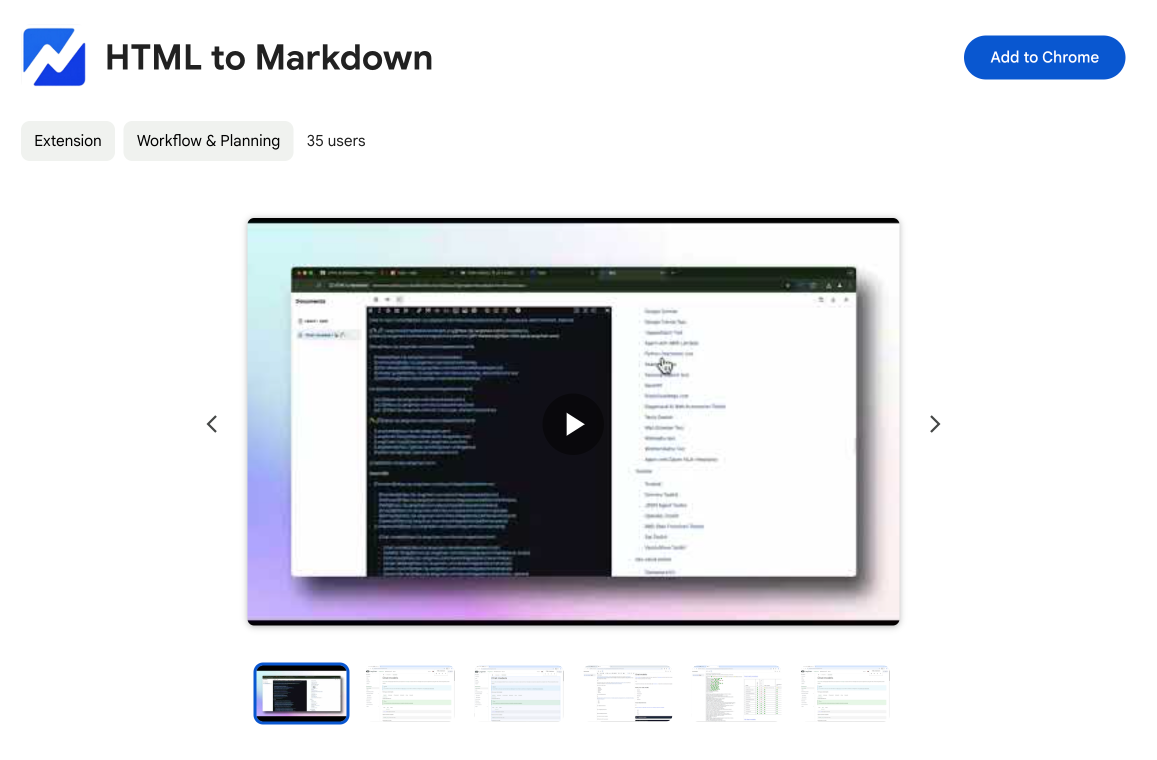
HTML to Markdown
Convert HTML to Markdown with ease, directly in your browser 📄
Dotallio
Personalized AI apps that automate research, data extraction, and content creation without code 🤖
Talk to Santa
Enjoy a magical live video chat or receive a unique AI-generated video greeting from Santa Claus 🎅
pozywka.pl
Scalable blog for food journalist, focused on performance and user experience 🌭
zagrodzki.me
Personal blog and portfolio of Bart Zagrodzki, where he shares his knowledge and work 💼
TurboStarter
Ship your startup everywhere. In minutes.
HTML to Markdown
Convert HTML to Markdown with ease, directly in your browser 📄
Dotallio
Personalized AI apps that automate research, data extraction, and content creation without code 🤖
Talk to Santa
Enjoy a magical live video chat or receive a unique AI-generated video greeting from Santa Claus 🎅
pozywka.pl
Scalable blog for food journalist, focused on performance and user experience 🌭
zagrodzki.me
Personal blog and portfolio of Bart Zagrodzki, where he shares his knowledge and work 💼
TurboStarter
Ship your startup everywhere. In minutes.
HTML to Markdown
Convert HTML to Markdown with ease, directly in your browser 📄
Dotallio
Personalized AI apps that automate research, data extraction, and content creation without code 🤖
Talk to Santa
Enjoy a magical live video chat or receive a unique AI-generated video greeting from Santa Claus 🎅
pozywka.pl
Scalable blog for food journalist, focused on performance and user experience 🌭
zagrodzki.me
Personal blog and portfolio of Bart Zagrodzki, where he shares his knowledge and work 💼
TurboStarter
Ship your startup everywhere. In minutes.
HTML to Markdown
Convert HTML to Markdown with ease, directly in your browser 📄
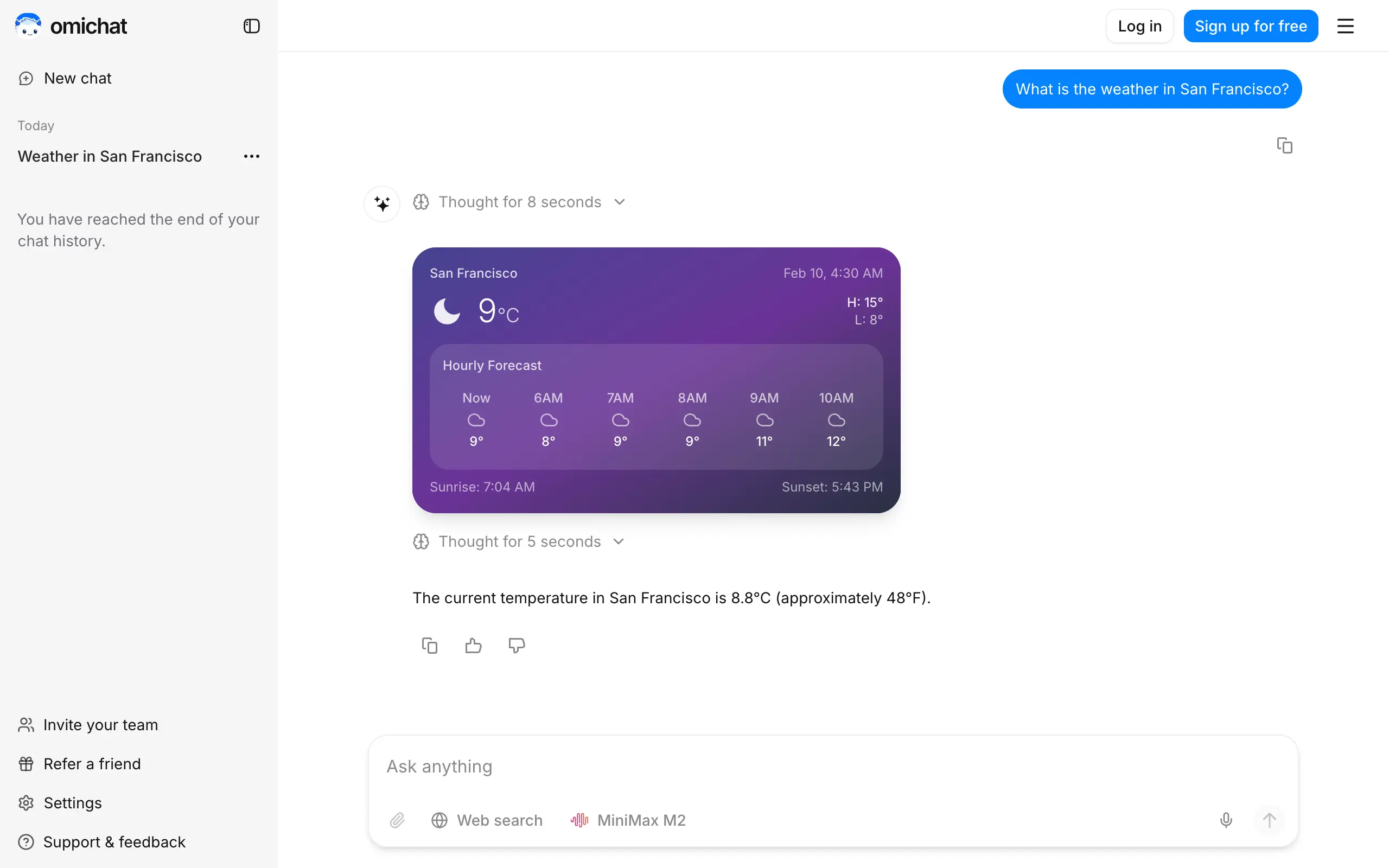
Omichat
Chat with 50+ AI models, including ChatGPT and Claude, in one place - switch models anytime without losing context 🤖
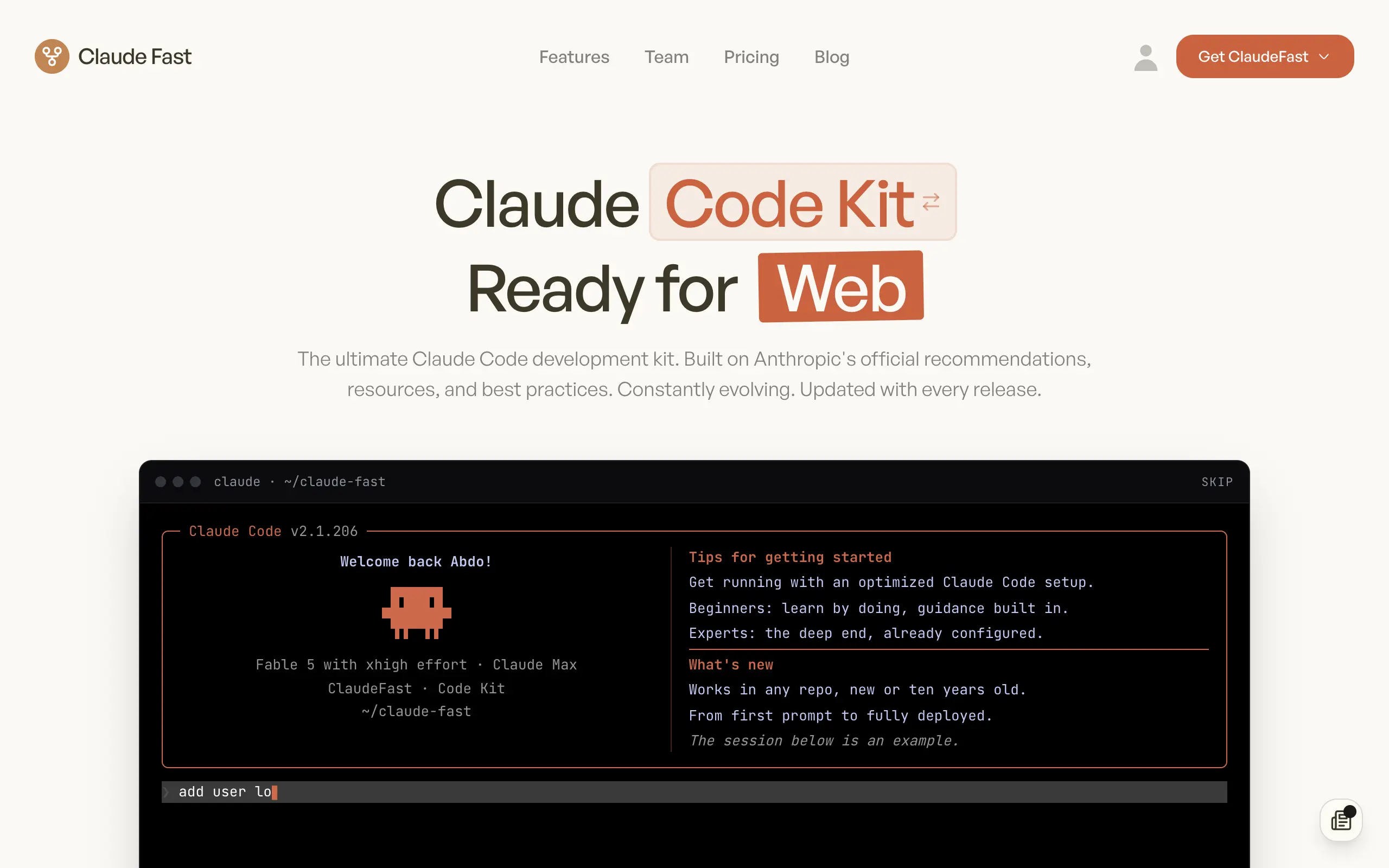
Claude Fast
Supercharge your Claude Code with 6x effective context window and specialized AI agents 🤖
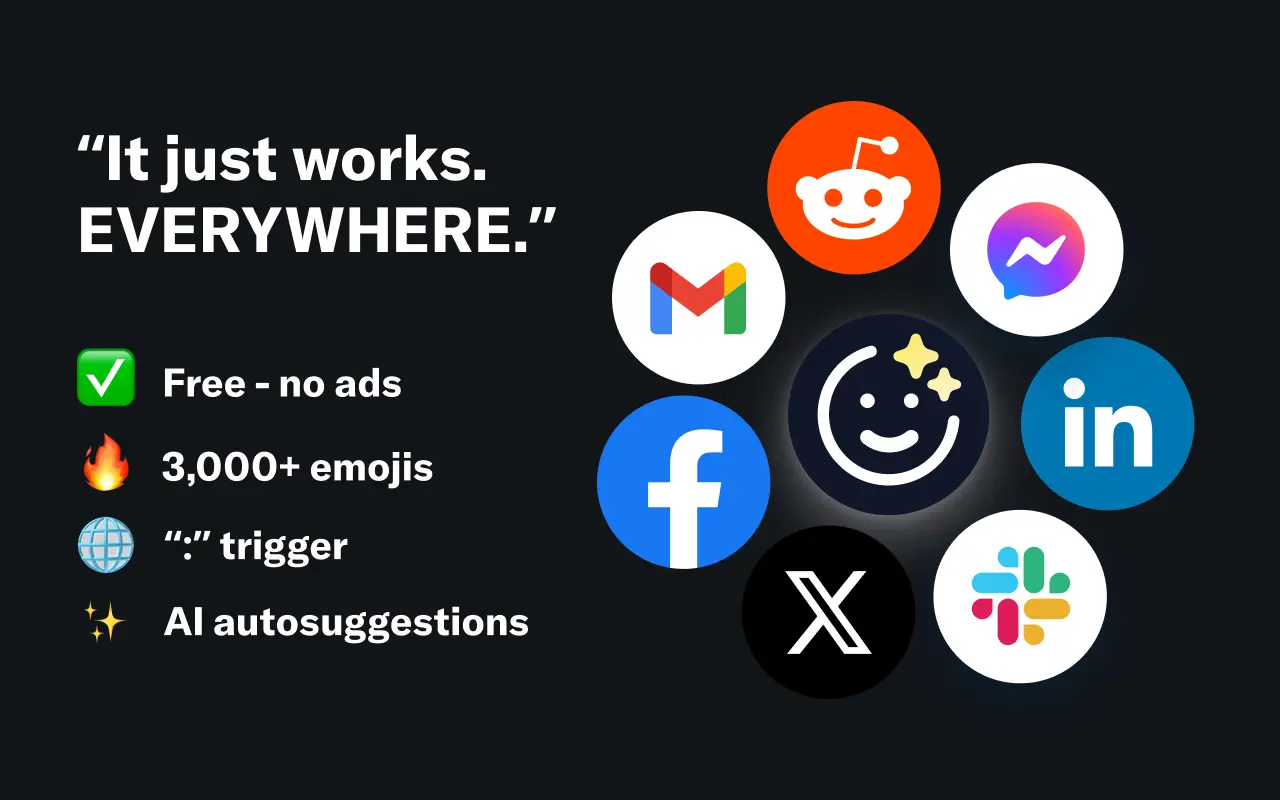
EmojAI
AI-powered emoji picker with smart, context-aware suggestions 🤖

Solohacker
Autonomous company launcher - AI agents work 24/7, escalate what matters, and you stay in control 🤖
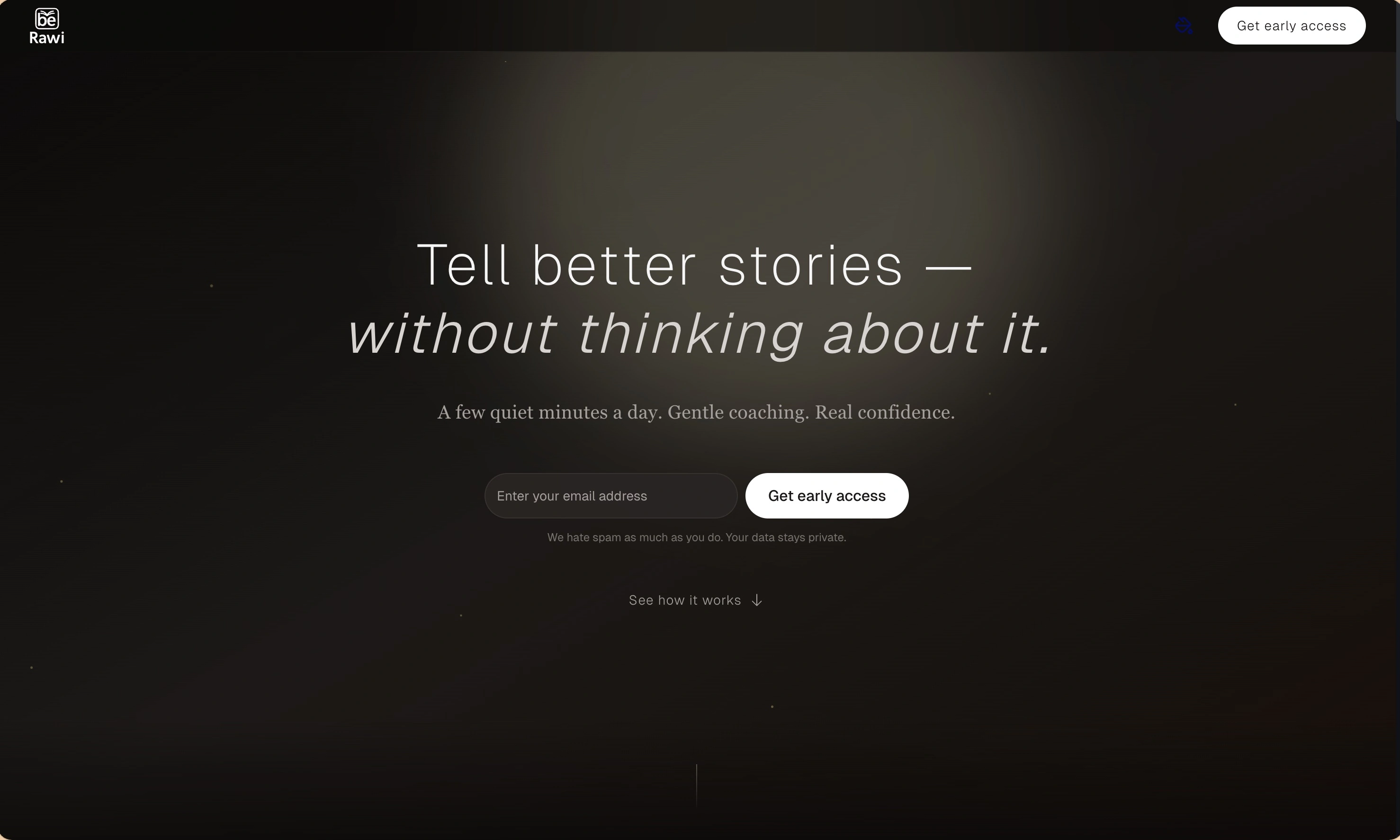
BeRawi: Storytelling Coach
Practice storytelling daily with instant feedback to sound clearer, more engaging, and confident 🎤
Omichat
Chat with 50+ AI models, including ChatGPT and Claude, in one place - switch models anytime without losing context 🤖
Claude Fast
Supercharge your Claude Code with 6x effective context window and specialized AI agents 🤖
EmojAI
AI-powered emoji picker with smart, context-aware suggestions 🤖
Solohacker
Autonomous company launcher - AI agents work 24/7, escalate what matters, and you stay in control 🤖
BeRawi: Storytelling Coach
Practice storytelling daily with instant feedback to sound clearer, more engaging, and confident 🎤
Omichat
Chat with 50+ AI models, including ChatGPT and Claude, in one place - switch models anytime without losing context 🤖
Claude Fast
Supercharge your Claude Code with 6x effective context window and specialized AI agents 🤖
EmojAI
AI-powered emoji picker with smart, context-aware suggestions 🤖
Solohacker
Autonomous company launcher - AI agents work 24/7, escalate what matters, and you stay in control 🤖
BeRawi: Storytelling Coach
Practice storytelling daily with instant feedback to sound clearer, more engaging, and confident 🎤
Omichat
Chat with 50+ AI models, including ChatGPT and Claude, in one place - switch models anytime without losing context 🤖
Claude Fast
Supercharge your Claude Code with 6x effective context window and specialized AI agents 🤖
EmojAI
AI-powered emoji picker with smart, context-aware suggestions 🤖
Solohacker
Autonomous company launcher - AI agents work 24/7, escalate what matters, and you stay in control 🤖
BeRawi: Storytelling Coach
Practice storytelling daily with instant feedback to sound clearer, more engaging, and confident 🎤

Connect with like-minded people
Join our community to get feedback, support, and grow together with 1,000+ builders on board, let's ship it!
Join usShip your startup everywhere. In minutes.
Don't burn tokens on setup and start building features on day one.