WoofWords
Record and translate your dog's vocalizations with AI to decode basic moods or needs, helping owners understand and bond more deeply with their pets.
Understanding the need for AI-powered dog communication tools
The relationship between humans and dogs is deeply rooted in history, bonded by companionship, mutual trust, and loyalty. Yet, even the most attentive pet owners often struggle to fully comprehend their furry friends’ needs, emotions, or subtle signals. Miscommunications can lead to unmet needs, undesirable behaviors, or even health concerns going unnoticed.
WoofWords addresses this gap using AI to record and "translate" your dog's vocalizations, giving you real-time insights into their moods and basic needs. This article explores how WoofWords leverages cutting-edge technology to bridge the communication gap between owners and their dogs—providing guidance for those interested in building, using, or investing in similar B2C SaaS solutions.
Who is WoofWords for? Target audience analysis
Understanding your audience is the first step in creating a compelling product. WoofWords primarily targets:
- Dog owners: Especially first-time pet parents wanting to ensure their dog’s well-being.
- Veterinarians & trainers: Professionals seeking to bolster behavioral assessments with data-backed insights.
- Pet tech enthusiasts: Early adopters looking for innovative ways to enhance the human-animal bond.
- Elderly or busy individuals: Those who might have less time to observe subtle behavioral cues and want alerts for unusual vocalizations.
- Families with children: Helping kids build empathy and responsibility by understanding their pet’s needs.
User intent typically revolves around improving communication, ensuring prompt care for dogs, reducing behavioral frustrations, and deepening the owner-pet relationship.
Identifying the market opportunity and gap
The growing pet care and AI market
With pet ownership on the rise (over 65% of households in the US own pets—source: [American Pet Products Association]), expenditure on pet care and tech continues to soar. The pet tech industry alone has seen double-digit CAGR, led by innovations in health monitoring, GPS tracking, and smart feeders.
Unaddressed needs in canine communication
While many solutions tackle pet health and activity tracking, few focus on decoding vocalizations in a reliable, user-centric, B2C SaaS form. Existing apps may offer bark detection or general behavior tips but lack robust AI-powered mood or need analysis. This forms a clear gap:
- No mainstream tool provides accurate, data-driven translations of dog barks, whines, or growls into actionable insights.
- Owners want verifiable, real-time feedback—not just generic advice.
- Veterinarians and trainers often rely on subjective owner reporting, which can be inaccurate.
WoofWords bridges these gaps by integrating AI, mobile recording, and a behavioral database tailored specifically to canine communication.
How WoofWords works: Core features and the solution in depth
Key features at a glance
AI-powered vocalization analysis
Advanced machine learning models detect, classify, and interpret dog sounds in real time.
Mood and needs translation
User-friendly summaries explain whether your dog is happy, anxious, hungry, or seeking attention.
Personalized behavioral database
WoofWords learns your dog's unique voice and patterns for even more accurate insights over time.
Mobile app integration
Simple recording and playback features let users capture and analyze vocalizations anywhere, anytime.
Alerts & recommendations
Instant notifications highlight pressing needs or unusual behavior, with actionable tips.
Data & trend visualization
Monthly reports help track changes in mood or vocalization, supporting care and veterinarian visits.
User experience flow (from first bark to actionable insight)
- Owner records their dog’s vocalization via the WoofWords mobile app.
- Audio is uploaded securely to the cloud, then processed by advanced ML models.
- The app identifies the type and emotional context of the vocalization—e.g., playfulness, anxiety, hunger.
- Clear, plain-language feedback appears in-app (e.g., “Bella sounds happy!” or “Rex may be stressed—consider a walk”).
- Owners can track trends over time, set alerts for specific needs, or share data directly with trainers and vets.
Behind the scenes: How the AI works
WoofWords blends audio signal processing, natural language generation, and behavioral science with user-driven learning loops:
- Deep neural networks (CNNs, RNNs) parse audio, filtering noise and classifying bark patterns.
- Contextual analysis uses environmental data (e.g., time of day, past activity) to refine predictions.
- Personalization engines adapt to your dog’s individual voice, increasing translation reliability with every use.
Cutting-edge progress
Recent advances in deep learning (see research from institutions like Stanford University AI Lab) have dramatically improved animal vocalization analysis, making tools like WoofWords newly feasible and accurate.
Recommended tech stack for WoofWords (with trade-offs)
Choosing the right technology stack is vital for reliability, scalability, and fast innovation. Below is a recommended stack for a B2C SaaS like WoofWords:
| Frontend | Backend | AI/ML | Mobile | Cloud/Storage |
|---|---|---|---|---|
| React Native | Node.js | TensorFlow | React Native | AWS S3 |
| Flutter | Python (FastAPI) | PyTorch | Flutter | Google Cloud Storage |
Why these choices?
- React Native (React Native): Cross-platform (iOS and Android), strong community, and rapid iteration for mobile UIs.
- Node.js (Node.js): Fast I/O, ideal for real-time APIs.
- TensorFlow (TensorFlow)/PyTorch (PyTorch): Industry-standard ML libraries for audio signal analysis, broad ecosystem.
- AWS S3/Google Cloud Storage: Secure, scalable, and cost-effective for handling large quantities of audio data.
- Flutter (Flutter): Alternative for beautiful, fast mobile interfaces.
Trade-offs:
- React Native gives speed and code sharing but has some limits with native audio processing; might need custom modules.
- Python (with FastAPI) is preferred for heavy AI tasks but adds complexity to deployment; Node.js simplifies API deployment but is less popular for deep ML.
- Cloud costs can scale quickly with audio storage/transcription if not optimized.
While some general animal sound models exist, a proprietary, continually trained model using user-contributed, labeled dog vocalizations boosts translation accuracy and becomes a competitive moat.
Monetization strategies for WoofWords
A robust monetization plan is key to sustainability in SaaS. Potential approaches for WoofWords:
Subscription models
- Freemium Tier: Offer basic features (limited translations, basic tips) for free, with premium analytics and unlimited usage behind a paywall.
- Monthly/annual subscriptions: Unlock enhanced personalization, historical data reports, downloadable audio logs, and trend analysis.
Add-ons and up-sells
- Personalized trainer or vet reports: Auto-generate shareable PDFs for pet care professionals.
- In-app purchases: Buy extra storage or theme packs (e.g., custom alerts, pet avatars).
- Integration with smart collars or pet wearables: Cross-sell or partner with hardware manufacturers.
Affiliate & marketplace models
- Partner with pet food, insurance, or wellness brands for contextual, non-intrusive recommendations.
- Sponsored content or offers in reports for valuable, relevant monetization without overwhelming the user.
Key risks and how to mitigate them
No SaaS product is without hazards. Some key risks for WoofWords and practical strategies:
Data privacy and trust
- Risk: Handling user audio data—especially involving households—raises privacy concerns.
- Mitigation: Employ strong encryption, user-controlled data access, and transparent policies per GDPR guidelines. Offer easy opt-out/data deletion.
Model accuracy and expectations
- Risk: False positives or misunderstandings could lead to owner frustration, misdiagnosis, or safety issues.
- Mitigation: Continuously retrain models on diverse, labeled datasets; set clear disclaimers (“for informational use only”); let users give feedback on translation accuracy.
Market adoption and skepticism
- Risk: Owners or professionals may be skeptical of AI’s ability to “translate” animal vocalizations.
- Mitigation: Provide transparent info on accuracy rates, case studies, and testimonials. Collaborate with reputable trainers/vets for validation.
Competition and IP
- Risk: Larger tech firms could release similar products.
- Mitigation: Focus on exceptional UX, proprietary datasets, strong brand identity, and community-driven features to build defensible value.
What makes WoofWords unique? Competitive advantage analysis
Proprietary canine vocalization dataset
WoofWords builds a growing, anonymized database, becoming more accurate and personalized with each user—creating a hard-to-replicate feedback loop.
Actionable, real-time feedback
Not just analysis, but clear, timely suggestions – turning sound into care actions instantly.
Designed by canine behaviorists and AI experts
Combines the latest research in sound processing with practical, vet-approved behavioral science.
Privacy-first architecture
User trust is core—transparent data handling, granular controls, and best-in-class security.
SaaS-first, B2C focus
Instead of just a hardware device or offline tool, WoofWords leverages cloud scale, continuous updates, and seamless mobile integration.
Market differentiation
- Existing solutions (e.g., generic bark detectors or pet cams) rarely delve into nuanced, personalized translation.
- WoofWords stands out via:
- Community-driven model improvement (the more users, the smarter the tool).
- SaaS delivery—brings updates, support, and integrations that physical hardware can’t.
- Accessibility—works with any phone, anytime, no extra gadgets required.
Step-by-step guide: Implementing a SaaS like WoofWords
Building or adopting a solution like WoofWords? Here’s how to approach it effectively:
Research and validate the need: Survey pet owners, trainers, and vets. Understand their daily challenges with communication, and gauge interest in AI-powered translation.
Build a rich initial dataset: Partner with shelters, trainers, and dog parks to gather varied, labeled bark/whine/growl samples for model training.
Develop minimum viable product (MVP): Focus on core recording, translation, and feedback features. Ensure privacy, simple UX, and easy onboarding.
Launch, gather feedback, and iterate: Start with a beta group, collect user data (with consent), refine models, and fix pain points quickly.
Expand features and integrations: Add personalized history, support for multiple animals, shareable vet/trainer reports, and third-party device connections.
Scale and market: Use content marketing, influencer partnerships, and strategic SEO to reach dog owners. Highlight testimonials and real impact.
Trends and the future of animal communication technology
The convergence of pet tech and artificial intelligence is already changing the way we care for animals. With improvements in edge AI, privacy-preserving ML, and natural language interfaces, the next 5 years will likely see:
- Greater translation accuracy—multi-modal input (audio + video + sensors)
- Custom care plans—automatically generated based on detected needs
- Community data sharing—consensual aggregation for disease outbreak alerts or social features
- Internationalization—tools trained on breeds and languages worldwide
According to recent industry analysis (suggest citing: [PetTech Market Reports, 2024]), voice-based pet care solutions are among the fastest-growing SaaS segments in B2C pet tech, reflecting rising consumer demand.
Actionable steps for founders and early adopters
- Validate the concept with real users—focus groups, online communities, and early partnerships with pet care professionals are key.
- Prioritize privacy from day one—make trust a product feature.
- Invest in continuous learning—encourage user feedback on each translation to keep improving your AI.
- Develop strong onboarding—help users record high-quality audio, recognize limitations, and use insights effectively.
- Plan for scale—build your architecture cloud-native, leverage orchestration, and modularize features for future integrations.
Final thoughts: WoofWords and the future of the human-dog bond
Tools like WoofWords are more than just novelty—they represent a shift in how people bond with, understand, and care for their pets in the digital age. By blending the best of behavioral science, modern AI, and accessible SaaS platforms, WoofWords enables deeper empathy and a truly personalized pet-parenting journey.
Want to stand out in the pet tech revolution? Take inspiration from WoofWords—delivering real value, actionable insights, and trust, all by listening to what our furry friends are trying to say.
Explore, build, and launch smarter with TurboStarter for rapid SaaS prototyping and scalable tech foundations.
More 👥 B2C Application SaaS ideas
Discover more innovative b2c application SaaS ideas that are trending in 2026. Each idea is AI-generated with market validation and growth potential to help you find your next profitable venture faster than competitors.
Your competitors are building with TurboStarter
Below are some of the SaaS ideas that have been generated and built with our starter kit.

Statiko
Monitor any Telegram channel in real time - track posts, edits, deletions, and growth with AI recaps 📡

Shibui
AI website builder - describe your business, pick a niche template, edit by chatting, and publish instantly ✨

Pro Service
Find verified home service professionals, compare quotes, and pay securely through escrow - built for Brazilians across the US 🏠
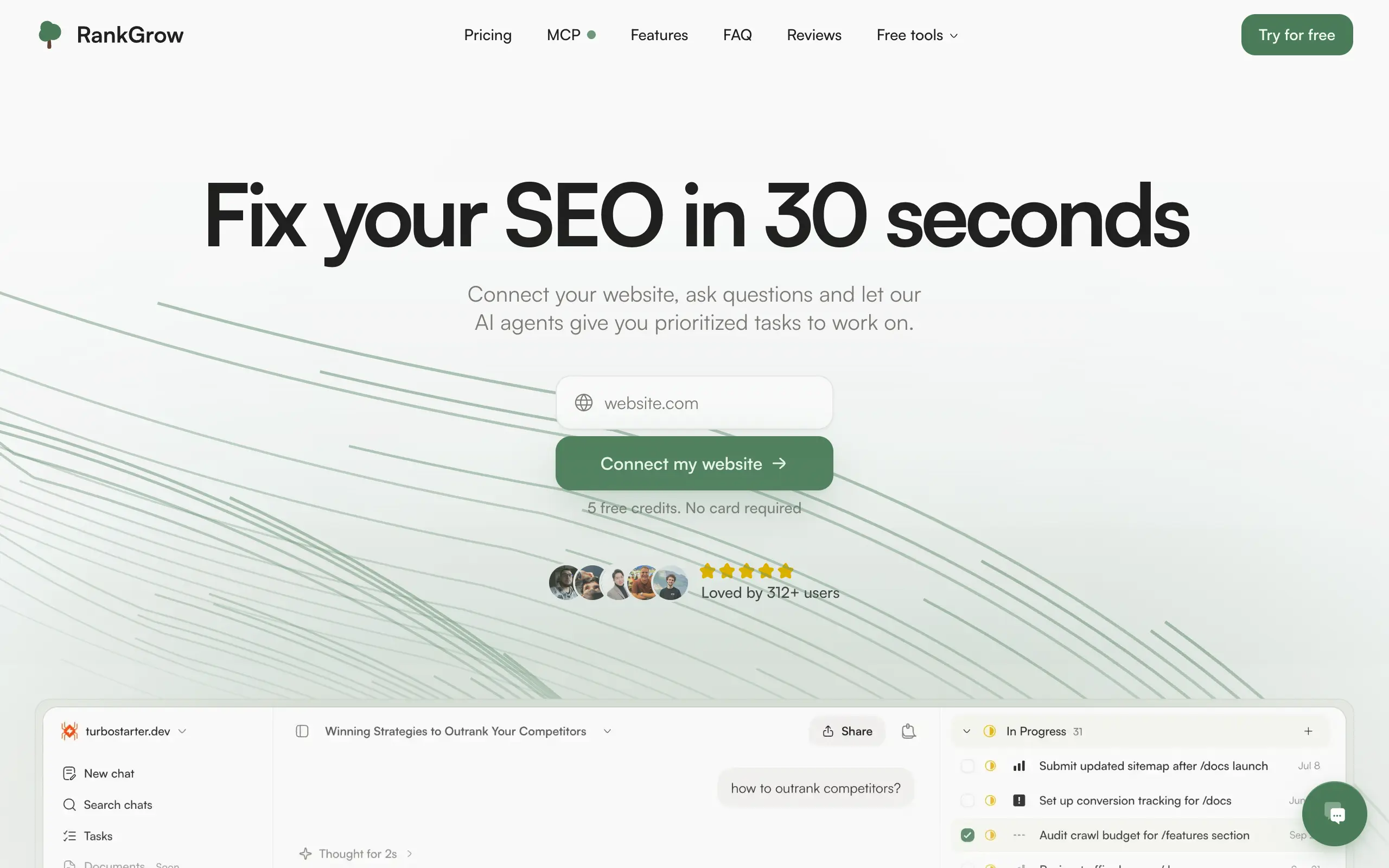
RankGrow
Fix your SEO with AI agents - connect Search Console, get prioritized tasks, and grow organic traffic 📈
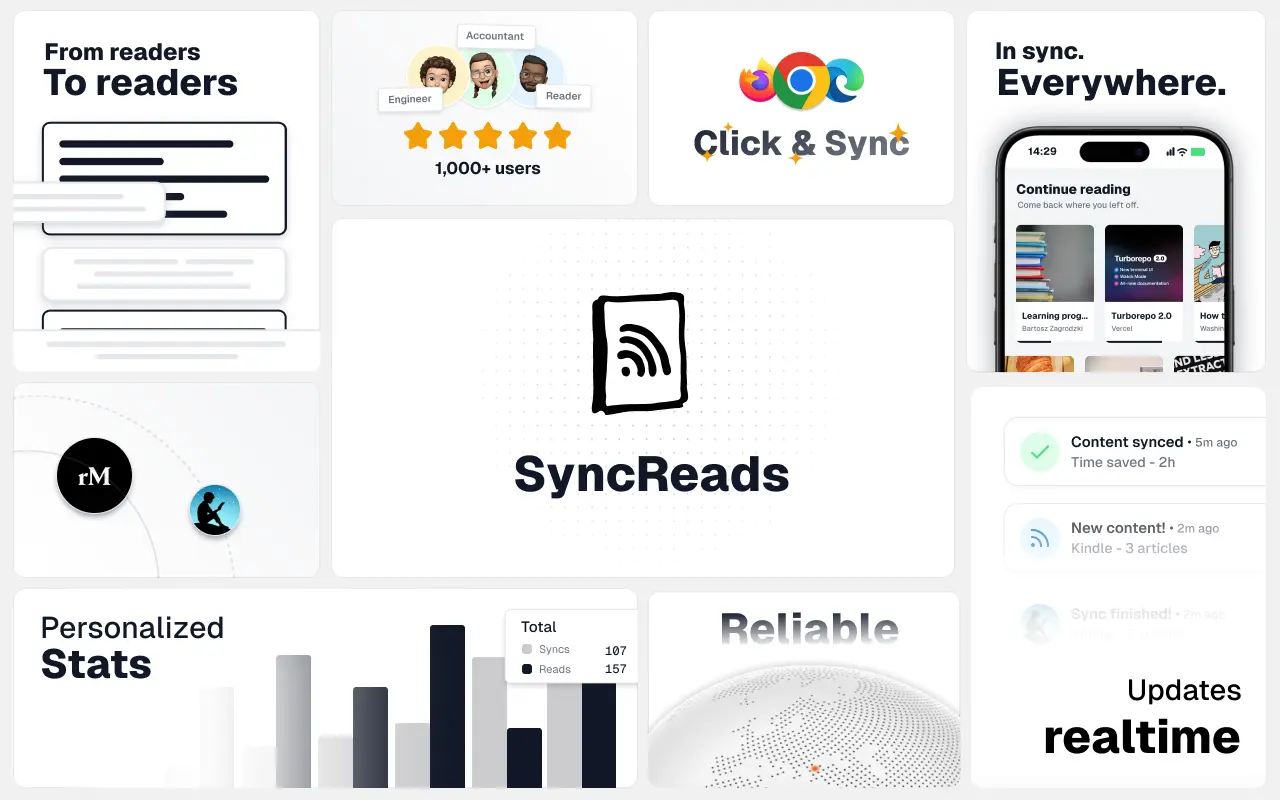
SyncReads
Sync your favorite content for distraction-free reading, save time and replace multiple apps. Anytime, anywhere 🔄
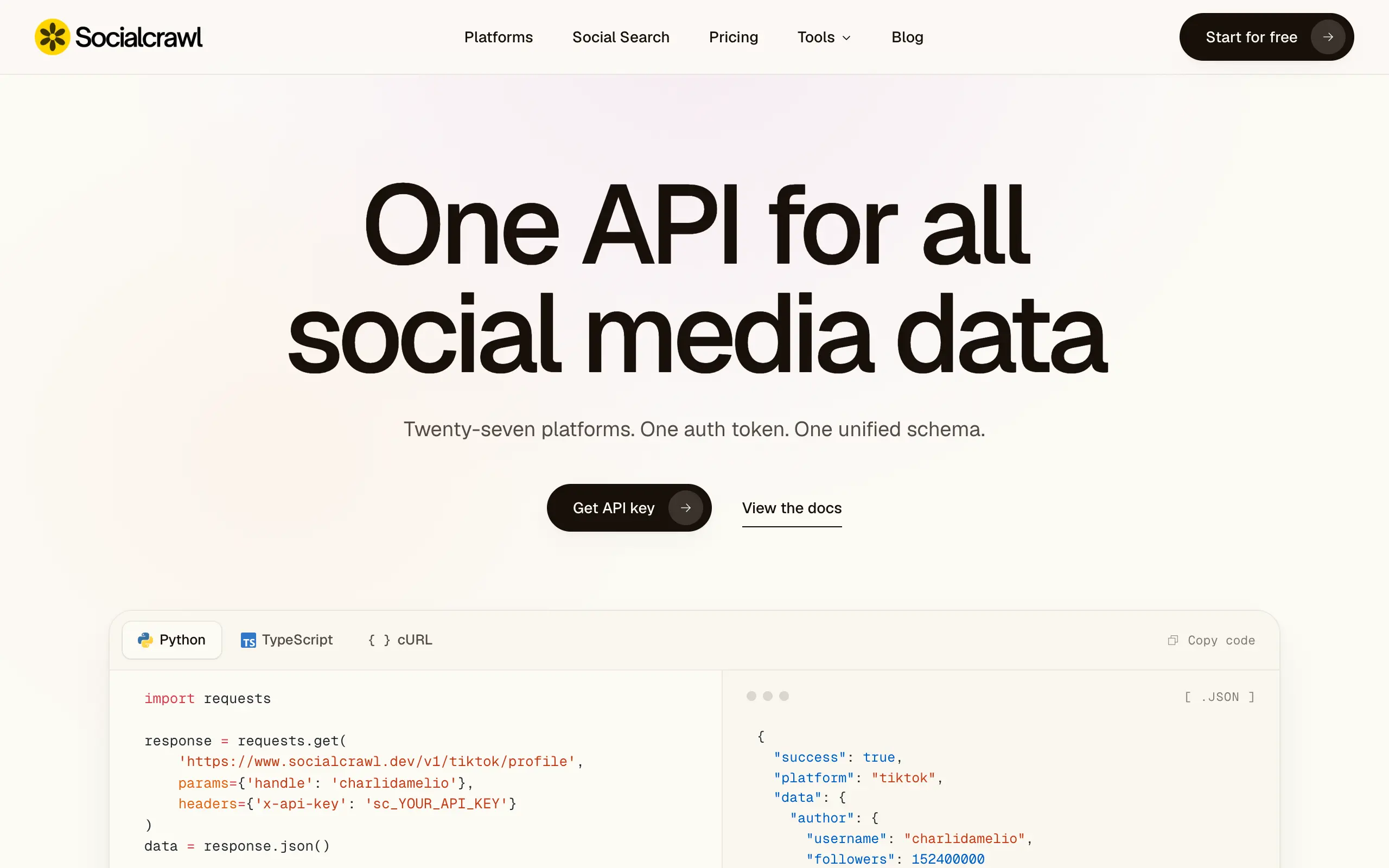
Socialcrawl
Get clean, structured data from 21 platforms like TikTok, Instagram, and YouTube with a single request 📊
Statiko
Monitor any Telegram channel in real time - track posts, edits, deletions, and growth with AI recaps 📡
Shibui
AI website builder - describe your business, pick a niche template, edit by chatting, and publish instantly ✨
Pro Service
Find verified home service professionals, compare quotes, and pay securely through escrow - built for Brazilians across the US 🏠
RankGrow
Fix your SEO with AI agents - connect Search Console, get prioritized tasks, and grow organic traffic 📈
SyncReads
Sync your favorite content for distraction-free reading, save time and replace multiple apps. Anytime, anywhere 🔄
Socialcrawl
Get clean, structured data from 21 platforms like TikTok, Instagram, and YouTube with a single request 📊
Statiko
Monitor any Telegram channel in real time - track posts, edits, deletions, and growth with AI recaps 📡
Shibui
AI website builder - describe your business, pick a niche template, edit by chatting, and publish instantly ✨
Pro Service
Find verified home service professionals, compare quotes, and pay securely through escrow - built for Brazilians across the US 🏠
RankGrow
Fix your SEO with AI agents - connect Search Console, get prioritized tasks, and grow organic traffic 📈
SyncReads
Sync your favorite content for distraction-free reading, save time and replace multiple apps. Anytime, anywhere 🔄
Socialcrawl
Get clean, structured data from 21 platforms like TikTok, Instagram, and YouTube with a single request 📊
Statiko
Monitor any Telegram channel in real time - track posts, edits, deletions, and growth with AI recaps 📡
Shibui
AI website builder - describe your business, pick a niche template, edit by chatting, and publish instantly ✨
Pro Service
Find verified home service professionals, compare quotes, and pay securely through escrow - built for Brazilians across the US 🏠
RankGrow
Fix your SEO with AI agents - connect Search Console, get prioritized tasks, and grow organic traffic 📈
SyncReads
Sync your favorite content for distraction-free reading, save time and replace multiple apps. Anytime, anywhere 🔄
Socialcrawl
Get clean, structured data from 21 platforms like TikTok, Instagram, and YouTube with a single request 📊
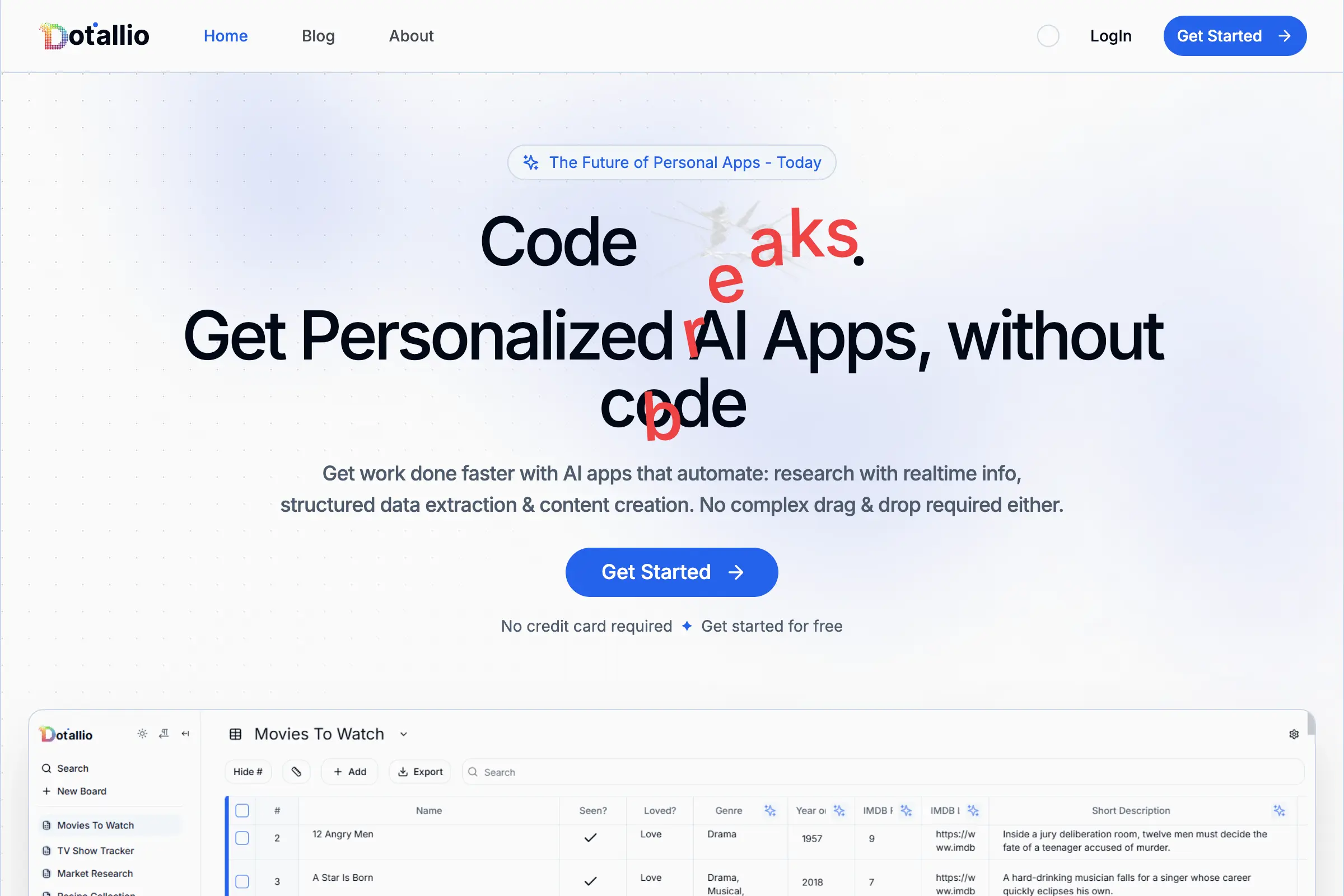
Dotallio
Personalized AI apps that automate research, data extraction, and content creation without code 🤖

Talk to Santa
Enjoy a magical live video chat or receive a unique AI-generated video greeting from Santa Claus 🎅
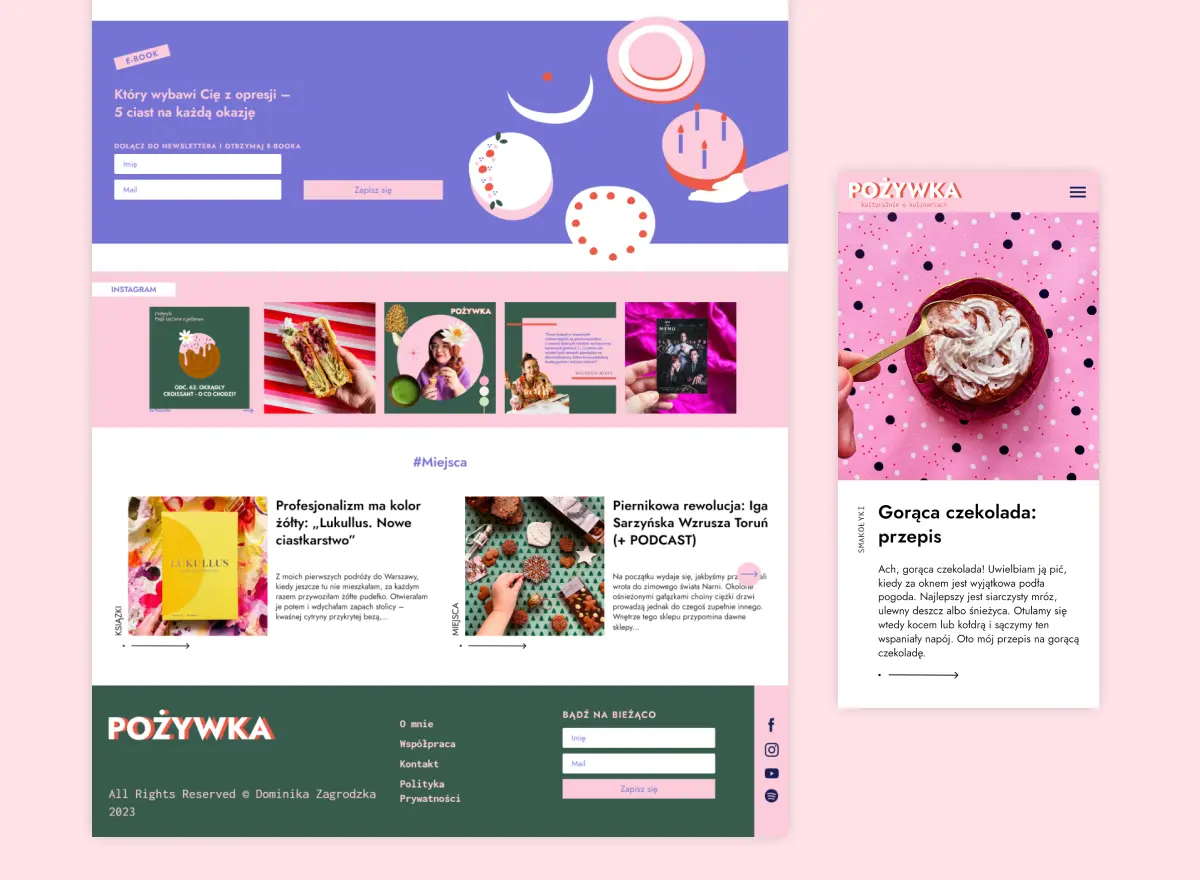
pozywka.pl
Scalable blog for food journalist, focused on performance and user experience 🌭
zagrodzki.me
Personal blog and portfolio of Bart Zagrodzki, where he shares his knowledge and work 💼
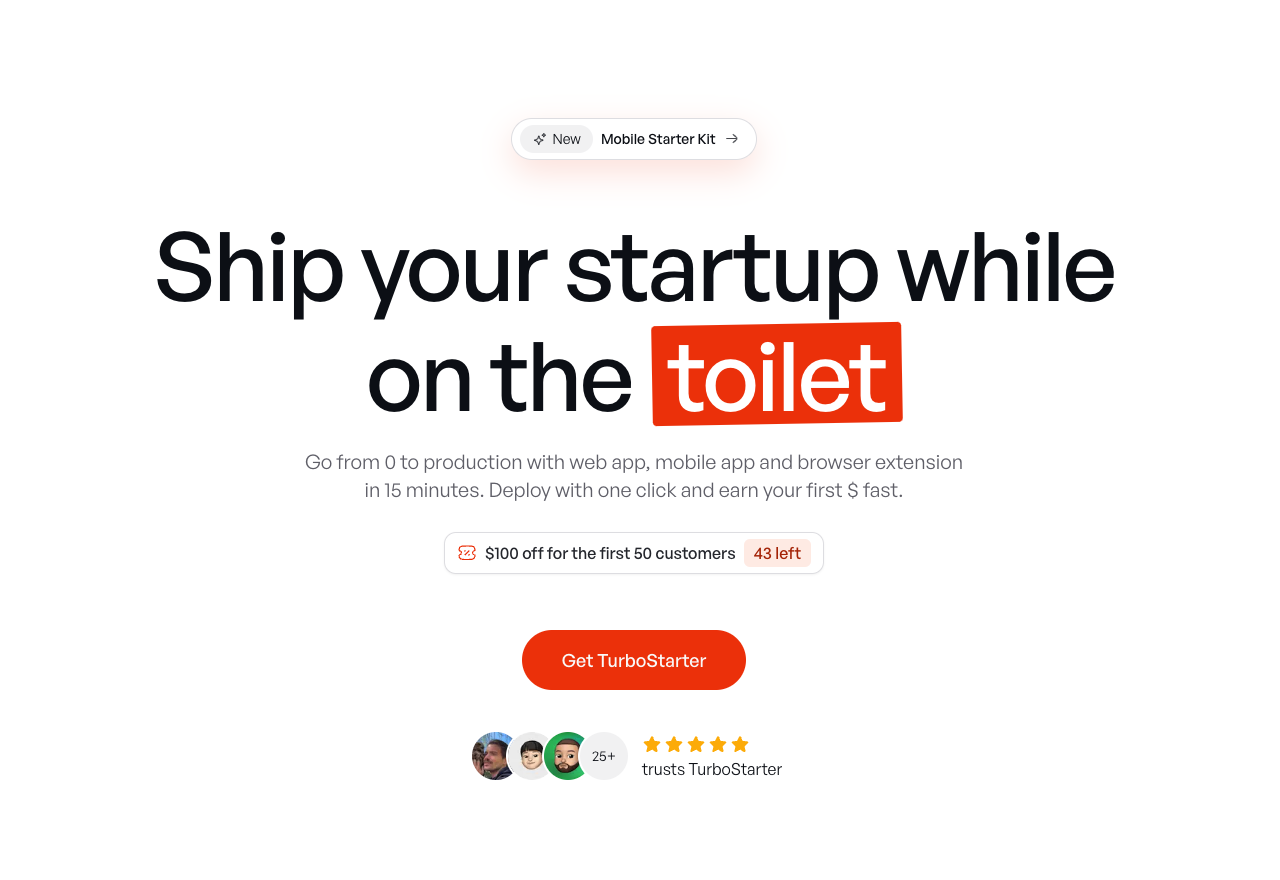
TurboStarter
Ship your startup everywhere. In minutes.
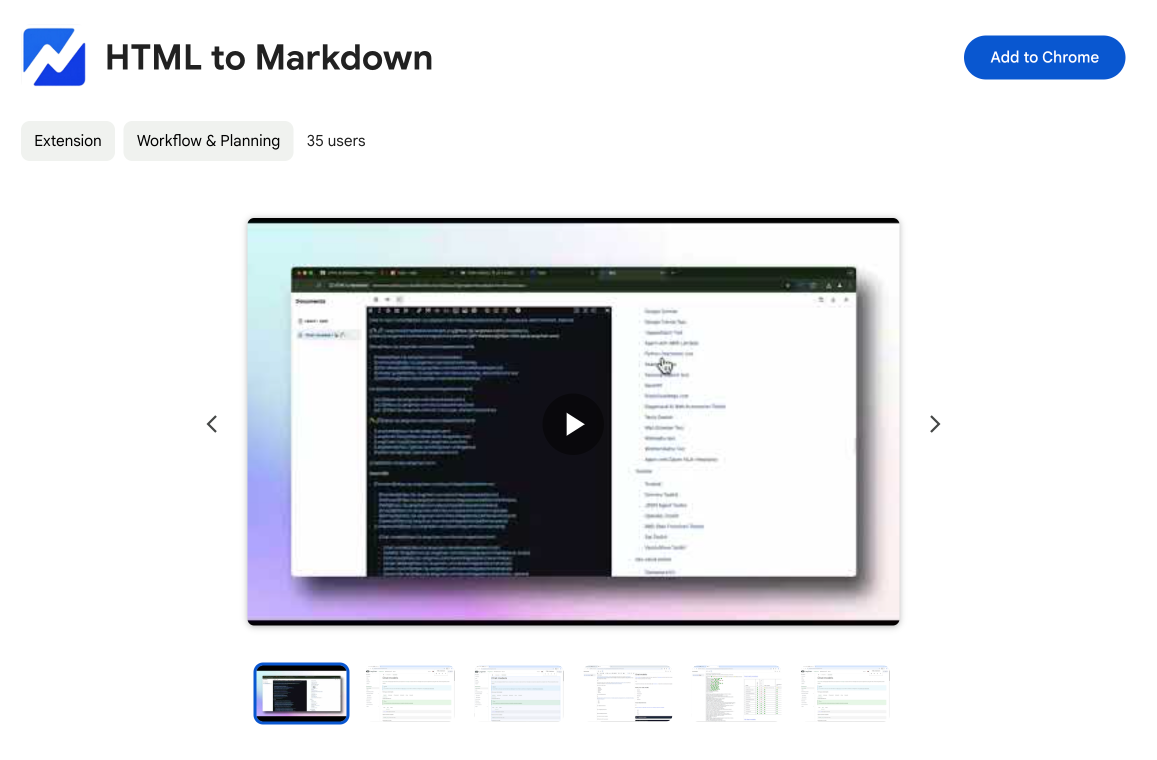
HTML to Markdown
Convert HTML to Markdown with ease, directly in your browser 📄
Dotallio
Personalized AI apps that automate research, data extraction, and content creation without code 🤖
Talk to Santa
Enjoy a magical live video chat or receive a unique AI-generated video greeting from Santa Claus 🎅
pozywka.pl
Scalable blog for food journalist, focused on performance and user experience 🌭
zagrodzki.me
Personal blog and portfolio of Bart Zagrodzki, where he shares his knowledge and work 💼
TurboStarter
Ship your startup everywhere. In minutes.
HTML to Markdown
Convert HTML to Markdown with ease, directly in your browser 📄
Dotallio
Personalized AI apps that automate research, data extraction, and content creation without code 🤖
Talk to Santa
Enjoy a magical live video chat or receive a unique AI-generated video greeting from Santa Claus 🎅
pozywka.pl
Scalable blog for food journalist, focused on performance and user experience 🌭
zagrodzki.me
Personal blog and portfolio of Bart Zagrodzki, where he shares his knowledge and work 💼
TurboStarter
Ship your startup everywhere. In minutes.
HTML to Markdown
Convert HTML to Markdown with ease, directly in your browser 📄
Dotallio
Personalized AI apps that automate research, data extraction, and content creation without code 🤖
Talk to Santa
Enjoy a magical live video chat or receive a unique AI-generated video greeting from Santa Claus 🎅
pozywka.pl
Scalable blog for food journalist, focused on performance and user experience 🌭
zagrodzki.me
Personal blog and portfolio of Bart Zagrodzki, where he shares his knowledge and work 💼
TurboStarter
Ship your startup everywhere. In minutes.
HTML to Markdown
Convert HTML to Markdown with ease, directly in your browser 📄
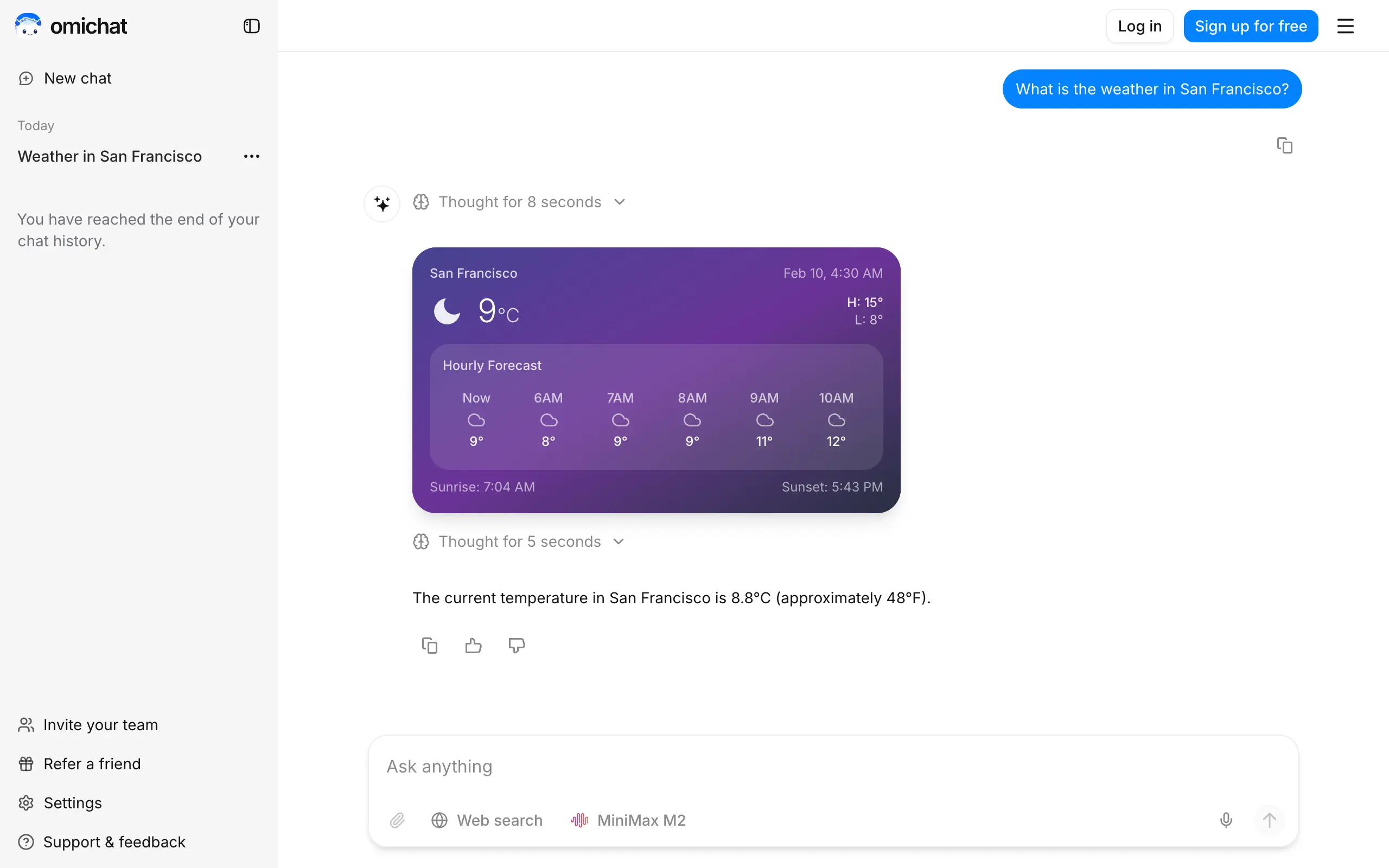
Omichat
Chat with 50+ AI models, including ChatGPT and Claude, in one place - switch models anytime without losing context 🤖
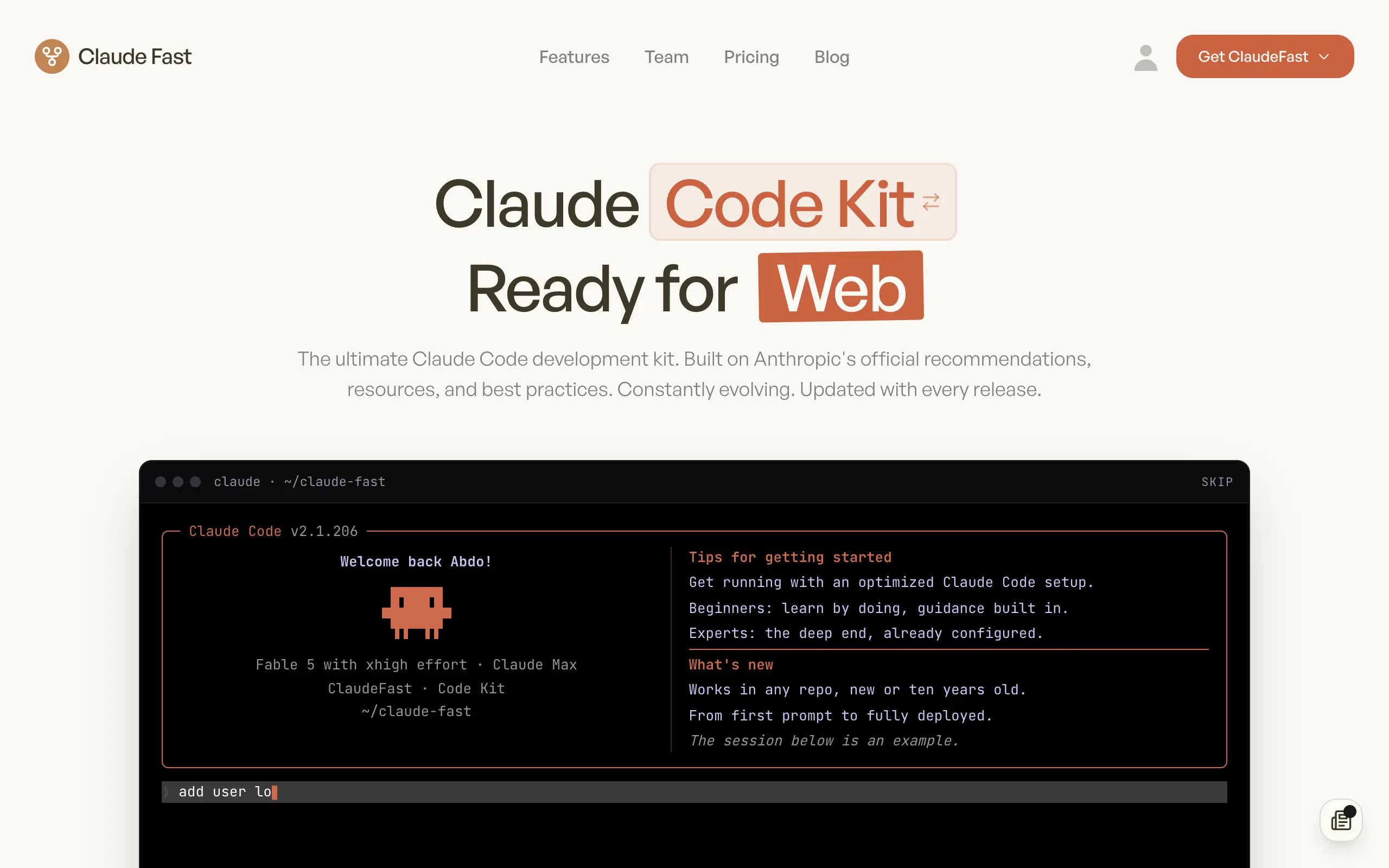
Claude Fast
Supercharge your Claude Code with 6x effective context window and specialized AI agents 🤖
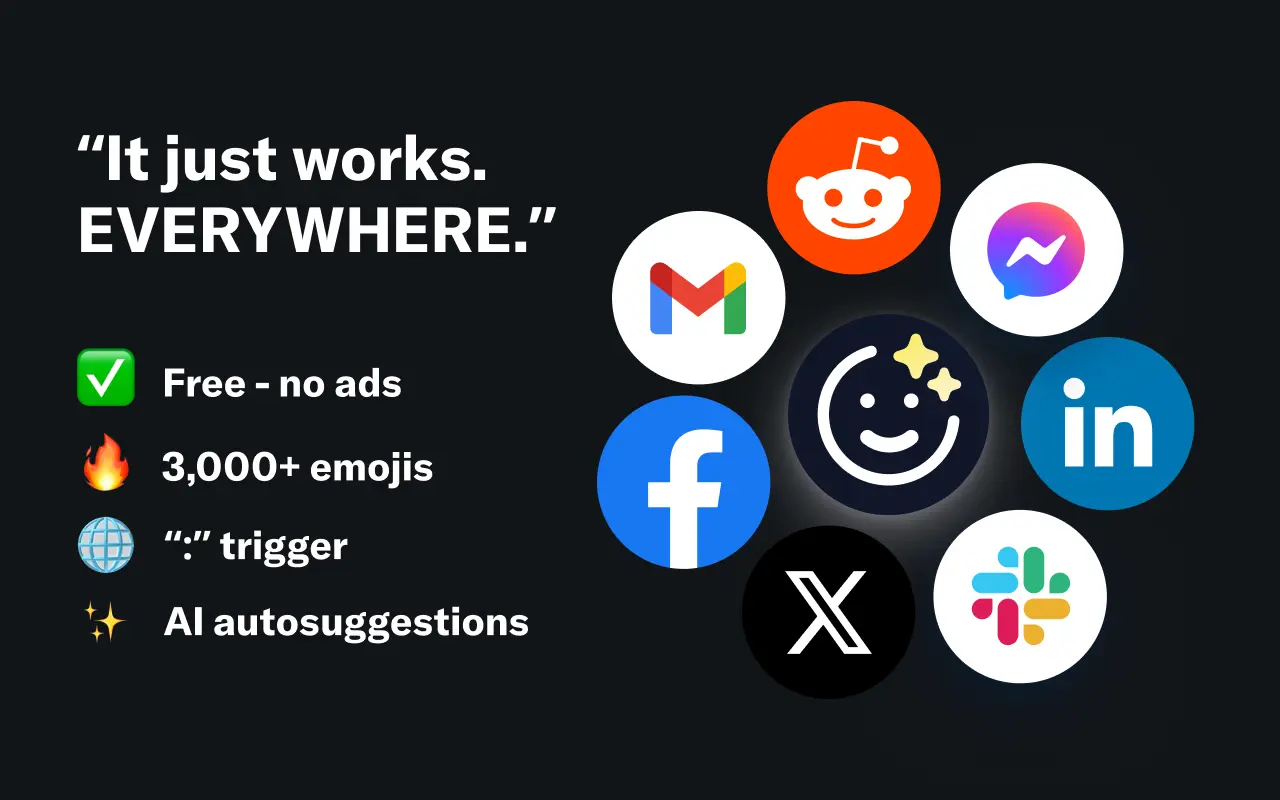
EmojAI
AI-powered emoji picker with smart, context-aware suggestions 🤖

Solohacker
Autonomous company launcher - AI agents work 24/7, escalate what matters, and you stay in control 🤖
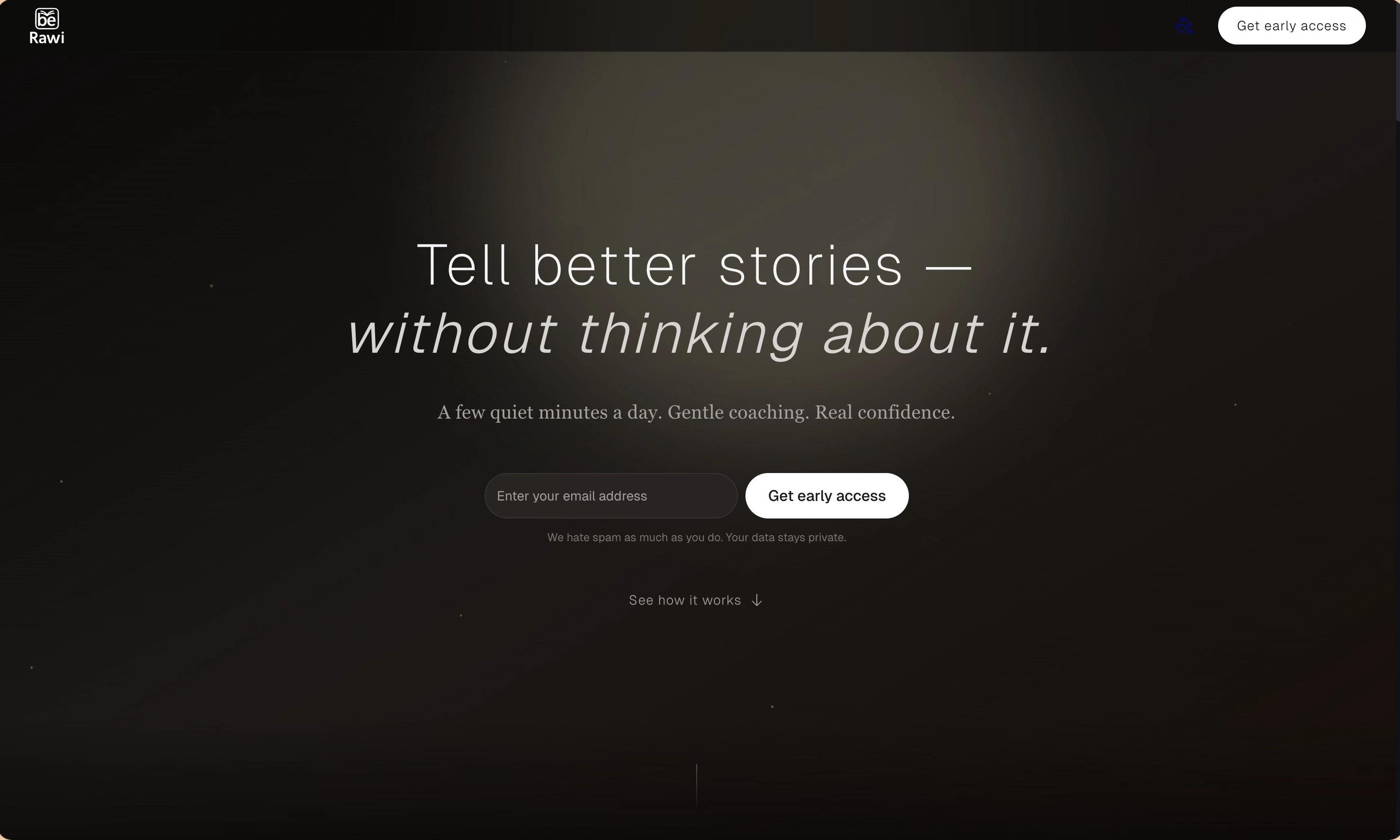
BeRawi: Storytelling Coach
Practice storytelling daily with instant feedback to sound clearer, more engaging, and confident 🎤
Omichat
Chat with 50+ AI models, including ChatGPT and Claude, in one place - switch models anytime without losing context 🤖
Claude Fast
Supercharge your Claude Code with 6x effective context window and specialized AI agents 🤖
EmojAI
AI-powered emoji picker with smart, context-aware suggestions 🤖
Solohacker
Autonomous company launcher - AI agents work 24/7, escalate what matters, and you stay in control 🤖
BeRawi: Storytelling Coach
Practice storytelling daily with instant feedback to sound clearer, more engaging, and confident 🎤
Omichat
Chat with 50+ AI models, including ChatGPT and Claude, in one place - switch models anytime without losing context 🤖
Claude Fast
Supercharge your Claude Code with 6x effective context window and specialized AI agents 🤖
EmojAI
AI-powered emoji picker with smart, context-aware suggestions 🤖
Solohacker
Autonomous company launcher - AI agents work 24/7, escalate what matters, and you stay in control 🤖
BeRawi: Storytelling Coach
Practice storytelling daily with instant feedback to sound clearer, more engaging, and confident 🎤
Omichat
Chat with 50+ AI models, including ChatGPT and Claude, in one place - switch models anytime without losing context 🤖
Claude Fast
Supercharge your Claude Code with 6x effective context window and specialized AI agents 🤖
EmojAI
AI-powered emoji picker with smart, context-aware suggestions 🤖
Solohacker
Autonomous company launcher - AI agents work 24/7, escalate what matters, and you stay in control 🤖
BeRawi: Storytelling Coach
Practice storytelling daily with instant feedback to sound clearer, more engaging, and confident 🎤

Connect with like-minded people
Join our community to get feedback, support, and grow together with 1,000+ builders on board, let's ship it!
Join usShip your startup everywhere. In minutes.
Don't burn tokens on setup and start building features on day one.