AdBoost
A SaaS tool that automates the creation and optimization of ad campaigns across multiple platforms, tailored specifically for e-commerce businesses looking to maximize their advertising impact.
Understanding the Target Audience
For e-commerce businesses, automated ad campaign management is not just a luxury—it's a necessity. With the online marketplace becoming increasingly competitive, companies need tools that offer precision, speed, and scalability.
Key Audience Characteristics:
- E-commerce Managers & Marketers: Looking to streamline advertising efforts across multiple channels.
- SMEs & Startups: Need cost-effective solutions that can scale with their business growth.
- Digital Marketing Agencies: Require tools to manage and optimize multiple client campaigns efficiently.
- Freelancers: Searching for robust software to handle remote campaigns with minimal overhead.
By developing a platform that automates the entire advertising process, businesses can focus on creative aspects and strategic decision-making rather than being bogged down with repetitive tasks.
The Expansive Market Opportunity
The digital advertising landscape is evolving rapidly. With the growth of e-commerce, there is a strong market demand for platforms that can automate ad creation and optimization. This demand is fueled by:
- Increased E-commerce Adoption: As more businesses move online, the need for intelligent advertising platforms grows.
- Cross-Platform Marketing: Advertisers are increasingly using multi-channel campaigns to reach broader audiences.
- Data-Driven Campaigns: Advanced analytics and optimization techniques are becoming the cornerstone for successful campaigns.
Market Opportunity Highlights:
- Exponential Growth: The global digital advertising market is expected to surpass trillions of dollars in spending in the next decade.
- Technological Integration: Leveraging AI and machine learning to maximize ad performance.
- High ROI Potential: Businesses aim to reduce ad spend wastage while enhancing customer acquisition and conversion rates.
This environment creates a unique opening for a SaaS tool that seamlessly manages and optimizes ads across various platforms, enabling e-commerce sites to improve their overall advertising efficiency and ROI.
Leveraging Advanced Tech Stack and Systems
An effective technical foundation is essential for automating ad campaigns. Choosing the right tech stack enables rapid development, easier scalability, and seamless integration with various ad platforms.
Recommended Technologies:
- Frontend:
- React or Vue.js for interactive user interfaces.
- Tailwind CSS for fast, customizable styling.
- Backend:
- Node.js paired with Express or NestJS for robust API development.
- Python for machine learning and data analysis tasks.
- Database:
- PostgreSQL for structured data.
- MongoDB for handling diverse data types and rapid prototyping.
- Infrastructure:
- Docker and Kubernetes for containerized deployments and scalable orchestration.
- Analytics & Machine Learning:
- TensorFlow or PyTorch to build optimization algorithms.
- Integration with platforms like Google Analytics for robust insights.
For those looking to accelerate development and reduce initial overhead, consider using the TurboStarter kit—designed for web, mobile, and browser extension development. It comes pre-configured with modern stacks that can help expedite the project without compromising on scalability and quality.
Below is a simple code snippet that illustrates setting up a basic logging utility in a Node.js environment:
const test = () => {
  console.log("this is a code snippet!");
}
Tech Stack Advantage
Modern frameworks ensure top performance and easy integration with existing systems.
Through this mix of contemporary and reliable tools, the development process can be both agile and robust, supporting continuous integration and deployment.
Crafting a Profitable Monetization Strategy
Turning a functional tool into a commercially successful product requires thoughtful consideration of various revenue models. Here are some potential monetization strategies:
Subscription-Based Pricing
- Monthly/Annual Plans: Offer tiered subscription plans ranging from essential to premium features.
- Free Trial & Freemium: Allow users to test the core functionalities with the option to upgrade.
Commission and Performance-Based Models
- Ad Spend Commission: Charge a small percentage based on the ad spend managed through the platform.
- Performance Bonuses: Fees based on the success of ad campaigns, directly tied to ROI improvements.
Add-On Features and Integrations
- Customized Reports: Develop in-depth reporting tools that can be offered as an upgrade.
- Expanded Integrations: Provide seamless integrations with various ad networks and e-commerce platforms at an additional cost.
Marketplace Model
- Third-Party Plugins: Allow developers to create and market add-ons.
- API Access: Offer API usage on a subscription basis for integration with other business systems.
Advantages of a diversified monetization strategy:
- Ensures a steady revenue stream.
- Attracts a wider range of customers.
- Minimizes reliance on a single revenue source.
- Enhances customer retention by providing scalable solutions for businesses at different stages.
Evaluating Risks and Mitigation Strategies
Any software development and marketing initiative comes with its own set of challenges and risks. Recognizing these early on is vital to developing robust mitigation strategies:
Identified Risks and Their Impacts
- Data Privacy Concerns: Handling user data and campaign specifics can raise privacy issues.
- Algorithmic Bias: Overreliance on automated features might lead to suboptimal campaigns if machine learning models are not sufficiently refined.
- Integration Complexities: Ensuring compatibility with multiple advertising platforms can result in technical hurdles.
- Market Saturation: With the rise of similar SaaS platforms, differentiating from competitors is essential.
- Economic Fluctuations: Advertising budgets might shrink in an economic downturn, affecting the platform's revenue stream.
Notice
It is crucial to continuously monitor performance and address any emerging issues promptly, ensuring high-quality service even during market shifts.
Mitigation Strategies
- Robust Data Security: Implement strong encryption and follow GDPR standards to manage user data securely.
- Iterative Development: Regularly update machine learning models using new data, coupled with expert oversight.
- API Standardization: Design standardized APIs and maintain comprehensive documentation to ease third-party integrations.
- Feature Differentiation: Focus on unique selling points such as the seamless integration with e-commerce platforms and tailored optimization strategies.
- Flexible Pricing Models: Create adaptable pricing strategies that cater to both high growth and low budget periods.
By addressing risks head-on and building contingencies, the platform will be better positioned to maintain reliability, inspire user confidence, and foster long-term growth.
Competitive Advantages in a Crowded Market
In a market with numerous tools and platforms available for digital advertising, finding and sustaining competitive advantages can be the key to success. Here’s how to set your tool apart:
Unique Selling Propositions
- Automation at Scale: Unlike many tools that require manual intervention, advanced algorithms ensure full-scale automation, reducing human error and saving time.
- Multi-Platform Integration: The ability to manage campaigns across diverse platforms from a single interface simplifies complexities for users.
- Data-Driven Insights: Provide actionable insights through real-time analytics and machine learning models that predict campaign success.
- User-Friendly Interface: Design an intuitive dashboard that caters to both novice and experienced marketers.
- Customization: Enable tailored advertising strategies based on the unique needs of each e-commerce business.
Differentiation Through Innovation
- AI-Powered Optimization: Use machine learning algorithms not just to automate, but to continuously optimize campaign parameters based on performance metrics.
- Dynamic Budget Allocation: Implement systems that adjust spending dynamically across platforms to maximize ROI.
- Campaign Simulation: Offer a sandbox environment where marketers can simulate campaigns and forecast outcomes before going live.
Automated Processes: Reduce manual workload by leveraging AI for upfront campaign creation, execution, and reporting.
Multi-Channel Insights: Seamlessly integrate data streams from various advertising networks, transforming raw data into actionable intelligence.
Strategic Partnerships and Ecosystem Integration
By partnering with major e-commerce platforms and digital marketing agencies, the tool can further expand its reach and provide integrated services. Additionally, forming alliances with data analytics providers can refine targeting strategies, ensuring that ad campaigns deliver the best possible results.
Detailed Implementation Steps
Turning a robust concept into a fully functional product will involve a multi-phase implementation strategy. Careful planning, testing, and iterative development will be crucial to success.
- Conduct market research to validate the need and determine key features.
- Outline the project scope and requirements.
- Define metrics for success.
- Draft initial designs and user interface wireframes.
- Gather feedback from a select group of potential users.
- Develop initial prototypes.
- Set up the chosen tech stack (refer to sections above for recommended choices).
- Begin backend and API development using Node.js and Express.
- Develop the frontend using React or Vue.js integrated with Tailwind CSS.
- Implement unit and integration tests.
- Optimize the machine learning algorithms based on initial trial data.
- Refine UX/UI based on real-world testing.
- Soft-launch to early adopters and gather feedback.
- Implement continuous integration/continuous deployment (CI/CD) pipelines.
- Set up a dedicated support team for ongoing maintenance.
Monetization and Growth: Long-Term Strategic Steps
A successful launch is just the beginning. Post-launch strategies will help solidify market presence and drive sustained growth.
-
Step-by-Step Revenue Scaling:
Launch the MVP with core features and invite early users for testing.Iteratively integrate advanced features based on user feedback.Deploy a tiered subscription model that aligns with varying business needs.Invest in data analytics to continuously refine ad optimization strategies.Expand partnerships and integration with additional ad platforms. -
Marketing and Branding:
- Content Marketing: Use SEO-rich blog posts, case studies, and whitepapers to educate the market.
- Social Media: Engage with users and share success stories on platforms like LinkedIn, Twitter, and Facebook.
- Webinars & Workshops: Host sessions that delve into the nuances of automated ad campaigns and data-driven marketing.
- Influencer Partnerships: Collaborate with industry experts to build trust and credibility.
-
Customer Success Focus:
- Provide extensive onboarding materials and tutorials.
- Regularly update user documentation with FAQs, video tutorials, and blog posts.
- Establish a community forum for users to share tips and best practices.
Conclusion and Final Implementation Steps
Summing up, launching an automated ad campaign management tool for e-commerce offers immense potential to tap into the digital advertising boom. The SaaS solution is designed specifically for businesses looking to increase efficiency in managing multi-channel campaigns while reducing operational costs through automation and data-driven insights.
To get started, consider the following practical implementation steps:
-
Market Validation and Planning:
- Conduct surveys and interviews with potential users.
- Consult industry reports and competitor analyses to fine-tune your product roadmap.
-
Prototype Development and Testing:
- Develop initial prototypes using technologies such as React, Node.js, and Python, ensuring a smooth integration with existing ad platforms.
- Utilize Agile methodologies for rapid iteration and feedback.
-
Leveraging TurboStarter for Rapid Development:
- Use the TurboStarter kit to kickstart the project with pre-configured environments and essential integrations.
- Customize the starter kit to align with your unique business requirements.
-
Scaling and Monetization:
- Deploy a robust subscription model that scales as users grow.
- Integrate performance analytics to continuously optimize ad campaigns.
- Expand integration with multiple advertising platforms, ensuring the tool can evolve with market demands.
-
Ongoing Growth and Iterative Improvement:
- Engage in regular enhancements, supported by user feedback and performance metrics.
- Invest in marketing initiatives and customer success programs to maintain a competitive edge.
At this stage, you have the blueprint of a robust, automated ad-campaign management solution crafted for e-commerce businesses. Implementing this tool with the outlined steps ensures that you not only meet current market demands but also set the stage for future growth and innovation in the digital advertising space.
By following these actionable steps and strategically leveraging modern development frameworks and tools, your platform stands to make a significant impact in a crowded market. Remain agile, continuously monitor industry trends, and adjust strategies as required. This methodical approach will drive long-term success and establish the tool as an indispensable asset for e-commerce professionals seeking to maximize their advertising impact.
More 🛒 E-commerce SaaS ideas
Discover more innovative e-commerce SaaS ideas that are trending in 2026. Each idea is AI-generated with market validation and growth potential to help you find your next profitable venture faster than competitors.
Your competitors are building with TurboStarter
Below are some of the SaaS ideas that have been generated and built with our starter kit.
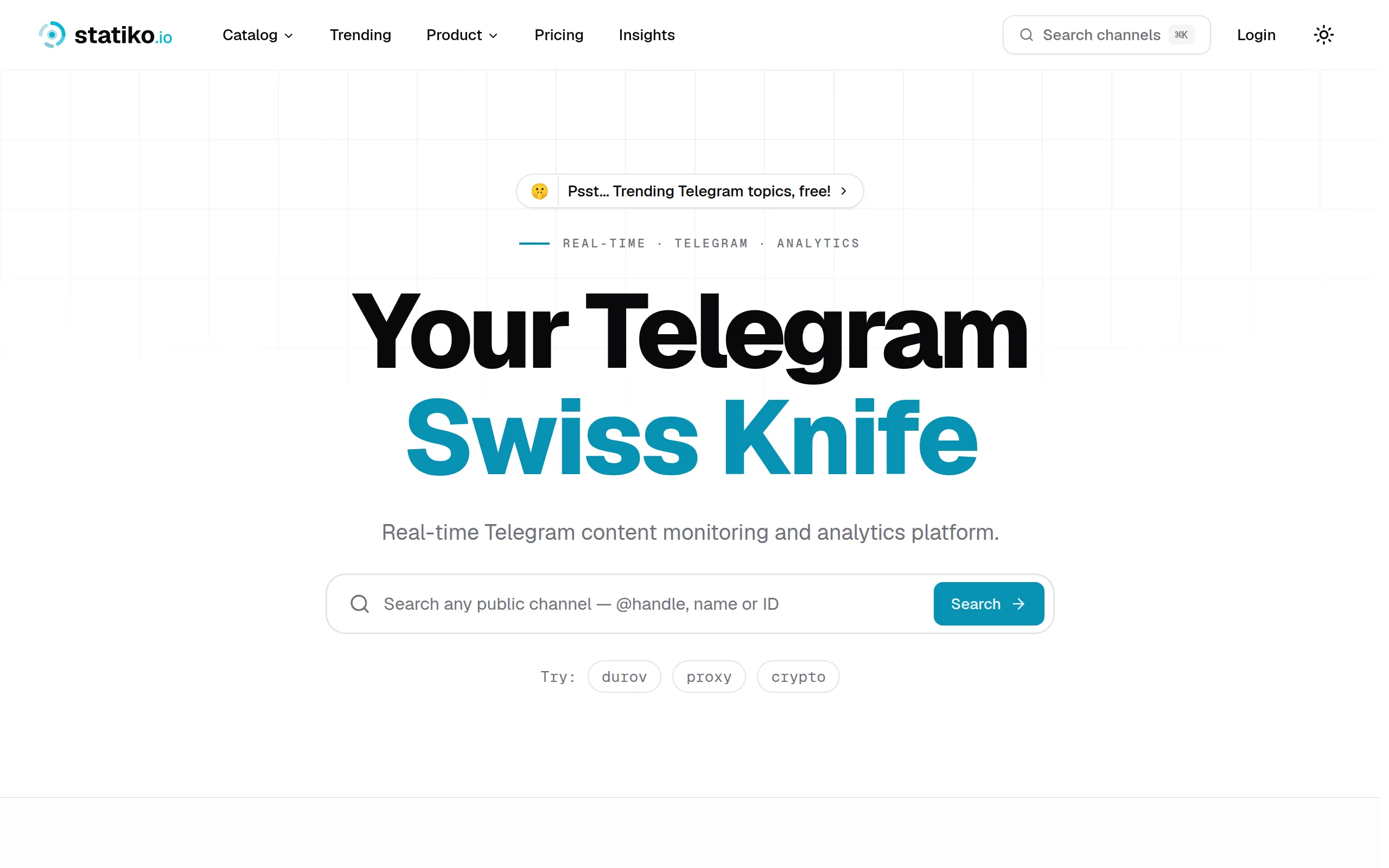
Statiko
Monitor any Telegram channel in real time - track posts, edits, deletions, and growth with AI recaps 📡

Shibui
AI website builder - describe your business, pick a niche template, edit by chatting, and publish instantly ✨

Pro Service
Find verified home service professionals, compare quotes, and pay securely through escrow - built for Brazilians across the US 🏠
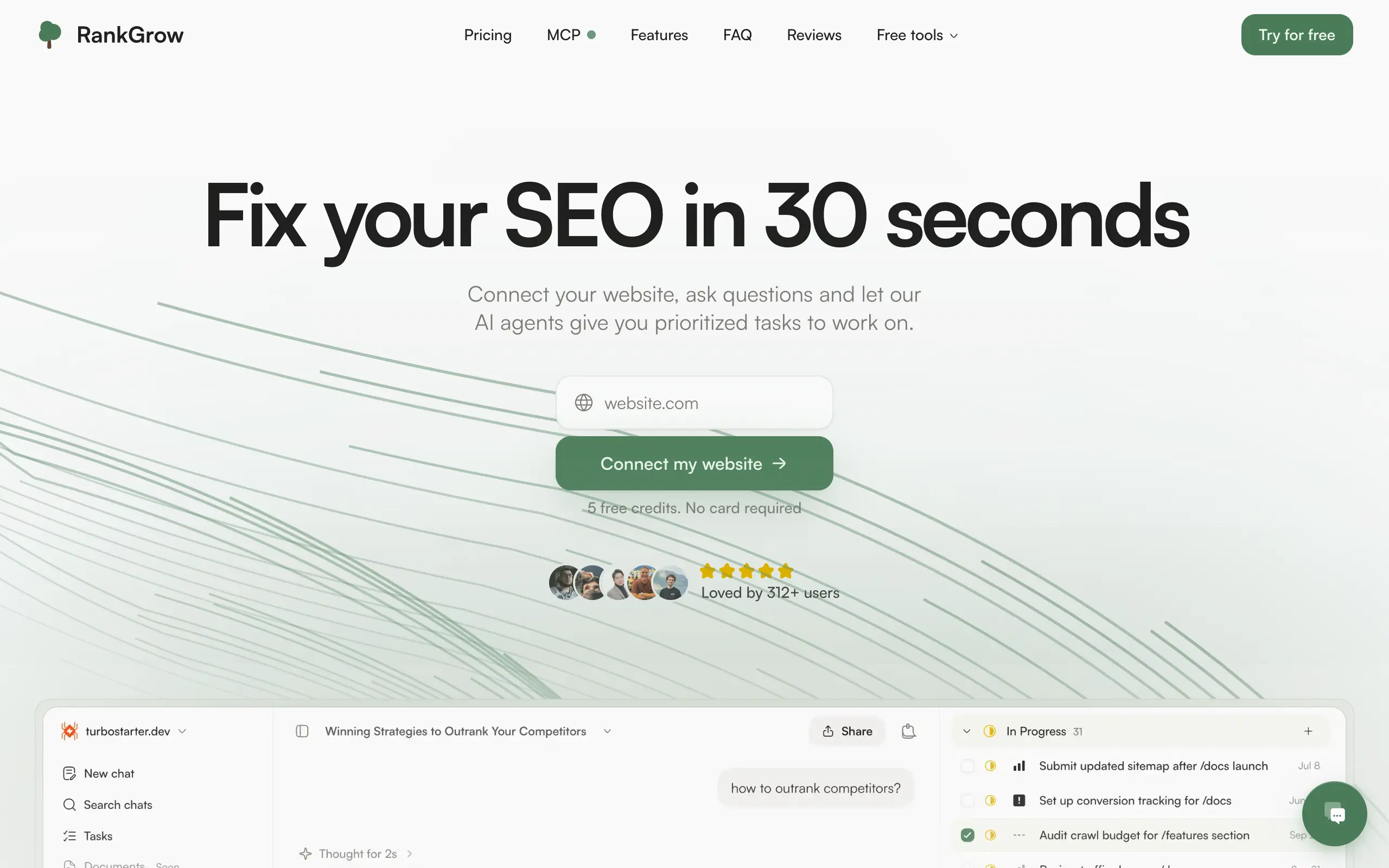
RankGrow
Fix your SEO with AI agents - connect Search Console, get prioritized tasks, and grow organic traffic 📈
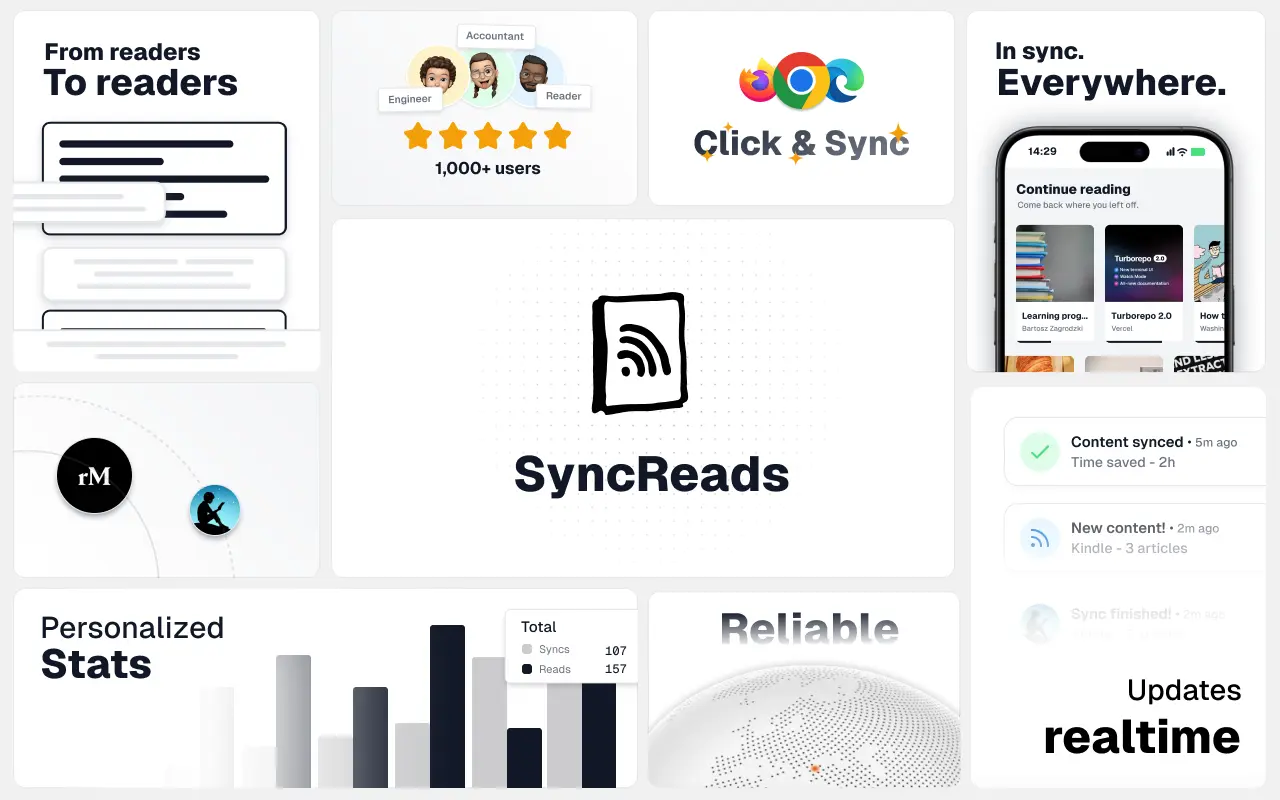
SyncReads
Sync your favorite content for distraction-free reading, save time and replace multiple apps. Anytime, anywhere 🔄
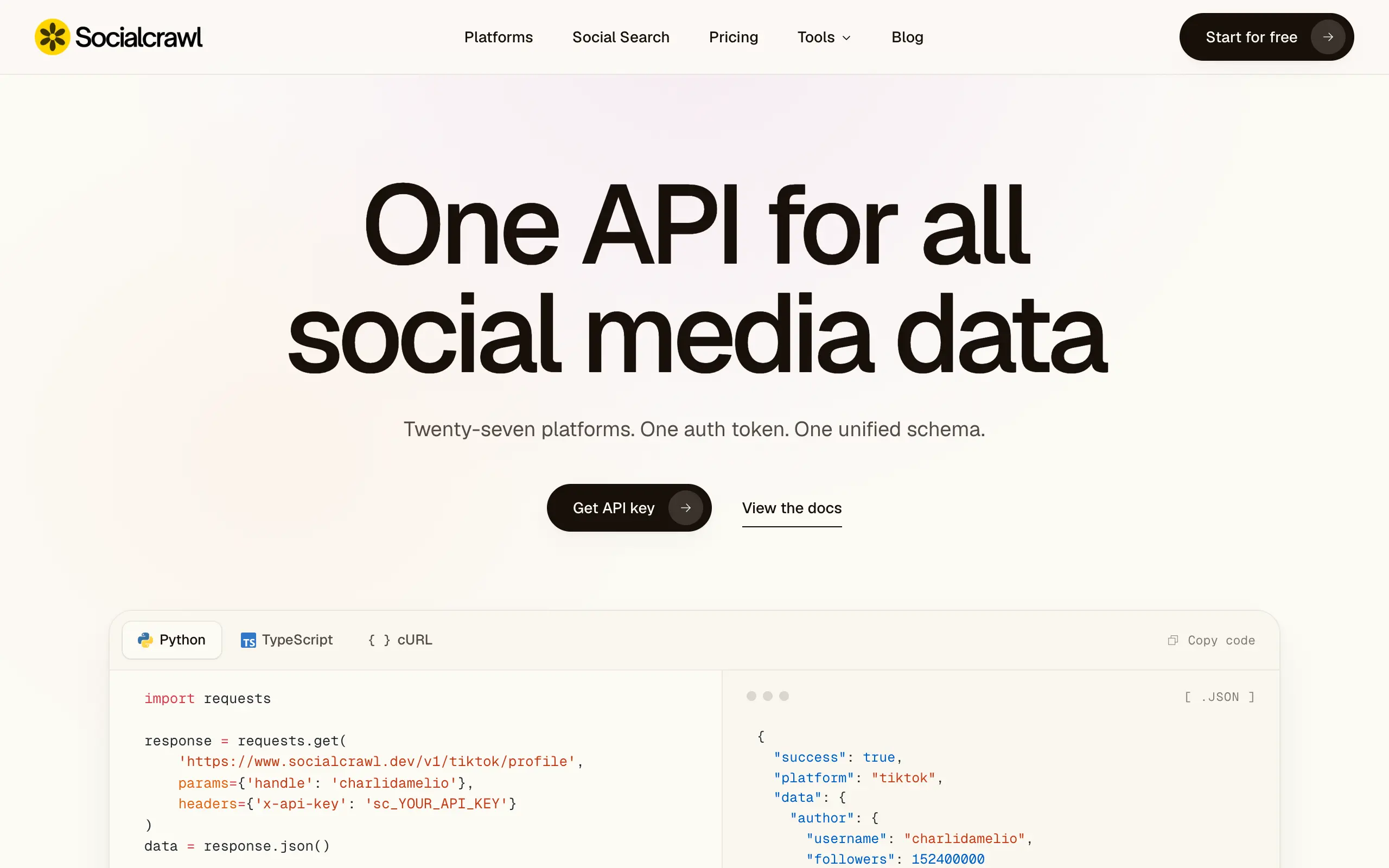
Socialcrawl
Get clean, structured data from 21 platforms like TikTok, Instagram, and YouTube with a single request 📊
Statiko
Monitor any Telegram channel in real time - track posts, edits, deletions, and growth with AI recaps 📡
Shibui
AI website builder - describe your business, pick a niche template, edit by chatting, and publish instantly ✨
Pro Service
Find verified home service professionals, compare quotes, and pay securely through escrow - built for Brazilians across the US 🏠
RankGrow
Fix your SEO with AI agents - connect Search Console, get prioritized tasks, and grow organic traffic 📈
SyncReads
Sync your favorite content for distraction-free reading, save time and replace multiple apps. Anytime, anywhere 🔄
Socialcrawl
Get clean, structured data from 21 platforms like TikTok, Instagram, and YouTube with a single request 📊
Statiko
Monitor any Telegram channel in real time - track posts, edits, deletions, and growth with AI recaps 📡
Shibui
AI website builder - describe your business, pick a niche template, edit by chatting, and publish instantly ✨
Pro Service
Find verified home service professionals, compare quotes, and pay securely through escrow - built for Brazilians across the US 🏠
RankGrow
Fix your SEO with AI agents - connect Search Console, get prioritized tasks, and grow organic traffic 📈
SyncReads
Sync your favorite content for distraction-free reading, save time and replace multiple apps. Anytime, anywhere 🔄
Socialcrawl
Get clean, structured data from 21 platforms like TikTok, Instagram, and YouTube with a single request 📊
Statiko
Monitor any Telegram channel in real time - track posts, edits, deletions, and growth with AI recaps 📡
Shibui
AI website builder - describe your business, pick a niche template, edit by chatting, and publish instantly ✨
Pro Service
Find verified home service professionals, compare quotes, and pay securely through escrow - built for Brazilians across the US 🏠
RankGrow
Fix your SEO with AI agents - connect Search Console, get prioritized tasks, and grow organic traffic 📈
SyncReads
Sync your favorite content for distraction-free reading, save time and replace multiple apps. Anytime, anywhere 🔄
Socialcrawl
Get clean, structured data from 21 platforms like TikTok, Instagram, and YouTube with a single request 📊
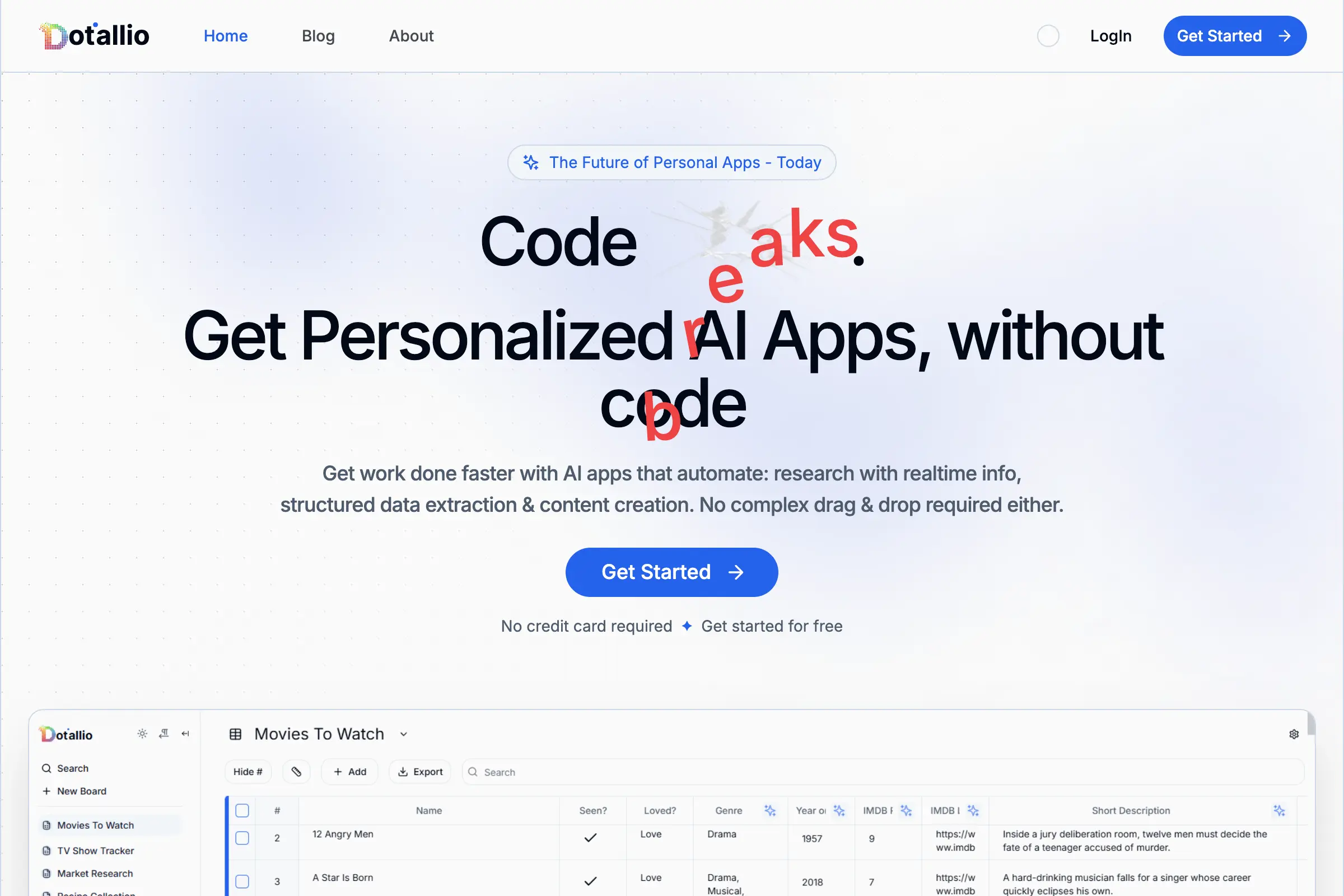
Dotallio
Personalized AI apps that automate research, data extraction, and content creation without code 🤖

Talk to Santa
Enjoy a magical live video chat or receive a unique AI-generated video greeting from Santa Claus 🎅
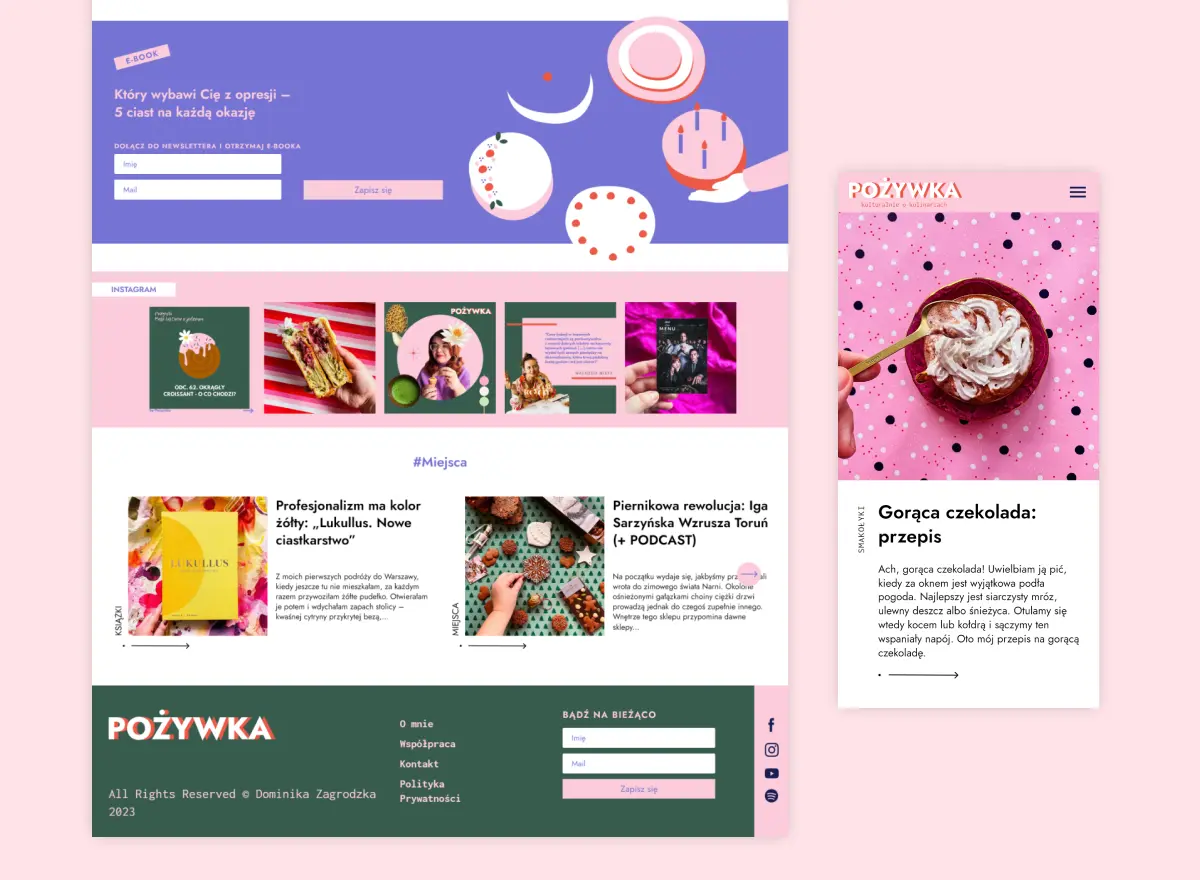
pozywka.pl
Scalable blog for food journalist, focused on performance and user experience 🌭
zagrodzki.me
Personal blog and portfolio of Bart Zagrodzki, where he shares his knowledge and work 💼
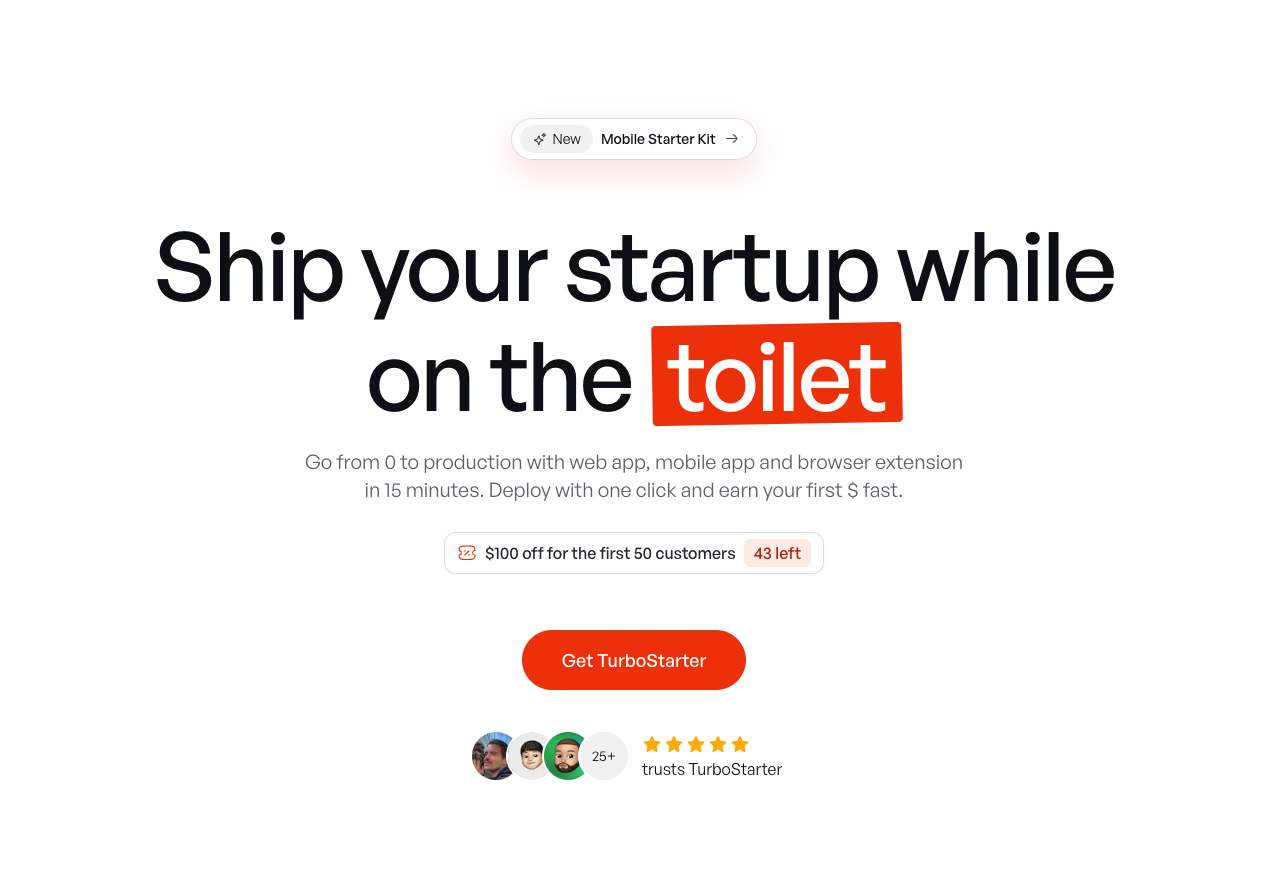
TurboStarter
Ship your startup everywhere. In minutes.
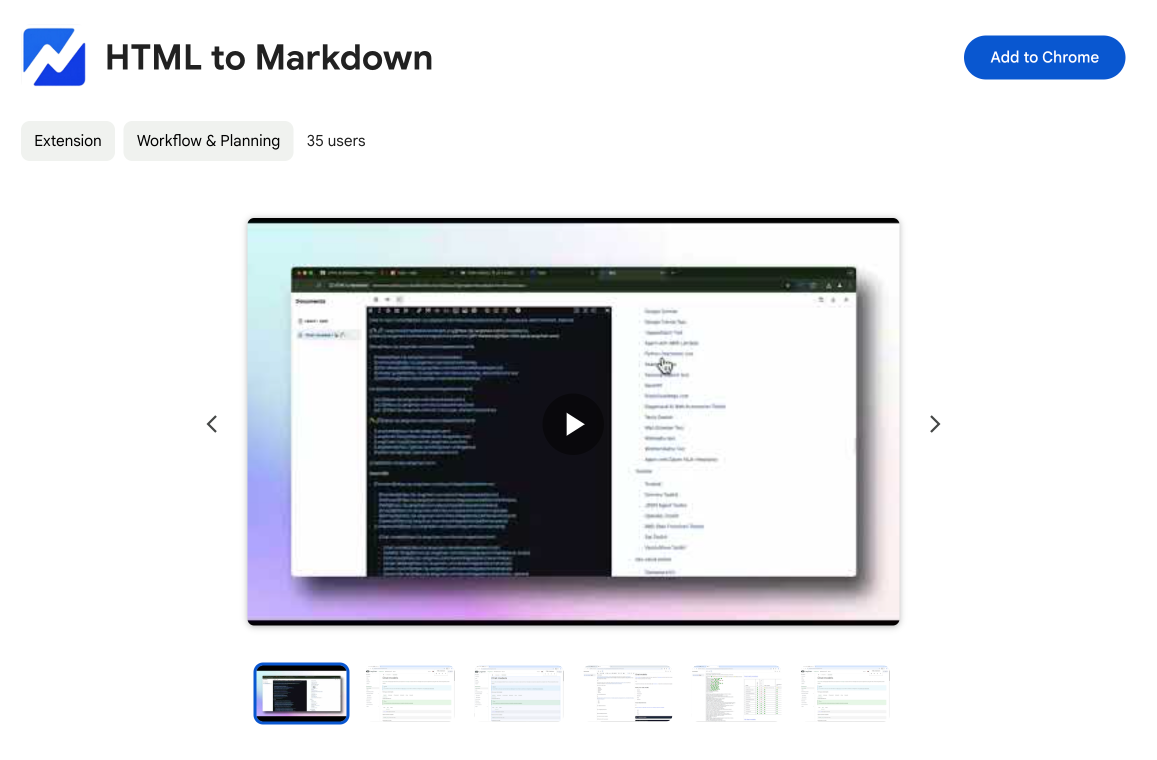
HTML to Markdown
Convert HTML to Markdown with ease, directly in your browser 📄
Dotallio
Personalized AI apps that automate research, data extraction, and content creation without code 🤖
Talk to Santa
Enjoy a magical live video chat or receive a unique AI-generated video greeting from Santa Claus 🎅
pozywka.pl
Scalable blog for food journalist, focused on performance and user experience 🌭
zagrodzki.me
Personal blog and portfolio of Bart Zagrodzki, where he shares his knowledge and work 💼
TurboStarter
Ship your startup everywhere. In minutes.
HTML to Markdown
Convert HTML to Markdown with ease, directly in your browser 📄
Dotallio
Personalized AI apps that automate research, data extraction, and content creation without code 🤖
Talk to Santa
Enjoy a magical live video chat or receive a unique AI-generated video greeting from Santa Claus 🎅
pozywka.pl
Scalable blog for food journalist, focused on performance and user experience 🌭
zagrodzki.me
Personal blog and portfolio of Bart Zagrodzki, where he shares his knowledge and work 💼
TurboStarter
Ship your startup everywhere. In minutes.
HTML to Markdown
Convert HTML to Markdown with ease, directly in your browser 📄
Dotallio
Personalized AI apps that automate research, data extraction, and content creation without code 🤖
Talk to Santa
Enjoy a magical live video chat or receive a unique AI-generated video greeting from Santa Claus 🎅
pozywka.pl
Scalable blog for food journalist, focused on performance and user experience 🌭
zagrodzki.me
Personal blog and portfolio of Bart Zagrodzki, where he shares his knowledge and work 💼
TurboStarter
Ship your startup everywhere. In minutes.
HTML to Markdown
Convert HTML to Markdown with ease, directly in your browser 📄
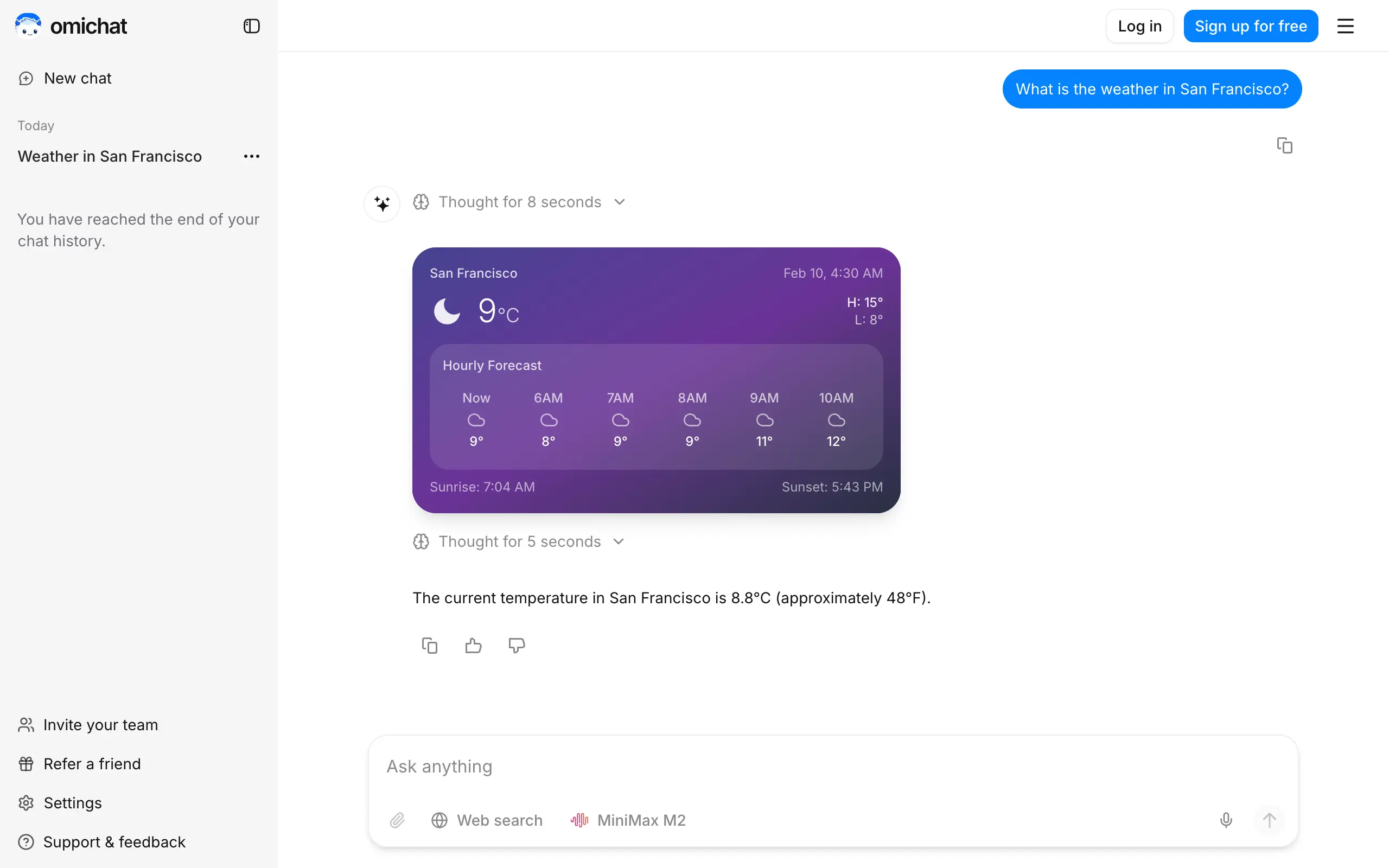
Omichat
Chat with 50+ AI models, including ChatGPT and Claude, in one place - switch models anytime without losing context 🤖
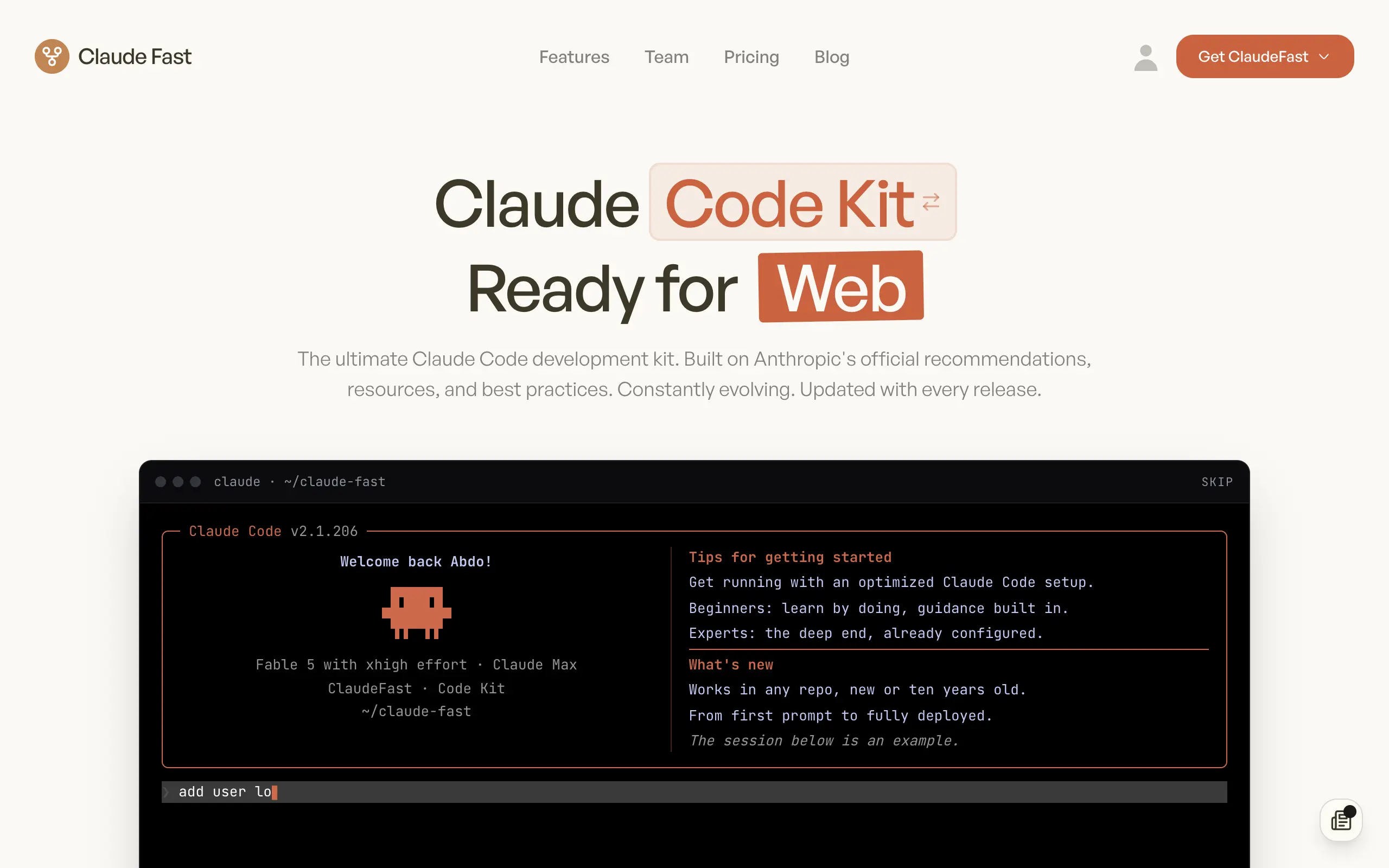
Claude Fast
Supercharge your Claude Code with 6x effective context window and specialized AI agents 🤖
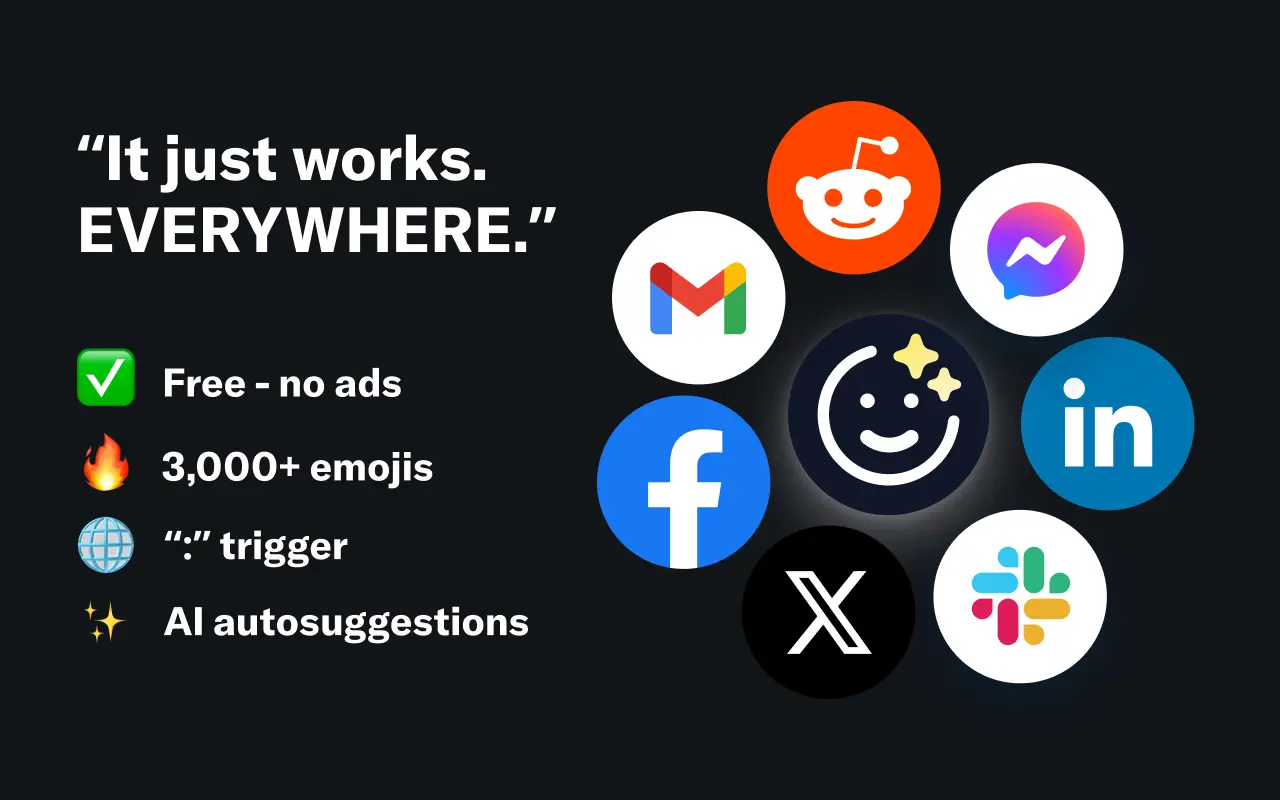
EmojAI
AI-powered emoji picker with smart, context-aware suggestions 🤖
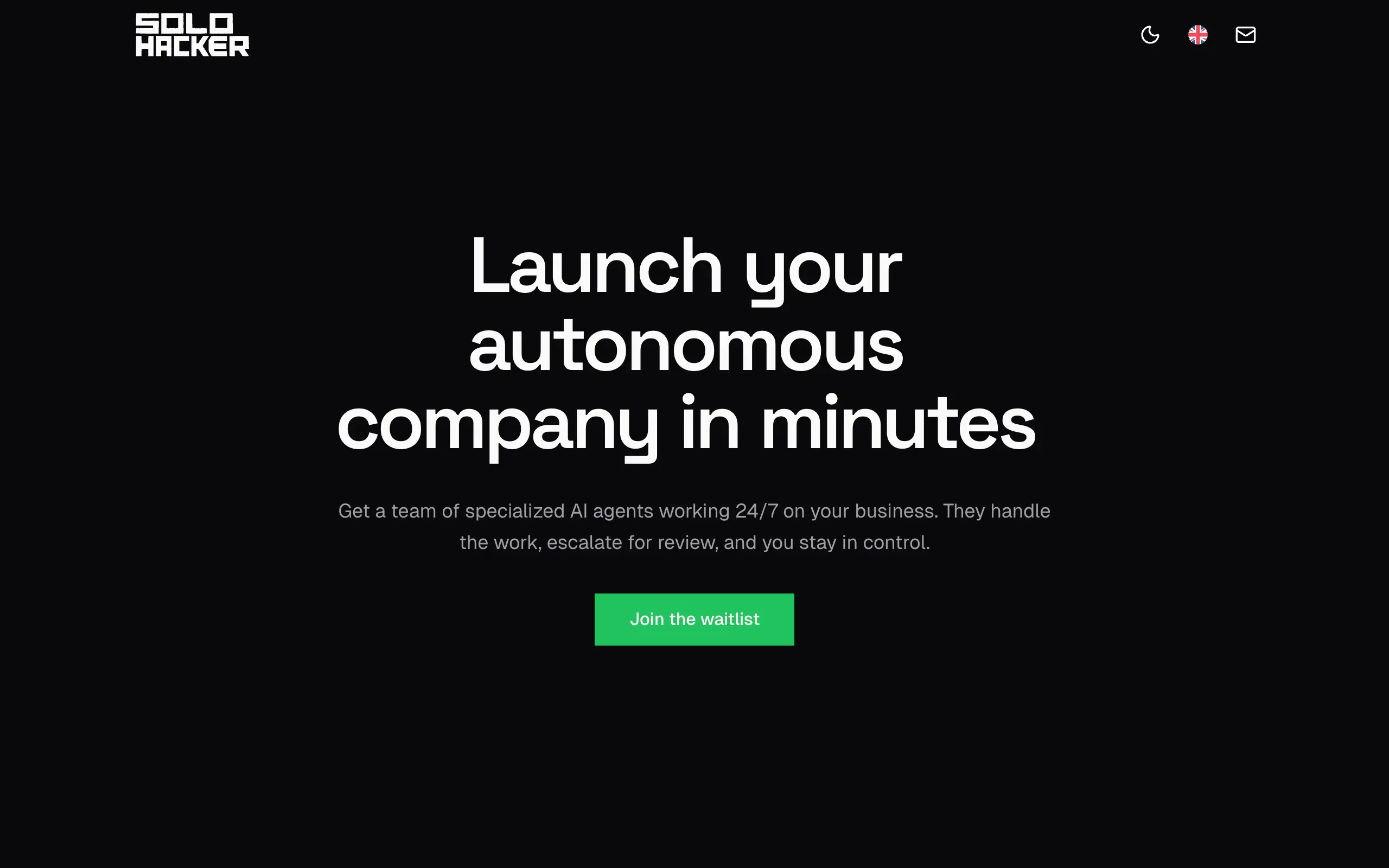
Solohacker
Autonomous company launcher - AI agents work 24/7, escalate what matters, and you stay in control 🤖

BeRawi: Storytelling Coach
Practice storytelling daily with instant feedback to sound clearer, more engaging, and confident 🎤
Omichat
Chat with 50+ AI models, including ChatGPT and Claude, in one place - switch models anytime without losing context 🤖
Claude Fast
Supercharge your Claude Code with 6x effective context window and specialized AI agents 🤖
EmojAI
AI-powered emoji picker with smart, context-aware suggestions 🤖
Solohacker
Autonomous company launcher - AI agents work 24/7, escalate what matters, and you stay in control 🤖
BeRawi: Storytelling Coach
Practice storytelling daily with instant feedback to sound clearer, more engaging, and confident 🎤
Omichat
Chat with 50+ AI models, including ChatGPT and Claude, in one place - switch models anytime without losing context 🤖
Claude Fast
Supercharge your Claude Code with 6x effective context window and specialized AI agents 🤖
EmojAI
AI-powered emoji picker with smart, context-aware suggestions 🤖
Solohacker
Autonomous company launcher - AI agents work 24/7, escalate what matters, and you stay in control 🤖
BeRawi: Storytelling Coach
Practice storytelling daily with instant feedback to sound clearer, more engaging, and confident 🎤
Omichat
Chat with 50+ AI models, including ChatGPT and Claude, in one place - switch models anytime without losing context 🤖
Claude Fast
Supercharge your Claude Code with 6x effective context window and specialized AI agents 🤖
EmojAI
AI-powered emoji picker with smart, context-aware suggestions 🤖
Solohacker
Autonomous company launcher - AI agents work 24/7, escalate what matters, and you stay in control 🤖
BeRawi: Storytelling Coach
Practice storytelling daily with instant feedback to sound clearer, more engaging, and confident 🎤

Connect with like-minded people
Join our community to get feedback, support, and grow together with 1,000+ builders on board, let's ship it!
Join usShip your startup everywhere. In minutes.
Don't burn tokens on setup and start building features on day one.