AI ContentMart
A marketplace offering AI-generated e-books, graphics, courses, and templates for instant purchase or via API integration for other stores and apps.
Understanding AI ContentMart: The future of AI-powered digital content marketplaces
The rapid acceleration of artificial intelligence has transformed how digital products are created, distributed, and consumed. Businesses, creators, and developers now crave instant access to high-quality assets—whether it's e-books, graphics, courses, or design templates. This is where AI ContentMart, a SaaS-powered AI-generated digital content marketplace, emerges as a game-changer.
This guide deeply examines the unique business model of AI ContentMart. We'll analyze who it's for, market opportunities, differentiators, technologies, monetization, risk, and practical steps to bring such a platform to life. The goal is to arm founders, SaaS builders, and marketers with expert-level guidance to validate, launch, and scale a successful AI-powered ecommerce platform.
Who is AI ContentMart built for? Analyzing the target audience
To deliver value and achieve growth, understanding the precise target audience is paramount for a marketplace SaaS like AI ContentMart. Here, audience segmentation and pain-point mapping uncovers where the real demand lies.
Primary user personas
- Small business owners & solopreneurs: Individuals who need ready-made e-books, templates, or digital graphics to boost marketing, sales, or learning with minimal investment.
- Online educators & course creators: Professionals looking for AI-generated course materials, slide decks, and supplementary assets to accelerate content development.
- Marketers & agencies: Agencies and marketing teams seeking plug-and-play graphics, email templates, or advertising creatives that can be customized for campaigns.
- App & web developers: Developers integrating digital content (via API) directly into their SaaS, marketplace, or ecommerce solutions.
- Content creators & influencers: YouTube, TikTok, and Instagram creators who use branded templates, e-books, or visual assets to enhance their reach and monetization.
- Enterprise product teams: Large companies wishing to rapidly localize content, create internal documentation, or fuel learning management systems with tailored, AI-generated assets.
What are their core challenges?
- Speed to market: Traditional content creation is slow and resource-intensive; waiting weeks for a designer or writer is no longer tenable.
- Customization: One-size-fits-all assets rarely meet brand or niche needs. Dynamic personalization (AI-powered tweaks) is vital.
- Scalability: Businesses need assets for hundreds or thousands of users or products; manual processes don’t scale.
- API-first demand: Developers and stores want automated, programmatic access to fresh digital content.
By addressing these pain points, AI ContentMart stands to serve a diverse but converging buyer landscape.
Market opportunity: Why the AI-generated content marketplace is poised for growth
Digital content: exploding demand, evolving expectations
Reports suggest the global digital content creation market will surpass $38 billion by 20301, with AI-driven offerings growing fastest. The rise in eLearning, creator monetization, and the "digital productization" of expertise are propelling this trend.
Key opportunity signals:
- E-books remain evergreen: Despite video growth, digital books retain value for lead magnets, courses, and niche info products.
- Templates and design kits are in demand: Canva templates, slide decks, resume formats, and social post kits save hours of design effort.
- Marketers crave instant graphics: Static images, infographics, and banners—especially those tailored on-the-fly—streamline campaign launches.
- Courses and microlearning assets: AI-driven creation of bite-sized training material addresses the skills gap for individuals and organizations.
The API economy and SaaS integrations
A standout differentiator: AI ContentMart offers API integration for app developers and SaaS providers. This unlocks B2B opportunities and recurring revenue streams—feeding partner marketplaces and apps with fresh, high-quality digital content on demand.
Market gap: what's missing from current solutions?
- Fragmented offerings: Most platforms focus on either ebooks, graphics, or courses—not all at once.
- Lack of real AI-driven customization: Stock markets deliver static assets; the next generation demands assets generated dynamically by AI based on user needs.
- Poor developer support: Many digital asset stores lack scalable APIs or have restrictive usage rights.
- Limited licensing options: Flexible, rights-managed licensing is still rare, causing friction for agencies and developers.
AI ContentMart directly addresses these shortcomings, providing a single, unified, intelligent content supply chain.
Core features and solution details
What makes AI ContentMart a compelling SaaS product and a true digital marketplace? Let’s break down its signature features and tangible benefits for users, sellers, and integrators.
| Feature | Traditional Stores | Stock Marketplaces | AI ContentMart | Direct Agencies |
|---|---|---|---|---|
| E-book generation | ❌ | ❌ | ✅ | ✅ |
| Graphics & templates | ✅ | ✅ | ✅ | ❌ |
| Instant course creation | ❌ | ❌ | ✅ | ✅ |
| API integration | ❌ | ❌ | ✅ | ❌ |
| AI-powered content | ❌ | ❌ | ✅ | ❌ |
Marketplace features overview
- AI-generated digital assets: Generate and customize e-books, graphics, online course modules, and templates automatically, based on user prompts or business data.
- Instant purchase and downloads: No need to wait for human approvals—assets are available 24/7 for instant use.
- Flexible search & filter: Powerful search with semantic tagging for niches, topics, industries, and design styles.
- Advanced customization: Modify text, images, colors, or structure using simple tools or AI-driven suggestions.
- Seamless API integration: Well-documented, versioned API for direct content delivery to other SaaS platforms or ecommerce stores.
- License management: Clear, flexible licensing for single use, commercial, or agency resale.
- Analytics dashboard: Buyers and API partners can track downloads, usage trends, and asset performance.
- Marketplace for creators: Invite designers, writers, and AI prompt engineers to sell or license their generative models and output, with built-in payout management.
How the platform works—in practice
Recommended tech stack for building AI ContentMart
Choosing the right technologies is essential for building a fast, scalable, and secure SaaS ecommerce platform. Here’s a best-in-class stack, with rationale and key trade-offs.
Frontend
- React: Leading JavaScript framework for modular, high-performance UI.
- Next.js: Provides SSR, SSG, and powerful routing for performance and SEO.
- TailwindCSS: Fast, flexible, and design-system friendly CSS framework.
- TypeScript: Ensures maintainable, type-safe code for larger SaaS projects.
Backend and core services
- Node.js with Express: Event-driven, scalable, and ideal for API-centric applications.
- Python for AI pipelines: Leveraging powerful libraries (HuggingFace, TensorFlow) to process and generate digital content.
- MongoDB: Flexible, scalable database suitable for complex asset metadata and user profiles.
- Redis: Caching layer for high-speed content delivery and API response times.
AI services & infrastructure
- Custom-trained large language models (LLMs) for generating text (e-books, course content).
- Stable Diffusion or Midjourney API integration for graphics.
- Fine-tuning models using user data for personalization.
Cloud and deployment
- AWS or Google Cloud: For storage, compute, and asset CDN.
- Vercel or Netlify: Deployment for static assets and the frontend.
- Stripe: Secure payments and licensing management.
Trade-offs to consider
- Python (AI) & Node.js (API): Polyglot environments add complexity but unlock best-of-breed AI performance and web scale.
- Self-hosted vs. managed AI models: In-house models improve control but require ongoing ML ops and GPU infrastructure.
- Database choice: Relational databases (like PostgreSQL) add ACID benefits but may slow iteration for asset-heavy, unstructured data.
Expert tip
Consider starting with managed AI APIs and mono-repo infrastructure for MVP, then migrating to custom in-house models and multi-service architecture as your marketplace scales.
SaaS monetization strategies for a digital content marketplace
AI ContentMart offers several compelling ways to monetize—balancing instant sales, recurring revenue, and API integrations.
Direct content sales
- Pay-per-asset: Users purchase individual e-books, graphics, courses, or templates.
- Premium tiers: Offer free samples or watermarked assets to entice upsell.
Subscription plans
- Tiered monthly or annual access: Users pay for a quota of downloadable, customizable assets.
- API plans: Usage-based or seat-based pricing for API integrations.
Revenue share and creator marketplace
- Commission model: Share revenue with creators, prompt engineers, or model trainers for their contributions to the marketplace.
Enterprise & developer licensing
- Bulk or white-label licensing: High-value plans for agencies, SaaS companies, and marketplaces integrating and reselling content via API.
Additional income opportunities
- Upsells for pro customization: Sell value-added services like advanced design tweaks or branded e-book packaging.
- Affiliate programs: Incentivize influencers and SaaS product owners to promote the platform.
Example pricing structure
Individual assets
Pay as you go for one-off downloads and quick projects.
Subscription
Monthly/annual access to a quota of assets and advanced customization.
API & Enterprise
High-volume access, custom branding, SLAs, and multi-user licensing.
Risks, challenges, and risk mitigation strategies
As with any SaaS marketplace, especially those leveraging generative AI, there are important risks to address.
1. Copyright and content quality
- Risk: AI-generated work may unintentionally duplicate or infringe on protected content.
- Mitigation: Use filtered data sets, run all outputs through plagiarism and copyright-check algorithms, and provide clear copyright policies for users and creators.
2. Model bias and inaccuracy
- Risk: AI models might generate biased, offensive, or inaccurate content.
- Mitigation: Continuous model retraining, manual curation for sensitive verticals, and user reporting features.
3. API abuse or misuse
- Risk: Excessive or malicious API requests could overload systems or create improper content at scale.
- Mitigation: Implement robust API rate limiting, monitoring, and automated abuse detection with fast account suspension.
4. Marketplace liquidity
- Risk: Not enough buyers or sellers (prompt/asset creators), leading to a "cold start" problem.
- Mitigation: Seed with high-quality baseline content, run targeted creator recruitment campaigns, and incentivize early adopters.
5. Regulatory and platform compliance
- Risk: Data privacy, GDPR, and evolving AI legislation could impact allowed content and integrations.
- Mitigation: Maintain up-to-date compliance, consult legal experts, and provide clear terms of service.
All submissions and AI outputs are checked against automated filters and manual moderation to prevent the distribution of deepfakes, offensive, or inappropriate material.
AI ContentMart can track hash and fingerprint metadata for generated assets, reducing the chance of redundant or duplicate product sales.
Model retraining is scheduled quarterly, with major updates validated by a team of content and copyright experts.
What is the competitive advantage of AI ContentMart?
Few marketplaces combine full-spectrum digital assets, AI-powered generation, instant access, and robust API support in one SaaS product. Here’s what sets AI ContentMart apart:
- Unified content categories: Most competitors specialize—AI ContentMart delivers e-books, graphics, courses, and templates in a single marketplace.
- API-first design: Powering integrations for SaaS platforms, agencies, and ecommerce apps at scale.
- Dynamic customization: End users and integrators can personalize assets (not just buy “stock” items).
- Marketplace for both buyers and creators: Attracts a flywheel of human prompt engineers, AI creators, and traditional designers.
- Instant licensing and compliance tools: Ensuring every transaction is clear, legal, and protected—minimizing buyer friction and risk.
- Scalable, global-first infrastructure: Designed for high-volume, international demand with localizable assets.
- Cutting-edge model updates: Commitment to continuous model training brings the latest advances in generative AI technology to the platform.
Step-by-step implementation plan for launching AI ContentMart
Building from scratch? Here’s a proven roadmap to get from idea to thriving AI digital content SaaS marketplace.
Conclusion: Is now the time to build an AI-powered digital content marketplace?
AI ContentMart encapsulates the next frontier in ecommerce and SaaS: an AI-powered marketplace that delivers instant, on-demand digital content—e-books, graphics, course materials, and templates—at global scale. Its API-first approach, powerful generative capabilities, and dual-sided marketplace will set a new standard for digital product sales, integrations, and customization.
For entrepreneurs, SaaS founders, and agency leaders, the opportunity is clear: the digital world thrives on speed, automation, and personalization. With the right focus on content quality, compliance, and scalability, AI ContentMart can win the loyalty of businesses, developers, and creators alike.
For further technical acceleration, consider leveraging TurboStarter, a platform that helps SaaS teams and founders build and ship high-quality apps and marketplaces blazingly fast.
Footnotes
-
Suggest referencing a report from MarketsandMarkets or Grand View Research for digital content creation market data. ↩
More 🛒 E-commerce SaaS ideas
Discover more innovative e-commerce SaaS ideas that are trending in 2026. Each idea is AI-generated with market validation and growth potential to help you find your next profitable venture faster than competitors.
Your competitors are building with TurboStarter
Below are some of the SaaS ideas that have been generated and built with our starter kit.
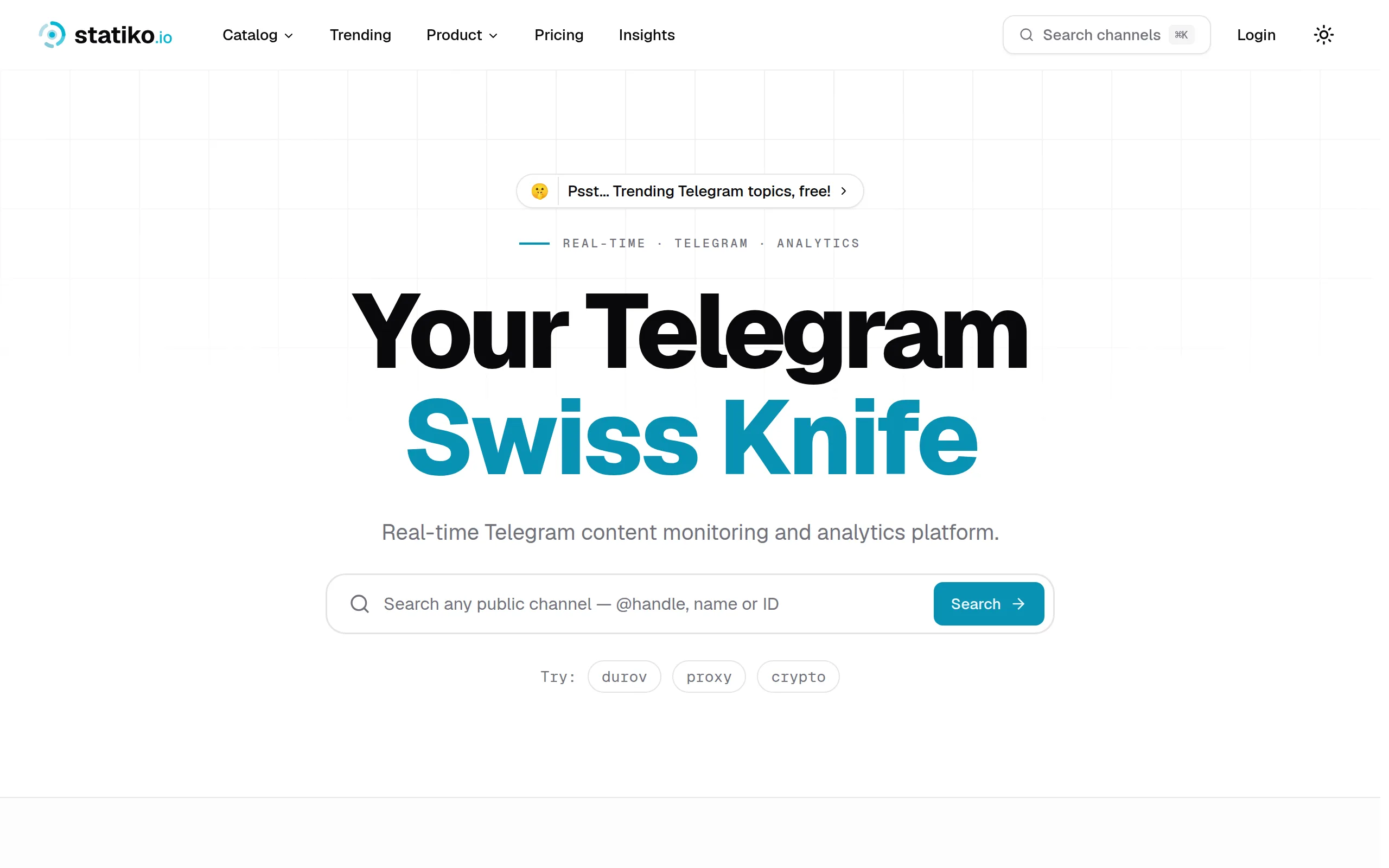
Statiko
Monitor any Telegram channel in real time - track posts, edits, deletions, and growth with AI recaps 📡

Shibui
AI website builder - describe your business, pick a niche template, edit by chatting, and publish instantly ✨

Pro Service
Find verified home service professionals, compare quotes, and pay securely through escrow - built for Brazilians across the US 🏠
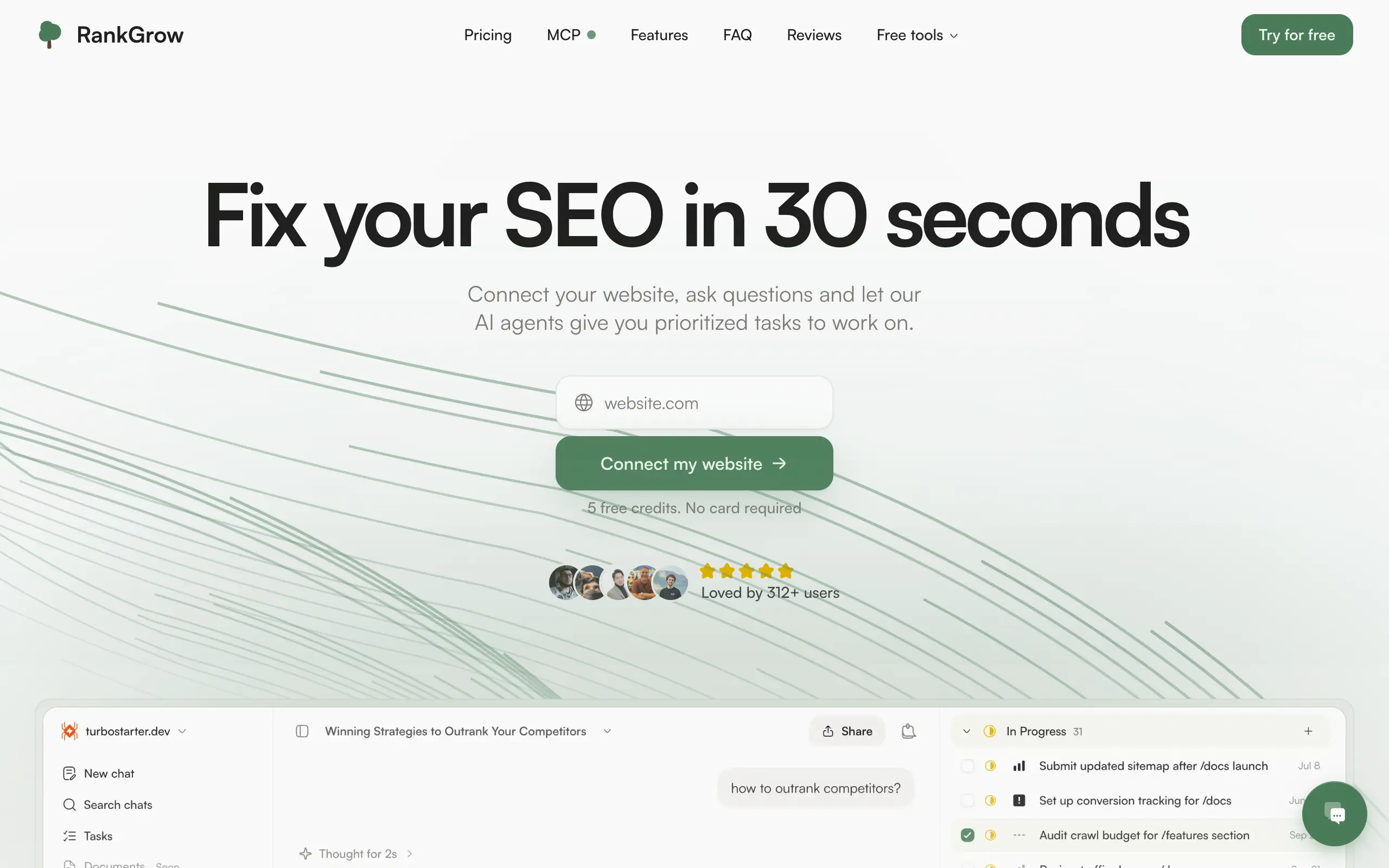
RankGrow
Fix your SEO with AI agents - connect Search Console, get prioritized tasks, and grow organic traffic 📈
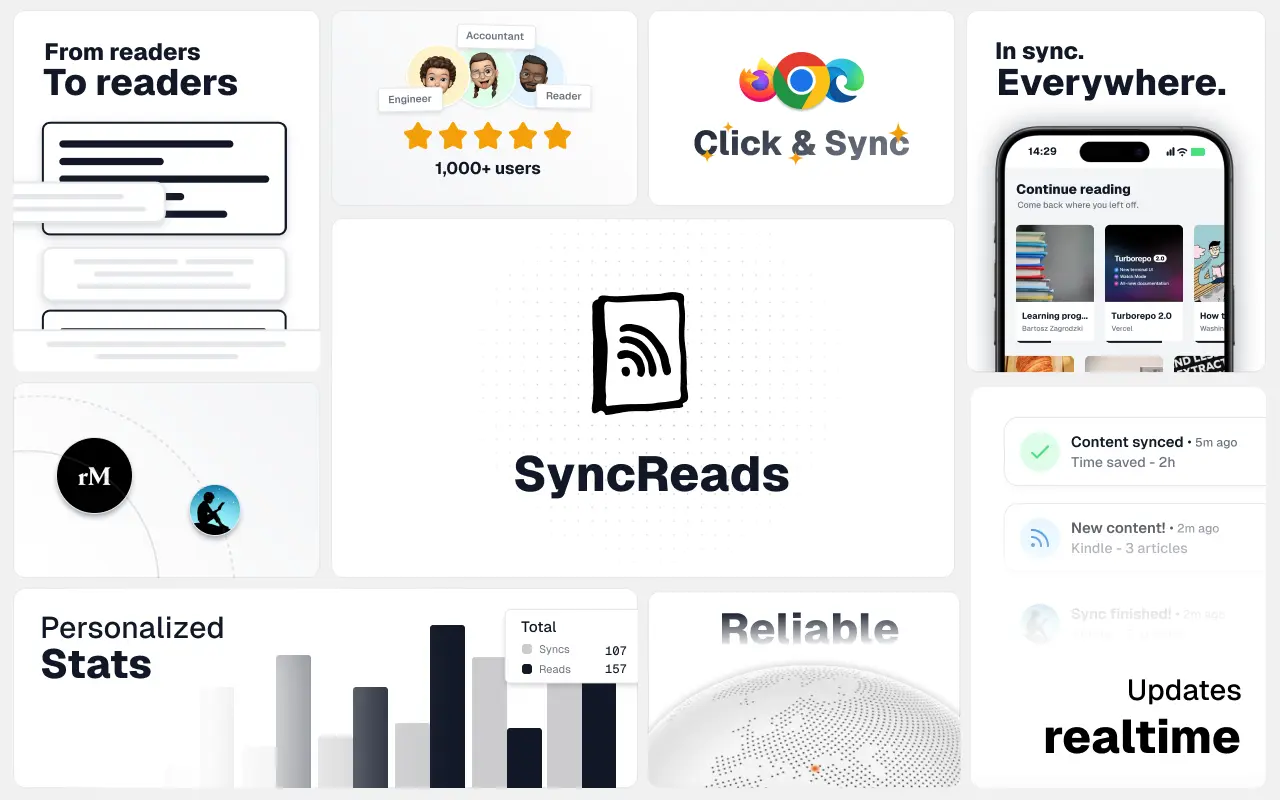
SyncReads
Sync your favorite content for distraction-free reading, save time and replace multiple apps. Anytime, anywhere 🔄
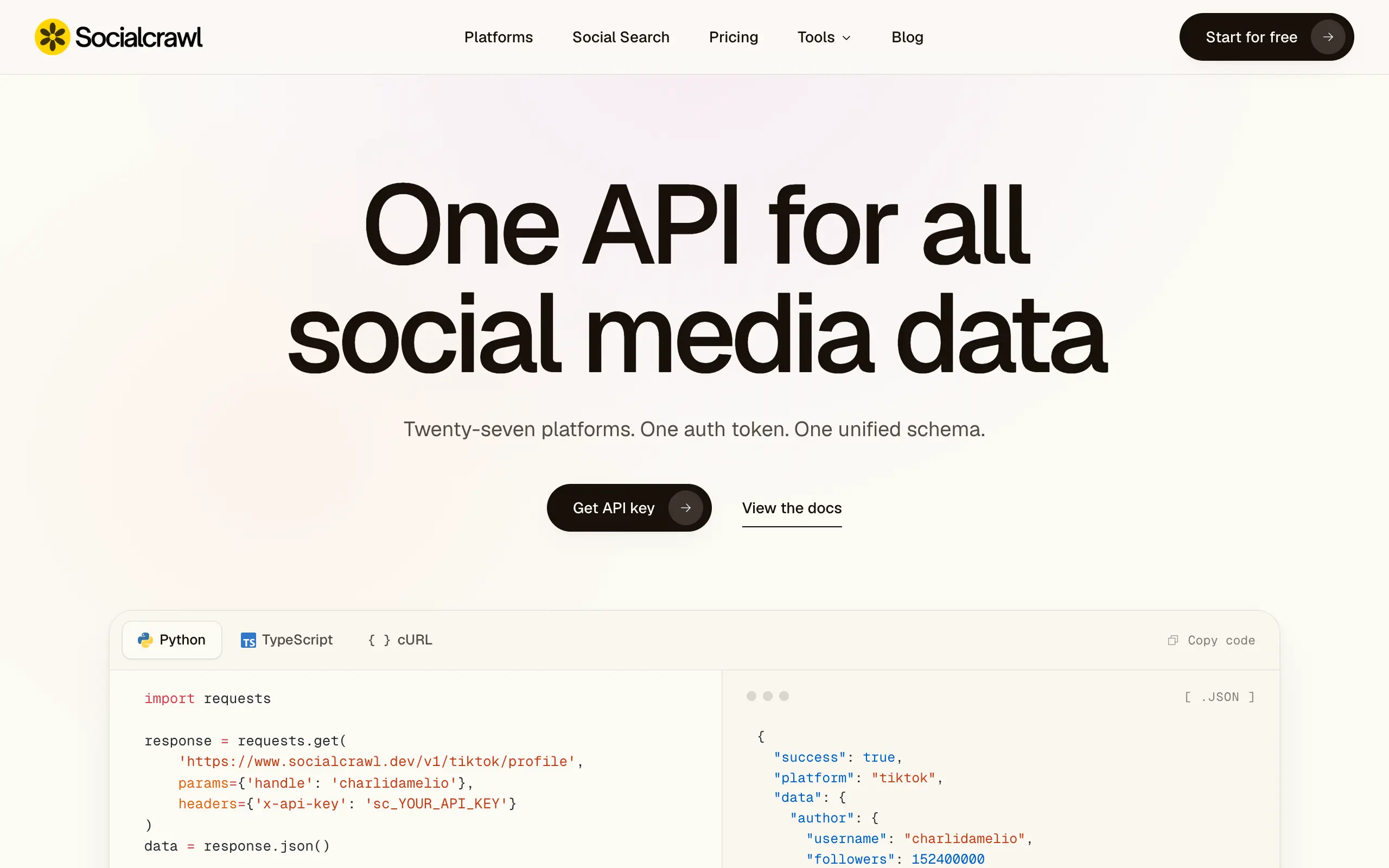
Socialcrawl
Get clean, structured data from 21 platforms like TikTok, Instagram, and YouTube with a single request 📊
Statiko
Monitor any Telegram channel in real time - track posts, edits, deletions, and growth with AI recaps 📡
Shibui
AI website builder - describe your business, pick a niche template, edit by chatting, and publish instantly ✨
Pro Service
Find verified home service professionals, compare quotes, and pay securely through escrow - built for Brazilians across the US 🏠
RankGrow
Fix your SEO with AI agents - connect Search Console, get prioritized tasks, and grow organic traffic 📈
SyncReads
Sync your favorite content for distraction-free reading, save time and replace multiple apps. Anytime, anywhere 🔄
Socialcrawl
Get clean, structured data from 21 platforms like TikTok, Instagram, and YouTube with a single request 📊
Statiko
Monitor any Telegram channel in real time - track posts, edits, deletions, and growth with AI recaps 📡
Shibui
AI website builder - describe your business, pick a niche template, edit by chatting, and publish instantly ✨
Pro Service
Find verified home service professionals, compare quotes, and pay securely through escrow - built for Brazilians across the US 🏠
RankGrow
Fix your SEO with AI agents - connect Search Console, get prioritized tasks, and grow organic traffic 📈
SyncReads
Sync your favorite content for distraction-free reading, save time and replace multiple apps. Anytime, anywhere 🔄
Socialcrawl
Get clean, structured data from 21 platforms like TikTok, Instagram, and YouTube with a single request 📊
Statiko
Monitor any Telegram channel in real time - track posts, edits, deletions, and growth with AI recaps 📡
Shibui
AI website builder - describe your business, pick a niche template, edit by chatting, and publish instantly ✨
Pro Service
Find verified home service professionals, compare quotes, and pay securely through escrow - built for Brazilians across the US 🏠
RankGrow
Fix your SEO with AI agents - connect Search Console, get prioritized tasks, and grow organic traffic 📈
SyncReads
Sync your favorite content for distraction-free reading, save time and replace multiple apps. Anytime, anywhere 🔄
Socialcrawl
Get clean, structured data from 21 platforms like TikTok, Instagram, and YouTube with a single request 📊
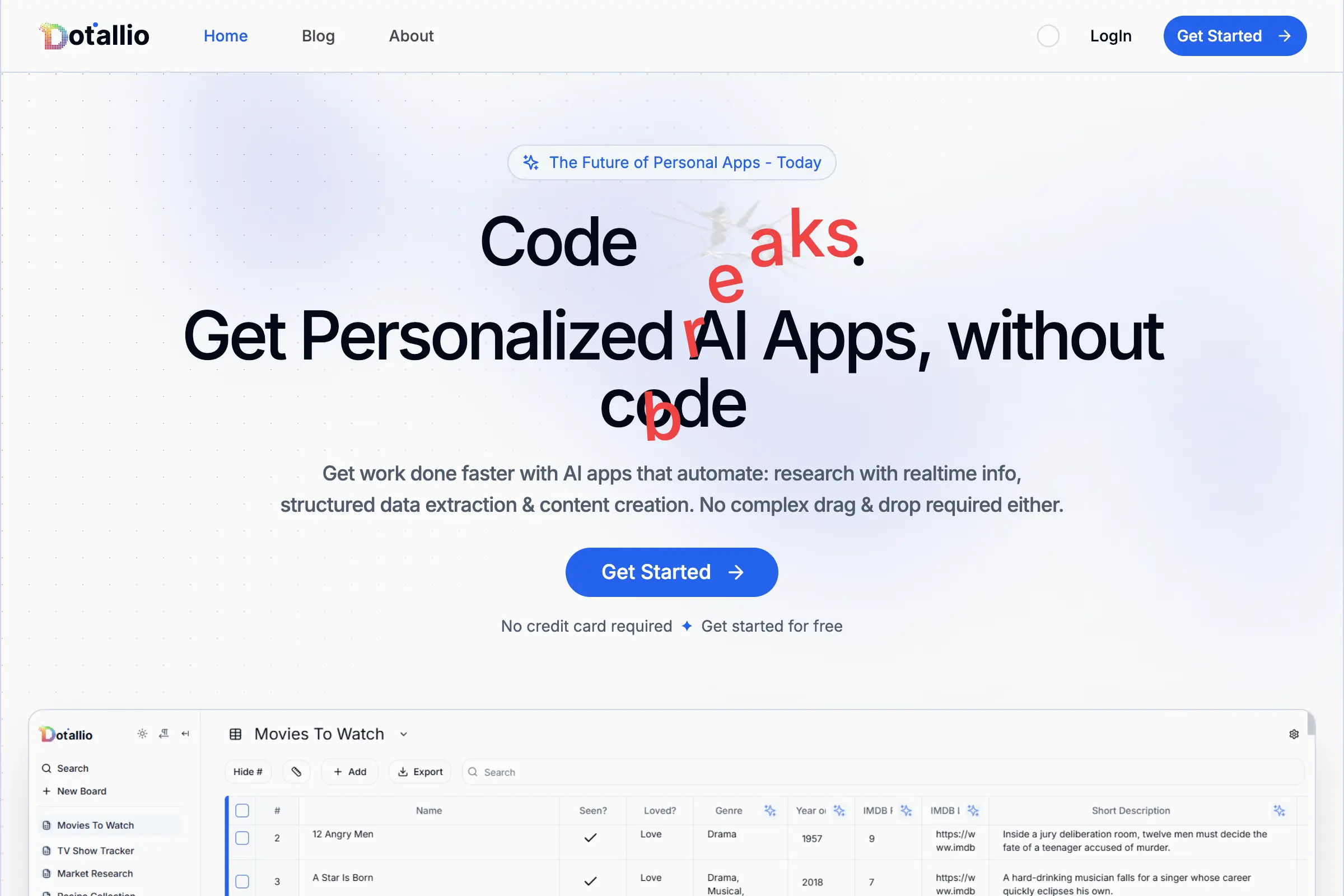
Dotallio
Personalized AI apps that automate research, data extraction, and content creation without code 🤖

Talk to Santa
Enjoy a magical live video chat or receive a unique AI-generated video greeting from Santa Claus 🎅

pozywka.pl
Scalable blog for food journalist, focused on performance and user experience 🌭
zagrodzki.me
Personal blog and portfolio of Bart Zagrodzki, where he shares his knowledge and work 💼
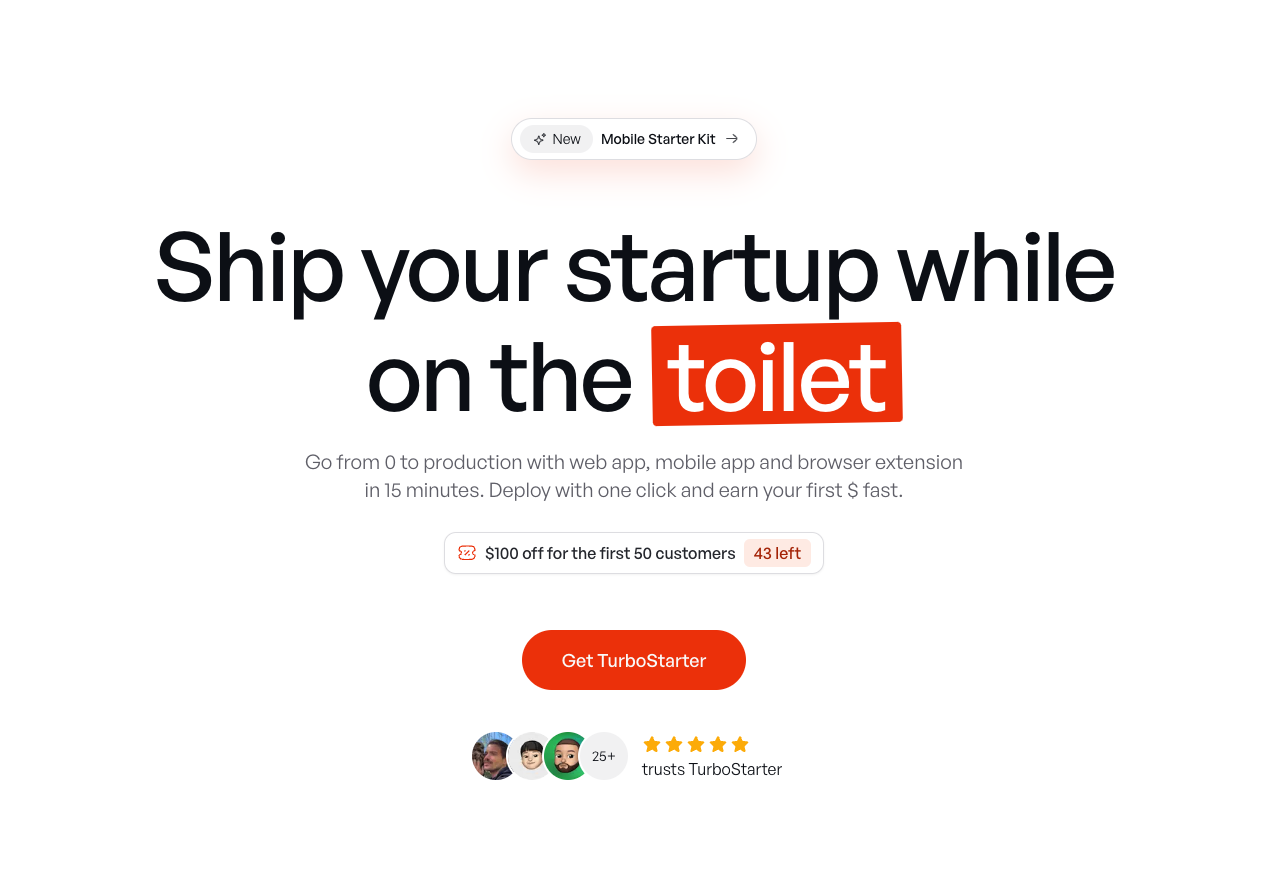
TurboStarter
Ship your startup everywhere. In minutes.
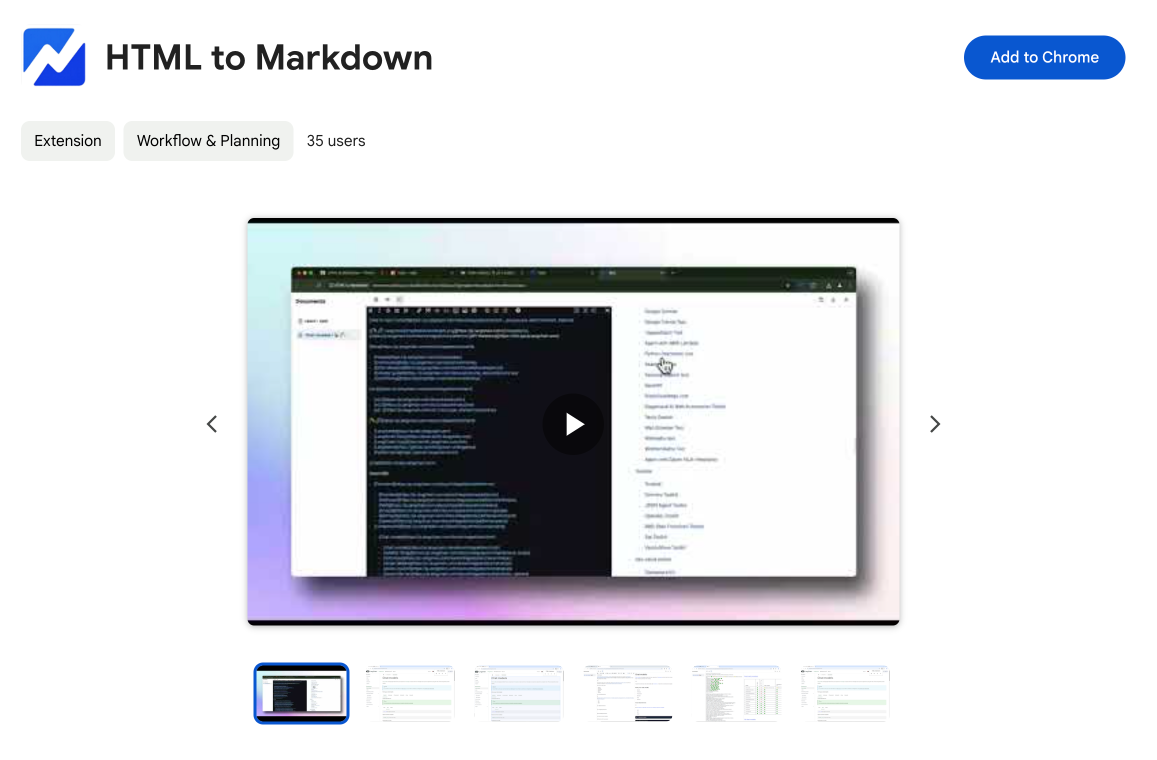
HTML to Markdown
Convert HTML to Markdown with ease, directly in your browser 📄
Dotallio
Personalized AI apps that automate research, data extraction, and content creation without code 🤖
Talk to Santa
Enjoy a magical live video chat or receive a unique AI-generated video greeting from Santa Claus 🎅
pozywka.pl
Scalable blog for food journalist, focused on performance and user experience 🌭
zagrodzki.me
Personal blog and portfolio of Bart Zagrodzki, where he shares his knowledge and work 💼
TurboStarter
Ship your startup everywhere. In minutes.
HTML to Markdown
Convert HTML to Markdown with ease, directly in your browser 📄
Dotallio
Personalized AI apps that automate research, data extraction, and content creation without code 🤖
Talk to Santa
Enjoy a magical live video chat or receive a unique AI-generated video greeting from Santa Claus 🎅
pozywka.pl
Scalable blog for food journalist, focused on performance and user experience 🌭
zagrodzki.me
Personal blog and portfolio of Bart Zagrodzki, where he shares his knowledge and work 💼
TurboStarter
Ship your startup everywhere. In minutes.
HTML to Markdown
Convert HTML to Markdown with ease, directly in your browser 📄
Dotallio
Personalized AI apps that automate research, data extraction, and content creation without code 🤖
Talk to Santa
Enjoy a magical live video chat or receive a unique AI-generated video greeting from Santa Claus 🎅
pozywka.pl
Scalable blog for food journalist, focused on performance and user experience 🌭
zagrodzki.me
Personal blog and portfolio of Bart Zagrodzki, where he shares his knowledge and work 💼
TurboStarter
Ship your startup everywhere. In minutes.
HTML to Markdown
Convert HTML to Markdown with ease, directly in your browser 📄
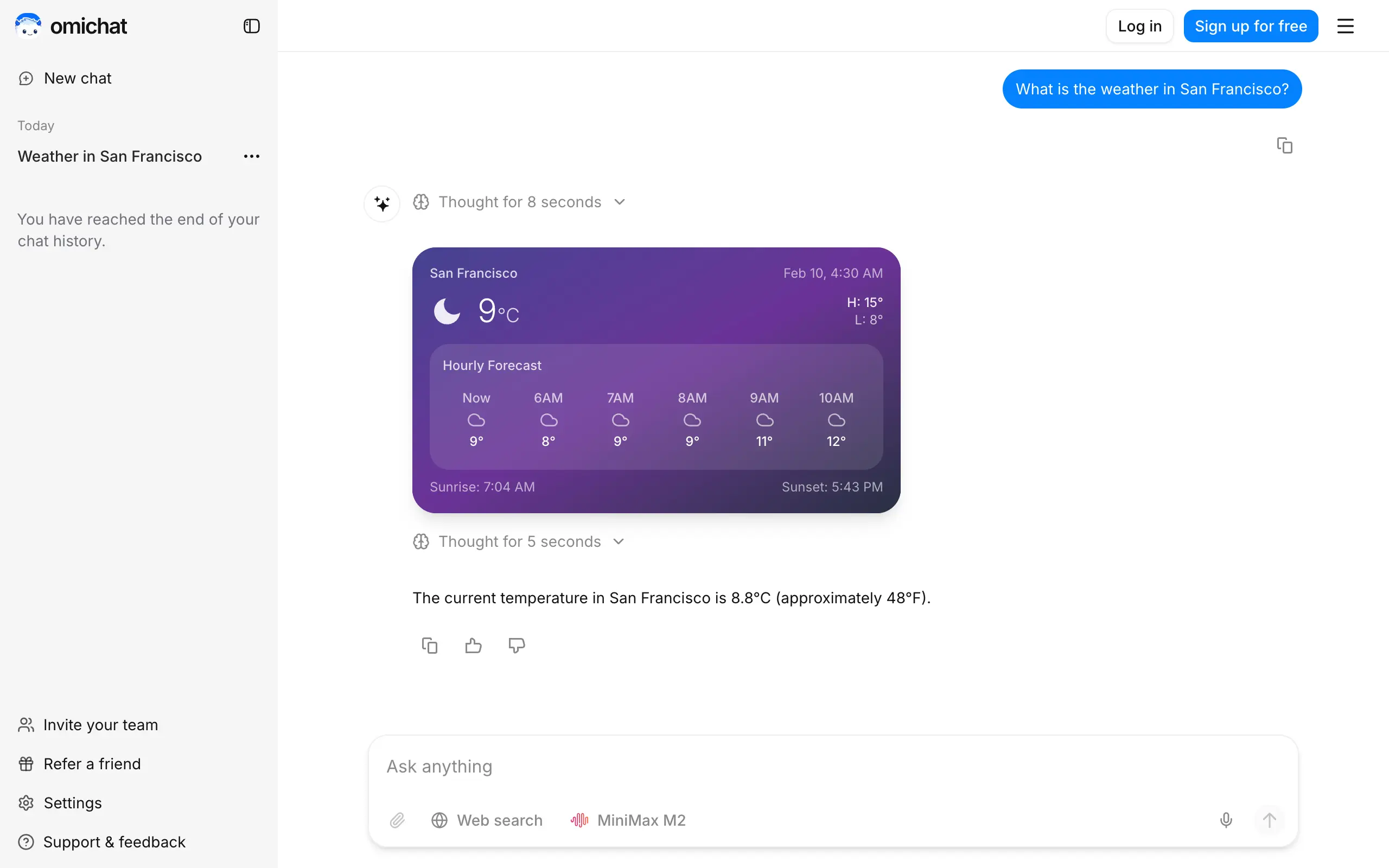
Omichat
Chat with 50+ AI models, including ChatGPT and Claude, in one place - switch models anytime without losing context 🤖
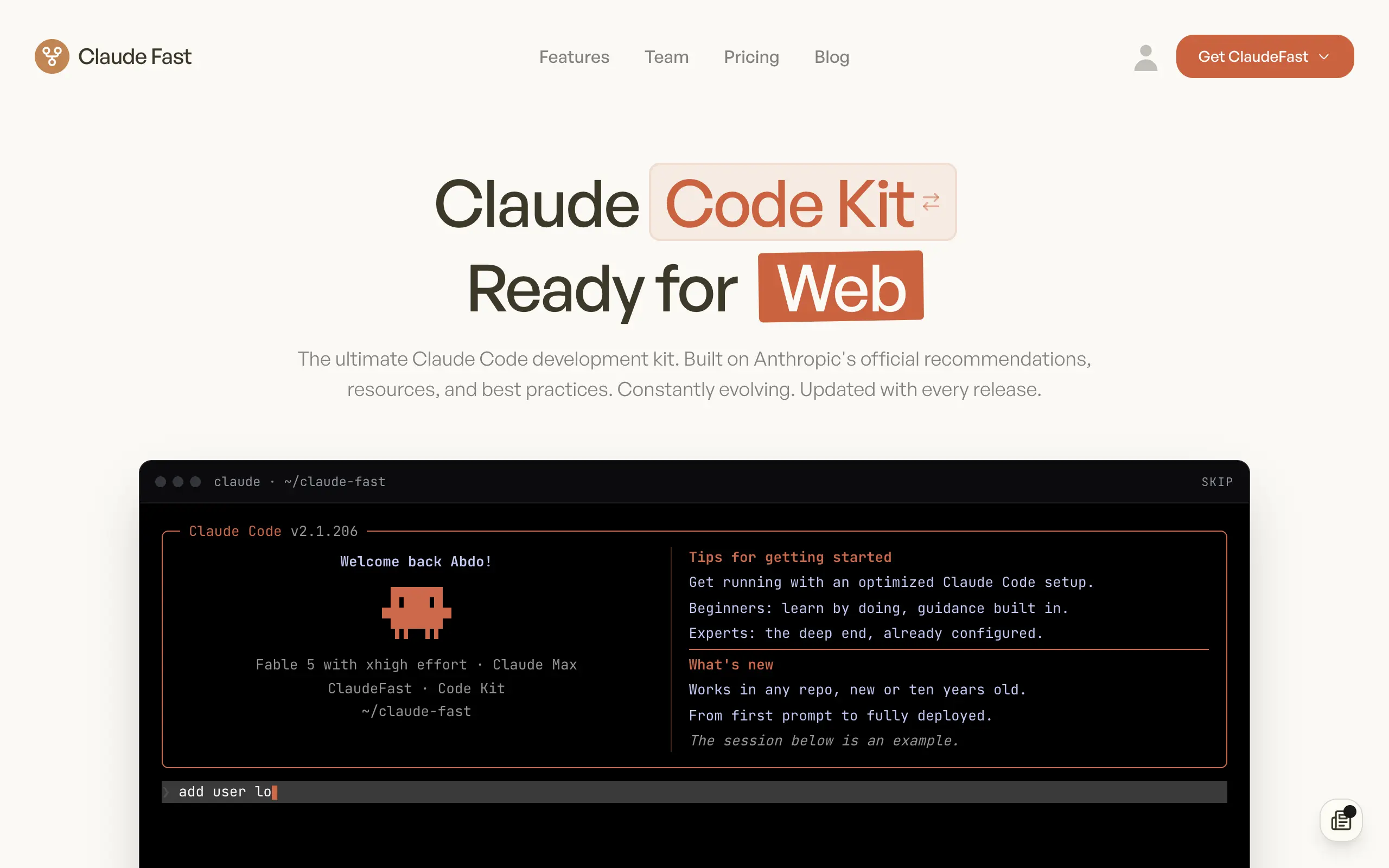
Claude Fast
Supercharge your Claude Code with 6x effective context window and specialized AI agents 🤖
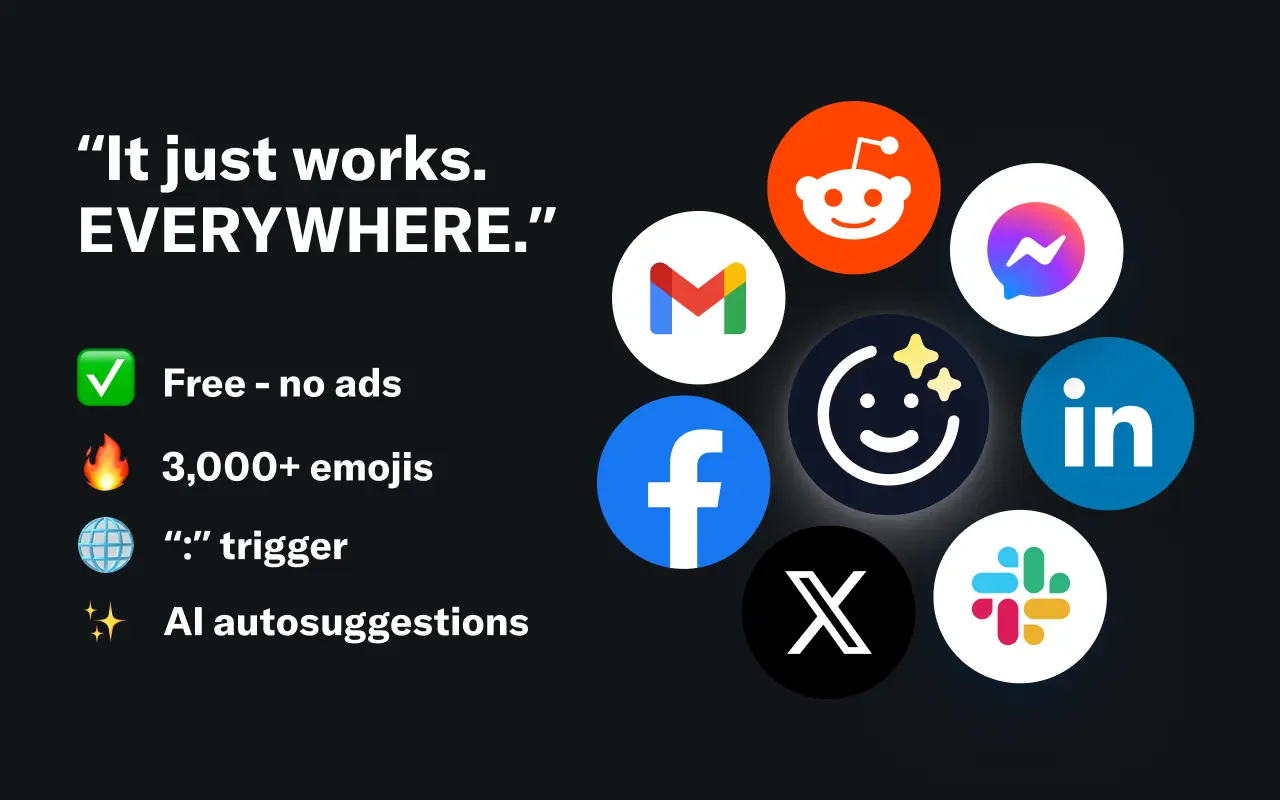
EmojAI
AI-powered emoji picker with smart, context-aware suggestions 🤖

Solohacker
Autonomous company launcher - AI agents work 24/7, escalate what matters, and you stay in control 🤖
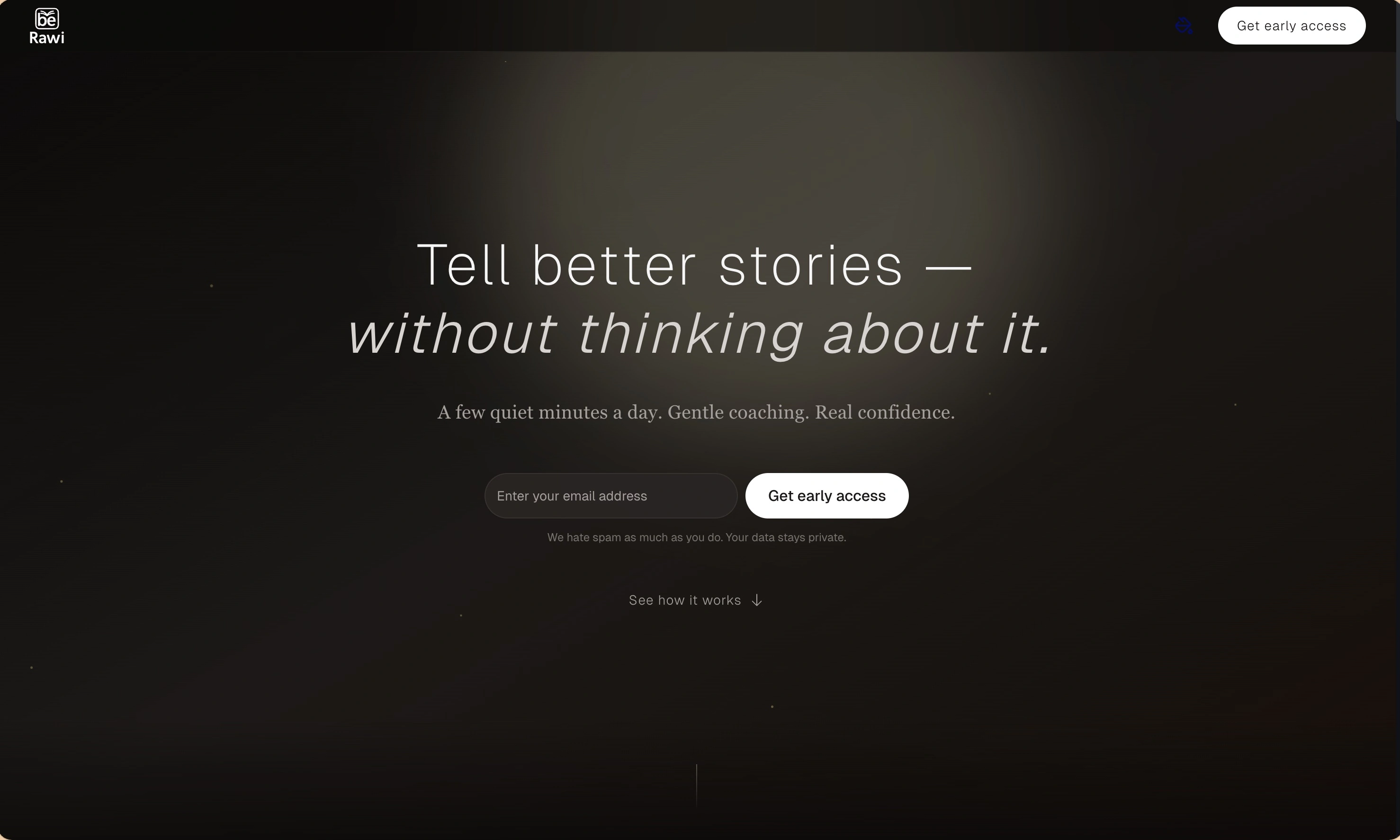
BeRawi: Storytelling Coach
Practice storytelling daily with instant feedback to sound clearer, more engaging, and confident 🎤
Omichat
Chat with 50+ AI models, including ChatGPT and Claude, in one place - switch models anytime without losing context 🤖
Claude Fast
Supercharge your Claude Code with 6x effective context window and specialized AI agents 🤖
EmojAI
AI-powered emoji picker with smart, context-aware suggestions 🤖
Solohacker
Autonomous company launcher - AI agents work 24/7, escalate what matters, and you stay in control 🤖
BeRawi: Storytelling Coach
Practice storytelling daily with instant feedback to sound clearer, more engaging, and confident 🎤
Omichat
Chat with 50+ AI models, including ChatGPT and Claude, in one place - switch models anytime without losing context 🤖
Claude Fast
Supercharge your Claude Code with 6x effective context window and specialized AI agents 🤖
EmojAI
AI-powered emoji picker with smart, context-aware suggestions 🤖
Solohacker
Autonomous company launcher - AI agents work 24/7, escalate what matters, and you stay in control 🤖
BeRawi: Storytelling Coach
Practice storytelling daily with instant feedback to sound clearer, more engaging, and confident 🎤
Omichat
Chat with 50+ AI models, including ChatGPT and Claude, in one place - switch models anytime without losing context 🤖
Claude Fast
Supercharge your Claude Code with 6x effective context window and specialized AI agents 🤖
EmojAI
AI-powered emoji picker with smart, context-aware suggestions 🤖
Solohacker
Autonomous company launcher - AI agents work 24/7, escalate what matters, and you stay in control 🤖
BeRawi: Storytelling Coach
Practice storytelling daily with instant feedback to sound clearer, more engaging, and confident 🎤

Connect with like-minded people
Join our community to get feedback, support, and grow together with 1,000+ builders on board, let's ship it!
Join usShip your startup everywhere. In minutes.
Don't burn tokens on setup and start building features on day one.