AppShield Connect
Unified dashboard to monitor and auto-mitigate security risks for multi-cloud eCommerce apps—integrates with major platforms and leverages AI for threat detection.
Understanding the security landscape for multi-cloud eCommerce applications
In the rapidly evolving world of eCommerce, businesses are increasingly relying on multi-cloud environments to scale operations, enhance flexibility, and speed up deployments. However, this shift introduces new security challenges: monitoring complex infrastructures, ensuring data safety across vendors, and keeping up with ever-evolving threats targeting sensitive customer transactions.
AppShield Connect emerges as a timely, unified solution: a centralized dashboard offering real-time monitoring and automated mitigation of security risks for multi-cloud eCommerce infrastructures. By integrating with leading cloud providers and eCommerce platforms, while leveraging AI-driven threat detection, AppShield Connect aims to streamline and strengthen digital commerce protection.
This comprehensive guide explores the core value, technological underpinnings, and go-to-market considerations for AppShield Connect, ensuring you understand its competitive edge and implementation roadmap.
Who is AppShield Connect for? Deep dive into target audience
To build a SaaS product that achieves product-market fit, it’s crucial to pinpoint the audience segments whose pain points it most directly addresses.
Primary audience segments
- Mid-to-large eCommerce businesses operating on multiple cloud platforms (e.g., AWS, Microsoft Azure, Google Cloud Platform)
- CTOs, CIOs, and DevSecOps leads responsible for maintaining uptime, compliance, and brand reputation
- Security analysts and operations teams seeking unified incident visibility and actionable insights
- Managed service providers offering eCommerce management as a service, looking for additional value-add
Core pain points and needs
- Fragmented visibility: Disparate security dashboards per cloud & application provider hinder fast response.
- Evolving threat landscapes: Cyberthreat sophistication, including bot attacks and payment fraud, is rising.
- Limited compliance monitoring: Keeping up with regulations (PCI DSS, GDPR) across stacks is costly and complex.
- High alert fatigue: Too many false positives and non-actionable alerts from standard SIEMs and WAFs.
- Downtime risks: Unchecked vulnerabilities leading to incidents can cost millions in lost sales and reputation.
Fact
According to Forrester, each minute of eCommerce downtime costs enterprises up to $5,600 per minute — and security incidents are now among the leading causes of such outages.
Market opportunity: Addressing a critical gap in eCommerce security
The eCommerce security software market is projected to grow steeply as enterprises shift more operations to cloud-based architectures, and cyberattacks on digital shops rise yearly. Let’s analyze the market trend and where AppShield Connect fits.
Growing attack surface
- Multi-cloud adoption: 80% of enterprises employ two or more cloud providers (Flexera State of the Cloud Report), multiplying the security touchpoints to monitor.
- Marketplace expansion: Merchants now sell on multiple platforms (Shopify, Magento, WooCommerce), each with unique risk profiles.
- Automation needs: Increasing API integrations and microservices create more potential entry points for attackers.
Where existing tools fall short
Most vendors offer siloed security visibility (e.g., AWS GuardDuty, Azure Security Center), limited to their own ecosystem. Pure SIEM and SOC solutions lack deep eCommerce integrations and often drown users in generic alerts without actionable context.
| Unified Dashboard | Multi-Cloud Support | eCommerce Integration | AI-Powered | Auto-Mitigation |
|---|---|---|---|---|
| ✅ | ❌ | ❌ | ✅ | ❌ |
| ✅ | ❌ | ✅ | ✅ | ❌ |
AppShield Connect’s USP:
Unlike legacy security solutions or even modern cloud-native tools, AppShield Connect bridges cloud, commerce, and advanced AI-driven risk mitigation in one seamless, easy-to-operate SaaS dashboard.
Key features and solution walkthrough
A robust SaaS platform must deliver tangible, differentiated value to users. AppShield Connect achieves this through a combination of automation, integration, and AI.
Unified security dashboard
Aggregate real-time security events, vulnerabilities, and compliance insights from all connected cloud services and eCommerce platforms in one interface.
Cross-cloud integrations
Native connectors for AWS, Azure, GCP, Shopify, Magento, WooCommerce, BigCommerce, and more. OAuth or API-based and deployable in minutes.
AI-powered threat detection
Proactive monitoring using machine learning: detects anomalies, bot attacks, and suspicious payment activities with high precision and minimal false-positives.
Auto-mitigation rules
Respond automatically to threats: block IPs, lock compromised accounts, halt suspicious transactions, or escalate incidents — customizable workflows.
Compliance monitoring
Automated checks for PCI-DSS, GDPR, and more. Out-of-the-box audit report generation for regulatory readiness.
Collaborative incident response
Granular permissions and integrations with collaboration tools like Slack and Microsoft Teams for unified incident management.
Solution highlights
- Low-code onboarding: Guided setup with point-and-click integrations, reducing time-to-value for IT teams.
- Customizable AI models: Tune sensitivity and tailor models per shop, geography, or workload, minimizing noise.
- Visual analytics: Interactive graphs, MITRE ATT&CK mappings, and playbook automation suggestions.
- End-to-end encryption and data residency controls, ensuring customer data never leaves approved jurisdictions.
The AI engine analyzes millions of data points, aggregating logs and real-time activity from various sources. It identifies abnormal behavior patterns (e.g., mass failed logins, payment attempts from flagged locations) using unsupervised and supervised models. Continuous learning reduces the false positive rate while adapting to new attack vectors. These models can be customized per merchant.
Yes! Through built-in automation workflows, users can define triggers and actions using a no-code editor. For example, you can block a suspicious IP range, lock user accounts after N failed logins, or notify admins in Slack — all via the dashboard.
Recommended tech stack: Scalability, security, and speed
Choosing the right architecture for AppShield Connect is critical for reliability and scalability. Here's a breakdown of suggested technologies and rationale.
Frontend
- React: Modern, component-based framework with a vast ecosystem. Excellent for building dynamic dashboards and supporting reusable UI components.
- TailwindCSS: Utility-first CSS enables rapid UI prototyping and consistent theming.
Backend
- Node.js: Non-blocking, performant backend suitable for real-time processing of events and API aggregations.
- Python (AI services): Leverage established machine learning libraries (TensorFlow, PyTorch, Scikit-learn) for anomaly detection services.
- PostgreSQL: Reliable, scalable SQL database for storing security events, configurations, and user data.
- Redis: For caching, pub/sub notifications, and temporary storage of session or alert state.
Data pipeline and integrations
- Kafka: High-throughput, fault-tolerant streaming for real-time log ingestion and analytics.
- RESTful APIs / OAuth 2.0: For secure integrations with major cloud vendors and eCommerce platforms.
Cloud infrastructure
- Kubernetes (on GCP/AWS/Azure): Enables seamless scaling, load balancing, and high availability of the platform.
- Automated CI/CD pipelines:
GitHub Actions to speed up deployments and ensure protection standards are always met.
Trade-offs and considerations
- Real-time AI detection is compute-intensive — deploying scalable ML microservices (e.g., via Kubeflow) may increase infrastructure cost but pays off in security accuracy.
- Cross-cloud integration complexity: Prioritize support for top cloud vendors and most-used eCommerce platforms to deliver the highest value first.
Monetization strategies: Turning security into recurring revenue
As a SaaS for a mission-critical problem, AppShield Connect can pursue multiple monetization options. Consider the following:
Subscription-based pricing
Best for: Predictable, scalable revenue
- Tiered plans: Differentiate by number of integrations, security event volume, and feature access (e.g., starter, growth, enterprise).
- Usage-based add-ons: Charge for extra log storage or premium features (e.g., AI customization, compliance modules).
White-label or MSP distribution
Best for: Reaching managed service providers
- Allow partners to brand the dashboard, integrating directly into their eCommerce service offerings.
Transaction-based fees
Best for: High-volume merchants
- A small surcharge per protected transaction or per incident automatically mitigated.
Free trial and freemium
Best for: Driving adoption
- Offer a limited free plan (e.g., monitor one store, up to 1,000 events/month), converting users upon seeing value.
Risks and mitigation strategies
Launching a unified eCommerce security SaaS is not without hurdles. Anticipating and planning for these risks will pave the way for successful adoption.
Key risks
- Integration fatigue: Users may be wary of connecting business-critical systems without clear data privacy guarantees.
- False sense of security: Over-reliance on automation may cause teams to miss targeted, novel attacks (“unknown unknowns”).
- Compliance and data residency: Mishandling sensitive transaction data can lead to regulatory fines.
- Early-stage competition: Giants like AWS and Azure may launch similar features, leveraging deep pockets and existing client bases.
Mitigation approaches
- Transparent onboarding: Clearly outline data handling, encryption, and isolation mechanisms. Offer detailed privacy documentation.
- Continuous AI improvement: Regularly retrain models, invite white-hat audits, and allow human override of auto-mitigation actions.
- Regulatory compliance mapping: Keep an evolving set of compliance checklists and industry certifications.
- Integration partnerships: Form alliances with key eCommerce and cloud vendors to pre-empt direct competition and enhance credibility.
Competitive advantage: What makes AppShield Connect unique?
Standing out in a crowded security SaaS field requires a compelling, defensible edge. AppShield Connect delivers this in several ways:
Unified multi-cloud and eCommerce perspective
Most solutions solely monitor either cloud or application layer. By connecting both, AppShield Connect correlates data across platforms, surfacing sophisticated attacks (e.g., cross-shop fraud, coordinated botnets) that single-vendor tools miss.
AI-driven proactive defense
Many tools only alert; AppShield Connect acts. Machine learning models are tuned to eCommerce payloads and transaction patterns, not just generic traffic spikes. Auto-mitigation adapts quickly, outperforming manual SOC responses.
Modular, extensible architecture
An API-first approach enables frictionless expansion (new integrations, compliance modules), ensuring the solution remains future-proof as user needs and threats evolve.
Practical implementation steps
Ready to bring AppShield Connect to life? Here’s a streamlined approach to prototype, validate, and scale the platform:
The future of eCommerce security: Trends shaping solutions like AppShield Connect
Keeping an eye on industry trends is crucial for staying competitive:
- Zero Trust security models: Customers increasingly expect granular access controls and identity-based access, not just “perimeter defenses.”
- Integration with DevSecOps pipelines: Security as code, embedded into CI/CD, is a growing expectation for future-proof SaaS.
- Rise of API-based attacks: Ensuring AppShield Connect can monitor REST/GraphQL endpoints is a must as modern stores leverage microservices.
- Automated compliance: The best solutions will not just report on status, but help actively enforce, remediate, and document regulatory adherence.
Stay agile
Cybersecurity threats evolve fast. Building rapid-response feedback loops and continuous improvement into your SaaS offering is critical to sustained success!
Summary and next steps
AppShield Connect is uniquely positioned to answer the growing need for unified, automated security in the multi-cloud eCommerce world. Its blend of AI-driven defense, rich integrations, and turnkey compliance streamlines risk management and makes it the ideal ally for modern digital merchants.
To recap, your path forward with a solution like AppShield Connect:
- Start narrow, prove value: Launch with the most common cloud-commerce pairings and premium AI threat models.
- Prioritize user trust: Transparent data handling, robust onboarding, and early compliance wins are key.
- Iterate relentlessly: Use customer feedback loops and emerging trends to stay relevant and ahead.
For those seeking a flexible, scalable SaaS boilerplate to kick-start AppShield Connect’s development, check out TurboStarter.
Frequently asked questions
While AWS and Azure provide powerful native security features, they are siloed to their respective environments. AppShield Connect aggregates security data, threats, and incident response actions across all your cloud and eCommerce platforms, using AI to correlate and auto-respond to multi-faceted attacks.
The MVP should focus on leading clouds (AWS, GCP) and commerce platforms (Shopify, Magento), with a roadmap to rapidly expand based on user demand.
The AI threat models can be tailored per shop, geography, or workload. Users can tune sensitivity and override auto-mitigation settings as needed.
While the initial focus targets mid- to large-scale merchants, a freemium or smaller tier can provide a subset of features for smaller shops needing unified visibility and automated threat response.
By addressing real-world user pain points and executing with technical excellence and trust, AppShield Connect is set to redefine security for cloud-first eCommerce businesses.
More 🛒 E-commerce SaaS ideas
Discover more innovative e-commerce SaaS ideas that are trending in 2026. Each idea is AI-generated with market validation and growth potential to help you find your next profitable venture faster than competitors.
Your competitors are building with TurboStarter
Below are some of the SaaS ideas that have been generated and built with our starter kit.
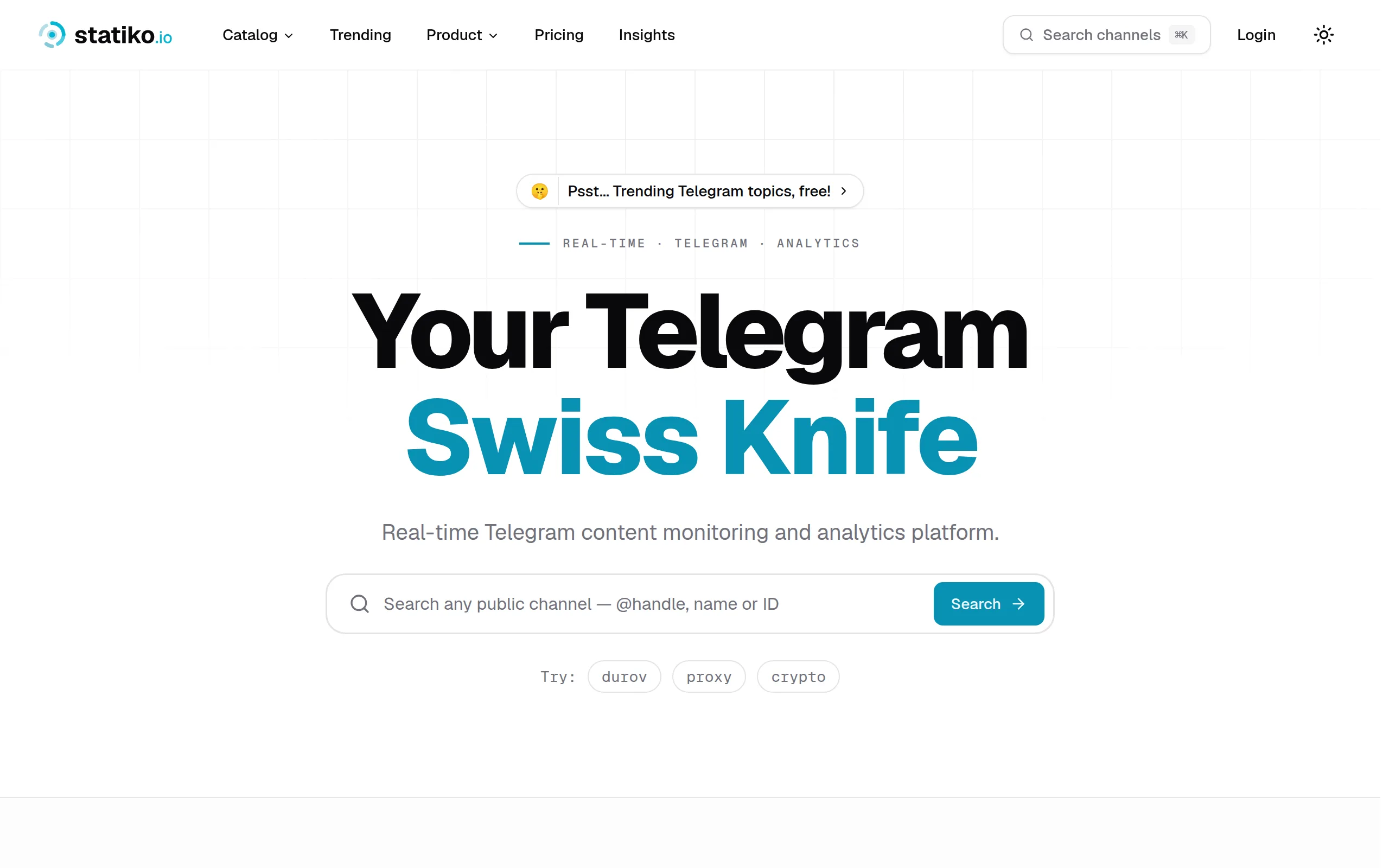
Statiko
Monitor any Telegram channel in real time - track posts, edits, deletions, and growth with AI recaps 📡

Shibui
AI website builder - describe your business, pick a niche template, edit by chatting, and publish instantly ✨

Pro Service
Find verified home service professionals, compare quotes, and pay securely through escrow - built for Brazilians across the US 🏠
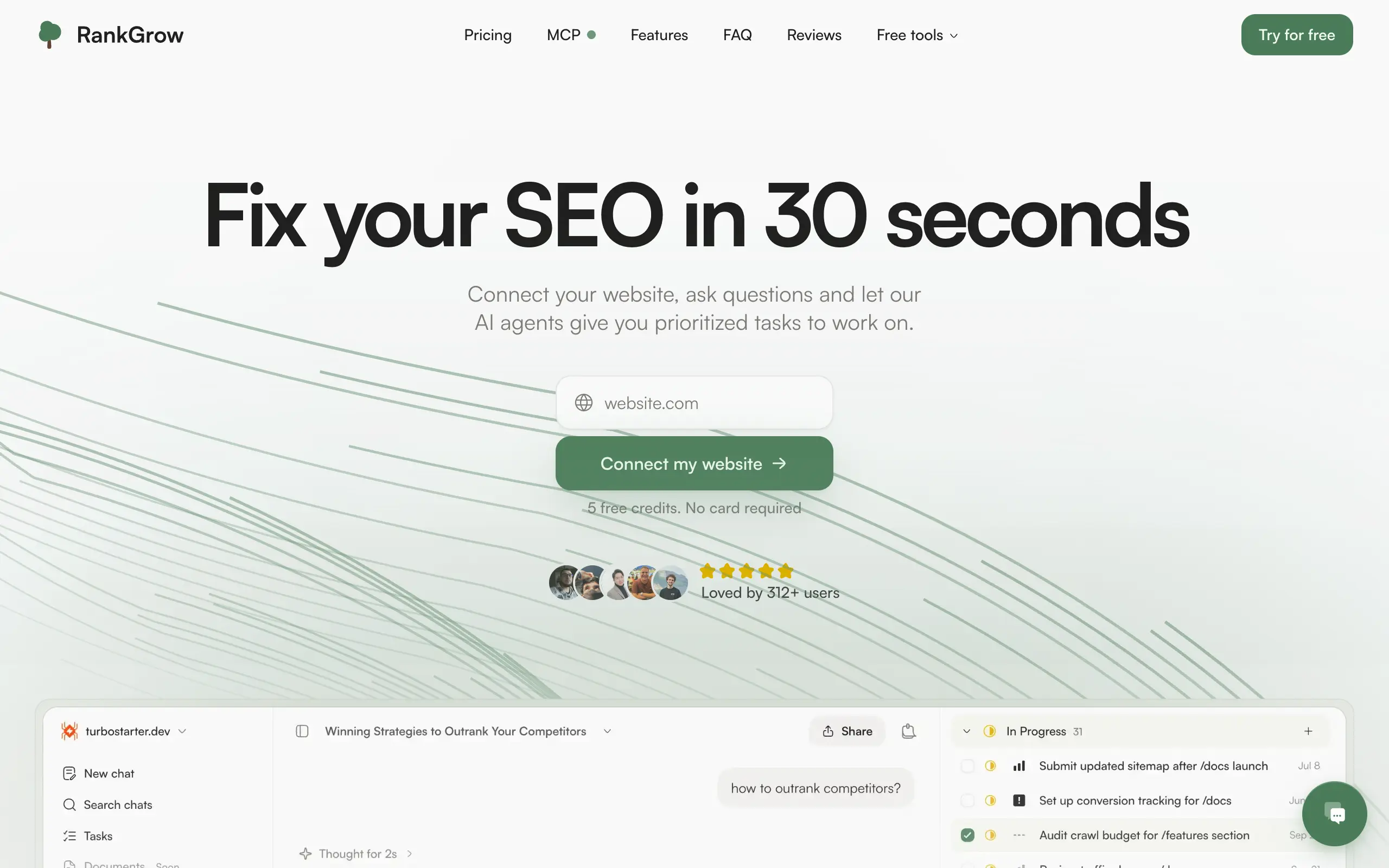
RankGrow
Fix your SEO with AI agents - connect Search Console, get prioritized tasks, and grow organic traffic 📈
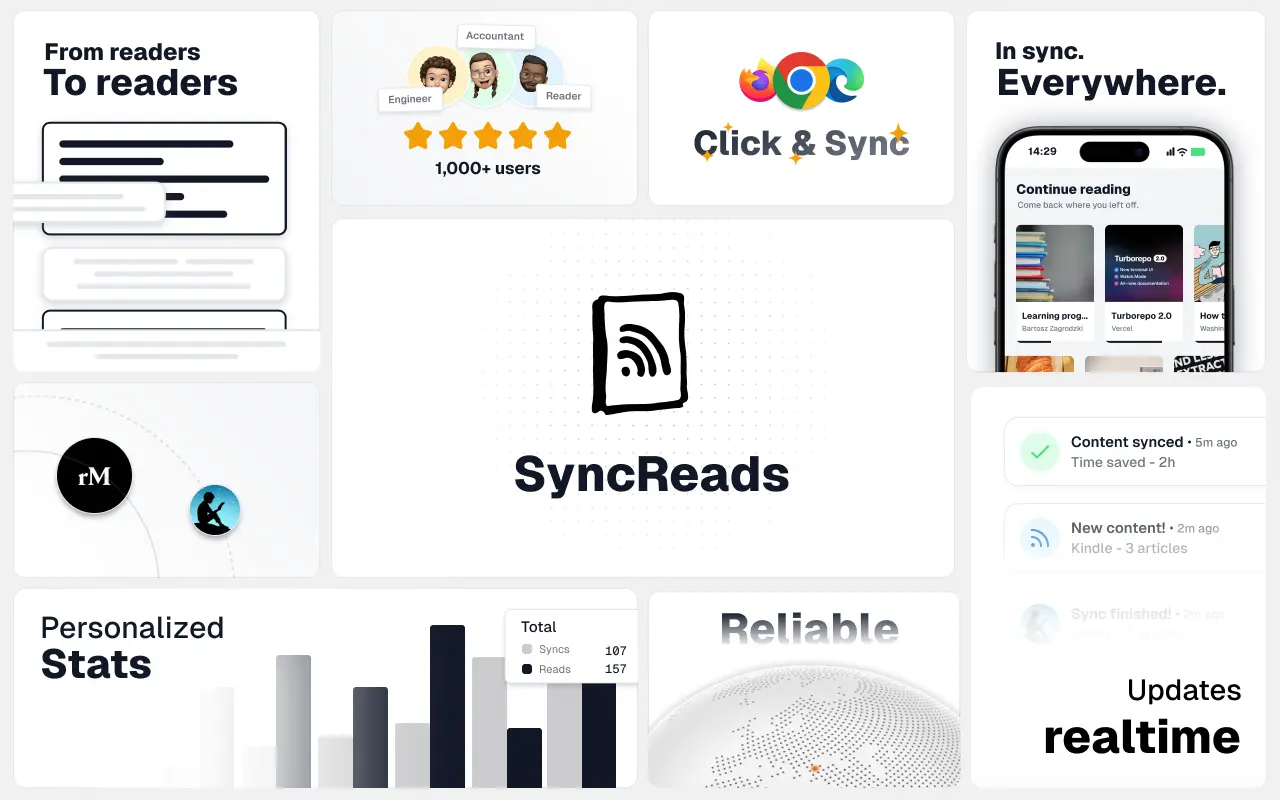
SyncReads
Sync your favorite content for distraction-free reading, save time and replace multiple apps. Anytime, anywhere 🔄
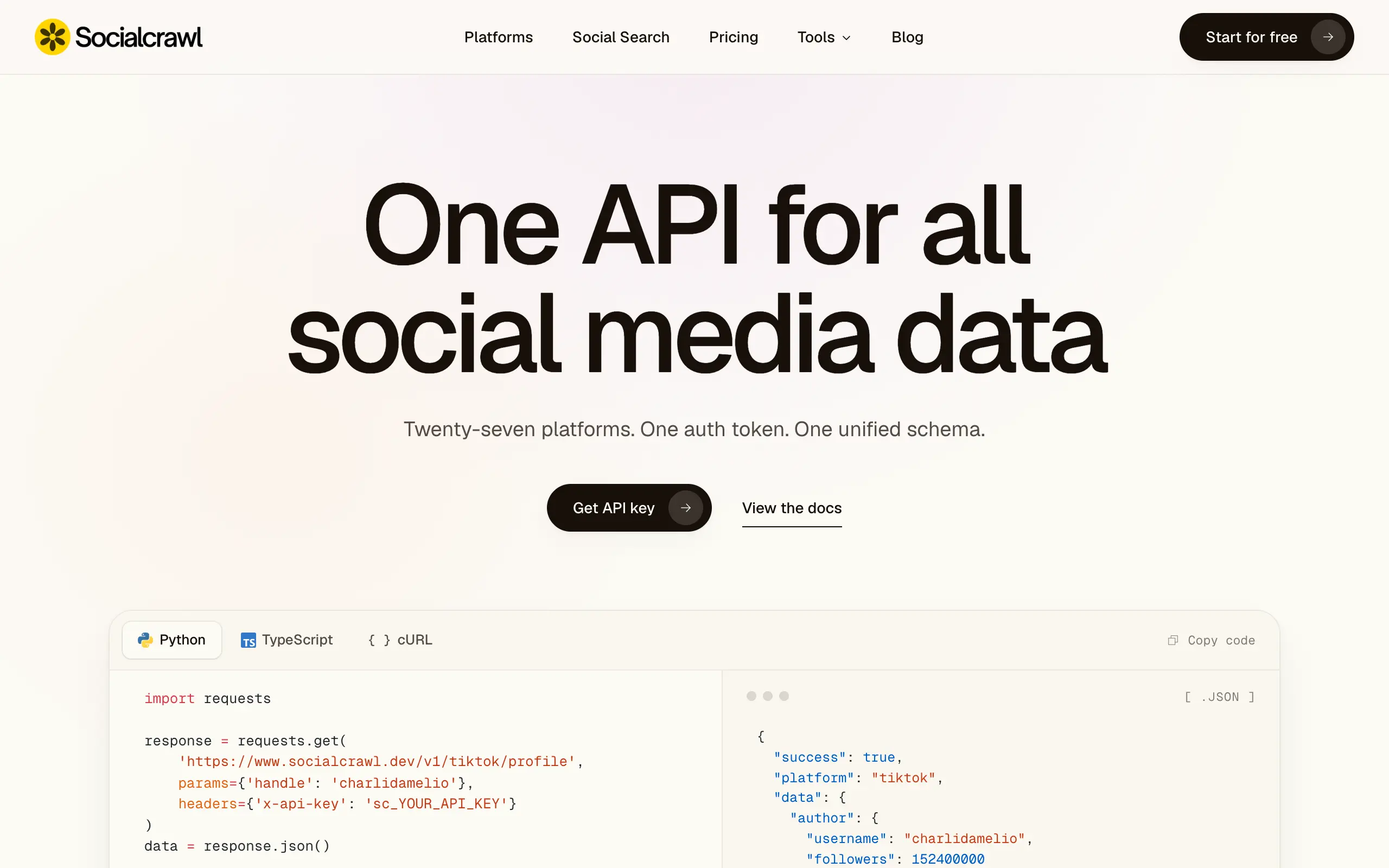
Socialcrawl
Get clean, structured data from 21 platforms like TikTok, Instagram, and YouTube with a single request 📊
Statiko
Monitor any Telegram channel in real time - track posts, edits, deletions, and growth with AI recaps 📡
Shibui
AI website builder - describe your business, pick a niche template, edit by chatting, and publish instantly ✨
Pro Service
Find verified home service professionals, compare quotes, and pay securely through escrow - built for Brazilians across the US 🏠
RankGrow
Fix your SEO with AI agents - connect Search Console, get prioritized tasks, and grow organic traffic 📈
SyncReads
Sync your favorite content for distraction-free reading, save time and replace multiple apps. Anytime, anywhere 🔄
Socialcrawl
Get clean, structured data from 21 platforms like TikTok, Instagram, and YouTube with a single request 📊
Statiko
Monitor any Telegram channel in real time - track posts, edits, deletions, and growth with AI recaps 📡
Shibui
AI website builder - describe your business, pick a niche template, edit by chatting, and publish instantly ✨
Pro Service
Find verified home service professionals, compare quotes, and pay securely through escrow - built for Brazilians across the US 🏠
RankGrow
Fix your SEO with AI agents - connect Search Console, get prioritized tasks, and grow organic traffic 📈
SyncReads
Sync your favorite content for distraction-free reading, save time and replace multiple apps. Anytime, anywhere 🔄
Socialcrawl
Get clean, structured data from 21 platforms like TikTok, Instagram, and YouTube with a single request 📊
Statiko
Monitor any Telegram channel in real time - track posts, edits, deletions, and growth with AI recaps 📡
Shibui
AI website builder - describe your business, pick a niche template, edit by chatting, and publish instantly ✨
Pro Service
Find verified home service professionals, compare quotes, and pay securely through escrow - built for Brazilians across the US 🏠
RankGrow
Fix your SEO with AI agents - connect Search Console, get prioritized tasks, and grow organic traffic 📈
SyncReads
Sync your favorite content for distraction-free reading, save time and replace multiple apps. Anytime, anywhere 🔄
Socialcrawl
Get clean, structured data from 21 platforms like TikTok, Instagram, and YouTube with a single request 📊
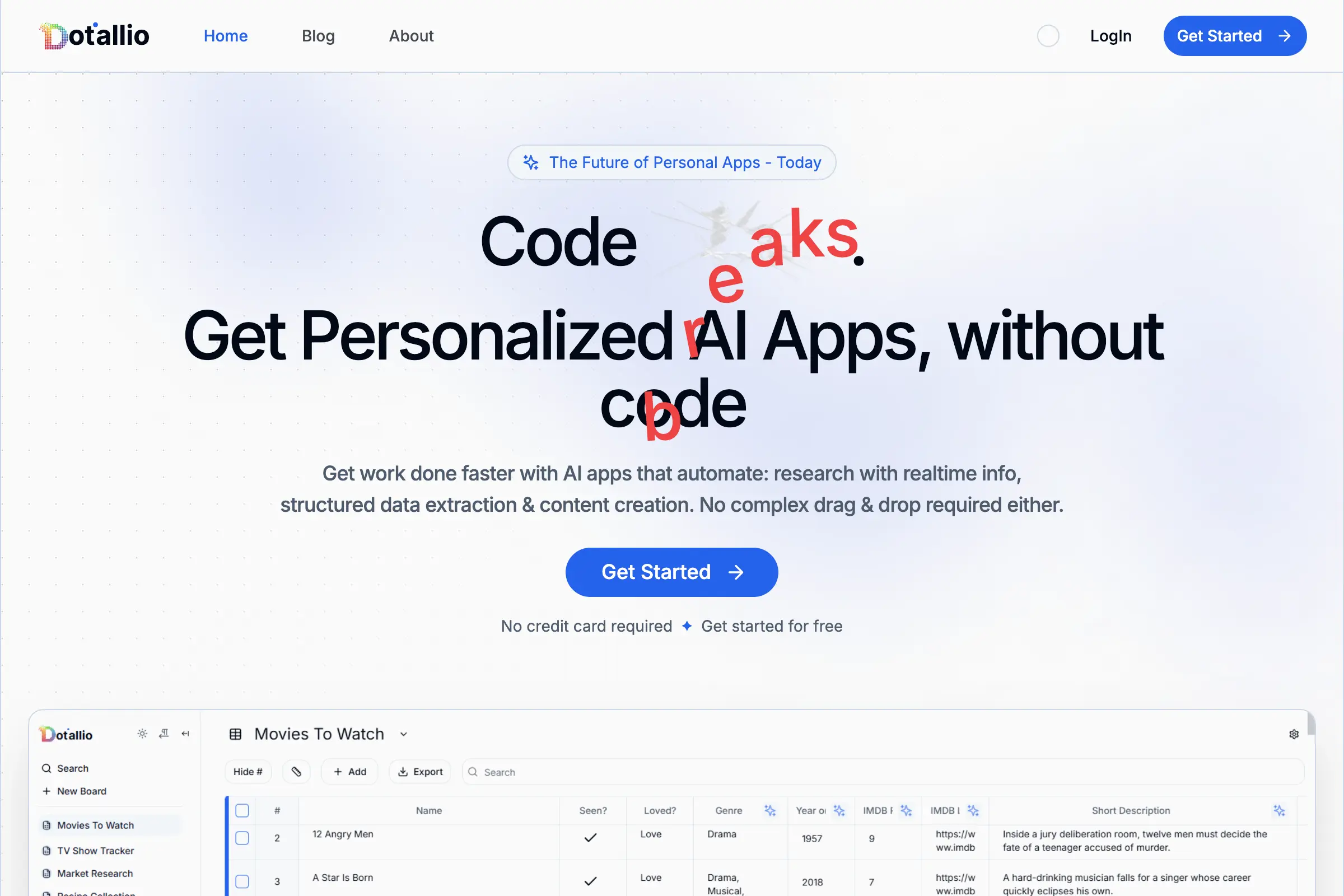
Dotallio
Personalized AI apps that automate research, data extraction, and content creation without code 🤖

Talk to Santa
Enjoy a magical live video chat or receive a unique AI-generated video greeting from Santa Claus 🎅

pozywka.pl
Scalable blog for food journalist, focused on performance and user experience 🌭
zagrodzki.me
Personal blog and portfolio of Bart Zagrodzki, where he shares his knowledge and work 💼
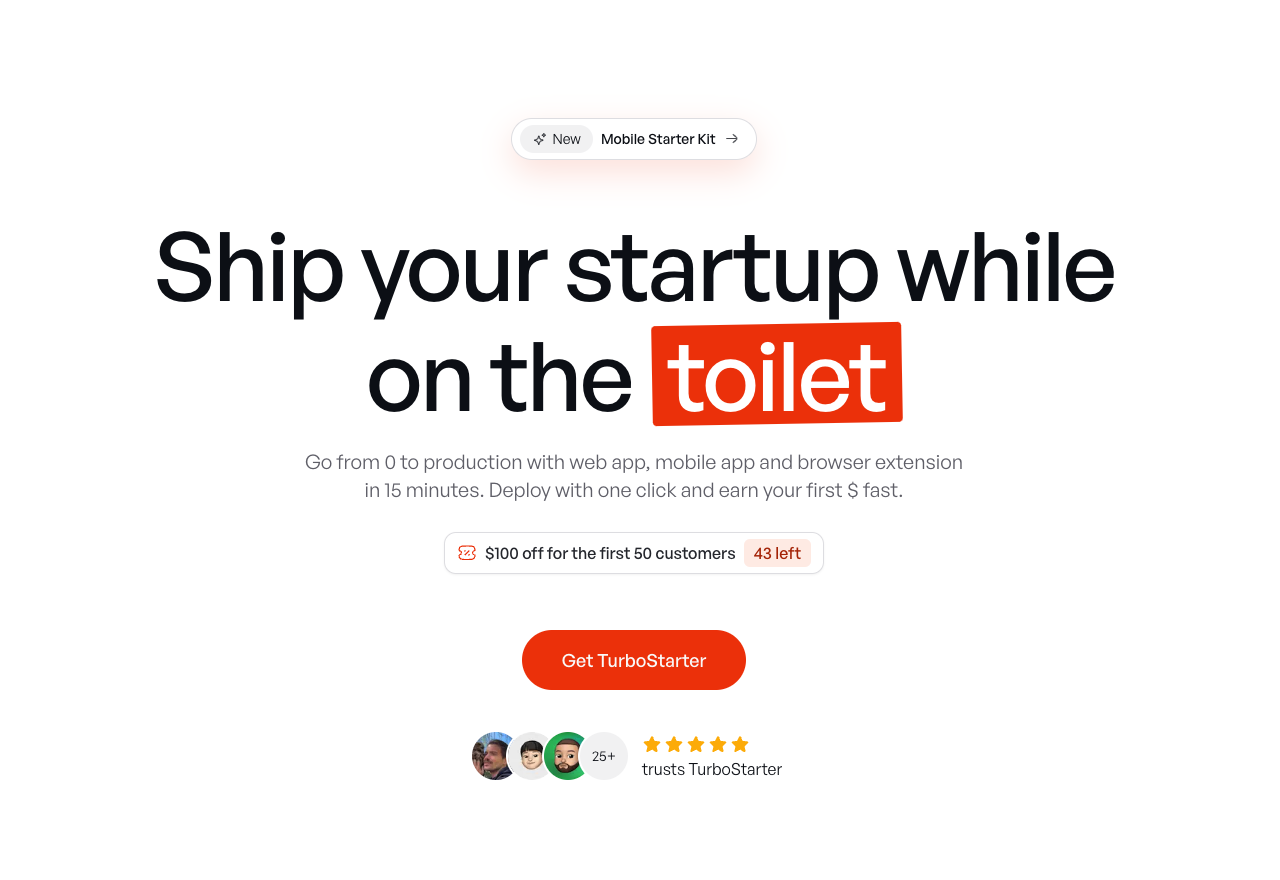
TurboStarter
Ship your startup everywhere. In minutes.
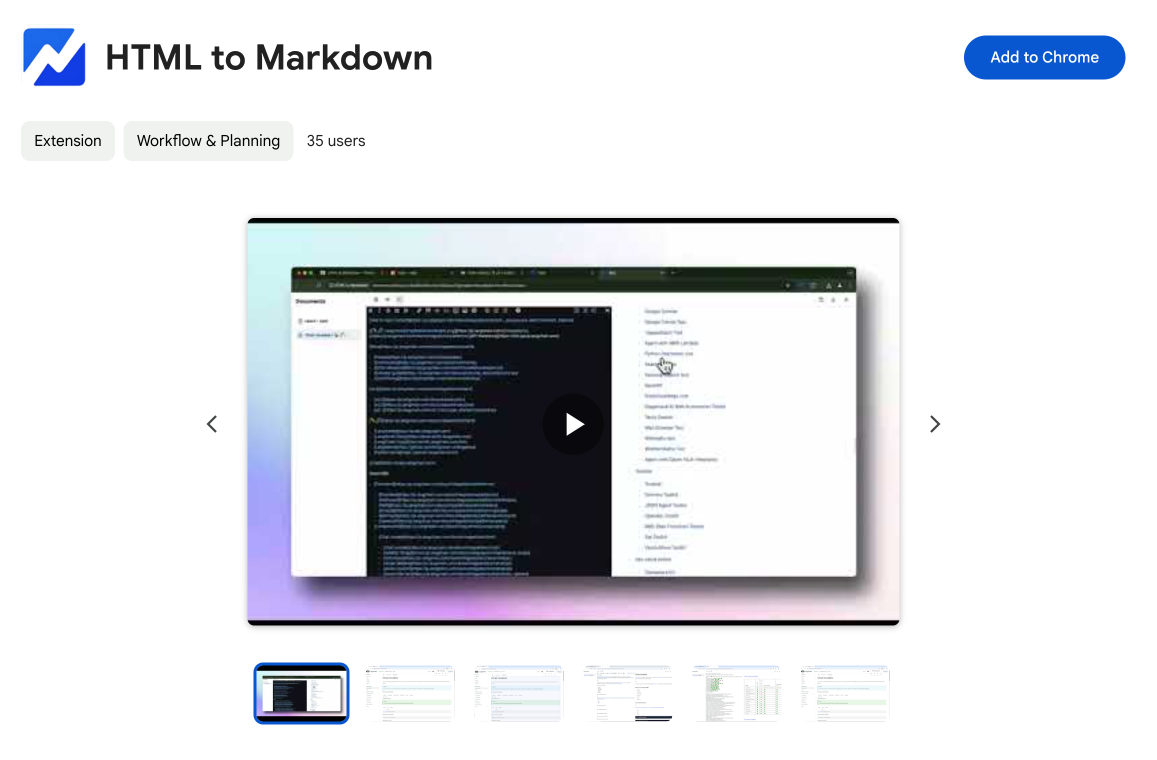
HTML to Markdown
Convert HTML to Markdown with ease, directly in your browser 📄
Dotallio
Personalized AI apps that automate research, data extraction, and content creation without code 🤖
Talk to Santa
Enjoy a magical live video chat or receive a unique AI-generated video greeting from Santa Claus 🎅
pozywka.pl
Scalable blog for food journalist, focused on performance and user experience 🌭
zagrodzki.me
Personal blog and portfolio of Bart Zagrodzki, where he shares his knowledge and work 💼
TurboStarter
Ship your startup everywhere. In minutes.
HTML to Markdown
Convert HTML to Markdown with ease, directly in your browser 📄
Dotallio
Personalized AI apps that automate research, data extraction, and content creation without code 🤖
Talk to Santa
Enjoy a magical live video chat or receive a unique AI-generated video greeting from Santa Claus 🎅
pozywka.pl
Scalable blog for food journalist, focused on performance and user experience 🌭
zagrodzki.me
Personal blog and portfolio of Bart Zagrodzki, where he shares his knowledge and work 💼
TurboStarter
Ship your startup everywhere. In minutes.
HTML to Markdown
Convert HTML to Markdown with ease, directly in your browser 📄
Dotallio
Personalized AI apps that automate research, data extraction, and content creation without code 🤖
Talk to Santa
Enjoy a magical live video chat or receive a unique AI-generated video greeting from Santa Claus 🎅
pozywka.pl
Scalable blog for food journalist, focused on performance and user experience 🌭
zagrodzki.me
Personal blog and portfolio of Bart Zagrodzki, where he shares his knowledge and work 💼
TurboStarter
Ship your startup everywhere. In minutes.
HTML to Markdown
Convert HTML to Markdown with ease, directly in your browser 📄
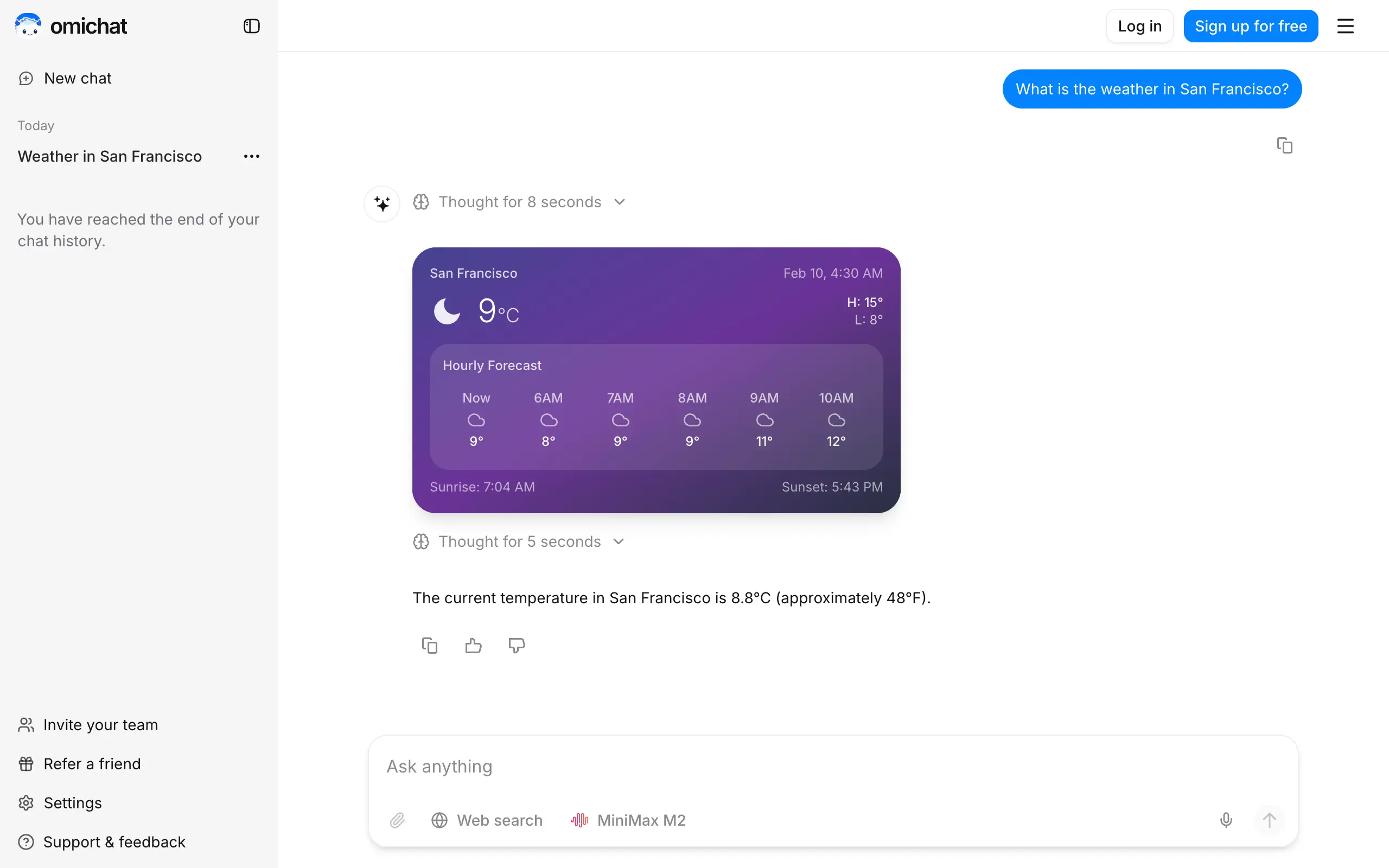
Omichat
Chat with 50+ AI models, including ChatGPT and Claude, in one place - switch models anytime without losing context 🤖
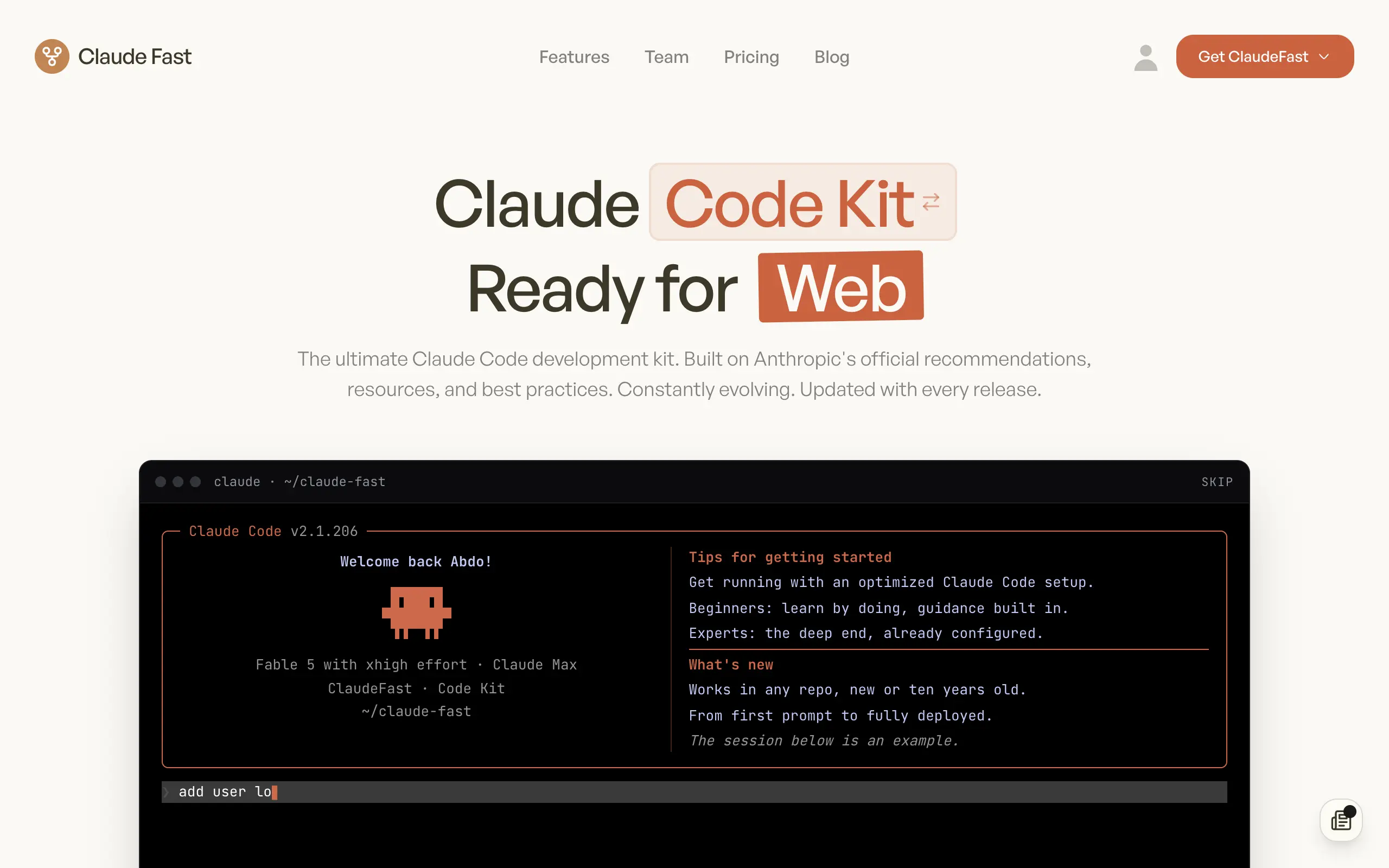
Claude Fast
Supercharge your Claude Code with 6x effective context window and specialized AI agents 🤖
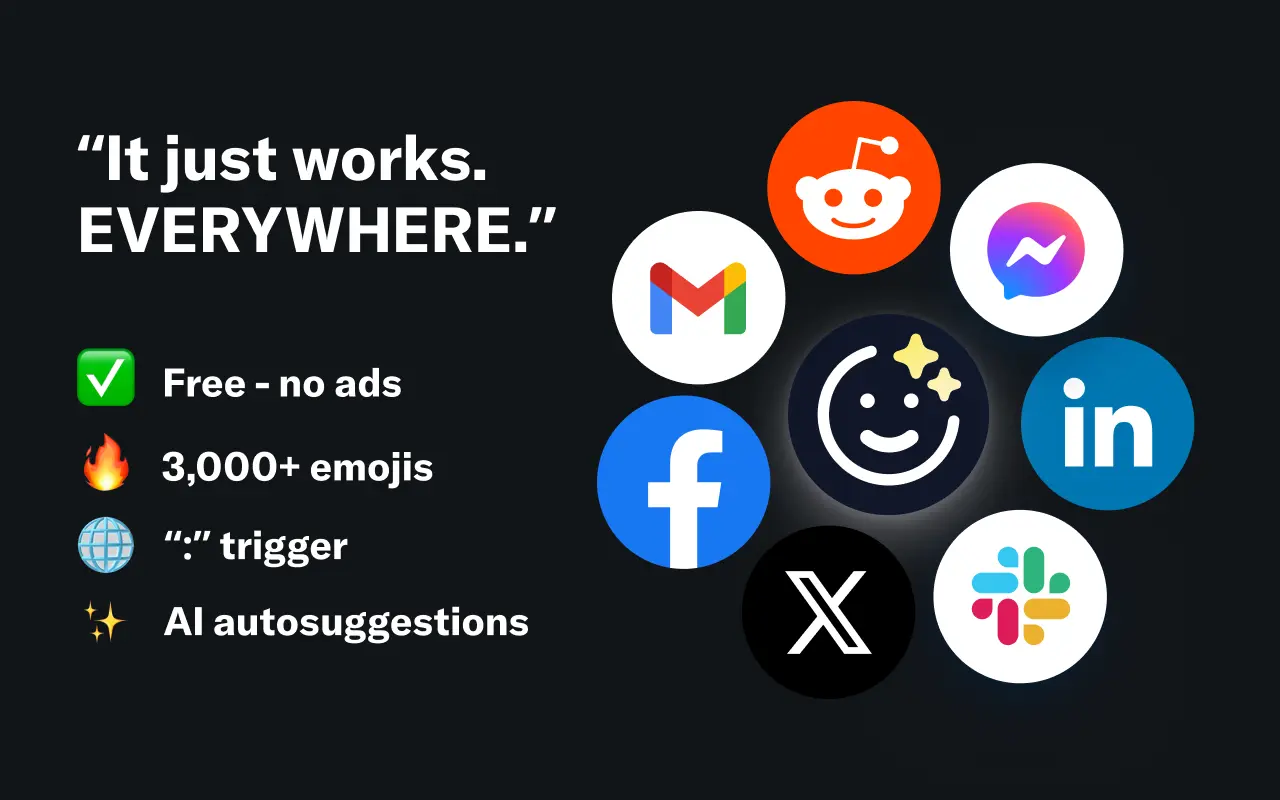
EmojAI
AI-powered emoji picker with smart, context-aware suggestions 🤖
Solohacker
Autonomous company launcher - AI agents work 24/7, escalate what matters, and you stay in control 🤖

BeRawi: Storytelling Coach
Practice storytelling daily with instant feedback to sound clearer, more engaging, and confident 🎤
Omichat
Chat with 50+ AI models, including ChatGPT and Claude, in one place - switch models anytime without losing context 🤖
Claude Fast
Supercharge your Claude Code with 6x effective context window and specialized AI agents 🤖
EmojAI
AI-powered emoji picker with smart, context-aware suggestions 🤖
Solohacker
Autonomous company launcher - AI agents work 24/7, escalate what matters, and you stay in control 🤖
BeRawi: Storytelling Coach
Practice storytelling daily with instant feedback to sound clearer, more engaging, and confident 🎤
Omichat
Chat with 50+ AI models, including ChatGPT and Claude, in one place - switch models anytime without losing context 🤖
Claude Fast
Supercharge your Claude Code with 6x effective context window and specialized AI agents 🤖
EmojAI
AI-powered emoji picker with smart, context-aware suggestions 🤖
Solohacker
Autonomous company launcher - AI agents work 24/7, escalate what matters, and you stay in control 🤖
BeRawi: Storytelling Coach
Practice storytelling daily with instant feedback to sound clearer, more engaging, and confident 🎤
Omichat
Chat with 50+ AI models, including ChatGPT and Claude, in one place - switch models anytime without losing context 🤖
Claude Fast
Supercharge your Claude Code with 6x effective context window and specialized AI agents 🤖
EmojAI
AI-powered emoji picker with smart, context-aware suggestions 🤖
Solohacker
Autonomous company launcher - AI agents work 24/7, escalate what matters, and you stay in control 🤖
BeRawi: Storytelling Coach
Practice storytelling daily with instant feedback to sound clearer, more engaging, and confident 🎤

Connect with like-minded people
Join our community to get feedback, support, and grow together with 1,000+ builders on board, let's ship it!
Join usShip your startup everywhere. In minutes.
Don't burn tokens on setup and start building features on day one.