BrandCart Pro
White-label ecommerce suite enabling brands to launch, manage, and scale online stores with built-in analytics, marketing automation, and global payment support.
Understanding the need for a white-label ecommerce suite
The ecommerce landscape is more competitive than ever. Brands—whether established retailers, DTC startups, or agencies—are seeking flexible, scalable, and customizable solutions to launch and manage online stores. The demand for white-label ecommerce platforms has surged, driven by the need for:
- Brand control: Businesses want to own their customer experience, not be boxed into generic templates.
- Speed to market: Launching a store quickly, without building from scratch, is a major advantage.
- Integrated tools: Analytics, marketing automation, and global payment support are now table stakes, not add-ons.
BrandCart Pro is positioned to address these needs by offering a comprehensive, white-label ecommerce suite. In this article, we’ll explore the market opportunity, target audience, core features, technology stack, monetization strategies, risks, and actionable steps to bring BrandCart Pro to market.
Target audience analysis: Who is BrandCart Pro for?
Understanding your audience is the foundation of any successful SaaS product. BrandCart Pro’s primary and secondary audiences include:
1. Direct-to-consumer (DTC) brands
- Pain points: Need for rapid store launches, brand customization, and integrated marketing tools.
- Goals: Scale quickly, own customer data, and differentiate from competitors.
2. Agencies and consultants
- Pain points: Require a flexible, white-label solution to offer ecommerce as a service to clients.
- Goals: Deliver branded stores for multiple clients, manage them centrally, and add value through analytics and automation.
3. Established retailers expanding online
- Pain points: Legacy systems, lack of digital expertise, and the need for seamless migration.
- Goals: Modernize their ecommerce presence, integrate with existing systems, and support global payments.
4. Niche marketplaces and entrepreneurs
- Pain points: High development costs, limited technical resources, and the need for scalability.
- Goals: Launch niche marketplaces or multi-vendor stores with minimal overhead.
DTC Brands
Rapid launch, full brand control, and integrated growth tools.
Agencies
White-label, multi-client management, and value-added services.
Retailers
Modernization, migration, and global reach.
Entrepreneurs
Low barrier to entry, scalability, and automation.
Market opportunity and gap analysis
The ecommerce SaaS boom
According to industry reports, global ecommerce sales are projected to surpass $6 trillion by 2024 (source: suggest referencing Statista or eMarketer). The SaaS ecommerce platform market is growing rapidly, with businesses seeking:
- Customization: Out-of-the-box solutions often lack flexibility.
- White-labeling: Agencies and brands want to own the customer relationship and experience.
- Integrated analytics and automation: Data-driven growth is essential.
Gaps in existing solutions
While platforms like Shopify, BigCommerce, and WooCommerce dominate, they have limitations:
- Limited white-label options: Most are not designed for agencies or multi-brand management.
- Fragmented toolsets: Analytics, marketing, and payments often require third-party integrations.
- Global payment complexity: Supporting multiple currencies and payment gateways is challenging.
BrandCart Pro fills these gaps by offering:
- True white-label capabilities
- Built-in analytics and marketing automation
- Seamless global payment support
Market insight
The rise of headless commerce and API-first platforms shows a clear trend: brands want flexibility and control. BrandCart Pro’s white-label approach aligns perfectly with this shift.
Core features and solution details
BrandCart Pro’s value proposition lies in its comprehensive, integrated feature set. Here’s a breakdown of the core modules:
1. White-label store builder
- Drag-and-drop editor: Create unique storefronts without coding.
- Custom domains and branding: Full control over logos, colors, and themes.
- Multi-store management: Agencies can manage multiple client stores from a single dashboard.
2. Built-in analytics
- Real-time dashboards: Track sales, traffic, conversion rates, and customer behavior.
- Custom reports: Exportable data for deeper analysis.
- Attribution tracking: Understand which marketing channels drive results.
3. Marketing automation
- Email and SMS campaigns: Segment customers and automate follow-ups.
- Abandoned cart recovery: Boost conversions with targeted reminders.
- Personalized recommendations: AI-driven product suggestions.
4. Global payment support
- Multi-currency checkout: Sell worldwide with automatic currency conversion.
- Integrated gateways: Support for Stripe, PayPal, and local payment methods.
- Tax and compliance tools: Automated VAT/GST calculations.
5. App marketplace and integrations
- Third-party apps: Extend functionality with plug-and-play integrations.
- API access: For custom workflows and headless commerce scenarios.
6. Security and compliance
- PCI DSS compliance: Secure payment processing.
- GDPR-ready: Tools for data privacy and user consent.
| Feature | BrandCart Pro | Shopify | BigCommerce | WooCommerce |
|---|---|---|---|---|
| White-labeling | ✅ | ❌ | ❌ | ❌ |
| Built-in analytics | ✅ | ✅ | ✅ | ❌ |
| Marketing automation | ✅ | ❌ | ✅ | ❌ |
| Global payments | ✅ | ✅ | ✅ | ❌ |
| Multi-store management | ✅ | ❌ | ❌ | ❌ |
Recommended tech stack for BrandCart Pro
Choosing the right technology stack is critical for scalability, security, and developer productivity. Here’s a recommended stack for BrandCart Pro, with trade-offs explained:
Frontend
- React: Modern, component-based UI development. Large ecosystem and community support.
- TailwindCSS: Utility-first CSS framework for rapid, consistent styling.
- Next.js: For server-side rendering, SEO optimization, and fast page loads.
Trade-off: React and Next.js offer flexibility and performance, but require experienced developers.
Backend
- Node.js: Non-blocking, scalable server-side JavaScript.
- NestJS: Structured, modular backend framework built on Node.js.
- GraphQL: Flexible API layer for frontend-backend communication.
Trade-off: GraphQL adds complexity but enables efficient data fetching and supports headless commerce.
Database
- PostgreSQL: Reliable, scalable relational database.
- Redis: For caching and real-time analytics.
Infrastructure
- Docker: Containerization for consistent deployments.
- Kubernetes: Orchestration for scaling and managing microservices.
- AWS or GCP: Cloud hosting, storage, and global CDN.
Integrations
- Stripe, PayPal: Payment gateways.
- SendGrid, Twilio: Email and SMS automation.
- Segment or Mixpanel: Advanced analytics.
Why this stack?
This stack balances developer productivity, scalability, and security. It’s proven in high-traffic ecommerce environments and supports rapid iteration.
Monetization strategy options
A flexible monetization model is key to SaaS success. For BrandCart Pro, consider these options:
1. Subscription tiers
- Starter: Basic store, limited analytics, single payment gateway.
- Pro: Advanced analytics, marketing automation, multi-store support.
- Enterprise: White-labeling, API access, priority support, custom integrations.
2. Usage-based pricing
- Charge based on number of stores, orders processed, or active users.
3. Transaction fees
- Small percentage fee per transaction (optional, can be waived for higher tiers).
4. App marketplace revenue share
- Take a commission on third-party app sales within the BrandCart Pro ecosystem.
5. Professional services
- Offer migration, onboarding, and custom development as add-ons.
Subscription tiers are predictable and align with SaaS best practices. Usage-based pricing can scale with customer success, while transaction fees are common in ecommerce but may deter high-volume merchants. A hybrid approach is often most effective.
Potential risks and mitigation strategies
Launching a white-label ecommerce SaaS comes with challenges. Here’s how to address them:
1. Market saturation
- Risk: Competing with established players.
- Mitigation: Focus on white-label, multi-store, and integrated automation as USPs.
2. Security and compliance
- Risk: Handling sensitive payment and customer data.
- Mitigation: Invest in PCI DSS compliance, regular security audits, and GDPR tools.
3. Technical complexity
- Risk: Building and maintaining a robust, scalable platform.
- Mitigation: Use proven frameworks, modular architecture, and cloud infrastructure.
4. Customer acquisition
- Risk: Reaching and converting target users.
- Mitigation: Partner with agencies, offer free trials, and leverage content marketing.
5. Churn and retention
- Risk: Customers switching to competitors.
- Mitigation: Deliver ongoing value through analytics, automation, and responsive support.
Competitive advantage analysis
What sets BrandCart Pro apart in the crowded ecommerce SaaS market?
Unique selling propositions (USPs)
- True white-labeling: Agencies and brands can fully customize the platform, including domains, branding, and client dashboards.
- Integrated analytics and marketing automation: No need for third-party tools—everything is built-in and works seamlessly.
- Global payment support: Out-of-the-box multi-currency and local payment options.
- Multi-store management: Manage multiple brands or clients from a single interface.
- API-first and headless ready: Future-proof architecture for custom workflows and integrations.
How BrandCart Pro outshines competitors
- Shopify: Great for single brands, but limited white-label and multi-store features.
- BigCommerce: Strong ecommerce features, but less agency-focused.
- WooCommerce: Highly customizable, but requires technical expertise and lacks integrated automation.
Brand control
Full white-labeling and customization for agencies and brands.
Growth tools
Built-in analytics and marketing automation for data-driven scaling.
Global reach
Seamless multi-currency and payment gateway support.
Actionable implementation steps
Ready to bring BrandCart Pro to life? Here’s a step-by-step roadmap:
Conclusion: Why BrandCart Pro is the future of white-label ecommerce
BrandCart Pro is more than just another ecommerce platform. By focusing on white-label flexibility, integrated analytics, marketing automation, and global payment support, it empowers brands and agencies to launch, manage, and scale online stores with unprecedented speed and control.
The market is hungry for solutions that combine customization, scalability, and ease of use. With a robust tech stack, clear monetization strategy, and a focus on security and compliance, BrandCart Pro is well-positioned to capture a significant share of the ecommerce SaaS market.
Ready to turn this vision into reality? Start building with TurboStarter for rapid prototyping and deployment.
Frequently asked questions
Yes, the drag-and-drop store builder and intuitive dashboards are designed for users without coding experience.
Absolutely. Multi-store management is a core feature, allowing agencies to oversee all client stores from a single dashboard.
BrandCart Pro supports Stripe, PayPal, and a range of local/global payment methods out of the box.
The platform is GDPR-ready and includes tools for user consent and data management.
Next steps
- Research: Conduct in-depth interviews with your target audience.
- Prototype: Use TurboStarter to build your MVP quickly.
- Test: Launch a beta, gather feedback, and iterate.
- Scale: Invest in marketing, partnerships, and continuous improvement.
By following this roadmap, you can position BrandCart Pro as the go-to white-label ecommerce suite for brands and agencies worldwide.
More 🛒 E-commerce SaaS ideas
Discover more innovative e-commerce SaaS ideas that are trending in 2026. Each idea is AI-generated with market validation and growth potential to help you find your next profitable venture faster than competitors.
Your competitors are building with TurboStarter
Below are some of the SaaS ideas that have been generated and built with our starter kit.
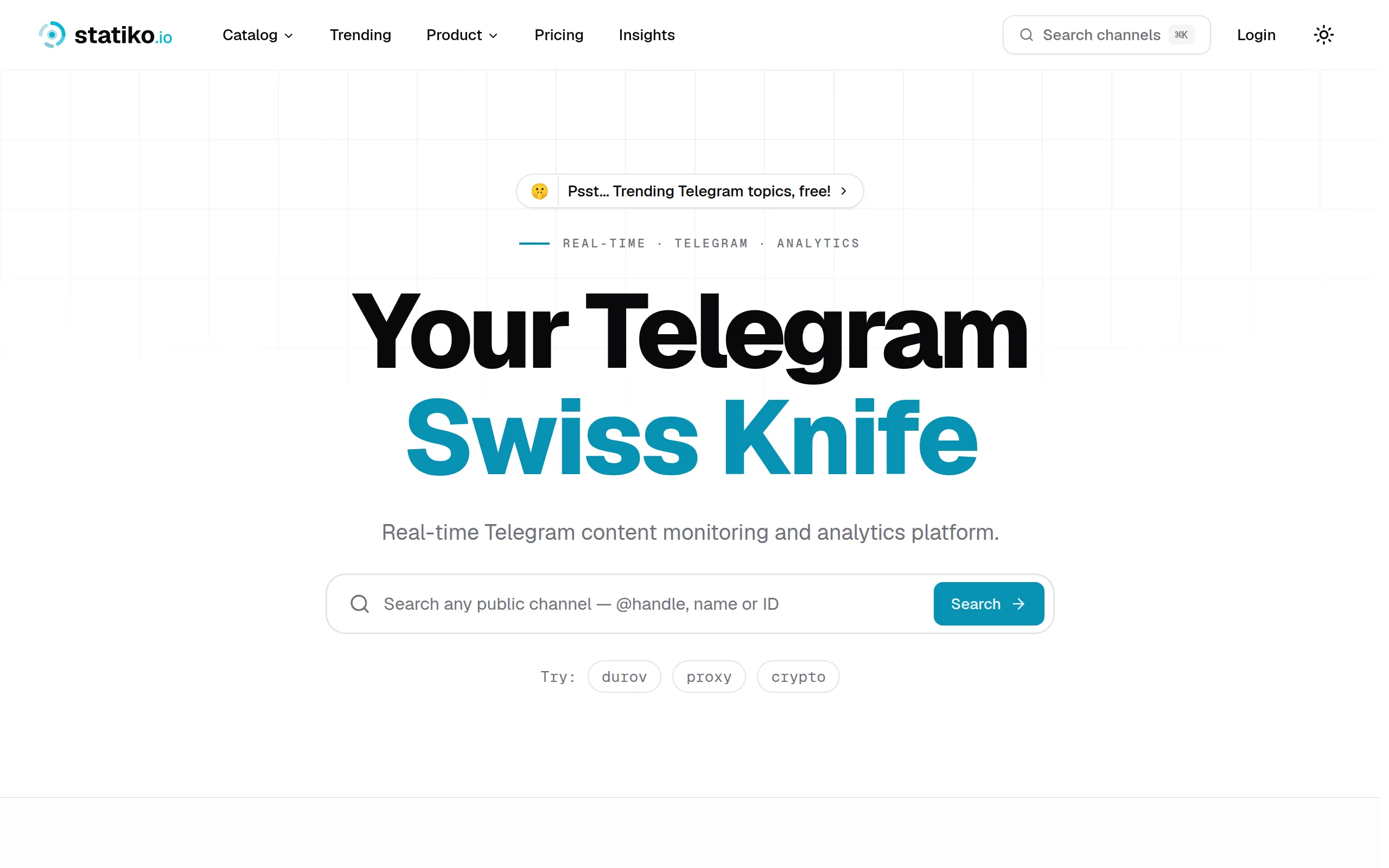
Statiko
Monitor any Telegram channel in real time - track posts, edits, deletions, and growth with AI recaps 📡

Shibui
AI website builder - describe your business, pick a niche template, edit by chatting, and publish instantly ✨

Pro Service
Find verified home service professionals, compare quotes, and pay securely through escrow - built for Brazilians across the US 🏠
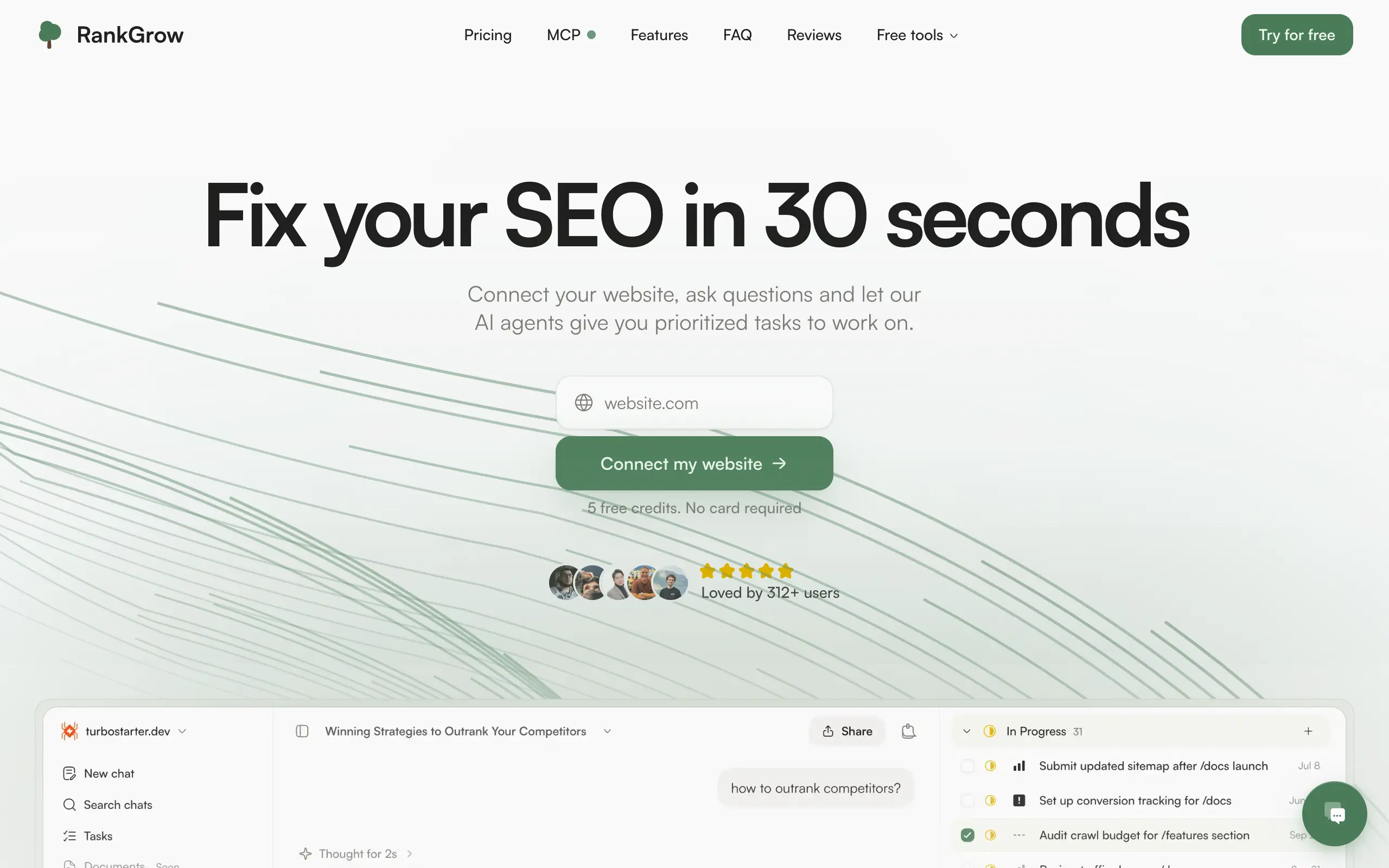
RankGrow
Fix your SEO with AI agents - connect Search Console, get prioritized tasks, and grow organic traffic 📈
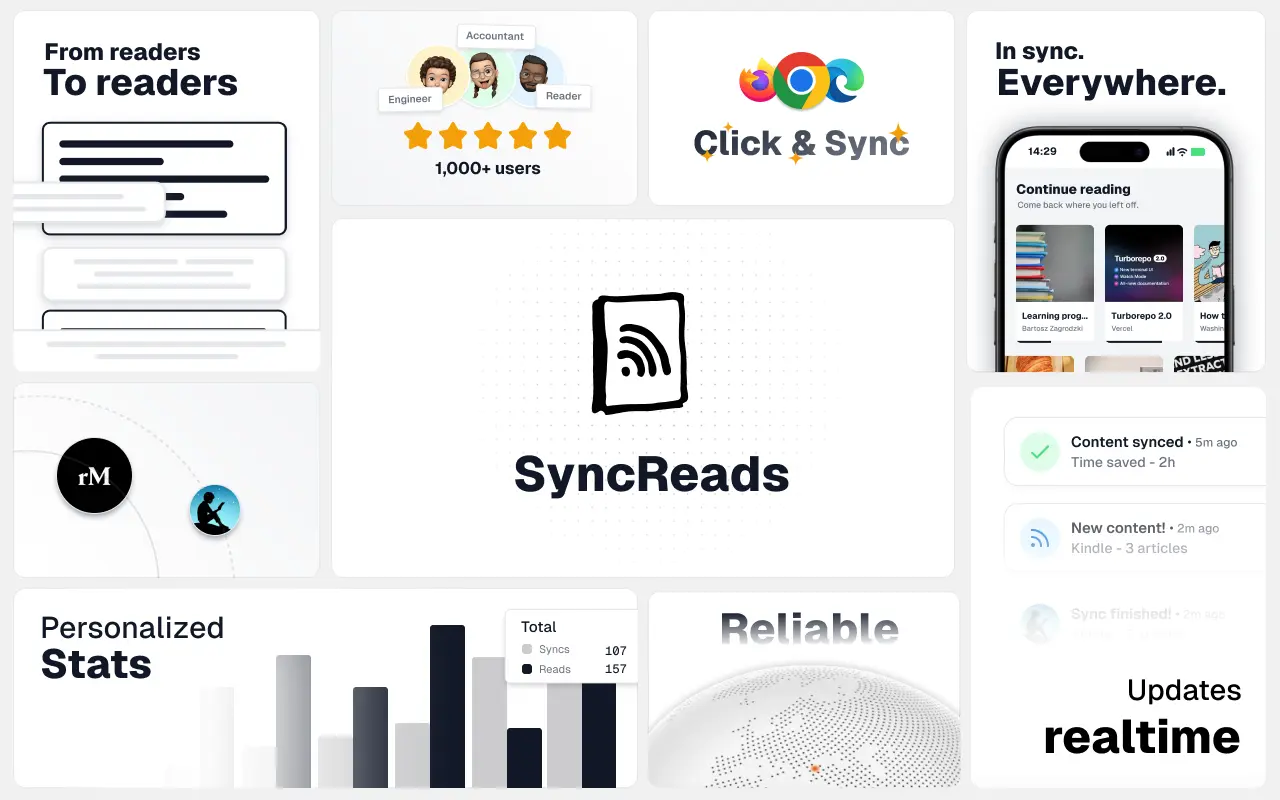
SyncReads
Sync your favorite content for distraction-free reading, save time and replace multiple apps. Anytime, anywhere 🔄
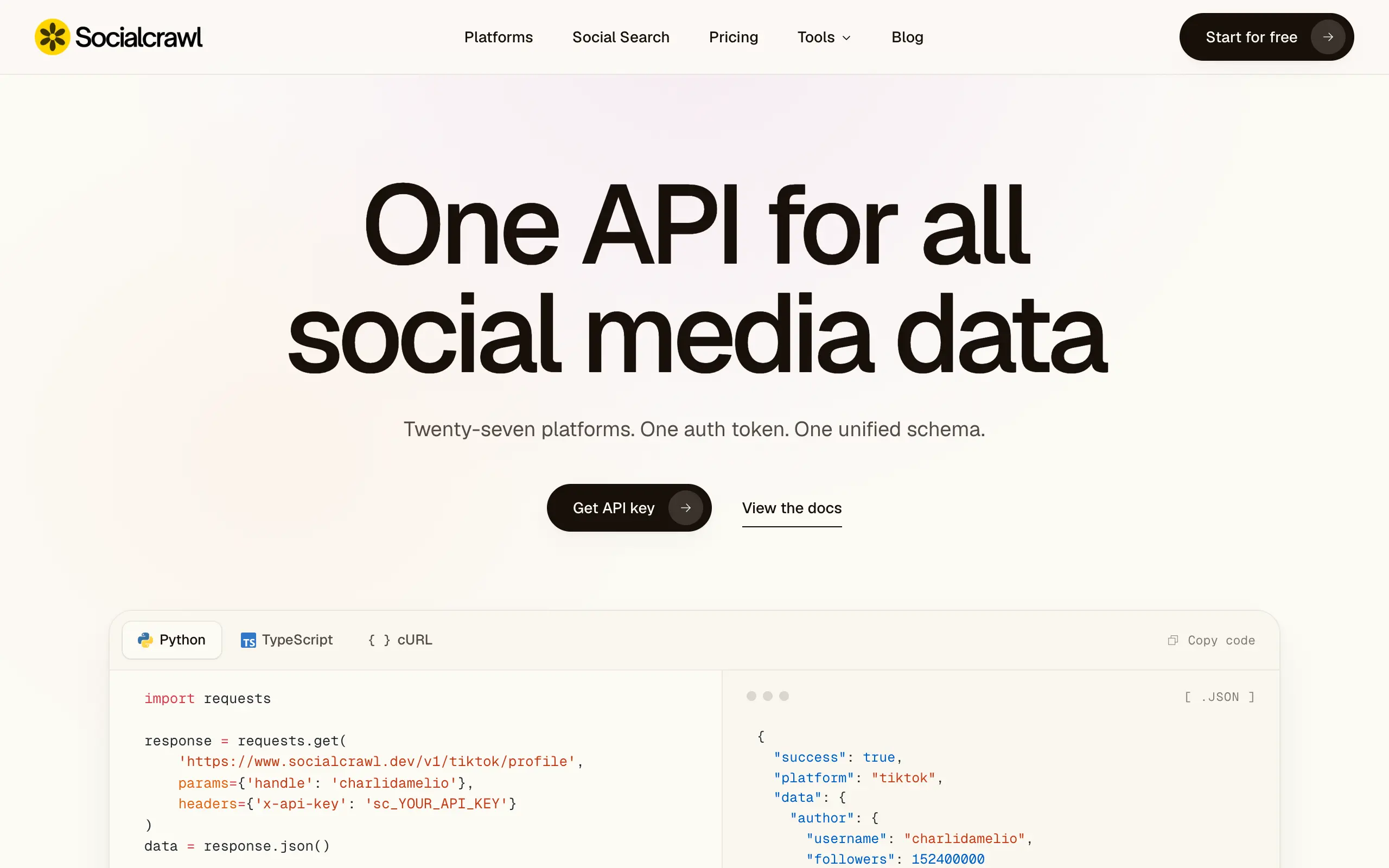
Socialcrawl
Get clean, structured data from 21 platforms like TikTok, Instagram, and YouTube with a single request 📊
Statiko
Monitor any Telegram channel in real time - track posts, edits, deletions, and growth with AI recaps 📡
Shibui
AI website builder - describe your business, pick a niche template, edit by chatting, and publish instantly ✨
Pro Service
Find verified home service professionals, compare quotes, and pay securely through escrow - built for Brazilians across the US 🏠
RankGrow
Fix your SEO with AI agents - connect Search Console, get prioritized tasks, and grow organic traffic 📈
SyncReads
Sync your favorite content for distraction-free reading, save time and replace multiple apps. Anytime, anywhere 🔄
Socialcrawl
Get clean, structured data from 21 platforms like TikTok, Instagram, and YouTube with a single request 📊
Statiko
Monitor any Telegram channel in real time - track posts, edits, deletions, and growth with AI recaps 📡
Shibui
AI website builder - describe your business, pick a niche template, edit by chatting, and publish instantly ✨
Pro Service
Find verified home service professionals, compare quotes, and pay securely through escrow - built for Brazilians across the US 🏠
RankGrow
Fix your SEO with AI agents - connect Search Console, get prioritized tasks, and grow organic traffic 📈
SyncReads
Sync your favorite content for distraction-free reading, save time and replace multiple apps. Anytime, anywhere 🔄
Socialcrawl
Get clean, structured data from 21 platforms like TikTok, Instagram, and YouTube with a single request 📊
Statiko
Monitor any Telegram channel in real time - track posts, edits, deletions, and growth with AI recaps 📡
Shibui
AI website builder - describe your business, pick a niche template, edit by chatting, and publish instantly ✨
Pro Service
Find verified home service professionals, compare quotes, and pay securely through escrow - built for Brazilians across the US 🏠
RankGrow
Fix your SEO with AI agents - connect Search Console, get prioritized tasks, and grow organic traffic 📈
SyncReads
Sync your favorite content for distraction-free reading, save time and replace multiple apps. Anytime, anywhere 🔄
Socialcrawl
Get clean, structured data from 21 platforms like TikTok, Instagram, and YouTube with a single request 📊
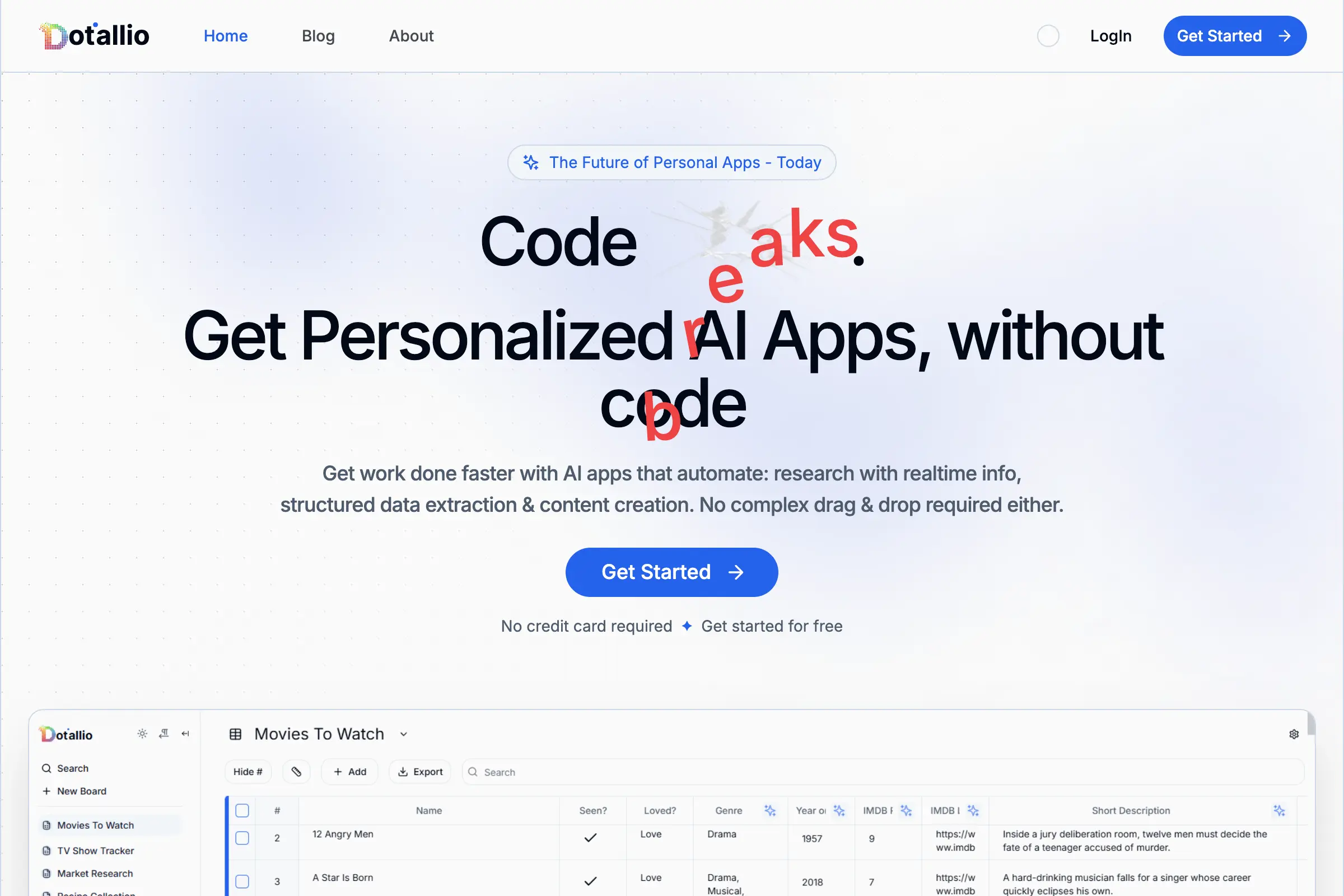
Dotallio
Personalized AI apps that automate research, data extraction, and content creation without code 🤖

Talk to Santa
Enjoy a magical live video chat or receive a unique AI-generated video greeting from Santa Claus 🎅

pozywka.pl
Scalable blog for food journalist, focused on performance and user experience 🌭
zagrodzki.me
Personal blog and portfolio of Bart Zagrodzki, where he shares his knowledge and work 💼
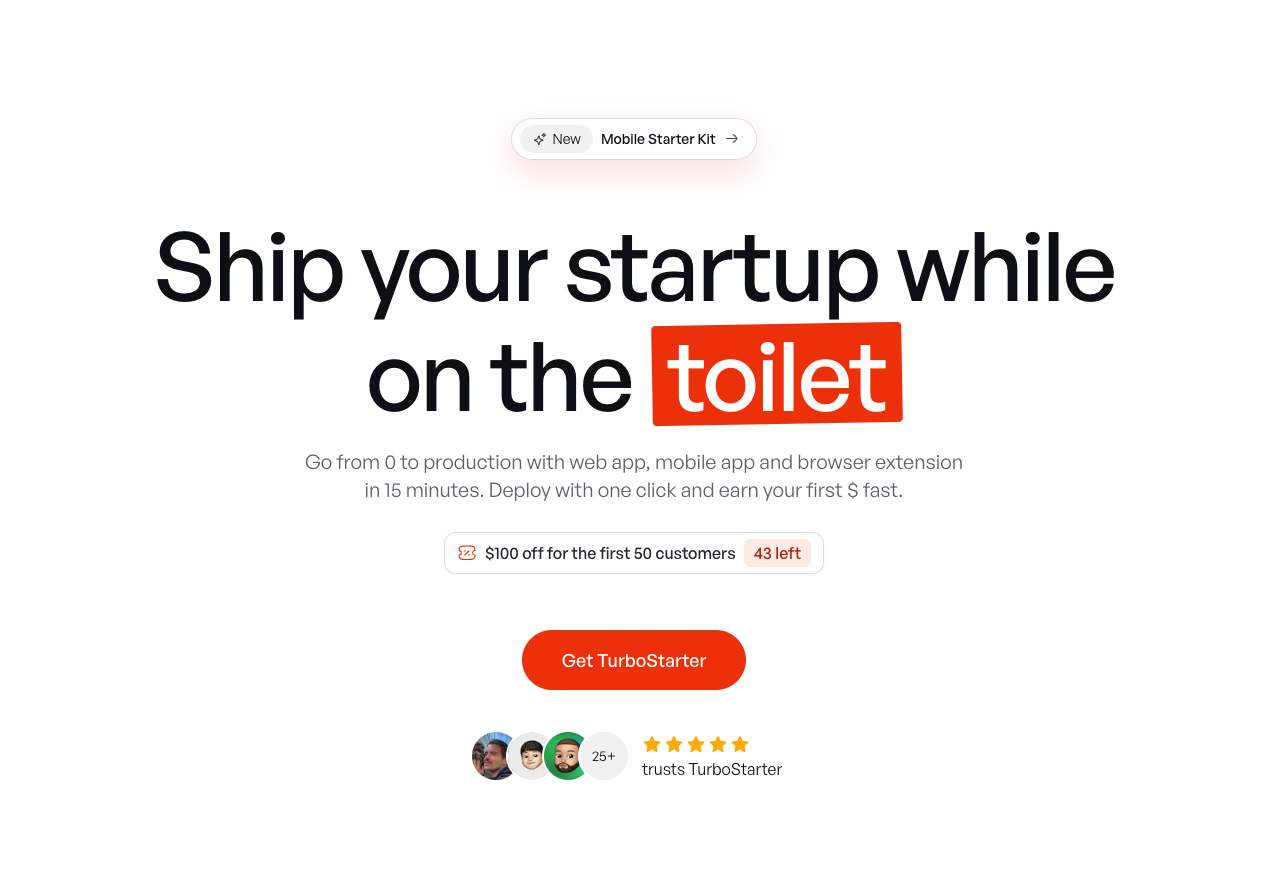
TurboStarter
Ship your startup everywhere. In minutes.
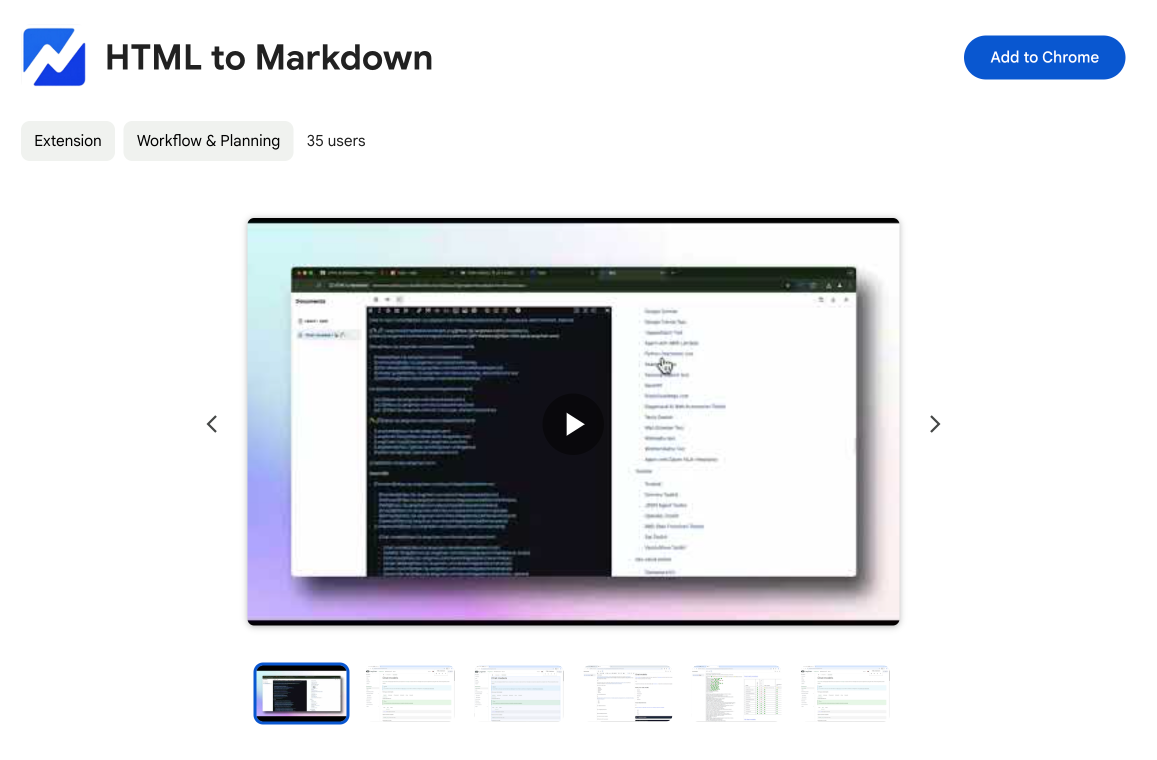
HTML to Markdown
Convert HTML to Markdown with ease, directly in your browser 📄
Dotallio
Personalized AI apps that automate research, data extraction, and content creation without code 🤖
Talk to Santa
Enjoy a magical live video chat or receive a unique AI-generated video greeting from Santa Claus 🎅
pozywka.pl
Scalable blog for food journalist, focused on performance and user experience 🌭
zagrodzki.me
Personal blog and portfolio of Bart Zagrodzki, where he shares his knowledge and work 💼
TurboStarter
Ship your startup everywhere. In minutes.
HTML to Markdown
Convert HTML to Markdown with ease, directly in your browser 📄
Dotallio
Personalized AI apps that automate research, data extraction, and content creation without code 🤖
Talk to Santa
Enjoy a magical live video chat or receive a unique AI-generated video greeting from Santa Claus 🎅
pozywka.pl
Scalable blog for food journalist, focused on performance and user experience 🌭
zagrodzki.me
Personal blog and portfolio of Bart Zagrodzki, where he shares his knowledge and work 💼
TurboStarter
Ship your startup everywhere. In minutes.
HTML to Markdown
Convert HTML to Markdown with ease, directly in your browser 📄
Dotallio
Personalized AI apps that automate research, data extraction, and content creation without code 🤖
Talk to Santa
Enjoy a magical live video chat or receive a unique AI-generated video greeting from Santa Claus 🎅
pozywka.pl
Scalable blog for food journalist, focused on performance and user experience 🌭
zagrodzki.me
Personal blog and portfolio of Bart Zagrodzki, where he shares his knowledge and work 💼
TurboStarter
Ship your startup everywhere. In minutes.
HTML to Markdown
Convert HTML to Markdown with ease, directly in your browser 📄
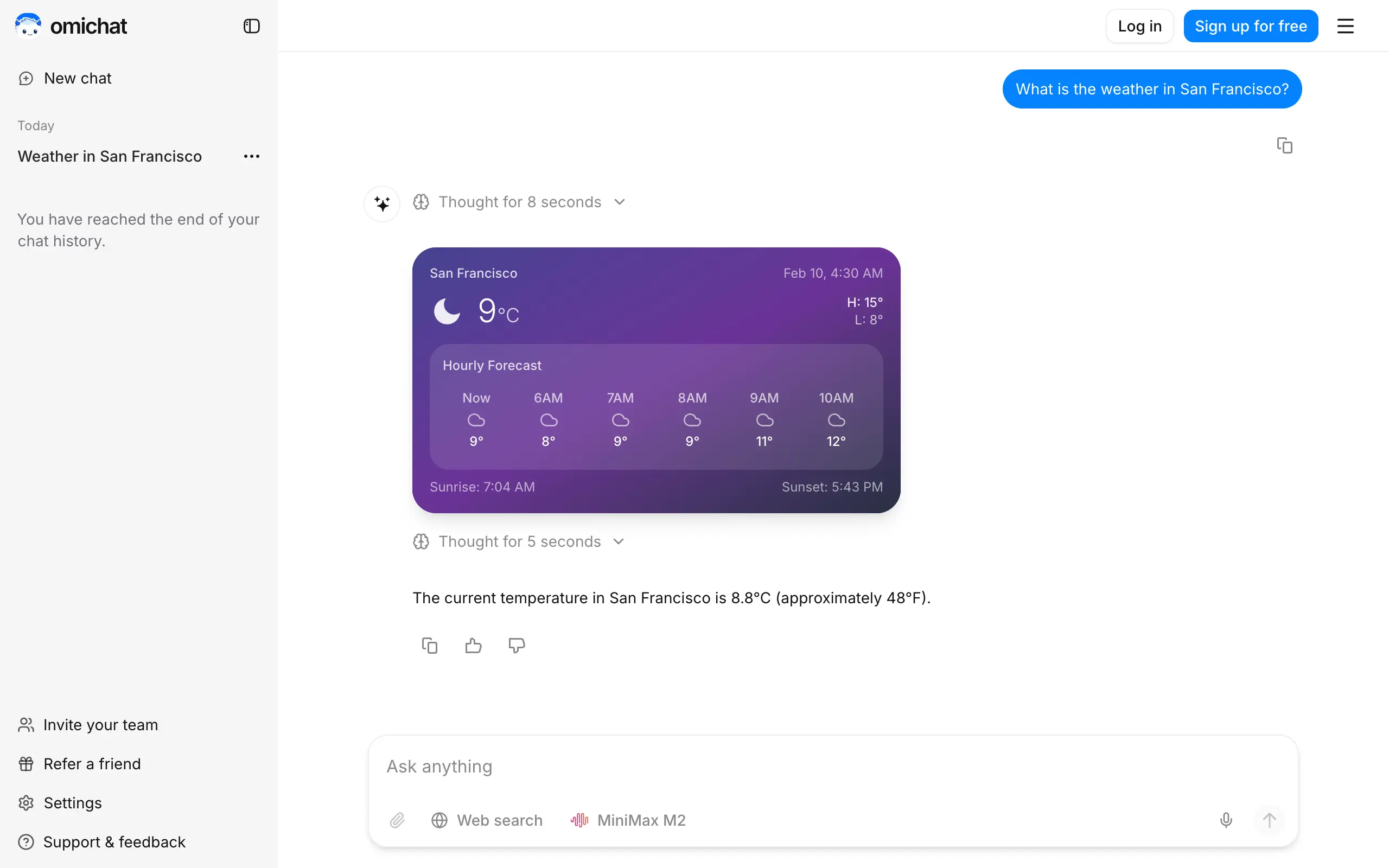
Omichat
Chat with 50+ AI models, including ChatGPT and Claude, in one place - switch models anytime without losing context 🤖
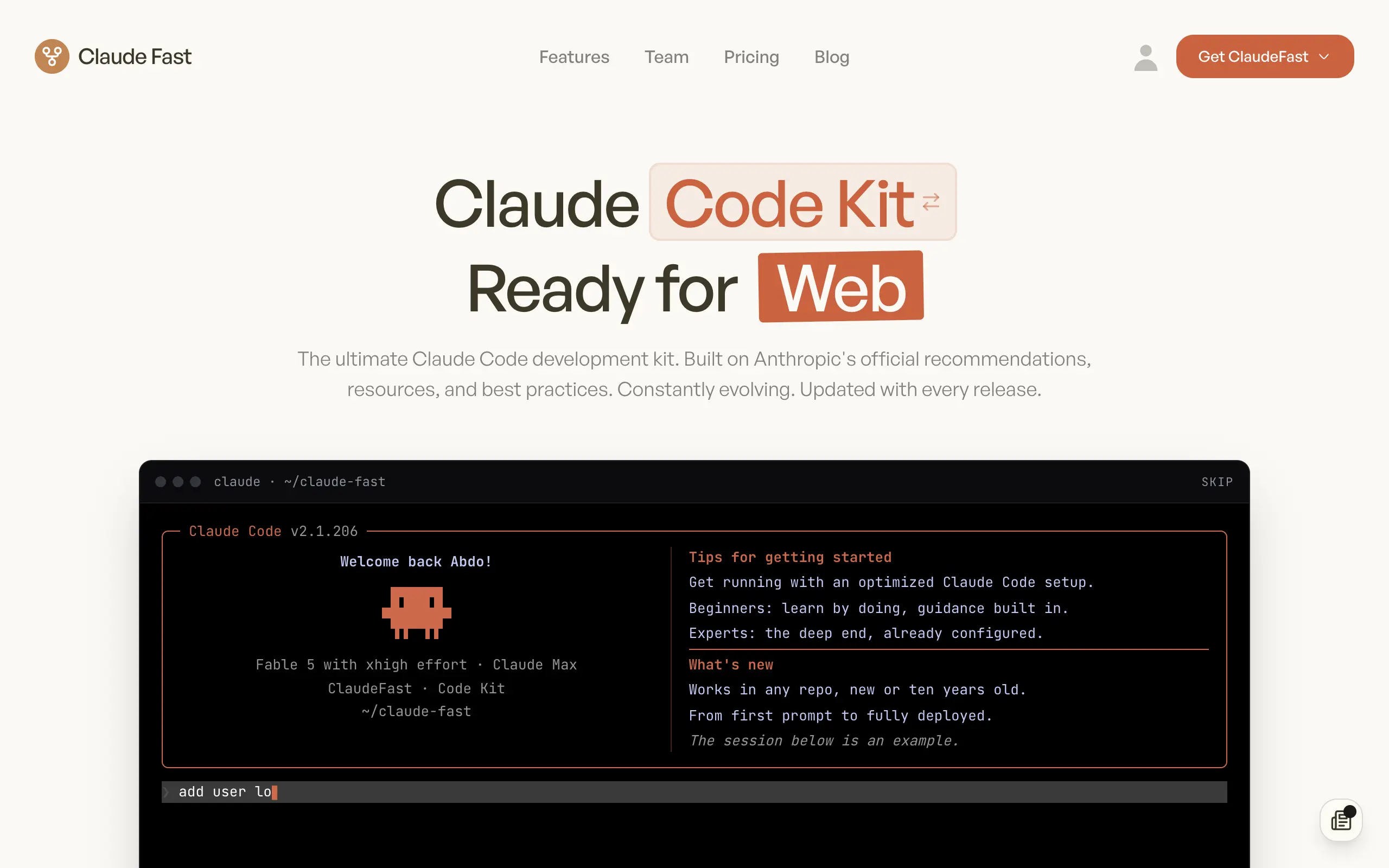
Claude Fast
Supercharge your Claude Code with 6x effective context window and specialized AI agents 🤖
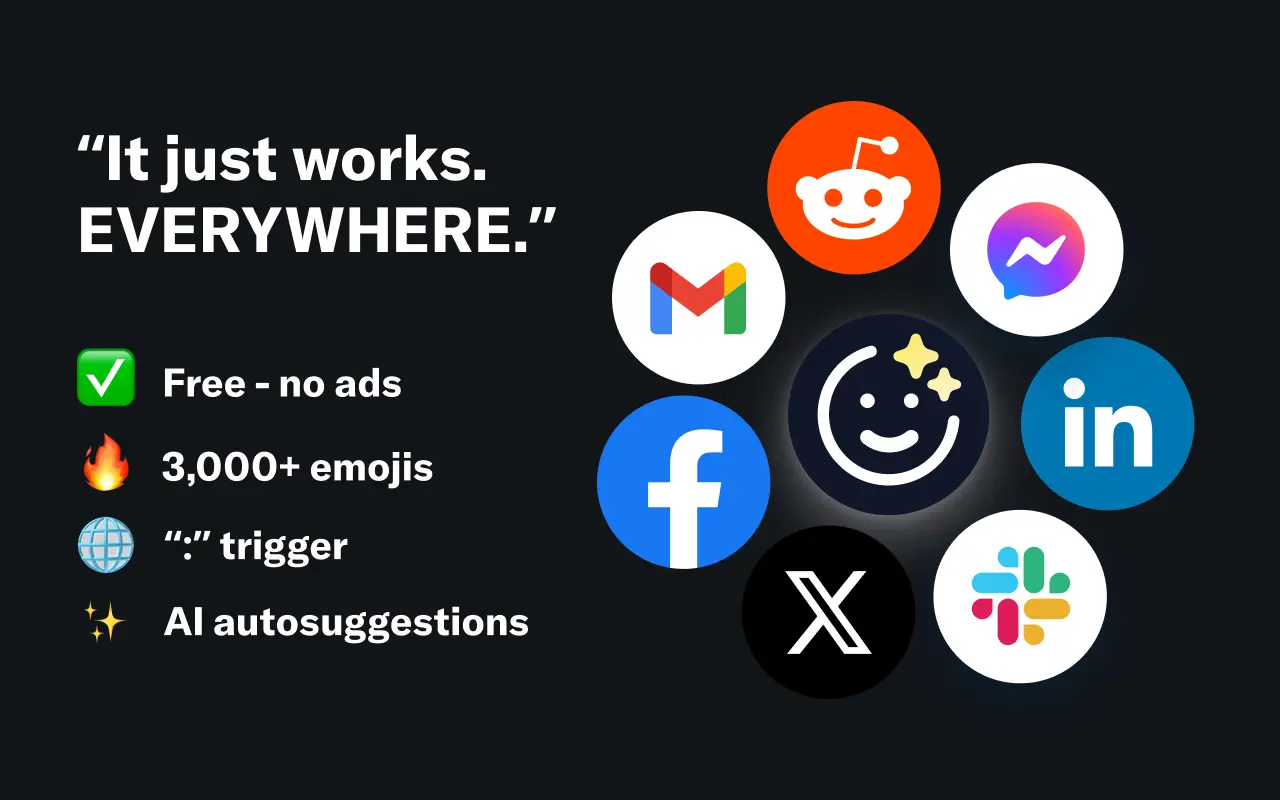
EmojAI
AI-powered emoji picker with smart, context-aware suggestions 🤖

Solohacker
Autonomous company launcher - AI agents work 24/7, escalate what matters, and you stay in control 🤖

BeRawi: Storytelling Coach
Practice storytelling daily with instant feedback to sound clearer, more engaging, and confident 🎤
Omichat
Chat with 50+ AI models, including ChatGPT and Claude, in one place - switch models anytime without losing context 🤖
Claude Fast
Supercharge your Claude Code with 6x effective context window and specialized AI agents 🤖
EmojAI
AI-powered emoji picker with smart, context-aware suggestions 🤖
Solohacker
Autonomous company launcher - AI agents work 24/7, escalate what matters, and you stay in control 🤖
BeRawi: Storytelling Coach
Practice storytelling daily with instant feedback to sound clearer, more engaging, and confident 🎤
Omichat
Chat with 50+ AI models, including ChatGPT and Claude, in one place - switch models anytime without losing context 🤖
Claude Fast
Supercharge your Claude Code with 6x effective context window and specialized AI agents 🤖
EmojAI
AI-powered emoji picker with smart, context-aware suggestions 🤖
Solohacker
Autonomous company launcher - AI agents work 24/7, escalate what matters, and you stay in control 🤖
BeRawi: Storytelling Coach
Practice storytelling daily with instant feedback to sound clearer, more engaging, and confident 🎤
Omichat
Chat with 50+ AI models, including ChatGPT and Claude, in one place - switch models anytime without losing context 🤖
Claude Fast
Supercharge your Claude Code with 6x effective context window and specialized AI agents 🤖
EmojAI
AI-powered emoji picker with smart, context-aware suggestions 🤖
Solohacker
Autonomous company launcher - AI agents work 24/7, escalate what matters, and you stay in control 🤖
BeRawi: Storytelling Coach
Practice storytelling daily with instant feedback to sound clearer, more engaging, and confident 🎤

Connect with like-minded people
Join our community to get feedback, support, and grow together with 1,000+ builders on board, let's ship it!
Join usShip your startup everywhere. In minutes.
Don't burn tokens on setup and start building features on day one.