CampusShelf
Discover and buy peer-reviewed learning materials for your campus and course, including study guides, notes, and reusable digital resources.
What CampusShelf solves for students and academic creators
CampusShelf is a campus learning materials marketplace where students can discover and buy peer-reviewed study guides, lecture notes, revision packs, templates, and reusable digital resources tied to their specific university, program, and course.
The core problem is familiar to almost every student. Useful study materials already exist, but they are fragmented across group chats, cloud folders, student societies, informal marketplaces, and personal networks. Quality is inconsistent, course relevance is difficult to verify, and students often cannot tell whether a resource is current, complete, original, or academically appropriate before paying.
At the same time, high-performing students and academic creators regularly produce valuable notes, practice questions, study systems, flashcard packs, and assignment-planning templates. Most have no trusted, structured way to sell these materials to the students who need them most.
CampusShelf closes that gap by combining:
- Course-specific discovery
- Verified student or creator identities
- Peer review and quality signals
- Secure digital checkout and delivery
- Clear academic integrity policies
- Revenue opportunities for creators
- A reusable library of campus-relevant learning resources
The result is not simply another digital downloads store. It is a focused student study resources platform designed around the real way students search for help: by institution, degree, module, semester, assessment type, and learning objective.
The strongest positioning
CampusShelf should be positioned as a trusted marketplace for supplemental learning resources, not a shortcut around learning. The product must explicitly support understanding, revision, organization, and practice while prohibiting the sale of submitted assignments, exam leaks, or work intended for academic dishonesty.
The target audience for a campus learning materials marketplace
CampusShelf has a two-sided marketplace model. Its success depends on attracting both buyers who need useful study resources and sellers who can produce reliable materials.
Student buyers who need course-specific support
The primary buyer is an enrolled student looking for a faster, more trustworthy way to find academic support materials.
Typical buyer segments include:
- "First-year students": learners adapting to university expectations, unfamiliar course terminology, and higher workloads.
- "Exam-period students": students seeking condensed revision notes, practice prompts, study plans, and topic summaries.
- "International students": learners who may need clearer examples, local course context, or materials in accessible language.
- "Working students": people balancing employment and education who value time-saving, structured learning resources.
- "Students changing majors": learners who need to close knowledge gaps in a new discipline.
- "Students in large lecture courses": students who receive limited individual feedback and seek alternative explanations.
Their search intent is highly practical. They may search for phrases such as:
- “biology 101 study guide for my university”
- “calculus revision notes”
- “peer-reviewed student notes”
- “best study materials for economics course”
- “course-specific flashcards”
- “buy lecture notes legally”
- “student resources marketplace”
CampusShelf should make these searches easy to complete within the product. Students should be able to search by campus, faculty, course code, instructor where appropriate, term, topic, and resource format.
Student creators and high-performing peer educators
The supply side includes students, recent graduates, tutors, teaching assistants, and approved academic societies.
These creators are motivated by a mix of income, recognition, portfolio building, and the desire to help peers. The best early sellers are often students who already share helpful notes informally or run study groups.
A strong creator profile should answer the buyer’s critical questions:
- Is this person familiar with the course?
- Was the material created recently?
- Has it been reviewed?
- What exactly is included?
- Does the content match the current curriculum?
- Is this resource useful for learning rather than copying?
CampusShelf can reward creators through sales revenue, badges, review visibility, featured placement, referral incentives, and analytics that show which materials students find useful.
Institutional and community stakeholders
Although students are the core users, the platform should consider a broader stakeholder group:
- "Student unions": potential campus distribution partners.
- "Academic societies": potential curator and creator communities.
- "Tutoring centers": potential reviewers or approved resource contributors.
- "Libraries": potential advocates for information literacy and legitimate study support.
- "Faculty members": important stakeholders in academic integrity and policy alignment.
- "University administrators": potential future buyers of a white-label or campus license.
These groups are not the initial customer in a lean launch, but their trust can meaningfully affect adoption and reputation.
The market gap behind CampusShelf
The market opportunity comes from a structural mismatch: students need contextual, high-quality academic resources, but existing channels do not offer enough trust, organization, or accountability.
General digital marketplaces are too broad. Free note-sharing sites can be difficult to navigate and often struggle with quality control. Social media and messaging groups are fast but unstructured, temporary, and difficult to moderate. Traditional publishers provide authoritative textbooks, but they may not address the exact language, course sequence, assessment style, or lecture emphasis of a particular campus.
CampusShelf can occupy the space between informal note-sharing and formal educational publishing.
| Option | Course relevance | Quality signals | Creator incentives | Integrity controls |
|---|---|---|---|---|
| Group chats and cloud folders | High | Low | Low | Low |
| General download marketplaces | Medium | Medium | High | Medium |
| Textbook publishers | Medium | High | Low | High |
| CampusShelf | High | High | High | High |
Why peer review is a meaningful differentiator
The phrase peer-reviewed learning materials is central to CampusShelf’s potential advantage, but it should not be used casually. In this context, peer review should mean a defined, transparent quality process rather than a vague badge.
A practical review workflow can assess:
- Course alignment and correct metadata
- Clarity, organization, and readability
- Originality and rights ownership
- Factual accuracy within the reviewer’s competence
- Academic integrity compliance
- Date relevance and curriculum version
- Accessibility factors such as legibility and document structure
Reviewers do not need to guarantee a grade outcome or replace instructors. Instead, they validate that the resource meets marketplace standards and is accurately represented.
This distinction matters. It protects students from misleading claims and helps CampusShelf build a reputation for quality rather than becoming another unmoderated file repository.
The geographic and campus-density advantage
A marketplace does not need to launch everywhere. In fact, CampusShelf should begin with one institution, a small number of adjacent campuses, or a narrow category of courses with predictable demand.
Marketplace liquidity matters more than catalog size in the beginning. A student who searches for “Introduction to Psychology study guide” needs to find several credible options immediately. A platform with 10,000 resources spread thinly across hundreds of campuses can feel less useful than one with 300 excellent resources for a single university.
Initial launch categories could include:
- Introductory business and economics courses
- STEM gateway courses such as calculus, chemistry, and statistics
- Nursing and health-science revision resources
- Law outlines and case briefing templates
- Computer science concept guides and legitimate practice exercises
- Study planning systems and exam-preparation templates
Core CampusShelf features that create trust and utility
The minimum viable product should focus on making it easy to find, assess, buy, and access high-quality learning materials. Avoid building every social or AI feature before proving that students will transact.
Course-aware catalog and search
Course-aware discovery is the foundation of the product. Each listing should use standardized taxonomy fields rather than relying only on a free-text title.
Recommended fields include:
- "Institution": campus or university name.
- "Faculty or school": business, engineering, medicine, arts, and similar categories.
- "Course code": the institution’s official course identifier.
- "Course name": a readable course title.
- "Term": semester, quarter, or academic year.
- "Resource type": notes, study guide, flashcards, practice questions, template, or checklist.
- "Topic coverage": units, chapters, or concepts.
- "Language": primary language of the resource.
- "Last updated": date the creator reviewed the material.
- "Review status": pending, reviewed, verified, or featured.
Good filters reduce cognitive load. A student should not have to read twenty vague listings to determine whether a resource applies to their current course.
Rich listing pages for informed purchases
Every listing should clearly communicate value before checkout. The listing page needs more than a title and price.
Include:
- A concise overview of the learning outcome
- A detailed table of contents
- Preview pages or watermarked excerpts
- File format and estimated study time
- Course and term compatibility
- Creator background and trust signals
- Peer review status
- Ratings and written reviews from verified buyers
- A plain-language academic integrity statement
- Refund eligibility and support details
Preview content is particularly important for digital learning materials. Buyers need confidence in writing quality, formatting, depth, and relevance before purchasing.
Creator onboarding and publishing workflow
The seller workflow should be simple enough for students but rigorous enough to protect marketplace quality.
Automated checks can flag duplicate files, suspicious phrases, personally identifiable information, low-resolution scans, or metadata mismatches. Human review should focus on edge cases, high-volume sellers, high-risk academic categories, and materials reported by users.
Reviews, verification, and reputation systems
Trust needs layered signals. A five-star rating alone is not enough, especially for a marketplace tied to academic outcomes.
Useful signals include:
- Verified purchase reviews
- Verified campus affiliation
- Number of completed sales
- Resource update history
- Peer reviewer approval
- Repeat buyer rate
- Refund rate
- Creator response time
- Content quality badges
- Community reports and moderation outcomes
A creator who consistently updates materials for new terms and receives positive verified feedback should earn more visibility than a seller who uploads old, generic notes.
Secure delivery and buyer library
Once a student buys a resource, the experience should feel permanent, organized, and dependable.
The buyer library can include:
- Purchased downloads and web previews
- Search across owned materials
- Update notifications from creators
- Bookmarks and personal study collections
- Receipt history
- Device-friendly reading
- Reporting and refund support
- Recommended related resources for the same course
For higher-value materials, browser-based viewing, watermarking, controlled download limits, and buyer-specific identifiers can reduce casual redistribution. These measures will not eliminate piracy, but they can deter misuse without making legitimate access frustrating.
Academic integrity and rights protection
This is a non-negotiable product area. CampusShelf must have explicit rules that distinguish legitimate educational resources from prohibited content.
Permitted content can include original notes, study guides, concept explainers, self-authored practice problems, planning templates, and original flashcards.
Prohibited content should include:
- Exam papers or leaked assessment materials not authorized for sharing
- Completed assignments intended for submission
- Ghostwritten essays, lab reports, or dissertations
- Instructor slides, textbook scans, or copyrighted course content without permission
- Materials containing student records or personal data
- Content that falsely claims official university endorsement
Build policy enforcement before growth
A campus study resources marketplace can lose trust quickly if it appears to facilitate cheating or copyright infringement. Publish clear policies, provide an accessible reporting flow, document takedown procedures, and maintain a human escalation process from the first release.
CampusShelf’s unique selling proposition
CampusShelf’s USP is simple and powerful: students can buy trusted, peer-reviewed learning materials that are specifically relevant to their campus and course.
This is differentiated from broad note-sharing platforms because relevance is structured, not assumed. It is differentiated from informal student groups because quality and seller identity are visible. It is differentiated from textbook platforms because the inventory is practical, current, and shaped by real course experiences.
The strongest brand promise is not “get better grades fast.” That type of claim is difficult to substantiate and can create ethical concerns. A more credible promise is:
Find high-quality, course-relevant learning resources from verified peers, so you can spend less time searching and more time learning.
Competitive advantage through a trust flywheel
CampusShelf can build a defensible flywheel over time:
- More verified creators upload useful course-specific resources.
- Students find better matches through structured course discovery.
- Higher-quality resources produce better reviews and repeat purchases.
- Strong creator earnings attract more qualified contributors.
- More data improves recommendations, moderation, and search quality.
- Institutional credibility makes campus expansion easier.
The marketplace’s durable asset is not just the digital files. It is the combination of verified course taxonomy, creator reputation, review data, buyer behavior, and compliance systems.
Course-level relevance
Discovery is organized around the courses students are actually taking, not generic subject labels.
Trust by design
Verification, peer review, previews, reviews, and moderation give buyers evidence before purchase.
Creator opportunity
Students can monetize original academic resources while building a credible educational portfolio.
Recommended tech stack for CampusShelf
CampusShelf needs a stack that can support ecommerce, secure files, marketplace workflows, search, and moderation without creating unnecessary operational complexity.
For an early-stage SaaS marketplace, a TypeScript-based web stack is a strong choice because it enables fast iteration, shared types, and a deep ecosystem of payment and authentication tools.
Application architecture
A recommended foundation is:
- Next.js for the customer-facing application, server rendering, and API routes
- React for interactive user interfaces
- TypeScript for safer domain models and API contracts
- Tailwind CSS for fast, consistent interface development
- PostgreSQL for relational marketplace data
- Prisma for type-safe database access and migrations
- Stripe for checkout, taxes where configured, payouts, and payment operations
- Supabase or Amazon S3 for secure file storage
- Resend for transactional email
- Sentry for production error monitoring
A product like CampusShelf benefits from a relational database because the core entities have meaningful relationships: institutions, courses, creators, listings, reviews, purchases, payouts, reports, and moderation cases.
Search and recommendation trade-offs
Search quality will strongly influence conversion. Initially, PostgreSQL full-text search can be enough if the catalog is limited and metadata is well structured. It is inexpensive and avoids extra infrastructure.
As inventory grows, consider a dedicated search service such as Algolia or Meilisearch.
The trade-off is straightforward:
- "Database search": lower cost and simpler operations, but fewer advanced ranking and typo-tolerance capabilities.
- "Hosted search": faster, polished search experience and filtering, but recurring cost and vendor dependency.
- "Self-hosted search": more control, but greater operational responsibility.
For recommendations, start with explainable rules. Recommend materials based on the same course, adjacent topic, buyer favorites, and verified popularity. Do not lead with opaque machine learning before sufficient behavioral data exists.
Marketplace data model
The platform should model the academic structure explicitly. A simplified schema might look like this:
type ResourceListing = {
  id: string
  creatorId: string
  institutionId: string
  courseId: string
  title: string
  description: string
  resourceType: "notes" | "study_guide" | "flashcards" | "template"
  priceInCents: number
  reviewStatus: "draft" | "submitted" | "approved" | "rejected"
  academicYear: string
  fileKey: string
  publishedAt?: Date
}

type Course = {
  id: string
  institutionId: string
  code: string
  name: string
  faculty: string
}
In production, add separate tables for revisions, resource files, moderation actions, download events, payout records, course aliases, and review votes. A detailed audit trail is particularly valuable when handling disputes, takedowns, and creator appeals.
Why a starter kit can reduce launch risk
Building authentication, billing, onboarding, database setup, transactional email, legal pages, and dashboard infrastructure from scratch can slow the most important work: validating the marketplace.
TurboStarter can help founders establish a production-ready SaaS foundation faster, leaving more time to build the specialized CampusShelf workflows around course discovery, peer review, digital delivery, and marketplace operations.
The right approach is to use starter infrastructure for common SaaS needs while treating the marketplace-specific trust system as the custom product moat.
Monetization strategies for CampusShelf
CampusShelf should monetize in a way that aligns incentives. Buyers should feel that prices are fair and transparent, while creators should see enough upside to contribute high-quality material.
Transaction commission model
The clearest initial model is a commission on each sale.
For example, CampusShelf may retain a percentage of the transaction to cover payment processing, support, moderation, storage, and marketplace operations. The exact rate should be tested by category and price point.
A transparent payout breakdown is essential. Creators should see the sale price, platform fee, payment processing cost where applicable, refunds, and expected payout date.
Optional creator subscriptions
Once creators have traction, CampusShelf can offer a paid creator plan with optional benefits:
- Lower transaction fees
- Advanced sales analytics
- Bulk upload tools
- Priority review queues
- Custom storefront pages
- Promotional tools
- Early access to new resource formats
Do not make a subscription mandatory too early. Early marketplace supply needs low friction, and creators are more likely to pay after they have already earned revenue.
Student membership model
A student membership can work when the catalog has enough depth. Possible benefits include:
- Monthly credits toward purchases
- Discounted platform fees
- Early access to seasonal revision collections
- Saved search alerts
- Bundled study-planning tools
- Premium resource preview features
A membership should not imply unlimited access to all creator content unless the economics fairly compensate sellers. Credit-based subscriptions are often easier to reconcile with a marketplace model.
Institutional partnerships
In the longer term, CampusShelf can explore B2B revenue through:
- Campus-wide access programs
- Partnerships with student support departments
- White-label marketplace deployments
- Resource curation services
- Verified reviewer programs
- Academic skills center integrations
Institutional partnerships require stronger compliance, procurement readiness, accessibility documentation, security practices, and reliable reporting. They are valuable but should not distract from early marketplace liquidity.
Risks and mitigation strategies
A credible CampusShelf plan must address its risks directly. The biggest challenges are not only technical. They involve trust, policy, supply quality, and marketplace dynamics.
Mitigation should include a detailed acceptable-use policy, prohibited-content rules, automated flags, human moderation, creator attestations, buyer reporting, repeat-offender penalties, and a documented appeal process. Position every product message around learning support rather than answer acquisition.
Require creators to confirm ownership or permission, prohibit unauthorized course materials, maintain a clear notice-and-takedown process, preserve upload records, and use moderation checks for obvious copyrighted content. Seek qualified legal advice for policies in launch jurisdictions.
Use structured listing requirements, expiry prompts, update badges, buyer reviews, peer review, version history, and search ranking that favors current, highly rated materials.
Launch with one campus or a narrow course cluster, recruit creators before buyer acquisition, seed high-demand categories, partner with legitimate student communities, and focus on course periods with high intent such as midterms and finals.
Use secure delivery, watermarking, buyer-specific identifiers, reasonable download controls, and fast reporting. Accept that prevention is imperfect and focus on making legitimate purchase more convenient, reliable, and affordable than piracy.
Privacy and student data considerations
Students are a sensitive user group. CampusShelf should collect only the data necessary to operate the marketplace.
Important principles include:
- Use campus email verification without exposing email addresses publicly.
- Avoid collecting grades, academic records, or sensitive student information unless strictly necessary.
- Give users control over public profile visibility.
- Clearly explain how reviews, purchase data, and creator identity signals are used.
- Implement retention and deletion processes.
- Restrict internal access to files, reports, and user data.
Before expansion, review applicable privacy obligations in each operating region. If targeting European users, legal guidance on GDPR obligations is essential. If selling to US students, consider state privacy laws and institutional requirements.
Go-to-market strategy for CampusShelf
The best initial go-to-market plan is narrow, community-led, and seasonally aware.
Start with a dense campus wedge
Choose a launch campus based on more than enrollment size. Look for:
- High student community activity
- Large foundational courses
- Strong use of digital study resources
- Accessible student creator networks
- A manageable course catalog
- Clear academic policy environment
- Potential student ambassador channels
A campus with 15,000 active students and strong community density may be a better launch environment than a huge university where the team has no distribution access.
Recruit supply before demand
The first buyer experience must be useful. Before public launch, recruit 25 to 100 credible creators and focus them on high-demand courses.
Possible supply recruitment channels include:
- Peer tutoring communities
- Academic societies
- Honor societies
- Student ambassadors
- Study-focused social media creators
- Recent graduates
- Campus content creators
- Teaching assistants, subject to institutional policy
Offer founder incentives that do not compromise quality, such as reduced commission rates for early creators, featured placement, onboarding support, and bonuses tied to verified sales rather than raw uploads.
Build demand through specific use cases
Avoid vague messaging like “all your study resources in one place.” Convert students by speaking to urgent needs:
- Find revision material for your exact course
- Compare peer-reviewed study guides before exams
- Turn original study resources into earnings
- Discover course-specific flashcards and concept summaries
- Get organized without relying on lost group-chat files
Search engine optimization can become a strong channel once CampusShelf has enough indexable catalog pages. Useful pages may target institution-plus-course search intent, but they must contain unique, helpful descriptions rather than thin pages generated from metadata alone.
For content marketing, publish credible guides about note-taking, exam planning, academic integrity, and evaluating study resources. Invite qualified student contributors and clearly disclose editorial standards.
Actionable implementation steps
A successful CampusShelf launch should validate trust and liquidity before scaling features or campuses.
Final perspective on building CampusShelf
CampusShelf has the potential to become a trusted category leader in the peer-reviewed learning materials marketplace space because it addresses a real and recurring student problem: finding useful, legitimate, course-relevant resources without wasting time sorting through unreliable sources.
Its success will depend less on having the largest library on day one and more on creating the most trusted experience in a focused academic community. Strong course metadata, transparent peer review, careful moderation, creator incentives, and academic integrity safeguards are not secondary features. They are the product.
The most effective early strategy is to launch narrowly, establish reliable supply, obsess over buyer confidence, and prove that students will pay for well-presented supplemental learning resources. From there, CampusShelf can expand course by course, campus by campus, while building a marketplace brand grounded in usefulness, fairness, and trust.
More 🛒 E-commerce SaaS ideas
Discover more innovative e-commerce SaaS ideas that are trending in 2026. Each idea is AI-generated with market validation and growth potential to help you find your next profitable venture faster than competitors.
Your competitors are building with TurboStarter
Below are some of the SaaS ideas that have been generated and built with our starter kit.
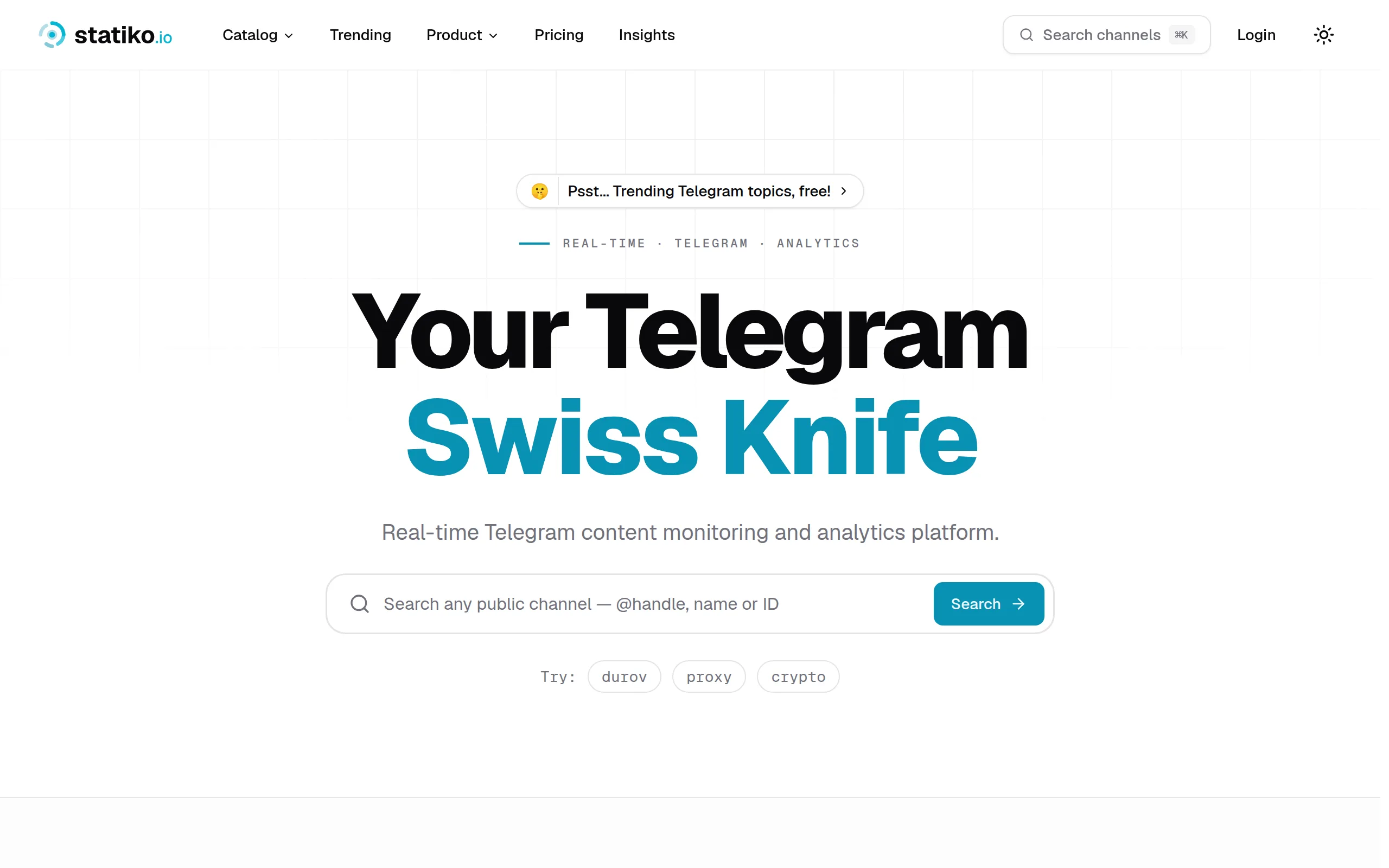
Statiko
Monitor any Telegram channel in real time - track posts, edits, deletions, and growth with AI recaps 📡

Shibui
AI website builder - describe your business, pick a niche template, edit by chatting, and publish instantly ✨

Pro Service
Find verified home service professionals, compare quotes, and pay securely through escrow - built for Brazilians across the US 🏠
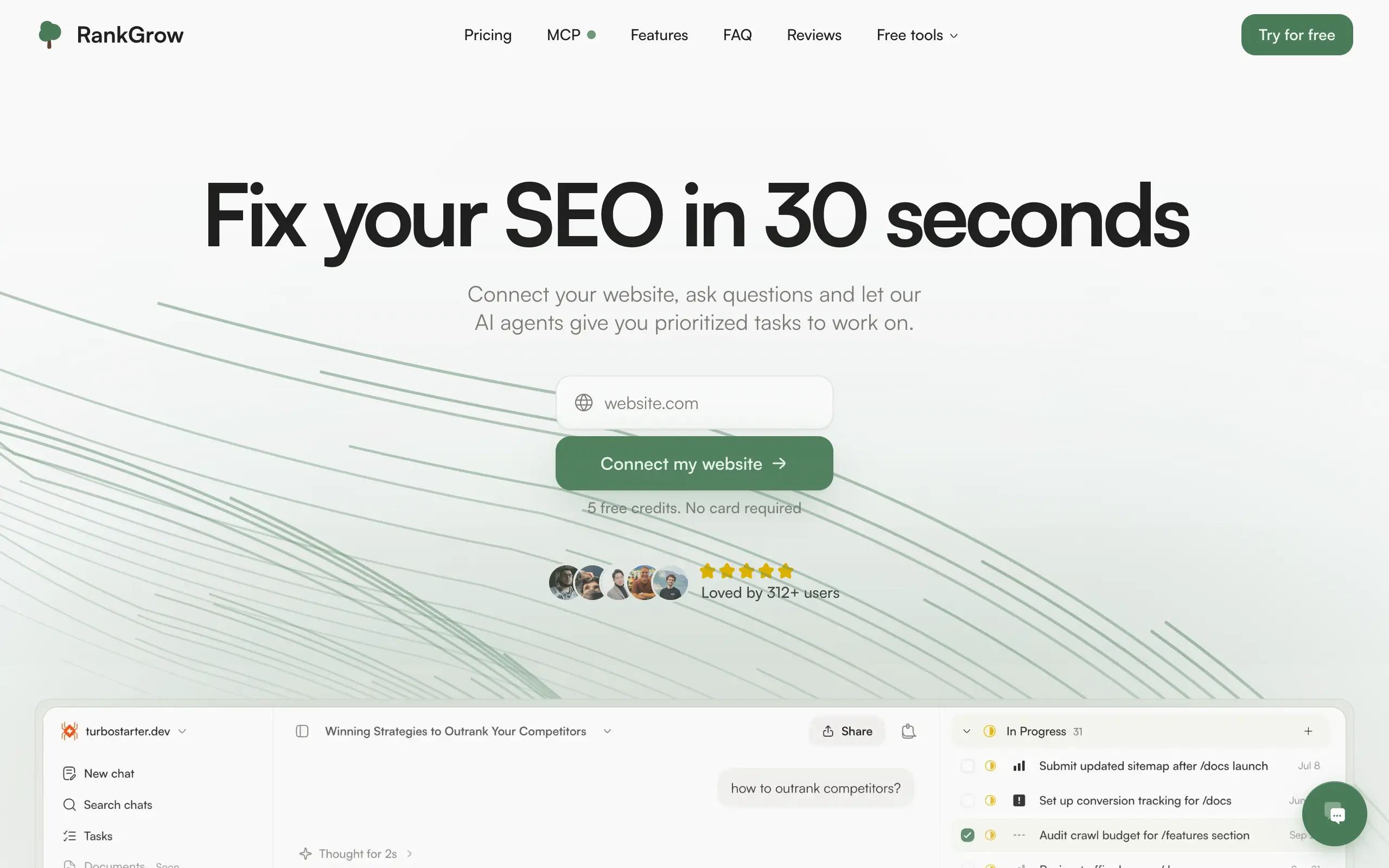
RankGrow
Fix your SEO with AI agents - connect Search Console, get prioritized tasks, and grow organic traffic 📈
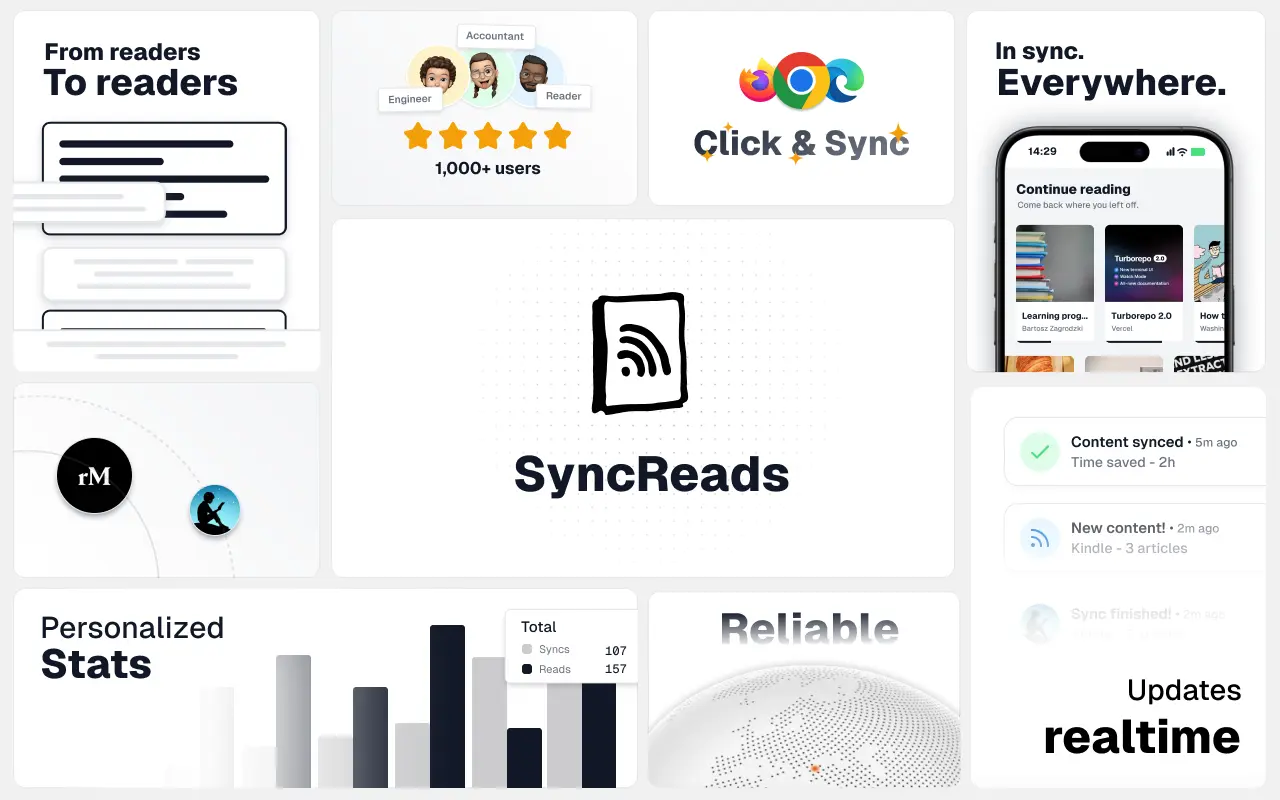
SyncReads
Sync your favorite content for distraction-free reading, save time and replace multiple apps. Anytime, anywhere 🔄
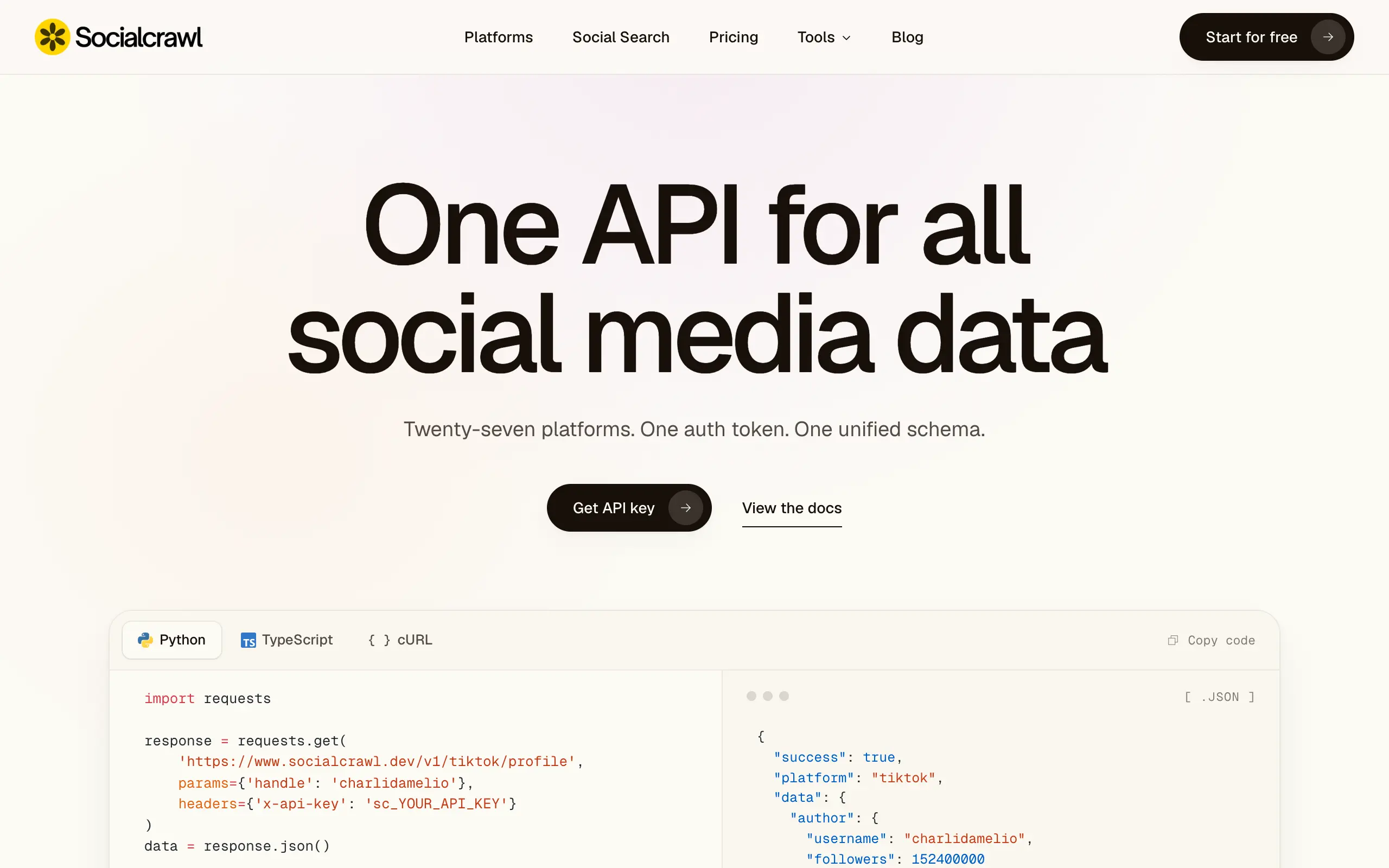
Socialcrawl
Get clean, structured data from 21 platforms like TikTok, Instagram, and YouTube with a single request 📊
Statiko
Monitor any Telegram channel in real time - track posts, edits, deletions, and growth with AI recaps 📡
Shibui
AI website builder - describe your business, pick a niche template, edit by chatting, and publish instantly ✨
Pro Service
Find verified home service professionals, compare quotes, and pay securely through escrow - built for Brazilians across the US 🏠
RankGrow
Fix your SEO with AI agents - connect Search Console, get prioritized tasks, and grow organic traffic 📈
SyncReads
Sync your favorite content for distraction-free reading, save time and replace multiple apps. Anytime, anywhere 🔄
Socialcrawl
Get clean, structured data from 21 platforms like TikTok, Instagram, and YouTube with a single request 📊
Statiko
Monitor any Telegram channel in real time - track posts, edits, deletions, and growth with AI recaps 📡
Shibui
AI website builder - describe your business, pick a niche template, edit by chatting, and publish instantly ✨
Pro Service
Find verified home service professionals, compare quotes, and pay securely through escrow - built for Brazilians across the US 🏠
RankGrow
Fix your SEO with AI agents - connect Search Console, get prioritized tasks, and grow organic traffic 📈
SyncReads
Sync your favorite content for distraction-free reading, save time and replace multiple apps. Anytime, anywhere 🔄
Socialcrawl
Get clean, structured data from 21 platforms like TikTok, Instagram, and YouTube with a single request 📊
Statiko
Monitor any Telegram channel in real time - track posts, edits, deletions, and growth with AI recaps 📡
Shibui
AI website builder - describe your business, pick a niche template, edit by chatting, and publish instantly ✨
Pro Service
Find verified home service professionals, compare quotes, and pay securely through escrow - built for Brazilians across the US 🏠
RankGrow
Fix your SEO with AI agents - connect Search Console, get prioritized tasks, and grow organic traffic 📈
SyncReads
Sync your favorite content for distraction-free reading, save time and replace multiple apps. Anytime, anywhere 🔄
Socialcrawl
Get clean, structured data from 21 platforms like TikTok, Instagram, and YouTube with a single request 📊
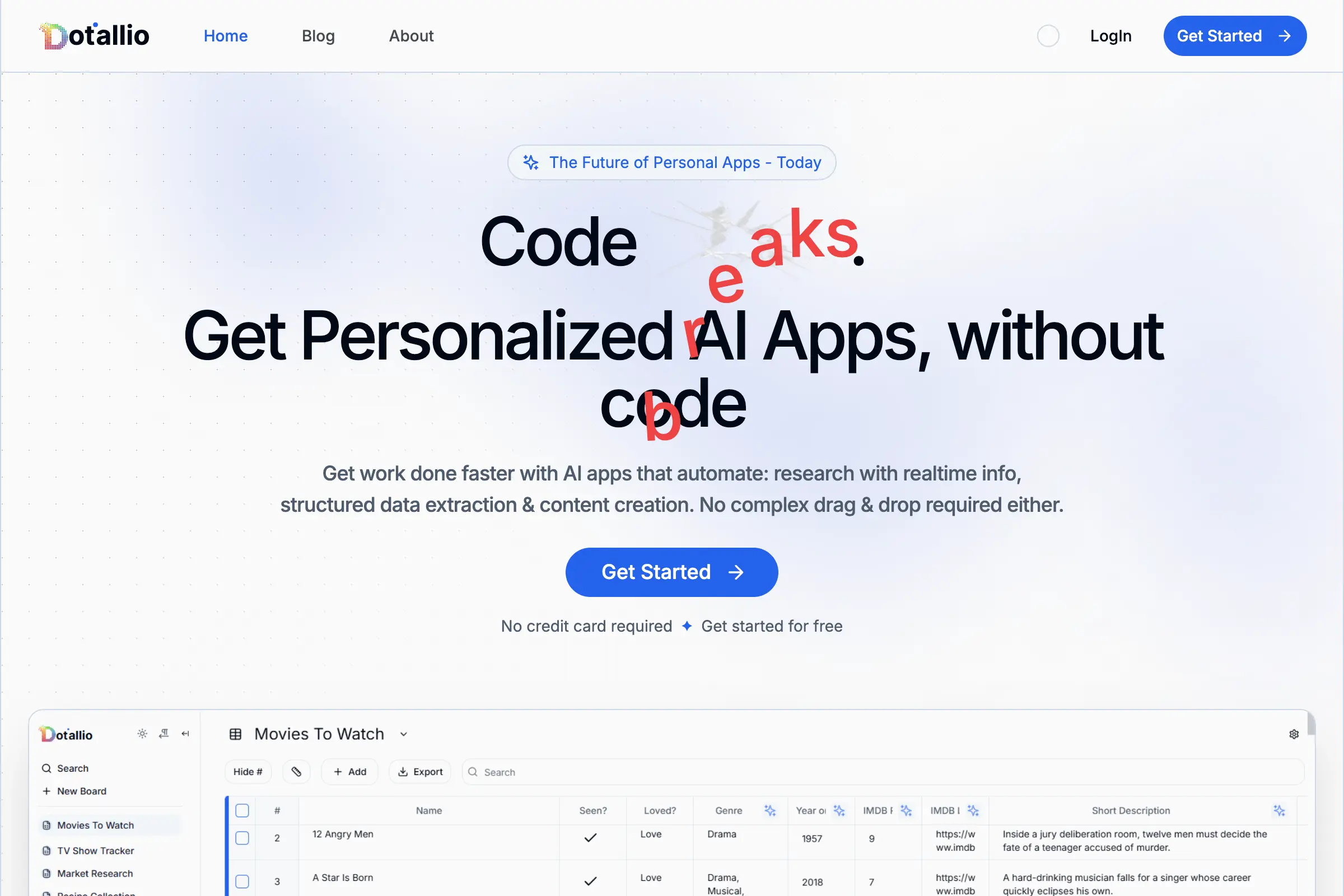
Dotallio
Personalized AI apps that automate research, data extraction, and content creation without code 🤖
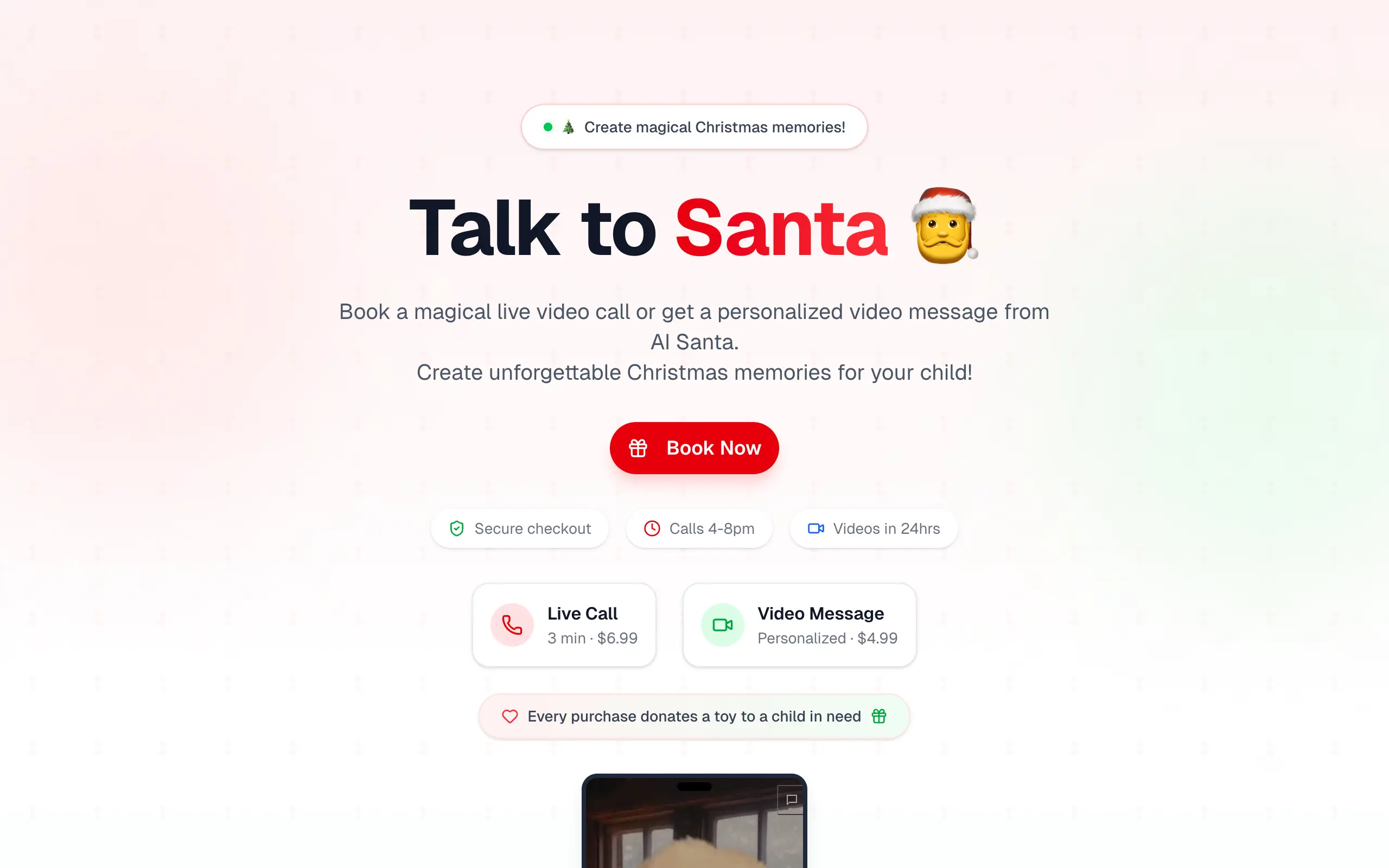
Talk to Santa
Enjoy a magical live video chat or receive a unique AI-generated video greeting from Santa Claus 🎅
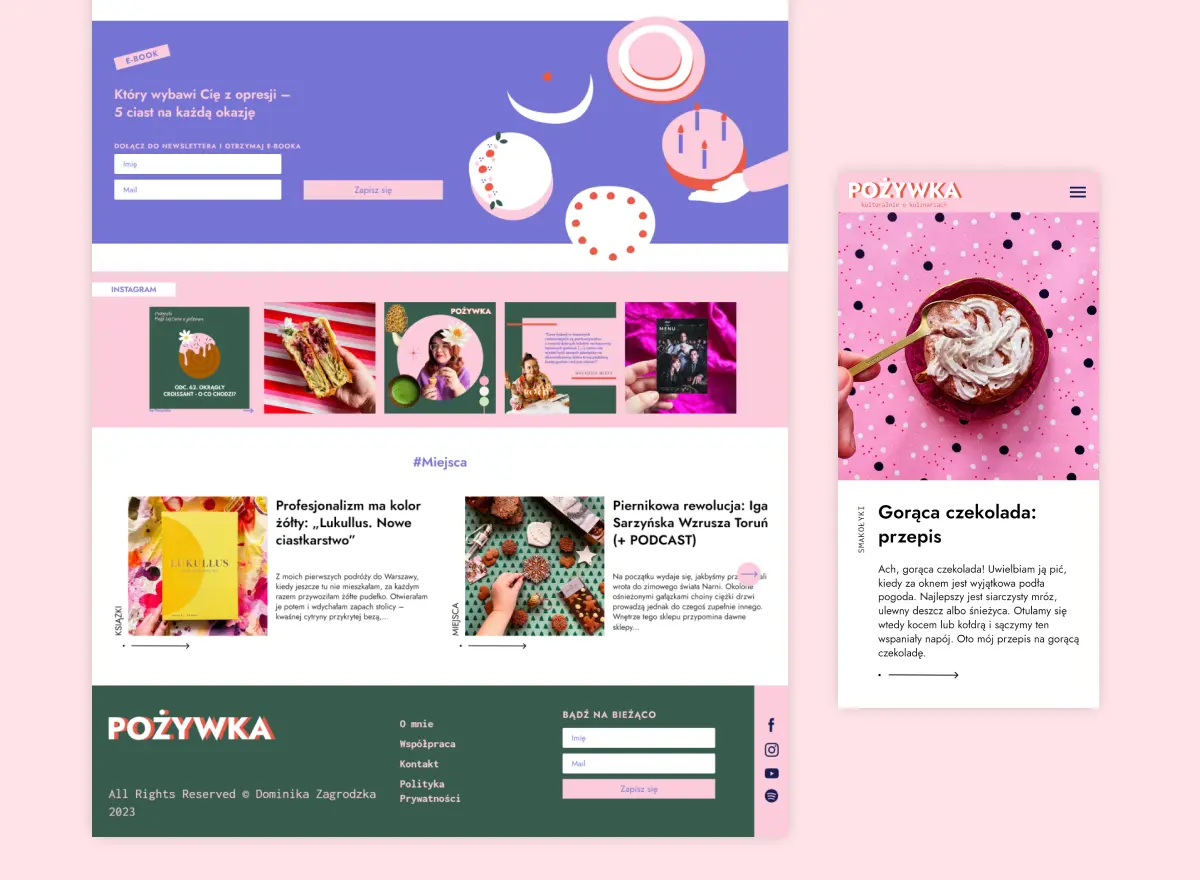
pozywka.pl
Scalable blog for food journalist, focused on performance and user experience 🌭
zagrodzki.me
Personal blog and portfolio of Bart Zagrodzki, where he shares his knowledge and work 💼
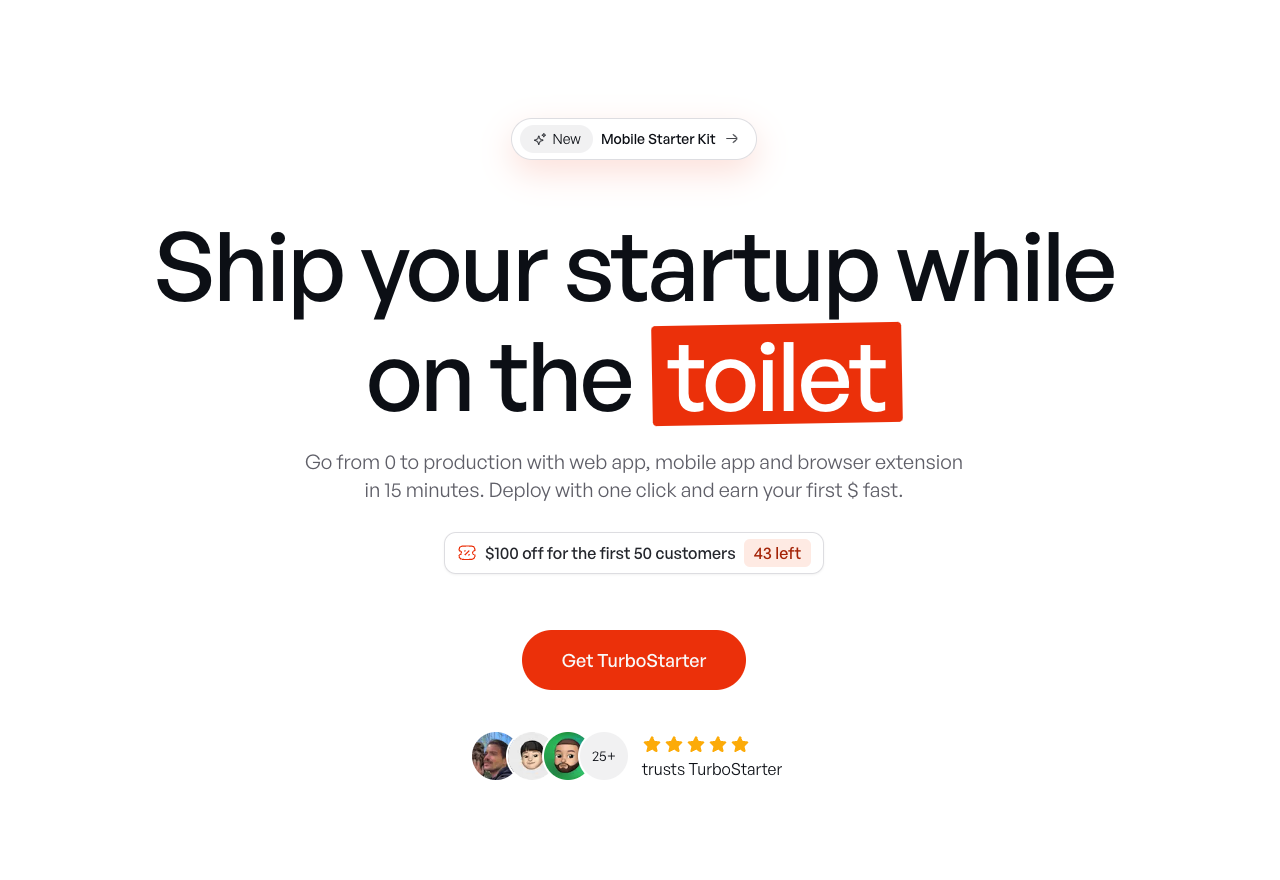
TurboStarter
Ship your startup everywhere. In minutes.
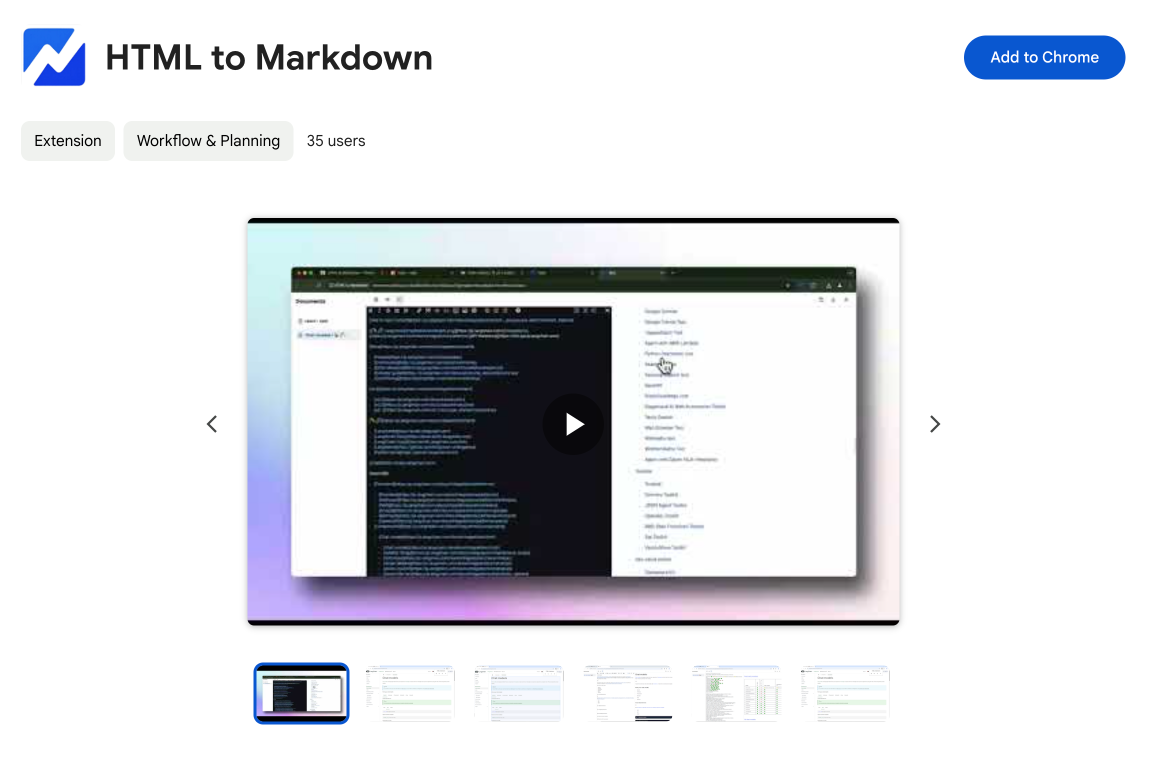
HTML to Markdown
Convert HTML to Markdown with ease, directly in your browser 📄
Dotallio
Personalized AI apps that automate research, data extraction, and content creation without code 🤖
Talk to Santa
Enjoy a magical live video chat or receive a unique AI-generated video greeting from Santa Claus 🎅
pozywka.pl
Scalable blog for food journalist, focused on performance and user experience 🌭
zagrodzki.me
Personal blog and portfolio of Bart Zagrodzki, where he shares his knowledge and work 💼
TurboStarter
Ship your startup everywhere. In minutes.
HTML to Markdown
Convert HTML to Markdown with ease, directly in your browser 📄
Dotallio
Personalized AI apps that automate research, data extraction, and content creation without code 🤖
Talk to Santa
Enjoy a magical live video chat or receive a unique AI-generated video greeting from Santa Claus 🎅
pozywka.pl
Scalable blog for food journalist, focused on performance and user experience 🌭
zagrodzki.me
Personal blog and portfolio of Bart Zagrodzki, where he shares his knowledge and work 💼
TurboStarter
Ship your startup everywhere. In minutes.
HTML to Markdown
Convert HTML to Markdown with ease, directly in your browser 📄
Dotallio
Personalized AI apps that automate research, data extraction, and content creation without code 🤖
Talk to Santa
Enjoy a magical live video chat or receive a unique AI-generated video greeting from Santa Claus 🎅
pozywka.pl
Scalable blog for food journalist, focused on performance and user experience 🌭
zagrodzki.me
Personal blog and portfolio of Bart Zagrodzki, where he shares his knowledge and work 💼
TurboStarter
Ship your startup everywhere. In minutes.
HTML to Markdown
Convert HTML to Markdown with ease, directly in your browser 📄
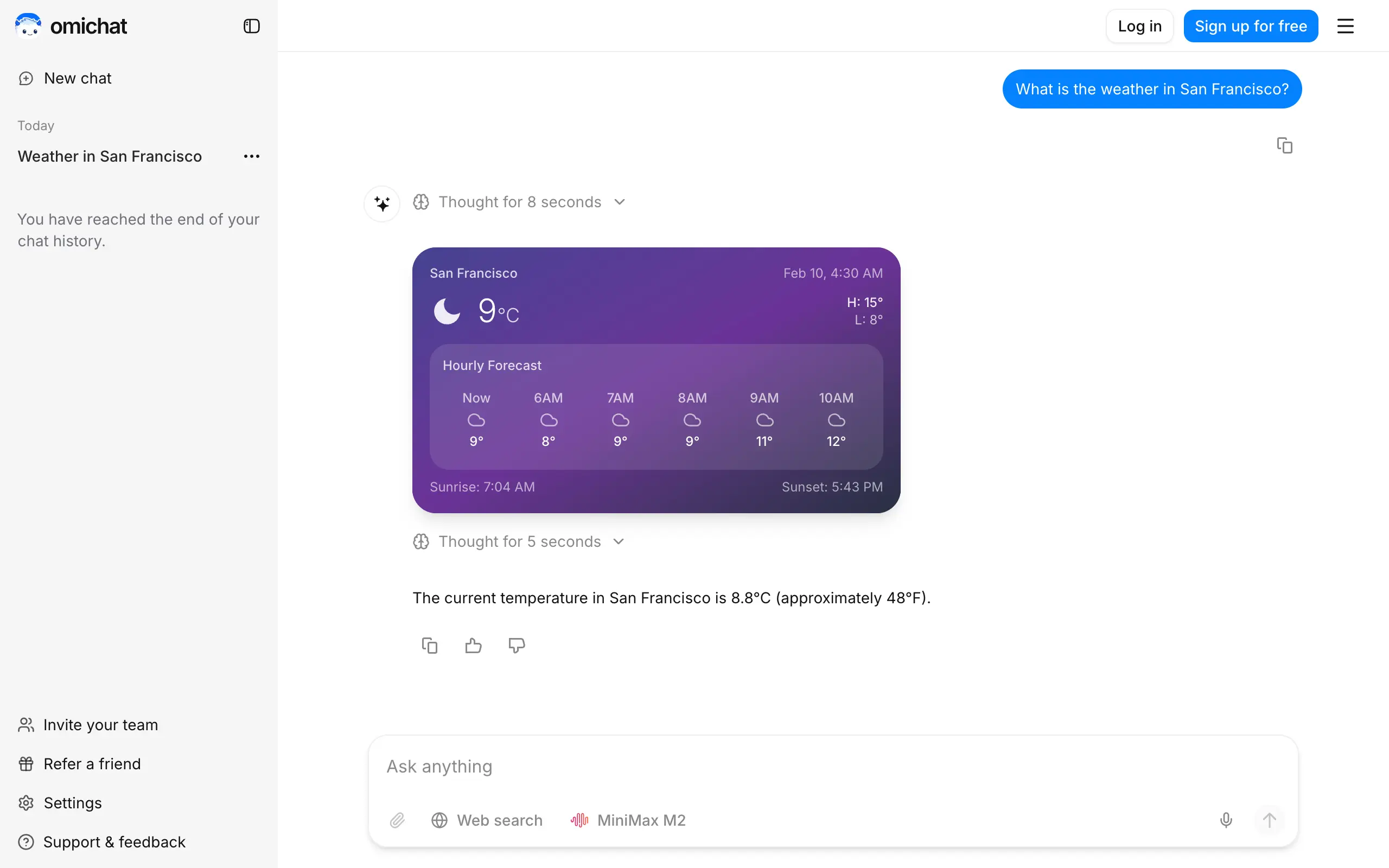
Omichat
Chat with 50+ AI models, including ChatGPT and Claude, in one place - switch models anytime without losing context 🤖
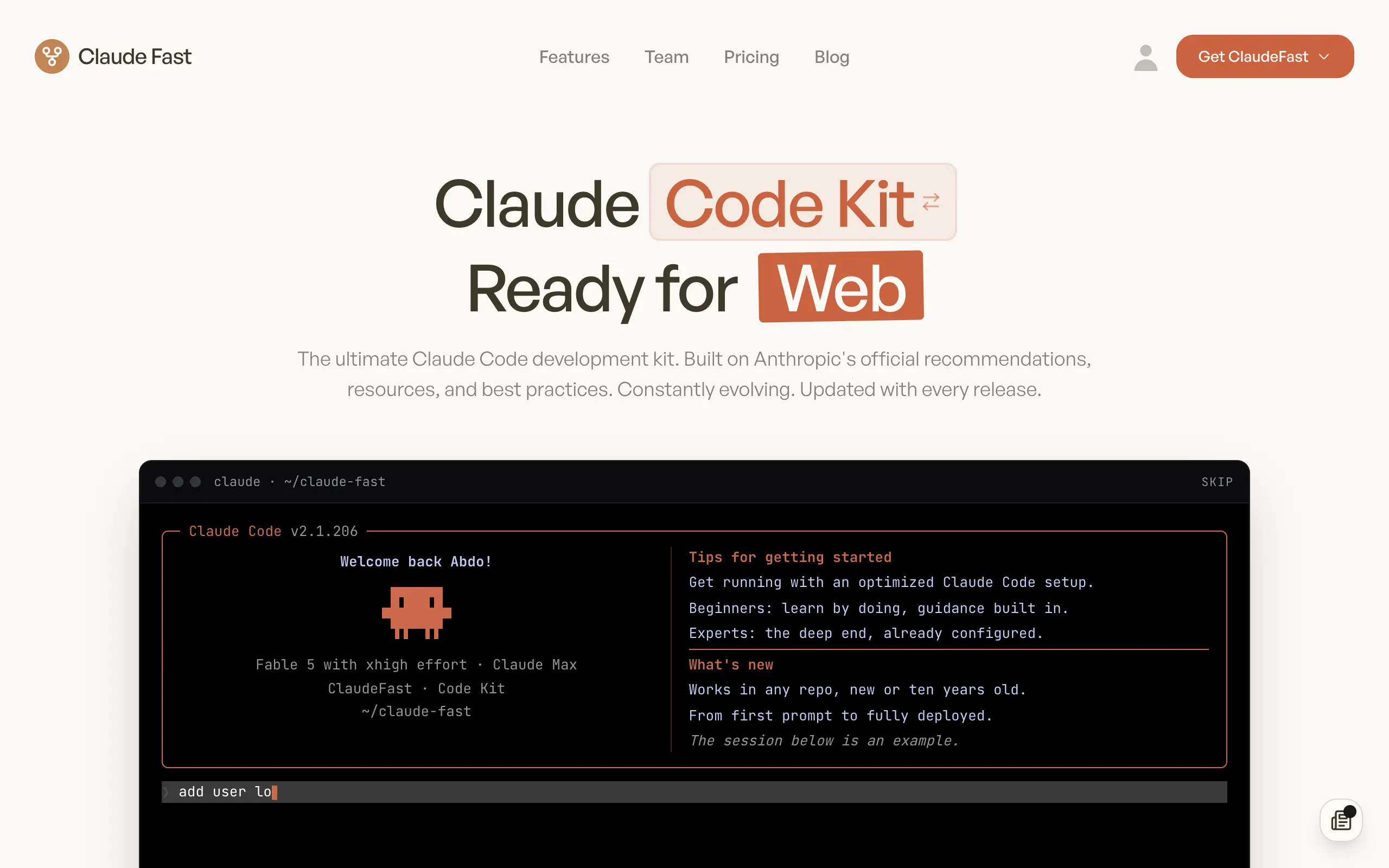
Claude Fast
Supercharge your Claude Code with 6x effective context window and specialized AI agents 🤖
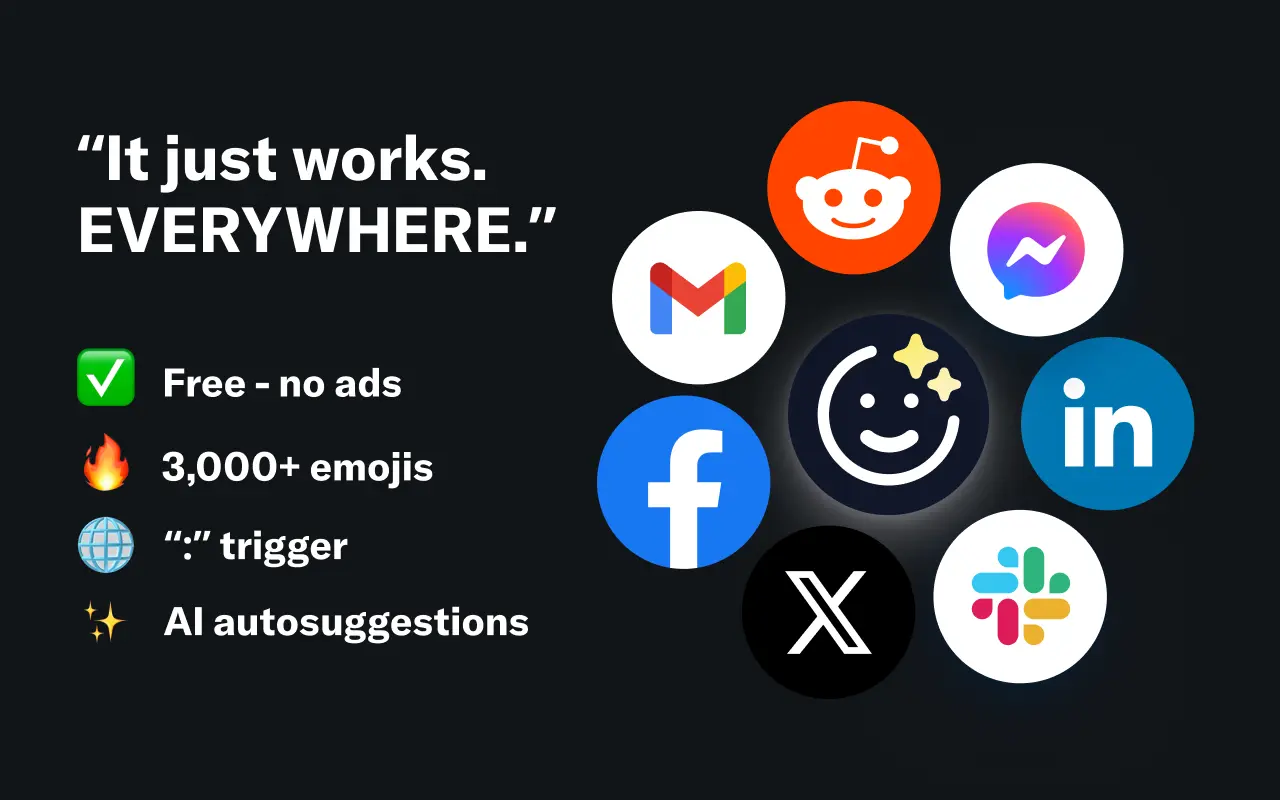
EmojAI
AI-powered emoji picker with smart, context-aware suggestions 🤖
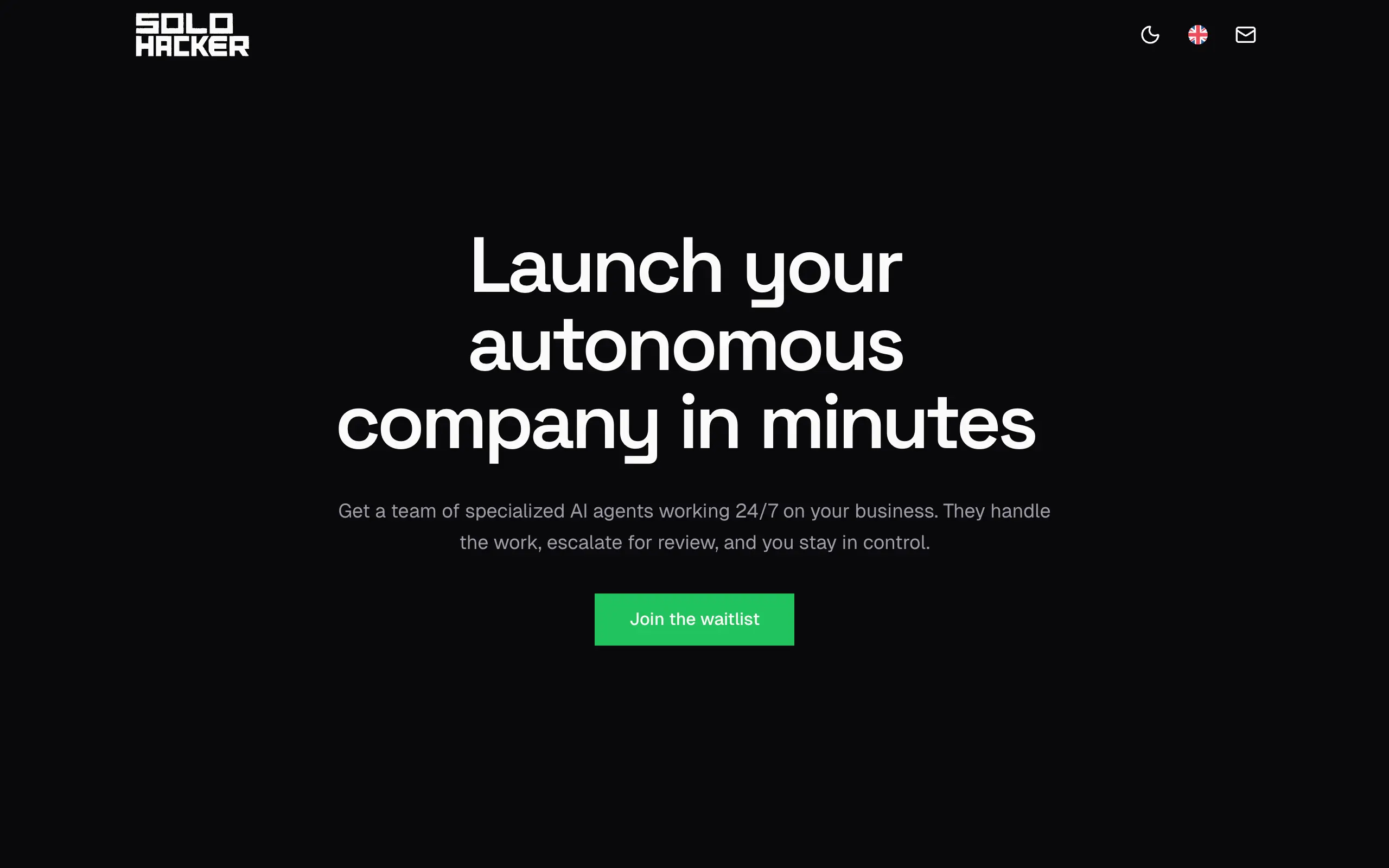
Solohacker
Autonomous company launcher - AI agents work 24/7, escalate what matters, and you stay in control 🤖
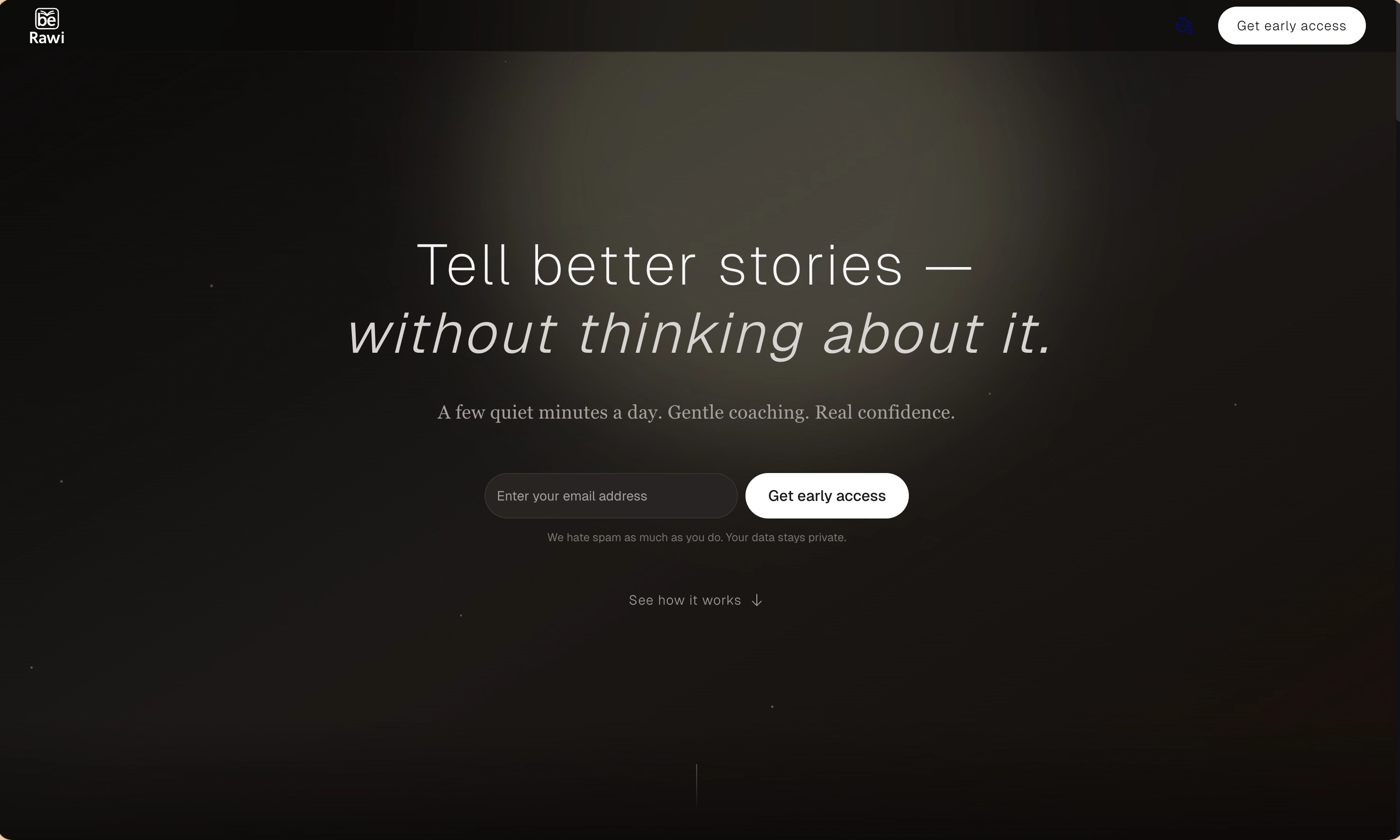
BeRawi: Storytelling Coach
Practice storytelling daily with instant feedback to sound clearer, more engaging, and confident 🎤
Omichat
Chat with 50+ AI models, including ChatGPT and Claude, in one place - switch models anytime without losing context 🤖
Claude Fast
Supercharge your Claude Code with 6x effective context window and specialized AI agents 🤖
EmojAI
AI-powered emoji picker with smart, context-aware suggestions 🤖
Solohacker
Autonomous company launcher - AI agents work 24/7, escalate what matters, and you stay in control 🤖
BeRawi: Storytelling Coach
Practice storytelling daily with instant feedback to sound clearer, more engaging, and confident 🎤
Omichat
Chat with 50+ AI models, including ChatGPT and Claude, in one place - switch models anytime without losing context 🤖
Claude Fast
Supercharge your Claude Code with 6x effective context window and specialized AI agents 🤖
EmojAI
AI-powered emoji picker with smart, context-aware suggestions 🤖
Solohacker
Autonomous company launcher - AI agents work 24/7, escalate what matters, and you stay in control 🤖
BeRawi: Storytelling Coach
Practice storytelling daily with instant feedback to sound clearer, more engaging, and confident 🎤
Omichat
Chat with 50+ AI models, including ChatGPT and Claude, in one place - switch models anytime without losing context 🤖
Claude Fast
Supercharge your Claude Code with 6x effective context window and specialized AI agents 🤖
EmojAI
AI-powered emoji picker with smart, context-aware suggestions 🤖
Solohacker
Autonomous company launcher - AI agents work 24/7, escalate what matters, and you stay in control 🤖
BeRawi: Storytelling Coach
Practice storytelling daily with instant feedback to sound clearer, more engaging, and confident 🎤

Connect with like-minded people
Join our community to get feedback, support, and grow together with 1,000+ builders on board, let's ship it!
Join usShip your startup everywhere. In minutes.
Don't burn tokens on setup and start building features on day one.