ClubKit
A storefront for school clubs to buy editable Canva posters, tickets, and social campaign packs for events. Creators earn from reusable, school-ready designs.
School clubs need event materials that look polished but are quick to make, easy to customize, and affordable on a student-organization budget. ClubKit addresses that need with a storefront for editable Canva posters, tickets, and social campaign packs designed specifically for school events.
The opportunity is not simply to sell attractive templates. It is to make the whole process of promoting a club event easier: help organizers find the right design, adapt it to their school, and reuse a coordinated set of materials across print and social channels. For creators, ClubKit can provide a focused marketplace for designs that are reusable and tailored to the realities of school clubs.
This guide evaluates the ClubKit business idea, including its target audience, market opportunity, product features, technology choices, revenue model, competitive position, risks, and first implementation steps.
What is ClubKit?
ClubKit is a niche digital-products marketplace for school clubs. It sells ready-to-edit design assets for events and campaigns, with a focus on three core product types:
- Posters for dances, fundraisers, performances, meetings, tournaments, and spirit weeks.
- Tickets for events that need a printable or digital admission design.
- Social campaign packs with coordinated graphics for announcements, countdowns, reminders, and follow-up posts.
The products are intended to be editable in Canva, a familiar design tool for many people creating school communications. A club organizer can purchase a design, customize details such as the event name and date, and export the finished asset for print or digital use.
ClubKit also gives independent designers a place to earn from reusable, school-ready work. Its commercial value depends on serving both sides well: making the buyer’s choice simple while giving creators clear standards, fair terms, and a dependable way to reach customers.
The core product promise
ClubKit helps school clubs promote events with coordinated, editable designs—without requiring organizers to start from a blank page or hire a designer for every occasion.
The user problem ClubKit solves
School clubs often have limited time, inconsistent design skills, and small budgets. A student may be responsible for promoting an event alongside schoolwork, while an adviser or volunteer is juggling other responsibilities. The work is repetitive: create a poster, make a social announcement, update the date, and remind people as the event approaches.
Generic design libraries can help, but users still need to search through broad collections and decide which assets work together. A single poster template may not include a matching ticket or a sequence of social graphics. ClubKit can reduce that friction by organizing designs around the actual job to be done: promoting a school event.
The product should aim to solve four related problems:
- Starting from scratch takes too long. Templates give organizers a usable starting point.
- Designs can feel disconnected. A coordinated pack creates visual consistency across formats.
- Finding school-appropriate work is difficult. Curation can help buyers identify designs suited to school settings.
- One-off design work is hard to reuse. Editable templates allow clubs to adapt a design for future events where the license permits it.
The strongest version of ClubKit is therefore more than a gallery of files. It is a workflow for getting from event idea to ready-to-share promotional materials.
Target audience analysis
ClubKit has two core audiences: buyers who need school event assets and creators who supply them. A marketplace needs to understand both, but its initial product and marketing should focus on a specific buyer segment rather than trying to serve every kind of organization at once.
Primary buyers
The best initial buyers are likely to be people who organize or support extracurricular activities:
- Student club officers responsible for event promotion.
- Club advisers and teachers who review or create promotional materials.
- Parent volunteers supporting school organizations.
- Activity coordinators managing multiple school events.
- Booster groups or student leadership teams promoting fundraisers and performances.
These users share a practical need: they want attractive materials that are straightforward to customize and appropriate for a school context. Their purchasing power and approval process may differ. A student might use a personal payment method, while a teacher or school administrator may need a receipt, reimbursement documentation, or approval before buying.
ClubKit should make these differences visible in product planning. For example, clear pricing, instant access, straightforward licensing, and downloadable receipts can matter as much as the visual design.
Secondary buyers
Once the core use case is working, ClubKit can test adjacent audiences such as:
- School theater and music programs.
- Sports teams and athletic departments.
- Student councils and leadership organizations.
- Academic competition teams.
- Camps, youth programs, and community groups.
These groups have similar promotional needs, but they may expect different formats, language, and licensing terms. Expanding too early can dilute the storefront. A better approach is to prove that one group—such as school clubs running events and fundraisers—returns to buy before broadening the catalog.
Creators
Creators may include graphic designers, educators, student designers, and experienced Canva template sellers. They need more than a place to upload files. To earn consistently, they need guidance on product standards, discoverability, quality expectations, licensing, payouts, and customer support.
A creator onboarding program should explain:
- Which kinds of designs buyers are looking for.
- Required preview images and product descriptions.
- How editable template access should be delivered.
- What buyers can and cannot do with purchased designs.
- How original work and third-party assets should be handled.
- What happens if a product has a broken link or inaccurate listing.
The marketplace becomes more valuable as its creator supply becomes distinctive and reliable. A large catalog is not automatically a better catalog; buyers need confidence that products are relevant, usable, and accurately described.
Market opportunity and the gap
The market opportunity for ClubKit sits at the intersection of digital design templates, school activities, and niche marketplaces. The broad need for event promotion is easy to understand, but the size and willingness to pay of the specific school-club segment should be validated rather than assumed.
A useful market thesis is that school organizations repeatedly need inexpensive promotional materials but are not always well served by general design marketplaces. The gap may come from context, not from a lack of templates overall. A school club buyer often needs designs that account for common event formats, school-safe presentation, easy editing, coordinated assets, and a clear license for reuse.
Where general alternatives can fall short
A buyer may currently turn to a general-purpose design tool, a broad template marketplace, a free template collection, or an existing school document. Each option can work, but the buyer may need to do extra work to find, evaluate, adapt, and coordinate materials.
ClubKit can differentiate through curation and packaging:
- Organize designs around events and club use cases, not just visual styles.
- Show the poster, ticket, and social assets together in product previews.
- Explain what is editable and what the buyer receives before checkout.
- Offer seasonal collections for recurring school calendar moments.
- Provide practical guidance on print dimensions and social formats.
- Make licensing and reuse rules understandable.
This is a positioning opportunity, not proof of demand. ClubKit should validate it with interviews, small paid tests, and evidence of repeat purchasing.
How to validate demand
Before investing in a large marketplace, test the assumptions that carry the most risk. Speak with club advisers, student leaders, and activity coordinators. Ask about their last few events, how they made promotional materials, how long the process took, what they paid, and what went wrong. Concrete accounts of past behavior are more useful than asking whether someone likes the idea.
Useful early validation methods include:
- Customer interviews. Learn how buyers currently create and approve event materials.
- A focused landing page. Present a small set of real designs and measure sign-ups or purchase intent.
- A paid pilot collection. Offer a limited catalog to a narrowly defined group and observe completed purchases.
- Creator conversations. Confirm whether designers will supply original, school-relevant products under the proposed terms.
- Search and marketplace research. Review search suggestions, marketplace categories, and competitor listings to identify the language buyers use.
- Repeat-purchase tracking. Determine whether buyers return for another event, another season, or a different asset type.
If publishing market statistics, use a credible, dated source and make clear what population it measures. For example, cite a current education-sector report or a reputable industry research report with its publisher, title, publication date, and relevant methodology. Avoid applying broad digital commerce figures directly to school clubs without evidence.
Core features for a useful ClubKit marketplace
ClubKit should launch with a small number of features that support the complete purchase and customization journey. A polished catalog is more valuable than a crowded one if customers can quickly find and confidently use the right products.
1. Search and browsing built around school events
The storefront should help buyers browse by practical need. Useful filters could include:
- Event type, such as fundraiser, dance, concert, or club meeting.
- Asset type, such as poster, ticket, or social pack.
- Style, such as bold, playful, minimal, or formal.
- Format and intended channel.
- Season or school-calendar moment.
- Free or paid products, if ClubKit uses a free tier.
Search and category pages should use the language customers naturally use. Someone planning a talent show may search for a talent show flyer rather than a “performance promotion asset.” Product taxonomy should reflect that behavior.
2. Clear product pages and previews
A product page needs to answer buyer questions before checkout. It should show:
- High-quality previews of every included design.
- The formats and dimensions included.
- Which text, colors, and images are editable.
- What software or account is required.
- How access is delivered after payment.
- The license and reuse rules.
- Whether the product includes instructions or support.
A preview should represent the actual purchase. If a listing shows a complete campaign pack, buyers should be able to see every item in that pack—not just the lead poster.
3. Reliable editable-template delivery
The purchase experience should make it easy to access the design without making unsupported claims about compatibility or editing. Clearly describe the steps buyers must take, any account requirements, and how they can contact support if access does not work.
Where the design platform provides shareable template links, the seller workflow should verify that each link opens as intended and that the original master file is not accidentally exposed for editing. Build a process for checking links at upload and periodically afterward.
4. Bundles that match real workflows
A campaign pack is ClubKit’s clearest opportunity to provide more value than a single-template listing. A pack might include a poster, an event ticket, a social announcement, a countdown graphic, and a reminder post. The precise contents should follow customer research, not assumptions.
Bundles can improve buyer convenience and create a higher average order value. They may also help creators earn from a cohesive design system rather than relying on isolated assets.
5. Buyer accounts and order history
Buyers need to find past purchases and return to their materials. An account area can provide:
- Order history and receipts.
- Links to purchased products.
- License details for each order.
- Support requests or troubleshooting instructions.
- Saved favorites or wish lists.
Keep account requirements proportionate. If a guest checkout can safely deliver the purchase and receipt, it may reduce friction for occasional buyers. Registered accounts can be encouraged for people who want a library of past assets.
6. Creator onboarding and product review
A marketplace should set minimum quality standards before listings go live. Review can cover originality, technical usability, accurate previews, school suitability, and complete product descriptions. Automated checks may help flag missing fields, but human review is useful when judging whether a product is truly fit for the audience.
Creator tools can begin simply: a submission form, listing status, payout information, and basic sales reporting. More advanced dashboards can wait until there are enough sellers and transactions to justify them.
7. Support that resolves real buyer problems
Digital products still require customer support. Common issues may include a broken access link, confusion about editing, an unexpected font or image limitation, or a misunderstanding about the license.
A useful support system should include a concise help center, a visible contact route, response-time expectations, and a process for refund or replacement requests. Track support reasons and use them to improve the product listing and onboarding flow.
A practical MVP scope
An early ClubKit MVP does not need every feature of a mature marketplace. It needs enough functionality to test whether buyers will pay for curated school-club designs and whether creators can supply quality products.
A sensible first version could include:
- A responsive storefront with a small, curated catalog.
- Product pages with previews, included formats, and licensing information.
- Search or a few strong category pages.
- Secure checkout and automated purchase confirmation.
- Reliable delivery of template access instructions.
- Basic buyer support and refund handling.
- A manual creator submission and review process.
- Simple analytics for visits, conversion, refunds, and repeat orders.
Delay advanced personalization, complex seller dashboards, community features, and large-scale recommendation systems until customer behavior shows they are needed.
Recommended technology stack
ClubKit is an ecommerce marketplace, not a conventional subscription SaaS by default. Its technology should support product discovery, reliable payments, digital delivery, and eventually creator payouts, while keeping the initial build manageable.
Frontend and application framework
Next.js is one option for building a web storefront with server-rendered and interactive experiences. It can support product pages that are easy to crawl and share, while allowing checkout-related and account features to be added over time.
React is the interface foundation commonly used with Next.js. A component-based approach can keep the product cards, filters, previews, and account screens consistent as the catalog grows.
A simpler hosted commerce platform may be a better choice if the founders want to test demand quickly without building marketplace infrastructure. The trade-off is reduced flexibility over catalog workflows, seller tools, and the customer experience. Choose a custom stack only when the expected learning or differentiation justifies the extra engineering and maintenance.
Data and authentication
A relational database is a good fit for products, creators, orders, licenses, and payouts because those entities have defined relationships. Supabase offers a managed PostgreSQL platform with associated services that can reduce early infrastructure work.
The data model should separate:
- Creators and buyer accounts.
- Product listings and product versions.
- Orders and order line items.
- License terms and purchase records.
- Payouts, refunds, and support cases.
Do not rely on a product listing alone as proof of what a buyer purchased. Store an order-time record of the relevant product and license details so that changes to a listing do not create confusion about past orders.
Payments and marketplace payouts
Stripe can support online payments, and its marketplace products may be relevant if ClubKit manages payments to independent creators. Payment and payout flows can introduce compliance, tax, identity-verification, and customer-support obligations. Confirm requirements for the countries and business model involved before launch; do not treat a payment integration as a substitute for legal or financial advice.
For an initial test, ClubKit could also begin with a limited creator cohort and manual payout operations, provided the process is documented, transparent, and compliant. Automate only after the operational pattern is understood.
Storage, delivery, and security
If ClubKit stores previews, downloadable guides, or other files, use private storage where appropriate and controlled access for paid assets. Template access links should be handled carefully. Avoid exposing seller master files or sensitive customer information in public URLs.
Security basics should include:
- Least-privilege access to customer and creator data.
- Secure handling of payment provider events.
- Backups and a recovery plan.
- Rate limits and abuse monitoring for sensitive endpoints.
- A process for removing or restricting content after a valid rights complaint.
The precise architecture depends on whether ClubKit hosts assets, delivers third-party template links, or uses both approaches. Document that decision early because it affects customer support, product updates, and intellectual-property risk.
Analytics and operations
Track a small set of metrics from the beginning:
- Product page views and conversion rate.
- Checkout completion and payment failures.
- Average order value.
- Refund and support-request rates.
- Sales by product, category, and creator.
- Repeat purchase rate.
- Search queries with no useful results.
Use analytics to answer decisions, not simply to accumulate dashboards. For example, repeated searches for a specific event type may indicate a catalog gap, while frequent support requests about access may indicate unclear delivery instructions.
Build-versus-buy trade-offs
A custom marketplace offers control over product discovery, creator workflows, and brand experience. It also adds engineering cost, maintenance work, and responsibility for edge cases such as refunds, disputes, and seller onboarding.
A hosted commerce solution can accelerate testing and reduce infrastructure work, but may limit multi-vendor operations or require additional services for creator management. ClubKit should begin with the least complex setup that can reliably test its core hypothesis. Reconsider the architecture when real customer behavior exposes a specific limitation.
Monetization strategy options
ClubKit can combine revenue models over time, but the launch model should be simple enough for buyers and creators to understand.
Marketplace commission
ClubKit can retain a percentage of each sale and pay the remainder to the creator. This model aligns revenue with transactions and is easy to test in a small catalog. The platform must clearly disclose the commission, payout schedule, refund treatment, and any applicable fees.
A commission model works best when ClubKit contributes meaningful value through discovery, payment processing, quality controls, and customer support. If creators must generate all their own traffic, they may question the platform’s share.
Directly owned collections
ClubKit could commission or create a limited set of its own products. These products can fill important catalog gaps and help establish a consistent quality bar. The trade-off is that ClubKit takes on the cost and responsibility of production, rights management, and updates.
Any platform-owned designs should be clearly distinguished from independent creator products if that distinction matters to the seller relationship.
Bundles and seasonal collections
Bundles can package several related assets into one purchase. Seasonal collections can help buyers prepare for recurring moments in the school year, while event-based bundles can solve a specific task.
The risk is making bundles too large or too generic. Use customer research to determine which assets buyers actually need together, then evaluate sales and refund data after launch.
Institutional or team purchasing
Some schools or organizations may prefer to buy for multiple clubs or use a shared budget. ClubKit could explore bulk purchasing, team access, or a simple organization invoice process after validating demand.
This approach may increase order size, but it can also lengthen sales cycles and introduce procurement requirements. Treat it as a later test unless early interviews show that individual purchases are routinely blocked by school purchasing rules.
Subscription or membership access
A subscription could provide access to a rotating library, discounts, or a defined number of downloads. It may create predictable revenue, but it is not automatically the best fit. Clubs may only need designs occasionally, and creators may prefer payment tied to use or sales.
Test purchase frequency first. If buyers repeatedly need new assets and see a clear ongoing benefit, a membership may make sense. Otherwise, one-time purchases and bundles are likely to be easier to understand.
Competitive advantage and positioning
ClubKit’s competitive advantage should not depend on claiming that no one else sells templates. The more credible position is that ClubKit specializes in school-club promotion and makes the relevant products easier to find, understand, and use.
| Dimension | General design tool | Broad template marketplace | ClubKit opportunity |
|---|---|---|---|
| Audience focus | Many kinds of users | Many kinds of buyers | School clubs and related organizations |
| Product discovery | Broad design workflows | Broad categories | Search organized around school events |
| Asset coordination | Often requires manual selection | Varies by listing | Curated poster, ticket, and social packs |
| School context | Depends on user choices | Depends on individual creators | School-ready guidance and review standards |
| Creator opportunity | Tool-centered | Broad marketplace exposure | A focused audience for reusable school designs |
The table describes a positioning hypothesis, not a guarantee that every alternative lacks these features. ClubKit should evaluate the actual experience of alternatives during customer research and update its positioning as it learns.
The ClubKit USP
A concise unique selling proposition could be:
ClubKit is the curated storefront for editable school-club event designs, helping organizers create coordinated posters, tickets, and social campaigns without starting from scratch.
This statement is specific about the audience, product, and outcome. It also avoids promising that every design will be approved by every school or that every event will receive more attendance.
Defensibility can grow through several reinforcing assets:
- A recognizable catalog of school-specific products.
- Strong event-based search and collection structure.
- A trusted creator community with consistent quality.
- Buyer feedback that improves product selection.
- Repeat purchases and saved preferences.
- School-focused instructions, licensing, and support.
SEO and organic growth strategy
SEO can help ClubKit reach people searching for practical design help, but the strategy should prioritize useful landing pages over repetitive keyword pages.
Keyword themes
Relevant keyword themes may include:
- School club Canva templates.
- Editable Canva posters for school events.
- School event ticket templates.
- Fundraiser flyer templates for schools.
- Social media templates for school clubs.
- School dance poster designs.
- Student council campaign graphics.
Use these phrases naturally in page titles, product descriptions, category copy, and helpful editorial content. Avoid creating near-identical pages for minor keyword variations. Each page should offer a distinct collection, answer a specific need, or help users make a real decision.
Useful content opportunities
ClubKit can publish practical guides such as:
- How to promote a school fundraiser.
- What to include on an event poster.
- How to create a coordinated school event social campaign.
- A checklist for planning a club event.
- Tips for adapting a design to print and social formats.
The best content should help a user accomplish a task whether or not they buy. Product links can appear where they genuinely support the instructions.
Product-page SEO basics
Each product listing should have a distinctive, descriptive name and original description. Include the event type, asset contents, format, editing details, and license information in clear language. Use meaningful image alt text that describes the preview rather than repeating the same keywords on every image.
For example, alt text should identify what the preview shows, such as “editable school fundraiser poster with matching social announcement graphic,” when that accurately describes the image.
Risks and mitigation
A marketplace has operational, legal, and product risks beyond building the website. Addressing them early makes the business more trustworthy.
Intellectual-property and licensing risk
Creators may use assets, fonts, or illustrations without the rights needed for resale. Buyers may also misunderstand whether they can share, resell, or reuse a purchased design.
Mitigation should include clear creator agreements, accurate license terms, a rights-review process, a complaint and takedown procedure, and product-level explanations of permitted use. Review the relevant platform terms for any third-party design software and assets, and get qualified legal advice on marketplace policies. ClubKit should not imply that Canva endorses or operates the storefront unless that is explicitly true.
Product quality and broken access
A template may have a broken link, incomplete instructions, or elements that do not behave as buyers expect. These problems can undermine trust quickly.
Mitigate them with pre-publication checks, periodic link verification, a defined buyer support process, and a product correction or refund policy. Track problem reports by listing so that recurring issues are easy to identify.
Seasonal demand
School events may follow calendars and seasonal rhythms. Demand can vary by event type, region, and school schedule. A catalog focused on one narrow moment may experience uneven sales.
Build collections around multiple recurring use cases, measure performance over time, and ask buyers about their annual planning needs. Do not assume that a single seasonal campaign predicts year-round demand.
Marketplace cold start
Buyers need enough quality products to find something relevant, while creators want evidence that an audience exists. This is the classic supply-and-demand challenge of a marketplace.
Start with a curated catalog from a small number of committed creators. Focus on a few event categories, recruit creators for visible gaps, and use early buyer requests to guide new supply. Avoid opening submissions widely before the review and support process is ready.
Buyer trust and refund expectations
Digital goods can create disputes when a buyer expects a different format or misunderstands the license. Make product contents, access steps, and refund terms clear before checkout. Keep receipts and support records, and use customer questions to improve listings.
Privacy and youth-related considerations
Some buyers may be students, and school-related content can involve minors even when the product itself does not collect student data. Minimize personal data collection, avoid requesting unnecessary information about students, and review applicable privacy, consumer-protection, and age-related requirements for the markets served.
A privacy-conscious product should collect only what is needed to complete purchases, provide support, and operate the marketplace. Provide clear policies and restrict access to customer records.
Creator dependence and platform trust
Creators may leave if rules change unexpectedly, payouts are unclear, or their products receive little visibility. Set terms in advance, provide transparent payout reporting, and communicate material policy changes. A marketplace that treats creators as partners is more likely to sustain a distinctive catalog.
Actionable implementation steps
The goal of the first launch is to learn whether a specific group of buyers will pay for a focused, reliable collection—and whether creators can supply it consistently.
Define the first buyer segment
Choose one initial group, such as advisers and student leaders organizing club fundraisers or school dances. Write down the buyer, the event they need to promote, the assets they need, and the current alternative they use. Keep the first audience narrow enough that the catalog and marketing can be specific.
Interview buyers and creators
Talk to people who have recently organized school events and designers who might sell reusable work. Ask about actual past behavior, budgets, purchasing approvals, design tools, and common problems. Record recurring needs and identify which assumptions are not yet supported.
Build a small, high-quality catalog
Recruit a limited group of creators and prepare a focused set of products across a few validated event types. Prioritize complete packs and clear previews over raw listing volume. Review every product for usable access instructions, accurate descriptions, and appropriate licensing information.
Launch a simple storefront
Create product and category pages that explain what buyers receive, how editing works, and what usage rights apply. Add checkout, purchase confirmation, customer support, and a dependable delivery process. Choose a hosted or custom technology approach based on what helps you test the business fastest and most reliably.
Test willingness to pay
Drive a small amount of qualified traffic through creator audiences, school communities, and useful content. Measure purchases rather than relying only on email sign-ups or positive feedback. Compare product types, bundles, and price points while keeping the test narrow enough to interpret.
Improve the experience using evidence
Review failed searches, abandoned checkouts, support requests, refunds, and repeat purchases. Fix recurring usability problems before expanding the catalog. Add products based on observed buyer needs, not just what is easiest for creators to make.
Grow the marketplace carefully
Once buyers return and creators see a credible opportunity, expand to adjacent school organizations, add more seasonal collections, and test institutional purchasing. Automate creator operations when manual work becomes a real bottleneck, not simply because a feature seems standard for a marketplace.
For founders who want a faster starting point for the application and storefront, TurboStarter can help reduce the amount of foundational product work. The business still needs its own decisions about marketplace operations, licensing, creator quality, and buyer support.
Metrics that show whether ClubKit is working
Early success should be measured by behavior that demonstrates value, not by catalog size alone. A large number of listings can hide weak demand or poor product quality.
Track these indicators:
- Purchase conversion: Do relevant visitors complete purchases?
- Average order value: Are buyers choosing bundles or multiple assets?
- Repeat purchase rate: Do customers return for another event or school season?
- Search success: Can buyers find products for the events they describe?
- Refund and support rates: Are product descriptions and delivery clear?
- Creator retention: Do creators continue to publish and maintain products?
- Catalog coverage: Are important event types missing?
- Contribution margin: Does revenue cover payment fees, creator payouts, support, and operating costs?
Interpret metrics in context. A low conversion rate may reflect unqualified traffic, confusing product pages, an unsuitable price, or an unconvincing catalog. Combine quantitative data with buyer conversations before making major changes.
Frequently asked questions
Start with a small selection of editable posters, tickets, and coordinated social campaign packs for event types that buyer interviews show are common. A focused catalog makes it easier to assess demand and maintain quality.
Not necessarily. One-time purchases and bundles may be a better initial fit because school clubs often buy for specific events. A subscription should be tested only if customers demonstrate a recurring need for ongoing access.
Offer a clearly defined audience, transparent marketplace terms, practical listing guidance, dependable payouts, and useful performance reporting. Creators are more likely to participate when the platform provides real discovery and support rather than only a place to upload files.
Its potential advantage is school-club specialization: event-based discovery, curated school-ready designs, coordinated campaign packs, and clear guidance about what buyers receive. That differentiation must be supported by a useful catalog and reliable customer experience.
The main risk is building a large marketplace before confirming that a well-defined buyer group will pay for these products. Validate demand with interviews and a small paid collection before investing heavily in custom features or broad creator recruitment.
Conclusion
ClubKit has a clear, focused premise: make it easier for school clubs to promote events with editable, coordinated design assets, while giving creators a targeted way to earn from reusable work. Its opportunity comes from specialization and convenience—not from assuming that school organizers cannot access design tools elsewhere.
The strongest launch strategy is to validate one buyer segment, curate a small catalog, make licenses and delivery clear, and measure completed purchases and repeat behavior. Build the marketplace around the workflow buyers actually have, then expand into additional events, organizations, and creator tools only when evidence supports the next step.
If ClubKit can combine relevant designs, trustworthy creators, straightforward editing instructions, and dependable support, it can become a practical resource for the recurring work of school-club promotion.
More 🛒 E-commerce SaaS ideas
Discover more innovative e-commerce SaaS ideas that are trending in 2026. Each idea is AI-generated with market validation and growth potential to help you find your next profitable venture faster than competitors.
Your competitors are building with TurboStarter
Below are some of the SaaS ideas that have been generated and built with our starter kit.
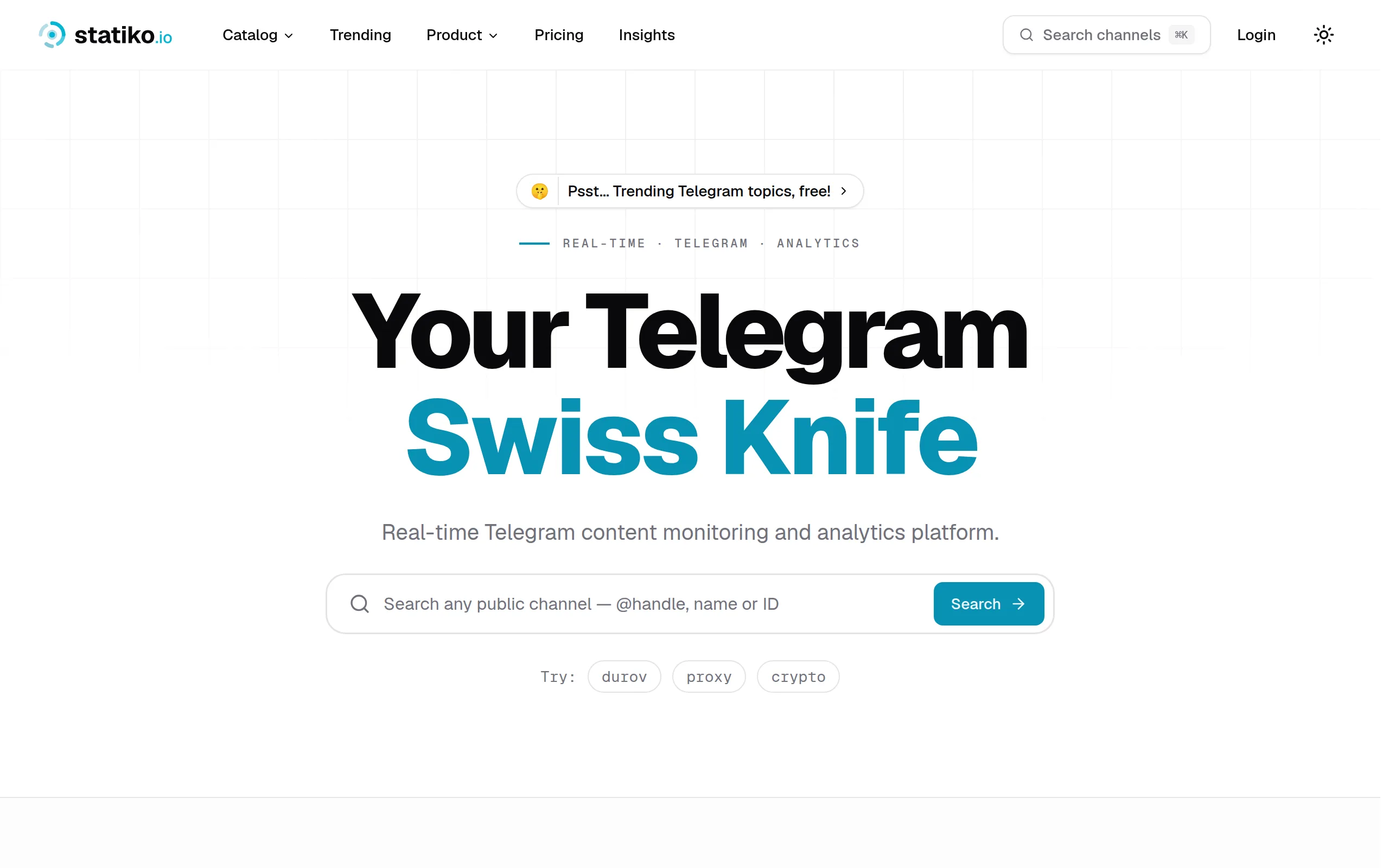
Statiko
Monitor any Telegram channel in real time - track posts, edits, deletions, and growth with AI recaps 📡
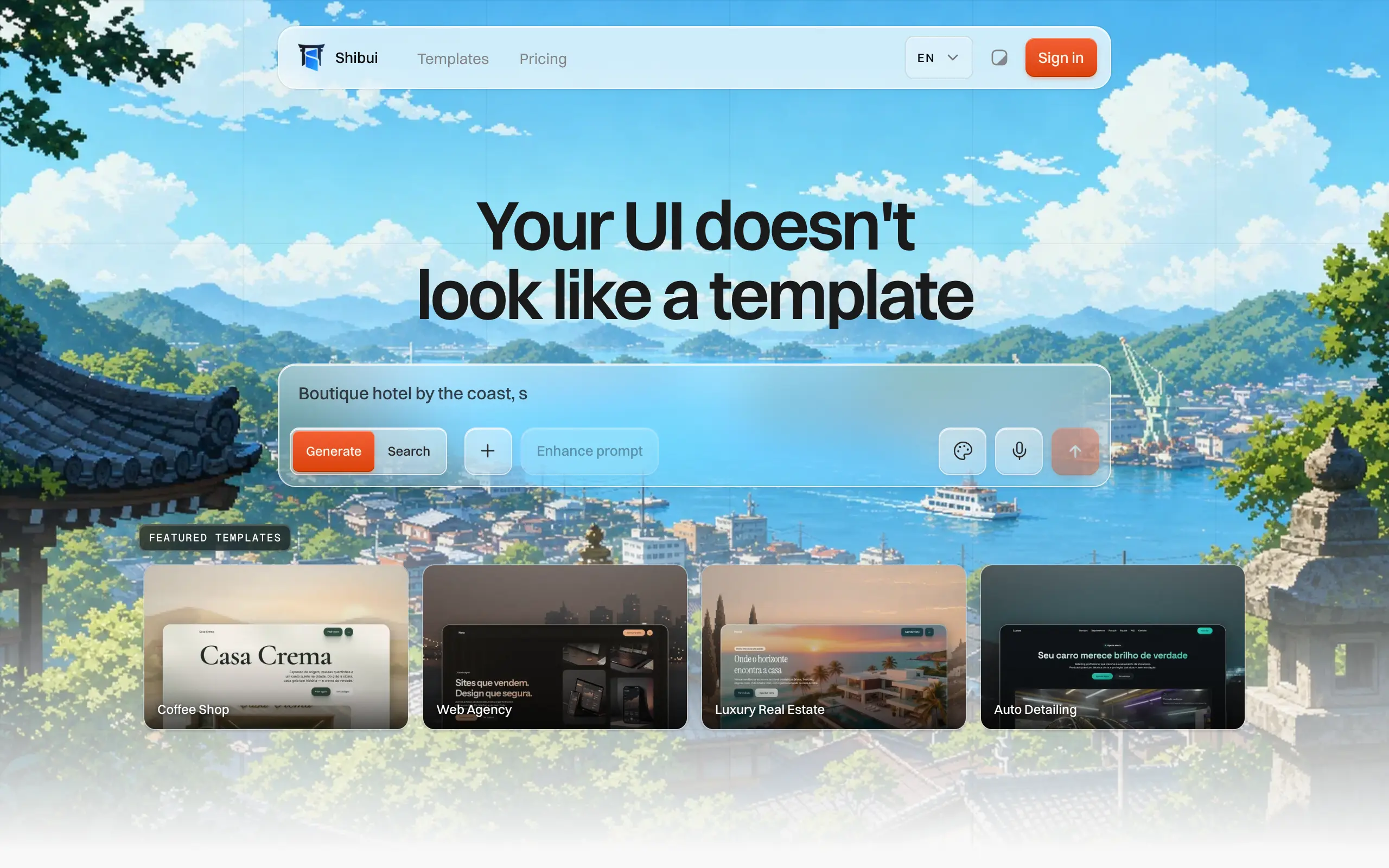
Shibui
AI website builder - describe your business, pick a niche template, edit by chatting, and publish instantly ✨
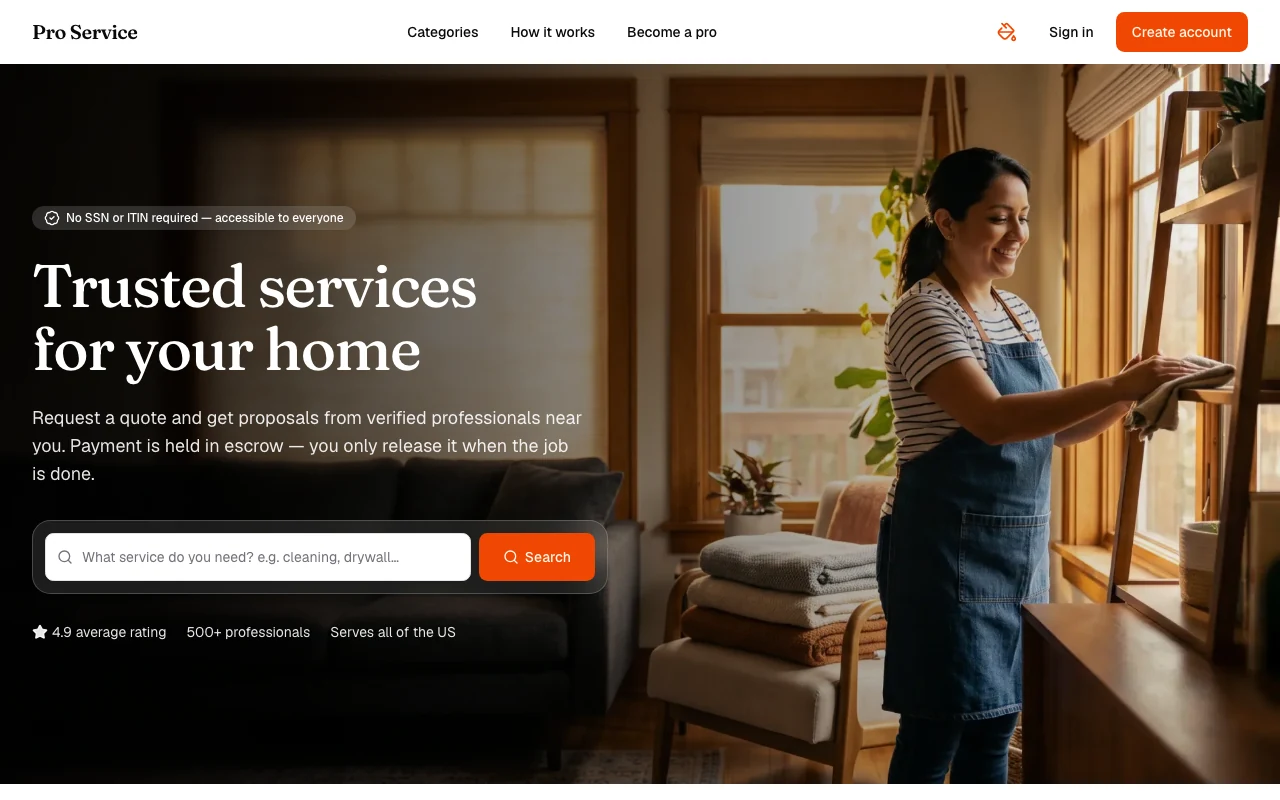
Pro Service
Find verified home service professionals, compare quotes, and pay securely through escrow - built for Brazilians across the US 🏠
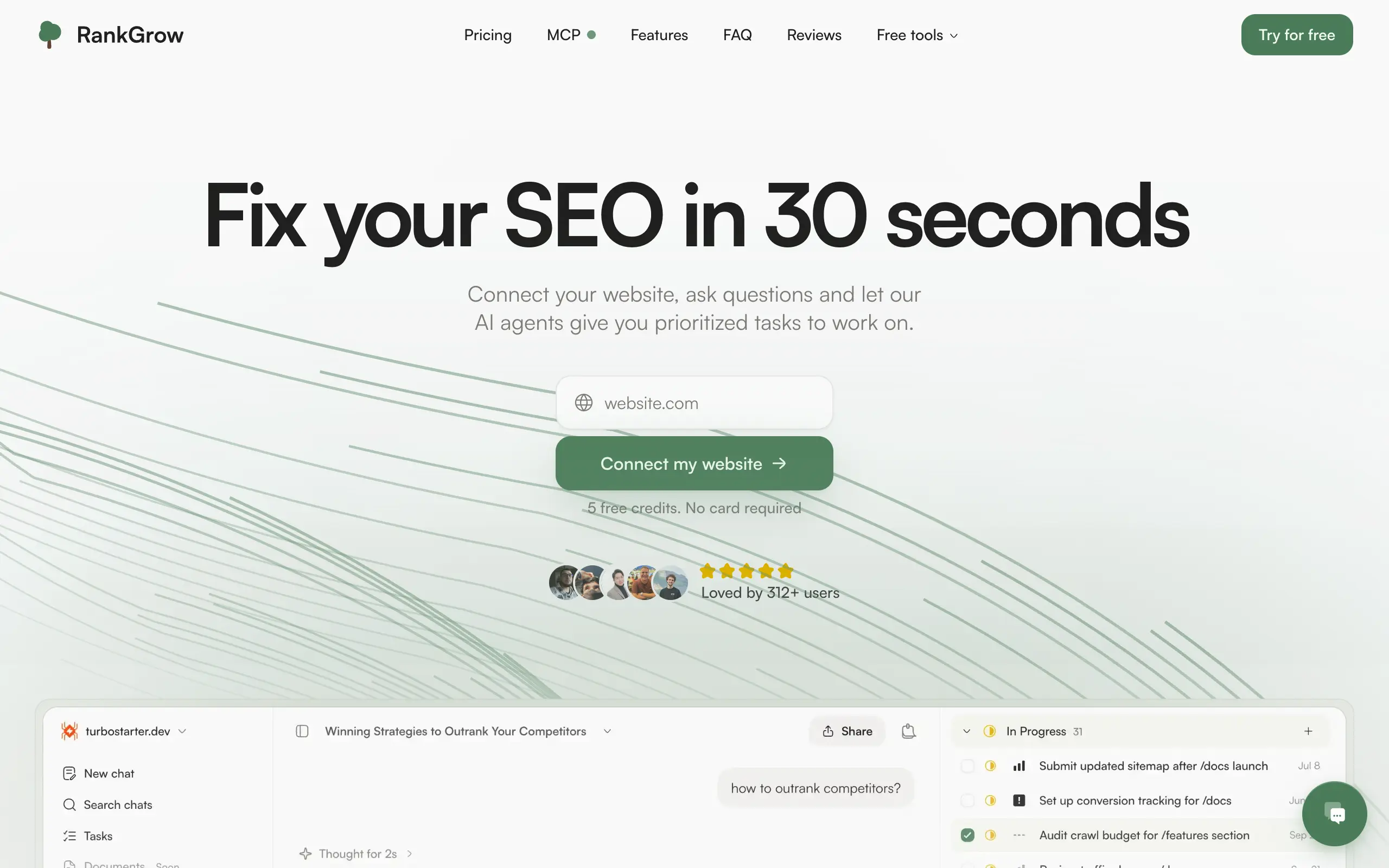
RankGrow
Fix your SEO with AI agents - connect Search Console, get prioritized tasks, and grow organic traffic 📈
SyncReads
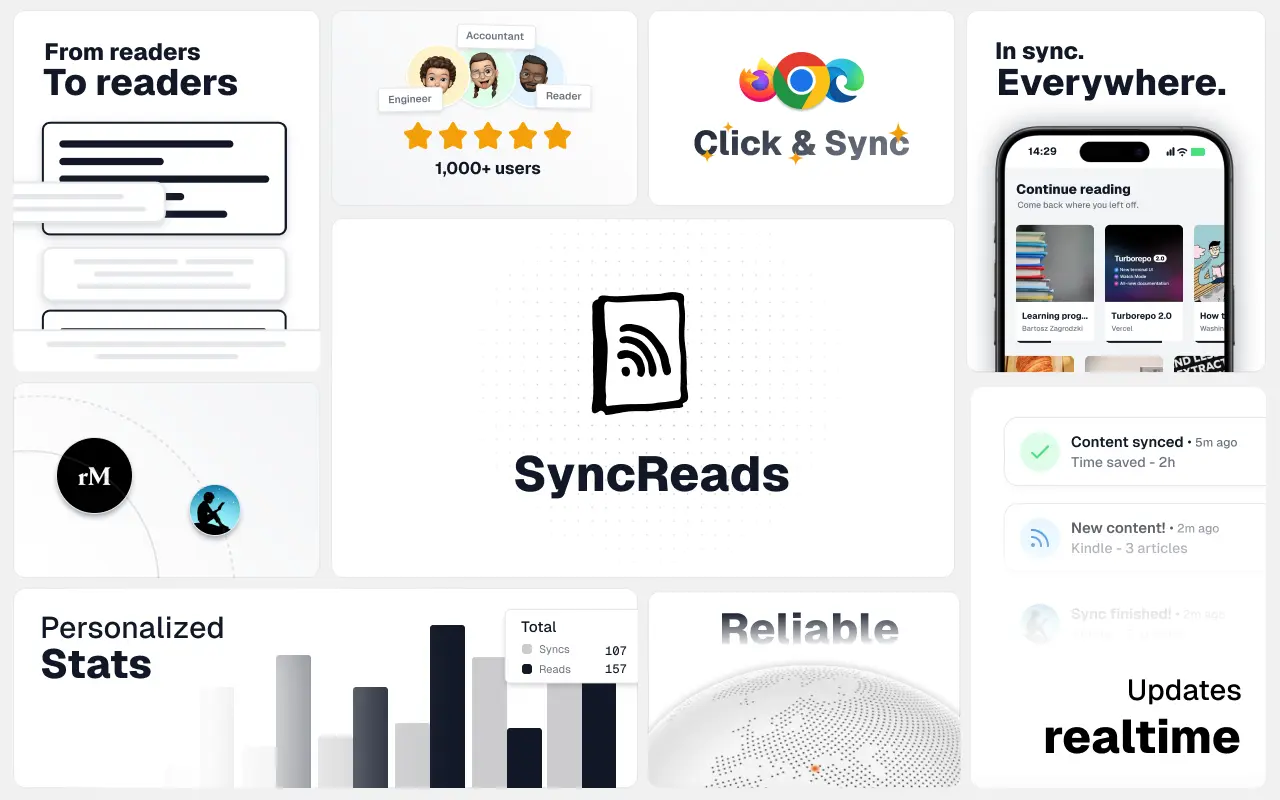
Sync your favorite content for distraction-free reading, save time and replace multiple apps. Anytime, anywhere 🔄
Socialcrawl
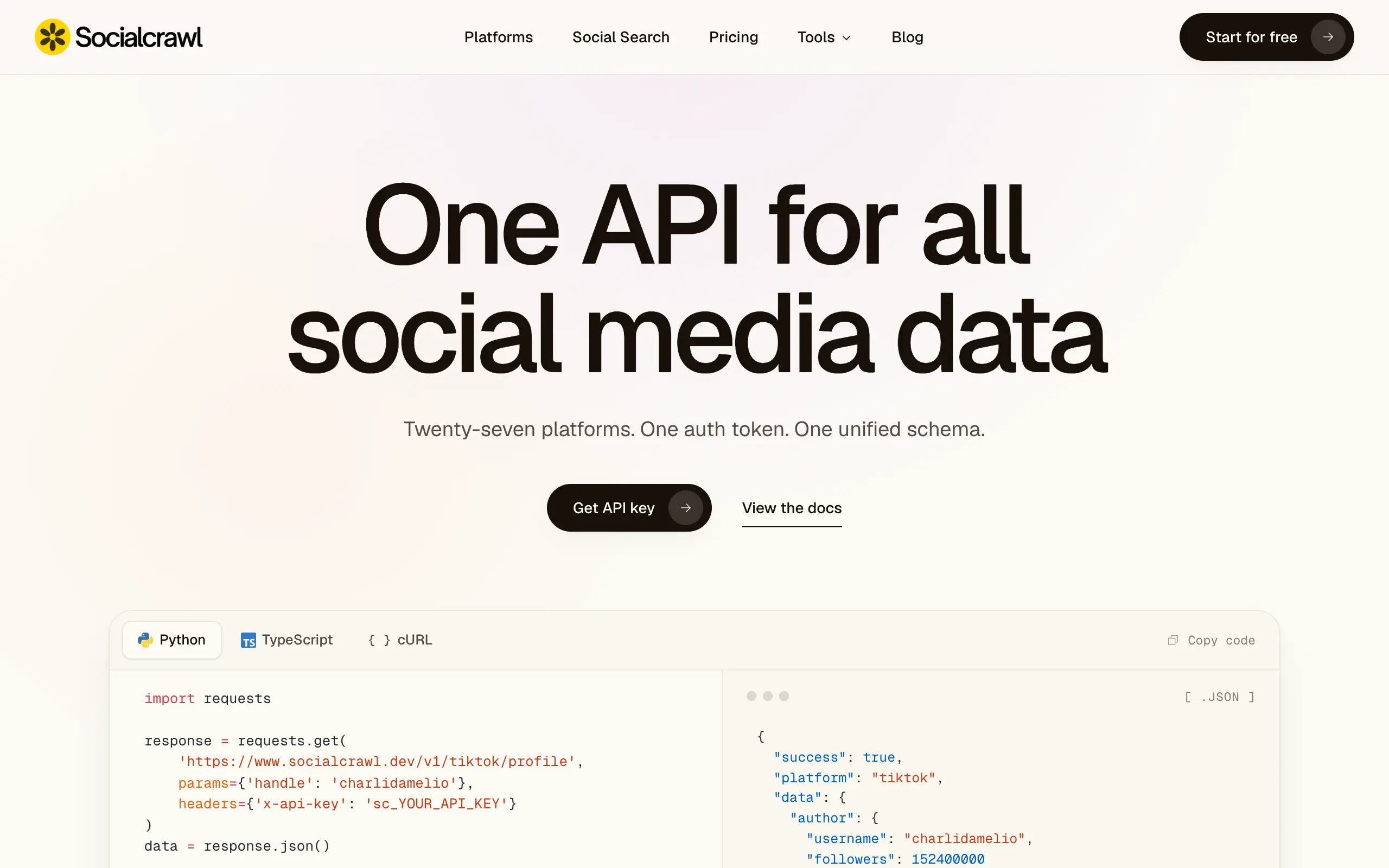
Get clean, structured data from 21 platforms like TikTok, Instagram, and YouTube with a single request 📊
Statiko
Monitor any Telegram channel in real time - track posts, edits, deletions, and growth with AI recaps 📡
Shibui
AI website builder - describe your business, pick a niche template, edit by chatting, and publish instantly ✨
Pro Service
Find verified home service professionals, compare quotes, and pay securely through escrow - built for Brazilians across the US 🏠
RankGrow
Fix your SEO with AI agents - connect Search Console, get prioritized tasks, and grow organic traffic 📈
SyncReads
Sync your favorite content for distraction-free reading, save time and replace multiple apps. Anytime, anywhere 🔄
Socialcrawl
Get clean, structured data from 21 platforms like TikTok, Instagram, and YouTube with a single request 📊
Dotallio
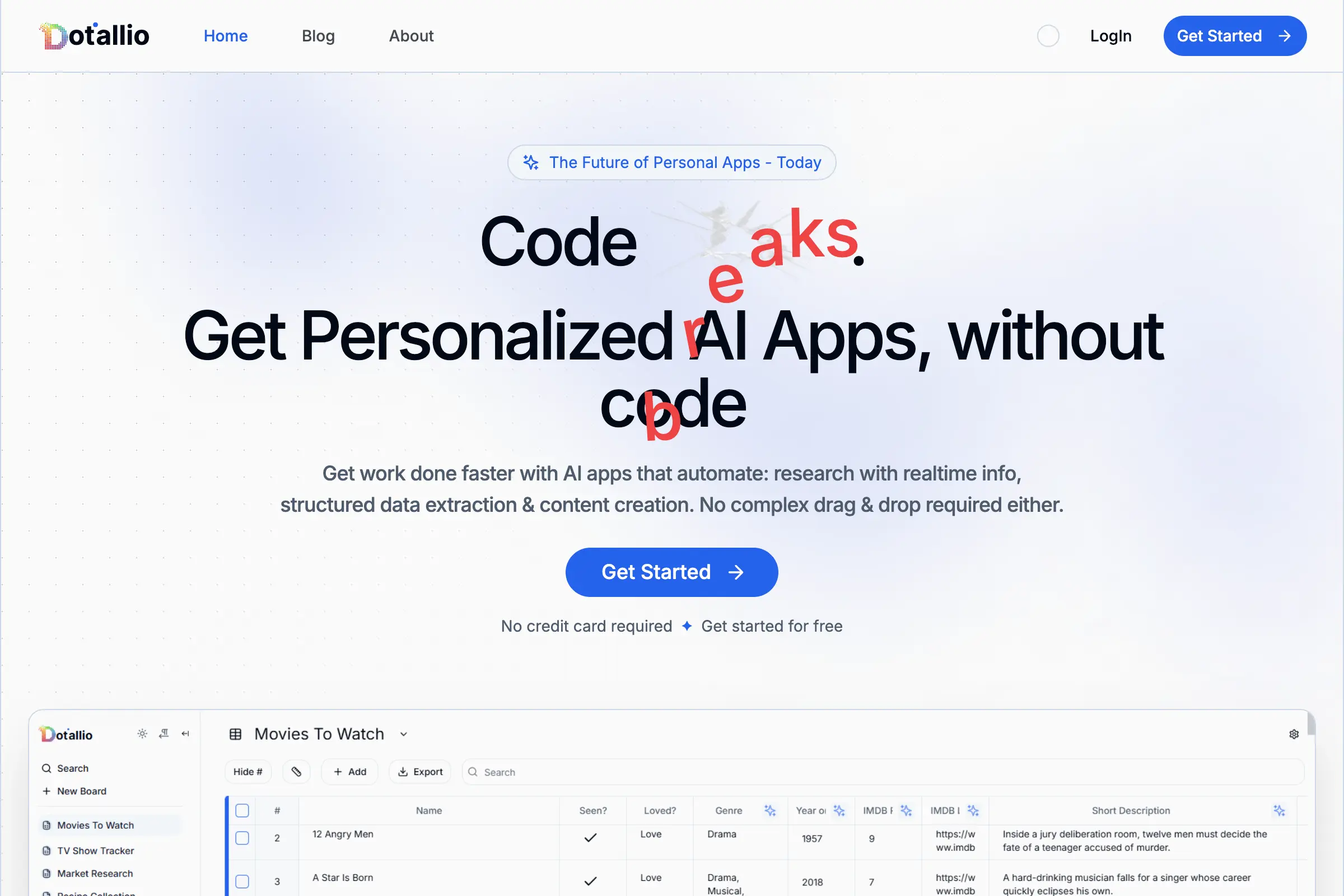
Personalized AI apps that automate research, data extraction, and content creation without code 🤖
Talk to Santa
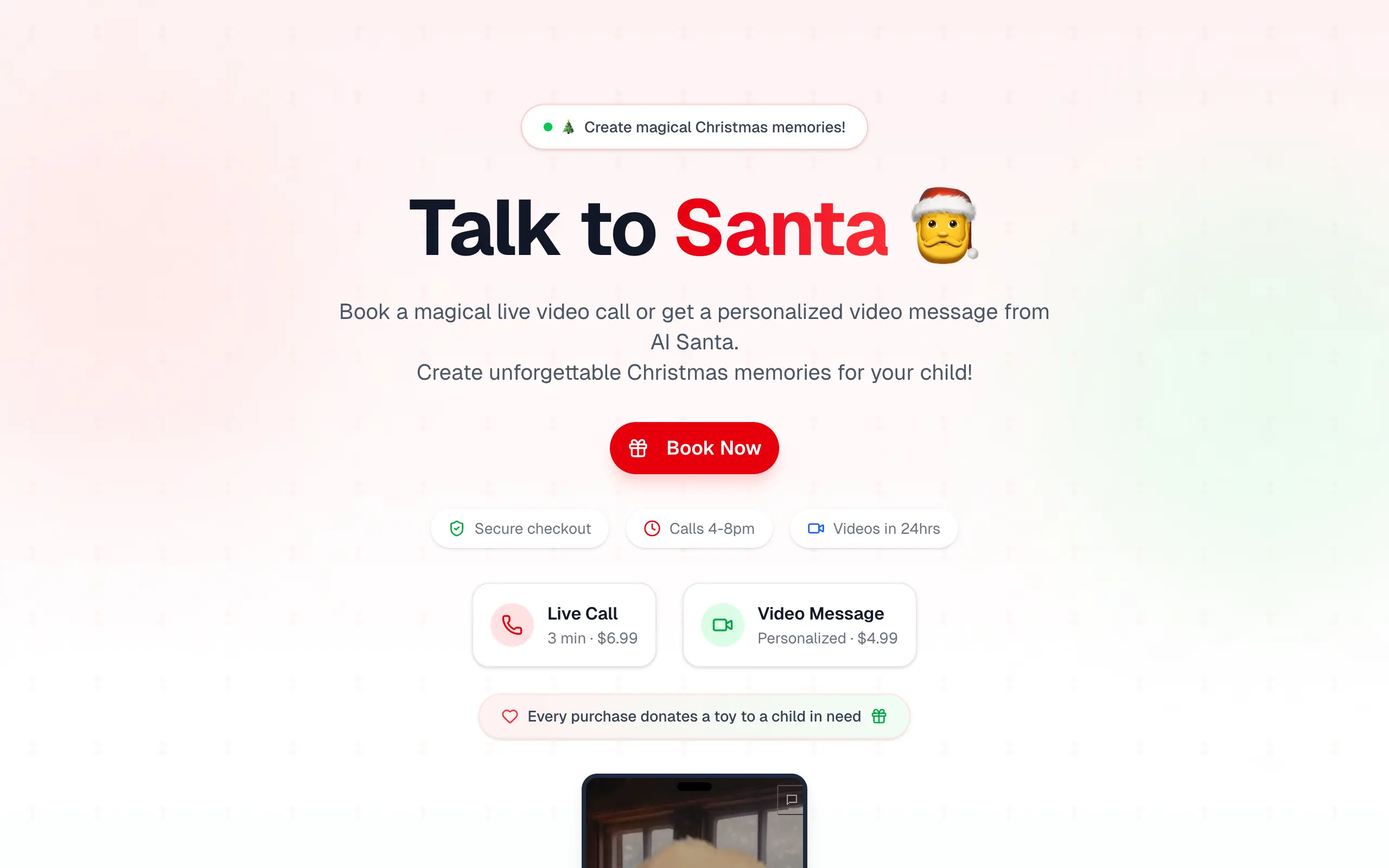
Enjoy a magical live video chat or receive a unique AI-generated video greeting from Santa Claus 🎅
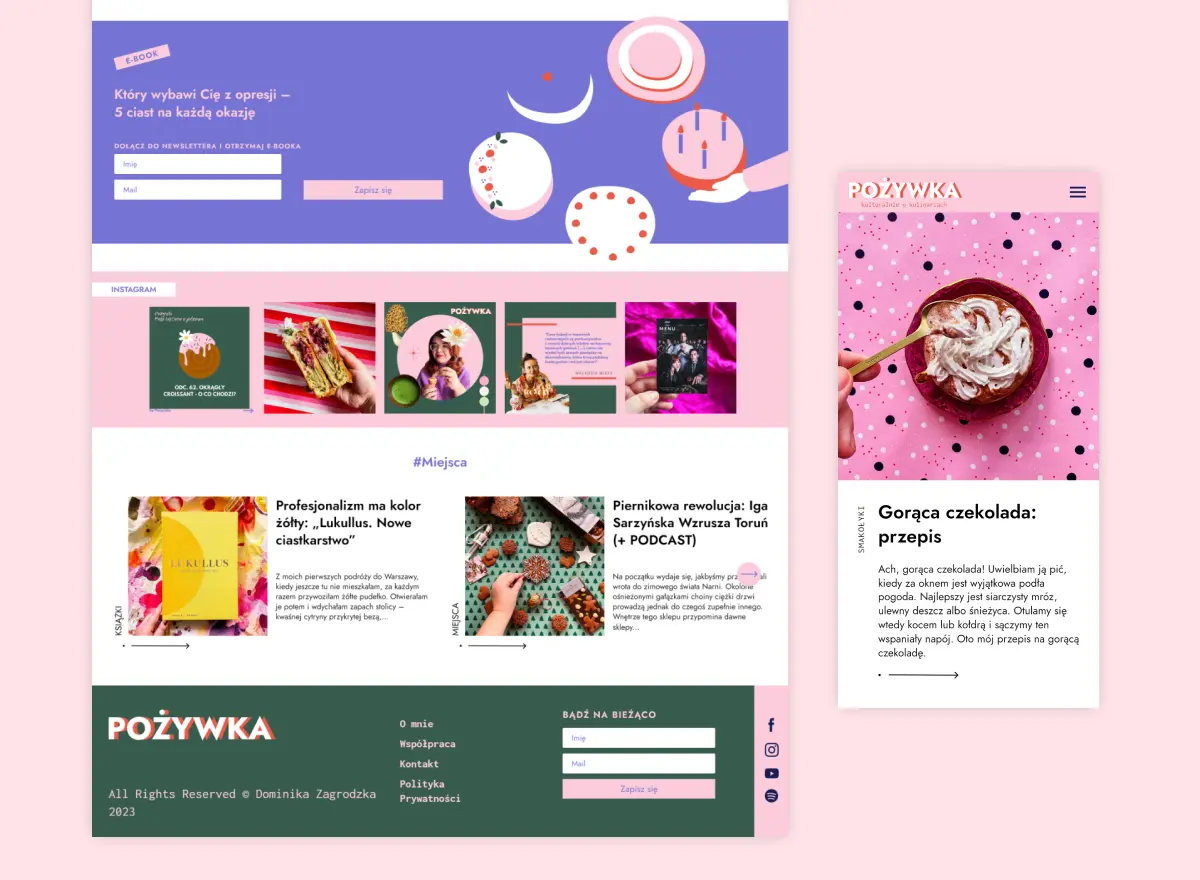
pozywka.pl
Scalable blog for food journalist, focused on performance and user experience 🌭
zagrodzki.me
Personal blog and portfolio of Bart Zagrodzki, where he shares his knowledge and work 💼
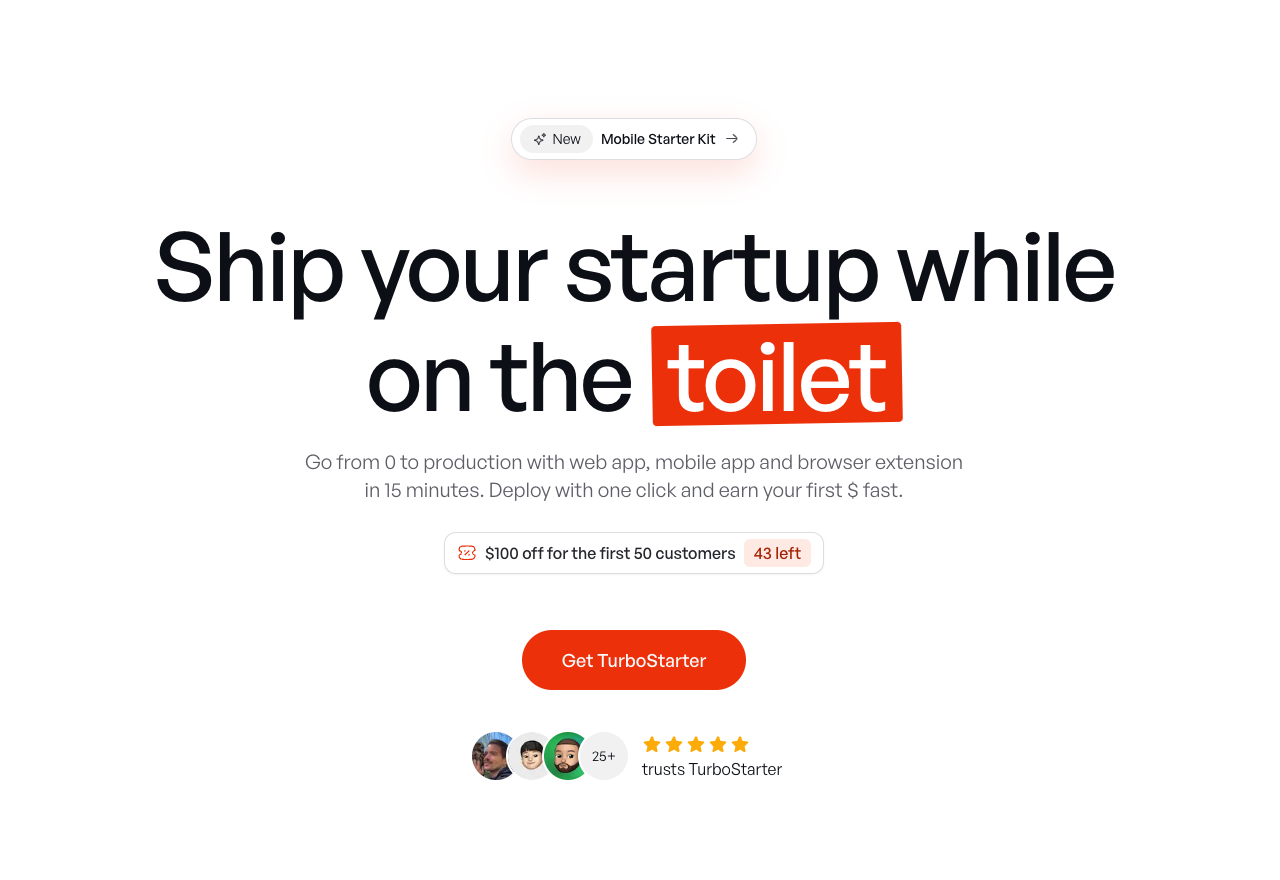
TurboStarter
Ship your startup everywhere. In minutes.
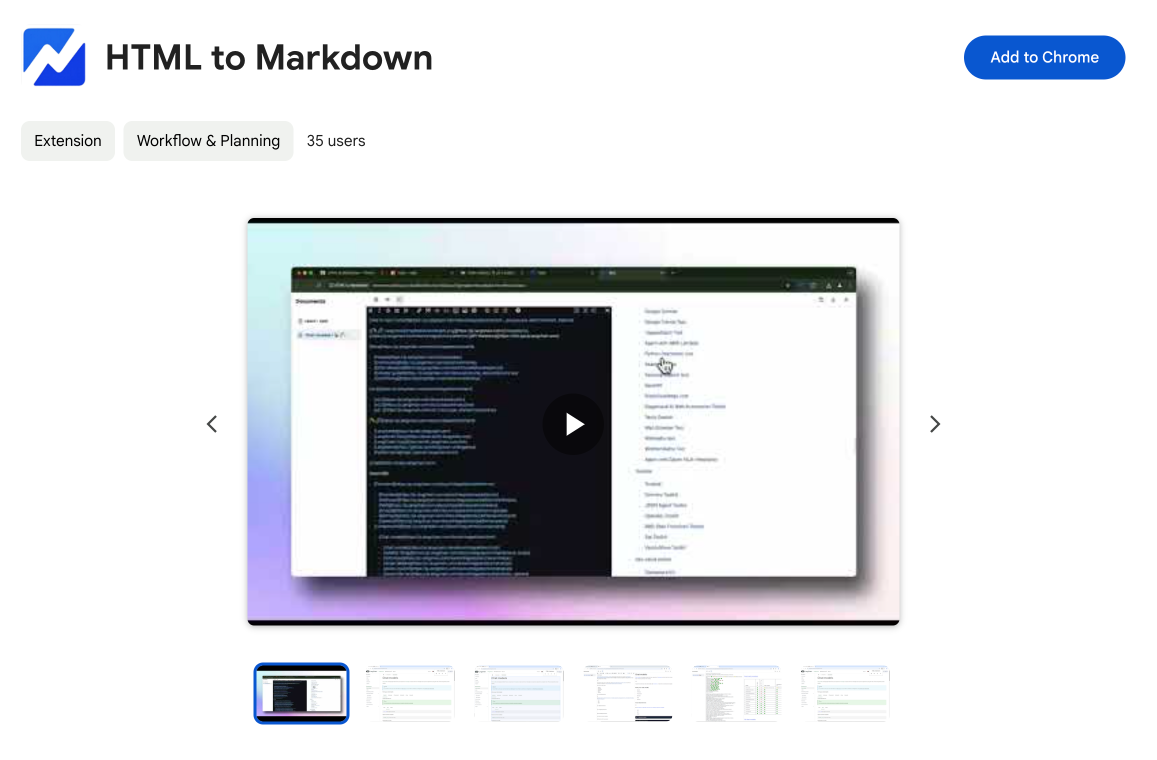
HTML to Markdown
Convert HTML to Markdown with ease, directly in your browser 📄
Dotallio
Personalized AI apps that automate research, data extraction, and content creation without code 🤖
Talk to Santa
Enjoy a magical live video chat or receive a unique AI-generated video greeting from Santa Claus 🎅
pozywka.pl
Scalable blog for food journalist, focused on performance and user experience 🌭
zagrodzki.me
Personal blog and portfolio of Bart Zagrodzki, where he shares his knowledge and work 💼
TurboStarter
Ship your startup everywhere. In minutes.
HTML to Markdown
Convert HTML to Markdown with ease, directly in your browser 📄
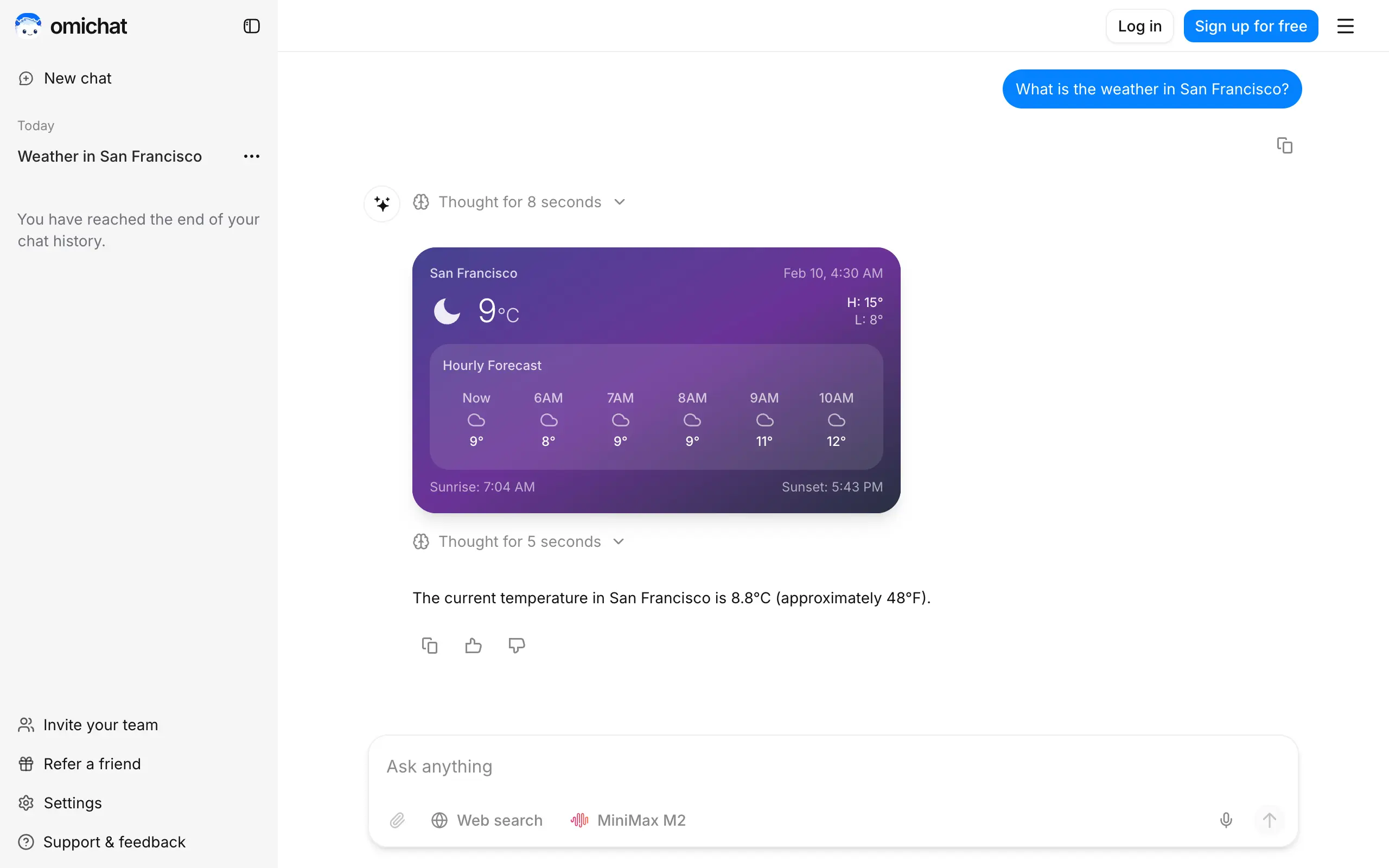
Omichat
Chat with 50+ AI models, including ChatGPT and Claude, in one place - switch models anytime without losing context 🤖
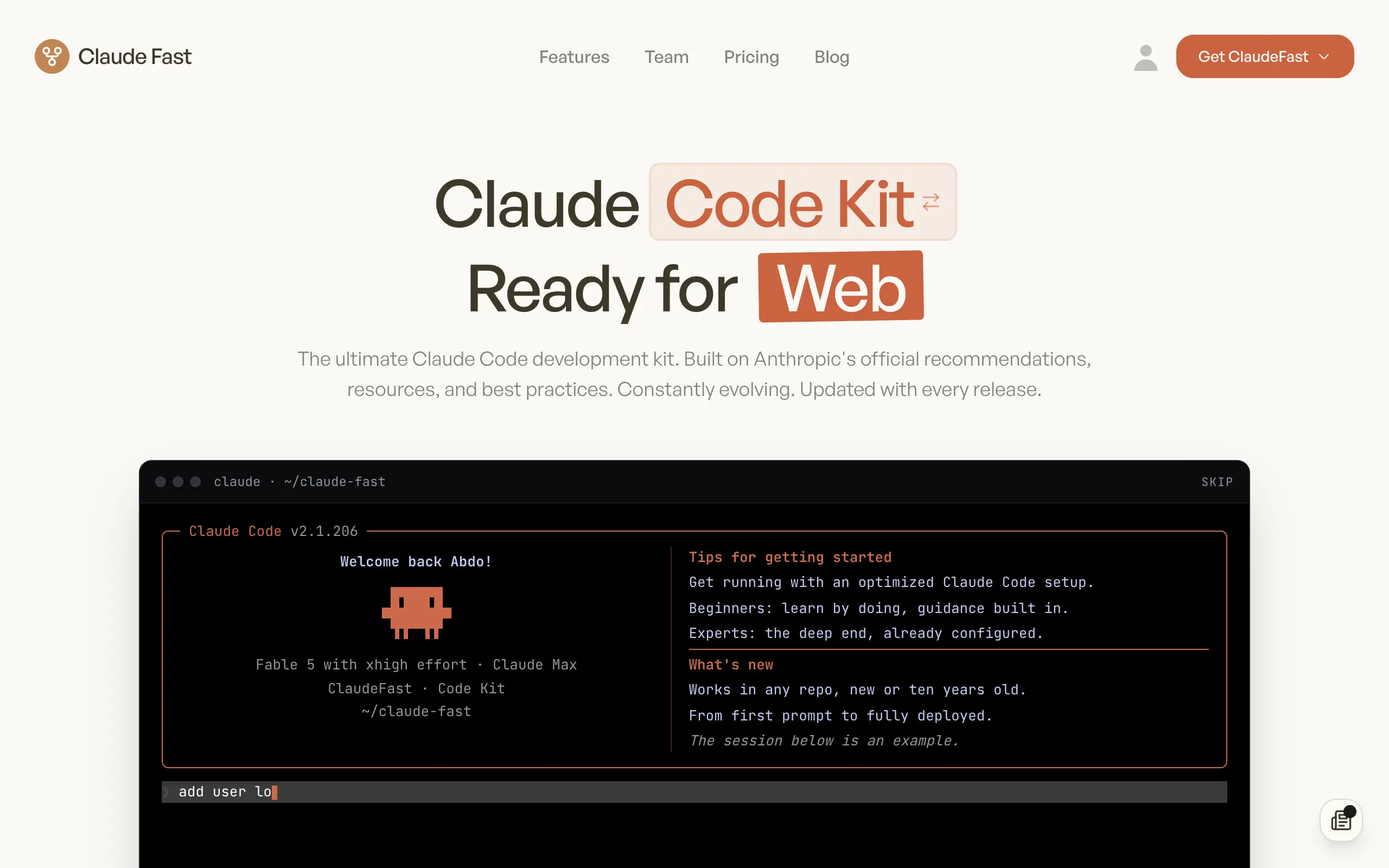
Claude Fast
Supercharge your Claude Code with 6x effective context window and specialized AI agents 🤖
EmojAI
AI-powered emoji picker with smart, context-aware suggestions 🤖
Solohacker
Autonomous company launcher - AI agents work 24/7, escalate what matters, and you stay in control 🤖
BeRawi: Storytelling Coach
Practice storytelling daily with instant feedback to sound clearer, more engaging, and confident 🎤
Omichat
Chat with 50+ AI models, including ChatGPT and Claude, in one place - switch models anytime without losing context 🤖
Claude Fast
Supercharge your Claude Code with 6x effective context window and specialized AI agents 🤖
EmojAI
AI-powered emoji picker with smart, context-aware suggestions 🤖
Solohacker
Autonomous company launcher - AI agents work 24/7, escalate what matters, and you stay in control 🤖
BeRawi: Storytelling Coach
Practice storytelling daily with instant feedback to sound clearer, more engaging, and confident 🎤

Connect with like-minded people
Join our community to get feedback, support, and grow together with 1,000+ builders on board, let's ship it!
Join usShip your startup everywhere. In minutes.
Don't burn tokens on setup and start building features on day one.