CollabCanvas
A marketplace for artists to collaborate on digital art projects and sell co-created pieces, with automated royalty splits and easy digital delivery.
Understanding the CollabCanvas opportunity: a new era for collaborative digital art marketplaces
The digital art world is evolving rapidly, with artists seeking new ways to collaborate, monetize, and reach global audiences. CollabCanvas emerges as a purpose-built SaaS marketplace, enabling artists to co-create digital art, automate royalty splits, and deliver finished pieces seamlessly. This article provides a comprehensive, expert-level analysis of the CollabCanvas opportunity, addressing user intent for market validation, technical insight, and actionable implementation guidance.
Who is CollabCanvas for? Target audience analysis
Understanding the core user base is essential for any SaaS marketplace. CollabCanvas targets several overlapping segments within the digital art ecosystem:
- Digital artists and illustrators: Both established and emerging creators looking to expand their portfolios, learn from peers, and access new revenue streams.
- NFT creators and crypto artists: Artists interested in blockchain-based art, seeking transparent royalty management and collaborative NFT drops.
- Art collectives and studios: Groups or agencies managing multiple artists, requiring streamlined project management and revenue sharing.
- Art buyers and collectors: Individuals or organizations seeking unique, co-created digital pieces with clear provenance and fair compensation for all contributors.
- Designers and creative professionals: Those in adjacent fields (e.g., graphic design, animation) who value collaborative workflows and digital asset delivery.
User intent for this audience typically centers on:
- Discovering new collaboration opportunities
- Ensuring fair, automated royalty distribution
- Simplifying digital art sales and delivery
- Building reputation and portfolio through co-created works
Identifying the market gap: why collaborative art marketplaces matter
Despite the explosion of digital art platforms, most focus on solo creators or simple listing/sales functionality. The collaborative creation and monetization niche remains underserved. Key pain points in the current landscape include:
- Manual royalty management: Artists often struggle to track and distribute earnings from co-created works, leading to disputes or lost revenue.
- Fragmented collaboration tools: Existing platforms lack integrated project management, version control, or communication features tailored for art collaboration.
- Limited digital delivery options: Many marketplaces offer basic downloads, but not secure, automated delivery with licensing and provenance tracking.
- Lack of trust and transparency: Buyers and artists alike seek platforms that guarantee fair compensation and clear ownership records.
CollabCanvas addresses these gaps by combining a robust marketplace with built-in collaboration, royalty automation, and seamless digital delivery.
Core features and solution details: what sets CollabCanvas apart
To deliver on its promise, CollabCanvas must offer a feature set that directly addresses user needs and market gaps. Below is a breakdown of essential and differentiating features:
1. Artist collaboration workspace
- Real-time co-creation tools: Integrated canvas or file-sharing for synchronous/asynchronous work.
- Version control: Track changes, revert to previous states, and manage contributions.
- In-app messaging and notifications: Streamline communication and feedback.
2. Automated royalty splits
- Customizable split percentages: Set per project or per piece, supporting multiple contributors.
- Transparent earnings dashboard: Real-time tracking of sales and payouts.
- Automated payments: Integration with payment gateways (e.g., Stripe, PayPal) for instant, error-free distribution.
3. Digital art marketplace
- Project listing and discovery: Advanced search, filters, and artist profiles.
- Secure digital delivery: Automated fulfillment upon purchase, with watermarking or licensing options.
- NFT minting (optional): For blockchain-savvy users, mint and sell collaborative NFTs with on-chain royalty enforcement.
4. Portfolio and reputation building
- Co-creator credits: Every piece displays all contributors, boosting visibility and trust.
- Ratings and reviews: Buyers and collaborators can rate experiences, fostering a merit-based ecosystem.
5. Legal and licensing support
- Template agreements: Built-in contracts for collaboration, licensing, and royalty terms.
- Provenance tracking: Immutable records of creation and ownership, optionally leveraging blockchain.
6. Admin and analytics tools
- Marketplace analytics: Insights into sales, trending projects, and user engagement.
- Moderation and dispute resolution: Tools for handling copyright issues or payment disputes.
Automated royalty management
Eliminate manual tracking and disputes with built-in, transparent royalty splits.
Integrated collaboration tools
Work together in real time or asynchronously, with version control and messaging.
Secure digital delivery
Instant, protected delivery of digital art, with optional NFT minting and licensing.
Recommended tech stack for CollabCanvas: balancing scalability and user experience
Choosing the right technology stack is crucial for building a robust, scalable, and user-friendly SaaS marketplace. Below is a recommended stack, with trade-offs and rationale:
Frontend
- React: Modern, component-based UI development; large ecosystem and community support.
- TailwindCSS: Utility-first CSS for rapid, consistent styling.
- Next.js: Server-side rendering and static site generation for SEO and performance.
Trade-off: React/Next.js offers flexibility and performance, but may require more initial setup than no-code solutions.
Backend
- Node.js with Express: Scalable, event-driven backend suitable for real-time features.
- GraphQL or REST API: Flexible data querying for complex relationships (e.g., projects, users, royalties).
- WebSockets: For real-time collaboration and notifications.
Trade-off: Node.js is highly scalable, but may require careful resource management for real-time features.
Database
- PostgreSQL: Relational database with strong support for complex queries and transactional integrity (ideal for royalty tracking).
- Redis: For caching and real-time session management.
File storage and delivery
- AWS S3 or Google Cloud Storage: Secure, scalable storage for digital assets.
- CDN integration: Fast, global delivery of art files.
Payments and royalties
- Stripe Connect: Handles multi-party payments and automated royalty splits.
- PayPal Payouts: Alternative for users preferring PayPal.
Optional: Blockchain integration
- Ethereum or Polygon: For NFT minting and on-chain royalty enforcement.
- Third-party NFT APIs: To abstract blockchain complexity for non-technical users.
DevOps and deployment
- Docker: Containerization for consistent environments.
- CI/CD pipelines: Automated testing and deployment.
- Monitoring (Datadog, Sentry): For uptime and error tracking.
Tip
Consider using TurboStarter to accelerate your SaaS MVP development with pre-built authentication, payments, and marketplace modules.
Monetization strategies: how CollabCanvas can generate revenue
A sustainable SaaS marketplace requires a thoughtful monetization approach that aligns with user value. Here are proven strategies for CollabCanvas:
1. Transaction fees
- Percentage of each sale: Standard in marketplaces; e.g., 10-15% per transaction.
- Sliding scale: Lower fees for high-volume sellers or premium members.
2. Subscription plans
- Free tier: Basic collaboration and limited listings.
- Pro/Studio tiers: Advanced features (e.g., unlimited projects, analytics, NFT minting), priority support, and lower transaction fees.
3. Featured listings and promotions
- Paid promotion: Artists or projects can pay for increased visibility on the marketplace.
4. Value-added services
- Custom licensing/legal templates
- Portfolio website builder
- API access for studios or agencies
5. NFT minting fees (optional)
- Flat or percentage fee: For users minting collaborative NFTs via the platform.
Most digital art marketplaces charge 10-20% per sale. CollabCanvas can differentiate by offering lower fees for collaborative works or high-volume creators, incentivizing platform adoption.
No. A freemium model ensures accessibility, while power users can upgrade for advanced features, supporting both hobbyists and professionals.
Competitive advantage analysis: why CollabCanvas stands out
The digital art marketplace space is competitive, but CollabCanvas offers several unique selling points:
| Automated royalties | Real-time collaboration | NFT support | Legal templates | Portfolio tools |
|---|---|---|---|---|
| ✅ | ❌ | ❌ | ✅ | ❌ |
| ✅ | ❌ | ✅ | ✅ | ❌ |
Key differentiators:
- End-to-end collaboration: From ideation to sale, all in one platform.
- Automated, transparent royalty management: Reduces friction and builds trust.
- Flexible digital delivery: Supports both traditional downloads and NFTs.
- Legal and licensing support: Lowers barriers for new collaborators.
- Community and reputation: Co-creator credits and reviews foster a vibrant, merit-based ecosystem.
Potential risks and mitigation strategies
Launching a collaborative art marketplace involves several risks. Proactive mitigation is essential for long-term success.
1. Intellectual property disputes
- Mitigation: Built-in legal templates, clear contribution tracking, and dispute resolution tools.
2. Payment and royalty errors
- Mitigation: Use trusted payment processors (e.g., Stripe Connect), automated calculations, and transparent dashboards.
3. Platform abuse or low-quality content
- Mitigation: Moderation tools, user verification, and community reporting features.
4. Technical scalability
- Mitigation: Cloud-native architecture, CDN integration, and regular performance monitoring.
5. Regulatory compliance
- Mitigation: Adherence to GDPR, copyright laws, and payment regulations; regular legal reviews.
Important
Always consult with legal professionals when handling copyright, royalties, and international payments to ensure full compliance.
Industry trends and future outlook
The digital art and creator economy is experiencing rapid growth, driven by:
- NFT adoption: Even as the NFT market matures, demand for transparent, collaborative creation and on-chain royalties remains strong.
- Remote collaboration: Post-pandemic, artists increasingly seek online tools for global teamwork.
- Decentralized marketplaces: Users value platforms that empower creators, automate payments, and reduce intermediaries.
Stat: According to industry reports, the global digital art market is projected to grow at a CAGR of over 10% through 2028 (reference: Statista, Art Market Report).
CollabCanvas is well-positioned to capitalize on these trends by offering a future-proof, creator-centric platform.
Actionable implementation steps: how to build and launch CollabCanvas
Building a successful SaaS marketplace like CollabCanvas requires a structured, iterative approach. Here’s a step-by-step roadmap:
Conclusion: why CollabCanvas is the future of collaborative digital art marketplaces
CollabCanvas fills a critical gap in the digital art ecosystem by empowering artists to collaborate, monetize, and deliver co-created works with unprecedented ease and transparency. Its unique blend of automated royalty management, integrated collaboration tools, and flexible digital delivery positions it as a leader in the next wave of creator-focused SaaS marketplaces.
By addressing real user pain points, leveraging modern technology, and fostering a vibrant community, CollabCanvas stands out as a compelling solution for artists, buyers, and studios alike.
Frequently asked questions
Yes. The platform supports secure digital downloads and, optionally, NFT minting for blockchain-savvy users.
Artists set custom split percentages per project. Payments are automated via Stripe Connect or PayPal, ensuring instant, transparent distribution.
Absolutely. The platform is designed for both individual artists and groups, with features for managing multiple contributors and projects.
Its focus on collaboration, automated royalty management, and legal/licensing support sets it apart from platforms that only support solo creators or basic sales.
Further resources
- React - Official documentation for building modern UIs
- TailwindCSS - Utility-first CSS framework
- Stripe Connect - Multi-party payments and royalty management
- TurboStarter - Rapid SaaS MVP development platform
CollabCanvas is more than a marketplace—it's a catalyst for the next generation of digital art collaboration and monetization. By combining technology, transparency, and community, it unlocks new creative and financial possibilities for artists worldwide.
More 🛒 E-commerce SaaS ideas
Discover more innovative e-commerce SaaS ideas that are trending in 2026. Each idea is AI-generated with market validation and growth potential to help you find your next profitable venture faster than competitors.
Your competitors are building with TurboStarter
Below are some of the SaaS ideas that have been generated and built with our starter kit.
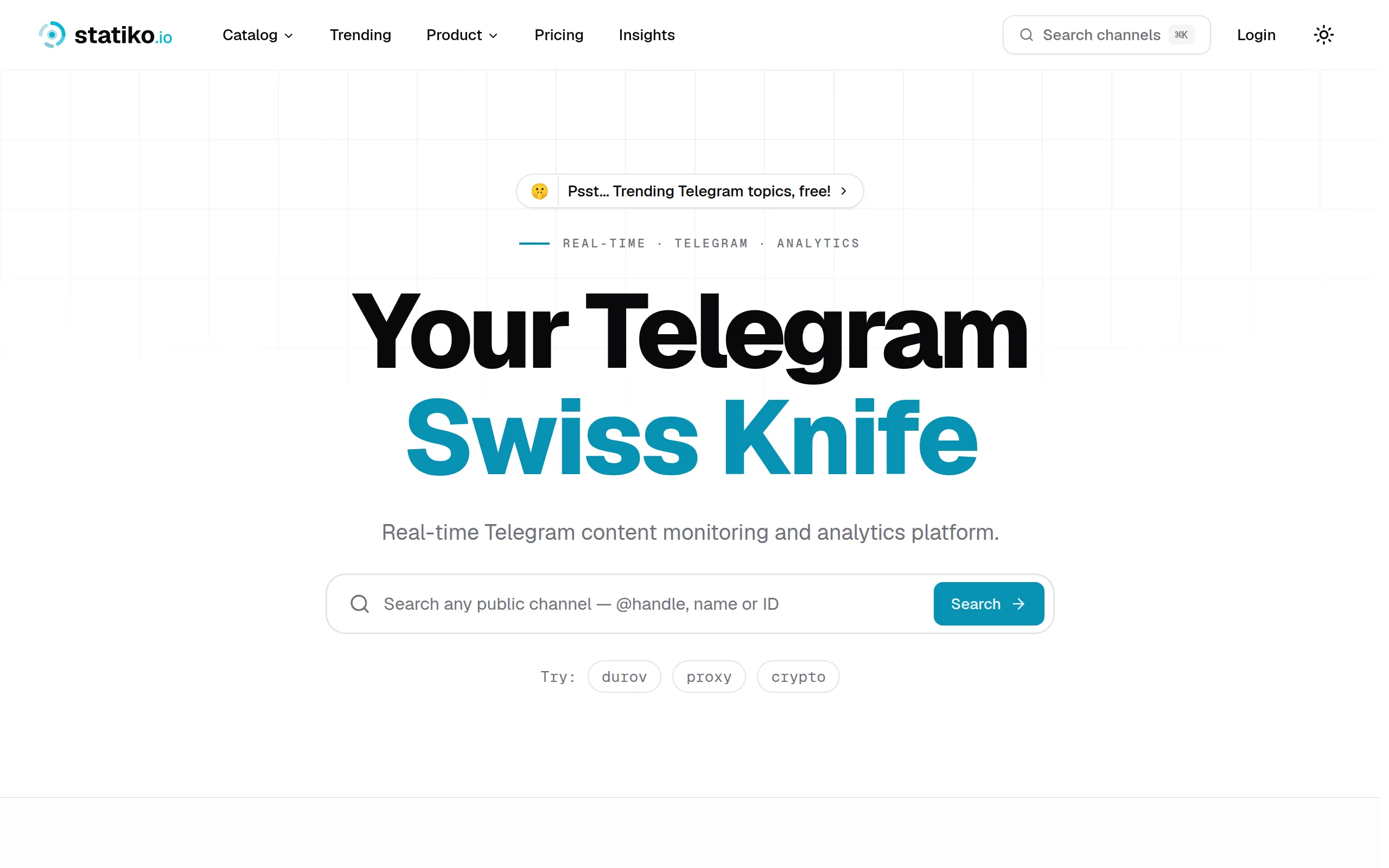
Statiko
Monitor any Telegram channel in real time - track posts, edits, deletions, and growth with AI recaps 📡

Shibui
AI website builder - describe your business, pick a niche template, edit by chatting, and publish instantly ✨
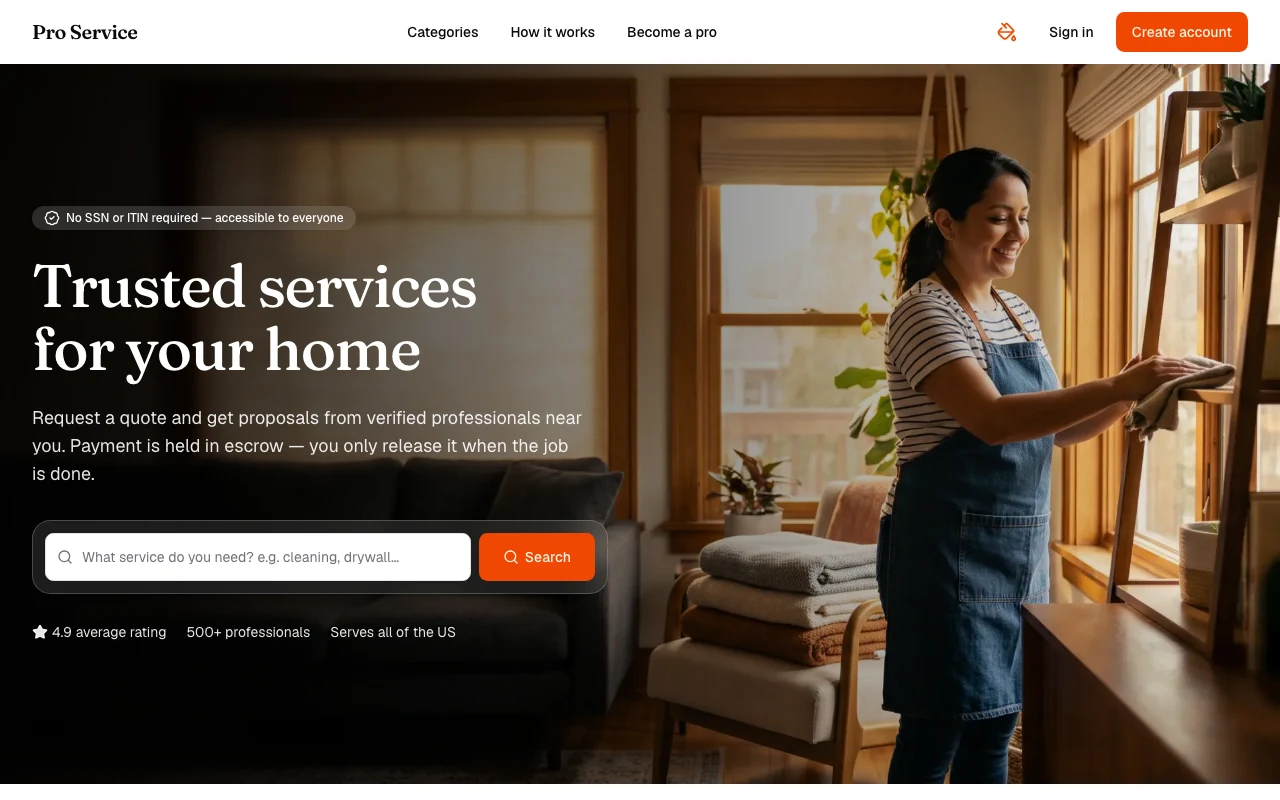
Pro Service
Find verified home service professionals, compare quotes, and pay securely through escrow - built for Brazilians across the US 🏠
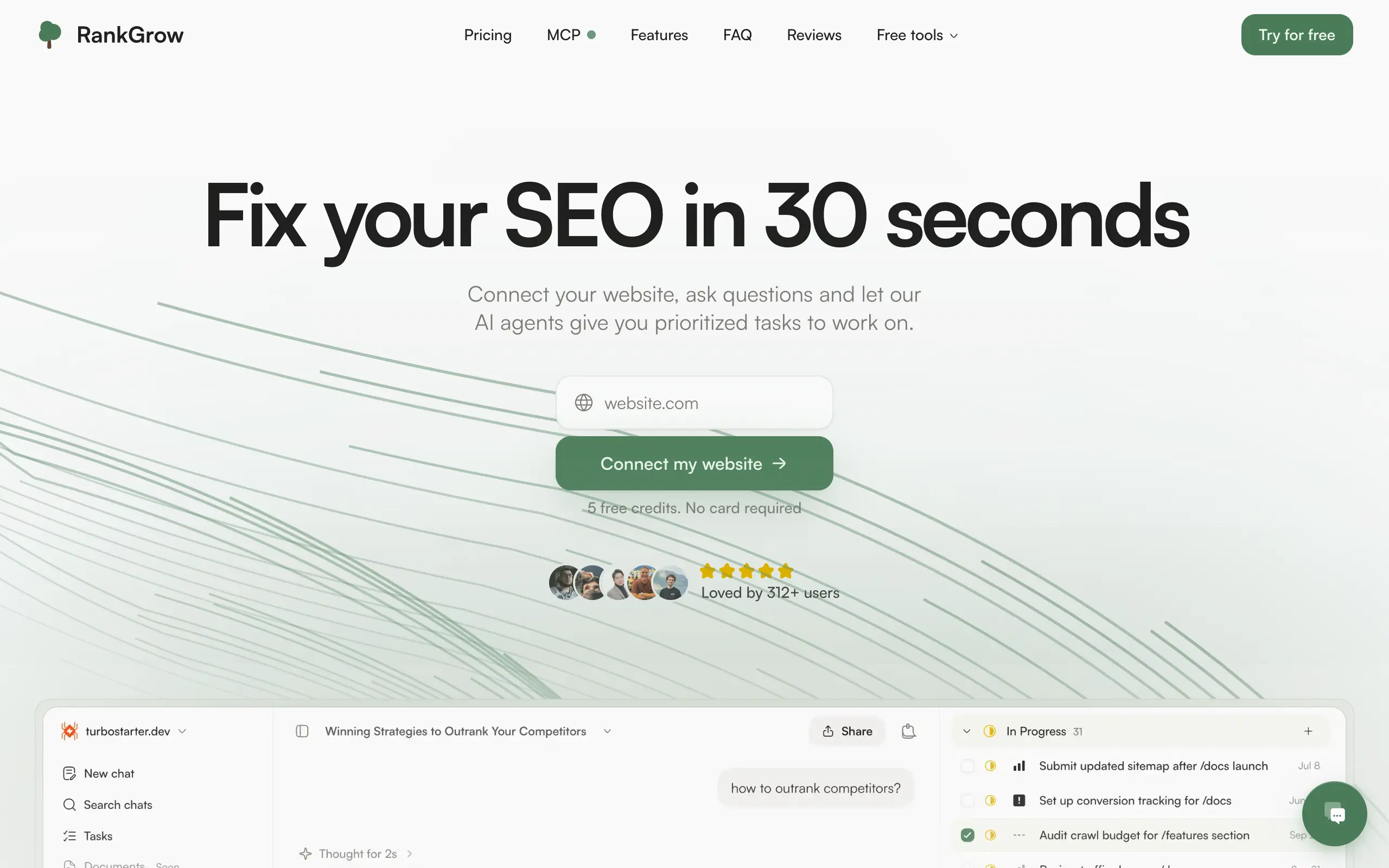
RankGrow
Fix your SEO with AI agents - connect Search Console, get prioritized tasks, and grow organic traffic 📈
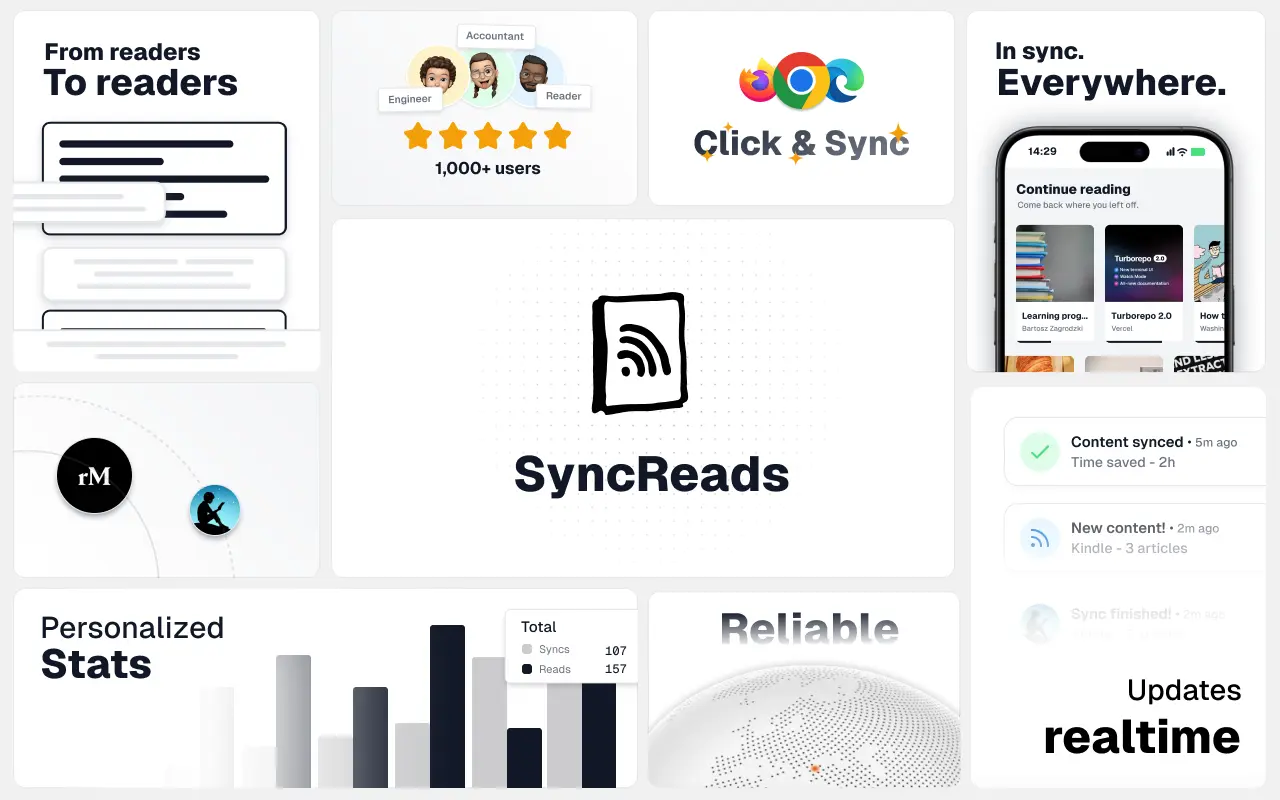
SyncReads
Sync your favorite content for distraction-free reading, save time and replace multiple apps. Anytime, anywhere 🔄
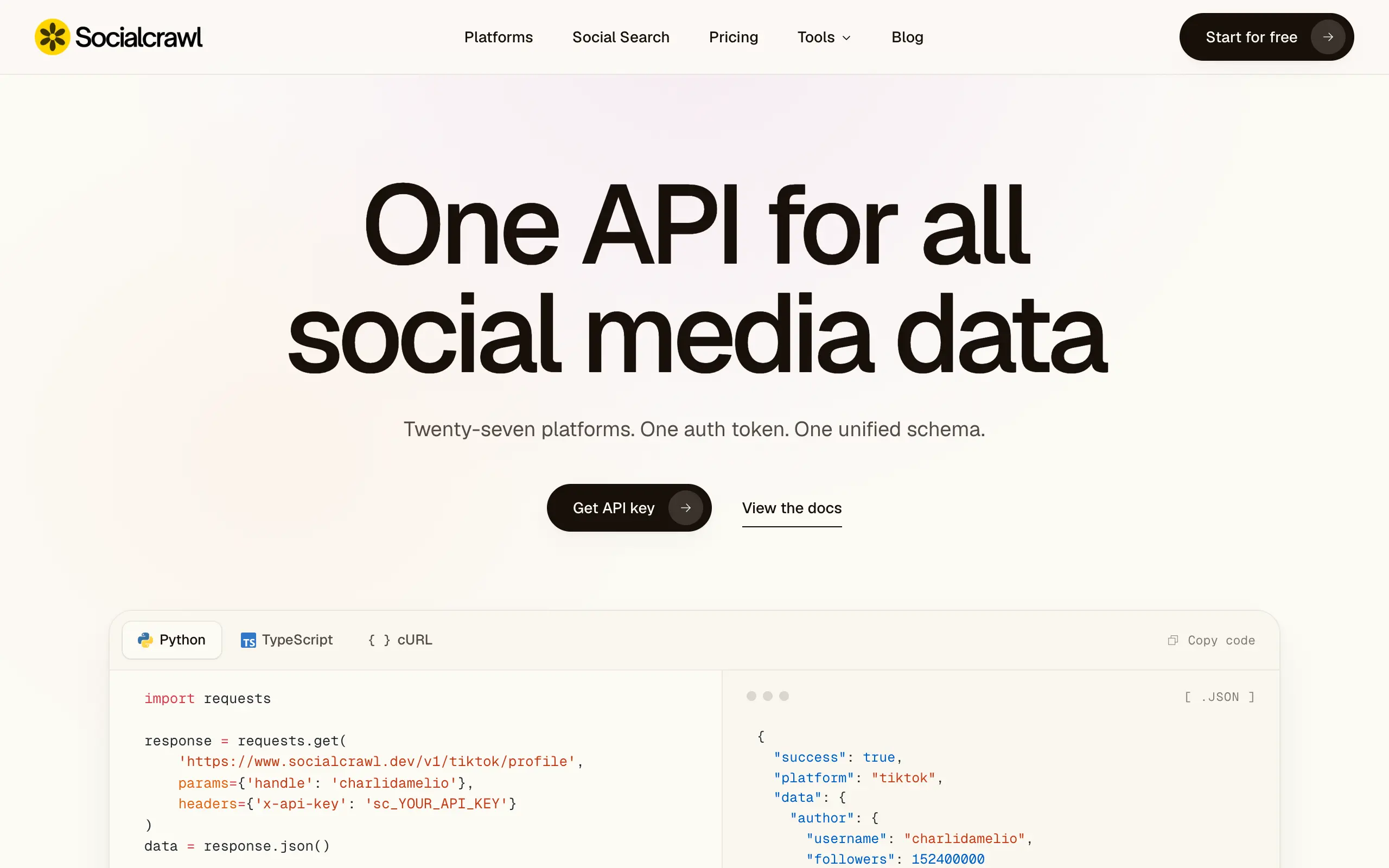
Socialcrawl
Get clean, structured data from 21 platforms like TikTok, Instagram, and YouTube with a single request 📊
Statiko
Monitor any Telegram channel in real time - track posts, edits, deletions, and growth with AI recaps 📡
Shibui
AI website builder - describe your business, pick a niche template, edit by chatting, and publish instantly ✨
Pro Service
Find verified home service professionals, compare quotes, and pay securely through escrow - built for Brazilians across the US 🏠
RankGrow
Fix your SEO with AI agents - connect Search Console, get prioritized tasks, and grow organic traffic 📈
SyncReads
Sync your favorite content for distraction-free reading, save time and replace multiple apps. Anytime, anywhere 🔄
Socialcrawl
Get clean, structured data from 21 platforms like TikTok, Instagram, and YouTube with a single request 📊
Statiko
Monitor any Telegram channel in real time - track posts, edits, deletions, and growth with AI recaps 📡
Shibui
AI website builder - describe your business, pick a niche template, edit by chatting, and publish instantly ✨
Pro Service
Find verified home service professionals, compare quotes, and pay securely through escrow - built for Brazilians across the US 🏠
RankGrow
Fix your SEO with AI agents - connect Search Console, get prioritized tasks, and grow organic traffic 📈
SyncReads
Sync your favorite content for distraction-free reading, save time and replace multiple apps. Anytime, anywhere 🔄
Socialcrawl
Get clean, structured data from 21 platforms like TikTok, Instagram, and YouTube with a single request 📊
Statiko
Monitor any Telegram channel in real time - track posts, edits, deletions, and growth with AI recaps 📡
Shibui
AI website builder - describe your business, pick a niche template, edit by chatting, and publish instantly ✨
Pro Service
Find verified home service professionals, compare quotes, and pay securely through escrow - built for Brazilians across the US 🏠
RankGrow
Fix your SEO with AI agents - connect Search Console, get prioritized tasks, and grow organic traffic 📈
SyncReads
Sync your favorite content for distraction-free reading, save time and replace multiple apps. Anytime, anywhere 🔄
Socialcrawl
Get clean, structured data from 21 platforms like TikTok, Instagram, and YouTube with a single request 📊
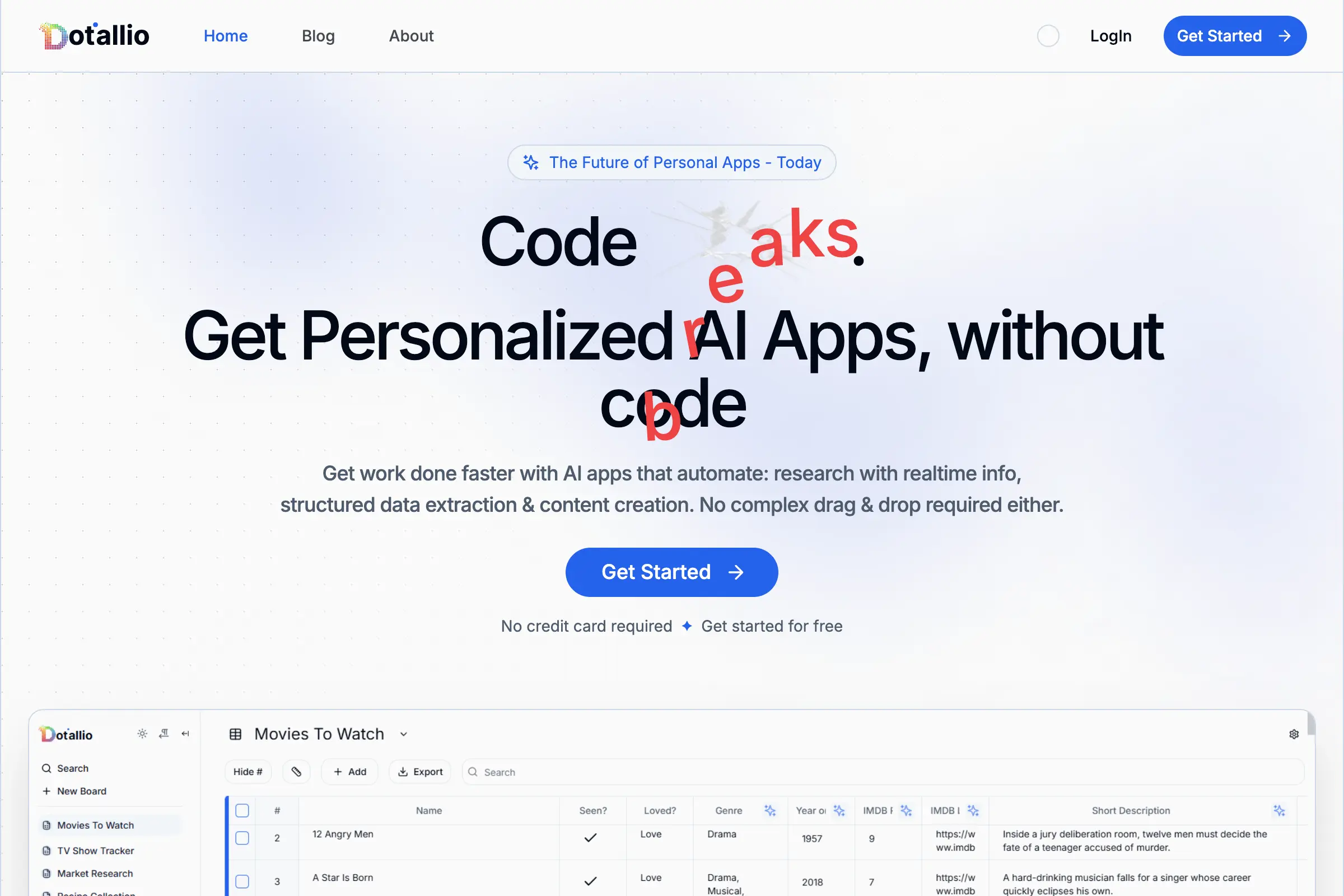
Dotallio
Personalized AI apps that automate research, data extraction, and content creation without code 🤖
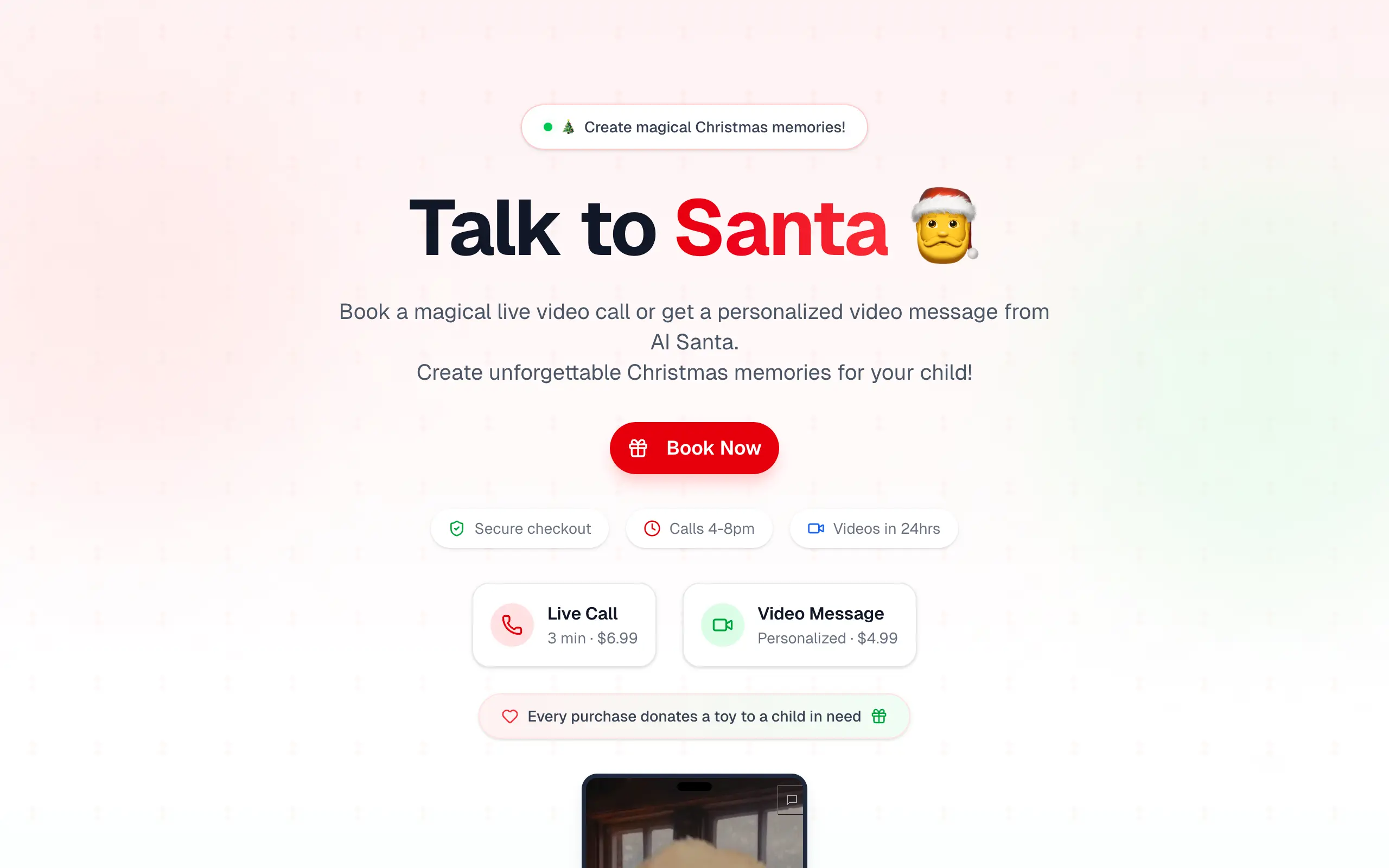
Talk to Santa
Enjoy a magical live video chat or receive a unique AI-generated video greeting from Santa Claus 🎅
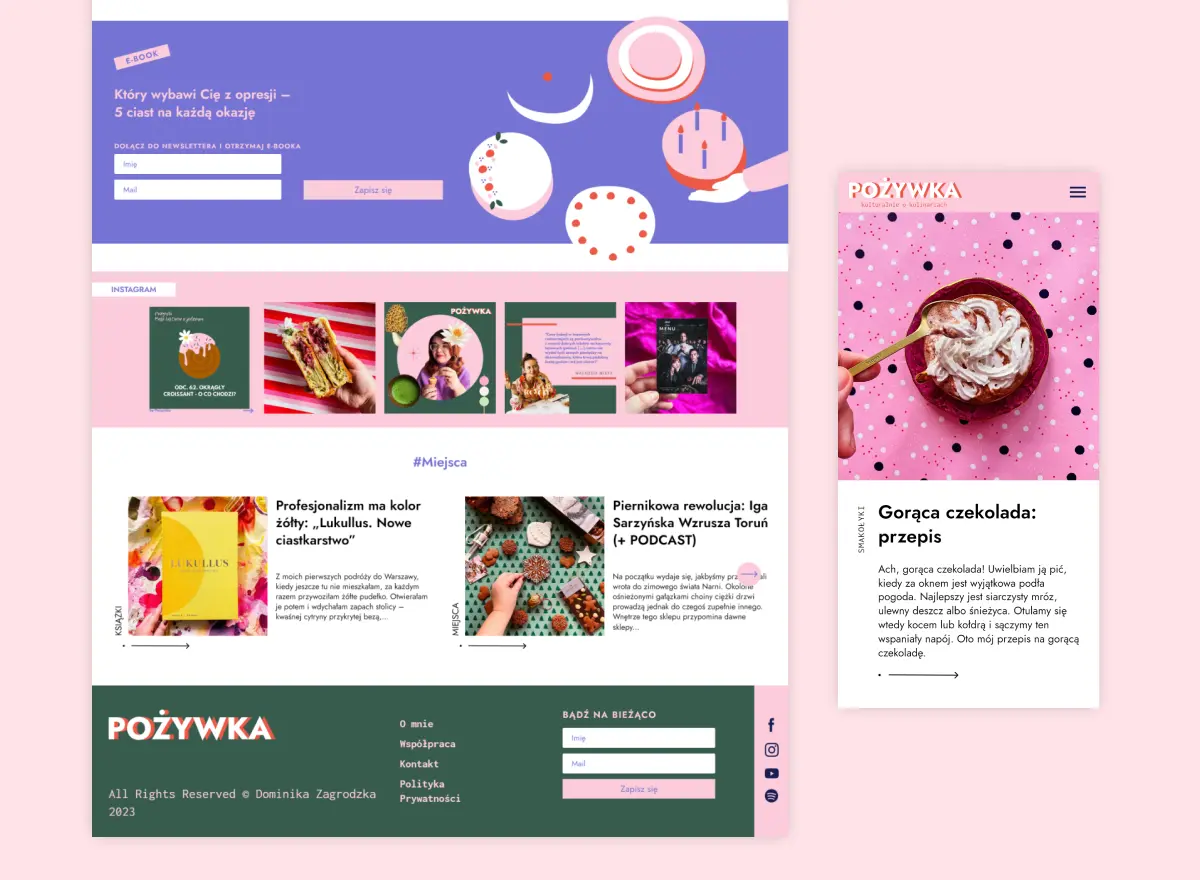
pozywka.pl
Scalable blog for food journalist, focused on performance and user experience 🌭
zagrodzki.me
Personal blog and portfolio of Bart Zagrodzki, where he shares his knowledge and work 💼
TurboStarter
Ship your startup everywhere. In minutes.
HTML to Markdown
Convert HTML to Markdown with ease, directly in your browser 📄
Dotallio
Personalized AI apps that automate research, data extraction, and content creation without code 🤖
Talk to Santa
Enjoy a magical live video chat or receive a unique AI-generated video greeting from Santa Claus 🎅
pozywka.pl
Scalable blog for food journalist, focused on performance and user experience 🌭
zagrodzki.me
Personal blog and portfolio of Bart Zagrodzki, where he shares his knowledge and work 💼
TurboStarter
Ship your startup everywhere. In minutes.
HTML to Markdown
Convert HTML to Markdown with ease, directly in your browser 📄
Dotallio
Personalized AI apps that automate research, data extraction, and content creation without code 🤖
Talk to Santa
Enjoy a magical live video chat or receive a unique AI-generated video greeting from Santa Claus 🎅
pozywka.pl
Scalable blog for food journalist, focused on performance and user experience 🌭
zagrodzki.me
Personal blog and portfolio of Bart Zagrodzki, where he shares his knowledge and work 💼
TurboStarter
Ship your startup everywhere. In minutes.
HTML to Markdown
Convert HTML to Markdown with ease, directly in your browser 📄
Dotallio
Personalized AI apps that automate research, data extraction, and content creation without code 🤖
Talk to Santa
Enjoy a magical live video chat or receive a unique AI-generated video greeting from Santa Claus 🎅
pozywka.pl
Scalable blog for food journalist, focused on performance and user experience 🌭
zagrodzki.me
Personal blog and portfolio of Bart Zagrodzki, where he shares his knowledge and work 💼
TurboStarter
Ship your startup everywhere. In minutes.
HTML to Markdown
Convert HTML to Markdown with ease, directly in your browser 📄
Omichat
Chat with 50+ AI models, including ChatGPT and Claude, in one place - switch models anytime without losing context 🤖
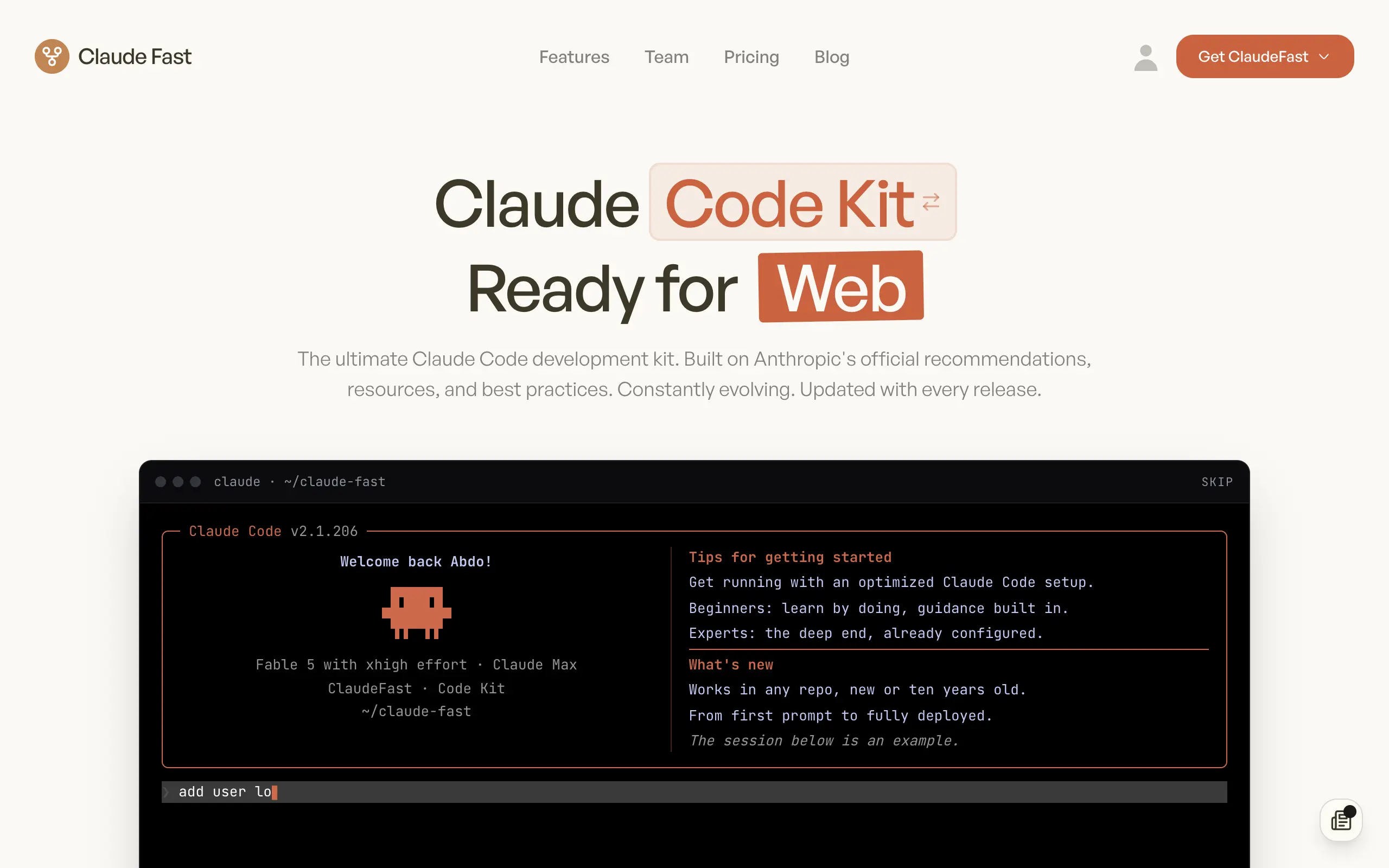
Claude Fast
Supercharge your Claude Code with 6x effective context window and specialized AI agents 🤖
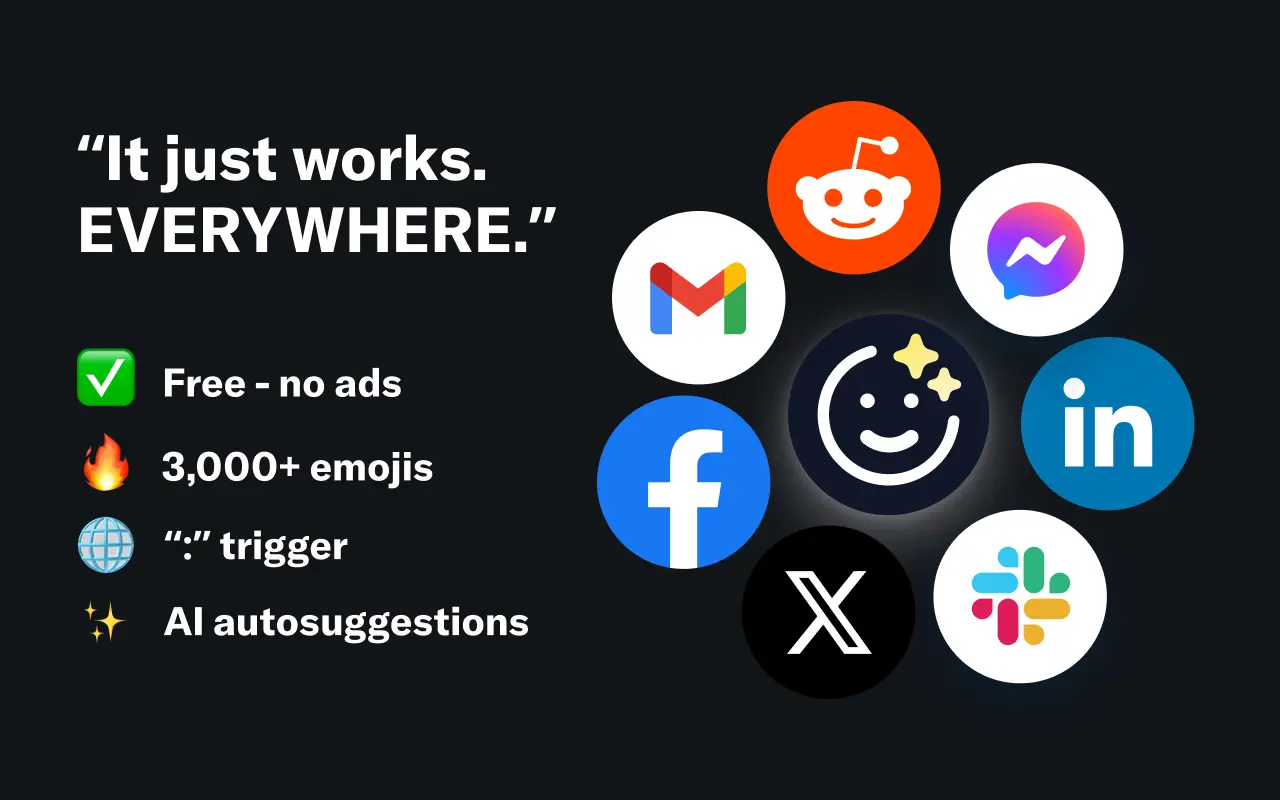
EmojAI
AI-powered emoji picker with smart, context-aware suggestions 🤖
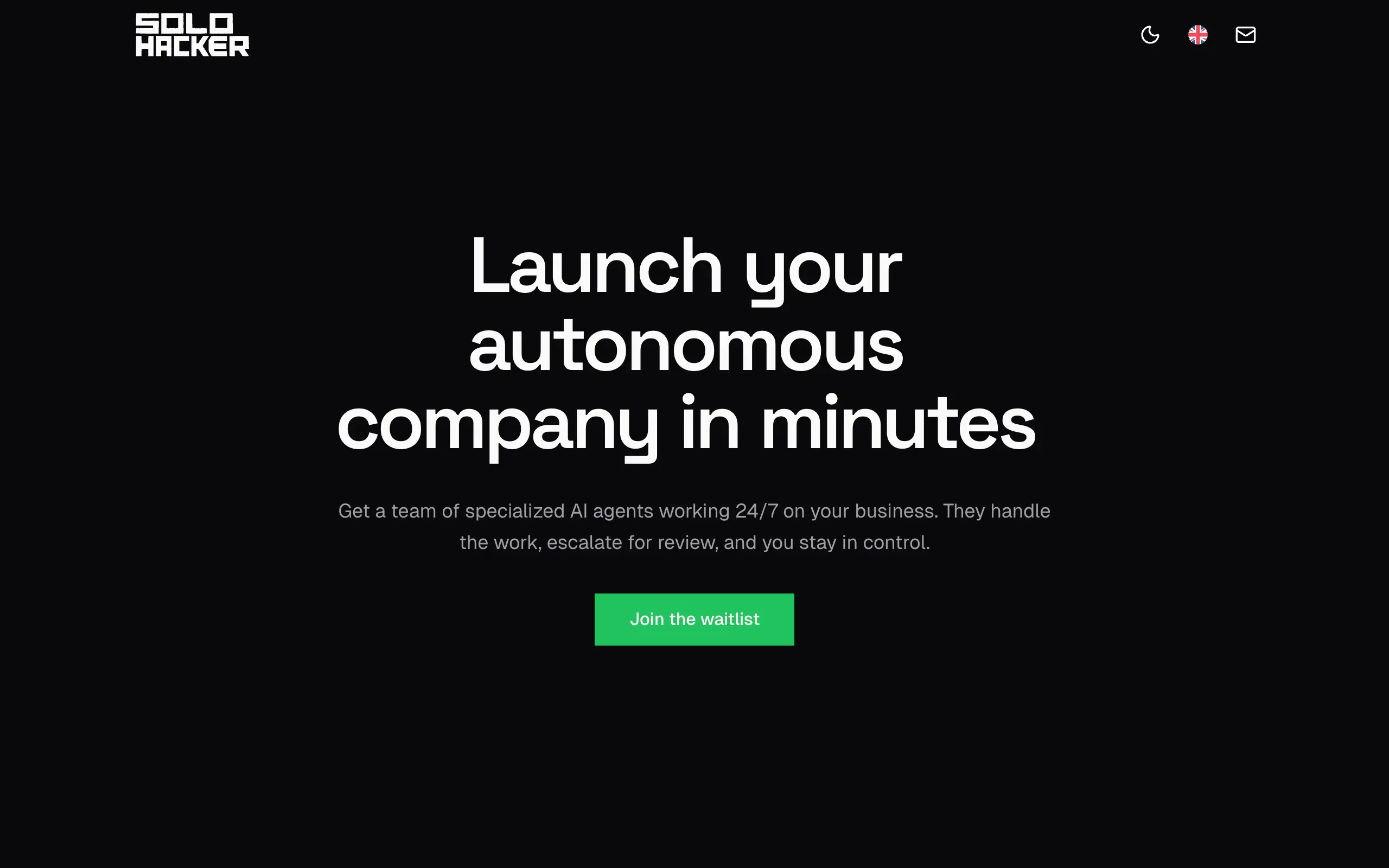
Solohacker
Autonomous company launcher - AI agents work 24/7, escalate what matters, and you stay in control 🤖
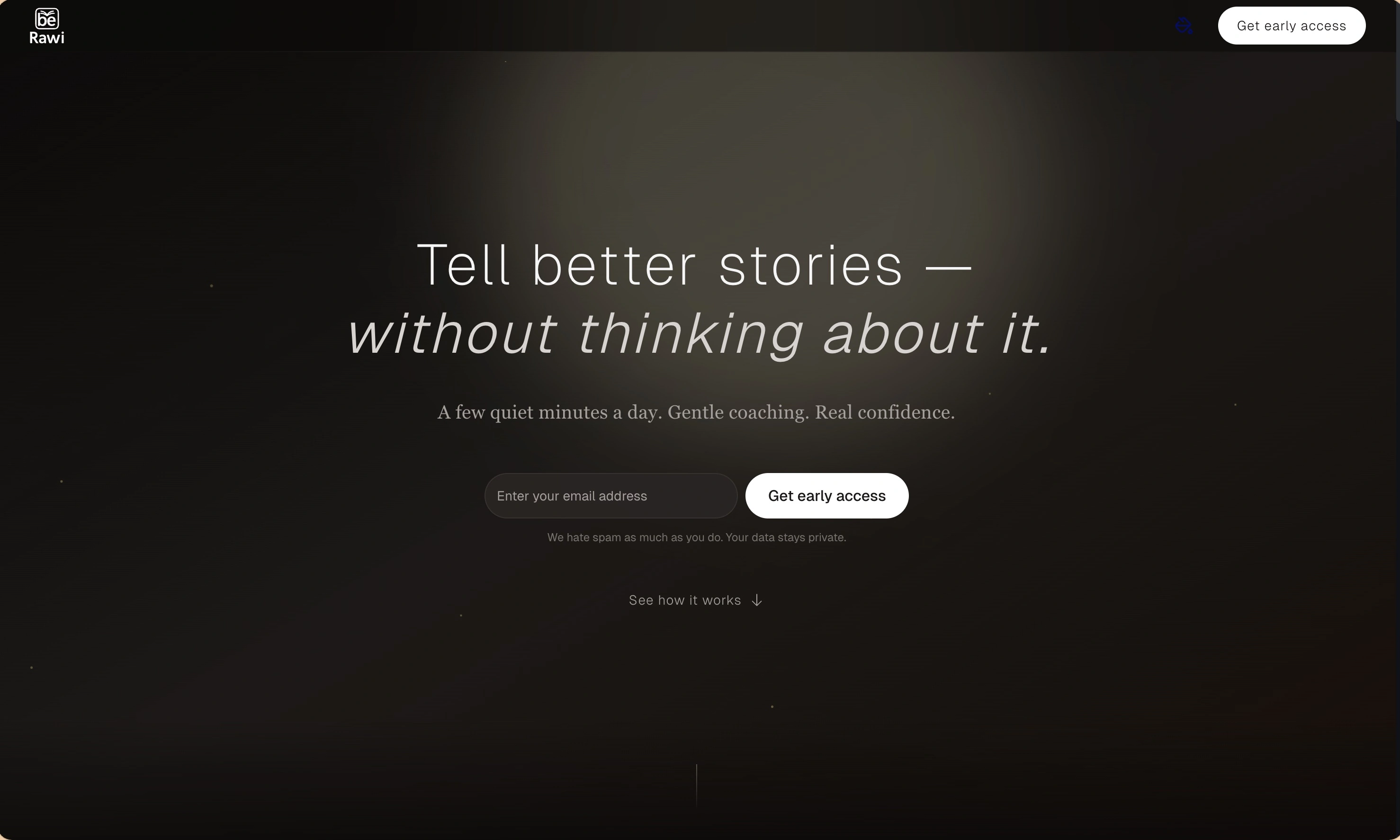
BeRawi: Storytelling Coach
Practice storytelling daily with instant feedback to sound clearer, more engaging, and confident 🎤
Omichat
Chat with 50+ AI models, including ChatGPT and Claude, in one place - switch models anytime without losing context 🤖
Claude Fast
Supercharge your Claude Code with 6x effective context window and specialized AI agents 🤖
EmojAI
AI-powered emoji picker with smart, context-aware suggestions 🤖
Solohacker
Autonomous company launcher - AI agents work 24/7, escalate what matters, and you stay in control 🤖
BeRawi: Storytelling Coach
Practice storytelling daily with instant feedback to sound clearer, more engaging, and confident 🎤
Omichat
Chat with 50+ AI models, including ChatGPT and Claude, in one place - switch models anytime without losing context 🤖
Claude Fast
Supercharge your Claude Code with 6x effective context window and specialized AI agents 🤖
EmojAI
AI-powered emoji picker with smart, context-aware suggestions 🤖
Solohacker
Autonomous company launcher - AI agents work 24/7, escalate what matters, and you stay in control 🤖
BeRawi: Storytelling Coach
Practice storytelling daily with instant feedback to sound clearer, more engaging, and confident 🎤
Omichat
Chat with 50+ AI models, including ChatGPT and Claude, in one place - switch models anytime without losing context 🤖
Claude Fast
Supercharge your Claude Code with 6x effective context window and specialized AI agents 🤖
EmojAI
AI-powered emoji picker with smart, context-aware suggestions 🤖
Solohacker
Autonomous company launcher - AI agents work 24/7, escalate what matters, and you stay in control 🤖
BeRawi: Storytelling Coach
Practice storytelling daily with instant feedback to sound clearer, more engaging, and confident 🎤

Connect with like-minded people
Join our community to get feedback, support, and grow together with 1,000+ builders on board, let's ship it!
Join usShip your startup everywhere. In minutes.
Don't burn tokens on setup and start building features on day one.