CourseLeaf
Build a digital study bundle with licensed wikis, lecture notes, and practice questions tailored to your classes. Buy only the subjects you need.
What CourseLeaf solves for modern students
CourseLeaf is a digital study bundle marketplace that lets students buy focused learning materials for the exact classes and subjects they need. Instead of paying for an oversized subscription library or searching across scattered notes, videos, shared drives, and questionable download sites, students can build a personalized bundle of licensed wikis, lecture notes, study guides, and practice questions.
The core promise is simple: buy only the study resources that match your current coursework.
That positioning matters because the student learning market has a persistent discovery problem. Most students do not need “all biology content” or an entire academic resource platform. They need help with a specific course, a particular unit, an upcoming midterm, or a difficult topic such as cellular respiration, derivatives, microeconomics, or constitutional law.
A well-executed CourseLeaf marketplace can make relevant materials easier to find, more trustworthy to purchase, and safer to use. Its opportunity lies at the intersection of:
- Course-specific study resource discovery
- Licensed educational content distribution
- Practice-based learning tools
- Flexible, student-friendly purchasing
- Creator and publisher monetization
- Academic integrity and content quality controls
Unlike a broad learning management system, CourseLeaf would not need to replace a university’s existing tools. It can complement institutional platforms by helping students organize approved supplemental resources around their personal study goals.
The most important product principle
CourseLeaf should sell confidence, not just files. Students need to know that a resource matches their course, is current, is legally licensed, and will genuinely help them prepare without creating an academic integrity risk.
The digital study bundle market opportunity
The demand for academic support products is clear, but the current experience remains fragmented. Students often rely on a mix of instructor-provided material, commercial textbooks, free online articles, creator-made guides, campus tutoring, flashcard apps, and peer-shared notes.
Each source can be valuable. The problem is that they are rarely organized around the student’s actual course context.
A student taking introductory psychology, for example, may encounter hundreds of general study resources. Yet they may only need material aligned with:
- The assigned textbook edition
- Their institution’s course outline
- The professor’s topic sequence
- An upcoming exam format
- The student’s own weak areas
- The learning outcomes for a particular unit
This is where a course-specific study bundle can provide more value than a broad content library. CourseLeaf can turn a messy resource hunt into a guided purchasing and learning workflow.
Why existing study resource options leave a gap
Students generally face one of four choices.
-
Use only assigned course materials. This can be effective, but it may not include enough practice questions, explanations, or alternative teaching formats.
-
Pay for a large subscription platform. Subscriptions can offer scale, but students may perceive them as expensive when they only need support for one or two courses during a term.
-
Search for free resources online. Free content can be useful, but quality, relevance, accuracy, recency, and licensing are inconsistent.
-
Buy or receive peer notes. Notes can feel highly relevant, but they create quality, copyright, privacy, and academic integrity concerns if the platform lacks moderation.
CourseLeaf can occupy a more trusted middle ground: a marketplace where learners can purchase specific, well-described, rights-cleared educational resources and assemble them into a bundle.
The timing is favorable for modular learning products
Several education technology trends make this model especially relevant:
- Students increasingly expect on-demand, mobile-friendly learning experiences.
- AI-assisted study workflows are raising expectations for personalization and fast explanations.
- Educators and publishers are looking for new ways to monetize supplemental content.
- Learners are more price-sensitive and often resist recurring subscriptions they may not use every month.
- Institutions are paying closer attention to accessibility, copyright compliance, privacy, and academic integrity.
- Short-form content has increased content discovery, but it has not solved the need for structured exam preparation.
When validating market demand, CourseLeaf should cite recent sources from organizations such as UNESCO, EDUCAUSE, the U.S. Department of Education, the National Center for Education Statistics, and reputable higher education research firms. Any market-size estimate should include the report date, geography, methodology, and market definition rather than relying on generic “edtech market” figures.
Who should use CourseLeaf
CourseLeaf should not initially target every learner category. A marketplace becomes more useful when supply quality, subject taxonomy, and buyer intent are concentrated.
The strongest initial customer segments are likely students in large-enrollment, content-dense courses.
Undergraduate students
Students in introductory and intermediate university courses who want affordable, course-relevant support before quizzes, midterms, and finals.
Community college learners
Budget-conscious learners who may need flexible study resources for transfer courses, prerequisites, and career programs.
Professional exam candidates
Learners preparing for structured assessments in fields such as nursing, accounting, technology, and business.
Academic content creators
Subject experts, tutors, teaching assistants, and publishers who need a compliant route to distribute valuable materials.
Primary buyer persona: the overwhelmed course-specific learner
The ideal early CourseLeaf customer is not necessarily a student who loves trying new apps. It is more often a student under time pressure.
They are likely to say things such as:
- “I understand the lectures, but I do not know what to practice.”
- “I only need help with this one difficult course.”
- “I do not want another annual subscription.”
- “I cannot tell whether these notes are relevant to my professor’s syllabus.”
- “I need more practice questions before the exam.”
- “I want explanations, not just answer keys.”
This student’s job to be done is practical: help me find credible study materials for this course, prepare efficiently, and spend only what I need.
CourseLeaf should design every key page around that job.
Secondary persona: the trusted academic creator
The supply side is equally important. CourseLeaf needs knowledgeable contributors who can create valuable resources without compromising intellectual property rules or academic standards.
Potential suppliers include:
- Independent tutors
- Graduate students
- Former teaching assistants
- Academic departments with approved supplemental materials
- Open educational resource publishers
- Textbook and educational publishers
- Licensed subject-matter experts
- Test-prep companies with modular product catalogs
The platform should not assume that every high-quality educator wants to become an influencer or manage ecommerce operations. A creator portal with templates, licensing tools, analytics, and payout infrastructure can be a major differentiator.
The CourseLeaf value proposition and unique selling point
CourseLeaf’s unique selling proposition is not simply “notes for sale.” The stronger proposition is:
A trusted marketplace for building personalized, licensed digital study bundles aligned to the classes and topics students actually need.
This differentiates CourseLeaf from generic file-sharing platforms, all-you-can-eat learning subscriptions, and single-publisher textbook stores.
The platform combines five forms of value:
- Precision through course, topic, textbook, institution, and assessment filters
- Trust through licensing verification, content review, source attribution, and transparent update dates
- Flexibility through one-time purchases, bundles, and optional subscriptions
- Study effectiveness through practice questions, explanations, progress tracking, and active recall
- Creator opportunity through legal distribution, pricing controls, royalty reporting, and audience discovery
A student should be able to arrive with a course name and leave with a bundle that feels curated for their immediate needs.
What a high-value study bundle should include
A CourseLeaf bundle should be more than a downloadable folder. It should function as a structured study product.
A typical bundle might include:
- A licensed concept wiki with plain-language explanations
- Topic summaries mapped to a course syllabus
- Lecture note supplements or instructor-approved study notes
- Practice questions with detailed rationales
- Diagnostic quizzes that identify weak topics
- Flashcards or spaced-repetition prompts
- A study plan organized by exam date
- Source citations and licensing details
- Version history and update notifications
- Accessibility support, including readable layouts and screen-reader-friendly formats
The platform should make clear distinctions between original creator content, licensed publisher material, open educational resources, and student-generated notes. Conflating these content types can create confusion and legal risk.
Designing a better CourseLeaf marketplace experience
The user experience should reduce uncertainty at every stage, from discovery to checkout to study completion.
Course discovery should start with real student language
Students may search in inconsistent ways. One person might enter “BIO 101,” another might search “intro biology,” and another might type “cell biology midterm practice.”
CourseLeaf should support multiple entry paths:
- Institution and course-code search
- Subject and topic search
- Textbook title and edition search
- Professor-independent syllabus topic search
- Exam or assessment-type search
- Career certification search
- “I need help with” natural-language search
Each resource page should include structured metadata that helps students understand fit.
| Metadata field | Why it matters | Example | Student benefit | Quality control |
|---|---|---|---|---|
| Course mapping | Shows relevance | General Chemistry I | Faster selection | Taxonomy review |
| Topic coverage | Clarifies scope | Stoichiometry | Avoids duplicate purchases | Structured tagging |
| Last updated | Shows recency | August 2025 | More confidence | Version history |
| License status | Establishes rights | Publisher licensed | Safer purchase | Rights verification |
Bundle building should feel guided, not overwhelming
A “build your bundle” flow can be CourseLeaf’s signature interaction. Rather than presenting an enormous catalog, ask students a small number of high-value questions.
The recommendation engine should explain its choices. For example, instead of saying “Recommended for you,” it could say:
- Covers the three units selected for your midterm
- Includes 120 original practice questions with explanations
- Matches the selected textbook edition
- Updated for the current academic year
- Offers a lower price when purchased with the lecture summary pack
Transparent recommendations are more trustworthy than opaque personalization.
Practice questions must prioritize learning over answer extraction
Practice questions are likely to be a powerful retention and conversion feature, but quality matters more than volume. A question bank should include:
- Clear learning objective tags
- Difficulty labels
- Correct answers with reasoning
- Explanations for why common distractors are wrong
- Question type labels
- Performance history
- Topic-level review suggestions
- Limits on revealing answers before an honest attempt, where appropriate
CourseLeaf should avoid marketing that implies it can provide real exam questions, leaked assessments, or guaranteed grades. That language invites reputational damage and academic integrity concerns. The brand should focus on original practice materials, approved learning resources, and legitimate preparation.
Content licensing, academic integrity, and trust
For CourseLeaf, trust is not a compliance detail. It is the product.
A marketplace for study resources can become risky quickly if it hosts copyrighted lecture slides, instructor-created exams, answer keys, paid textbook scans, or other materials without permission. The most durable CourseLeaf strategy is to build rights management into supplier onboarding and content publishing.
Create a clear content rights framework
Every item should be classified before it goes live.
- "Original creator content": Material fully owned by the contributor
- "Licensed content": Material distributed under a commercial agreement
- "Openly licensed content": Material used according to its stated open license requirements
- "Institution-approved content": Material authorized by a school, department, or instructor
- "Public-domain content": Material whose copyright status permits reuse
Each classification should trigger a different workflow for attribution, pricing, permitted uses, and documentation.
A content contributor should attest that they own the work or have the rights required to sell it. For higher-risk categories, CourseLeaf should request supporting documentation and route listings through manual review.
Build academic integrity protections into the product
CourseLeaf should publish a clear academic integrity policy that prohibits content designed to facilitate cheating. It should also provide a rapid reporting process for students, instructors, rights holders, and institutions.
Important safeguards include:
- Prohibiting live exam content and unauthorized assessment materials
- Blocking uploads that include answer keys from restricted assignments
- Reviewing content flagged by copyright holders or institutions
- Offering rights-holder takedown workflows
- Maintaining audit logs for uploads and edits
- Removing personal data from shared notes
- Giving schools a route to report course-specific concerns
- Training moderation staff on copyright and academic integrity cases
Avoid the gray-market study material trap
Short-term demand for unauthorized notes or exam materials can look attractive, but it undermines trust, creates legal exposure, and makes institutional partnerships much harder. CourseLeaf should win by being more useful and more credible than unmoderated file-sharing options.
Accessibility should be part of content quality
Accessibility is both an ethical requirement and a marketplace advantage. Students use different devices, assistive technologies, languages, and learning formats.
CourseLeaf should set minimum requirements for:
- Searchable text rather than image-only documents
- Logical heading structures
- Descriptive labels for diagrams and charts
- Readable color contrast
- Keyboard-friendly navigation
- Captions and transcripts for video content
- Adjustable text size and spacing
- Mobile-responsive study experiences
The platform can use content quality badges to reward creators who meet higher accessibility and editorial standards.
Recommended technology stack for CourseLeaf
CourseLeaf is a two-sided ecommerce and learning product. It needs a stack that supports public SEO pages, secure accounts, digital content access, payments, search, moderation, analytics, and creator operations.
For an early-stage SaaS product, optimize for fast iteration without sacrificing core privacy and security controls.
A practical web application stack
A strong initial foundation could include:
- Next.js for server-rendered pages, SEO performance, and full-stack React development
- React for interactive bundle builders, study dashboards, and creator tools
- TypeScript for safer application development as the codebase grows
- Tailwind CSS for rapid, consistent design system implementation
- PostgreSQL for transactional data such as users, orders, licenses, catalogs, and payouts
- Prisma for type-safe database access and schema management
- Stripe for payments, refunds, tax support, and marketplace payout workflows
- S3 or equivalent object storage for protected documents and media
- OpenSearch or Algolia for fast faceted course and topic search
- Sentry for error monitoring and production diagnostics
A launch-ready foundation can be accelerated with TurboStarter, especially when the team needs common SaaS capabilities such as authentication, billing foundations, dashboards, and production deployment patterns without rebuilding boilerplate.
Trade-offs between a monolith and microservices
For the first version, CourseLeaf should generally begin with a modular monolith rather than a complex microservice architecture.
A single application can handle:
- Catalog management
- Student accounts
- Creator dashboards
- Checkout
- Entitlements
- Basic recommendation logic
- Study progress
- Administration and moderation
This approach reduces deployment complexity and helps a small team move quickly. The code should still be organized by domain boundaries so high-demand functions can later be separated.
Potential future service boundaries include:
- Search indexing
- Content processing and document conversion
- Recommendation engine
- AI study assistant
- Payout calculation
- Rights and licensing workflow
- Analytics event pipeline
Protect paid content with entitlements, not just hidden URLs
Digital study resources should not be protected solely by unguessable file links. CourseLeaf needs an entitlement layer that checks whether the user has access before serving content.
A simple access model might resemble the following:
type ContentAccess = {
  userId: string
  productId: string
  source: "purchase" | "bundle" | "subscription" | "institution"
  accessStatus: "active" | "expired" | "revoked"
  grantedAt: Date
  expiresAt?: Date
}

export function canOpenResource(access: ContentAccess | null) {
  return access?.accessStatus === "active"
}
For sensitive or premium material, use short-lived signed URLs, watermarking, access logging, download controls, and rate limits. No technical measure can eliminate copying entirely, but layered protections can reduce casual redistribution and provide useful audit evidence.
Use AI carefully as a study enhancement layer
AI can improve CourseLeaf, but it should not be the entire product. The licensed content catalog and trusted learning workflow are the defensible foundation.
Helpful AI-assisted features may include:
- Generating quizzes from authorized content
- Explaining concepts using retrieved, licensed source material
- Recommending weak-topic review sessions
- Creating study schedules from exam dates
- Summarizing a student’s practice performance
- Helping creators tag content to learning objectives
- Detecting duplicate or potentially copyrighted uploads for human review
Any AI study assistant should clearly distinguish verified source-backed responses from general model-generated explanations. It should avoid inventing citations, exposing private course data, or claiming certainty when the source material is incomplete.
Monetization strategies for a digital study bundle marketplace
CourseLeaf should align pricing with student behavior. Students tend to be highly value-conscious, seasonal, and motivated by immediate academic needs.
The best initial approach is likely a hybrid model rather than a single pricing mechanism.
One-time purchases and bundle discounts
One-time purchases are the clearest match for the “buy only what you need” promise.
Possible pricing structures include:
- Low-cost individual topic packs
- Course-level bundles
- Exam preparation bundles
- Multi-course semester bundles
- Paid upgrades for mock exams or advanced question banks
- Time-limited access for frequently updated premium content
Bundle discounts should be visible and easy to understand. The user should see both the total individual price and the discounted bundle price.
Creator marketplace commission
CourseLeaf can take a percentage of each transaction while allowing creators to set prices within guardrails. The commission should fund:
- Payment processing
- Content hosting and delivery
- Customer support
- Discovery and search
- Moderation and rights management
- Creator analytics
- Affiliate or referral programs
Creators will compare CourseLeaf with direct sales, creator platforms, and tutoring marketplaces. Transparent fees and timely payouts are essential.
Optional student subscription
A subscription can work as an add-on rather than the main product. For example, a membership could include:
- A monthly study credit
- Enhanced progress analytics
- Unlimited access to a selected set of CourseLeaf-original practice tools
- Bundle discounts
- Priority support
- AI study planning features
- Cloud annotation and organization tools
The key is to avoid making students feel forced into a subscription just to access a single resource.
Institutional and publisher partnerships
Longer term, CourseLeaf can offer B2B and B2B2C models:
- Campus bookstore integrations
- Department-approved study packs
- Library-funded access to selected content
- Publisher distribution partnerships
- Employer-sponsored certification preparation
- Tutoring center resource portals
Institutional contracts can improve revenue stability, but they involve longer sales cycles, procurement requirements, accessibility reviews, data security questionnaires, and stakeholder alignment.
Competitive advantage analysis for CourseLeaf
The strongest CourseLeaf moat will not be a simple catalog. Study resources are relatively easy to upload; trust, relevance, and workflow quality are harder to replicate.
| Competitive factor | Generic file sharing | Large subscription library | Traditional publisher store | CourseLeaf opportunity | Defensibility |
|---|---|---|---|---|---|
| Course relevance | Inconsistent | Broad | Catalog dependent | Precise course and topic matching | High |
| Content rights | Often unclear | Usually controlled | Controlled | Visible license verification | High |
| Flexible pricing | Varies | Often subscription-led | Usually title-led | Pay per topic or bundle | Medium |
| Learning workflow | Minimal | Platform dependent | Minimal | Bundle, practice, review, and progress | High |
Build a data flywheel around legitimate learning outcomes
Over time, CourseLeaf can improve recommendations using aggregated and privacy-aware signals such as:
- Which resources students add to bundles
- Which topics drive repeat purchases
- Which practice question types are most useful
- Which materials receive strong completion rates
- Which course mappings lead to refunds or poor ratings
- Which creators maintain high update quality
- Which bundle combinations improve student satisfaction
This data should be used responsibly. CourseLeaf should avoid selling identifiable student learning data and should publish a straightforward privacy policy that explains collection, retention, and user controls.
Quality assurance can become a marketplace moat
An open marketplace often struggles with inconsistent quality. CourseLeaf can differentiate through a tiered quality system.
Essential listings meet baseline requirements for rights attestation, readable formatting, accurate metadata, and clear product descriptions.
Verified listings receive additional checks for course mapping, licensing documentation, update status, and basic editorial quality.
Expert-reviewed listings are evaluated by qualified subject-matter reviewers for accuracy, learning design, accessibility, and explanatory depth.
This approach gives newer creators a way to enter the marketplace while helping students identify higher-assurance content.
Risks CourseLeaf must manage early
CourseLeaf has a promising model, but it also faces meaningful operational risks. Addressing them upfront is cheaper than retrofitting controls after growth.
Copyright and licensing risk
The biggest risk is unauthorized content. A marketplace can be exposed if contributors upload copyrighted textbook pages, lecture slides, assessments, or instructor materials without permission.
Mitigation should include:
- Rights attestation during upload
- Automated duplicate and similarity detection
- Manual review for high-risk categories
- Rights-holder reporting workflows
- Documented takedown procedures
- Repeat-infringer policies
- Creator education about acceptable uploads
- Clear retention of licensing records
Low-quality or outdated materials
Students may lose trust after buying a resource that is incomplete, poorly written, misaligned, or outdated.
Mitigation should include:
- Mandatory update dates
- Content versioning
- Refund rules tied to inaccurate listings
- Quality ratings that emphasize usefulness and relevance
- Sampling previews before purchase
- Structured metadata requirements
- Creator performance monitoring
Cold-start marketplace challenges
CourseLeaf needs both buyers and high-quality supply. Launching too broadly can dilute the experience.
A smarter approach is to start with a narrow wedge such as:
- Introductory STEM courses
- Nursing prerequisites
- Business school core subjects
- First-year university courses
- Specific professional certification categories
Win one category with excellent depth before expanding into hundreds of subjects.
Student willingness to pay
Students may resist paying if comparable-looking content is freely available. CourseLeaf must make paid value obvious through quality, trust, time savings, practice tools, previews, and transparent relevance.
The platform should test pricing through controlled experiments, not assumptions. Measure conversion by course category, format, price point, and exam proximity.
Institutional skepticism
Some faculty members may worry that a study marketplace encourages shortcut-seeking behavior. CourseLeaf should counter this concern with strong academic integrity policies, licensed content, clear learning outcomes, and optional institutional review pathways.
Yes, but only with strict safeguards. The platform should prohibit unauthorized copies of protected instructional materials, require contributors to remove personal information, and use moderation workflows for course-specific risk. Original explanatory notes, study guides, and independently created practice materials are generally a stronger foundation than raw lecture reproductions.
Offer both where appropriate. Original study guides may justify durable access, while frequently updated question banks, publisher-licensed materials, and exam-prep products may need time-limited access. The access period must be prominently disclosed before checkout.
It can, but AI output should be reviewed, attributable where possible, and clearly labeled. For high-stakes subjects, human subject-matter review is essential. AI should enhance authorized materials rather than replace quality assurance.
An actionable implementation plan for CourseLeaf
The best CourseLeaf launch is not a massive marketplace. It is a focused, trusted catalog solving a painful study problem for a clearly defined audience.
Phase one: validate the narrowest viable market
Start with 20 to 50 student interviews across one or two high-demand subjects. Ask about current resource discovery, spending habits, study pain points, trust barriers, and their willingness to purchase a verified bundle.
Validate:
- Whether students prefer one-time purchases or subscriptions
- Which content format they value most
- Whether course-code matching materially improves conversion
- What price range feels reasonable
- Whether they trust independent creators
- What proof of quality they require before buying
Avoid asking only whether they “would use” CourseLeaf. Ask about their last exam, the resources they actually used, what they paid for, and where their study process broke down.
Phase two: launch a curated minimum viable marketplace
The first release should prioritize quality over catalog size.
A practical MVP includes:
- Student account creation
- Course and topic search
- Curated resource catalog
- Resource previews
- Individual and bundle checkout
- Secure content access
- Basic creator onboarding
- Licensing attestation
- Ratings and support workflows
- Admin moderation dashboard
- Refund and takedown process
Do not launch advanced AI tutoring, institutional integrations, or a fully open creator marketplace until the core purchasing and content-quality loop works.
Phase three: measure learning and commercial signals
Track metrics that show whether CourseLeaf is solving a real problem.
- "Conversion rate": Visitors who purchase a resource or bundle
- "Bundle attach rate": Buyers who add multiple complementary resources
- "Refund rate": A leading indicator of poor relevance or quality
- "Repeat purchase rate": Evidence of ongoing marketplace value
- "Content completion rate": Whether students engage after purchase
- "Practice accuracy improvement": A directional learning signal, not a guaranteed outcome claim
- "Creator retention": Whether quality suppliers continue publishing
- "Support ticket themes": A direct source of product insight
Use cohort analysis around academic calendars. Student demand can spike before exams, at the beginning of terms, and during registration periods.
Phase four: expand the trusted ecosystem
Once the initial category has product-market fit, expand deliberately:
- Add adjacent courses with similar user behavior.
- Recruit established academic creators and tutors.
- Introduce verified and expert-reviewed quality tiers.
- Add richer practice and progress features.
- Develop publisher and institutional partnerships.
- Build privacy-aware recommendation systems.
- Offer multilingual and accessibility-first study products.
Final perspective on building CourseLeaf
CourseLeaf has the potential to become a valuable digital study bundle marketplace because it addresses a real student need: finding credible, relevant, affordable academic help without paying for an entire platform or relying on unverified materials.
Its success will depend less on having the largest library and more on creating the most trustworthy path from “I need help with this class” to “I know exactly what to study next.”
The winning version of CourseLeaf should be built around a few non-negotiable principles:
- Sell targeted help rather than generic content access.
- Make licensing and source credibility visible.
- Treat academic integrity as a feature, not a legal disclaimer.
- Give creators a fair, transparent monetization system.
- Use practice, feedback, and organization to make bundles more valuable than PDFs.
- Start with a focused category and prove quality before scaling supply.
- Build long-term trust with students, educators, institutions, and rights holders.
When CourseLeaf consistently helps students discover the right resource at the right moment, it can move beyond ecommerce and become a trusted academic support layer for modern learning.
More 🛒 E-commerce SaaS ideas
Discover more innovative e-commerce SaaS ideas that are trending in 2026. Each idea is AI-generated with market validation and growth potential to help you find your next profitable venture faster than competitors.
Your competitors are building with TurboStarter
Below are some of the SaaS ideas that have been generated and built with our starter kit.
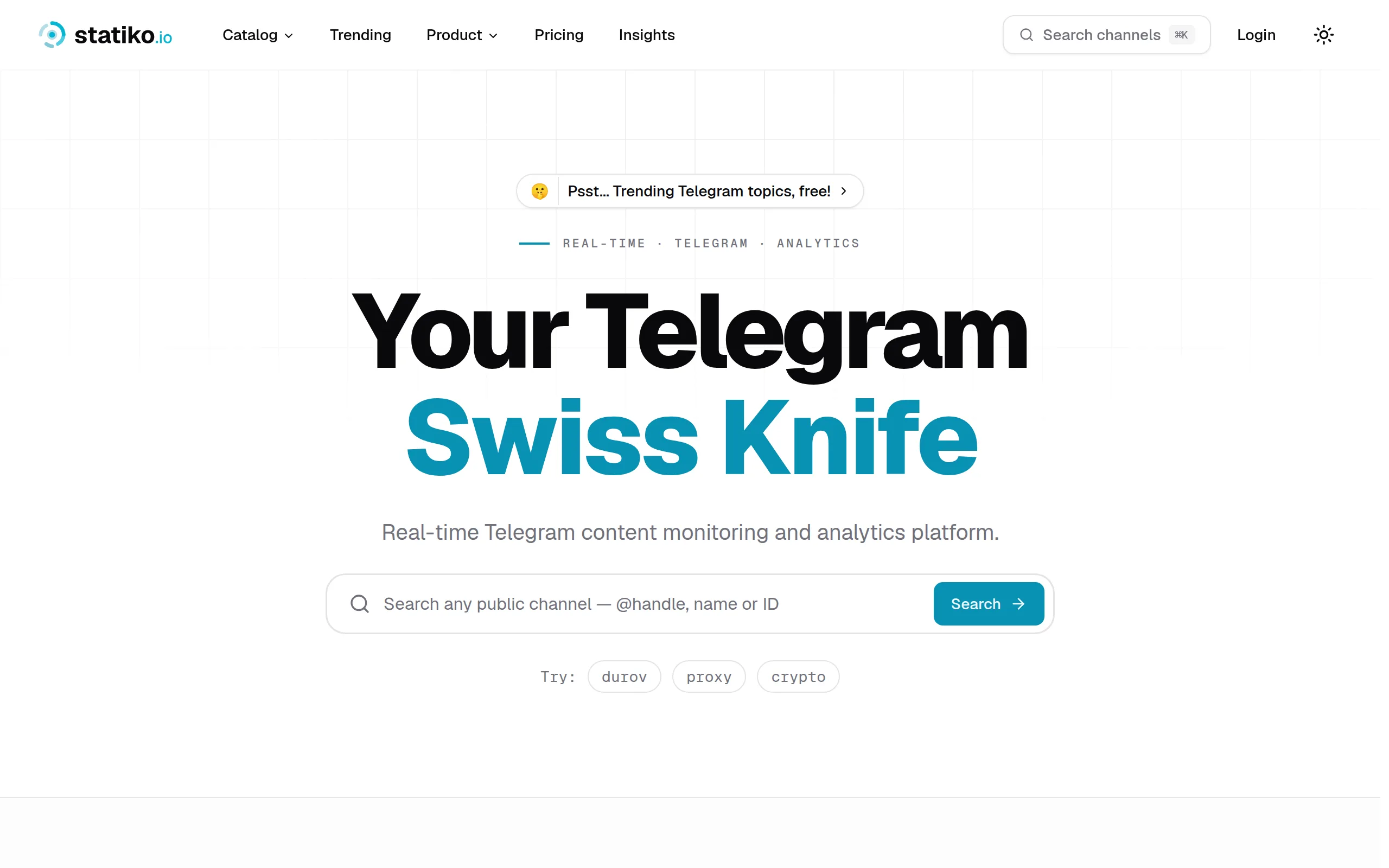
Statiko
Monitor any Telegram channel in real time - track posts, edits, deletions, and growth with AI recaps 📡

Shibui
AI website builder - describe your business, pick a niche template, edit by chatting, and publish instantly ✨

Pro Service
Find verified home service professionals, compare quotes, and pay securely through escrow - built for Brazilians across the US 🏠
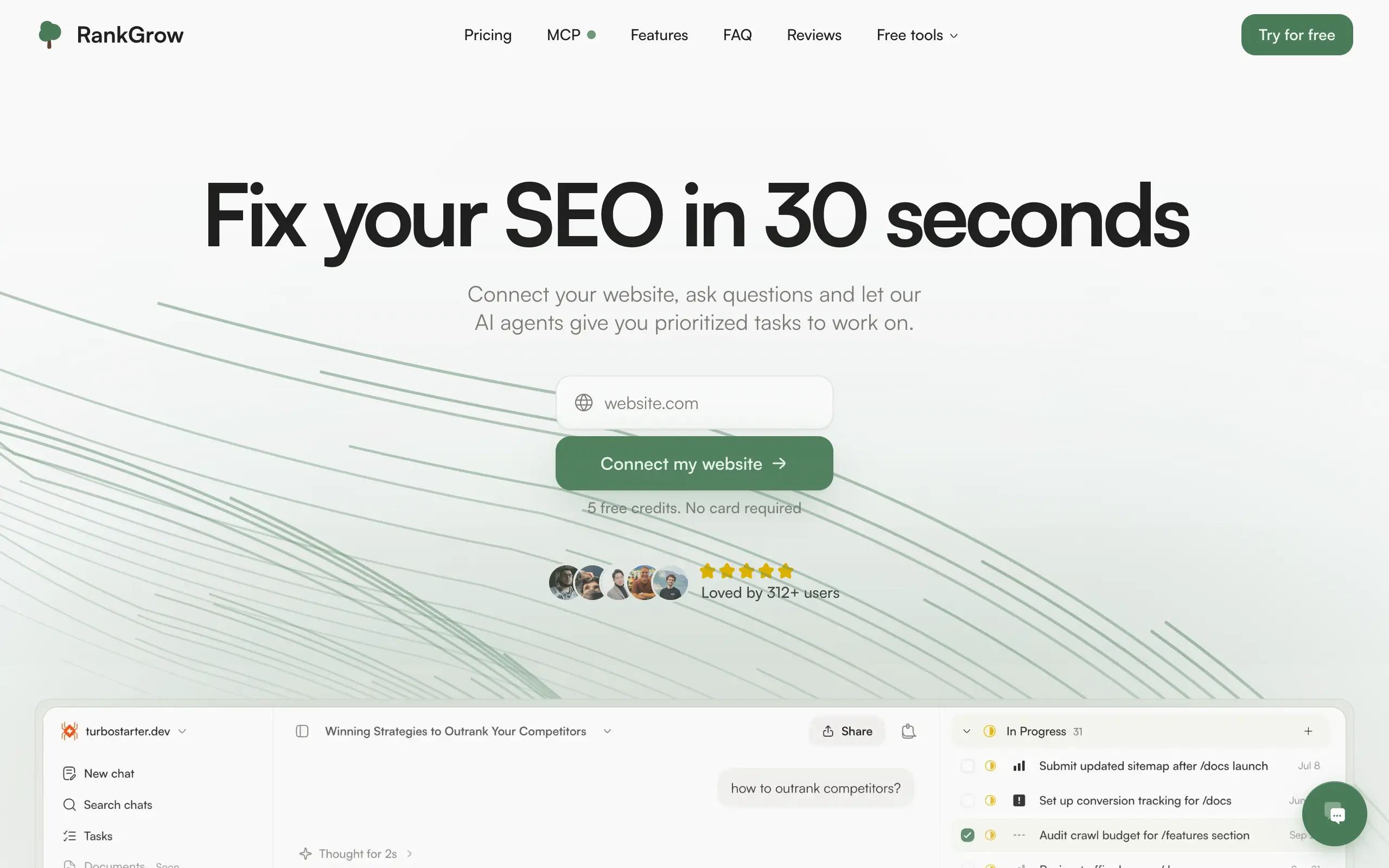
RankGrow
Fix your SEO with AI agents - connect Search Console, get prioritized tasks, and grow organic traffic 📈
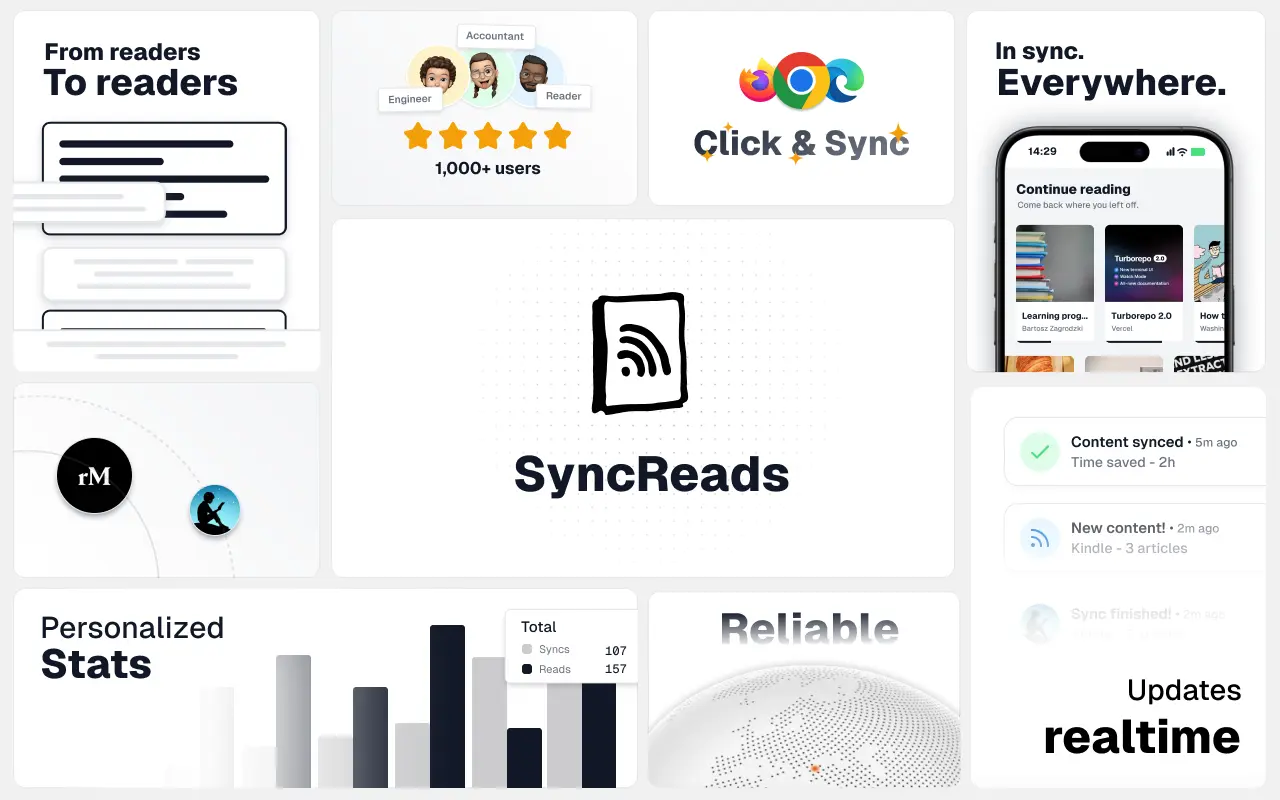
SyncReads
Sync your favorite content for distraction-free reading, save time and replace multiple apps. Anytime, anywhere 🔄
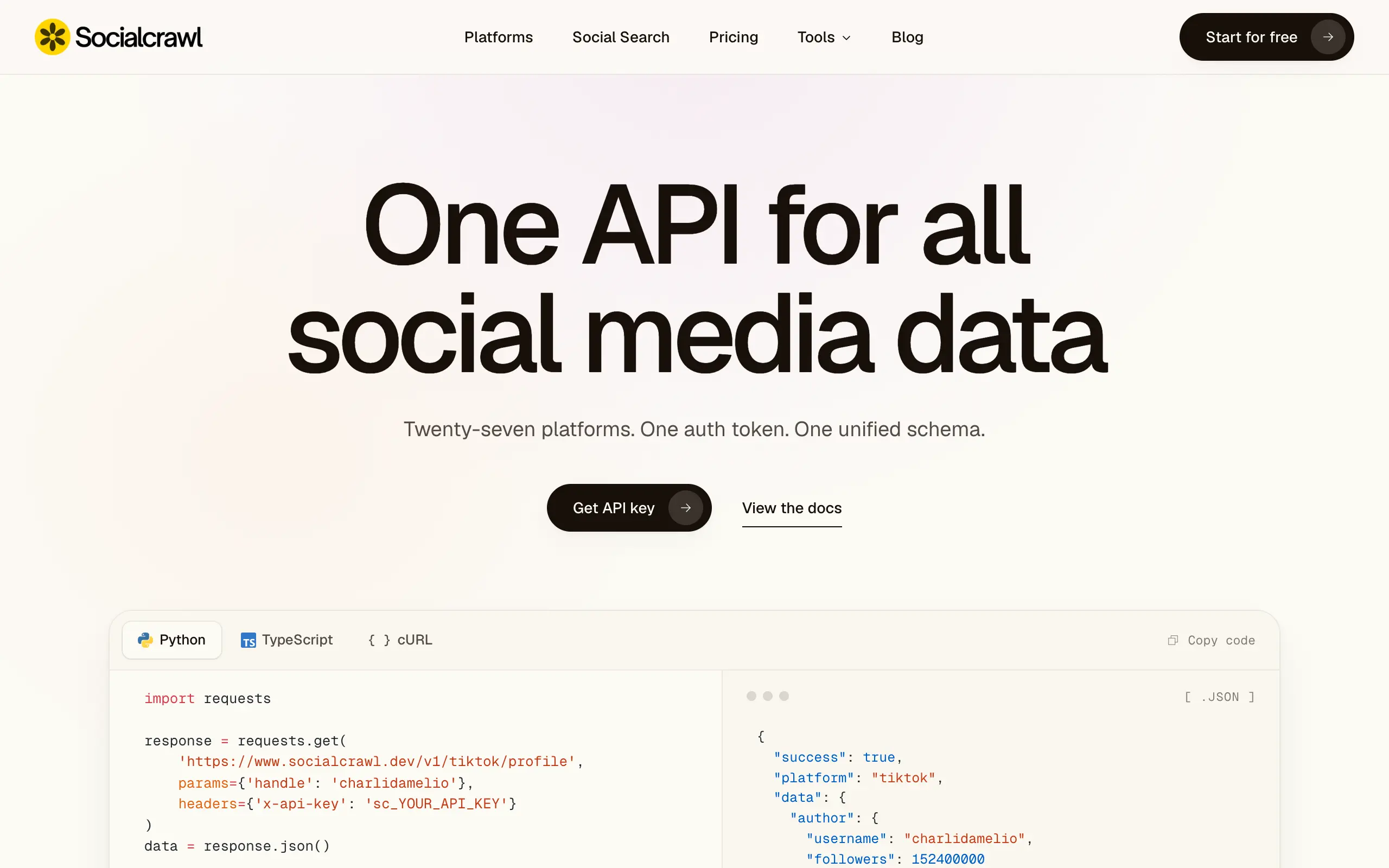
Socialcrawl
Get clean, structured data from 21 platforms like TikTok, Instagram, and YouTube with a single request 📊
Statiko
Monitor any Telegram channel in real time - track posts, edits, deletions, and growth with AI recaps 📡
Shibui
AI website builder - describe your business, pick a niche template, edit by chatting, and publish instantly ✨
Pro Service
Find verified home service professionals, compare quotes, and pay securely through escrow - built for Brazilians across the US 🏠
RankGrow
Fix your SEO with AI agents - connect Search Console, get prioritized tasks, and grow organic traffic 📈
SyncReads
Sync your favorite content for distraction-free reading, save time and replace multiple apps. Anytime, anywhere 🔄
Socialcrawl
Get clean, structured data from 21 platforms like TikTok, Instagram, and YouTube with a single request 📊
Statiko
Monitor any Telegram channel in real time - track posts, edits, deletions, and growth with AI recaps 📡
Shibui
AI website builder - describe your business, pick a niche template, edit by chatting, and publish instantly ✨
Pro Service
Find verified home service professionals, compare quotes, and pay securely through escrow - built for Brazilians across the US 🏠
RankGrow
Fix your SEO with AI agents - connect Search Console, get prioritized tasks, and grow organic traffic 📈
SyncReads
Sync your favorite content for distraction-free reading, save time and replace multiple apps. Anytime, anywhere 🔄
Socialcrawl
Get clean, structured data from 21 platforms like TikTok, Instagram, and YouTube with a single request 📊
Statiko
Monitor any Telegram channel in real time - track posts, edits, deletions, and growth with AI recaps 📡
Shibui
AI website builder - describe your business, pick a niche template, edit by chatting, and publish instantly ✨
Pro Service
Find verified home service professionals, compare quotes, and pay securely through escrow - built for Brazilians across the US 🏠
RankGrow
Fix your SEO with AI agents - connect Search Console, get prioritized tasks, and grow organic traffic 📈
SyncReads
Sync your favorite content for distraction-free reading, save time and replace multiple apps. Anytime, anywhere 🔄
Socialcrawl
Get clean, structured data from 21 platforms like TikTok, Instagram, and YouTube with a single request 📊
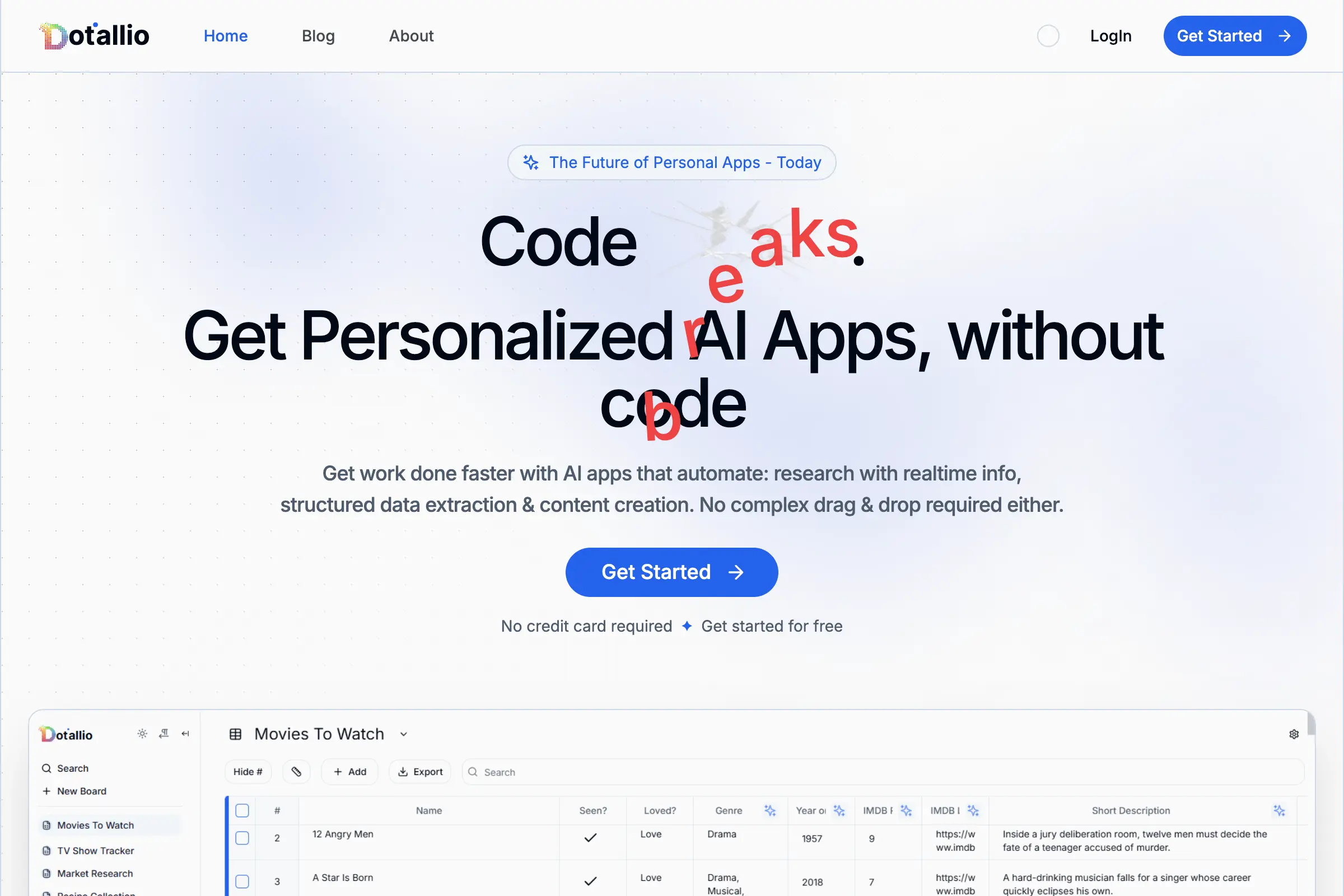
Dotallio
Personalized AI apps that automate research, data extraction, and content creation without code 🤖

Talk to Santa
Enjoy a magical live video chat or receive a unique AI-generated video greeting from Santa Claus 🎅
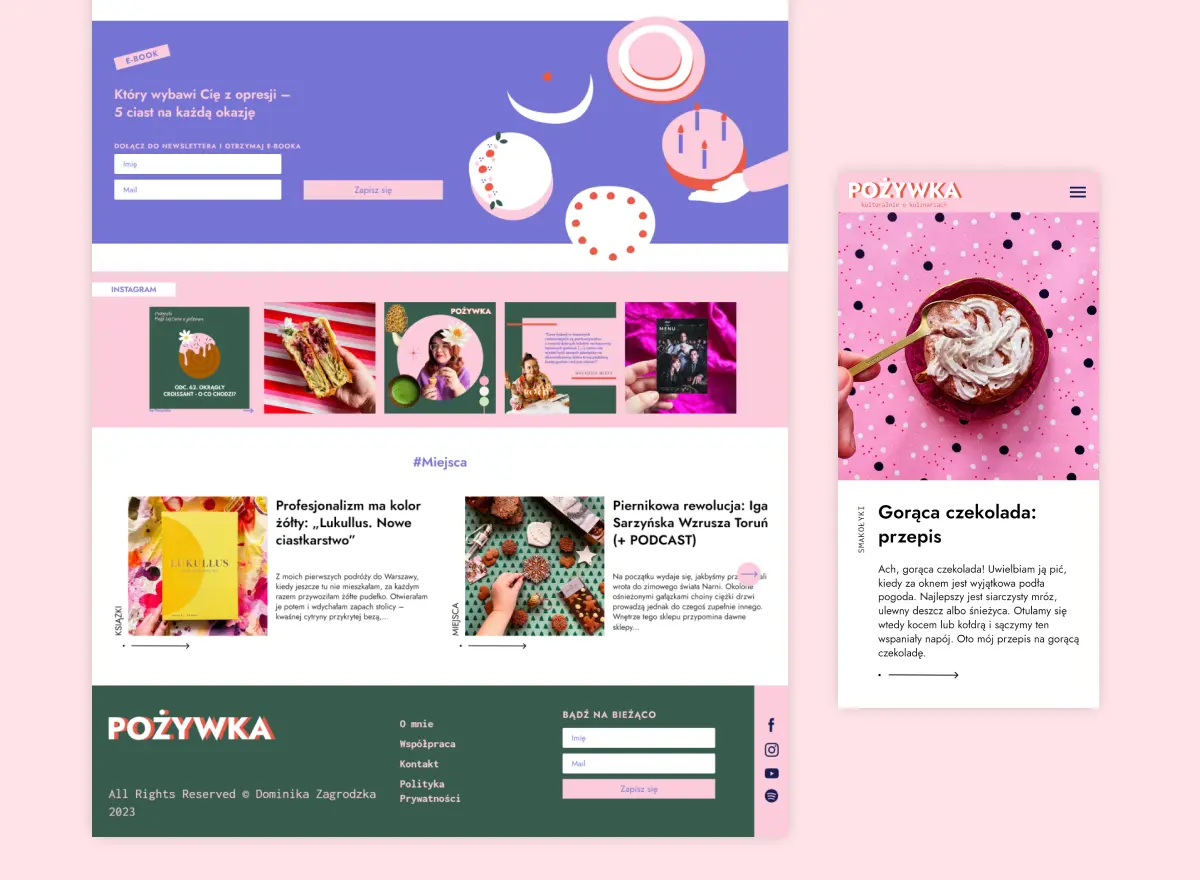
pozywka.pl
Scalable blog for food journalist, focused on performance and user experience 🌭
zagrodzki.me
Personal blog and portfolio of Bart Zagrodzki, where he shares his knowledge and work 💼
TurboStarter
Ship your startup everywhere. In minutes.
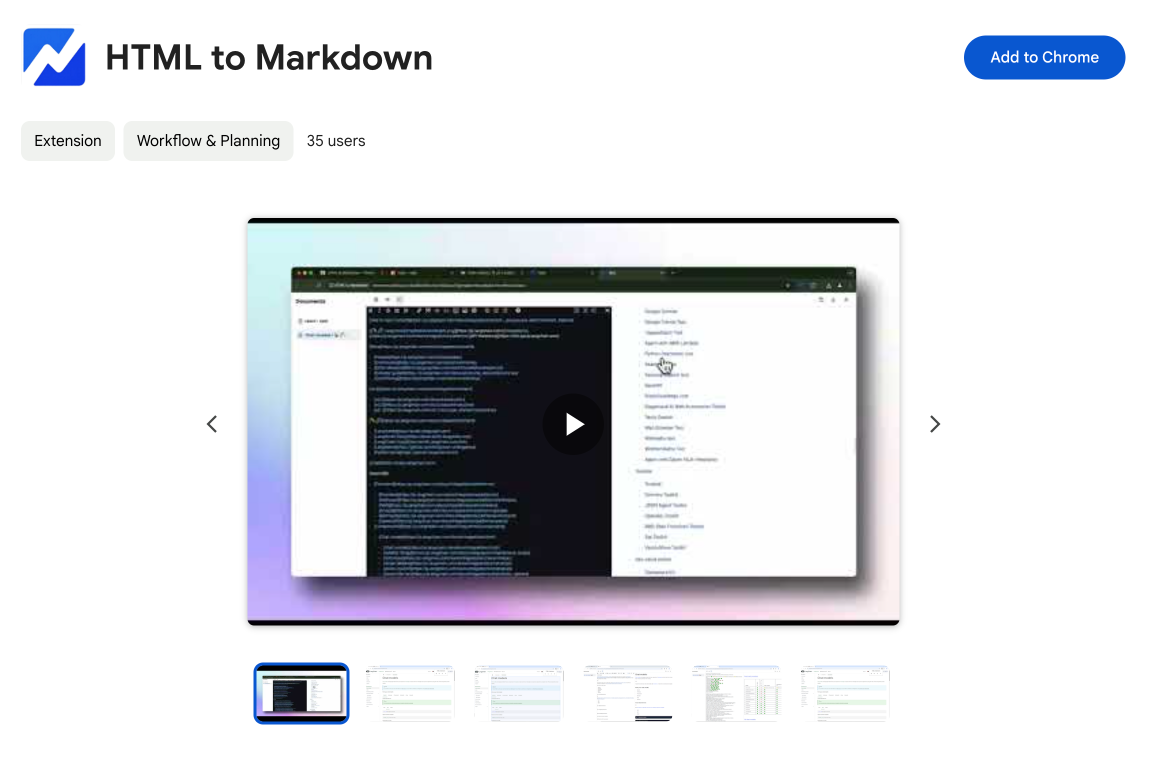
HTML to Markdown
Convert HTML to Markdown with ease, directly in your browser 📄
Dotallio
Personalized AI apps that automate research, data extraction, and content creation without code 🤖
Talk to Santa
Enjoy a magical live video chat or receive a unique AI-generated video greeting from Santa Claus 🎅
pozywka.pl
Scalable blog for food journalist, focused on performance and user experience 🌭
zagrodzki.me
Personal blog and portfolio of Bart Zagrodzki, where he shares his knowledge and work 💼
TurboStarter
Ship your startup everywhere. In minutes.
HTML to Markdown
Convert HTML to Markdown with ease, directly in your browser 📄
Dotallio
Personalized AI apps that automate research, data extraction, and content creation without code 🤖
Talk to Santa
Enjoy a magical live video chat or receive a unique AI-generated video greeting from Santa Claus 🎅
pozywka.pl
Scalable blog for food journalist, focused on performance and user experience 🌭
zagrodzki.me
Personal blog and portfolio of Bart Zagrodzki, where he shares his knowledge and work 💼
TurboStarter
Ship your startup everywhere. In minutes.
HTML to Markdown
Convert HTML to Markdown with ease, directly in your browser 📄
Dotallio
Personalized AI apps that automate research, data extraction, and content creation without code 🤖
Talk to Santa
Enjoy a magical live video chat or receive a unique AI-generated video greeting from Santa Claus 🎅
pozywka.pl
Scalable blog for food journalist, focused on performance and user experience 🌭
zagrodzki.me
Personal blog and portfolio of Bart Zagrodzki, where he shares his knowledge and work 💼
TurboStarter
Ship your startup everywhere. In minutes.
HTML to Markdown
Convert HTML to Markdown with ease, directly in your browser 📄
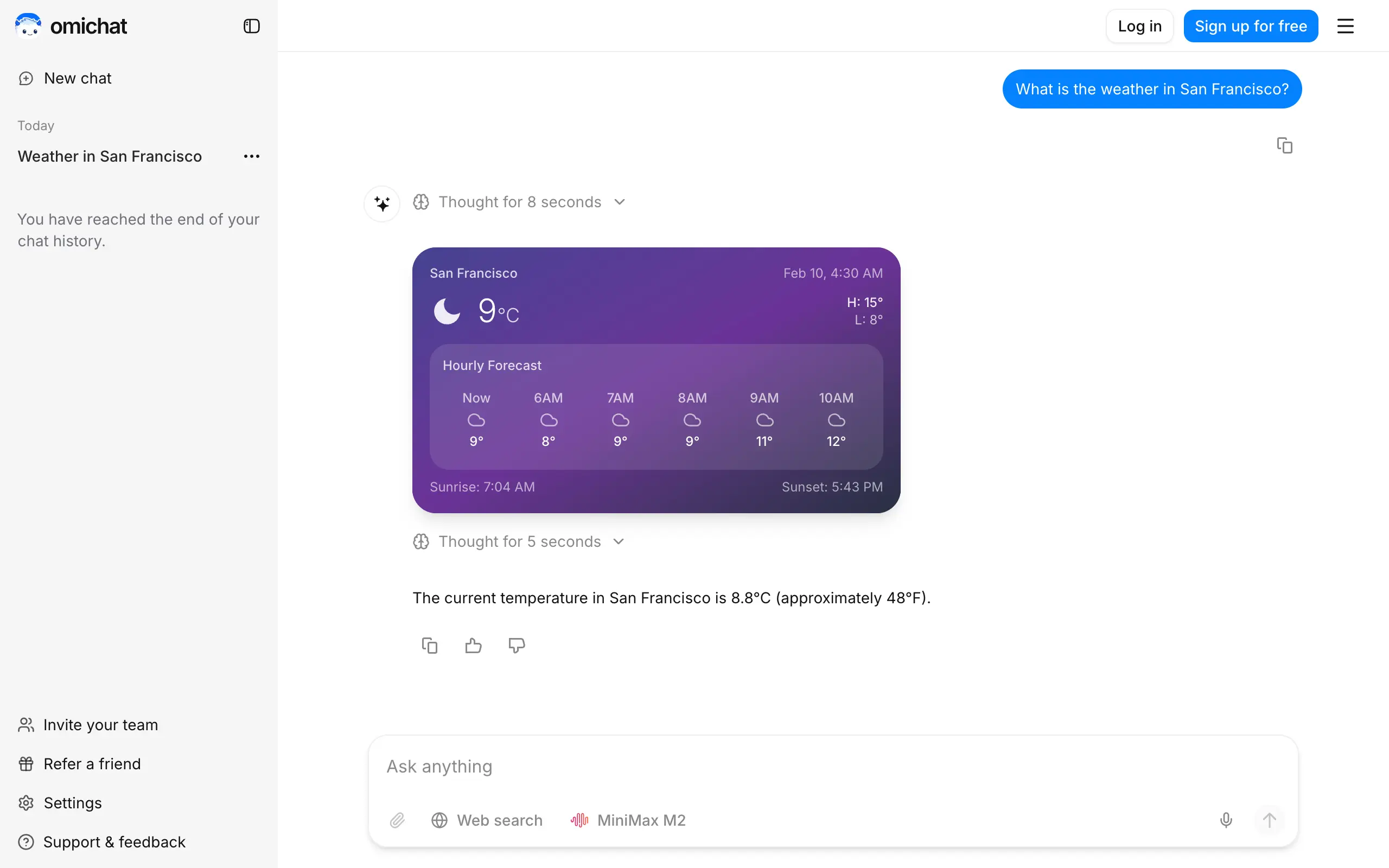
Omichat
Chat with 50+ AI models, including ChatGPT and Claude, in one place - switch models anytime without losing context 🤖
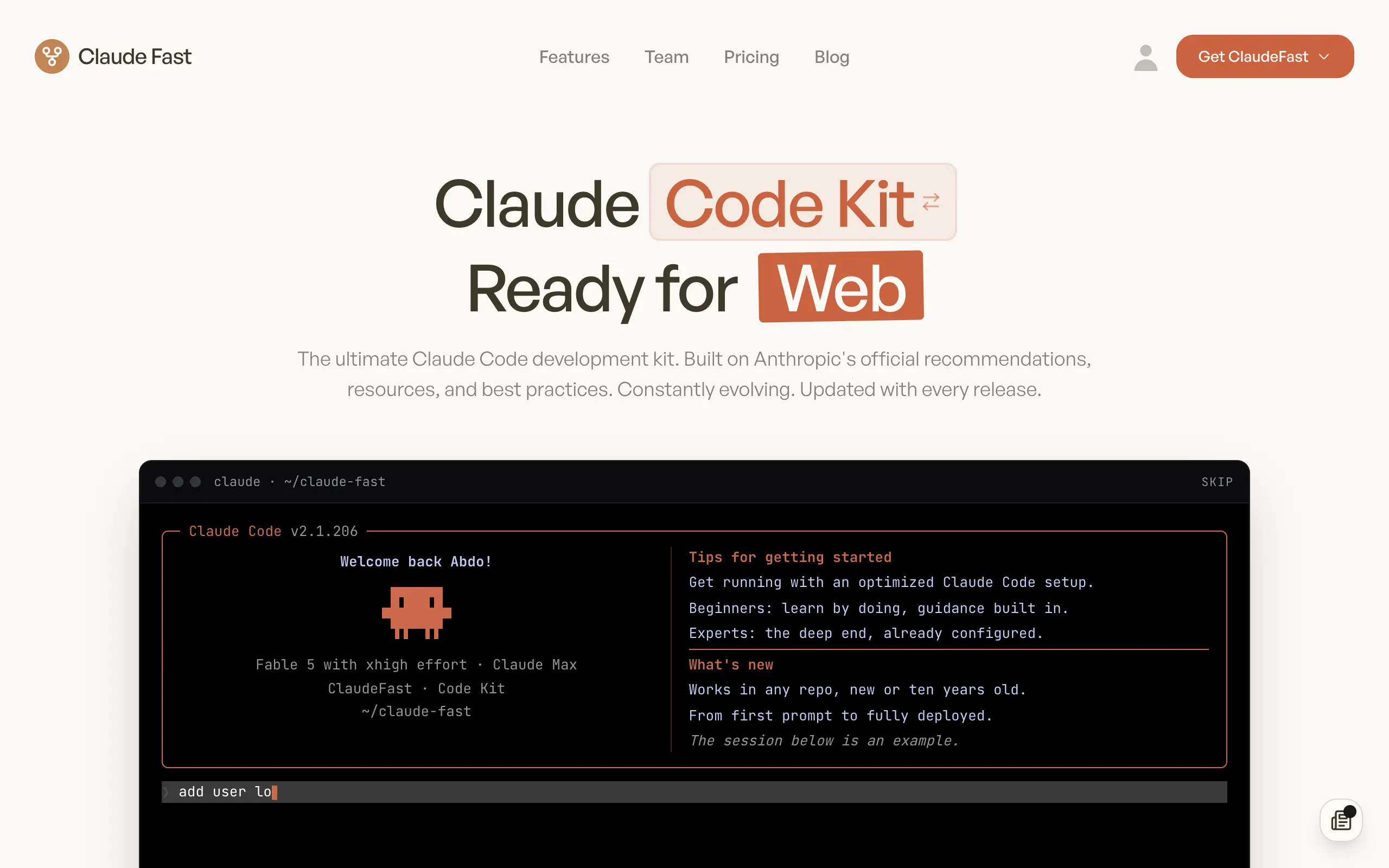
Claude Fast
Supercharge your Claude Code with 6x effective context window and specialized AI agents 🤖
EmojAI
AI-powered emoji picker with smart, context-aware suggestions 🤖
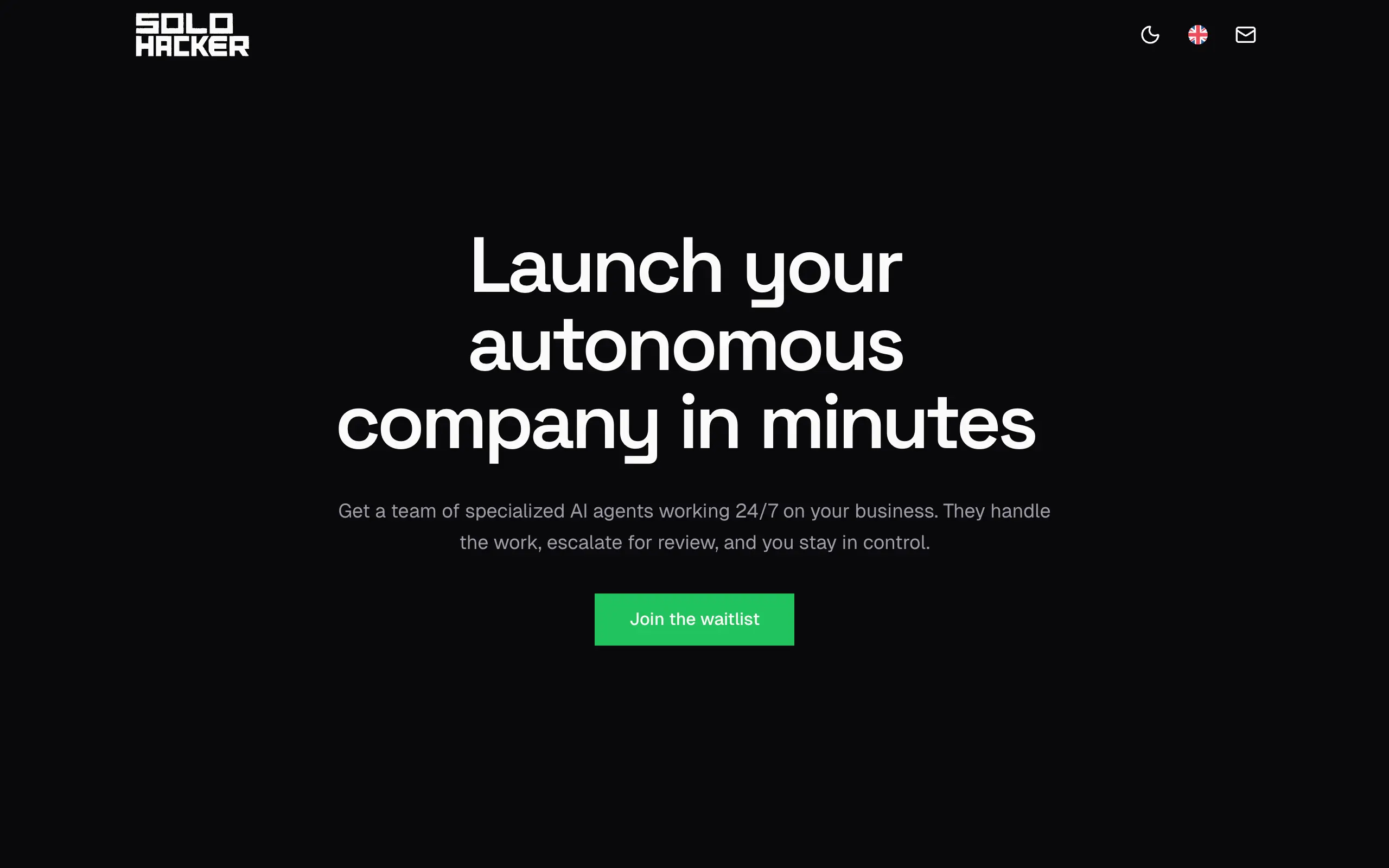
Solohacker
Autonomous company launcher - AI agents work 24/7, escalate what matters, and you stay in control 🤖
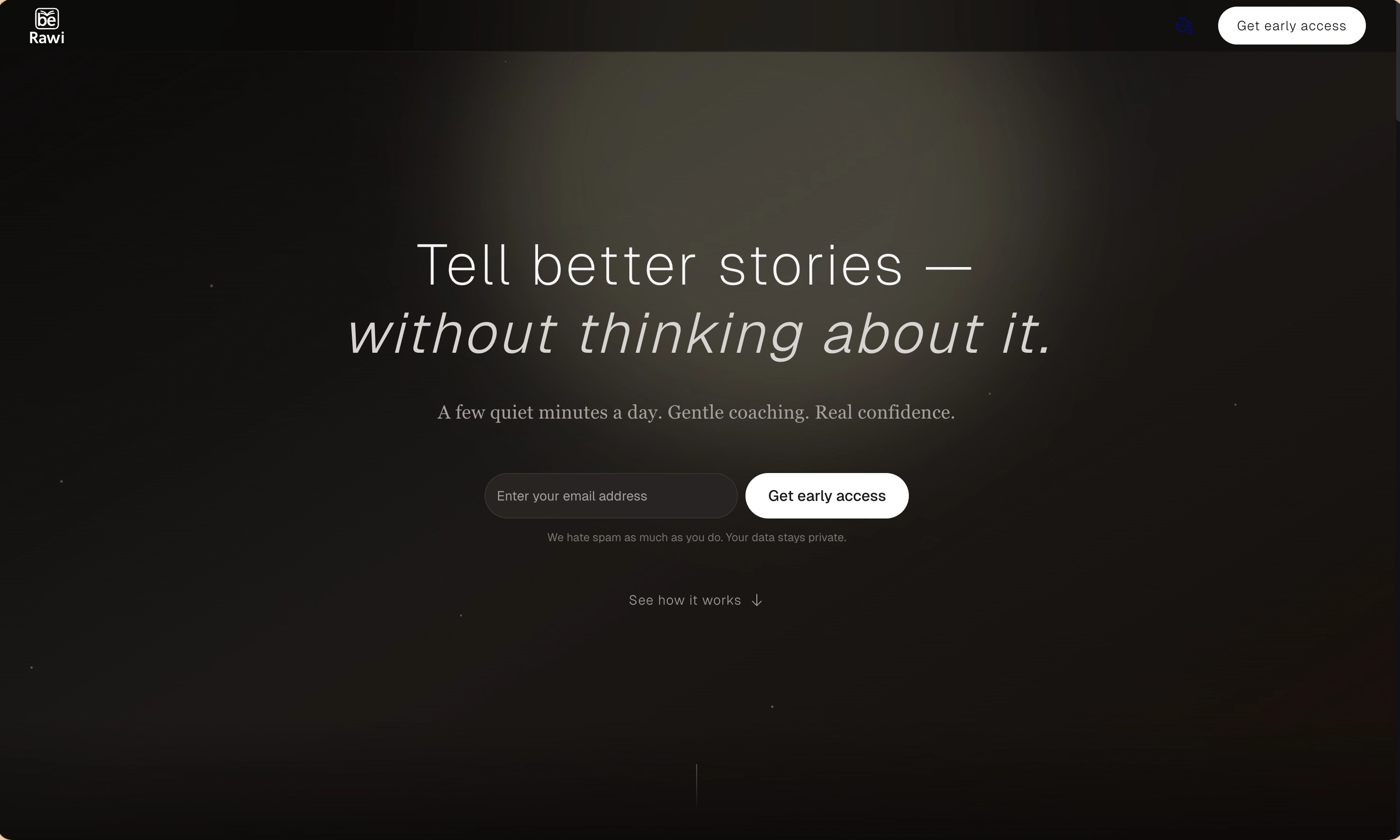
BeRawi: Storytelling Coach
Practice storytelling daily with instant feedback to sound clearer, more engaging, and confident 🎤
Omichat
Chat with 50+ AI models, including ChatGPT and Claude, in one place - switch models anytime without losing context 🤖
Claude Fast
Supercharge your Claude Code with 6x effective context window and specialized AI agents 🤖
EmojAI
AI-powered emoji picker with smart, context-aware suggestions 🤖
Solohacker
Autonomous company launcher - AI agents work 24/7, escalate what matters, and you stay in control 🤖
BeRawi: Storytelling Coach
Practice storytelling daily with instant feedback to sound clearer, more engaging, and confident 🎤
Omichat
Chat with 50+ AI models, including ChatGPT and Claude, in one place - switch models anytime without losing context 🤖
Claude Fast
Supercharge your Claude Code with 6x effective context window and specialized AI agents 🤖
EmojAI
AI-powered emoji picker with smart, context-aware suggestions 🤖
Solohacker
Autonomous company launcher - AI agents work 24/7, escalate what matters, and you stay in control 🤖
BeRawi: Storytelling Coach
Practice storytelling daily with instant feedback to sound clearer, more engaging, and confident 🎤
Omichat
Chat with 50+ AI models, including ChatGPT and Claude, in one place - switch models anytime without losing context 🤖
Claude Fast
Supercharge your Claude Code with 6x effective context window and specialized AI agents 🤖
EmojAI
AI-powered emoji picker with smart, context-aware suggestions 🤖
Solohacker
Autonomous company launcher - AI agents work 24/7, escalate what matters, and you stay in control 🤖
BeRawi: Storytelling Coach
Practice storytelling daily with instant feedback to sound clearer, more engaging, and confident 🎤

Connect with like-minded people
Join our community to get feedback, support, and grow together with 1,000+ builders on board, let's ship it!
Join usShip your startup everywhere. In minutes.
Don't burn tokens on setup and start building features on day one.