DropPilot AI
AI-powered dropshipping automation platform that monitors stock, reprices listings, and auto-fulfills Amazon and eBay orders with smart profit optimization.
The future of AI-powered dropshipping automation
Dropshipping has evolved from a side hustle into a highly competitive eCommerce business model. With thousands of sellers competing on Amazon and eBay, manual processes such as inventory tracking, repricing, and order fulfillment are no longer sustainable at scale. Sellers who rely on spreadsheets or disconnected tools quickly lose profit margins due to stockouts, price wars, or delayed fulfillment.
An AI-powered dropshipping automation platform like DropPilot AI addresses these challenges head-on. By combining real-time stock monitoring, intelligent repricing, and automated order fulfillment with profit optimization algorithms, it transforms dropshipping from a reactive hustle into a scalable, data-driven business.
This article explores the full strategic blueprint behind such a platform—covering market opportunity, target audience, features, technical architecture, monetization, risks, and a competitive positioning strategy.
Understanding the search intent behind “AI dropshipping automation”
Users searching for solutions like AI dropshipping automation, Amazon dropshipping software, or eBay auto fulfillment tools typically want one of the following:
- A way to automate repetitive dropshipping tasks
- A tool to increase profit margins
- A system to prevent stock and pricing errors
- A scalable solution to manage multi-supplier operations
- Validation of whether automation is worth the investment
DropPilot AI must address all these needs in one unified experience.
Market opportunity in AI-powered dropshipping
The global eCommerce market continues to expand year-over-year, and marketplaces like Amazon and eBay remain dominant. According to publicly available reports (e.g., Statista, Amazon annual reports), Amazon alone accounts for hundreds of billions in annual GMV.
Within that ecosystem:
- Dropshippers operate on thin margins
- Competition is driven by price, speed, and reliability
- Operational errors directly reduce profitability
Key pain points in today’s dropshipping ecosystem
-
Supplier stock volatility
- Suppliers change inventory without notice.
- Overselling leads to account suspensions.
-
Manual repricing
- Sellers cannot compete in dynamic marketplaces without automation.
- Static pricing kills competitiveness.
-
Order processing bottlenecks
- Manual order placement wastes time.
- Delays reduce seller metrics.
-
Profit miscalculations
- Hidden fees (shipping, marketplace fees, payment processing).
- Currency fluctuations in international dropshipping.
These problems create a strong market gap for an integrated AI automation platform that goes beyond basic sync tools.
Target audience analysis
Understanding the customer segments is critical for product design and positioning.
1. Solo dropshippers
- Revenue: $1k–$20k/month
- Primary pain: time constraints
- Need: affordable automation, easy setup
2. Mid-level scaling sellers
- Revenue: $20k–$250k/month
- Pain: managing multiple suppliers and SKUs
- Need: advanced repricing and analytics
3. Dropshipping agencies
- Manage multiple accounts
- Need multi-tenant dashboards
- Want bulk operations and API access
4. Marketplace-native brands
- Use dropshipping as a supplement
- Require reliability and compliance monitoring
The core solution: what DropPilot AI actually does
At its core, DropPilot AI is an intelligent operations engine that sits between:
- Supplier data
- Marketplace listings (Amazon, eBay)
- Orders and pricing systems
It continuously monitors, optimizes, and executes actions.
Core features of DropPilot AI
1. Real-time stock monitoring
- API-based supplier sync
- Scheduled scraping (where compliant)
- Alert system for low stock
- Auto-listing pause when inventory hits zero
Why it matters: Prevents overselling and account penalties.
2. AI-powered repricing engine
Unlike rule-based repricers, AI repricing considers:
- Competitor price history
- Buy Box dynamics (Amazon)
- Fee structures
- Shipping time
- Conversion probability
Competitive advantage
Traditional repricers use fixed rules. An AI repricer can adapt dynamically based on margin targets and probability of winning conversions.
Features include:
- Minimum profit guardrails
- Auto-adjusting markup percentages
- Dynamic shipping cost factoring
- Demand-based price adjustments
3. Automated order fulfillment
When an order is placed:
- Platform detects order via API
- Validates supplier stock
- Places supplier order automatically
- Captures tracking number
- Syncs tracking to marketplace
This reduces human intervention to near zero.
4. Smart profit optimization dashboard
Key analytics:
- True profit per SKU
- ROI per supplier
- Account health impact tracking
- Refund & return impact analysis
A central profitability engine ensures sellers are not just generating revenue—but real margin.
5. Multi-supplier management
- Connect multiple suppliers
- Normalize product data
- Consolidate shipping cost logic
- Risk scoring by supplier reliability
Competitive analysis
Below is a simplified comparison matrix of traditional tools vs AI-native automation platforms.
| Feature | Manual Tools | Basic Repricer | Order Bot | DropPilot AI | Spreadsheet |
|---|---|---|---|---|---|
| Stock Sync | ❌ | ❌ | ✅ | ✅ | ❌ |
| AI Repricing | ❌ | ✅ | ❌ | ✅ | ❌ |
| Auto Fulfillment | ❌ | ❌ | ✅ | ✅ | ❌ |
| Profit Optimization | ❌ | ❌ | ❌ | ✅ | ❌ |
Unique selling proposition (USP)
DropPilot AI differentiates itself through:
- Unified automation (not fragmented tools)
- AI-based decision-making instead of static rules
- Profit-first optimization rather than revenue-first
- Marketplace compliance safeguards
It is not just automation. It is intelligent dropshipping management.
Recommended tech stack for building DropPilot AI
Choosing the right tech stack ensures scalability, performance, and security.
Frontend
- React – component-based UI
- Next.js – SSR + API routes
- TailwindCSS – rapid UI styling
Backend
- Node.js (scalable event-driven architecture)
- PostgreSQL (transaction reliability)
- Redis (queue & caching)
- BullMQ for job queues
AI layer
- Python microservices for ML models
- TensorFlow or PyTorch for price optimization
- Historical marketplace data modeling
Infrastructure
- AWS (Lambda, ECS, RDS)
- S3 for logs and supplier snapshots
- CloudWatch for monitoring
Example repricing logic snippet
function calculateOptimizedPrice({
  competitorPrice,
  marketplaceFee,
  shippingCost,
  minProfit,
  demandScore
}) {
  const baseCost = shippingCost + marketplaceFee;
  const targetMargin = minProfit + (demandScore * 0.02);

  let optimizedPrice = competitorPrice - 0.01;

  if (optimizedPrice - baseCost < targetMargin) {
    optimizedPrice = baseCost + targetMargin;
  }

  return Number(optimizedPrice.toFixed(2));
}
This simple example shows how dynamic factors can influence margin protection.
Monetization strategies
A SaaS like DropPilot AI can adopt multiple pricing models.
1. Tiered subscription model
- Starter: Limited SKUs
- Growth: AI repricing + fulfillment
- Pro: Unlimited SKUs + analytics
2. Usage-based pricing
- Per-order fee
- Percentage of revenue
- SKU-based pricing
3. Hybrid model (recommended)
- Base subscription
- Additional usage fee per automated order
Potential risks and mitigation strategies
1. Marketplace API policy changes
Mitigation:
- Stay compliant with official APIs
- Avoid gray-area scraping
- Maintain strong documentation
2. Supplier instability
Mitigation:
- Reliability scoring system
- Backup supplier matching
- Automated listing pause
3. AI mispricing errors
Mitigation:
- Hard minimum profit floors
- Manual override options
- Version-controlled pricing logic
4. Account suspension risks
Amazon and eBay enforce strict metrics.
Compliance matters
Automation must respect marketplace terms of service. Over-automation without safeguards can harm seller accounts.
Building defensibility and competitive moat
Long-term defensibility can be achieved through:
- Proprietary pricing data models
- Historical SKU performance insights
- Supplier reliability databases
- Account health scoring algorithms
The more data processed, the stronger the AI becomes.
Go-to-market strategy
Phase 1: Niche focus
Target:
- Amazon dropshippers doing $5k–$50k/month
Offer:
- Free migration from manual systems
- 14-day AI optimization trial
Phase 2: Authority marketing
Content strategy:
- SEO around “AI dropshipping automation”
- Case studies
- YouTube tutorials
- Reddit & Discord engagement
Phase 3: Affiliate expansion
Dropshipping influencers can drive adoption via:
- Revenue-sharing programs
- Custom dashboards for agencies
Step-by-step implementation roadmap
Why use a SaaS starter framework?
Building a SaaS from scratch takes time: authentication, billing, dashboard layout, API infrastructure.
Using a production-ready foundation like TurboStarter accelerates development by providing:
- Auth system
- Stripe integration
- Admin dashboard
- SaaS architecture best practices
This reduces time-to-market significantly.
Long-term expansion opportunities
Once core automation stabilizes:
- Shopify integration
- Walmart Marketplace
- Cross-border currency arbitrage AI
- Supplier negotiation insights
- AI product discovery engine
Final thoughts
The dropshipping industry is transitioning from manual hustle to algorithmic competition. Sellers who rely on spreadsheets and static repricing tools will increasingly lose margin to automated competitors.
An AI-powered dropshipping automation platform like DropPilot AI positions itself as:
- A profit optimizer
- A compliance safeguard
- A full-stack automation engine
- A scaling partner for serious sellers
By combining stock monitoring, AI repricing, and auto-fulfillment into one unified ecosystem, it solves the most critical pain points in modern marketplace selling.
For founders, the opportunity lies in building not just another automation tool—but a data-driven competitive advantage engine.
If executed correctly, DropPilot AI can redefine how dropshipping businesses operate—shifting the focus from manual operations to intelligent growth.
More 🛒 E-commerce SaaS ideas
Discover more innovative e-commerce SaaS ideas that are trending in 2026. Each idea is AI-generated with market validation and growth potential to help you find your next profitable venture faster than competitors.
Your competitors are building with TurboStarter
Below are some of the SaaS ideas that have been generated and built with our starter kit.

Statiko
Monitor any Telegram channel in real time - track posts, edits, deletions, and growth with AI recaps 📡

Shibui
AI website builder - describe your business, pick a niche template, edit by chatting, and publish instantly ✨

Pro Service
Find verified home service professionals, compare quotes, and pay securely through escrow - built for Brazilians across the US 🏠

RankGrow
Fix your SEO with AI agents - connect Search Console, get prioritized tasks, and grow organic traffic 📈
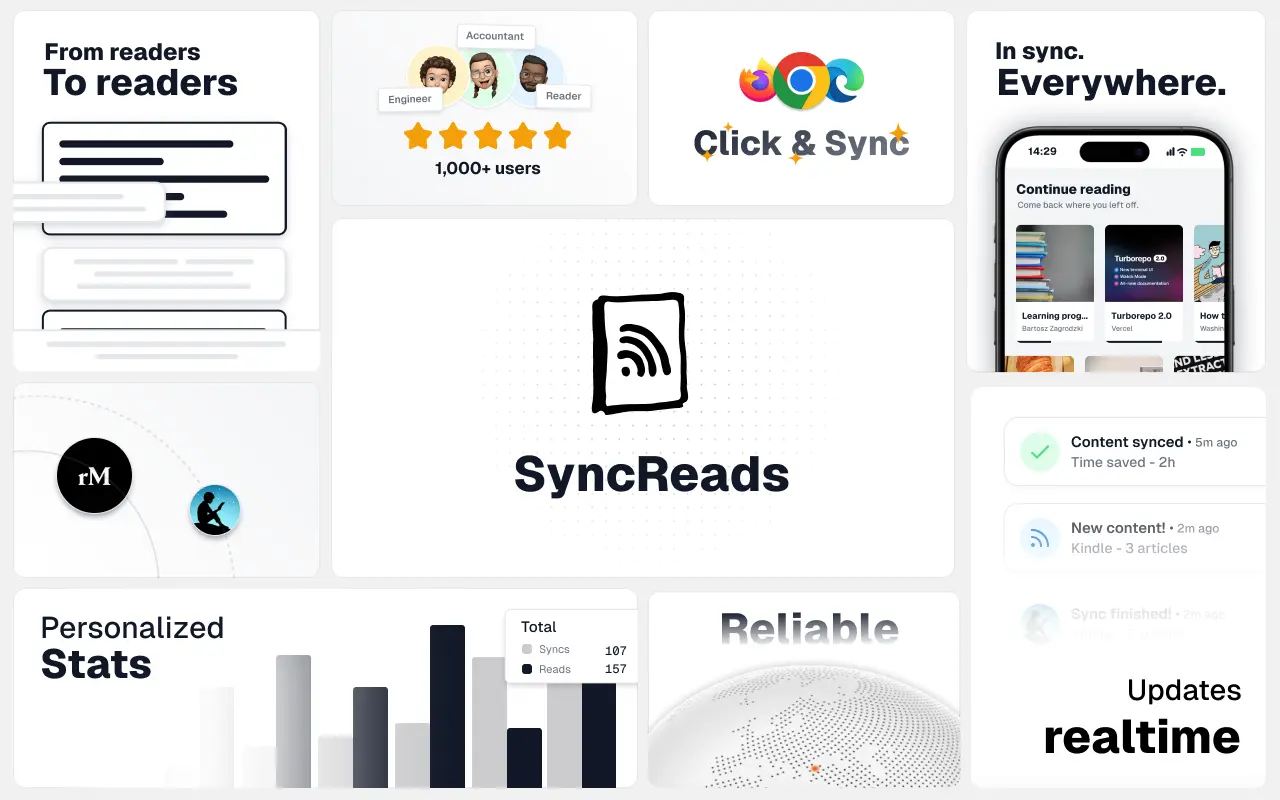
SyncReads
Sync your favorite content for distraction-free reading, save time and replace multiple apps. Anytime, anywhere 🔄
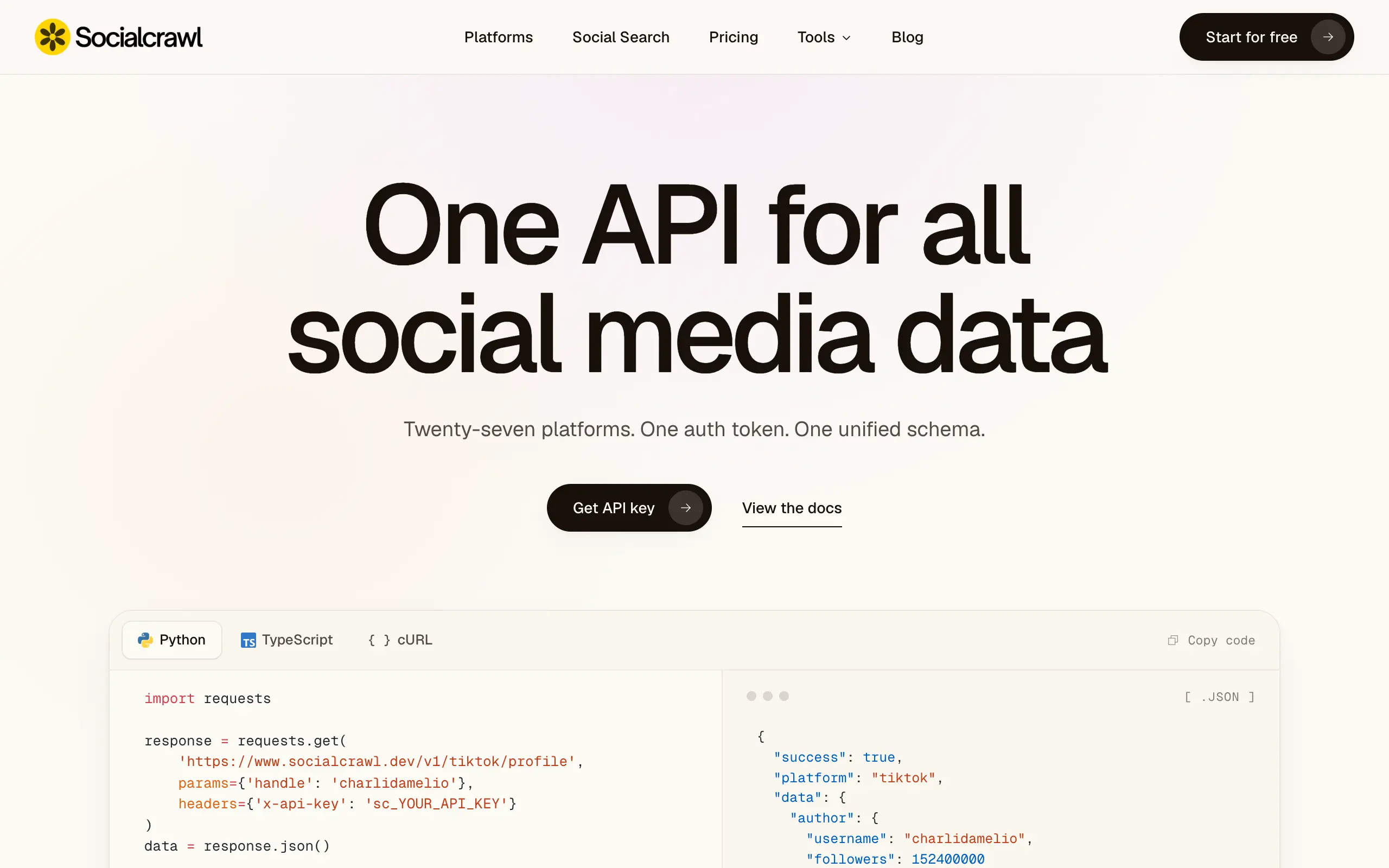
Socialcrawl
Get clean, structured data from 21 platforms like TikTok, Instagram, and YouTube with a single request 📊
Statiko
Monitor any Telegram channel in real time - track posts, edits, deletions, and growth with AI recaps 📡
Shibui
AI website builder - describe your business, pick a niche template, edit by chatting, and publish instantly ✨
Pro Service
Find verified home service professionals, compare quotes, and pay securely through escrow - built for Brazilians across the US 🏠
RankGrow
Fix your SEO with AI agents - connect Search Console, get prioritized tasks, and grow organic traffic 📈
SyncReads
Sync your favorite content for distraction-free reading, save time and replace multiple apps. Anytime, anywhere 🔄
Socialcrawl
Get clean, structured data from 21 platforms like TikTok, Instagram, and YouTube with a single request 📊
Statiko
Monitor any Telegram channel in real time - track posts, edits, deletions, and growth with AI recaps 📡
Shibui
AI website builder - describe your business, pick a niche template, edit by chatting, and publish instantly ✨
Pro Service
Find verified home service professionals, compare quotes, and pay securely through escrow - built for Brazilians across the US 🏠
RankGrow
Fix your SEO with AI agents - connect Search Console, get prioritized tasks, and grow organic traffic 📈
SyncReads
Sync your favorite content for distraction-free reading, save time and replace multiple apps. Anytime, anywhere 🔄
Socialcrawl
Get clean, structured data from 21 platforms like TikTok, Instagram, and YouTube with a single request 📊
Statiko
Monitor any Telegram channel in real time - track posts, edits, deletions, and growth with AI recaps 📡
Shibui
AI website builder - describe your business, pick a niche template, edit by chatting, and publish instantly ✨
Pro Service
Find verified home service professionals, compare quotes, and pay securely through escrow - built for Brazilians across the US 🏠
RankGrow
Fix your SEO with AI agents - connect Search Console, get prioritized tasks, and grow organic traffic 📈
SyncReads
Sync your favorite content for distraction-free reading, save time and replace multiple apps. Anytime, anywhere 🔄
Socialcrawl
Get clean, structured data from 21 platforms like TikTok, Instagram, and YouTube with a single request 📊
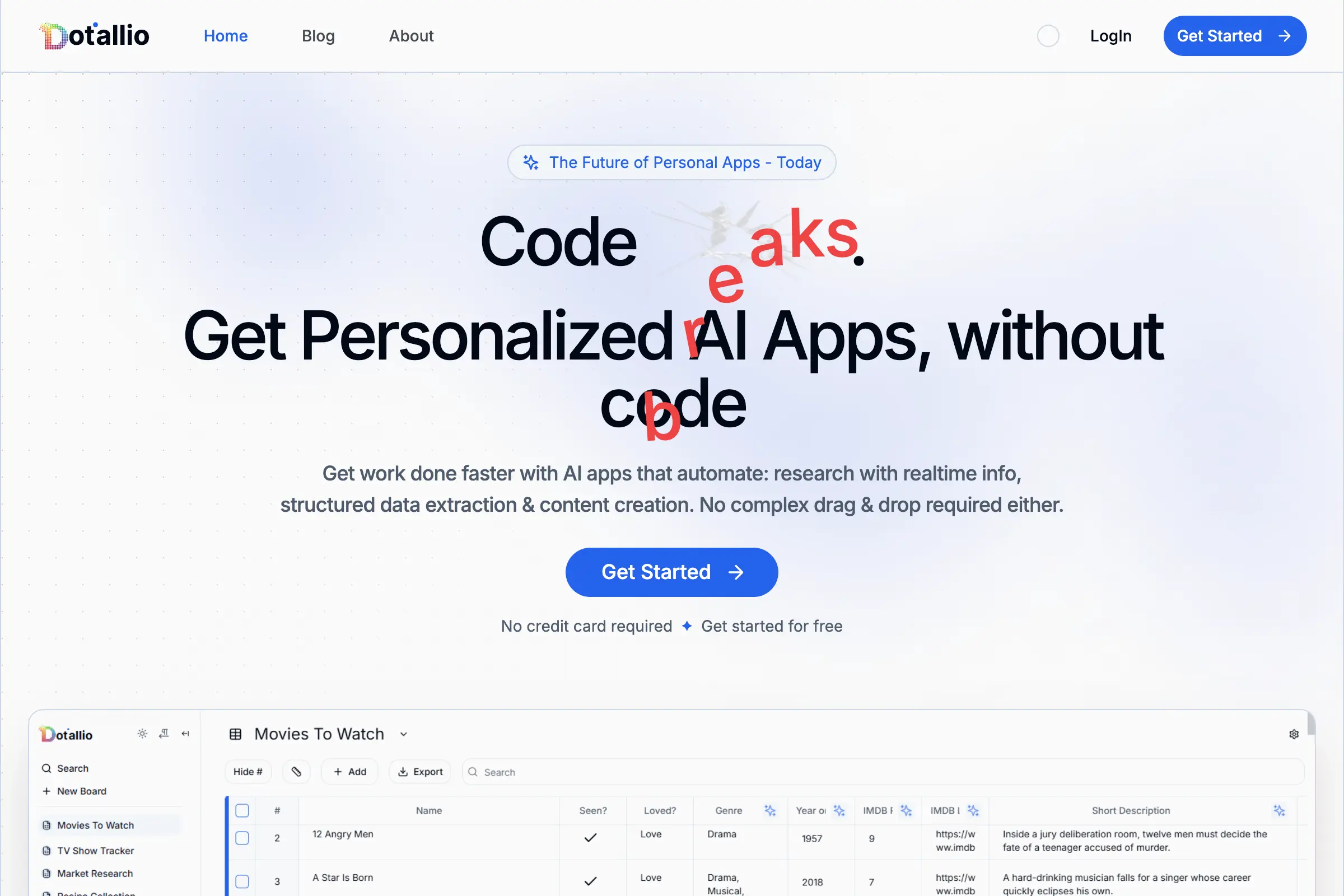
Dotallio
Personalized AI apps that automate research, data extraction, and content creation without code 🤖

Talk to Santa
Enjoy a magical live video chat or receive a unique AI-generated video greeting from Santa Claus 🎅

pozywka.pl
Scalable blog for food journalist, focused on performance and user experience 🌭
zagrodzki.me
Personal blog and portfolio of Bart Zagrodzki, where he shares his knowledge and work 💼

TurboStarter
Ship your startup everywhere. In minutes.
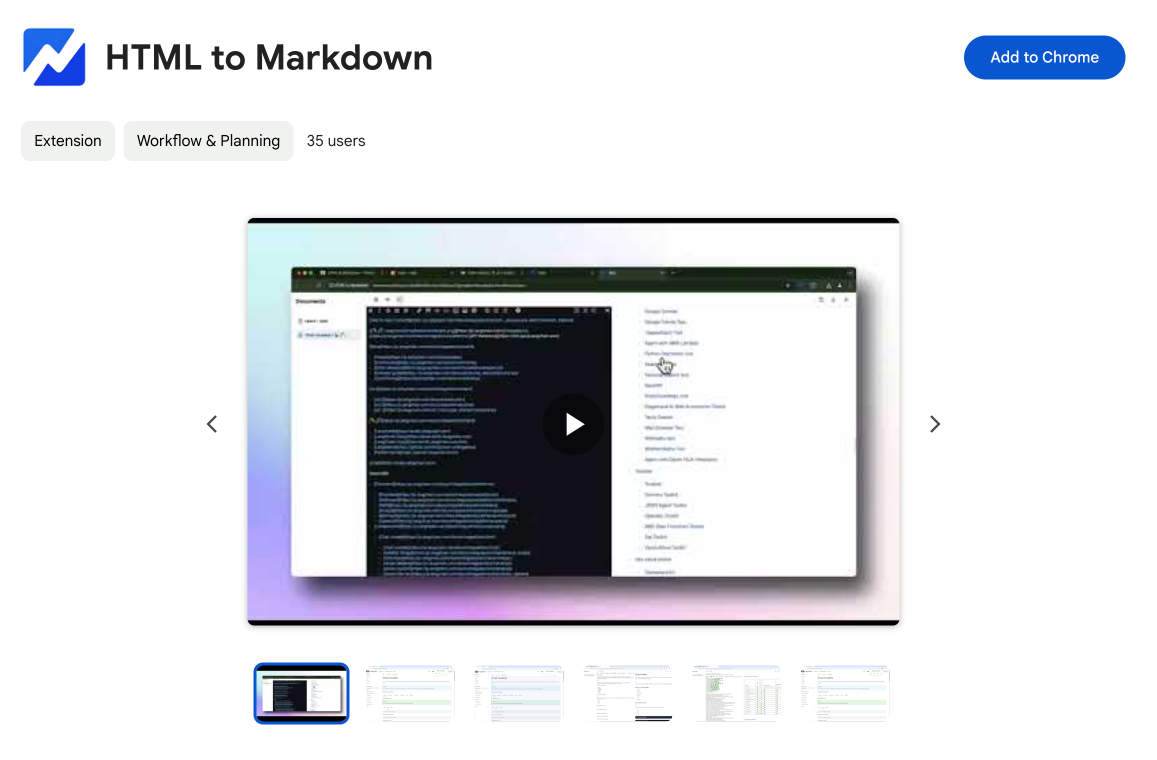
HTML to Markdown
Convert HTML to Markdown with ease, directly in your browser 📄
Dotallio
Personalized AI apps that automate research, data extraction, and content creation without code 🤖
Talk to Santa
Enjoy a magical live video chat or receive a unique AI-generated video greeting from Santa Claus 🎅
pozywka.pl
Scalable blog for food journalist, focused on performance and user experience 🌭
zagrodzki.me
Personal blog and portfolio of Bart Zagrodzki, where he shares his knowledge and work 💼
TurboStarter
Ship your startup everywhere. In minutes.
HTML to Markdown
Convert HTML to Markdown with ease, directly in your browser 📄
Dotallio
Personalized AI apps that automate research, data extraction, and content creation without code 🤖
Talk to Santa
Enjoy a magical live video chat or receive a unique AI-generated video greeting from Santa Claus 🎅
pozywka.pl
Scalable blog for food journalist, focused on performance and user experience 🌭
zagrodzki.me
Personal blog and portfolio of Bart Zagrodzki, where he shares his knowledge and work 💼
TurboStarter
Ship your startup everywhere. In minutes.
HTML to Markdown
Convert HTML to Markdown with ease, directly in your browser 📄
Dotallio
Personalized AI apps that automate research, data extraction, and content creation without code 🤖
Talk to Santa
Enjoy a magical live video chat or receive a unique AI-generated video greeting from Santa Claus 🎅
pozywka.pl
Scalable blog for food journalist, focused on performance and user experience 🌭
zagrodzki.me
Personal blog and portfolio of Bart Zagrodzki, where he shares his knowledge and work 💼
TurboStarter
Ship your startup everywhere. In minutes.
HTML to Markdown
Convert HTML to Markdown with ease, directly in your browser 📄
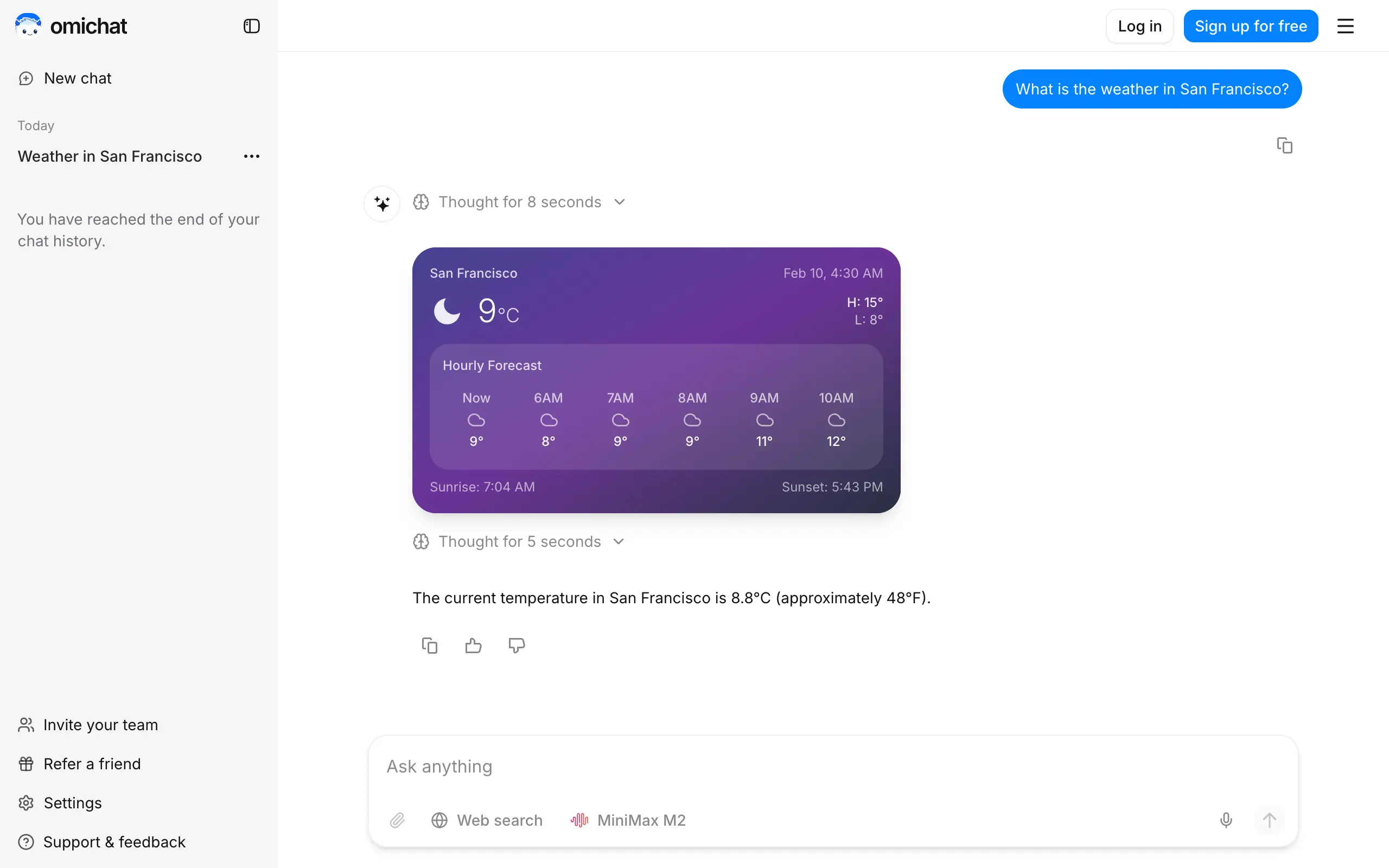
Omichat
Chat with 50+ AI models, including ChatGPT and Claude, in one place - switch models anytime without losing context 🤖
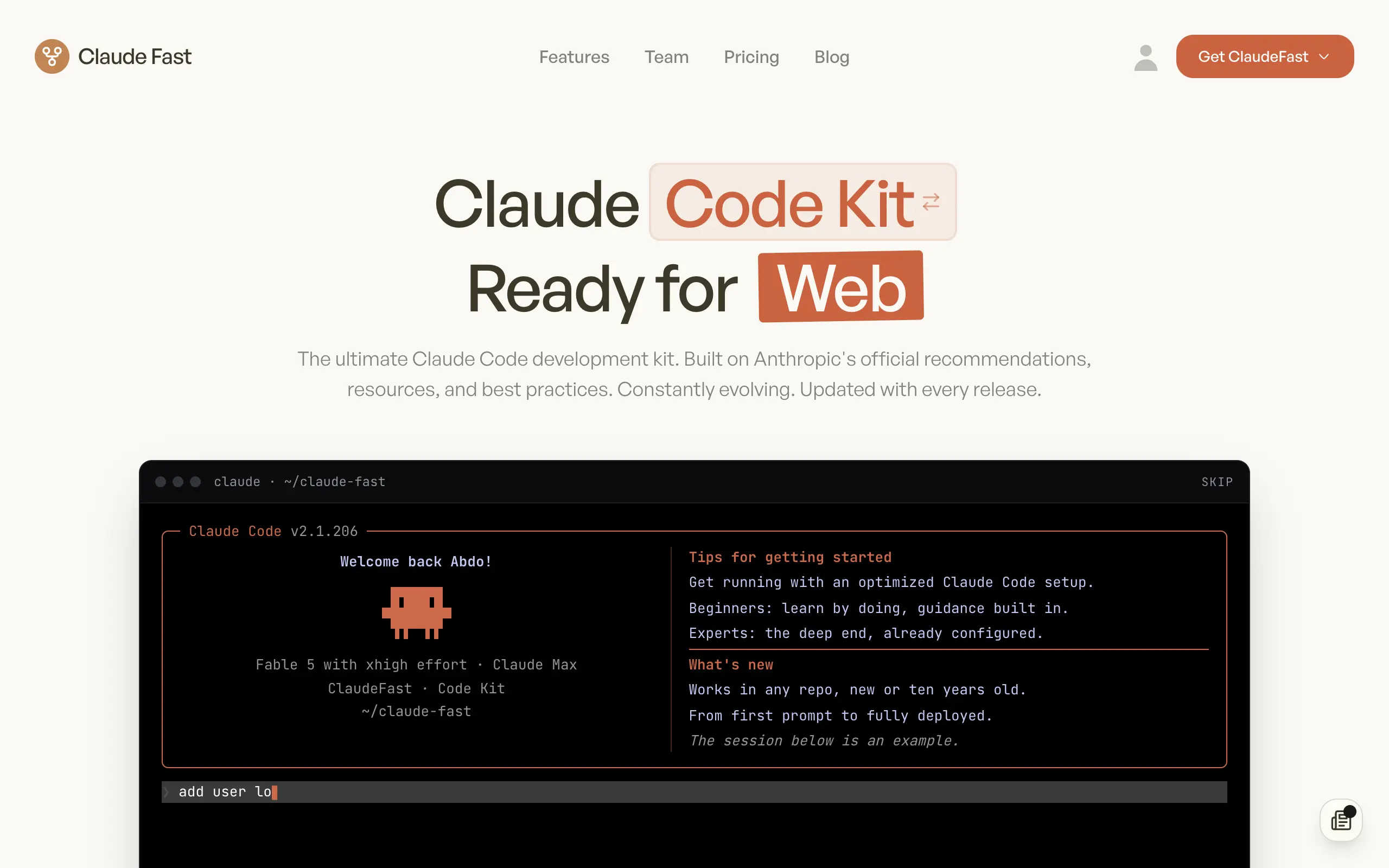
Claude Fast
Supercharge your Claude Code with 6x effective context window and specialized AI agents 🤖
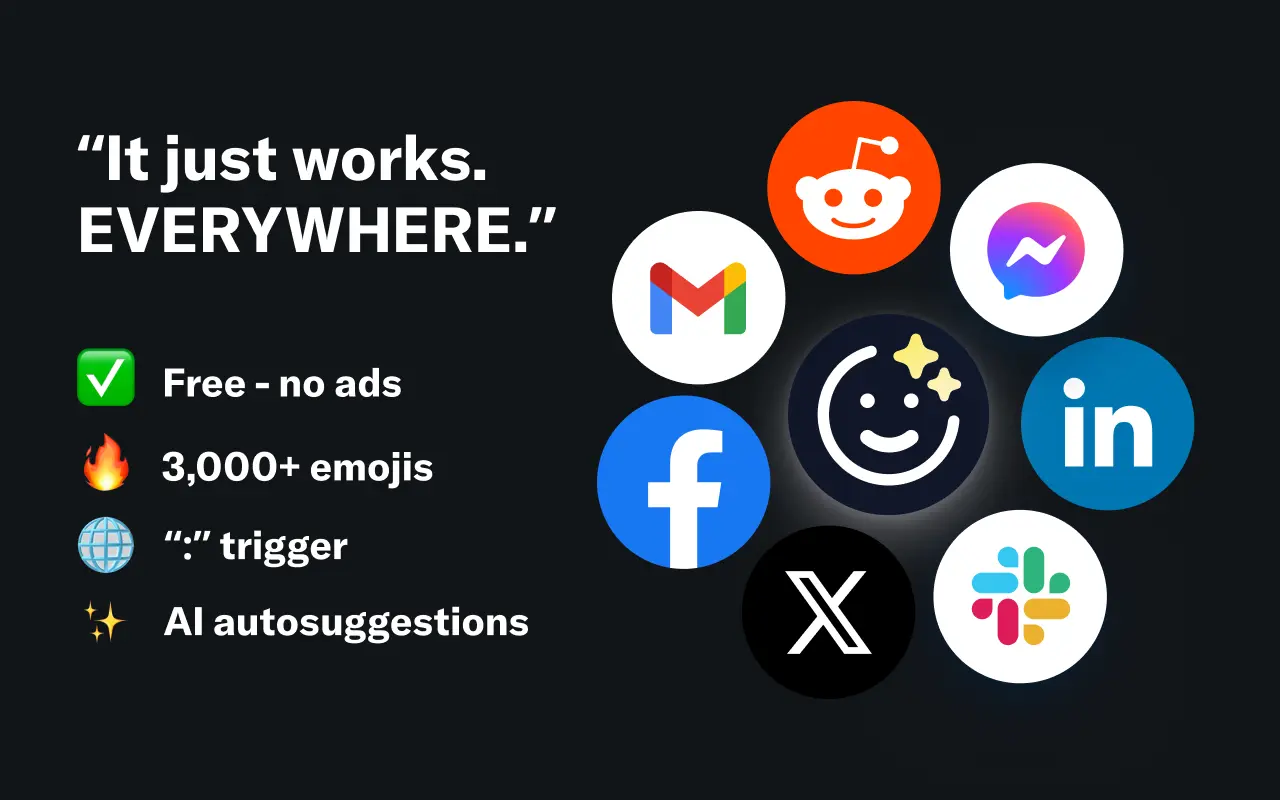
EmojAI
AI-powered emoji picker with smart, context-aware suggestions 🤖

Solohacker
Autonomous company launcher - AI agents work 24/7, escalate what matters, and you stay in control 🤖

BeRawi: Storytelling Coach
Practice storytelling daily with instant feedback to sound clearer, more engaging, and confident 🎤
Omichat
Chat with 50+ AI models, including ChatGPT and Claude, in one place - switch models anytime without losing context 🤖
Claude Fast
Supercharge your Claude Code with 6x effective context window and specialized AI agents 🤖
EmojAI
AI-powered emoji picker with smart, context-aware suggestions 🤖
Solohacker
Autonomous company launcher - AI agents work 24/7, escalate what matters, and you stay in control 🤖
BeRawi: Storytelling Coach
Practice storytelling daily with instant feedback to sound clearer, more engaging, and confident 🎤
Omichat
Chat with 50+ AI models, including ChatGPT and Claude, in one place - switch models anytime without losing context 🤖
Claude Fast
Supercharge your Claude Code with 6x effective context window and specialized AI agents 🤖
EmojAI
AI-powered emoji picker with smart, context-aware suggestions 🤖
Solohacker
Autonomous company launcher - AI agents work 24/7, escalate what matters, and you stay in control 🤖
BeRawi: Storytelling Coach
Practice storytelling daily with instant feedback to sound clearer, more engaging, and confident 🎤
Omichat
Chat with 50+ AI models, including ChatGPT and Claude, in one place - switch models anytime without losing context 🤖
Claude Fast
Supercharge your Claude Code with 6x effective context window and specialized AI agents 🤖
EmojAI
AI-powered emoji picker with smart, context-aware suggestions 🤖
Solohacker
Autonomous company launcher - AI agents work 24/7, escalate what matters, and you stay in control 🤖
BeRawi: Storytelling Coach
Practice storytelling daily with instant feedback to sound clearer, more engaging, and confident 🎤

Connect with like-minded people
Join our community to get feedback, support, and grow together with 1,000+ builders on board, let's ship it!
Join usShip your startup everywhere. In minutes.
Don't burn tokens on setup and start building features on day one.