EchoCheckout Boost
Turn abandoned carts into conversions using AI voice calls plus automated SMS and WhatsApp follow-ups with dynamic incentives and checkout links.
Why cart abandonment is still the biggest revenue leak in ecommerce
Cart abandonment remains one of the most persistent—and expensive—problems in ecommerce. Industry benchmarks consistently show abandonment rates hovering between 60% and 80%, depending on the vertical. That means most of your hard-earned traffic never converts.
Despite advancements in UX, faster checkout flows, and retargeting ads, the core issue hasn’t changed: buyers hesitate, get distracted, or lose urgency.
Traditional recovery tactics—email reminders and retargeting ads—are no longer enough. Inbox fatigue is real. Ads are expensive. And most importantly, these channels lack immediacy and personalization.
That’s where EchoCheckout Boost, an AI-powered cart recovery platform using voice calls, SMS, and WhatsApp follow-ups, creates a new category of conversion optimization.
Instead of passively reminding users, it actively engages them—like a sales assistant would in a physical store.
What is EchoCheckout Boost and how it works
EchoCheckout Boost is an AI-driven ecommerce recovery system designed to convert abandoned carts through conversational engagement and dynamic incentives.
At its core, it combines:
- AI voice calls that simulate human sales reps
- Automated SMS and WhatsApp sequences
- Smart checkout links with personalized offers
- Behavioral triggers based on cart activity
The result is a multi-channel recovery engine that feels human, timely, and persuasive.
Core flow of the system
This approach shifts cart recovery from passive reminders to active intervention.
Target audience: who benefits the most
EchoCheckout Boost isn’t for every ecommerce business equally. It shines in specific segments where cart value and customer intent are high.
Primary target segments
1. Mid-to-high ticket ecommerce stores
- Average order value (AOV): $50–$500+
- Examples: fashion brands, electronics, home goods
2. DTC (direct-to-consumer) brands
- Strong branding and repeat customers
- Benefit from personalized engagement
3. Subscription-based ecommerce
- Meal kits, supplements, SaaS add-ons
- High lifetime value makes recovery critical
4. High-intent traffic businesses
- Paid ads, influencer traffic
- Each lost cart represents significant acquisition cost
Secondary audiences
- Shopify and WooCommerce store owners
- Agencies managing ecommerce funnels
- Conversion rate optimization (CRO) specialists
Key insight
If your store relies heavily on paid traffic, recovering even 10–15% of abandoned carts can dramatically improve ROI.
The market gap: why current solutions fall short
Most ecommerce recovery tools rely on:
- Email sequences
- Push notifications
- Retargeting ads
These channels suffer from:
- Low open rates
- Delayed engagement
- Lack of personalization
- No real-time interaction
The missing piece: human-like engagement
Customers abandon carts for reasons like:
- Confusion about product details
- Shipping concerns
- Price hesitation
- Technical friction
Static emails can’t resolve these in real time.
Voice + conversational messaging can.
Competitive gap analysis
| Feature | Email Tools | Retargeting Ads | Live Chat | EchoCheckout Boost |
|---|---|---|---|---|
| Real-time engagement | ❌ | ❌ | ✅ | ✅ |
| Proactive outreach | ✅ | ✅ | ❌ | ✅ |
| Conversational AI | ❌ | ❌ | ✅ | ✅ |
| Multi-channel (SMS/WhatsApp) | ❌ | ❌ | ❌ | ✅ |
EchoCheckout Boost fills a clear gap: immediate, conversational, multi-channel recovery.
Core features that drive conversions
1. AI voice recovery calls
This is the standout feature.
Instead of sending another email, the system places a natural-sounding AI call that:
- Mentions the customer’s cart
- Offers help or clarification
- Provides incentives when needed
Example use case:
“Hey, we noticed you left a few items in your cart. Can I help answer any questions or offer a quick discount to complete your order?”
This creates a human-like sales interaction at scale.
2. Smart SMS and WhatsApp follow-ups
After the call (or instead of it), users receive:
- Personalized messages
- One-click checkout links
- Time-sensitive offers
Why it works:
- SMS open rates exceed 90%
- WhatsApp engagement is even higher in global markets
3. Dynamic incentives engine
Not every user needs a discount.
EchoCheckout Boost uses behavioral signals to determine:
- Who needs an incentive
- What type (percentage, free shipping, bonus)
- When to offer it
This prevents margin erosion while maximizing conversions.
4. One-click checkout links
Friction kills conversions.
The platform generates pre-filled checkout links that:
- Restore cart instantly
- Apply discounts automatically
- Reduce steps to purchase
5. Behavioral triggers and segmentation
Advanced triggers include:
- Cart value thresholds
- Time since abandonment
- Product category
- Customer history
This enables hyper-personalized recovery flows.
6. Analytics and attribution dashboard
Track:
- Recovery rate
- Revenue recovered
- Channel performance (voice vs SMS vs WhatsApp)
- ROI per campaign
Recommended tech stack (with trade-offs)
Building EchoCheckout Boost requires a modern, scalable architecture.
Frontend
- React – flexible UI development
- TailwindCSS – fast styling and design consistency
Backend
- Node.js (NestJS or Express)
- Python (for AI orchestration if needed)
AI and voice infrastructure
- Speech synthesis APIs (e.g., ElevenLabs or similar)
- Conversational AI (LLMs via API)
- Twilio for telephony and messaging (https://www.twilio.com)
Database
- PostgreSQL for structured data
- Redis for real-time event processing
Integrations
- Shopify API
- WooCommerce REST API
- Stripe for billing (https://stripe.com)
Trade-offs to consider
Voice AI quality vs cost
- High-quality voice models improve conversion
- But increase per-call cost
Real-time processing vs scalability
- Immediate triggers require robust infrastructure
- Batch processing reduces cost but loses urgency
Customization vs simplicity
- More configuration options = better performance
- But higher onboarding friction
Monetization strategies
EchoCheckout Boost can adopt multiple revenue models.
1. SaaS subscription tiers
- Starter: $29/month (limited recoveries)
- Growth: $99/month
- Pro: $299/month+
2. Usage-based pricing
Charge per:
- Call minute
- SMS sent
- WhatsApp message
This aligns pricing with value delivered.
3. Revenue share model
Take a percentage of recovered revenue (e.g., 5–10%).
This is highly attractive to merchants because:
- No upfront risk
- Direct ROI alignment
4. Hybrid model
Combine:
- Base subscription
-
- usage fees
-
- optional revenue share
Competitive advantage: why EchoCheckout Boost stands out
1. First-mover advantage in voice-driven recovery
Most tools haven’t embraced voice AI yet. This creates a category-defining opportunity.
2. Multi-channel orchestration
Instead of isolated tools, EchoCheckout Boost combines:
- Voice
- SMS
This creates a cohesive recovery journey.
3. Behavioral intelligence
Dynamic incentives and triggers ensure:
- Higher conversion rates
- Better profit margins
4. Emotional engagement
Voice creates:
- Trust
- Urgency
- Human connection
This is impossible with email alone.
Risks and how to mitigate them
Risk 1: users may find AI calls intrusive
Mitigation:
- Allow opt-in/opt-out
- Limit frequency
- Use friendly, non-aggressive scripts
Risk 2: compliance and privacy concerns
Regulations like GDPR and TCPA apply.
Mitigation:
- Obtain explicit consent
- Store minimal data
- Provide easy unsubscribe options
Risk 3: cost vs ROI imbalance
Voice calls can be expensive.
Mitigation:
- Use calls only for high-value carts
- Optimize targeting algorithms
Risk 4: AI quality limitations
Poor voice or awkward conversations can hurt trust.
Mitigation:
- Continuously train models
- Use fallback flows (SMS if call fails)
Implementation roadmap
Building EchoCheckout Boost requires a phased approach.
Phase 1: MVP
- Shopify integration
- SMS recovery flows
- Basic analytics
Phase 2: AI enhancement
- Add conversational AI
- Introduce dynamic incentives
Phase 3: voice automation
- AI call functionality
- Script optimization
Phase 4: scaling and optimization
- Multi-channel orchestration
- Advanced segmentation
- Enterprise features
Example architecture snippet
// Simplified event trigger for abandoned cart
function handleCartAbandonment(cart) {
  if (cart.value > 100) {
    triggerVoiceCall(cart.user);
  } else {
    sendSMS(cart.user, generateCheckoutLink(cart));
  }
}
Go-to-market strategy
1. Shopify app marketplace
This is the fastest way to acquire users.
2. partnerships with agencies
Agencies managing ecommerce brands can:
- Bundle the tool
- Offer it as a CRO upgrade
3. content and SEO
Target keywords like:
- "reduce cart abandonment"
- "AI cart recovery tools"
- "ecommerce conversion optimization"
4. case studies
Show real results:
- “Recovered $50K in 30 days”
- “Increased conversion rate by 18%”
Industry trends supporting this idea
AI-driven personalization is accelerating
Businesses are moving toward:
- Real-time engagement
- Predictive behavior analysis
Messaging is replacing email
SMS and WhatsApp are becoming primary channels for:
- Customer communication
- Sales conversion
Voice AI is entering mainstream adoption
With advances in natural language models, voice AI is now:
- More human-like
- More scalable
- More affordable
How to build and launch faster
If you’re serious about launching EchoCheckout Boost quickly, using a proven SaaS starter kit can save months of development time.
TurboStarter provides:
- Pre-built SaaS infrastructure
- Authentication and billing
- Scalable architecture
This allows you to focus on:
- AI features
- Integrations
- Growth
Actionable steps to get started
Final thoughts
EchoCheckout Boost represents a shift from passive to proactive ecommerce recovery.
Instead of waiting for customers to return, it reaches out—intelligently, conversationally, and at the right moment.
That combination of:
- AI voice interaction
- Multi-channel messaging
- Behavioral personalization
…creates a powerful competitive edge in a crowded ecommerce landscape.
The opportunity is clear: turn lost intent into revenue—automatically and at scale.
If executed well, this isn’t just another SaaS tool—it’s a new standard for how ecommerce brands recover sales.
More 🛒 E-commerce SaaS ideas
Discover more innovative e-commerce SaaS ideas that are trending in 2026. Each idea is AI-generated with market validation and growth potential to help you find your next profitable venture faster than competitors.
Your competitors are building with TurboStarter
Below are some of the SaaS ideas that have been generated and built with our starter kit.

Statiko
Monitor any Telegram channel in real time - track posts, edits, deletions, and growth with AI recaps 📡

Shibui
AI website builder - describe your business, pick a niche template, edit by chatting, and publish instantly ✨

Pro Service
Find verified home service professionals, compare quotes, and pay securely through escrow - built for Brazilians across the US 🏠
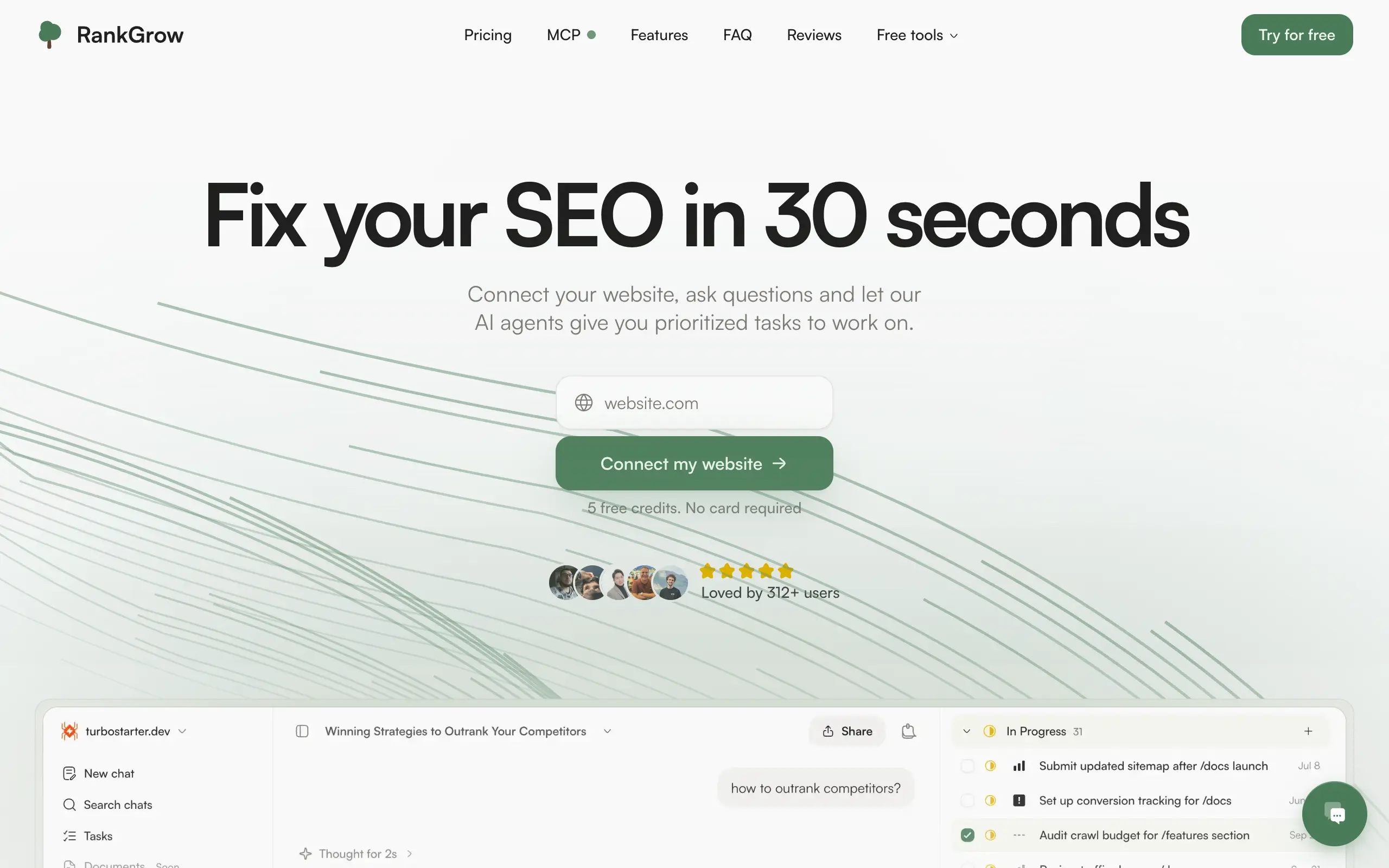
RankGrow
Fix your SEO with AI agents - connect Search Console, get prioritized tasks, and grow organic traffic 📈
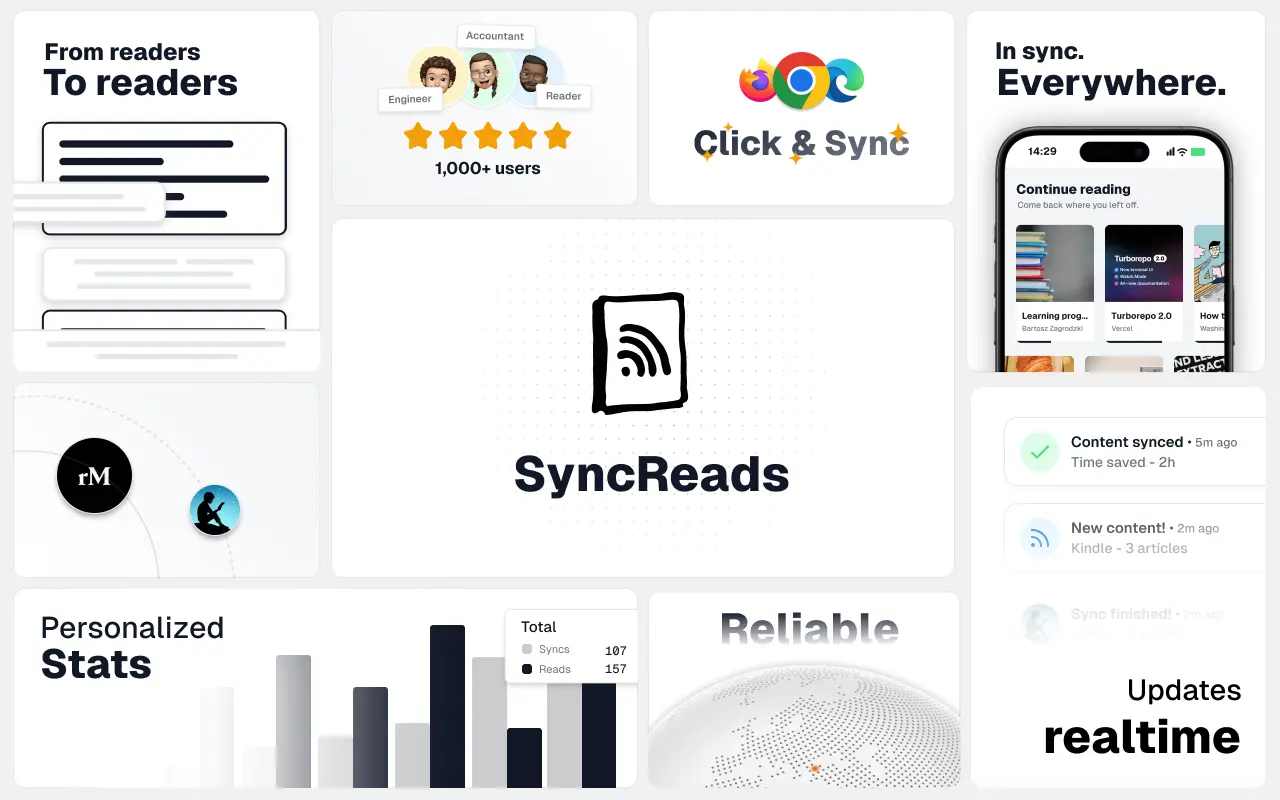
SyncReads
Sync your favorite content for distraction-free reading, save time and replace multiple apps. Anytime, anywhere 🔄
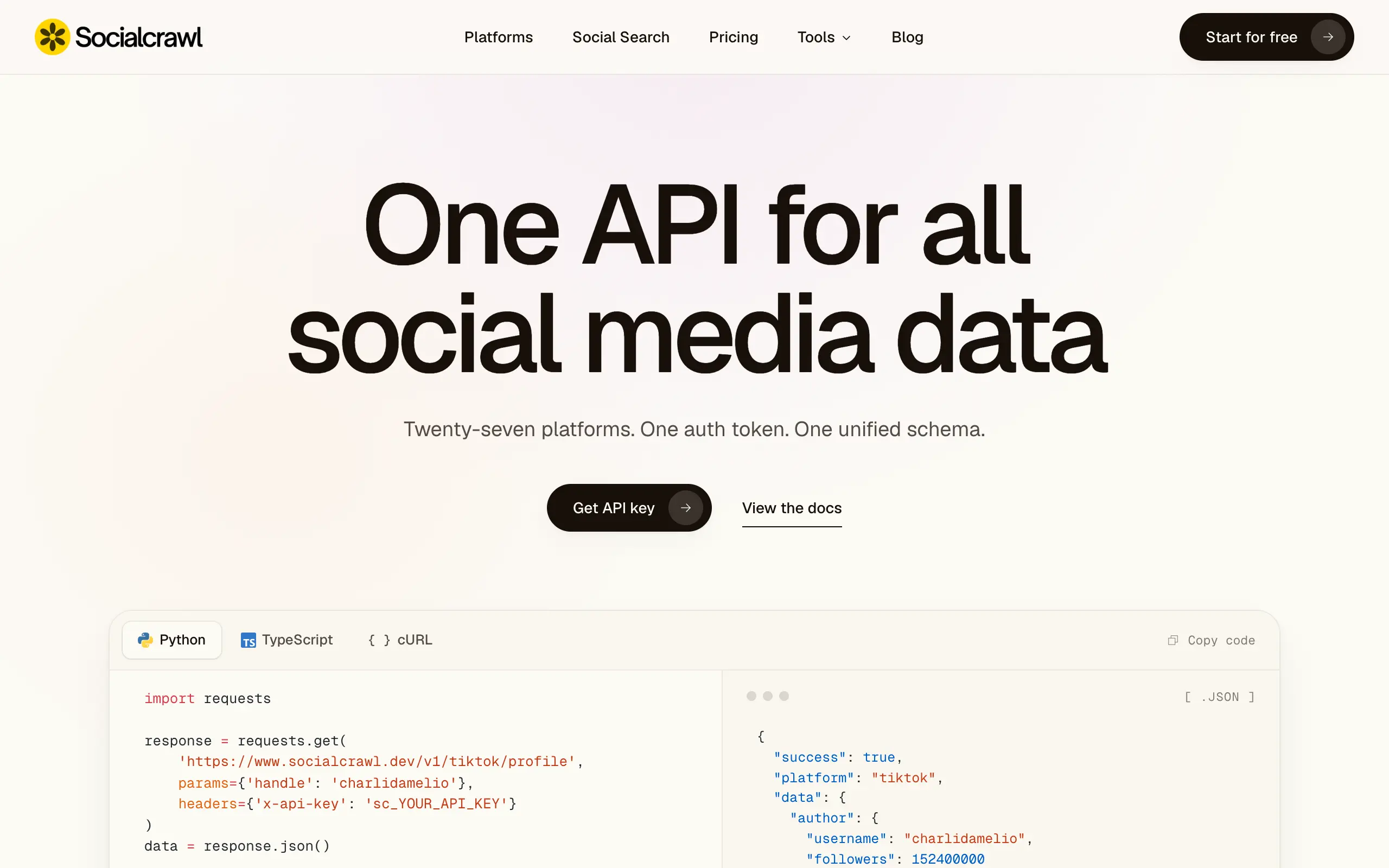
Socialcrawl
Get clean, structured data from 21 platforms like TikTok, Instagram, and YouTube with a single request 📊
Statiko
Monitor any Telegram channel in real time - track posts, edits, deletions, and growth with AI recaps 📡
Shibui
AI website builder - describe your business, pick a niche template, edit by chatting, and publish instantly ✨
Pro Service
Find verified home service professionals, compare quotes, and pay securely through escrow - built for Brazilians across the US 🏠
RankGrow
Fix your SEO with AI agents - connect Search Console, get prioritized tasks, and grow organic traffic 📈
SyncReads
Sync your favorite content for distraction-free reading, save time and replace multiple apps. Anytime, anywhere 🔄
Socialcrawl
Get clean, structured data from 21 platforms like TikTok, Instagram, and YouTube with a single request 📊
Statiko
Monitor any Telegram channel in real time - track posts, edits, deletions, and growth with AI recaps 📡
Shibui
AI website builder - describe your business, pick a niche template, edit by chatting, and publish instantly ✨
Pro Service
Find verified home service professionals, compare quotes, and pay securely through escrow - built for Brazilians across the US 🏠
RankGrow
Fix your SEO with AI agents - connect Search Console, get prioritized tasks, and grow organic traffic 📈
SyncReads
Sync your favorite content for distraction-free reading, save time and replace multiple apps. Anytime, anywhere 🔄
Socialcrawl
Get clean, structured data from 21 platforms like TikTok, Instagram, and YouTube with a single request 📊
Statiko
Monitor any Telegram channel in real time - track posts, edits, deletions, and growth with AI recaps 📡
Shibui
AI website builder - describe your business, pick a niche template, edit by chatting, and publish instantly ✨
Pro Service
Find verified home service professionals, compare quotes, and pay securely through escrow - built for Brazilians across the US 🏠
RankGrow
Fix your SEO with AI agents - connect Search Console, get prioritized tasks, and grow organic traffic 📈
SyncReads
Sync your favorite content for distraction-free reading, save time and replace multiple apps. Anytime, anywhere 🔄
Socialcrawl
Get clean, structured data from 21 platforms like TikTok, Instagram, and YouTube with a single request 📊
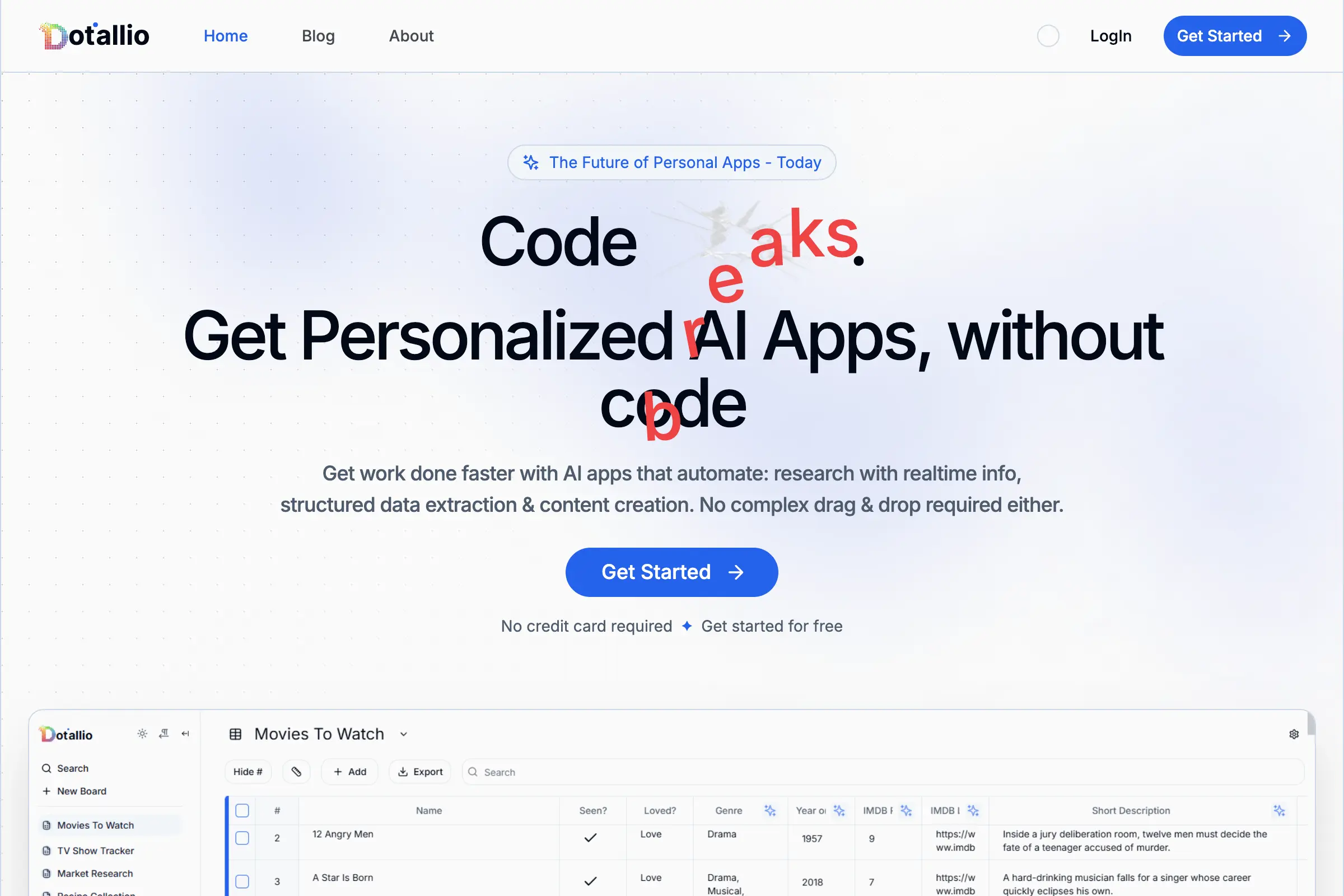
Dotallio
Personalized AI apps that automate research, data extraction, and content creation without code 🤖
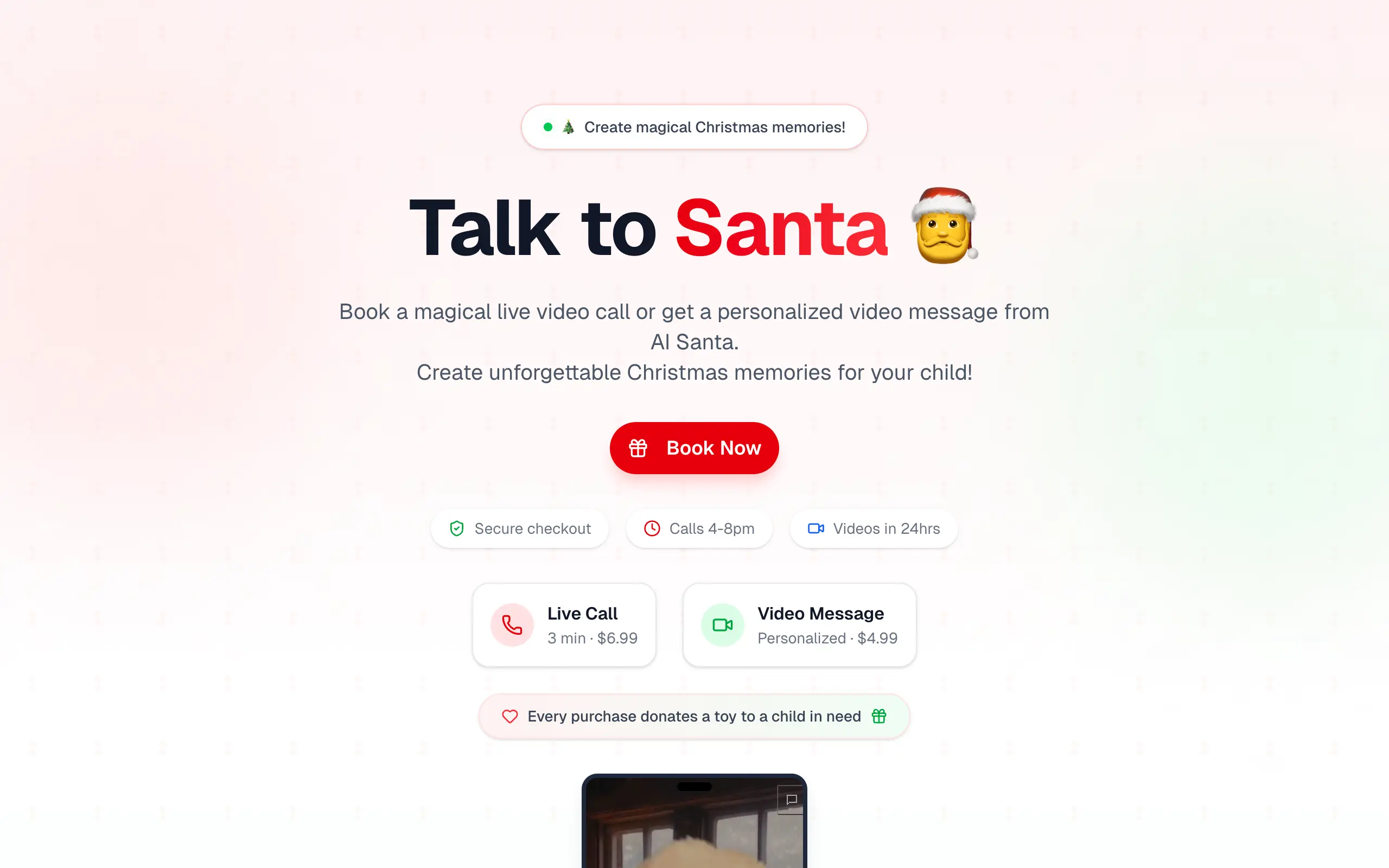
Talk to Santa
Enjoy a magical live video chat or receive a unique AI-generated video greeting from Santa Claus 🎅

pozywka.pl
Scalable blog for food journalist, focused on performance and user experience 🌭
zagrodzki.me
Personal blog and portfolio of Bart Zagrodzki, where he shares his knowledge and work 💼
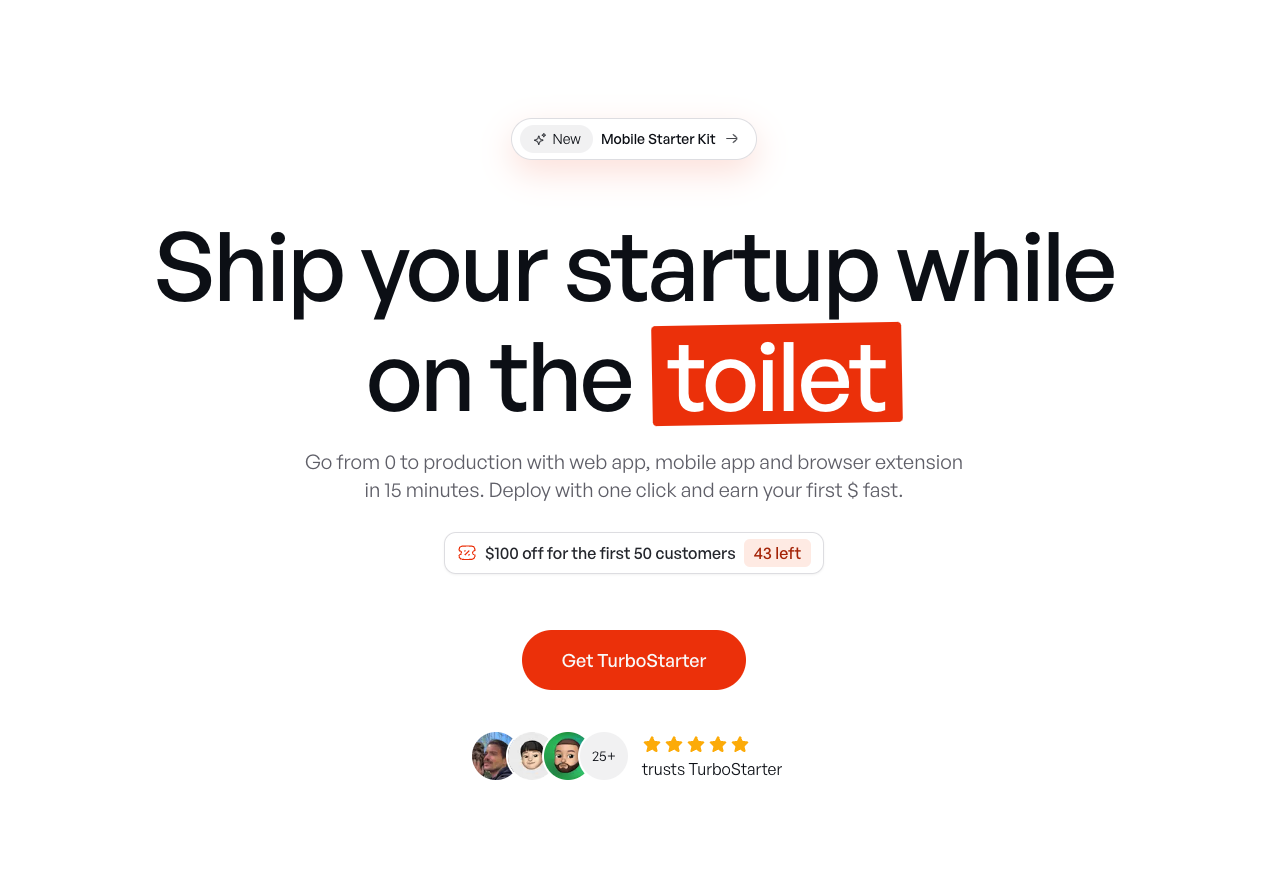
TurboStarter
Ship your startup everywhere. In minutes.
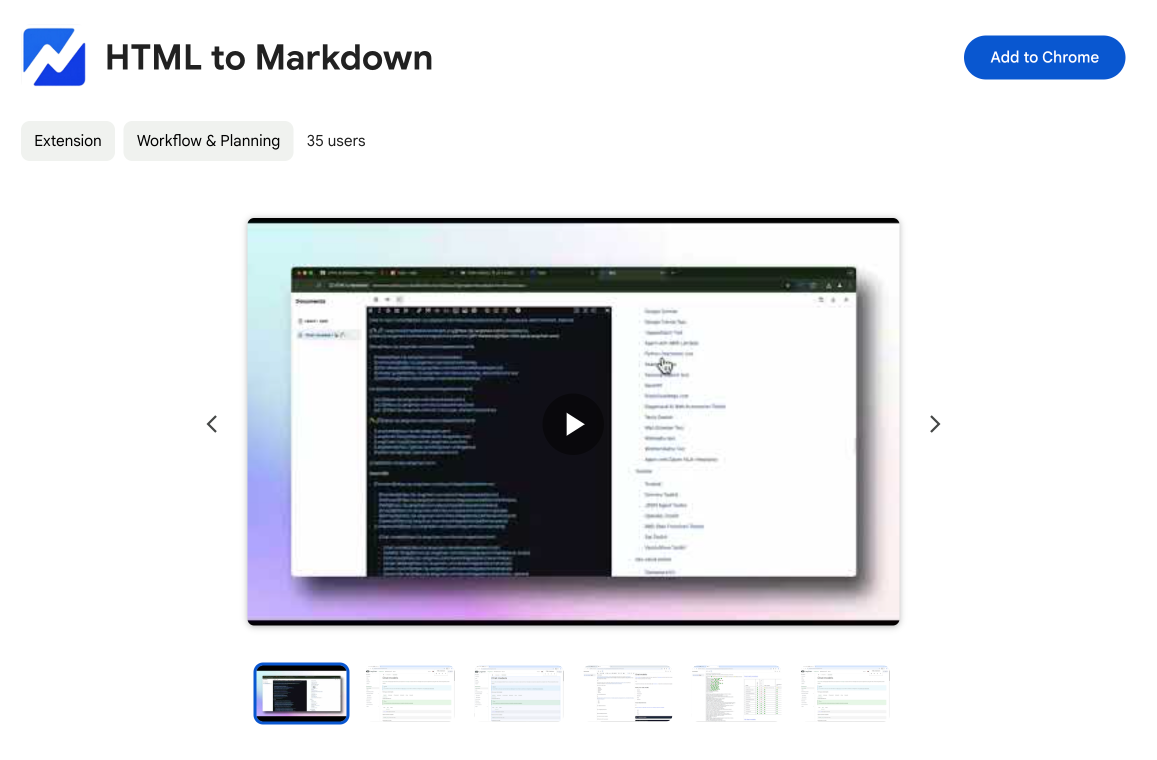
HTML to Markdown
Convert HTML to Markdown with ease, directly in your browser 📄
Dotallio
Personalized AI apps that automate research, data extraction, and content creation without code 🤖
Talk to Santa
Enjoy a magical live video chat or receive a unique AI-generated video greeting from Santa Claus 🎅
pozywka.pl
Scalable blog for food journalist, focused on performance and user experience 🌭
zagrodzki.me
Personal blog and portfolio of Bart Zagrodzki, where he shares his knowledge and work 💼
TurboStarter
Ship your startup everywhere. In minutes.
HTML to Markdown
Convert HTML to Markdown with ease, directly in your browser 📄
Dotallio
Personalized AI apps that automate research, data extraction, and content creation without code 🤖
Talk to Santa
Enjoy a magical live video chat or receive a unique AI-generated video greeting from Santa Claus 🎅
pozywka.pl
Scalable blog for food journalist, focused on performance and user experience 🌭
zagrodzki.me
Personal blog and portfolio of Bart Zagrodzki, where he shares his knowledge and work 💼
TurboStarter
Ship your startup everywhere. In minutes.
HTML to Markdown
Convert HTML to Markdown with ease, directly in your browser 📄
Dotallio
Personalized AI apps that automate research, data extraction, and content creation without code 🤖
Talk to Santa
Enjoy a magical live video chat or receive a unique AI-generated video greeting from Santa Claus 🎅
pozywka.pl
Scalable blog for food journalist, focused on performance and user experience 🌭
zagrodzki.me
Personal blog and portfolio of Bart Zagrodzki, where he shares his knowledge and work 💼
TurboStarter
Ship your startup everywhere. In minutes.
HTML to Markdown
Convert HTML to Markdown with ease, directly in your browser 📄
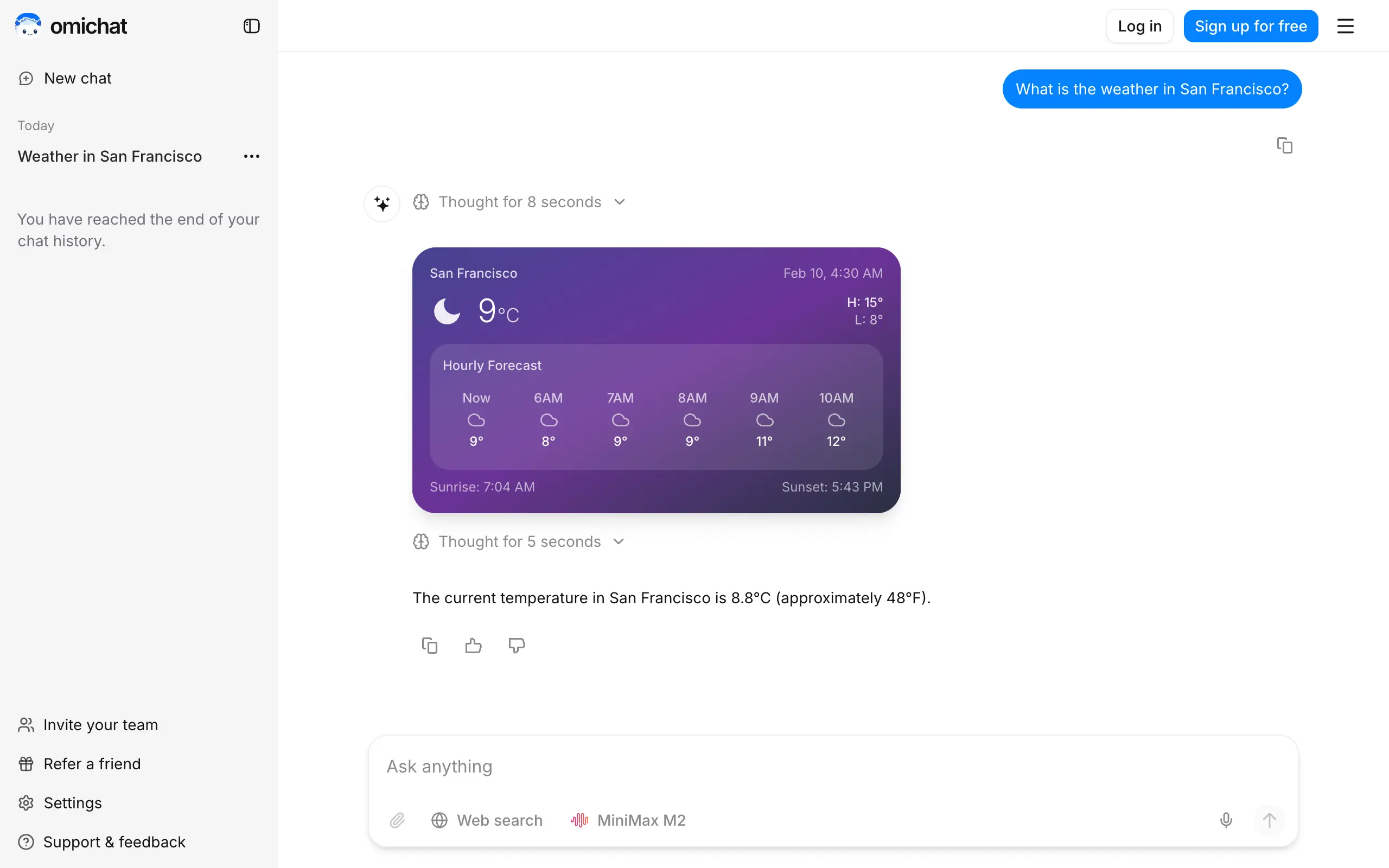
Omichat
Chat with 50+ AI models, including ChatGPT and Claude, in one place - switch models anytime without losing context 🤖
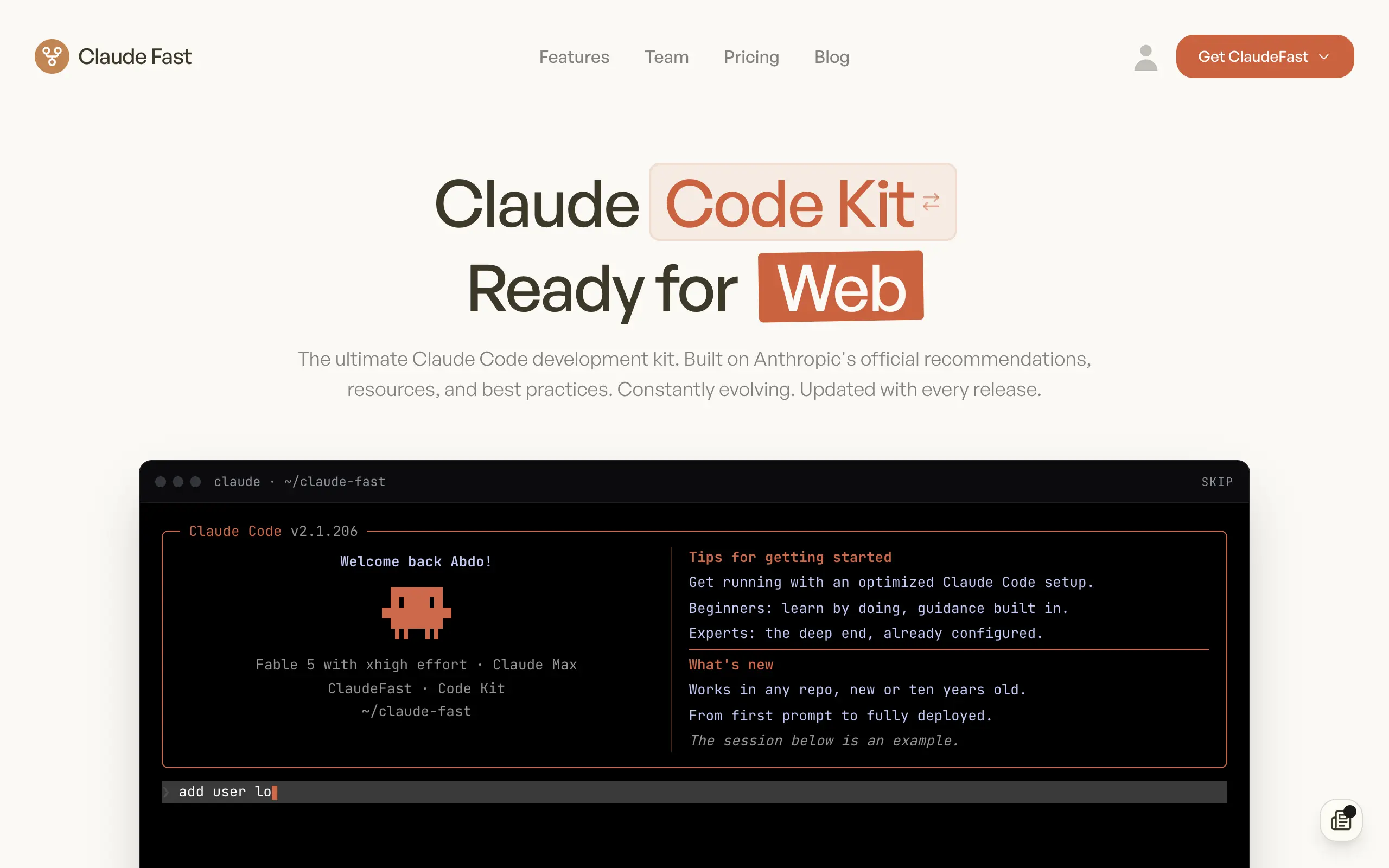
Claude Fast
Supercharge your Claude Code with 6x effective context window and specialized AI agents 🤖
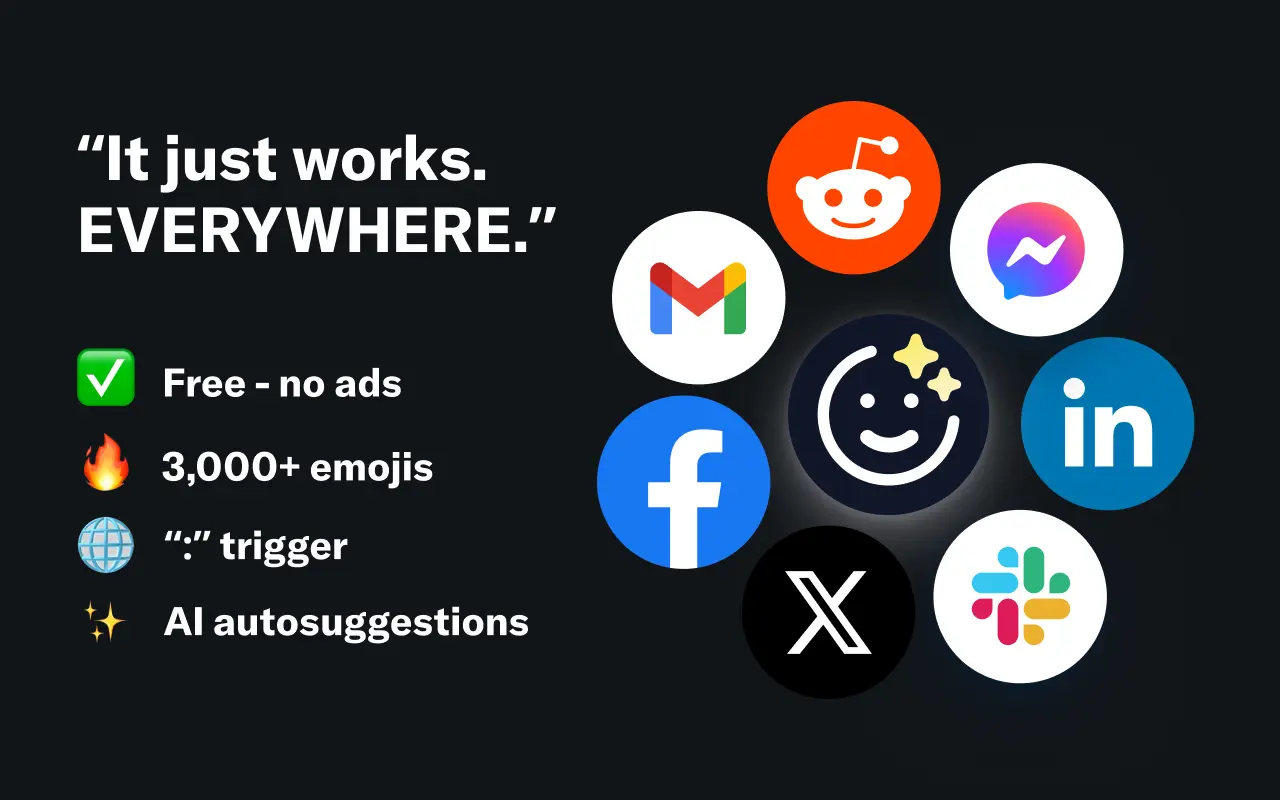
EmojAI
AI-powered emoji picker with smart, context-aware suggestions 🤖
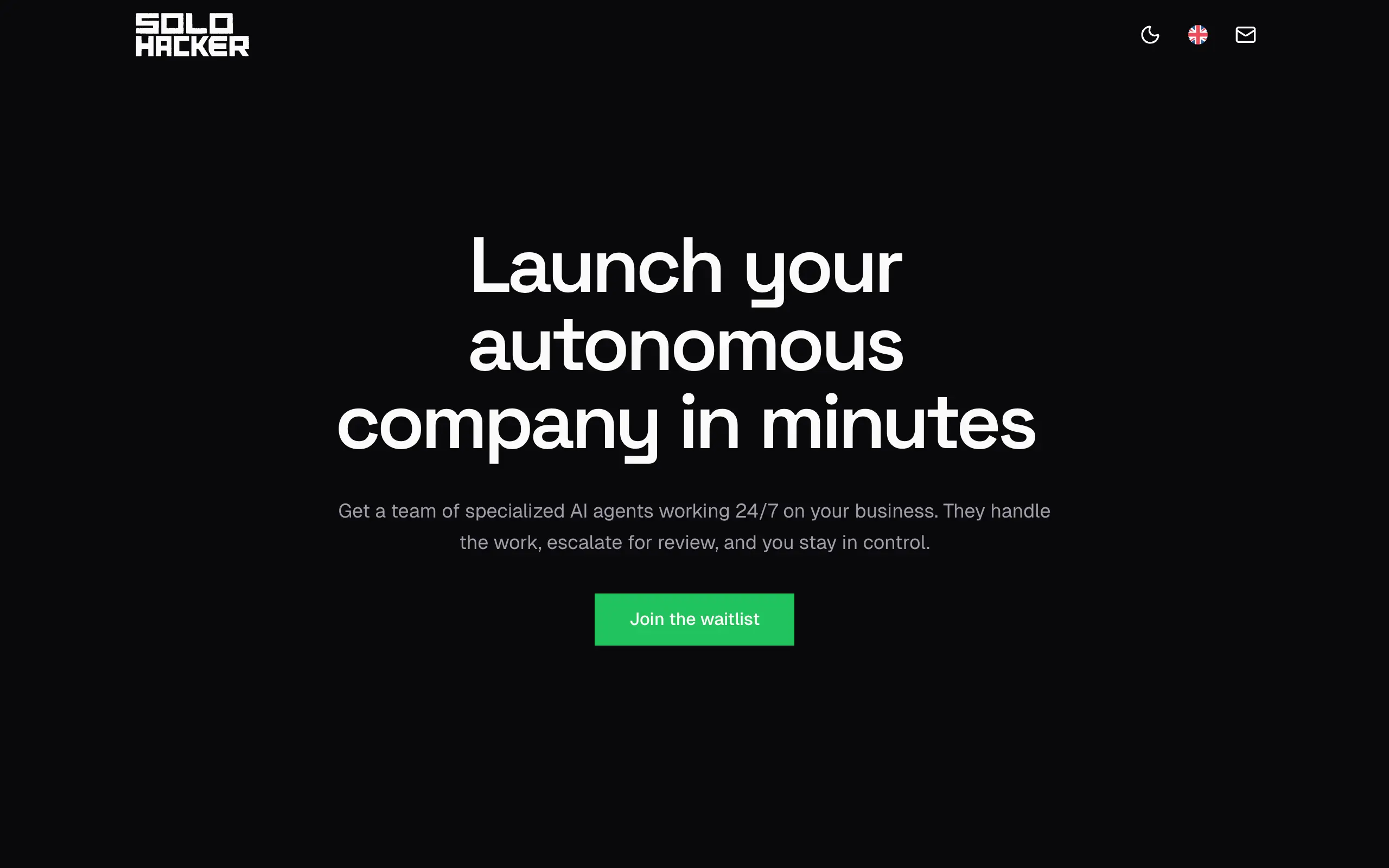
Solohacker
Autonomous company launcher - AI agents work 24/7, escalate what matters, and you stay in control 🤖
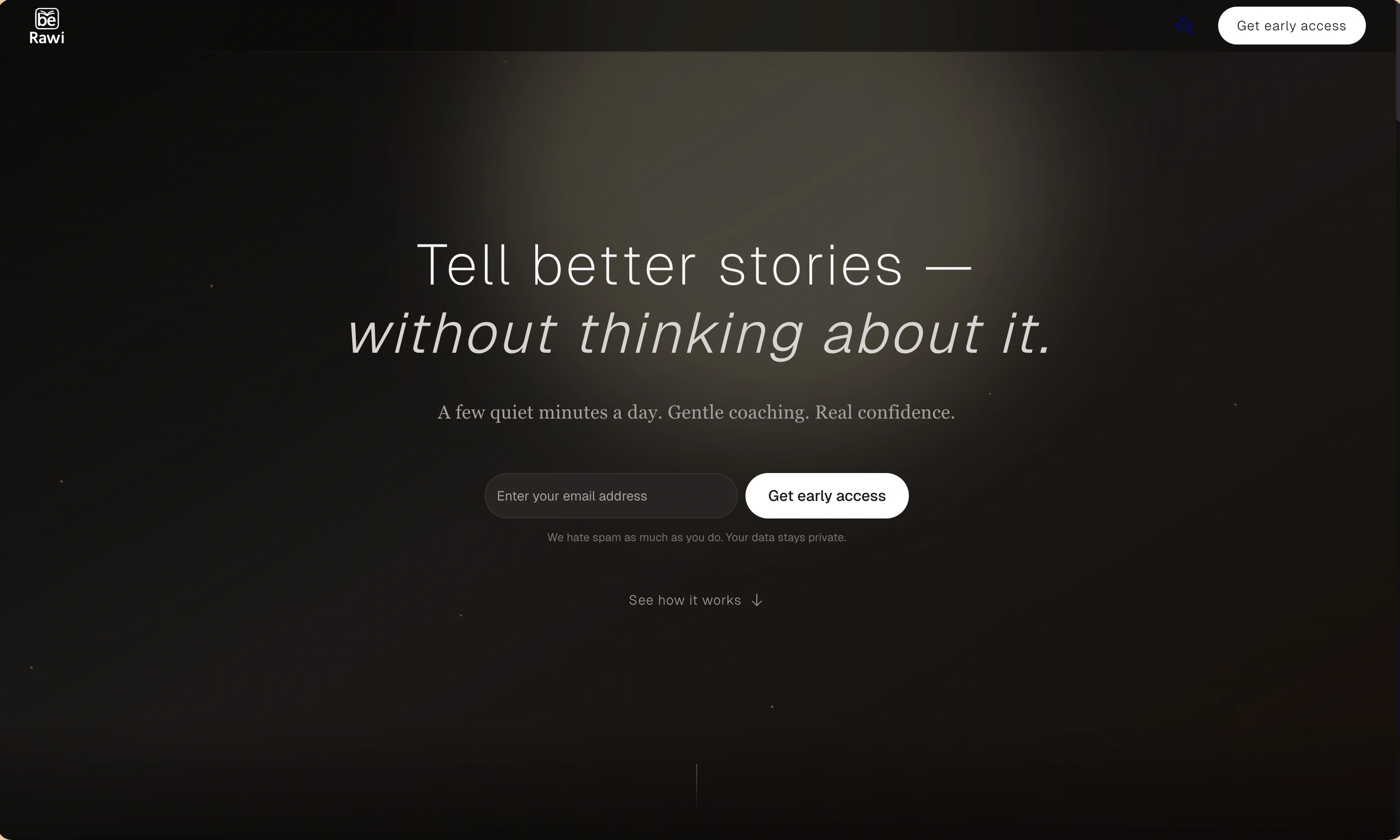
BeRawi: Storytelling Coach
Practice storytelling daily with instant feedback to sound clearer, more engaging, and confident 🎤
Omichat
Chat with 50+ AI models, including ChatGPT and Claude, in one place - switch models anytime without losing context 🤖
Claude Fast
Supercharge your Claude Code with 6x effective context window and specialized AI agents 🤖
EmojAI
AI-powered emoji picker with smart, context-aware suggestions 🤖
Solohacker
Autonomous company launcher - AI agents work 24/7, escalate what matters, and you stay in control 🤖
BeRawi: Storytelling Coach
Practice storytelling daily with instant feedback to sound clearer, more engaging, and confident 🎤
Omichat
Chat with 50+ AI models, including ChatGPT and Claude, in one place - switch models anytime without losing context 🤖
Claude Fast
Supercharge your Claude Code with 6x effective context window and specialized AI agents 🤖
EmojAI
AI-powered emoji picker with smart, context-aware suggestions 🤖
Solohacker
Autonomous company launcher - AI agents work 24/7, escalate what matters, and you stay in control 🤖
BeRawi: Storytelling Coach
Practice storytelling daily with instant feedback to sound clearer, more engaging, and confident 🎤
Omichat
Chat with 50+ AI models, including ChatGPT and Claude, in one place - switch models anytime without losing context 🤖
Claude Fast
Supercharge your Claude Code with 6x effective context window and specialized AI agents 🤖
EmojAI
AI-powered emoji picker with smart, context-aware suggestions 🤖
Solohacker
Autonomous company launcher - AI agents work 24/7, escalate what matters, and you stay in control 🤖
BeRawi: Storytelling Coach
Practice storytelling daily with instant feedback to sound clearer, more engaging, and confident 🎤

Connect with like-minded people
Join our community to get feedback, support, and grow together with 1,000+ builders on board, let's ship it!
Join usShip your startup everywhere. In minutes.
Don't burn tokens on setup and start building features on day one.