EcoCart Insights
A SaaS tool for online retailers to track, analyze, and offset the carbon footprint of every order, appealing to eco-conscious shoppers and brands.
EcoCart Insights is a SaaS platform designed for online retailers who want to track, analyze, and offset the carbon footprint of every order. As sustainability becomes a core value for both consumers and brands, tools like EcoCart Insights are rapidly gaining traction in the ecommerce space. This comprehensive guide explores the market opportunity, target audience, core features, technology stack, monetization strategies, risks, and actionable steps for launching a successful carbon tracking SaaS for ecommerce.
Understanding the user intent: Why are retailers searching for carbon tracking SaaS?
Online retailers are increasingly aware of their environmental impact. With growing consumer demand for sustainable shopping and regulatory pressure mounting, businesses are searching for solutions that help them:
- Quantify their carbon footprint at the order or product level.
- Communicate sustainability efforts transparently to customers.
- Offset emissions in a verifiable, automated way.
- Gain a competitive edge by appealing to eco-conscious shoppers.
Retailers want actionable insights, seamless integration, and credible offsetting options. They are looking for a SaaS platform that is easy to implement, trustworthy, and provides measurable value for both their business and the planet.
Target audience analysis: Who benefits from EcoCart Insights?
EcoCart Insights is tailored for a diverse range of ecommerce businesses, from small independent stores to large-scale online retailers. Understanding the target audience is crucial for product positioning and feature development.
Primary segments
- Direct-to-consumer (DTC) brands: Especially those in fashion, beauty, home goods, and food, where sustainability is a key differentiator.
- Marketplaces and multi-vendor platforms: Platforms like Shopify, WooCommerce, and Magento stores seeking to offer sustainability features to their merchants.
- Eco-conscious brands: Companies with a strong sustainability mission, looking to validate and communicate their efforts.
- Retailers facing regulatory requirements: Businesses in regions with carbon reporting or offsetting mandates.
Key decision-makers
- Ecommerce founders and executives
- Sustainability officers
- Marketing and brand managers
- Operations and supply chain managers
User needs and pain points
- Lack of visibility: Difficulty in measuring the carbon impact of individual orders or products.
- Complexity of offsetting: Navigating credible offset projects and ensuring transparency.
- Customer demand: Shoppers increasingly expect brands to take responsibility for their environmental impact.
- Integration challenges: Need for solutions that work seamlessly with existing ecommerce platforms.
Market opportunity and gap analysis
The intersection of ecommerce and sustainability is a rapidly expanding market. According to recent industry reports, over 60% of consumers prefer to buy from brands that are environmentally responsible (reference: Statista, 2023). However, most ecommerce platforms lack built-in tools for carbon tracking and offsetting.
Key market trends
- Sustainability as a purchase driver: Eco-consciousness is influencing buying decisions, especially among Millennials and Gen Z.
- Regulatory momentum: Governments are introducing carbon reporting requirements for businesses.
- Brand differentiation: Sustainability credentials are becoming a key part of brand identity and marketing.
Market gaps
- Granular tracking: Few solutions offer order-level or product-level carbon footprint analysis.
- Automated offsetting: Manual processes are time-consuming and prone to error.
- Transparent reporting: Retailers need verifiable, easy-to-understand reports for both internal and customer-facing use.
Market insight
EcoCart Insights addresses a clear gap: providing ecommerce businesses with a turnkey solution for tracking, analyzing, and offsetting carbon emissions at the order level, with seamless integration and transparent reporting.
Core features and solution details
EcoCart Insights stands out by offering a comprehensive suite of features tailored to the needs of modern online retailers.
1. Real-time carbon footprint tracking
- Order-level analysis: Calculate the carbon footprint of each order based on product type, weight, shipping method, and destination.
- Product-level insights: Attribute emissions to specific SKUs for granular reporting.
- Customizable algorithms: Adjust calculations based on supplier data, packaging, and logistics.
2. Automated carbon offsetting
- Integrated offset marketplace: Connect with verified carbon offset projects (e.g., reforestation, renewable energy).
- One-click offsetting: Retailers can choose to offset emissions automatically or offer customers the option at checkout.
- Transparent certificates: Generate verifiable certificates for each offset transaction.
3. Actionable analytics and reporting
- Dashboard overview: Visualize total emissions, offsets, and trends over time.
- Customer-facing badges: Display sustainability credentials on product pages and order confirmations.
- Regulatory compliance: Generate reports for ESG disclosures and regulatory filings.
4. Seamless ecommerce integration
- Plug-and-play plugins: Native integrations for Shopify, WooCommerce, Magento, and custom APIs.
- Minimal performance impact: Lightweight scripts and asynchronous data processing.
- Customizable UI components: Adapt badges and widgets to match brand identity.
5. Customer engagement tools
- Eco impact stories: Share the positive impact of offsets with customers post-purchase.
- Gamification: Reward eco-friendly shopping behaviors with points or discounts.
- Personalized recommendations: Suggest lower-impact shipping or product alternatives.
Order-level tracking
Granular carbon analysis for every transaction.
Automated offsetting
Seamless, verifiable carbon offset purchases.
Customer engagement
Badges, stories, and gamification to boost loyalty.
Recommended tech stack for EcoCart Insights
Choosing the right technology stack is critical for scalability, performance, and ease of integration. Below is a recommended stack, with trade-offs considered for each component.
Frontend
- React: Modern, component-based UI development. Large ecosystem and easy integration with ecommerce platforms.
- TailwindCSS: Utility-first CSS framework for rapid, consistent styling.
- TypeScript: Adds type safety and improves maintainability.
Backend
- Node.js: High-performance, event-driven server for handling real-time data and API requests.
- Express: Minimalist web framework for building RESTful APIs.
- PostgreSQL: Reliable, scalable relational database for storing order data, emissions calculations, and offset transactions.
Integrations
- Ecommerce APIs: Shopify, WooCommerce, Magento, and custom REST APIs.
- Carbon offset providers: Integration with reputable offset marketplaces via API.
Hosting and DevOps
- Vercel or AWS: Scalable, serverless deployment for frontend and backend.
- CI/CD pipelines: Automated testing and deployment for rapid iteration.
Trade-offs
- Serverless vs. traditional hosting: Serverless offers scalability and lower maintenance but may have cold start latency.
- Relational vs. NoSQL database: PostgreSQL provides strong consistency and complex queries, ideal for reporting; NoSQL could be considered for high-velocity event data.
React's component model makes it easy to build reusable UI elements for ecommerce integrations. TailwindCSS accelerates development and ensures design consistency.
For order-level tracking and reporting, relational data models are more suitable. PostgreSQL's support for JSON fields also allows flexibility for semi-structured data.
Monetization strategy options
EcoCart Insights can adopt several monetization models, each with its own advantages.
1. Subscription-based pricing
- Tiered plans: Charge monthly or annually based on order volume, number of integrations, or advanced features.
- Freemium model: Offer basic tracking for free, with premium features (e.g., automated offsetting, advanced analytics) behind a paywall.
2. Transaction-based fees
- Per-offset transaction: Take a small commission or markup on each carbon offset purchase.
- Pay-as-you-go: Charge based on the number of orders analyzed or emissions offset.
3. White-label solutions
- Custom branding: Offer white-label versions for agencies or large retailers who want to present the tool as their own.
4. Partnership and affiliate programs
- Ecommerce platform partnerships: Collaborate with platforms like Shopify to offer EcoCart Insights as a recommended app.
- Offset provider commissions: Earn referral fees from carbon offset marketplaces.
| Subscription | Transaction | Freemium | White-label | Affiliate |
|---|---|---|---|---|
| ✅ | ❌ | ❌ | ✅ | ❌ |
| ✅ | ❌ | ✅ | ✅ | ❌ |
Potential risks and mitigation strategies
Launching a SaaS platform in the sustainability space comes with unique challenges. Here are the main risks and how to address them:
1. Data accuracy and credibility
- Risk: Inaccurate carbon calculations can damage trust and brand reputation.
- Mitigation: Use peer-reviewed emissions factors, regularly update algorithms, and partner with credible offset providers.
2. Integration complexity
- Risk: Difficult or buggy integrations can lead to customer churn.
- Mitigation: Invest in robust APIs, thorough documentation, and dedicated integration support.
3. Greenwashing concerns
- Risk: Customers may perceive offsetting as superficial if not transparently communicated.
- Mitigation: Provide clear, verifiable reporting and educate users on the impact of offsets.
4. Regulatory changes
- Risk: Evolving regulations may require rapid product updates.
- Mitigation: Stay informed on ESG and carbon reporting standards; design the platform for flexibility.
5. Market competition
- Risk: Larger players or new entrants could erode market share.
- Mitigation: Focus on unique features, superior UX, and strong partnerships.
Pro tip
Building trust is paramount. Prioritize transparency, data accuracy, and clear communication to establish EcoCart Insights as a credible leader in the space.
Competitive advantage analysis: What makes EcoCart Insights unique?
EcoCart Insights differentiates itself through a combination of technical innovation, user-centric design, and a deep commitment to sustainability.
Unique selling propositions (USPs)
- Order-level granularity: Most competitors offer only store-wide or product-category analysis. EcoCart Insights delivers per-order insights.
- Automated, verifiable offsetting: Direct integration with reputable offset projects, with transparent certification.
- Seamless ecommerce integration: Plug-and-play plugins for major platforms, minimizing setup time.
- Customer engagement: Tools to turn sustainability into a loyalty driver, not just a compliance checkbox.
- Regulatory-ready reporting: Built-in templates for ESG and carbon disclosure requirements.
How EcoCart Insights compares
- Order-level tracking
- Automated offsetting
- Customer engagement tools
- Regulatory-ready reports
- Seamless integrations
- Store-wide or category-level tracking
- Manual offsetting
- Limited customer engagement
- Basic reporting
- Complex or no integrations
Actionable implementation steps
Ready to bring EcoCart Insights to life? Here’s a step-by-step roadmap for building and launching your SaaS platform.
Conclusion: Building a sustainable future for ecommerce
EcoCart Insights is more than just a SaaS tool—it’s a catalyst for change in the ecommerce industry. By empowering retailers to track, analyze, and offset their carbon footprint, it meets the rising demand for sustainability from both consumers and regulators. Its unique combination of granular tracking, automated offsetting, and customer engagement tools positions it as a leader in the green ecommerce revolution.
For founders and product teams, the opportunity is clear: deliver measurable impact, build trust, and create a new standard for responsible online retail. With the right strategy, technology, and partnerships, EcoCart Insights can become an indispensable part of the modern ecommerce stack.
Further resources
- TurboStarter — Accelerate your SaaS MVP development.
- React documentation
- TailwindCSS documentation
- Node.js documentation
- PostgreSQL documentation
- For up-to-date statistics on ecommerce sustainability, see industry reports from Statista, McKinsey, and the World Economic Forum.
By following this guide, you’ll be well-equipped to build, launch, and scale a SaaS platform that not only drives business growth but also makes a real difference for the planet.
More 🛒 E-commerce SaaS ideas
Discover more innovative e-commerce SaaS ideas that are trending in 2026. Each idea is AI-generated with market validation and growth potential to help you find your next profitable venture faster than competitors.
Your competitors are building with TurboStarter
Below are some of the SaaS ideas that have been generated and built with our starter kit.
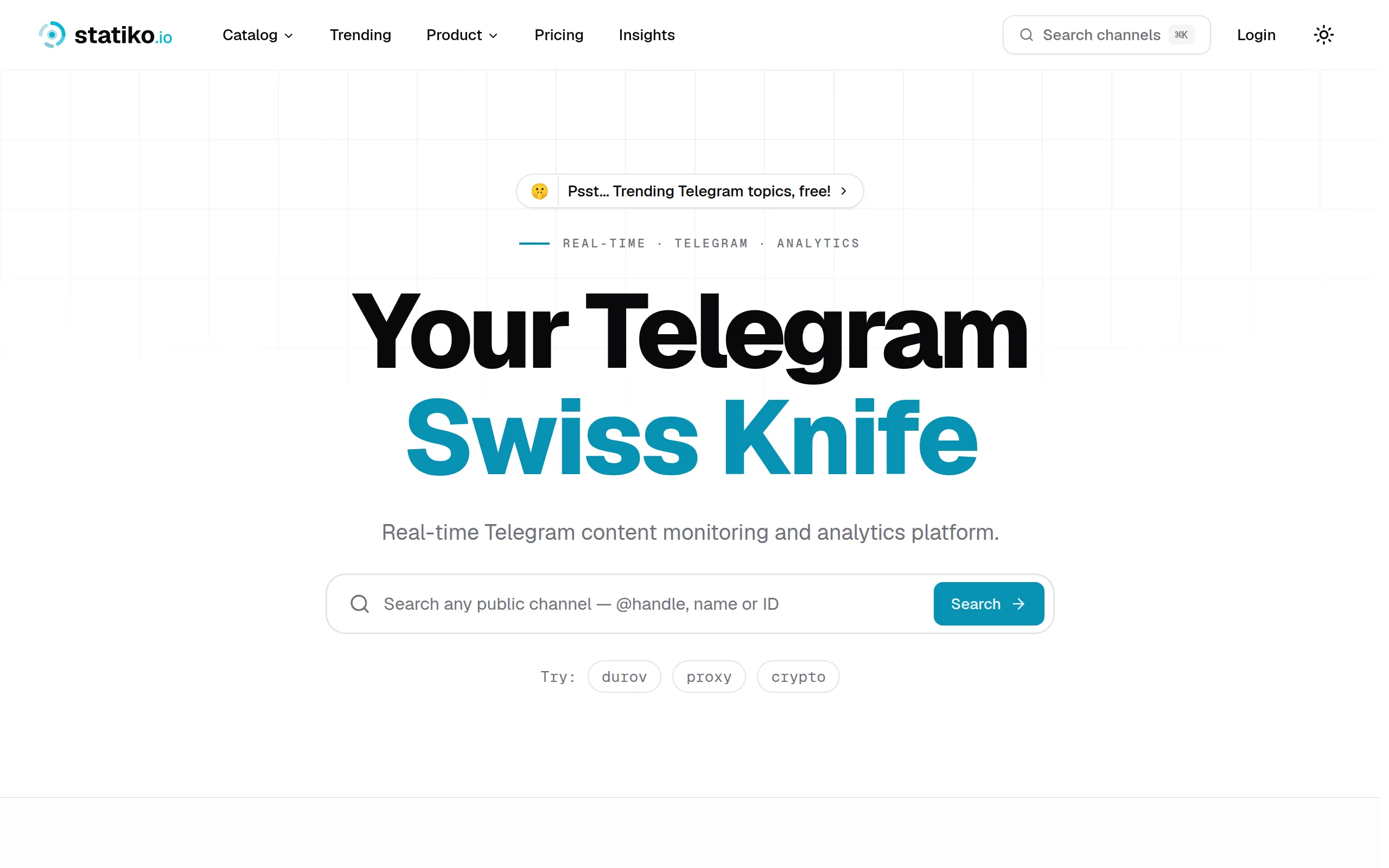
Statiko
Monitor any Telegram channel in real time - track posts, edits, deletions, and growth with AI recaps 📡

Shibui
AI website builder - describe your business, pick a niche template, edit by chatting, and publish instantly ✨

Pro Service
Find verified home service professionals, compare quotes, and pay securely through escrow - built for Brazilians across the US 🏠
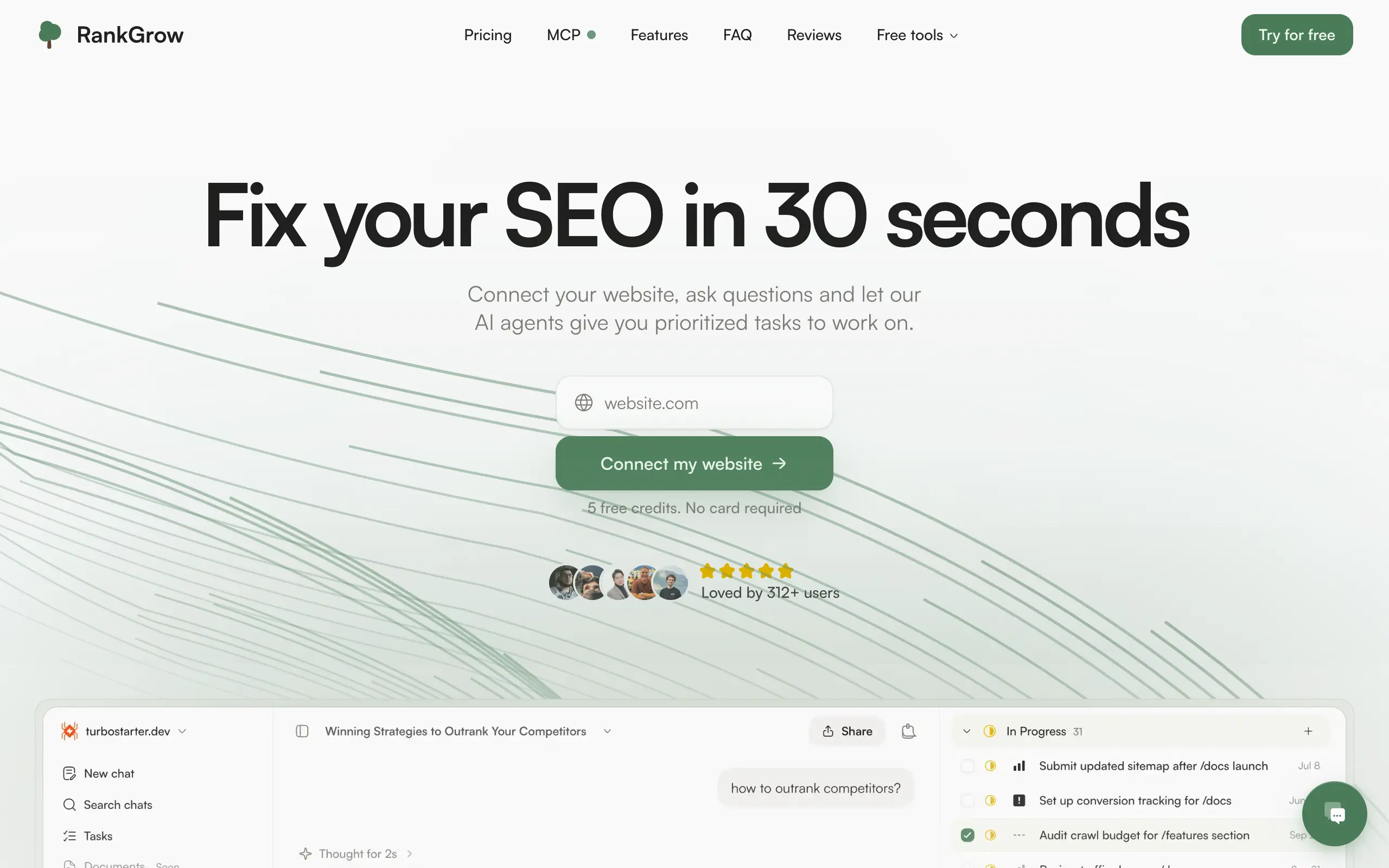
RankGrow
Fix your SEO with AI agents - connect Search Console, get prioritized tasks, and grow organic traffic 📈
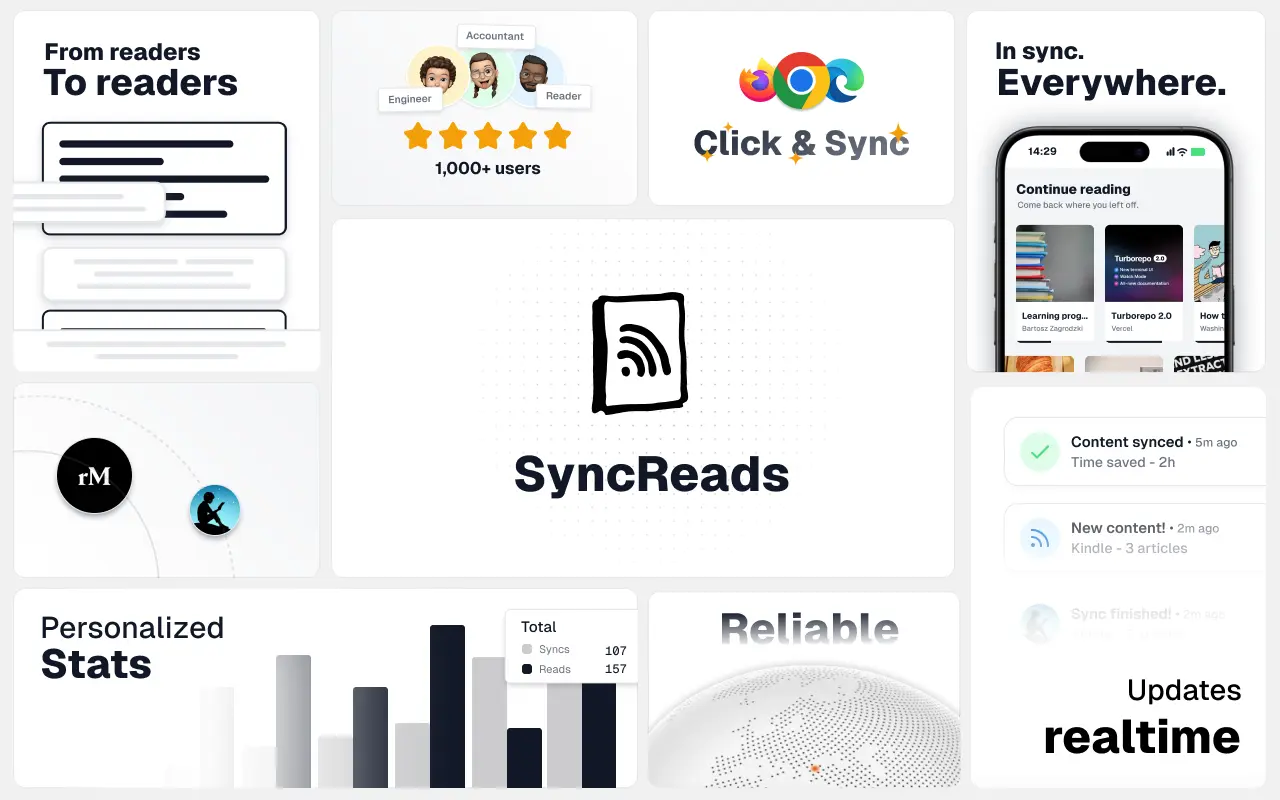
SyncReads
Sync your favorite content for distraction-free reading, save time and replace multiple apps. Anytime, anywhere 🔄
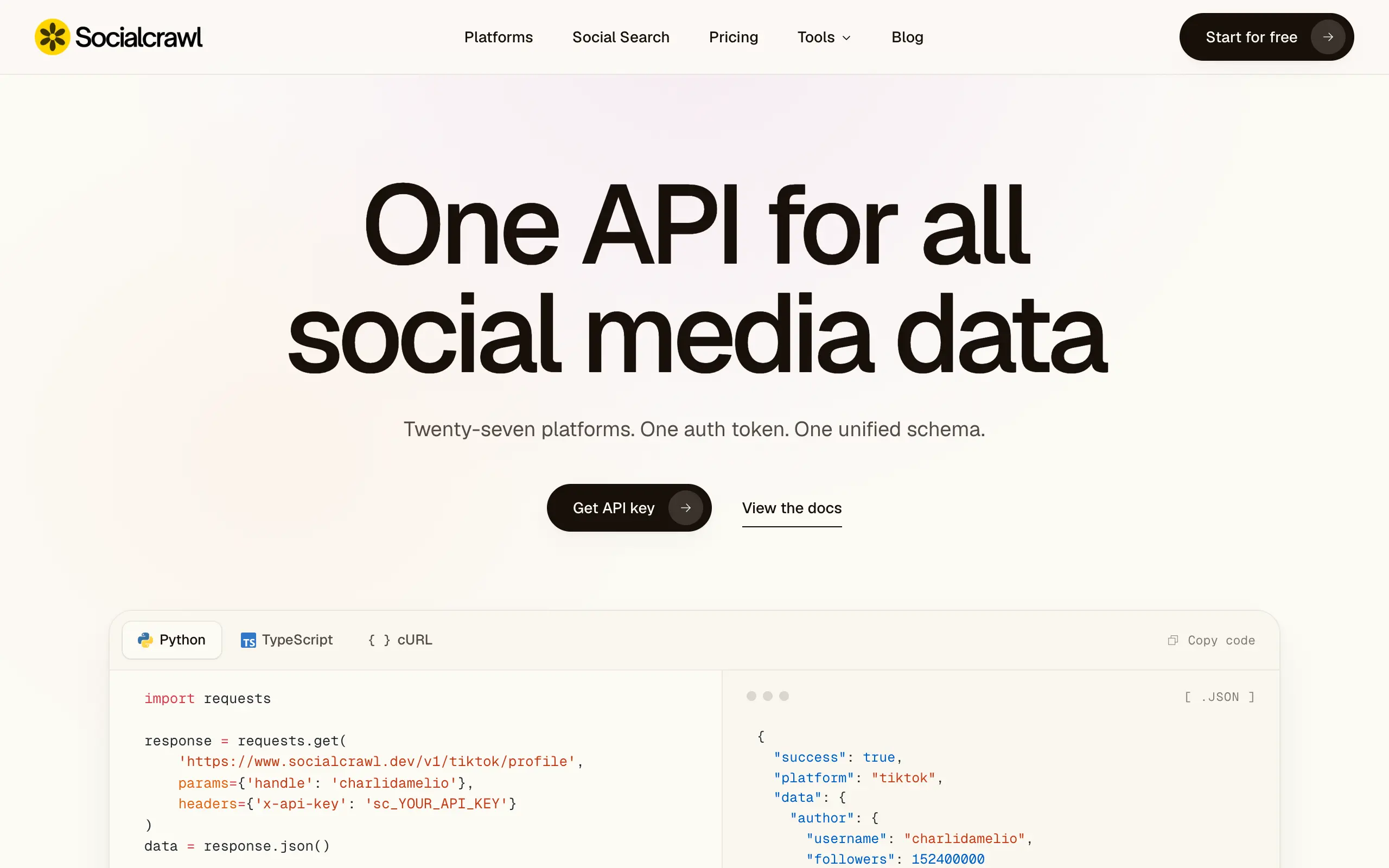
Socialcrawl
Get clean, structured data from 21 platforms like TikTok, Instagram, and YouTube with a single request 📊
Statiko
Monitor any Telegram channel in real time - track posts, edits, deletions, and growth with AI recaps 📡
Shibui
AI website builder - describe your business, pick a niche template, edit by chatting, and publish instantly ✨
Pro Service
Find verified home service professionals, compare quotes, and pay securely through escrow - built for Brazilians across the US 🏠
RankGrow
Fix your SEO with AI agents - connect Search Console, get prioritized tasks, and grow organic traffic 📈
SyncReads
Sync your favorite content for distraction-free reading, save time and replace multiple apps. Anytime, anywhere 🔄
Socialcrawl
Get clean, structured data from 21 platforms like TikTok, Instagram, and YouTube with a single request 📊
Statiko
Monitor any Telegram channel in real time - track posts, edits, deletions, and growth with AI recaps 📡
Shibui
AI website builder - describe your business, pick a niche template, edit by chatting, and publish instantly ✨
Pro Service
Find verified home service professionals, compare quotes, and pay securely through escrow - built for Brazilians across the US 🏠
RankGrow
Fix your SEO with AI agents - connect Search Console, get prioritized tasks, and grow organic traffic 📈
SyncReads
Sync your favorite content for distraction-free reading, save time and replace multiple apps. Anytime, anywhere 🔄
Socialcrawl
Get clean, structured data from 21 platforms like TikTok, Instagram, and YouTube with a single request 📊
Statiko
Monitor any Telegram channel in real time - track posts, edits, deletions, and growth with AI recaps 📡
Shibui
AI website builder - describe your business, pick a niche template, edit by chatting, and publish instantly ✨
Pro Service
Find verified home service professionals, compare quotes, and pay securely through escrow - built for Brazilians across the US 🏠
RankGrow
Fix your SEO with AI agents - connect Search Console, get prioritized tasks, and grow organic traffic 📈
SyncReads
Sync your favorite content for distraction-free reading, save time and replace multiple apps. Anytime, anywhere 🔄
Socialcrawl
Get clean, structured data from 21 platforms like TikTok, Instagram, and YouTube with a single request 📊
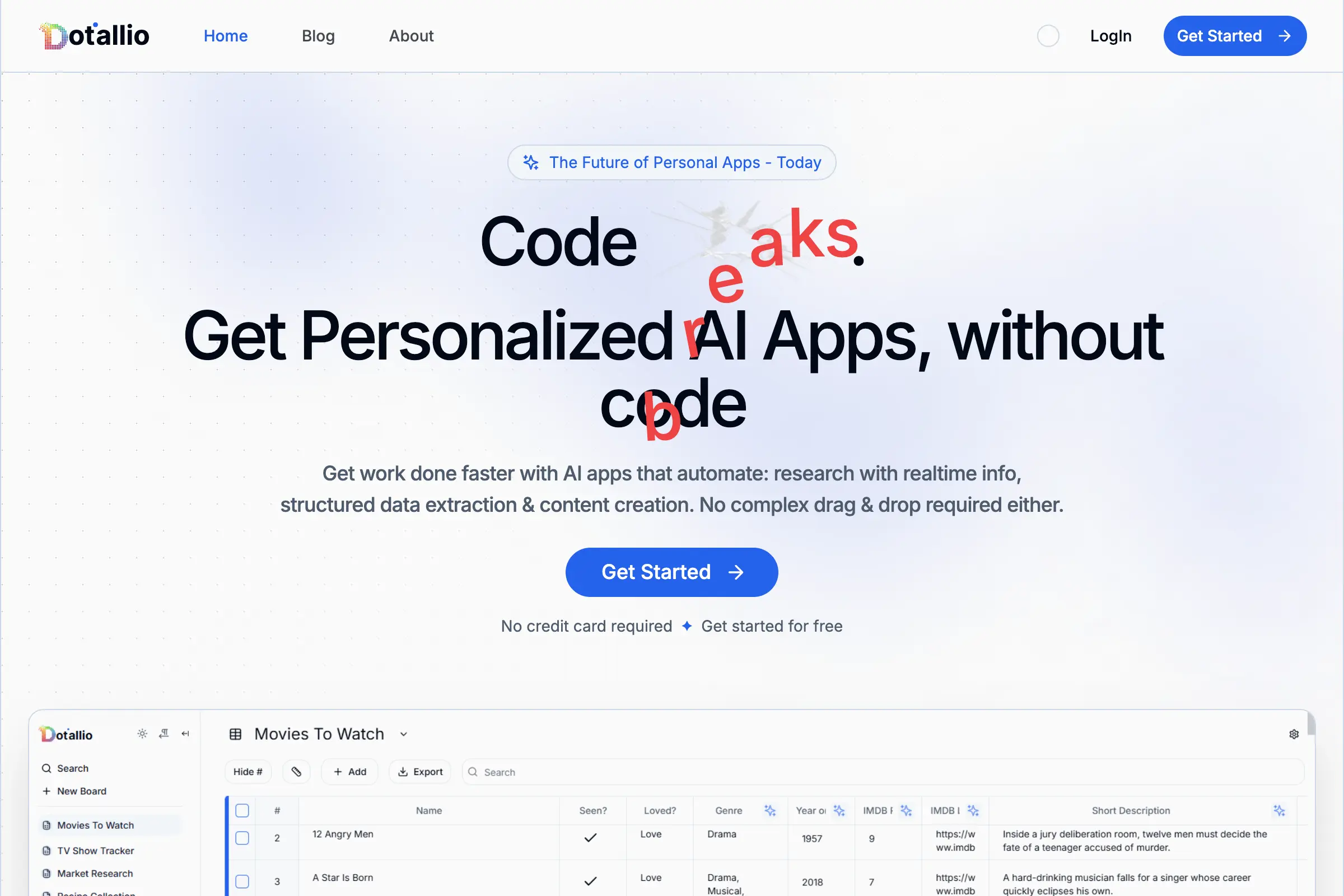
Dotallio
Personalized AI apps that automate research, data extraction, and content creation without code 🤖

Talk to Santa
Enjoy a magical live video chat or receive a unique AI-generated video greeting from Santa Claus 🎅

pozywka.pl
Scalable blog for food journalist, focused on performance and user experience 🌭
zagrodzki.me
Personal blog and portfolio of Bart Zagrodzki, where he shares his knowledge and work 💼
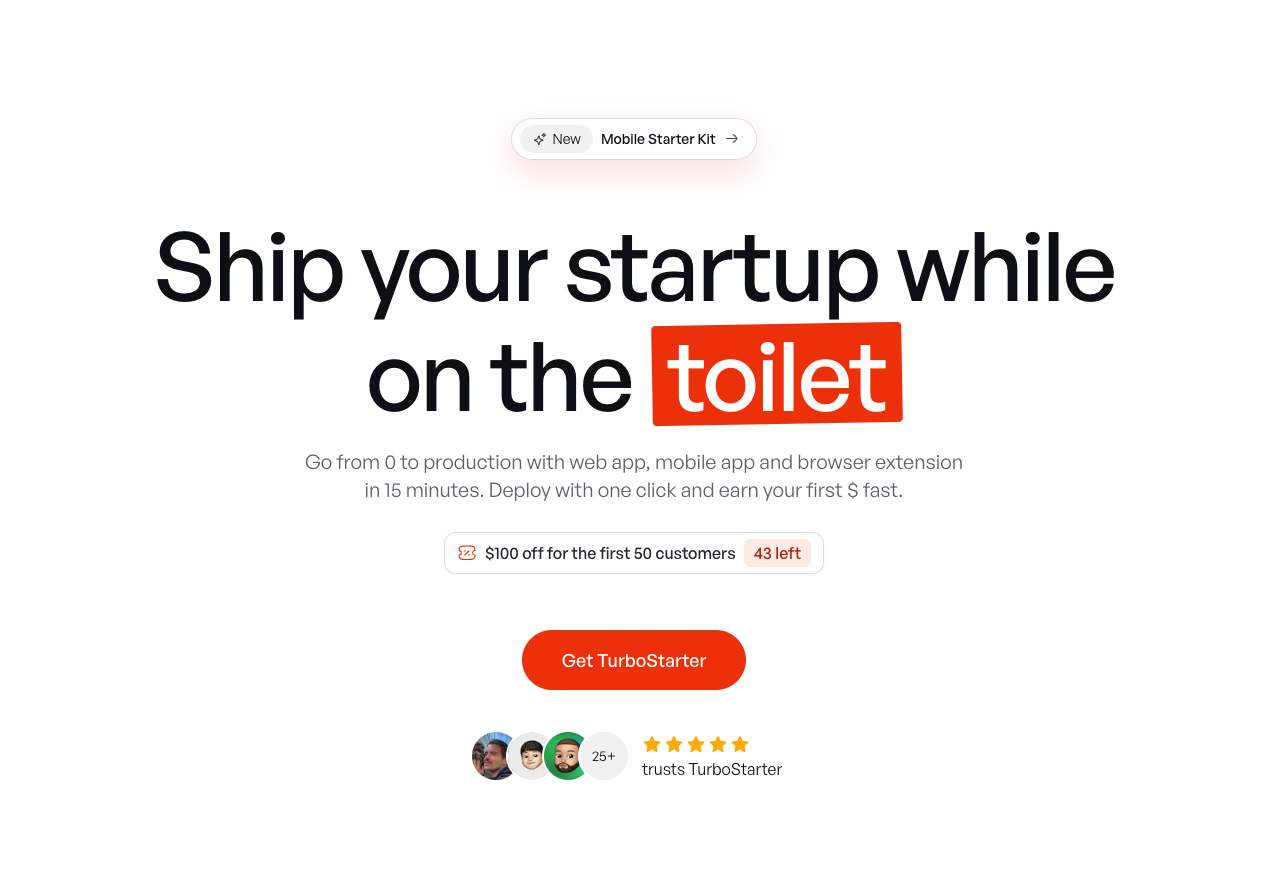
TurboStarter
Ship your startup everywhere. In minutes.
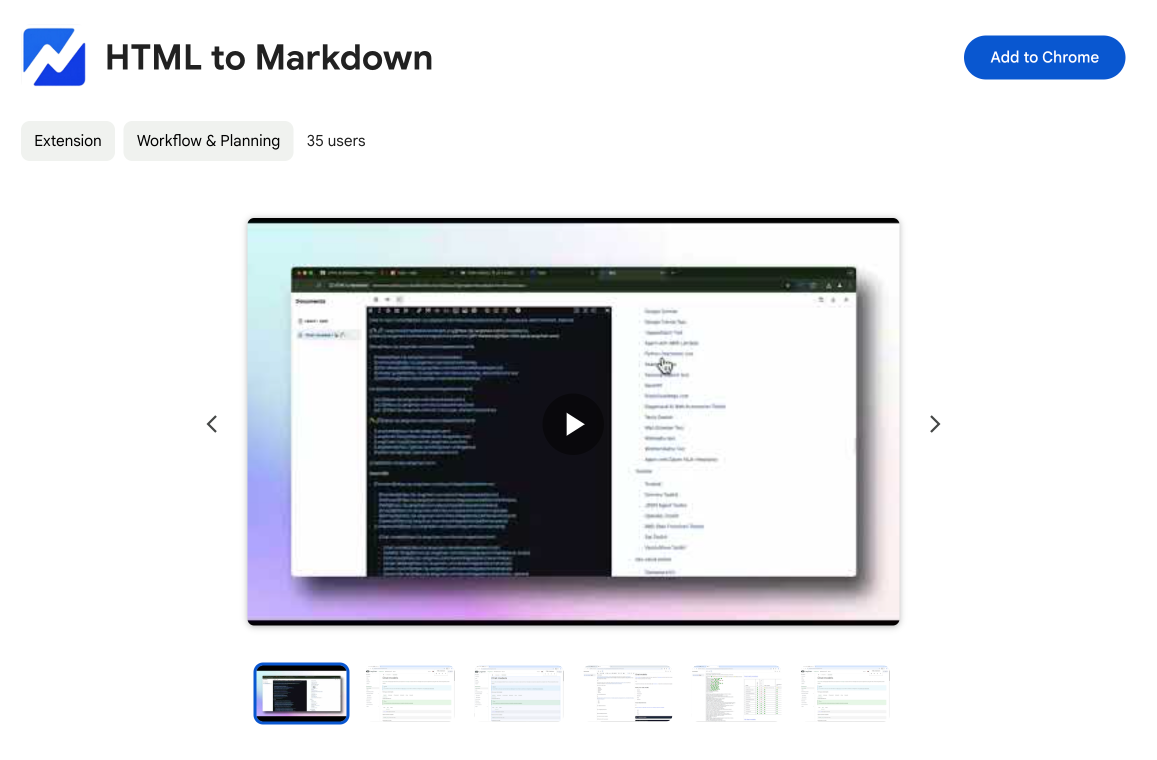
HTML to Markdown
Convert HTML to Markdown with ease, directly in your browser 📄
Dotallio
Personalized AI apps that automate research, data extraction, and content creation without code 🤖
Talk to Santa
Enjoy a magical live video chat or receive a unique AI-generated video greeting from Santa Claus 🎅
pozywka.pl
Scalable blog for food journalist, focused on performance and user experience 🌭
zagrodzki.me
Personal blog and portfolio of Bart Zagrodzki, where he shares his knowledge and work 💼
TurboStarter
Ship your startup everywhere. In minutes.
HTML to Markdown
Convert HTML to Markdown with ease, directly in your browser 📄
Dotallio
Personalized AI apps that automate research, data extraction, and content creation without code 🤖
Talk to Santa
Enjoy a magical live video chat or receive a unique AI-generated video greeting from Santa Claus 🎅
pozywka.pl
Scalable blog for food journalist, focused on performance and user experience 🌭
zagrodzki.me
Personal blog and portfolio of Bart Zagrodzki, where he shares his knowledge and work 💼
TurboStarter
Ship your startup everywhere. In minutes.
HTML to Markdown
Convert HTML to Markdown with ease, directly in your browser 📄
Dotallio
Personalized AI apps that automate research, data extraction, and content creation without code 🤖
Talk to Santa
Enjoy a magical live video chat or receive a unique AI-generated video greeting from Santa Claus 🎅
pozywka.pl
Scalable blog for food journalist, focused on performance and user experience 🌭
zagrodzki.me
Personal blog and portfolio of Bart Zagrodzki, where he shares his knowledge and work 💼
TurboStarter
Ship your startup everywhere. In minutes.
HTML to Markdown
Convert HTML to Markdown with ease, directly in your browser 📄
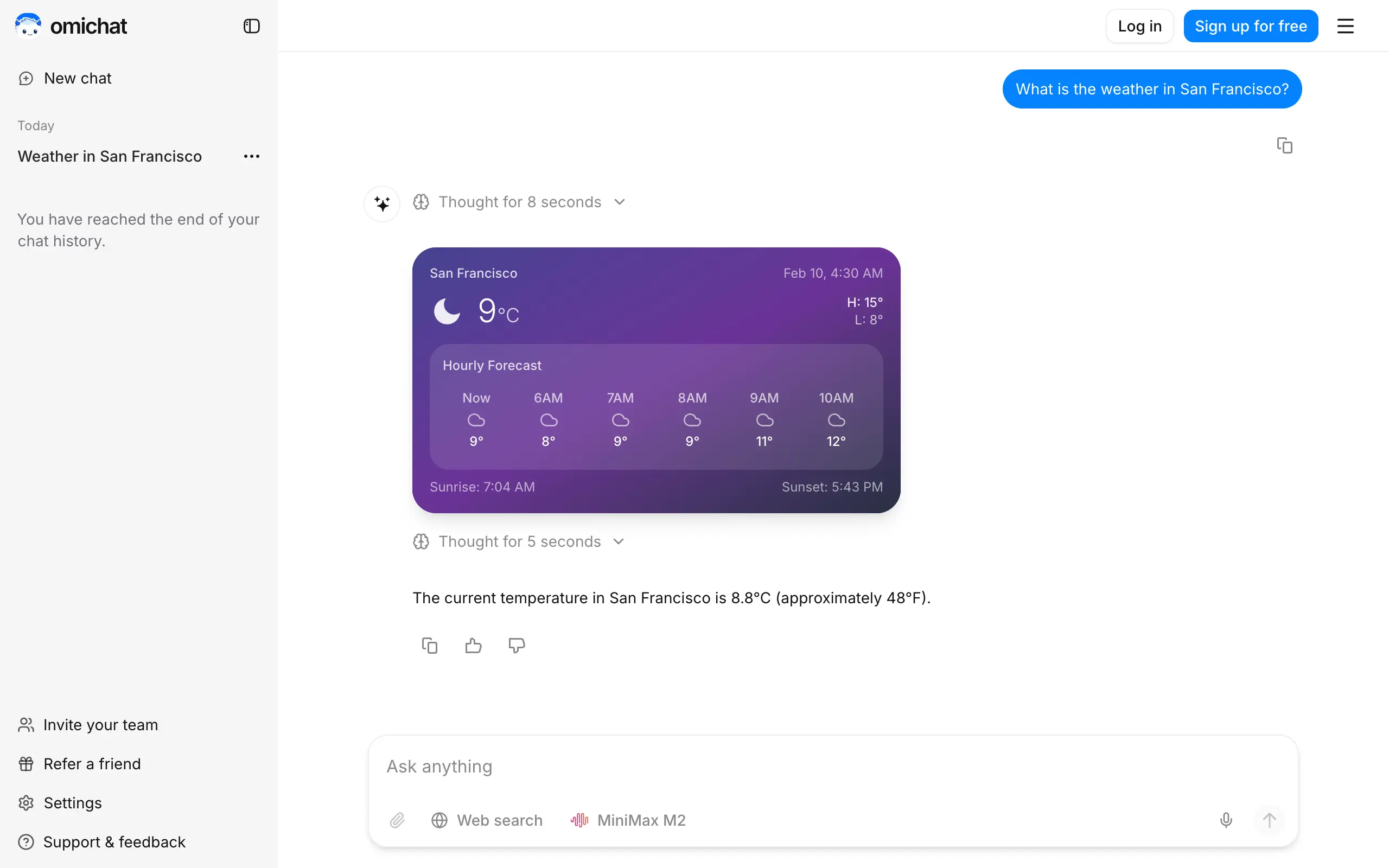
Omichat
Chat with 50+ AI models, including ChatGPT and Claude, in one place - switch models anytime without losing context 🤖
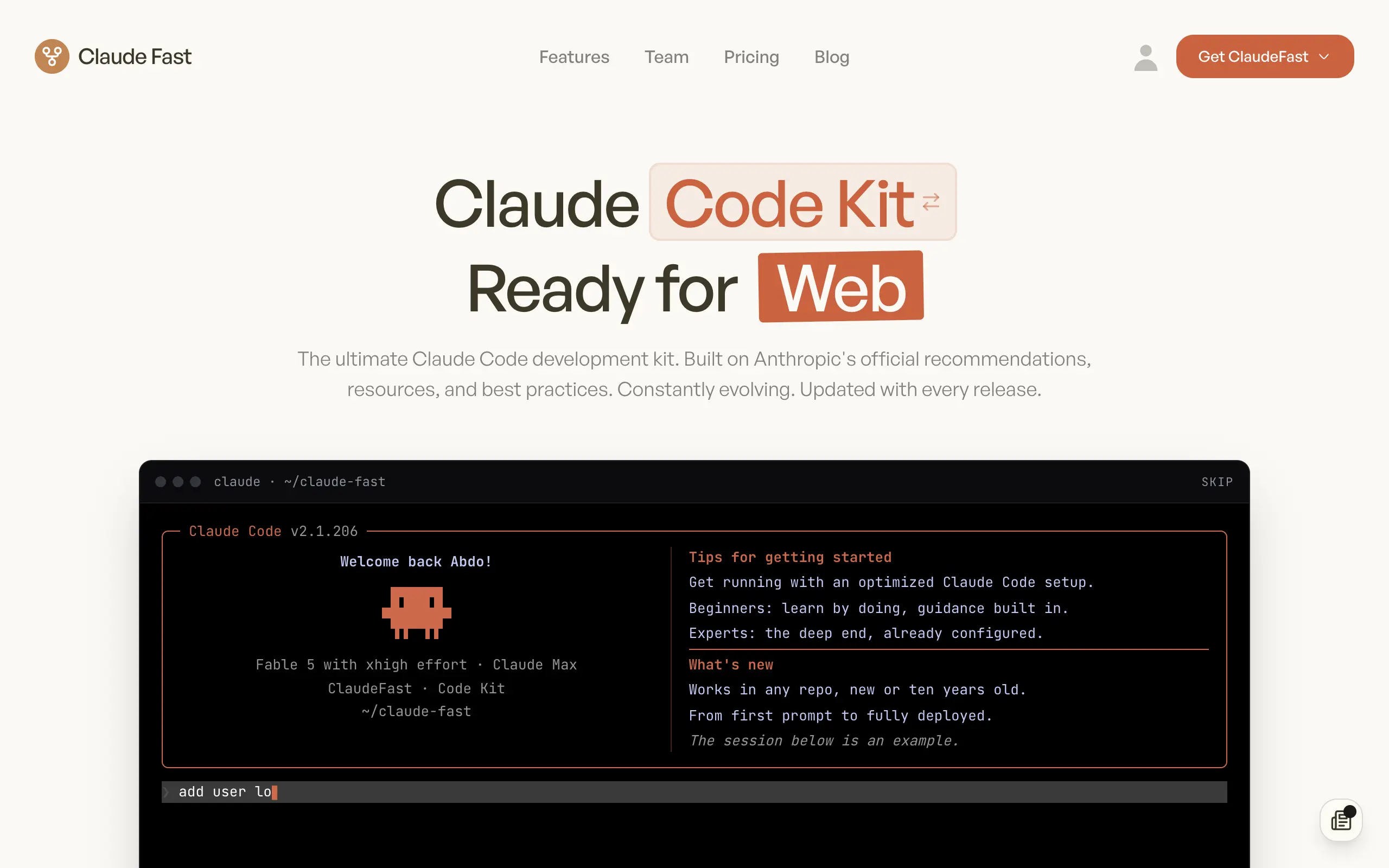
Claude Fast
Supercharge your Claude Code with 6x effective context window and specialized AI agents 🤖
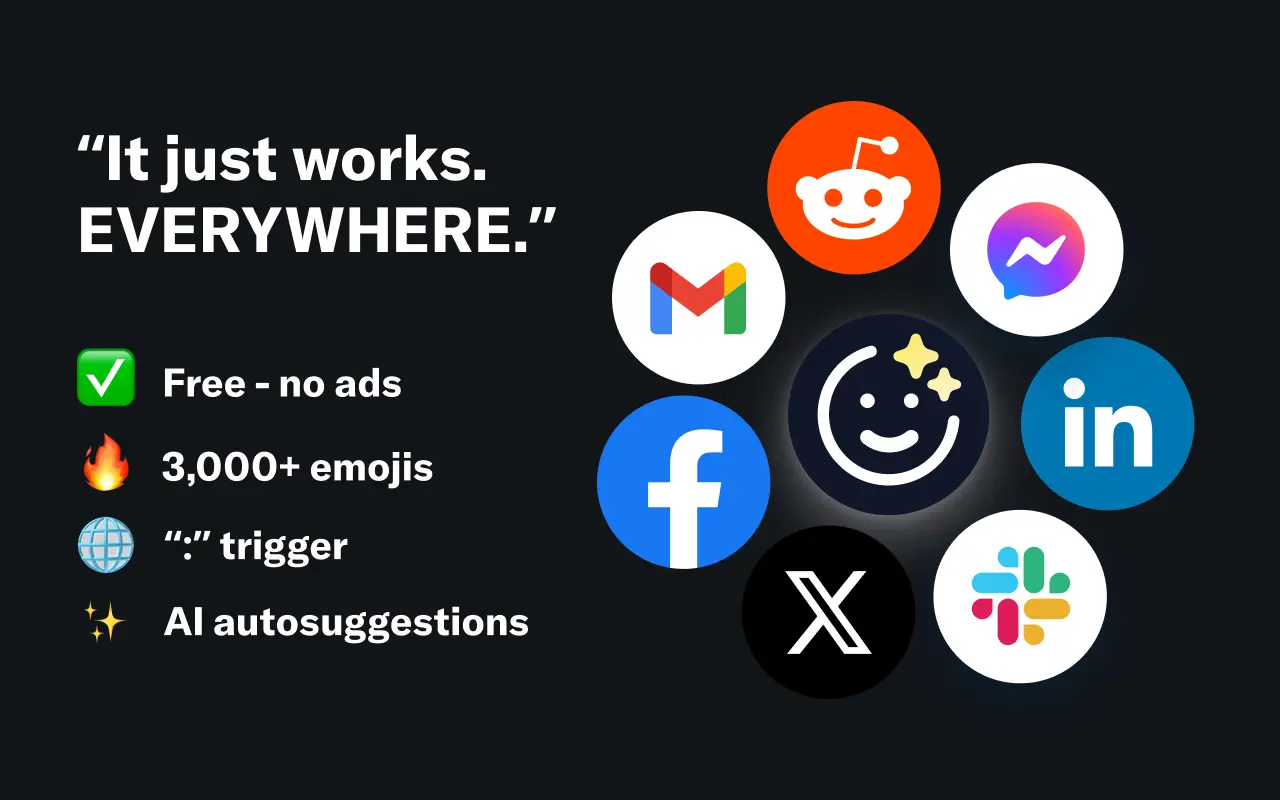
EmojAI
AI-powered emoji picker with smart, context-aware suggestions 🤖
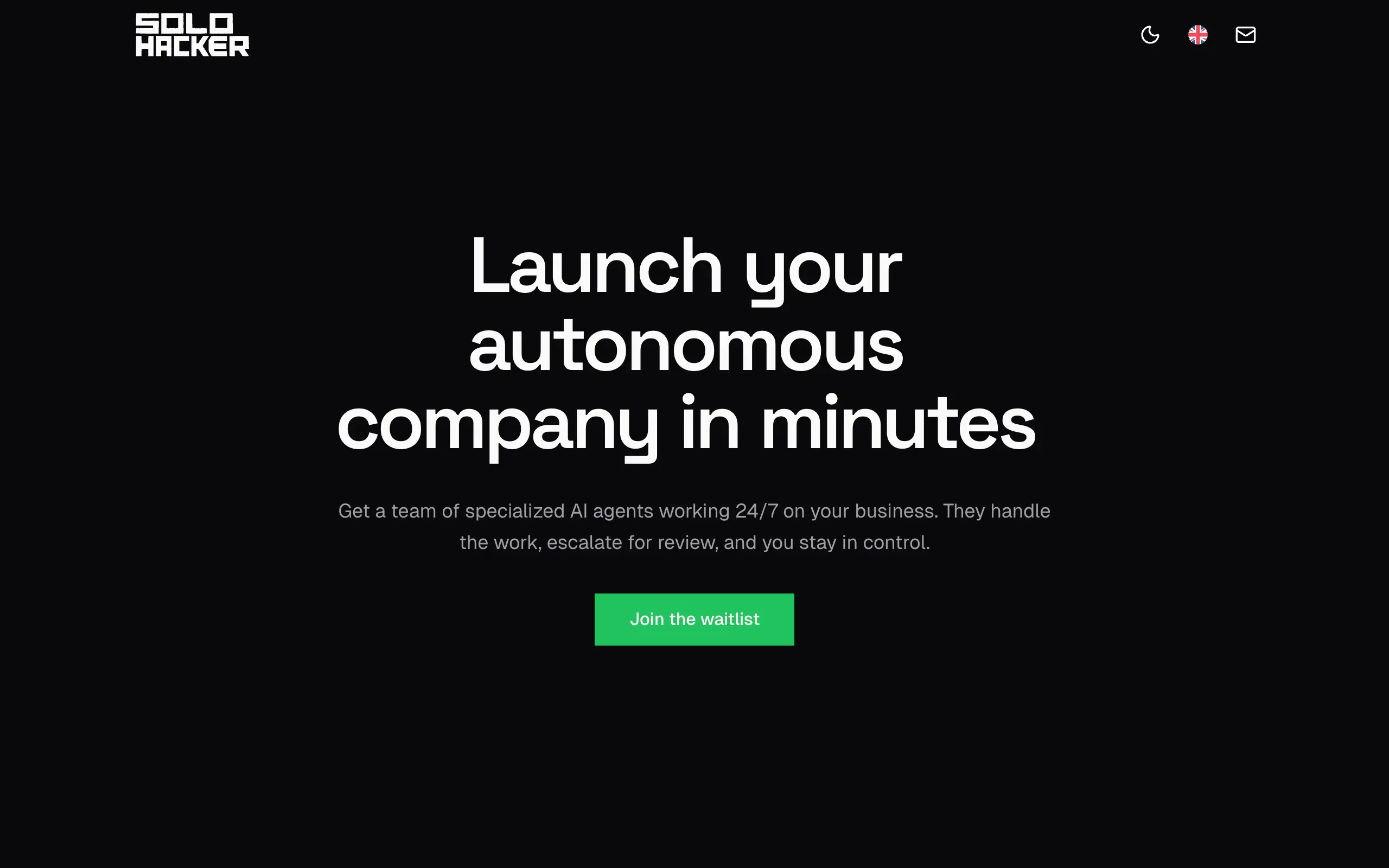
Solohacker
Autonomous company launcher - AI agents work 24/7, escalate what matters, and you stay in control 🤖

BeRawi: Storytelling Coach
Practice storytelling daily with instant feedback to sound clearer, more engaging, and confident 🎤
Omichat
Chat with 50+ AI models, including ChatGPT and Claude, in one place - switch models anytime without losing context 🤖
Claude Fast
Supercharge your Claude Code with 6x effective context window and specialized AI agents 🤖
EmojAI
AI-powered emoji picker with smart, context-aware suggestions 🤖
Solohacker
Autonomous company launcher - AI agents work 24/7, escalate what matters, and you stay in control 🤖
BeRawi: Storytelling Coach
Practice storytelling daily with instant feedback to sound clearer, more engaging, and confident 🎤
Omichat
Chat with 50+ AI models, including ChatGPT and Claude, in one place - switch models anytime without losing context 🤖
Claude Fast
Supercharge your Claude Code with 6x effective context window and specialized AI agents 🤖
EmojAI
AI-powered emoji picker with smart, context-aware suggestions 🤖
Solohacker
Autonomous company launcher - AI agents work 24/7, escalate what matters, and you stay in control 🤖
BeRawi: Storytelling Coach
Practice storytelling daily with instant feedback to sound clearer, more engaging, and confident 🎤
Omichat
Chat with 50+ AI models, including ChatGPT and Claude, in one place - switch models anytime without losing context 🤖
Claude Fast
Supercharge your Claude Code with 6x effective context window and specialized AI agents 🤖
EmojAI
AI-powered emoji picker with smart, context-aware suggestions 🤖
Solohacker
Autonomous company launcher - AI agents work 24/7, escalate what matters, and you stay in control 🤖
BeRawi: Storytelling Coach
Practice storytelling daily with instant feedback to sound clearer, more engaging, and confident 🎤

Connect with like-minded people
Join our community to get feedback, support, and grow together with 1,000+ builders on board, let's ship it!
Join usShip your startup everywhere. In minutes.
Don't burn tokens on setup and start building features on day one.