FitForge Shirts
An AI-powered shirt store that recommends perfect-fit styles using body data and brand-specific sizing insights to reduce returns and boost buyer confidence.
The rise of AI-powered shirt stores in modern ecommerce
Online fashion ecommerce has grown exponentially over the last decade. Yet one persistent issue continues to plague brands and customers alike: poor fit and high return rates. For apparel retailers, especially shirt brands, sizing inconsistencies across manufacturers and regions result in:
- Frustrated customers
- Expensive return logistics
- Lost revenue
- Lower lifetime value (LTV)
An AI-powered shirt store like FitForge Shirts directly addresses this problem by combining body data, brand-specific sizing intelligence, and machine learning to recommend the perfect-fit shirts for each buyer.
If you’re exploring how to build or validate an AI clothing store, reduce ecommerce returns, or create a personalized apparel experience, this guide provides a complete breakdown—from market opportunity to technical implementation and monetization.
Why sizing problems are a massive ecommerce opportunity
The real cost of apparel returns
Fashion ecommerce sees some of the highest return rates in retail—often between 20% and 40%, depending on the segment (industry reports from sources like the National Retail Federation consistently highlight high apparel return rates).
The top reason? Incorrect sizing and poor fit.
For shirt-specific stores, common complaints include:
- Sleeves too short
- Shoulders too tight
- Chest too loose
- Collar misalignment
- Inconsistent sizing across brands (e.g., Brand A Medium ≠ Brand B Medium)
This creates a massive opportunity:
✅ Reduce returns
✅ Increase customer confidence
✅ Improve conversion rates
✅ Boost repeat purchases
An AI-powered shirt recommendation engine can transform sizing from guesswork into precision.
What is FitForge Shirts?
FitForge Shirts is an AI-powered shirt store that:
- Collects structured body data (height, weight, shoulder width, chest, arm length)
- Uses machine learning to match users with brand-specific size profiles
- Provides confidence scoring for recommended fits
- Learns from customer feedback and returns
- Optimizes product selection based on personal style + body type
Instead of asking customers to choose “S, M, or L” blindly, FitForge provides:
“Based on your body data and previous purchase behavior, we recommend Brand X Slim Fit – Size M (94% fit confidence).”
That’s a fundamentally better buying experience.
Target audience analysis
To build a successful AI-powered shirt store, understanding audience segments is critical.
Primary audience segments
Busy professionals
Men aged 25–45 who want well-fitting shirts for work but don’t have time to try multiple brands.
Style-conscious buyers
Customers who care about silhouette, cut, and fabric but struggle with inconsistent sizing.
Frequent online shoppers
Digital-native buyers comfortable sharing data for a better ecommerce experience.
Hard-to-fit body types
Tall, short, athletic, broad-shouldered, or slim individuals underserved by standard sizing.
Secondary segments
- Corporate bulk buyers
- Subscription fashion customers
- International shoppers dealing with sizing conversions
- DTC shirt brands seeking reduced return rates
Core problem: why shirt sizing fails online
Let’s break down the systemic issue.
1. Brand inconsistency
A “Medium Slim Fit” in one brand may be equivalent to a “Small Tailored Fit” in another.
2. Vanity sizing
Brands sometimes manipulate size labels to appeal psychologically to consumers.
3. Fabric variability
Stretch cotton vs. Oxford vs. linen behaves differently.
4. Regional sizing standards
US, EU, and Asian sizes vary significantly.
5. Human measurement errors
Users often don’t know how to measure themselves correctly.
FitForge Shirts can solve these problems through:
- Standardized internal sizing models
- Brand-specific data calibration
- AI-driven measurement correction models
- Confidence-based recommendations
Core features of an AI-powered shirt store
To succeed, FitForge Shirts needs a strong, defensible feature set.
1. Smart body profile builder
Instead of overwhelming users with 15 measurements, use:
- Guided visual measurement flows
- AI-assisted estimation (height + weight → probable chest range)
- Image-based measurement (future enhancement)
- Optional tailor-mode for advanced users
2. Brand-specific sizing intelligence engine
This is the core differentiator.
The engine:
- Maps every shirt SKU to detailed measurement attributes
- Normalizes sizing across brands
- Calculates fit probability
3. Fit confidence score
Each product displays:
- Recommended size
- Fit type (Slim, Regular, Relaxed)
- Confidence score (e.g., 92%)
- Risk alerts (e.g., “Sleeves may run slightly short”)
4. Post-purchase feedback loop
After delivery, collect structured feedback:
- Perfect fit
- Too tight (where?)
- Too loose (where?)
- Sleeve length rating
This continuously improves the ML model.
5. Personalized style recommendations
Combine fit data with:
- Color preferences
- Occasion tagging (Work, Casual, Formal)
- Fabric climate matching
- Previous purchases
Now the platform isn’t just a sizing tool—it’s a smart stylist.
Competitive landscape and positioning
The ecommerce apparel space is crowded. However, very few players truly solve sizing.
Let’s compare:
| Feature | Standard Shirt Store | Marketplace (e.g., multi-brand) | Custom Tailor | FitForge Shirts | Subscription Box |
|---|---|---|---|---|---|
| AI Fit Engine | ❌ | ❌ | ❌ | ✅ | ❌ |
| Brand Normalization | ❌ | ❌ | ✅ | ✅ | ❌ |
Unique selling proposition (USP)
FitForge Shirts is not just another online shirt store. Its USP:
“Precision-fit shirts powered by AI and brand-level sizing intelligence.”
It reduces returns while increasing buyer confidence—a rare win-win in ecommerce.
Market opportunity and gap
Key trends supporting this idea
- AI personalization in ecommerce is mainstream.
- Consumers are more willing to share data for better recommendations.
- Sustainability pressure is pushing brands to reduce return-related waste.
- DTC brands seek margin optimization.
According to public retail reports, returns cost retailers billions annually in logistics and lost inventory value. Reducing even 10–20% of returns can dramatically improve margins.
This positions FitForge Shirts at the intersection of:
- AI
- Ecommerce optimization
- Sustainable retail
- Personalization
Technical architecture for FitForge Shirts
Building an AI-powered ecommerce store requires a thoughtful stack.
Frontend
- React or Next.js
- TailwindCSS for styling
- Server-side rendering for SEO
Backend
- Node.js (Express or Fastify)
- Python microservice for ML logic
- REST or GraphQL API layer
Database
- PostgreSQL (structured product + measurement data)
- Redis (caching fit predictions)
- Optional: vector database for similarity matching
AI / ML layer
- Regression models for size prediction
- Collaborative filtering for style matching
- Continuous retraining using return feedback
Sample recommendation API logic
// Pseudo-code for fit recommendation endpoint

app.post("/recommend-size", async (req, res) => {
  const { height, weight, chest, brandId, productId } = req.body;

  const userProfile = buildBodyProfile(height, weight, chest);
  const productSpecs = await getProductMeasurements(productId);

  const fitScore = calculateFitProbability(userProfile, productSpecs);

  return res.json({
    recommendedSize: fitScore.bestSize,
    confidence: fitScore.confidenceScore,
  });
});
Deployment
- Vercel (frontend)
- AWS / GCP for backend + ML workloads
- CI/CD with GitHub Actions
Monetization strategies
FitForge Shirts can generate revenue in multiple ways.
1. Direct-to-consumer shirt sales
- Premium pricing justified by better fit
- Lower return costs increase margin
2. Fit subscription
Offer:
- Annual fit profile optimization
- Early access collections
- Style bundles
3. B2B licensing
License the fit engine to:
- Other shirt brands
- Ecommerce marketplaces
- Shopify merchants
4. Affiliate commissions
If acting as a multi-brand aggregator.
Pricing model options
Charge standard apparel pricing with 60–70% gross margins. Add premium tier for AI styling.
Monthly SaaS subscription for brands based on traffic volume or API calls.
Sell shirts + license sizing engine separately.
Risks and mitigation strategies
Risk 1: Inaccurate AI recommendations
Mitigation:
- Conservative confidence scoring
- Clear disclaimers
- Easy exchanges
- Aggressive feedback collection
Risk 2: Customer privacy concerns
Mitigation:
- Transparent data policy
- Encrypted storage
- Optional data deletion
- No biometric storage without consent
Risk 3: Data cold-start problem
Mitigation:
- Use synthetic sizing datasets initially
- Partner with 2–3 brands first
- Offer early adopter discounts
SEO strategy for FitForge Shirts
To rank for keywords like:
- AI shirt store
- perfect fit shirts online
- AI clothing size recommendation
- reduce apparel returns
- smart sizing ecommerce
You should:
1. Create educational content
Examples:
- “How to measure your shirt size correctly”
- “Why shirt sizes vary between brands”
- “How AI reduces clothing return rates”
2. Use structured data
Add schema for:
- Products
- FAQs
- Reviews
3. Focus on long-tail keywords
Instead of targeting only “men’s shirts”, target:
- “Best fitting slim shirts for broad shoulders”
- “AI size recommendation shirts”
- “Online shirt store with fit guarantee”
Customer journey design
The experience must feel frictionless.
Sustainability advantage
Reducing returns means:
- Lower carbon emissions from shipping
- Reduced packaging waste
- Fewer unsellable returns
This can become a powerful brand positioning angle:
“Buy once. Fit right. Reduce waste.”
Implementation roadmap
Phase 1: MVP (0–3 months)
- Basic ecommerce store
- Manual size mapping
- Rule-based fit recommendation
- 1–2 shirt brands
Phase 2: Smart engine (3–6 months)
- ML prediction layer
- Confidence scoring
- Feedback loop integration
Phase 3: Optimization (6–12 months)
- Style AI
- Predictive restock
- B2B API launch
How to build faster with the right foundation
Building an AI-powered ecommerce platform from scratch can be time-consuming.
Using a production-ready SaaS starter kit like TurboStarter helps accelerate:
- Authentication
- Billing
- Admin dashboards
- API scaffolding
- Multi-tenant architecture
This lets you focus on:
- Fit algorithms
- Brand partnerships
- UX differentiation
Final thoughts: why FitForge Shirts can win
FitForge Shirts solves one of the biggest inefficiencies in fashion ecommerce: uncertain sizing.
Its advantages:
- AI-powered fit intelligence
- Reduced return costs
- Increased customer trust
- Sustainable positioning
- B2B expansion potential
In a crowded apparel market, precision and personalization are defensible moats.
The brands that win the next decade of ecommerce won’t just sell products—they’ll sell confidence.
FitForge Shirts is positioned to do exactly that.
Next steps to launch
- Validate with 50–100 beta users.
- Partner with 2 shirt manufacturers.
- Build rule-based recommendation MVP.
- Collect structured fit feedback.
- Train ML model.
- Launch content-driven SEO strategy.
- Expand to B2B licensing.
If executed strategically, FitForge Shirts can evolve from a niche AI-powered shirt store into a dominant fit intelligence platform across fashion ecommerce.
More 🛒 E-commerce SaaS ideas
Discover more innovative e-commerce SaaS ideas that are trending in 2026. Each idea is AI-generated with market validation and growth potential to help you find your next profitable venture faster than competitors.
Your competitors are building with TurboStarter
Below are some of the SaaS ideas that have been generated and built with our starter kit.
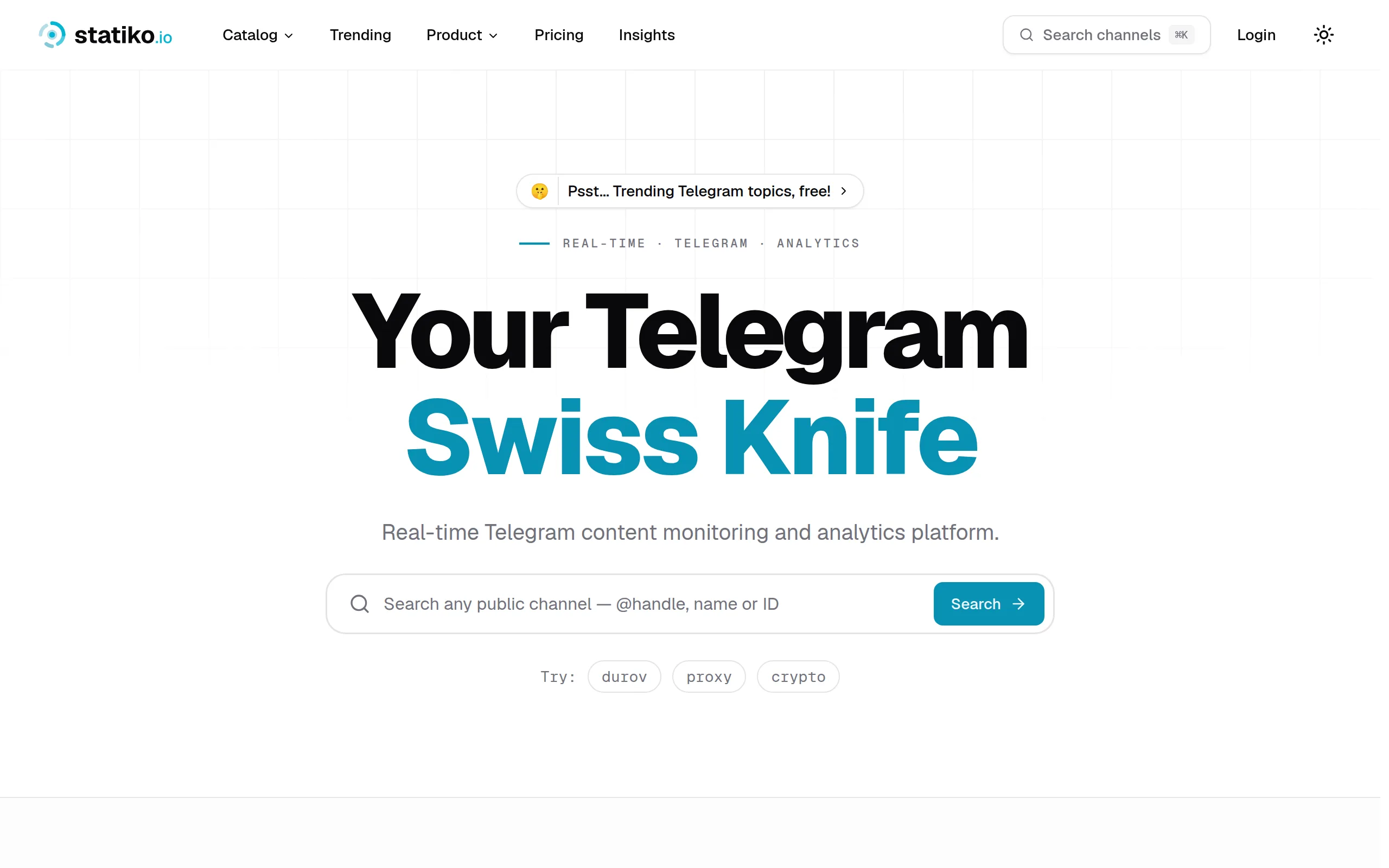
Statiko
Monitor any Telegram channel in real time - track posts, edits, deletions, and growth with AI recaps 📡

Shibui
AI website builder - describe your business, pick a niche template, edit by chatting, and publish instantly ✨

Pro Service
Find verified home service professionals, compare quotes, and pay securely through escrow - built for Brazilians across the US 🏠
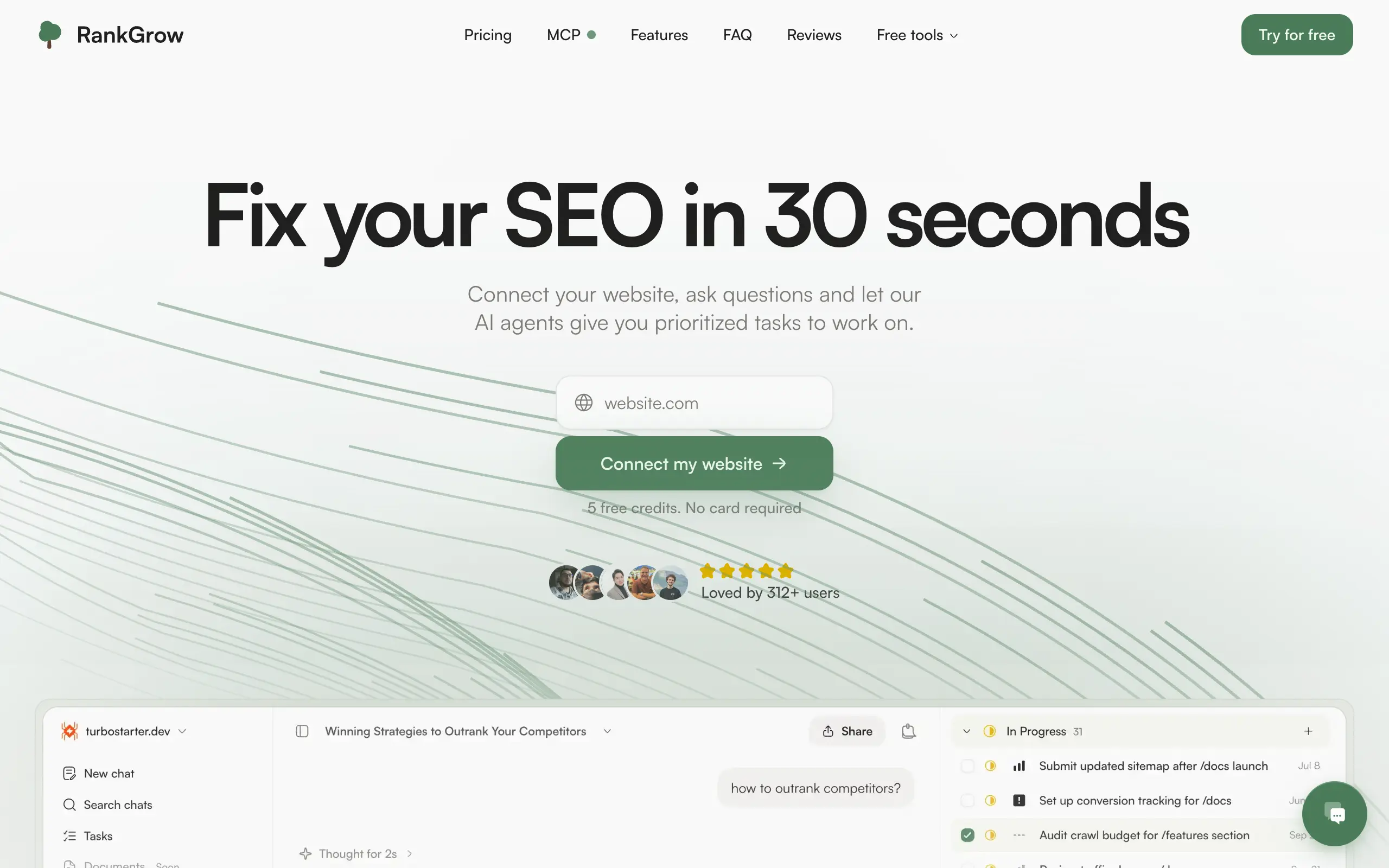
RankGrow
Fix your SEO with AI agents - connect Search Console, get prioritized tasks, and grow organic traffic 📈
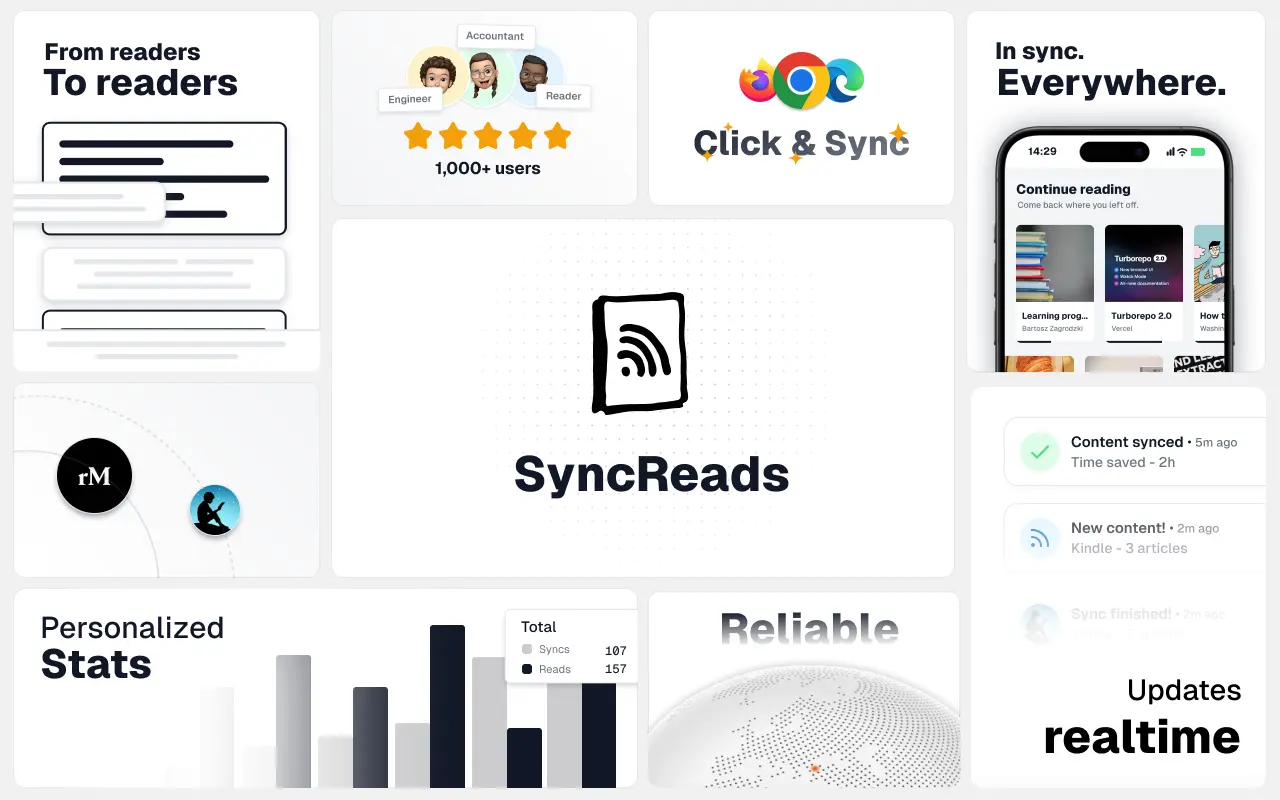
SyncReads
Sync your favorite content for distraction-free reading, save time and replace multiple apps. Anytime, anywhere 🔄
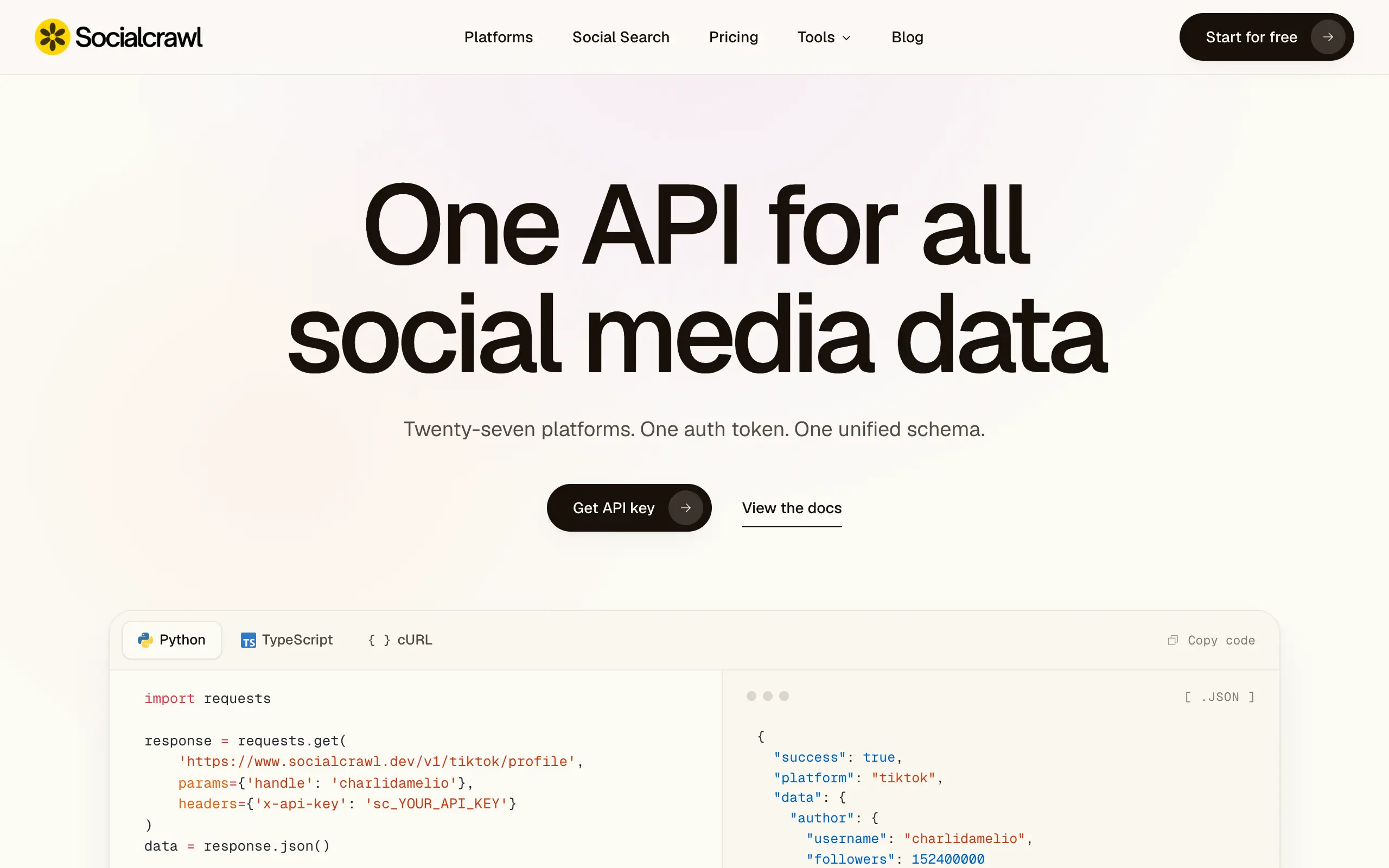
Socialcrawl
Get clean, structured data from 21 platforms like TikTok, Instagram, and YouTube with a single request 📊
Statiko
Monitor any Telegram channel in real time - track posts, edits, deletions, and growth with AI recaps 📡
Shibui
AI website builder - describe your business, pick a niche template, edit by chatting, and publish instantly ✨
Pro Service
Find verified home service professionals, compare quotes, and pay securely through escrow - built for Brazilians across the US 🏠
RankGrow
Fix your SEO with AI agents - connect Search Console, get prioritized tasks, and grow organic traffic 📈
SyncReads
Sync your favorite content for distraction-free reading, save time and replace multiple apps. Anytime, anywhere 🔄
Socialcrawl
Get clean, structured data from 21 platforms like TikTok, Instagram, and YouTube with a single request 📊
Statiko
Monitor any Telegram channel in real time - track posts, edits, deletions, and growth with AI recaps 📡
Shibui
AI website builder - describe your business, pick a niche template, edit by chatting, and publish instantly ✨
Pro Service
Find verified home service professionals, compare quotes, and pay securely through escrow - built for Brazilians across the US 🏠
RankGrow
Fix your SEO with AI agents - connect Search Console, get prioritized tasks, and grow organic traffic 📈
SyncReads
Sync your favorite content for distraction-free reading, save time and replace multiple apps. Anytime, anywhere 🔄
Socialcrawl
Get clean, structured data from 21 platforms like TikTok, Instagram, and YouTube with a single request 📊
Statiko
Monitor any Telegram channel in real time - track posts, edits, deletions, and growth with AI recaps 📡
Shibui
AI website builder - describe your business, pick a niche template, edit by chatting, and publish instantly ✨
Pro Service
Find verified home service professionals, compare quotes, and pay securely through escrow - built for Brazilians across the US 🏠
RankGrow
Fix your SEO with AI agents - connect Search Console, get prioritized tasks, and grow organic traffic 📈
SyncReads
Sync your favorite content for distraction-free reading, save time and replace multiple apps. Anytime, anywhere 🔄
Socialcrawl
Get clean, structured data from 21 platforms like TikTok, Instagram, and YouTube with a single request 📊
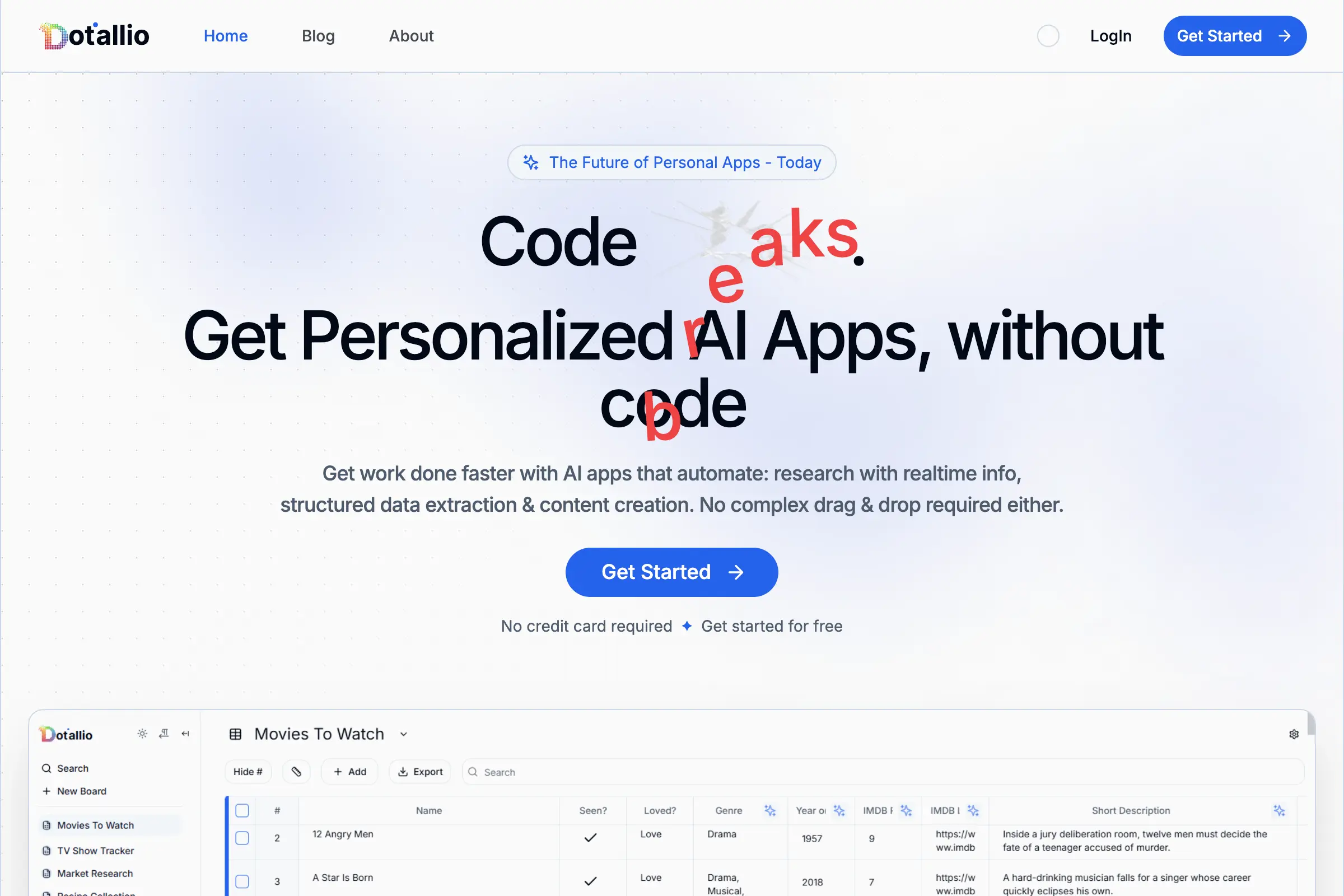
Dotallio
Personalized AI apps that automate research, data extraction, and content creation without code 🤖

Talk to Santa
Enjoy a magical live video chat or receive a unique AI-generated video greeting from Santa Claus 🎅
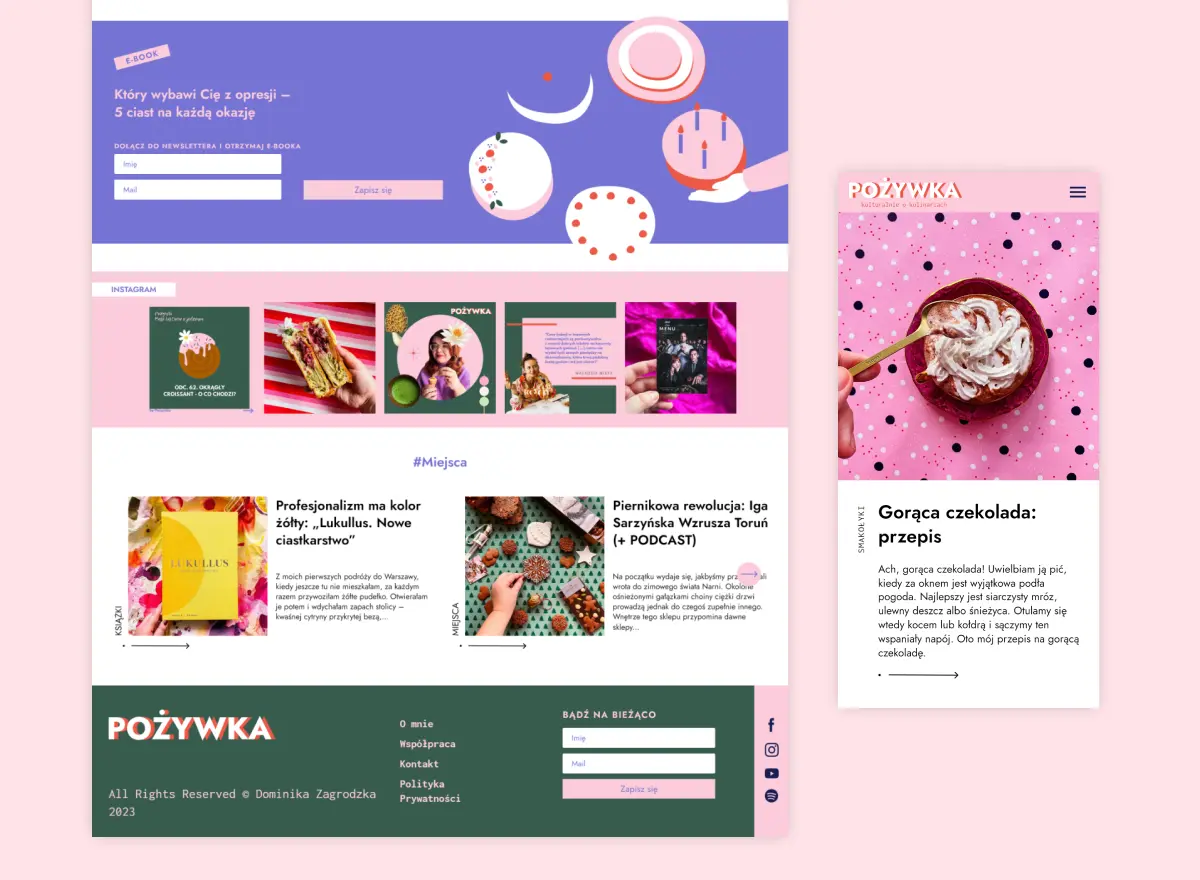
pozywka.pl
Scalable blog for food journalist, focused on performance and user experience 🌭
zagrodzki.me
Personal blog and portfolio of Bart Zagrodzki, where he shares his knowledge and work 💼
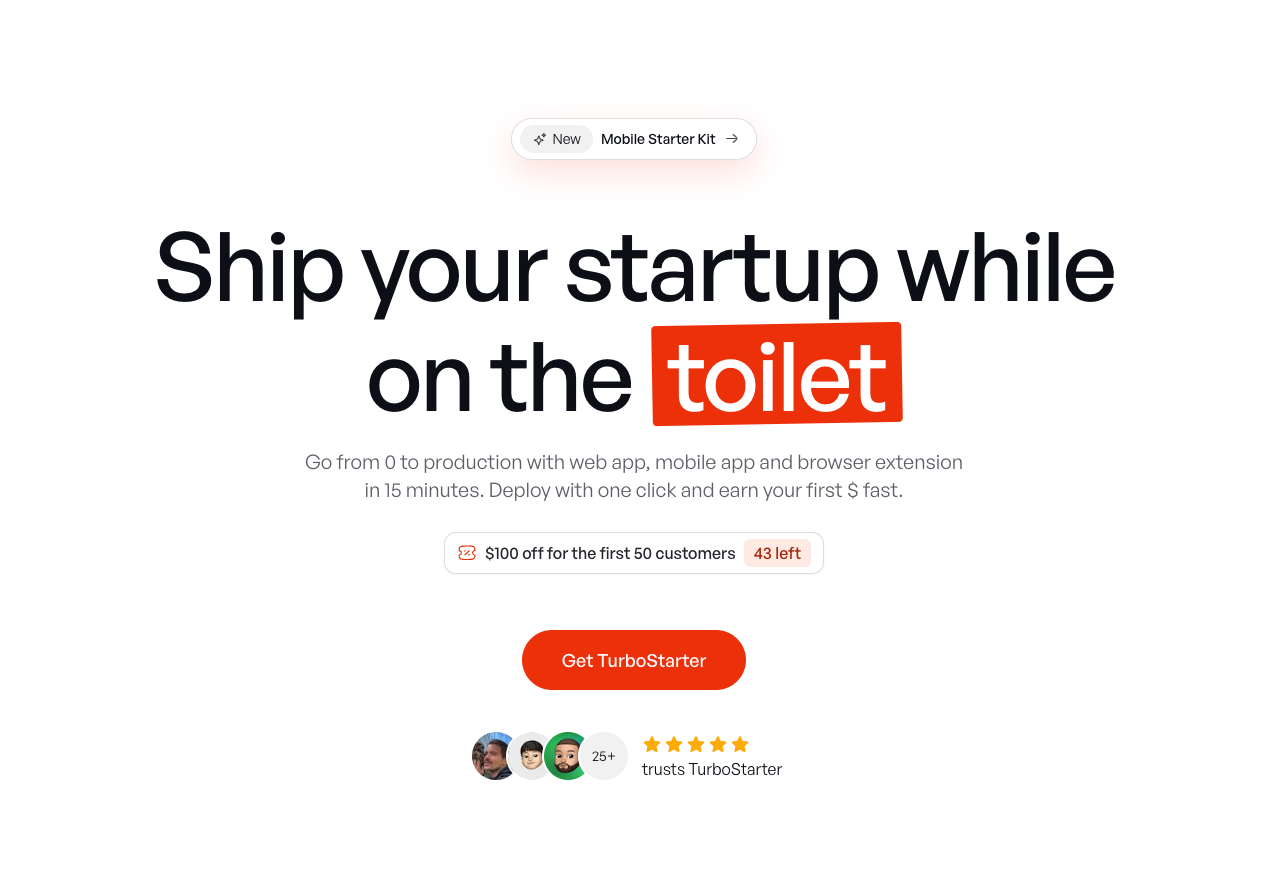
TurboStarter
Ship your startup everywhere. In minutes.
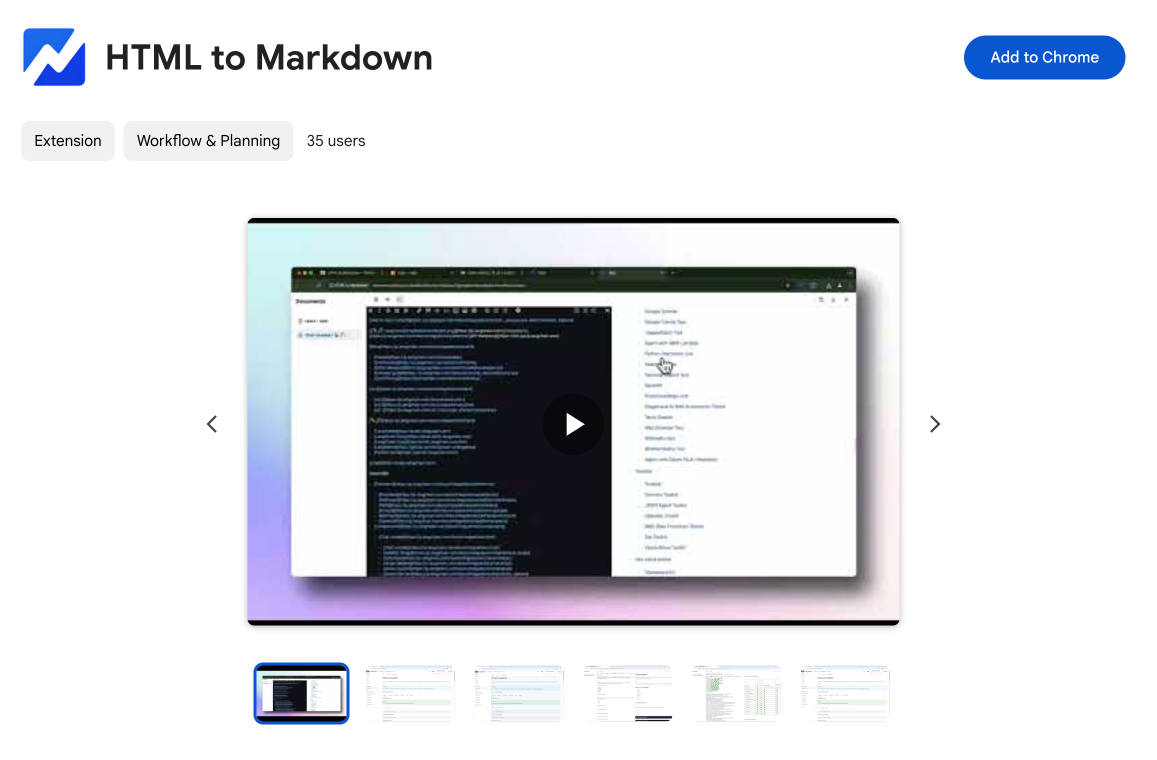
HTML to Markdown
Convert HTML to Markdown with ease, directly in your browser 📄
Dotallio
Personalized AI apps that automate research, data extraction, and content creation without code 🤖
Talk to Santa
Enjoy a magical live video chat or receive a unique AI-generated video greeting from Santa Claus 🎅
pozywka.pl
Scalable blog for food journalist, focused on performance and user experience 🌭
zagrodzki.me
Personal blog and portfolio of Bart Zagrodzki, where he shares his knowledge and work 💼
TurboStarter
Ship your startup everywhere. In minutes.
HTML to Markdown
Convert HTML to Markdown with ease, directly in your browser 📄
Dotallio
Personalized AI apps that automate research, data extraction, and content creation without code 🤖
Talk to Santa
Enjoy a magical live video chat or receive a unique AI-generated video greeting from Santa Claus 🎅
pozywka.pl
Scalable blog for food journalist, focused on performance and user experience 🌭
zagrodzki.me
Personal blog and portfolio of Bart Zagrodzki, where he shares his knowledge and work 💼
TurboStarter
Ship your startup everywhere. In minutes.
HTML to Markdown
Convert HTML to Markdown with ease, directly in your browser 📄
Dotallio
Personalized AI apps that automate research, data extraction, and content creation without code 🤖
Talk to Santa
Enjoy a magical live video chat or receive a unique AI-generated video greeting from Santa Claus 🎅
pozywka.pl
Scalable blog for food journalist, focused on performance and user experience 🌭
zagrodzki.me
Personal blog and portfolio of Bart Zagrodzki, where he shares his knowledge and work 💼
TurboStarter
Ship your startup everywhere. In minutes.
HTML to Markdown
Convert HTML to Markdown with ease, directly in your browser 📄
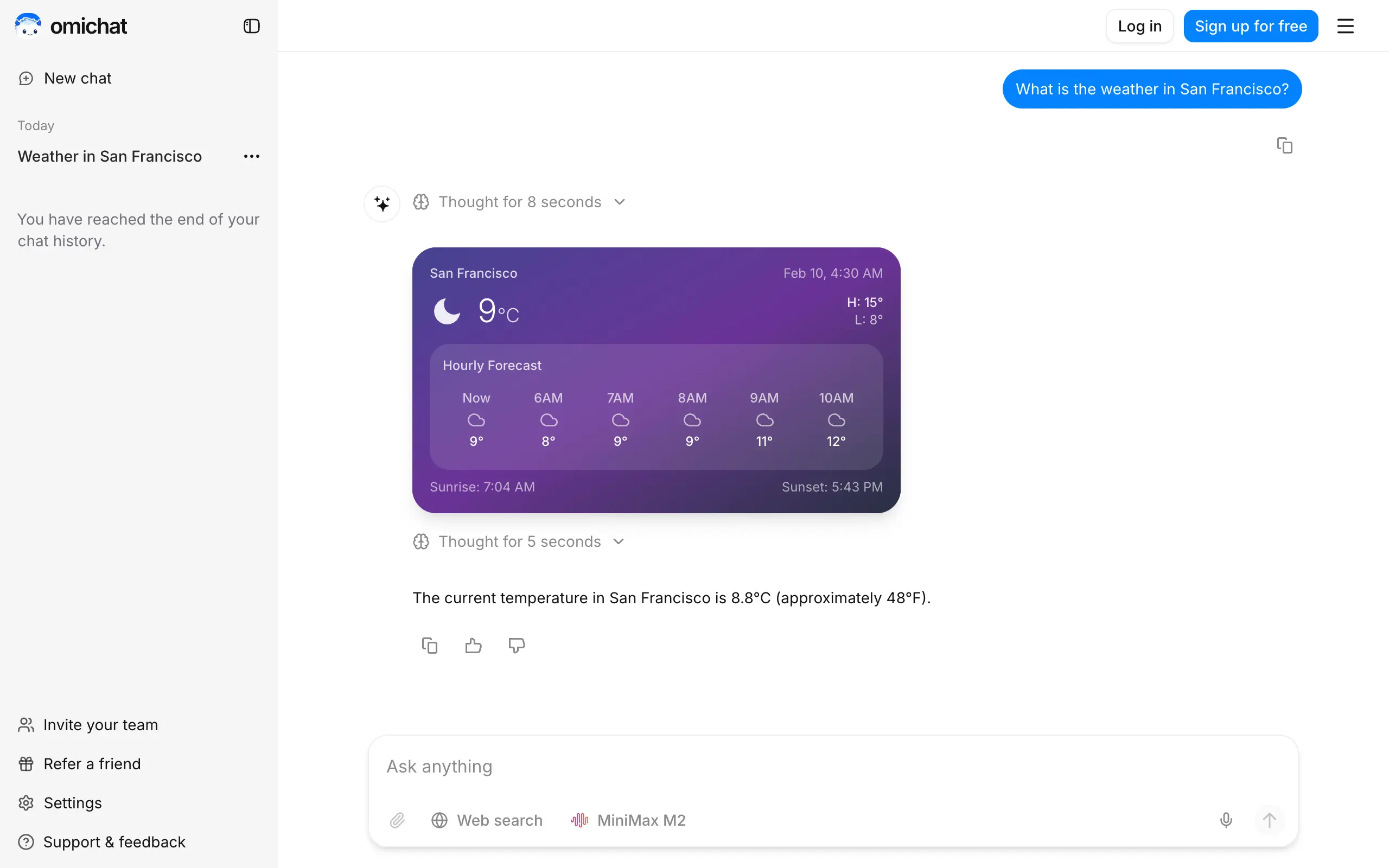
Omichat
Chat with 50+ AI models, including ChatGPT and Claude, in one place - switch models anytime without losing context 🤖
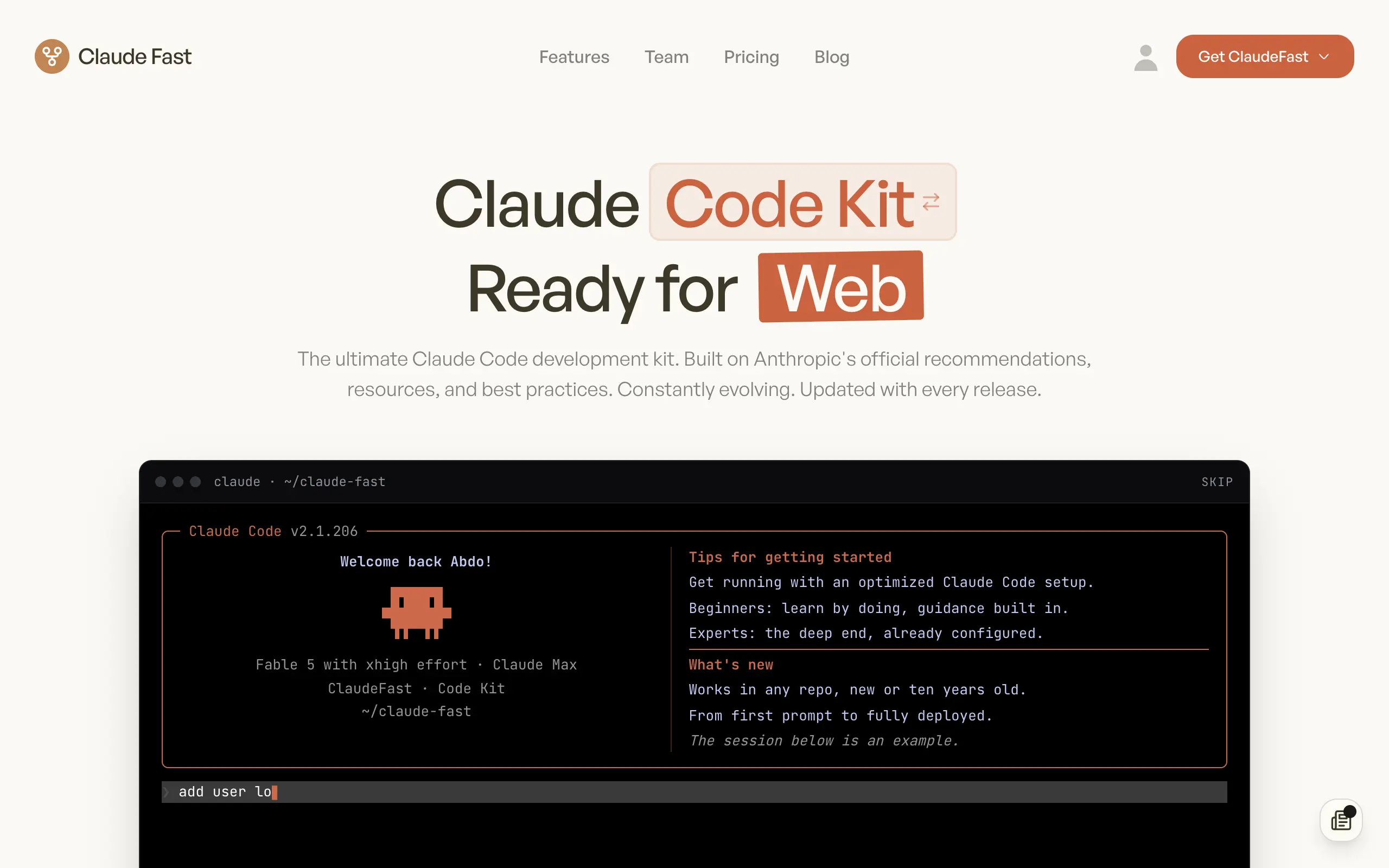
Claude Fast
Supercharge your Claude Code with 6x effective context window and specialized AI agents 🤖
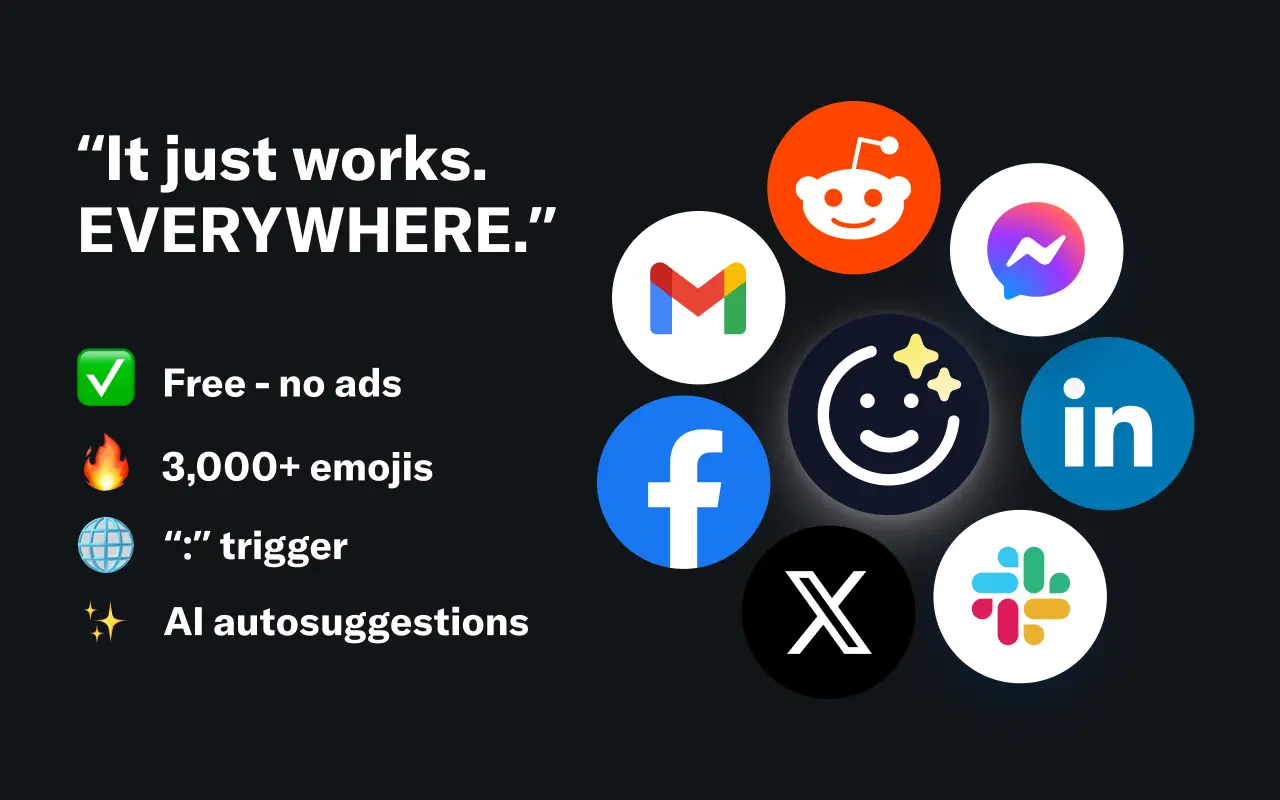
EmojAI
AI-powered emoji picker with smart, context-aware suggestions 🤖
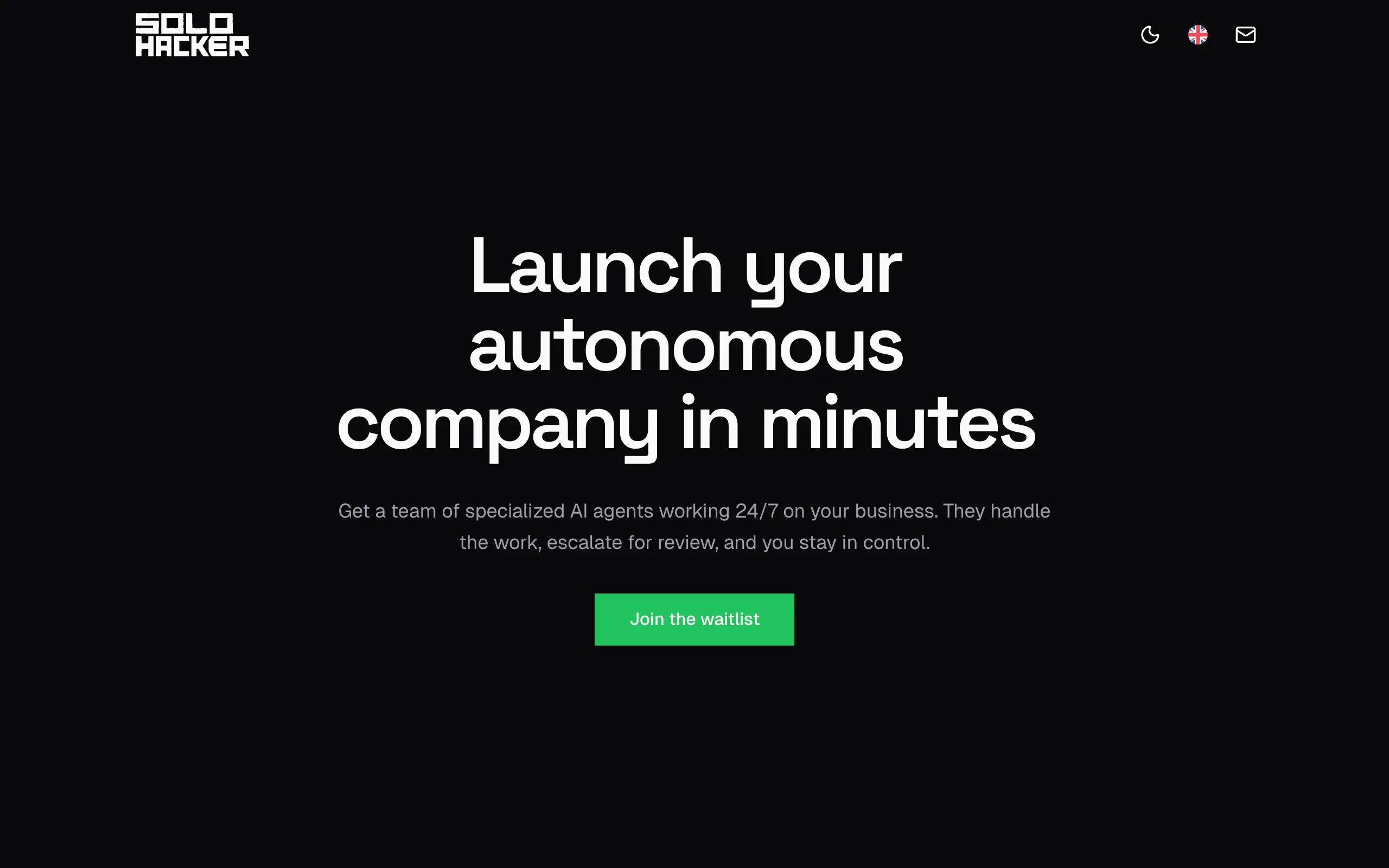
Solohacker
Autonomous company launcher - AI agents work 24/7, escalate what matters, and you stay in control 🤖
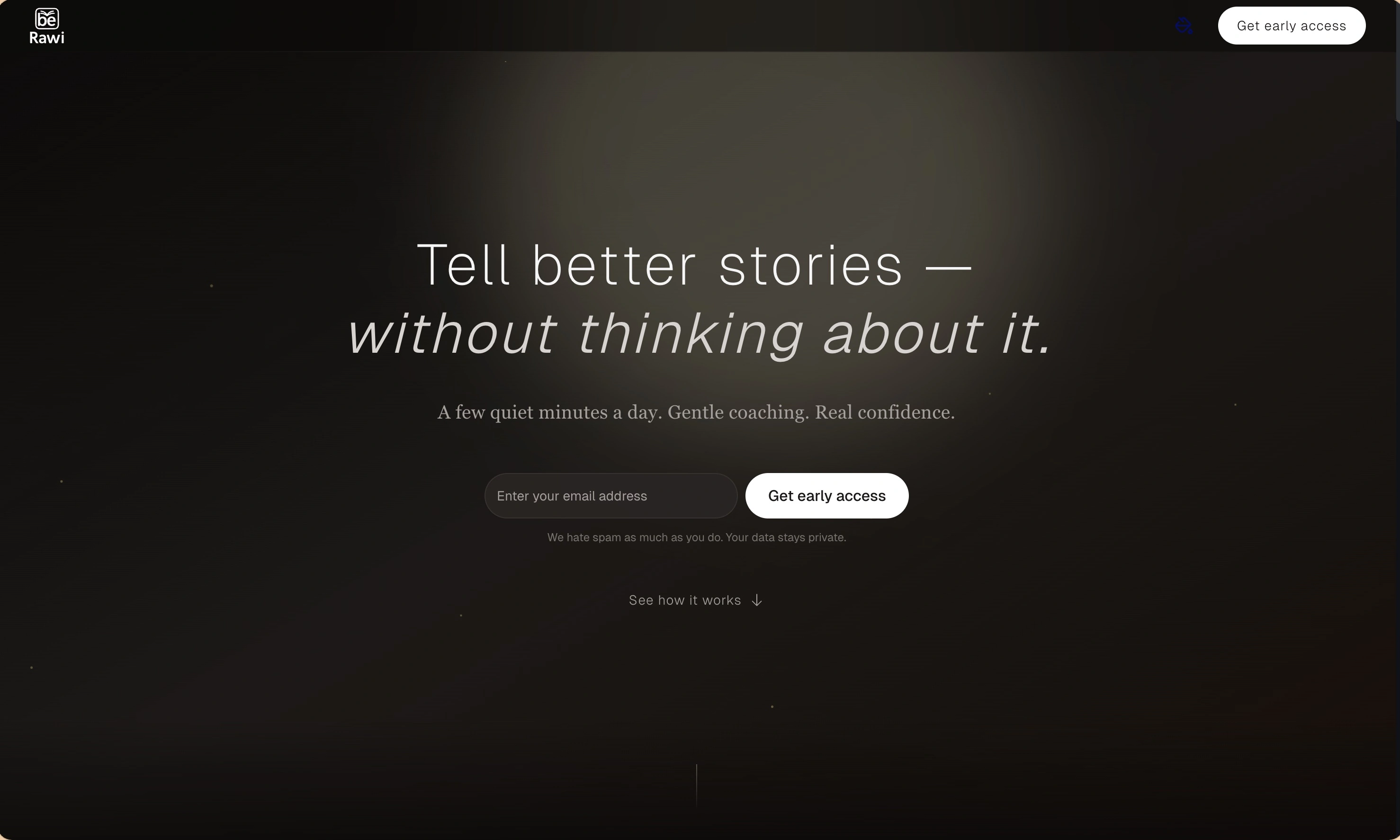
BeRawi: Storytelling Coach
Practice storytelling daily with instant feedback to sound clearer, more engaging, and confident 🎤
Omichat
Chat with 50+ AI models, including ChatGPT and Claude, in one place - switch models anytime without losing context 🤖
Claude Fast
Supercharge your Claude Code with 6x effective context window and specialized AI agents 🤖
EmojAI
AI-powered emoji picker with smart, context-aware suggestions 🤖
Solohacker
Autonomous company launcher - AI agents work 24/7, escalate what matters, and you stay in control 🤖
BeRawi: Storytelling Coach
Practice storytelling daily with instant feedback to sound clearer, more engaging, and confident 🎤
Omichat
Chat with 50+ AI models, including ChatGPT and Claude, in one place - switch models anytime without losing context 🤖
Claude Fast
Supercharge your Claude Code with 6x effective context window and specialized AI agents 🤖
EmojAI
AI-powered emoji picker with smart, context-aware suggestions 🤖
Solohacker
Autonomous company launcher - AI agents work 24/7, escalate what matters, and you stay in control 🤖
BeRawi: Storytelling Coach
Practice storytelling daily with instant feedback to sound clearer, more engaging, and confident 🎤
Omichat
Chat with 50+ AI models, including ChatGPT and Claude, in one place - switch models anytime without losing context 🤖
Claude Fast
Supercharge your Claude Code with 6x effective context window and specialized AI agents 🤖
EmojAI
AI-powered emoji picker with smart, context-aware suggestions 🤖
Solohacker
Autonomous company launcher - AI agents work 24/7, escalate what matters, and you stay in control 🤖
BeRawi: Storytelling Coach
Practice storytelling daily with instant feedback to sound clearer, more engaging, and confident 🎤

Connect with like-minded people
Join our community to get feedback, support, and grow together with 1,000+ builders on board, let's ship it!
Join usShip your startup everywhere. In minutes.
Don't burn tokens on setup and start building features on day one.