HarvestLink Marketplace
Bringing small farms online, HarvestLink lets farmers sell fresh produce to local consumers and restaurants, streamlining orders and payments in one place.
HarvestLink Marketplace is designed to bridge the gap between small farmers and their local consumers—including restaurants—by providing a robust e-commerce platform. This comprehensive guide dives deep into the core aspects that make the HarvestLink Marketplace solution both compelling and scalable, covering everything from target audience insight to market trends, recommended tech stack, monetization options, competitive advantage, risks, and actionable steps to launch.
Understanding the user intent for farm-to-consumer ecommerce solutions
The modern buyer, whether an individual looking for organic produce or a restaurant seeking quality ingredients, increasingly wants:
- Freshness, provenance, and transparency in their food sources.
- Convenient ways to discover and purchase from local producers.
- Secure, streamlined digital transactions and reliable fulfilment.
Farmers, on their side, want:
- Fairer access to digital markets without high intermediary cuts.
- Simpler order and payment processes, reducing paperwork.
- Tools to efficiently manage inventory, orders, and customer communications.
Thus, user search intent for an e-commerce SaaS like HarvestLink Marketplace primarily revolves around how to connect small-scale food producers directly with end consumers and business buyers, automate order/payment flows, and maximize local sales opportunities.
Who benefits most: Target audience analysis
Primary users:
- Small-scale farmers & agricultural cooperatives: Looking for accessible digital sales channels.
- Local consumers: Individuals and households seeking to buy fresher, traceable produce.
- Restaurants and small retailers: Sourcing high-quality ingredients with an emphasis on traceability and local sustainability.
Key audience traits:
Digitally underserved farmers
Often lacking access to e-commerce tools, they need simplicity, mobile-first interfaces, and minimal setup requirements.
Eco-conscious consumers
Prioritize locality, sustainability, and information about product origins when making purchasing decisions.
Restaurateurs & chefs
Require reliability, consistent quality, and the ability to order in bulk or via subscription for menu planning.
Pain points that HarvestLink Marketplace addresses:
- Lack of affordable, farmer-friendly online sales platforms.
- Difficulty showcasing farm-specific stories, certifications, or product uniqueness.
- Manual, inefficient order tracking and communication.
- High commission structures on generic e-commerce sites.
Market opportunity: Why now is the time for a small-farm ecommerce platform
The digitalization of local food commerce
The food supply chain is undergoing rapid transformation:
- Consumer demand for local food has surged: According to USDA data, direct farm sales to consumers in the U.S. alone top $8 billion annually and are growing year-over-year. [Reference: USDA AMS]
- Restaurants and retailers increasing local sourcing: Driven by sustainability, branding, and COVID-19 resilience strategies, many B2B food buyers now prioritize direct-from-farm procurement.
- Existing solutions lack specialization: Most e-commerce or marketplace platforms (e.g., Shopify, Etsy) are not tailored to small agricultural producers’ needs, missing features like variable-weight pricing or harvest scheduling.
Where existing platforms fall short
| Direct Farm Sales | Generic Ecommerce | B2B Wholesalers | Farmers’ Markets | HarvestLink Marketplace |
|---|---|---|---|---|
| ✅ | ❌ | ❌ | ✅ | ✅ |
| ✅ | ❌ | ✅ | ✅ | ❌ |
Opportunity gap: Small farmers remain digitally underserved. They need a purpose-built e-commerce marketplace that handles their unique workflows, seasonal inventory, and local delivery dynamics. HarvestLink Marketplace fills this niche.
Feature deep-dive: The essentials of HarvestLink Marketplace
HarvestLink Marketplace stands out by providing an end-to-end solution tailored to agricultural producers and their buyers. Here’s how:
Core features
1. Seamless online storefronts for farmers
- Simple onboarding and mobile-first interfaces.
- Customizable profiles showcasing farm history, certifications, and practices.
2. Dynamic product management
- Bulk item upload and CSV import.
- Support for weighted pricing (e.g., price per lb/kg), unit-based, or package deals.
- Inventory scheduling by harvest/delivery dates.
3. Localized discovery engine
- Buyers can search/sort by location, farm practices, certifications, and product types.
- Geo-fencing ensures hyperlocal relevance.
4. Order management and payment processing
- Unified dashboard for managing incoming orders, real-time status, and batch processing.
- Integrated payment gateways (e.g., Stripe) for secure, rapid transactions.
5. Communication tools
- In-app messaging between buyers and producers.
- Automated notifications and reminders for order pickup/delivery.
6. Delivery and logistics integration
- Route optimization for deliveries.
- Optional integration with local courier services and click-and-collect options.
7. Analytics and compliance
- Sales/volume breakdowns, trend forecasting, tax reports.
- Support for product traceability and farm certifications display.
Example: How variable-weight pricing works
// Pseudocode for weighted pricing logic
function calculateTotal(items: { weight: number, pricePerKg: number }[]) {
  return items.reduce((total, item) => total + item.weight * item.pricePerKg, 0);
}
This flexibility is often missing from generic e-commerce platforms and speaks directly to the needs of food producers and bulk buyers.
Tech stack recommendations for an agricultural B2B2C marketplace
Choosing the right technology is pivotal for scaling, maintainability, speed, and security.
Frontend
- React:
- Industry standard for highly interactive UIs.
- Rapid component development and robust ecosystem.
- TailwindCSS:
- Speeds up styling with utility-first classes.
- Ensures responsive, accessible layouts.
Backend
- Node.js with Express:
- Ideal for REST APIs, real-time communication, and fast prototyping.
- PostgreSQL:
- Handles complex queries (e.g., geo-search) and supports strong consistency.
- Excellent for multi-tenant architectures.
Marketplace essentials
- Stripe or Adyen for payment processing and payout automation.
- Mapbox or Google Maps for local search, route mapping, and geolocation features.
Optional integrations
Trade-offs and considerations
- Simplicity vs. extensibility: No-code builders are fast, but quickly limit customization, UI/UX, and integration.
- Cloud deployment: Consider Vercel or AWS for managed infrastructure and CI/CD.
- Marketplace compliance: PCI-DSS for payments, GDPR for user data (especially as farm e-commerce grows internationally).
Monetization strategies: How HarvestLink Marketplace generates revenue
There are several viable paths to profitability for a platform like HarvestLink Marketplace:
1. Transaction fees
- Charge a low per-order fee (e.g., 3-6%) on sales processed via the platform.
- Lower and more transparent than most generic e-commerce marketplaces.
2. Subscription models
- Offer premium tiers for farms including advanced analytics, storefront customization, and marketing tools.
- Subscription fees incentivize recurring revenue and align with successful farm growth.
3. Featured listings & promotions
- Allow farms to pay for top placement on category/local pages.
- Restaurants can also sponsor content or priority access to rare produce.
4. Ancillary services
- Partner with logistics and courier companies, earning referral or service fees.
- Offer add-ons like label printing, compliance toolkits, or integration with POS systems.
Risks and mitigation: Addressing potential pitfalls
Launching an agricultural e-commerce marketplace is not without risk. Key challenges and responses include:
1. User adoption and digital literacy
- Many small farmers are not tech-savvy. Solution: Provide onboarding guides, video tutorials, and local support partners. UX must be mobile-first and extremely intuitive.
2. Marketplace trust and quality control
- Fraudulent actors or poor fulfillment hurt reputation. Solution: Require basic farm verification, support for reviews/ratings, and periodic quality checks.
3. Perishability & logistics
- Fresh produce logistics are time-sensitive. Solution: Integrate with local delivery networks, enable pickup scheduling, and provide real-time order tracking.
4. Regulatory compliance
- Food sales face jurisdictional rules (labeling, weights, payments). Solution: Legal research per region, robust data capture, compliance partnerships.
Use third-party processors like Stripe that offer built-in dispute management, and maintain clear transaction records for all parties.
Provide easy inventory and availability scheduling. Notify buyers of new or out-of-stock items, and allow pre-orders for upcoming harvests.
Offer incentives for early adopters and enable partnerships with local farm bureaus for trusted referrals.
Unique competitive advantages of HarvestLink Marketplace
HarvestLink Marketplace isn’t just another Shopify or local directory—here’s what makes it stand out:
- Purpose-built for agriculture: From day one, every feature addresses the quirks of farming, harvest cycles, weighted pricing, and compliance.
- Dual-sided marketplace: Serves both direct-to-consumer and restaurant/retail B2B needs, automatically matching supply with local demand.
- Local-first approach: Geo-targeted discovery puts neighborhood farms in front of nearby buyers, prioritizing freshness and community.
- Transparent, lower fees: Fair pricing attracts both sellers and buyers, bypassing high commissions seen in non-specialized marketplaces.
- End-to-end workflow: From inventory to payment and logistics, the solution is all-in-one—farms don’t need half a dozen SaaS apps stitched together.
Tip
Launching with hyperlocal pilots (e.g., by county or region) enables rapid network effects, testimonials, and quick feedback loops before scaling nationally.
Implementation steps: Building and launching HarvestLink Marketplace
Here’s a practical pathway to launch:
Conclusion: Unlocking local agriculture’s digital future
HarvestLink Marketplace solves a critical and growing gap in the local food economy by giving small farms genuine access to online commerce. By tightly focusing on farmer/restaurant pain points, enabling digital discovery, and streamlining payment/logistics, it empowers producers and buyers alike. Whether you’re an agri-entrepreneur, SaaS founder, or developer, this is an opportunity to both create value and make an impact.
If you’re ready to bring your agri-marketplace to life, consider leveraging TurboStarter for rapid SaaS scaffolding and launch acceleration.
More 🛒 E-commerce SaaS ideas
Discover more innovative e-commerce SaaS ideas that are trending in 2026. Each idea is AI-generated with market validation and growth potential to help you find your next profitable venture faster than competitors.
Your competitors are building with TurboStarter
Below are some of the SaaS ideas that have been generated and built with our starter kit.
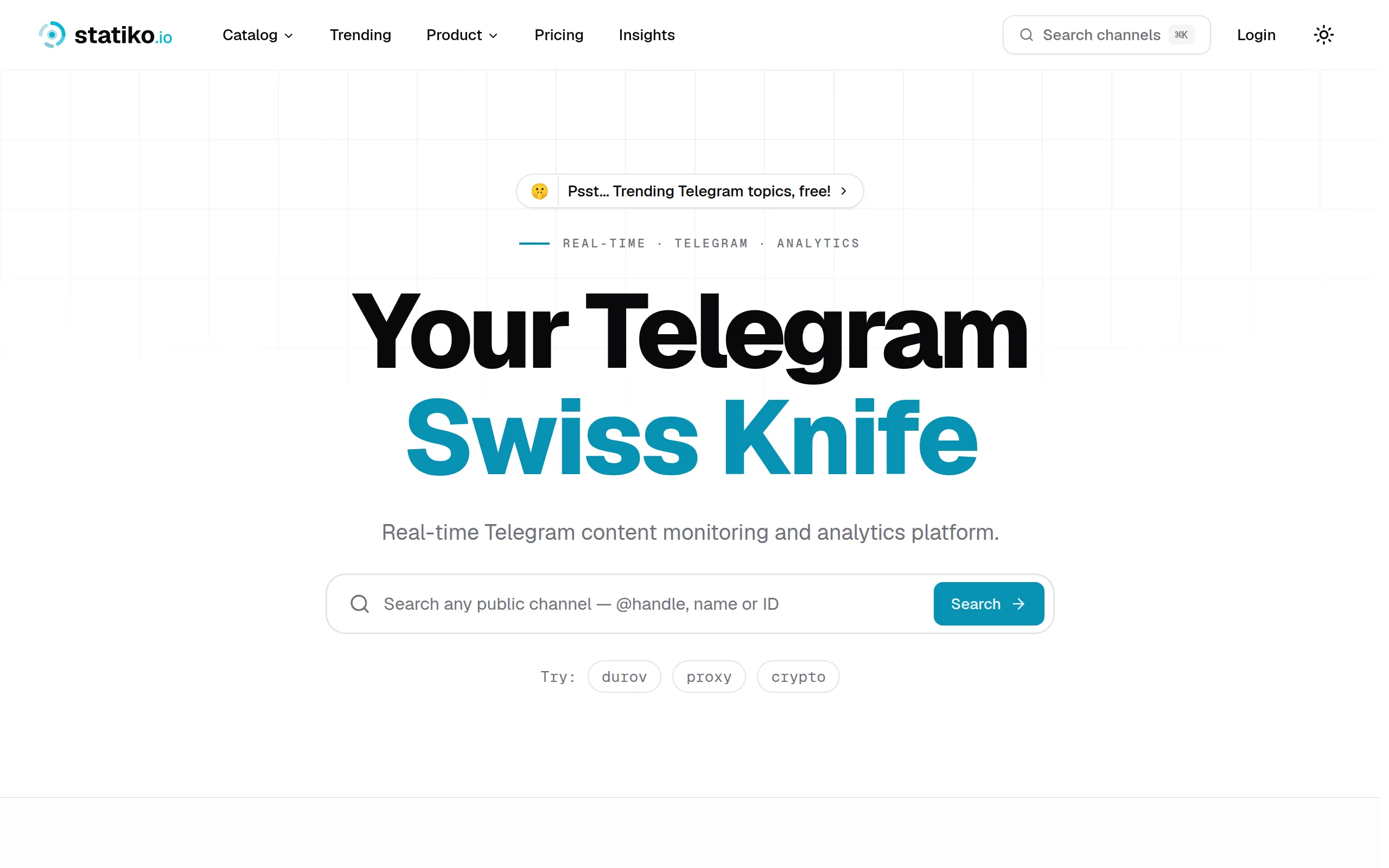
Statiko
Monitor any Telegram channel in real time - track posts, edits, deletions, and growth with AI recaps 📡

Shibui
AI website builder - describe your business, pick a niche template, edit by chatting, and publish instantly ✨
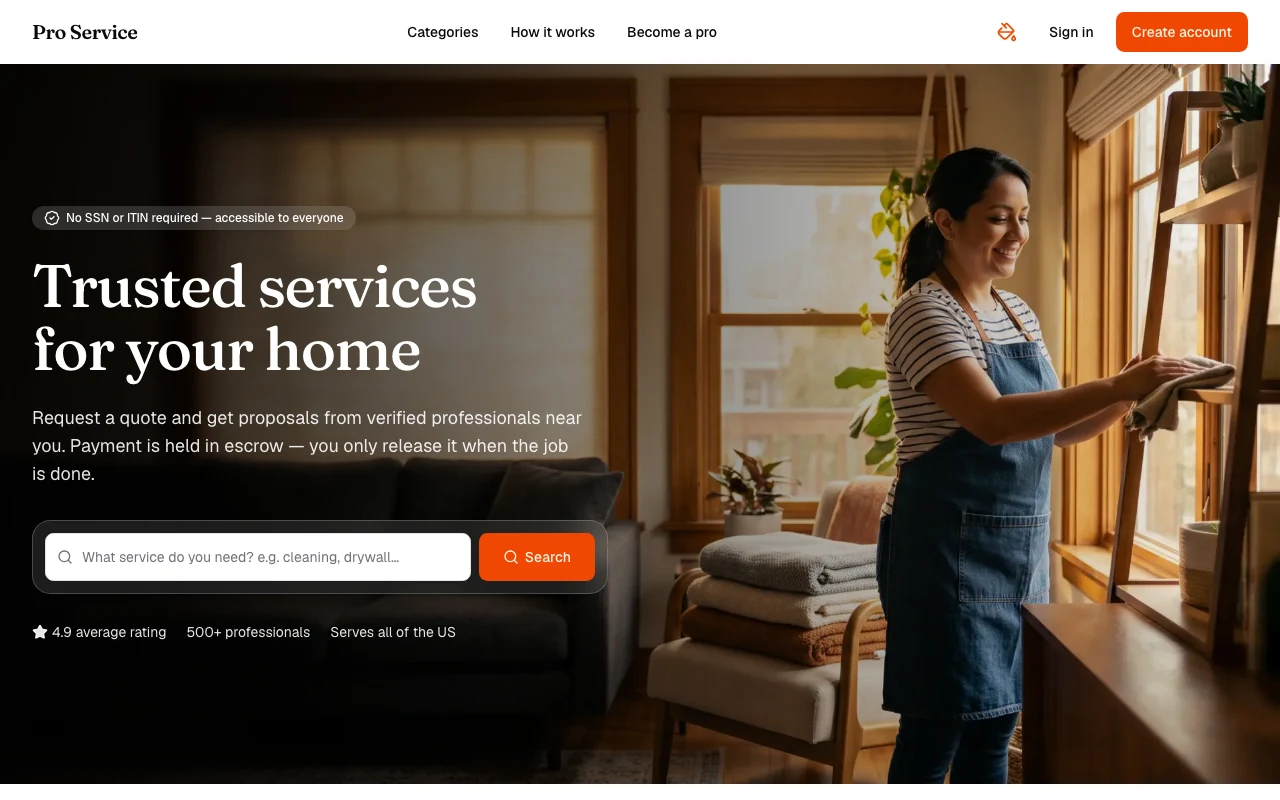
Pro Service
Find verified home service professionals, compare quotes, and pay securely through escrow - built for Brazilians across the US 🏠
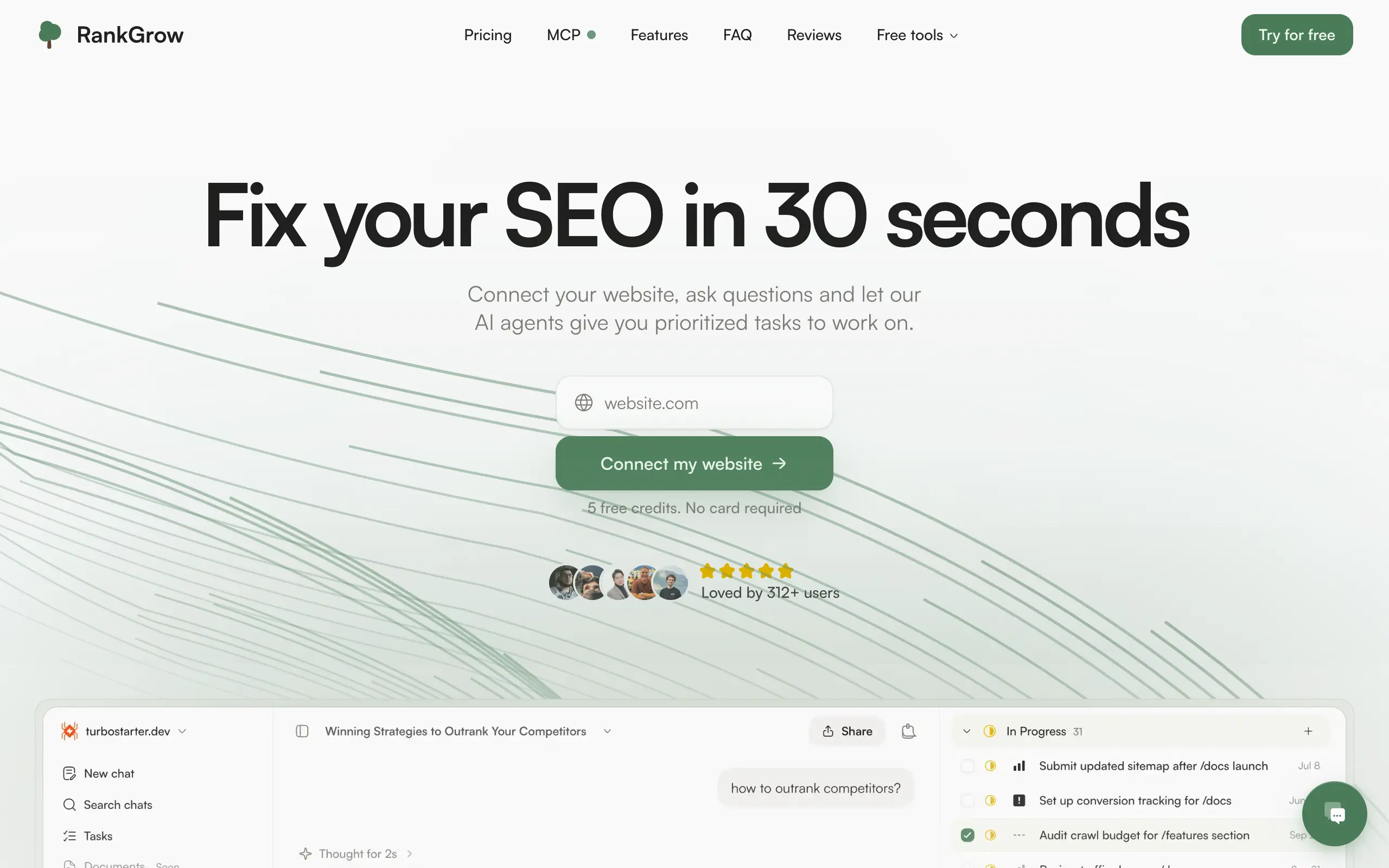
RankGrow
Fix your SEO with AI agents - connect Search Console, get prioritized tasks, and grow organic traffic 📈
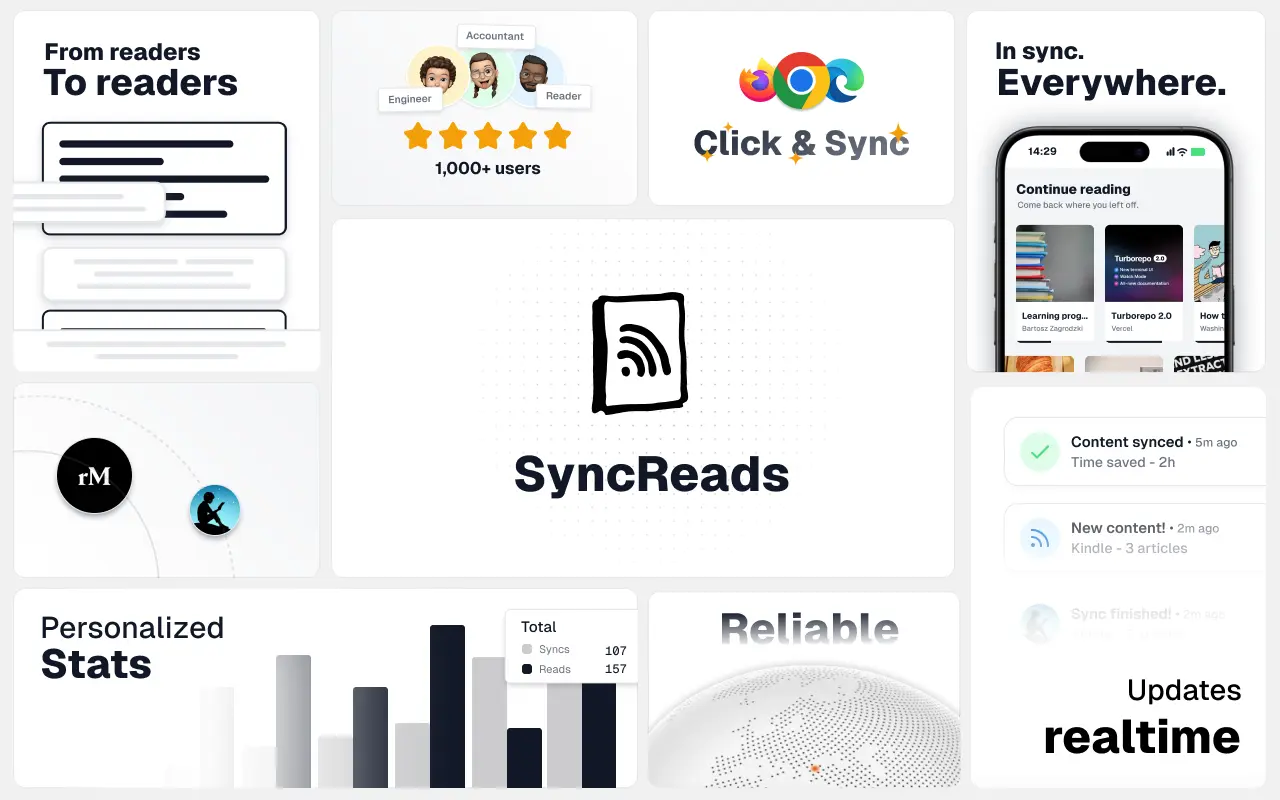
SyncReads
Sync your favorite content for distraction-free reading, save time and replace multiple apps. Anytime, anywhere 🔄
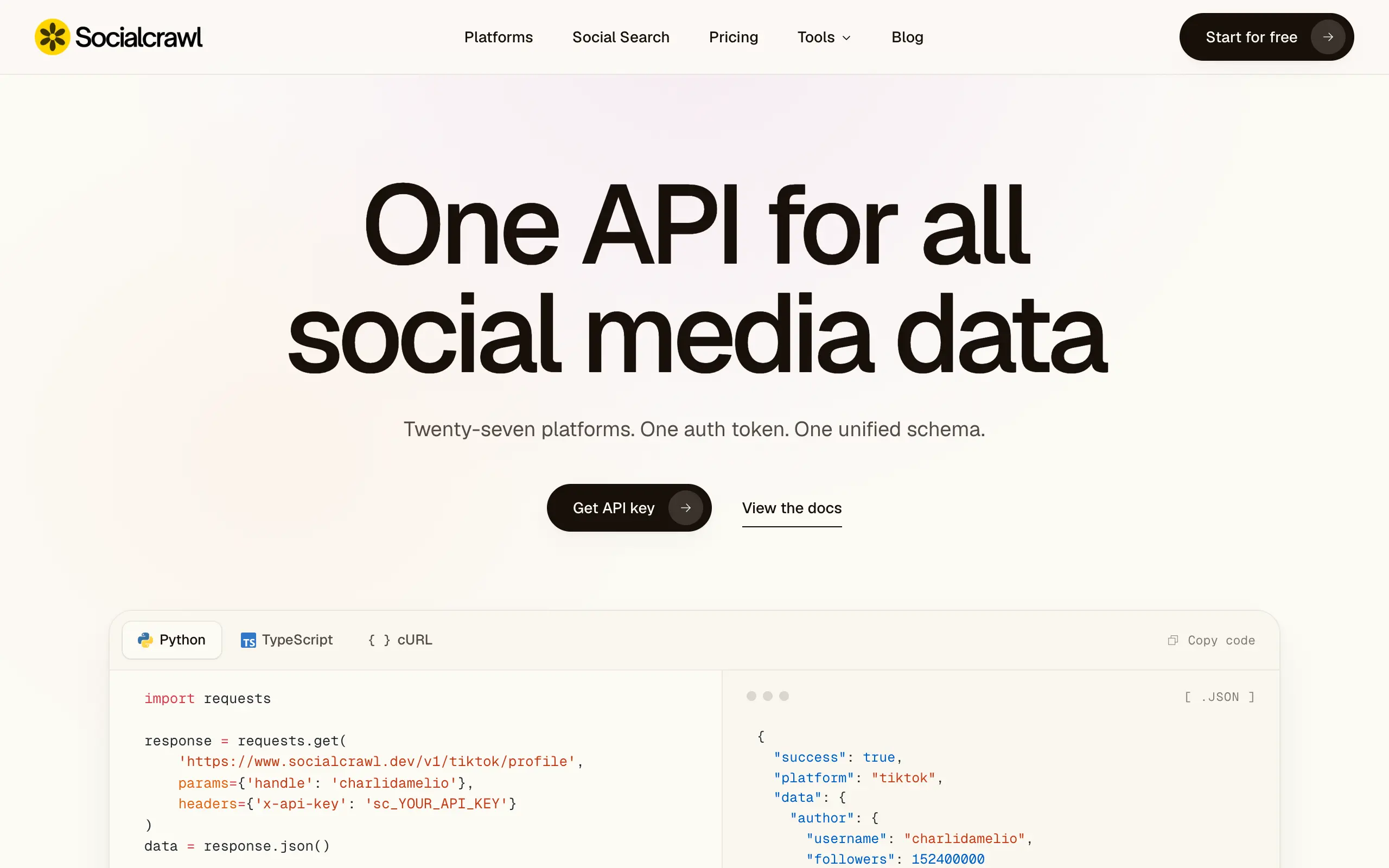
Socialcrawl
Get clean, structured data from 21 platforms like TikTok, Instagram, and YouTube with a single request 📊
Statiko
Monitor any Telegram channel in real time - track posts, edits, deletions, and growth with AI recaps 📡
Shibui
AI website builder - describe your business, pick a niche template, edit by chatting, and publish instantly ✨
Pro Service
Find verified home service professionals, compare quotes, and pay securely through escrow - built for Brazilians across the US 🏠
RankGrow
Fix your SEO with AI agents - connect Search Console, get prioritized tasks, and grow organic traffic 📈
SyncReads
Sync your favorite content for distraction-free reading, save time and replace multiple apps. Anytime, anywhere 🔄
Socialcrawl
Get clean, structured data from 21 platforms like TikTok, Instagram, and YouTube with a single request 📊
Statiko
Monitor any Telegram channel in real time - track posts, edits, deletions, and growth with AI recaps 📡
Shibui
AI website builder - describe your business, pick a niche template, edit by chatting, and publish instantly ✨
Pro Service
Find verified home service professionals, compare quotes, and pay securely through escrow - built for Brazilians across the US 🏠
RankGrow
Fix your SEO with AI agents - connect Search Console, get prioritized tasks, and grow organic traffic 📈
SyncReads
Sync your favorite content for distraction-free reading, save time and replace multiple apps. Anytime, anywhere 🔄
Socialcrawl
Get clean, structured data from 21 platforms like TikTok, Instagram, and YouTube with a single request 📊
Statiko
Monitor any Telegram channel in real time - track posts, edits, deletions, and growth with AI recaps 📡
Shibui
AI website builder - describe your business, pick a niche template, edit by chatting, and publish instantly ✨
Pro Service
Find verified home service professionals, compare quotes, and pay securely through escrow - built for Brazilians across the US 🏠
RankGrow
Fix your SEO with AI agents - connect Search Console, get prioritized tasks, and grow organic traffic 📈
SyncReads
Sync your favorite content for distraction-free reading, save time and replace multiple apps. Anytime, anywhere 🔄
Socialcrawl
Get clean, structured data from 21 platforms like TikTok, Instagram, and YouTube with a single request 📊
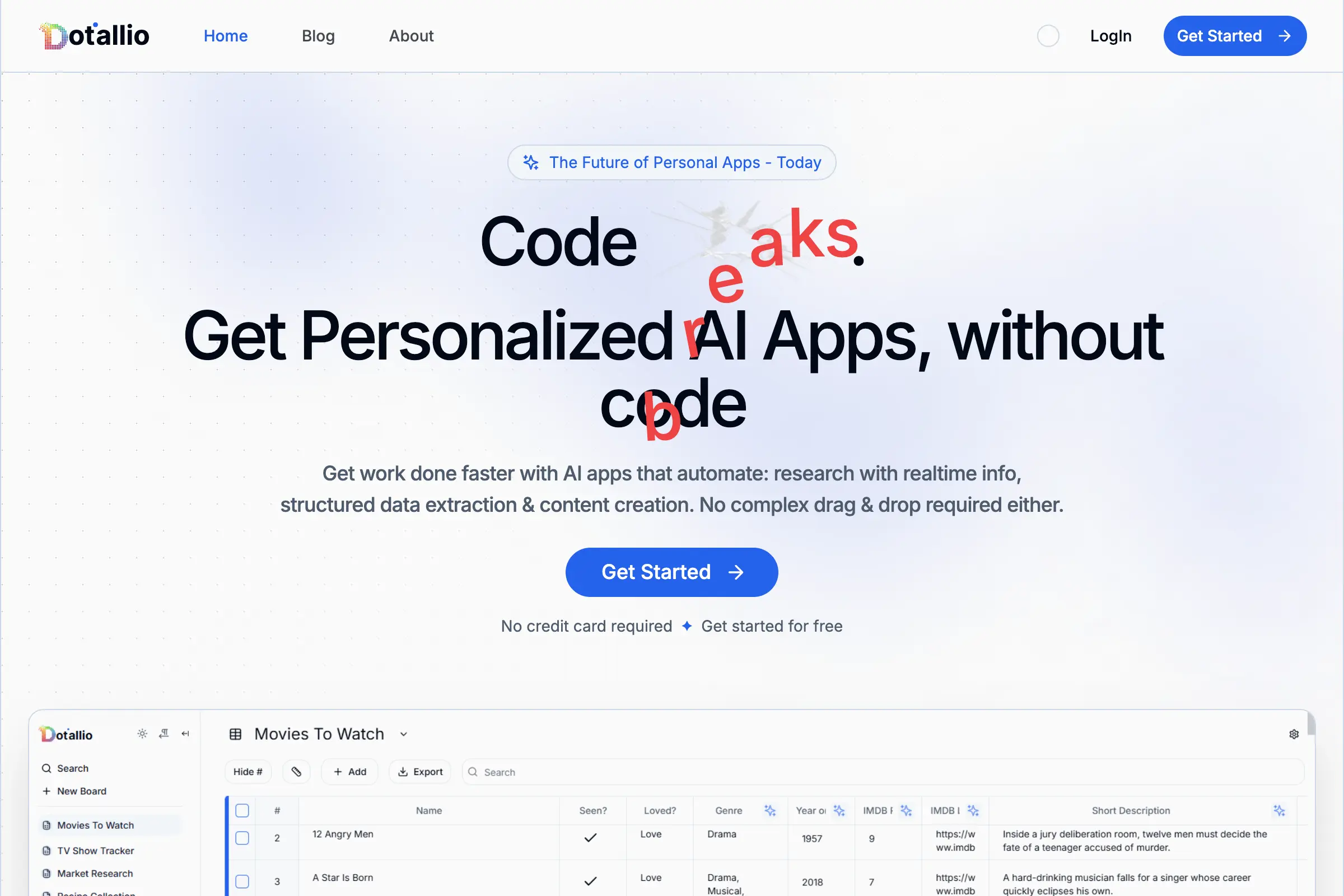
Dotallio
Personalized AI apps that automate research, data extraction, and content creation without code 🤖

Talk to Santa
Enjoy a magical live video chat or receive a unique AI-generated video greeting from Santa Claus 🎅

pozywka.pl
Scalable blog for food journalist, focused on performance and user experience 🌭
zagrodzki.me
Personal blog and portfolio of Bart Zagrodzki, where he shares his knowledge and work 💼
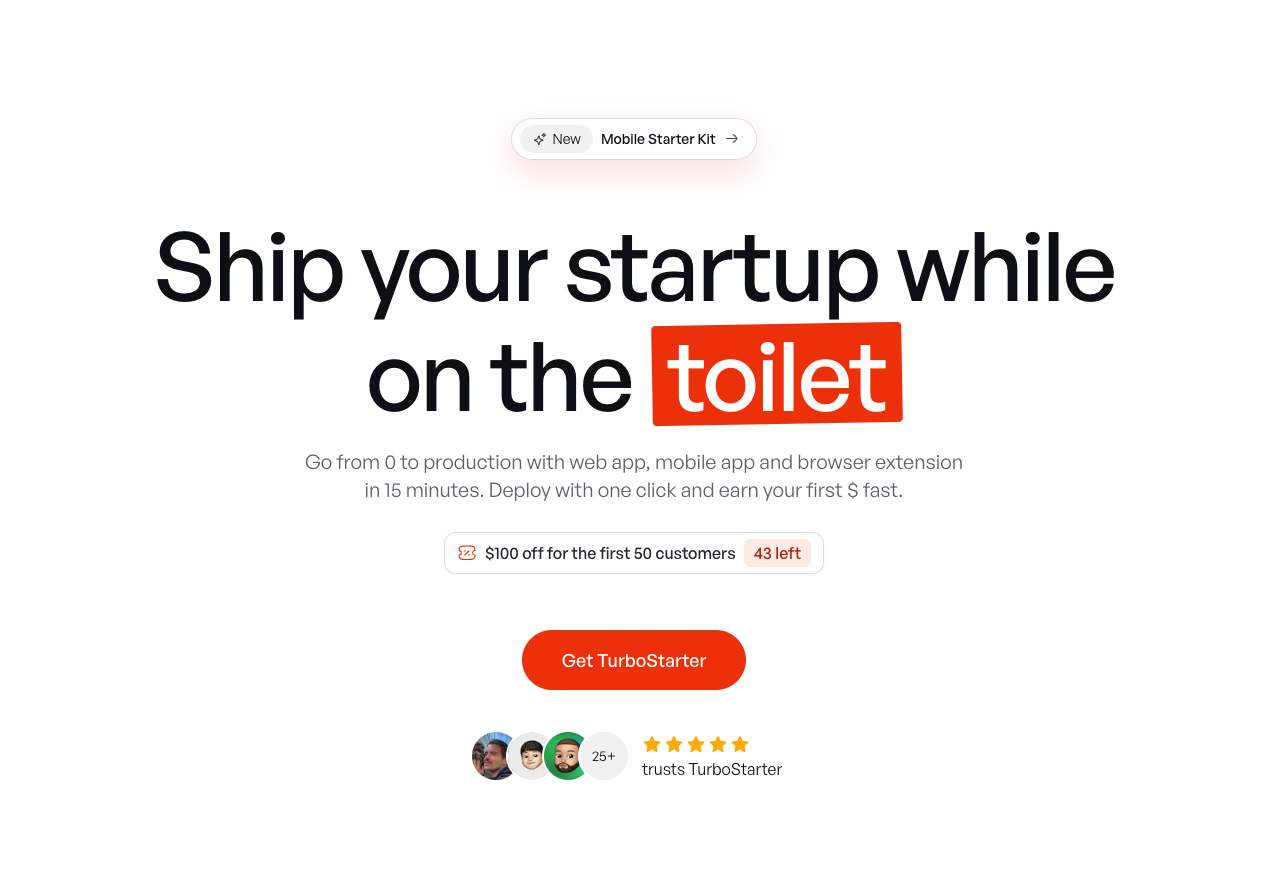
TurboStarter
Ship your startup everywhere. In minutes.
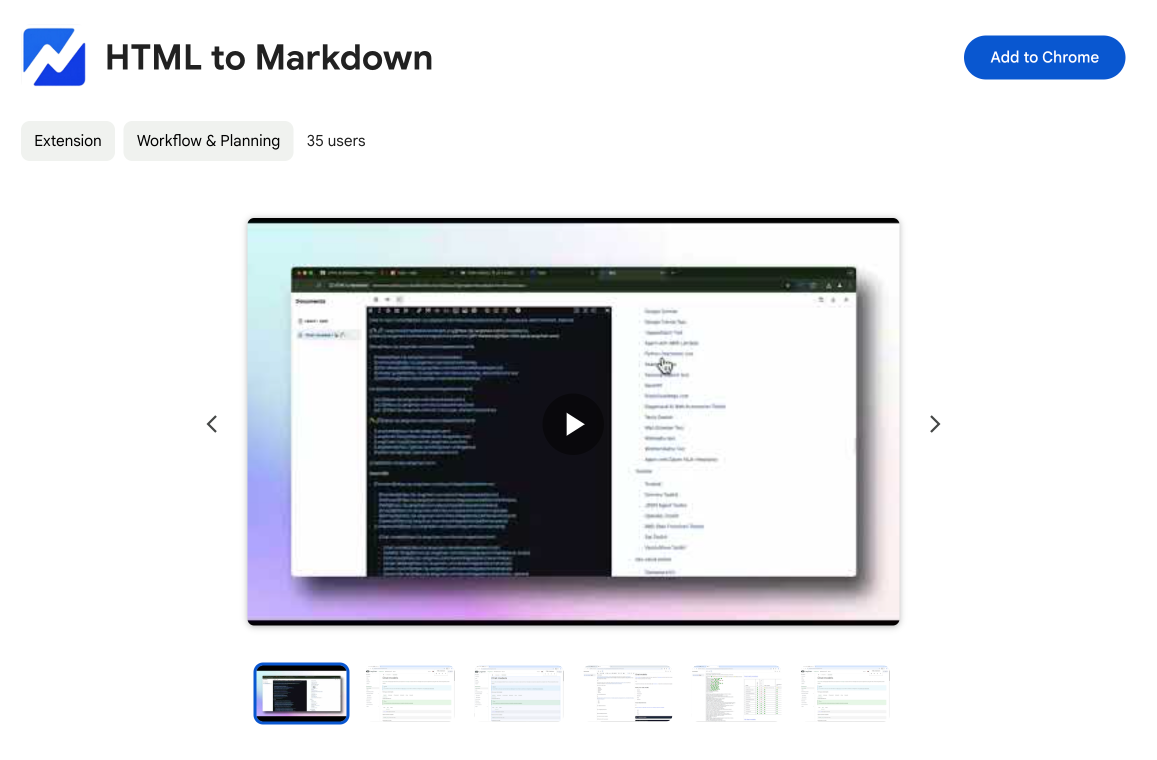
HTML to Markdown
Convert HTML to Markdown with ease, directly in your browser 📄
Dotallio
Personalized AI apps that automate research, data extraction, and content creation without code 🤖
Talk to Santa
Enjoy a magical live video chat or receive a unique AI-generated video greeting from Santa Claus 🎅
pozywka.pl
Scalable blog for food journalist, focused on performance and user experience 🌭
zagrodzki.me
Personal blog and portfolio of Bart Zagrodzki, where he shares his knowledge and work 💼
TurboStarter
Ship your startup everywhere. In minutes.
HTML to Markdown
Convert HTML to Markdown with ease, directly in your browser 📄
Dotallio
Personalized AI apps that automate research, data extraction, and content creation without code 🤖
Talk to Santa
Enjoy a magical live video chat or receive a unique AI-generated video greeting from Santa Claus 🎅
pozywka.pl
Scalable blog for food journalist, focused on performance and user experience 🌭
zagrodzki.me
Personal blog and portfolio of Bart Zagrodzki, where he shares his knowledge and work 💼
TurboStarter
Ship your startup everywhere. In minutes.
HTML to Markdown
Convert HTML to Markdown with ease, directly in your browser 📄
Dotallio
Personalized AI apps that automate research, data extraction, and content creation without code 🤖
Talk to Santa
Enjoy a magical live video chat or receive a unique AI-generated video greeting from Santa Claus 🎅
pozywka.pl
Scalable blog for food journalist, focused on performance and user experience 🌭
zagrodzki.me
Personal blog and portfolio of Bart Zagrodzki, where he shares his knowledge and work 💼
TurboStarter
Ship your startup everywhere. In minutes.
HTML to Markdown
Convert HTML to Markdown with ease, directly in your browser 📄
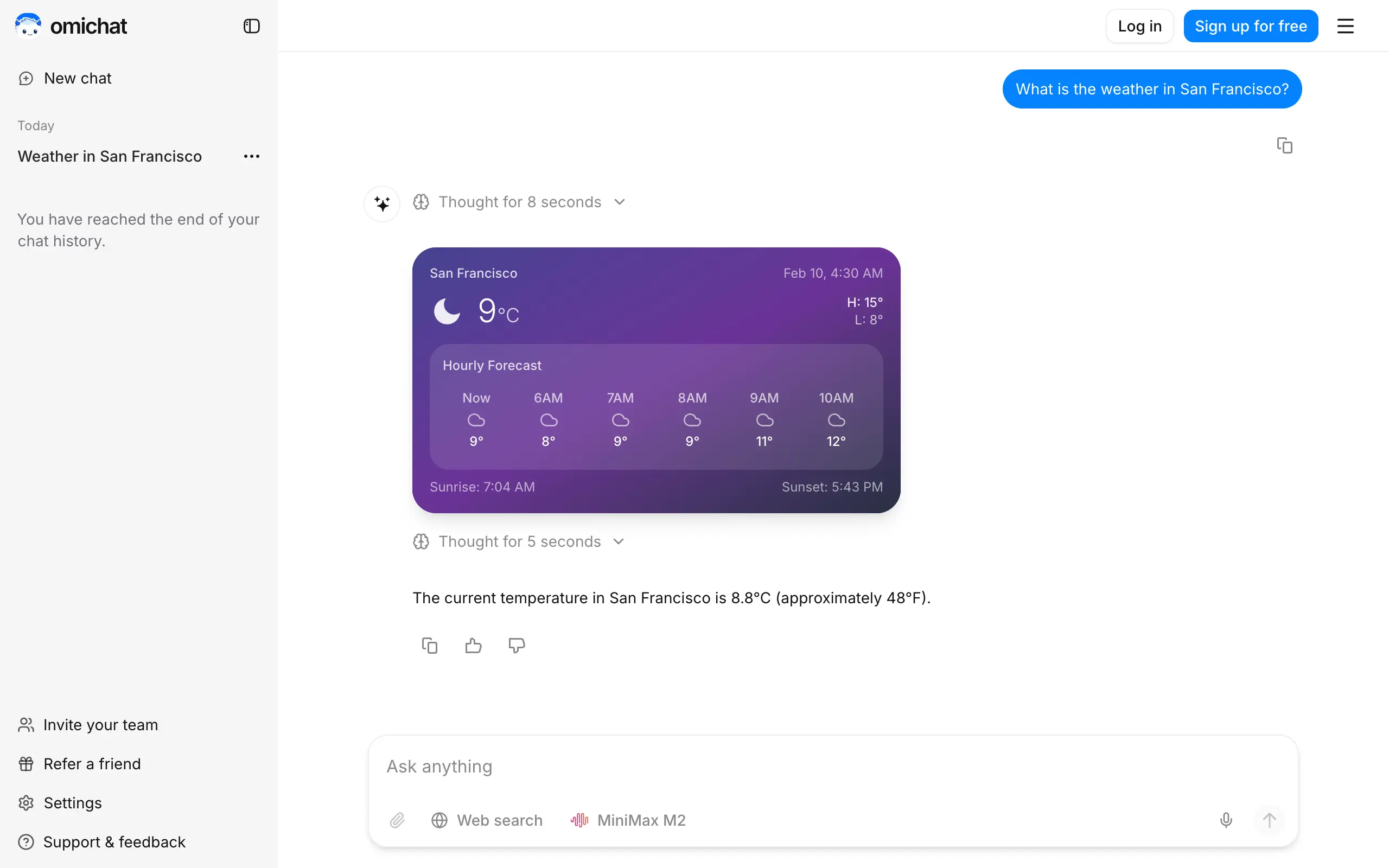
Omichat
Chat with 50+ AI models, including ChatGPT and Claude, in one place - switch models anytime without losing context 🤖
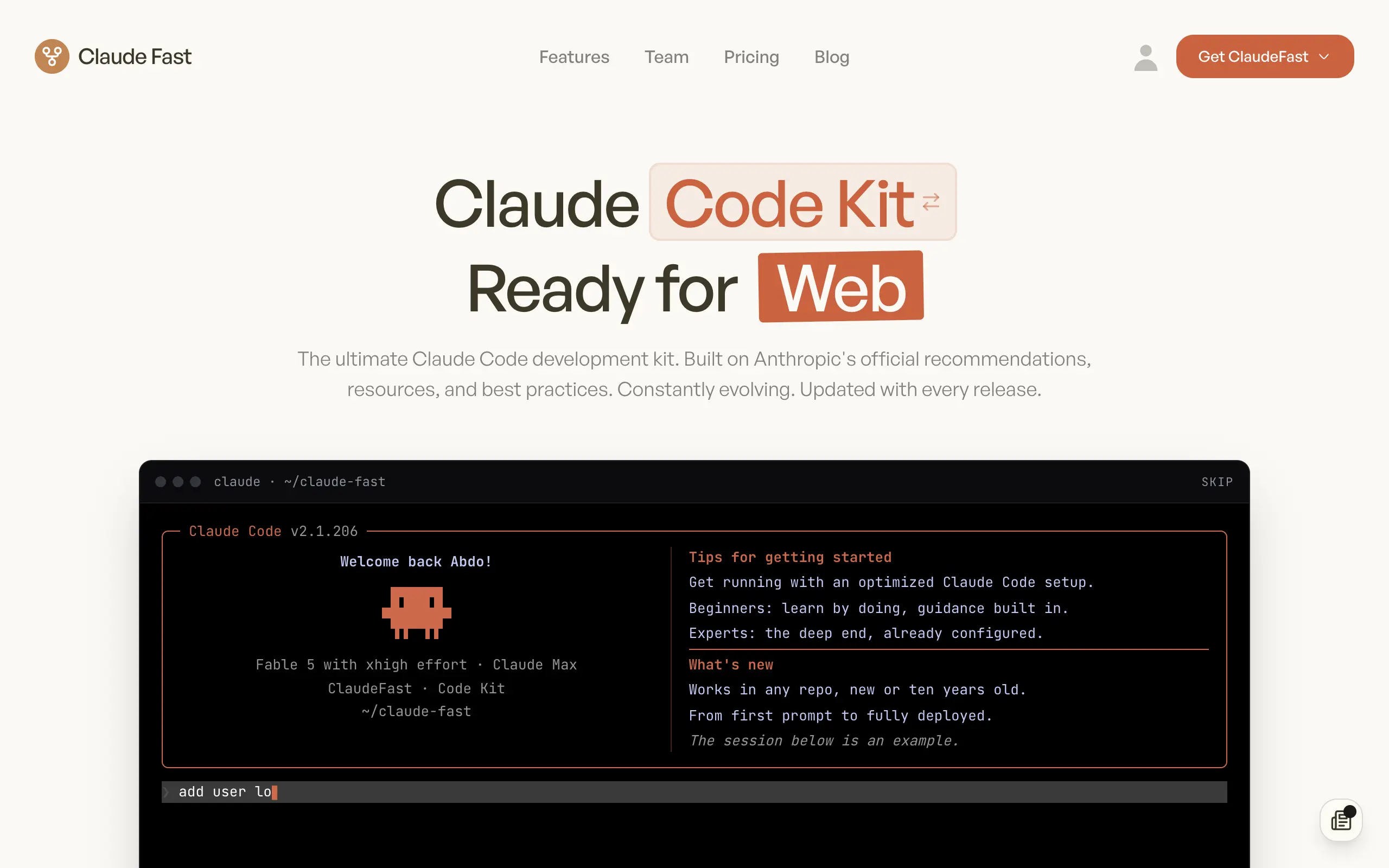
Claude Fast
Supercharge your Claude Code with 6x effective context window and specialized AI agents 🤖
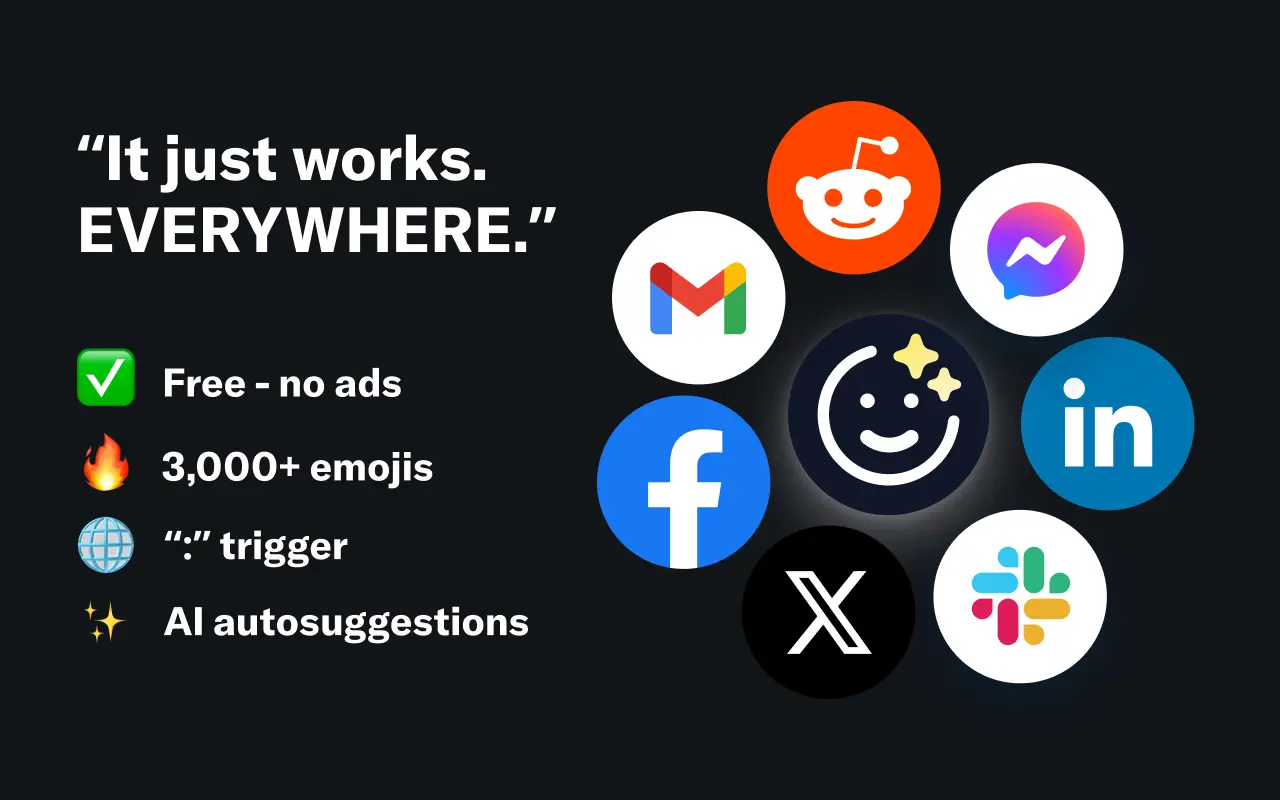
EmojAI
AI-powered emoji picker with smart, context-aware suggestions 🤖
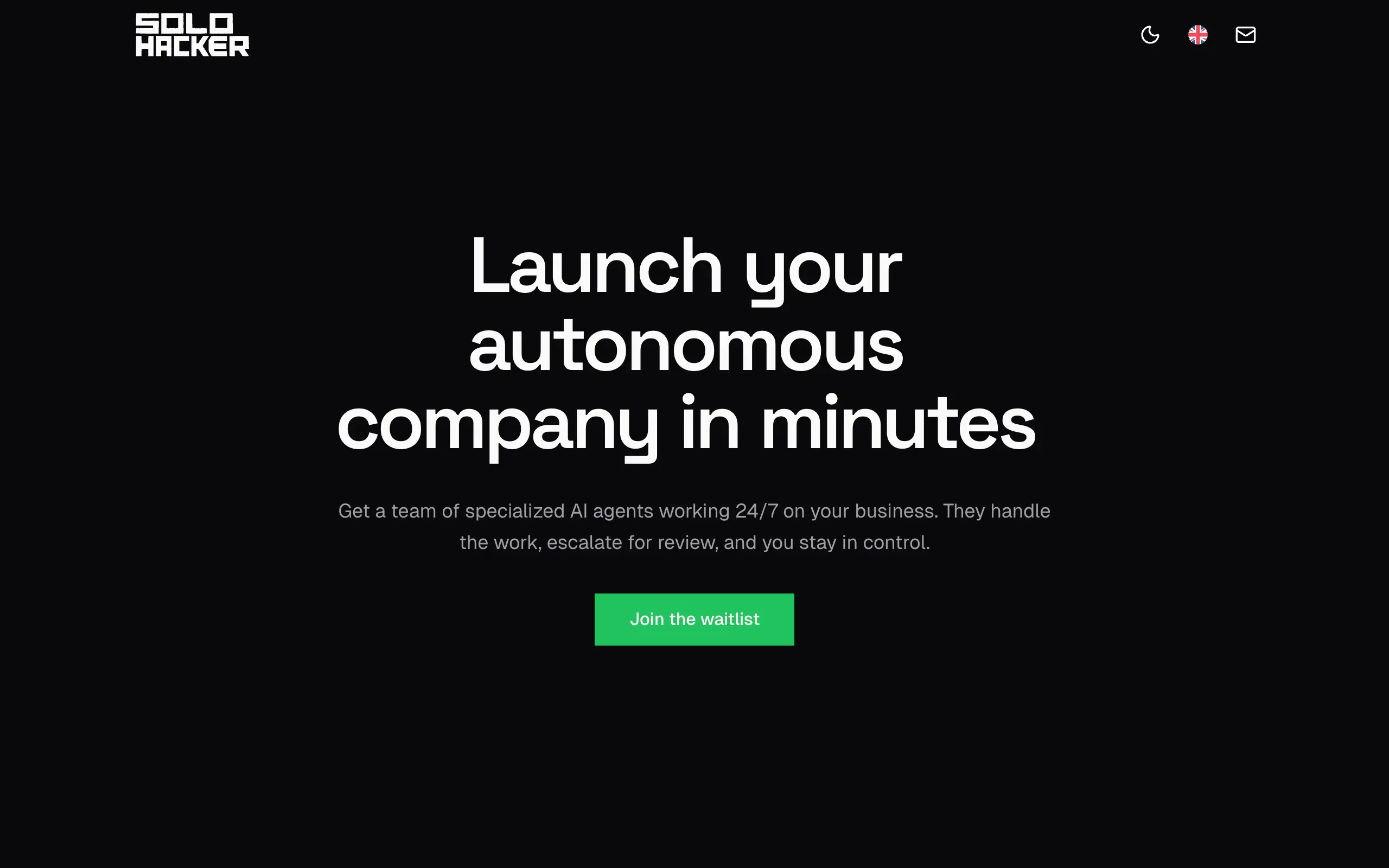
Solohacker
Autonomous company launcher - AI agents work 24/7, escalate what matters, and you stay in control 🤖
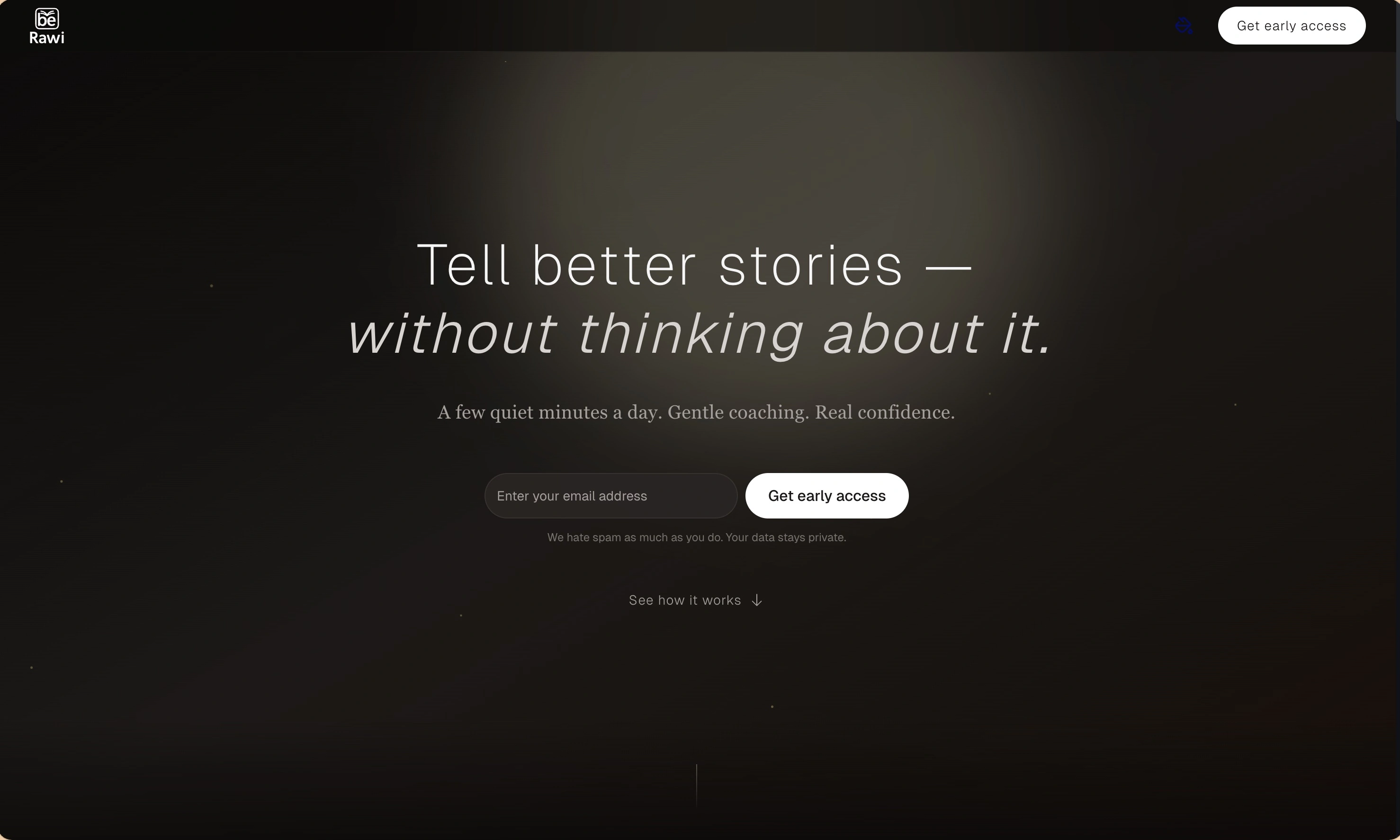
BeRawi: Storytelling Coach
Practice storytelling daily with instant feedback to sound clearer, more engaging, and confident 🎤
Omichat
Chat with 50+ AI models, including ChatGPT and Claude, in one place - switch models anytime without losing context 🤖
Claude Fast
Supercharge your Claude Code with 6x effective context window and specialized AI agents 🤖
EmojAI
AI-powered emoji picker with smart, context-aware suggestions 🤖
Solohacker
Autonomous company launcher - AI agents work 24/7, escalate what matters, and you stay in control 🤖
BeRawi: Storytelling Coach
Practice storytelling daily with instant feedback to sound clearer, more engaging, and confident 🎤
Omichat
Chat with 50+ AI models, including ChatGPT and Claude, in one place - switch models anytime without losing context 🤖
Claude Fast
Supercharge your Claude Code with 6x effective context window and specialized AI agents 🤖
EmojAI
AI-powered emoji picker with smart, context-aware suggestions 🤖
Solohacker
Autonomous company launcher - AI agents work 24/7, escalate what matters, and you stay in control 🤖
BeRawi: Storytelling Coach
Practice storytelling daily with instant feedback to sound clearer, more engaging, and confident 🎤
Omichat
Chat with 50+ AI models, including ChatGPT and Claude, in one place - switch models anytime without losing context 🤖
Claude Fast
Supercharge your Claude Code with 6x effective context window and specialized AI agents 🤖
EmojAI
AI-powered emoji picker with smart, context-aware suggestions 🤖
Solohacker
Autonomous company launcher - AI agents work 24/7, escalate what matters, and you stay in control 🤖
BeRawi: Storytelling Coach
Practice storytelling daily with instant feedback to sound clearer, more engaging, and confident 🎤

Connect with like-minded people
Join our community to get feedback, support, and grow together with 1,000+ builders on board, let's ship it!
Join usShip your startup everywhere. In minutes.
Don't burn tokens on setup and start building features on day one.