KosherCart Pro
Ecommerce solution tailored for kosher-certified products, helping Israeli stores manage certifications, filters, and targeted religious audiences.
Understanding the rise of kosher ecommerce and why it matters
Kosher ecommerce is no longer a niche—it’s a fast-growing segment driven by a combination of religious observance, global distribution of Jewish communities, and increasing demand for transparency in food sourcing. A platform like KosherCart Pro directly addresses this shift by offering a specialized ecommerce solution tailored to kosher-certified products and religiously observant audiences.
Consumers who keep kosher don’t just shop—they verify, cross-check certifications, and rely on trust signals that generic ecommerce platforms rarely provide natively. This creates friction in the buying process and limits growth for kosher retailers using traditional tools like Shopify or WooCommerce without heavy customization.
KosherCart Pro positions itself as a purpose-built solution that removes this friction while unlocking new opportunities for both local Israeli businesses and global kosher marketplaces.
Target audience and user personas
Understanding the audience is essential to building a product that truly resonates. KosherCart Pro serves multiple overlapping segments, each with distinct needs and behaviors.
Primary audiences
1. Israeli kosher retailers
- Supermarkets and specialty food stores
- Butchers and bakeries with kosher certification
- Online-first DTC kosher brands
2. Global kosher ecommerce businesses
- US, UK, and European kosher food distributors
- Subscription box companies
- Import/export kosher suppliers
3. Religious consumers
- Observant Jewish families
- Kosher-conscious consumers (including halal overlap in some cases)
- Event planners (weddings, holidays, catering)
Secondary audiences
- Certification agencies (OU, OK, Star-K, etc.)
- Dropshippers specializing in kosher goods
- Synagogues and community organizations
Key user needs
- Trust in certification authenticity
- Advanced filtering (kosher level, Passover-friendly, etc.)
- Localized shopping experiences (Hebrew/English, regional laws)
- Holiday-aware shopping (Pesach, Shabbat, etc.)
Insight
Kosher consumers often make purchase decisions based on certification authority, not just product category. This is a critical UX and data modeling requirement.
Market opportunity and gap analysis
Current limitations in existing platforms
Most ecommerce platforms are generic by design. While flexible, they fail to address kosher-specific needs:
- No native certification management
- Limited filtering for religious compliance
- No holiday-aware inventory or promotions
- Lack of trust-building UI for certification visibility
Retailers often resort to:
- Custom plugins
- Manual tagging systems
- Static certification pages
This leads to poor UX and reduced conversion rates.
Market trends supporting this idea
- Growth of niche ecommerce verticals (e.g., vegan, halal, organic)
- Increasing demand for transparency in food sourcing
- Expansion of cross-border ecommerce
- Rising digital adoption in religious communities
You can reference reports from sources like Statista or McKinsey for ecommerce growth trends to support this.
The gap KosherCart Pro fills
KosherCart Pro isn’t just another storefront builder—it’s a vertical SaaS platform designed specifically for kosher commerce.
It combines:
- Certification intelligence
- Religious context-aware UX
- Ecommerce infrastructure
This verticalization is its strongest strategic advantage.
Core features and solution architecture
KosherCart Pro’s strength lies in how deeply it integrates kosher-specific logic into ecommerce workflows.
Certification management system
This is the backbone of the platform.
Key capabilities:
- Upload and verify kosher certificates
- Associate certifications with products
- Track expiration dates
- Display certification badges dynamically
Advanced filtering system
Filters go beyond standard ecommerce categories:
- Kosher level (Mehadrin, Glatt, etc.)
- Certification authority (OU, OK, etc.)
- Passover-friendly (Chametz-free)
- Dairy / Meat / Pareve
Smart product tagging
Products are automatically categorized based on:
- Ingredients
- Certification metadata
- Supplier data
Holiday-aware features
- Dynamic product recommendations based on Jewish holidays
- Inventory alerts for high-demand periods (e.g., Passover)
- Pre-built promotional templates
Localization and language support
- Hebrew and English interfaces
- Region-specific compliance rules
- Currency and tax localization
Trust-first UI/UX
- Prominent certification badges
- Certification authority pages
- Transparent product sourcing information
Certification-first UX
Build trust instantly with visible and verifiable kosher certifications.
Religious-aware filtering
Enable precise filtering aligned with kosher observance levels.
Holiday optimization
Boost sales during key Jewish holidays with tailored features.
Recommended tech stack and architecture
Building a vertical SaaS like KosherCart Pro requires balancing scalability, flexibility, and speed of development.
Frontend
- React for dynamic UI
- Next.js for SSR and SEO optimization
- TailwindCSS for rapid styling
Backend
- Node.js (with NestJS or Express)
- GraphQL or REST API layer
- PostgreSQL for structured data (certifications, products)
Search and filtering
- Elasticsearch or Meilisearch for advanced filtering and fast queries
Authentication and roles
- Multi-tenant architecture
- Role-based access (admin, store manager, certifier)
Infrastructure
- Vercel or AWS for deployment
- CDN for global performance
- Stripe for payments
Trade-offs to consider
-
Custom vs Shopify app
- Custom SaaS offers full control but higher dev cost
- Shopify app offers faster adoption but limited flexibility
-
Search engine choice
- Elasticsearch: powerful but complex
- Meilisearch: simpler but less feature-rich
-
Multi-tenancy complexity
- Required for SaaS scaling
- Adds architectural overhead early on
Monetization strategy
KosherCart Pro can adopt multiple revenue streams.
Subscription tiers
- Basic: small stores
- Pro: advanced filtering, analytics
- Enterprise: multi-location, API access
Transaction fees
- Small percentage per sale
- Optional for lower-tier plans
Add-ons
- Certification verification service
- Holiday marketing packages
- Premium themes
Marketplace model (future expansion)
- Centralized kosher marketplace
- Commission on sales
Recurring revenue, predictable growth, ideal for SaaS scaling.
Higher upside but requires critical mass of buyers and sellers.
Competitive landscape and differentiation
Competitors
- Shopify (with plugins)
- WooCommerce (custom setups)
- Niche religious ecommerce platforms (limited scale)
Comparison
| Feature | Shopify | WooCommerce | KosherCart Pro | Custom Build |
|---|---|---|---|---|
| Kosher certification management | ❌ | ❌ | ✅ | ✅ |
| Advanced kosher filters | ❌ | ❌ | ✅ | ✅ |
| Ease of use | ✅ | ❌ | ✅ | ❌ |
| Time to launch | ✅ | ❌ | ✅ | ❌ |
Unique selling proposition (USP)
KosherCart Pro stands out because it:
- Is built specifically for kosher commerce, not adapted
- Embeds religious logic into product architecture
- Provides trust-first UX, critical for conversion
- Enables holiday-driven revenue optimization
Risks and mitigation strategies
Risk: Limited market size
While niche, the kosher market is global and high-value.
Mitigation:
- Expand into adjacent markets (halal, organic)
- Offer cross-border ecommerce tools
Risk: Certification complexity
Managing multiple certification standards can be challenging.
Mitigation:
- Partner with major certification agencies
- Build a standardized certification schema
Risk: User adoption
Retailers may resist switching platforms.
Mitigation:
- Offer migration tools
- Provide onboarding support
- Integrate with existing systems
Risk: Regulatory and compliance issues
Food and certification laws vary by region.
Mitigation:
- Localize compliance features
- Provide legal guidelines within the platform
SEO and growth strategy
To dominate search rankings, KosherCart Pro should target:
Primary keywords
- kosher ecommerce platform
- kosher online store builder
- kosher product marketplace
- ecommerce for kosher products
Secondary keywords (LSI)
- kosher certification management software
- Jewish holiday ecommerce tools
- kosher product filters
- religious ecommerce platform
Content strategy
- Blog posts on kosher shopping trends
- Guides for starting kosher online stores
- Case studies of successful retailers
- Holiday-specific marketing content
Technical SEO
- Fast loading times (Next.js SSR)
- Structured data for products
- Clean URL structure
Implementation roadmap
Building KosherCart Pro requires a phased approach.
MVP scope
Focus on:
- Product listings
- Certification display
- Basic filtering
- Checkout system
Avoid overbuilding early.
Example architecture snippet
// Example: Product schema with kosher certification
type Product = {
  id: string;
  name: string;
  category: string;
  kosherCertification: {
    authority: string; // e.g., OU, OK
    level: "Mehadrin" | "Standard";
    expiryDate: string;
  };
  isPassoverFriendly: boolean;
};
Expansion opportunities
KosherCart Pro can evolve into a broader ecosystem:
- Mobile apps for consumers
- API for certification agencies
- B2B wholesale marketplace
- AI-powered product recommendations
Yes. The same infrastructure can support halal, vegan, or allergen-specific ecommerce.
No. The US and Europe have large kosher markets with strong purchasing power.
Actionable next steps for founders
If you're building KosherCart Pro, focus on execution:
- Interview 10–20 kosher retailers
- Identify their biggest pain points
- Build a narrow MVP solving certification visibility
- Launch quickly and iterate
- Use early adopters as case studies
To accelerate development, consider using a starter kit like TurboStarter, which can significantly reduce setup time for SaaS infrastructure.
Final thoughts
KosherCart Pro isn’t just another ecommerce tool—it’s a vertical SaaS opportunity with strong product-market fit. By focusing on trust, certification, and religious context, it solves real problems that generic platforms ignore.
The key to success lies in:
- Deep understanding of the audience
- Strong partnerships with certification bodies
- Relentless focus on user trust and experience
If executed well, this platform can become the default infrastructure for kosher ecommerce worldwide.
More 🛒 E-commerce SaaS ideas
Discover more innovative e-commerce SaaS ideas that are trending in 2026. Each idea is AI-generated with market validation and growth potential to help you find your next profitable venture faster than competitors.
Your competitors are building with TurboStarter
Below are some of the SaaS ideas that have been generated and built with our starter kit.

Statiko
Monitor any Telegram channel in real time - track posts, edits, deletions, and growth with AI recaps 📡

Shibui
AI website builder - describe your business, pick a niche template, edit by chatting, and publish instantly ✨

Pro Service
Find verified home service professionals, compare quotes, and pay securely through escrow - built for Brazilians across the US 🏠
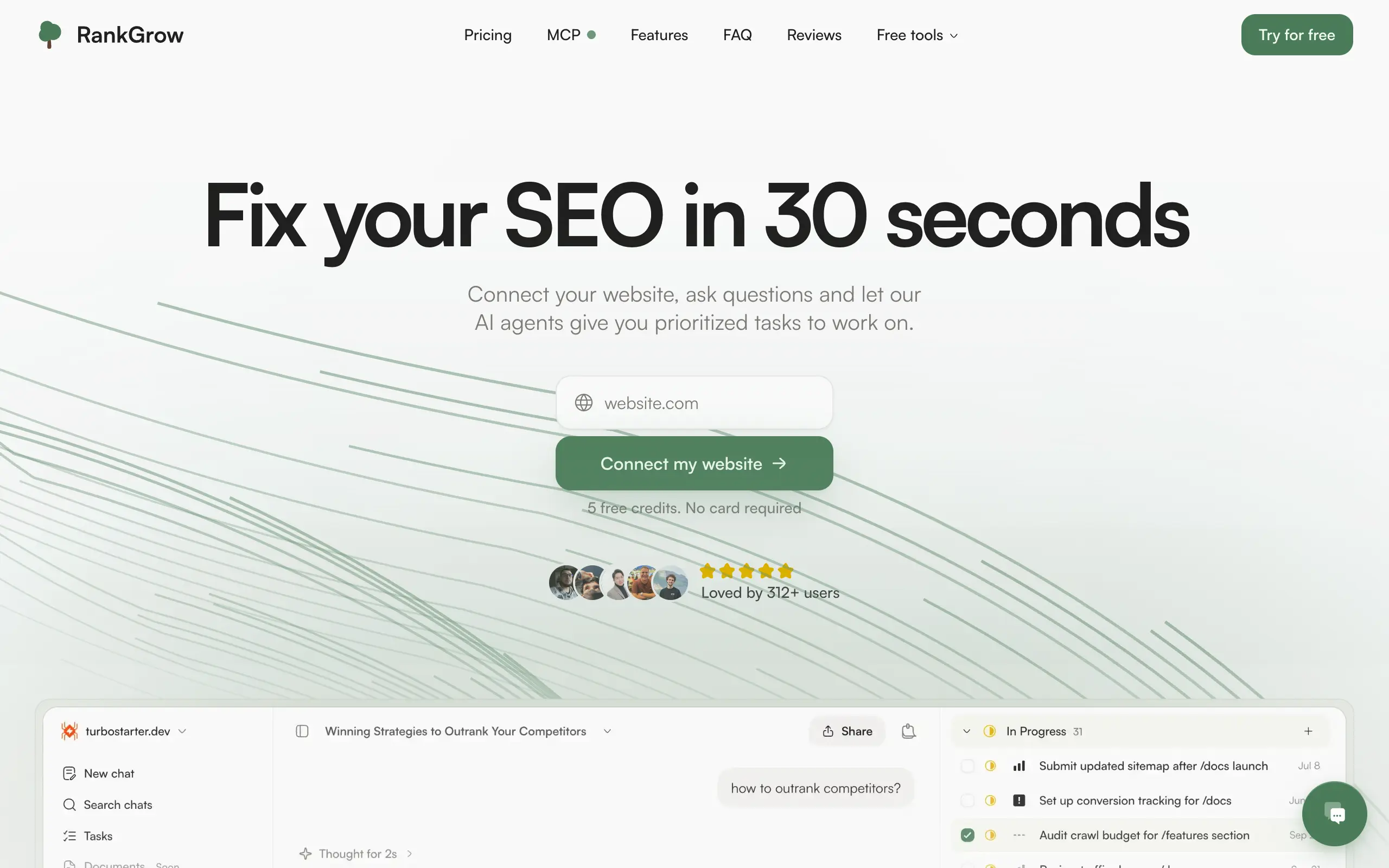
RankGrow
Fix your SEO with AI agents - connect Search Console, get prioritized tasks, and grow organic traffic 📈
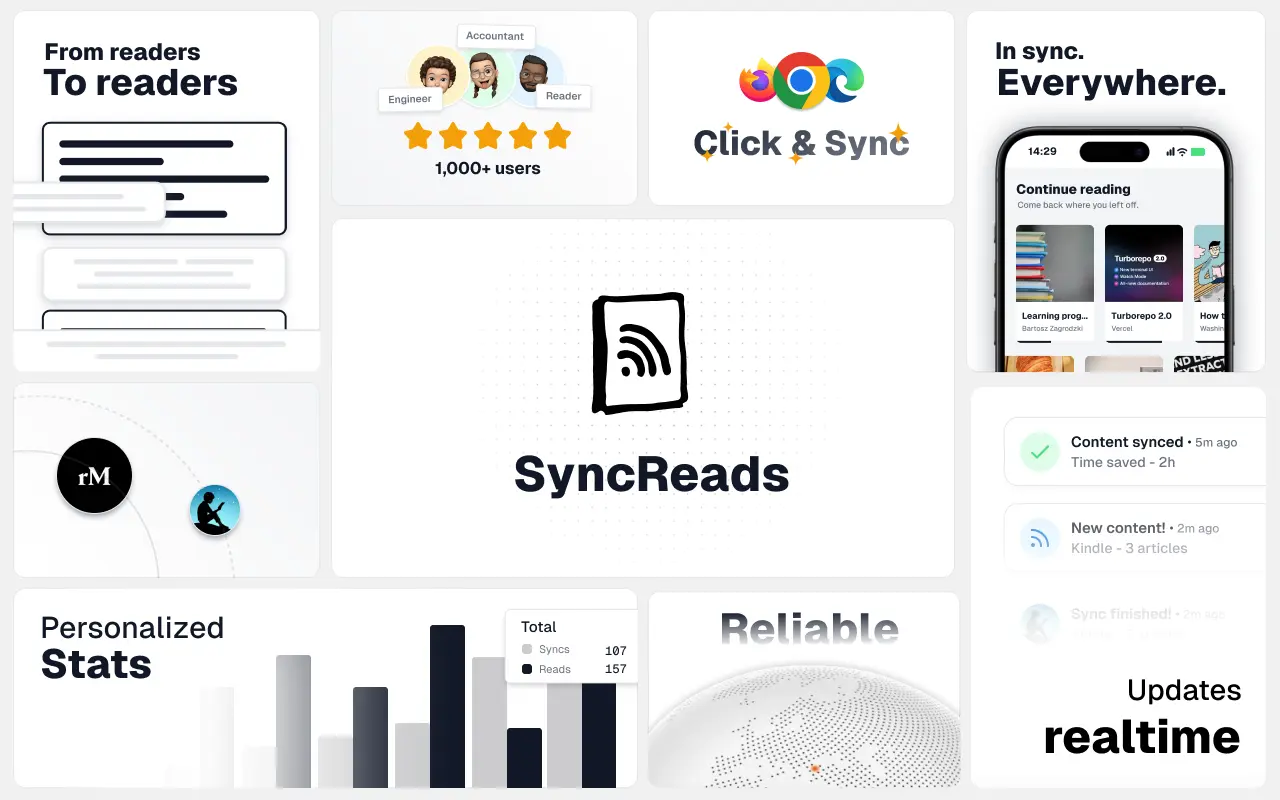
SyncReads
Sync your favorite content for distraction-free reading, save time and replace multiple apps. Anytime, anywhere 🔄
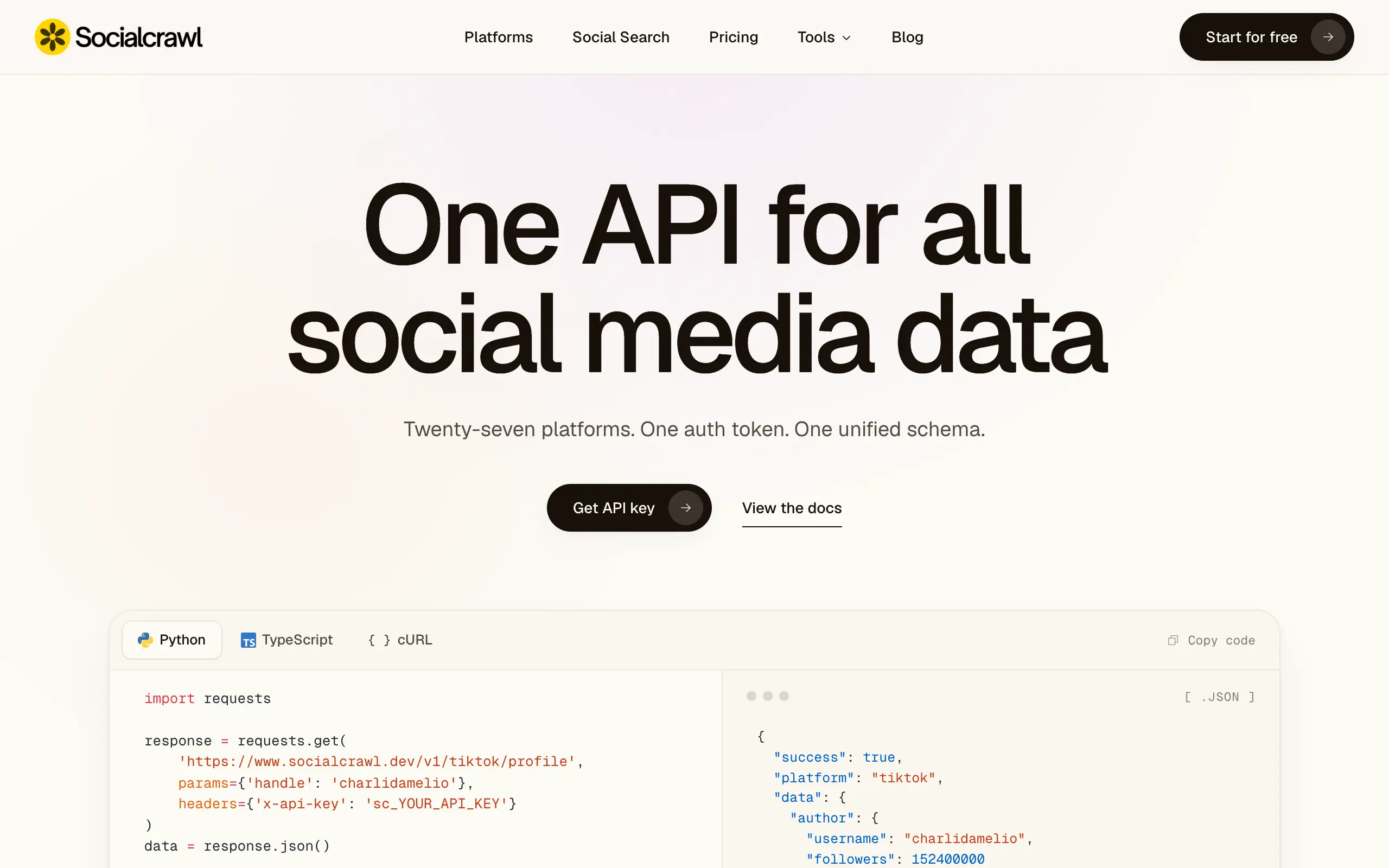
Socialcrawl
Get clean, structured data from 21 platforms like TikTok, Instagram, and YouTube with a single request 📊
Statiko
Monitor any Telegram channel in real time - track posts, edits, deletions, and growth with AI recaps 📡
Shibui
AI website builder - describe your business, pick a niche template, edit by chatting, and publish instantly ✨
Pro Service
Find verified home service professionals, compare quotes, and pay securely through escrow - built for Brazilians across the US 🏠
RankGrow
Fix your SEO with AI agents - connect Search Console, get prioritized tasks, and grow organic traffic 📈
SyncReads
Sync your favorite content for distraction-free reading, save time and replace multiple apps. Anytime, anywhere 🔄
Socialcrawl
Get clean, structured data from 21 platforms like TikTok, Instagram, and YouTube with a single request 📊
Statiko
Monitor any Telegram channel in real time - track posts, edits, deletions, and growth with AI recaps 📡
Shibui
AI website builder - describe your business, pick a niche template, edit by chatting, and publish instantly ✨
Pro Service
Find verified home service professionals, compare quotes, and pay securely through escrow - built for Brazilians across the US 🏠
RankGrow
Fix your SEO with AI agents - connect Search Console, get prioritized tasks, and grow organic traffic 📈
SyncReads
Sync your favorite content for distraction-free reading, save time and replace multiple apps. Anytime, anywhere 🔄
Socialcrawl
Get clean, structured data from 21 platforms like TikTok, Instagram, and YouTube with a single request 📊
Statiko
Monitor any Telegram channel in real time - track posts, edits, deletions, and growth with AI recaps 📡
Shibui
AI website builder - describe your business, pick a niche template, edit by chatting, and publish instantly ✨
Pro Service
Find verified home service professionals, compare quotes, and pay securely through escrow - built for Brazilians across the US 🏠
RankGrow
Fix your SEO with AI agents - connect Search Console, get prioritized tasks, and grow organic traffic 📈
SyncReads
Sync your favorite content for distraction-free reading, save time and replace multiple apps. Anytime, anywhere 🔄
Socialcrawl
Get clean, structured data from 21 platforms like TikTok, Instagram, and YouTube with a single request 📊
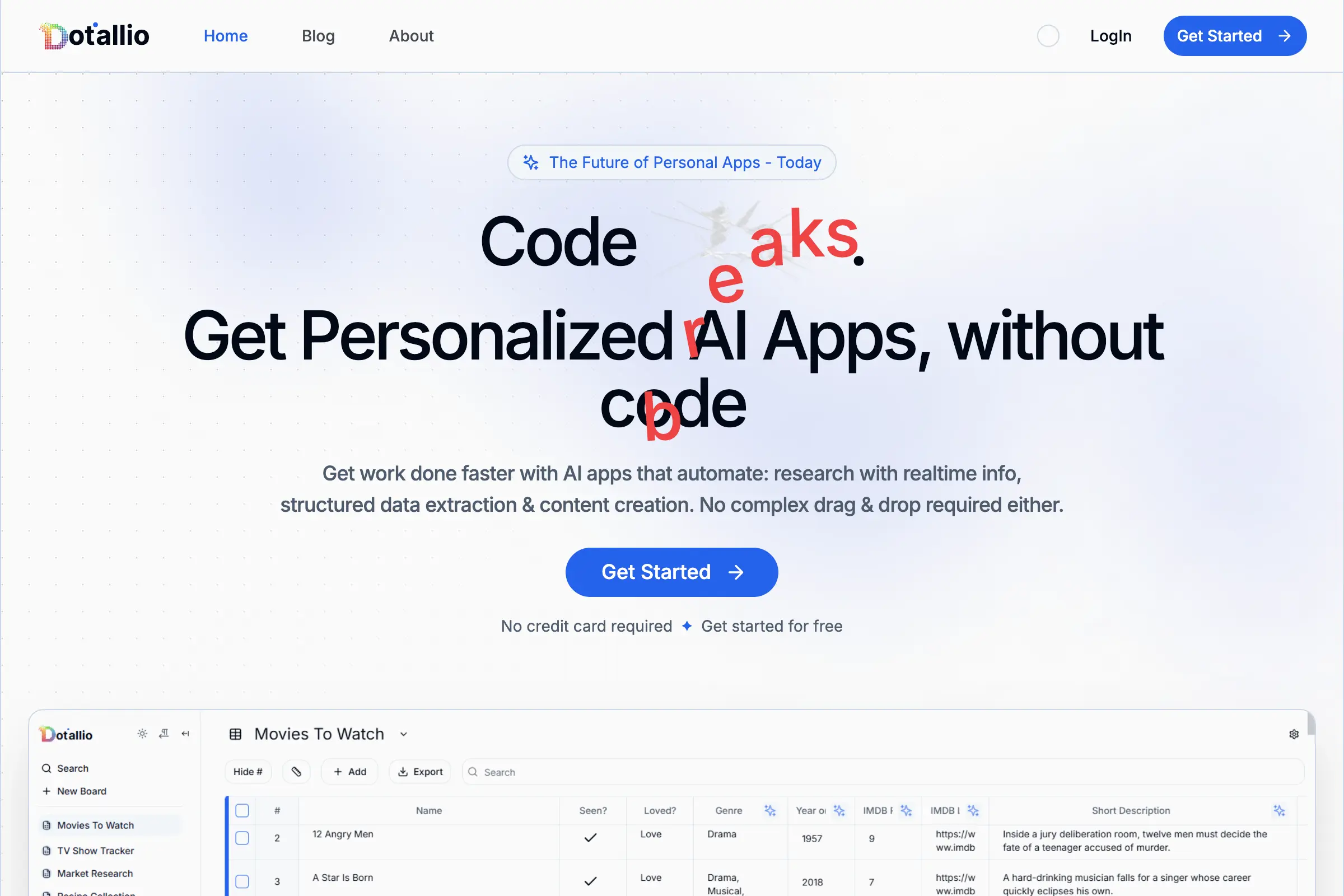
Dotallio
Personalized AI apps that automate research, data extraction, and content creation without code 🤖

Talk to Santa
Enjoy a magical live video chat or receive a unique AI-generated video greeting from Santa Claus 🎅

pozywka.pl
Scalable blog for food journalist, focused on performance and user experience 🌭
zagrodzki.me
Personal blog and portfolio of Bart Zagrodzki, where he shares his knowledge and work 💼

TurboStarter
Ship your startup everywhere. In minutes.
HTML to Markdown
Convert HTML to Markdown with ease, directly in your browser 📄
Dotallio
Personalized AI apps that automate research, data extraction, and content creation without code 🤖
Talk to Santa
Enjoy a magical live video chat or receive a unique AI-generated video greeting from Santa Claus 🎅
pozywka.pl
Scalable blog for food journalist, focused on performance and user experience 🌭
zagrodzki.me
Personal blog and portfolio of Bart Zagrodzki, where he shares his knowledge and work 💼
TurboStarter
Ship your startup everywhere. In minutes.
HTML to Markdown
Convert HTML to Markdown with ease, directly in your browser 📄
Dotallio
Personalized AI apps that automate research, data extraction, and content creation without code 🤖
Talk to Santa
Enjoy a magical live video chat or receive a unique AI-generated video greeting from Santa Claus 🎅
pozywka.pl
Scalable blog for food journalist, focused on performance and user experience 🌭
zagrodzki.me
Personal blog and portfolio of Bart Zagrodzki, where he shares his knowledge and work 💼
TurboStarter
Ship your startup everywhere. In minutes.
HTML to Markdown
Convert HTML to Markdown with ease, directly in your browser 📄
Dotallio
Personalized AI apps that automate research, data extraction, and content creation without code 🤖
Talk to Santa
Enjoy a magical live video chat or receive a unique AI-generated video greeting from Santa Claus 🎅
pozywka.pl
Scalable blog for food journalist, focused on performance and user experience 🌭
zagrodzki.me
Personal blog and portfolio of Bart Zagrodzki, where he shares his knowledge and work 💼
TurboStarter
Ship your startup everywhere. In minutes.
HTML to Markdown
Convert HTML to Markdown with ease, directly in your browser 📄
Omichat
Chat with 50+ AI models, including ChatGPT and Claude, in one place - switch models anytime without losing context 🤖
Claude Fast
Supercharge your Claude Code with 6x effective context window and specialized AI agents 🤖
EmojAI
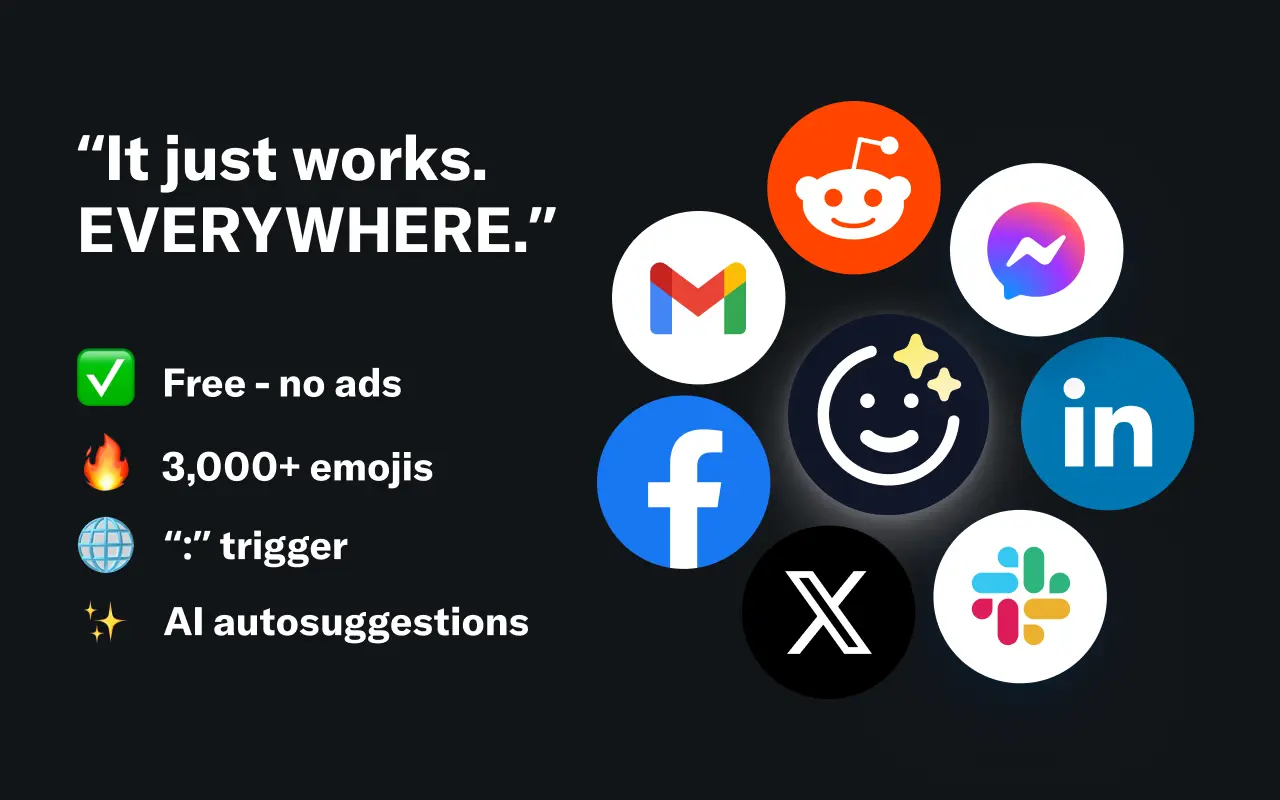
AI-powered emoji picker with smart, context-aware suggestions 🤖

Solohacker
Autonomous company launcher - AI agents work 24/7, escalate what matters, and you stay in control 🤖

BeRawi: Storytelling Coach
Practice storytelling daily with instant feedback to sound clearer, more engaging, and confident 🎤
Omichat
Chat with 50+ AI models, including ChatGPT and Claude, in one place - switch models anytime without losing context 🤖
Claude Fast
Supercharge your Claude Code with 6x effective context window and specialized AI agents 🤖
EmojAI
AI-powered emoji picker with smart, context-aware suggestions 🤖
Solohacker
Autonomous company launcher - AI agents work 24/7, escalate what matters, and you stay in control 🤖
BeRawi: Storytelling Coach
Practice storytelling daily with instant feedback to sound clearer, more engaging, and confident 🎤
Omichat
Chat with 50+ AI models, including ChatGPT and Claude, in one place - switch models anytime without losing context 🤖
Claude Fast
Supercharge your Claude Code with 6x effective context window and specialized AI agents 🤖
EmojAI
AI-powered emoji picker with smart, context-aware suggestions 🤖
Solohacker
Autonomous company launcher - AI agents work 24/7, escalate what matters, and you stay in control 🤖
BeRawi: Storytelling Coach
Practice storytelling daily with instant feedback to sound clearer, more engaging, and confident 🎤
Omichat
Chat with 50+ AI models, including ChatGPT and Claude, in one place - switch models anytime without losing context 🤖
Claude Fast
Supercharge your Claude Code with 6x effective context window and specialized AI agents 🤖
EmojAI
AI-powered emoji picker with smart, context-aware suggestions 🤖
Solohacker
Autonomous company launcher - AI agents work 24/7, escalate what matters, and you stay in control 🤖
BeRawi: Storytelling Coach
Practice storytelling daily with instant feedback to sound clearer, more engaging, and confident 🎤

Connect with like-minded people
Join our community to get feedback, support, and grow together with 1,000+ builders on board, let's ship it!
Join usShip your startup everywhere. In minutes.
Don't burn tokens on setup and start building features on day one.