Kvasná Dielňa
Sady a pravidelné náplne na domácu kombuchu a vodný kefír s lokálnymi čajmi a príchuťami pre začiatočníkov aj skúsených fermentérov.
Kvasná Dielňa is an ecommerce concept for people who want to make kombucha or water kefir at home without having to source every ingredient and piece of equipment themselves. Its offer combines beginner-friendly starter kits, regular refills, locally sourced teas, and flavor ingredients for both first-time fermenters and experienced brewers.
The opportunity is bigger than selling jars and cultures. A well-designed home fermentation business can help customers build a repeatable habit: start a batch, learn what to look for, enjoy the result, and order the next refill before supplies run out. That makes Kvasná Dielňa a promising example of a niche ecommerce brand with the potential to combine product sales, education, and subscriptions.
What is Kvasná Dielňa?
Kvasná Dielňa, or “Fermentation Workshop,” is a proposed direct-to-consumer ecommerce brand for home kombucha and water kefir. The business would sell the materials and guidance customers need to ferment drinks at home, with products tailored to different levels of experience.
A customer might begin with a complete starter kit, then return for tea, sugar, flavorings, replacement cultures, or a recurring refill box. This creates a more useful relationship than a one-time sale: the brand can support customers through multiple batches and help them become confident fermenters.
The core offer could include:
- Kombucha starter kits with a culture, starter liquid, tea, sugar, and clear instructions.
- Water kefir kits with grains, an appropriate first-batch supply, and recipe guidance.
- Regular refill packs with ingredients selected for a customer’s preferred drink and brewing rhythm.
- Locally sourced teas and flavors that give each batch a distinctive regional identity.
- Education and troubleshooting for common questions, from fermentation time to flavoring and storage.
The central promise is straightforward: make home fermentation approachable, dependable, and enjoyable, while giving experienced brewers worthwhile ingredients to explore.
Why the home fermentation market is worth exploring
Home fermentation is a practical hobby as well as a way to make distinctive drinks. Customers may be attracted by the process, the flavor possibilities, the satisfaction of making something themselves, or the convenience of having ingredients delivered. Kvasná Dielňa can speak to these motivations without promising unsupported health benefits.
A key commercial characteristic of kombucha and water kefir is that they are made in batches. Customers who enjoy brewing need ingredients repeatedly, and their needs can change as they gain experience. Someone who starts with a simple kit may later want different teas, seasonal flavors, larger batches, or more detailed guidance.
That pattern creates several potential revenue streams:
- First-purchase revenue from complete starter kits.
- Repeat revenue from ingredients and refill packs.
- Higher-value orders from bundles, gift sets, or larger-batch equipment.
- Retention and engagement through recipes, brewing reminders, and subscription options.
This does not guarantee demand or recurring revenue. A viable business still needs to test customer interest, manage product quality, and make the economics of shipping work. But the category’s naturally recurring supply needs provide a useful starting point for product and business design.
A market gap Kvasná Dielňa can address
Customers often have to assemble a home brewing setup from multiple sources. They may find a culture in one shop, tea in another, and instructions in a blog or online discussion. This creates avoidable friction, especially for beginners who are not sure which supplies are necessary or how to use them together.
Kvasná Dielňa can reduce that friction by bringing the experience into one place:
- Curated bundles can help customers buy the right essentials without researching every component.
- Instructions matched to the products can prevent confusion caused by generic or conflicting advice.
- Refills designed around real batch cycles can help customers replenish ingredients at a useful time.
- Local sourcing and regional flavor ideas can make the brand feel distinct from a generic brewing-supplies store.
- Customer support can provide a trusted place to ask questions when a batch behaves unexpectedly.
The opportunity is not simply to sell fermentation supplies. It is to make a multi-step hobby easier to start and easier to continue.
Who should Kvasná Dielňa serve?
The strongest initial audience is likely to be people who are interested in home fermentation but do not yet have a trusted, simple way to begin. The business can also serve experienced makers, but the first-time customer is an especially useful design anchor: if the kit, product page, and instructions make sense to a beginner, they are more likely to reduce confusion for everyone.
Curious beginners
Beginners may be interested in kombucha or water kefir but unsure about the equipment, ingredients, and process. They need a complete first purchase, plain-language instructions, and reassurance about what to expect.
For this group, the best experience should answer:
- What is included in the kit?
- What else must I provide at home?
- How much time does each step take?
- What does a normal batch look, smell, and taste like?
- How do I know when it is ready?
- What should I do if I have a concern?
The product page should address these questions before checkout, while the instructions should make the first brew feel manageable rather than technical.
Existing home fermenters
Experienced fermenters may already own jars and cultures. Their buying motivations are more likely to include reliable ingredients, interesting flavors, convenient refills, and the ability to experiment.
Kvasná Dielňa can serve them with:
- Tea and ingredient selections for different flavor profiles.
- Seasonal or limited-run ingredients.
- Larger refill formats.
- Clear details about ingredient origin and product specifications.
- The option to purchase individual items without buying another complete kit.
A customer should not have to purchase beginner equipment repeatedly just to access the ingredients they want.
Gift buyers
A fermentation kit can be a distinctive gift for someone who enjoys cooking, food crafts, or hands-on hobbies. Gift buyers may not understand the technical differences between kombucha and water kefir, so the purchase path should make selection simple.
Useful features could include gift-ready packaging, a printed getting-started guide, clear storage instructions, and a gift message. Gift products should also make it clear whether a culture or other perishable item is included and how quickly the recipient should begin using it.
Sustainability-minded shoppers
Some customers may be motivated by making drinks at home, reducing packaging from ready-made products, or choosing ingredients from local suppliers. These preferences should be supported with transparent, specific information rather than broad environmental claims.
For example, Kvasná Dielňa could explain where an ingredient comes from, what packaging is used, and which components can be reused. Any claims about environmental impact should be evidence-based and reviewed before publication.
The unique selling proposition
Kvasná Dielňa’s strongest potential USP is a locally rooted, beginner-friendly fermentation experience that continues after the first kit.
Many ecommerce stores can sell a jar or a culture. The opportunity is to combine a thoughtfully assembled first-brew kit with ongoing ingredients, practical instructions, and an easy refill path. Local teas and flavor ingredients can give the products a recognizable identity, while recurring supplies give customers a convenient reason to return.
That positioning can be expressed through four connected advantages:
- A complete start: Customers can choose a kit designed around a specific drink and experience level.
- A supported first batch: Instructions and customer support help customers move from purchase to successful use.
- A reason to return: Refill packs, ingredient discovery, and subscription options make repeat ordering convenient.
- A distinctive origin: Local sourcing and regional flavor choices help the brand stand apart from undifferentiated supply listings.
The brand should avoid competing only on price. A better strategy is to compete on the confidence and convenience of the whole experience.
Core features and product experience
The ecommerce experience should help customers choose the right product, understand how to use it, and replenish ingredients at a natural point in their brewing routine.
Starter kits by drink and experience level
The product catalog should clearly distinguish kombucha from water kefir. These products have different ingredients and processes, so combining them into a generic “fermentation kit” category could create confusion.
A useful initial range might include:
- Kombucha starter kit: A clearly described set of the core items needed for a first batch.
- Water kefir starter kit: A separate kit with the appropriate culture and ingredients.
- Starter kit plus flavor bundle: A first-brew set with a selection of flavoring ingredients.
- Experienced brewer bundle: A focused refill or ingredient collection for customers who already have equipment.
Each kit page should list what is included, what is not included, storage and handling guidance, and an accurate description of the expected process. If an item has a limited shelf life or special delivery consideration, that information should be visible before purchase.
Refill subscriptions that match real use
A subscription can help customers avoid running out of ingredients, but a rigid subscription may feel inconvenient if it does not match their brewing schedule. The business should treat subscription timing as a customer preference to test, not assume that every buyer wants the same delivery interval.
Useful subscription controls could include:
- A choice of delivery frequency.
- A clear list of items included in each refill.
- The ability to skip, pause, or cancel.
- A reminder before the next charge or shipment.
- A simple way to change a flavor or ingredient selection.
- A one-time purchase option for customers who do not want recurring billing.
The subscription should solve a replenishment problem, not create a new one. Customers need to understand when they will be charged, what they will receive, and how to manage their plan.
Product education and troubleshooting
Instructions are a core part of the product, not an optional marketing extra. In a category where customers are handling living cultures and food ingredients, unclear guidance can damage trust and create support costs.
A practical education center could include:
- A first-batch walkthrough for each drink.
- Ingredient and equipment checklists.
- Flavoring ideas organized by taste profile.
- Guidance on storage and handling.
- A troubleshooting guide that distinguishes common variations from issues that require attention.
- A searchable FAQ with information tied to specific products.
Content should be reviewed by someone with relevant fermentation and food-handling knowledge. Avoid medical claims or statements that imply a product treats, prevents, or cures a condition unless the business has an appropriate legal and scientific basis to make them.
Customer accounts and order management
A customer account should make repeat purchases easier without making account creation a barrier to a first order. Useful account features include order history, saved addresses, subscription controls, and a way to repurchase a previous refill.
The storefront should also send clear transactional messages: order confirmation, shipping updates, and subscription reminders where applicable. These messages reduce uncertainty and give customers an easy path to ask for help.
Recommended ecommerce technology stack
The best technology choice depends on the team’s capabilities, catalog complexity, and appetite for custom development. Kvasná Dielňa should prioritize reliable checkout, clear product management, subscription support, and a maintainable storefront over technical novelty.
| Approach | Best fit | Advantages | Trade-offs |
|---|---|---|---|
| Hosted ecommerce platform | A small team validating demand | Fast launch, managed infrastructure, established checkout tools | Less control over complex custom experiences and platform-dependent costs |
| WordPress with WooCommerce | A team that wants content and store flexibility | Large ecosystem, customizable storefront, content publishing in one system | More responsibility for hosting, updates, security, and plugin compatibility |
| Custom headless storefront | A team with development resources and specific requirements | Greater control over the customer experience and integrations | Higher build and maintenance costs; more operational complexity |
A practical starting stack
For a lean launch, a hosted ecommerce platform may be the most efficient option. It can help the team test demand, product positioning, and subscription interest before investing in a custom build. A platform such as Shopify can serve as a starting point, subject to confirming that its available features and integrations meet the business’s needs in its target markets.
A content-heavy store built on WooCommerce may be suitable if the team wants more control over publishing and customization. That flexibility also means more responsibility for hosting, maintenance, and extension compatibility.
If a custom storefront is justified, Next.js and React are established options for building a modern web experience. Tailwind CSS can support a consistent design system. A relational database such as PostgreSQL can support structured product, customer, and order data when a custom backend is required.
For payments, the business should choose a provider that supports its locations, currencies, and recurring billing needs. Stripe provides payment products and documentation, but the team should verify local availability, fees, tax handling, and subscription functionality before committing.
Regardless of the stack, plan for:
- Secure checkout and appropriate payment handling.
- Mobile-friendly product pages.
- Inventory tracking, including any product-specific handling needs.
- Subscription management and clear cancellation controls.
- Order and customer support workflows.
- Analytics for conversion, repeat purchase, and customer retention.
- Privacy, cookie, and data-handling practices appropriate to the markets served.
A starter kit can accelerate development of a SaaS or ecommerce product; TurboStarter is one option to evaluate for a faster technical foundation. It does not replace product validation, food-safety planning, or the need to confirm that a chosen platform suits the business.
Monetization strategy
Kvasná Dielňa should begin with a small number of clear revenue streams and expand only when customer behavior supports the change.
One-time product sales
Starter kits provide an easy first purchase and help new customers understand the full offer. Individual ingredients and refills serve people who already own the equipment.
The product range should make the relationship between products clear. A starter kit is for getting going; a refill is for continuing; a flavor bundle is for experimenting. This makes cross-selling more relevant and reduces the risk of overwhelming a new customer with too many choices.
Subscriptions and scheduled refills
Subscriptions can improve convenience and make revenue more predictable, but they require careful design. A subscription should be optional, transparent, and easy to manage. Customers should be able to understand the billing interval and product contents before subscribing.
The business can test whether customers prefer a recurring delivery, a reminder to reorder, or both. A reminder-based replenishment option may suit customers whose brewing schedules vary, while a subscription may appeal to those with a stable routine.
Bundles and gifts
Bundles can increase average order value when they solve a real customer need. Examples include a first-batch kit with additional flavor ingredients, or a gift set that includes equipment and a printed guide.
Gift packaging can create seasonal sales opportunities, but inventory and shipping deadlines should be communicated clearly. Avoid bundles that contain unnecessary items simply to raise the price.
Content and community
Educational content can contribute to customer acquisition and retention. Recipes, brewing guides, and practical answers may attract search traffic and support customers after purchase.
A paid community or workshop could be explored later, but it should not distract from validating the core store. The most valuable early content is likely to answer common questions and help customers use the products they have already bought.
Competitive advantage analysis
Kvasná Dielňa will compete with general ecommerce marketplaces, specialist fermentation suppliers, local food and homebrew shops, and free online content. Its advantage should come from how well it connects product selection, education, and repeat purchasing.
| Competitive factor | General marketplace | Specialist supplier | Kvasná Dielňa opportunity |
|---|---|---|---|
| Product discovery | Broad selection, variable guidance | More specialized catalog | Guided choices by drink and experience level |
| Beginner support | Often inconsistent | May be strong but product-dependent | Instructions designed around each kit |
| Local identity | Usually limited | Varies by seller | Regional teas, flavors, and sourcing transparency |
| Refills | May require separate searches | Often available | Replenishment designed for existing customers |
| Brand relationship | Transaction-focused | Depends on the seller | Ongoing support, recipes, and customer feedback |
The most defensible advantage is not a single ingredient or subscription feature. Competitors can copy individual products. It is harder to copy a consistent system built from trusted sourcing, clear instructions, thoughtful starter bundles, responsive support, and a well-maintained refill experience.
Risks and how to mitigate them
A strong business plan should address operational and customer-trust risks from the beginning.
Product handling and food safety
Fermentation products involve food ingredients and living cultures. Requirements may depend on the product, production model, packaging, and country of sale. The business should consult qualified local professionals and relevant authorities to confirm applicable food-safety, labeling, storage, and ecommerce requirements before selling.
Mitigations include:
- Documenting supplier and product information.
- Establishing clear handling and storage procedures.
- Reviewing product labels and instructions with qualified expertise.
- Keeping traceable records for relevant batches and suppliers.
- Providing a clear process for handling quality concerns and customer complaints.
These steps are not a substitute for legal or food-safety advice. Requirements should be checked for the business’s actual operating location and target markets.
Culture quality and delivery conditions
A customer may be disappointed if a culture arrives in poor condition or if the handling instructions are unclear. The business should determine appropriate packaging, shipping methods, storage guidance, and customer support processes for each product.
Start with small-scale fulfillment tests. Track delivery time, customer questions, and reported product issues. The team should not assume that the same shipping approach works equally well for every component.
Subscription fatigue and churn
A subscription is only valuable if it suits the customer’s real usage. If shipments arrive too frequently, customers may accumulate supplies or cancel.
Mitigate this risk by offering flexible intervals, skip and pause controls, clear pre-billing reminders, and a one-time purchase alternative. Use customer feedback and retention data to improve the offer rather than relying on a fixed schedule for everyone.
Seasonality and inventory planning
Demand may shift with gifting seasons, weather, or customer routines. Perishable or time-sensitive inventory makes forecasting especially important.
Begin with a limited catalog and conservative stock levels. Review sell-through, returns, support requests, and supplier lead times before expanding product variations. Where practical, use preorders or limited seasonal runs to test interest before committing to larger quantities.
Unsupported health claims
Customers may associate fermented drinks with wellness. That does not mean marketing should make medical or exaggerated health claims. Such claims can mislead customers and create legal and reputational risks.
Keep messaging focused on flavor, craft, ingredients, and the home-brewing experience. Have product descriptions, advertising, and educational content reviewed before making claims about health or nutrition.
Building too much before proving demand
A custom platform, large product catalog, and elaborate subscription system can consume time and capital before the business knows which products customers want.
Reduce the risk by launching a focused minimum viable store. Test a few kits and refills, collect customer feedback, and use real purchase behavior to decide what to build next.
How to measure early success
Kvasná Dielňa should track a small set of metrics that connect customer experience to business sustainability.
Useful measures include:
- Product page conversion: Whether visitors understand and trust the offer enough to buy.
- Starter kit to refill conversion: Whether first-time buyers return for ingredients.
- Repeat purchase rate: Whether customers choose to buy again over time.
- Subscription retention: Whether recurring plans remain useful after the initial order.
- Average order value: Whether bundles add meaningful value without creating confusion.
- Support contacts per order: Whether product information and instructions answer common questions.
- Refunds, complaints, and delivery issues: Whether fulfillment and product quality meet expectations.
- Contribution margin: Whether orders remain economically viable after product, packaging, payment, shipping, and support costs.
These metrics should be interpreted together. A growing subscription count is not necessarily positive if cancellations, complaints, or fulfillment costs are also rising. The goal is sustainable repeat purchasing supported by a good customer experience.
Actionable implementation steps
A sensible launch plan starts with customer learning and moves toward investment only when the evidence supports it.
Interview potential customers. Speak with beginners, experienced home fermenters, and gift buyers. Ask how they currently source supplies, what confuses them, and what would make a refill convenient. Treat stated interest as a starting point, then validate it with real purchase behavior.
Define a focused first catalog. Start with a kombucha kit, a water kefir kit, and a small number of compatible refill or flavor products. Make each product’s purpose and included items unmistakable.
Confirm operational requirements. Investigate suppliers, product handling, packaging, labeling, shipping, customer support, and any applicable local requirements. Document responsibilities before opening sales.
Create instructions before launch. Write and test the first-batch guides with people who have not fermented before. Revise unclear steps, add helpful photographs if available, and include a clear way to contact the business.
Choose the simplest suitable ecommerce platform. Select a platform that can support the initial catalog, checkout, shipping, and any planned subscription functionality. Avoid custom development until a real customer need justifies it.
Launch with a small customer cohort. Sell to a limited audience, monitor fulfillment closely, and collect feedback after delivery and after the first brew. Look for friction in product selection, instructions, and replenishment.
Test repeat-purchase options. Compare a one-time refill, an opt-in subscription, and reorder reminders. Let customers’ behavior and feedback determine which approach deserves more investment.
Expand based on evidence. Add new flavors, bundles, or platform features when customers request them and the business can fulfill them reliably. Review margins and operational complexity before every expansion.
The outlook for Kvasná Dielňa
Kvasná Dielňa has a clear ecommerce opportunity: help people start making kombucha or water kefir at home, then make the next batch easier with reliable ingredients and convenient refills. Its strongest position is not simply as a shop for fermentation supplies, but as a trusted guide for a repeatable home-brewing experience.
The concept is most likely to stand out if it combines beginner-friendly kits, thoughtful education, locally distinctive ingredients, and a flexible replenishment model. The business should validate demand before building a large catalog or complex technology, and it should treat product handling, clear claims, and customer trust as essential parts of the brand.
The next step is to test the smallest credible version of the offer: a focused set of kits, well-tested instructions, dependable fulfillment, and a simple way for customers to buy ingredients again.
More 🛒 E-commerce SaaS ideas
Discover more innovative e-commerce SaaS ideas that are trending in 2026. Each idea is AI-generated with market validation and growth potential to help you find your next profitable venture faster than competitors.
Your competitors are building with TurboStarter
Below are some of the SaaS ideas that have been generated and built with our starter kit.

Statiko
Monitor any Telegram channel in real time - track posts, edits, deletions, and growth with AI recaps 📡

Shibui
AI website builder - describe your business, pick a niche template, edit by chatting, and publish instantly ✨

Pro Service
Find verified home service professionals, compare quotes, and pay securely through escrow - built for Brazilians across the US 🏠
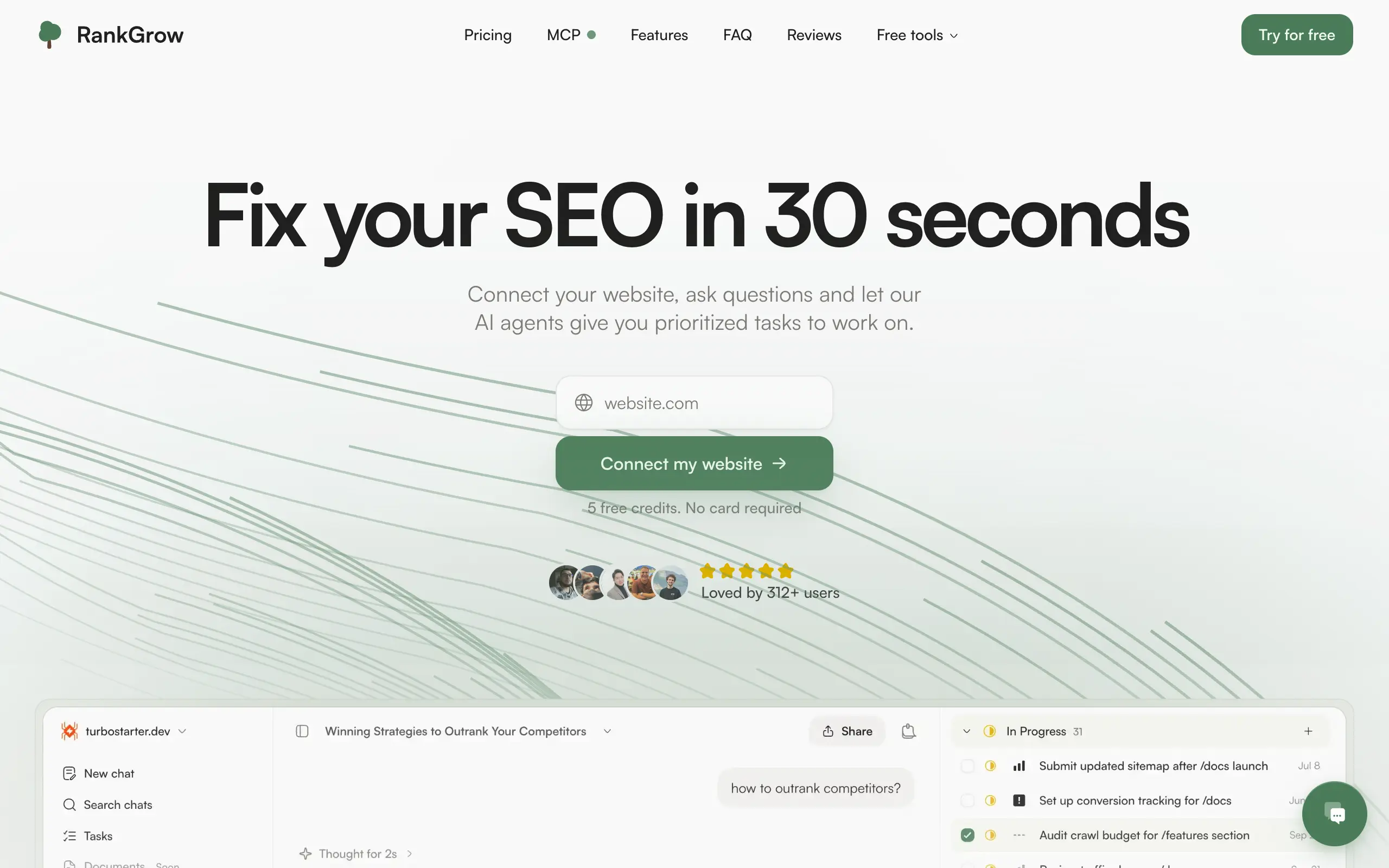
RankGrow
Fix your SEO with AI agents - connect Search Console, get prioritized tasks, and grow organic traffic 📈
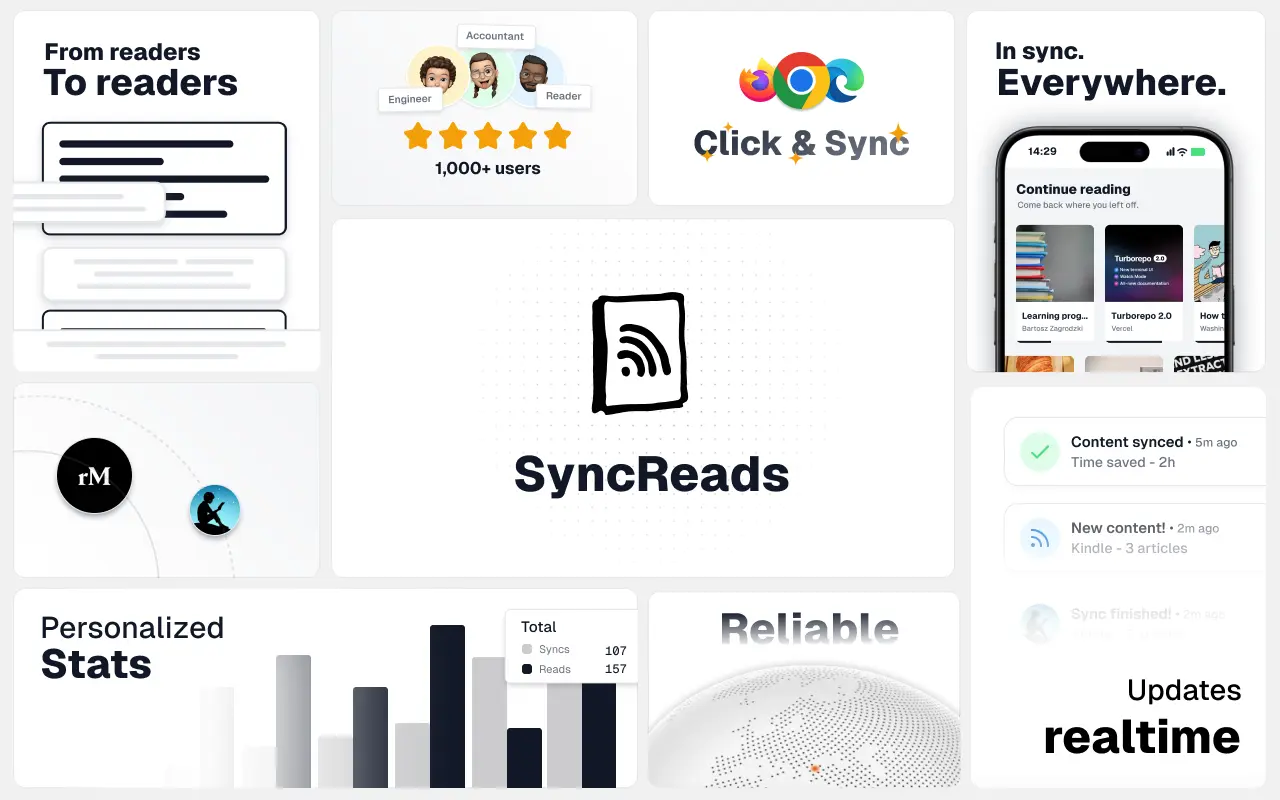
SyncReads
Sync your favorite content for distraction-free reading, save time and replace multiple apps. Anytime, anywhere 🔄
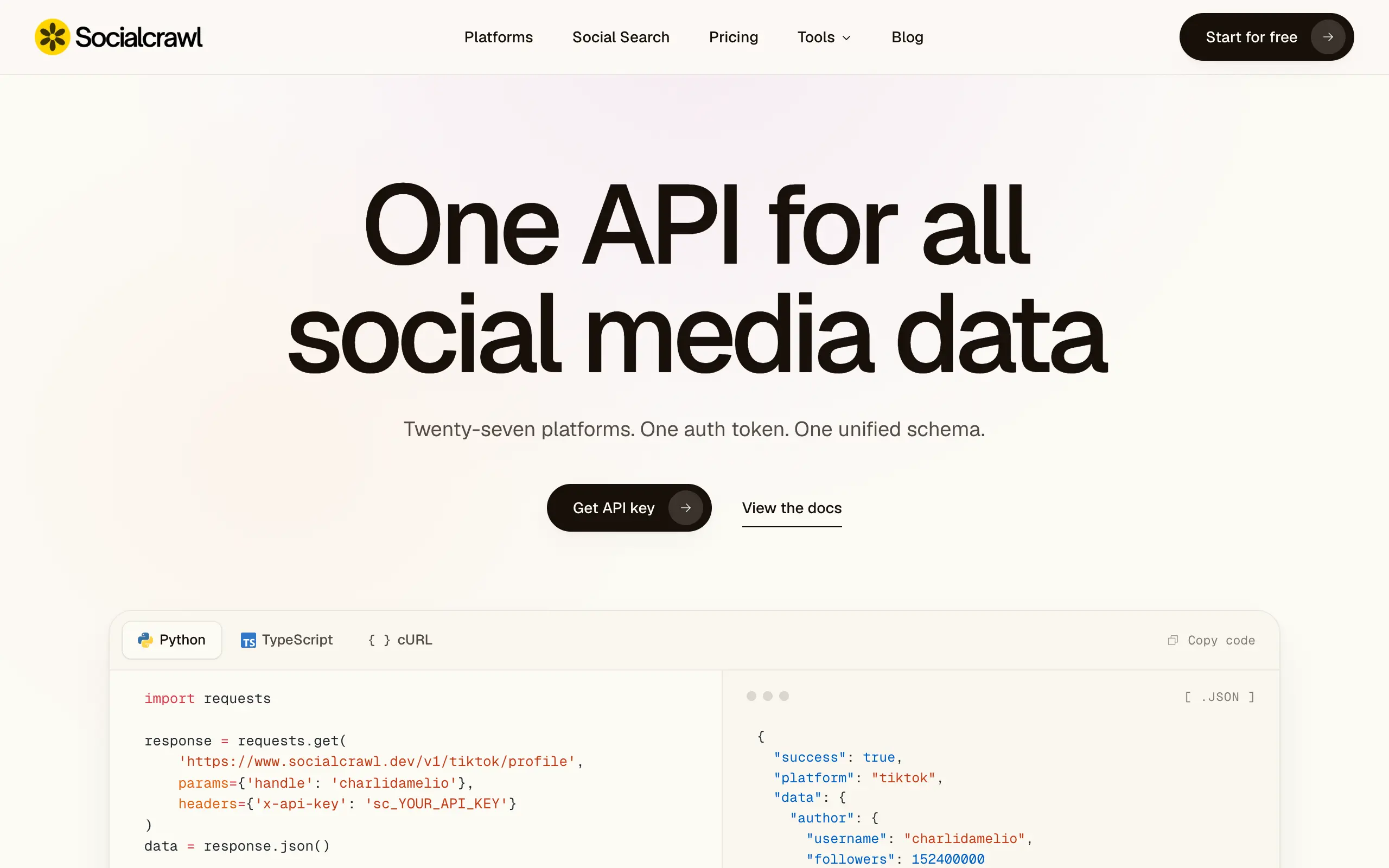
Socialcrawl
Get clean, structured data from 21 platforms like TikTok, Instagram, and YouTube with a single request 📊
Statiko
Monitor any Telegram channel in real time - track posts, edits, deletions, and growth with AI recaps 📡
Shibui
AI website builder - describe your business, pick a niche template, edit by chatting, and publish instantly ✨
Pro Service
Find verified home service professionals, compare quotes, and pay securely through escrow - built for Brazilians across the US 🏠
RankGrow
Fix your SEO with AI agents - connect Search Console, get prioritized tasks, and grow organic traffic 📈
SyncReads
Sync your favorite content for distraction-free reading, save time and replace multiple apps. Anytime, anywhere 🔄
Socialcrawl
Get clean, structured data from 21 platforms like TikTok, Instagram, and YouTube with a single request 📊

Dotallio
Personalized AI apps that automate research, data extraction, and content creation without code 🤖

Talk to Santa
Enjoy a magical live video chat or receive a unique AI-generated video greeting from Santa Claus 🎅
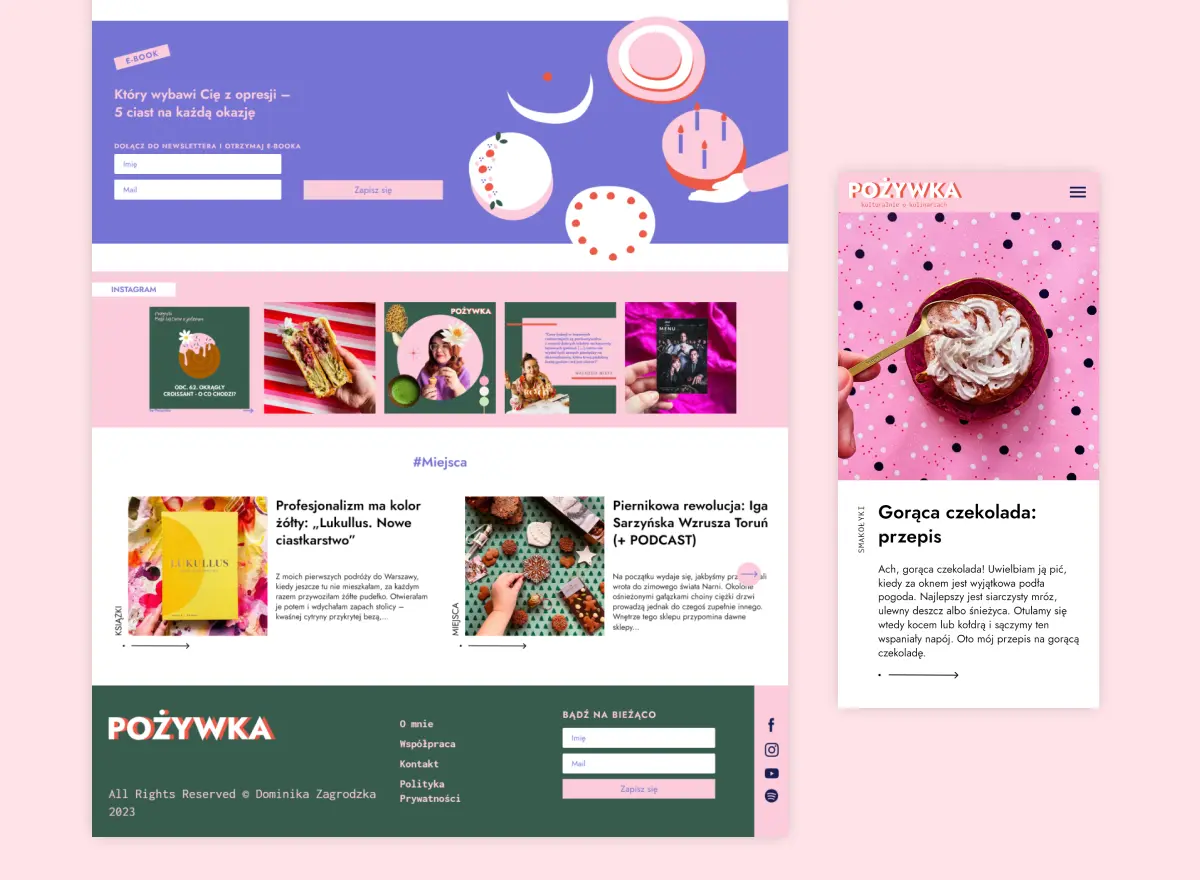
pozywka.pl
Scalable blog for food journalist, focused on performance and user experience 🌭
zagrodzki.me
Personal blog and portfolio of Bart Zagrodzki, where he shares his knowledge and work 💼
TurboStarter
Ship your startup everywhere. In minutes.
HTML to Markdown
Convert HTML to Markdown with ease, directly in your browser 📄
Dotallio
Personalized AI apps that automate research, data extraction, and content creation without code 🤖
Talk to Santa
Enjoy a magical live video chat or receive a unique AI-generated video greeting from Santa Claus 🎅
pozywka.pl
Scalable blog for food journalist, focused on performance and user experience 🌭
zagrodzki.me
Personal blog and portfolio of Bart Zagrodzki, where he shares his knowledge and work 💼
TurboStarter
Ship your startup everywhere. In minutes.
HTML to Markdown
Convert HTML to Markdown with ease, directly in your browser 📄
Omichat
Chat with 50+ AI models, including ChatGPT and Claude, in one place - switch models anytime without losing context 🤖

Claude Fast
Supercharge your Claude Code with 6x effective context window and specialized AI agents 🤖

EmojAI
AI-powered emoji picker with smart, context-aware suggestions 🤖

Solohacker
Autonomous company launcher - AI agents work 24/7, escalate what matters, and you stay in control 🤖

BeRawi: Storytelling Coach
Practice storytelling daily with instant feedback to sound clearer, more engaging, and confident 🎤
Omichat
Chat with 50+ AI models, including ChatGPT and Claude, in one place - switch models anytime without losing context 🤖
Claude Fast
Supercharge your Claude Code with 6x effective context window and specialized AI agents 🤖
EmojAI
AI-powered emoji picker with smart, context-aware suggestions 🤖
Solohacker
Autonomous company launcher - AI agents work 24/7, escalate what matters, and you stay in control 🤖
BeRawi: Storytelling Coach
Practice storytelling daily with instant feedback to sound clearer, more engaging, and confident 🎤

Connect with like-minded people
Join our community to get feedback, support, and grow together with 1,000+ builders on board, let's ship it!
Join usShip your startup everywhere. In minutes.
Don't burn tokens on setup and start building features on day one.