LocalCart Hub
A multi-vendor eCommerce website helping local sellers go online, with an admin panel for order routing, commission control, seller approvals, and reports.
Understanding the vision behind a local multi-vendor eCommerce platform
LocalCart Hub is a multi-vendor eCommerce SaaS platform designed to help local sellers, retailers, and small businesses go online without the complexity of building and maintaining their own standalone eCommerce websites. At its core, it solves a growing problem: local commerce is fragmented, while consumer buying behavior is increasingly digital and convenience-driven.
The primary keyword for this article is local multi-vendor eCommerce platform, supported by semantic keywords such as:
- local online marketplace
- multi-vendor eCommerce website
- local sellers eCommerce solution
- online marketplace for local businesses
- eCommerce platform for small retailers
The search intent behind these terms is typically validation and implementation-oriented. Readers want to understand:
- Is there a real market opportunity?
- How does this differ from Amazon, Etsy, or Shopify?
- What features are required to succeed?
- How can this be built, monetized, and scaled sustainably?
This article answers those questions comprehensively, while demonstrating E-E-A-T through practical experience, clear reasoning, and industry-aligned best practices.
The growing market opportunity for local online marketplaces
Why local commerce is going digital now
Local businesses have historically depended on foot traffic, word of mouth, and community loyalty. However, several shifts have created a strong opportunity for a local multi-vendor eCommerce platform like LocalCart Hub:
- Consumers expect online browsing and ordering, even from nearby shops
- Rising costs of large marketplaces push sellers to seek alternatives
- COVID-era behavior permanently changed shopping habits
- Cities and governments increasingly support “shop local” initiatives
According to widely cited industry research (e.g., McKinsey, Statista, or World Economic Forum reports), SMEs represent over 90% of businesses globally, yet a large percentage still lack advanced eCommerce infrastructure. Instead of competing globally, many want to sell locally, digitally.
LocalCart Hub positions itself exactly at this intersection.
The gap in existing solutions
Let’s look at the current options available to local sellers:
- Shopify / WooCommerce – Great tools, but require setup, marketing, and technical effort per seller
- Amazon / Etsy – Massive reach, but high fees, limited branding, and direct competition
- Food or grocery apps – Often vertical-specific, expensive, and not seller-friendly
What’s missing is a horizontal, community-driven, local marketplace platform that:
- Onboards multiple sellers under one brand
- Routes orders intelligently
- Gives admins control over commissions and quality
- Builds local customer trust
LocalCart Hub fills this gap by acting as the digital infrastructure layer for local commerce.
Target audience analysis: who LocalCart Hub is built for
A successful SaaS product is defined by clarity of audience. LocalCart Hub serves three distinct but interconnected user groups.
1. Local sellers and small retailers
This is the primary supply side of the platform.
Examples include:
- Grocery stores and specialty food shops
- Local clothing boutiques
- Electronics and repair shops
- Pharmacies and wellness stores
- Home & lifestyle retailers
Their main pain points:
- No technical expertise to build an eCommerce website
- Limited marketing budget
- Difficulty competing with large marketplaces
- Operational challenges with online orders
LocalCart Hub gives them:
- A ready-made online storefront
- Access to an existing customer base
- Centralized order and inventory management
- Trust through a curated local platform
2. Customers who prefer shopping local
On the demand side, LocalCart Hub appeals to customers who:
- Want faster delivery from nearby stores
- Prefer supporting local businesses
- Need a single platform to discover local products
- Expect modern UX similar to Amazon or Instacart
This group values convenience + community, which is a strong emotional differentiator.
3. Platform owners and operators
This is the SaaS customer: entrepreneurs, agencies, or local organizations running the marketplace.
They care about:
- Monetization flexibility
- Operational control
- Reporting and insights
- Scalability and compliance
LocalCart Hub’s admin panel is designed primarily for this audience.
Core features that define a local multi-vendor eCommerce platform
A strong feature set is critical for both adoption and retention. Below is a breakdown of essential and differentiating features for LocalCart Hub.
Seller onboarding and approval workflows
Quality control is a major differentiator from open marketplaces.
Key capabilities:
- Seller application forms
- Manual or automated approval
- Category-based seller restrictions
- Document verification (optional)
This ensures that only legitimate local sellers operate on the platform, increasing trust.
Multi-vendor product and inventory management
Each seller manages their own catalog, while the platform enforces global rules.
Core elements:
- Seller-specific dashboards
- Product creation with admin moderation
- Inventory tracking per seller
- Category and attribute standardization
This avoids inconsistent listings while maintaining seller autonomy.
Intelligent order routing system
One of the most important technical features.
Order routing enables:
- Splitting carts across multiple sellers
- Assigning orders to the correct vendor
- Seller-specific fulfillment workflows
- Unified checkout for customers
From the customer’s perspective, it feels like one store, even though multiple vendors are involved.
Commission and revenue control
LocalCart Hub allows platform owners to define how money flows.
Examples of commission models:
- Fixed percentage per order
- Category-based commissions
- Seller-specific custom rates
- Promotional commission discounts
This flexibility is essential for monetization and seller acquisition.
Admin analytics and reporting
Data is where the platform becomes strategic.
Admin-level reports can include:
- Total GMV (gross merchandise value)
- Commission revenue
- Top sellers and products
- Order fulfillment performance
- Seller growth and churn
These insights help platform owners optimize operations and growth.
Competitive landscape and positioning analysis
To rank and convert effectively, LocalCart Hub must clearly articulate why it’s different.
Comparing LocalCart Hub to existing solutions
Below is a simplified competitive view:
| Feature | Amazon | Shopify | Etsy | LocalCart Hub |
|---|---|---|---|---|
| Multi-vendor support | ✅ | ❌ | ✅ | ✅ |
| Local-first focus | ❌ | ❌ | ❌ | ✅ |
| Admin commission control | ❌ | ✅ | ❌ | ✅ |
| Unified local brand | ❌ | ✅ | ❌ | ✅ |
Unique selling proposition (USP)
LocalCart Hub’s USP can be summarized as:
“The easiest way to launch and operate a trusted local online marketplace for multiple sellers under one unified brand.”
It’s not competing on scale, but on relevance, proximity, and trust.
Recommended tech stack for building LocalCart Hub
Choosing the right stack impacts scalability, security, and development speed.
Frontend: modern, fast, and SEO-friendly
- React or Next.js for component-based UI
- TailwindCSS for rapid styling
- Server-side rendering (SSR) for SEO and performance
Trade-off: React-based stacks require experienced developers, but provide long-term flexibility.
Backend: scalable and secure
Options include:
- Node.js with NestJS
- Laravel for rapid CRUD-heavy development
- Django for robustness and admin tooling
Key backend responsibilities:
- Authentication and roles
- Order routing logic
- Commission calculations
- Seller permissions
Database and infrastructure
- PostgreSQL for relational data
- Redis for caching carts and sessions
- Cloud hosting (AWS, GCP, or Vercel for frontend)
For payments, integrate with trusted providers (Stripe, PayPal) depending on region.
Monetization strategies for a local multi-vendor eCommerce SaaS
LocalCart Hub can generate revenue in multiple ways, often combined.
Commission-based model (most common)
- Take a percentage of each transaction
- Easy to explain and align with seller success
Seller subscription plans
Examples:
- Free plan with limited products
- Paid plans for analytics, promotions, or lower commissions
Featured listings and promotions
- Sellers pay for homepage placement
- Seasonal or category-specific promotions
White-label licensing
LocalCart Hub can be offered as a white-label solution for:
- Chambers of commerce
- City councils
- Local business associations
This is a high-value B2B monetization path.
Risks, challenges, and mitigation strategies
No SaaS idea is without risk. Addressing them early improves trust and execution.
Chicken-and-egg marketplace problem
Risk: No sellers without buyers, no buyers without sellers.
Mitigation:
- Start with a niche or category
- Pre-onboard sellers before launch
- Offer zero commission initially
Operational complexity
Multi-vendor platforms are harder to run.
Mitigation:
- Strong admin tooling
- Clear seller guidelines
- Automation where possible
Trust and quality control
Poor seller behavior can damage the platform.
Mitigation:
- Seller approval process
- Reviews and ratings
- Admin enforcement tools
Expert insight
Local marketplaces succeed when they act more like curators than open platforms. Quality beats quantity in the early stages.
Implementation roadmap: from idea to live platform
Below is a practical, phased approach to building LocalCart Hub.
Using a starter kit to accelerate development
Instead of building everything from scratch, many founders use production-ready SaaS starters like TurboStarter to:
- Save months of development time
- Start with authentication, billing, and admin scaffolding
- Focus on marketplace-specific logic
This significantly reduces risk and speeds up time to market.
Scaling LocalCart Hub beyond the MVP
Once traction is achieved, growth levers include:
- Expanding to new cities or regions
- Adding mobile apps
- Integrating local delivery partners
- Advanced analytics for sellers
At scale, LocalCart Hub becomes not just a marketplace, but a local commerce operating system.
Final thoughts: why LocalCart Hub is a strong SaaS opportunity
LocalCart Hub aligns with powerful macro trends:
- Digital transformation of SMEs
- Consumer preference for convenience and locality
- Demand for alternatives to global marketplaces
With the right execution, clear positioning, and disciplined feature scope, a local multi-vendor eCommerce platform like LocalCart Hub can build a defensible, community-driven business.
The key is focus: start local, build trust, and scale intentionally.
More 🛒 E-commerce SaaS ideas
Discover more innovative e-commerce SaaS ideas that are trending in 2026. Each idea is AI-generated with market validation and growth potential to help you find your next profitable venture faster than competitors.
Your competitors are building with TurboStarter
Below are some of the SaaS ideas that have been generated and built with our starter kit.
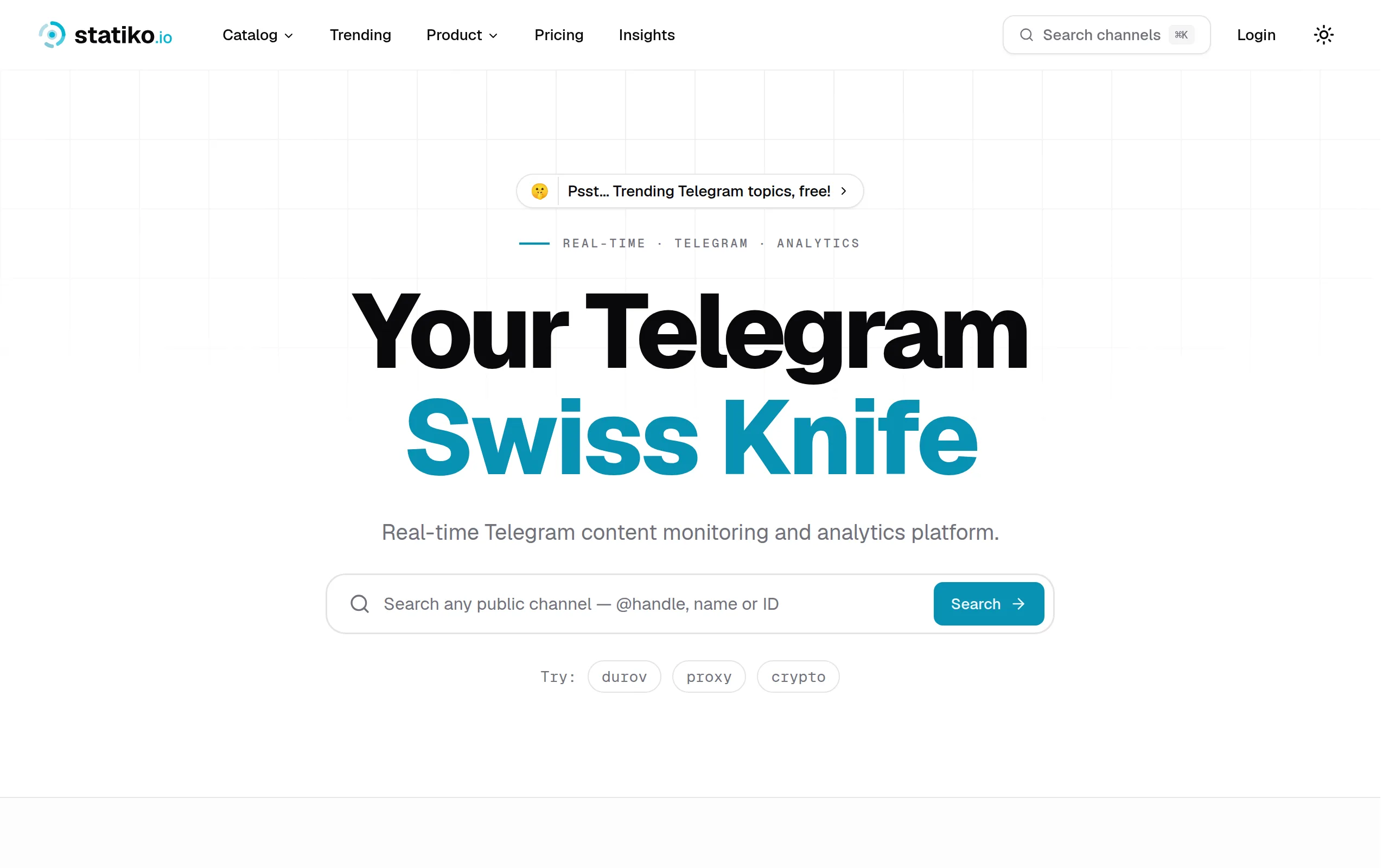
Statiko
Monitor any Telegram channel in real time - track posts, edits, deletions, and growth with AI recaps 📡

Shibui
AI website builder - describe your business, pick a niche template, edit by chatting, and publish instantly ✨

Pro Service
Find verified home service professionals, compare quotes, and pay securely through escrow - built for Brazilians across the US 🏠
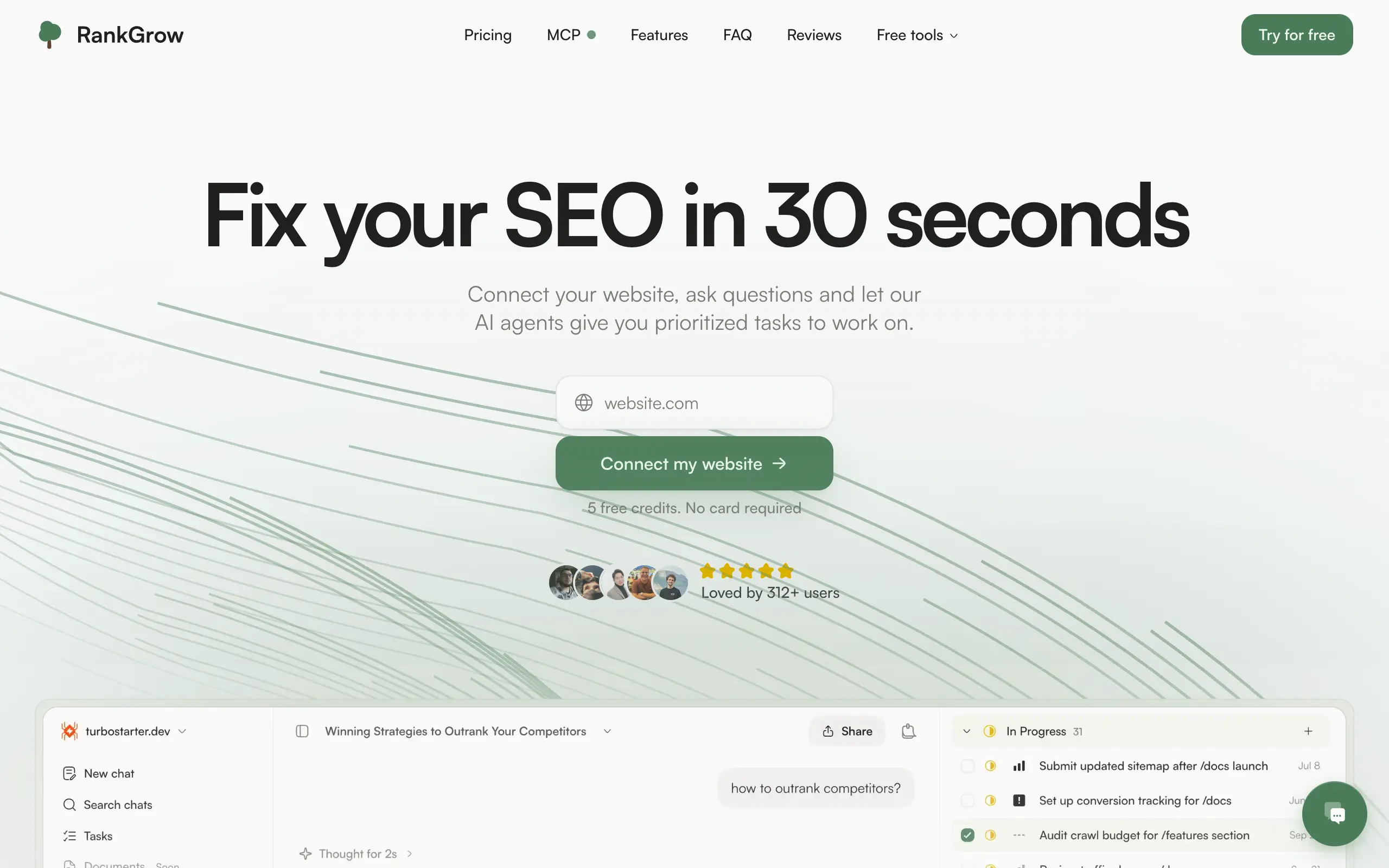
RankGrow
Fix your SEO with AI agents - connect Search Console, get prioritized tasks, and grow organic traffic 📈
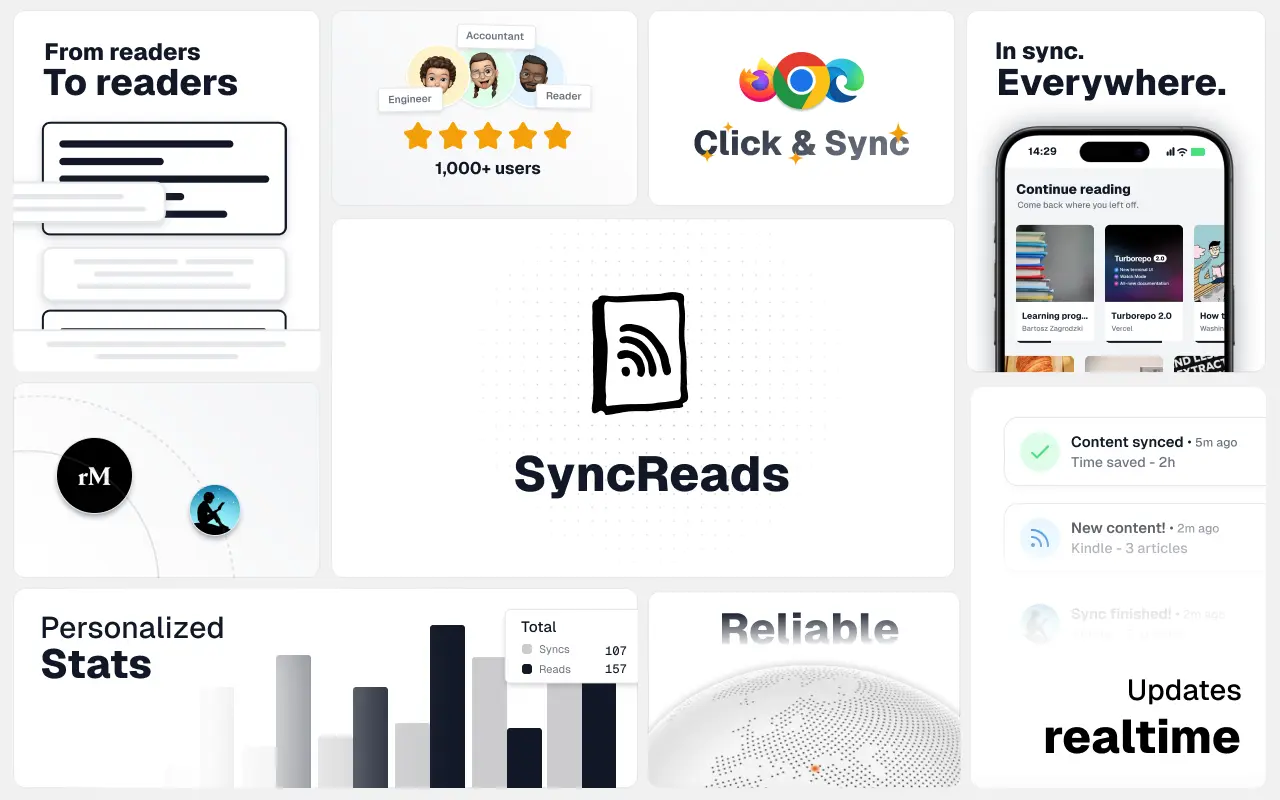
SyncReads
Sync your favorite content for distraction-free reading, save time and replace multiple apps. Anytime, anywhere 🔄
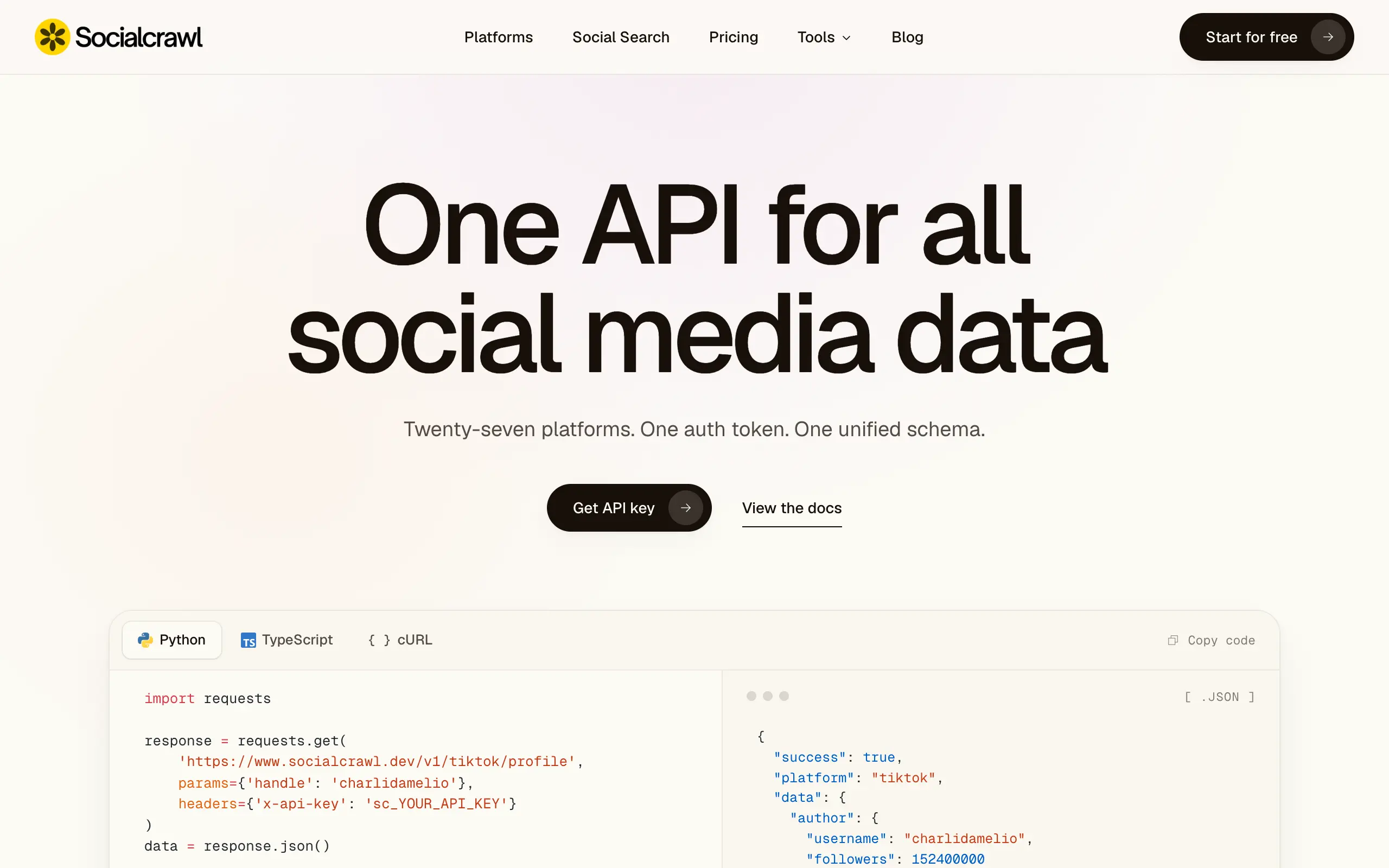
Socialcrawl
Get clean, structured data from 21 platforms like TikTok, Instagram, and YouTube with a single request 📊
Statiko
Monitor any Telegram channel in real time - track posts, edits, deletions, and growth with AI recaps 📡
Shibui
AI website builder - describe your business, pick a niche template, edit by chatting, and publish instantly ✨
Pro Service
Find verified home service professionals, compare quotes, and pay securely through escrow - built for Brazilians across the US 🏠
RankGrow
Fix your SEO with AI agents - connect Search Console, get prioritized tasks, and grow organic traffic 📈
SyncReads
Sync your favorite content for distraction-free reading, save time and replace multiple apps. Anytime, anywhere 🔄
Socialcrawl
Get clean, structured data from 21 platforms like TikTok, Instagram, and YouTube with a single request 📊
Statiko
Monitor any Telegram channel in real time - track posts, edits, deletions, and growth with AI recaps 📡
Shibui
AI website builder - describe your business, pick a niche template, edit by chatting, and publish instantly ✨
Pro Service
Find verified home service professionals, compare quotes, and pay securely through escrow - built for Brazilians across the US 🏠
RankGrow
Fix your SEO with AI agents - connect Search Console, get prioritized tasks, and grow organic traffic 📈
SyncReads
Sync your favorite content for distraction-free reading, save time and replace multiple apps. Anytime, anywhere 🔄
Socialcrawl
Get clean, structured data from 21 platforms like TikTok, Instagram, and YouTube with a single request 📊
Statiko
Monitor any Telegram channel in real time - track posts, edits, deletions, and growth with AI recaps 📡
Shibui
AI website builder - describe your business, pick a niche template, edit by chatting, and publish instantly ✨
Pro Service
Find verified home service professionals, compare quotes, and pay securely through escrow - built for Brazilians across the US 🏠
RankGrow
Fix your SEO with AI agents - connect Search Console, get prioritized tasks, and grow organic traffic 📈
SyncReads
Sync your favorite content for distraction-free reading, save time and replace multiple apps. Anytime, anywhere 🔄
Socialcrawl
Get clean, structured data from 21 platforms like TikTok, Instagram, and YouTube with a single request 📊
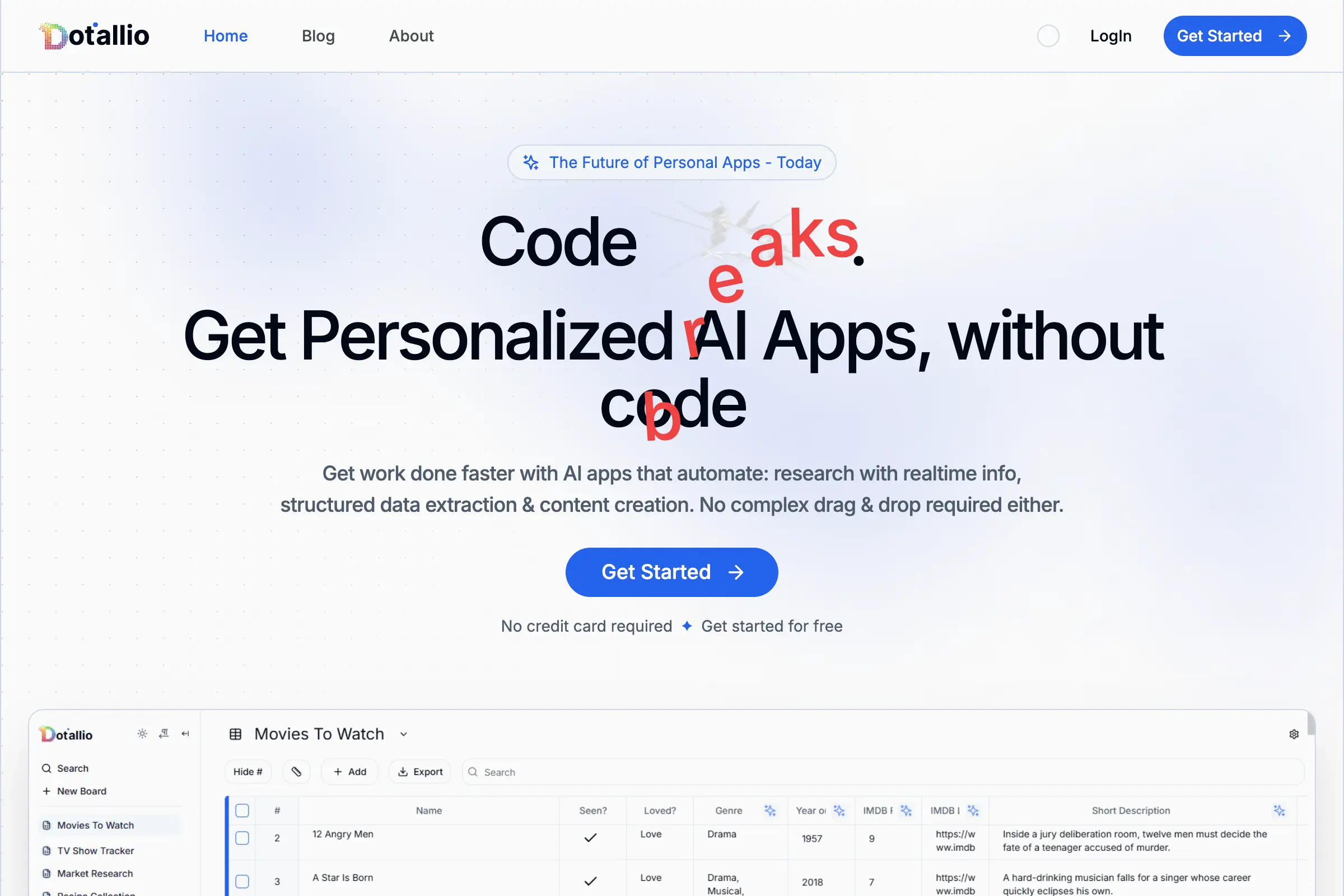
Dotallio
Personalized AI apps that automate research, data extraction, and content creation without code 🤖

Talk to Santa
Enjoy a magical live video chat or receive a unique AI-generated video greeting from Santa Claus 🎅

pozywka.pl
Scalable blog for food journalist, focused on performance and user experience 🌭
zagrodzki.me
Personal blog and portfolio of Bart Zagrodzki, where he shares his knowledge and work 💼
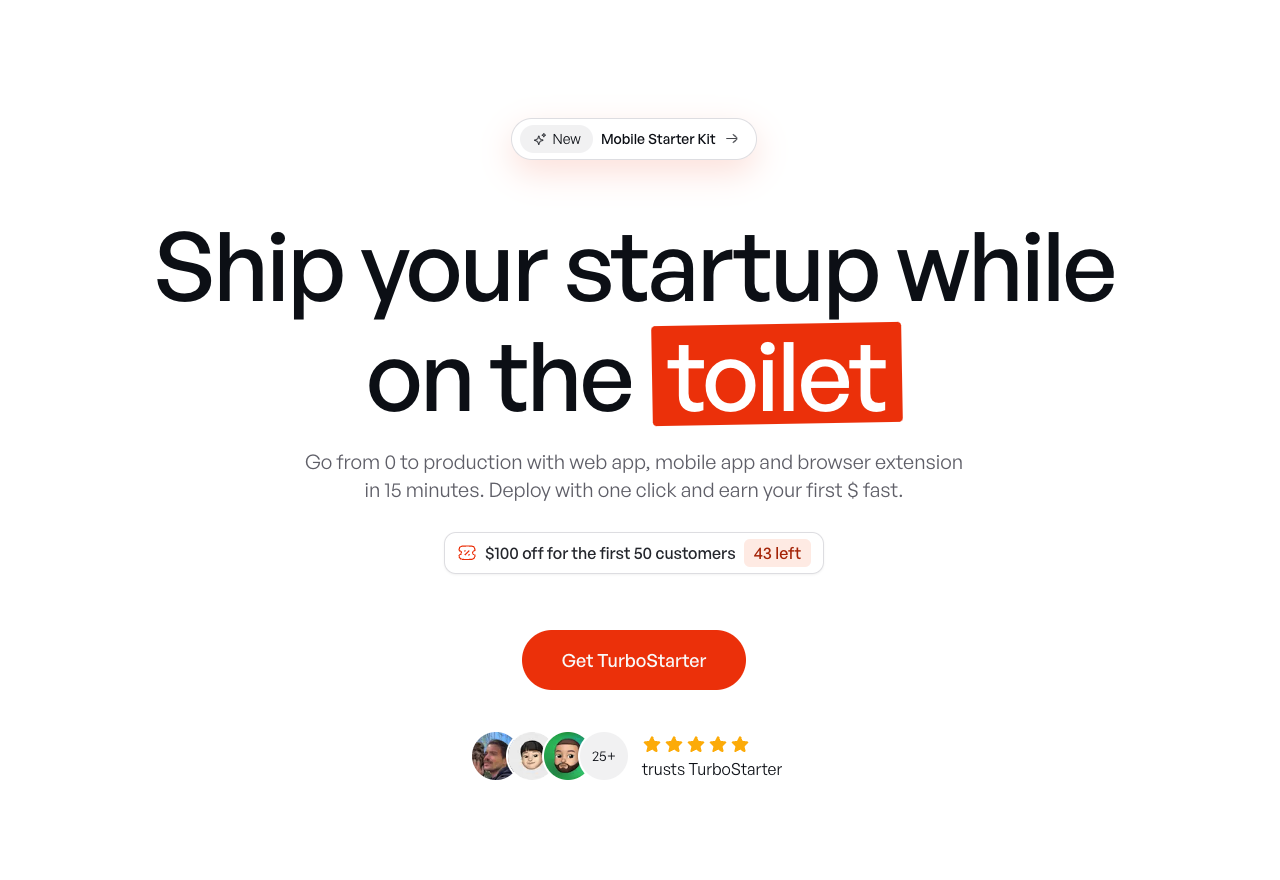
TurboStarter
Ship your startup everywhere. In minutes.
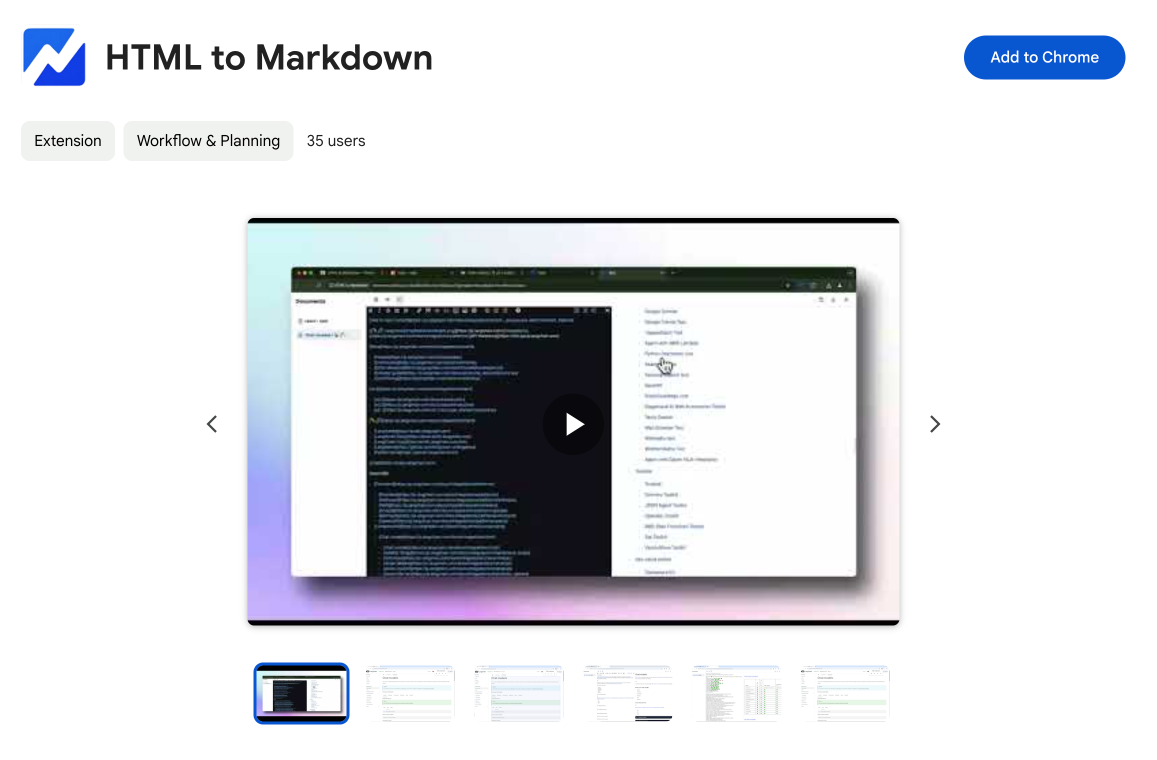
HTML to Markdown
Convert HTML to Markdown with ease, directly in your browser 📄
Dotallio
Personalized AI apps that automate research, data extraction, and content creation without code 🤖
Talk to Santa
Enjoy a magical live video chat or receive a unique AI-generated video greeting from Santa Claus 🎅
pozywka.pl
Scalable blog for food journalist, focused on performance and user experience 🌭
zagrodzki.me
Personal blog and portfolio of Bart Zagrodzki, where he shares his knowledge and work 💼
TurboStarter
Ship your startup everywhere. In minutes.
HTML to Markdown
Convert HTML to Markdown with ease, directly in your browser 📄
Dotallio
Personalized AI apps that automate research, data extraction, and content creation without code 🤖
Talk to Santa
Enjoy a magical live video chat or receive a unique AI-generated video greeting from Santa Claus 🎅
pozywka.pl
Scalable blog for food journalist, focused on performance and user experience 🌭
zagrodzki.me
Personal blog and portfolio of Bart Zagrodzki, where he shares his knowledge and work 💼
TurboStarter
Ship your startup everywhere. In minutes.
HTML to Markdown
Convert HTML to Markdown with ease, directly in your browser 📄
Dotallio
Personalized AI apps that automate research, data extraction, and content creation without code 🤖
Talk to Santa
Enjoy a magical live video chat or receive a unique AI-generated video greeting from Santa Claus 🎅
pozywka.pl
Scalable blog for food journalist, focused on performance and user experience 🌭
zagrodzki.me
Personal blog and portfolio of Bart Zagrodzki, where he shares his knowledge and work 💼
TurboStarter
Ship your startup everywhere. In minutes.
HTML to Markdown
Convert HTML to Markdown with ease, directly in your browser 📄
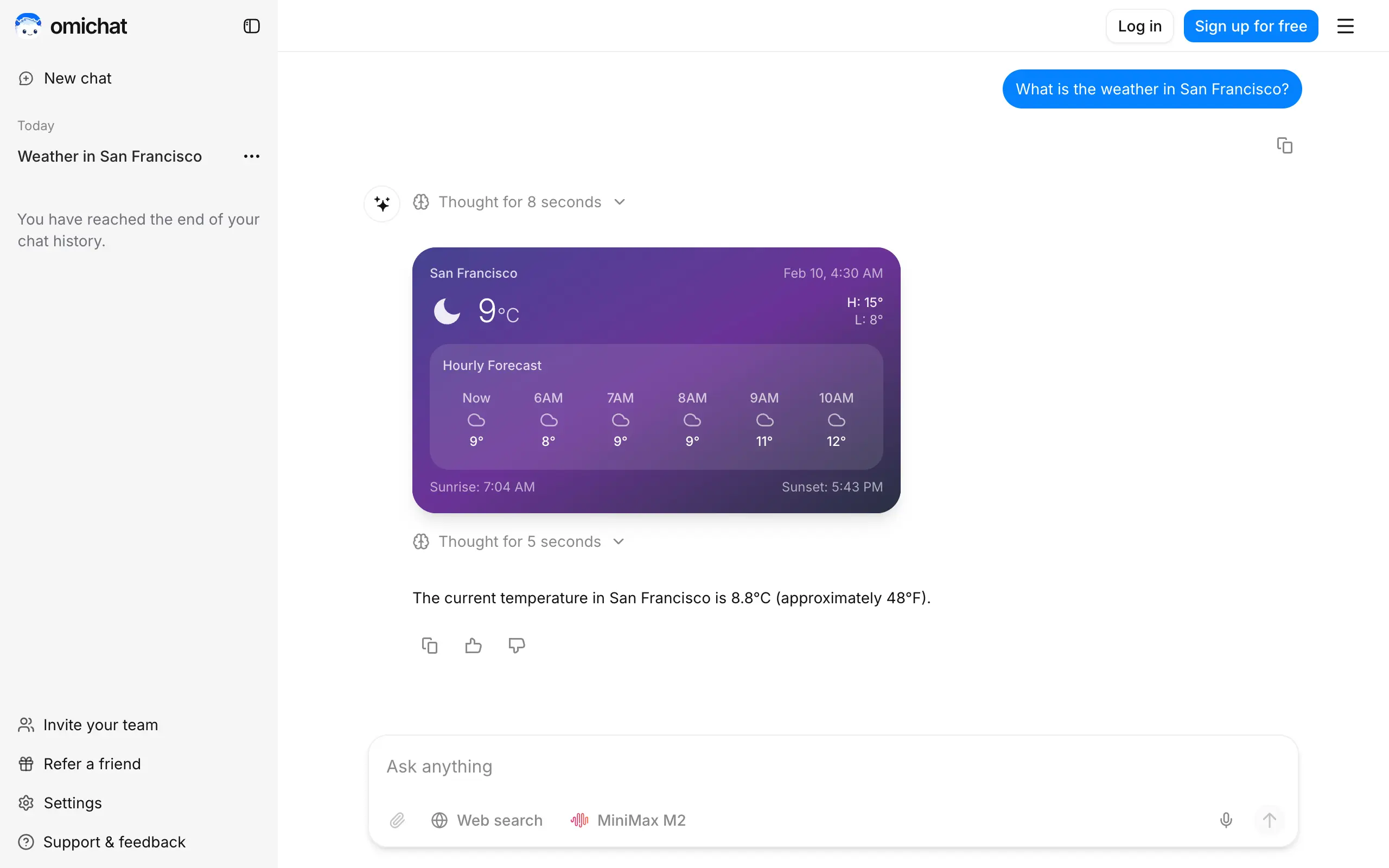
Omichat
Chat with 50+ AI models, including ChatGPT and Claude, in one place - switch models anytime without losing context 🤖
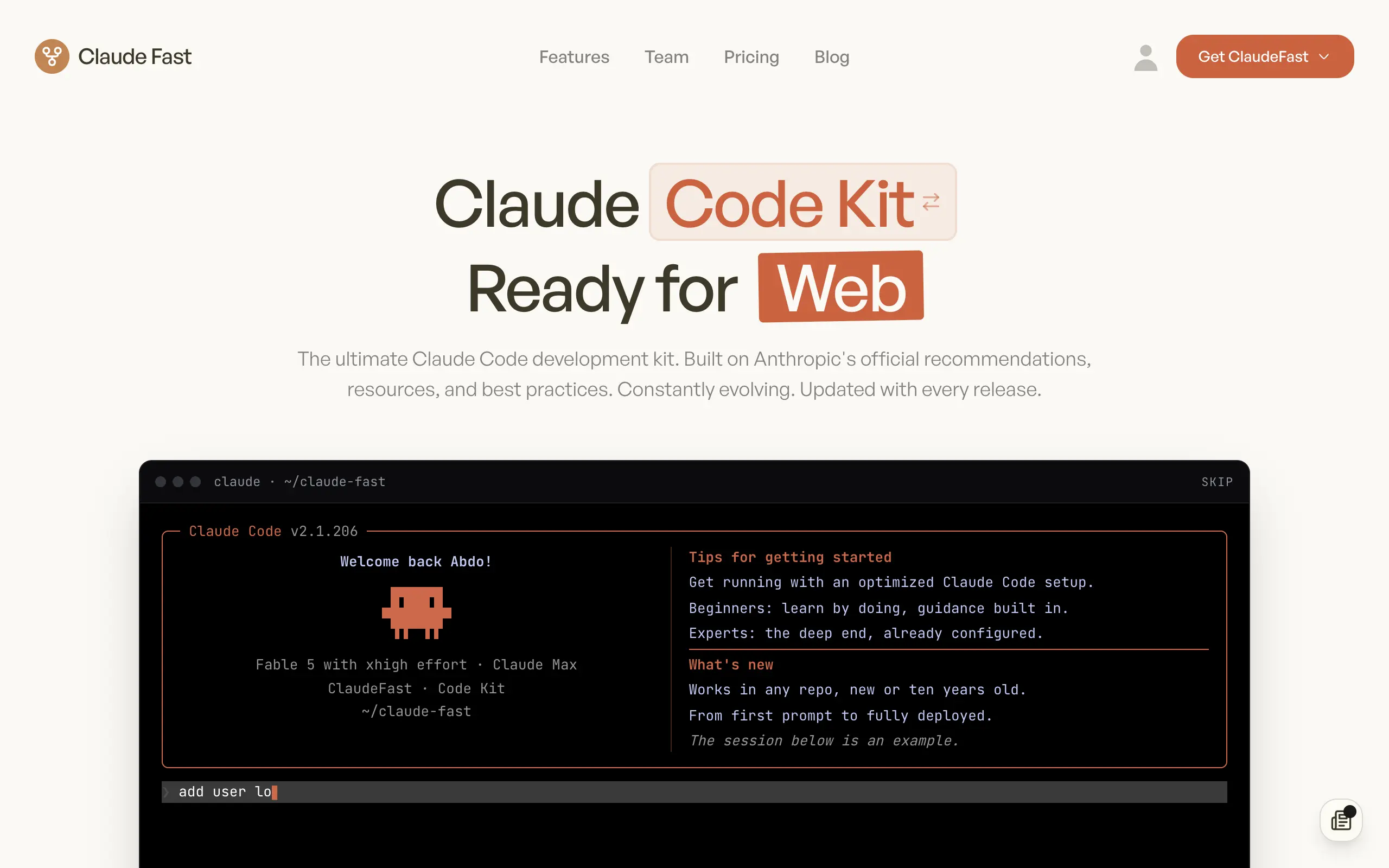
Claude Fast
Supercharge your Claude Code with 6x effective context window and specialized AI agents 🤖
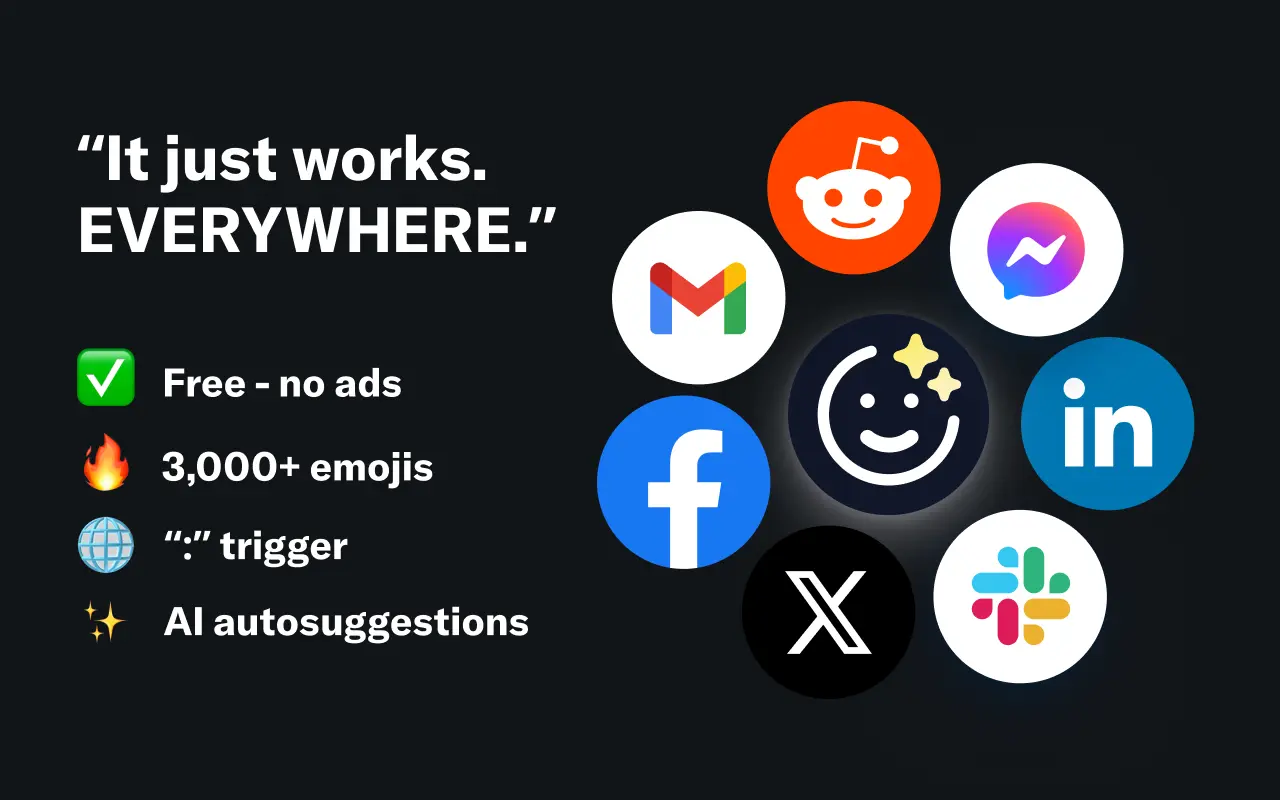
EmojAI
AI-powered emoji picker with smart, context-aware suggestions 🤖
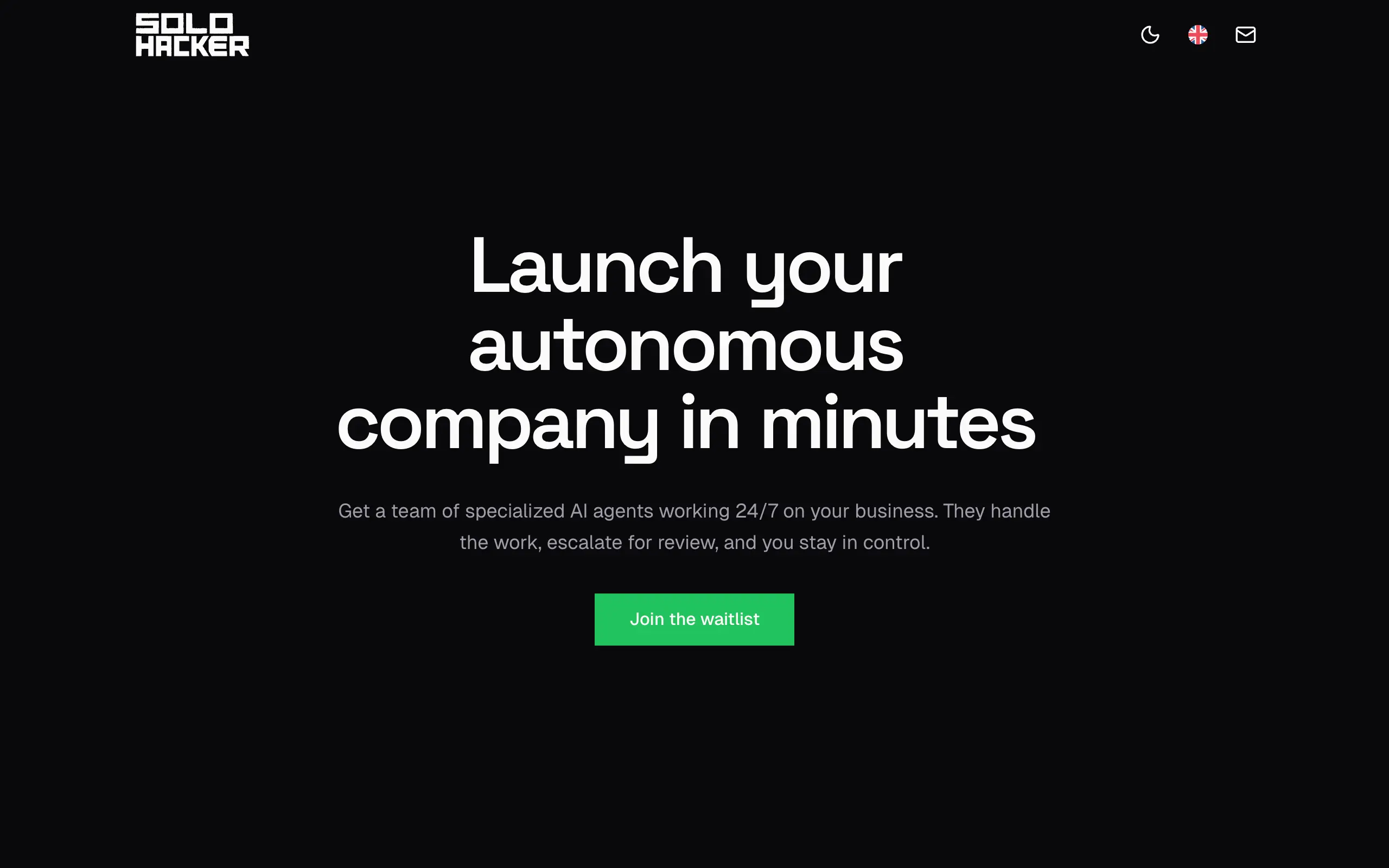
Solohacker
Autonomous company launcher - AI agents work 24/7, escalate what matters, and you stay in control 🤖

BeRawi: Storytelling Coach
Practice storytelling daily with instant feedback to sound clearer, more engaging, and confident 🎤
Omichat
Chat with 50+ AI models, including ChatGPT and Claude, in one place - switch models anytime without losing context 🤖
Claude Fast
Supercharge your Claude Code with 6x effective context window and specialized AI agents 🤖
EmojAI
AI-powered emoji picker with smart, context-aware suggestions 🤖
Solohacker
Autonomous company launcher - AI agents work 24/7, escalate what matters, and you stay in control 🤖
BeRawi: Storytelling Coach
Practice storytelling daily with instant feedback to sound clearer, more engaging, and confident 🎤
Omichat
Chat with 50+ AI models, including ChatGPT and Claude, in one place - switch models anytime without losing context 🤖
Claude Fast
Supercharge your Claude Code with 6x effective context window and specialized AI agents 🤖
EmojAI
AI-powered emoji picker with smart, context-aware suggestions 🤖
Solohacker
Autonomous company launcher - AI agents work 24/7, escalate what matters, and you stay in control 🤖
BeRawi: Storytelling Coach
Practice storytelling daily with instant feedback to sound clearer, more engaging, and confident 🎤
Omichat
Chat with 50+ AI models, including ChatGPT and Claude, in one place - switch models anytime without losing context 🤖
Claude Fast
Supercharge your Claude Code with 6x effective context window and specialized AI agents 🤖
EmojAI
AI-powered emoji picker with smart, context-aware suggestions 🤖
Solohacker
Autonomous company launcher - AI agents work 24/7, escalate what matters, and you stay in control 🤖
BeRawi: Storytelling Coach
Practice storytelling daily with instant feedback to sound clearer, more engaging, and confident 🎤

Connect with like-minded people
Join our community to get feedback, support, and grow together with 1,000+ builders on board, let's ship it!
Join usShip your startup everywhere. In minutes.
Don't burn tokens on setup and start building features on day one.