MarginGuard 360
A profit protection suite for eBay and Amazon sellers that tracks fees, supplier price changes, and policy risks to prevent unexpected losses.
The hidden profit leak in marketplace selling
If you sell on Amazon or eBay, you already know the margins are tight. What many sellers underestimate is how quickly those margins erode without warning:
- A supplier quietly increases unit costs.
- Amazon updates FBA fees or referral percentages.
- eBay adjusts promoted listing rates.
- A policy change triggers account-level penalties.
- Currency fluctuations impact cross-border inventory.
Individually, these changes may seem small. Collectively, they can turn profitable SKUs into silent loss-makers.
This is where MarginGuard 360, a profit protection suite for Amazon and eBay sellers, positions itself: not as another analytics dashboard, but as a proactive margin defense system that monitors fees, supplier price changes, and policy risks to prevent unexpected losses.
In this deep-dive, we’ll explore:
- The real market gap in marketplace profit tracking
- Who needs a profit protection SaaS like this
- Core features and system architecture
- Monetization strategy
- Competitive landscape and differentiation
- Risks and mitigation
- Step-by-step implementation roadmap
If you're validating or building a marketplace-focused SaaS, this guide will give you a strategic blueprint.
Understanding the target audience
To build a successful eCommerce SaaS like MarginGuard 360, you must understand who feels the pain most acutely.
1. Private label Amazon sellers (FBA)
Pain points:
- Frequent FBA fee changes
- Storage cost spikes
- Supplier renegotiations
- PPC cost increases
- Returns and refund processing fees
These sellers often rely on static spreadsheets or outdated profit calculations. They may only realize margin compression months later.
2. Retail arbitrage and online arbitrage sellers
These sellers operate on thin margins and high volume.
Risk profile:
- Price volatility
- Buy Box suppression
- Sudden category restrictions
- Supplier pricing changes
A 5% cost shift can wipe out profitability instantly.
3. Multi-channel brands (Amazon + eBay)
Cross-platform sellers deal with:
- Different fee structures
- Different ad costs
- Separate return policies
- Marketplace-specific penalties
Without unified tracking, margin visibility becomes fragmented.
4. Agencies managing multiple seller accounts
Agencies need:
- Portfolio-wide margin monitoring
- Automated alerts
- Risk assessment scoring
- Reporting for clients
For them, this is a value-add service layer.
The market opportunity: why profit protection is underserved
There are many tools for:
- Product research
- Keyword tracking
- Inventory management
- PPC automation
- Sales analytics
But very few focus specifically on profit protection and margin risk detection.
Most tools answer:
“How much did you sell?”
Very few answer:
“Are you losing money right now without realizing it?”
Key gap in the market
- Fee tracking is reactive, not proactive.
- Supplier price tracking is manual.
- Policy risk is opaque and unmonitored.
- Margin changes are rarely tracked in real time.
MarginGuard 360 fills this gap by combining:
- Fee change detection
- Supplier price monitoring
- Risk scoring
- Margin anomaly alerts
This moves sellers from reactive reporting to proactive protection.
Core features of MarginGuard 360
To truly serve Amazon and eBay sellers, the product must go beyond dashboards.
Here’s how the feature set should be structured.
1. Real-time fee tracking engine
This module tracks:
- Amazon referral fees
- FBA storage fees
- Fulfillment fees
- eBay final value fees
- Promoted listing rates
- Payment processing fees
It compares:
- Historical fee structure
- Current marketplace fees
- SKU-level profitability impact
If Amazon increases FBA fulfillment costs for a product size tier, sellers receive:
- SKU-specific alert
- Updated profit calculation
- Margin impact breakdown
2. Supplier price change monitoring
This is a major differentiator.
Integration options:
- CSV uploads
- Direct ERP sync
- Email invoice parsing
- API integrations
When supplier cost changes:
- System recalculates gross margin
- Flags SKUs below threshold
- Suggests price adjustments
Example:
if (newSupplierCost > previousCost) {
  recalculateMargin(SKU);
  if (margin < minimumThreshold) {
    triggerAlert("Margin risk detected");
  }
}
3. Margin anomaly detection (AI-based)
Instead of static reporting, use pattern detection:
- Sudden margin drop > X%
- Increased refund rate
- Ad spend increasing without revenue growth
- Currency exchange shifts
This can be powered by:
- Statistical thresholding
- Lightweight ML anomaly detection models
The system doesn’t just show numbers—it flags abnormal behavior.
4. Policy risk monitoring
Amazon and eBay regularly update:
- Category restrictions
- Return policies
- Compliance requirements
- Seller performance thresholds
MarginGuard 360 should:
- Monitor official policy pages
- Track seller account health metrics
- Alert on risk indicators
For example:
- ODR (Order Defect Rate) nearing limit
- Late shipment rate risk
- High return percentage on a SKU
5. SKU-level profit health dashboard
Instead of generic revenue dashboards, provide:
- Margin health score
- Risk level (Low / Medium / High)
- Profit trend over time
- Break-even price
- Sensitivity simulation
Use a clear summary table:
| Feature | Basic Analytics Tools | Inventory Tools | PPC Tools | MarginGuard 360 |
|---|---|---|---|---|
| Real-time fee impact | ❌ | ❌ | ❌ | ✅ |
| Supplier cost monitoring | ❌ | ❌ | ❌ | ✅ |
Recommended tech stack for MarginGuard 360
Building a profit protection SaaS requires reliable data pipelines and scalable architecture.
Frontend
Why:
- Fast UI rendering
- SEO-friendly pages
- Modular dashboard components
Backend
- Node.js (Express or Fastify)
- PostgreSQL (for structured data)
- Redis (for caching fee calculations)
Alternative:
- Python (FastAPI) for better ML flexibility
Trade-off:
- Node.js is faster for real-time APIs.
- Python excels in analytics and anomaly detection.
Integrations
- Amazon SP-API
- eBay Developer API
- Webhook-based supplier integrations
- Stripe for billing
Infrastructure
- Vercel (frontend)
- AWS or GCP for backend
- S3 for invoice storage
- Cloud-based job scheduler for periodic fee checks
Monetization strategy
MarginGuard 360 should use value-based pricing.
Tiered pricing model
Starter Plan
- Up to 500 SKUs
- Basic fee tracking
- Monthly reports
- Email alerts
Growth Plan
- Up to 5,000 SKUs
- Real-time alerts
- Supplier integration
- Margin anomaly detection
Agency Plan
- Multi-account support
- White-label reports
- Advanced API access
- Dedicated onboarding
Alternative pricing model
- % of protected profit (performance-based)
- Hybrid subscription + revenue-based fee
Competitive landscape
Main competitors include:
- Helium 10
- Jungle Scout
- SellerBoard
- DataHawk
However, these focus primarily on:
- Product research
- Sales analytics
- Advertising
None position themselves specifically as a profit protection suite.
Unique selling proposition (USP)
MarginGuard 360 is not a sales growth tool.
It is a:
Risk detection and margin defense system for marketplace sellers.
This framing is powerful.
It aligns with loss aversion psychology — sellers fear losing profit more than missing growth.
Potential risks and mitigation
Risk 1: API dependency on Amazon and eBay
Mitigation:
- Build abstraction layer
- Cache historical data
- Offer CSV fallback
Risk 2: Data accuracy disputes
Mitigation:
- Transparent margin breakdown
- Calculation logs
- Downloadable audit reports
Risk 3: Market saturation
Mitigation:
- Hyper-focus on margin protection
- Avoid competing as all-in-one tool
- Target mid-market sellers ignored by enterprise tools
Go-to-market strategy
Phase 1: Niche validation
- Target Amazon FBA Facebook groups
- Publish margin case studies
- Offer free profit audit
Phase 2: Content SEO
Rank for:
- “Amazon FBA profit calculator”
- “Amazon fee increase impact”
- “eBay seller margin tracker”
- “How to track Amazon supplier cost changes”
Phase 3: Partnerships
- Agencies
- Aggregators
- eCommerce accountants
Implementation roadmap
Why this SaaS has long-term potential
Marketplace sellers will always face:
- Fee increases
- Cost volatility
- Policy changes
- Competitive pressure
Profit protection is not a trend.
It is a permanent need.
As marketplaces become more complex, tools like MarginGuard 360 become infrastructure.
Actionable next steps to build MarginGuard 360
- Conduct 15 seller interviews.
- Map all Amazon and eBay fee structures.
- Define margin calculation engine.
- Build MVP dashboard.
- Launch closed beta.
- Collect margin-loss case studies.
- Refine pricing.
If you want to accelerate the development of a SaaS like this, frameworks like TurboStarter can help reduce setup time and let you focus on core product logic rather than boilerplate infrastructure.
Final thoughts
MarginGuard 360 is not another analytics dashboard.
It is:
- A defensive tool.
- A risk management layer.
- A margin protection system.
In an ecosystem where sellers obsess over revenue growth, the real opportunity lies in safeguarding profit.
Because in marketplace selling:
Revenue is vanity.
Profit is survival.
More 🛒 E-commerce SaaS ideas
Discover more innovative e-commerce SaaS ideas that are trending in 2026. Each idea is AI-generated with market validation and growth potential to help you find your next profitable venture faster than competitors.
Your competitors are building with TurboStarter
Below are some of the SaaS ideas that have been generated and built with our starter kit.

Statiko
Monitor any Telegram channel in real time - track posts, edits, deletions, and growth with AI recaps 📡

Shibui
AI website builder - describe your business, pick a niche template, edit by chatting, and publish instantly ✨

Pro Service
Find verified home service professionals, compare quotes, and pay securely through escrow - built for Brazilians across the US 🏠

RankGrow
Fix your SEO with AI agents - connect Search Console, get prioritized tasks, and grow organic traffic 📈
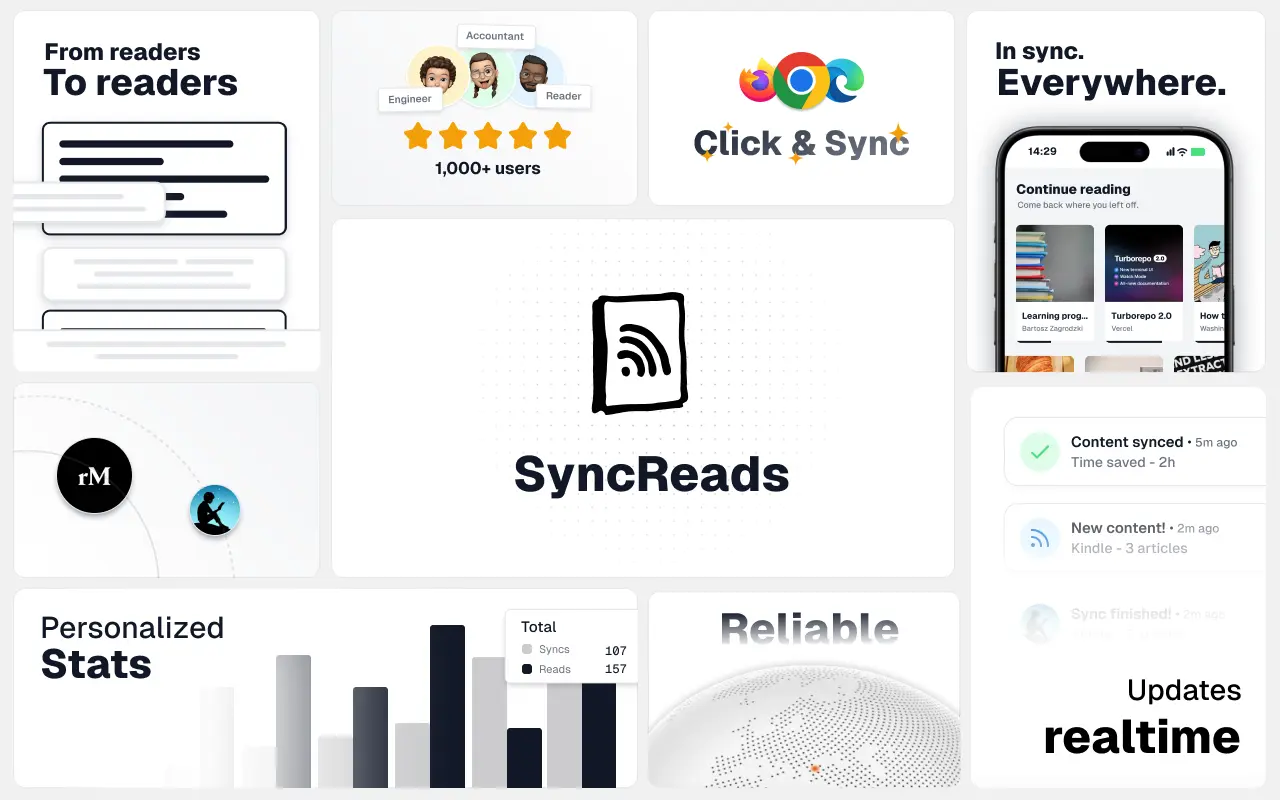
SyncReads
Sync your favorite content for distraction-free reading, save time and replace multiple apps. Anytime, anywhere 🔄
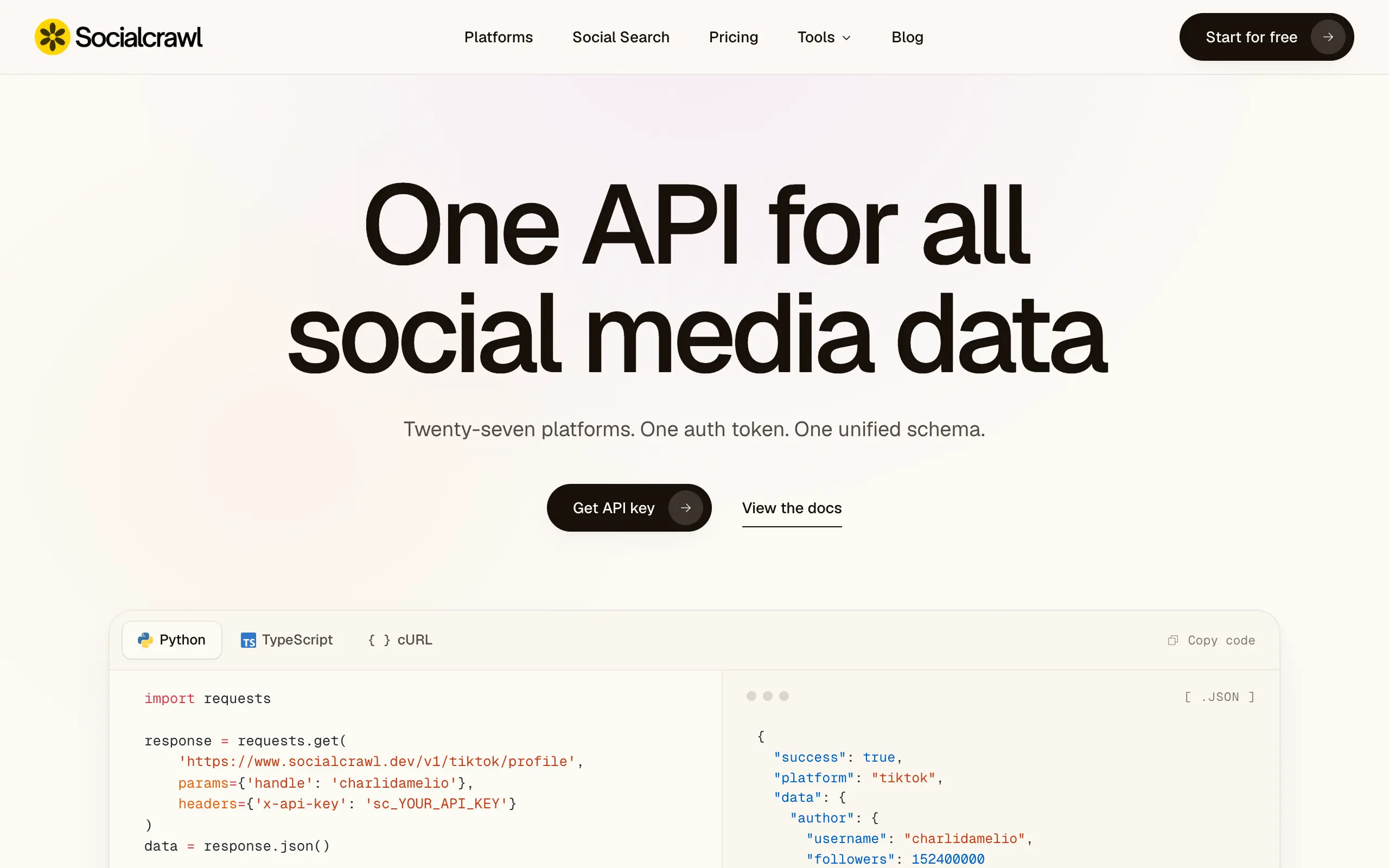
Socialcrawl
Get clean, structured data from 21 platforms like TikTok, Instagram, and YouTube with a single request 📊
Statiko
Monitor any Telegram channel in real time - track posts, edits, deletions, and growth with AI recaps 📡
Shibui
AI website builder - describe your business, pick a niche template, edit by chatting, and publish instantly ✨
Pro Service
Find verified home service professionals, compare quotes, and pay securely through escrow - built for Brazilians across the US 🏠
RankGrow
Fix your SEO with AI agents - connect Search Console, get prioritized tasks, and grow organic traffic 📈
SyncReads
Sync your favorite content for distraction-free reading, save time and replace multiple apps. Anytime, anywhere 🔄
Socialcrawl
Get clean, structured data from 21 platforms like TikTok, Instagram, and YouTube with a single request 📊
Statiko
Monitor any Telegram channel in real time - track posts, edits, deletions, and growth with AI recaps 📡
Shibui
AI website builder - describe your business, pick a niche template, edit by chatting, and publish instantly ✨
Pro Service
Find verified home service professionals, compare quotes, and pay securely through escrow - built for Brazilians across the US 🏠
RankGrow
Fix your SEO with AI agents - connect Search Console, get prioritized tasks, and grow organic traffic 📈
SyncReads
Sync your favorite content for distraction-free reading, save time and replace multiple apps. Anytime, anywhere 🔄
Socialcrawl
Get clean, structured data from 21 platforms like TikTok, Instagram, and YouTube with a single request 📊
Statiko
Monitor any Telegram channel in real time - track posts, edits, deletions, and growth with AI recaps 📡
Shibui
AI website builder - describe your business, pick a niche template, edit by chatting, and publish instantly ✨
Pro Service
Find verified home service professionals, compare quotes, and pay securely through escrow - built for Brazilians across the US 🏠
RankGrow
Fix your SEO with AI agents - connect Search Console, get prioritized tasks, and grow organic traffic 📈
SyncReads
Sync your favorite content for distraction-free reading, save time and replace multiple apps. Anytime, anywhere 🔄
Socialcrawl
Get clean, structured data from 21 platforms like TikTok, Instagram, and YouTube with a single request 📊
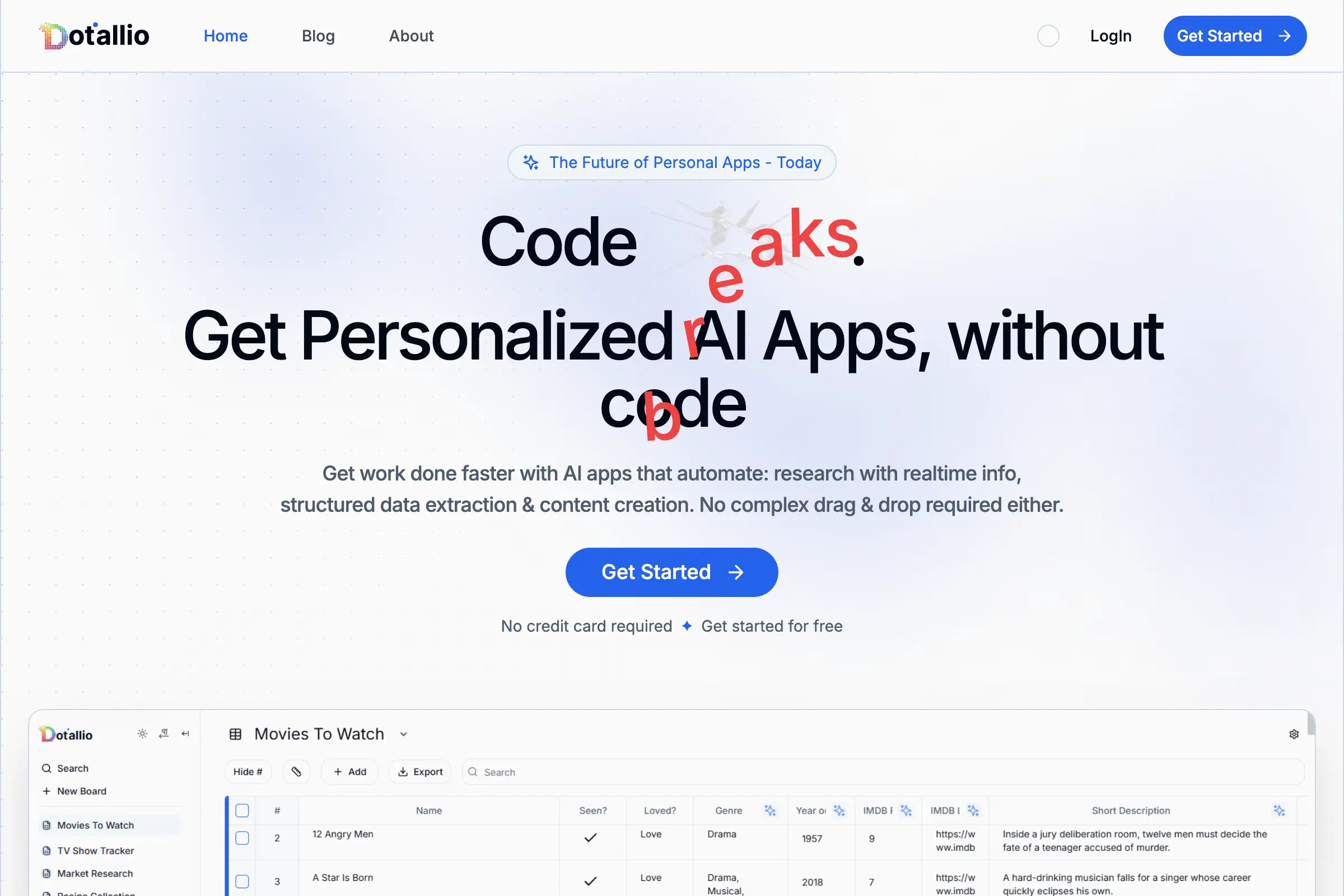
Dotallio
Personalized AI apps that automate research, data extraction, and content creation without code 🤖

Talk to Santa
Enjoy a magical live video chat or receive a unique AI-generated video greeting from Santa Claus 🎅

pozywka.pl
Scalable blog for food journalist, focused on performance and user experience 🌭
zagrodzki.me
Personal blog and portfolio of Bart Zagrodzki, where he shares his knowledge and work 💼

TurboStarter
Ship your startup everywhere. In minutes.
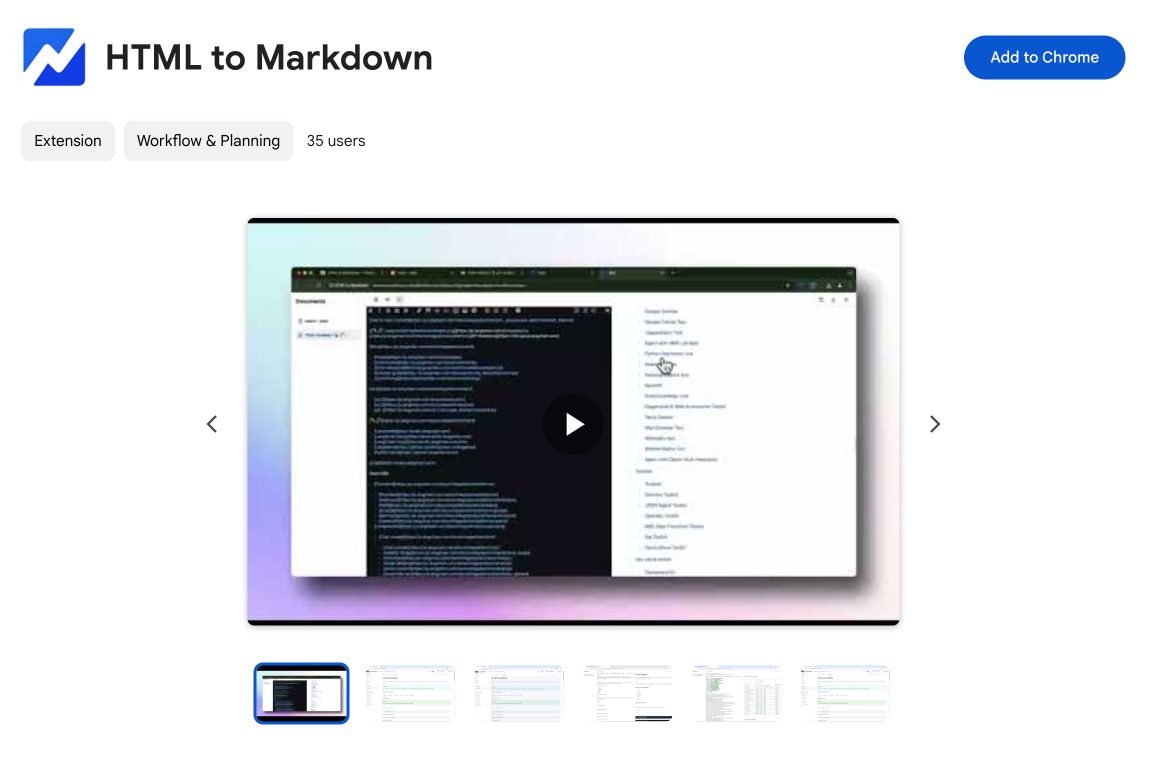
HTML to Markdown
Convert HTML to Markdown with ease, directly in your browser 📄
Dotallio
Personalized AI apps that automate research, data extraction, and content creation without code 🤖
Talk to Santa
Enjoy a magical live video chat or receive a unique AI-generated video greeting from Santa Claus 🎅
pozywka.pl
Scalable blog for food journalist, focused on performance and user experience 🌭
zagrodzki.me
Personal blog and portfolio of Bart Zagrodzki, where he shares his knowledge and work 💼
TurboStarter
Ship your startup everywhere. In minutes.
HTML to Markdown
Convert HTML to Markdown with ease, directly in your browser 📄
Dotallio
Personalized AI apps that automate research, data extraction, and content creation without code 🤖
Talk to Santa
Enjoy a magical live video chat or receive a unique AI-generated video greeting from Santa Claus 🎅
pozywka.pl
Scalable blog for food journalist, focused on performance and user experience 🌭
zagrodzki.me
Personal blog and portfolio of Bart Zagrodzki, where he shares his knowledge and work 💼
TurboStarter
Ship your startup everywhere. In minutes.
HTML to Markdown
Convert HTML to Markdown with ease, directly in your browser 📄
Dotallio
Personalized AI apps that automate research, data extraction, and content creation without code 🤖
Talk to Santa
Enjoy a magical live video chat or receive a unique AI-generated video greeting from Santa Claus 🎅
pozywka.pl
Scalable blog for food journalist, focused on performance and user experience 🌭
zagrodzki.me
Personal blog and portfolio of Bart Zagrodzki, where he shares his knowledge and work 💼
TurboStarter
Ship your startup everywhere. In minutes.
HTML to Markdown
Convert HTML to Markdown with ease, directly in your browser 📄
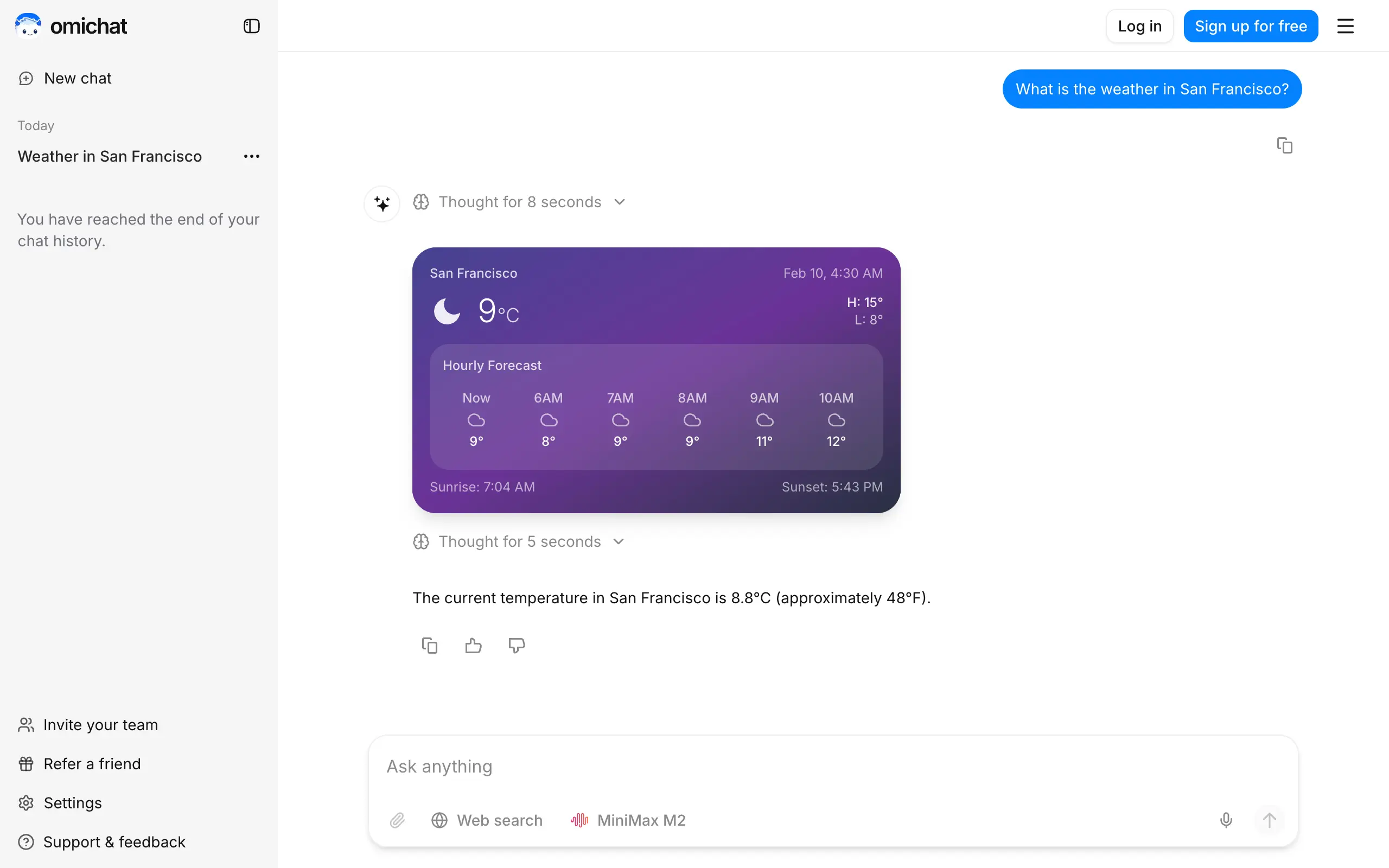
Omichat
Chat with 50+ AI models, including ChatGPT and Claude, in one place - switch models anytime without losing context 🤖
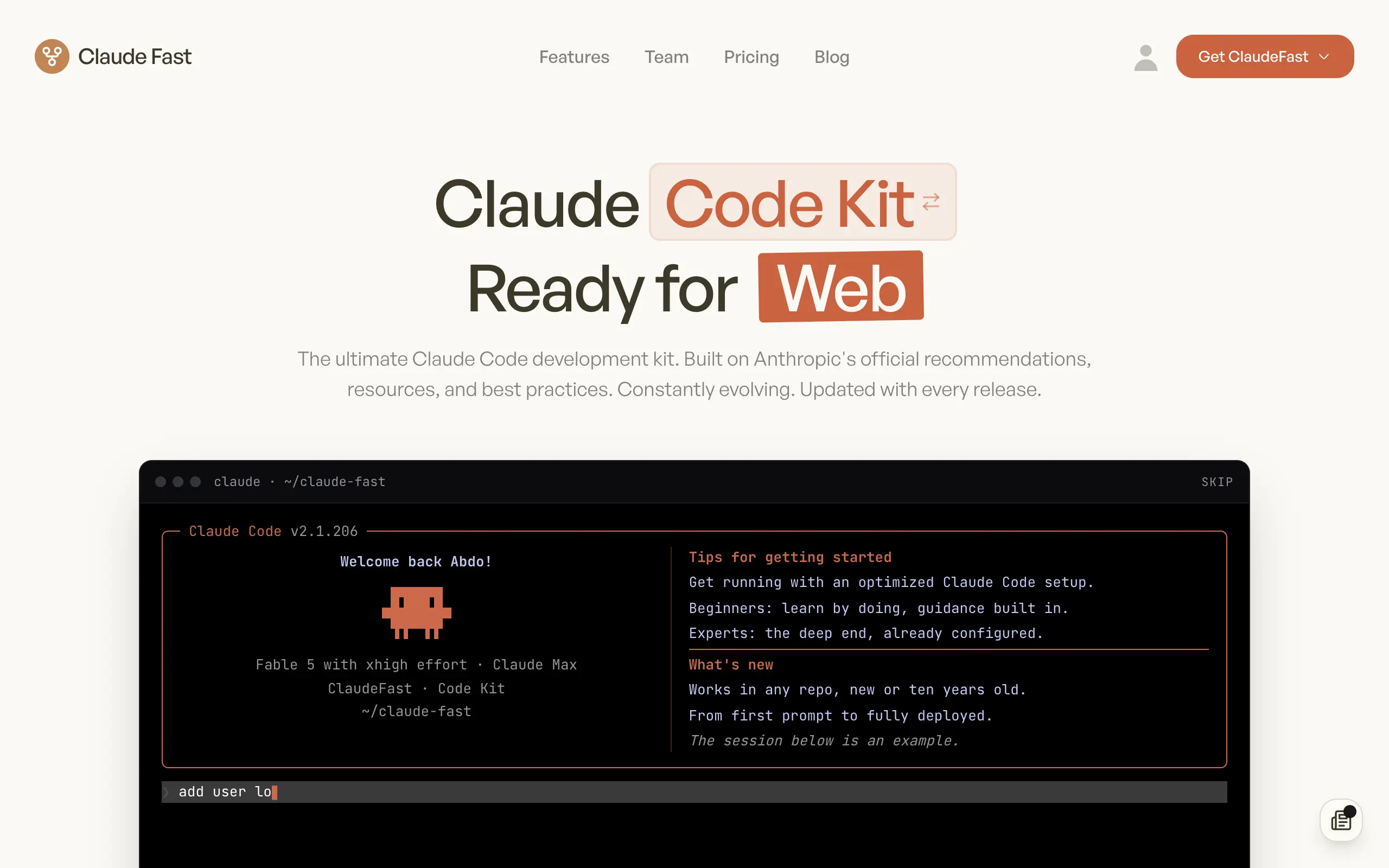
Claude Fast
Supercharge your Claude Code with 6x effective context window and specialized AI agents 🤖

EmojAI
AI-powered emoji picker with smart, context-aware suggestions 🤖

Solohacker
Autonomous company launcher - AI agents work 24/7, escalate what matters, and you stay in control 🤖

BeRawi: Storytelling Coach
Practice storytelling daily with instant feedback to sound clearer, more engaging, and confident 🎤
Omichat
Chat with 50+ AI models, including ChatGPT and Claude, in one place - switch models anytime without losing context 🤖
Claude Fast
Supercharge your Claude Code with 6x effective context window and specialized AI agents 🤖
EmojAI
AI-powered emoji picker with smart, context-aware suggestions 🤖
Solohacker
Autonomous company launcher - AI agents work 24/7, escalate what matters, and you stay in control 🤖
BeRawi: Storytelling Coach
Practice storytelling daily with instant feedback to sound clearer, more engaging, and confident 🎤
Omichat
Chat with 50+ AI models, including ChatGPT and Claude, in one place - switch models anytime without losing context 🤖
Claude Fast
Supercharge your Claude Code with 6x effective context window and specialized AI agents 🤖
EmojAI
AI-powered emoji picker with smart, context-aware suggestions 🤖
Solohacker
Autonomous company launcher - AI agents work 24/7, escalate what matters, and you stay in control 🤖
BeRawi: Storytelling Coach
Practice storytelling daily with instant feedback to sound clearer, more engaging, and confident 🎤
Omichat
Chat with 50+ AI models, including ChatGPT and Claude, in one place - switch models anytime without losing context 🤖
Claude Fast
Supercharge your Claude Code with 6x effective context window and specialized AI agents 🤖
EmojAI
AI-powered emoji picker with smart, context-aware suggestions 🤖
Solohacker
Autonomous company launcher - AI agents work 24/7, escalate what matters, and you stay in control 🤖
BeRawi: Storytelling Coach
Practice storytelling daily with instant feedback to sound clearer, more engaging, and confident 🎤

Connect with like-minded people
Join our community to get feedback, support, and grow together with 1,000+ builders on board, let's ship it!
Join usShip your startup everywhere. In minutes.
Don't burn tokens on setup and start building features on day one.