NanoAqua
Pravidelné balíčky hnojív, úprav vody a testov pre malé rastlinné akváriá, nastavené podľa miestnej vody. Úzka špecializácia odlišuje obchod od všeobecných chovateľských e-shopov.
NanoAqua is a specialized ecommerce opportunity built around a simple but important insight: owners of small planted aquariums need more than a generic bottle of fertilizer. They need suitable products, clear dosing guidance, and water tests that reflect the water coming out of their tap.
A well-designed nano aquarium subscription box could combine fertilizers, water treatments, and testing supplies into recurring, locally informed deliveries. Instead of asking customers to compare dozens of products and work out their own routine, NanoAqua would help them build a consistent care plan around their aquarium size, plant needs, and local water profile.
That focus gives NanoAqua a clear position between general pet stores and specialist aquascaping shops. The business would not simply sell aquarium products online. It would make it easier for beginners and experienced hobbyists to maintain small planted tanks with fewer guesswork-driven purchases.
What is NanoAqua?
NanoAqua is a subscription-focused ecommerce concept for small planted aquariums. Its recurring packages could include:
- Plant fertilizers in sizes suited to nano tanks
- Water conditioners or other appropriate water-treatment products
- Water test kits or replacement reagents
- Dosing tools and practical accessories
- Guidance tailored to the customer’s aquarium and local water
The defining feature is local-water personalization. Municipal water can differ by location, and those differences may affect how an aquarist chooses products and manages a tank. NanoAqua could use a customer’s postcode, water source, test results, and aquarium profile to recommend a more relevant starter routine.
The service should be careful not to imply that one local water profile guarantees a particular aquarium outcome. A tank is a living system affected by many variables, including substrate, lighting, plant species, livestock, maintenance habits, and tank maturity. The practical value is helping customers make informed choices based on better inputs—not promising perfect water or effortless plant growth.
The customer problem NanoAqua can solve
A small planted aquarium can be simple to maintain, but choosing the right products is not always straightforward. Customers may encounter confusing labels, products designed for larger aquariums, conflicting advice, or dosing instructions that are difficult to scale down.
That creates several common points of friction:
- Uncertainty about what to buy: New aquarists may not know whether they need fertilizer, a water conditioner, a test kit, or all three.
- Difficulty adjusting dosage: Instructions designed for larger tanks can be awkward to apply accurately to a small aquarium.
- Generic recommendations: Advice that ignores local water and tank conditions may not fit the customer’s situation.
- Inconsistent upkeep: Customers can run out of a product or forget regular maintenance because supplies are not replenished.
- Too many product choices: A broad aquarium store may offer plenty of options without helping customers determine which ones fit their needs.
NanoAqua can address these problems with a simple promise: help customers choose and replenish a practical set of products for their particular small planted aquarium.
Target audience for a nano aquarium subscription box
NanoAqua’s best initial audience is not every aquarium owner. The business is more likely to stand out by serving customers whose needs fit its narrow product range and personalization model.
Beginner planted-tank owners
Beginners often want a thriving aquarium but may not yet understand water chemistry, nutrient dosing, or the purpose of different products. They are a natural audience for a service that explains what each item does and provides a clear routine.
For this group, the experience should prioritize:
- Plain-language instructions
- Small, manageable product quantities
- Dosing advice scaled to aquarium volume
- A short onboarding questionnaire
- Clear guidance about what the kit does and does not include
The onboarding experience matters as much as the products. A beginner should be able to understand why an item is included, how to use it, and when to reorder without needing to research every ingredient independently.
Experienced aquascapers with small tanks
Experienced hobbyists may already understand plant nutrition and water testing, but they still value convenience and products in appropriate quantities. They may also appreciate the ability to choose between a basic replenishment plan and a more tailored kit.
NanoAqua should not assume that every experienced customer wants a highly prescriptive plan. Give customers control over product selections, delivery frequency, and test-kit preferences. The service can recommend a routine while still making it easy to override that recommendation.
People buying their first aquarium
Customers setting up a first tank may be looking for a complete, understandable path from setup to ongoing care. A starter bundle can help, but it should distinguish setup products from recurring maintenance products. Not every aquarium requires the same products at the same time.
NanoAqua could offer a guided first-month bundle followed by an optional recurring plan. This allows the business to support customers through setup without automatically sending unnecessary items every month.
Gift buyers and hobby communities
A thoughtfully packaged aquarium-care set may appeal to gift buyers, although subscriptions can be difficult to choose on someone else’s behalf. Gift cards, one-time starter kits, or prepaid subscriptions would reduce the risk of sending incompatible products.
Local aquarium clubs, aquascaping groups, and specialist creators may also be useful channels for early feedback. Community relationships can help NanoAqua learn which product explanations are confusing and what customers actually use.
Market opportunity and the gap in general aquarium retail
The opportunity is not simply that aquarium products are available online. The stronger opportunity is to improve the decision-making and replenishment experience for a specific kind of customer.
General pet retailers tend to serve broad categories. Specialist aquascaping stores may offer a deeper selection, but customers still need to decide which products suit their aquarium. A locally informed subscription can occupy a different position: a curated service that combines products, education, and repeat delivery.
NanoAqua’s potential market gap has four parts:
- Small-volume suitability: Products and directions designed for smaller tanks.
- Routine support: A recurring plan that helps customers keep relevant supplies on hand.
- Local context: Recommendations informed by water source and regional data where available.
- Reduced decision fatigue: A smaller, clearer selection instead of a large catalog.
The concept should be validated rather than treated as proven demand. Before investing in a wide product range or complex personalization engine, NanoAqua should test whether customers will pay for the combination of curation, local relevance, and convenience.
Useful validation signals include:
- Email signups from people who own nano planted tanks
- Preorders for a limited starter kit
- Repeat purchases after the first delivery
- Customer willingness to share water test results
- Interviews that reveal how customers currently choose and replenish supplies
- Conversion differences between generic and locally tailored product pages
If the business uses market-size claims in investor materials or public marketing, it should support them with a clearly identified research source and date. Avoid presenting broad aquarium-industry figures as evidence that customers specifically want a localized subscription.
NanoAqua’s competitive advantage
The strongest competitive advantage is not the subscription model by itself. Subscription delivery is easy for competitors to imitate. NanoAqua’s more defensible position is the combination of narrow specialization, useful personalization, and customer education.
Specialization in small planted aquariums
A focused product range gives NanoAqua a chance to explain its products better than a general store. Small tanks have practical constraints: customers need accurate dosing guidance, packaging that suits smaller quantities, and product recommendations that account for limited water volume.
Specialization also helps shape the brand. Product pages, onboarding, email content, and packaging can all speak directly to nano-aquarium owners rather than trying to serve every fishkeeping category.
Personalization based on local water
The customer’s water source can become a meaningful part of the product recommendation process. NanoAqua could begin with location-level data where it is available and encourage customers to confirm important details with their own tests.
A responsible personalization flow might combine:
- Customer postcode or region
- Municipal water information, when accessible and current
- Customer-reported test results
- Tank volume and age
- Planting density and livestock information
- Existing products and dosing habits
The system should show what information informed each recommendation. It should also make uncertainty visible. If municipal data is unavailable or outdated, the interface can ask the customer to test their own water instead of presenting an unsupported recommendation.
Education built into the product
Instructions are part of the product experience, not an optional marketing extra. A short, readable guide can explain the purpose of each item, how to use it safely, and when customers should seek more information.
This can also build trust. NanoAqua should explain the limits of its recommendations, avoid presenting test results as diagnoses, and encourage customers to change one variable at a time where appropriate.
A curated rather than endless catalog
A smaller assortment can lower the burden of choice. The goal is not to hide alternatives but to organize them around clear customer needs, such as “starter routine,” “fertilizer refill,” or “test-kit replenishment.”
| Advantage | Generic aquarium store | Specialist product shop | NanoAqua opportunity | What to validate |
|---|---|---|---|---|
| Small-tank focus | Often broad | Varies | Designed for nano tanks | Do small-tank owners feel underserved? |
| Recurring delivery | Sometimes available | Varies | Core purchase option | Which delivery cadence works? |
| Local-water guidance | Usually limited | Varies | Part of onboarding | Is useful local data accessible? |
| Product education | Broad guidance | Often detailed | Guidance tied to each box | Which instructions reduce confusion? |
| Customer control | Product-by-product | Product-by-product | Adjustable subscription | How much personalization do customers expect? |
Core NanoAqua features and product experience
The first version should be useful without being overengineered. A strong minimum viable product can focus on product fit, accurate instructions, and a dependable reorder experience.
1. Aquarium onboarding questionnaire
A short questionnaire should collect only information that affects the recommendation. Possible questions include:
- Aquarium volume
- Freshwater or another tank type
- Approximate setup date
- Planting level
- Water source
- Customer’s location or postcode
- Existing water test results
- Products the customer already uses
- Preferred delivery frequency
Explain why NanoAqua asks for each sensitive or potentially confusing detail. Customers should be able to skip questions that are not essential and update their answers later.
2. Local water profile
The local water profile is NanoAqua’s signature feature, but it should be developed carefully. Possible inputs include public water-quality reports, customer test results, and location information. The business should store the source and date of data used to generate a recommendation.
Do not imply that a postcode reveals the exact water in a customer’s aquarium. Water can be affected by plumbing, storage, source changes, and treatment. A good interface would label regional information as a starting point and make it easy to add personal test results.
3. Tailored product recommendations
Recommendations should connect customer inputs to a transparent product choice. For example, the service might explain that a particular item is included because the customer selected a planted freshwater aquarium and requested a fertilizer refill.
Customers should be able to see:
- Why an item was selected
- How it should be used
- Whether it is a recurring or one-time product
- What information could change the recommendation
- How to opt out or select an alternative
That transparency can make the service feel more trustworthy than a black-box quiz.
4. Flexible subscription management
A recurring order should be easy to pause, skip, change, or cancel. Customers should not have to contact support to perform basic account tasks.
Useful self-service options include:
- Change delivery interval
- Skip the next order
- Swap a product
- Adjust tank information
- Pause during a holiday
- Cancel without friction
- See the next charge and shipment date
A subscription should fit actual usage. A monthly delivery may be too frequent for some products and too slow for others. NanoAqua could offer different replenishment schedules rather than placing every product in one fixed monthly box.
5. Product instructions and care reminders
Each shipment can include a concise printed guide and a digital version. The guide should cover safe storage, intended use, dosing instructions provided by the manufacturer, and what to do if a customer is uncertain.
Email reminders can provide practical value without overwhelming customers. Examples include a shipment notification, a prompt to update test results, or a reminder to check supply levels before the next delivery.
6. Customer support with aquarium context
Support agents should be able to see the customer’s tank profile and subscription history, subject to appropriate privacy controls. This makes it easier to answer product and delivery questions without asking customers to repeat information.
For questions that require specialized expertise, NanoAqua should establish a clear escalation process. Customer support should not make unsupported claims about animal health or treat a general ecommerce service as a substitute for qualified veterinary or aquatic-health advice.
Recommended technology stack for NanoAqua
The best technology stack is the one that supports a reliable shopping experience and lets the team test the business model quickly. NanoAqua does not need a custom recommendation engine before it understands what customers value.
Ecommerce foundation
For an early launch, choose a commerce platform that handles catalog management, taxes, checkout, inventory, and subscription billing through reliable integrations. The core business risk at the beginning is product-market fit, not a lack of custom software.
A custom storefront can be useful if local-water personalization needs a more tailored experience. A frontend built with React can support interactive onboarding, while Next.js can provide a structured framework for a production web application. Tailwind CSS is an option for building a consistent interface efficiently.
These choices have trade-offs. A custom frontend creates more control over the customer journey, but it also adds engineering, maintenance, and integration work. A hosted ecommerce platform may be faster to launch, but its subscription and personalization features may impose constraints.
Subscription billing and order management
Subscription software should support the operational details that customers expect, including billing notifications, payment updates, pauses, skips, and cancellations. Before selecting a provider, test the full customer journey from signup to cancellation, including failed payments and product substitutions.
The business should also confirm that its chosen commerce and payment setup supports the countries it intends to serve. Tax, shipping, returns, and consumer subscription requirements should be reviewed with qualified local professionals.
Data and personalization
A lightweight database can store customer tank profiles, consent records, water information, and recommendation history. Keep the data model understandable and collect only what NanoAqua genuinely needs.
A simple recommendation system can begin with explicit rules rather than machine learning. For example, rules can determine which products are eligible based on tank type, customer selections, and confirmed test results. This approach is easier to audit and explain.
type AquariumProfile = {
  volumeLiters: number;
  tankType: "freshwater" | "other";
  planted: boolean;
  waterSource: "municipal" | "well" | "unknown";
  hasRecentTestResults: boolean;
};

type Recommendation = {
  productId: string;
  reason: string;
};

function recommendProducts(profile: AquariumProfile): Recommendation[] {
  const recommendations: Recommendation[] = [];

  if (profile.planted && profile.tankType === "freshwater") {
    recommendations.push({
      productId: "plant-care-kit",
      reason: "Selected for a planted freshwater aquarium.",
    });
  }

  if (!profile.hasRecentTestResults) {
    recommendations.push({
      productId: "water-test-kit",
      reason: "A test kit can help you understand your current water conditions.",
    });
  }

  return recommendations;
}
This example illustrates a product-selection pattern, not aquarium-care advice. In production, recommendations should be reviewed by knowledgeable specialists, documented, and tested against real customer scenarios.
Analytics and customer research
Track events that help answer business questions, such as onboarding completion, product-page engagement, subscription starts, pauses, cancellations, and repeat purchases. Avoid collecting personal data merely because an analytics tool makes it easy.
The most useful early metrics are likely to be:
- Visitor-to-purchase conversion
- Onboarding completion rate
- Subscription activation rate
- Reorder and retention rate
- Cancellation reasons
- Support contacts per order
- Refunds, damaged orders, and fulfillment errors
- Gross margin after product, packaging, shipping, and payment costs
Use these measures to improve the offer, not simply to produce dashboards.
Monetization strategy options
NanoAqua can test several revenue models without committing to a single one immediately.
Recurring subscription boxes
A subscription can create more predictable revenue and make replenishment convenient. Offer clear plan options based on customer need, such as a starter plan, a fertilizer-focused refill, or a plan that includes testing supplies when appropriate.
Avoid putting every customer on the same delivery schedule. If products are consumed at different rates, an all-in-one monthly box could create waste or customer frustration.
One-time starter kits
A one-time kit can introduce the brand to people who are not ready to subscribe. It can also serve as a lower-commitment way to test product fit.
A starter kit should clearly identify which items are essential for the chosen package and which are optional. If a product depends on the customer’s tank conditions, NanoAqua should explain that before purchase.
À la carte refills
Allow existing customers to buy individual refills. This supports customers who need one product sooner than the rest of their subscription and can improve convenience without forcing them to buy a full box.
Gift subscriptions
Gift options can expand seasonal sales, but recipients may have different aquarium setups. Offer a gift card or a short questionnaire that the recipient completes after receiving the gift, rather than asking the purchaser to guess.
Educational products and bundles
NanoAqua could eventually offer care guides, setup bundles, or workshops. These should reinforce the core business rather than distract from it. The first priority is to learn whether customers return for physical products and whether the subscription economics work.
Pricing and unit economics
Subscription revenue alone does not establish a healthy business. NanoAqua needs to understand the full cost of serving each order.
Include the following in a product-level margin model:
- Product cost
- Packaging and inserts
- Picking and packing
- Shipping
- Payment processing
- Discounts and promotions
- Returns, replacements, and damaged goods
- Customer support time
- Subscription platform costs
- Applicable taxes and fees
A low introductory price may attract signups but can create a poor foundation if the first shipment is unprofitable and customers cancel before later purchases. Test pricing with actual customer behavior, not only survey responses.
A practical approach is to offer a small number of plans and measure the conversion, gross margin, and retention of each. Customers should understand the price, delivery interval, and cancellation rules before subscribing.
Risks and ways to reduce them
Risk of overpromising local personalization
A location-based recommendation can seem more precise than the available data supports. Municipal water reports may not represent the water at a customer’s tap at the time of use.
Mitigation: Show the source and date of any water information, describe its limitations, and let customers add their own test results. Make the recommendation explainable and avoid promising a particular aquarium outcome.
Risk of unsuitable or unnecessary products
A fixed box can send items a customer does not need. That can create waste and reduce trust.
Mitigation: Let customers choose a plan, review the contents before renewal, skip shipments, and purchase individual refills. Collect feedback about unused products and adjust the subscription design accordingly.
Risk of confusing care advice
Water chemistry and aquarium maintenance can be complex. Simplified content may be misunderstood as a guarantee or a complete solution.
Mitigation: Have product instructions reviewed by qualified subject-matter experts. Distinguish manufacturer instructions from NanoAqua’s educational guidance, explain uncertainty, and avoid medical or animal-health claims beyond the company’s competence.
Risk of inventory and supplier disruption
A curated box depends on having its core products in stock. A shortage in one item can delay an entire subscription.
Mitigation: Start with a narrow catalog, maintain reorder thresholds, identify acceptable substitute policies, and tell customers before making substitutions. Do not replace a product with a materially different item without informed consent.
Risk of shipping economics
Small, low-priced products can be expensive to ship relative to their value. Packaging may also need to protect bottles or testing supplies from damage.
Mitigation: Test packaging and shipping costs with real orders, model the margin by destination, and set minimum order thresholds or bundled options where appropriate. Make delivery charges clear before checkout.
Risk of subscription distrust
Customers may avoid subscriptions if they fear hidden charges or difficult cancellation.
Mitigation: Display billing dates, renewal frequency, and cancellation terms clearly. Make account controls easy to find, send renewal notifications where appropriate, and treat cancellation feedback as a product signal rather than a support failure.
Risk of regulatory and privacy obligations
Products may be subject to labeling, chemical-safety, shipping, consumer-protection, or other requirements depending on their composition and the countries served. Customer location and test-result information may also involve privacy obligations.
Mitigation: Get qualified legal and regulatory advice before selling into each market. Review product documentation, supplier records, labels, shipping restrictions, consent practices, retention policies, and customer-data access controls.
SEO and content strategy for NanoAqua
NanoAqua can attract customers by answering the practical questions they already have, rather than publishing generic promotional content. A helpful content strategy should connect search intent to relevant products without making unsupported claims.
Potential topic clusters include:
- Nano planted aquarium care
- Fertilizer dosing for small aquariums
- How to choose a water test kit
- Understanding local tap water for aquariums
- How often to replenish aquarium supplies
- Aquarium water conditioner basics
- Beginner guidance for planted freshwater tanks
- How to maintain a small aquarium consistently
Each article should specify the intended audience and limitations. A guide about water testing, for example, should distinguish general educational information from product-specific instructions and encourage customers to follow product labels.
On product pages, include descriptive page titles, informative headings, accessible product details, and straightforward answers about what is included, how often it ships, and who the product is for. Avoid using the phrase “local water” as a claim of scientific precision unless the underlying data and methodology support it.
For evidence-based claims, use a documented reference format. Cite the organization or source, the publication or report title, the date, and the relevant finding. When reliable statistics are important, verify them from an authoritative source before publishing rather than repeating an unattributed market figure.
Actionable implementation steps
Interview the target customer. Speak with beginner and experienced nano-aquarium owners. Ask how they currently choose fertilizers, test water, track supplies, and decide what to buy next. Focus on real past behavior rather than asking whether they like the idea.
Define a narrow first offer. Select one or two customer profiles and create a small starter kit or refill plan for each. Write down what is included, why it is included, and who should not buy it.
Review product and regulatory requirements. Confirm supplier documentation, product labels, storage instructions, shipping rules, and market-specific requirements with qualified professionals.
Build a transparent onboarding flow. Ask for the minimum information needed to recommend products. Explain how location and any customer test results are used, and allow customers to update or remove relevant profile information.
Launch with a limited pilot. Sell to a small group before expanding the catalog. Monitor fulfillment issues, customer questions, unused items, cancellation reasons, and repeat purchase behavior.
Improve the recommendation model. Start with clear rules and expert review. Add complexity only when customer evidence shows that the added personalization improves outcomes or customer understanding.
Refine pricing and delivery cadence. Calculate actual order economics and test whether customers prefer different replenishment intervals or product combinations.
Expand deliberately. Add products, regions, and marketing channels only after the core offer has reliable fulfillment, understandable instructions, and evidence of repeat demand.
For founders who want to move from a validated concept to a production-ready application, TurboStarter can help accelerate the foundation for a SaaS or ecommerce product. Choose tools that fit the business model, and keep the customer’s aquarium-care experience—not technical novelty—at the center of product decisions.
Is NanoAqua a promising ecommerce idea?
NanoAqua has a focused proposition: recurring aquarium-care products for small planted tanks, selected with attention to the customer’s local water and explained through practical guidance. That is more distinctive than simply offering another general aquarium store or a standard subscription box.
The concept’s strongest advantages are its clear audience, the potential to reduce product-selection friction, and an opportunity to build trust through transparent personalization. Its biggest challenges are equally concrete: proving that customers will subscribe, sourcing reliable water information, managing shipping economics, and avoiding recommendations that appear more certain than the underlying data allows.
The best next step is a small, carefully measured pilot. Start with a narrow product range, expert-reviewed instructions, and a simple recommendation process. Learn whether customers understand the value, use what they receive, and choose to reorder. If those signals are positive, NanoAqua can expand its personalization and product range from a foundation of real customer behavior rather than assumptions.
More 🛒 E-commerce SaaS ideas
Discover more innovative e-commerce SaaS ideas that are trending in 2026. Each idea is AI-generated with market validation and growth potential to help you find your next profitable venture faster than competitors.
Your competitors are building with TurboStarter
Below are some of the SaaS ideas that have been generated and built with our starter kit.
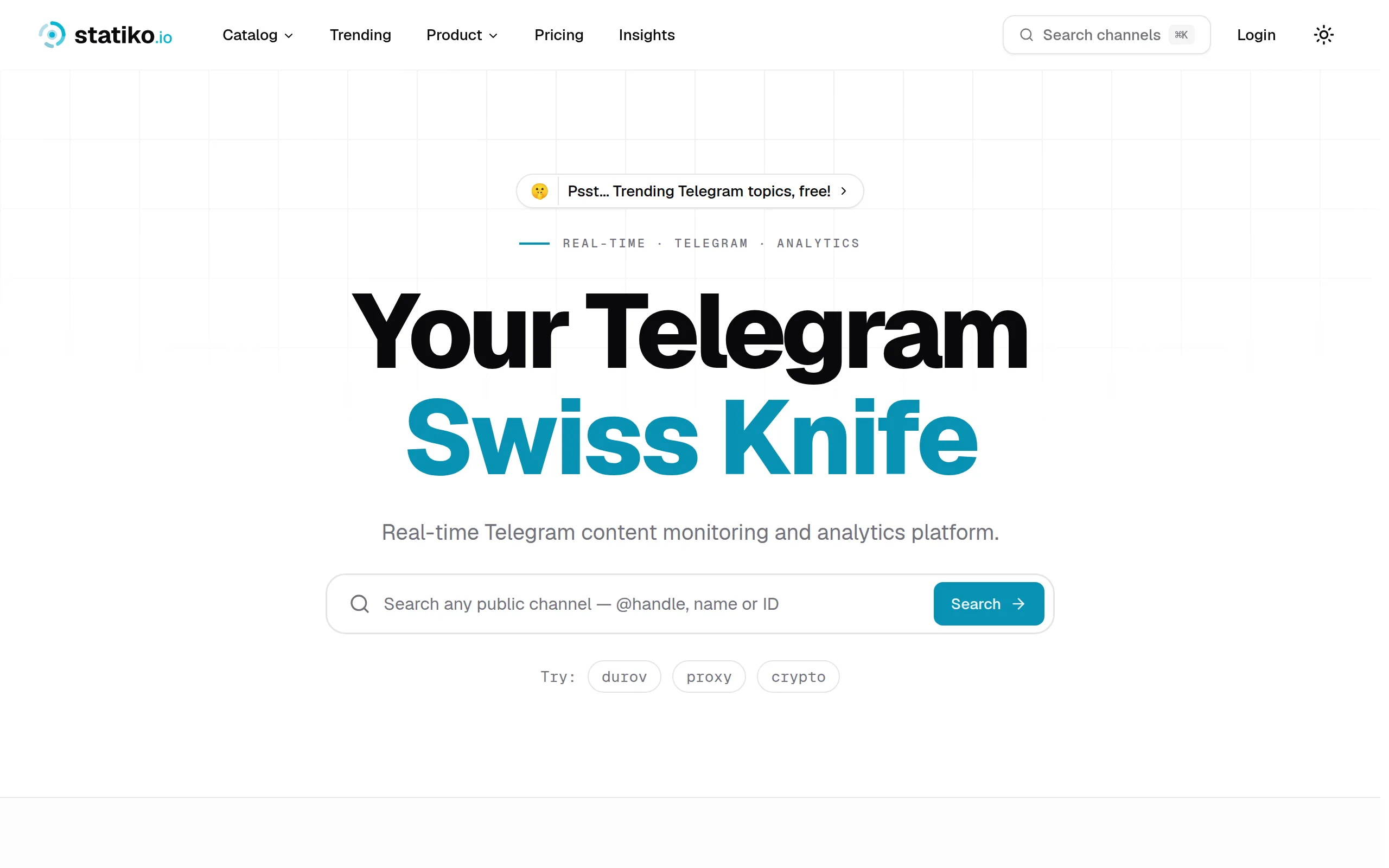
Statiko
Monitor any Telegram channel in real time - track posts, edits, deletions, and growth with AI recaps 📡

Shibui
AI website builder - describe your business, pick a niche template, edit by chatting, and publish instantly ✨
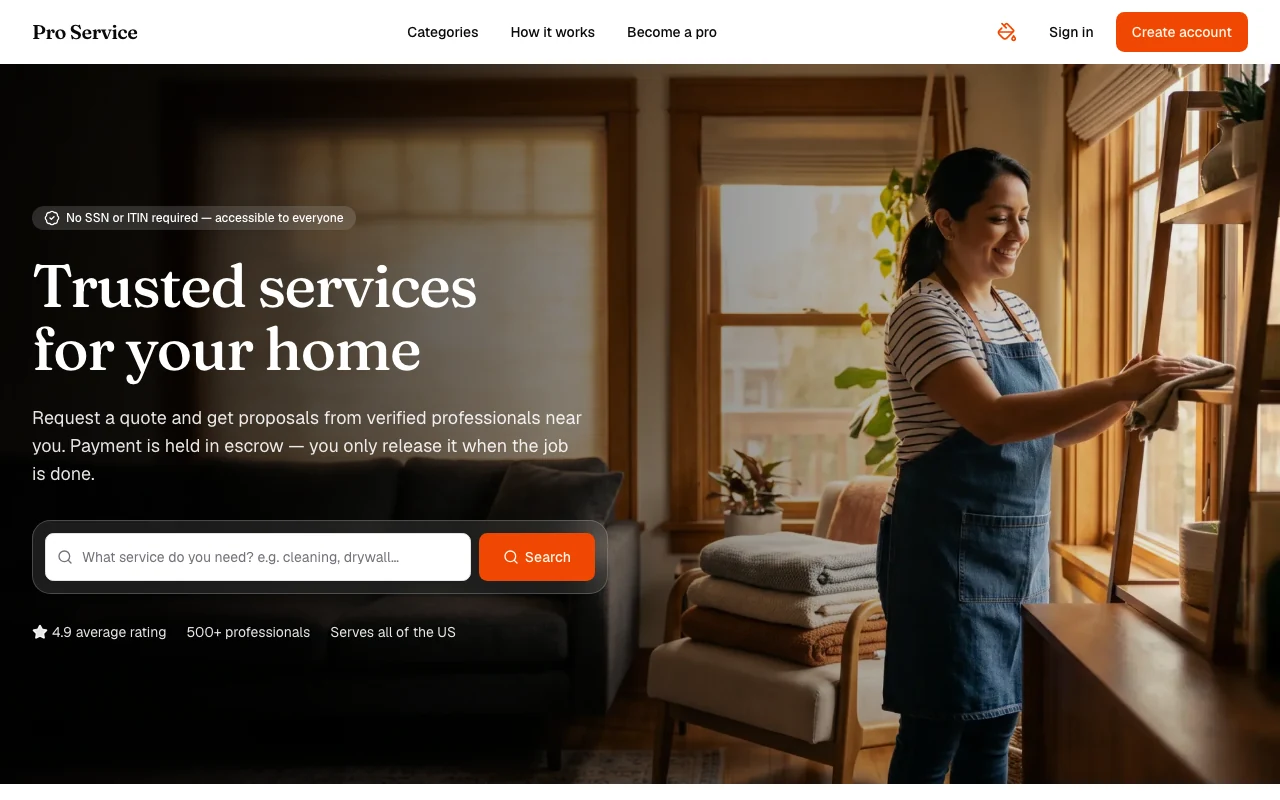
Pro Service
Find verified home service professionals, compare quotes, and pay securely through escrow - built for Brazilians across the US 🏠
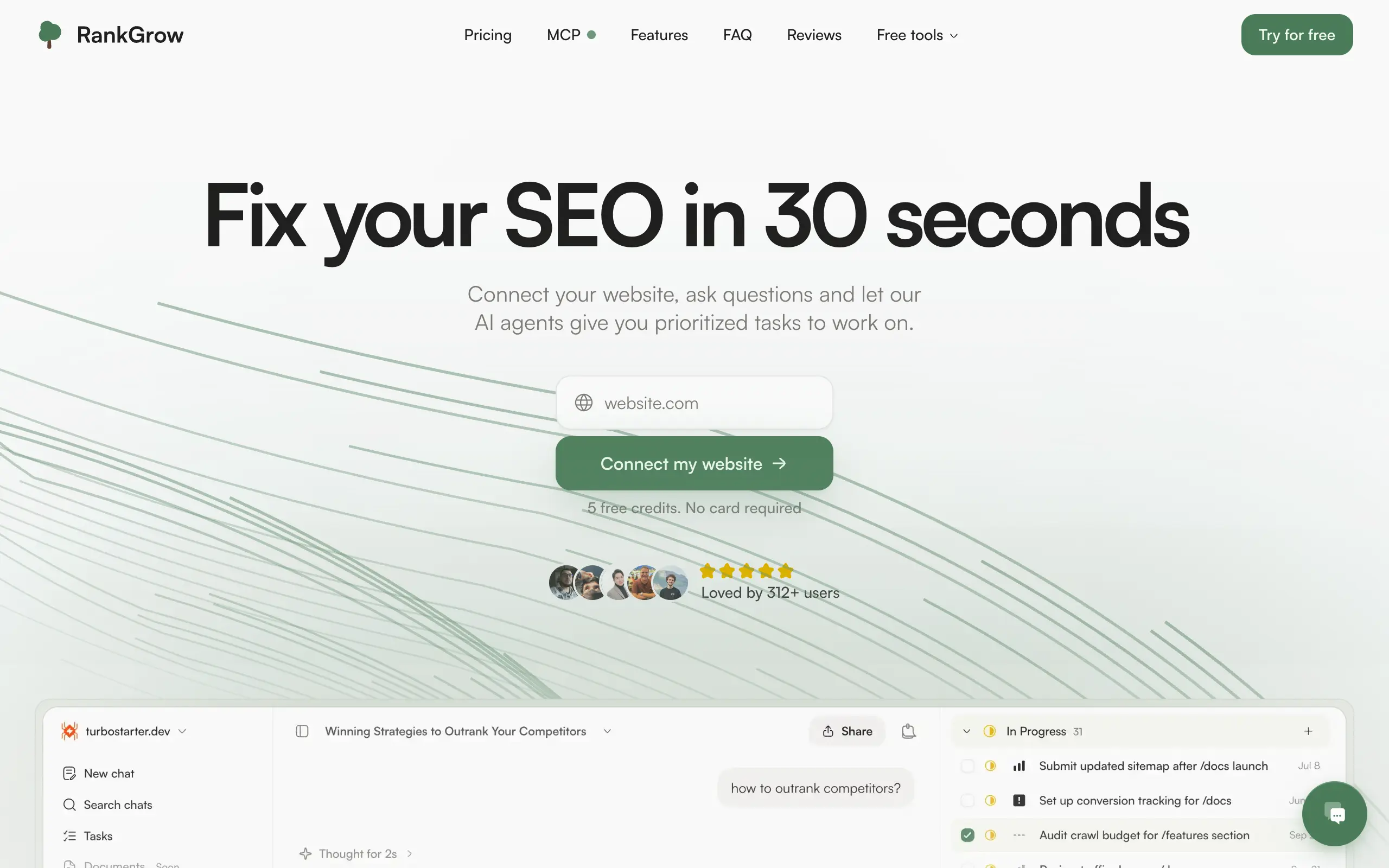
RankGrow
Fix your SEO with AI agents - connect Search Console, get prioritized tasks, and grow organic traffic 📈
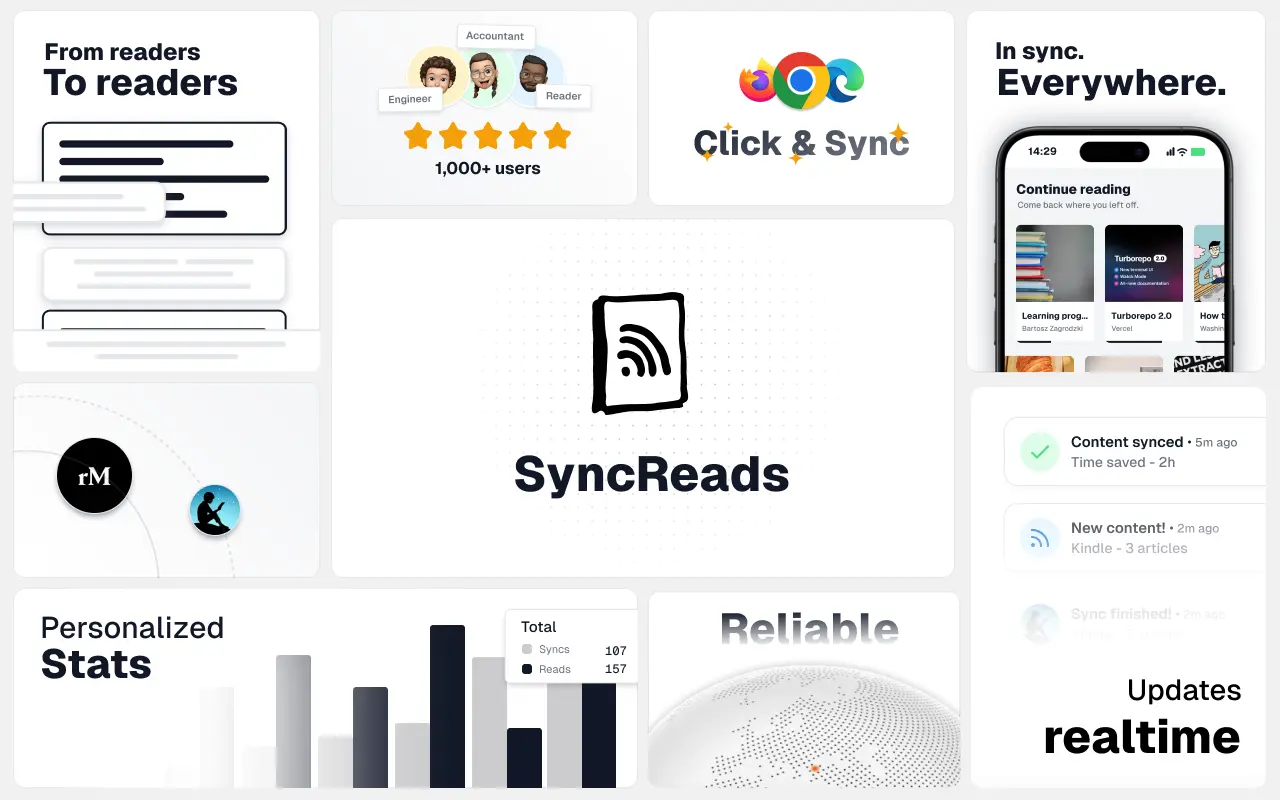
SyncReads
Sync your favorite content for distraction-free reading, save time and replace multiple apps. Anytime, anywhere 🔄
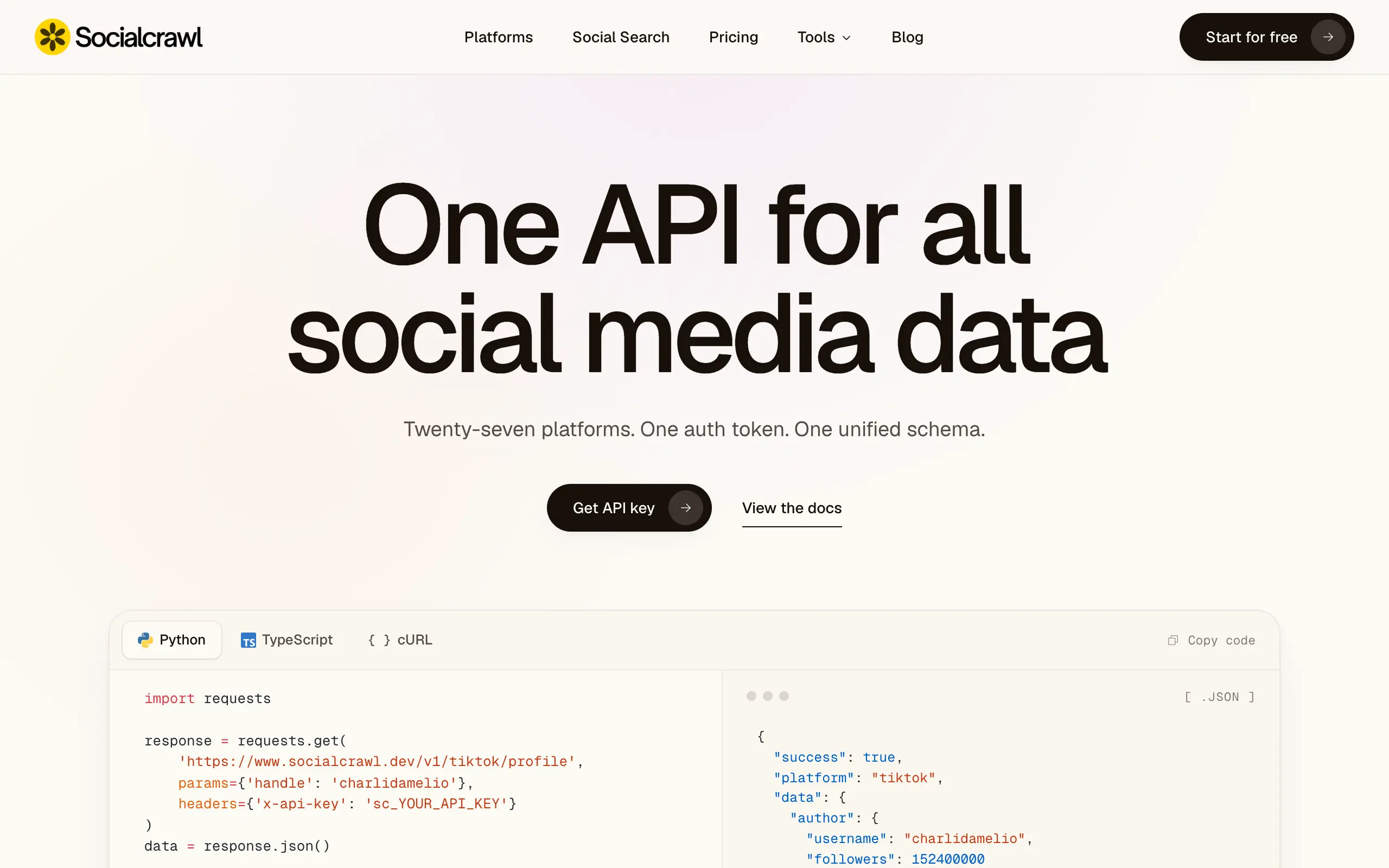
Socialcrawl
Get clean, structured data from 21 platforms like TikTok, Instagram, and YouTube with a single request 📊
Statiko
Monitor any Telegram channel in real time - track posts, edits, deletions, and growth with AI recaps 📡
Shibui
AI website builder - describe your business, pick a niche template, edit by chatting, and publish instantly ✨
Pro Service
Find verified home service professionals, compare quotes, and pay securely through escrow - built for Brazilians across the US 🏠
RankGrow
Fix your SEO with AI agents - connect Search Console, get prioritized tasks, and grow organic traffic 📈
SyncReads
Sync your favorite content for distraction-free reading, save time and replace multiple apps. Anytime, anywhere 🔄
Socialcrawl
Get clean, structured data from 21 platforms like TikTok, Instagram, and YouTube with a single request 📊
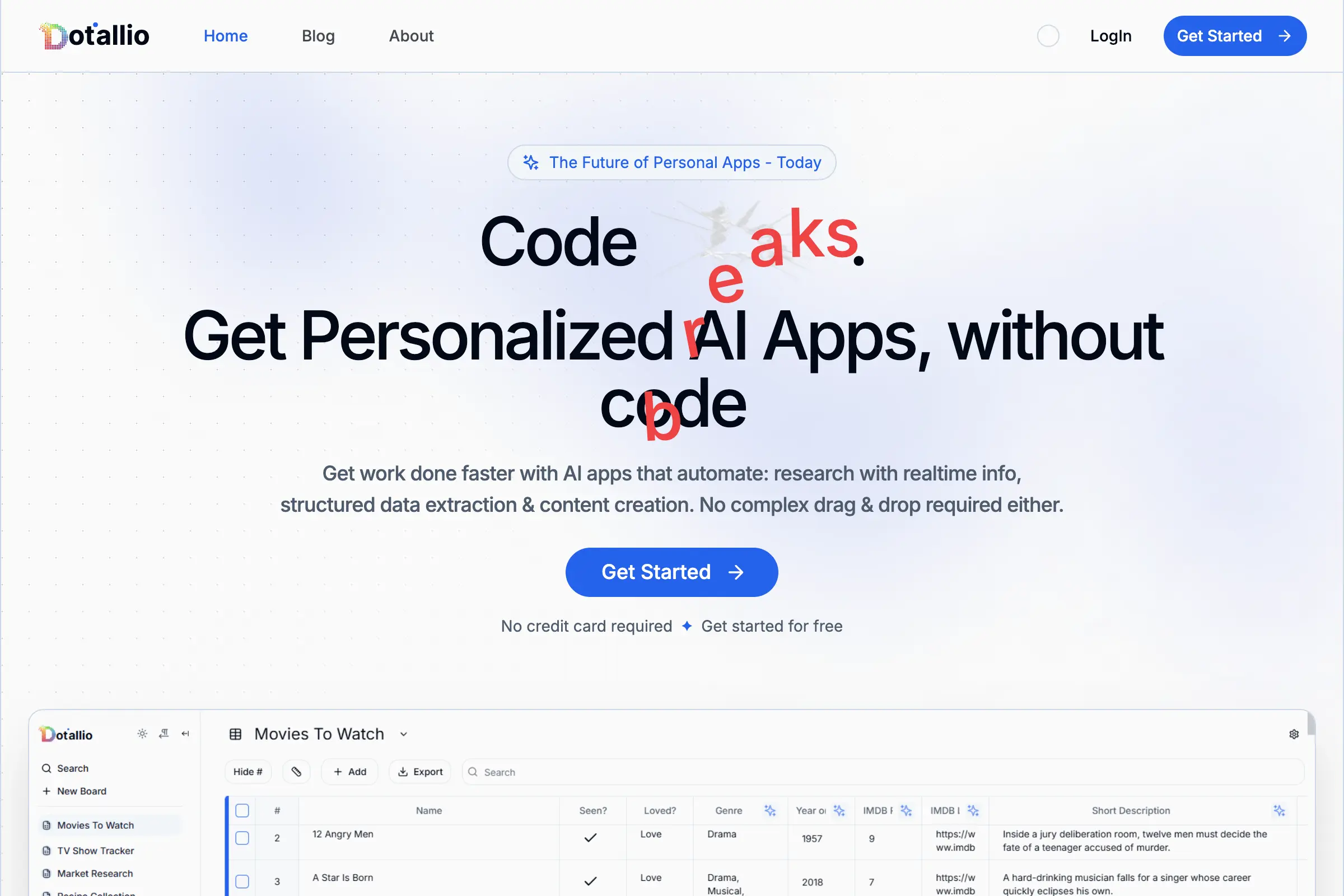
Dotallio
Personalized AI apps that automate research, data extraction, and content creation without code 🤖

Talk to Santa
Enjoy a magical live video chat or receive a unique AI-generated video greeting from Santa Claus 🎅
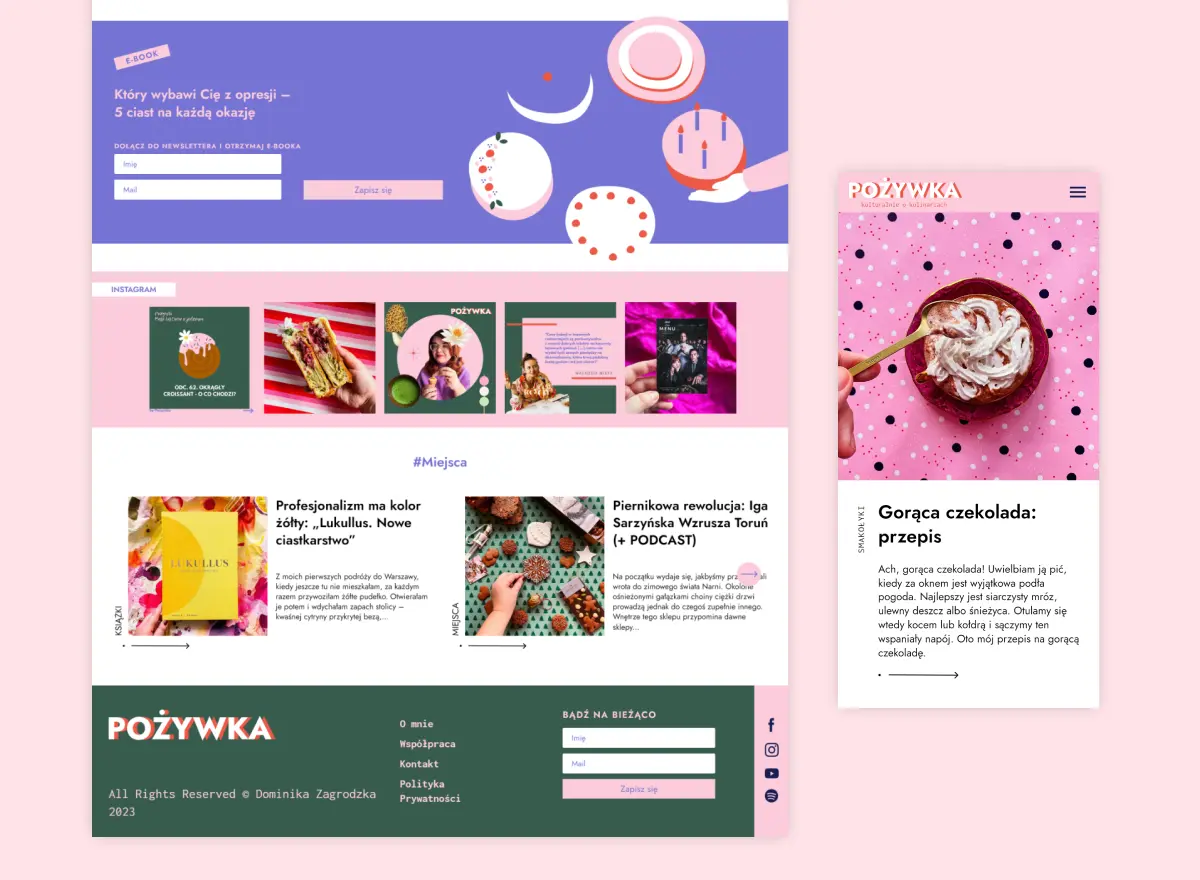
pozywka.pl
Scalable blog for food journalist, focused on performance and user experience 🌭
zagrodzki.me
Personal blog and portfolio of Bart Zagrodzki, where he shares his knowledge and work 💼
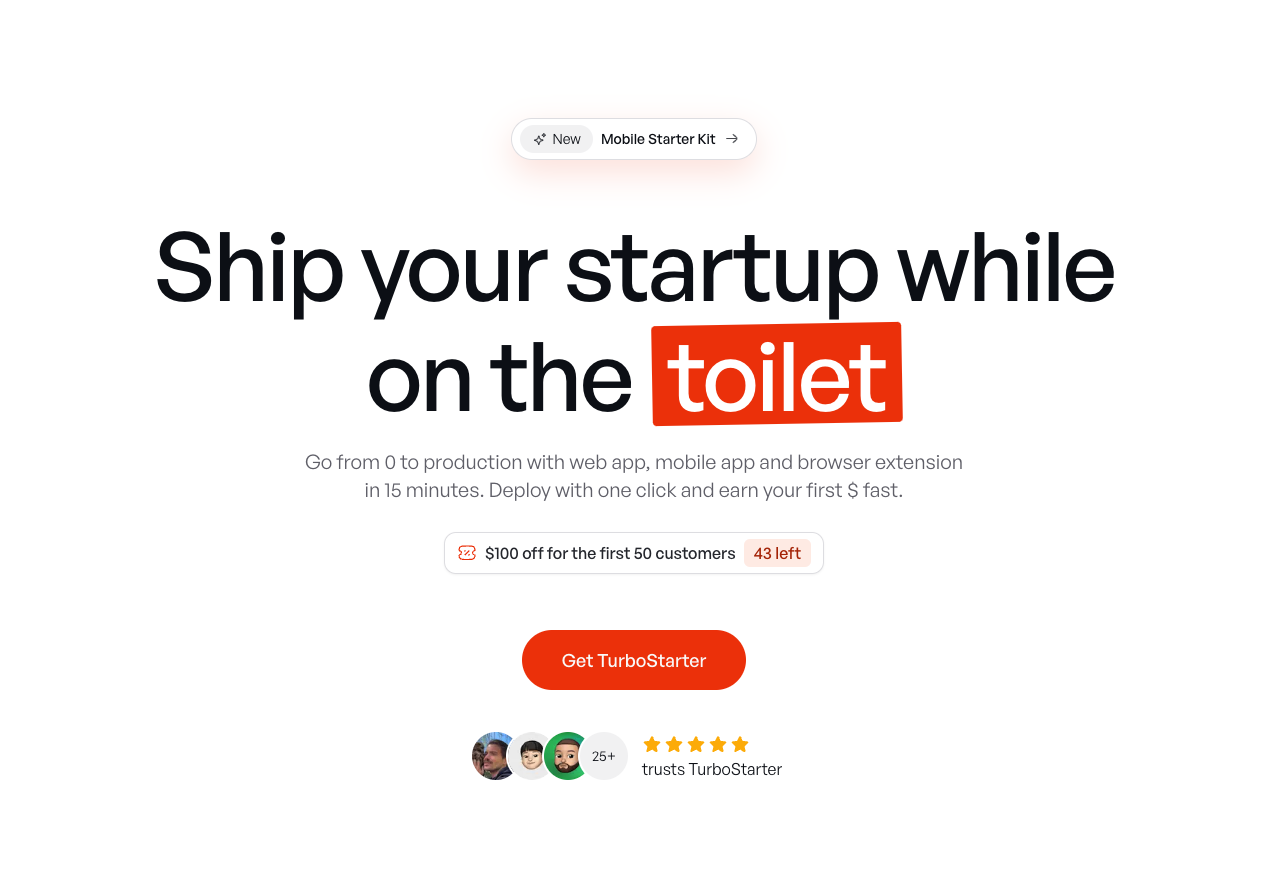
TurboStarter
Ship your startup everywhere. In minutes.
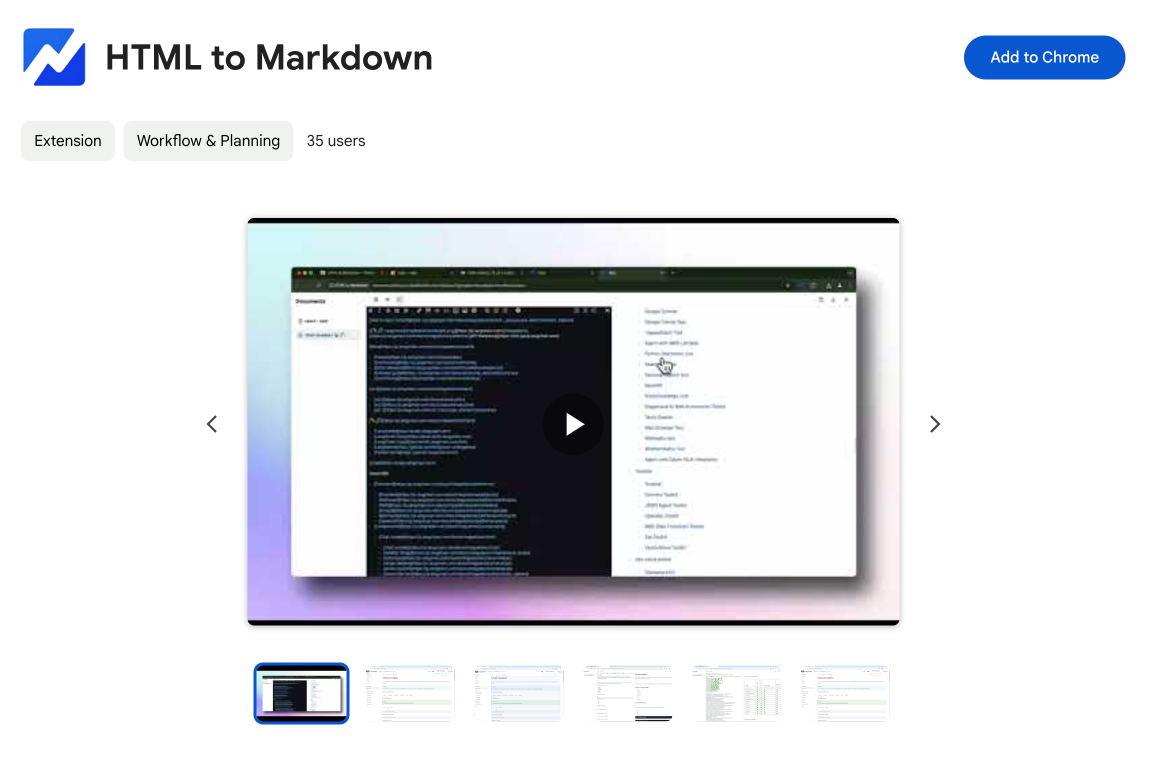
HTML to Markdown
Convert HTML to Markdown with ease, directly in your browser 📄
Dotallio
Personalized AI apps that automate research, data extraction, and content creation without code 🤖
Talk to Santa
Enjoy a magical live video chat or receive a unique AI-generated video greeting from Santa Claus 🎅
pozywka.pl
Scalable blog for food journalist, focused on performance and user experience 🌭
zagrodzki.me
Personal blog and portfolio of Bart Zagrodzki, where he shares his knowledge and work 💼
TurboStarter
Ship your startup everywhere. In minutes.
HTML to Markdown
Convert HTML to Markdown with ease, directly in your browser 📄
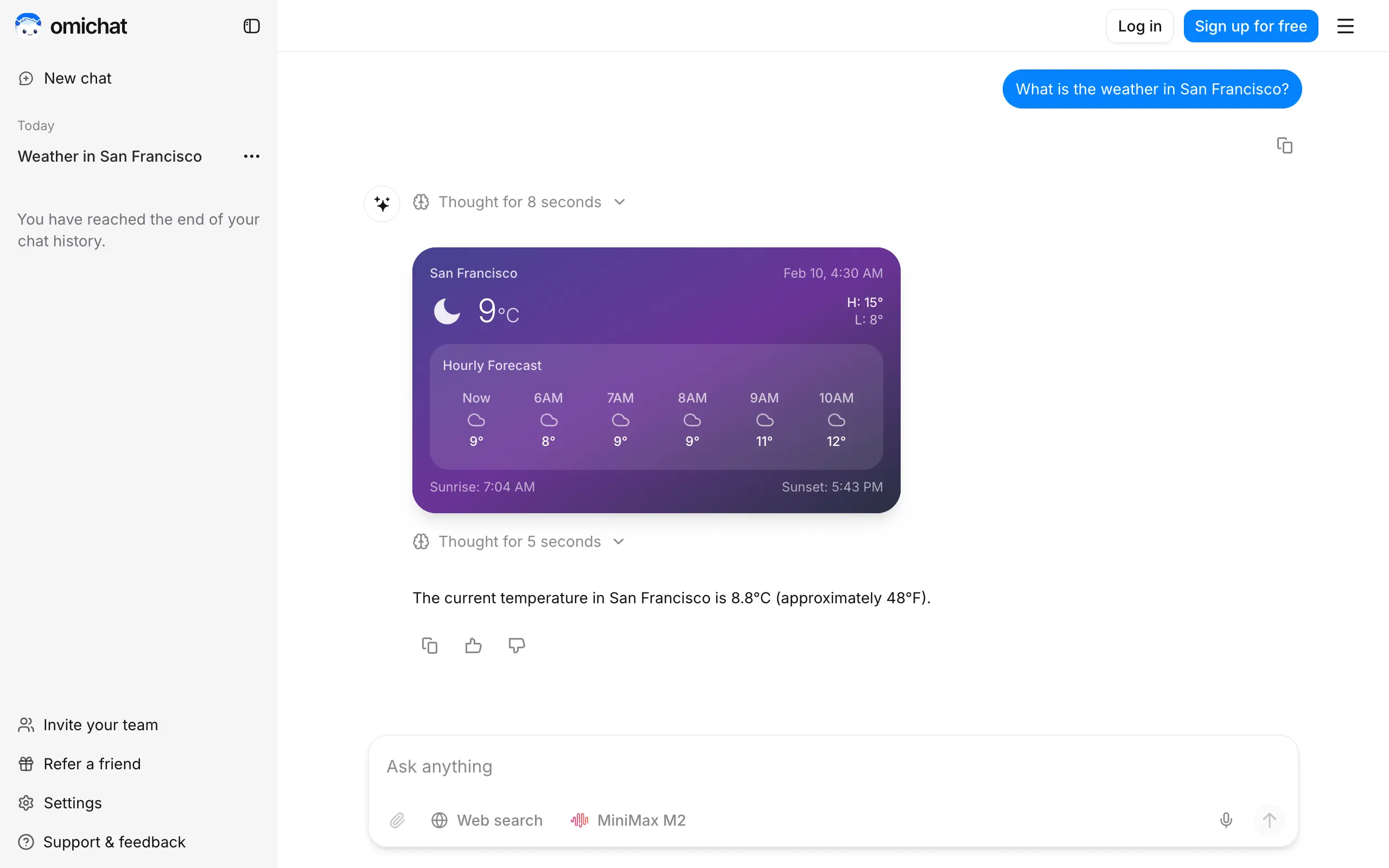
Omichat
Chat with 50+ AI models, including ChatGPT and Claude, in one place - switch models anytime without losing context 🤖
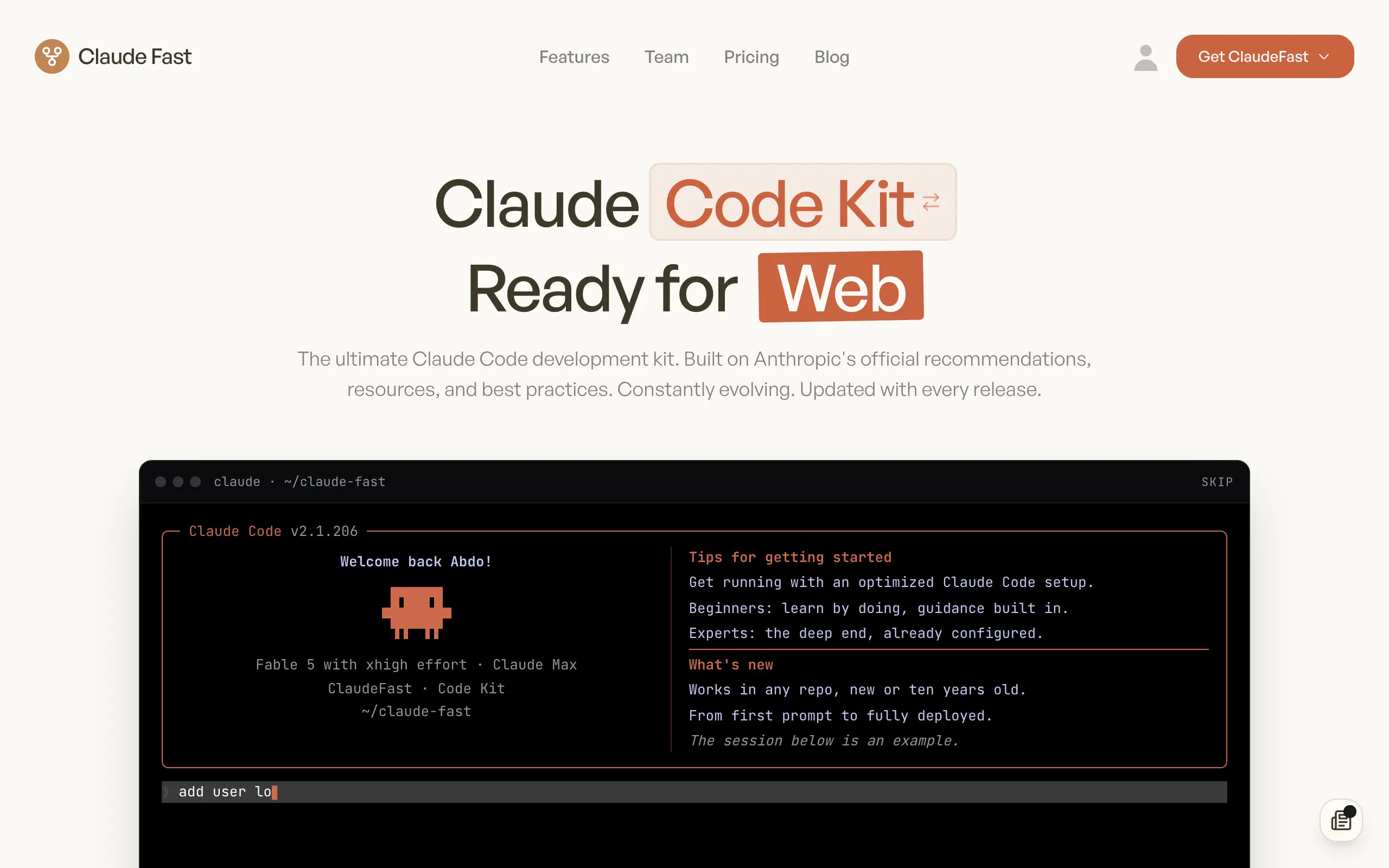
Claude Fast
Supercharge your Claude Code with 6x effective context window and specialized AI agents 🤖

EmojAI
AI-powered emoji picker with smart, context-aware suggestions 🤖

Solohacker
Autonomous company launcher - AI agents work 24/7, escalate what matters, and you stay in control 🤖
BeRawi: Storytelling Coach
Practice storytelling daily with instant feedback to sound clearer, more engaging, and confident 🎤
Omichat
Chat with 50+ AI models, including ChatGPT and Claude, in one place - switch models anytime without losing context 🤖
Claude Fast
Supercharge your Claude Code with 6x effective context window and specialized AI agents 🤖
EmojAI
AI-powered emoji picker with smart, context-aware suggestions 🤖
Solohacker
Autonomous company launcher - AI agents work 24/7, escalate what matters, and you stay in control 🤖
BeRawi: Storytelling Coach
Practice storytelling daily with instant feedback to sound clearer, more engaging, and confident 🎤

Connect with like-minded people
Join our community to get feedback, support, and grow together with 1,000+ builders on board, let's ship it!
Join usShip your startup everywhere. In minutes.
Don't burn tokens on setup and start building features on day one.