NicheNest Commerce
An eCommerce platform for niche products with a powerful admin panel to manage vendors, curated collections, inventory, and analytics from one dashboard.
Understanding the vision behind a niche-focused eCommerce platform
The global eCommerce market continues to grow, but the real innovation is happening in niche eCommerce platforms. Instead of trying to be everything for everyone, successful modern marketplaces are deeply focused, community-driven, and curated. NicheNest Commerce is built precisely for this opportunity: an eCommerce platform designed for niche products, with a powerful admin panel that lets operators manage vendors, curated collections, inventory, and analytics from a single dashboard.
This article explores the business, technical, and strategic foundations of NicheNest Commerce in depth. It is written for founders, product managers, and technical decision-makers who are researching niche eCommerce platform software, multi-vendor marketplace ideas, or vertical commerce opportunities. By the end, you’ll understand:
- Who this platform is for and why they need it
- The market gap NicheNest Commerce addresses
- Core features and architecture decisions
- Monetization strategies and growth levers
- Risks, competitive positioning, and implementation steps
Throughout, we’ll focus on real-world feasibility and long-term scalability, aligning with modern SaaS and eCommerce best practices.
What is NicheNest Commerce?
NicheNest Commerce is a vertical eCommerce platform designed to power niche marketplaces. Unlike generic solutions such as Shopify or WooCommerce, NicheNest Commerce prioritizes:
- Curated product discovery
- Multi-vendor management
- Centralized operational control
- Data-driven merchandising decisions
The platform enables marketplace operators to host multiple vendors while maintaining editorial control over collections, branding, and user experience. This makes it ideal for niche categories where trust, expertise, and curation matter more than sheer volume.
Examples of niches that align well with this model include:
- Sustainable and eco-friendly products
- Specialty food and beverages
- Hobbyist and enthusiast gear (e.g., mechanical keyboards, drones, cycling)
- Cultural or regional artisan goods
- Health-focused or regulated niches (with compliance layers)
Primary keyword focus and search intent
The primary keyword for this concept is:
niche eCommerce platform
Related semantic (LSI) keywords include:
- vertical marketplace software
- curated eCommerce platform
- multi-vendor niche marketplace
- eCommerce admin dashboard
- marketplace analytics software
- vendor management system
The dominant user intent behind these searches is commercial and informational. Users want to understand:
- Whether building a niche marketplace is viable
- What features are required
- How it differs from generic eCommerce tools
- How to implement and monetize it
This article is structured to answer those questions comprehensively.
Target audience analysis
A strong niche eCommerce platform begins with clarity around its users. NicheNest Commerce serves two primary audiences, each with distinct needs.
Marketplace operators and founders
These are entrepreneurs or companies launching niche marketplaces. They care about:
- Speed to market
- Control over branding and merchandising
- Vendor onboarding and compliance
- Visibility into performance metrics
Typical profiles include:
- Solo founders validating a niche idea
- Agencies building marketplaces for clients
- Established brands expanding into multi-vendor ecosystems
Vendors and niche product creators
Vendors are not the platform’s direct buyers, but they are critical stakeholders. Their expectations shape retention and supply quality.
Vendors want:
- Simple onboarding
- Inventory and order management
- Transparent analytics and payouts
- Access to a targeted, relevant audience
A successful niche eCommerce platform must balance operator control with vendor autonomy.
Market opportunity and gap identification
Why generic eCommerce platforms fall short
Tools like Shopify, BigCommerce, and WooCommerce are powerful, but they are optimized for single-store owners, not niche marketplaces. Common pain points include:
- Limited native multi-vendor support
- Fragmented analytics across plugins
- Poor support for curated collections
- Over-reliance on third-party extensions
For niche marketplaces, these limitations translate into higher costs, technical debt, and inconsistent user experiences.
The rise of vertical commerce
Recent industry trends show strong growth in vertical and community-driven commerce. Consumers increasingly prefer platforms that:
- Demonstrate expertise in a niche
- Offer curated, high-quality selections
- Build trust through storytelling and transparency
Analysts often refer to this as “the unbundling of Amazon”, where specialized platforms outperform generalist marketplaces in specific categories. NicheNest Commerce is designed to capitalize on this shift.
Clear market gap
The gap lies between:
- Overly generic eCommerce platforms
- Fully custom-built marketplaces that are expensive and slow
NicheNest Commerce positions itself as purpose-built vertical marketplace software, offering flexibility without unnecessary complexity.
Core features of NicheNest Commerce
Unified admin dashboard
At the heart of NicheNest Commerce is a centralized admin panel that provides full operational visibility.
Key capabilities include:
- Vendor approval and role-based access
- Product and inventory oversight
- Curated collection management
- Sales, traffic, and conversion analytics
This single source of truth reduces operational friction and enables faster decision-making.
Vendor management system
Vendor management is a cornerstone of any multi-vendor niche marketplace.
Core features:
- Application and approval workflows
- Vendor profiles and storefronts
- Commission and payout configuration
- Performance metrics per vendor
This ensures quality control while still empowering independent sellers.
Curated collections and merchandising
Unlike generic category pages, NicheNest Commerce emphasizes editorial curation.
Examples:
- Seasonal collections
- Expert-recommended bundles
- Niche-specific buying guides
This improves conversion rates and reinforces the platform’s authority.
Inventory and order management
Inventory is centralized but segmented by vendor.
Capabilities include:
- Real-time stock updates
- Low-inventory alerts
- Vendor-specific fulfillment workflows
- Returns and dispute handling
This structure scales well as the marketplace grows.
Built-in analytics and insights
Data-driven decision-making is essential for niche marketplaces.
Analytics may include:
- Sales by collection, vendor, or SKU
- Customer lifetime value (CLV)
- Conversion rates per niche segment
- Vendor performance benchmarks
Rather than raw data, the focus is on actionable insights.
Feature comparison with alternatives
| NicheNest Commerce | Shopify | WooCommerce | Custom build | Marketplaces like Etsy |
|---|---|---|---|---|
| ✅ | ❌ | ❌ | ✅ | ❌ |
| ✅ | ❌ | ✅ | ✅ | ❌ |
Legend: purpose-built for niches, multi-vendor native support, curated merchandising, operational control, ownership of customer data.
Recommended tech stack and architecture
Frontend
- React for component-based UI (React)
- Next.js for SSR and SEO-friendly pages
- Tailwind CSS for rapid, consistent styling (TailwindCSS)
Trade-off: Tailwind accelerates development but requires design discipline to avoid inconsistency.
Backend
- Node.js with a modular service architecture
- REST or GraphQL APIs for vendor and admin interactions
Trade-off: GraphQL offers flexibility but increases complexity.
Database and infrastructure
- PostgreSQL for relational data
- Redis for caching
- Cloud hosting on AWS or similar providers
Analytics and observability
- Event-based tracking
- Custom dashboards rather than generic analytics tools
This stack balances scalability, developer experience, and long-term maintainability.
Monetization strategies for a niche eCommerce platform
NicheNest Commerce supports multiple revenue models, which can be layered over time.
Platform subscription fees
Marketplace operators pay a monthly or annual SaaS fee.
Pros:
- Predictable recurring revenue
- Simple pricing structure
Cons:
- Higher barrier for early-stage founders
Vendor commissions
A percentage-based fee on each transaction.
Pros:
- Aligns platform success with vendor success
- Scales naturally with volume
Cons:
- Requires robust payout and accounting systems
Premium vendor tools
Advanced analytics, featured placements, or marketing tools offered as add-ons.
White-label or enterprise licensing
For agencies or brands launching private marketplaces.
Competitive advantage and USP
The unique selling proposition of NicheNest Commerce lies in focus and control.
Key differentiators:
- Built specifically for niche marketplaces
- Native multi-vendor support
- Editorial curation tools
- Operator-first analytics
Rather than competing head-on with Shopify or Etsy, NicheNest Commerce complements them by serving a different use case.
Vertical-first design
Every feature is optimized for niche markets rather than generic stores.
Operational clarity
One dashboard to manage vendors, inventory, collections, and analytics.
Scalable foundation
Designed to grow from MVP to enterprise without rewrites.
Risks and mitigation strategies
Vendor quality dilution
Risk: As the marketplace grows, quality may decline.
Mitigation:
- Strict onboarding criteria
- Ongoing performance reviews
- Curated collections managed centrally
Over-customization requests
Risk: Niche operators may request highly specific features.
Mitigation:
- Modular feature flags
- Clear roadmap communication
Competition from incumbents
Risk: Large platforms adding niche features.
Mitigation:
- Speed and specialization
- Deep community engagement
Important consideration
Avoid trying to serve every niche. The platform’s strength depends on clarity and focus.
Implementation roadmap
A phased approach reduces risk and accelerates validation.
For founders looking to accelerate development, leveraging a starter framework like TurboStarter can significantly reduce setup time while enforcing best practices.
Frequently asked questions about niche eCommerce platforms
Yes. Consumer trust, community, and expertise are increasingly important. Niche platforms outperform generalist marketplaces in engagement and loyalty.
Quality matters more than quantity. Many successful platforms launch with fewer than 20 carefully selected vendors.
Absolutely. Digital goods, subscriptions, and even services can be supported with minor adjustments.
Final thoughts and next steps
NicheNest Commerce represents a modern approach to building sustainable eCommerce businesses. By focusing on curation, control, and clarity, it addresses a growing demand for specialized marketplaces that serve both operators and vendors effectively.
If you’re considering launching a niche eCommerce platform, the key takeaways are:
- Start with a clearly defined niche
- Build for quality and trust
- Invest early in analytics and admin tooling
- Monetize in layers, not all at once
With the right execution, NicheNest Commerce can become the foundation for profitable, defensible vertical marketplaces.
More 🛒 E-commerce SaaS ideas
Discover more innovative e-commerce SaaS ideas that are trending in 2026. Each idea is AI-generated with market validation and growth potential to help you find your next profitable venture faster than competitors.
Your competitors are building with TurboStarter
Below are some of the SaaS ideas that have been generated and built with our starter kit.
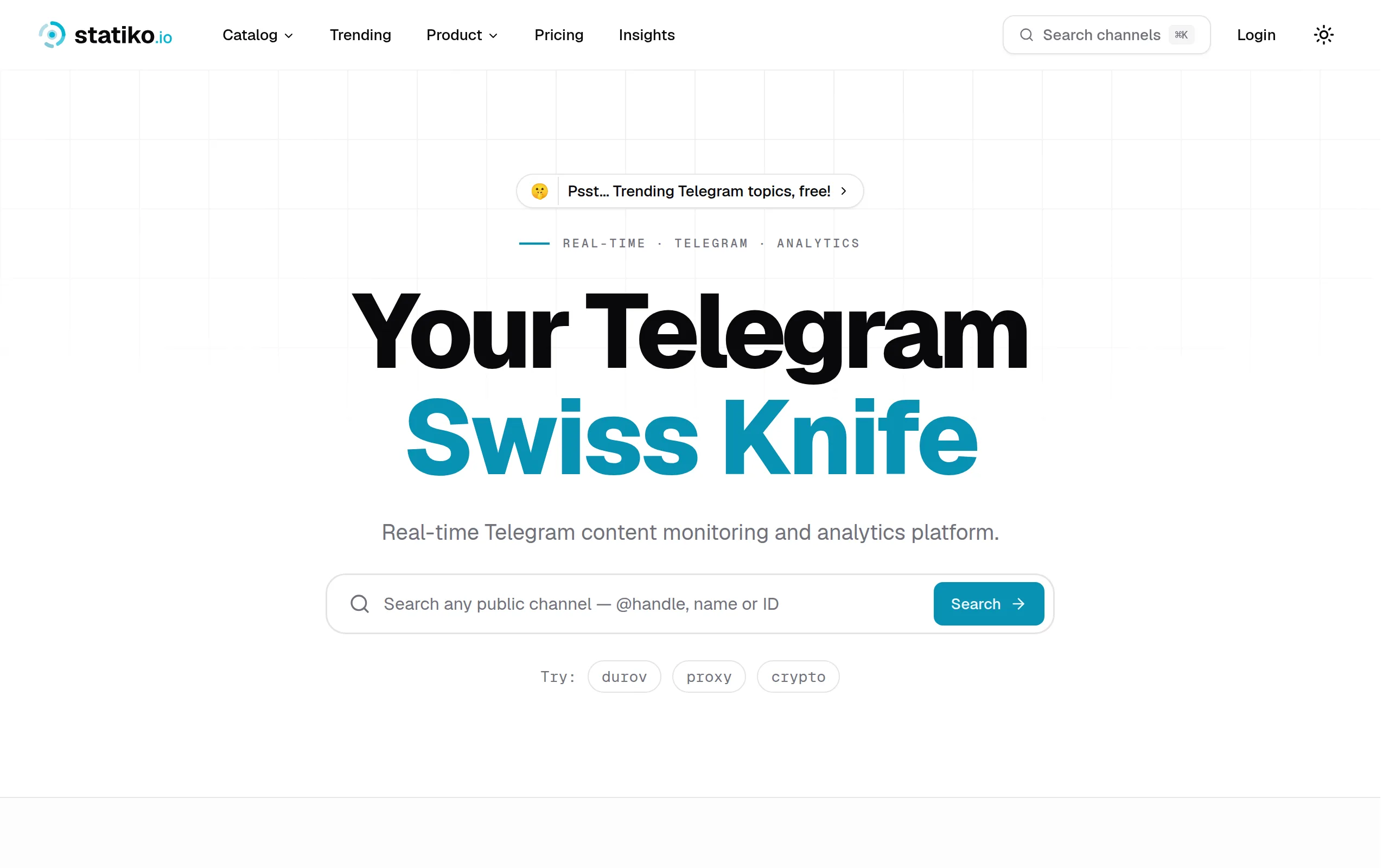
Statiko
Monitor any Telegram channel in real time - track posts, edits, deletions, and growth with AI recaps 📡

Shibui
AI website builder - describe your business, pick a niche template, edit by chatting, and publish instantly ✨

Pro Service
Find verified home service professionals, compare quotes, and pay securely through escrow - built for Brazilians across the US 🏠
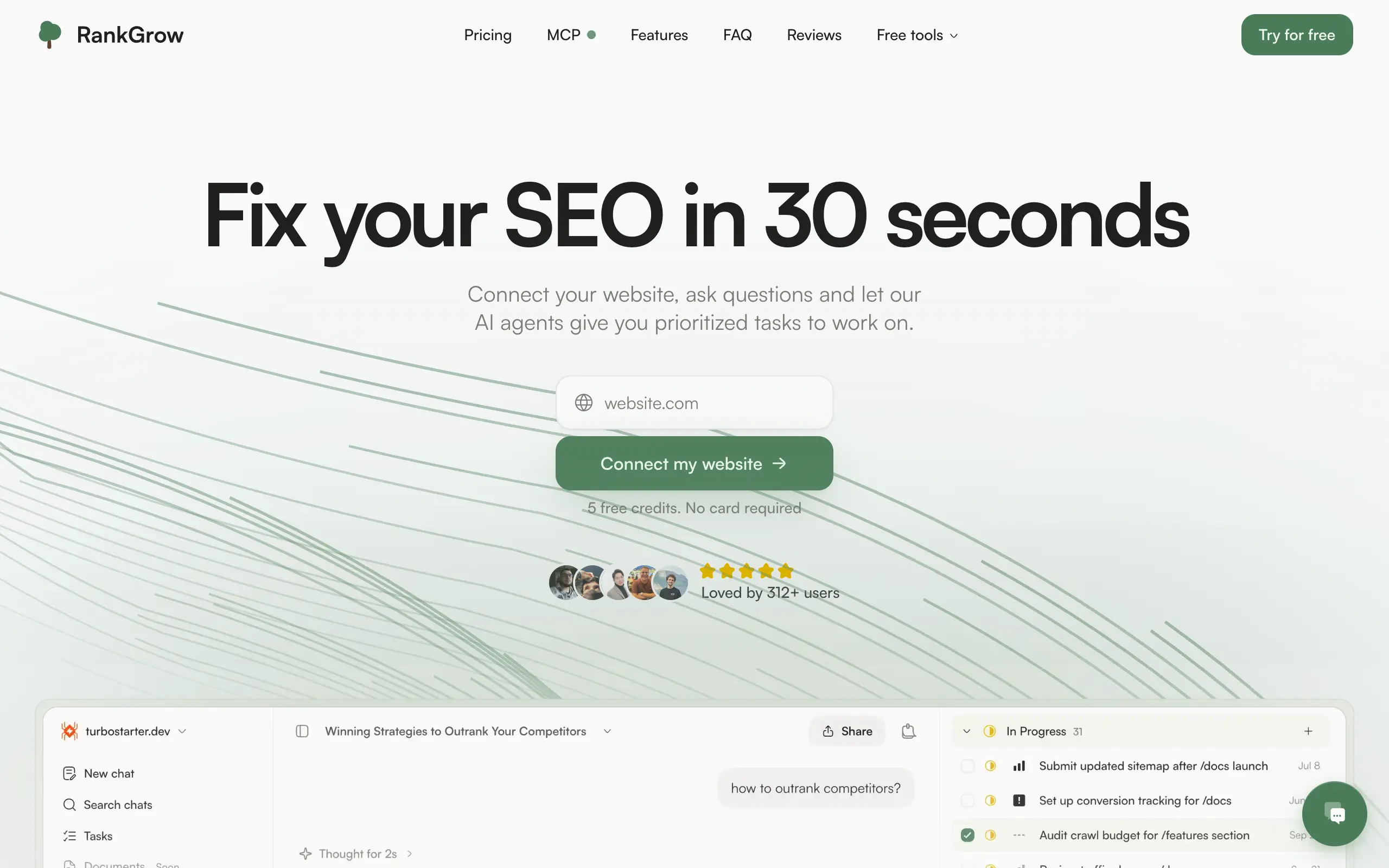
RankGrow
Fix your SEO with AI agents - connect Search Console, get prioritized tasks, and grow organic traffic 📈
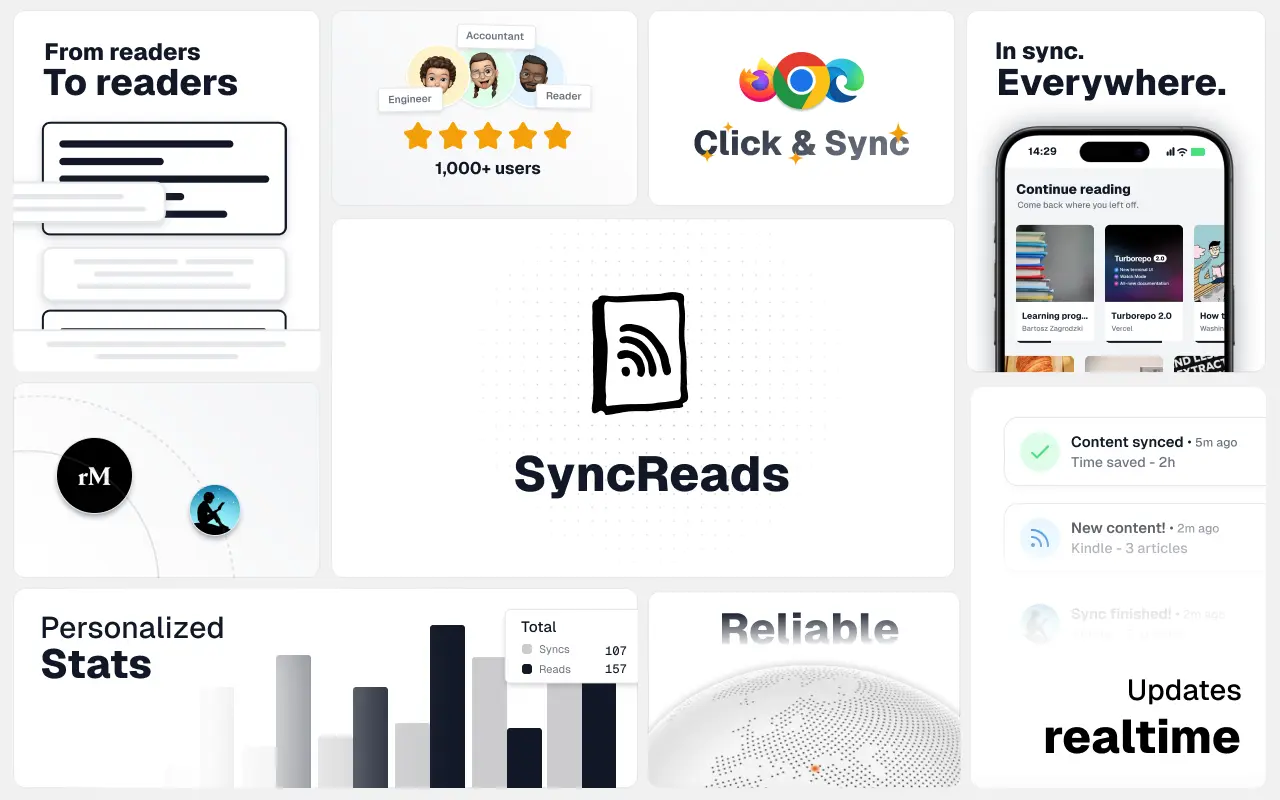
SyncReads
Sync your favorite content for distraction-free reading, save time and replace multiple apps. Anytime, anywhere 🔄
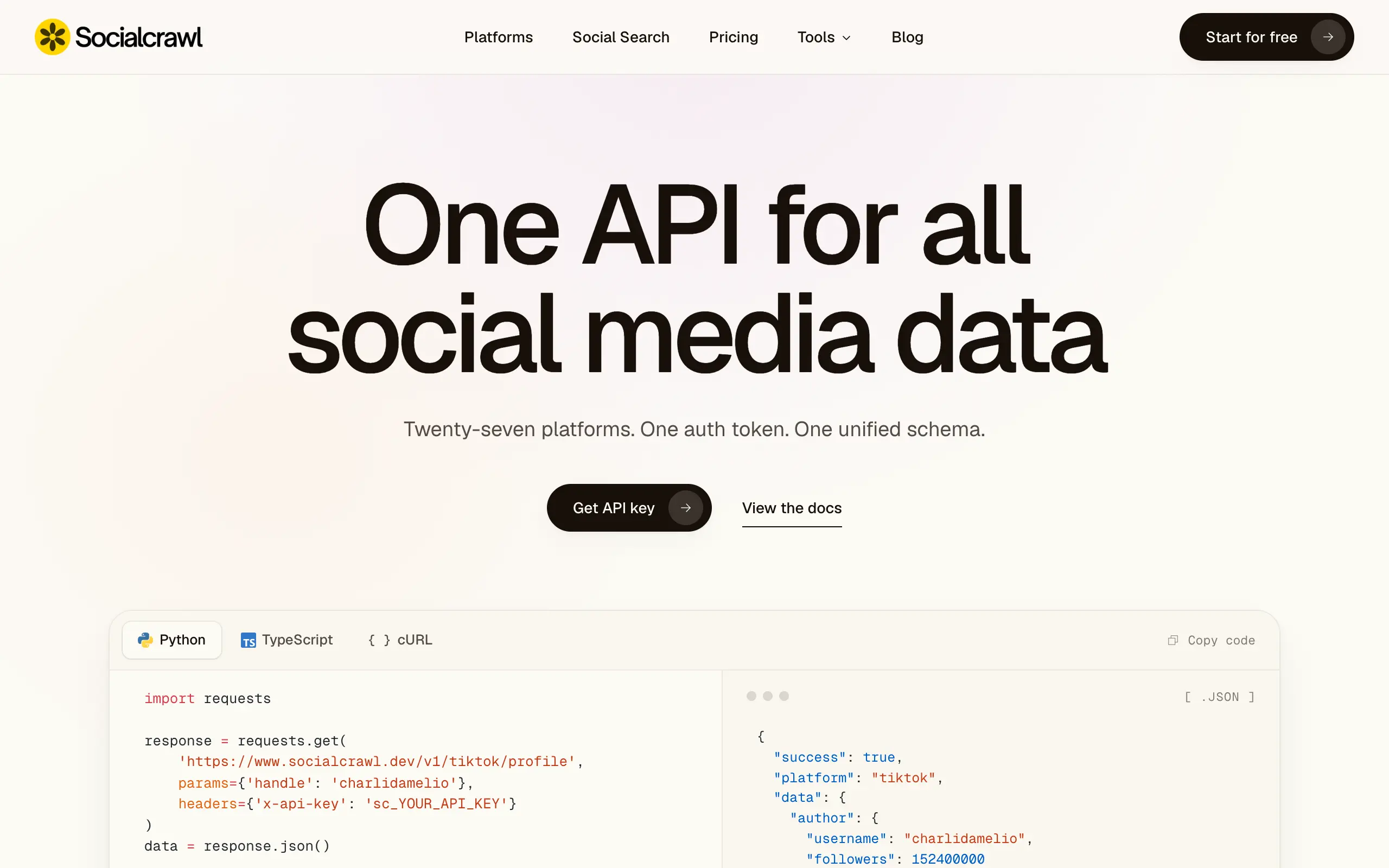
Socialcrawl
Get clean, structured data from 21 platforms like TikTok, Instagram, and YouTube with a single request 📊
Statiko
Monitor any Telegram channel in real time - track posts, edits, deletions, and growth with AI recaps 📡
Shibui
AI website builder - describe your business, pick a niche template, edit by chatting, and publish instantly ✨
Pro Service
Find verified home service professionals, compare quotes, and pay securely through escrow - built for Brazilians across the US 🏠
RankGrow
Fix your SEO with AI agents - connect Search Console, get prioritized tasks, and grow organic traffic 📈
SyncReads
Sync your favorite content for distraction-free reading, save time and replace multiple apps. Anytime, anywhere 🔄
Socialcrawl
Get clean, structured data from 21 platforms like TikTok, Instagram, and YouTube with a single request 📊
Statiko
Monitor any Telegram channel in real time - track posts, edits, deletions, and growth with AI recaps 📡
Shibui
AI website builder - describe your business, pick a niche template, edit by chatting, and publish instantly ✨
Pro Service
Find verified home service professionals, compare quotes, and pay securely through escrow - built for Brazilians across the US 🏠
RankGrow
Fix your SEO with AI agents - connect Search Console, get prioritized tasks, and grow organic traffic 📈
SyncReads
Sync your favorite content for distraction-free reading, save time and replace multiple apps. Anytime, anywhere 🔄
Socialcrawl
Get clean, structured data from 21 platforms like TikTok, Instagram, and YouTube with a single request 📊
Statiko
Monitor any Telegram channel in real time - track posts, edits, deletions, and growth with AI recaps 📡
Shibui
AI website builder - describe your business, pick a niche template, edit by chatting, and publish instantly ✨
Pro Service
Find verified home service professionals, compare quotes, and pay securely through escrow - built for Brazilians across the US 🏠
RankGrow
Fix your SEO with AI agents - connect Search Console, get prioritized tasks, and grow organic traffic 📈
SyncReads
Sync your favorite content for distraction-free reading, save time and replace multiple apps. Anytime, anywhere 🔄
Socialcrawl
Get clean, structured data from 21 platforms like TikTok, Instagram, and YouTube with a single request 📊
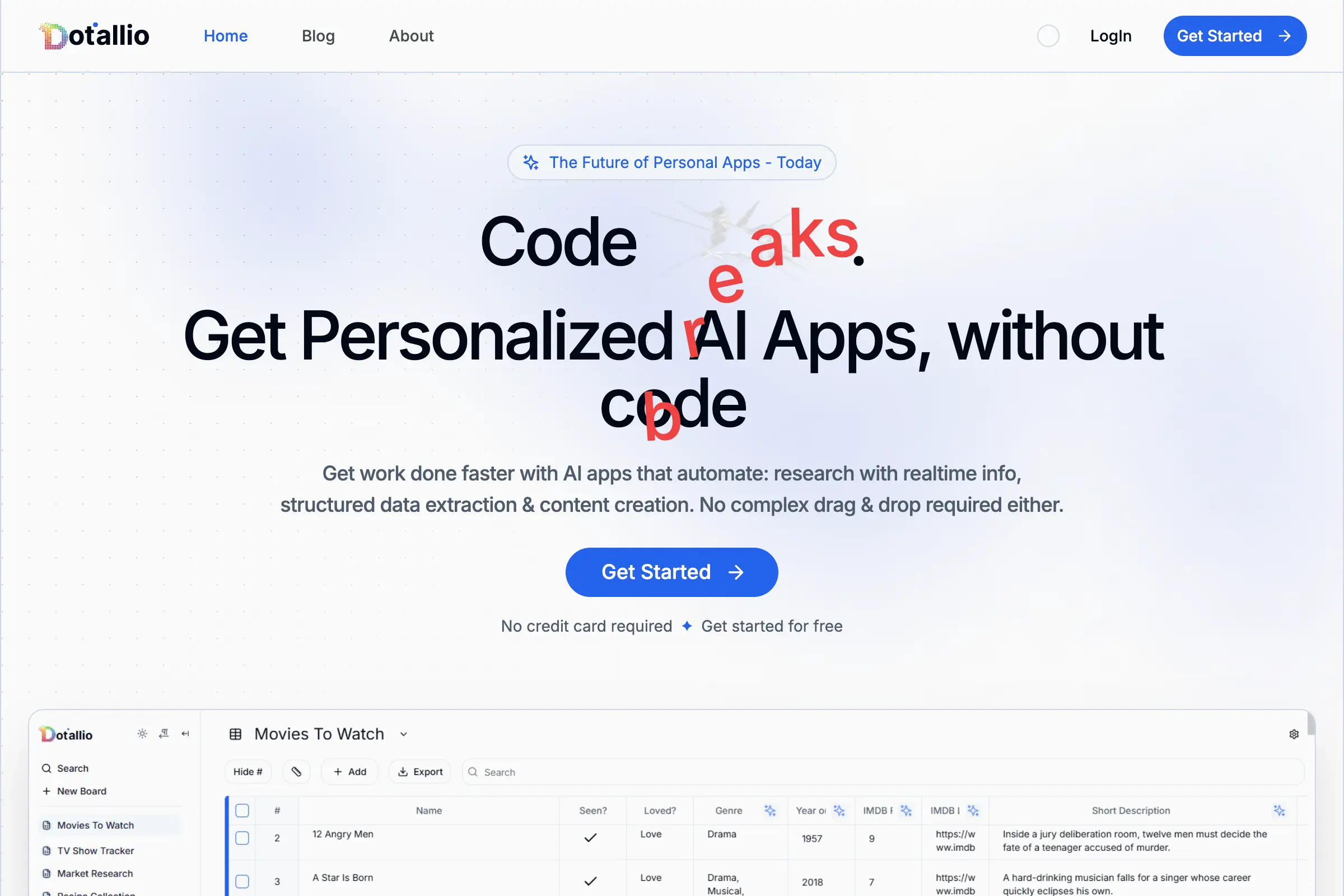
Dotallio
Personalized AI apps that automate research, data extraction, and content creation without code 🤖

Talk to Santa
Enjoy a magical live video chat or receive a unique AI-generated video greeting from Santa Claus 🎅

pozywka.pl
Scalable blog for food journalist, focused on performance and user experience 🌭
zagrodzki.me
Personal blog and portfolio of Bart Zagrodzki, where he shares his knowledge and work 💼
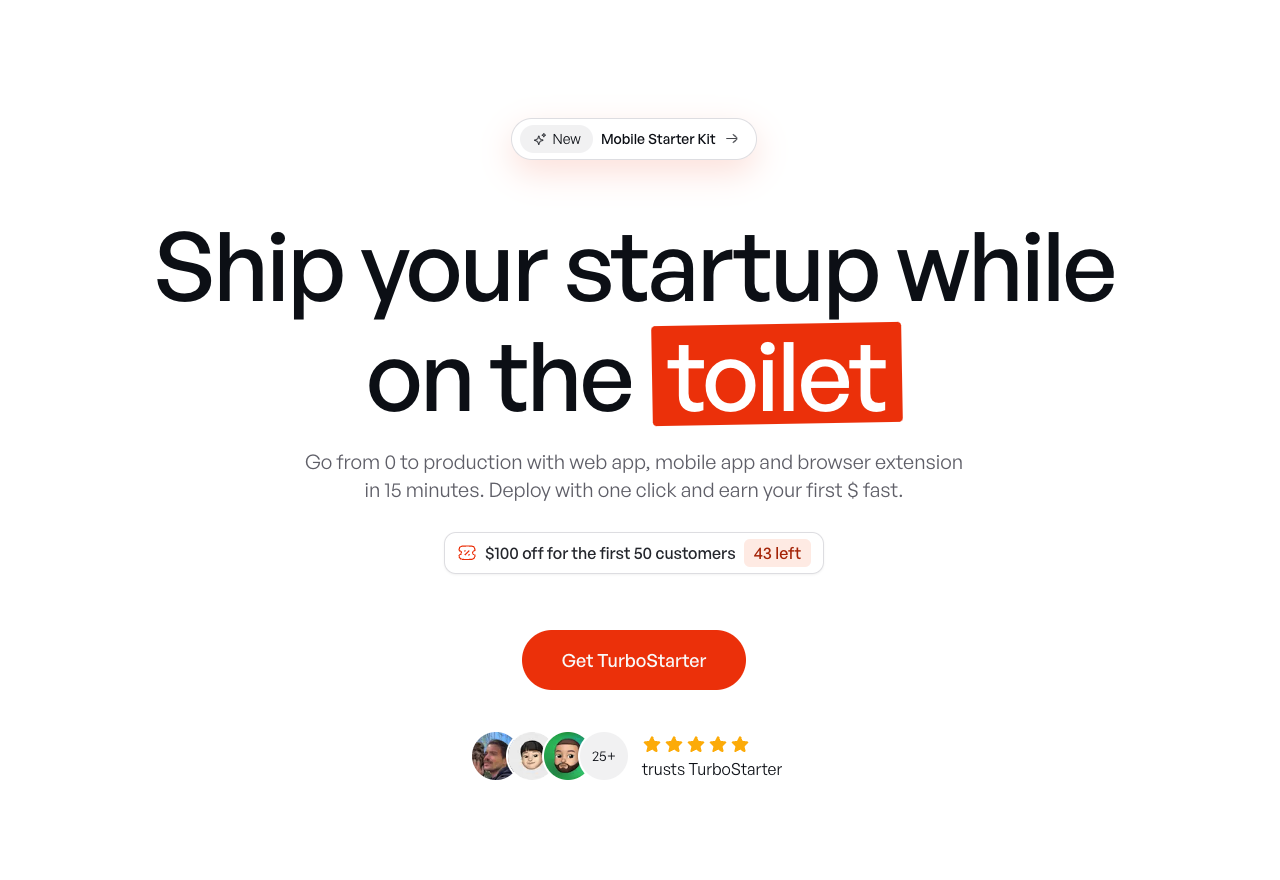
TurboStarter
Ship your startup everywhere. In minutes.
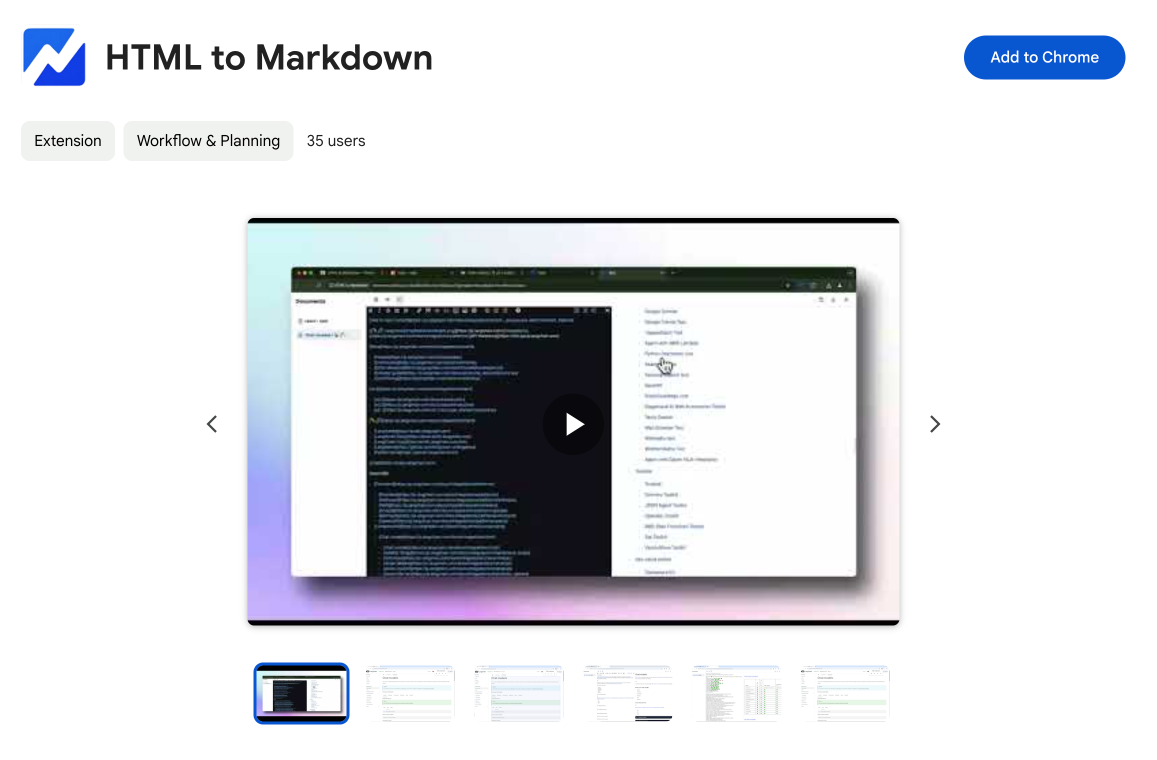
HTML to Markdown
Convert HTML to Markdown with ease, directly in your browser 📄
Dotallio
Personalized AI apps that automate research, data extraction, and content creation without code 🤖
Talk to Santa
Enjoy a magical live video chat or receive a unique AI-generated video greeting from Santa Claus 🎅
pozywka.pl
Scalable blog for food journalist, focused on performance and user experience 🌭
zagrodzki.me
Personal blog and portfolio of Bart Zagrodzki, where he shares his knowledge and work 💼
TurboStarter
Ship your startup everywhere. In minutes.
HTML to Markdown
Convert HTML to Markdown with ease, directly in your browser 📄
Dotallio
Personalized AI apps that automate research, data extraction, and content creation without code 🤖
Talk to Santa
Enjoy a magical live video chat or receive a unique AI-generated video greeting from Santa Claus 🎅
pozywka.pl
Scalable blog for food journalist, focused on performance and user experience 🌭
zagrodzki.me
Personal blog and portfolio of Bart Zagrodzki, where he shares his knowledge and work 💼
TurboStarter
Ship your startup everywhere. In minutes.
HTML to Markdown
Convert HTML to Markdown with ease, directly in your browser 📄
Dotallio
Personalized AI apps that automate research, data extraction, and content creation without code 🤖
Talk to Santa
Enjoy a magical live video chat or receive a unique AI-generated video greeting from Santa Claus 🎅
pozywka.pl
Scalable blog for food journalist, focused on performance and user experience 🌭
zagrodzki.me
Personal blog and portfolio of Bart Zagrodzki, where he shares his knowledge and work 💼
TurboStarter
Ship your startup everywhere. In minutes.
HTML to Markdown
Convert HTML to Markdown with ease, directly in your browser 📄
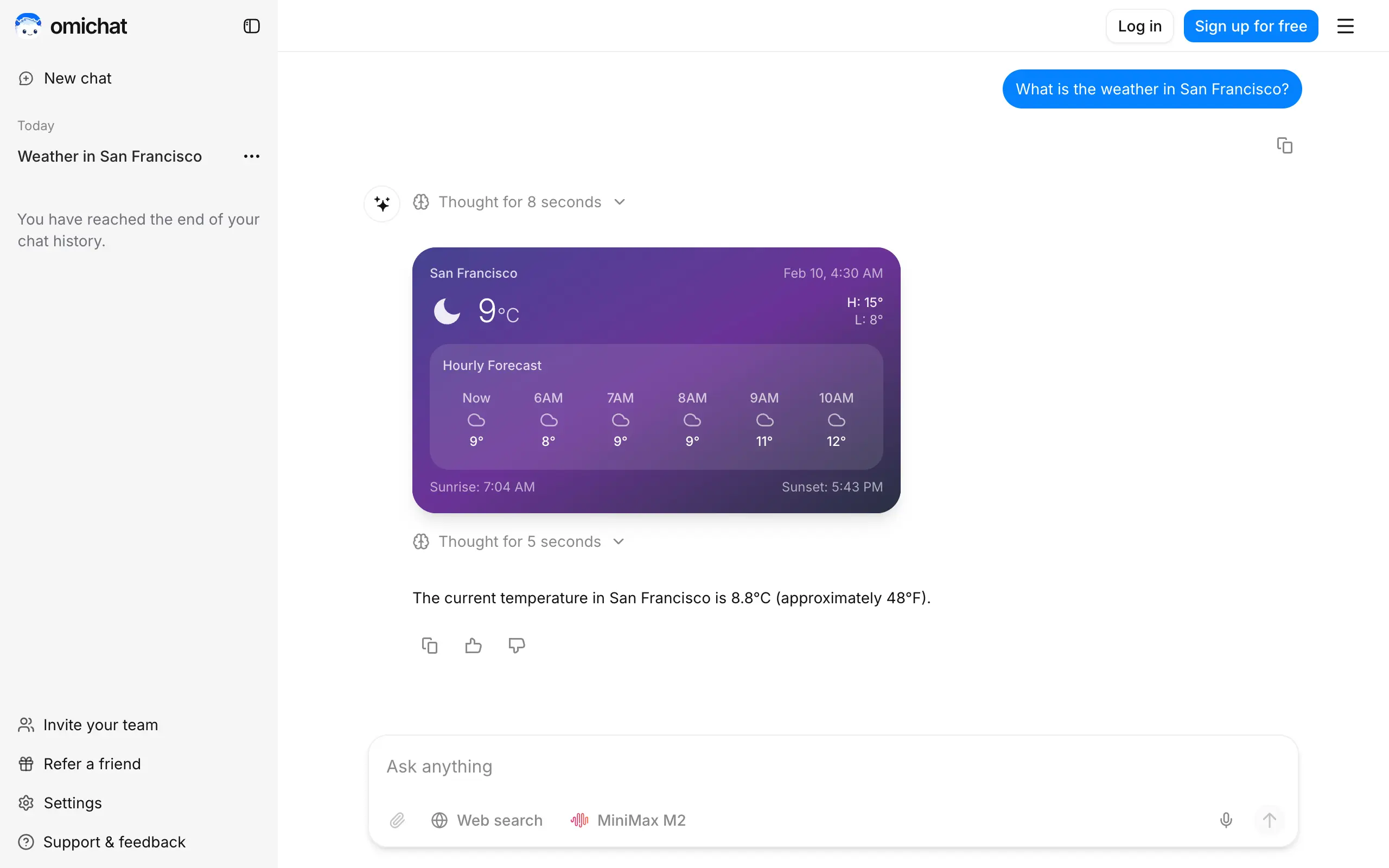
Omichat
Chat with 50+ AI models, including ChatGPT and Claude, in one place - switch models anytime without losing context 🤖
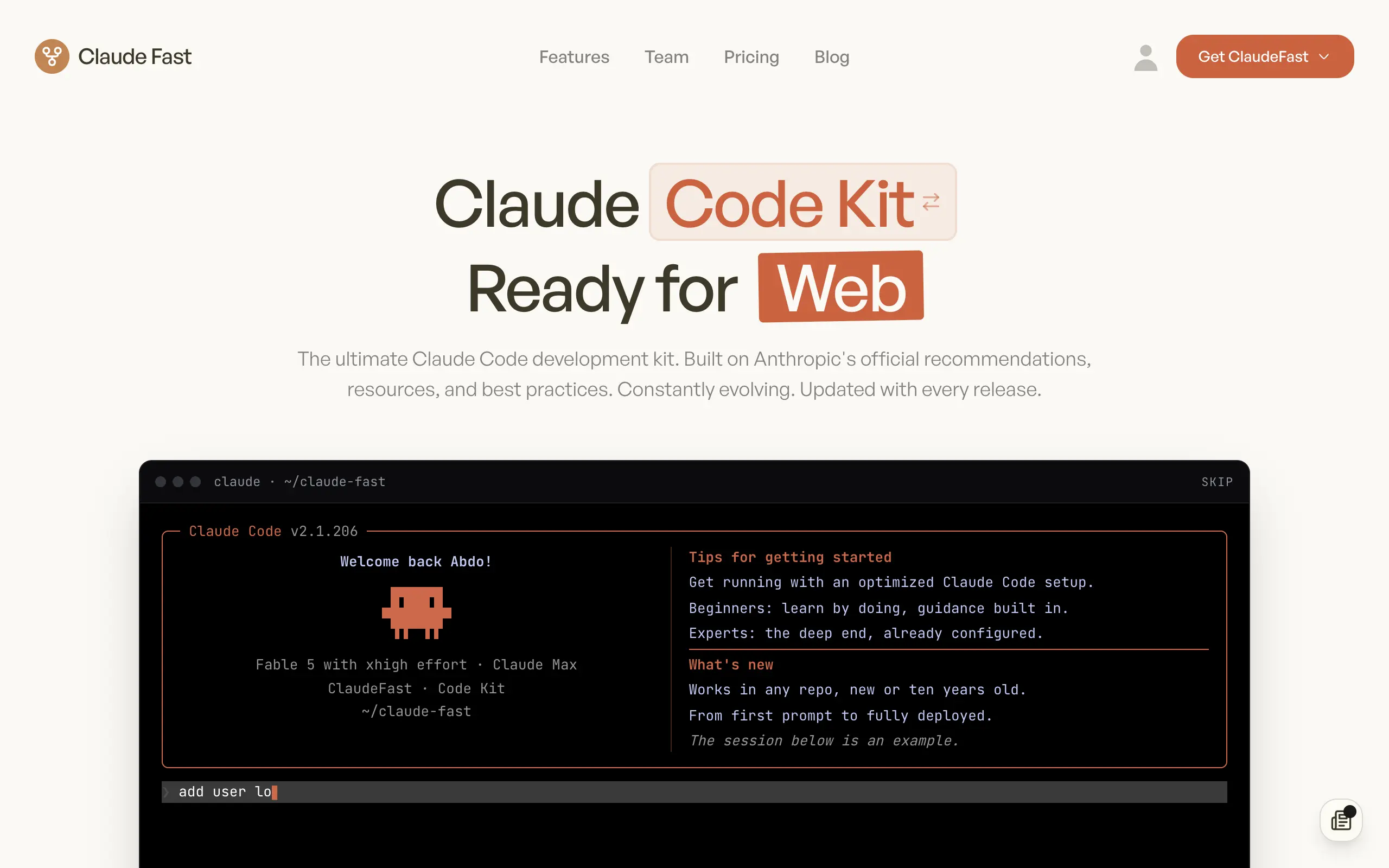
Claude Fast
Supercharge your Claude Code with 6x effective context window and specialized AI agents 🤖
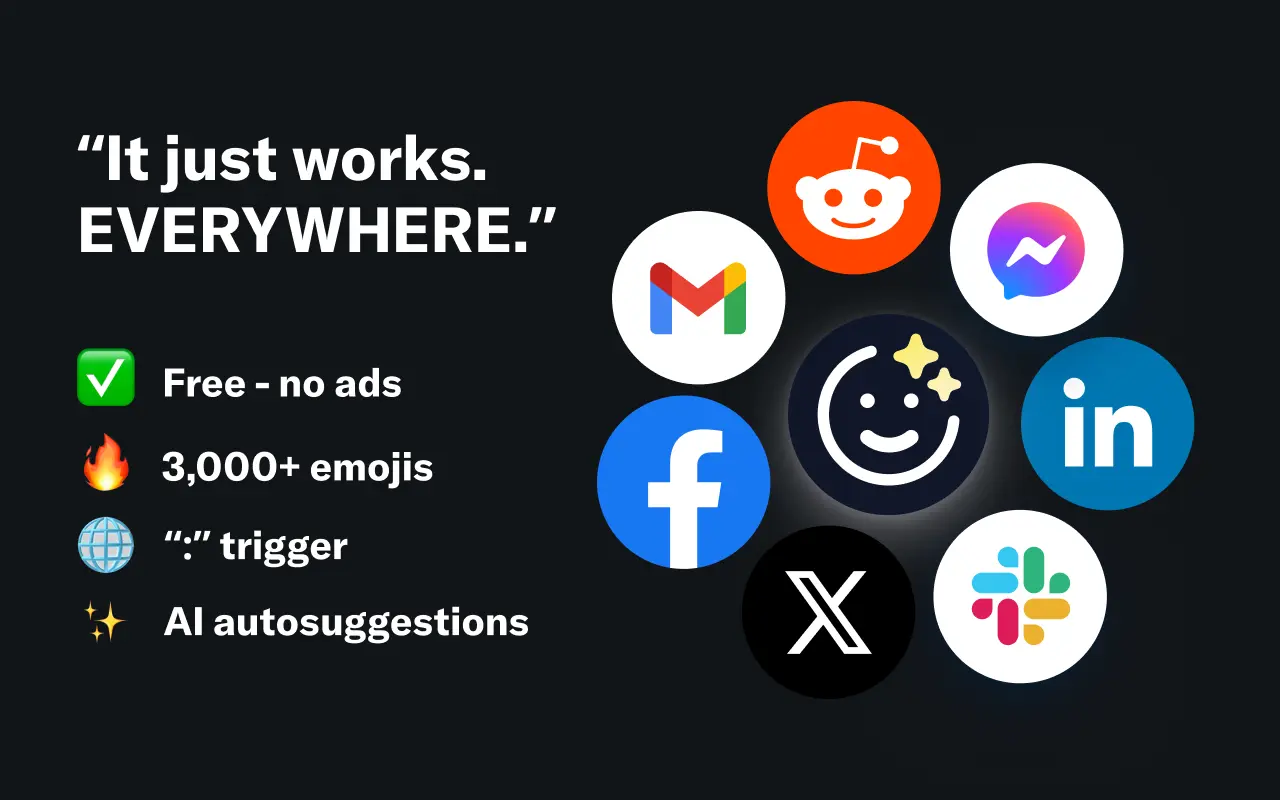
EmojAI
AI-powered emoji picker with smart, context-aware suggestions 🤖
Solohacker
Autonomous company launcher - AI agents work 24/7, escalate what matters, and you stay in control 🤖

BeRawi: Storytelling Coach
Practice storytelling daily with instant feedback to sound clearer, more engaging, and confident 🎤
Omichat
Chat with 50+ AI models, including ChatGPT and Claude, in one place - switch models anytime without losing context 🤖
Claude Fast
Supercharge your Claude Code with 6x effective context window and specialized AI agents 🤖
EmojAI
AI-powered emoji picker with smart, context-aware suggestions 🤖
Solohacker
Autonomous company launcher - AI agents work 24/7, escalate what matters, and you stay in control 🤖
BeRawi: Storytelling Coach
Practice storytelling daily with instant feedback to sound clearer, more engaging, and confident 🎤
Omichat
Chat with 50+ AI models, including ChatGPT and Claude, in one place - switch models anytime without losing context 🤖
Claude Fast
Supercharge your Claude Code with 6x effective context window and specialized AI agents 🤖
EmojAI
AI-powered emoji picker with smart, context-aware suggestions 🤖
Solohacker
Autonomous company launcher - AI agents work 24/7, escalate what matters, and you stay in control 🤖
BeRawi: Storytelling Coach
Practice storytelling daily with instant feedback to sound clearer, more engaging, and confident 🎤
Omichat
Chat with 50+ AI models, including ChatGPT and Claude, in one place - switch models anytime without losing context 🤖
Claude Fast
Supercharge your Claude Code with 6x effective context window and specialized AI agents 🤖
EmojAI
AI-powered emoji picker with smart, context-aware suggestions 🤖
Solohacker
Autonomous company launcher - AI agents work 24/7, escalate what matters, and you stay in control 🤖
BeRawi: Storytelling Coach
Practice storytelling daily with instant feedback to sound clearer, more engaging, and confident 🎤

Connect with like-minded people
Join our community to get feedback, support, and grow together with 1,000+ builders on board, let's ship it!
Join usShip your startup everywhere. In minutes.
Don't burn tokens on setup and start building features on day one.