RankShelf
An SEO control tower for Shopify that audits collections, fixes technical issues, and deploys revenue-focused keywords with one-click content updates and rank tracking.
The rise of Shopify SEO control towers and why they matter now
Shopify has made it dramatically easier to launch an ecommerce store, but ranking that store on search engines remains one of the hardest growth challenges. Most merchants rely on a patchwork of tools—keyword trackers, technical audit tools, content editors, and analytics dashboards—none of which are built specifically for Shopify’s architecture.
That fragmentation creates a clear opportunity for a unified solution: a Shopify SEO control tower like RankShelf.
RankShelf positions itself as a centralized command center that audits collections, identifies technical SEO issues, deploys high-intent keywords, and enables one-click content updates—while continuously tracking rankings and revenue impact.
This article explores the full strategic, technical, and market breakdown of this SaaS idea—designed to help founders validate, build, and scale a product in this space.
Understanding the target audience
To build a successful Shopify SEO platform, you need to deeply understand who actually feels the pain.
Primary user segments
1. Shopify store owners (SMBs)
- Revenue range: $10k–$500k/month
- Limited SEO expertise
- Rely heavily on apps and automation
- Want fast, measurable results
2. Ecommerce marketing managers
- Working in mid-size DTC brands
- Already use tools like Ahrefs, SEMrush, or Google Search Console
- Need Shopify-specific execution capabilities
3. SEO agencies specializing in ecommerce
- Manage multiple Shopify stores
- Need scalable workflows
- Require reporting and automation
4. Growth hackers and operators
- Focused on ROI-driven SEO
- Prefer tools that tie rankings directly to revenue
Core pain points
- Shopify-specific SEO limitations (URL structure, duplicate content, collections indexing)
- Manual content updates across hundreds of product/collection pages
- Lack of connection between keyword rankings and actual revenue
- Fragmented tool stack
- Time-consuming audits and fixes
Key insight
Most SEO tools are built for websites—not ecommerce systems. RankShelf’s advantage comes from being Shopify-native, not just SEO-capable.
Market opportunity and gap analysis
The current landscape
The SEO tools market is crowded, but not saturated in the Shopify-native niche.
Existing tools fall into three categories:
| Tool Type | Shopify Native | Content Automation | Revenue Attribution | Ease of Use |
|---|---|---|---|---|
| Ahrefs / SEMrush | ❌ | ❌ | ⚠️ | ❌ |
| Shopify SEO apps | ✅ | ⚠️ | ❌ | ✅ |
| Custom agency workflows | ✅ | ✅ | ✅ | ❌ |
The gap RankShelf fills
RankShelf combines:
- Technical SEO auditing
- Keyword intelligence
- Content deployment
- Revenue tracking
All within Shopify.
This creates a powerful positioning:
“The operating system for Shopify SEO growth”
Core features that define RankShelf
1. Shopify collection SEO audits
Collections are often the highest-leverage pages for ecommerce SEO.
RankShelf would automatically:
- Analyze collection titles, descriptions, and H1 structure
- Detect duplicate or thin content
- Identify missing metadata
- Evaluate internal linking
2. Revenue-focused keyword engine
Unlike generic keyword tools, RankShelf prioritizes:
- Buyer-intent keywords
- Product-specific queries
- Commercial modifiers (e.g., “buy,” “best,” “cheap”)
It should also:
- Map keywords to collections automatically
- Suggest content improvements
- Estimate revenue potential
3. One-click content updates
This is a key differentiator.
Instead of exporting recommendations, RankShelf enables:
- Direct editing of Shopify collection descriptions
- AI-assisted content generation
- Bulk updates across multiple collections
Example workflow:
4. Rank tracking with revenue attribution
Traditional rank trackers stop at visibility.
RankShelf goes further:
- Tracks keyword rankings
- Connects to Shopify analytics
- Maps rankings to revenue impact
5. Technical SEO automation
- Canonical tag fixes
- Duplicate content handling
- Structured data recommendations
- Indexing improvements
Product architecture and recommended tech stack
Frontend
- React for UI
- Next.js for SSR and SEO
- TailwindCSS for rapid styling
Backend
- Node.js (API layer)
- PostgreSQL for structured data
- Redis for caching keyword data
Integrations
- Shopify Admin API
- Google Search Console API
- Google Analytics (GA4)
AI layer
- Content generation using LLM APIs
- Keyword clustering models
- SEO scoring algorithms
Example: content update API
// Simplified example of updating a Shopify collection
async function updateCollectionContent(collectionId, newDescription) {
  const response = await fetch(`/api/shopify/collections/${collectionId}`, {
    method: "PUT",
    body: JSON.stringify({ description: newDescription }),
  });

  return response.json();
}
Trade-offs
- Real-time updates vs API limits: Shopify rate limits must be handled carefully
- AI quality vs speed: High-quality SEO content may require slower generation
- Data accuracy vs complexity: Revenue attribution can get complex with multiple channels
Unique selling proposition (USP)
RankShelf stands out because it combines execution + intelligence.
Most tools:
- Tell you what to do
RankShelf:
- Does it for you
Core differentiators
Shopify-native execution
Directly modifies collections and content without manual workflows.
Revenue-first SEO
Focuses on keywords that drive actual sales, not just traffic.
Control tower UX
Single dashboard replacing multiple tools.
Monetization strategies
Tiered SaaS pricing
- Starter: $29/month (basic audits + tracking)
- Growth: $79/month (content updates + automation)
- Pro: $199/month (advanced analytics + multi-store support)
Usage-based pricing
- Charge based on:
- Number of collections optimized
- Keywords tracked
- Content generations
Agency plans
- White-label dashboards
- Multi-client management
- Bulk operations
Upsells
- AI content credits
- Advanced analytics modules
- Competitive intelligence tools
SEO strategy for RankShelf itself
To grow organically, RankShelf should target keywords like:
- Shopify SEO tool
- Shopify collection SEO
- ecommerce SEO automation
- improve Shopify rankings
- Shopify SEO audit
Content strategy
- Publish case studies showing revenue impact
- Create comparison pages vs Ahrefs, SEMrush
- Build programmatic pages for keyword variations
Internal linking
- Connect feature pages to use-case pages
- Link blog content to product features
Risks and mitigation strategies
1. Shopify API limitations
Risk: Rate limits and restricted access
Mitigation:
- Use background job queues
- Cache frequently accessed data
- Optimize API calls
2. AI-generated content quality
Risk: Low-quality or duplicate content
Mitigation:
- Human-in-the-loop editing
- Content scoring system
- Plagiarism checks
3. Competitive pressure
Risk: Large SEO tools entering Shopify niche
Mitigation:
- Focus on execution, not just insights
- Build deep Shopify integrations
- Develop strong brand positioning
4. Attribution complexity
Risk: Misleading revenue tracking
Mitigation:
- Use blended attribution models
- Provide transparency in calculations
Competitive analysis
Direct competitors
- Plug in SEO (Shopify app)
- Smart SEO
- SEO Manager
Indirect competitors
- Ahrefs
- SEMrush
- Surfer SEO
RankShelf advantage
- Combines auditing + execution
- Built specifically for Shopify collections
- Revenue-driven insights
Product roadmap
Phase 1: MVP
- Shopify integration
- Basic audits
- Keyword tracking
Phase 2: Growth
- AI content generation
- One-click updates
- Revenue attribution
Phase 3: Expansion
- Competitor analysis
- Backlink tracking
- Multi-platform support (WooCommerce, etc.)
Implementation steps for founders
Growth strategies that actually work
1. Shopify app store distribution
- Optimize listing for keywords
- Use reviews as social proof
2. Partnerships
- Collaborate with Shopify agencies
- Offer affiliate commissions
3. Content marketing
- Publish real case studies
- Show before/after SEO results
4. Community building
- Engage in Shopify forums
- Create educational content
Future trends shaping Shopify SEO tools
AI-driven SEO automation
Expect tools to:
- Fully automate content updates
- Predict ranking changes
- Optimize in real time
First-party data importance
With privacy changes:
- Shopify data becomes more valuable
- Tools like RankShelf gain advantage
Revenue attribution evolution
SEO tools will increasingly:
- Tie rankings to actual sales
- Provide ROI dashboards
Why RankShelf can win
RankShelf is not just another SEO tool—it’s an execution engine.
Its success depends on:
- Deep Shopify integration
- Clear ROI tracking
- Ease of use for non-experts
If executed well, it can become indispensable for ecommerce brands.
Final thoughts and next steps
The opportunity for a Shopify-focused SEO control tower is real—and growing.
Merchants don’t just need insights anymore. They need:
- Automation
- Speed
- Measurable results
RankShelf delivers on all three.
If you're building this idea, focus on:
- Solving real user pain
- Delivering quick wins
- Making SEO feel effortless
And if you want to accelerate development, validate faster, and launch with a solid foundation, tools like TurboStarter can help you bootstrap your SaaS with production-ready infrastructure.
Frequently asked questions
Yes. Shopify has unique constraints like URL structures, duplicate content issues, and limited control over certain technical aspects. A specialized tool can address these more effectively than general SEO platforms.
Not entirely. Ahrefs is still valuable for backlink analysis and broader SEO research. RankShelf complements it by focusing on Shopify-specific execution and automation.
Typically 3–6 months, but RankShelf’s automation and optimization features can accelerate early improvements, especially for collection pages.
Yes. In fact, smaller stores benefit the most from automation since they often lack dedicated SEO resources.
More 🛒 E-commerce SaaS ideas
Discover more innovative e-commerce SaaS ideas that are trending in 2026. Each idea is AI-generated with market validation and growth potential to help you find your next profitable venture faster than competitors.
Your competitors are building with TurboStarter
Below are some of the SaaS ideas that have been generated and built with our starter kit.

Statiko
Monitor any Telegram channel in real time - track posts, edits, deletions, and growth with AI recaps 📡

Shibui
AI website builder - describe your business, pick a niche template, edit by chatting, and publish instantly ✨

Pro Service
Find verified home service professionals, compare quotes, and pay securely through escrow - built for Brazilians across the US 🏠
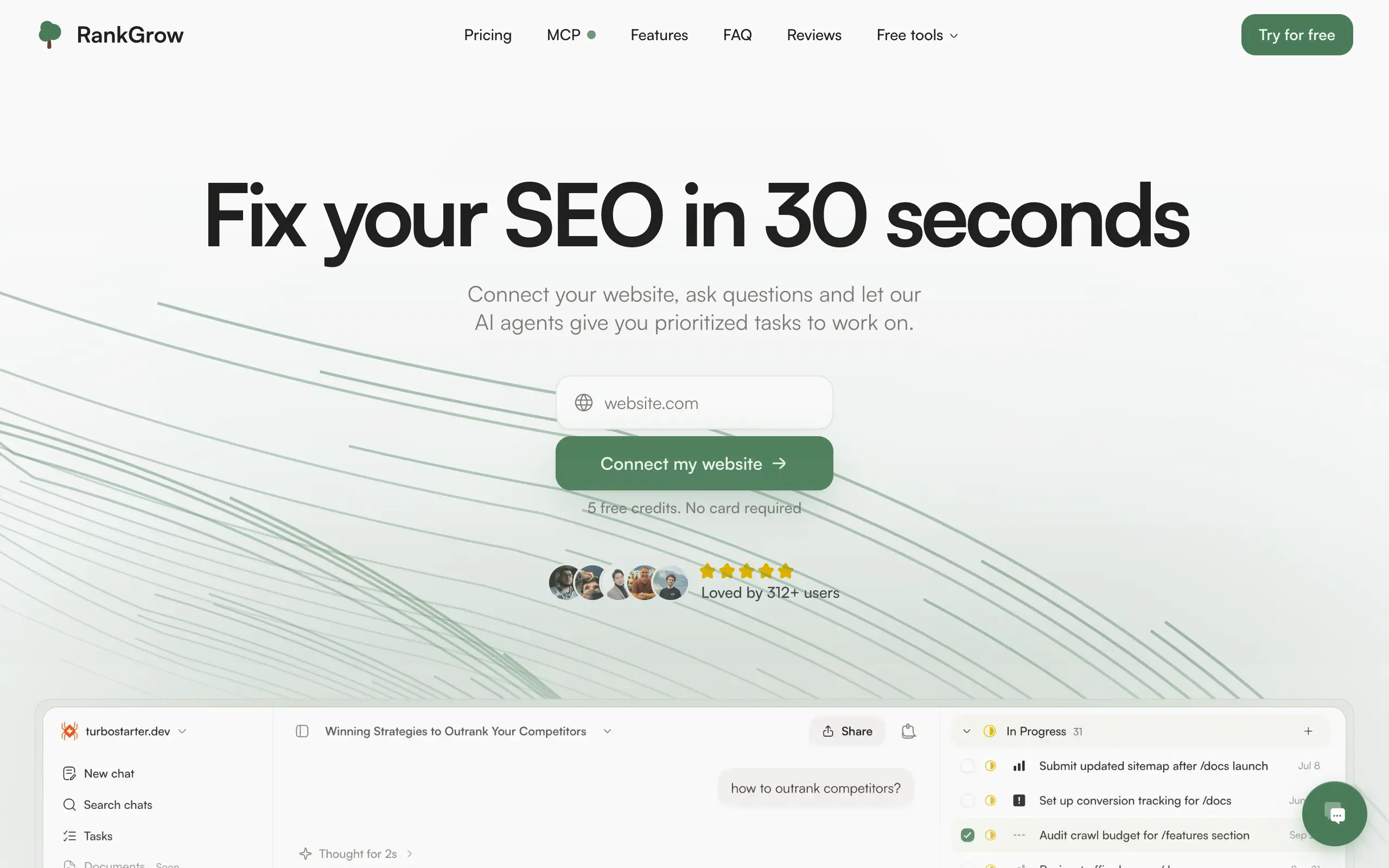
RankGrow
Fix your SEO with AI agents - connect Search Console, get prioritized tasks, and grow organic traffic 📈
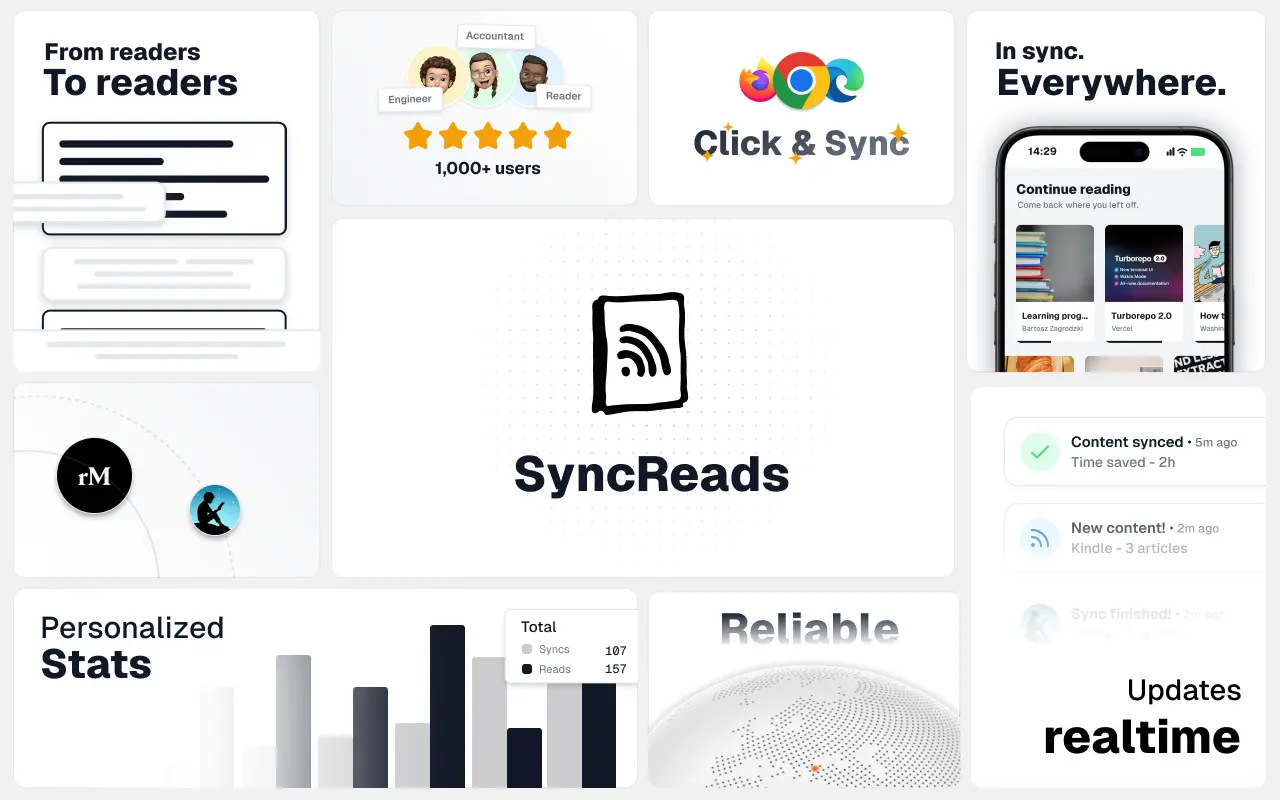
SyncReads
Sync your favorite content for distraction-free reading, save time and replace multiple apps. Anytime, anywhere 🔄
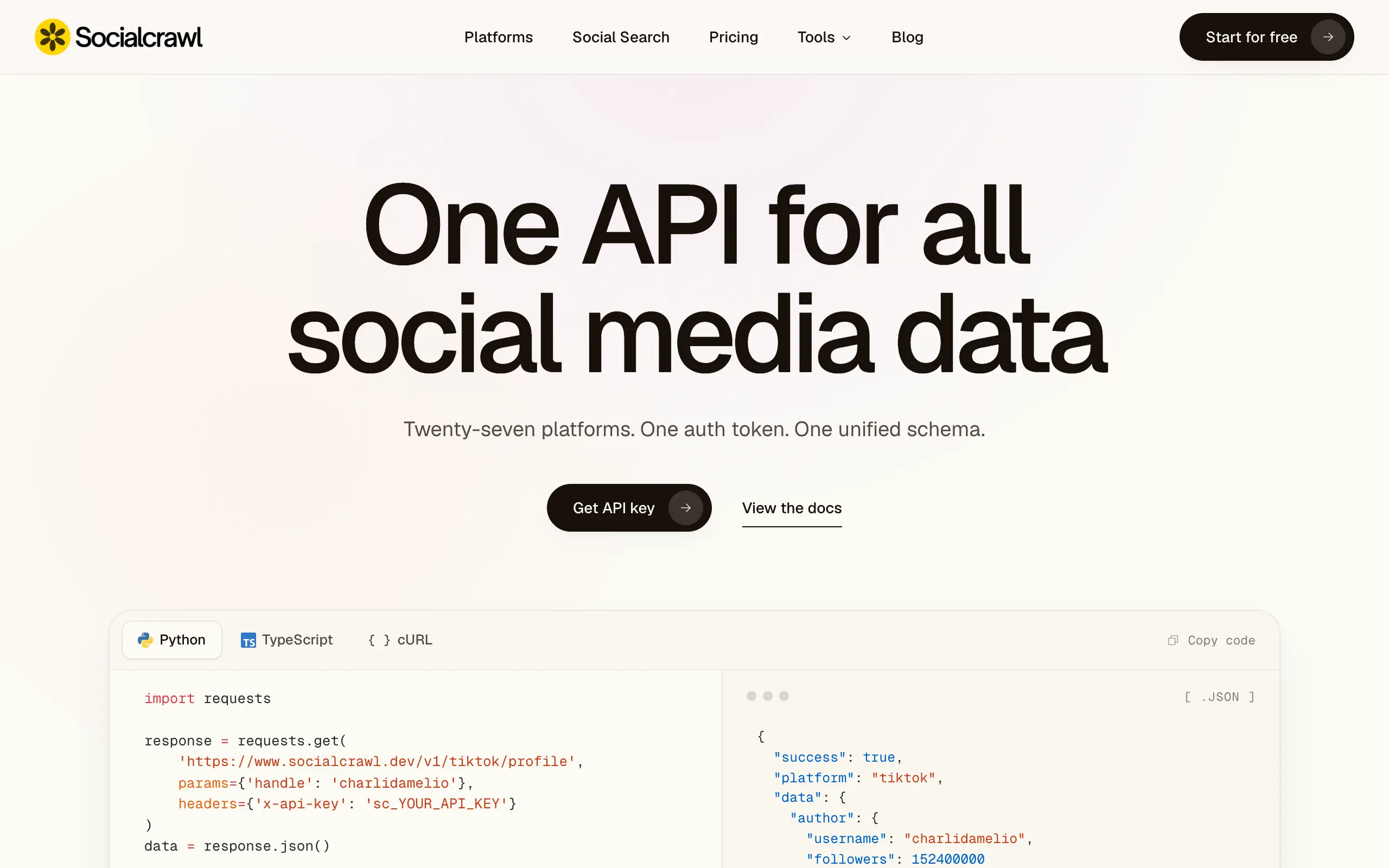
Socialcrawl
Get clean, structured data from 21 platforms like TikTok, Instagram, and YouTube with a single request 📊
Statiko
Monitor any Telegram channel in real time - track posts, edits, deletions, and growth with AI recaps 📡
Shibui
AI website builder - describe your business, pick a niche template, edit by chatting, and publish instantly ✨
Pro Service
Find verified home service professionals, compare quotes, and pay securely through escrow - built for Brazilians across the US 🏠
RankGrow
Fix your SEO with AI agents - connect Search Console, get prioritized tasks, and grow organic traffic 📈
SyncReads
Sync your favorite content for distraction-free reading, save time and replace multiple apps. Anytime, anywhere 🔄
Socialcrawl
Get clean, structured data from 21 platforms like TikTok, Instagram, and YouTube with a single request 📊
Statiko
Monitor any Telegram channel in real time - track posts, edits, deletions, and growth with AI recaps 📡
Shibui
AI website builder - describe your business, pick a niche template, edit by chatting, and publish instantly ✨
Pro Service
Find verified home service professionals, compare quotes, and pay securely through escrow - built for Brazilians across the US 🏠
RankGrow
Fix your SEO with AI agents - connect Search Console, get prioritized tasks, and grow organic traffic 📈
SyncReads
Sync your favorite content for distraction-free reading, save time and replace multiple apps. Anytime, anywhere 🔄
Socialcrawl
Get clean, structured data from 21 platforms like TikTok, Instagram, and YouTube with a single request 📊
Statiko
Monitor any Telegram channel in real time - track posts, edits, deletions, and growth with AI recaps 📡
Shibui
AI website builder - describe your business, pick a niche template, edit by chatting, and publish instantly ✨
Pro Service
Find verified home service professionals, compare quotes, and pay securely through escrow - built for Brazilians across the US 🏠
RankGrow
Fix your SEO with AI agents - connect Search Console, get prioritized tasks, and grow organic traffic 📈
SyncReads
Sync your favorite content for distraction-free reading, save time and replace multiple apps. Anytime, anywhere 🔄
Socialcrawl
Get clean, structured data from 21 platforms like TikTok, Instagram, and YouTube with a single request 📊
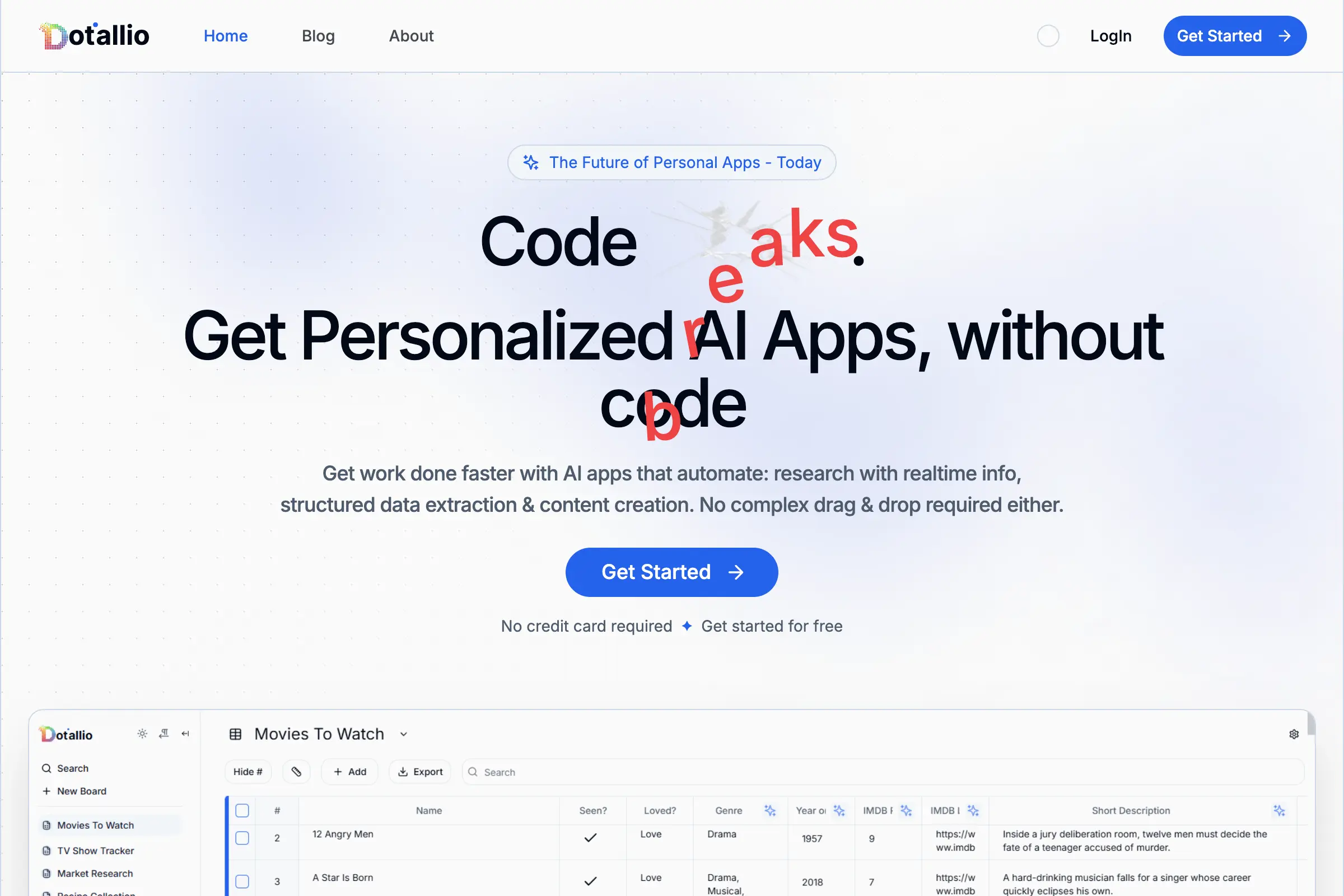
Dotallio
Personalized AI apps that automate research, data extraction, and content creation without code 🤖

Talk to Santa
Enjoy a magical live video chat or receive a unique AI-generated video greeting from Santa Claus 🎅

pozywka.pl
Scalable blog for food journalist, focused on performance and user experience 🌭
zagrodzki.me
Personal blog and portfolio of Bart Zagrodzki, where he shares his knowledge and work 💼
TurboStarter
Ship your startup everywhere. In minutes.
HTML to Markdown
Convert HTML to Markdown with ease, directly in your browser 📄
Dotallio
Personalized AI apps that automate research, data extraction, and content creation without code 🤖
Talk to Santa
Enjoy a magical live video chat or receive a unique AI-generated video greeting from Santa Claus 🎅
pozywka.pl
Scalable blog for food journalist, focused on performance and user experience 🌭
zagrodzki.me
Personal blog and portfolio of Bart Zagrodzki, where he shares his knowledge and work 💼
TurboStarter
Ship your startup everywhere. In minutes.
HTML to Markdown
Convert HTML to Markdown with ease, directly in your browser 📄
Dotallio
Personalized AI apps that automate research, data extraction, and content creation without code 🤖
Talk to Santa
Enjoy a magical live video chat or receive a unique AI-generated video greeting from Santa Claus 🎅
pozywka.pl
Scalable blog for food journalist, focused on performance and user experience 🌭
zagrodzki.me
Personal blog and portfolio of Bart Zagrodzki, where he shares his knowledge and work 💼
TurboStarter
Ship your startup everywhere. In minutes.
HTML to Markdown
Convert HTML to Markdown with ease, directly in your browser 📄
Dotallio
Personalized AI apps that automate research, data extraction, and content creation without code 🤖
Talk to Santa
Enjoy a magical live video chat or receive a unique AI-generated video greeting from Santa Claus 🎅
pozywka.pl
Scalable blog for food journalist, focused on performance and user experience 🌭
zagrodzki.me
Personal blog and portfolio of Bart Zagrodzki, where he shares his knowledge and work 💼
TurboStarter
Ship your startup everywhere. In minutes.
HTML to Markdown
Convert HTML to Markdown with ease, directly in your browser 📄
Omichat
Chat with 50+ AI models, including ChatGPT and Claude, in one place - switch models anytime without losing context 🤖
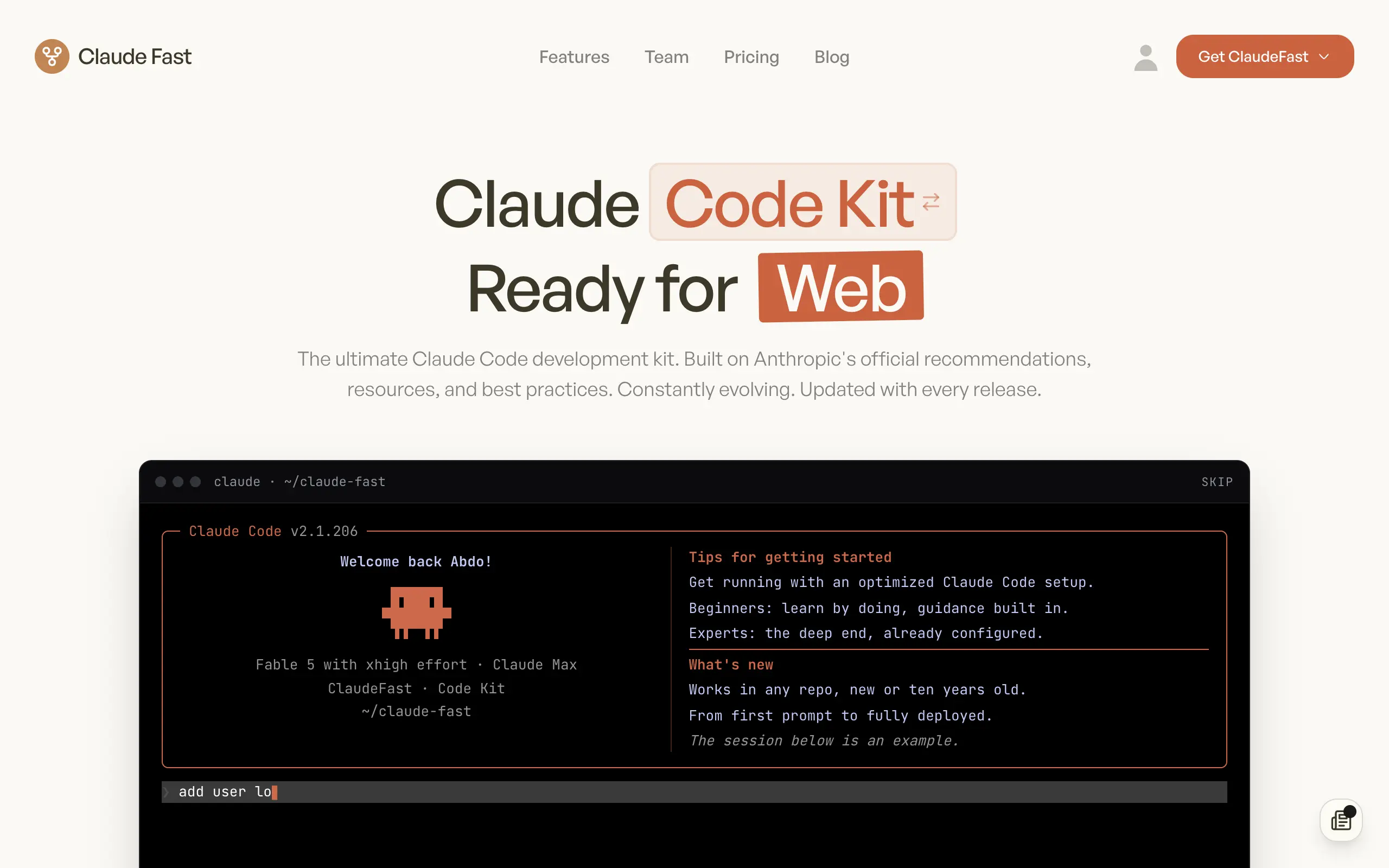
Claude Fast
Supercharge your Claude Code with 6x effective context window and specialized AI agents 🤖
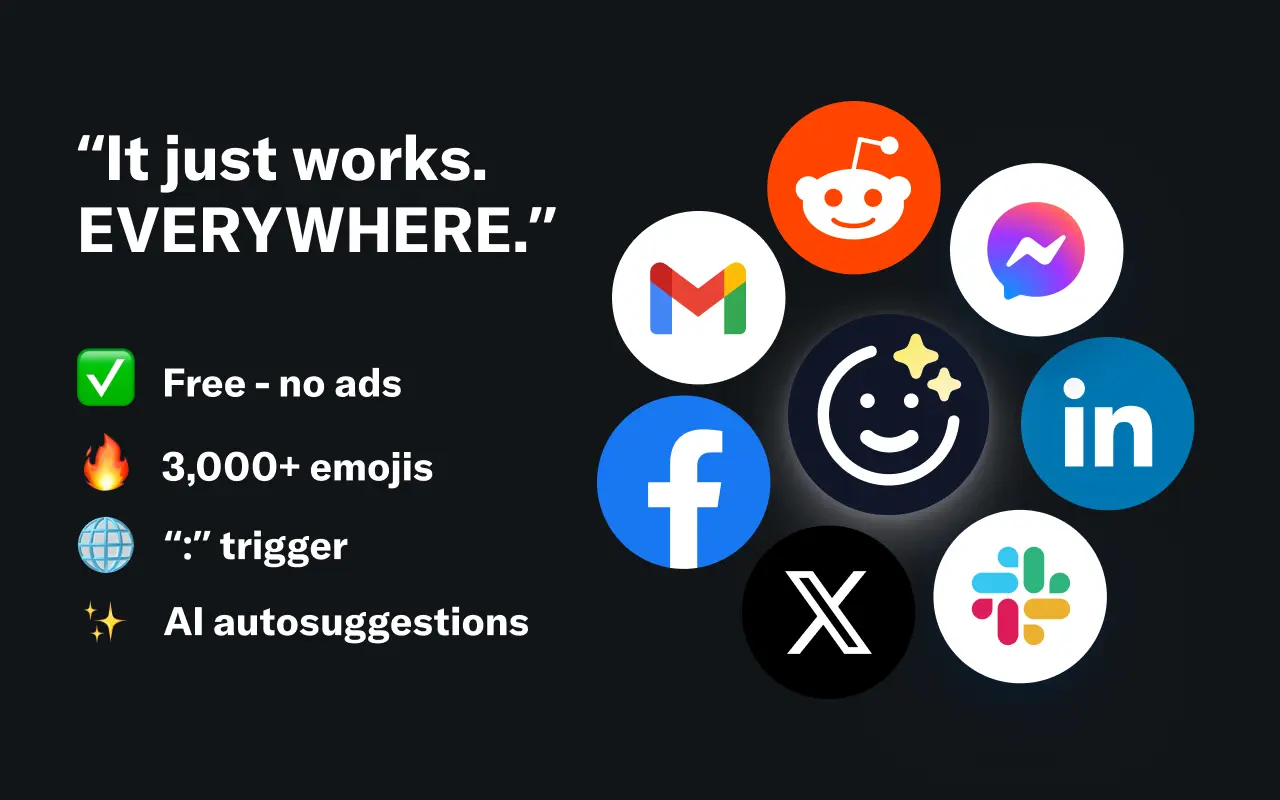
EmojAI
AI-powered emoji picker with smart, context-aware suggestions 🤖

Solohacker
Autonomous company launcher - AI agents work 24/7, escalate what matters, and you stay in control 🤖

BeRawi: Storytelling Coach
Practice storytelling daily with instant feedback to sound clearer, more engaging, and confident 🎤
Omichat
Chat with 50+ AI models, including ChatGPT and Claude, in one place - switch models anytime without losing context 🤖
Claude Fast
Supercharge your Claude Code with 6x effective context window and specialized AI agents 🤖
EmojAI
AI-powered emoji picker with smart, context-aware suggestions 🤖
Solohacker
Autonomous company launcher - AI agents work 24/7, escalate what matters, and you stay in control 🤖
BeRawi: Storytelling Coach
Practice storytelling daily with instant feedback to sound clearer, more engaging, and confident 🎤
Omichat
Chat with 50+ AI models, including ChatGPT and Claude, in one place - switch models anytime without losing context 🤖
Claude Fast
Supercharge your Claude Code with 6x effective context window and specialized AI agents 🤖
EmojAI
AI-powered emoji picker with smart, context-aware suggestions 🤖
Solohacker
Autonomous company launcher - AI agents work 24/7, escalate what matters, and you stay in control 🤖
BeRawi: Storytelling Coach
Practice storytelling daily with instant feedback to sound clearer, more engaging, and confident 🎤
Omichat
Chat with 50+ AI models, including ChatGPT and Claude, in one place - switch models anytime without losing context 🤖
Claude Fast
Supercharge your Claude Code with 6x effective context window and specialized AI agents 🤖
EmojAI
AI-powered emoji picker with smart, context-aware suggestions 🤖
Solohacker
Autonomous company launcher - AI agents work 24/7, escalate what matters, and you stay in control 🤖
BeRawi: Storytelling Coach
Practice storytelling daily with instant feedback to sound clearer, more engaging, and confident 🎤

Connect with like-minded people
Join our community to get feedback, support, and grow together with 1,000+ builders on board, let's ship it!
Join usShip your startup everywhere. In minutes.
Don't burn tokens on setup and start building features on day one.