Reťazník
Špecializovaný e-shop s pravidelne dopĺňanou cyklochémiou pre reťaze, bezdušové plášte a e-biky. Hotové servisné balíčky odlíšia ponuku od bežných predajcov.
A focused bicycle-maintenance store can win customers without trying to stock every bike part on the market. Reťazník is a specialist e-commerce concept for regularly replenished bicycle-care products: chain cleaners and lubricants, tubeless tire sealants and tools, and maintenance products for e-bikes. Its main differentiator is not simply a narrower catalogue. It is the combination of products into practical, ready-to-use service bundles that help riders maintain their bikes with less guesswork.
That positioning addresses a familiar problem for cyclists. A rider may know that a chain needs cleaning or that tubeless sealant needs topping up, but still be unsure which product to choose, what else is required, and how often to reorder. Reťazník can make those decisions easier with clear product guidance, curated kits, reminders, and dependable replenishment.
The opportunity is promising, but it depends on careful execution. A specialist store must earn trust through accurate advice, convenient bundles, reliable stock, and a clear reason to shop there instead of buying one item from a large general retailer. This article explores the target audience, market gap, product strategy, technology, monetization, risks, competitive advantage, and a practical launch plan for Reťazník.
What Reťazník is and why it can work
Reťazník is a niche e-commerce business built around recurring bicycle-maintenance needs. Rather than selling every category of cycling equipment, it focuses on consumable and complementary products that riders use to keep essential systems working.
Its initial product scope could include:
- Chain degreasers, brushes, and cleaning tools
- Wet, dry, and all-weather chain lubricants
- Wax-based chain-care products and supporting accessories
- Tubeless sealant, valves, plugs, and repair tools
- Bike-safe cleaning products and microfiber cloths
- E-bike-specific cleaners and drivetrain-care products
- Maintenance bundles for different riding styles and service intervals
The business should make these products easier to select and use. For example, a customer who wants to prepare a bike for muddy conditions could buy a single “wet-weather drivetrain kit” instead of researching several separate products. A tubeless rider could choose a replenishment pack matched to their tire setup. An e-bike owner could follow a maintenance guide that explains which cleaning products are appropriate and which practices to avoid.
This combination of specialist retail and practical education is the concept’s strongest foundation. The store is not only a place to buy bicycle chain lubricant. It is a guide to choosing, using, and replenishing bicycle-care products.
The target audience for a bicycle chain-care e-commerce store
A clear target audience helps Reťazník decide what to stock, how to explain products, and where to invest in marketing. The most useful starting point is to group buyers by their needs and maintenance behavior, not only by age or income.
Regular road and gravel riders
Road and gravel cyclists often care about drivetrain cleanliness, reliable shifting, and efficient maintenance. Their needs may vary with weather, terrain, and mileage. They may be interested in premium chain lubricants, cleaning systems, wax products, and compact kits that are easy to use at home.
For this audience, product comparisons should explain practical trade-offs. A guide could compare wet lubricant, dry lubricant, and wax-based systems by riding conditions, maintenance effort, and cleaning requirements. Avoid promising specific performance gains unless they are supported by reliable testing. Clear, qualified advice is more credible than sweeping claims.
Mountain bikers
Mountain bikers frequently ride through mud, dust, water, and debris. That can make drivetrain cleaning and lubrication a regular task. Tubeless tire repair products are also relevant to riders who use tubeless setups.
Reťazník can serve this audience with durable cleaning brushes, trail-side tubeless repair kits, sealant, and maintenance bundles organized around common conditions. A “mud-season drivetrain kit,” for example, could group compatible products for cleaning and relubricating a chain after a demanding ride.
The key is to make the bundle genuinely useful. A kit should not be a random collection of slow-moving products. Each item should support a specific maintenance task, and the product page should explain how the items work together.
E-bike owners
E-bike riders may value easy-to-follow maintenance guidance, dependable consumables, and products suitable for their bike’s components. Their needs can include drivetrain cleaning and lubrication, general bike cleaning, and care routines shaped by frequent use or higher loads.
Reťazník should be precise when describing e-bike compatibility. Do not assume that every product marketed for a conventional bicycle is automatically appropriate for every e-bike component. Product pages should refer customers to manufacturer instructions where compatibility or cleaning restrictions matter.
An e-bike service bundle could include a bike-safe cleaner, drivetrain degreaser, compatible lubricant, and a simple maintenance checklist. The store can differentiate itself by explaining the care process clearly rather than relying on broad “e-bike approved” claims.
New cyclists and occasional riders
Beginners often need more guidance than experienced enthusiasts. They may not know which lubricant to choose, how to apply it, or what tools are essential. A specialist store can make this audience feel welcome with plain-language explanations and starter kits.
Useful beginner content could answer questions such as:
- How do I clean and lubricate a bicycle chain?
- How do wet and dry chain lubricants differ?
- What do I need to maintain a tubeless tire?
- How often should I check tubeless sealant?
- Which cleaning products should I avoid using on a bike?
Avoid presenting maintenance intervals as universal rules. Riding conditions, equipment, product instructions, and storage all affect maintenance needs. Explain that customers should follow the specific manufacturer guidance for their products and components.
Bicycle workshops and cycling clubs
Local repair shops, mobile mechanics, cycling clubs, and small teams may offer a business-to-business opportunity. These buyers can need repeat supplies, consistent availability, and straightforward ordering.
Reťazník could test workshop packs, multi-unit pricing, or a simple account-based reorder system. This segment should be validated directly before building complex wholesale features. A small number of interviews with local mechanics can reveal which products they regularly consume, what suppliers currently frustrate them, and what order sizes make sense.
The market opportunity and the gap Reťazník can address
The existence of a cycling market does not automatically prove demand for a new specialist store. Reťazník should validate a narrower question: are riders underserved when choosing and replenishing bicycle-care products?
Several potential gaps are worth investigating.
Product choice can be confusing
A customer may encounter many lubricants, cleaners, sealants, and tools without a clear explanation of which option suits their riding conditions. General retailers can offer broad choice but may not provide detailed product education. A specialist store can reduce uncertainty through guided selection, comparisons, and curated kits.
Maintenance products are easy to forget
Consumables are often replenished only after a rider notices they are running low. That creates an opportunity for reorder reminders and subscription options. However, the business should not assume that every item has the same useful replenishment cycle. A chain lubricant, tire sealant, and cleaner have different usage patterns. Reorder timing should be based on customer choice, product guidance, and actual purchase behavior.
Customers may have to assemble a kit themselves
Buying a degreaser, lubricant, brush, cloth, and maintenance guide from separate listings takes effort. Bundles can solve this if they are organized around a task, such as cleaning a drivetrain or refreshing a tubeless setup.
A bundle should answer three questions:
- What job does this kit help the customer complete?
- Which items are included, and why are they included?
- What additional tools or precautions does the customer need?
E-commerce can pair convenience with specialist knowledge
A focused store can provide product education at the point of purchase. A customer comparing chain lubricants can see a concise decision guide on the same page. Someone buying sealant can be reminded to check compatibility and read the product instructions.
That approach makes expertise part of the shopping experience. It can also help Reťazník compete with larger stores on clarity and confidence rather than trying to match their entire catalogue.
Validate the gap before expanding the catalogue
Before investing heavily in stock, Reťazník should research current alternatives in its intended markets. Review cycling retailers, local bike shops, marketplaces, and product-brand websites. Look for:
- How competitors group chain-care and tubeless products
- Whether product pages explain use cases and compatibility
- Which bundles are already available
- Typical delivery options and shipping thresholds
- Customer complaints in public reviews
- Products that are frequently out of stock
- Questions cyclists repeatedly ask in public cycling communities
This research can show whether the strongest opportunity is beginner education, replenishment, e-bike care, tubeless support, or workshop supply. The answer should shape the first assortment and marketing message.
Core features and product experience
Reťazník should launch with a small set of features that directly reduce buyer uncertainty and make repeat purchasing easier. A large feature set is not automatically an advantage. The first version should make it easy to find a suitable product, understand how to use it, and reorder it.
Curated service bundles
Bundles are central to the concept because they turn an assortment of products into a solution. Potential examples include:
- A starter chain-care kit for a new cyclist
- A wet-weather drivetrain kit for muddy or rainy riding
- A dry-condition chain-care kit for cleaner environments
- A tubeless top-up and repair kit
- An e-bike cleaning and drivetrain-care bundle
- A workshop replenishment pack for commonly used consumables
Each bundle should have a clear use case, a transparent item list, and an explanation of who it is for. Consider offering a few bundle sizes, such as basic and complete, when there is a meaningful difference in included tools or quantities.
Bundles can also be tested before they become permanent products. Reťazník can publish landing pages, collect email sign-ups, and ask potential customers which versions they would buy. Early demand can guide purchasing decisions and reduce the risk of overstocking.
Product guidance and compatibility information
Product pages should help shoppers make a decision without requiring specialist knowledge. Useful details include:
- Intended riding conditions
- Suitable maintenance task
- Important compatibility notes
- What tools are needed
- How to apply or use the product
- Storage and safety instructions
- What is included in a kit
- When to follow the manufacturer’s instructions
Where appropriate, link customers to the product manufacturer’s instructions. Reťazník should not invent technical specifications or promise universal compatibility. Product data must be checked and kept current.
Replenishment reminders and subscriptions
A replenishment program could encourage repeat purchases while making maintenance easier. It may begin with a simple reorder reminder rather than an automatic subscription. Customers could choose to receive an email or account notification after a selected interval.
Subscriptions can work for products customers use regularly, but they can also create unnecessary deliveries if the interval does not match real usage. Give customers control over shipment timing, skipping, cancellation, and product changes. Do not make subscription enrollment a confusing default.
A responsible replenishment experience should allow customers to:
- Choose or edit a delivery interval
- Pause or cancel without contacting support
- Skip an upcoming order
- Change the product or quantity
- Review the next charge and delivery date clearly
Maintenance content that supports the purchase
Educational content can bring organic traffic and improve conversion. It should answer real customer questions with accurate, practical information.
Possible content formats include:
- Chain lubricant comparison guides
- A step-by-step drivetrain cleaning tutorial
- Tubeless sealant maintenance checklists
- E-bike cleaning guidance
- “What is in the kit?” product videos
- Seasonal maintenance reminders
- Product-specific frequently asked questions
Content should distinguish general guidance from manufacturer-specific instructions. If a recommendation depends on a particular component or product, state that clearly. This is especially important for compatibility, cleaning, and safety advice.
Search, filters, and straightforward checkout
The store should help customers shop by task as well as by product category. Filters can include riding conditions, maintenance task, bike type, and product type, provided the underlying catalogue data is accurate.
Checkout should clearly show shipping cost, delivery estimates, taxes where applicable, and the total price before payment. For a small specialist store, clarity is more valuable than elaborate checkout customization.
Competitive advantage and unique selling proposition
Reťazník should not position itself as “another cycling shop.” Its advantage should be specific and easy to understand.
A potential unique selling proposition is:
Bicycle-care products selected and bundled for real maintenance jobs, with clear guidance and convenient replenishment.
This promise combines four elements:
- Specialization: a focused range for chains, tubeless tires, and e-bike care
- Convenience: ready-made kits that reduce research and product selection
- Education: useful instructions and compatibility guidance at the point of purchase
- Repeat purchasing: optional reminders and replenishment for products customers actually use
The positioning is stronger when it is supported by operations. If bundles are poorly assembled, stock is unreliable, or product advice is vague, the promise will not hold. Reťazník should build trust through accurate information, responsive customer service, and consistent fulfillment.
| Differentiator | General cycling retailer | Marketplace seller | Reťazník opportunity |
|---|---|---|---|
| Broad product selection | Often strong | Often very broad | Stay focused on maintenance needs |
| Product education | Varies by retailer | Varies by listing | Explain use cases and trade-offs |
| Task-based bundles | May be limited | Usually inconsistent | Build kits around specific jobs |
| Replenishment support | Not always emphasized | Usually product-dependent | Offer reminders and optional repeat orders |
| Specialist customer support | Varies | Often limited | Help customers select compatible care products |
This is a positioning framework, not a claim about every competitor. Reťazník should verify how local alternatives perform through direct research and customer interviews.
Recommended technology stack for Reťazník
The best technology stack depends on the team’s technical experience, launch timeline, product count, and operational needs. For an early-stage ecommerce business, reducing maintenance overhead is often more valuable than building a highly customized system from day one.
Start with a managed commerce platform
A hosted ecommerce platform can provide product management, checkout, payment integrations, order handling, and basic analytics with less engineering work. That can help a founder test demand quickly.
The trade-offs are platform fees, limits on customization, and possible reliance on third-party apps. Before committing, check whether the platform supports the required payment methods, tax and shipping workflows, language needs, subscription options, and integrations for the markets Reťazník plans to serve.
Consider a custom storefront only when needed
A custom storefront can provide more control over guided product selection, bundle logic, and content presentation. It also requires more development, testing, maintenance, and attention to security and performance.
A possible custom stack could include:
- Frontend: React for an interactive storefront
- Styling: Tailwind CSS for a utility-first design system
- Backend: a maintained server framework that supports secure order and inventory workflows
- Database: a relational database for products, customers, orders, and subscription records
- Payments: a payment provider available in the target market
- Analytics: privacy-conscious measurement for acquisition, conversion, and retention
These are options, not a required architecture. A simple, managed solution is generally preferable until validated demand justifies custom engineering.
Build the operational foundation before advanced automation
Regardless of platform, Reťazník needs reliable product and inventory data. The system should track product identifiers, supplier details, stock levels, bundle contents, shipping restrictions, and product instructions.
Subscription or replenishment functionality should be added only after the business understands which products customers actually reorder and on what schedule. A manual email reminder can test the idea before investing in a complex recurring billing workflow.
Use TurboStarter to accelerate a custom build
If the team decides to build a custom SaaS-style or full-stack storefront, TurboStarter may help accelerate the starting point. A starter kit can reduce setup work, but it does not replace decisions about ecommerce requirements, payment processing, inventory accuracy, security, or customer support.
Monetization strategy options
Reťazník can combine several revenue models, but each should solve a real customer problem rather than add complexity for its own sake.
Individual product sales
Single-product sales are the simplest starting point. They allow customers to try the store without committing to a larger kit or recurring order. Use them to learn which brands and categories attract demand.
The challenge is order economics. A low-priced item may not support shipping, payment processing, packaging, and customer acquisition costs on its own. Reťazník can address this with useful bundles or a clearly communicated free-shipping threshold, while ensuring that the threshold makes commercial sense.
Service bundles
Bundles can increase average order value and make shopping simpler. They may also improve the store’s ability to explain its value proposition. Price bundles transparently and show the included products individually so customers can understand what they are buying.
Do not rely on artificial discounts to make a bundle appear attractive. The value should come from thoughtful selection, convenience, and supporting instructions.
Replenishment subscriptions
Subscriptions can produce more predictable repeat revenue for suitable consumables. They should be optional, easy to manage, and based on reasonable customer-selected intervals.
Start with a limited test. Measure subscription retention, skipped orders, cancellation reasons, and product usage feedback. A subscription that customers frequently cancel may indicate a poor interval, an unsuitable product, or a value proposition that needs revision.
Workshop and club accounts
A business-to-business offer could serve repair shops, mobile mechanics, cycling clubs, or small teams. Potential benefits include consolidated orders, multi-unit purchasing, and predictable replenishment.
Test this model through direct conversations and a small pilot. Ask potential buyers about their purchasing frequency, minimum order preferences, invoicing needs, and the products they have trouble sourcing. Avoid building a complex wholesale portal until there is evidence of repeat demand.
Content-led affiliate or brand partnerships
Educational articles could eventually support partnerships with product brands, but editorial trust should come first. Clearly disclose commercial relationships and keep product recommendations honest. Recommending a product solely because it pays a commission can weaken the credibility that makes a specialist store valuable.
Risks and practical ways to reduce them
Every retail business faces operational and commercial risks. Reťazník can reduce avoidable problems by testing assumptions early and setting clear processes.
Inventory and cash-flow risk
A broad catalogue can tie up cash in slow-moving products. Begin with a carefully chosen assortment, negotiate small initial orders where possible, and track sell-through by product and bundle.
Use demand signals from interviews, email sign-ups, preorders where legally and operationally appropriate, and early sales. Review stock levels regularly. Do not expand simply because a supplier offers a large catalogue.
Shipping, storage, and product-handling constraints
Some liquids and chemical products may have packaging, storage, or carrier requirements. Before listing any product, confirm the applicable handling and shipping rules with suppliers and carriers. Verify product labeling, storage guidance, and any restrictions that apply to the intended markets.
Clear operational procedures protect customers and reduce fulfillment problems. If a product cannot be shipped through the preferred carrier or to a particular destination, state that before checkout.
Product advice and liability
Incorrect maintenance guidance can damage equipment or create safety concerns. Use manufacturer documentation as the primary source for product-specific instructions. Have technical content reviewed by someone with relevant cycling-maintenance experience, and keep a record of when important guidance was last checked.
Use careful language. Explain that a product may suit certain conditions rather than promising it will work for every rider or setup. Direct customers to a qualified mechanic when a question involves damage, safety, or a component-specific diagnosis.
Dependence on suppliers
If a key product is frequently unavailable, customers may not be able to complete a kit or reorder a favorite item. Track supplier reliability and identify alternatives for essential categories. Where substitutes are not equivalent, explain the difference instead of quietly swapping products.
Competing on price alone
Large retailers and marketplaces may have greater scale or broader discounts. Reťazník should avoid making low prices its only point of difference. Focus on product selection, usable guidance, bundles, support, and convenience. Compare total customer value, not only the listed price of one item.
Subscription fatigue and customer trust
Automatic renewals can frustrate customers when they forget about them or receive products too soon. Keep subscriptions opt-in, send clear reminders, and make pausing or canceling easy. Monitor complaints and cancellations as closely as subscription revenue.
Seasonal demand
Some cycling products may sell differently across seasons and weather conditions. Use early sales data and supplier lead times to plan purchasing. Seasonal bundles can help organize the catalogue, but avoid assuming that every customer follows the same maintenance calendar.
Key metrics to monitor
A small set of practical metrics can show whether Reťazník is becoming a viable business. Review them by customer segment and product category, not only as store-wide averages.
- Conversion rate: whether store visitors complete a purchase
- Average order value: whether bundles and shipping thresholds help customers buy more useful products
- Repeat purchase rate: whether buyers return for replenishment or other maintenance needs
- Gross margin by product and bundle: whether sales cover product and fulfillment costs
- Customer acquisition cost: how much it costs to attract a new buyer
- Stock turnover: whether inventory is selling at a sustainable pace
- Return and support-contact rates: whether product descriptions and bundles are clear
- Subscription retention: if subscriptions are offered, whether customers continue over time
- Email engagement: whether maintenance reminders lead to useful repeat visits and purchases
Metrics should inform decisions rather than become goals in isolation. For example, a higher average order value is not beneficial if it comes from forcing customers into unsuitable bundles. Pair commercial measures with customer feedback and support themes.
Actionable implementation steps
A disciplined launch can help Reťazník test its positioning before committing to a large catalogue or custom technology.
Interview cyclists and workshop buyers
Speak with road, gravel, mountain, and e-bike riders, along with a small number of local mechanics. Ask what maintenance products they buy repeatedly, where they currently shop, what they find confusing, and which products they have trouble replenishing.
Listen for behavior rather than asking only whether they like the idea. Recent purchases, recurring frustrations, and existing workarounds provide stronger evidence than general enthusiasm.
Define a narrow first assortment
Select a manageable range across chain care, tubeless maintenance, and e-bike care. Prioritize products that solve clear, related tasks and can be sourced reliably. Document product instructions, compatibility details, storage requirements, and shipping constraints before publishing listings.
Create and test a small number of service bundles
Build a few bundles for specific use cases, such as a beginner chain-care kit and a tubeless maintenance pack. Show the contents, explain who each kit is for, and make clear what is not included. Test customer interest through interviews, landing pages, or a small initial launch.
Launch the simplest reliable storefront
Choose a platform that supports the intended payments, shipping, product information, and language requirements. Prioritize clear product pages, a fast mobile experience, transparent shipping information, and a straightforward checkout over custom features that have not been validated.
Publish useful maintenance content
Create concise guides that answer real customer questions and support product discovery. Begin with topics tied to the first assortment, such as choosing a chain lubricant or preparing a tubeless repair kit. Check technical guidance against manufacturer documentation and review it when products or recommendations change.
Measure sales, feedback, and repeat behavior
Track which products and bundles sell, where visitors leave the store, what customers ask support, and whether buyers return. Use this evidence to adjust the catalogue, improve product pages, and decide whether replenishment reminders or subscriptions are warranted.
Expand only after evidence supports it
Add new product categories, wholesale options, or custom ecommerce features when customers demonstrate a need. Confirm that each expansion fits the store’s specialist positioning and can be supported with accurate advice, dependable stock, and viable margins.
A practical launch sequence
The first stage should be about learning, not perfecting the brand. A simple launch sequence might look like this:
- Research local competitors and interview potential buyers.
- Choose an initial assortment based on repeated maintenance needs.
- Build a small set of task-based bundles.
- Confirm supplier, storage, and shipping requirements.
- Publish clear product pages and a few useful guides.
- Launch to a defined audience and collect customer feedback.
- Review sales, margins, support questions, and repeat orders.
- Add replenishment or B2B features only when demand is visible.
This approach keeps early costs focused on products and customer learning. It also gives Reťazník a chance to refine its message before investing in a broad catalogue or advanced technology.
How Reťazník can build lasting trust
Trust is especially important when customers are buying products that affect the care of expensive bikes. Reťazník should be transparent about what it knows, what it does not know, and where a customer should consult a manufacturer or mechanic.
A trustworthy store can:
- Provide accurate, readable product descriptions
- Explain the limitations of each bundle
- Keep stock and delivery information current
- Clearly state returns, privacy, and subscription terms
- Disclose sponsored content or commercial partnerships
- Correct outdated guidance when product information changes
- Respond to technical questions without making unsupported promises
These practices support both customer experience and search visibility. Helpful, original content that demonstrates real expertise is more valuable than pages created only to repeat keywords.
Frequently asked questions about Reťazník
It should begin as a specialist online store. Replenishment reminders or optional subscriptions can be tested later for products customers genuinely use repeatedly. A subscription model is a feature of the business, not a requirement for validating the core idea.
Start with a focused range of chain-care, tubeless maintenance, and e-bike cleaning products that can be explained and bundled around clear tasks. The exact assortment should follow supplier research and customer interviews rather than assumptions about what cyclists need.
It can differentiate through specialist guidance, task-based service bundles, clear compatibility information, and convenient replenishment. It does not need to match a large retailer’s catalogue if it solves a narrower customer problem more effectively.
Not necessarily. Begin with optional reminders or simple reordering. Add automatic recurring orders only when customer behavior shows that the product and delivery interval are suitable. Give subscribers clear control over billing, timing, skipping, and cancellation.
Final assessment
Reťazník has a credible specialist ecommerce angle because it addresses recurring maintenance tasks rather than relying on an undifferentiated catalogue. Its strongest opportunity is to make bicycle-care shopping more understandable: organize products around real jobs, explain how to choose and use them, and help customers replenish the items they actually consume.
The concept will be most compelling if it focuses on a clearly defined first audience, keeps product guidance accurate, and tests bundles before investing heavily in stock. Its competitive advantage is not simply selling chain lubricant or tubeless sealant. It is connecting the right care products with useful instructions and a convenient buying experience.
For founders, the next step is practical: interview riders and mechanics, validate the first product bundles, confirm fulfillment requirements, and launch a focused store. Then use real customer behavior to decide whether to expand the catalogue, add a workshop offer, or introduce replenishment subscriptions.
More 🛒 E-commerce SaaS ideas
Discover more innovative e-commerce SaaS ideas that are trending in 2026. Each idea is AI-generated with market validation and growth potential to help you find your next profitable venture faster than competitors.
Your competitors are building with TurboStarter
Below are some of the SaaS ideas that have been generated and built with our starter kit.
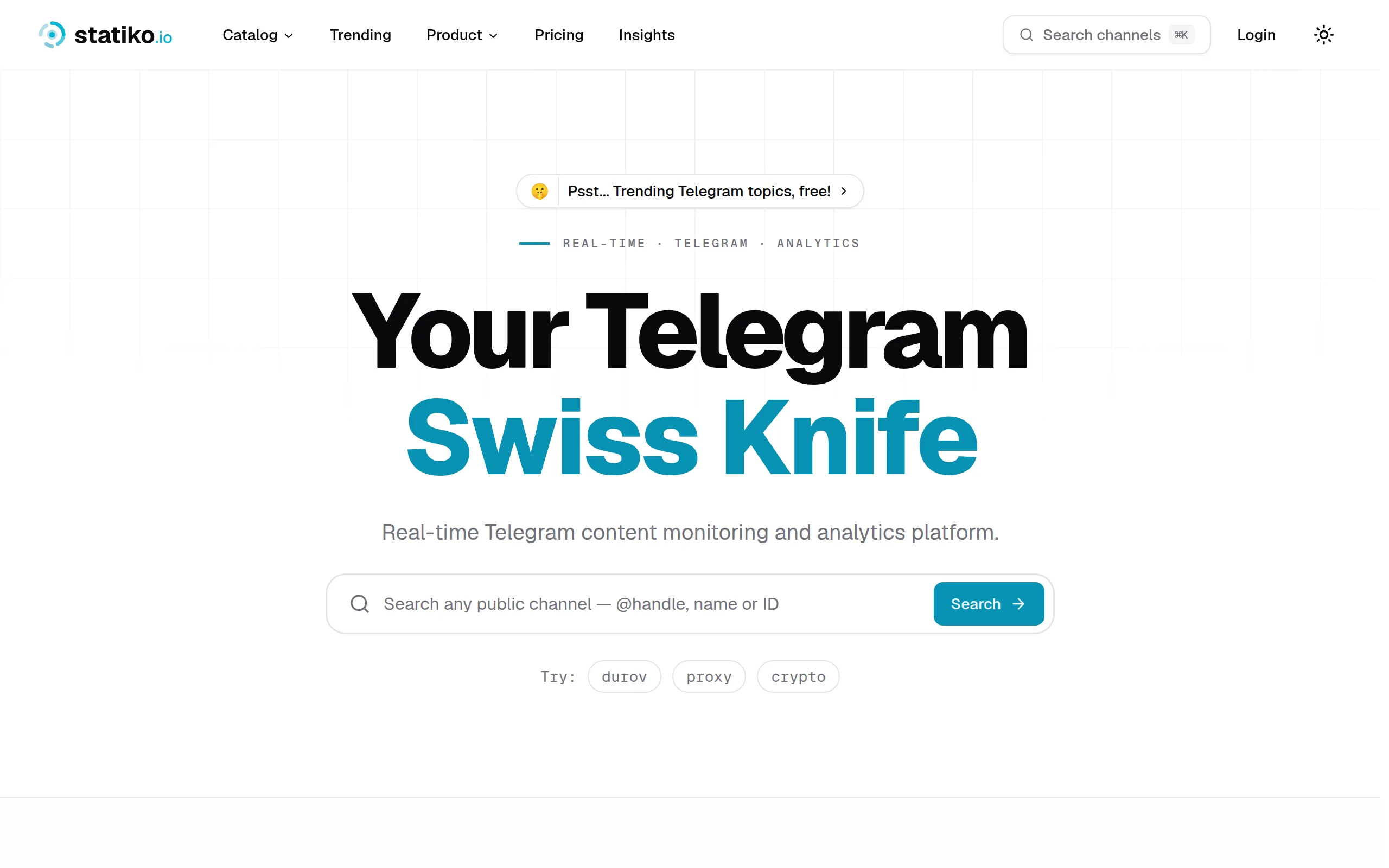
Statiko
Monitor any Telegram channel in real time - track posts, edits, deletions, and growth with AI recaps 📡

Shibui
AI website builder - describe your business, pick a niche template, edit by chatting, and publish instantly ✨

Pro Service
Find verified home service professionals, compare quotes, and pay securely through escrow - built for Brazilians across the US 🏠
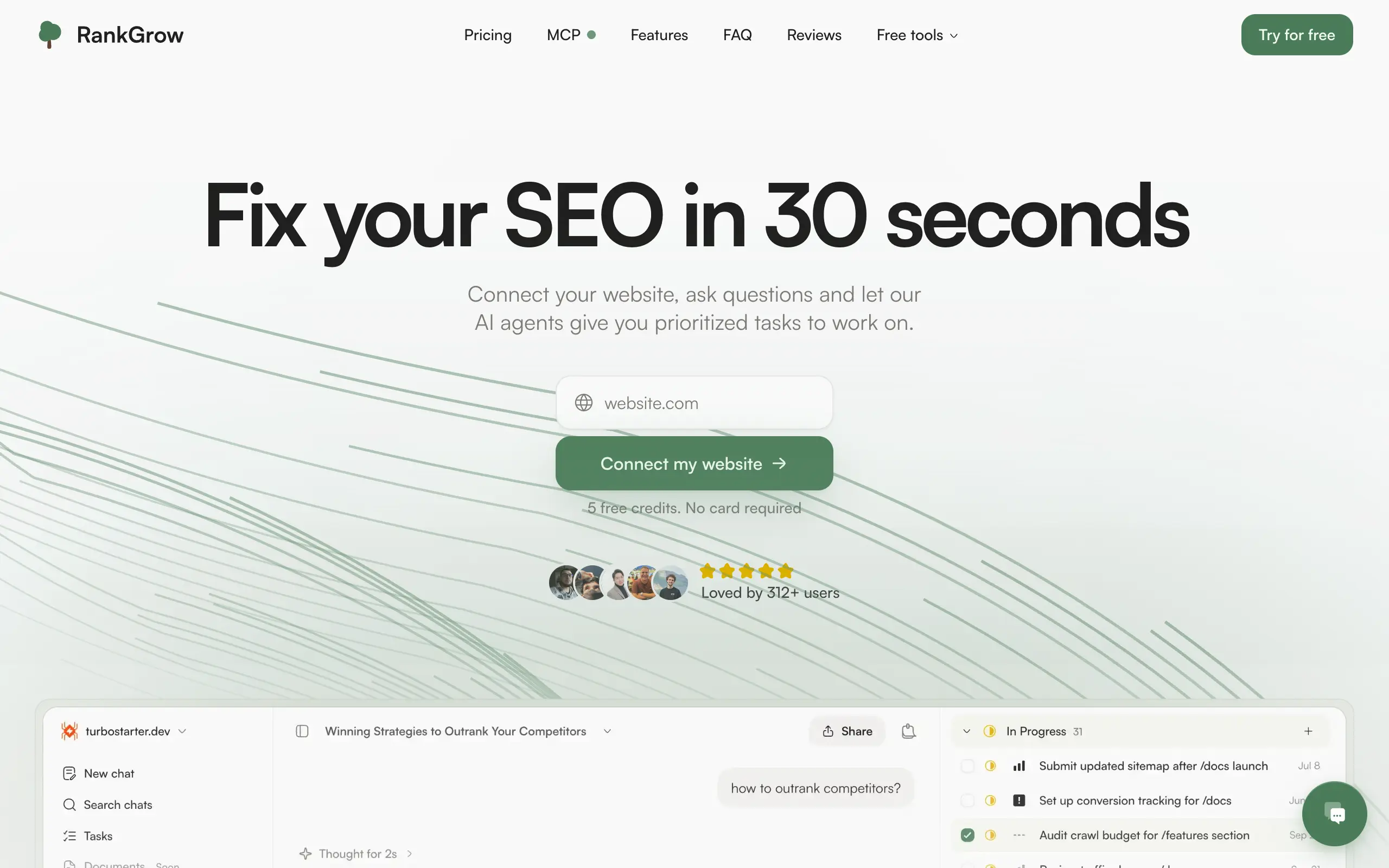
RankGrow
Fix your SEO with AI agents - connect Search Console, get prioritized tasks, and grow organic traffic 📈
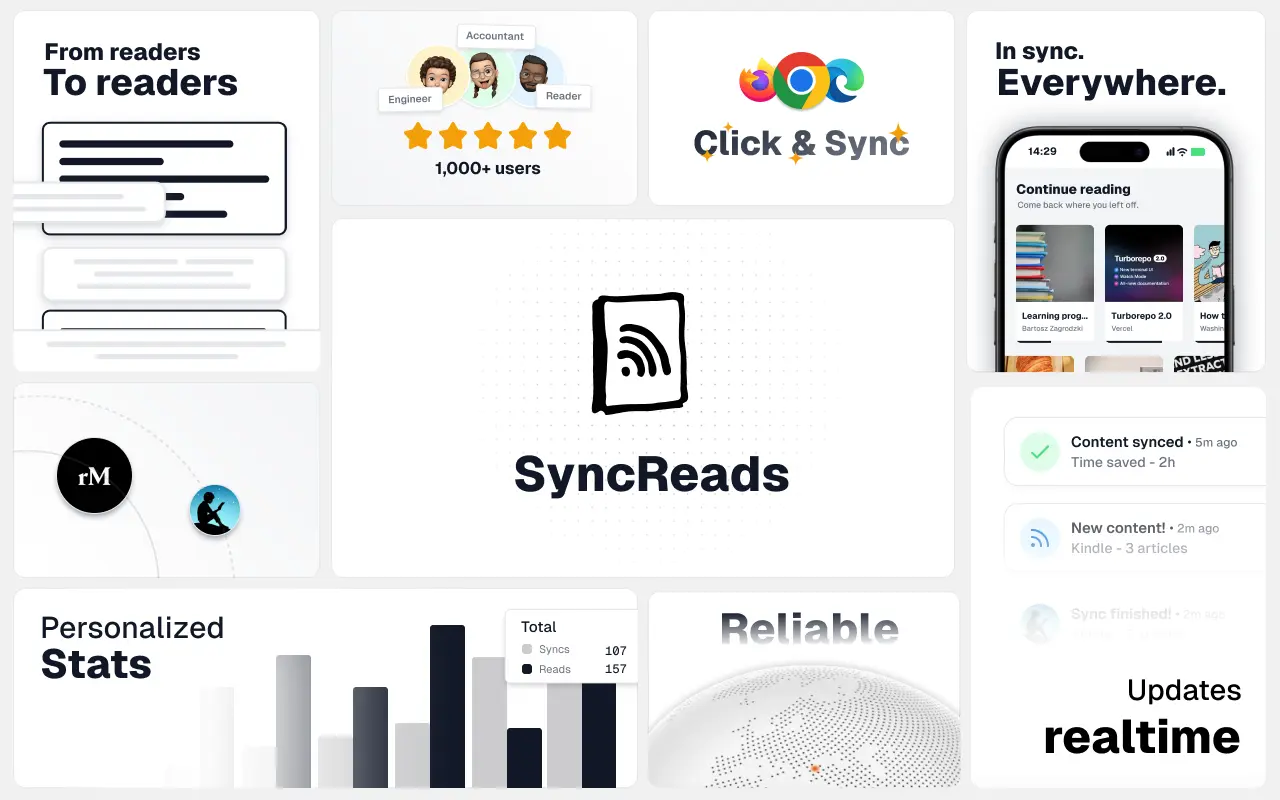
SyncReads
Sync your favorite content for distraction-free reading, save time and replace multiple apps. Anytime, anywhere 🔄

Socialcrawl
Get clean, structured data from 21 platforms like TikTok, Instagram, and YouTube with a single request 📊
Statiko
Monitor any Telegram channel in real time - track posts, edits, deletions, and growth with AI recaps 📡
Shibui
AI website builder - describe your business, pick a niche template, edit by chatting, and publish instantly ✨
Pro Service
Find verified home service professionals, compare quotes, and pay securely through escrow - built for Brazilians across the US 🏠
RankGrow
Fix your SEO with AI agents - connect Search Console, get prioritized tasks, and grow organic traffic 📈
SyncReads
Sync your favorite content for distraction-free reading, save time and replace multiple apps. Anytime, anywhere 🔄
Socialcrawl
Get clean, structured data from 21 platforms like TikTok, Instagram, and YouTube with a single request 📊

Dotallio
Personalized AI apps that automate research, data extraction, and content creation without code 🤖
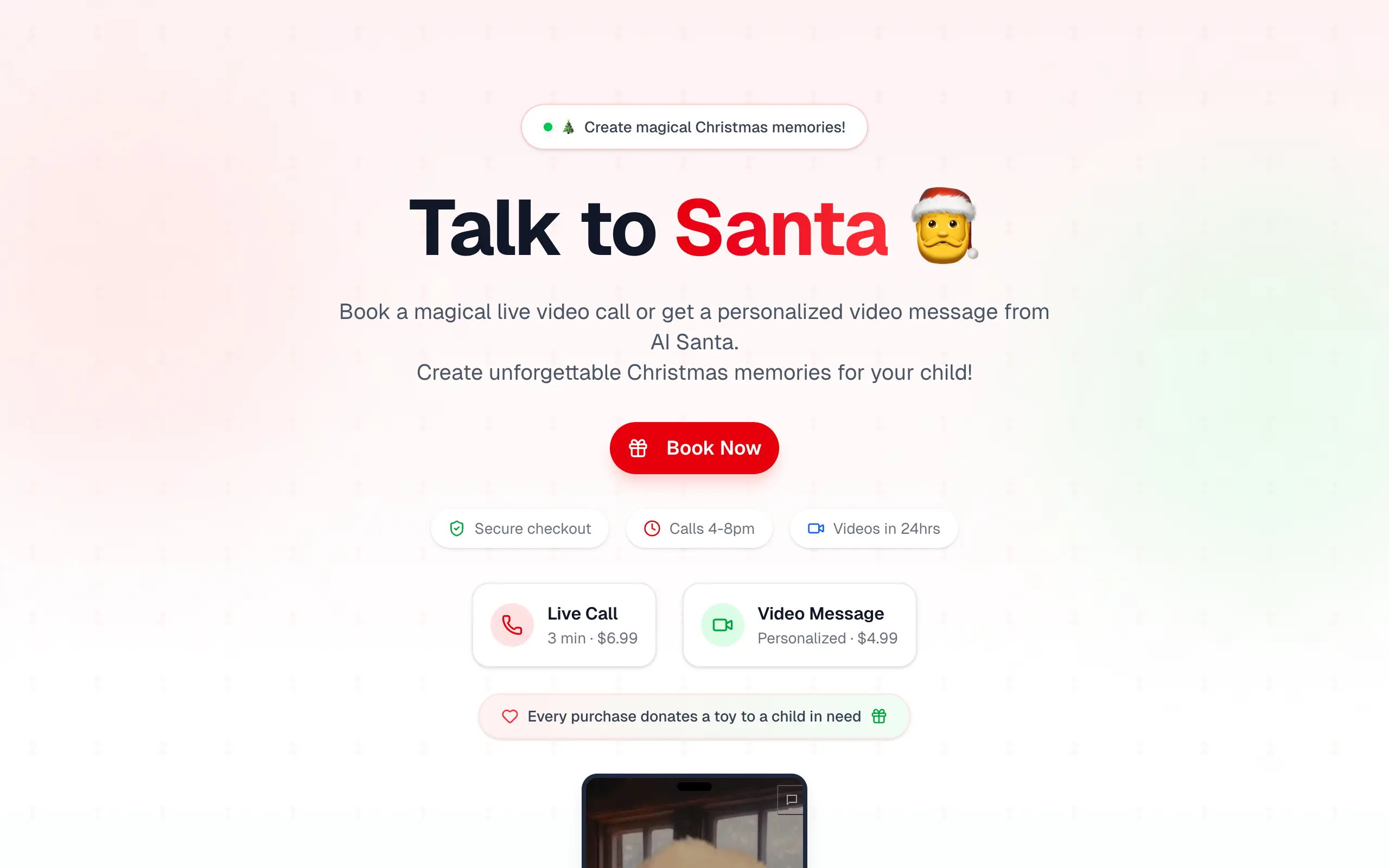
Talk to Santa
Enjoy a magical live video chat or receive a unique AI-generated video greeting from Santa Claus 🎅
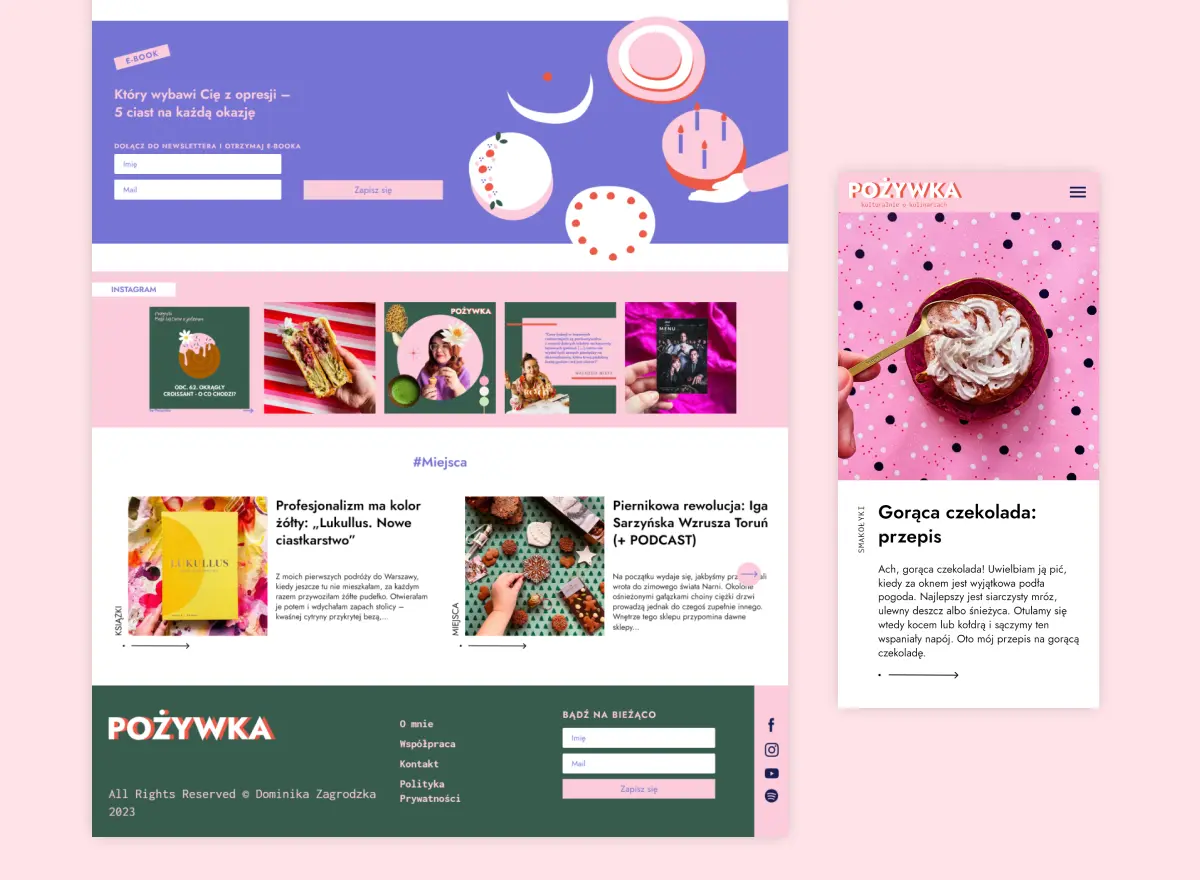
pozywka.pl
Scalable blog for food journalist, focused on performance and user experience 🌭
zagrodzki.me
Personal blog and portfolio of Bart Zagrodzki, where he shares his knowledge and work 💼
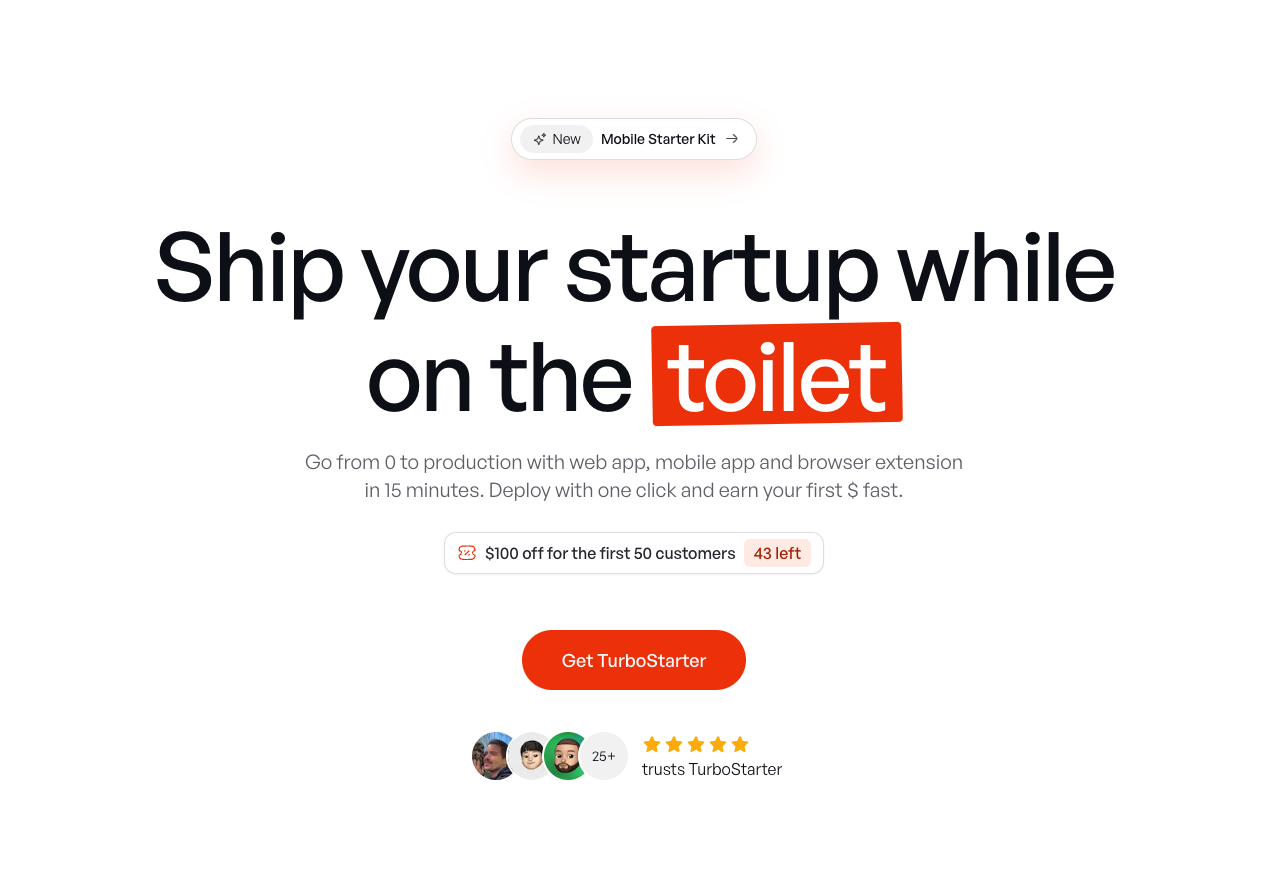
TurboStarter
Ship your startup everywhere. In minutes.
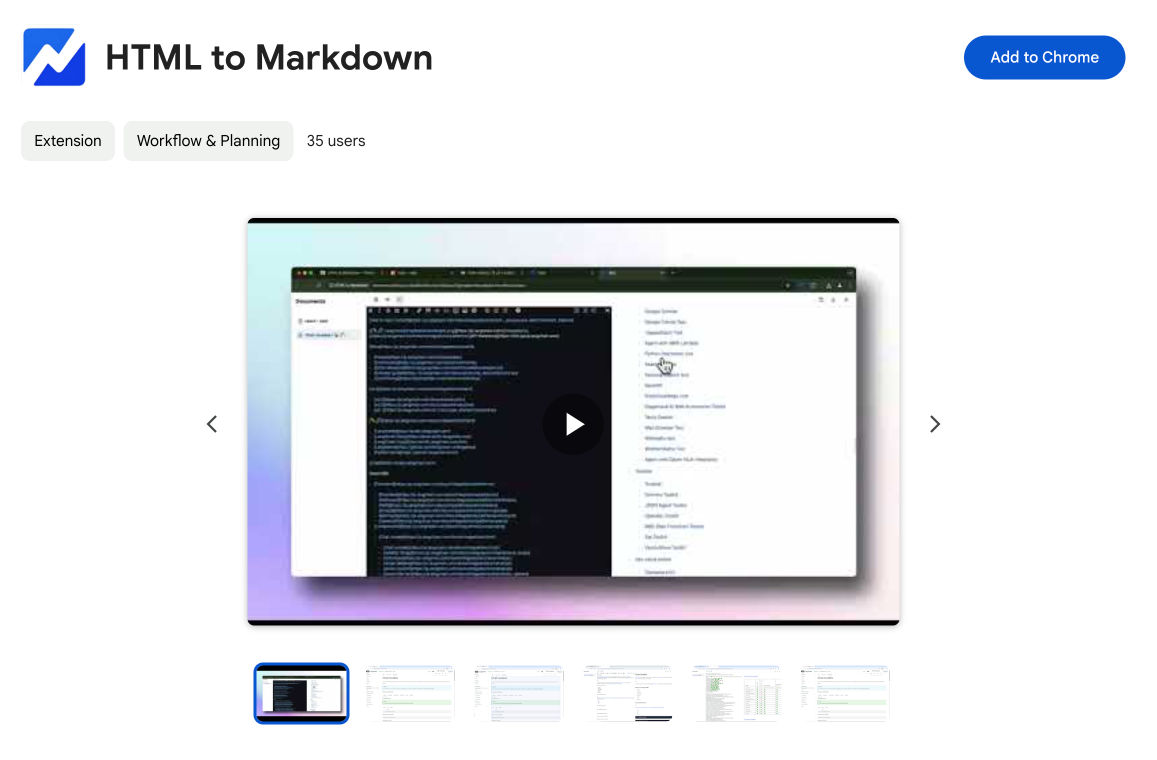
HTML to Markdown
Convert HTML to Markdown with ease, directly in your browser 📄
Dotallio
Personalized AI apps that automate research, data extraction, and content creation without code 🤖
Talk to Santa
Enjoy a magical live video chat or receive a unique AI-generated video greeting from Santa Claus 🎅
pozywka.pl
Scalable blog for food journalist, focused on performance and user experience 🌭
zagrodzki.me
Personal blog and portfolio of Bart Zagrodzki, where he shares his knowledge and work 💼
TurboStarter
Ship your startup everywhere. In minutes.
HTML to Markdown
Convert HTML to Markdown with ease, directly in your browser 📄
Omichat
Chat with 50+ AI models, including ChatGPT and Claude, in one place - switch models anytime without losing context 🤖
Claude Fast
Supercharge your Claude Code with 6x effective context window and specialized AI agents 🤖
EmojAI
AI-powered emoji picker with smart, context-aware suggestions 🤖

Solohacker
Autonomous company launcher - AI agents work 24/7, escalate what matters, and you stay in control 🤖

BeRawi: Storytelling Coach
Practice storytelling daily with instant feedback to sound clearer, more engaging, and confident 🎤
Omichat
Chat with 50+ AI models, including ChatGPT and Claude, in one place - switch models anytime without losing context 🤖
Claude Fast
Supercharge your Claude Code with 6x effective context window and specialized AI agents 🤖
EmojAI
AI-powered emoji picker with smart, context-aware suggestions 🤖
Solohacker
Autonomous company launcher - AI agents work 24/7, escalate what matters, and you stay in control 🤖
BeRawi: Storytelling Coach
Practice storytelling daily with instant feedback to sound clearer, more engaging, and confident 🎤

Connect with like-minded people
Join our community to get feedback, support, and grow together with 1,000+ builders on board, let's ship it!
Join usShip your startup everywhere. In minutes.
Don't burn tokens on setup and start building features on day one.