ReturnRelay
Help Shopify brands turn returns into exchanges with a branded portal, flexible policy rules, and margin-aware incentives—without a heavyweight returns suite.
What ReturnRelay is and why it matters
ReturnRelay is a Shopify returns management app designed to help ecommerce brands turn more returns into exchanges. It combines a branded self-service returns portal, configurable return policy rules, and incentives that account for product margins—without requiring merchants to adopt a large, complex returns suite.
That positioning addresses a problem many growing stores face: returns are operationally necessary, but they can also create lost revenue, support work, and uncertainty for shoppers. A basic return form may collect requests, yet do little to encourage an exchange. At the other end of the market, a comprehensive returns platform may offer extensive capabilities that a small or mid-sized brand does not need.
The opportunity is to make the moment after a purchase more useful for both customer and merchant. ReturnRelay can help a shopper find a relevant replacement, understand their options, and complete a return request without waiting for support. At the same time, the merchant can guide eligible customers toward an exchange or store credit when that outcome makes commercial sense.
The primary keyword for this product is Shopify returns management software. Related search terms include Shopify returns portal, Shopify exchange portal, returns automation for Shopify, and Shopify returns app for growing brands. These phrases reflect different stages of buyer intent: some merchants are researching a solution, while others are comparing tools or trying to improve an existing returns workflow.
The problem ReturnRelay should solve
A return is not automatically a failed transaction. A customer may have ordered the wrong size, selected an unsuitable color, or changed their mind. If the brand can make the next step easy, that customer may still want a different product or another version of the same one.
However, a poorly designed returns experience can push the customer toward a refund even when an exchange would have worked. Common causes include:
- A confusing or difficult-to-find return process
- Policy rules that are unclear or applied inconsistently
- A portal that feels disconnected from the brand’s storefront
- Slow, manual approval and support workflows
- No useful alternatives to a refund
- Incentives that reduce margin more than necessary
- Limited visibility into why customers return products
Merchants also face the cost of handling each request. Support teams may need to check order details, confirm eligibility, explain policy exceptions, and coordinate the next step. As order volume grows, manual handling can create delays and inconsistent customer experiences.
ReturnRelay should not promise that every refund can be prevented. Some customers are entitled to a refund, and some products are not suitable for exchange. A more credible product promise is to make the best eligible outcome clear and easy, while giving merchants control over the rules.
Target audience for a Shopify returns portal
ReturnRelay’s strongest initial audience is likely to be Shopify brands that have enough return volume to feel the operational pain, but do not want to implement a heavyweight platform.
Independent and emerging direct-to-consumer brands
These merchants often manage operations with a small team. They may have outgrown email-based return requests but lack the time or budget to configure a complex system. A polished, focused Shopify returns app can give them a more professional workflow without requiring a dedicated operations department.
Useful product priorities for this group include:
- Fast setup using existing Shopify order data
- A branded returns page that matches the storefront
- Clear default policy templates
- Simple exchange and store-credit options
- Notifications that reduce “What is happening with my return?” support requests
Growing brands with meaningful return volume
As a brand grows, return handling becomes more than a customer-service task. Operations teams need consistent rules, usable reporting, and ways to identify recurring issues. These merchants may have multiple product categories, different eligibility windows, or special handling requirements.
They are likely to value:
- Rule-based eligibility by product, order, or return reason
- Return reason reporting
- Staff controls for exceptions and approvals
- Clear tracking of exchange and refund outcomes
- Integration with the existing fulfillment process
Brands with fit-sensitive or variant-heavy products
Apparel, footwear, and other products with meaningful size, fit, or configuration choices can be natural candidates for exchange-first workflows. A shopper who wants a different size may prefer a quick replacement over a refund and a separate repurchase.
ReturnRelay should make product alternatives easy to understand. When inventory data is available, the portal can show eligible variants and current availability. When it is not, the app should avoid presenting an exchange option that the merchant cannot fulfill.
Lean ecommerce teams seeking a focused tool
Some merchants already use Shopify for commerce and prefer a smaller number of tools with clear responsibilities. ReturnRelay can appeal to teams that need a returns portal and practical exchange workflows, but do not need a broad post-purchase platform.
The product should be careful not to equate “lightweight” with “limited.” Merchants still need reliable policy enforcement, accurate order data, transparent customer communication, and a trustworthy audit trail.
Market opportunity and product gap
The market opportunity is not simply “returns are difficult.” It is the gap between basic return intake and large, all-in-one returns operations platforms.
At one end, a merchant may rely on contact forms, spreadsheets, email, and manual Shopify order checks. This setup can be inexpensive initially, but it becomes harder to manage as volume and policy complexity increase. At the other end, a comprehensive returns suite may offer a wide range of logistics, analytics, and workflow capabilities. Those features can be valuable, but the setup effort and product breadth may exceed what a lean team needs.
ReturnRelay can occupy the middle:
- More structured than an email-based process
- More focused than an enterprise returns suite
- More commercially aware than a generic return request form
- More customer-friendly than a policy page that simply says what is not allowed
The distinctive market gap is margin-aware exchange guidance. Many returns workflows present choices, but a merchant still needs to decide which incentive is appropriate for a given product, order, and customer scenario. ReturnRelay can help merchants configure incentives with clear boundaries rather than using a blanket discount or credit offer.
This positioning should be validated, not assumed. During discovery, interview merchants about their current return volume, most common return reasons, exchange rate, operational time per request, and the tools they already use. Ask for examples of recent return cases and observe how a team handles them. Concrete workflow evidence is more useful than general statements that returns are “a pain.”
For any public market-size or return-rate claims, cite a current report from a reputable commerce, logistics, or industry research organization. Include the publication date, methodology, and the population studied. Avoid presenting a single industry-wide figure as representative of every Shopify category.
Core features for ReturnRelay
1. A branded self-service returns portal
The portal is the customer-facing foundation of ReturnRelay. Customers should be able to find it easily, enter the required order details, and see clear next steps. Branding should include the merchant’s logo, colors, helpful policy text, and appropriately styled email notifications.
A useful portal should:
- Verify the customer’s order using appropriate information
- Display eligible items and quantities
- Explain which items are not eligible and why
- Collect a structured return reason
- Present available refund, exchange, or store-credit outcomes
- Confirm the request and explain what happens next
The experience should work well on mobile. Customers may begin a return from an email or a phone browser, so the portal should avoid long forms, dense policy text, and unnecessary account requirements.
2. Flexible policy rules
Return policies often contain exceptions. A product may be final sale, a return window may depend on purchase date, or a particular item may require manual review. ReturnRelay should let merchants express these rules in a way that is understandable to operators and predictable for customers.
A practical rule system can support conditions such as:
- Purchase date and return-window eligibility
- Product, collection, or variant eligibility
- Order status and fulfillment status
- Return reason
- Final-sale or non-returnable product flags
- Manual approval requirements
- Allowed resolutions, such as refund, exchange, or store credit
Policy rules should have a clear evaluation order. If two rules conflict, the merchant needs to know which one takes precedence. The interface should also explain the outcome in plain language, rather than exposing technical rule logic to customers.
3. Exchange-first options
ReturnRelay’s exchange workflow should make a suitable replacement easy to select without hiding a customer’s other eligible choices. The customer might choose a different size, color, or product. The merchant can decide whether to offer an exchange, store credit, or refund for each eligible situation.
Important workflow details include:
- Inventory availability at the time of selection
- Price differences between the original and replacement item
- Handling of exchanges that cost more or less
- Clear instructions for returning the original item
- Notifications when the replacement order is created or updated
If inventory is unavailable, the portal should not imply that an exchange is guaranteed. It can offer an eligible alternative, allow the customer to choose store credit, or explain that the merchant will follow up.
4. Margin-aware incentives
A key differentiator is the ability to configure incentives with commercial context. For example, a merchant might offer a modest store-credit bonus for eligible items, or choose not to offer an incentive on products with tight margins. These should be merchant-controlled options, not an opaque algorithm making decisions on the brand’s behalf.
A safe design should let teams define:
- Which resolutions are available for specific products or scenarios
- Whether a store-credit bonus applies
- Maximum incentive limits
- Exclusions for low-margin or restricted products
- The exact customer-facing explanation of the offer
The product should show the merchant the potential cost of an incentive before it is activated. This helps avoid a “more exchanges at any cost” strategy that may increase conversion but erode contribution margin.
5. Return reason and outcome analytics
Return data is most useful when it can inform action. A dashboard should show more than a count of requests. Merchants need to understand why products are returned, which outcomes customers select, and where a policy or product detail may be causing avoidable friction.
Useful early metrics include:
- Return requests by product or product category
- Return reasons over time
- Exchange, store-credit, and refund selections
- Approval and processing time
- Requests that require manual intervention
- Incentive use and associated order outcomes
Analytics should define each metric clearly. For example, “exchange rate” could mean the share of all return requests that resulted in an exchange, or the share of eligible customers who selected one. Those are different measurements. A trustworthy dashboard explains the denominator and avoids implying causation from simple correlation.
6. Operational controls and customer communication
Merchants need the ability to manage exceptions without abandoning automation. Staff should be able to review a request, approve or decline it where policy permits, add internal notes, and see a history of important actions.
Customer communication should be timely and specific. A confirmation email should state what was requested and what happens next. An approval message should include instructions. A delay message should set a realistic expectation rather than making a vague promise.
Recommended product workflow
A return flow should reduce uncertainty at each step:
- The customer opens the merchant’s branded returns portal.
- ReturnRelay verifies the order and retrieves eligible items.
- The customer selects the item and provides a return reason.
- The policy engine evaluates eligibility and available resolutions.
- The portal presents valid options, including an exchange when available.
- The customer submits the request and receives clear instructions.
- The merchant or connected workflow processes the returned item.
- ReturnRelay records the outcome for reporting and future improvements.
The product should make each status visible to both the customer and the merchant. Even when a request requires manual review, the customer should know it has been received and what response to expect.
Competitive advantage and positioning
ReturnRelay’s competitive advantage should be built around focus and decision quality, not a longer feature checklist. Its strongest promise is that a Shopify merchant can deliver a branded returns experience, apply flexible policies, and encourage commercially sensible exchanges without taking on the complexity of a broad returns platform.
| Capability | ReturnRelay | Basic return form | Enterprise returns suite | Manual process |
|---|---|---|---|---|
| Branded self-service portal | Core focus | Limited | Common | Usually absent |
| Flexible eligibility rules | Core focus | Limited | Often extensive | Handled by staff |
| Exchange-oriented flow | Core focus | Usually absent | Often available | Inconsistent |
| Margin-aware incentives | Positioning opportunity | Absent | Varies by product | Manual judgment |
| Low operational complexity | Target outcome | High, with limited capability | May require setup | Low software cost, high labor |
The comparison describes product categories rather than every competitor. Actual capabilities vary by vendor and plan, so merchants should assess tools against their own requirements.
To defend its position, ReturnRelay should deliver three things consistently:
- Fast time to value: merchants should be able to configure a working portal without a long implementation project.
- Transparent control: policy logic and incentives should be understandable, testable, and editable by the merchant.
- Useful commercial reporting: teams should be able to see whether exchange options are helping, without being pushed toward indiscriminate incentives.
Recommended technology stack
The architecture should prioritize secure Shopify data handling, reliable policy evaluation, and a customer portal that performs well on mobile.
Application and user interface
A practical web application could use React for the interface and Next.js for server-rendered pages and application routing. This approach supports a responsive customer portal as well as merchant-facing configuration screens. A component system and accessible form patterns can help keep the experience consistent.
Tailwind CSS can speed up styling, particularly for an early product team, but it should not replace a deliberate design system. Customer-facing portal elements need to be themeable without producing unreadable contrast or inconsistent spacing.
For Shopify-specific app behavior, use the official developer resources at Shopify.dev. Follow current Shopify requirements for authentication, permissions, embedded applications, and data access. API versions and platform requirements can change, so verify the latest documentation before implementation.
Backend and data storage
A backend service should own policy evaluation, return state transitions, and sensitive business logic. A relational database such as PostgreSQL is a strong fit because merchants, policies, orders, return requests, items, and status changes have clear relationships.
A typical data model could include:
- Merchant accounts and Shopify shop identifiers
- Policy rules and their precedence
- Return requests and line items
- Resolution choices and incentive configuration
- Status events and staff actions
- Notification delivery records
Persist event history rather than overwriting important state. An audit trail helps support teams answer questions about why a request was approved, which rule applied, or when a status changed.
Background processing and integrations
Some tasks should run asynchronously: sending notifications, syncing updated order data, retrying temporary API failures, and processing scheduled cleanup. A job queue can help prevent slow third-party calls from blocking the customer experience.
The implementation should be idempotent. If a webhook or job is delivered more than once, the system should avoid creating duplicate return requests, refunds, or exchange orders. Store identifiers and event-processing state so retries can be handled safely.
Billing and application operations
Use a billing approach that matches how Shopify apps are expected to charge merchants, and verify current platform requirements before selecting a payment flow. If an external billing provider is needed for non-Shopify transactions, Stripe offers payment infrastructure, but it should not be added without a clear need.
For a fast starting point on the SaaS foundation, TurboStarter can help accelerate common product infrastructure so the team can spend more time validating the returns workflow itself. A starter kit can reduce setup work, but it does not replace security review, Shopify-specific integration work, or product testing.
Trade-offs to consider
- A monolith versus microservices: start with a modular application unless measured scale or team boundaries justify distributed services. Microservices add deployment and observability overhead.
- Polling versus webhooks: webhooks can provide timely updates, while polling can be useful for reconciliation. A resilient product may use webhooks plus periodic checks for important data.
- A configurable rules engine versus custom code: a structured rules engine supports merchant flexibility, but overly broad configuration makes the product harder to explain and test. Begin with a small, explicit set of rule types.
- Real-time inventory checks versus cached data: real-time checks can improve accuracy but add latency and dependency on external services. Cached inventory may be faster, but the portal must handle changes gracefully.
Monetization strategy
ReturnRelay should test pricing against merchant value and support costs. Avoid choosing a pricing model based only on competitor pricing or a desire to maximize revenue per account.
Tiered subscription pricing
A simple tiered plan can align price with store size, monthly return volume, or access to advanced capabilities. Possible packaging distinctions include:
- A starter plan with the branded portal and basic policies
- A growth plan with advanced rules, exchange workflows, and reporting
- A higher tier with team controls, richer analytics, or priority support
The tiers should be easy to compare. Avoid making a merchant contact sales just to understand which plan supports a basic returns workflow.
Usage-based pricing
Pricing tied to return requests can match infrastructure and support costs more closely. However, merchants may find variable bills difficult to predict, especially during seasonal peaks. If usage pricing is tested, provide clear thresholds, advance warnings, and a way to estimate the next bill.
Feature-based packaging
Advanced analytics, multi-location logic, or more sophisticated policy controls may justify higher tiers. The core portal should still provide enough value to produce a complete customer experience. If essential functionality is scattered across add-ons, the product can feel fragmented.
Incentive-related monetization
Charging a share of exchanged order value might appear aligned with outcomes, but it can create trust concerns or confusing attribution. If considered, the methodology must be explicit. Merchants should understand exactly what is counted, when the fee applies, and how refunds or cancellations affect the calculation.
A good pricing experiment measures more than conversion. Track activation, time to first successful return, retention, support burden, and merchant feedback. The best model is one customers can understand and one that supports sustainable product economics.
Risks and mitigation
Risk: customers perceive exchange incentives as manipulative
If the portal hides refunds or pressures customers into store credit, the experience can damage trust and may conflict with policy or legal obligations.
Mitigation: display eligible options clearly, explain any bonus in plain language, and give merchants control over policy-compliant choices. Do not represent an incentive as a neutral recommendation if it benefits the merchant.
Risk: policy rules become difficult to manage
A highly configurable engine can produce conflicting conditions and unexpected outcomes.
Mitigation: keep the first version opinionated. Provide rule previews, explain which rule applies to a sample order, and warn merchants when rules overlap or leave a scenario undefined.
Risk: Shopify API or platform changes disrupt workflows
Third-party platforms evolve, and integrations can be affected by API version changes, permission updates, or webhook behavior.
Mitigation: monitor official Shopify developer announcements, maintain a supported API-version plan, and test critical flows before upgrades. Use retries, logging, and reconciliation for integration failures.
Risk: incorrect order or inventory information creates a bad experience
Stale or incomplete data can result in an invalid exchange option or an incorrect eligibility decision.
Mitigation: validate important data at the point of submission, show clear fallback states, and avoid guaranteeing an outcome before the necessary checks succeed.
Risk: return analytics lead to misleading conclusions
A high return rate for one product does not by itself reveal why the product is returned. It could reflect fit, quality, inaccurate descriptions, customer behavior, or a change in order mix.
Mitigation: present descriptive metrics with definitions, let merchants segment by relevant dimensions, and avoid suggesting causal explanations without supporting evidence. Encourage teams to investigate return reasons alongside product reviews, support conversations, and merchandising details.
Risk: customer and order data is mishandled
Return workflows involve personal information and purchase history. A breach or excessive access can undermine merchant and customer confidence.
Mitigation: collect only the data needed, limit staff access, secure credentials, define retention practices, and document data handling. Conduct a security review before launch and revisit it as integrations and data volume grow.
How to validate the idea before building too much
Start with discovery that tests the specific ReturnRelay hypothesis: merchants want a simpler returns portal that makes exchanges easier while keeping policy and incentive decisions under their control.
Interview merchants across different store sizes and product categories. Ask them to walk through a recent return request rather than asking whether they would use a hypothetical app. Find out:
- How a customer currently starts a return
- What information staff must check
- Which return reasons occur most often
- How often customers ask for an exchange
- Where delays or mistakes happen
- What the current tools cost in money and staff time
- Which policy exceptions are difficult to handle
Then test a clickable prototype of the customer portal and merchant rules interface. Watch users complete realistic scenarios, including an eligible exchange, a final-sale item, and an item requiring review. Note where users hesitate or misunderstand the available choices.
Before writing a broad product roadmap, secure a small group of design partners. Agree on a limited pilot scope and define the evidence that would justify continued investment. Possible indicators include successful setup, completed return requests, the share of eligible customers selecting an exchange, support time per request, and merchant willingness to keep paying. Treat these as validation measures, not guaranteed outcomes.
Actionable implementation plan
Define the initial customer and workflow. Choose a narrow starting segment, such as growing Shopify apparel brands, and document the return scenarios the first release will support. Avoid trying to serve every category and policy model at launch.
Interview merchants and map their current process. Observe real workflows, identify manual steps, and capture the policy rules that create the most friction. Separate recurring needs from rare exceptions.
Prototype the portal and policy setup. Test the customer experience and merchant configuration screens before building a full integration. Include mobile layouts and edge cases, not just the ideal exchange flow.
Build a focused MVP. Prioritize order verification, eligibility rules, return reason capture, refund or exchange resolution, status updates, and an audit trail. Add only the integrations required to complete the pilot workflow reliably.
Run a controlled pilot. Onboard a small set of merchants, review requests frequently, and record where the system requires manual intervention. Make sure the product explains failures clearly instead of leaving customers at a dead end.
Measure outcomes and refine positioning. Compare the actual workflow before and after implementation. Improve setup, rule clarity, and exchange availability based on observed usage, then test pricing with pilot customers.
A practical MVP feature boundary
A first release does not need every feature in a mature returns platform. It does need to complete the core job reliably.
Include in the MVP:
- A branded, mobile-friendly portal
- Shopify order and item lookup
- A small set of eligibility rule types
- Return reason selection
- Merchant-configured exchange, refund, or store-credit options
- Request status and email notifications
- A staff view for review and exceptions
- Basic reporting with clearly defined metrics
Defer until customer evidence supports it:
- Complex multi-warehouse routing
- Broad carrier and logistics integrations
- Automated fraud scoring
- Highly customized workflow builders
- Advanced cross-channel analytics
- A large library of incentive experiments
This boundary keeps the product centered on its unique value: helping Shopify brands offer a better return experience and make exchanges easier to choose, without burying a lean team in software complexity.
The long-term opportunity
If the initial product earns merchant trust, ReturnRelay can grow from a returns portal into a decision layer for post-purchase operations. It could help brands identify product information gaps, detect recurring fit issues, understand which exchanges are most useful, and refine policies based on evidence.
That expansion should follow demonstrated customer needs. The strongest foundation is a dependable workflow that treats customers fairly, gives merchants meaningful control, and makes each outcome visible. ReturnRelay’s advantage will come from making that experience straightforward and commercially thoughtful—not from adding features before merchants need them.
For founders evaluating the idea, the next step is concrete: validate the target segment, map real return workflows, prototype the exchange experience, and test whether merchants will pay for a focused Shopify returns management app. Build the smallest product that can answer those questions, then expand based on observed behavior.
Frequently asked questions
ReturnRelay is a proposed Shopify returns management app that gives merchants a branded self-service portal, configurable return policies, and exchange-oriented options. Its focus is helping eligible customers find a useful alternative to a refund while keeping merchants in control of rules and incentives.
It is designed for Shopify brands that have outgrown email-based return handling but do not need a broad enterprise returns suite. It may be especially relevant to growing teams with repeat return volume, product variants, or opportunities to offer exchanges.
Merchants can configure eligible resolutions and set boundaries for incentives by product or scenario. The portal should explain the options clearly, avoid blanket discounts, and report how customers use each resolution so the merchant can evaluate the economics.
Useful measures include return reasons, resolution selection, processing time, manual-review volume, and incentive use. Every metric should define its scope and denominator so merchants can interpret results accurately.
More 🛒 E-commerce SaaS ideas
Discover more innovative e-commerce SaaS ideas that are trending in 2026. Each idea is AI-generated with market validation and growth potential to help you find your next profitable venture faster than competitors.
Your competitors are building with TurboStarter
Below are some of the SaaS ideas that have been generated and built with our starter kit.

Statiko
Monitor any Telegram channel in real time - track posts, edits, deletions, and growth with AI recaps 📡

Shibui
AI website builder - describe your business, pick a niche template, edit by chatting, and publish instantly ✨

Pro Service
Find verified home service professionals, compare quotes, and pay securely through escrow - built for Brazilians across the US 🏠

RankGrow
Fix your SEO with AI agents - connect Search Console, get prioritized tasks, and grow organic traffic 📈
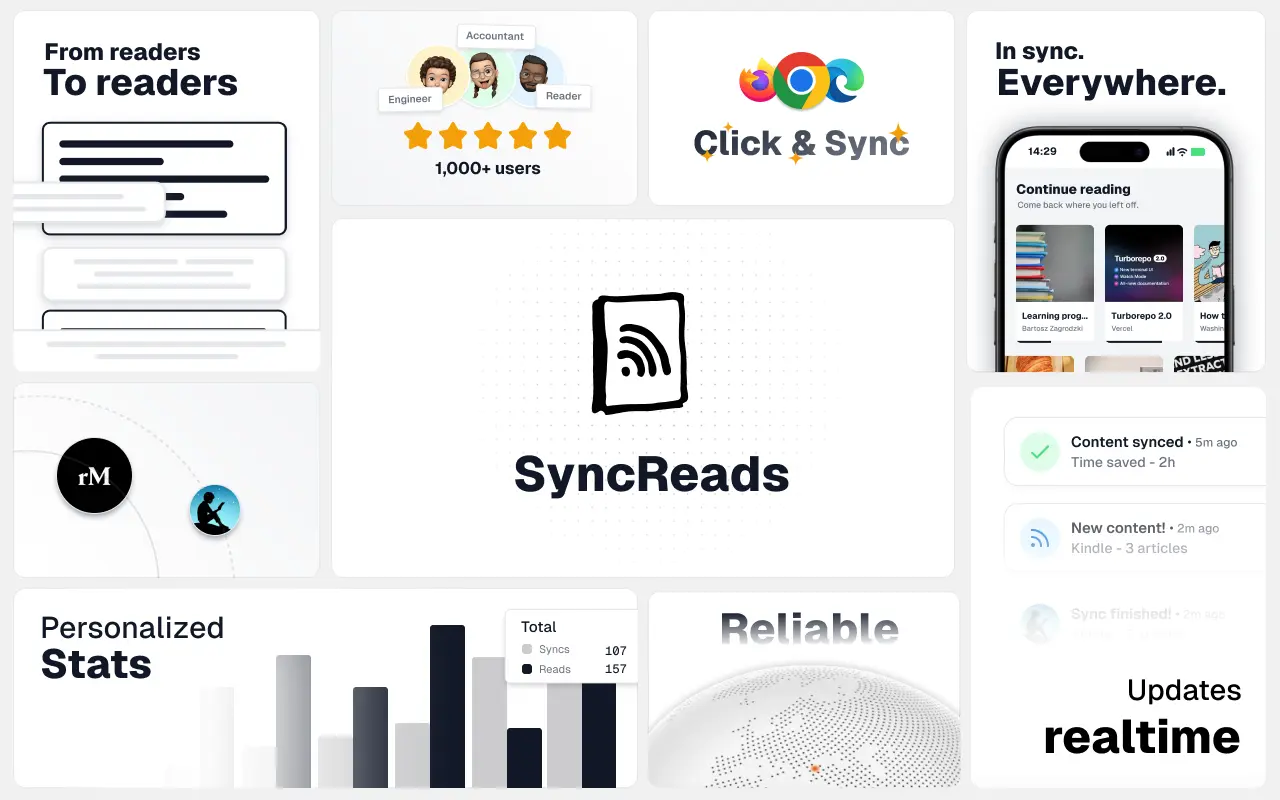
SyncReads
Sync your favorite content for distraction-free reading, save time and replace multiple apps. Anytime, anywhere 🔄

Socialcrawl
Get clean, structured data from 21 platforms like TikTok, Instagram, and YouTube with a single request 📊
Statiko
Monitor any Telegram channel in real time - track posts, edits, deletions, and growth with AI recaps 📡
Shibui
AI website builder - describe your business, pick a niche template, edit by chatting, and publish instantly ✨
Pro Service
Find verified home service professionals, compare quotes, and pay securely through escrow - built for Brazilians across the US 🏠
RankGrow
Fix your SEO with AI agents - connect Search Console, get prioritized tasks, and grow organic traffic 📈
SyncReads
Sync your favorite content for distraction-free reading, save time and replace multiple apps. Anytime, anywhere 🔄
Socialcrawl
Get clean, structured data from 21 platforms like TikTok, Instagram, and YouTube with a single request 📊
Statiko
Monitor any Telegram channel in real time - track posts, edits, deletions, and growth with AI recaps 📡
Shibui
AI website builder - describe your business, pick a niche template, edit by chatting, and publish instantly ✨
Pro Service
Find verified home service professionals, compare quotes, and pay securely through escrow - built for Brazilians across the US 🏠
RankGrow
Fix your SEO with AI agents - connect Search Console, get prioritized tasks, and grow organic traffic 📈
SyncReads
Sync your favorite content for distraction-free reading, save time and replace multiple apps. Anytime, anywhere 🔄
Socialcrawl
Get clean, structured data from 21 platforms like TikTok, Instagram, and YouTube with a single request 📊
Statiko
Monitor any Telegram channel in real time - track posts, edits, deletions, and growth with AI recaps 📡
Shibui
AI website builder - describe your business, pick a niche template, edit by chatting, and publish instantly ✨
Pro Service
Find verified home service professionals, compare quotes, and pay securely through escrow - built for Brazilians across the US 🏠
RankGrow
Fix your SEO with AI agents - connect Search Console, get prioritized tasks, and grow organic traffic 📈
SyncReads
Sync your favorite content for distraction-free reading, save time and replace multiple apps. Anytime, anywhere 🔄
Socialcrawl
Get clean, structured data from 21 platforms like TikTok, Instagram, and YouTube with a single request 📊

Dotallio
Personalized AI apps that automate research, data extraction, and content creation without code 🤖

Talk to Santa
Enjoy a magical live video chat or receive a unique AI-generated video greeting from Santa Claus 🎅

pozywka.pl
Scalable blog for food journalist, focused on performance and user experience 🌭
zagrodzki.me
Personal blog and portfolio of Bart Zagrodzki, where he shares his knowledge and work 💼

TurboStarter
Ship your startup everywhere. In minutes.
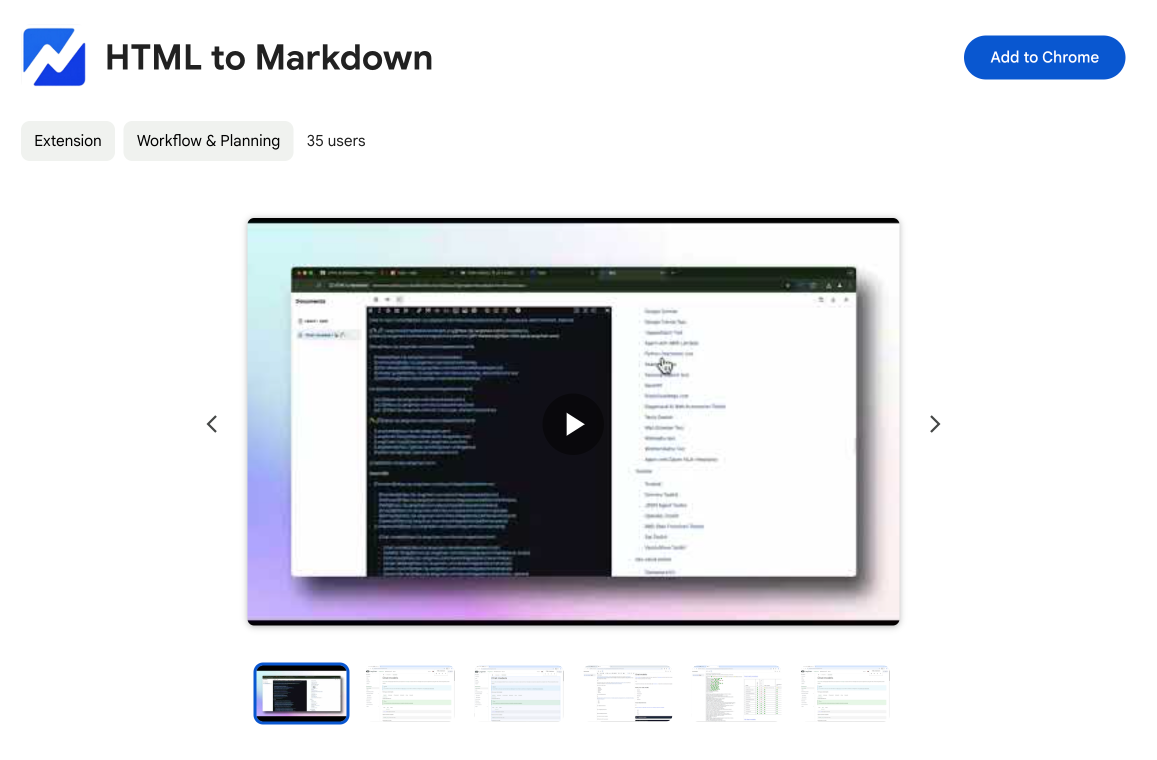
HTML to Markdown
Convert HTML to Markdown with ease, directly in your browser 📄
Dotallio
Personalized AI apps that automate research, data extraction, and content creation without code 🤖
Talk to Santa
Enjoy a magical live video chat or receive a unique AI-generated video greeting from Santa Claus 🎅
pozywka.pl
Scalable blog for food journalist, focused on performance and user experience 🌭
zagrodzki.me
Personal blog and portfolio of Bart Zagrodzki, where he shares his knowledge and work 💼
TurboStarter
Ship your startup everywhere. In minutes.
HTML to Markdown
Convert HTML to Markdown with ease, directly in your browser 📄
Dotallio
Personalized AI apps that automate research, data extraction, and content creation without code 🤖
Talk to Santa
Enjoy a magical live video chat or receive a unique AI-generated video greeting from Santa Claus 🎅
pozywka.pl
Scalable blog for food journalist, focused on performance and user experience 🌭
zagrodzki.me
Personal blog and portfolio of Bart Zagrodzki, where he shares his knowledge and work 💼
TurboStarter
Ship your startup everywhere. In minutes.
HTML to Markdown
Convert HTML to Markdown with ease, directly in your browser 📄
Dotallio
Personalized AI apps that automate research, data extraction, and content creation without code 🤖
Talk to Santa
Enjoy a magical live video chat or receive a unique AI-generated video greeting from Santa Claus 🎅
pozywka.pl
Scalable blog for food journalist, focused on performance and user experience 🌭
zagrodzki.me
Personal blog and portfolio of Bart Zagrodzki, where he shares his knowledge and work 💼
TurboStarter
Ship your startup everywhere. In minutes.
HTML to Markdown
Convert HTML to Markdown with ease, directly in your browser 📄
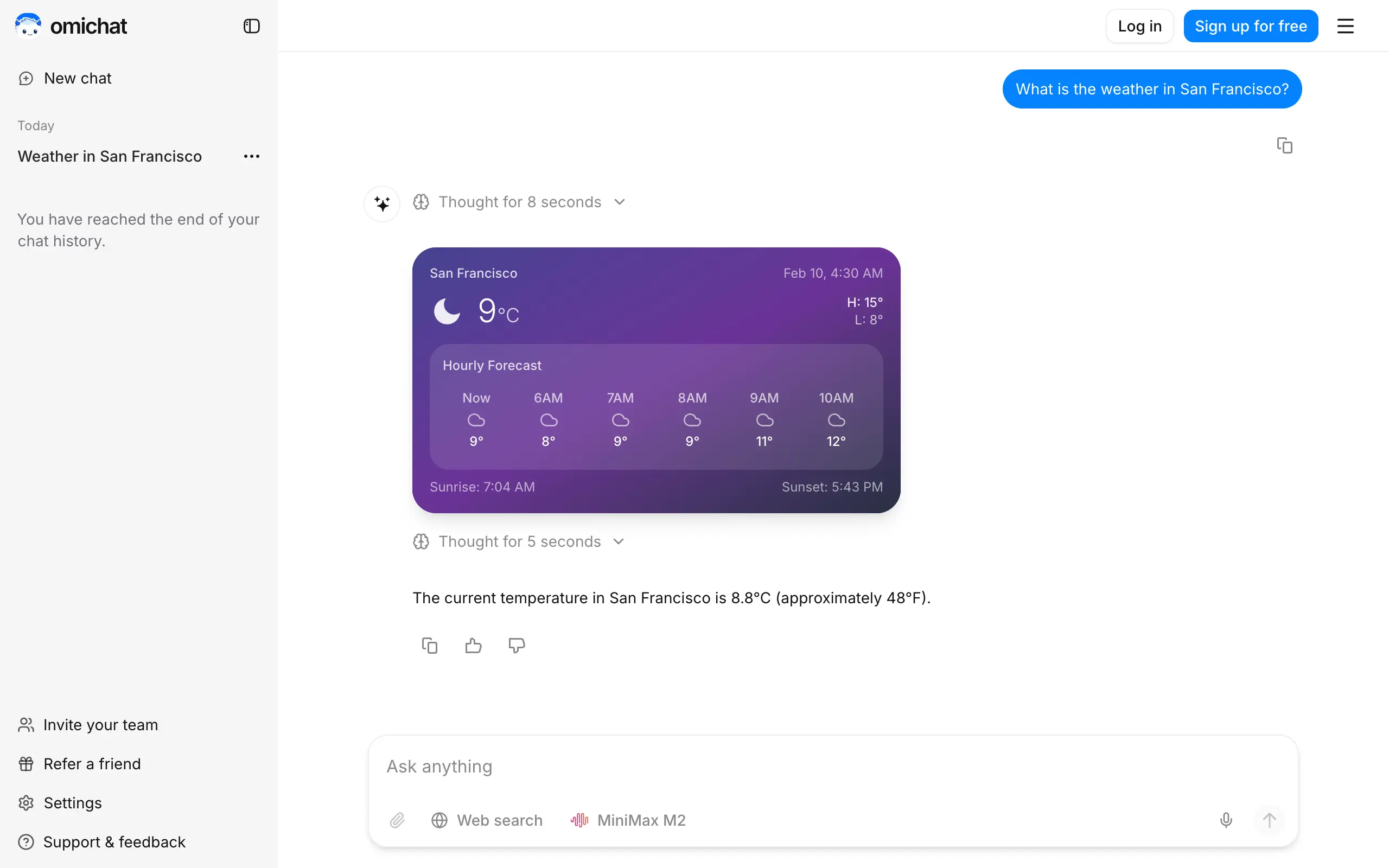
Omichat
Chat with 50+ AI models, including ChatGPT and Claude, in one place - switch models anytime without losing context 🤖
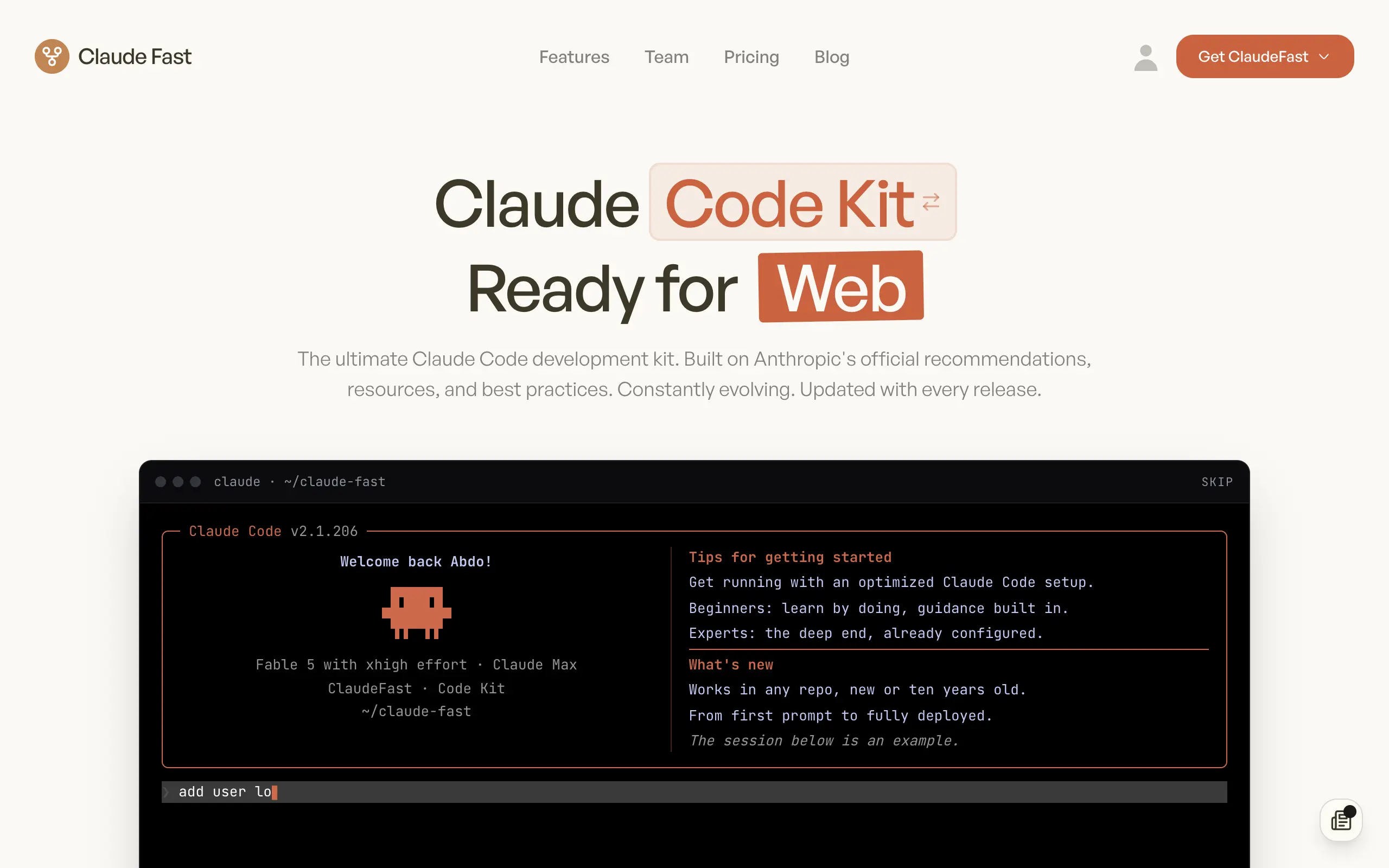
Claude Fast
Supercharge your Claude Code with 6x effective context window and specialized AI agents 🤖

EmojAI
AI-powered emoji picker with smart, context-aware suggestions 🤖

Solohacker
Autonomous company launcher - AI agents work 24/7, escalate what matters, and you stay in control 🤖

BeRawi: Storytelling Coach
Practice storytelling daily with instant feedback to sound clearer, more engaging, and confident 🎤
Omichat
Chat with 50+ AI models, including ChatGPT and Claude, in one place - switch models anytime without losing context 🤖
Claude Fast
Supercharge your Claude Code with 6x effective context window and specialized AI agents 🤖
EmojAI
AI-powered emoji picker with smart, context-aware suggestions 🤖
Solohacker
Autonomous company launcher - AI agents work 24/7, escalate what matters, and you stay in control 🤖
BeRawi: Storytelling Coach
Practice storytelling daily with instant feedback to sound clearer, more engaging, and confident 🎤
Omichat
Chat with 50+ AI models, including ChatGPT and Claude, in one place - switch models anytime without losing context 🤖
Claude Fast
Supercharge your Claude Code with 6x effective context window and specialized AI agents 🤖
EmojAI
AI-powered emoji picker with smart, context-aware suggestions 🤖
Solohacker
Autonomous company launcher - AI agents work 24/7, escalate what matters, and you stay in control 🤖
BeRawi: Storytelling Coach
Practice storytelling daily with instant feedback to sound clearer, more engaging, and confident 🎤
Omichat
Chat with 50+ AI models, including ChatGPT and Claude, in one place - switch models anytime without losing context 🤖
Claude Fast
Supercharge your Claude Code with 6x effective context window and specialized AI agents 🤖
EmojAI
AI-powered emoji picker with smart, context-aware suggestions 🤖
Solohacker
Autonomous company launcher - AI agents work 24/7, escalate what matters, and you stay in control 🤖
BeRawi: Storytelling Coach
Practice storytelling daily with instant feedback to sound clearer, more engaging, and confident 🎤

Connect with like-minded people
Join our community to get feedback, support, and grow together with 1,000+ builders on board, let's ship it!
Join usShip your startup everywhere. In minutes.
Don't burn tokens on setup and start building features on day one.