ReverCart
On-demand product return and exchange management SaaS that streamlines reverse logistics for small and medium online retailers, boosting retention and customer trust.
Understanding the growing need for streamlined reverse logistics in ecommerce
As online retail matures, efficient reverse logistics—managing product returns and exchanges—has become a critical differentiator. Buyers expect smooth, hassle-free returns, while small and medium-sized ecommerce brands face logistical headaches, potential revenue loss, and customer churn caused by poor return experiences. Enter on-demand product return and exchange management software—specifically, SaaS platforms like ReverCart that aim to address these pain points for the under-served SMB market.
This in-depth guide explores the ReverCart SaaS opportunity, its unique value in the ecommerce ecosystem, and practical steps for building a standout solution.
Target audience analysis: Who most benefits from ReverCart?
A precise understanding of the target audience helps focus every aspect of product and go-to-market fit. The core user groups for ReverCart include:
1. Small and medium-sized online retailers (SMBs)
These merchants typically sell through platforms like Shopify, WooCommerce, BigCommerce, or their own custom storefronts. Key attributes:
- Limited or no in-house logistics teams
- Strained resources dealing with manual returns/exchanges via email, spreadsheets, or disconnected apps
- Relatively high order volumes, often with a 5-15% industry-average return rate ([Suggest referencing recent eMarketer or National Retail Federation data])
- Sensitivity to customer reviews impacting reputation and repeat business
2. Ecommerce operations managers
Individuals responsible for day-to-day order fulfillment, customer service, and inventory management frequently spend outsized amounts of time on reverse logistics tasks. Streamlining returns can free up resources for growth-oriented activities.
3. Fast-growing direct-to-consumer (DTC) brands
Emerging brands need to offer competitive, trust-building policies—especially easy returns—to nurture loyalty and reduce return-related friction during purchase.
4. Integration partners and ecommerce agencies
Agencies and tech partners who build, customize, or maintain ecommerce stores benefit from plug-and-play reverse logistics solutions they can recommend or implement for clients.
Identifying the market gap and opportunity
The state of ecommerce reverse logistics
- Returns are rising: According to various industry estimates, ecommerce return rates hover between 16-30% depending on the category. This trend has risen with post-pandemic e-retail acceleration ([Suggest referencing Shopify or Shopify Plus research]).
- Customer expectations have shifted: Frictionless, transparent returns are now tablestakes for buyer trust. Amazon and large retailers have set a high bar impossible for most SMBs to match manually.
- Operational complexity: Many SMBs lack systems to automate, track, and optimize returns. They rely on ad-hoc workflows, leading to lost packages, delayed exchanges, inventory inaccuracies, and customer frustration.
Why existing solutions fall short for SMBs
- Enterprise-focused SaaS is overpriced and overly complex
- DIY approaches lack efficiency and scalability
- Generic plugins (e.g., basic Shopify returns) lack the nuanced workflows and automation needed as order volume and complexity grows
ReverCart’s market opportunity
Unique positioning: On-demand SaaS for product returns and exchanges, built for the real-world needs of small-to-midsize online retailers. ReverCart offers enterprise-grade reverse logistics without the bloat, cost, or IT overhead—leveling the playing field for SMBs.
Core features & solution details: What makes ReverCart powerful?
A modern reverse logistics SaaS must go far beyond handling return labels. ReverCart’s envisioned features are designed to deliver convenience, automation, and customer-centric experiences for retailers and shoppers alike.
Automated returns/exchanges portal
Custom-branded portals embedded in the merchant's site or app for customers to initiate, track, and self-manage returns/exchanges—no manual intervention required.
Dynamic eligibility rules
Merchants define flexible rules based on product category, order date, geography, or customer segment—preventing abuse and matching business policies.
Integrated shipping label generation
On-demand shipping labels from leading carriers (UPS, FedEx, DHL, local) issued automatically upon approval, with negotiated rates.
Real-time tracking & notifications
Automated status updates via SMS, email, or in-app for customers and merchant staff, reducing 'where is my return?' support tickets.
Centralized dashboard & analytics
Comprehensive overview for operations managers—track return reasons, item conditions, refund status, restocking, and high-level metrics.
Multi-channel platform integrations
Seamless connections with Shopify, WooCommerce, BigCommerce, Magento, and API for headless/custom stores—ensuring painless setup.
Smart refunds and store credits
Automated refund workflow with eligibility for cash refunds, exchanges, or credits—tailored to merchant policy.
Returns fraud detection
Intelligent flagging of suspicious or abusive return/exchange patterns via configurable rules and ML-based heuristics.
Green returns & sustainability features
Eco-friendly options, e.g., aggregated shipments, digital-only exchanges, suggested donation/charity partnerships—enhancing brand image.
Example user flow powered by ReverCart
- Buyer initiates return/exchange via branded portal.
- Platform checks eligibility, presents dynamic options.
- Upon approval, on-demand label or instructions provided.
- Customer mails item; tracking is integrated.
- Merchant dashboard updates status and triggers refund, exchange, or store credit.
- System logs reason, notifies relevant teams, and updates inventory automatically.
Recommended tech stack: Building scalability and ease of integration
Choosing a modern, modular technology stack is vital for SaaS maintainability, scalability, and developer velocity. Consider the following choices with their trade-offs:
Frontend
- React: Industry-standard for fast, interactive dashboards and portals. Large ecosystem, ready-made components, and easy theming for white-labeling.
- TailwindCSS: Rapid, consistent styling, responsive design, and theme support for merchant branding.
- TypeScript: Strong typing reduces runtime bugs, essential for complex business logic.
Backend
- Node.js (with frameworks like Express, Fastify, or NestJS): High performance, JavaScript synergy with frontend, and excellent support for API-first architectures.
- GraphQL: Flexible data fetching, useful for analytics dashboards and integrations.
Database
- PostgreSQL: Relational structure is ideal for transactional integrity (orders, returns) with strong support for analytics.
- Redis: For caching session data and temporary return tracking for performance.
Integrations & APIs
- Shopify, WooCommerce, BigCommerce, Magento: Use official APIs for reliable integration.
- Major shipping carriers: Integrate via official carrier APIs for real-time label generation.
- Payment processors: For refunds/store credits (Stripe, PayPal).
DevOps and scalability
- Docker/Kubernetes: Containerization for portability and scalability.
- AWS, Google Cloud, or Azure: Cloud-native infrastructure.
- CI/CD tools: Automated testing and deployments.
Tech stack tip
Consider using serverless functions for scalable, usage-based operations such as label generation or fraud checks, reducing infrastructure overhead.
Trade-offs and future-proofing
- Serverless vs. monolith: Serverless scales with fluctuating volumes during holiday return spikes but can introduce cold start delays. Consider hybrid approaches.
- GraphQL vs. REST: GraphQL is great for flexibility and frontend-driven teams but requires careful caching strategy.
Monetization strategy options for ReverCart
A well-structured revenue model aligns customer value with SaaS profits. Common approaches for reverse logistics SaaS include:
1. Subscription-based pricing (tiered plans)
- Starter: Limited monthly return volume, basic integrations
- Growth: Higher volume, advanced automation, analytics
- Pro/Enterprise: Unlimited returns, all integrations, priority support
2. Usage-based pricing
- Pay per return/exchange processed (or per label generated). Ideal for seasonally fluctuating order flows.
3. Add-ons and upsells
- White labeling, custom integrations, advanced reporting, or AI-powered fraud analytics as premium features.
4. Revenue share with integrations/partners
- Commissions from recommended logistics, packaging, or sustainability partners.
5. Free trial/freemium
- Limited free return management for micro retailers; convert to paid as volume and value grow.
Subscription tiers are predictable and preferred by most SaaS buyers, but offering usage-based add-ons can increase ARPU for high-volume merchants. Analyze competitor pricing (e.g., AfterShip, Returnly) and survey your audience for best results.
Potential risks and mitigation strategies
Launching a SaaS in the reverse logistics space involves operational, technical, and market risks. Foresight and planning help minimize these challenges.
1. Integration complexity
Risk: Third-party ecommerce or carrier APIs can change, fail, or break with scale.
Mitigation:
- Abstract integrations with adapters
- Proactive monitoring/alerts
- Regular API audits
2. Returns fraud and policy abuse
Risk: Malicious actors exploit automated systems for fraudulent returns.
Mitigation:
- Layered eligibility rules
- Returns history profiling
- ML-based pattern detection
3. Customer support overhead
Risk: SMB users expect white-glove onboarding and support, which can outpace resources.
Mitigation:
- Invest in detailed documentation and onboarding flows
- Consider chatbots or in-app guides
- Tiered support based on pricing plan
4. Data privacy & compliance
Risk: Handling PII and financial data makes compliance (GDPR, CCPA) essential.
Mitigation:
- Implement end-to-end encryption and access controls
- Apply privacy by design principles
- Undergo regular compliance audits
5. Competition from bigger players’ evolving features
Risk: Platforms like Shopify and Amazon continually enhance built-in reverse logistics.
Mitigation:
- Double down on SMB-specific needs and customization
- Offer integrations and partnerships lacking in big-box solutions
- Maintain rapid innovation cadence
Competitive advantage analysis: Why ReverCart stands out
The reverse logistics SaaS space includes both horizontal (platform-provided) and vertical (third-party plugin) competitors. Here's how ReverCart differentiates:
| Enterprise SaaS | Shopify Plugins | Manual Management | ReverCart | One-Size-Fits-All |
|---|---|---|---|---|
| ✅ Powerful analytics | ❌ Pricey | ❌ Time-consuming | ✅ Affordable | ❌ Not tailored |
| ✅ Robust integrations | ❌ Merchant lock-in | ✅ Flexible | ✅ Merchant-focused | ❌ Lacks automation |
Key USPs:
- SMB-centric: ReverCart’s features are right-sized—automation and analytics scaled to growing retailers, not over-engineered for Fortune 500s.
- Easy integration: Plug-and-play with all major ecommerce platforms, reducing IT friction.
- Rich policy flexibility: Adapt returns/exchanges to unique business needs—holiday windows, product-level rules, customer segmentation.
- Emphasis on customer satisfaction: The experience for buyers is as polished as for merchants, boosting net promoter score and lowering churn.
- Sustainability ready: Integrated green options for eco-conscious brands.
Fresh trends and strategic insights: Reverse logistics in 2024 and beyond
- Sustainability focus is rising: Returns are environmentally costly. Brands leveraging solutions like aggregated shipments and donation flows both save costs and build trust with Gen Z/Millennial buyers.
- AI for return reason prediction: Predicting why returns occur (poor fit, inaccurate photos, etc.) lets merchants proactively adjust inventory, product info, and marketing.
- "Returnless refunds": For low-cost goods, enabling refunds without a physical return is gaining traction—a SaaS platform can automate and validate this approach for qualified orders.
- Omni-channel demand: With commerce happening everywhere (social, DTC, marketplaces), merchants crave a unified returns workflow.
Actionable implementation steps: Building and rolling out ReverCart
Rolling out an ecommerce SaaS like ReverCart requires a disciplined, iterative approach:
The path forward: Winning in reverse logistics SaaS
ReverCart’s on-demand SaaS model uniquely empowers small and mid-sized online retailers to compete on customer experience, operational efficiency, and brand trust—without the overhead that plagues manual reverse logistics. By focusing on:
- Intuitive automation
- Deep integrations
- SMB-driven features
- Competitive, accessible pricing
...ReverCart can become a mission-critical tool for modern merchants eager to build loyalty and repeat business in the demanding ecommerce landscape.
Next steps: Launch smarter, iterate faster
For SaaS founders, agencies, or teams exploring the reverse logistics opportunity, actionable takeaways include:
- Start with user interviews: Directly engage a diverse cross-section of small and midsize merchants.
- Map integration points: Anticipate API needs for seamless onboarding, and prioritize the fastest-growing platforms.
- Prototype the customer journey: A polished shopper return flow is as vital as robust merchant-facing dashboards.
- Build, launch, learn, repeat: Continuous feedback loops outcompete scale in this rapidly evolving market.
For a head start in building efficient, modern SaaS products like ReverCart, check out tools such as TurboStarter for rapid scaffolding and deployment.
Frequently asked questions
SMB retailers gain access to automation and efficiency once reserved for enterprise brands, leveling the competitive playing field and boosting conversion and retention rates.
By offering eco-friendly return workflows, aggregated shipments, and suggested donations, ReverCart helps brands reduce both costs and environmental impact.
ReverCart focuses on no-code/low-code integrations with leading ecommerce platforms, making setup fast and non-disruptive.
Reduced support costs, fewer manual errors, greater customer satisfaction, and more retained revenue from streamlined returns and exchanges.
By embracing the future of intelligent, SMB-first reverse logistics with ReverCart, merchants transform a pain point into a competitive asset—delighting customers and driving business growth.
More 🛒 E-commerce SaaS ideas
Discover more innovative e-commerce SaaS ideas that are trending in 2026. Each idea is AI-generated with market validation and growth potential to help you find your next profitable venture faster than competitors.
Your competitors are building with TurboStarter
Below are some of the SaaS ideas that have been generated and built with our starter kit.

Statiko
Monitor any Telegram channel in real time - track posts, edits, deletions, and growth with AI recaps 📡

Shibui
AI website builder - describe your business, pick a niche template, edit by chatting, and publish instantly ✨

Pro Service
Find verified home service professionals, compare quotes, and pay securely through escrow - built for Brazilians across the US 🏠
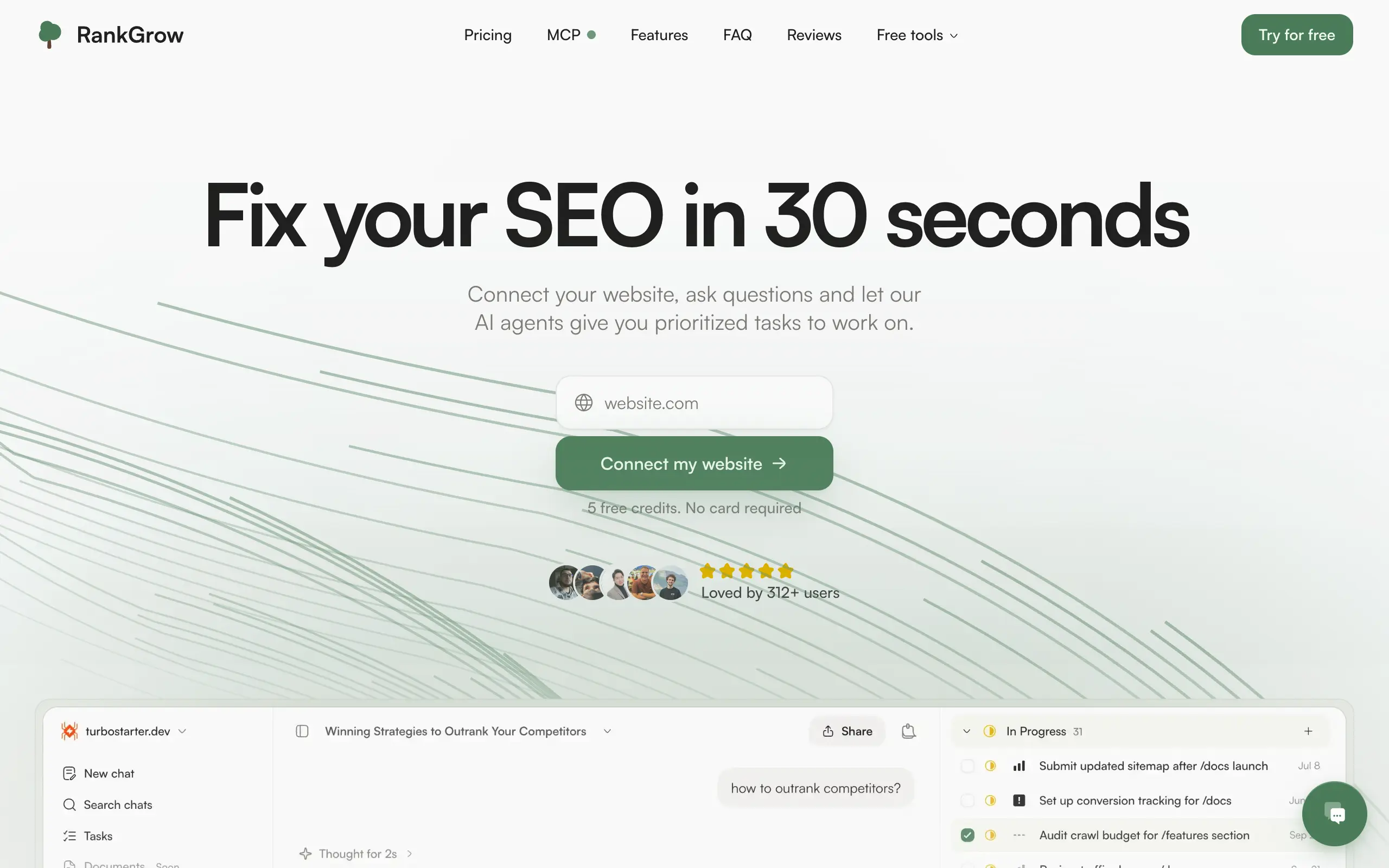
RankGrow
Fix your SEO with AI agents - connect Search Console, get prioritized tasks, and grow organic traffic 📈
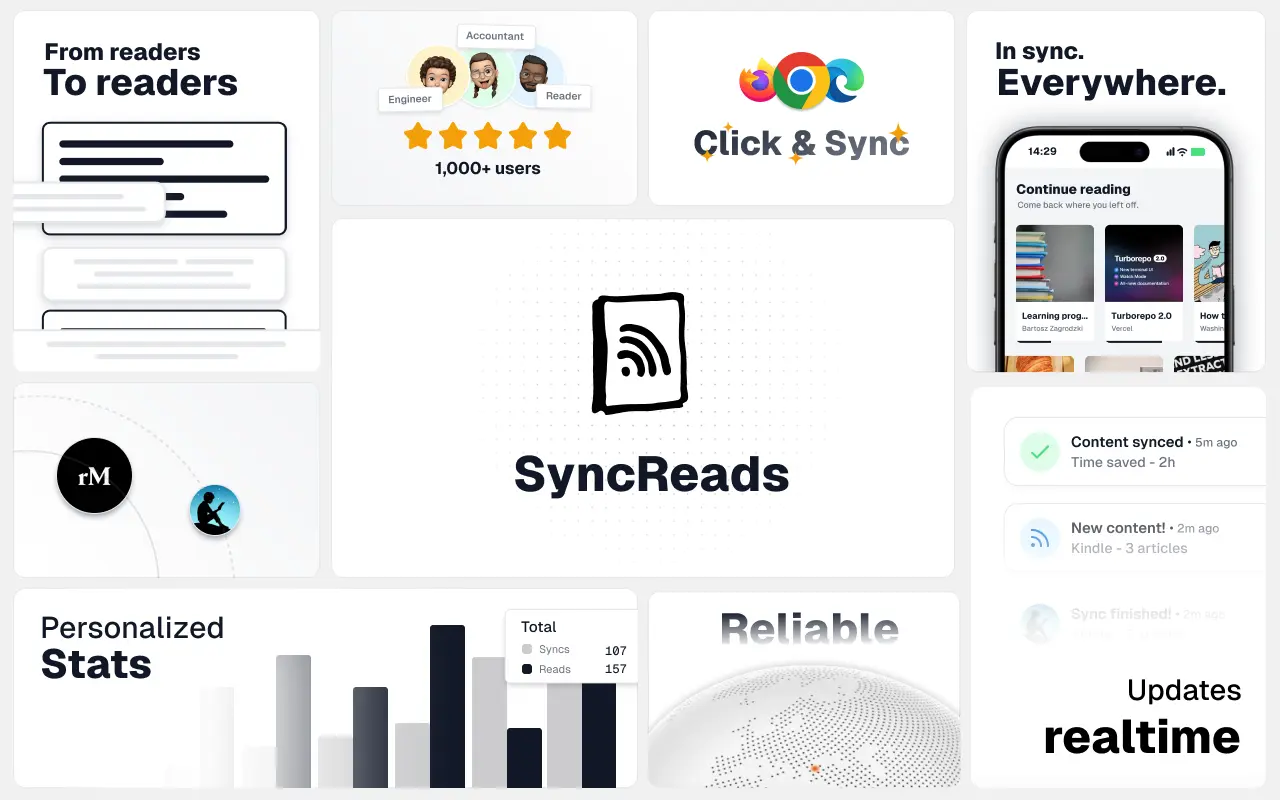
SyncReads
Sync your favorite content for distraction-free reading, save time and replace multiple apps. Anytime, anywhere 🔄
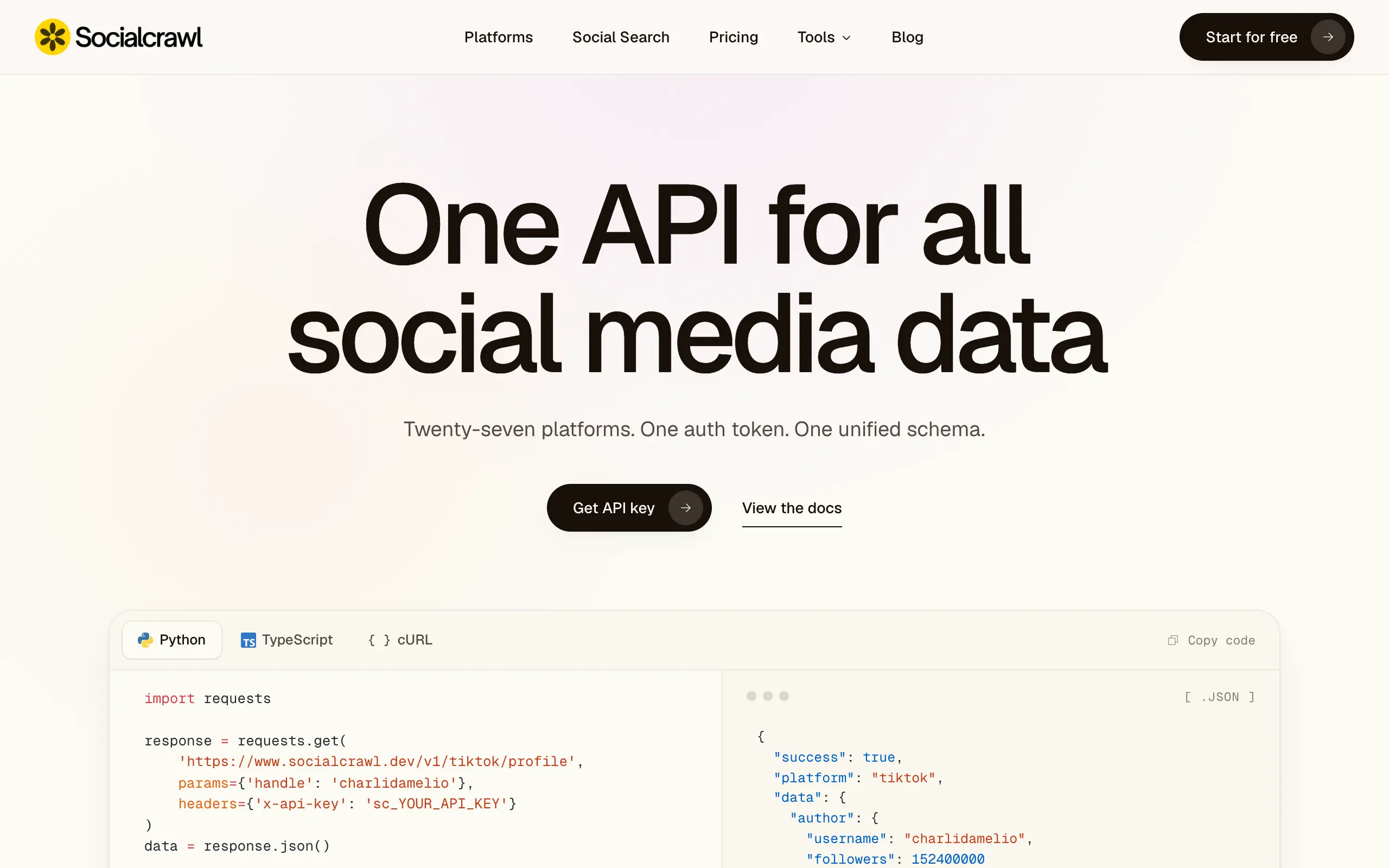
Socialcrawl
Get clean, structured data from 21 platforms like TikTok, Instagram, and YouTube with a single request 📊
Statiko
Monitor any Telegram channel in real time - track posts, edits, deletions, and growth with AI recaps 📡
Shibui
AI website builder - describe your business, pick a niche template, edit by chatting, and publish instantly ✨
Pro Service
Find verified home service professionals, compare quotes, and pay securely through escrow - built for Brazilians across the US 🏠
RankGrow
Fix your SEO with AI agents - connect Search Console, get prioritized tasks, and grow organic traffic 📈
SyncReads
Sync your favorite content for distraction-free reading, save time and replace multiple apps. Anytime, anywhere 🔄
Socialcrawl
Get clean, structured data from 21 platforms like TikTok, Instagram, and YouTube with a single request 📊
Statiko
Monitor any Telegram channel in real time - track posts, edits, deletions, and growth with AI recaps 📡
Shibui
AI website builder - describe your business, pick a niche template, edit by chatting, and publish instantly ✨
Pro Service
Find verified home service professionals, compare quotes, and pay securely through escrow - built for Brazilians across the US 🏠
RankGrow
Fix your SEO with AI agents - connect Search Console, get prioritized tasks, and grow organic traffic 📈
SyncReads
Sync your favorite content for distraction-free reading, save time and replace multiple apps. Anytime, anywhere 🔄
Socialcrawl
Get clean, structured data from 21 platforms like TikTok, Instagram, and YouTube with a single request 📊
Statiko
Monitor any Telegram channel in real time - track posts, edits, deletions, and growth with AI recaps 📡
Shibui
AI website builder - describe your business, pick a niche template, edit by chatting, and publish instantly ✨
Pro Service
Find verified home service professionals, compare quotes, and pay securely through escrow - built for Brazilians across the US 🏠
RankGrow
Fix your SEO with AI agents - connect Search Console, get prioritized tasks, and grow organic traffic 📈
SyncReads
Sync your favorite content for distraction-free reading, save time and replace multiple apps. Anytime, anywhere 🔄
Socialcrawl
Get clean, structured data from 21 platforms like TikTok, Instagram, and YouTube with a single request 📊
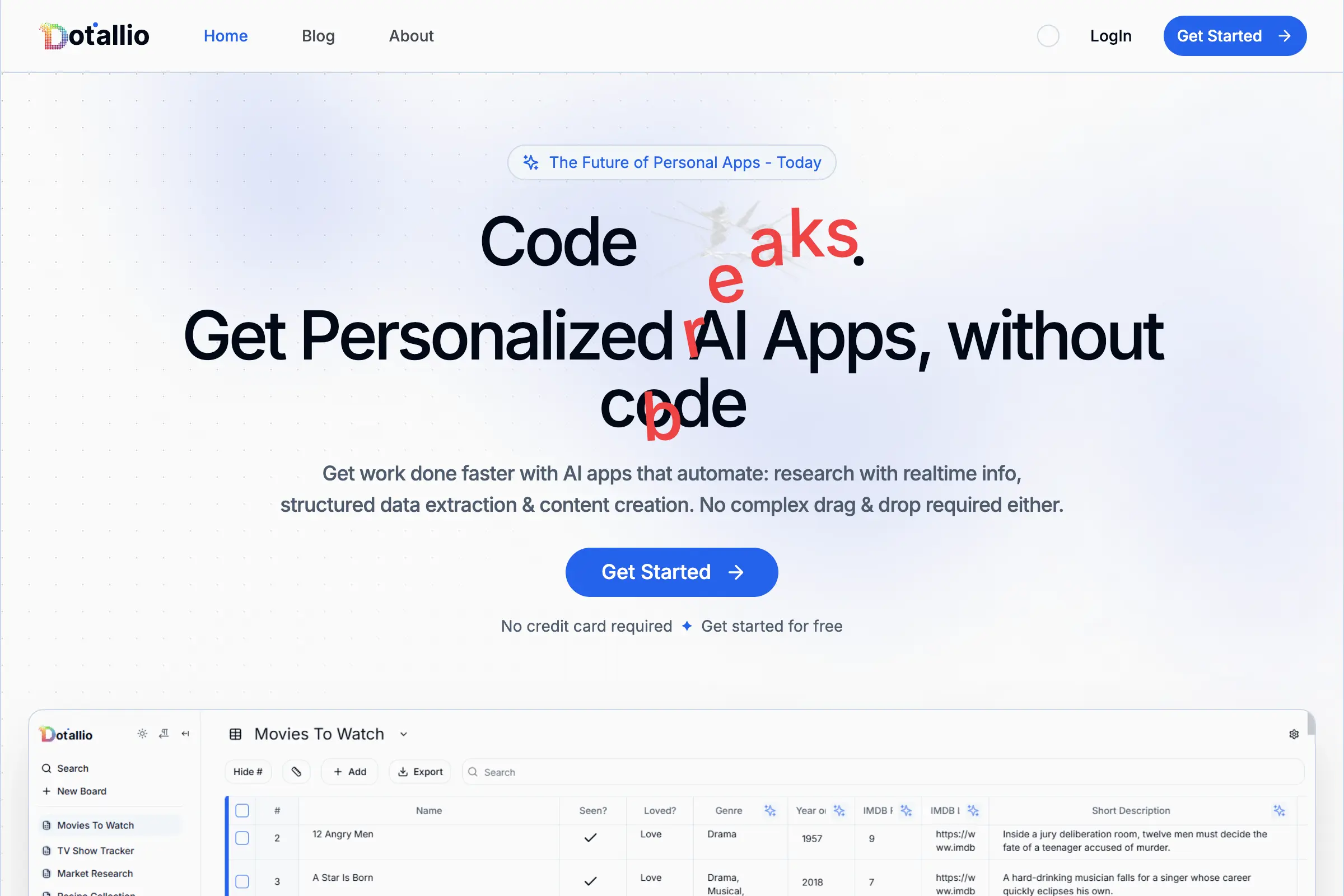
Dotallio
Personalized AI apps that automate research, data extraction, and content creation without code 🤖

Talk to Santa
Enjoy a magical live video chat or receive a unique AI-generated video greeting from Santa Claus 🎅

pozywka.pl
Scalable blog for food journalist, focused on performance and user experience 🌭
zagrodzki.me
Personal blog and portfolio of Bart Zagrodzki, where he shares his knowledge and work 💼

TurboStarter
Ship your startup everywhere. In minutes.
HTML to Markdown
Convert HTML to Markdown with ease, directly in your browser 📄
Dotallio
Personalized AI apps that automate research, data extraction, and content creation without code 🤖
Talk to Santa
Enjoy a magical live video chat or receive a unique AI-generated video greeting from Santa Claus 🎅
pozywka.pl
Scalable blog for food journalist, focused on performance and user experience 🌭
zagrodzki.me
Personal blog and portfolio of Bart Zagrodzki, where he shares his knowledge and work 💼
TurboStarter
Ship your startup everywhere. In minutes.
HTML to Markdown
Convert HTML to Markdown with ease, directly in your browser 📄
Dotallio
Personalized AI apps that automate research, data extraction, and content creation without code 🤖
Talk to Santa
Enjoy a magical live video chat or receive a unique AI-generated video greeting from Santa Claus 🎅
pozywka.pl
Scalable blog for food journalist, focused on performance and user experience 🌭
zagrodzki.me
Personal blog and portfolio of Bart Zagrodzki, where he shares his knowledge and work 💼
TurboStarter
Ship your startup everywhere. In minutes.
HTML to Markdown
Convert HTML to Markdown with ease, directly in your browser 📄
Dotallio
Personalized AI apps that automate research, data extraction, and content creation without code 🤖
Talk to Santa
Enjoy a magical live video chat or receive a unique AI-generated video greeting from Santa Claus 🎅
pozywka.pl
Scalable blog for food journalist, focused on performance and user experience 🌭
zagrodzki.me
Personal blog and portfolio of Bart Zagrodzki, where he shares his knowledge and work 💼
TurboStarter
Ship your startup everywhere. In minutes.
HTML to Markdown
Convert HTML to Markdown with ease, directly in your browser 📄

Omichat
Chat with 50+ AI models, including ChatGPT and Claude, in one place - switch models anytime without losing context 🤖
Claude Fast
Supercharge your Claude Code with 6x effective context window and specialized AI agents 🤖

EmojAI
AI-powered emoji picker with smart, context-aware suggestions 🤖

Solohacker
Autonomous company launcher - AI agents work 24/7, escalate what matters, and you stay in control 🤖

BeRawi: Storytelling Coach
Practice storytelling daily with instant feedback to sound clearer, more engaging, and confident 🎤
Omichat
Chat with 50+ AI models, including ChatGPT and Claude, in one place - switch models anytime without losing context 🤖
Claude Fast
Supercharge your Claude Code with 6x effective context window and specialized AI agents 🤖
EmojAI
AI-powered emoji picker with smart, context-aware suggestions 🤖
Solohacker
Autonomous company launcher - AI agents work 24/7, escalate what matters, and you stay in control 🤖
BeRawi: Storytelling Coach
Practice storytelling daily with instant feedback to sound clearer, more engaging, and confident 🎤
Omichat
Chat with 50+ AI models, including ChatGPT and Claude, in one place - switch models anytime without losing context 🤖
Claude Fast
Supercharge your Claude Code with 6x effective context window and specialized AI agents 🤖
EmojAI
AI-powered emoji picker with smart, context-aware suggestions 🤖
Solohacker
Autonomous company launcher - AI agents work 24/7, escalate what matters, and you stay in control 🤖
BeRawi: Storytelling Coach
Practice storytelling daily with instant feedback to sound clearer, more engaging, and confident 🎤
Omichat
Chat with 50+ AI models, including ChatGPT and Claude, in one place - switch models anytime without losing context 🤖
Claude Fast
Supercharge your Claude Code with 6x effective context window and specialized AI agents 🤖
EmojAI
AI-powered emoji picker with smart, context-aware suggestions 🤖
Solohacker
Autonomous company launcher - AI agents work 24/7, escalate what matters, and you stay in control 🤖
BeRawi: Storytelling Coach
Practice storytelling daily with instant feedback to sound clearer, more engaging, and confident 🎤

Connect with like-minded people
Join our community to get feedback, support, and grow together with 1,000+ builders on board, let's ship it!
Join usShip your startup everywhere. In minutes.
Don't burn tokens on setup and start building features on day one.