RevisionRally
A marketplace for student-made study bundles, searchable by grade, subject, and syllabus. Preview printable and digital resources before buying from creators.
Why a student study bundle marketplace has potential
Students already share notes, revision guides, flashcards, practice questions, and study plans. The problem is that these resources are scattered across group chats, social media, shared drives, and generic file marketplaces. It can be difficult to find materials that match a specific grade, subject, exam board, or syllabus—and just as difficult to tell whether a resource is accurate and worth paying for.
RevisionRally is a student study bundle marketplace designed to make that discovery process easier. Students can browse and buy printable and digital study resources, while student creators can package their knowledge into products and earn from their work. Search filters organized around grade, subject, and syllabus make the marketplace more relevant than a generic download store.
The opportunity is not simply to sell study notes. It is to build a trusted, searchable catalog of study materials with clear previews, reliable categorization, transparent creator profiles, and systems for quality and rights management.
For students, the core promise is find useful study resources that fit your course before you buy. For creators, it is reach students looking for the material you have already made. For the business, it is a marketplace model that can grow as more useful supply attracts more demand—and more demand gives creators a reason to contribute.
The search intent behind RevisionRally
People searching for a student study bundle marketplace may be trying to solve one of several related problems:
- Students want study guides, revision notes, flashcards, and practice materials that match their classes or exams.
- Parents and tutors want supplementary learning resources without spending hours searching for suitable materials.
- Student creators want to sell original notes, templates, and study bundles to a clearly defined audience.
- Educators and schools may want a better way to discover supplemental material, although their review and purchasing needs may differ from individual students’.
The product must serve these needs without implying that a resource guarantees better grades or replaces instruction. Its value comes from making relevant materials easier to find and evaluate—not from promising an academic outcome.
That distinction should guide the product’s messaging, ranking systems, and quality policies. A credible marketplace helps people make informed decisions. It does not overstate the effectiveness of a product based on a listing description or a few reviews.
Target audience analysis
A strong launch starts with a focused audience. “Students” is too broad to be a useful first market: students differ by age, country, subject, curriculum, assessment format, and purchasing behavior. A marketplace that launches with a few well-defined groups can provide a much better experience than one with thousands of poorly categorized listings.
Students looking for course-specific study resources
The primary demand-side audience includes students who need resources for a particular grade, course, subject, or syllabus. Their most important questions are practical:
- Does this bundle match what I am studying?
- Is it made for my grade level or exam board?
- What files are included, and can I use them on my device?
- Can I preview enough of the material to judge its quality?
- Is the listing current and accurate?
RevisionRally should answer these questions on the search results page and product page, not bury them in long descriptions. The more closely the marketplace’s filters reflect real academic choices, the less effort students need to spend separating relevant listings from irrelevant ones.
Student creators and peer tutors
The supply side includes students who have made original study resources, peer tutors who create structured learning materials, and recent graduates who can produce revision content based on their experience. They need straightforward publishing tools, clear marketplace rules, dependable payment processes, and feedback that helps them improve listings.
Creators may be motivated by revenue, but they also care about control over their work. They should understand what rights they grant to the marketplace, how buyers can use purchased files, what happens when a listing is reported, and how payouts are calculated.
Parents, tutors, and other buyers
Parents and tutors may buy resources on behalf of students. They often value clarity about audience, syllabus coverage, file formats, and how a bundle fits into a learning plan. A marketplace can support this audience with readable product details and transparent seller information without claiming that every resource has been formally vetted by an institution.
A practical first-market recommendation
Start with one narrow segment, such as a specific subject and curriculum in one region, or a defined group of high-demand courses. The best starting point is not necessarily the largest market. It is the segment where the team can recruit credible creators, verify product fit, and reach students through existing communities.
Before committing, interview both buyers and creators. Ask students how they currently find revision materials, what makes them trust a resource, and what they have bought or downloaded before. Ask creators what they already make, how they distribute it, and what would stop them from listing it on a marketplace. These conversations can reveal whether the main gap is discovery, trust, creation tools, distribution, or all four.
The market gap and opportunity
RevisionRally sits between informal peer-to-peer sharing and broad digital-product platforms. Informal channels can be convenient, but they often lack structured search, dependable product details, and consistent ways to verify a seller or report a problem. General marketplaces can support digital downloads, but their categories may not reflect the way students search for curriculum-aligned resources.
The gap is therefore not “no one sells notes.” The stronger opportunity is organized discovery and confidence in fit.
A marketplace built specifically around study bundles can structure its catalog using fields that matter in an academic context:
- Grade or year level
- Country, curriculum, or exam board
- Subject and course
- Topic or unit
- Resource type
- Language
- File format
- Last-updated date
- Intended audience or prerequisite knowledge
These details help students narrow their search and help creators explain what they are offering. They also create a foundation for better recommendations over time.
Why bundles can be more useful than individual files
A single revision sheet may solve a small problem. A bundle can combine related resources, such as topic summaries, flashcards, practice questions, and a revision schedule. Bundling can make it easier for buyers to understand the overall value of a listing and for creators to package a coherent learning aid.
However, bundles should not become a way to disguise low-quality or unrelated files. Each product page should clearly list included materials, file formats, the intended syllabus or course, and any known limitations. A preview should demonstrate the actual product rather than a polished cover alone.
What the marketplace must prove
The idea becomes more compelling when RevisionRally can demonstrate that it delivers three things better than existing alternatives:
- Relevance — search results match the student’s academic context.
- Confidence — buyers can evaluate a resource before purchasing.
- Fair participation — creators can list original work under transparent terms.
These are hypotheses to test, not assumptions to treat as established facts. Early interviews, marketplace experiments, and buyer behavior should determine which features deserve investment.
Core features for a study bundle marketplace
RevisionRally should launch with enough functionality to complete the marketplace loop: creators publish useful bundles, students find and evaluate them, payments are handled, and both sides can resolve problems.
Search by grade, subject, and syllabus
Search is the central product experience. A keyword box alone is not enough because students may not know the exact wording a creator used. Combine text search with structured filters for grade, subject, syllabus, resource type, and language.
The catalog should use consistent options wherever possible. If “biology,” “Bio,” and “life science” are all entered as unrelated free-text values, search quality will suffer. A controlled taxonomy, supported by creator-facing suggestions and administrative review, can keep listings consistent while still accommodating regional terminology.
The search experience should also handle missing information gracefully. A student who does not know an exam board should still be able to browse by subject and grade. Avoid requiring filters that many users cannot answer.
Detailed product pages and useful previews
A product page should help buyers understand exactly what they are purchasing. At minimum, show:
- A clear title and description
- Grade, subject, and syllabus information
- A list of files or materials included
- File types, approximate length, and any printing requirements
- A preview of representative pages or content
- Creator profile and relevant experience
- Price, license terms, and refund or support policy
- Ratings or reviews, when enough genuine feedback exists
Preview design requires care. It should show enough content to assess the product while protecting the creator’s work from being copied in full before purchase. Consider watermarked sample pages, limited previews, or rendered previews rather than direct access to the complete file.
Creator onboarding and publishing
Creator onboarding should explain the marketplace’s standards before someone uploads a product. A practical publishing workflow might request:
- Product title and description
- Subject, grade, and syllabus details
- Resource type and file formats
- Preview files or sample pages
- Originality and rights confirmation
- Price and license selection
Make the process easy to understand, but do not reduce rights confirmation to a vague checkbox. Creators need to know that they must own or have permission to distribute the materials they upload. The marketplace should also define what happens when content is reported or challenged.
Purchases, downloads, and account access
After purchase, buyers should have a reliable way to access their files. The product experience should explain where downloads are stored, whether there are download limits, and how to get help if a file is missing or corrupt.
Digital access should be designed with reasonable abuse prevention. For example, use authenticated download links, monitor unusual activity, and avoid exposing permanent public file URLs. At the same time, overly restrictive download controls can frustrate legitimate students. Test the balance with real buyers.
Reviews, ratings, and trust signals
Reviews can help students compare resources, but they are only useful when they are authentic and contextual. Let buyers review products they purchased, establish moderation rules, and give creators a way to respond professionally. Avoid rewarding positive reviews or presenting a small number of ratings as definitive proof of quality.
Trust signals can include a completed creator profile, clear product metadata, verified purchase indicators, and an explicit date when a resource was last updated. These signals describe what the marketplace knows; they should not imply institutional approval unless that approval actually exists.
Quality, safety, and rights management
A study resource marketplace faces risks that ordinary digital download stores may not. Study materials can contain factual errors, copied textbook content, answer keys, personal information, or content that violates a school or exam-board policy. Quality operations are therefore part of the product, not an afterthought.
Copyright and creator rights
Establish a clear policy for copyrighted material. Creators should not upload scans of textbooks, copied course packs, paid question banks, or other material they do not have permission to distribute. The policy should explain how to report infringement, what information a report should include, and how the marketplace reviews disputes.
A takedown process should be documented and consistently applied. Where the business operates, consult qualified legal counsel about applicable copyright rules, notice requirements, counter-notice procedures, and recordkeeping. A marketplace’s terms are not a substitute for legal advice.
Academic integrity
Study resources should support learning rather than facilitate cheating. Define prohibited content, including materials that appear to be unauthorized answers to active assessments or work submitted for someone else. Create a review and escalation process for listings that raise concerns.
The goal is not to ban legitimate practice questions or worked examples. Instead, distinguish learning aids from content that is likely to undermine assessment integrity. Policies should be specific enough for creators and moderators to apply consistently.
Educational accuracy
The marketplace can reduce risk through clear labeling and reporting, but it may not be realistic to claim that every student-made resource has been professionally reviewed. Make the level of review explicit. A listing might be creator-submitted, community-reviewed, or professionally reviewed only if those categories are supported by real processes.
Let buyers report suspected errors and allow creators to update files. Displaying an update date can help students judge whether a resource is likely to reflect a current syllabus. For high-stakes or rapidly changing subjects, the marketplace should avoid implying that old materials remain suitable without verification.
Privacy and younger users
Because the audience may include minors, data collection, account creation, messaging, and marketing deserve careful design. Collect only the information needed to operate the service, use age-appropriate defaults where required, and obtain legal guidance on applicable privacy and child-protection obligations in each market.
Avoid unnecessary direct messaging between buyers and creators, especially where users may be minors. A structured support and reporting system can solve many customer-service needs without exposing personal contact details.
Treat trust and safety as core product work
A marketplace handling student-created educational materials needs clear rules for copyright, academic integrity, privacy, and product quality. Build reporting, review, and appeal workflows before scaling listings—not after a serious dispute forces a rushed response.
Recommended technology stack
The right stack is the one that supports rapid iteration without compromising catalog quality, payment reliability, or secure file access. The following choices are a practical starting point, not the only viable architecture.
Web application and interface
A product team could build the web experience with React and Next.js, using TypeScript for safer application development. This combination supports interactive search and product pages, while also providing options for server-rendered pages that can be useful for public product discovery and search engine indexing.
A component system such as Tailwind CSS can help teams build consistent interfaces quickly. The trade-off is that utility-heavy styling can become difficult to maintain without clear conventions. Define design tokens and reusable components early, especially for filters, product cards, creator dashboards, and checkout states.
Database and search
A relational database such as PostgreSQL is a sensible foundation for users, products, categories, purchases, reviews, and moderation records. Its structured data model fits the relationships common to a marketplace, and it can support early search needs.
Search requirements may eventually outgrow basic database queries. Start with the simplest approach that meets actual user needs, then consider a dedicated search service if relevance tuning, typo tolerance, or large-scale filtering becomes a bottleneck. Do not add search infrastructure before the catalog and query behavior justify the operational cost.
File storage and delivery
Store uploaded files in private object storage rather than directly on the application server. Use access-controlled delivery, file validation, malware scanning where appropriate, and clear retention policies for rejected or deleted content. Preview files should be managed separately from full purchased downloads so the marketplace can control what is publicly accessible.
File security should be designed around the risk profile of the product. Consider file-size limits, allowed formats, virus scanning, signed access links, and safeguards against malicious uploads. A secure upload process improves safety for buyers and reduces operational risk.
Payments and marketplace payouts
A marketplace payment provider must support the business’s operating regions, seller onboarding, payout flows, refunds, and compliance requirements. Stripe Connect is one option to evaluate for marketplace payments, but availability and product suitability depend on where the company and its creators operate.
Payment integration is not just a checkout button. The team should define how fees, refunds, chargebacks, failed payouts, tax information, and creator balances are represented in the product. Confirm relevant requirements with the payment provider and qualified advisers before launch.
A fast route from idea to launch
Using an established foundation can save time on recurring SaaS and marketplace infrastructure. TurboStarter may help a team accelerate common application foundations, leaving more time for RevisionRally’s distinctive work: curriculum-aware search, creator onboarding, product quality, and marketplace trust.
The trade-off with any starter platform is that teams should verify its architecture, maintenance model, and fit with the specific payment and content workflows they need. A faster starting point is useful only if it does not create expensive customization later.
Monetization strategies for RevisionRally
The business model should support both sides of the marketplace. If buyers feel prices are unclear or creators believe fees are unfair, supply and demand can stall. Start with a simple model that users can understand, then test alternatives using real transactions.
Commission on each sale
A transaction commission is a natural starting point. RevisionRally earns when a creator sells a study bundle, aligning platform revenue with marketplace activity. The fee must cover payment processing, customer support, moderation, refunds, and product development.
Clearly show creators how the commission affects their payout. Avoid surprising deductions or vague explanations of processing fees. A transparent payout calculator can set expectations before a creator publishes a product.
Optional creator subscriptions
A free basic seller account can reduce barriers to listing. A paid plan might later offer features such as richer analytics, promotional tools, storefront customization, or bulk publishing. Do not put basic trust and safety functions behind a paid tier; all creators and buyers need clear policies and reliable support.
Featured placement and promotion
Creators may value increased visibility, but sponsored listings can weaken trust if they are indistinguishable from organic results. If paid promotion is introduced, label it clearly and preserve relevance standards. A paid placement should not override safety checks or make an unsuitable product appear to match a student’s syllabus.
Institutional or group purchasing
Schools, tutoring organizations, and study groups may eventually want to buy multiple resources or provide access to selected materials. This could support a separate business-to-business offer, but it should not distract from validating the individual marketplace first. Institutional buyers may require invoicing, administrative controls, licensing terms, and additional review.
Pricing and early experiments
Avoid setting prices solely by looking at other digital downloads. Ask what buyers consider useful, compare the amount and quality of material, and test pricing with a small catalog. Track conversion, refund requests, repeat purchases, and creator earnings together. A price that increases short-term revenue but damages trust or creator participation may not be sustainable.
Competitive advantage and positioning
RevisionRally’s defensible advantage is not the ability to host downloadable files. Many platforms can do that. Its potential advantage comes from combining academic context, structured discovery, previews, and creator relationships in one focused experience.
| Capability | Generic file marketplace | Informal sharing channels | RevisionRally opportunity |
|---|---|---|---|
| Search by syllabus and grade | Often limited | Usually absent | Make academic fit a first-class filter |
| Product previews | Varies | Inconsistent | Show representative material before purchase |
| Creator monetization | Often available | Usually informal | Offer clear listing and payout workflows |
| Structured resource details | Varies | Rare | Standardize grade, subject, format, and topic |
| Marketplace-specific quality policies | Varies | Rare | Set expectations for accuracy, rights, and reporting |
This positioning only matters if the product executes it well. A syllabus filter with inaccurate or incomplete metadata can make discovery worse, not better. A preview that reveals too little does not help buyers. A creator marketplace without enough useful supply will not satisfy search intent.
The strongest early differentiator is likely to be catalog relevance in a narrow academic segment. If RevisionRally becomes the easiest place to find useful resources for a defined subject and syllabus, it can build credibility before expanding to more markets.
Key risks and how to mitigate them
Marketplace cold start
A marketplace needs useful products and buyers at the same time. Launching with a large, generic catalog may create a weak experience if listings are incomplete or difficult to evaluate.
Mitigation: Begin with a defined subject, curriculum, or student community. Recruit a small number of creators directly, review the first listings carefully, and build demand through communities where students already look for resources. Measure whether users find relevant products before expanding categories.
Low-quality or misleading listings
Creators may overstate syllabus coverage, upload incomplete bundles, or use polished previews that do not represent the purchased files.
Mitigation: Require structured product details, provide listing standards, make reporting easy, and act consistently on buyer complaints. Track recurring issues by category and improve creator guidance rather than relying only on reactive moderation.
Copyright disputes
A student may upload material that contains copied textbook pages, protected exam content, or another person’s work.
Mitigation: Publish clear rights rules, collect creator attestations, provide a reporting workflow, preserve relevant records, and seek legal advice on obligations in each operating region. Take credible reports seriously and document decisions.
Misalignment between search and real student needs
A taxonomy designed by the product team may not match how students describe courses, subjects, or exams. This can create empty searches and poor discovery.
Mitigation: Test filters with students in the launch segment. Use search logs and zero-result queries to identify missing terms, and provide synonyms or alternative paths where appropriate. Review taxonomy changes so the catalog remains consistent.
Trust concerns and refund disputes
Buyers may expect a different product than the one delivered, while creators may feel that refund decisions are unfair.
Mitigation: Set a clear policy before launch, describe what a preview must show, and record product versions. Create a support workflow that captures the listing, purchase, and buyer’s issue so decisions are based on evidence rather than informal messages.
Dependence on a single acquisition channel
A marketplace that relies entirely on one social platform, creator, or school partnership is vulnerable to changes outside its control.
Mitigation: Test a mix of acquisition channels, such as creator referrals, useful search-oriented content, student communities, and partnerships where appropriate. Build direct relationships with customers through permission-based email and account features, while respecting privacy requirements.
Metrics to validate the business
A marketplace should measure whether it is creating successful matches, not just whether it is accumulating accounts or listings. Early metrics can include:
- Search-to-product-view rate
- Product-view-to-purchase conversion
- Searches that return no relevant results
- Preview engagement before purchase
- Refund and support-request rates
- Repeat purchase rate
- Creator activation and time to first listing
- Share of listings with complete syllabus metadata
- Creator earnings and payout reliability
- Reports of copyright, quality, or academic-integrity concerns
Interpret these measures together. For example, a high conversion rate with a high refund rate may indicate that product pages are not setting accurate expectations. A large catalog with many zero-result searches may indicate that supply is not organized around student language.
Set baselines during a small pilot. Avoid presenting early metrics as evidence of broad market demand until they have been observed across enough users and purchases to support that conclusion. When the business later makes public claims about market size, student spending, or learning outcomes, cite a credible and relevant source, specify the geography and date, and distinguish external data from RevisionRally’s own results.
Actionable implementation steps
A disciplined launch should reduce uncertainty in stages. The aim is to confirm that students want the product, that creators will supply it, and that the marketplace can deliver purchases safely and reliably.
Define the launch segment
Choose one initial audience by subject, curriculum, grade range, or geography. Write down what qualifies as a relevant study bundle for that group. Keep the segment narrow enough to recruit creators and evaluate product fit.
Interview buyers and creators
Talk to students about their current search process, trust concerns, and buying decisions. Interview potential creators about the resources they already make, distribution challenges, rights questions, and acceptable marketplace fees. Record repeated problems rather than relying on isolated opinions.
Create the taxonomy and listing standard
Define the first version of the product categories and required metadata. Include the fields students need to assess fit, such as subject, grade, syllabus, topic, format, and update date. Test the terminology with real users before making it permanent.
Recruit and review the first creators
Start with a small, credible group. Help them prepare complete listings and useful previews, and review the first catalog for rights concerns, missing information, and quality issues. This creates a more trustworthy launch than opening uploads to everyone immediately.
Build the essential marketplace flow
Prioritize discovery, product pages, creator publishing, secure checkout, downloads, reporting, and support. Defer advanced recommendation systems, complex subscription tiers, and broad institutional features until user behavior demonstrates a need.
Run a controlled pilot
Invite a limited group of students to search, preview, and purchase. Observe where they hesitate and which searches fail. Ask creators whether the publishing process and payout information are clear. Use the pilot to improve the product, not just to collect positive testimonials.
Expand based on evidence
Add subjects, curricula, or regions when the initial segment has enough relevant supply and a repeatable way to attract buyers. Expand the catalog without weakening metadata standards, moderation, or support quality.
For students
Find printable and digital study bundles that clearly state their subject, grade, syllabus, and contents.
For creators
Publish original resources with transparent listing rules, previews, and payout expectations.
For the marketplace
Build differentiation through relevant discovery, trustworthy product information, and responsible operations.
The long-term opportunity
RevisionRally can become more than a store for study notes if it earns trust in a focused academic community. Over time, a well-structured catalog could support better search, useful recommendations, creator insights, and curated collections for particular courses or exam periods.
That future depends on doing the foundational work well. A marketplace needs original resources, clear rights, reliable product information, useful previews, fair creator terms, and a responsive process for resolving problems. Technology can make those systems easier to operate, but it cannot replace sound marketplace policies or genuine demand.
The best next step is to validate one specific market, recruit a small group of creators, and test whether students can find and confidently purchase relevant study bundles. If the marketplace solves that problem better than the alternatives, RevisionRally will have a credible basis for expanding its catalog and business model.
For teams ready to turn the concept into a product, TurboStarter can provide a starting point for common application foundations, while the team focuses on the academic discovery and trust features that make RevisionRally distinct.
More 🛒 E-commerce SaaS ideas
Discover more innovative e-commerce SaaS ideas that are trending in 2026. Each idea is AI-generated with market validation and growth potential to help you find your next profitable venture faster than competitors.
Your competitors are building with TurboStarter
Below are some of the SaaS ideas that have been generated and built with our starter kit.
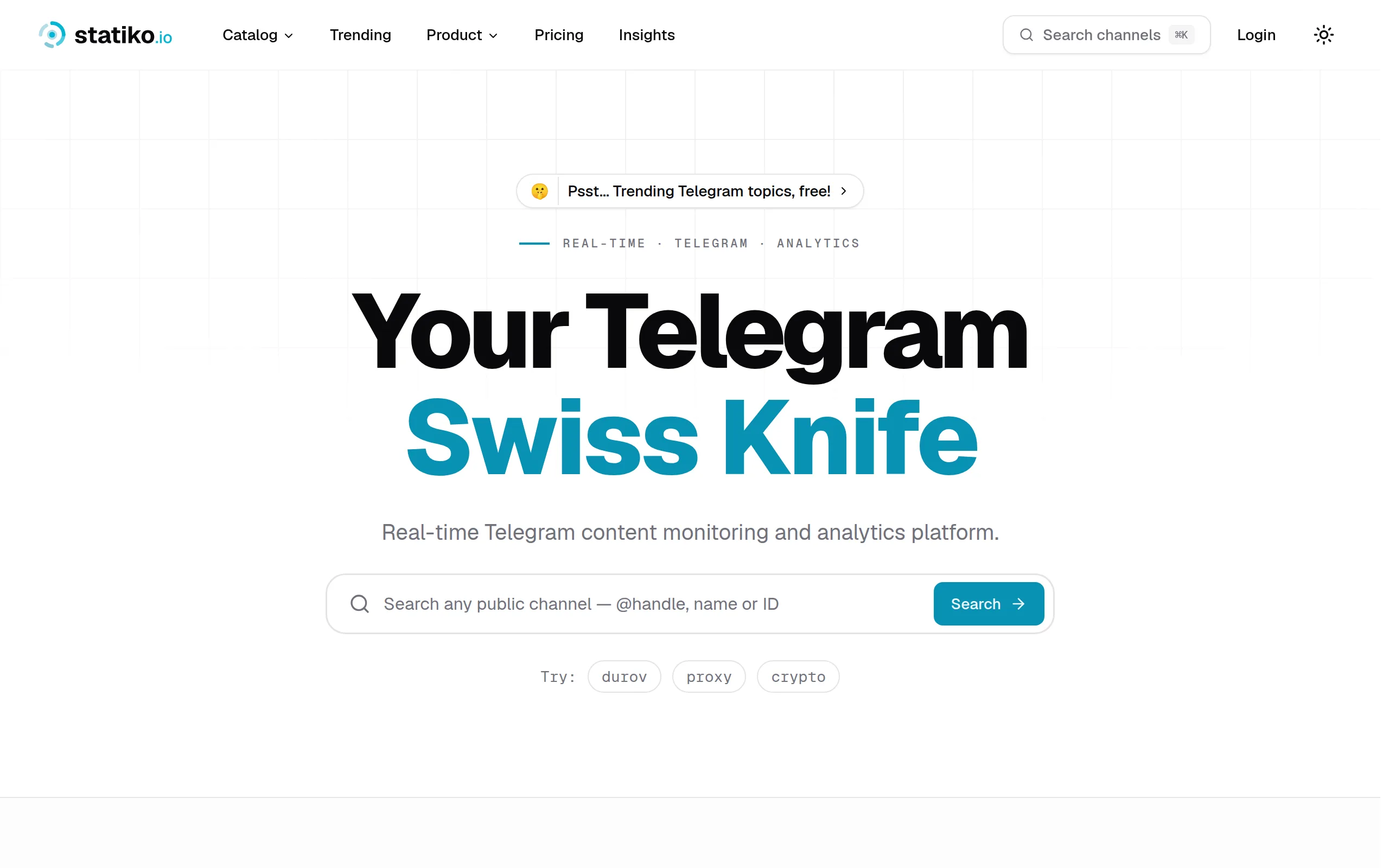
Statiko
Monitor any Telegram channel in real time - track posts, edits, deletions, and growth with AI recaps 📡

Shibui
AI website builder - describe your business, pick a niche template, edit by chatting, and publish instantly ✨

Pro Service
Find verified home service professionals, compare quotes, and pay securely through escrow - built for Brazilians across the US 🏠
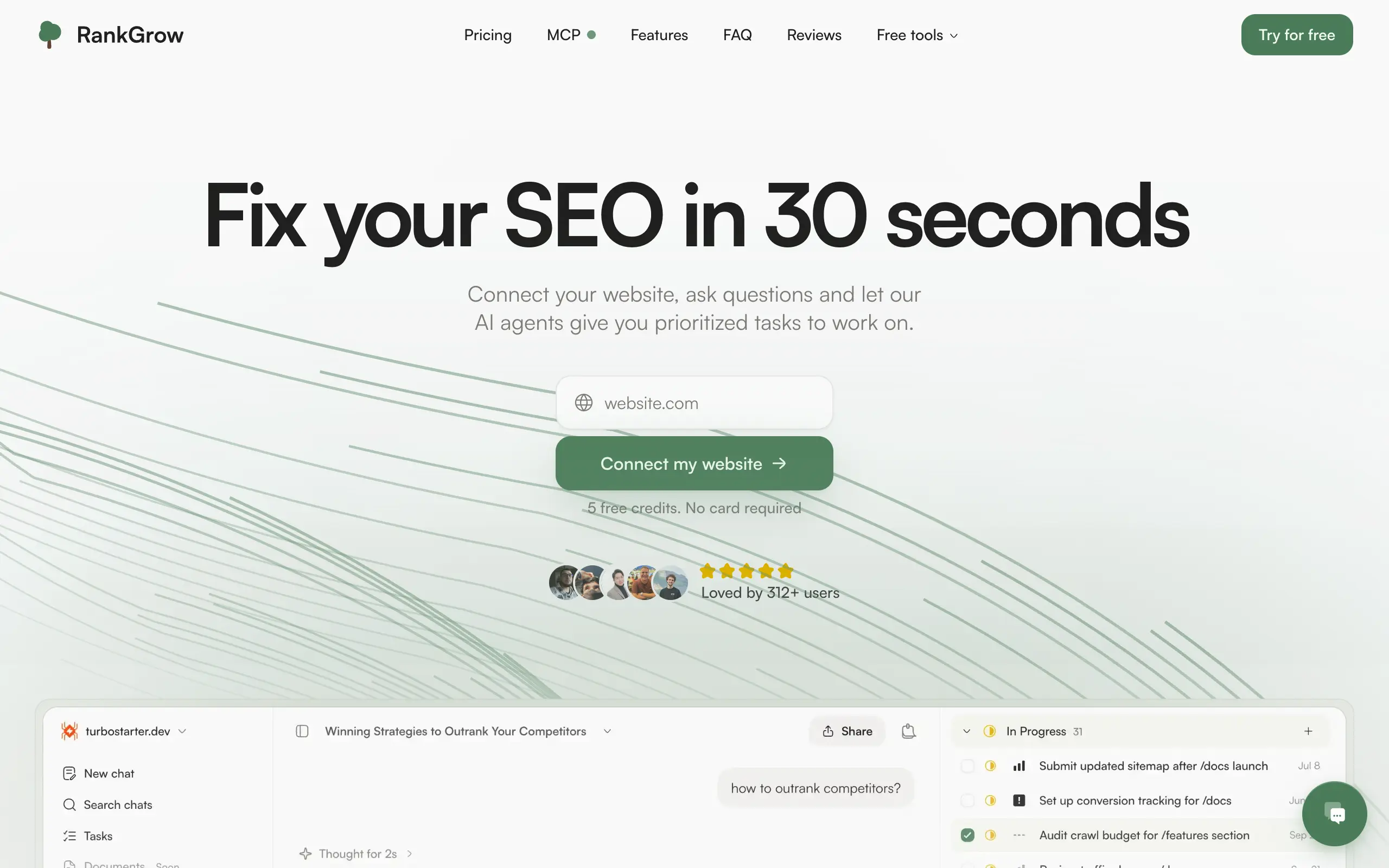
RankGrow
Fix your SEO with AI agents - connect Search Console, get prioritized tasks, and grow organic traffic 📈
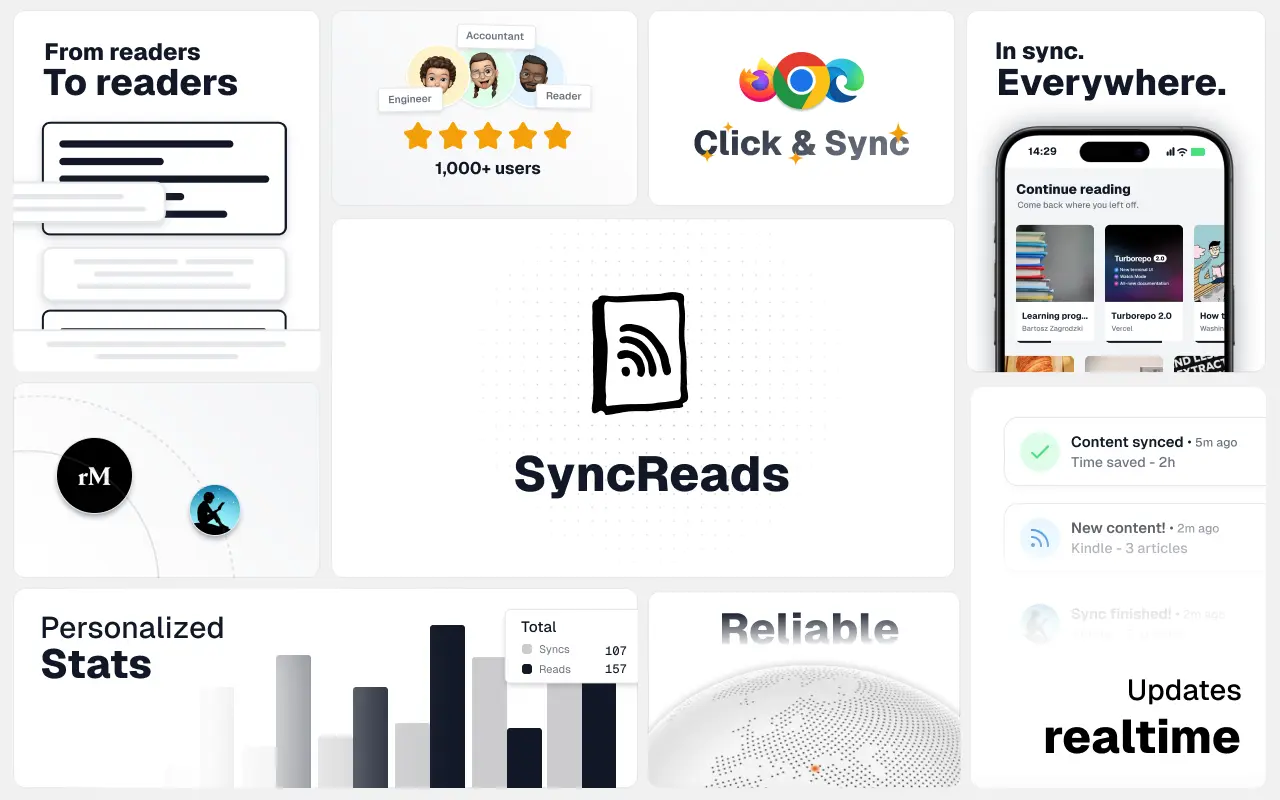
SyncReads
Sync your favorite content for distraction-free reading, save time and replace multiple apps. Anytime, anywhere 🔄
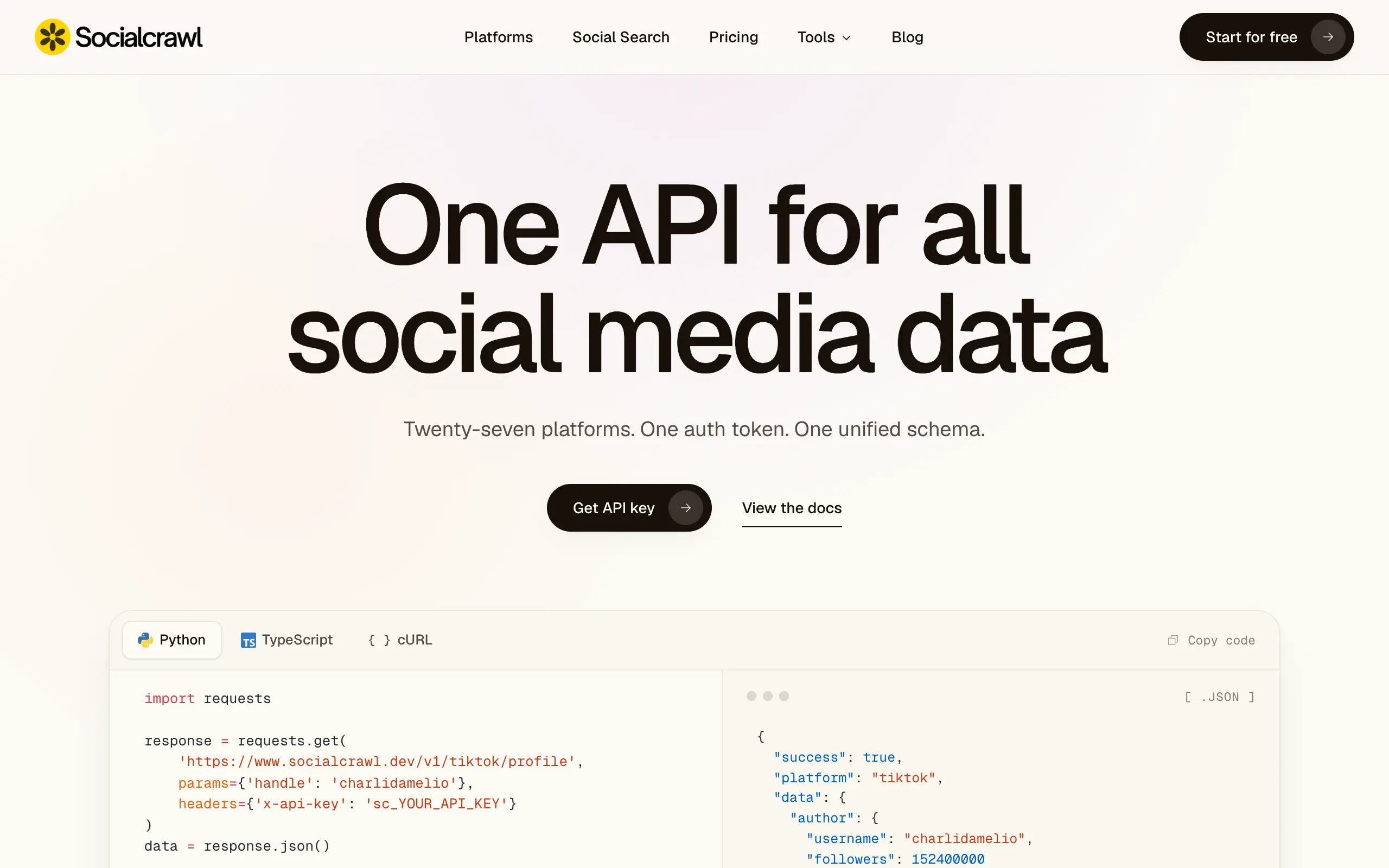
Socialcrawl
Get clean, structured data from 21 platforms like TikTok, Instagram, and YouTube with a single request 📊
Statiko
Monitor any Telegram channel in real time - track posts, edits, deletions, and growth with AI recaps 📡
Shibui
AI website builder - describe your business, pick a niche template, edit by chatting, and publish instantly ✨
Pro Service
Find verified home service professionals, compare quotes, and pay securely through escrow - built for Brazilians across the US 🏠
RankGrow
Fix your SEO with AI agents - connect Search Console, get prioritized tasks, and grow organic traffic 📈
SyncReads
Sync your favorite content for distraction-free reading, save time and replace multiple apps. Anytime, anywhere 🔄
Socialcrawl
Get clean, structured data from 21 platforms like TikTok, Instagram, and YouTube with a single request 📊
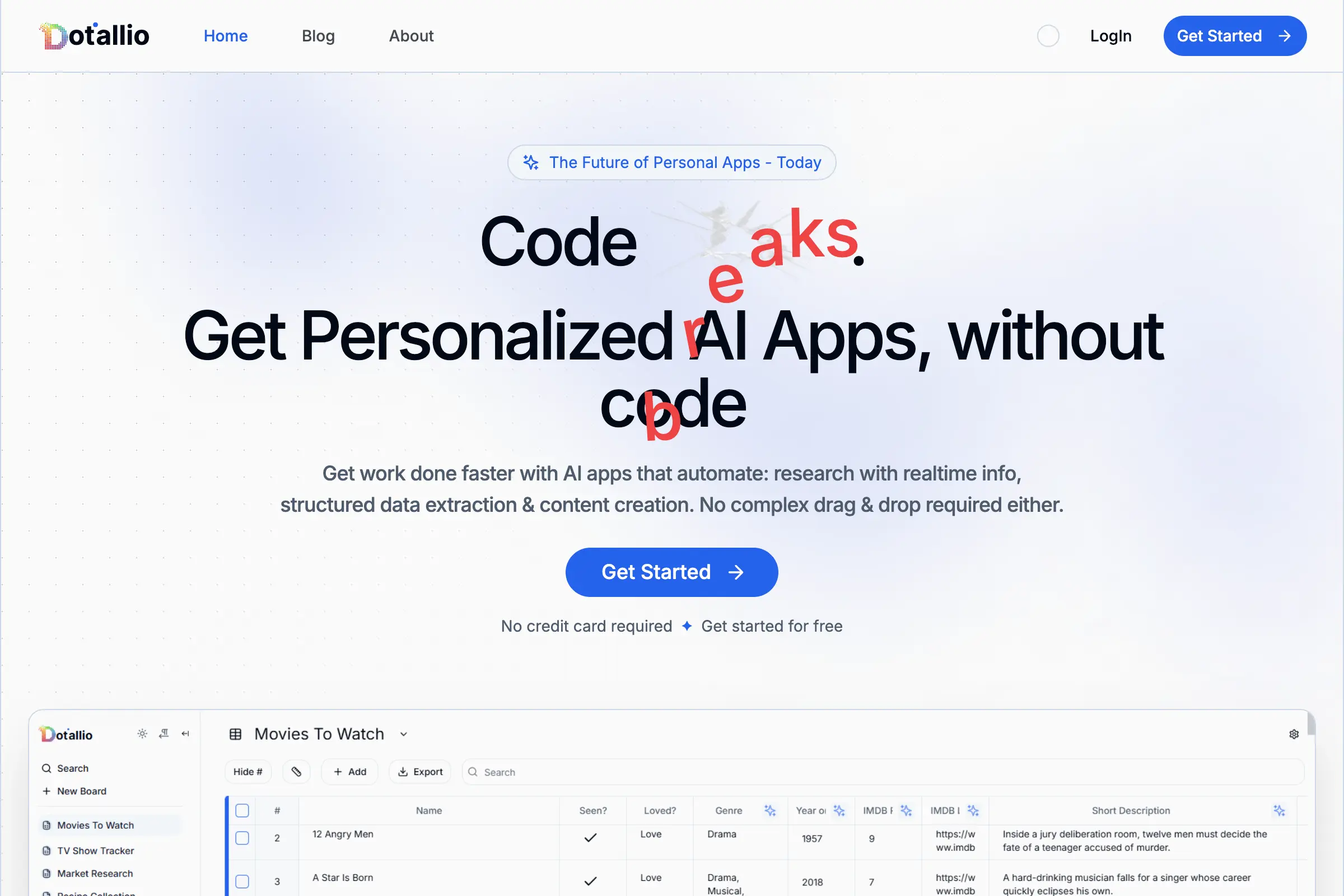
Dotallio
Personalized AI apps that automate research, data extraction, and content creation without code 🤖
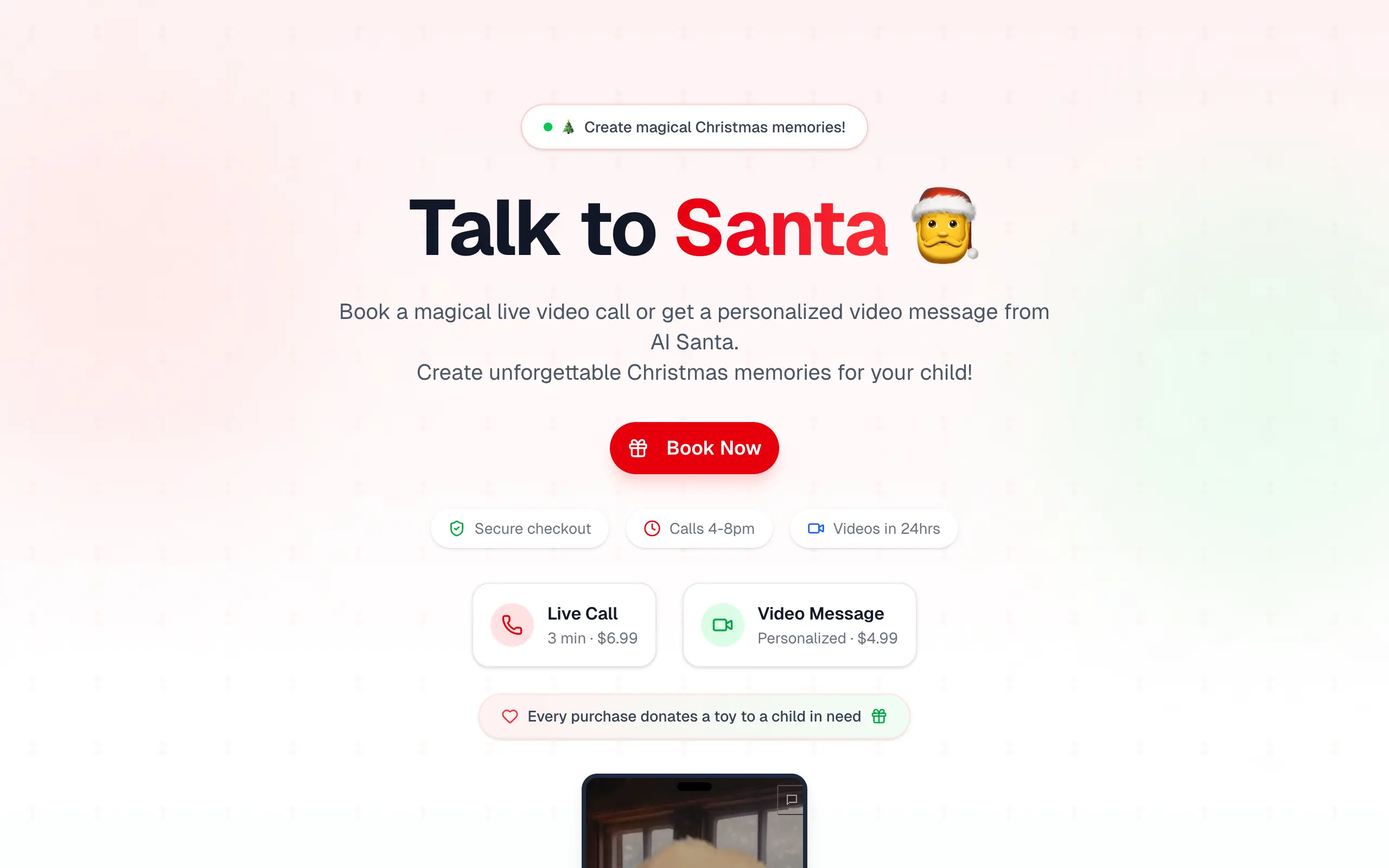
Talk to Santa
Enjoy a magical live video chat or receive a unique AI-generated video greeting from Santa Claus 🎅
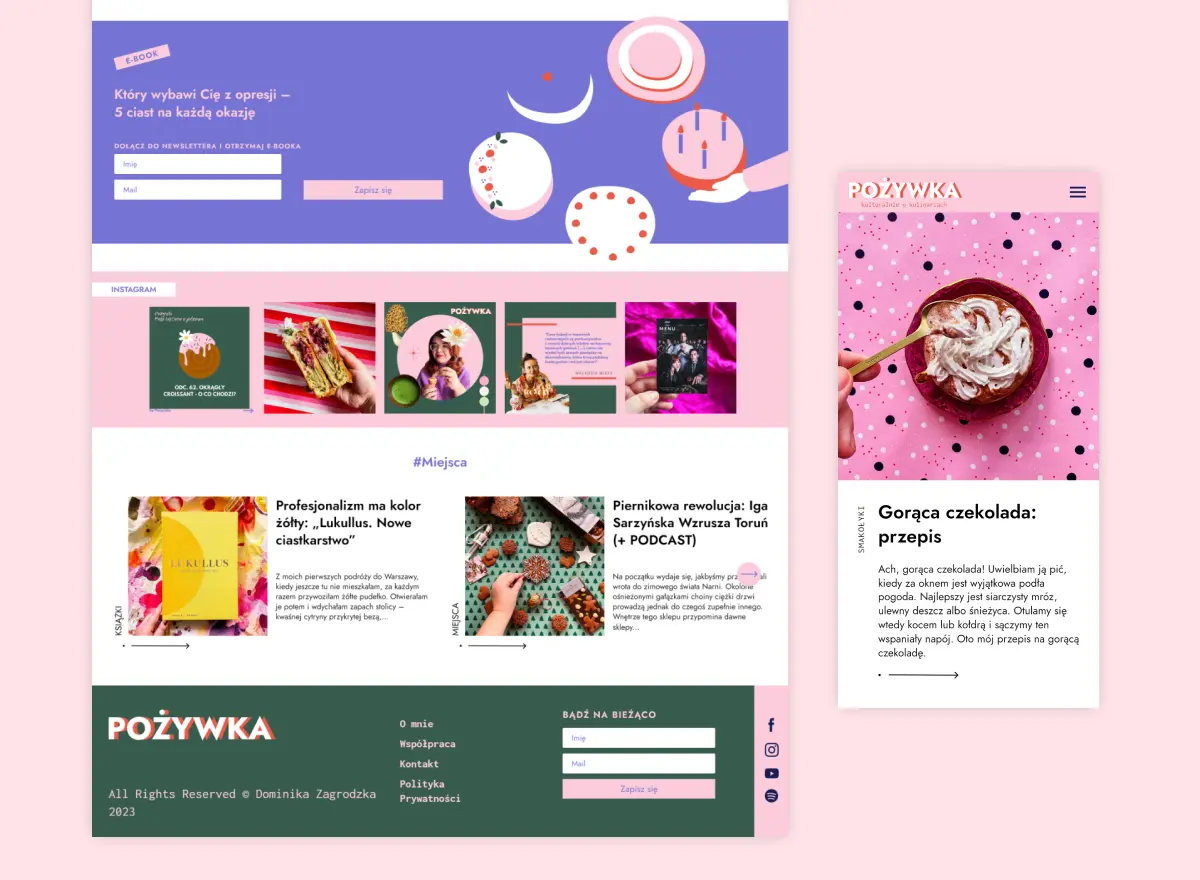
pozywka.pl
Scalable blog for food journalist, focused on performance and user experience 🌭
zagrodzki.me
Personal blog and portfolio of Bart Zagrodzki, where he shares his knowledge and work 💼
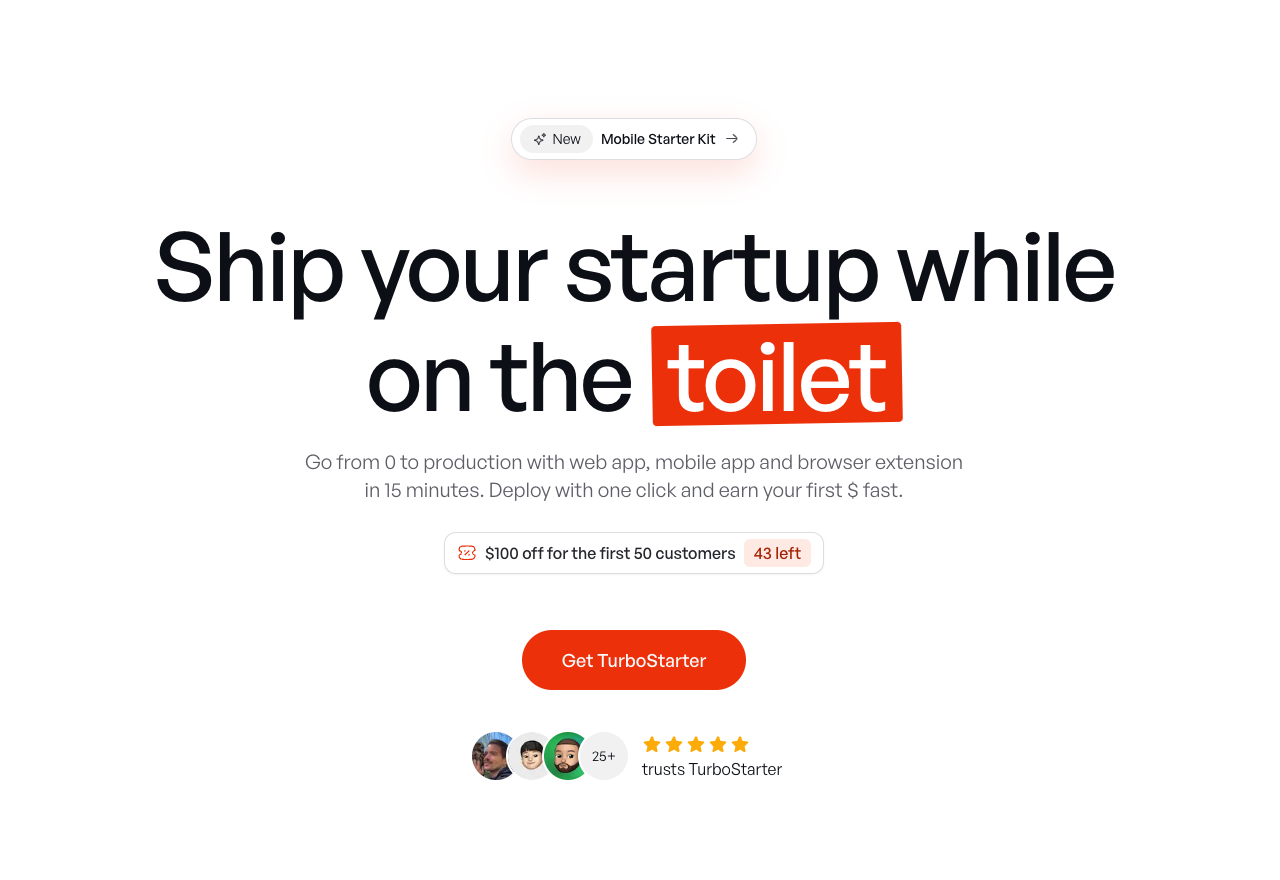
TurboStarter
Ship your startup everywhere. In minutes.
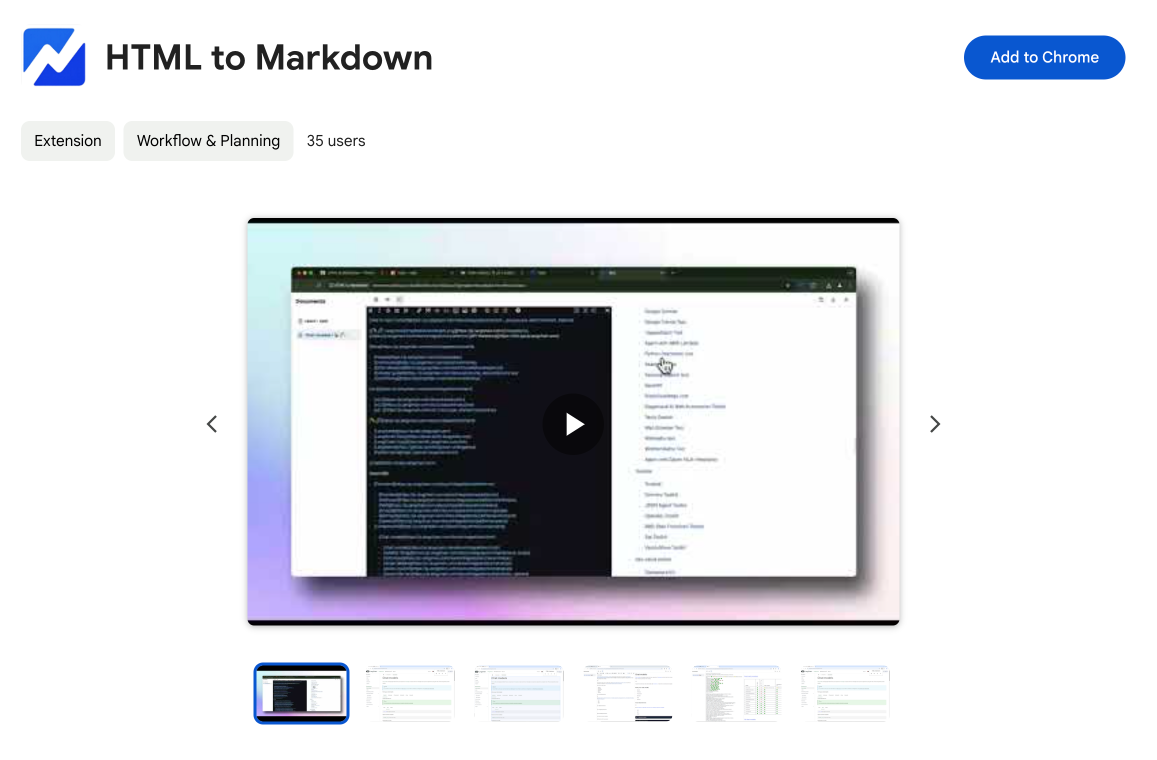
HTML to Markdown
Convert HTML to Markdown with ease, directly in your browser 📄
Dotallio
Personalized AI apps that automate research, data extraction, and content creation without code 🤖
Talk to Santa
Enjoy a magical live video chat or receive a unique AI-generated video greeting from Santa Claus 🎅
pozywka.pl
Scalable blog for food journalist, focused on performance and user experience 🌭
zagrodzki.me
Personal blog and portfolio of Bart Zagrodzki, where he shares his knowledge and work 💼
TurboStarter
Ship your startup everywhere. In minutes.
HTML to Markdown
Convert HTML to Markdown with ease, directly in your browser 📄
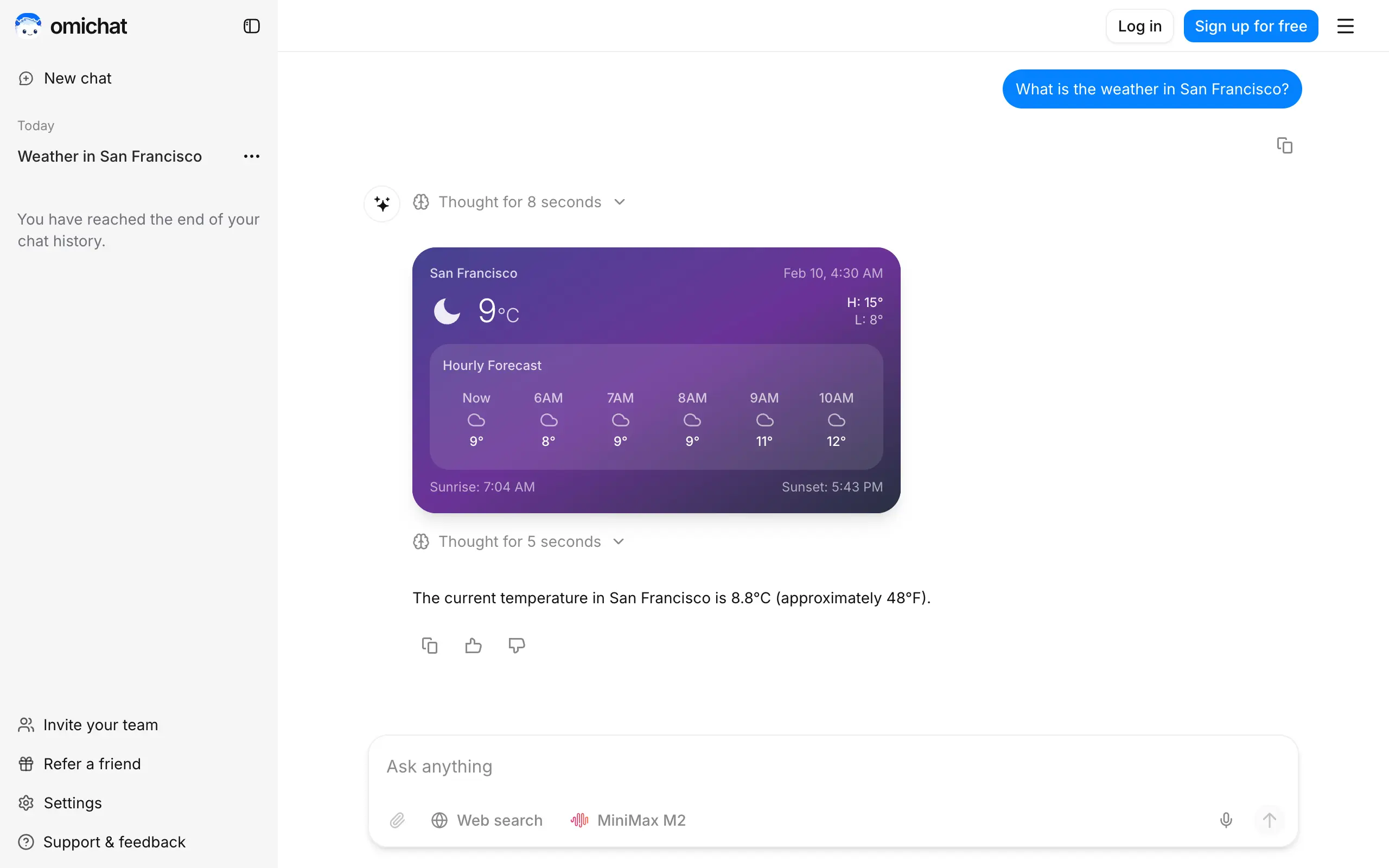
Omichat
Chat with 50+ AI models, including ChatGPT and Claude, in one place - switch models anytime without losing context 🤖
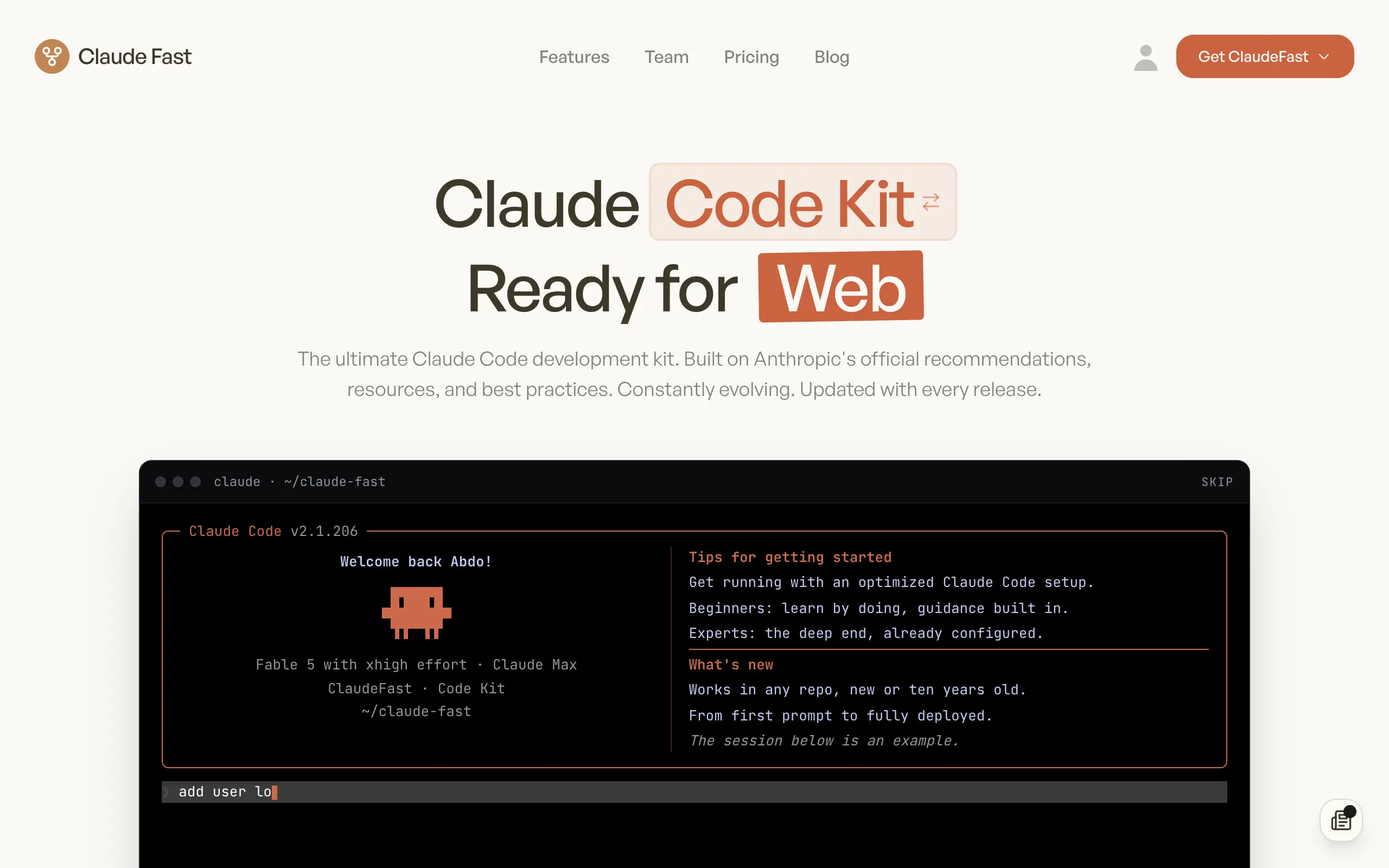
Claude Fast
Supercharge your Claude Code with 6x effective context window and specialized AI agents 🤖
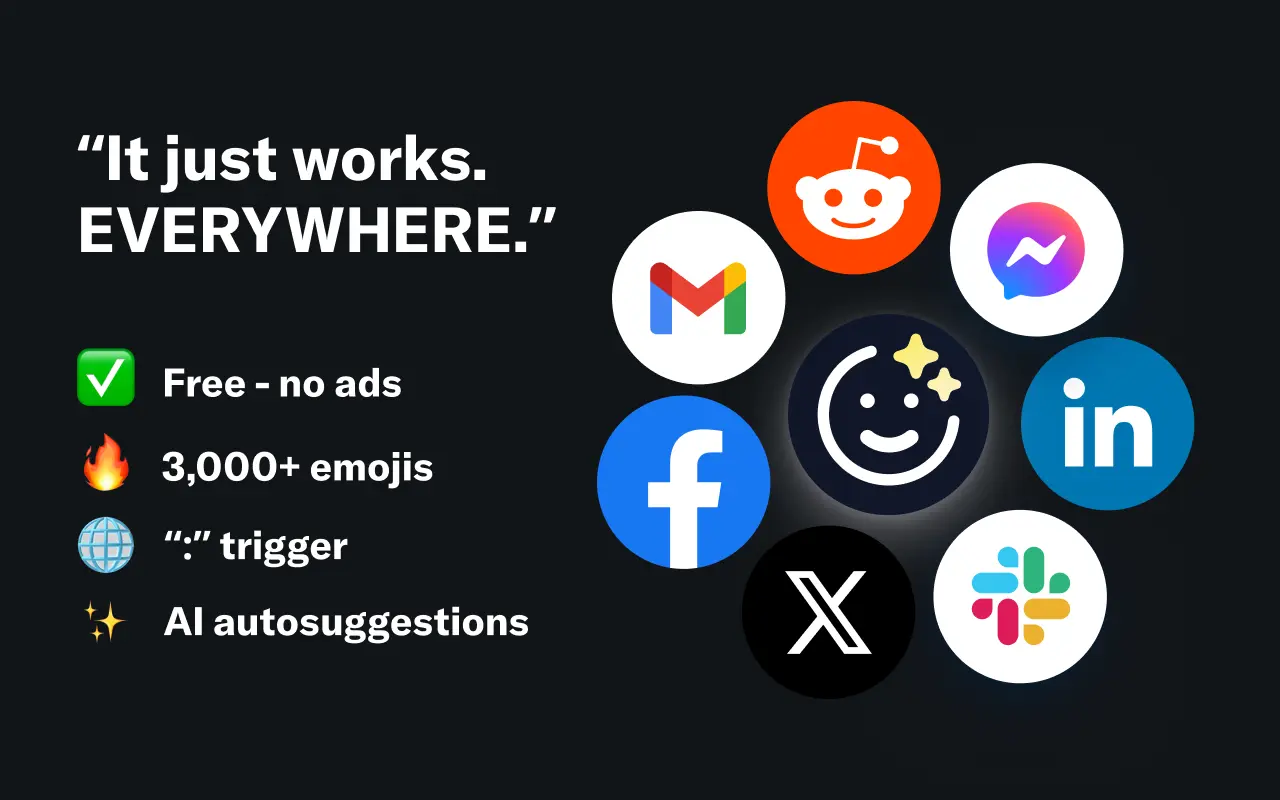
EmojAI
AI-powered emoji picker with smart, context-aware suggestions 🤖
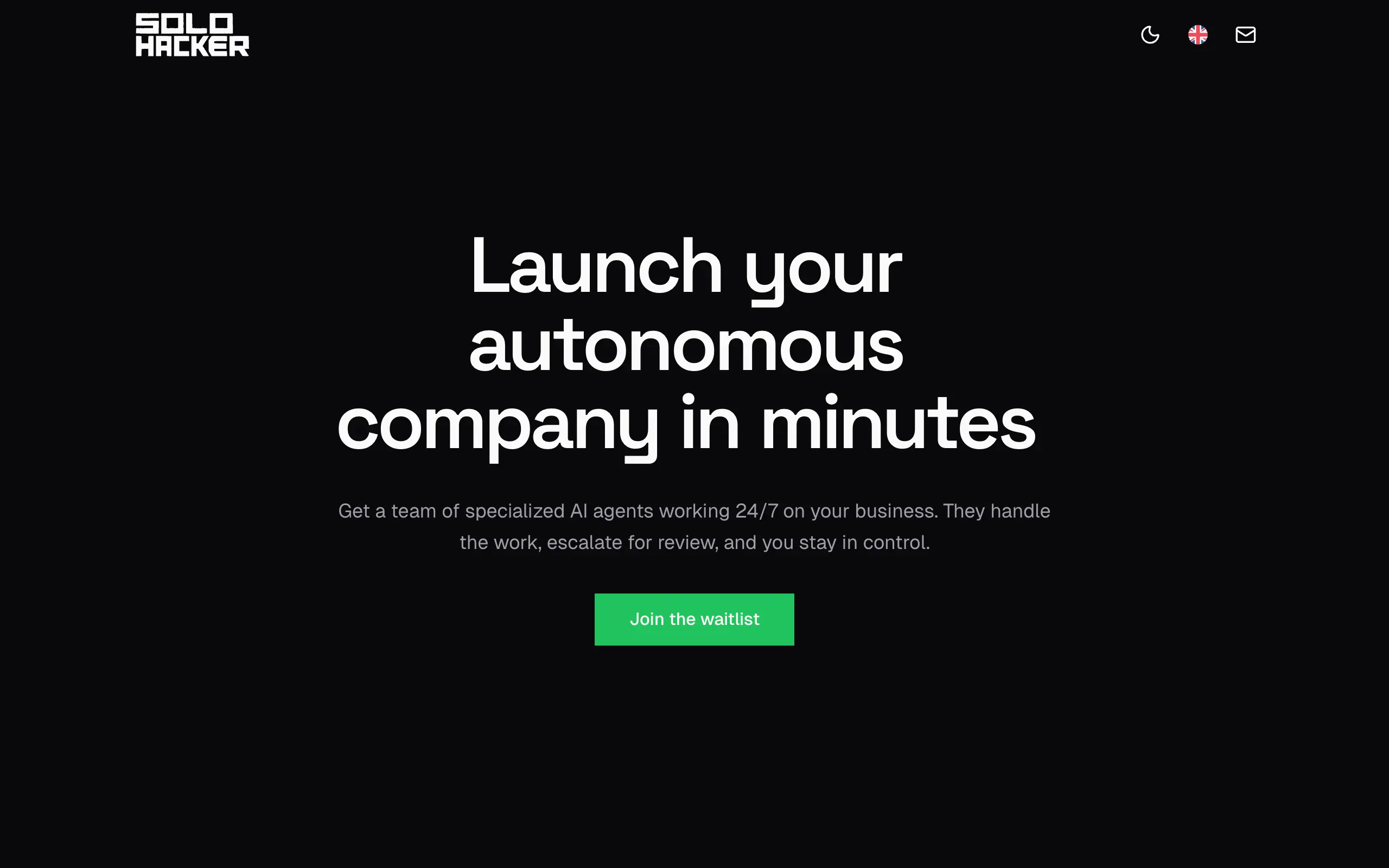
Solohacker
Autonomous company launcher - AI agents work 24/7, escalate what matters, and you stay in control 🤖
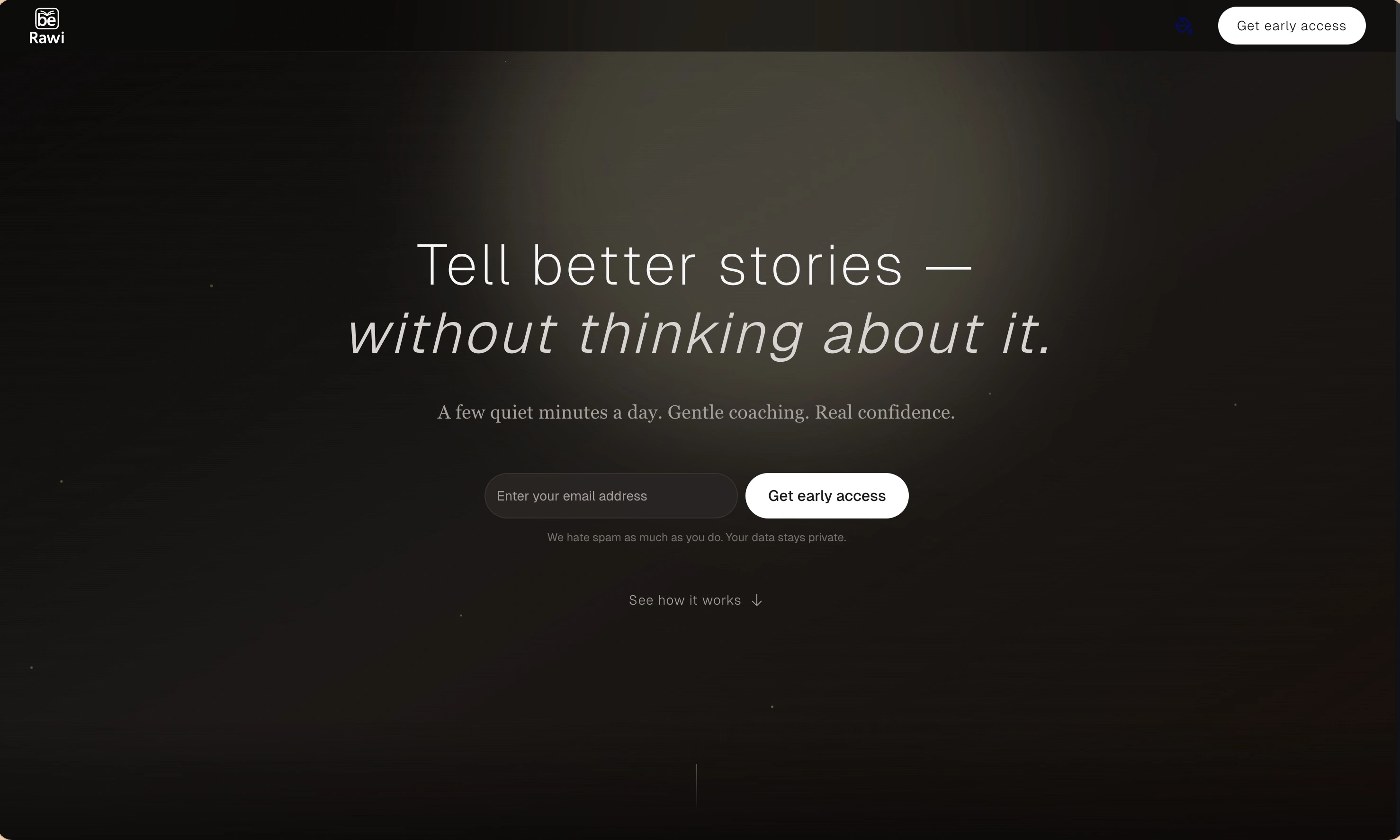
BeRawi: Storytelling Coach
Practice storytelling daily with instant feedback to sound clearer, more engaging, and confident 🎤
Omichat
Chat with 50+ AI models, including ChatGPT and Claude, in one place - switch models anytime without losing context 🤖
Claude Fast
Supercharge your Claude Code with 6x effective context window and specialized AI agents 🤖
EmojAI
AI-powered emoji picker with smart, context-aware suggestions 🤖
Solohacker
Autonomous company launcher - AI agents work 24/7, escalate what matters, and you stay in control 🤖
BeRawi: Storytelling Coach
Practice storytelling daily with instant feedback to sound clearer, more engaging, and confident 🎤

Connect with like-minded people
Join our community to get feedback, support, and grow together with 1,000+ builders on board, let's ship it!
Join usShip your startup everywhere. In minutes.
Don't burn tokens on setup and start building features on day one.