SellerFlow Hub
A centralized marketplace connector that unifies fulfillment, returns, and financial reporting across multiple sales channels for growing ecommerce brands.
Introduction: why unified ecommerce operations matter more than ever
Modern ecommerce brands rarely sell through a single channel. A typical growing brand might sell on Shopify, Amazon, eBay, Walmart Marketplace, and even social commerce platforms simultaneously. While this multi-channel approach unlocks growth, it also introduces operational chaos:
- Fragmented fulfillment workflows
- Disconnected returns and refunds
- Inconsistent financial reporting
- Manual reconciliation across tools and spreadsheets
This is the exact problem SellerFlow Hub is designed to solve.
SellerFlow Hub is a centralized ecommerce marketplace connector that unifies fulfillment, returns, and financial reporting across multiple sales channels. Its core promise is simple but powerful: one operational command center for ecommerce brands that are scaling beyond a single platform.
In this article, we’ll explore SellerFlow Hub from a strategic, technical, and market perspective. The goal is not just to describe the product idea, but to deeply analyze why this SaaS opportunity exists, who it serves, how it works, and how it can be successfully built and monetized.
This content is written for:
- Founders validating an ecommerce SaaS idea
- Operators and consultants looking for better tooling
- Investors and product leaders analyzing ecommerce infrastructure trends
What is SellerFlow Hub?
SellerFlow Hub is a B2B SaaS platform in the ecommerce infrastructure category. Its primary keyword — centralized ecommerce marketplace connector — reflects its core function: acting as a single integration layer between multiple sales channels and backend operations.
At a high level, SellerFlow Hub provides:
- Unified order and fulfillment management across channels
- Centralized returns and refund workflows
- Consolidated financial reporting, including payouts, fees, and margins
- Standardized data models that normalize inconsistent marketplace data
Instead of logging into five different dashboards and reconciling numbers manually, ecommerce teams can operate from one system of record.
Target audience analysis: who SellerFlow Hub is built for
Understanding the target audience is critical for both product design and SEO relevance. SellerFlow Hub is not for everyone selling online — it’s designed for brands at a specific stage of maturity.
Primary target audience: growing ecommerce brands (7–8 figures)
SellerFlow Hub is best suited for ecommerce brands that:
- Generate $1M–$50M in annual revenue
- Sell on 2+ marketplaces or channels
- Use a mix of 3PLs, FBA, and in-house fulfillment
- Have finance or ops staff spending hours reconciling data
These brands feel pain acutely because their growth has outpaced their tooling.
Secondary target audience: ecommerce operators and agencies
Another strong audience includes:
- Fractional COOs and CFOs
- Ecommerce operations consultants
- Agencies managing multiple brand accounts
For these users, SellerFlow Hub becomes a repeatable operational layer they can deploy across clients.
What these users are searching for
From a search intent perspective, these users are typically looking for:
- “Multi-channel ecommerce operations software”
- “Amazon Shopify financial reconciliation tool”
- “Centralized ecommerce reporting”
- “Marketplace connector SaaS”
SellerFlow Hub content must clearly answer:
How do I simplify operations across multiple ecommerce platforms without stitching together five tools?
The market opportunity: where existing tools fall short
The ecommerce SaaS market is crowded — but fragmented.
Existing tool categories (and their gaps)
Marketplaces like Amazon and Walmart provide deep but isolated operational views. They optimize for their ecosystem, not cross-channel clarity.
OMS and ERP systems are often too heavy, expensive, or complex for mid-market brands, with long implementation cycles.
Accounting tools handle bookkeeping well but lack operational context, especially around marketplace fees and fulfillment logic.
3PL dashboards show fulfillment data but ignore sales channel nuance and financial reconciliation.
The gap SellerFlow Hub addresses
SellerFlow Hub lives in the gap between lightweight tools and enterprise ERPs:
- More powerful than spreadsheets and point tools
- Simpler and faster to deploy than NetSuite or SAP
- Purpose-built for multi-channel ecommerce operations
This positioning creates a strong opportunity in the mid-market ecommerce infrastructure layer, which continues to grow as brands diversify channels to reduce platform risk.
Core features and solution architecture
SellerFlow Hub’s value comes from how it connects, normalizes, and presents data. Below is a breakdown of its core functional pillars.
1. Marketplace and channel connectors
At the heart of SellerFlow Hub are native integrations with major ecommerce platforms:
- Amazon (Seller Central, FBA)
- Shopify
- Walmart Marketplace
- eBay
- Future: TikTok Shop, Etsy, WooCommerce
These connectors continuously ingest:
- Orders
- Fulfillment statuses
- Returns and refunds
- Fees, commissions, and payouts
The key is normalization — mapping different data schemas into one consistent internal model.
2. Unified fulfillment management
SellerFlow Hub provides a single fulfillment view, regardless of how orders are fulfilled.
FBA & marketplace fulfillment
Track marketplace-fulfilled orders with standardized statuses and cost attribution.
3PL integration
Sync shipments, tracking, and inventory from external logistics partners.
In-house fulfillment
Support manual or API-based order updates for warehouse teams.
Instead of switching dashboards, operations teams can:
- Monitor fulfillment SLAs
- Identify delayed or stuck orders
- Attribute fulfillment costs accurately
3. Centralized returns and refunds
Returns are one of the most painful ecommerce workflows — especially across marketplaces.
SellerFlow Hub standardizes:
- Return initiation reasons
- Refund statuses
- Inventory restocking logic
- Financial impact of returns
This enables:
- Better returns analytics
- Consistent customer experience
- Accurate margin reporting
4. Financial reporting and reconciliation
This is where SellerFlow Hub becomes especially sticky.
SellerFlow Hub consolidates:
- Gross sales
- Marketplace fees
- Fulfillment costs
- Refunds and chargebacks
- Net payouts
All financial data is tied back to:
- Orders
- SKUs
- Channels
This allows finance teams to answer questions like:
- Which channel is actually most profitable?
- How do returns impact margin by SKU?
- Why does my payout not match my sales?
Trust-building opportunity
For financial accuracy claims, SellerFlow Hub content should reference reconciliation best practices and suggest validation against accounting systems rather than making unverified guarantees.
Competitive advantage analysis
To rank well and convert readers, it’s critical to clearly articulate why SellerFlow Hub is different.
Competitive comparison snapshot
| Unified operations | Deep accounting | Fast setup | Multi-channel focus | Mid-market pricing |
|---|---|---|---|---|
| ✅ | ❌ | ✅ | ✅ | ✅ |
| ✅ | ✅ | ❌ | ✅ | ❌ |
Key differentiators
-
Operations-first, not accounting-first
SellerFlow Hub complements accounting systems instead of replacing them. -
Purpose-built for multi-channel reality
It embraces the complexity of marketplaces rather than abstracting it away. -
Time-to-value
Faster onboarding than ERP solutions, making it attractive to scaling brands.
Recommended tech stack and architectural considerations
SellerFlow Hub is a data-intensive SaaS with real-time integrations. The tech stack must balance scalability, reliability, and developer velocity.
Frontend
- React – https://reactjs.org
- TypeScript for type safety
- TailwindCSS – https://tailwindcss.com
This combination enables:
- Rapid UI iteration
- Consistent design systems
- Strong developer ergonomics
Backend
- Node.js with a modular service architecture
- REST + webhook ingestion for marketplaces
- Background job processing for reconciliation tasks
Data layer
- PostgreSQL for relational data
- Event-based tables for financial transactions
- Caching layer for dashboard performance
Trade-offs to consider
- Real-time syncing vs batched updates
- Marketplace API rate limits
- Data accuracy vs sync latency
Monetization strategy options
SellerFlow Hub has multiple viable monetization paths.
Core pricing model: tiered SaaS subscription
Pricing tiers can be based on:
- Number of connected channels
- Monthly order volume
- Access to advanced financial reports
Expansion revenue opportunities
- Additional connectors (premium channels)
- Advanced analytics modules
- Priority support or SLA guarantees
Why usage-based pricing may work
As brands grow, their operational complexity grows too — aligning value with price.
Risks and mitigation strategies
No SaaS idea is without risk. Addressing these upfront strengthens trust.
Mitigation: build robust retry logic, monitoring, and fallback data syncs.
Mitigation: transparent reconciliation logic and exportable raw data.
Mitigation: maintain a clear ICP and resist enterprise-only requests early.
Implementation roadmap: from idea to product
Here’s a realistic execution path for SellerFlow Hub.
For faster execution and boilerplate-free development, platforms like TurboStarter can significantly reduce setup time for SaaS infrastructure, authentication, and billing.
Why SellerFlow Hub is a strong SaaS opportunity
SellerFlow Hub sits at the intersection of three powerful trends:
- Multi-channel ecommerce is the default, not the exception
- Operational complexity is increasing faster than headcount
- Mid-market brands are underserved by existing tools
By focusing on unified fulfillment, returns, and financial clarity, SellerFlow Hub delivers tangible, ongoing value — the kind that leads to long-term retention.
Final thoughts and next steps
SellerFlow Hub is not just another ecommerce dashboard. It’s an operational backbone for brands that have outgrown fragmented tooling but aren’t ready for enterprise ERP systems.
If you’re building this product:
- Obsess over data accuracy and trust
- Talk to real operators weekly
- Keep the scope focused on operational clarity
If executed well, SellerFlow Hub has the potential to become a mission-critical platform in the ecommerce tech stack.
This article is intended for strategic and educational purposes. For market data and benchmarks, consider referencing industry reports from established ecommerce research firms.
More 🛒 E-commerce SaaS ideas
Discover more innovative e-commerce SaaS ideas that are trending in 2026. Each idea is AI-generated with market validation and growth potential to help you find your next profitable venture faster than competitors.
Your competitors are building with TurboStarter
Below are some of the SaaS ideas that have been generated and built with our starter kit.

Statiko
Monitor any Telegram channel in real time - track posts, edits, deletions, and growth with AI recaps 📡

Shibui
AI website builder - describe your business, pick a niche template, edit by chatting, and publish instantly ✨

Pro Service
Find verified home service professionals, compare quotes, and pay securely through escrow - built for Brazilians across the US 🏠
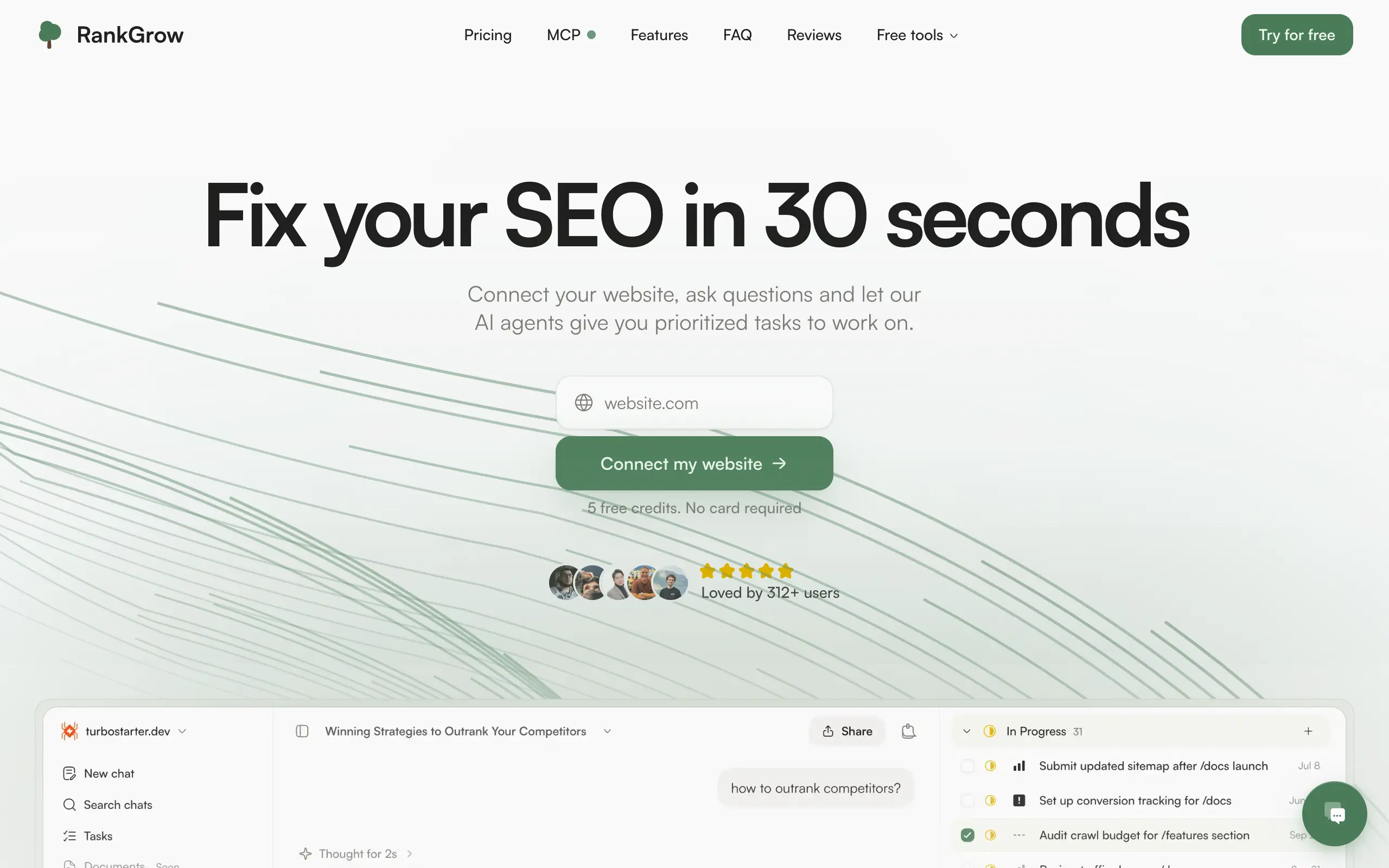
RankGrow
Fix your SEO with AI agents - connect Search Console, get prioritized tasks, and grow organic traffic 📈
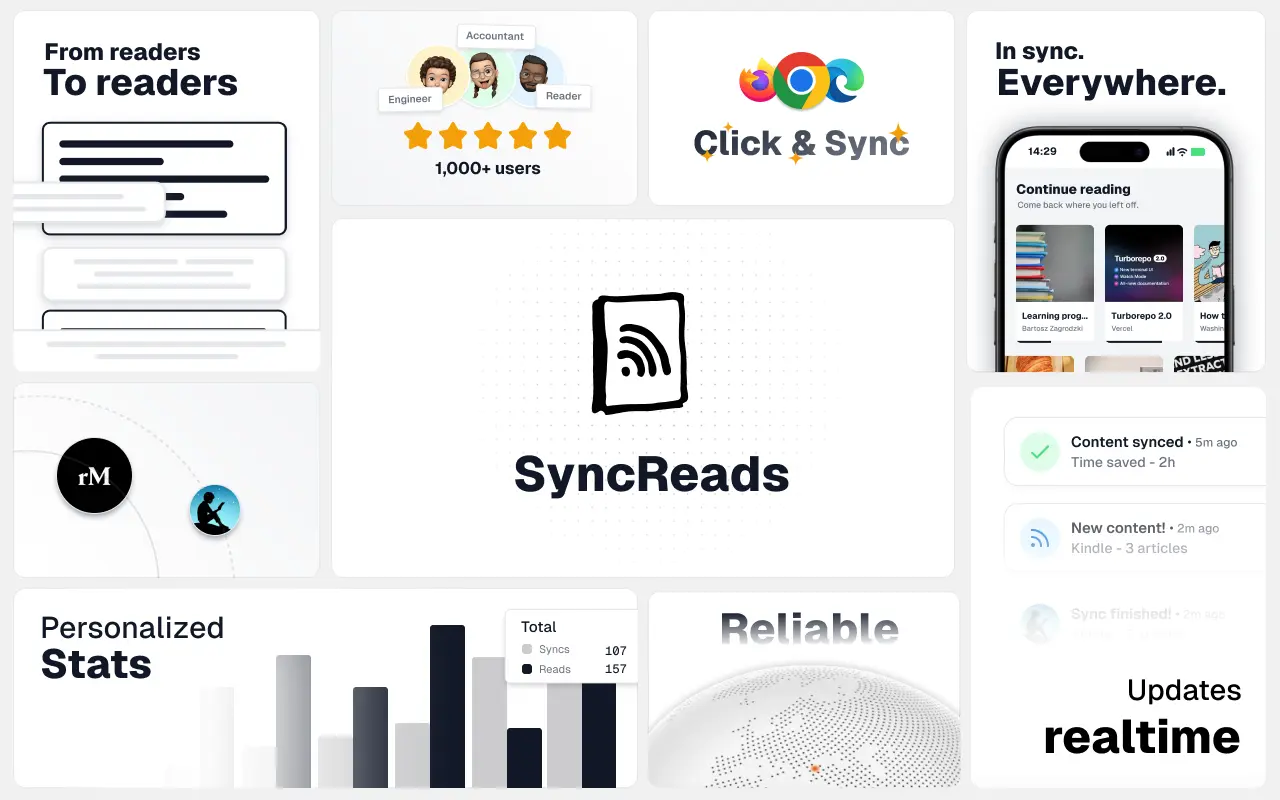
SyncReads
Sync your favorite content for distraction-free reading, save time and replace multiple apps. Anytime, anywhere 🔄
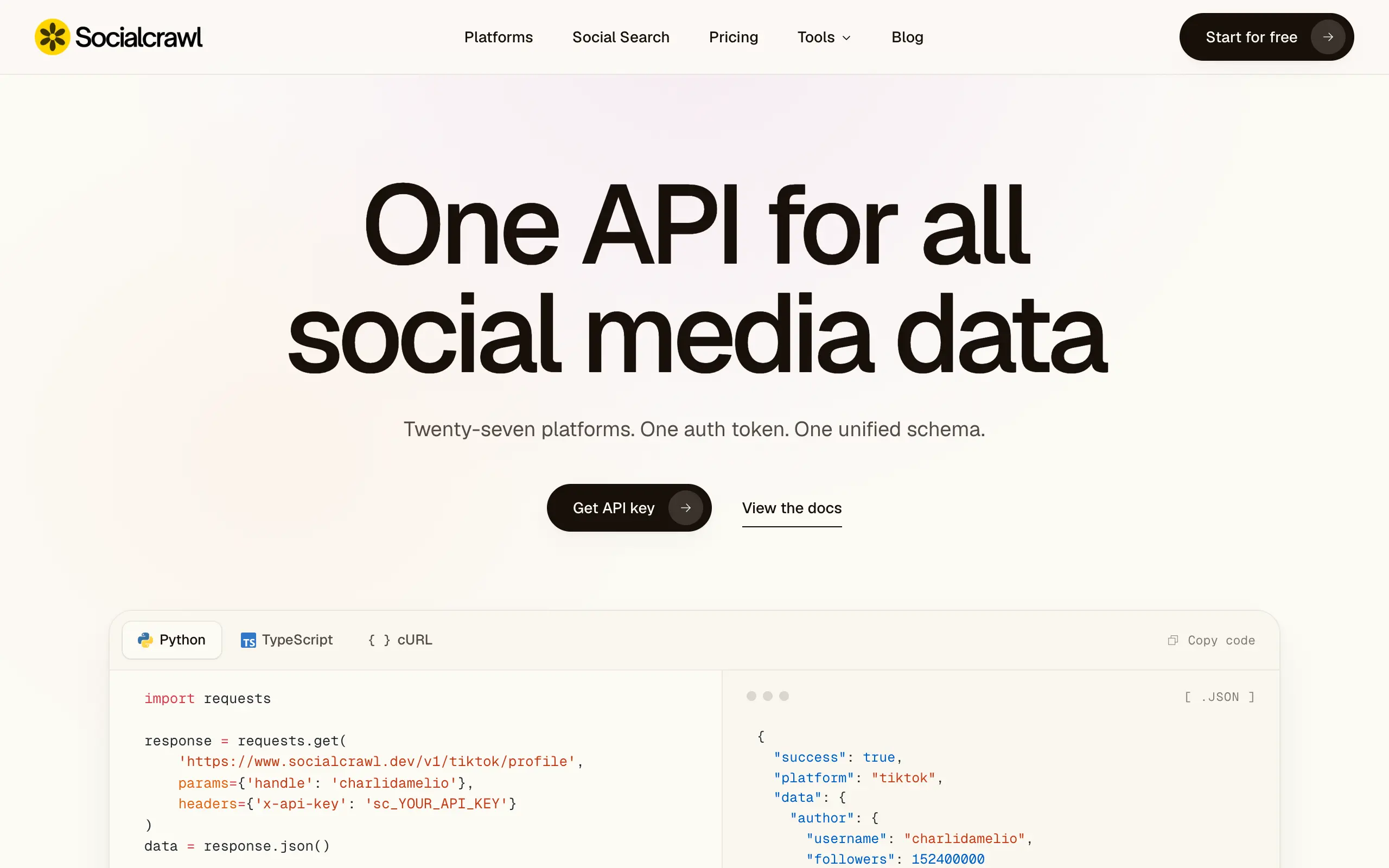
Socialcrawl
Get clean, structured data from 21 platforms like TikTok, Instagram, and YouTube with a single request 📊
Statiko
Monitor any Telegram channel in real time - track posts, edits, deletions, and growth with AI recaps 📡
Shibui
AI website builder - describe your business, pick a niche template, edit by chatting, and publish instantly ✨
Pro Service
Find verified home service professionals, compare quotes, and pay securely through escrow - built for Brazilians across the US 🏠
RankGrow
Fix your SEO with AI agents - connect Search Console, get prioritized tasks, and grow organic traffic 📈
SyncReads
Sync your favorite content for distraction-free reading, save time and replace multiple apps. Anytime, anywhere 🔄
Socialcrawl
Get clean, structured data from 21 platforms like TikTok, Instagram, and YouTube with a single request 📊
Statiko
Monitor any Telegram channel in real time - track posts, edits, deletions, and growth with AI recaps 📡
Shibui
AI website builder - describe your business, pick a niche template, edit by chatting, and publish instantly ✨
Pro Service
Find verified home service professionals, compare quotes, and pay securely through escrow - built for Brazilians across the US 🏠
RankGrow
Fix your SEO with AI agents - connect Search Console, get prioritized tasks, and grow organic traffic 📈
SyncReads
Sync your favorite content for distraction-free reading, save time and replace multiple apps. Anytime, anywhere 🔄
Socialcrawl
Get clean, structured data from 21 platforms like TikTok, Instagram, and YouTube with a single request 📊
Statiko
Monitor any Telegram channel in real time - track posts, edits, deletions, and growth with AI recaps 📡
Shibui
AI website builder - describe your business, pick a niche template, edit by chatting, and publish instantly ✨
Pro Service
Find verified home service professionals, compare quotes, and pay securely through escrow - built for Brazilians across the US 🏠
RankGrow
Fix your SEO with AI agents - connect Search Console, get prioritized tasks, and grow organic traffic 📈
SyncReads
Sync your favorite content for distraction-free reading, save time and replace multiple apps. Anytime, anywhere 🔄
Socialcrawl
Get clean, structured data from 21 platforms like TikTok, Instagram, and YouTube with a single request 📊
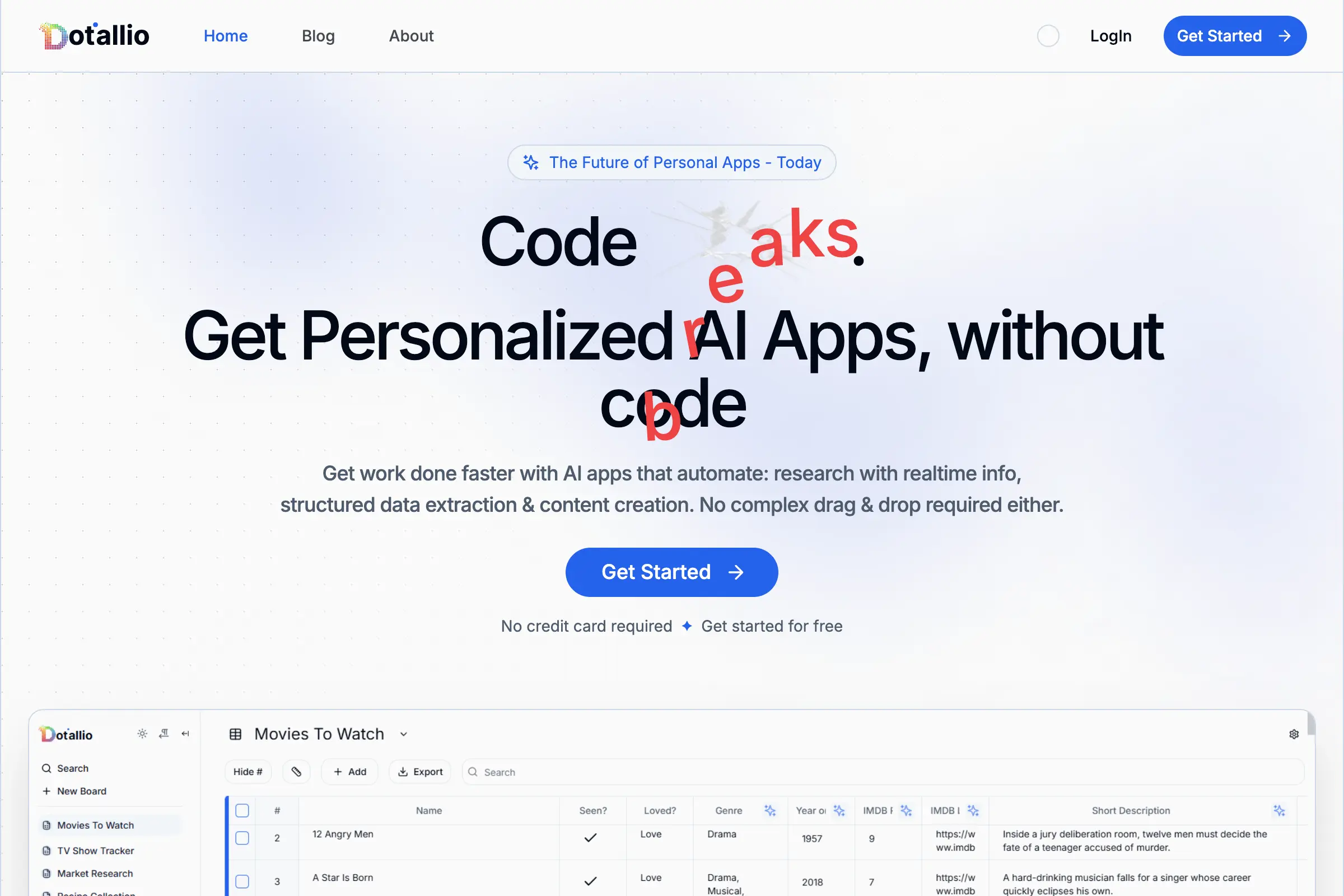
Dotallio
Personalized AI apps that automate research, data extraction, and content creation without code 🤖

Talk to Santa
Enjoy a magical live video chat or receive a unique AI-generated video greeting from Santa Claus 🎅

pozywka.pl
Scalable blog for food journalist, focused on performance and user experience 🌭
zagrodzki.me
Personal blog and portfolio of Bart Zagrodzki, where he shares his knowledge and work 💼

TurboStarter
Ship your startup everywhere. In minutes.
HTML to Markdown
Convert HTML to Markdown with ease, directly in your browser 📄
Dotallio
Personalized AI apps that automate research, data extraction, and content creation without code 🤖
Talk to Santa
Enjoy a magical live video chat or receive a unique AI-generated video greeting from Santa Claus 🎅
pozywka.pl
Scalable blog for food journalist, focused on performance and user experience 🌭
zagrodzki.me
Personal blog and portfolio of Bart Zagrodzki, where he shares his knowledge and work 💼
TurboStarter
Ship your startup everywhere. In minutes.
HTML to Markdown
Convert HTML to Markdown with ease, directly in your browser 📄
Dotallio
Personalized AI apps that automate research, data extraction, and content creation without code 🤖
Talk to Santa
Enjoy a magical live video chat or receive a unique AI-generated video greeting from Santa Claus 🎅
pozywka.pl
Scalable blog for food journalist, focused on performance and user experience 🌭
zagrodzki.me
Personal blog and portfolio of Bart Zagrodzki, where he shares his knowledge and work 💼
TurboStarter
Ship your startup everywhere. In minutes.
HTML to Markdown
Convert HTML to Markdown with ease, directly in your browser 📄
Dotallio
Personalized AI apps that automate research, data extraction, and content creation without code 🤖
Talk to Santa
Enjoy a magical live video chat or receive a unique AI-generated video greeting from Santa Claus 🎅
pozywka.pl
Scalable blog for food journalist, focused on performance and user experience 🌭
zagrodzki.me
Personal blog and portfolio of Bart Zagrodzki, where he shares his knowledge and work 💼
TurboStarter
Ship your startup everywhere. In minutes.
HTML to Markdown
Convert HTML to Markdown with ease, directly in your browser 📄
Omichat
Chat with 50+ AI models, including ChatGPT and Claude, in one place - switch models anytime without losing context 🤖
Claude Fast
Supercharge your Claude Code with 6x effective context window and specialized AI agents 🤖
EmojAI
AI-powered emoji picker with smart, context-aware suggestions 🤖

Solohacker
Autonomous company launcher - AI agents work 24/7, escalate what matters, and you stay in control 🤖

BeRawi: Storytelling Coach
Practice storytelling daily with instant feedback to sound clearer, more engaging, and confident 🎤
Omichat
Chat with 50+ AI models, including ChatGPT and Claude, in one place - switch models anytime without losing context 🤖
Claude Fast
Supercharge your Claude Code with 6x effective context window and specialized AI agents 🤖
EmojAI
AI-powered emoji picker with smart, context-aware suggestions 🤖
Solohacker
Autonomous company launcher - AI agents work 24/7, escalate what matters, and you stay in control 🤖
BeRawi: Storytelling Coach
Practice storytelling daily with instant feedback to sound clearer, more engaging, and confident 🎤
Omichat
Chat with 50+ AI models, including ChatGPT and Claude, in one place - switch models anytime without losing context 🤖
Claude Fast
Supercharge your Claude Code with 6x effective context window and specialized AI agents 🤖
EmojAI
AI-powered emoji picker with smart, context-aware suggestions 🤖
Solohacker
Autonomous company launcher - AI agents work 24/7, escalate what matters, and you stay in control 🤖
BeRawi: Storytelling Coach
Practice storytelling daily with instant feedback to sound clearer, more engaging, and confident 🎤
Omichat
Chat with 50+ AI models, including ChatGPT and Claude, in one place - switch models anytime without losing context 🤖
Claude Fast
Supercharge your Claude Code with 6x effective context window and specialized AI agents 🤖
EmojAI
AI-powered emoji picker with smart, context-aware suggestions 🤖
Solohacker
Autonomous company launcher - AI agents work 24/7, escalate what matters, and you stay in control 🤖
BeRawi: Storytelling Coach
Practice storytelling daily with instant feedback to sound clearer, more engaging, and confident 🎤

Connect with like-minded people
Join our community to get feedback, support, and grow together with 1,000+ builders on board, let's ship it!
Join usShip your startup everywhere. In minutes.
Don't burn tokens on setup and start building features on day one.