ShukLink
Platform connecting small Israeli businesses to local customers with same-day delivery and marketplace exposure beyond major chains.
understanding the rise of local-first ecommerce platforms
In recent years, consumer behavior has shifted dramatically toward supporting local businesses, valuing faster delivery, and seeking more personalized shopping experiences. At the same time, small and independent retailers struggle to compete with large chains and global marketplaces that dominate logistics, visibility, and pricing power.
This is where a concept like a local marketplace with same-day delivery becomes not just relevant—but necessary.
A platform like ShukLink positions itself at the intersection of these trends: enabling small Israeli businesses to gain marketplace exposure while offering customers the convenience of same-day delivery from nearby vendors.
This article explores the full strategic potential of such a platform—from market opportunity to implementation—through an expert SaaS and ecommerce lens.
what problem does shuklink solve?
Small businesses in Israel (and globally) face three persistent challenges:
- Limited digital visibility compared to large ecommerce platforms
- Lack of logistics infrastructure for fast delivery
- Fragmented customer acquisition channels
Meanwhile, consumers face:
- Over-reliance on large chains with less unique inventory
- Slower delivery times for niche or local goods
- Difficulty discovering nearby businesses
ShukLink bridges this gap by acting as a hyperlocal marketplace + logistics enabler, effectively digitizing the traditional "shuk" (market) experience.
target audience analysis
primary users: small and medium businesses (SMBs)
These include:
- Local grocery stores and specialty food vendors
- Boutique retailers (fashion, gifts, home goods)
- Artisan producers and niche brands
- Pharmacies and convenience stores
Pain points:
- Low online traffic
- High dependency on foot traffic
- Limited marketing budgets
- No delivery infrastructure
What they want:
- Immediate exposure to local buyers
- Easy onboarding and product listing
- Integrated delivery solutions
- Predictable revenue streams
secondary users: urban consumers
Especially in cities like Tel Aviv, Haifa, and Jerusalem:
- Busy professionals
- Families needing quick delivery
- Consumers prioritizing local sourcing
Pain points:
- Long delivery times from large platforms
- Lack of local product discovery
- Desire for fresher, more unique goods
What they want:
- Same-day or even same-hour delivery
- One platform to access multiple local stores
- Transparent pricing and availability
tertiary stakeholders: logistics partners
- Independent couriers
- Delivery startups
- Fleet operators
They benefit from:
- Increased delivery volume
- Route optimization opportunities
- Integration with a centralized demand engine
market opportunity and gap analysis
the global trend toward hyperlocal commerce
The hyperlocal delivery market has seen explosive growth, driven by:
- On-demand expectations (fueled by companies like Uber Eats and Wolt)
- COVID-era behavior shifts that stuck
- Increasing urban density
Industry reports (e.g., McKinsey or Statista) consistently highlight that same-day delivery is becoming a baseline expectation, not a premium feature.
the israeli ecommerce landscape
Israel presents a unique opportunity:
- High smartphone penetration
- Dense urban populations
- Strong culture of supporting local businesses
- Advanced logistics infrastructure in major cities
However, current solutions are fragmented:
- Large platforms focus on chains and big retailers
- Delivery apps focus mainly on food
- Small businesses rely heavily on Instagram or WhatsApp
Gap identified: A unified marketplace specifically designed for non-chain local businesses with integrated same-day delivery.
competitive landscape
Let’s compare ShukLink with existing categories:
| Feature | Amazon | Wolt | Shopify Stores | ShukLink |
|---|---|---|---|---|
| Local focus | ❌ | ✅ | ✅ | ✅ |
| Same-day delivery | ✅ | ✅ | ❌ | ✅ |
| Marketplace exposure | ✅ | ✅ | ❌ | ✅ |
| SMB-friendly onboarding | ❌ | ✅ | ✅ | ✅ |
| Non-food retail support | ✅ | ❌ | ✅ | ✅ |
Key insight: ShukLink’s strength lies in combining marketplace discovery, logistics, and SMB accessibility—something no single competitor fully delivers.
core features and platform architecture
1. multi-vendor marketplace
- Vendor storefronts
- Product catalog management
- Real-time inventory tracking
- Ratings and reviews
2. hyperlocal discovery engine
- Geo-based search
- “Near me” filtering
- Category browsing (food, retail, essentials)
- AI-powered recommendations
3. same-day delivery infrastructure
- Courier network integration
- Route optimization
- Delivery time estimation
- Live tracking
4. unified checkout system
- Multi-store cart capability
- Secure payments
- Delivery slot selection
5. vendor dashboard
- Sales analytics
- Order management
- Inventory insights
- Marketing tools
6. customer experience layer
- Fast search and checkout
- Personalized recommendations
- Push notifications
- Loyalty programs
recommended tech stack (with trade-offs)
frontend
-
React or Next.js
- Pros: scalability, ecosystem, SSR for SEO
- Cons: complexity for small teams
-
- Pros: rapid UI development
- Cons: requires discipline for maintainability
backend
- Node.js (NestJS) or Django
- Node.js: better for real-time features
- Django: faster for CRUD-heavy systems
database
-
PostgreSQL
- Strong relational support for marketplace data
-
Redis
- Caching and real-time delivery tracking
logistics integration
- APIs for courier services
- Custom dispatch engine for scaling
payments
- Stripe or local Israeli payment gateways
- Must support split payments (marketplace model)
infrastructure
- AWS or GCP
- CDN for performance
- Serverless functions for scaling events
example: order processing flow
async function processOrder(order) {
  const vendors = groupByVendor(order.items);

  for (const vendor of vendors) {
    await notifyVendor(vendor);
  }

  const courier = await assignCourier(order.location);

  return {
    status: "processing",
    courier,
    eta: calculateETA(order.location)
  };
}
monetization strategy options
ShukLink can adopt a hybrid revenue model:
1. commission per transaction
- 10–25% per order
- Standard marketplace approach
2. subscription plans for vendors
- Basic (free): limited visibility
- Pro: featured listings, analytics
- Premium: marketing tools + priority placement
3. delivery fees
- Paid by customer or shared with vendors
- Dynamic pricing based on distance/time
4. advertising and promotion
- Sponsored listings
- Homepage placement
- Seasonal campaigns
5. value-added services
- Inventory management tools
- CRM features
- Data insights for vendors
unique selling proposition (USP)
ShukLink stands out through:
Hyperlocal-first design
Built specifically for local discovery rather than global catalog browsing.
Same-day delivery as default
Not an add-on, but a core experience across all vendors.
SMB empowerment
Designed for small businesses with minimal technical expertise.
Marketplace + logistics fusion
Combines discovery and fulfillment in one seamless platform.
potential risks and mitigation strategies
logistics complexity
Risk: Coordinating multiple vendors and deliveries is operationally challenging.
Mitigation:
- Start with limited geographic zones
- Partner with existing courier networks
- Use batching algorithms
vendor onboarding friction
Risk: Small businesses may resist adopting new tech.
Mitigation:
- Simplified onboarding flow
- White-glove setup service
- Mobile-first vendor dashboard
competition from large platforms
Risk: Big players may expand into local commerce.
Mitigation:
- Focus on niche positioning
- Build strong local brand identity
- Offer superior vendor support
unit economics
Risk: Delivery costs can erode margins.
Mitigation:
- Optimize delivery batching
- Introduce minimum order thresholds
- Use dynamic pricing
growth and go-to-market strategy
phase 1: city-level launch
- Start with one major city (e.g., Tel Aviv)
- Focus on dense neighborhoods
- Recruit 50–100 vendors
phase 2: demand generation
- Local influencer partnerships
- Social media campaigns
- Referral programs
phase 3: supply expansion
- Target niche categories (organic food, boutique goods)
- Offer incentives for early adopters
phase 4: logistics optimization
- Build proprietary delivery network
- Introduce micro-fulfillment hubs
seo strategy for shuklink
To rank for keywords like:
- “local marketplace Israel”
- “same day delivery Tel Aviv”
- “support local businesses online”
Content should include:
- City-specific landing pages
- Vendor spotlight blogs
- “Near me” optimized pages
- Structured data for local SEO
future opportunities and expansion
AI-powered personalization
- Predictive shopping
- Smart recommendations
B2B marketplace layer
- Wholesale connections between vendors
subscription-based shopping
- Weekly deliveries from local stores
international expansion
- Adapt model to other dense urban markets
implementation roadmap
building faster with modern saas tools
If you're planning to build a platform like ShukLink, starting from scratch can be time-consuming and expensive.
Using a SaaS starter kit like TurboStarter can significantly accelerate development by providing:
- Pre-built authentication
- Payment integration
- Scalable architecture
- Modern frontend stack
This allows you to focus on your core differentiator: the marketplace and logistics experience.
Key takeaway
The success of a platform like ShukLink depends less on technology and more on execution—especially vendor onboarding, logistics efficiency, and local trust-building.
conclusion: why shuklink is a high-potential ecommerce startup
The convergence of hyperlocal commerce, same-day delivery expectations, and support for small businesses creates a powerful opportunity.
ShukLink isn’t just another ecommerce platform—it’s a digital infrastructure layer for local economies.
By focusing on:
- Local-first discovery
- Seamless logistics
- SMB empowerment
…it can carve out a defensible position in a competitive market.
The real advantage lies in execution: starting small, optimizing operations, and building strong relationships with both vendors and customers.
If done right, ShukLink could redefine how local commerce operates in Israel—and eventually, beyond.
More 🛒 E-commerce SaaS ideas
Discover more innovative e-commerce SaaS ideas that are trending in 2026. Each idea is AI-generated with market validation and growth potential to help you find your next profitable venture faster than competitors.
Your competitors are building with TurboStarter
Below are some of the SaaS ideas that have been generated and built with our starter kit.
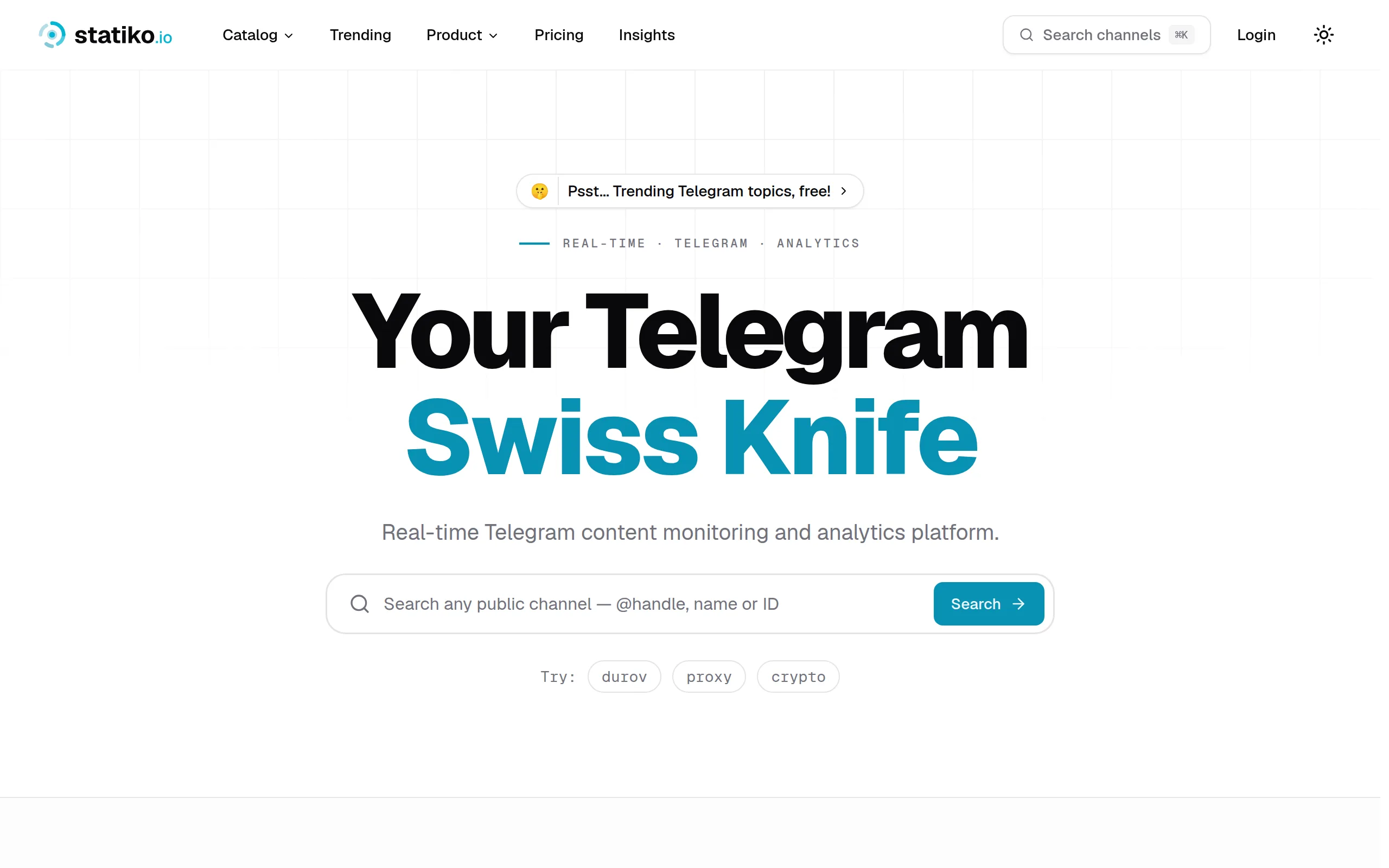
Statiko
Monitor any Telegram channel in real time - track posts, edits, deletions, and growth with AI recaps 📡

Shibui
AI website builder - describe your business, pick a niche template, edit by chatting, and publish instantly ✨

Pro Service
Find verified home service professionals, compare quotes, and pay securely through escrow - built for Brazilians across the US 🏠
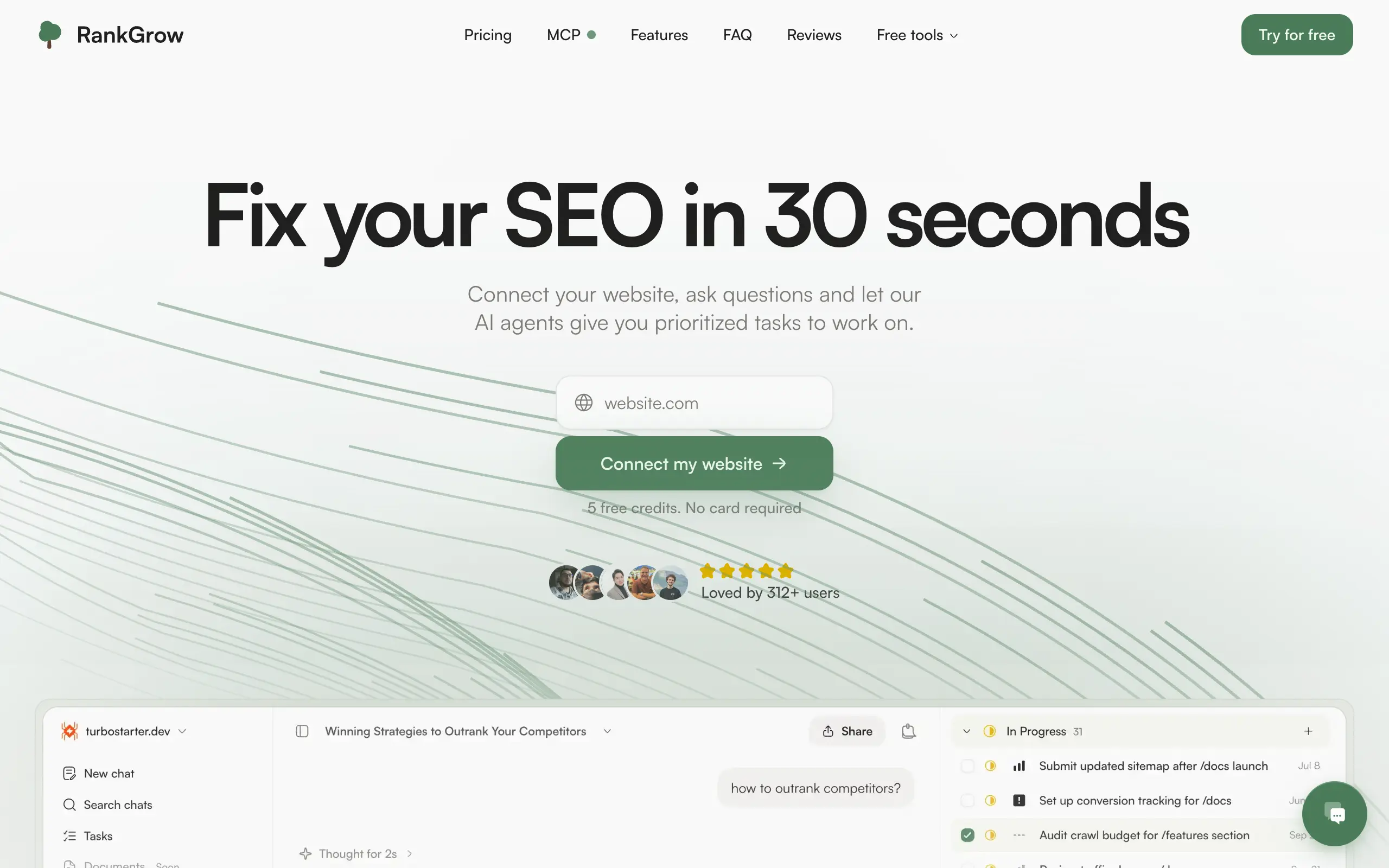
RankGrow
Fix your SEO with AI agents - connect Search Console, get prioritized tasks, and grow organic traffic 📈
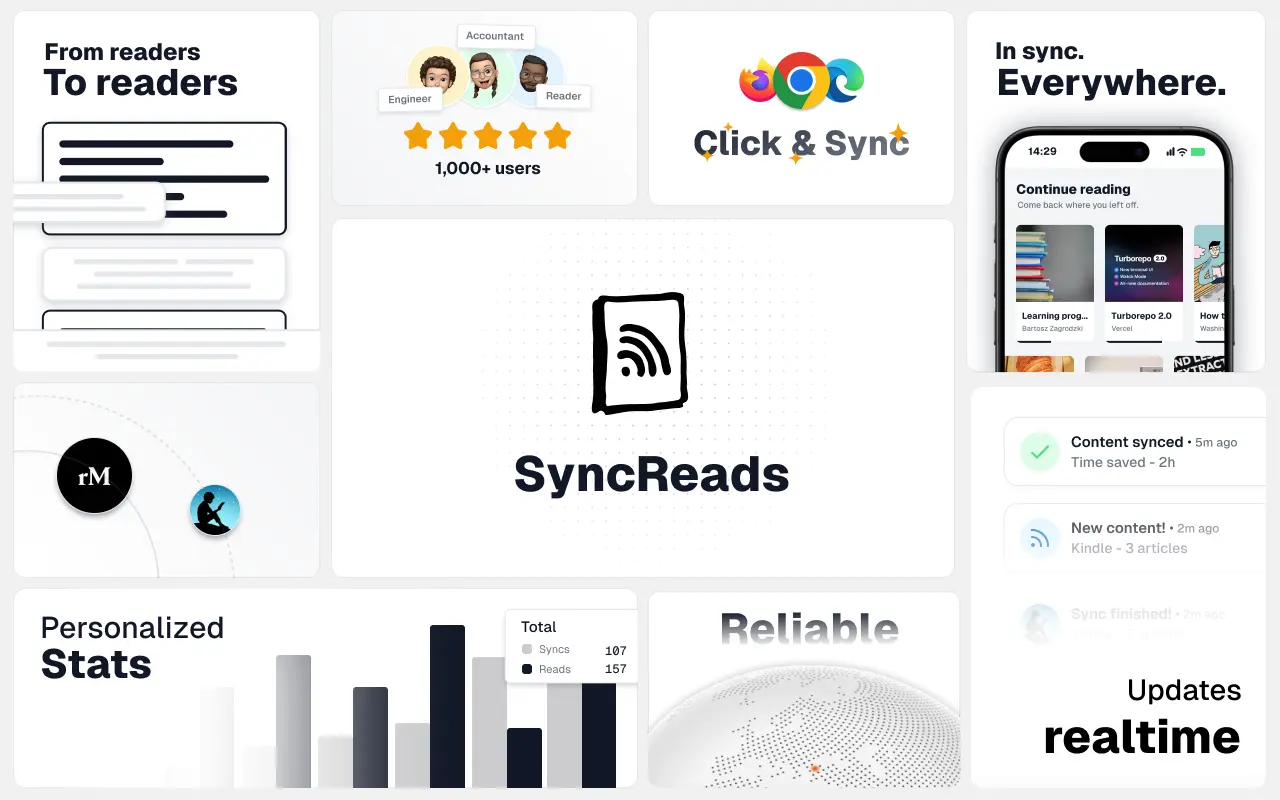
SyncReads
Sync your favorite content for distraction-free reading, save time and replace multiple apps. Anytime, anywhere 🔄
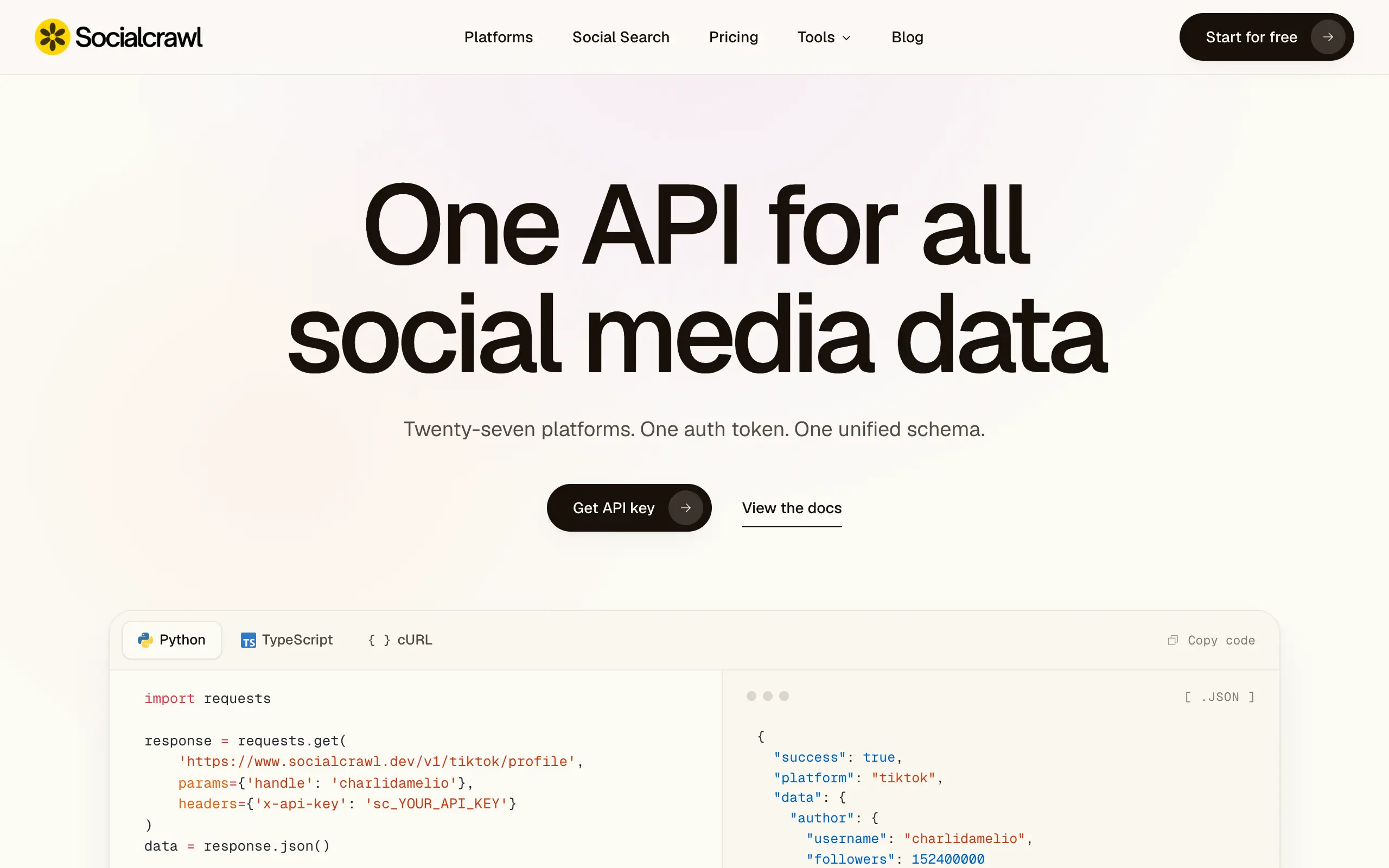
Socialcrawl
Get clean, structured data from 21 platforms like TikTok, Instagram, and YouTube with a single request 📊
Statiko
Monitor any Telegram channel in real time - track posts, edits, deletions, and growth with AI recaps 📡
Shibui
AI website builder - describe your business, pick a niche template, edit by chatting, and publish instantly ✨
Pro Service
Find verified home service professionals, compare quotes, and pay securely through escrow - built for Brazilians across the US 🏠
RankGrow
Fix your SEO with AI agents - connect Search Console, get prioritized tasks, and grow organic traffic 📈
SyncReads
Sync your favorite content for distraction-free reading, save time and replace multiple apps. Anytime, anywhere 🔄
Socialcrawl
Get clean, structured data from 21 platforms like TikTok, Instagram, and YouTube with a single request 📊
Statiko
Monitor any Telegram channel in real time - track posts, edits, deletions, and growth with AI recaps 📡
Shibui
AI website builder - describe your business, pick a niche template, edit by chatting, and publish instantly ✨
Pro Service
Find verified home service professionals, compare quotes, and pay securely through escrow - built for Brazilians across the US 🏠
RankGrow
Fix your SEO with AI agents - connect Search Console, get prioritized tasks, and grow organic traffic 📈
SyncReads
Sync your favorite content for distraction-free reading, save time and replace multiple apps. Anytime, anywhere 🔄
Socialcrawl
Get clean, structured data from 21 platforms like TikTok, Instagram, and YouTube with a single request 📊
Statiko
Monitor any Telegram channel in real time - track posts, edits, deletions, and growth with AI recaps 📡
Shibui
AI website builder - describe your business, pick a niche template, edit by chatting, and publish instantly ✨
Pro Service
Find verified home service professionals, compare quotes, and pay securely through escrow - built for Brazilians across the US 🏠
RankGrow
Fix your SEO with AI agents - connect Search Console, get prioritized tasks, and grow organic traffic 📈
SyncReads
Sync your favorite content for distraction-free reading, save time and replace multiple apps. Anytime, anywhere 🔄
Socialcrawl
Get clean, structured data from 21 platforms like TikTok, Instagram, and YouTube with a single request 📊
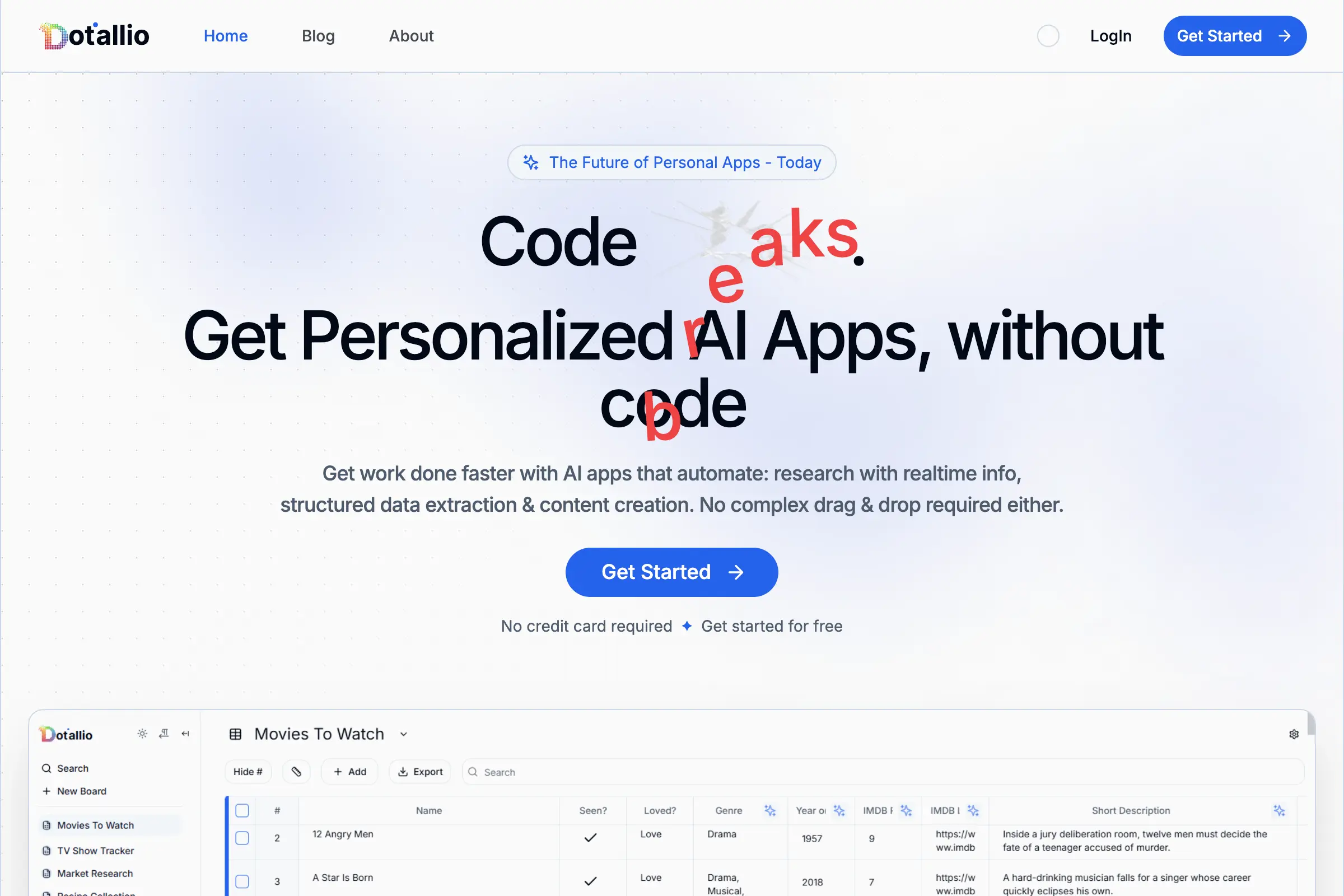
Dotallio
Personalized AI apps that automate research, data extraction, and content creation without code 🤖
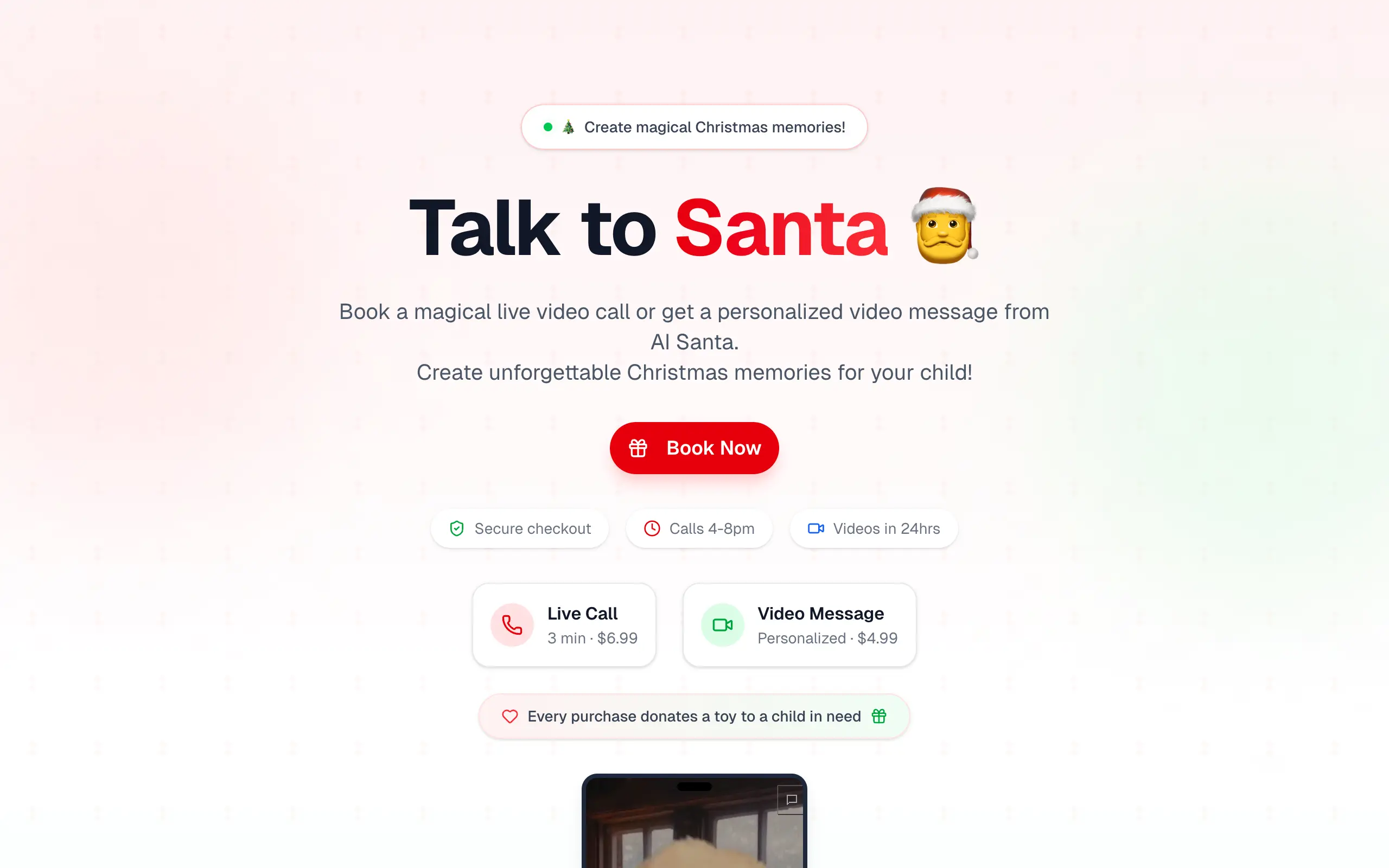
Talk to Santa
Enjoy a magical live video chat or receive a unique AI-generated video greeting from Santa Claus 🎅

pozywka.pl
Scalable blog for food journalist, focused on performance and user experience 🌭
zagrodzki.me
Personal blog and portfolio of Bart Zagrodzki, where he shares his knowledge and work 💼
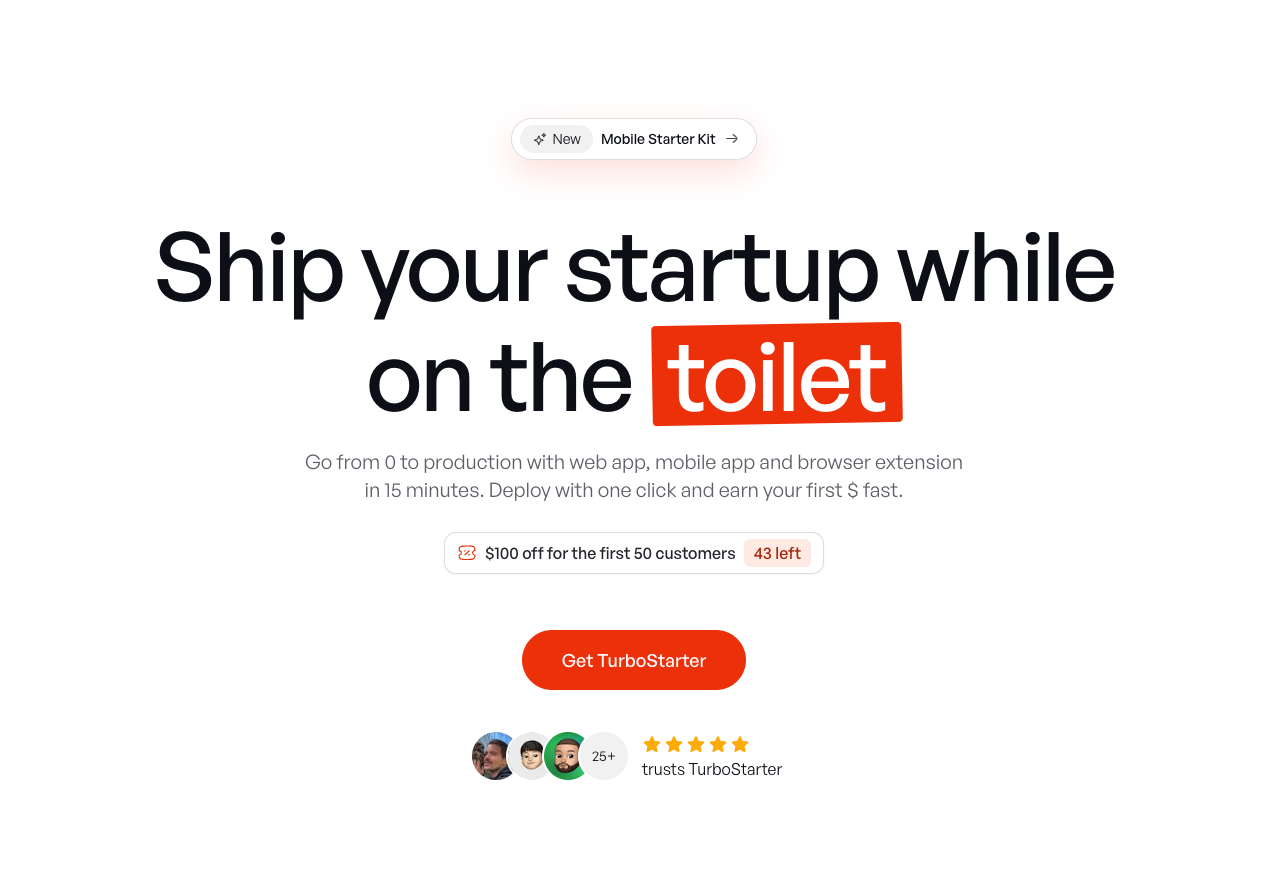
TurboStarter
Ship your startup everywhere. In minutes.
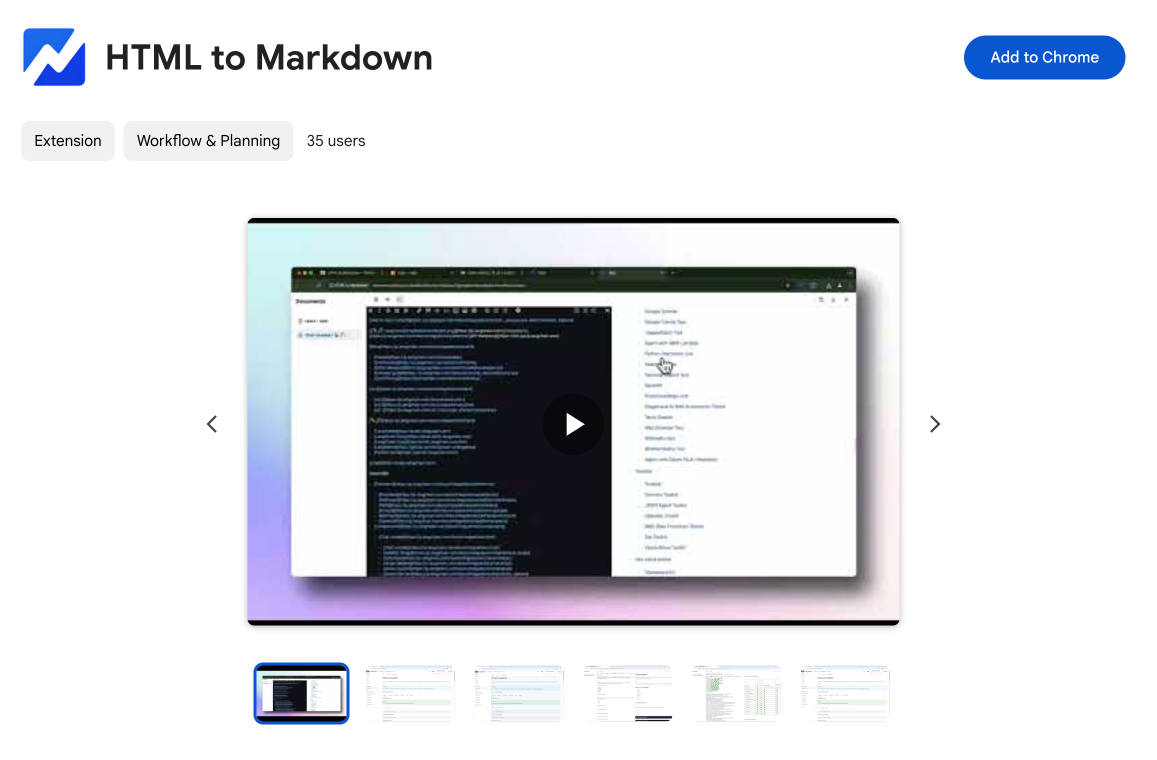
HTML to Markdown
Convert HTML to Markdown with ease, directly in your browser 📄
Dotallio
Personalized AI apps that automate research, data extraction, and content creation without code 🤖
Talk to Santa
Enjoy a magical live video chat or receive a unique AI-generated video greeting from Santa Claus 🎅
pozywka.pl
Scalable blog for food journalist, focused on performance and user experience 🌭
zagrodzki.me
Personal blog and portfolio of Bart Zagrodzki, where he shares his knowledge and work 💼
TurboStarter
Ship your startup everywhere. In minutes.
HTML to Markdown
Convert HTML to Markdown with ease, directly in your browser 📄
Dotallio
Personalized AI apps that automate research, data extraction, and content creation without code 🤖
Talk to Santa
Enjoy a magical live video chat or receive a unique AI-generated video greeting from Santa Claus 🎅
pozywka.pl
Scalable blog for food journalist, focused on performance and user experience 🌭
zagrodzki.me
Personal blog and portfolio of Bart Zagrodzki, where he shares his knowledge and work 💼
TurboStarter
Ship your startup everywhere. In minutes.
HTML to Markdown
Convert HTML to Markdown with ease, directly in your browser 📄
Dotallio
Personalized AI apps that automate research, data extraction, and content creation without code 🤖
Talk to Santa
Enjoy a magical live video chat or receive a unique AI-generated video greeting from Santa Claus 🎅
pozywka.pl
Scalable blog for food journalist, focused on performance and user experience 🌭
zagrodzki.me
Personal blog and portfolio of Bart Zagrodzki, where he shares his knowledge and work 💼
TurboStarter
Ship your startup everywhere. In minutes.
HTML to Markdown
Convert HTML to Markdown with ease, directly in your browser 📄
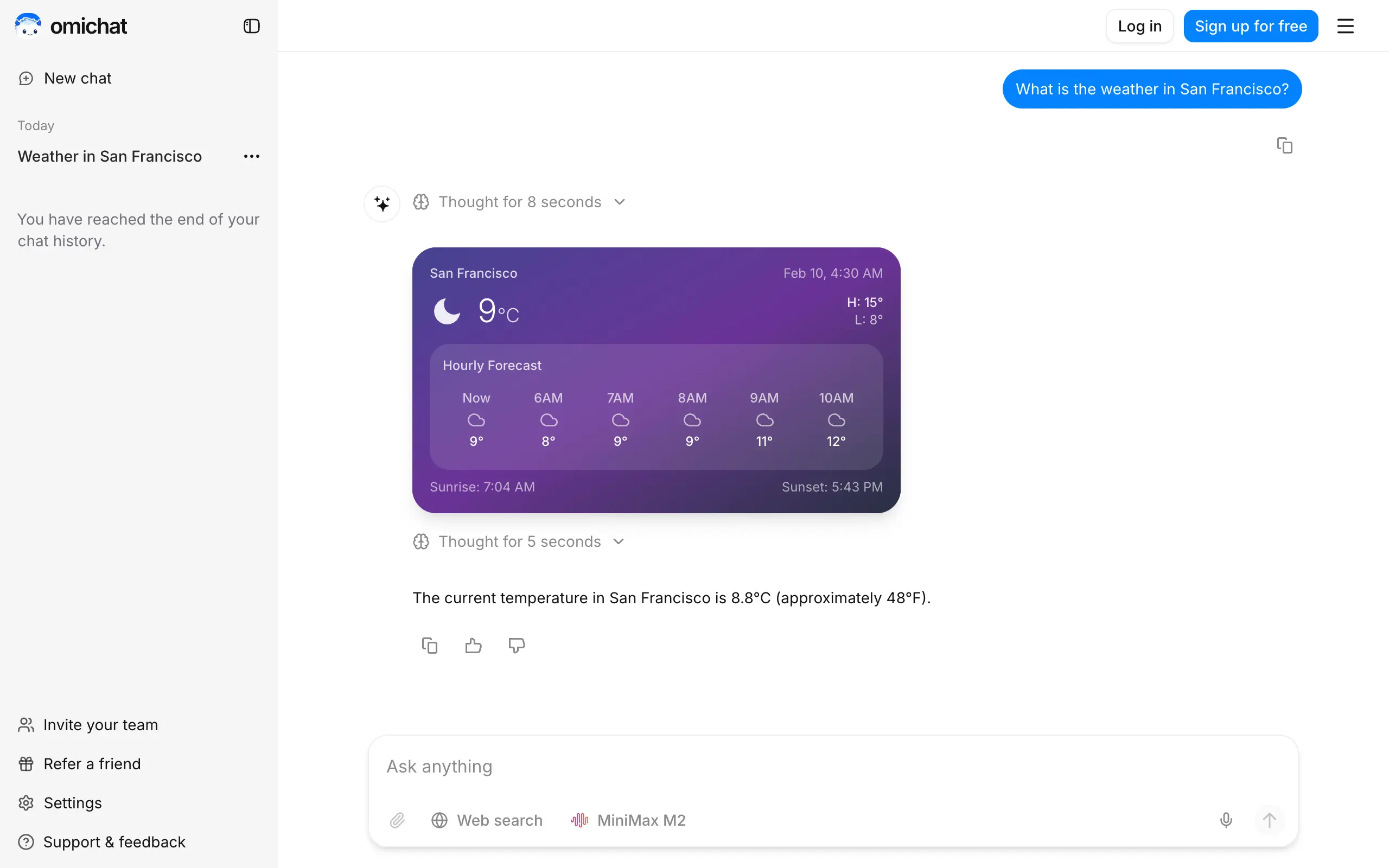
Omichat
Chat with 50+ AI models, including ChatGPT and Claude, in one place - switch models anytime without losing context 🤖
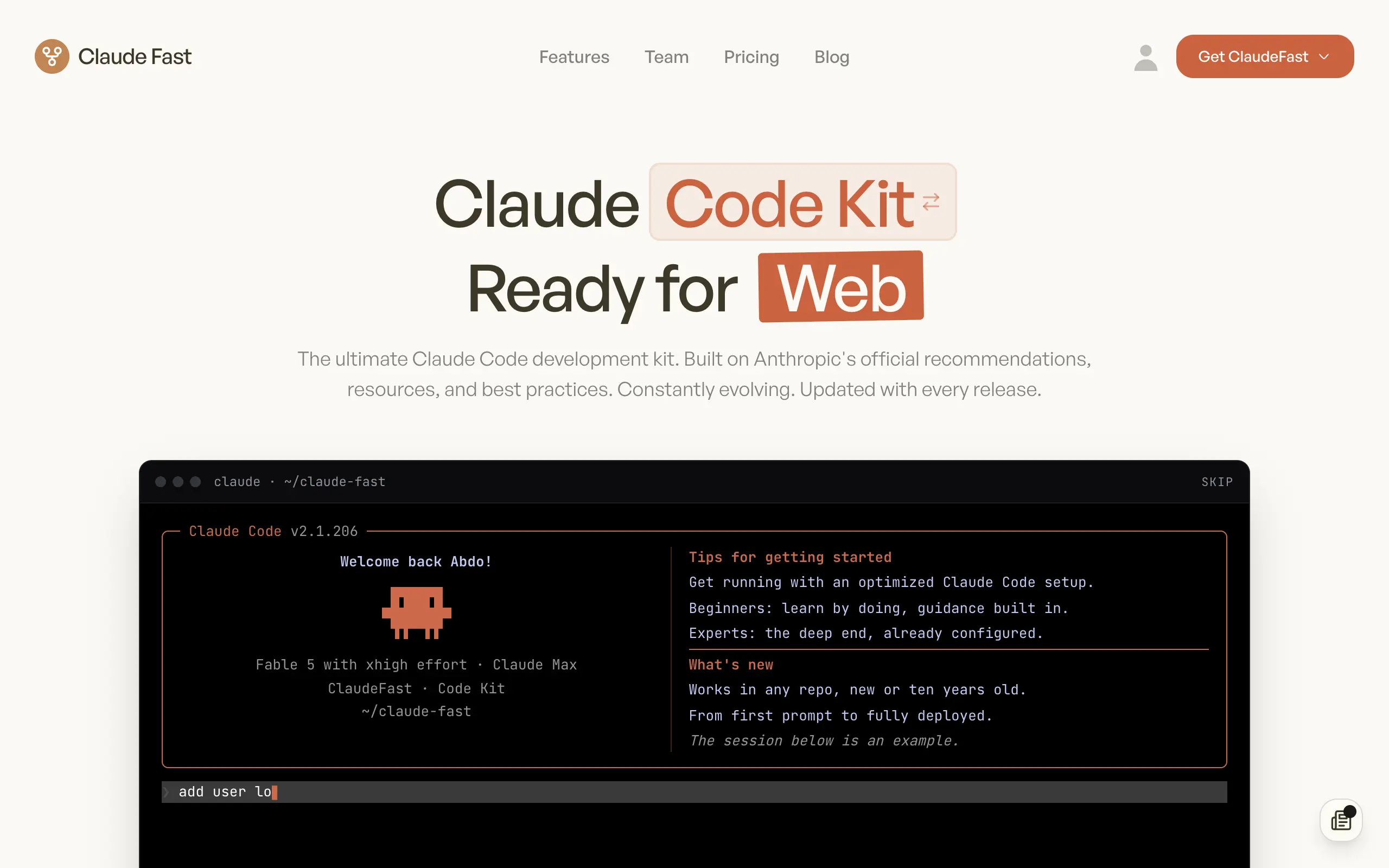
Claude Fast
Supercharge your Claude Code with 6x effective context window and specialized AI agents 🤖
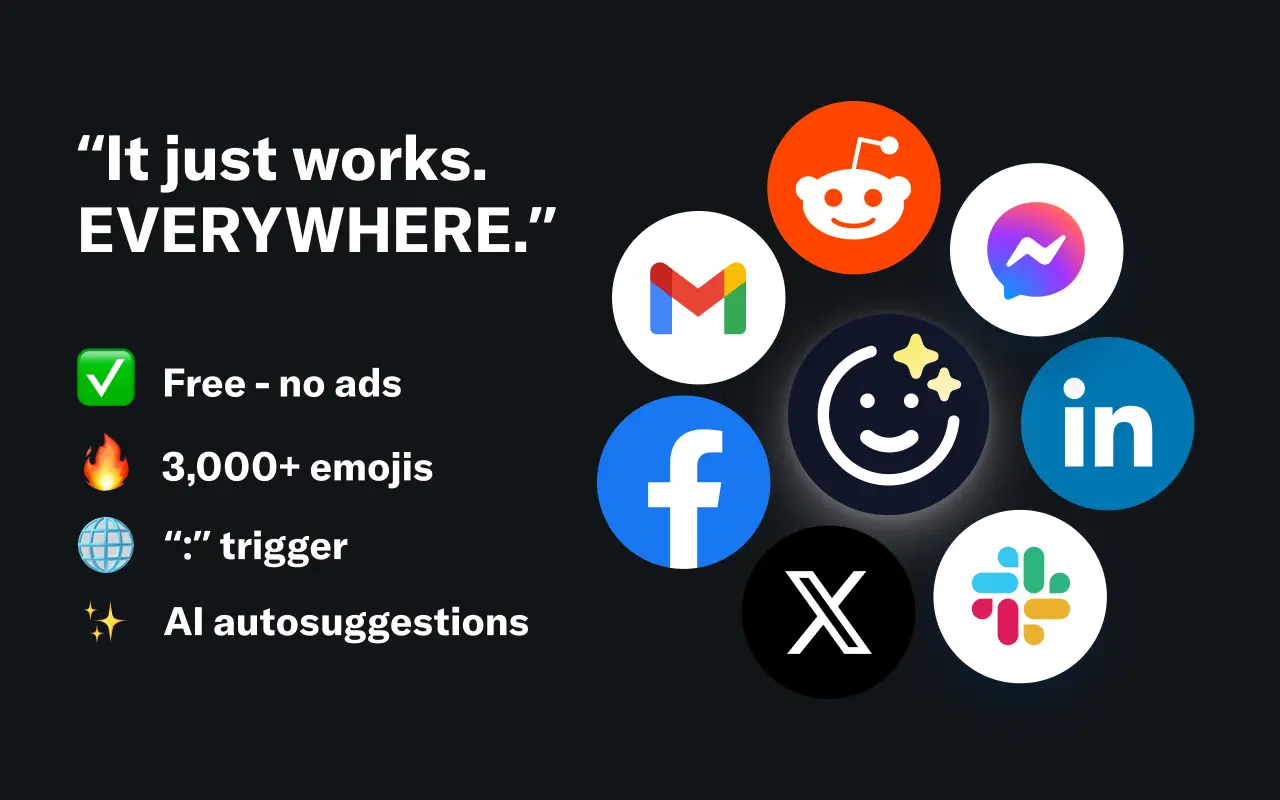
EmojAI
AI-powered emoji picker with smart, context-aware suggestions 🤖

Solohacker
Autonomous company launcher - AI agents work 24/7, escalate what matters, and you stay in control 🤖

BeRawi: Storytelling Coach
Practice storytelling daily with instant feedback to sound clearer, more engaging, and confident 🎤
Omichat
Chat with 50+ AI models, including ChatGPT and Claude, in one place - switch models anytime without losing context 🤖
Claude Fast
Supercharge your Claude Code with 6x effective context window and specialized AI agents 🤖
EmojAI
AI-powered emoji picker with smart, context-aware suggestions 🤖
Solohacker
Autonomous company launcher - AI agents work 24/7, escalate what matters, and you stay in control 🤖
BeRawi: Storytelling Coach
Practice storytelling daily with instant feedback to sound clearer, more engaging, and confident 🎤
Omichat
Chat with 50+ AI models, including ChatGPT and Claude, in one place - switch models anytime without losing context 🤖
Claude Fast
Supercharge your Claude Code with 6x effective context window and specialized AI agents 🤖
EmojAI
AI-powered emoji picker with smart, context-aware suggestions 🤖
Solohacker
Autonomous company launcher - AI agents work 24/7, escalate what matters, and you stay in control 🤖
BeRawi: Storytelling Coach
Practice storytelling daily with instant feedback to sound clearer, more engaging, and confident 🎤
Omichat
Chat with 50+ AI models, including ChatGPT and Claude, in one place - switch models anytime without losing context 🤖
Claude Fast
Supercharge your Claude Code with 6x effective context window and specialized AI agents 🤖
EmojAI
AI-powered emoji picker with smart, context-aware suggestions 🤖
Solohacker
Autonomous company launcher - AI agents work 24/7, escalate what matters, and you stay in control 🤖
BeRawi: Storytelling Coach
Practice storytelling daily with instant feedback to sound clearer, more engaging, and confident 🎤

Connect with like-minded people
Join our community to get feedback, support, and grow together with 1,000+ builders on board, let's ship it!
Join usShip your startup everywhere. In minutes.
Don't burn tokens on setup and start building features on day one.