ThreadCycle
A sustainable shirt store offering trade-in credits for old tees, enabling customers to recycle, resell, or upcycle fashion while earning loyalty rewards.
Why the circular fashion movement is creating a massive opportunity
The global fashion industry is under pressure. Consumers are more climate-aware than ever, governments are tightening sustainability regulations, and brands are being challenged to rethink fast fashion. According to reports from organizations like the Ellen MacArthur Foundation, the majority of textiles still end up in landfills or are incinerated. Meanwhile, secondhand apparel is growing significantly faster than traditional retail, as highlighted in industry analyses from ThredUp’s annual resale reports.
This shift signals a clear opportunity for a new type of ecommerce platform: one that blends retail, resale, recycling, and loyalty incentives into a seamless circular ecosystem.
ThreadCycle — a sustainable shirt store offering trade-in credits for old tees — directly addresses this gap. It combines:
- A direct-to-consumer apparel store
- A trade-in program for used shirts
- A recycling and upcycling pipeline
- A reward-based loyalty system
- A circular fashion narrative that resonates with Gen Z and Millennials
This article provides a comprehensive breakdown of how to build and scale a circular fashion ecommerce SaaS like ThreadCycle, including market validation, product strategy, tech stack, monetization, risks, and implementation steps.
Understanding the primary keyword and search intent
The primary keyword for this idea is:
Sustainable shirt store with trade-in credits
Related semantic (LSI) keywords include:
- Circular fashion ecommerce
- Clothing recycling program
- Trade-in fashion platform
- Eco-friendly apparel brand
- Sustainable t-shirt brand
- Clothing buyback program
- Resale and upcycle clothing marketplace
- Green fashion loyalty program
User search intent
Users searching for these terms are likely looking for:
- Sustainable fashion brands
- Clothing trade-in programs
- Ways to recycle old shirts responsibly
- Eco-friendly shopping alternatives
- Business models in circular fashion
This article addresses both:
- Consumers seeking sustainable alternatives
- Founders validating a circular ecommerce idea
The market opportunity for a sustainable shirt store with trade-in credits
The problem with traditional fashion ecommerce
Fast fashion relies on:
- High production volumes
- Short product lifecycles
- Low-cost materials
- Minimal post-purchase responsibility
This model creates waste, environmental harm, and consumer guilt.
The gap in the market
Most sustainable apparel brands focus on:
- Organic materials
- Ethical manufacturing
- Carbon-neutral shipping
Very few integrate:
- A structured clothing trade-in system
- Direct customer credits
- Automated resale or recycling workflows
- Transparent circular lifecycle tracking
That’s where ThreadCycle differentiates.
Target audience analysis
A sustainable shirt store with trade-in credits appeals to multiple segments.
1. Eco-conscious Gen Z and Millennials
- Value sustainability and ethical sourcing
- Prefer brands with a mission
- Comfortable with resale and secondhand
- Influenced by ESG narratives
Motivation: Reduce waste without sacrificing style.
2. Urban professionals
- Mid to high disposable income
- Willing to pay for quality basics
- Interested in brand loyalty perks
Motivation: Upgrade wardrobe responsibly.
3. College students
- Budget-conscious
- Open to resale platforms
- Motivated by credit-based incentives
Motivation: Save money while staying eco-friendly.
4. Sustainability advocates
- Actively reduce carbon footprint
- Prefer circular economy brands
- Share brands socially
Motivation: Support systemic change.
ThreadCycle’s core value proposition
ThreadCycle is not just a sustainable shirt store. It is:
A closed-loop apparel ecosystem where customers earn rewards for returning old tees, enabling recycling, resale, or upcycling — all within one unified platform.
Unique selling proposition (USP)
- Built-in trade-in credits for old shirts
- Loyalty rewards tied to sustainability actions
- Circular lifecycle tracking for transparency
- Dual revenue model (new + resale)
- Data-driven sustainability reporting
Core features of a circular fashion ecommerce platform
Let’s break down the product architecture.
1. Sustainable product catalog
- Organic cotton shirts
- Recycled polyester blends
- Limited-edition upcycled drops
- Transparent supply chain details
Key UX features:
- Sustainability score per item
- Estimated carbon savings
- “Made from recycled tees” badges
2. Trade-in credit system
This is the core engine.
How it works:
- Customer requests trade-in
- Receives prepaid shipping label
- Sends old shirts
- System inspects and grades condition
- Credits issued automatically
Credits can be:
- Flat rate per shirt
- Tiered by condition
- Bonus-based for loyalty members
3. Automated resale pipeline
After receiving shirts:
- Grade A → Resell on marketplace
- Grade B → Discount section
- Grade C → Upcycle or recycle
You can use structured SKU tagging to categorize condition.
4. Upcycling workflow
Upcycled shirts can be:
- Patchwork designs
- Limited capsule collections
- Reconstructed premium items
This adds:
- Scarcity
- Storytelling value
- Higher margin potential
5. Loyalty and rewards engine
Gamification increases retention.
Examples:
- +50 points for trade-in
- +100 points for 5 shirts recycled
- Tier upgrades: Bronze → Silver → Gold
- Early access for top members
You can structure rewards like this:
- 5% discount
- Basic trade-in credit
- Free shipping over threshold
- 10% discount
- Bonus trade-in multiplier
- Early sale access
- 15% discount
- Exclusive upcycled drops
- VIP sustainability reports
6. Sustainability dashboard
A major competitive differentiator.
User dashboard includes:
- Total shirts recycled
- Estimated landfill diversion
- Carbon savings estimate
- Impact milestones
This builds emotional loyalty.
Competitive landscape analysis
Let’s compare models:
| Feature | Traditional Fashion | Resale Only | Sustainable Brand | ThreadCycle Model | Fast Fashion |
|---|---|---|---|---|---|
| Trade-in credits | ❌ | ✅ | ❌ | ✅ | ❌ |
| Resale integration | ❌ | ✅ | ❌ | ✅ | ❌ |
ThreadCycle uniquely combines:
- Retail
- Recycling
- Resale
- Rewards
- Data-driven impact
Business model and monetization strategy
A sustainable shirt store with trade-in credits can monetize in multiple ways.
1. Direct product sales
Primary revenue:
- Premium sustainable tees
- Upcycled collections
- Limited drops
Margins: 50–70% (depending on sourcing).
2. Resale margin
Buyback credit may cost $5. Resell shirt for $20. Gross margin remains strong.
3. Subscription model
Introduce a ThreadCycle membership plan:
- Monthly tee
- Priority trade-in processing
- Bonus credits
4. Data and ESG partnerships
Brands increasingly seek ESG reporting.
ThreadCycle can:
- License circular data insights
- Partner with sustainability programs
- Collaborate with eco-conscious influencers
Recommended tech stack for ThreadCycle
A scalable ecommerce stack is critical.
Frontend
Why?
- Fast rendering
- SEO optimization
- Component-based scalability
Backend
- Node.js (API layer)
- PostgreSQL (inventory + trade-in data)
- Stripe for payments
- Warehouse management system integration
Trade-in automation logic example
type ShirtCondition = "A" | "B" | "C";

function calculateCredit(condition: ShirtCondition): number {
  switch (condition) {
    case "A":
      return 10;
    case "B":
      return 7;
    case "C":
      return 3;
    default:
      return 0;
  }
}
This can expand to:
- AI image recognition for grading
- Automated warehouse tagging
- Credit wallet integration
Infrastructure
- Vercel (frontend deployment)
- AWS S3 (image storage)
- Background jobs for trade-in workflows
Trade-off:
- Custom stack offers flexibility
- Shopify reduces complexity but limits circular logic
If building from scratch, a framework like TurboStarter accelerates production-ready SaaS development.
Operational logistics and fulfillment challenges
Circular fashion logistics are more complex than standard ecommerce.
Key components:
- Reverse shipping
- Sorting warehouse
- Condition grading SOP
- Upcycling production partners
- Recycling facility contracts
You must account for:
- Variable inventory supply
- Quality unpredictability
- Processing costs
Risks and mitigation strategies
1. High operational complexity
Mitigation:
Start with a small geographic region.
2. Low trade-in participation
Mitigation:
Offer limited-time bonus credit campaigns.
3. Inventory imbalance
Mitigation:
Use dynamic pricing for resale inventory.
4. Margin compression
Mitigation:
Balance trade-in credits with resale pricing carefully.
Why ThreadCycle stands out
ThreadCycle is not just a store. It’s:
- A circular fashion ecosystem
- A loyalty-driven sustainability engine
- A data-backed impact platform
- A resale + retail hybrid
Most brands do one of these. ThreadCycle integrates all.
Implementation roadmap
Growth strategy
1. SEO content marketing
Target keywords:
- How to recycle old shirts
- Sustainable t-shirt brands
- Clothing trade-in programs
- Circular fashion store
2. Influencer partnerships
Micro-influencers in:
- Sustainable living
- Minimalism
- Eco fashion
3. Community building
- Sustainability challenges
- “Recycle 10 tees” campaigns
- Impact milestone badges
Long-term expansion opportunities
- Expand beyond shirts (hoodies, denim)
- B2B corporate uniform recycling
- API for other brands to plug into trade-in system
- White-label circular loyalty engine
Final thoughts: building a sustainable shirt store with trade-in credits
ThreadCycle captures multiple macro trends:
- Rise of circular economy
- Growth of resale fashion
- Consumer demand for sustainability
- Loyalty gamification
- Transparent impact tracking
By combining retail + recycling + resale + rewards, ThreadCycle creates a powerful flywheel:
- Customers buy.
- Customers return old shirts.
- Credits increase retention.
- Resale boosts margins.
- Impact reporting builds brand trust.
This is not just ecommerce.
It’s regenerative commerce.
If you’re serious about building a circular fashion ecommerce platform, start lean, validate quickly, and build modular infrastructure that can scale.
The future of fashion is not just sustainable — it’s circular.
More 🛒 E-commerce SaaS ideas
Discover more innovative e-commerce SaaS ideas that are trending in 2026. Each idea is AI-generated with market validation and growth potential to help you find your next profitable venture faster than competitors.
Your competitors are building with TurboStarter
Below are some of the SaaS ideas that have been generated and built with our starter kit.
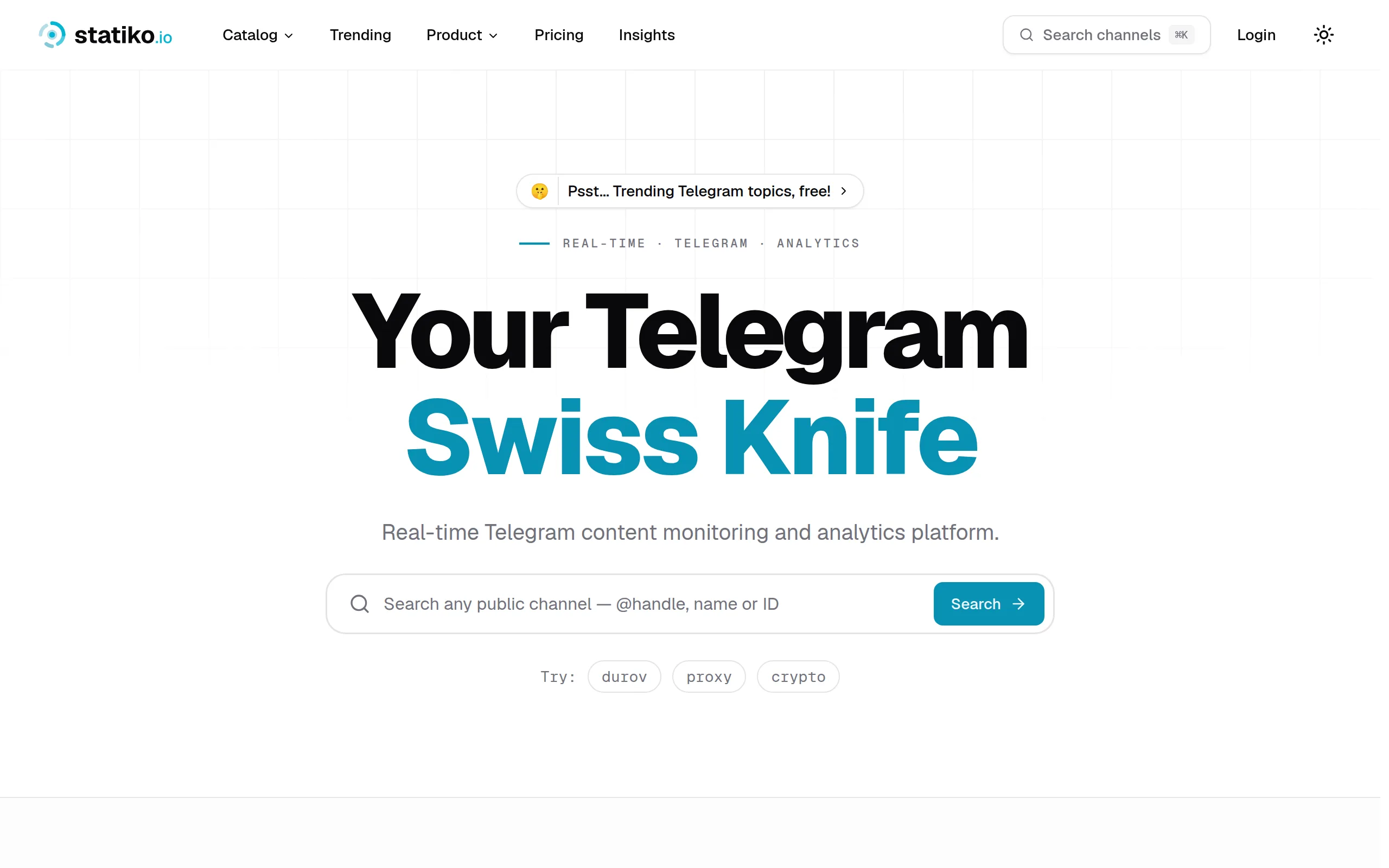
Statiko
Monitor any Telegram channel in real time - track posts, edits, deletions, and growth with AI recaps 📡

Shibui
AI website builder - describe your business, pick a niche template, edit by chatting, and publish instantly ✨

Pro Service
Find verified home service professionals, compare quotes, and pay securely through escrow - built for Brazilians across the US 🏠
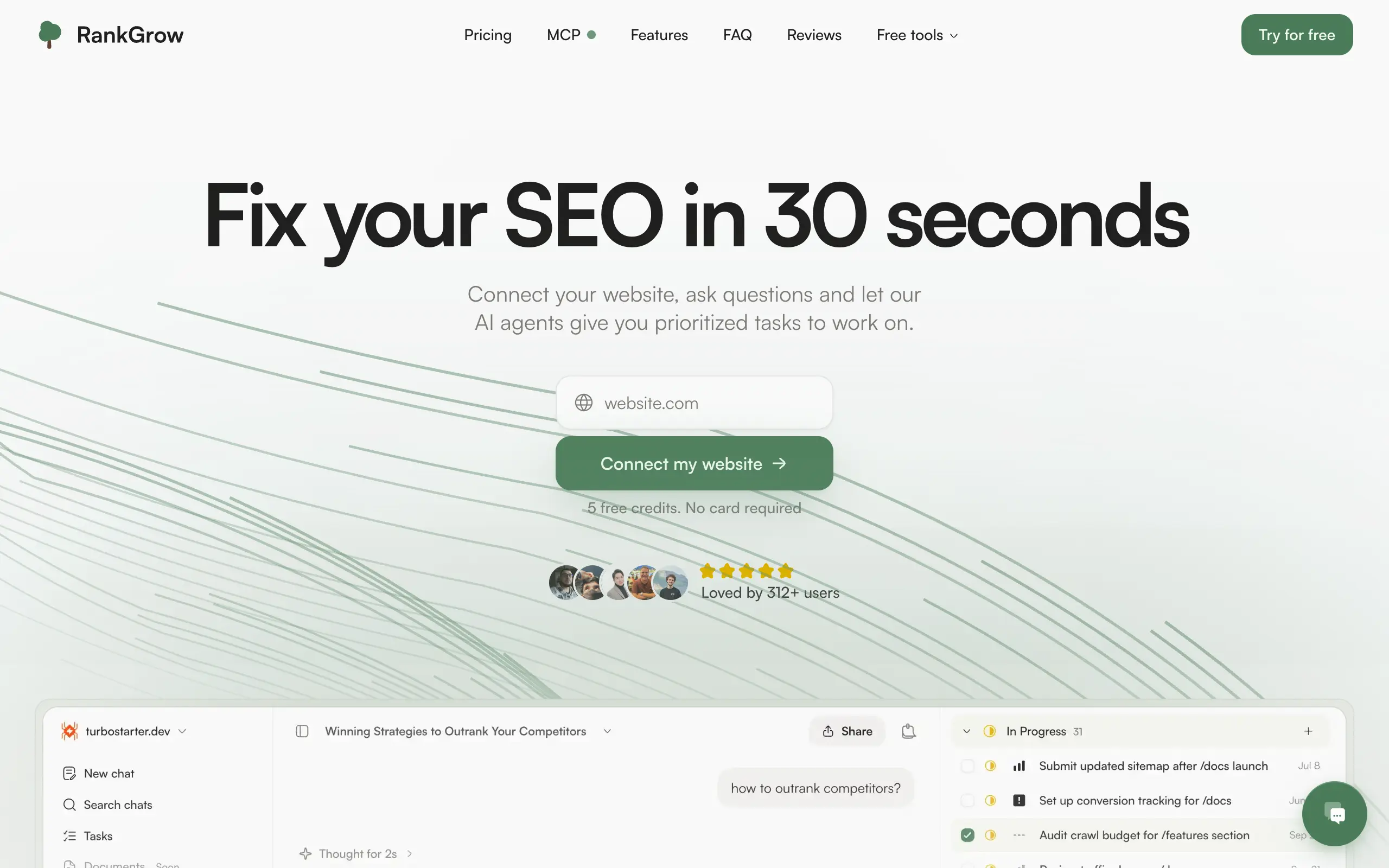
RankGrow
Fix your SEO with AI agents - connect Search Console, get prioritized tasks, and grow organic traffic 📈
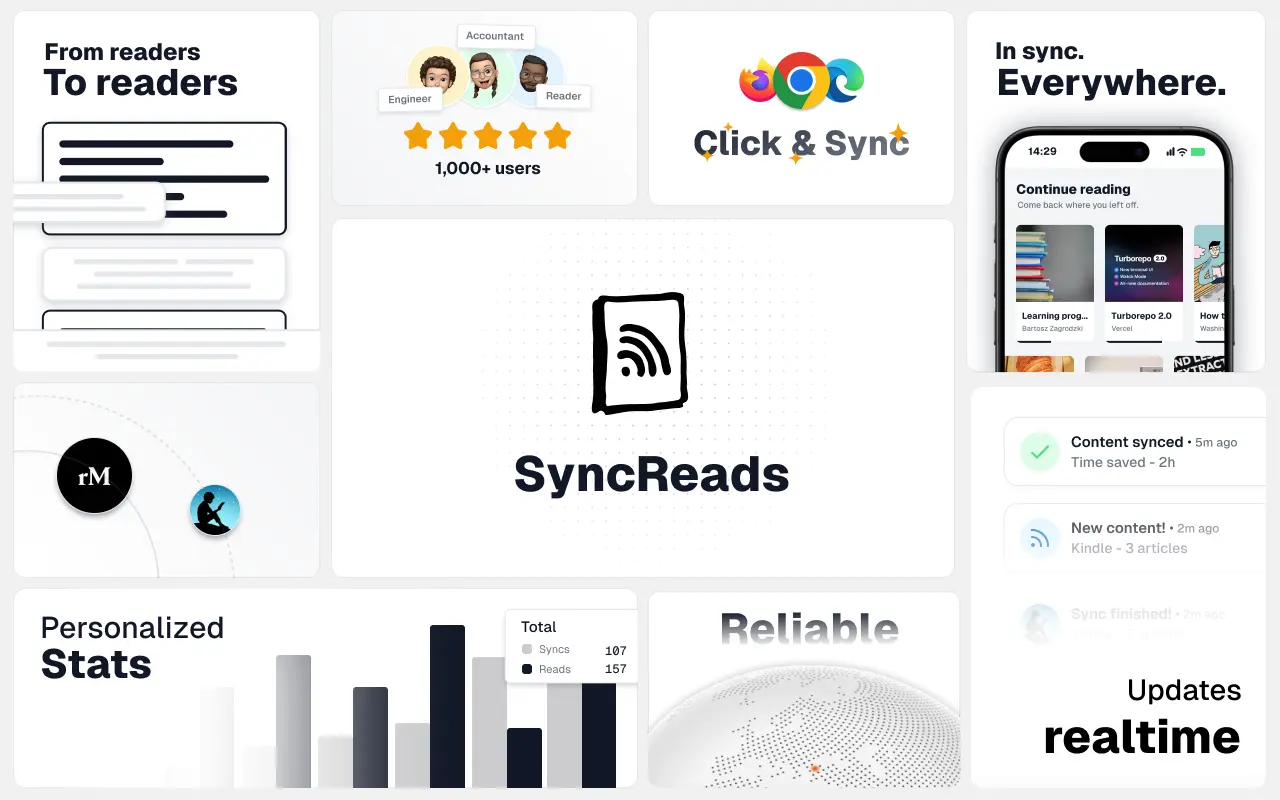
SyncReads
Sync your favorite content for distraction-free reading, save time and replace multiple apps. Anytime, anywhere 🔄
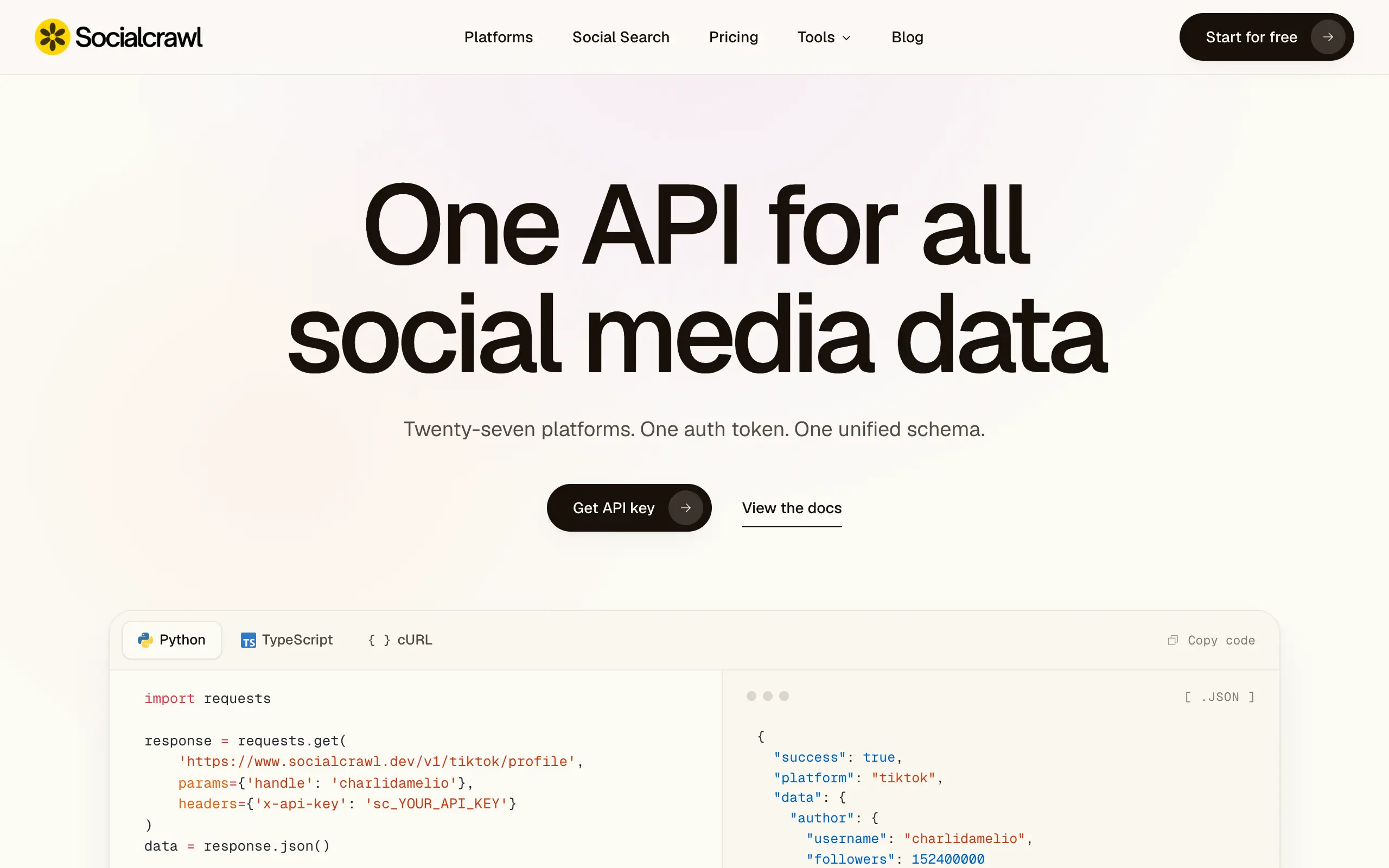
Socialcrawl
Get clean, structured data from 21 platforms like TikTok, Instagram, and YouTube with a single request 📊
Statiko
Monitor any Telegram channel in real time - track posts, edits, deletions, and growth with AI recaps 📡
Shibui
AI website builder - describe your business, pick a niche template, edit by chatting, and publish instantly ✨
Pro Service
Find verified home service professionals, compare quotes, and pay securely through escrow - built for Brazilians across the US 🏠
RankGrow
Fix your SEO with AI agents - connect Search Console, get prioritized tasks, and grow organic traffic 📈
SyncReads
Sync your favorite content for distraction-free reading, save time and replace multiple apps. Anytime, anywhere 🔄
Socialcrawl
Get clean, structured data from 21 platforms like TikTok, Instagram, and YouTube with a single request 📊
Statiko
Monitor any Telegram channel in real time - track posts, edits, deletions, and growth with AI recaps 📡
Shibui
AI website builder - describe your business, pick a niche template, edit by chatting, and publish instantly ✨
Pro Service
Find verified home service professionals, compare quotes, and pay securely through escrow - built for Brazilians across the US 🏠
RankGrow
Fix your SEO with AI agents - connect Search Console, get prioritized tasks, and grow organic traffic 📈
SyncReads
Sync your favorite content for distraction-free reading, save time and replace multiple apps. Anytime, anywhere 🔄
Socialcrawl
Get clean, structured data from 21 platforms like TikTok, Instagram, and YouTube with a single request 📊
Statiko
Monitor any Telegram channel in real time - track posts, edits, deletions, and growth with AI recaps 📡
Shibui
AI website builder - describe your business, pick a niche template, edit by chatting, and publish instantly ✨
Pro Service
Find verified home service professionals, compare quotes, and pay securely through escrow - built for Brazilians across the US 🏠
RankGrow
Fix your SEO with AI agents - connect Search Console, get prioritized tasks, and grow organic traffic 📈
SyncReads
Sync your favorite content for distraction-free reading, save time and replace multiple apps. Anytime, anywhere 🔄
Socialcrawl
Get clean, structured data from 21 platforms like TikTok, Instagram, and YouTube with a single request 📊

Dotallio
Personalized AI apps that automate research, data extraction, and content creation without code 🤖

Talk to Santa
Enjoy a magical live video chat or receive a unique AI-generated video greeting from Santa Claus 🎅

pozywka.pl
Scalable blog for food journalist, focused on performance and user experience 🌭
zagrodzki.me
Personal blog and portfolio of Bart Zagrodzki, where he shares his knowledge and work 💼
TurboStarter
Ship your startup everywhere. In minutes.
HTML to Markdown
Convert HTML to Markdown with ease, directly in your browser 📄
Dotallio
Personalized AI apps that automate research, data extraction, and content creation without code 🤖
Talk to Santa
Enjoy a magical live video chat or receive a unique AI-generated video greeting from Santa Claus 🎅
pozywka.pl
Scalable blog for food journalist, focused on performance and user experience 🌭
zagrodzki.me
Personal blog and portfolio of Bart Zagrodzki, where he shares his knowledge and work 💼
TurboStarter
Ship your startup everywhere. In minutes.
HTML to Markdown
Convert HTML to Markdown with ease, directly in your browser 📄
Dotallio
Personalized AI apps that automate research, data extraction, and content creation without code 🤖
Talk to Santa
Enjoy a magical live video chat or receive a unique AI-generated video greeting from Santa Claus 🎅
pozywka.pl
Scalable blog for food journalist, focused on performance and user experience 🌭
zagrodzki.me
Personal blog and portfolio of Bart Zagrodzki, where he shares his knowledge and work 💼
TurboStarter
Ship your startup everywhere. In minutes.
HTML to Markdown
Convert HTML to Markdown with ease, directly in your browser 📄
Dotallio
Personalized AI apps that automate research, data extraction, and content creation without code 🤖
Talk to Santa
Enjoy a magical live video chat or receive a unique AI-generated video greeting from Santa Claus 🎅
pozywka.pl
Scalable blog for food journalist, focused on performance and user experience 🌭
zagrodzki.me
Personal blog and portfolio of Bart Zagrodzki, where he shares his knowledge and work 💼
TurboStarter
Ship your startup everywhere. In minutes.
HTML to Markdown
Convert HTML to Markdown with ease, directly in your browser 📄
Omichat
Chat with 50+ AI models, including ChatGPT and Claude, in one place - switch models anytime without losing context 🤖
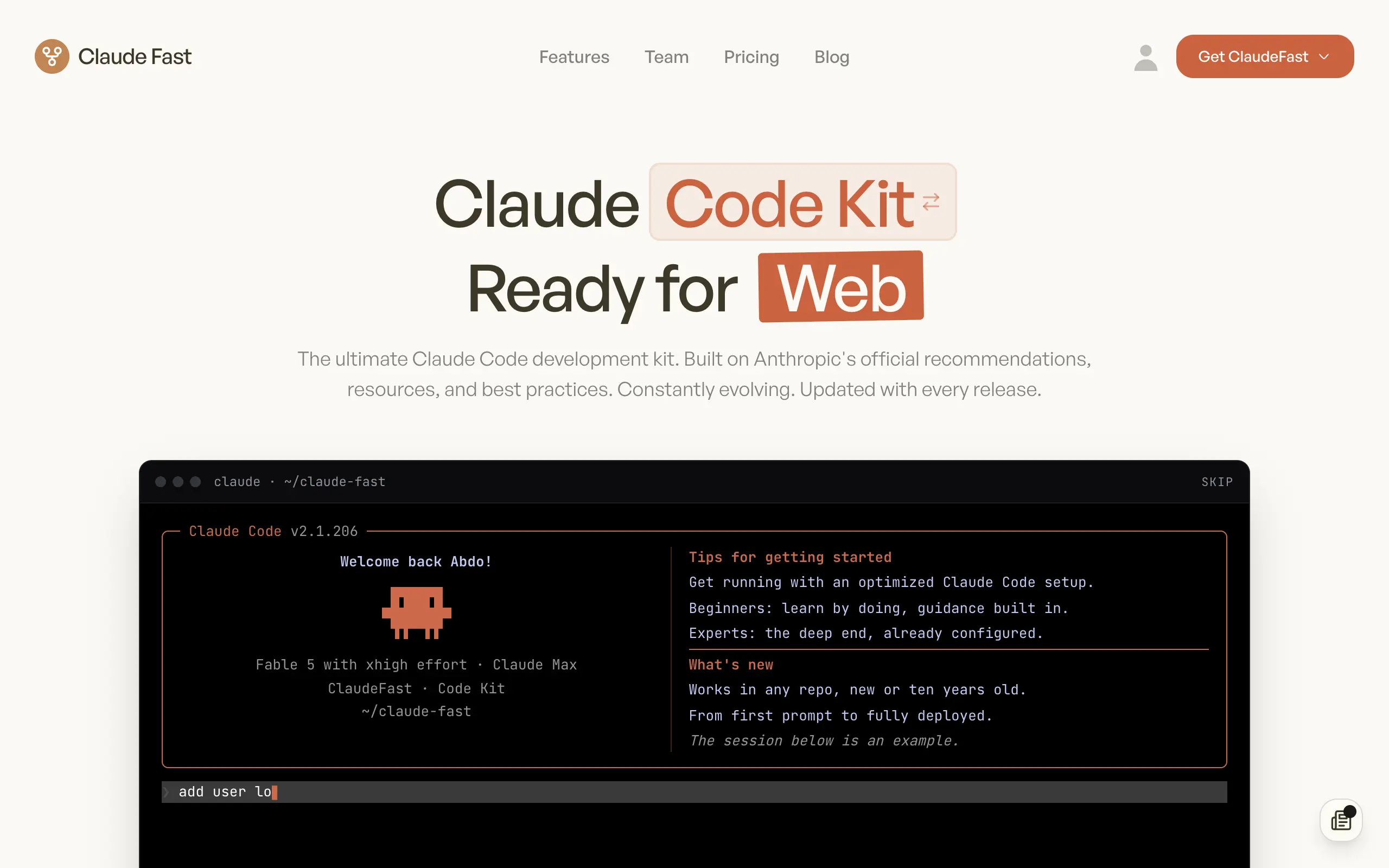
Claude Fast
Supercharge your Claude Code with 6x effective context window and specialized AI agents 🤖
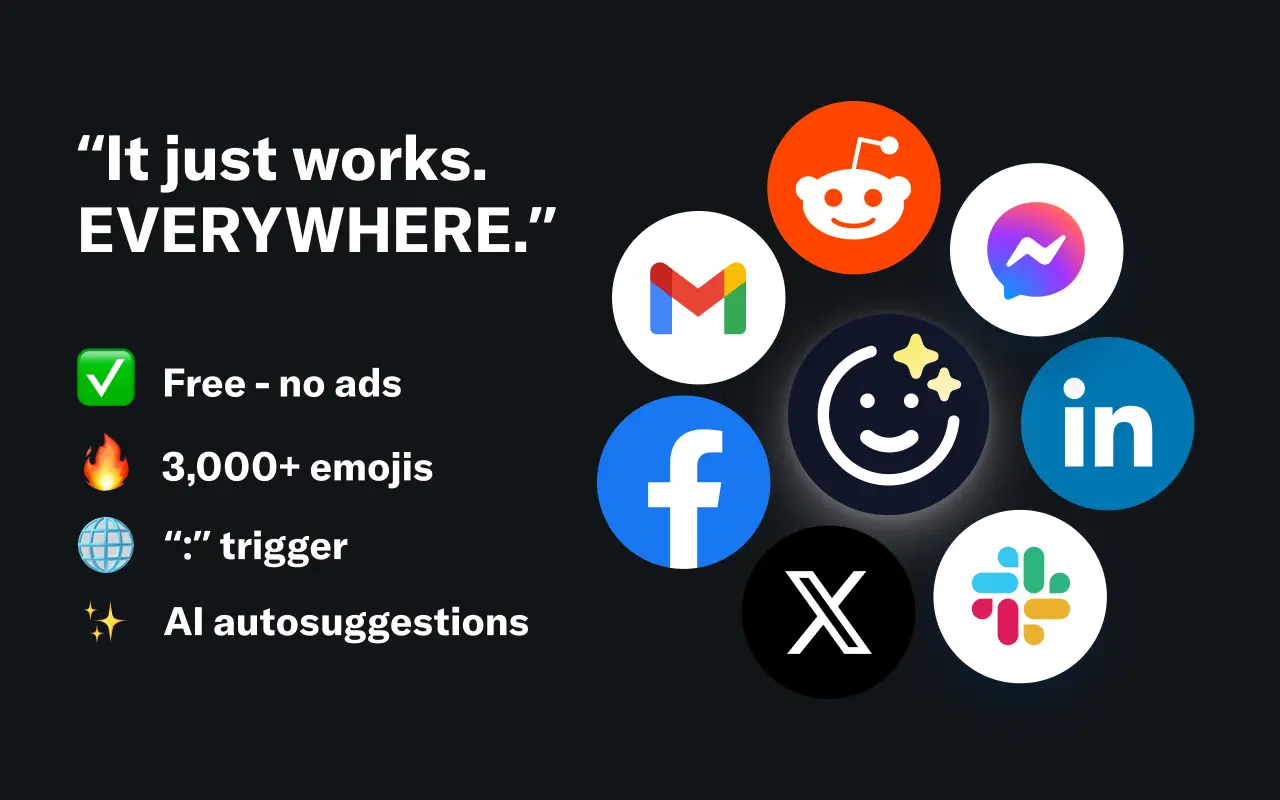
EmojAI
AI-powered emoji picker with smart, context-aware suggestions 🤖

Solohacker
Autonomous company launcher - AI agents work 24/7, escalate what matters, and you stay in control 🤖

BeRawi: Storytelling Coach
Practice storytelling daily with instant feedback to sound clearer, more engaging, and confident 🎤
Omichat
Chat with 50+ AI models, including ChatGPT and Claude, in one place - switch models anytime without losing context 🤖
Claude Fast
Supercharge your Claude Code with 6x effective context window and specialized AI agents 🤖
EmojAI
AI-powered emoji picker with smart, context-aware suggestions 🤖
Solohacker
Autonomous company launcher - AI agents work 24/7, escalate what matters, and you stay in control 🤖
BeRawi: Storytelling Coach
Practice storytelling daily with instant feedback to sound clearer, more engaging, and confident 🎤
Omichat
Chat with 50+ AI models, including ChatGPT and Claude, in one place - switch models anytime without losing context 🤖
Claude Fast
Supercharge your Claude Code with 6x effective context window and specialized AI agents 🤖
EmojAI
AI-powered emoji picker with smart, context-aware suggestions 🤖
Solohacker
Autonomous company launcher - AI agents work 24/7, escalate what matters, and you stay in control 🤖
BeRawi: Storytelling Coach
Practice storytelling daily with instant feedback to sound clearer, more engaging, and confident 🎤
Omichat
Chat with 50+ AI models, including ChatGPT and Claude, in one place - switch models anytime without losing context 🤖
Claude Fast
Supercharge your Claude Code with 6x effective context window and specialized AI agents 🤖
EmojAI
AI-powered emoji picker with smart, context-aware suggestions 🤖
Solohacker
Autonomous company launcher - AI agents work 24/7, escalate what matters, and you stay in control 🤖
BeRawi: Storytelling Coach
Practice storytelling daily with instant feedback to sound clearer, more engaging, and confident 🎤

Connect with like-minded people
Join our community to get feedback, support, and grow together with 1,000+ builders on board, let's ship it!
Join usShip your startup everywhere. In minutes.
Don't burn tokens on setup and start building features on day one.