TryBeforeBuy
A virtual fitting room platform for e-commerce stores, letting customers try on clothes using AR before purchasing, reducing returns and boosting confidence.
Understanding the need for virtual fitting rooms in e-commerce
The rapid growth of online shopping has transformed the retail landscape, but it has also introduced new challenges—especially for fashion and apparel brands. One of the most persistent issues is the high rate of product returns, often due to poor fit or unmet expectations. Customers crave the confidence of trying on clothes before buying, but traditional e-commerce platforms fall short in replicating the in-store experience.
TryBeforeBuy addresses this gap by offering a virtual fitting room platform for e-commerce stores. Leveraging augmented reality (AR), it allows shoppers to "try on" clothes virtually, directly from their devices. This not only reduces return rates but also boosts customer satisfaction and conversion rates.
In this comprehensive guide, we’ll explore the market opportunity, target audience, core features, technology stack, monetization strategies, risks, and actionable steps to implement TryBeforeBuy. Whether you’re an e-commerce founder, product manager, or SaaS entrepreneur, this article will help you understand the potential and practicalities of launching a virtual fitting room solution.
Target audience analysis: Who benefits from TryBeforeBuy?
Understanding the target audience is crucial for any SaaS product, especially one as innovative as a virtual fitting room platform. Let’s break down the primary user segments and their motivations.
1. E-commerce fashion retailers
- Small to medium-sized online boutiques: These businesses often struggle with high return rates and limited resources for customer support. TryBeforeBuy offers them a competitive edge by enhancing the online shopping experience.
- Large fashion brands and marketplaces: Enterprises with vast inventories and global reach can use AR fitting rooms to personalize shopping at scale, reduce operational costs, and improve brand loyalty.
2. Direct-to-consumer (DTC) brands
DTC brands thrive on customer trust and seamless digital experiences. Virtual try-on technology helps them:
- Build credibility by reducing the risk of poor fit.
- Differentiate from competitors.
- Gather valuable data on customer preferences and body types.
3. End consumers
- Fashion-forward shoppers: Individuals who value style, fit, and convenience.
- Sustainability-conscious buyers: Reducing returns means fewer shipments and less waste, appealing to eco-friendly consumers.
- International customers: Those who can’t visit physical stores benefit from accurate virtual try-ons.
4. E-commerce platforms and agencies
- Shopify, WooCommerce, Magento, and custom platforms: Agencies and platform providers can integrate TryBeforeBuy as a value-added service for their clients.
Market opportunity and gap analysis
The global online fashion market is projected to exceed $1 trillion by 2025 (source: Statista). Yet, return rates for apparel remain stubbornly high—often between 30% and 40% for online purchases. The main culprit? Uncertainty about fit and appearance.
Key market pain points
- High return rates: Costly for retailers and frustrating for customers.
- Lack of personalization: Standard size charts don’t account for individual body shapes.
- Customer hesitation: Shoppers abandon carts due to uncertainty about how items will look or fit.
Why now? Industry trends driving adoption
- Advancements in AR and computer vision: Modern smartphones and browsers now support sophisticated AR experiences.
- Consumer demand for immersive shopping: Shoppers expect more interactive and personalized online experiences.
- Sustainability pressures: Brands are seeking ways to reduce waste and carbon footprints.
Competitive landscape
While some large brands have developed proprietary virtual fitting solutions, most e-commerce stores lack the resources to build or maintain such technology. Existing third-party solutions are often expensive, hard to integrate, or lack accuracy.
- Seamless AR try-on for all devices
- Easy integration with major platforms
- Affordable SaaS pricing
- Advanced fit accuracy using AI
- White-label and customization options
- No virtual try-on
- High return rates
- Limited personalization
- Static product images
- Expensive enterprise contracts
- Complex integration
- Limited device compatibility
- Inconsistent fit accuracy
Core features and solution details
TryBeforeBuy is designed to be a plug-and-play virtual fitting room platform for e-commerce. Here’s what sets it apart:
1. Augmented reality (AR) virtual try-on
- Real-time garment overlay: Customers can see how clothes look on their body using their smartphone or webcam.
- 3D body mapping: Advanced computer vision algorithms create a realistic model based on user input or a quick scan.
- Multiple angles and lighting: Users can view outfits from different perspectives and under various lighting conditions.
2. Size and fit recommendation engine
- Personalized sizing: AI-driven recommendations based on user measurements, purchase history, and fit feedback.
- Fit confidence score: Visual indicators help users understand how well an item will fit.
3. Seamless integration
- Plug-ins for Shopify, WooCommerce, Magento, and custom APIs: Quick setup with minimal technical overhead.
- White-label options: Brands can customize the look and feel to match their identity.
4. Analytics and insights
- Try-on engagement metrics: Track which products are tried on most, conversion rates, and return reductions.
- Customer feedback loop: Collect post-purchase fit feedback to improve recommendations.
5. Accessibility and device compatibility
- Mobile-first design: Works on iOS, Android, and desktop browsers.
- No app required: Web-based AR for frictionless user experience.
Real-time AR try-on
Let customers see themselves in new outfits instantly, boosting confidence and reducing returns.
AI-powered fit recommendations
Personalized sizing and fit scores based on user data and feedback.
Seamless e-commerce integration
Easy plug-ins for major platforms and custom APIs for flexibility.
Actionable analytics
Gain insights into customer behavior, product performance, and return reduction.
Recommended tech stack for TryBeforeBuy
Choosing the right technology stack is critical for performance, scalability, and ease of integration. Here’s a breakdown of the recommended stack, with trade-offs explained.
Frontend
- React: Enables fast, interactive UIs and component reusability.
- Three.js: For 3D rendering and AR overlays.
- TailwindCSS: Rapid, responsive styling.
- WebAR frameworks: Such as 8th Wall or AR.js, for cross-platform AR experiences.
Trade-offs: React and Three.js offer flexibility and performance, but may require more initial setup than simpler frameworks. WebAR frameworks ensure device compatibility but can have limitations on older devices.
Backend
- Node.js: Scalable, event-driven backend for real-time processing.
- Express: Lightweight API server.
- TensorFlow.js or PyTorch: For AI-driven fit and size recommendations.
Trade-offs: Node.js is ideal for real-time applications, but Python-based AI models may require separate microservices for optimal performance.
Cloud and infrastructure
- AWS or Google Cloud: For scalable hosting, storage, and AI model deployment.
- Cloudflare: For CDN and security.
Integration and APIs
- RESTful and GraphQL APIs: For flexible integration with e-commerce platforms.
- Webhooks: For real-time updates and analytics.
Security and privacy
- OAuth 2.0: Secure authentication.
- GDPR compliance: Essential for handling user data and images.
Monetization strategy options
A successful SaaS platform needs a sustainable and scalable revenue model. Here are the most effective monetization strategies for TryBeforeBuy:
1. Subscription-based pricing
- Tiered plans: Offer different feature sets (e.g., number of monthly try-ons, analytics depth, white-labeling) at various price points.
- Freemium model: Basic AR try-on for free, with advanced features behind a paywall.
2. Usage-based pricing
- Pay-per-try-on: Charge retailers based on the number of virtual try-ons or active users.
- API call pricing: For custom integrations and high-volume clients.
3. Revenue sharing
- Conversion-based fees: Take a small percentage of sales generated through the virtual fitting room.
4. Enterprise and white-label solutions
- Custom contracts: For large brands needing bespoke features, integrations, or on-premise deployment.
Subscription-based pricing is often the most predictable and scalable for early-stage SaaS businesses, allowing for steady revenue growth and easier forecasting.
Offer advanced analytics, priority support, or exclusive AR features as premium add-ons to increase average revenue per user (ARPU).
Potential risks and mitigation strategies
Launching a virtual fitting room SaaS comes with unique challenges. Here’s how to anticipate and address them:
1. Privacy and data security
- Risk: Handling user images and body data raises privacy concerns.
- Mitigation: Implement end-to-end encryption, anonymize data, and ensure GDPR/CCPA compliance. Be transparent about data usage.
2. AR accuracy and user experience
- Risk: Poor fit accuracy or laggy AR can erode trust and increase returns.
- Mitigation: Continuously improve AI models using real-world feedback. Offer clear disclaimers and fit confidence scores.
3. Device and browser compatibility
- Risk: Not all users have the latest devices or browsers.
- Mitigation: Use progressive enhancement—offer basic features for older devices and full AR for modern ones.
4. Integration complexity
- Risk: E-commerce stores may lack technical resources for integration.
- Mitigation: Provide detailed documentation, plug-and-play modules, and responsive support.
5. Market competition
- Risk: Larger players or new entrants could outpace innovation.
- Mitigation: Focus on usability, affordability, and customer support. Build a strong brand and community.
| Risk | Impact | Likelihood | Mitigation | Status |
|---|---|---|---|---|
| Privacy breach | High | Medium | Encryption, compliance | Ongoing |
| AR inaccuracy | Medium | Medium | Model updates, feedback loop | Ongoing |
Competitive advantage: What makes TryBeforeBuy unique?
TryBeforeBuy stands out in the crowded e-commerce SaaS landscape due to its:
- Plug-and-play integration: No need for custom development or long onboarding.
- Device-agnostic AR: Works on any modern smartphone or browser, no app required.
- AI-driven fit accuracy: Continuously learning from user feedback for better recommendations.
- Affordable, transparent pricing: Accessible to small boutiques and large brands alike.
- White-label and customization: Brands can maintain their unique identity.
Unique selling proposition
TryBeforeBuy democratizes advanced AR fitting room technology, making it accessible, accurate, and easy to integrate for any e-commerce store—regardless of size or technical expertise.
Actionable implementation steps
Ready to bring TryBeforeBuy to life? Here’s a step-by-step roadmap for launching your virtual fitting room SaaS:
Conclusion: The future of e-commerce is immersive and personalized
Virtual fitting rooms are no longer a futuristic concept—they’re a practical solution to some of e-commerce’s biggest challenges. By enabling customers to try on clothes virtually, TryBeforeBuy empowers retailers to reduce returns, increase conversions, and deliver a shopping experience that rivals (or even surpasses) brick-and-mortar stores.
For e-commerce founders and SaaS builders, the opportunity is clear: AR-powered fitting rooms are set to become a standard feature in online fashion retail. By leveraging the right technology, focusing on user experience, and prioritizing privacy, you can position your business at the forefront of this transformation.
Frequently asked questions
TryBeforeBuy uses advanced AI and computer vision to deliver highly accurate fit simulations. However, accuracy can vary based on user input and device quality. Continuous model updates and user feedback help improve results over time.
No. TryBeforeBuy offers plug-ins for major platforms like Shopify and WooCommerce, as well as APIs for custom integrations. Most stores can be up and running in hours, not weeks.
All user data is encrypted and processed in compliance with GDPR and CCPA. No images or measurements are stored without explicit consent, and users can request data deletion at any time.
TryBeforeBuy provides comprehensive documentation, onboarding assistance, and responsive customer support to ensure a smooth integration and ongoing success.
For more resources on launching SaaS products, check out TurboStarter.
More 🛒 E-commerce SaaS ideas
Discover more innovative e-commerce SaaS ideas that are trending in 2026. Each idea is AI-generated with market validation and growth potential to help you find your next profitable venture faster than competitors.
Your competitors are building with TurboStarter
Below are some of the SaaS ideas that have been generated and built with our starter kit.

Statiko
Monitor any Telegram channel in real time - track posts, edits, deletions, and growth with AI recaps 📡

Shibui
AI website builder - describe your business, pick a niche template, edit by chatting, and publish instantly ✨

Pro Service
Find verified home service professionals, compare quotes, and pay securely through escrow - built for Brazilians across the US 🏠
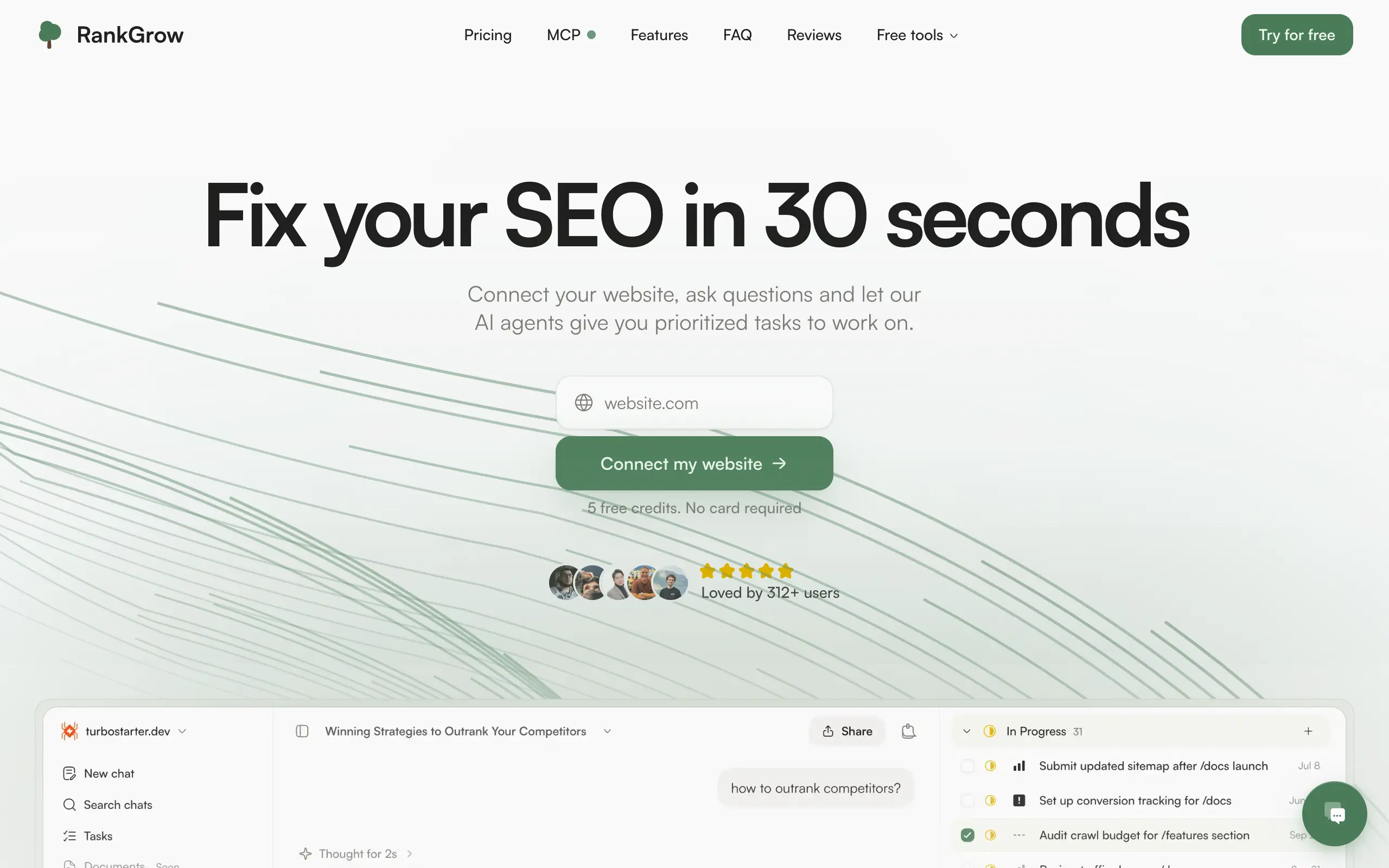
RankGrow
Fix your SEO with AI agents - connect Search Console, get prioritized tasks, and grow organic traffic 📈
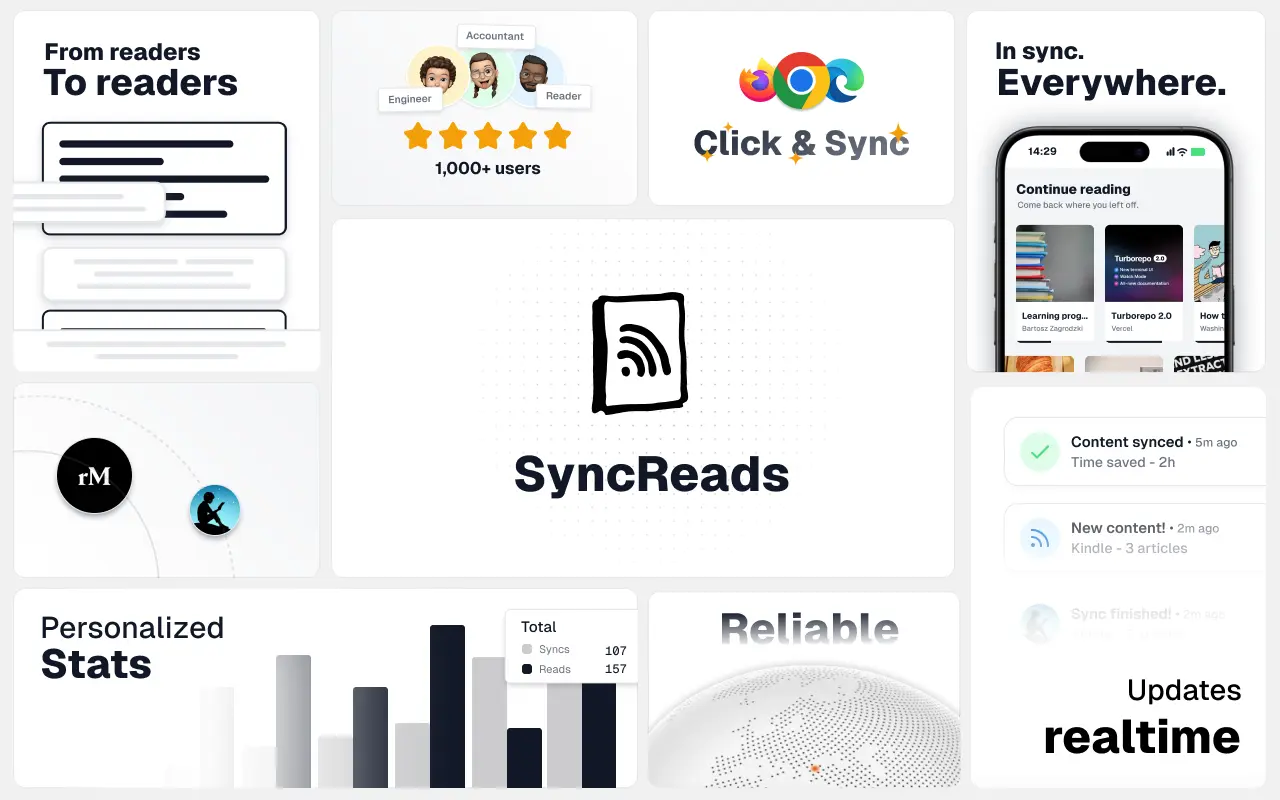
SyncReads
Sync your favorite content for distraction-free reading, save time and replace multiple apps. Anytime, anywhere 🔄
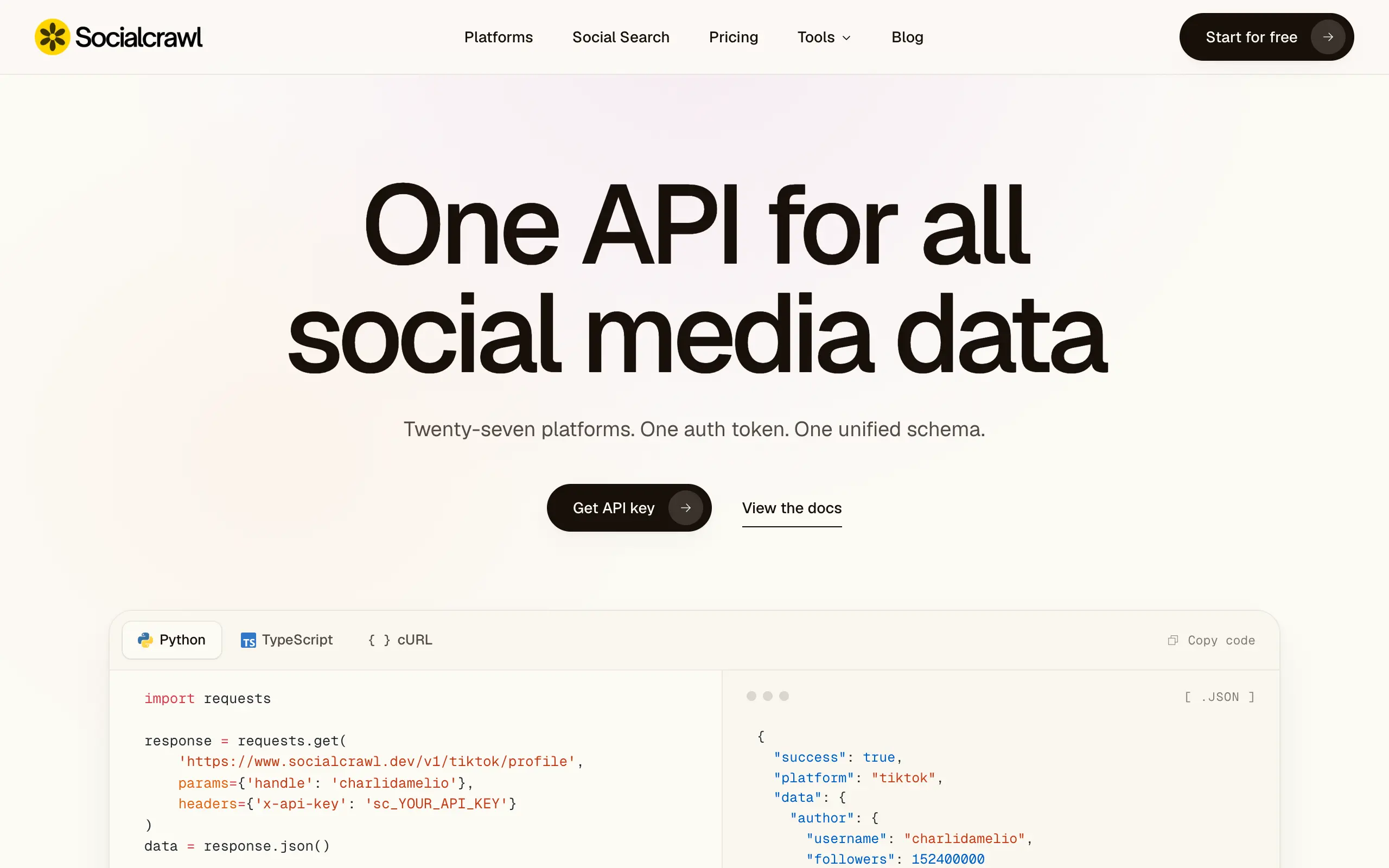
Socialcrawl
Get clean, structured data from 21 platforms like TikTok, Instagram, and YouTube with a single request 📊
Statiko
Monitor any Telegram channel in real time - track posts, edits, deletions, and growth with AI recaps 📡
Shibui
AI website builder - describe your business, pick a niche template, edit by chatting, and publish instantly ✨
Pro Service
Find verified home service professionals, compare quotes, and pay securely through escrow - built for Brazilians across the US 🏠
RankGrow
Fix your SEO with AI agents - connect Search Console, get prioritized tasks, and grow organic traffic 📈
SyncReads
Sync your favorite content for distraction-free reading, save time and replace multiple apps. Anytime, anywhere 🔄
Socialcrawl
Get clean, structured data from 21 platforms like TikTok, Instagram, and YouTube with a single request 📊
Statiko
Monitor any Telegram channel in real time - track posts, edits, deletions, and growth with AI recaps 📡
Shibui
AI website builder - describe your business, pick a niche template, edit by chatting, and publish instantly ✨
Pro Service
Find verified home service professionals, compare quotes, and pay securely through escrow - built for Brazilians across the US 🏠
RankGrow
Fix your SEO with AI agents - connect Search Console, get prioritized tasks, and grow organic traffic 📈
SyncReads
Sync your favorite content for distraction-free reading, save time and replace multiple apps. Anytime, anywhere 🔄
Socialcrawl
Get clean, structured data from 21 platforms like TikTok, Instagram, and YouTube with a single request 📊
Statiko
Monitor any Telegram channel in real time - track posts, edits, deletions, and growth with AI recaps 📡
Shibui
AI website builder - describe your business, pick a niche template, edit by chatting, and publish instantly ✨
Pro Service
Find verified home service professionals, compare quotes, and pay securely through escrow - built for Brazilians across the US 🏠
RankGrow
Fix your SEO with AI agents - connect Search Console, get prioritized tasks, and grow organic traffic 📈
SyncReads
Sync your favorite content for distraction-free reading, save time and replace multiple apps. Anytime, anywhere 🔄
Socialcrawl
Get clean, structured data from 21 platforms like TikTok, Instagram, and YouTube with a single request 📊
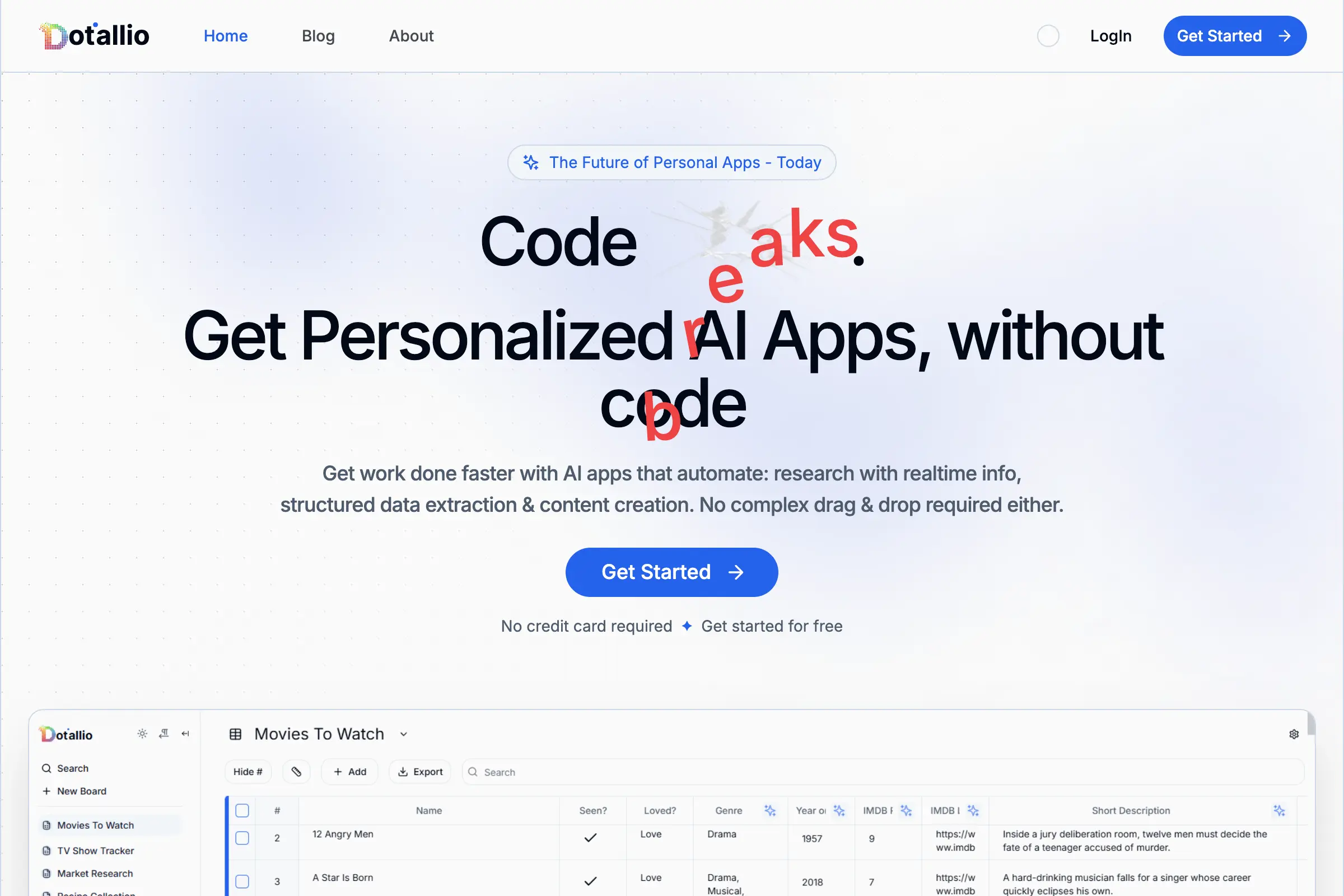
Dotallio
Personalized AI apps that automate research, data extraction, and content creation without code 🤖

Talk to Santa
Enjoy a magical live video chat or receive a unique AI-generated video greeting from Santa Claus 🎅
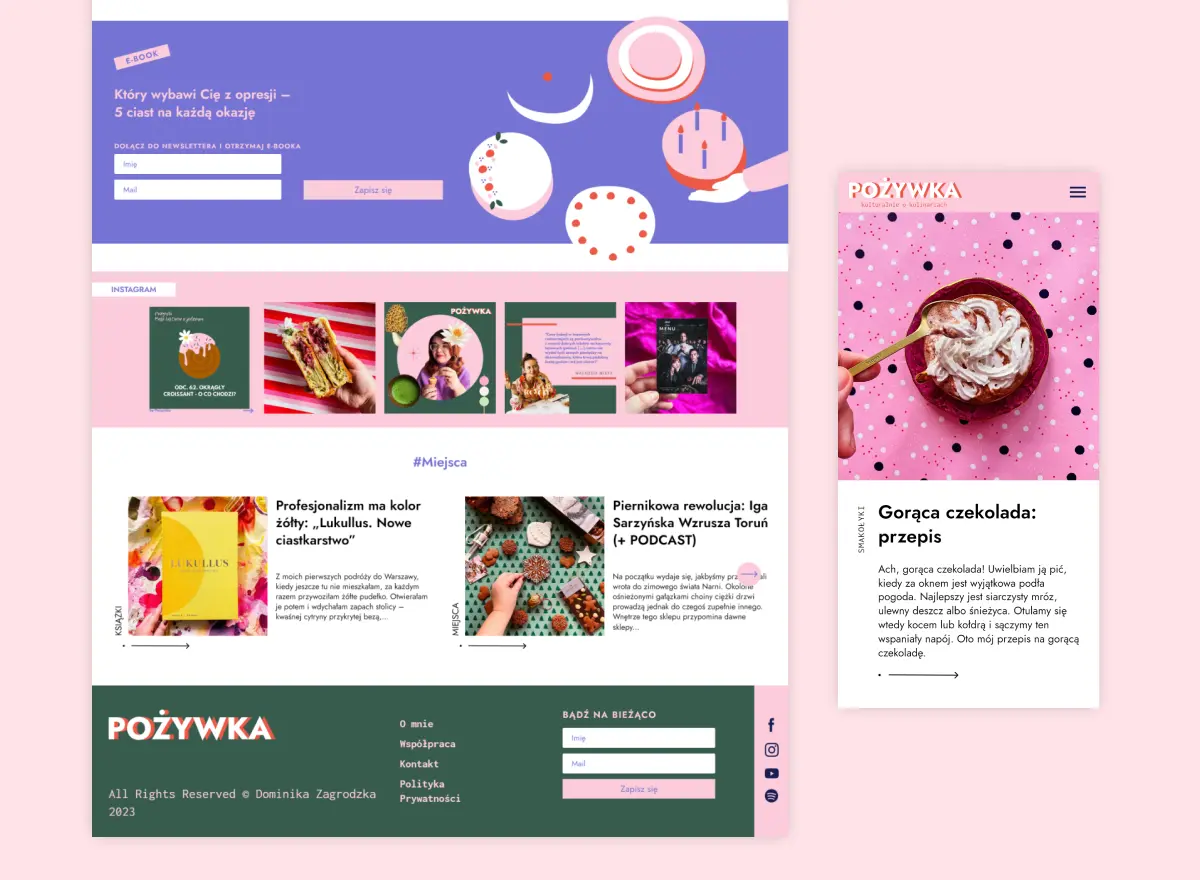
pozywka.pl
Scalable blog for food journalist, focused on performance and user experience 🌭
zagrodzki.me
Personal blog and portfolio of Bart Zagrodzki, where he shares his knowledge and work 💼
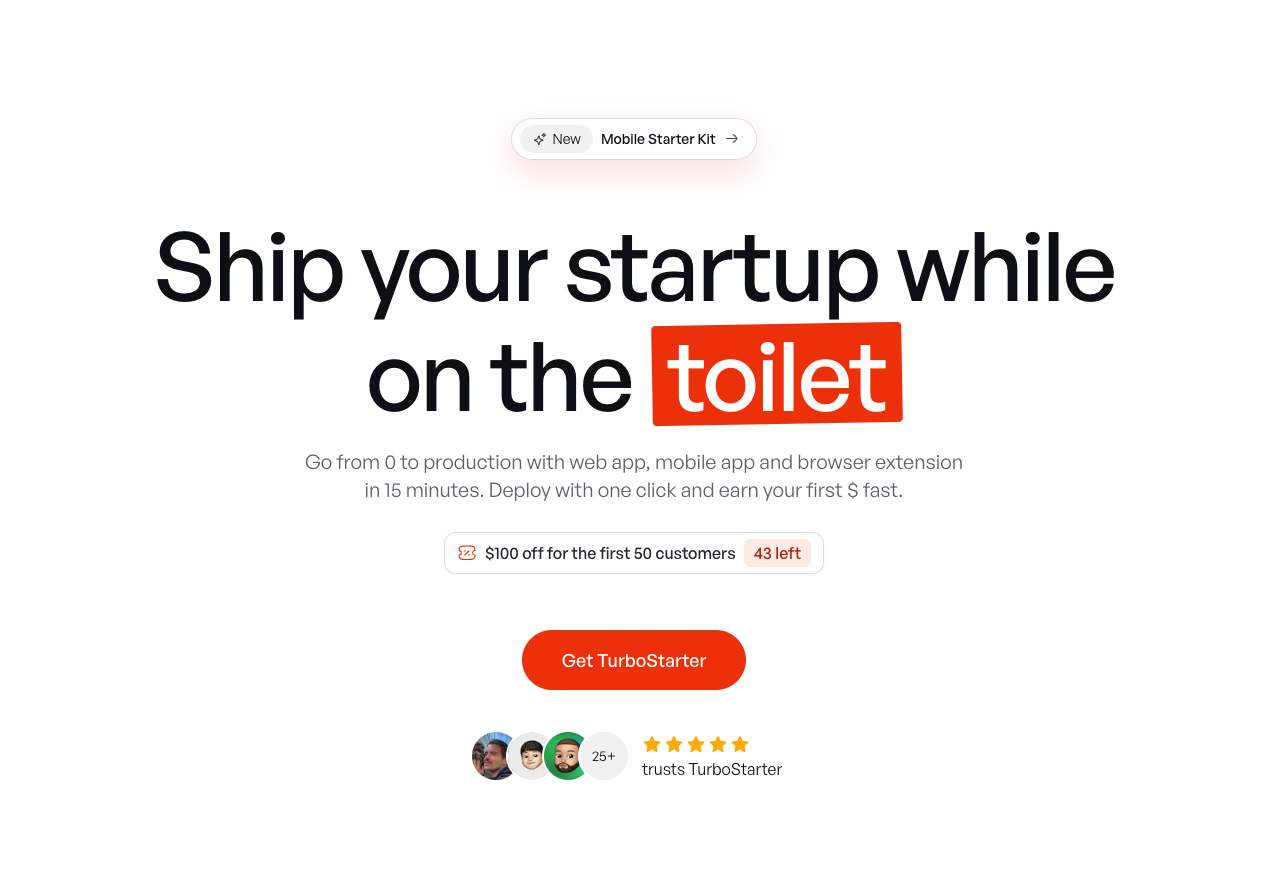
TurboStarter
Ship your startup everywhere. In minutes.
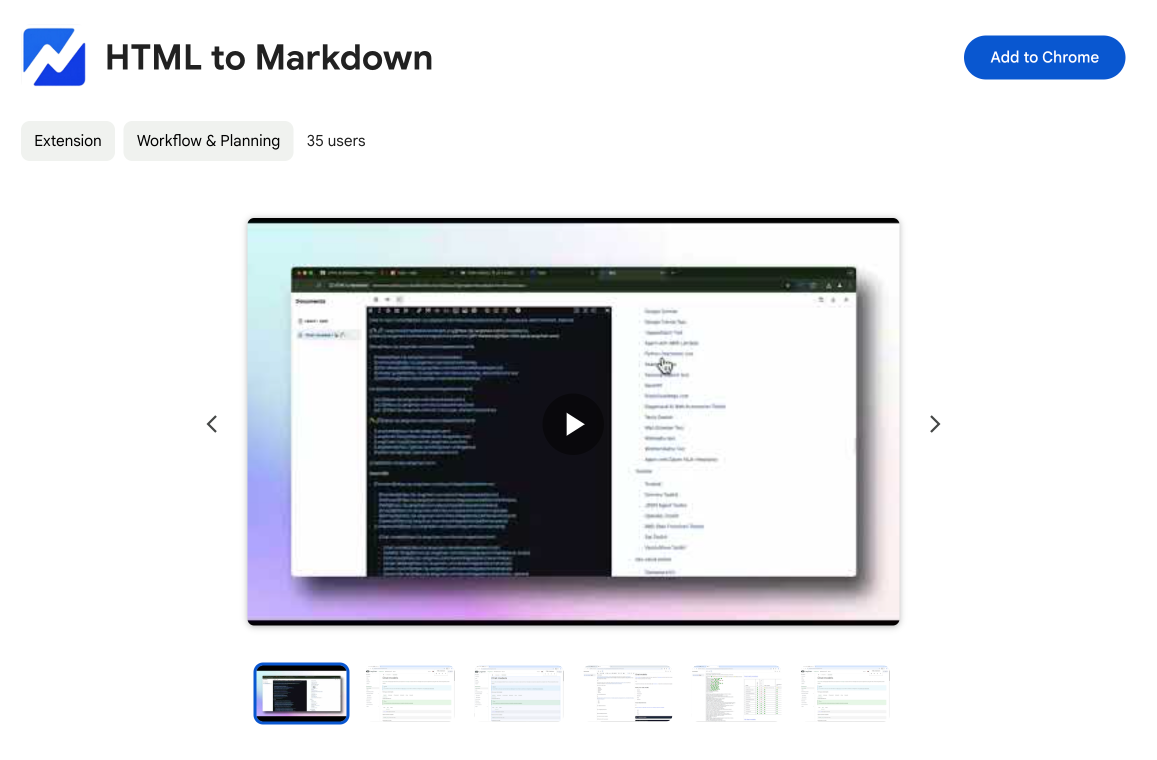
HTML to Markdown
Convert HTML to Markdown with ease, directly in your browser 📄
Dotallio
Personalized AI apps that automate research, data extraction, and content creation without code 🤖
Talk to Santa
Enjoy a magical live video chat or receive a unique AI-generated video greeting from Santa Claus 🎅
pozywka.pl
Scalable blog for food journalist, focused on performance and user experience 🌭
zagrodzki.me
Personal blog and portfolio of Bart Zagrodzki, where he shares his knowledge and work 💼
TurboStarter
Ship your startup everywhere. In minutes.
HTML to Markdown
Convert HTML to Markdown with ease, directly in your browser 📄
Dotallio
Personalized AI apps that automate research, data extraction, and content creation without code 🤖
Talk to Santa
Enjoy a magical live video chat or receive a unique AI-generated video greeting from Santa Claus 🎅
pozywka.pl
Scalable blog for food journalist, focused on performance and user experience 🌭
zagrodzki.me
Personal blog and portfolio of Bart Zagrodzki, where he shares his knowledge and work 💼
TurboStarter
Ship your startup everywhere. In minutes.
HTML to Markdown
Convert HTML to Markdown with ease, directly in your browser 📄
Dotallio
Personalized AI apps that automate research, data extraction, and content creation without code 🤖
Talk to Santa
Enjoy a magical live video chat or receive a unique AI-generated video greeting from Santa Claus 🎅
pozywka.pl
Scalable blog for food journalist, focused on performance and user experience 🌭
zagrodzki.me
Personal blog and portfolio of Bart Zagrodzki, where he shares his knowledge and work 💼
TurboStarter
Ship your startup everywhere. In minutes.
HTML to Markdown
Convert HTML to Markdown with ease, directly in your browser 📄
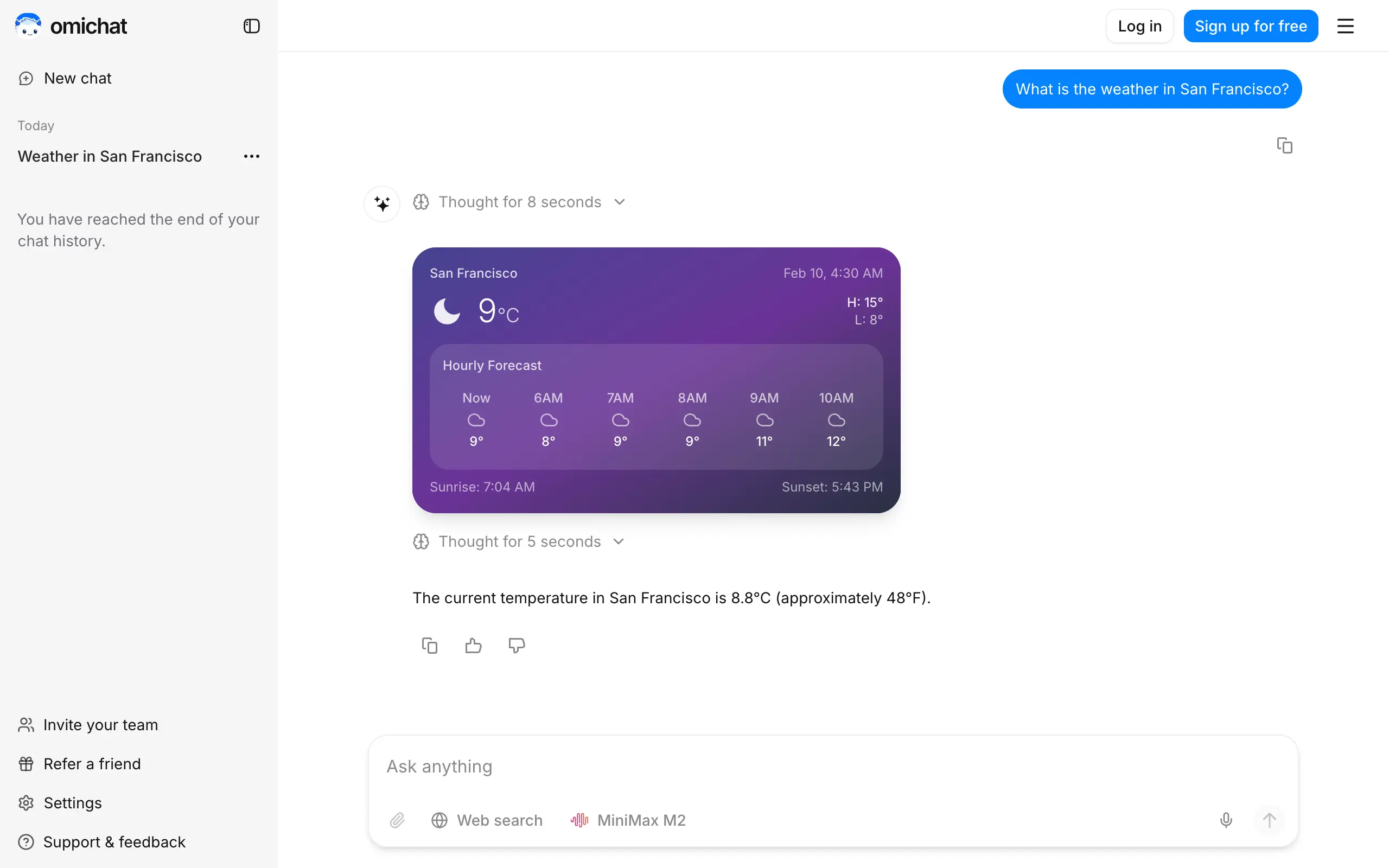
Omichat
Chat with 50+ AI models, including ChatGPT and Claude, in one place - switch models anytime without losing context 🤖
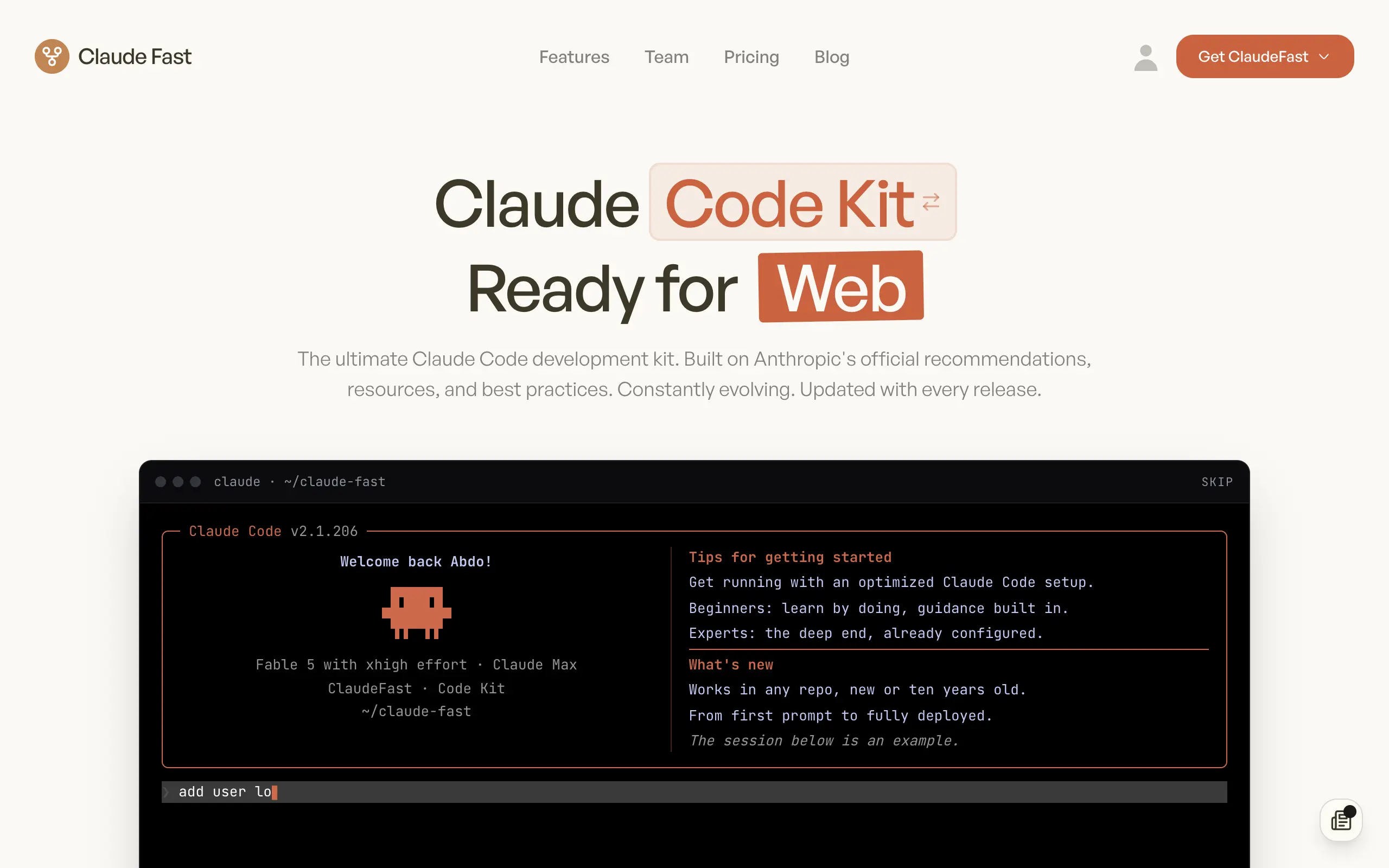
Claude Fast
Supercharge your Claude Code with 6x effective context window and specialized AI agents 🤖
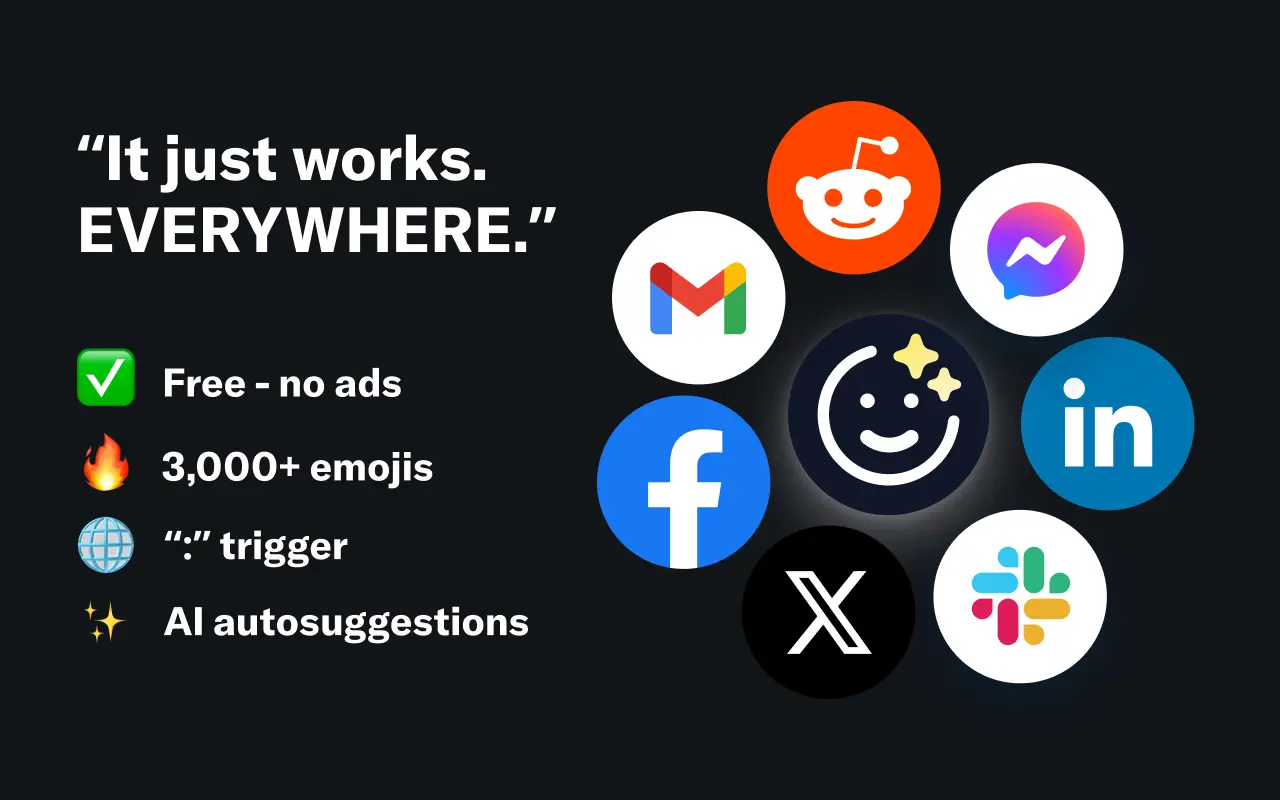
EmojAI
AI-powered emoji picker with smart, context-aware suggestions 🤖

Solohacker
Autonomous company launcher - AI agents work 24/7, escalate what matters, and you stay in control 🤖
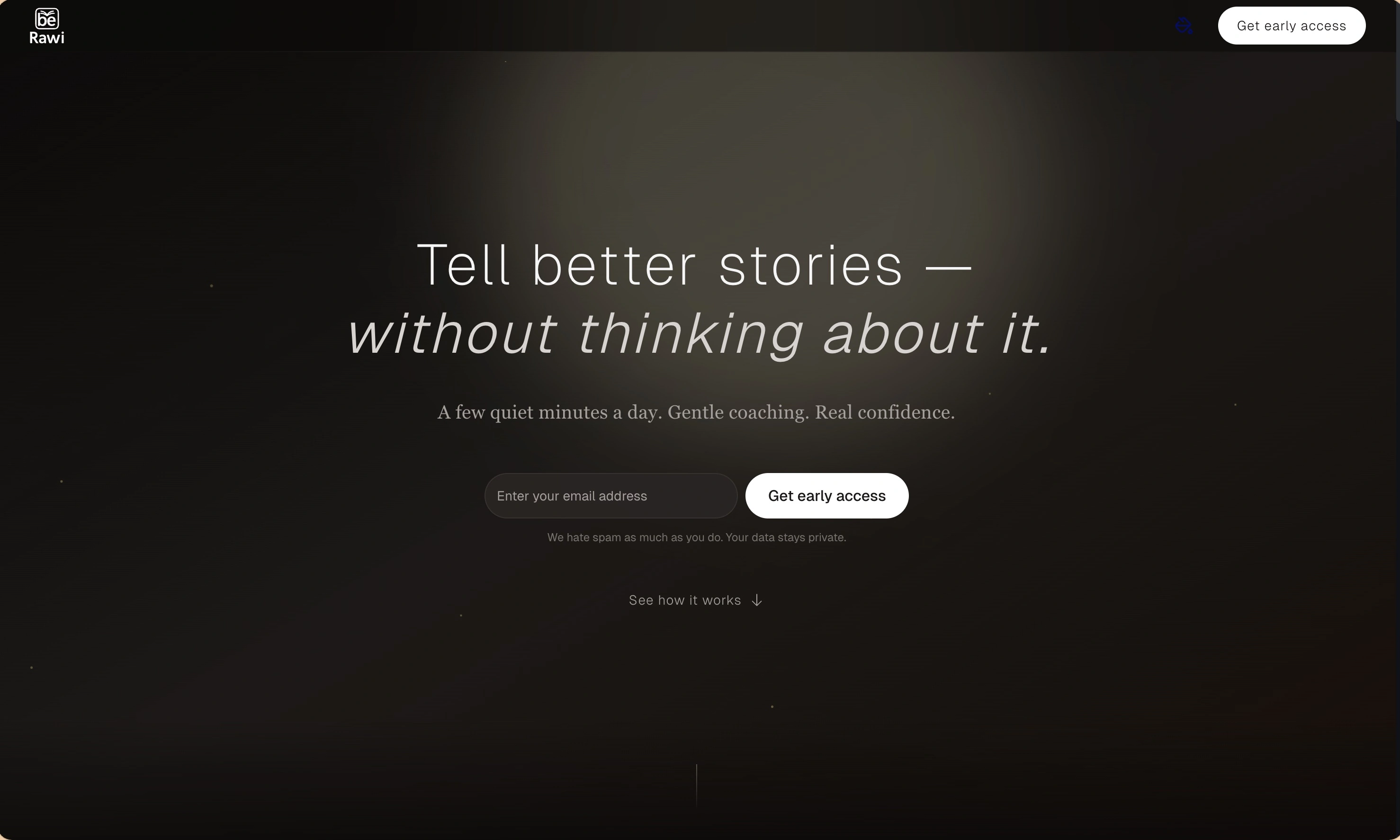
BeRawi: Storytelling Coach
Practice storytelling daily with instant feedback to sound clearer, more engaging, and confident 🎤
Omichat
Chat with 50+ AI models, including ChatGPT and Claude, in one place - switch models anytime without losing context 🤖
Claude Fast
Supercharge your Claude Code with 6x effective context window and specialized AI agents 🤖
EmojAI
AI-powered emoji picker with smart, context-aware suggestions 🤖
Solohacker
Autonomous company launcher - AI agents work 24/7, escalate what matters, and you stay in control 🤖
BeRawi: Storytelling Coach
Practice storytelling daily with instant feedback to sound clearer, more engaging, and confident 🎤
Omichat
Chat with 50+ AI models, including ChatGPT and Claude, in one place - switch models anytime without losing context 🤖
Claude Fast
Supercharge your Claude Code with 6x effective context window and specialized AI agents 🤖
EmojAI
AI-powered emoji picker with smart, context-aware suggestions 🤖
Solohacker
Autonomous company launcher - AI agents work 24/7, escalate what matters, and you stay in control 🤖
BeRawi: Storytelling Coach
Practice storytelling daily with instant feedback to sound clearer, more engaging, and confident 🎤
Omichat
Chat with 50+ AI models, including ChatGPT and Claude, in one place - switch models anytime without losing context 🤖
Claude Fast
Supercharge your Claude Code with 6x effective context window and specialized AI agents 🤖
EmojAI
AI-powered emoji picker with smart, context-aware suggestions 🤖
Solohacker
Autonomous company launcher - AI agents work 24/7, escalate what matters, and you stay in control 🤖
BeRawi: Storytelling Coach
Practice storytelling daily with instant feedback to sound clearer, more engaging, and confident 🎤

Connect with like-minded people
Join our community to get feedback, support, and grow together with 1,000+ builders on board, let's ship it!
Join usShip your startup everywhere. In minutes.
Don't burn tokens on setup and start building features on day one.