VoiceCart Recall
AI voice agents call abandoned cart users, send WhatsApp or SMS offers, and recover lost sales with smart timing and personalized deal links.
What is an AI-powered abandoned cart recovery system?
Abandoned cart recovery is one of the highest-leverage opportunities in ecommerce. Industry benchmarks consistently show that 60–80% of carts are abandoned before checkout. That’s not just lost revenue—it’s revenue that was almost captured.
An AI-powered solution like VoiceCart Recall takes this further by combining:
- Voice AI agents that call customers
- Automated WhatsApp and SMS follow-ups
- Personalized discount links
- Smart timing based on behavioral signals
Instead of relying solely on passive email reminders, this system actively engages customers through real-time, human-like outreach.
The result? Higher recovery rates, better customer experience, and a new revenue channel that feels personal rather than pushy.
Why abandoned cart recovery needs reinvention
Traditional abandoned cart tools rely heavily on email. While email still works, its effectiveness is declining due to:
- Inbox saturation
- Promotions tab filtering
- Delayed engagement
- Low open and click-through rates
Meanwhile, customer expectations have shifted toward instant, conversational experiences.
The gap in current solutions
Most tools today:
- Send generic follow-ups
- Lack personalization beyond first name and cart items
- Don’t adapt timing dynamically
- Ignore high-conversion channels like voice and messaging apps
VoiceCart Recall fills this gap by using AI-driven, multi-channel engagement.
Key insight
Customers who abandon carts are not “lost”—they’re undecided. The right message, at the right time, through the right channel, often converts them.
Target audience and ideal users
Primary users
VoiceCart Recall is built for ecommerce businesses that:
- Generate consistent traffic but struggle with conversions
- Have moderate to high cart abandonment rates
- Sell products with emotional or impulse-buy triggers
- Want to increase revenue without increasing ad spend
Segments that benefit the most
1. DTC brands
- Fashion, beauty, wellness, and lifestyle brands
- High reliance on emotional buying decisions
- Strong ROI from personalized messaging
2. Shopify and WooCommerce stores
- Easy integration potential
- Large ecosystem
- Immediate value from automation
3. High-ticket ecommerce
- Furniture, electronics, luxury goods
- Voice calls significantly increase trust
- Customers often need reassurance before purchase
4. Subscription-based products
- Supplements, SaaS, memberships
- Cart recovery directly impacts LTV
Market opportunity and growth potential
The global ecommerce market continues to grow rapidly, with projections exceeding trillions in annual revenue. Even small improvements in conversion rates can generate massive gains.
Key opportunity metrics
- Average cart abandonment rate: ~70%
- Average recovery rate (email): 10–15%
- Potential recovery with multi-channel AI: 20–35%+
This means VoiceCart Recall isn’t just a tool—it’s a revenue multiplier.
Why now?
Several trends make this idea especially timely:
- Advances in AI voice synthesis and conversational AI
- Widespread adoption of WhatsApp Business APIs
- Rising cost of customer acquisition (CAC)
- Shift toward personalized customer experiences
Core features of VoiceCart Recall
1. AI voice agents for cart recovery
Instead of sending yet another email, the system places a natural-sounding voice call.
Features include:
- Human-like AI conversations
- Dynamic scripts based on cart contents
- Objection handling (e.g., price, hesitation)
- Option to send a purchase link during the call
const callScript = {
  greeting: "Hi, I noticed you left something in your cart...",
  personalization: "The {productName} is still available.",
  incentive: "We can offer you a 10% discount if you complete now.",
  CTA: "Would you like me to send you the checkout link?"
};
2. Smart timing engine
Not all follow-ups should happen immediately.
The system determines optimal timing based on:
- User behavior (time spent, exit intent)
- Product category
- Historical conversion data
- Time zone and activity patterns
3. WhatsApp and SMS automation
Messaging channels outperform email in engagement:
- WhatsApp open rates: often 80–90%
- SMS open rates: ~98%
VoiceCart Recall sends:
- Personalized reminders
- Discount offers
- Direct checkout links
4. Dynamic deal generation
Instead of static discounts, the system can:
- Adjust discounts based on cart value
- Offer limited-time deals
- A/B test incentives automatically
5. Personalized checkout links
Each user receives a unique link that:
- Restores their exact cart
- Applies discounts automatically
- Reduces friction to near zero
6. Analytics dashboard
Track performance across channels:
- Recovery rate
- Revenue recovered
- Channel performance (voice vs SMS vs WhatsApp)
- Customer response patterns
Competitive landscape
Let’s compare VoiceCart Recall to traditional tools:
| Feature | Email Tools | SMS Tools | VoiceCart Recall | Impact |
|---|---|---|---|---|
| Multi-channel | ❌ | ✅ | ✅ | High |
| AI voice calls | ❌ | ❌ | ✅ | Very High |
| Dynamic personalization | Limited | Moderate | Advanced | High |
| Smart timing | Basic | Basic | AI-driven | High |
Unique selling proposition (USP)
VoiceCart Recall stands out because it combines:
- Human-like voice interaction
- Multi-channel orchestration
- AI-driven personalization
- Revenue-first optimization
Most tools remind users.
This system convinces them to complete the purchase.
Voice is the closest digital channel to human interaction. When combined with AI, it becomes scalable persuasion.
Recommended tech stack
Building a SaaS like VoiceCart Recall requires a robust, scalable stack.
Frontend
Backend
- Node.js (Express or NestJS)
- Python for AI orchestration (optional)
AI and voice
- OpenAI APIs for conversational logic
- ElevenLabs or similar for voice synthesis
- Twilio for voice calls and SMS (https://www.twilio.com)
Messaging APIs
- WhatsApp Business API via Meta or Twilio
Database
- PostgreSQL for structured data
- Redis for real-time events and queues
Infrastructure
- AWS or Vercel for deployment
- Queue systems (BullMQ, RabbitMQ)
Trade-offs to consider
- Voice AI quality vs cost (higher realism = higher cost)
- Real-time processing vs batch optimization
- Compliance requirements for messaging and calls
Monetization strategy
1. Subscription-based pricing
Tiered pricing based on usage:
- Starter: limited calls/messages
- Growth: higher volume + analytics
- Pro: full AI personalization + integrations
2. Usage-based pricing
Charge per:
- Call minute
- SMS sent
- WhatsApp message
This aligns cost with value delivered.
3. Revenue share model
Charge a percentage of recovered revenue:
- Highly attractive for merchants
- Lower upfront friction
- Strong alignment of incentives
4. Hybrid model
Combine:
- Base subscription
-
- usage fees
-
- optional performance bonus
Potential risks and mitigation strategies
1. User annoyance from calls
Risk: Customers may find AI calls intrusive.
Mitigation:
- Smart frequency limits
- Opt-out options
- Context-aware triggers
2. Compliance and regulations
- GDPR, TCPA, and messaging laws
- Explicit consent required
Mitigation:
- Built-in compliance workflows
- Consent tracking
3. Voice AI quality concerns
Poor voice quality can hurt trust.
Mitigation:
- Use high-quality voice models
- Continuous testing and improvement
4. Integration complexity
Ecommerce platforms vary widely.
Mitigation:
- Start with Shopify
- Expand gradually
Implementation roadmap
Go-to-market strategy
1. Target Shopify ecosystem
- App marketplace listing
- Partner with Shopify agencies
2. Content marketing
Focus on SEO keywords like:
- “AI abandoned cart recovery”
- “recover lost ecommerce sales”
- “voice AI for ecommerce”
3. Case studies
Show real results:
- % increase in recovered revenue
- ROI metrics
4. Influencer partnerships
Work with:
- Ecommerce YouTubers
- DTC founders
SEO keyword strategy
Primary keyword:
- AI abandoned cart recovery
Secondary keywords:
- voice cart recovery
- ecommerce recovery automation
- WhatsApp cart recovery
- SMS cart recovery
- AI voice agents ecommerce
Use these naturally across headings and content.
Future expansion opportunities
1. AI sales assistants
Extend beyond recovery:
- Upselling
- Cross-selling
2. Multilingual support
Expand globally with:
- Localized voice agents
- Regional messaging channels
3. Predictive conversion scoring
Identify:
- High-intent users
- Best intervention timing
Frequently asked questions
Yes, voice interactions create a sense of urgency and trust that text-based channels often lack. Early adopters report significantly higher engagement rates compared to email alone.
Yes, especially those with consistent traffic. Even small stores benefit from recovering lost sales without increasing ad spend.
Compliance is critical. Systems must include opt-ins, clear disclosures, and easy opt-out mechanisms.
Building faster with the right tools
Launching a SaaS like VoiceCart Recall from scratch can take months. Using a pre-built foundation can accelerate development significantly.
TurboStarter provides a powerful starting point with:
- Authentication
- Billing integration
- SaaS-ready architecture
- Scalable frontend and backend setup
This allows you to focus on your core differentiator: AI-driven cart recovery.
Final thoughts and actionable next steps
VoiceCart Recall represents a major shift in how ecommerce businesses recover lost revenue. Instead of passive reminders, it introduces active, intelligent engagement.
If you’re considering building this:
- Start with a narrow MVP (SMS + Shopify)
- Validate conversion improvements quickly
- Layer in voice AI once traction is proven
- Focus heavily on personalization and timing
- Measure everything and iterate fast
The opportunity is clear:
Turn abandoned carts into conversations—and conversations into revenue.
More 🛒 E-commerce SaaS ideas
Discover more innovative e-commerce SaaS ideas that are trending in 2026. Each idea is AI-generated with market validation and growth potential to help you find your next profitable venture faster than competitors.
Your competitors are building with TurboStarter
Below are some of the SaaS ideas that have been generated and built with our starter kit.

Statiko
Monitor any Telegram channel in real time - track posts, edits, deletions, and growth with AI recaps 📡

Shibui
AI website builder - describe your business, pick a niche template, edit by chatting, and publish instantly ✨

Pro Service
Find verified home service professionals, compare quotes, and pay securely through escrow - built for Brazilians across the US 🏠
RankGrow
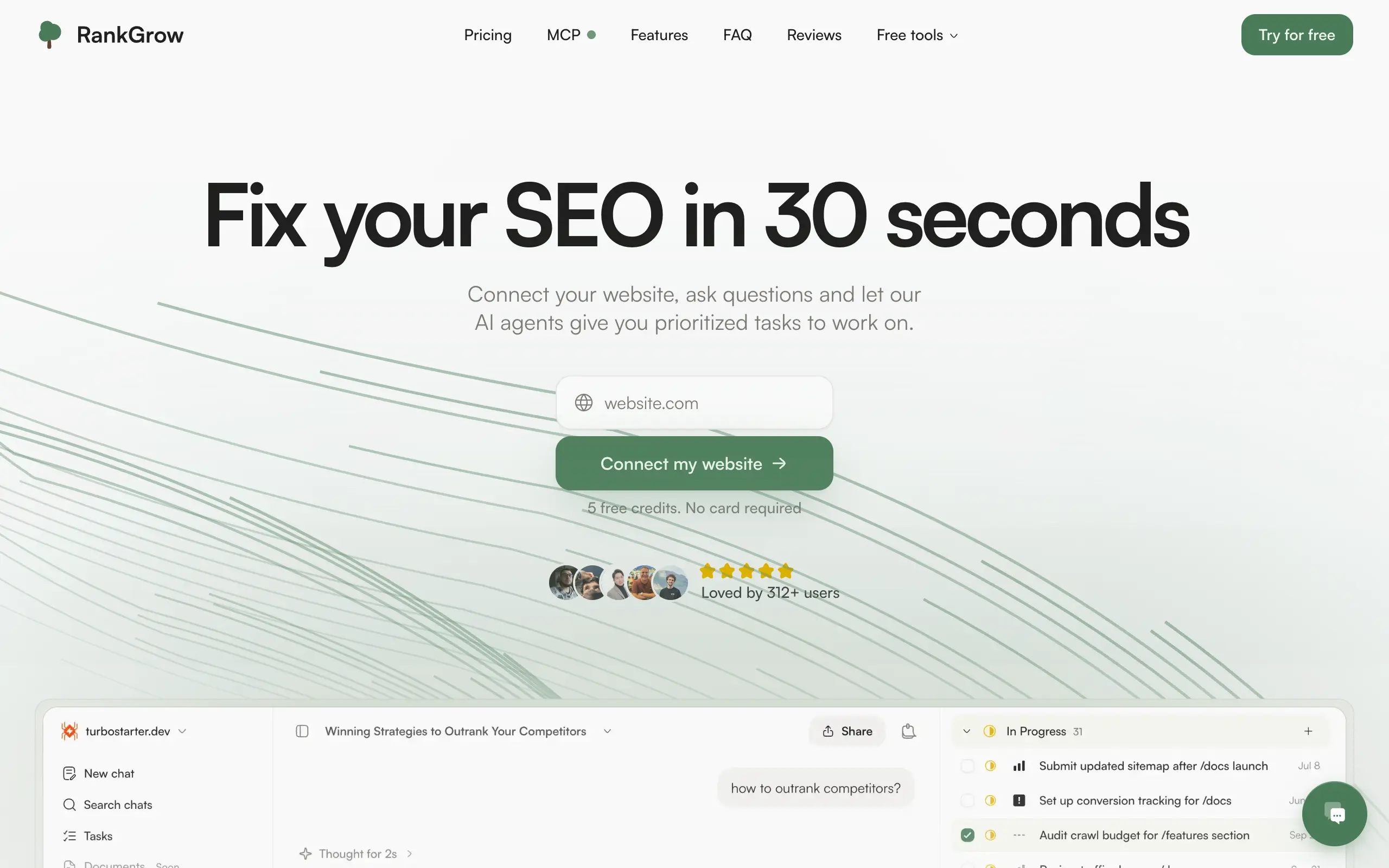
Fix your SEO with AI agents - connect Search Console, get prioritized tasks, and grow organic traffic 📈
SyncReads
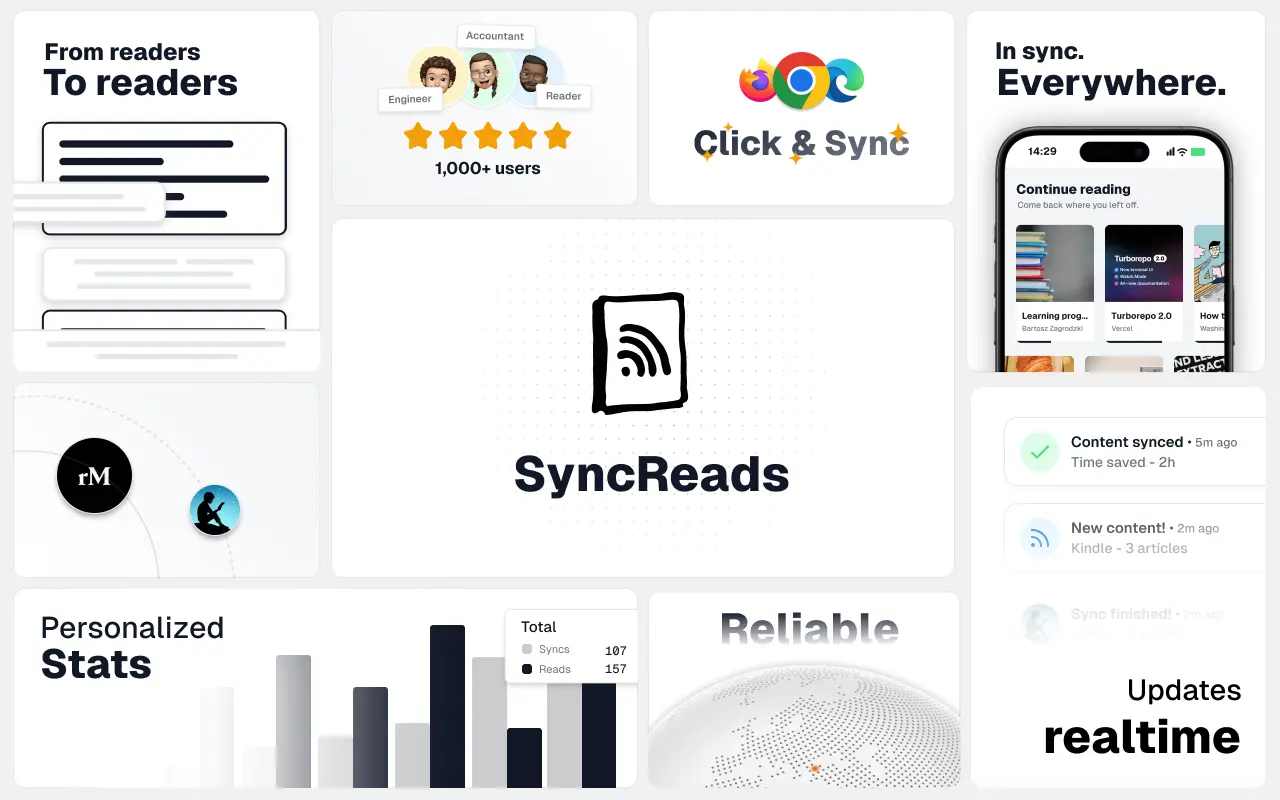
Sync your favorite content for distraction-free reading, save time and replace multiple apps. Anytime, anywhere 🔄
Socialcrawl
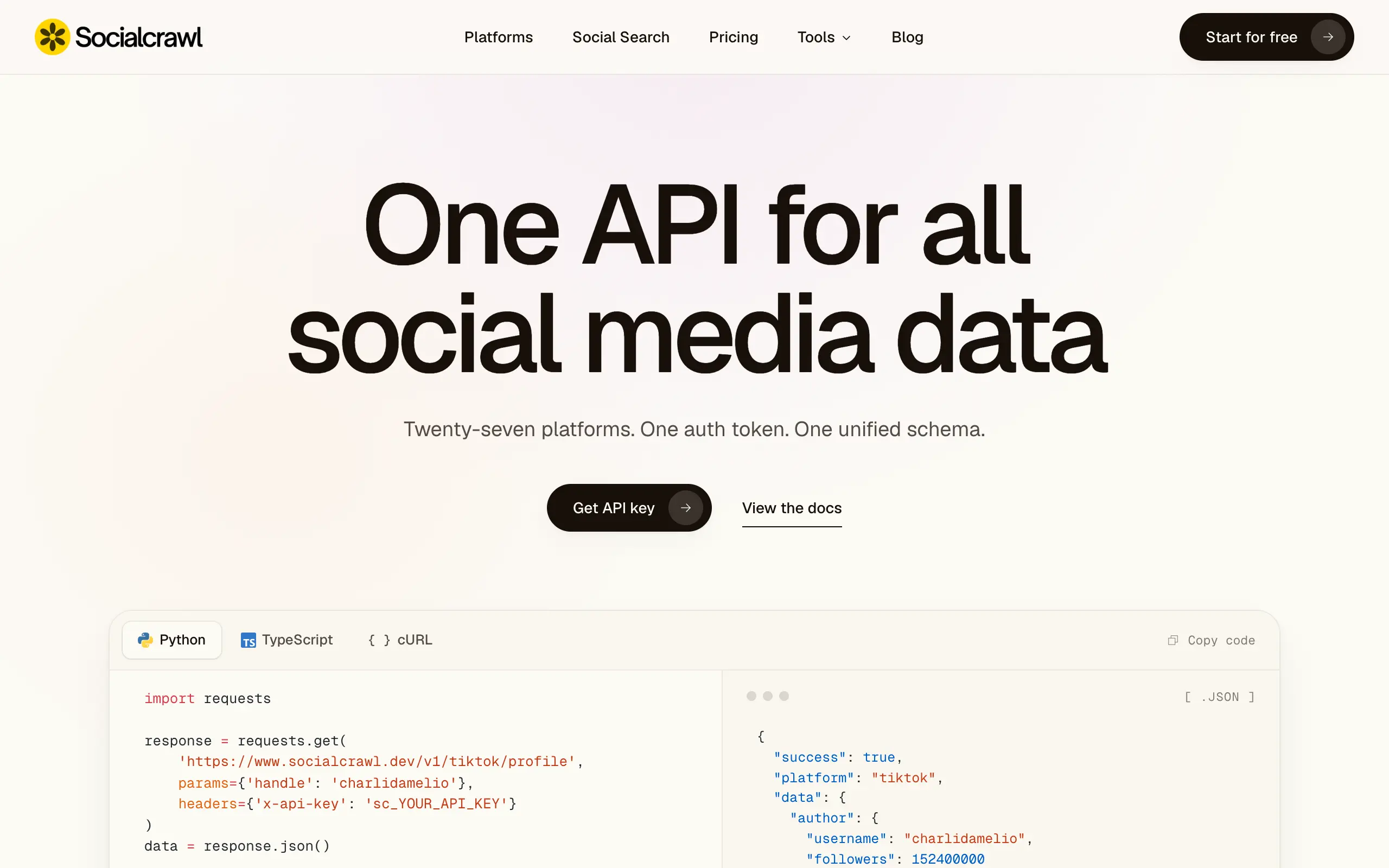
Get clean, structured data from 21 platforms like TikTok, Instagram, and YouTube with a single request 📊
Statiko
Monitor any Telegram channel in real time - track posts, edits, deletions, and growth with AI recaps 📡
Shibui
AI website builder - describe your business, pick a niche template, edit by chatting, and publish instantly ✨
Pro Service
Find verified home service professionals, compare quotes, and pay securely through escrow - built for Brazilians across the US 🏠
RankGrow
Fix your SEO with AI agents - connect Search Console, get prioritized tasks, and grow organic traffic 📈
SyncReads
Sync your favorite content for distraction-free reading, save time and replace multiple apps. Anytime, anywhere 🔄
Socialcrawl
Get clean, structured data from 21 platforms like TikTok, Instagram, and YouTube with a single request 📊
Statiko
Monitor any Telegram channel in real time - track posts, edits, deletions, and growth with AI recaps 📡
Shibui
AI website builder - describe your business, pick a niche template, edit by chatting, and publish instantly ✨
Pro Service
Find verified home service professionals, compare quotes, and pay securely through escrow - built for Brazilians across the US 🏠
RankGrow
Fix your SEO with AI agents - connect Search Console, get prioritized tasks, and grow organic traffic 📈
SyncReads
Sync your favorite content for distraction-free reading, save time and replace multiple apps. Anytime, anywhere 🔄
Socialcrawl
Get clean, structured data from 21 platforms like TikTok, Instagram, and YouTube with a single request 📊
Statiko
Monitor any Telegram channel in real time - track posts, edits, deletions, and growth with AI recaps 📡
Shibui
AI website builder - describe your business, pick a niche template, edit by chatting, and publish instantly ✨
Pro Service
Find verified home service professionals, compare quotes, and pay securely through escrow - built for Brazilians across the US 🏠
RankGrow
Fix your SEO with AI agents - connect Search Console, get prioritized tasks, and grow organic traffic 📈
SyncReads
Sync your favorite content for distraction-free reading, save time and replace multiple apps. Anytime, anywhere 🔄
Socialcrawl
Get clean, structured data from 21 platforms like TikTok, Instagram, and YouTube with a single request 📊
Dotallio
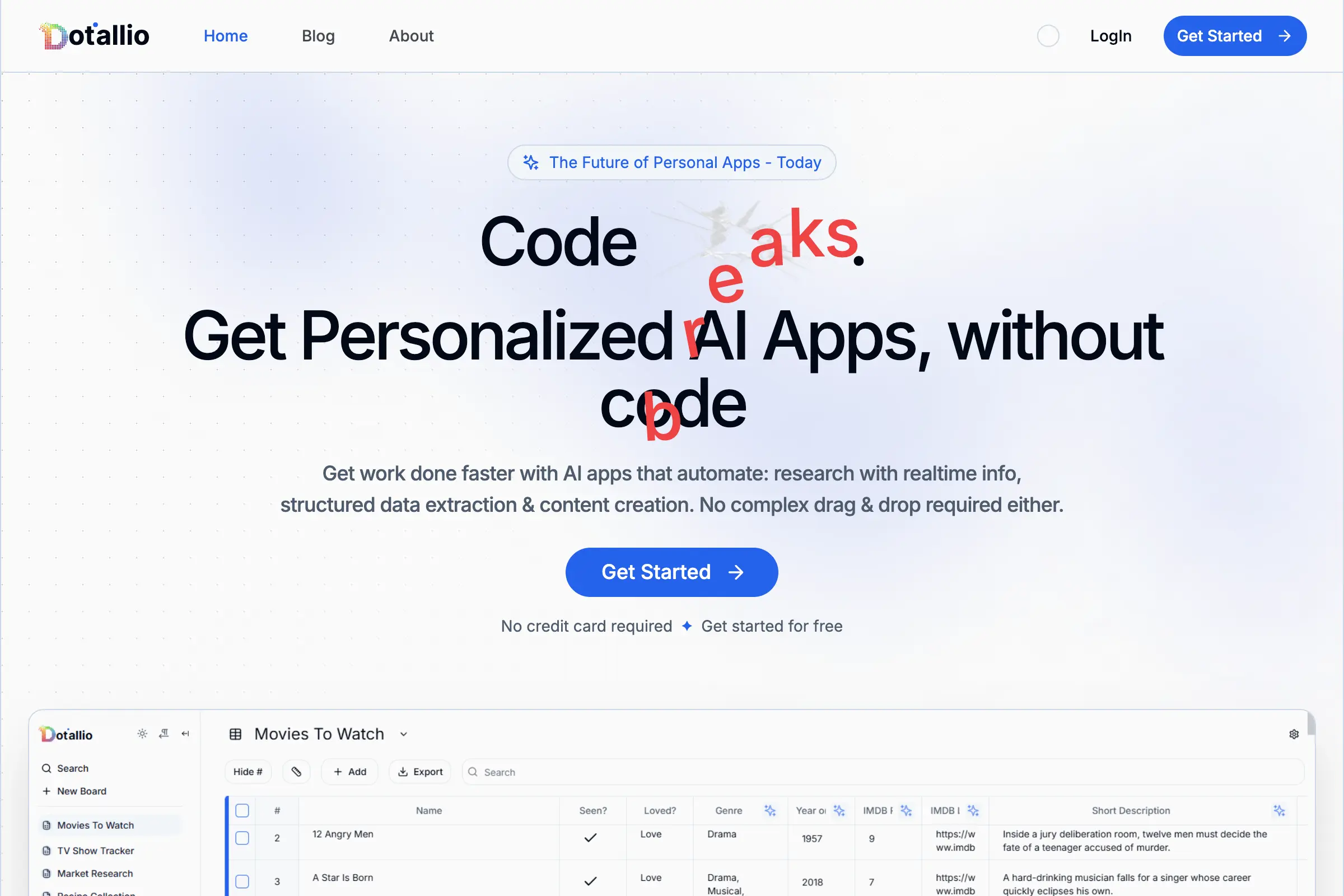
Personalized AI apps that automate research, data extraction, and content creation without code 🤖
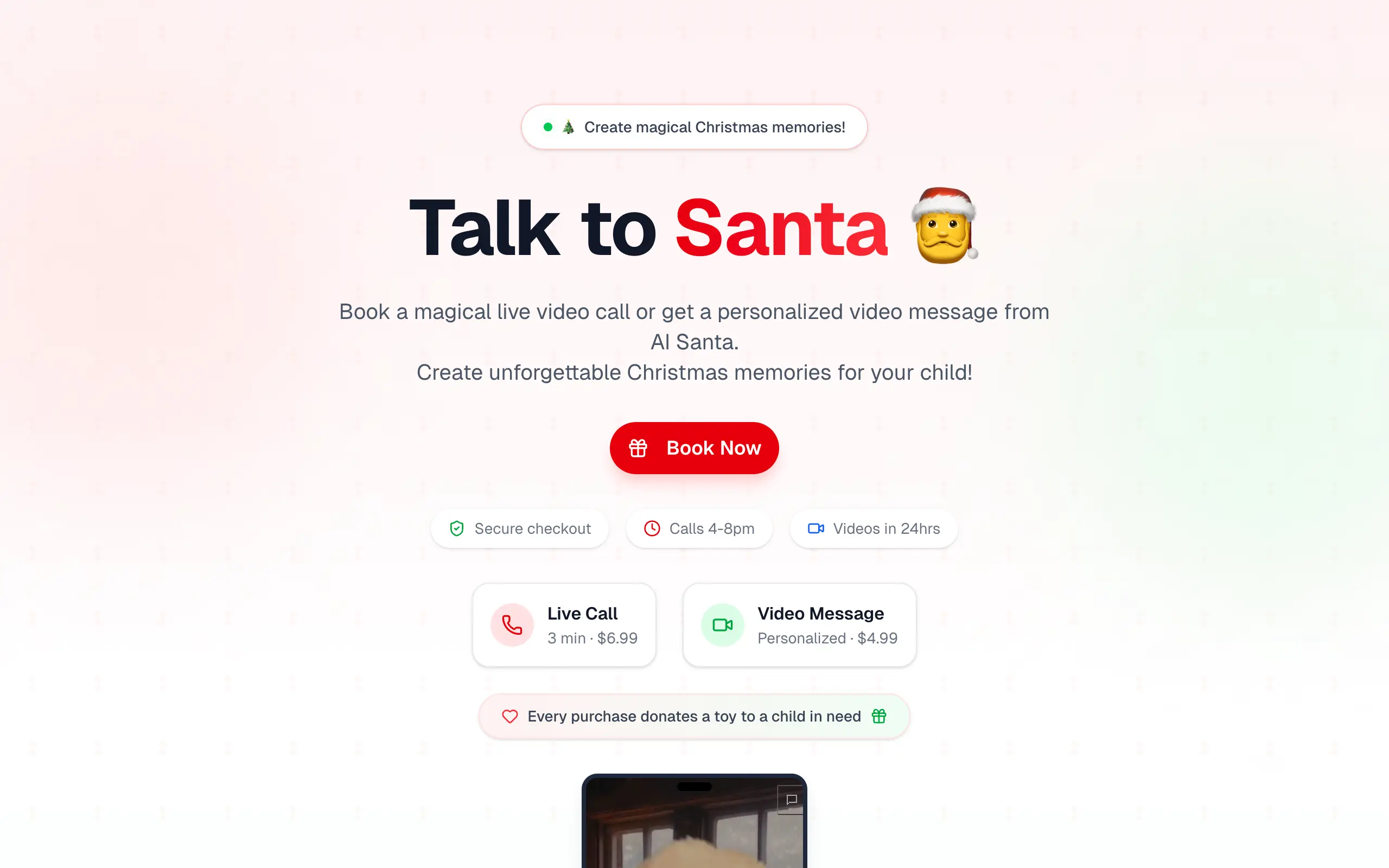
Talk to Santa
Enjoy a magical live video chat or receive a unique AI-generated video greeting from Santa Claus 🎅

pozywka.pl
Scalable blog for food journalist, focused on performance and user experience 🌭
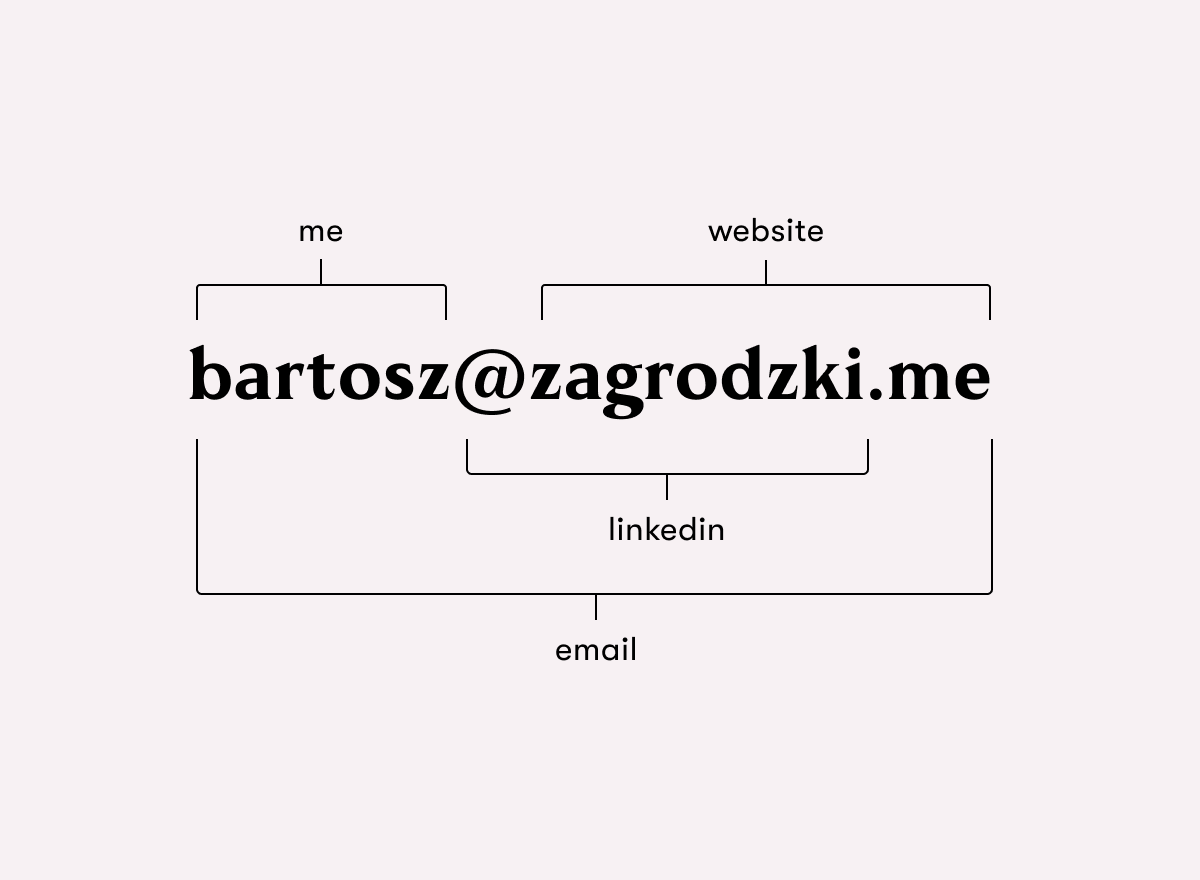
zagrodzki.me
Personal blog and portfolio of Bart Zagrodzki, where he shares his knowledge and work 💼
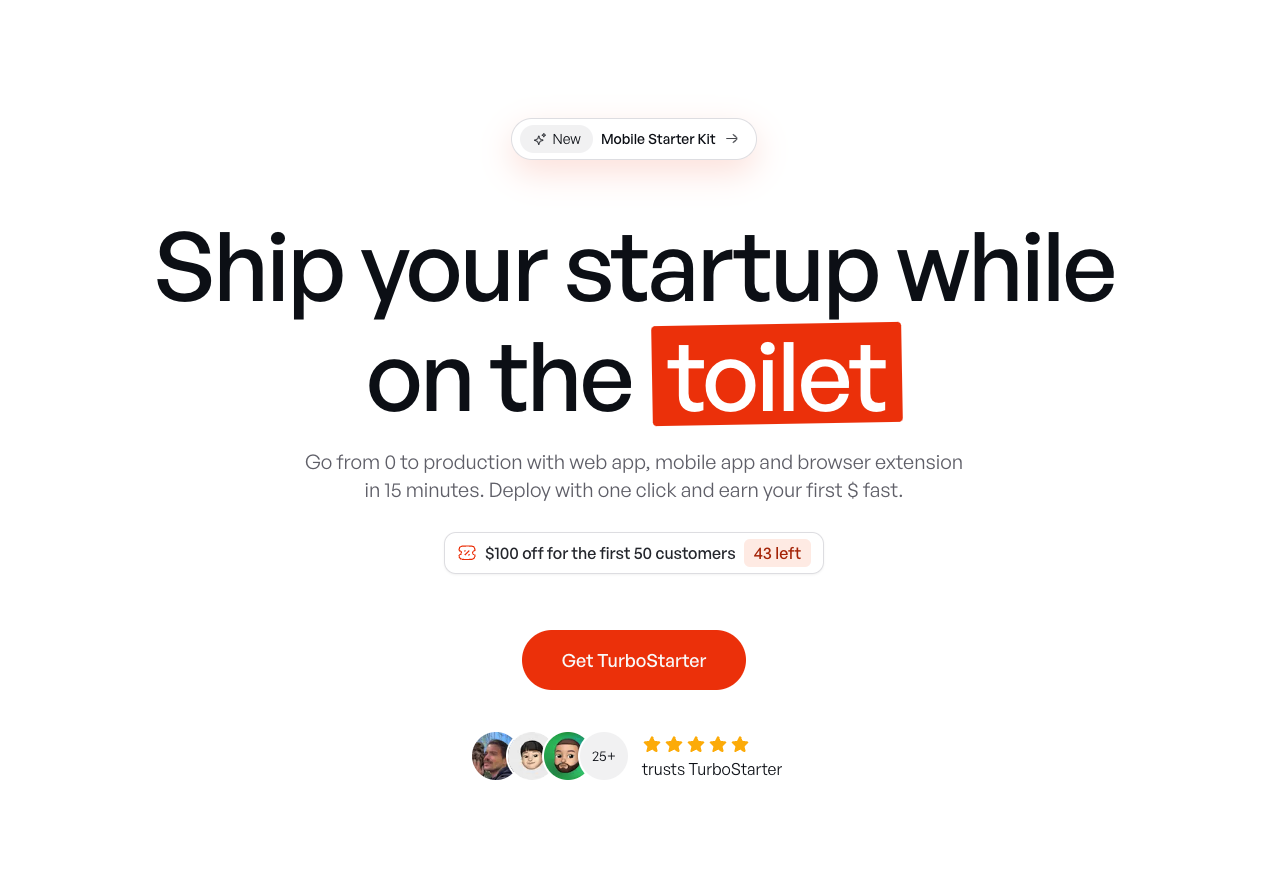
TurboStarter
Ship your startup everywhere. In minutes.
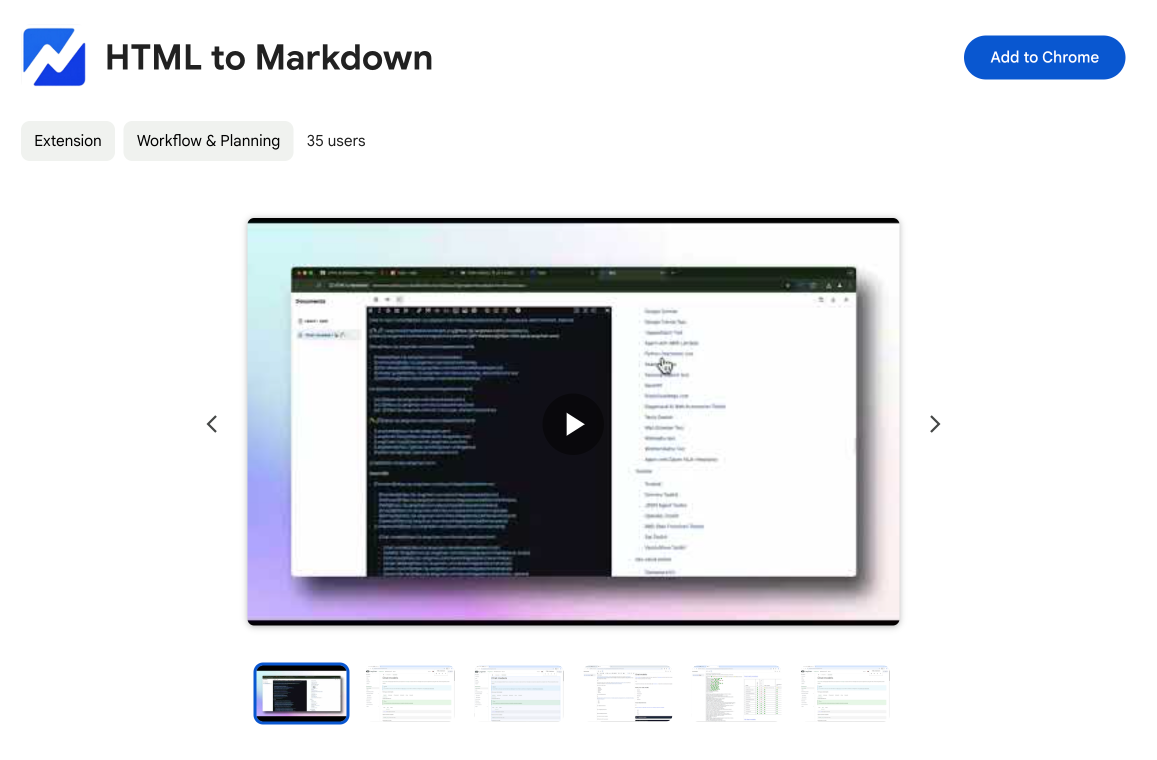
HTML to Markdown
Convert HTML to Markdown with ease, directly in your browser 📄
Dotallio
Personalized AI apps that automate research, data extraction, and content creation without code 🤖
Talk to Santa
Enjoy a magical live video chat or receive a unique AI-generated video greeting from Santa Claus 🎅
pozywka.pl
Scalable blog for food journalist, focused on performance and user experience 🌭
zagrodzki.me
Personal blog and portfolio of Bart Zagrodzki, where he shares his knowledge and work 💼
TurboStarter
Ship your startup everywhere. In minutes.
HTML to Markdown
Convert HTML to Markdown with ease, directly in your browser 📄
Dotallio
Personalized AI apps that automate research, data extraction, and content creation without code 🤖
Talk to Santa
Enjoy a magical live video chat or receive a unique AI-generated video greeting from Santa Claus 🎅
pozywka.pl
Scalable blog for food journalist, focused on performance and user experience 🌭
zagrodzki.me
Personal blog and portfolio of Bart Zagrodzki, where he shares his knowledge and work 💼
TurboStarter
Ship your startup everywhere. In minutes.
HTML to Markdown
Convert HTML to Markdown with ease, directly in your browser 📄
Dotallio
Personalized AI apps that automate research, data extraction, and content creation without code 🤖
Talk to Santa
Enjoy a magical live video chat or receive a unique AI-generated video greeting from Santa Claus 🎅
pozywka.pl
Scalable blog for food journalist, focused on performance and user experience 🌭
zagrodzki.me
Personal blog and portfolio of Bart Zagrodzki, where he shares his knowledge and work 💼
TurboStarter
Ship your startup everywhere. In minutes.
HTML to Markdown
Convert HTML to Markdown with ease, directly in your browser 📄
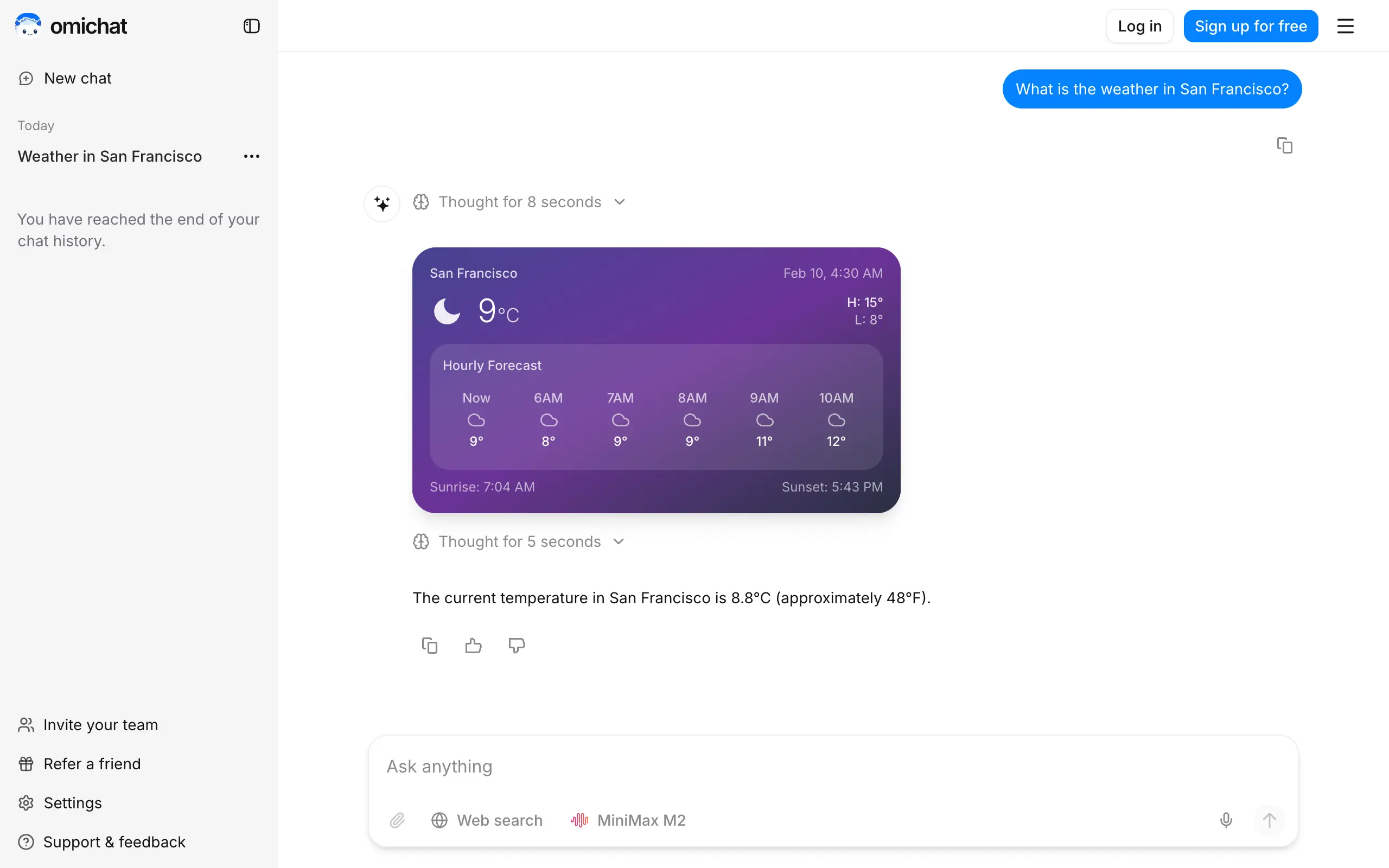
Omichat
Chat with 50+ AI models, including ChatGPT and Claude, in one place - switch models anytime without losing context 🤖
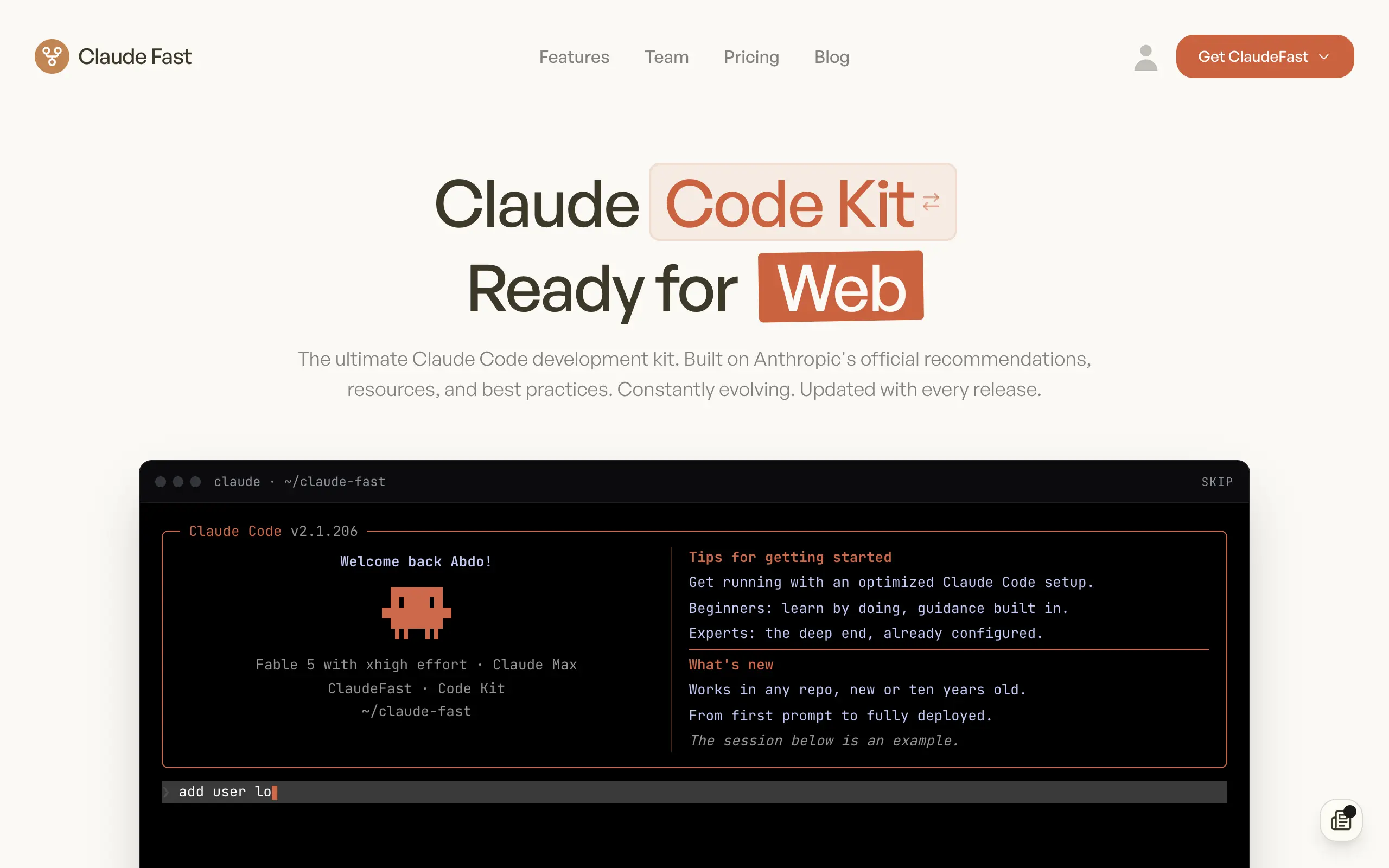
Claude Fast
Supercharge your Claude Code with 6x effective context window and specialized AI agents 🤖
EmojAI
AI-powered emoji picker with smart, context-aware suggestions 🤖
Solohacker
Autonomous company launcher - AI agents work 24/7, escalate what matters, and you stay in control 🤖

BeRawi: Storytelling Coach
Practice storytelling daily with instant feedback to sound clearer, more engaging, and confident 🎤
Omichat
Chat with 50+ AI models, including ChatGPT and Claude, in one place - switch models anytime without losing context 🤖
Claude Fast
Supercharge your Claude Code with 6x effective context window and specialized AI agents 🤖
EmojAI
AI-powered emoji picker with smart, context-aware suggestions 🤖
Solohacker
Autonomous company launcher - AI agents work 24/7, escalate what matters, and you stay in control 🤖
BeRawi: Storytelling Coach
Practice storytelling daily with instant feedback to sound clearer, more engaging, and confident 🎤
Omichat
Chat with 50+ AI models, including ChatGPT and Claude, in one place - switch models anytime without losing context 🤖
Claude Fast
Supercharge your Claude Code with 6x effective context window and specialized AI agents 🤖
EmojAI
AI-powered emoji picker with smart, context-aware suggestions 🤖
Solohacker
Autonomous company launcher - AI agents work 24/7, escalate what matters, and you stay in control 🤖
BeRawi: Storytelling Coach
Practice storytelling daily with instant feedback to sound clearer, more engaging, and confident 🎤
Omichat
Chat with 50+ AI models, including ChatGPT and Claude, in one place - switch models anytime without losing context 🤖
Claude Fast
Supercharge your Claude Code with 6x effective context window and specialized AI agents 🤖
EmojAI
AI-powered emoji picker with smart, context-aware suggestions 🤖
Solohacker
Autonomous company launcher - AI agents work 24/7, escalate what matters, and you stay in control 🤖
BeRawi: Storytelling Coach
Practice storytelling daily with instant feedback to sound clearer, more engaging, and confident 🎤

Connect with like-minded people
Join our community to get feedback, support, and grow together with 1,000+ builders on board, let's ship it!
Join usShip your startup everywhere. In minutes.
Don't burn tokens on setup and start building features on day one.