WikiCrate
Shop curated, course-specific wikis, revision guides, and flashcard packs from verified student creators. Find materials matched to your syllabus.
Why WikiCrate can win in the course-specific study materials market
Students have no shortage of study content. They have lecture slides, group chats, open web resources, generic flashcard libraries, AI summaries, and shared folders full of documents with unclear origins. What they do not reliably have is high-quality study material matched to their exact course, assessment format, and syllabus.
That gap is the opportunity behind WikiCrate.
WikiCrate is a curated ecommerce marketplace where verified student creators sell course-specific wikis, revision guides, flashcard packs, and other study resources. Instead of asking learners to sift through broad topic content, it helps them discover material built for the module they are actually taking.
The core value proposition is simple:
Find trustworthy, syllabus-matched revision resources from students who have already completed the same course successfully.
This positioning matters because students do not usually search for “biology notes.” They search for specific, high-intent phrases such as:
- “first-year organic chemistry revision guide”
- “A-level psychology research methods flashcards”
- “computer science algorithms exam notes”
- “university economics module revision pack”
- “IB history syllabus study guide”
- “course code past paper support”
A course-specific study materials marketplace can meet those searches far better than a generic document-sharing platform. WikiCrate can combine the convenience of digital downloads with quality controls, creator verification, course taxonomy, and a marketplace model that rewards useful academic work.
The strategic thesis
WikiCrate should not compete by offering the largest possible library of notes. It should compete by being the most trusted place to buy study resources that fit a learner’s exact course and revision need.
The target audience for a syllabus-matched study materials marketplace
WikiCrate serves a multi-sided marketplace. Its buyer experience, seller incentives, and institutional safeguards must work together for the platform to build trust and liquidity.
Student buyers who need efficient revision support
The primary audience is students in secondary education, further education, and higher education who are preparing for exams, coursework, or a difficult module.
These buyers commonly share several pain points:
- They start revising late and need a clear path through a large syllabus.
- They have lecture notes but lack concise, organized revision materials.
- They do not know whether a resource found online aligns with their course.
- They struggle to judge the accuracy or usefulness of free shared documents.
- They want practical formats such as flashcards, cheat sheets, question banks, and structured guides.
- They are willing to pay a modest amount if it saves meaningful study time.
The most valuable segment is not necessarily the student looking for the cheapest materials. It is the student who sees time as scarce and wants confidence that a revision pack will be relevant. A £5 to £20 purchase can be easy to justify when it reduces hours of note organization before a high-stakes assessment.
Student creators with proven academic credibility
The supply side includes high-performing students, recent graduates, peer tutors, and student society members who have created useful study assets while completing a course.
For these creators, WikiCrate offers an accessible way to monetize work they have already produced. Their motivations may include:
- Earning supplementary income
- Building a professional portfolio
- Helping students in the same discipline
- Demonstrating subject expertise
- Funding education-related costs
- Growing an audience for tutoring, mentoring, or content creation
However, creators need more than a place to upload files. They need transparent quality standards, pricing guidance, intellectual property rules, a reliable payout process, and protection from unauthorized copying.
Parents and academic support buyers
A secondary audience includes parents, guardians, tutors, and academic support professionals purchasing resources for learners. This audience tends to care more about trust signals than low prices.
For this segment, WikiCrate should clearly communicate:
- The subject and qualification level
- The syllabus or course match
- The creator’s verification status
- Resource previews
- The date the material was updated
- What is included in the pack
- Whether the content is original and compliant with academic integrity standards
Institutions and student success teams
Over time, WikiCrate can also serve schools, universities, tutoring organizations, and student support departments. Institutional buyers may want curated resource libraries, course-specific study hubs, or licensed access for cohorts.
This is a longer sales cycle than direct-to-student ecommerce, but it can create a valuable business-to-business expansion path once the marketplace has proved quality and demand.
The market gap: generic notes are abundant, trusted course alignment is rare
The study resources market is crowded, but fragmentation remains a significant problem. Students often find content in places that were not designed around verified course alignment.
Typical alternatives include:
- Search engines and blogs
- Video platforms
- Student group chats
- File-sharing drives
- Generic flashcard apps
- Broad note-sharing platforms
- Paid tutoring websites
- AI-generated summaries
Each option solves part of the problem. None necessarily solves the entire workflow from discovery to trust to syllabus matching to checkout.
A generic flashcard library may have thousands of decks, but a learner may not know whether one deck covers the correct exam board, textbook edition, lecturer emphasis, or learning outcomes. A shared document folder may be free, but it can be outdated, incomplete, poorly formatted, or copied without permission.
WikiCrate’s opportunity is to turn unstructured study resource discovery into a focused commerce experience.
The high-intent search opportunity for WikiCrate
Search demand in education is highly specific. A student commonly begins with the name of a course, qualification, module, exam board, chapter, or assessment. This behavior creates strong long-tail SEO potential.
Rather than targeting only broad, highly competitive phrases such as “study notes” or “flashcards,” WikiCrate can create pages for combinations of:
- Subject
- Qualification
- Institution or course provider where appropriate
- Course code
- Module title
- Exam board
- Year of study
- Resource format
- Assessment period
For example, the marketplace taxonomy could generate landing pages around queries such as:
- “calculus revision guides for engineering students”
- “AQA biology flashcard packs”
- “GCSE Macbeth revision materials”
- “organic chemistry reaction mechanism notes”
- “nursing pharmacology exam revision guide”
- “IB economics microeconomics flashcards”
This strategy only works if category pages offer real value. They should not be thin pages built solely for rankings. Each page should include helpful course context, resource filters, guidance on choosing a pack, verified creator cards, and frequently asked questions.
Why curation is more important than volume
An early marketplace often feels pressure to maximize listings. For WikiCrate, indiscriminate supply would weaken the brand.
A marketplace filled with near-duplicate PDFs, unclear course labels, and low-effort AI-generated material will look like every other file-sharing platform. The better approach is to build a smaller, more trusted inventory base first.
Curation can include:
- Creator identity or student-status verification
- Clear course and syllabus metadata
- Required product previews
- A structured quality review process
- Academic integrity checks
- Plagiarism and copyright policy enforcement
- Buyer ratings tied to verified purchases
- Resource freshness labels
The result is an important competitive distinction. WikiCrate is not merely a place where students upload notes. It is a trusted marketplace for verified, course-matched revision resources.
WikiCrate’s unique selling proposition and competitive advantage
WikiCrate’s strongest USP is the combination of specificity, trust, and convenience.
A student should be able to move from “I need help with this course” to “I found a useful revision pack for my syllabus” in minutes.
Syllabus-first discovery
Students browse by course, qualification, module, topic, exam board, and study level instead of searching through unrelated resources.
Verified creator marketplace
Trust signals help buyers understand who created the resource, why they are credible, and when the material was last updated.
Revision-ready formats
The marketplace prioritizes practical assets such as concise wikis, flashcards, practice questions, checklists, and revision guides.
Course matching is the product, not a filter
Many platforms add course labels as a basic filter. WikiCrate should treat matching as a central product capability.
Each listing should be represented by structured metadata such as:
- "Course or qualification" The specific program, exam board, or course family.
- "Module" The module title, unit, or course code where applicable.
- "Topic coverage" The learning objectives and chapters included.
- "Academic level" The relevant year, level, or stage of study.
- "Assessment relevance" The exam, assignment, practical, or revision period supported.
- "Last reviewed" The date the resource was checked or updated.
- "Format" A wiki, PDF guide, flashcard pack, template, question set, or bundle.
- "Creator credentials" Relevant study history, result band where voluntarily disclosed, and verification status.
The matching engine can then rank resources according to relevance rather than relying only on titles and tags.
Trust should be visible at every decision point
Digital study products are difficult to evaluate before purchase. Buyers cannot always tell whether a 40-page guide is insightful or padded. That means WikiCrate needs to reduce perceived purchase risk.
Important trust features include:
- Preview pages or sample flashcards
- A clear table of contents
- Detailed learning objective coverage
- Verified buyer reviews
- A creator profile with relevant credentials
- A last-updated date
- A concise description of who the resource is for
- Transparent refund or issue-resolution terms
- Quality badges earned through a documented process
Avoid giving badges away too easily. A “verified” badge should mean something precise, such as identity validation and confirmation that the creator studied the applicable course. A separate “editor-reviewed” badge can indicate that the listing meets stronger content and presentation standards.
A marketplace can create compounding advantages
The more high-quality creators WikiCrate attracts, the more course coverage it can offer. Better coverage attracts more buyers. More buyer demand makes the platform more appealing to creators.
This flywheel is common in marketplaces, but it does not happen automatically. The initial strategy should focus narrowly on categories where supply and demand can be concentrated.
A strong launch wedge could be one of the following:
Start with large introductory university modules that have recurring cohorts, standardized learning outcomes, and high revision demand. Examples may include first-year psychology, economics, biology, business, and computer science.
Focus on major school qualifications where students actively search for syllabus-specific support. Clear exam-board structures make filtering and content matching easier.
Build around certification-heavy fields where learners value concise, trusted revision material. Compliance, accounting, healthcare, and technology certifications can support higher price points.
Core features for a high-trust study resource marketplace
WikiCrate should launch with features that reinforce its central promise rather than attempting to build every education tool at once.
Buyer-facing discovery and shopping features
The buyer experience should make resource selection feel obvious and low-risk.
Essential features include:
-
Course onboarding
Let students choose their institution type, qualification, subject, course, module, and exam period. This immediately personalizes the catalogue.
-
Structured search
Search should support course codes, module names, subjects, topics, exam boards, and creator names. Autocomplete is especially valuable because course names are often long and inconsistently formatted.
-
Powerful filters
Helpful filters include price, format, rating, study level, topic, date updated, creator verification, language, and resource length.
-
Resource preview
Allow creators to show enough material for students to judge the quality without exposing the full paid product. This can include sample pages, preview cards, table of contents, and covered learning outcomes.
-
Bundles and recommendations
Students often need more than one asset. Recommend complementary products such as a revision guide plus flashcards plus practice questions.
-
Secure digital delivery
Purchases should appear immediately in a buyer library with download access, update notifications, and clear usage rights.
-
Saved courses and alerts
Let buyers follow a course and receive updates when new matching resources arrive, especially before major exam periods.
Creator tools that encourage quality listings
Creators should have a guided publishing workflow that makes quality easy and low-effort work difficult.
A creator listing flow should require:
- A meaningful resource title
- Course and syllabus metadata
- Learning outcomes or topics covered
- A product description
- Preview content
- Price selection
- File upload or hosted content creation
- Declaration of originality and rights
- Confirmation that restricted exam content is not included
- Update date and version information
An intelligent creator dashboard can also suggest improvements. For example, it can flag a listing with no preview, incomplete course tags, a vague title, or insufficient learning outcome coverage.
Verification and moderation workflows
Trust cannot be fully automated. WikiCrate should use a layered review system.
The first layer is creator verification. This may include email confirmation, identity checks through a trusted provider, and evidence that the person studied the relevant course or qualification. The verification process should collect only what is necessary and handle personal data carefully.
The second layer is listing moderation. Automated checks can detect missing metadata, suspiciously duplicated text, copyrighted material, or prohibited claims. Human reviewers should handle edge cases and new creators.
The third layer is post-purchase feedback. Verified buyers should be able to report inaccurate, outdated, copied, or misleading materials. Repeated quality issues should affect ranking, badges, or a creator’s ability to publish.
Academic integrity must be a product requirement
WikiCrate should clearly prohibit the sale of submitted assignments, leaked assessment material, impersonation content, and work intended to enable academic misconduct. Position the platform around learning support and revision, not shortcuts around assessment rules.
AI-assisted study features without compromising trust
AI can improve the product experience, but it should not replace the value of expert student-created material.
Useful AI-assisted capabilities may include:
- Generating a study plan from purchased packs
- Creating practice questions from creator-approved content
- Explaining difficult concepts with citations to the purchased resource
- Turning a revision guide into spaced-repetition prompts
- Recommending gaps in a learner’s coverage
- Helping creators produce structured metadata and descriptions
The important principle is provenance. If AI generates study help from a purchased guide, users should understand what source material informed the response. If AI-created content is allowed for sellers, it should be disclosed and reviewed under stronger quality standards.
Recommended tech stack for WikiCrate
WikiCrate is an ecommerce marketplace with a content-heavy SEO surface area. The stack should support fast public pages, secure file delivery, payments, moderation workflows, and scalable metadata.
A modern TypeScript stack is a practical fit.
| Layer | Recommended option | Why it fits WikiCrate | Key trade-off | Priority |
|---|---|---|---|---|
| Frontend | Next.js and React | Strong SEO rendering, fast routes, and a mature TypeScript ecosystem | Requires disciplined caching and route design | High |
| Database | PostgreSQL | Reliable relational data for users, listings, orders, reviews, and payouts | Search needs may outgrow basic database queries | High |
| Payments | Stripe Connect | Marketplace payments and creator payouts | Additional compliance and regional availability considerations | High |
| Search | Meilisearch or Algolia | Fast faceted search across courses and resource metadata | Index management adds operational complexity | High |
| File storage | S3-compatible object storage | Secure, scalable delivery for PDFs and downloadable packs | Requires signed URL and anti-abuse design | High |
Frontend and application framework
Use React with Next.js for the web application. Next.js is particularly suitable because WikiCrate needs both a polished marketplace application and highly indexable public pages for courses, categories, creators, and resources.
A practical interface stack could include Tailwind CSS for consistent responsive UI development. The main trade-off is that utility-first CSS requires sensible design tokens and component conventions to avoid inconsistency as the product grows.
Data architecture and taxonomy
PostgreSQL is a strong default for core marketplace data. The schema should treat course metadata as a first-class system, not as unstructured text fields.
Important entities include:
- User
- Creator profile
- Verification record
- Institution
- Qualification
- Course
- Module
- Topic
- Resource
- Resource version
- Bundle
- Order
- Payment
- Payout
- Review
- Report
- License
- Moderation decision
The course taxonomy needs governance. Course names change, modules are retired, and creators will use inconsistent terminology. Build canonical records and support aliases rather than allowing every seller to create uncontrolled labels.
Search and recommendations
Early on, a database-backed search may be sufficient. Once the catalogue grows, dedicated search becomes essential because relevance is central to the product.
Search ranking should weigh:
- Exact course and module match
- Topic overlap
- Resource quality signals
- Purchase conversion rate
- Verified buyer rating
- Review volume
- Freshness
- Creator trust level
- Refund or complaint rate
Do not rank solely by sales. Doing so can entrench older listings and make it difficult for high-quality new creators to gain visibility.
Payments, tax, and creator payouts
For a multi-vendor marketplace, Stripe and Stripe Connect are logical choices. They support payment collection, application fees, seller onboarding, and payouts in supported regions.
The operational challenge is not only payment integration. WikiCrate must also plan for:
- Refunds and disputes
- Regional tax obligations
- Payout timing
- Creator identity verification
- Chargeback evidence
- Currency support
- Platform commission accounting
Consult qualified legal and tax professionals before launching across multiple jurisdictions. The rules around digital goods and marketplace facilitation differ materially by location.
Secure content delivery
Digital goods are vulnerable to unauthorized sharing. Perfect prevention is unrealistic, but WikiCrate can reduce casual redistribution through:
- Signed, time-limited download URLs
- Watermarked PDFs containing buyer details or order identifiers
- Download limits with reasonable recovery options
- Creator-controlled updates
- Clear licensing terms
- Monitoring for abuse patterns
- A takedown process for copied listings
Aggressive digital rights management can damage legitimate user experience. The goal is deterrence and accountability, not treating paying students as adversaries.
Monetization strategies for WikiCrate
The simplest starting model is a transaction-based marketplace commission. It aligns revenue with buyer value and lowers the barrier for creators to join.
Core marketplace commission
WikiCrate can retain a percentage of each sale, with the exact rate determined by payment fees, support costs, moderation costs, and creator acquisition needs.
A commission model works best when creators retain enough revenue to see the platform as worthwhile. Be transparent about fees before they publish.
Possible pricing structures include:
- A flat marketplace fee per transaction
- A percentage commission
- A tiered commission that rewards reliable creators
- Lower fees for creators who bring external traffic
- Higher platform support fees for premium promotional tools
Buyer subscription options
A subscription can complement one-off purchases, but it should not undermine creator earnings.
Possible subscription benefits include:
- Monthly credits toward eligible resources
- Premium study-planning tools
- Enhanced AI revision assistance
- Early access to selected creator drops
- Discounts on bundles
- A saved-resource library with richer organization tools
Avoid an unlimited-access subscription too early. It can create complicated royalty allocation, encourage low-value consumption, and reduce the perceived value of carefully built premium packs.
Creator subscriptions and tools
Once there is creator demand, WikiCrate can offer optional paid tools such as:
- Advanced sales analytics
- Custom storefront pages
- Promotional campaigns
- Bulk product management
- Audience insights
- Affiliate tracking
- Priority support
- Enhanced watermarking or licensing controls
These should remain optional. The marketplace must not look like it is charging creators to be discoverable.
Institutional licensing
A future institutional plan can provide course resource collections to schools, tutoring businesses, or universities. This model can offer stable annual revenue, but it requires robust rights management, content governance, procurement readiness, and creator compensation terms.
Risks and mitigation for a student content marketplace
WikiCrate has attractive demand dynamics, but it also faces meaningful operational and reputational risks.
Copyright and ownership disputes
Students may upload lecture slides, textbook extracts, paid question-bank content, or resources copied from other creators. This creates legal and brand risk.
Mitigation should include:
- Clear creator terms and original-content declarations
- Upload review workflows
- Reporting and takedown processes
- Repeat-infringer policies
- Watermark and metadata checks
- Human review for high-risk categories
- Guidance explaining what creators can and cannot sell
Low-quality or misleading resources
A student may buy a resource that looks polished but does not actually match their course or contains errors.
Mitigation should include clear previews, structured course tags, verified reviews, buyer reporting, refund standards, and quality scoring that incorporates post-purchase feedback.
Seasonal demand volatility
Education demand is cyclical. Revision activity may spike before exams and slow significantly during breaks.
Mitigation options include launching across multiple academic calendars, supporting rolling professional qualifications, expanding into new geographic regions carefully, and selling evergreen study tools that remain relevant throughout the year.
Marketplace cold start
A marketplace without content has no buyers, and a marketplace without buyers has no creator incentive.
The answer is not broad paid acquisition from day one. Start with a narrow category, recruit credible creators directly, and ensure that early listings are genuinely useful. A focused catalogue of 100 strong packs for a few high-demand subjects is better than 5,000 inconsistent uploads.
An actionable implementation plan for WikiCrate
A disciplined launch should validate buyer demand and creator supply before investing heavily in complex product features.
Choose a narrow launch category with repeatable course structures, active search demand, and accessible student creator communities.
Interview at least 20 potential buyers and 15 potential creators to validate pricing, trust barriers, preferred formats, and course discovery behavior.
Build a controlled creator cohort and manually review the first listings to define quality standards before opening self-serve uploads.
Launch a minimum viable marketplace with course browsing, product previews, checkout, digital delivery, creator profiles, and reporting tools.
Create useful SEO landing pages around real course and revision queries, supported by original guidance rather than thin catalogue pages.
Measure conversion, refunds, repeat purchases, search success rate, creator activation, and listing quality before expanding categories.
For a faster path to a production-ready SaaS and marketplace foundation, build on TurboStarter. A proven starting point can reduce time spent on commodity setup and let the team focus on WikiCrate’s differentiators: course taxonomy, content trust, creator onboarding, and discovery quality.
The key metrics that determine whether WikiCrate is working
Vanity metrics such as total registered users matter less than marketplace health. WikiCrate should monitor metrics that reveal whether students are finding relevant resources and whether creators can build sustainable sales.
Key metrics include:
- "Search success rate" The percentage of searches that lead to a product view or purchase.
- "Course coverage" The share of target courses with enough quality listings.
- "Listing activation" The percentage of approved creators who publish a complete listing.
- "Buyer conversion rate" The share of visitors who purchase after viewing a relevant resource.
- "Repeat purchase rate" The percentage of buyers who return for another resource.
- "Refund and complaint rate" A direct indicator of listing quality and expectation alignment.
- "Creator earnings concentration" Whether revenue is overly dependent on a small number of creators.
- "Time to first sale" How long a new quality creator waits before validating their effort.
- "Net revenue retention" Whether existing buyers and creators generate increasing value over time.
The most important early metric may be a simple one: when a student selects a course, can they quickly find a resource they genuinely trust enough to buy?
Final perspective
WikiCrate has the potential to become more than a digital notes store. Its strongest version is a trusted academic resource marketplace where students can discover relevant study support, creators can earn from original work, and every listing is organized around the learner’s real course context.
The winning strategy is not to chase unlimited inventory or generic “AI study” messaging. It is to build confidence at every stage of the journey:
- A student can find their exact course.
- A resource clearly explains what it covers.
- The creator has credible trust signals.
- The preview demonstrates real value.
- The checkout and delivery experience is seamless.
- The platform protects academic integrity and creator rights.
By launching with a narrow category, enforcing rigorous curation, investing in syllabus-first discovery, and expanding only after proving marketplace liquidity, WikiCrate can create a defensible position in the growing market for online revision guides, student-made flashcards, and course-specific study materials.
More 🛒 E-commerce SaaS ideas
Discover more innovative e-commerce SaaS ideas that are trending in 2026. Each idea is AI-generated with market validation and growth potential to help you find your next profitable venture faster than competitors.
Your competitors are building with TurboStarter
Below are some of the SaaS ideas that have been generated and built with our starter kit.
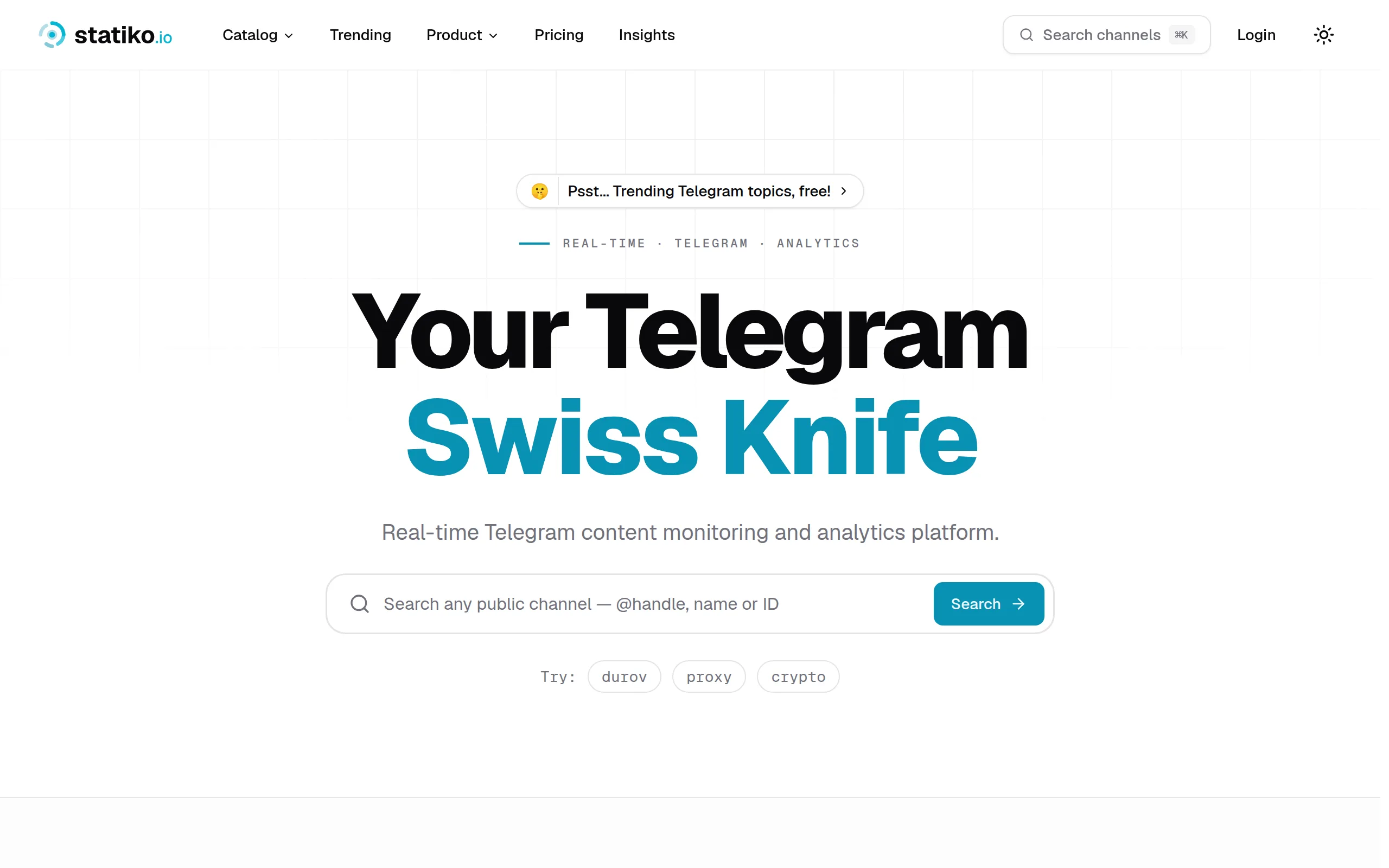
Statiko
Monitor any Telegram channel in real time - track posts, edits, deletions, and growth with AI recaps 📡
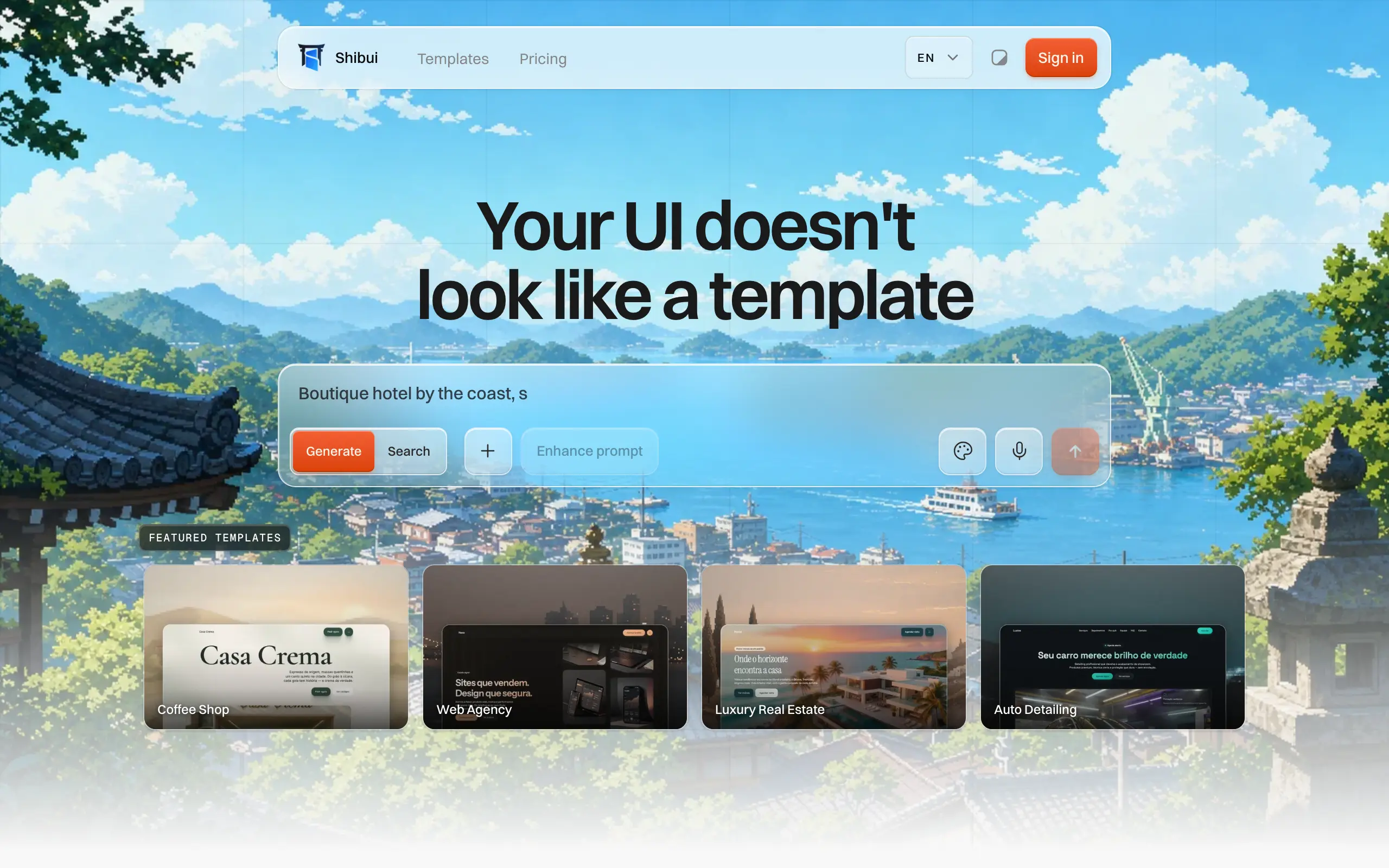
Shibui
AI website builder - describe your business, pick a niche template, edit by chatting, and publish instantly ✨

Pro Service
Find verified home service professionals, compare quotes, and pay securely through escrow - built for Brazilians across the US 🏠
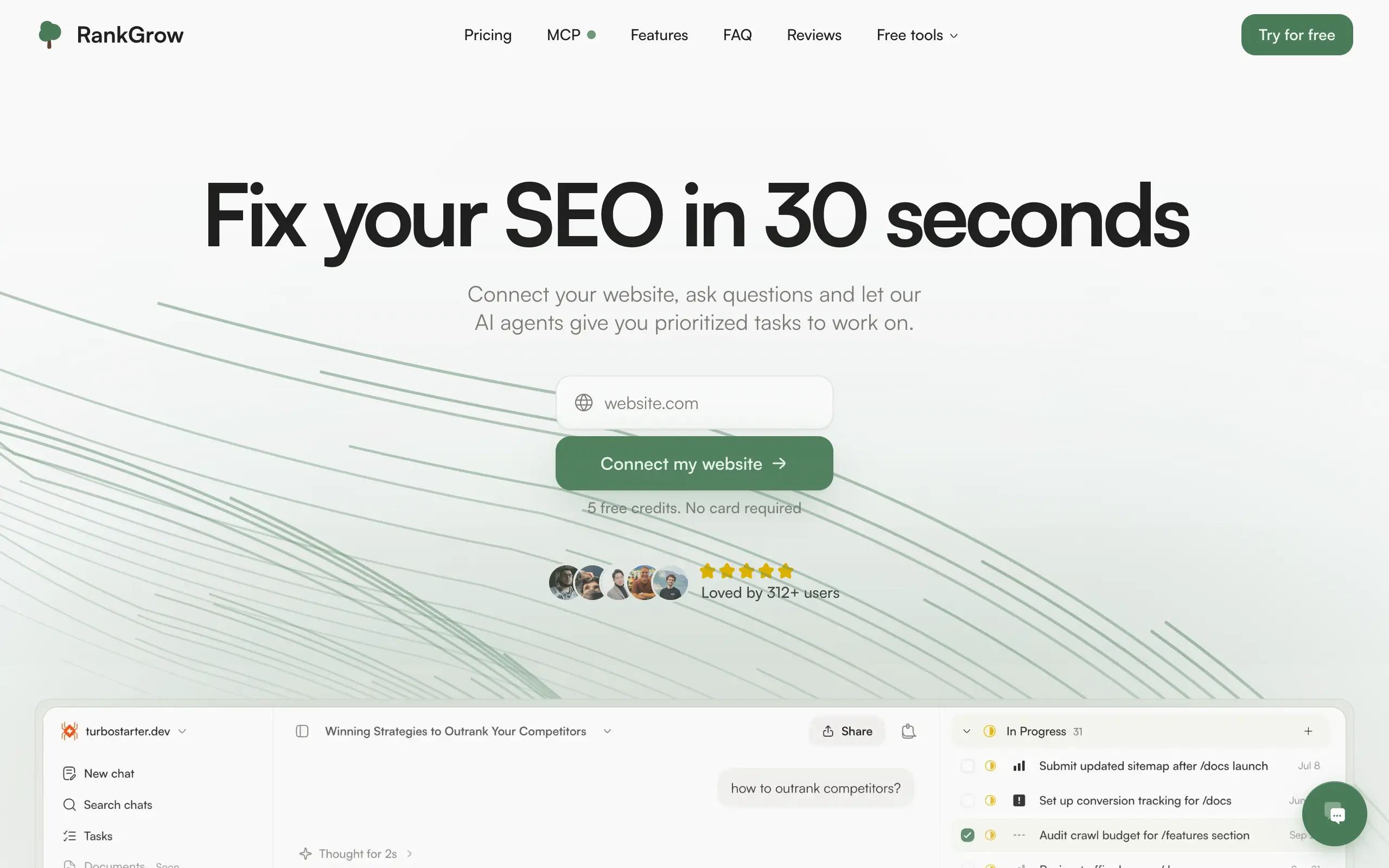
RankGrow
Fix your SEO with AI agents - connect Search Console, get prioritized tasks, and grow organic traffic 📈
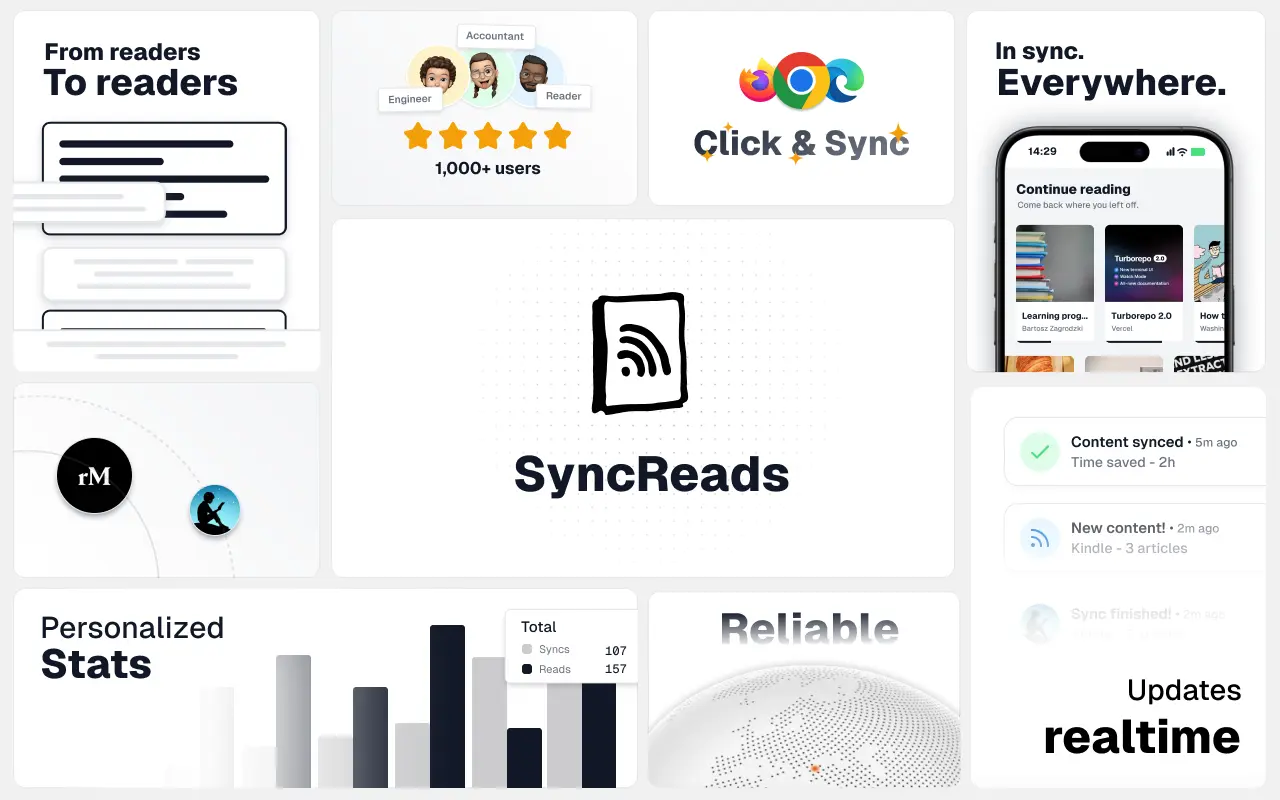
SyncReads
Sync your favorite content for distraction-free reading, save time and replace multiple apps. Anytime, anywhere 🔄
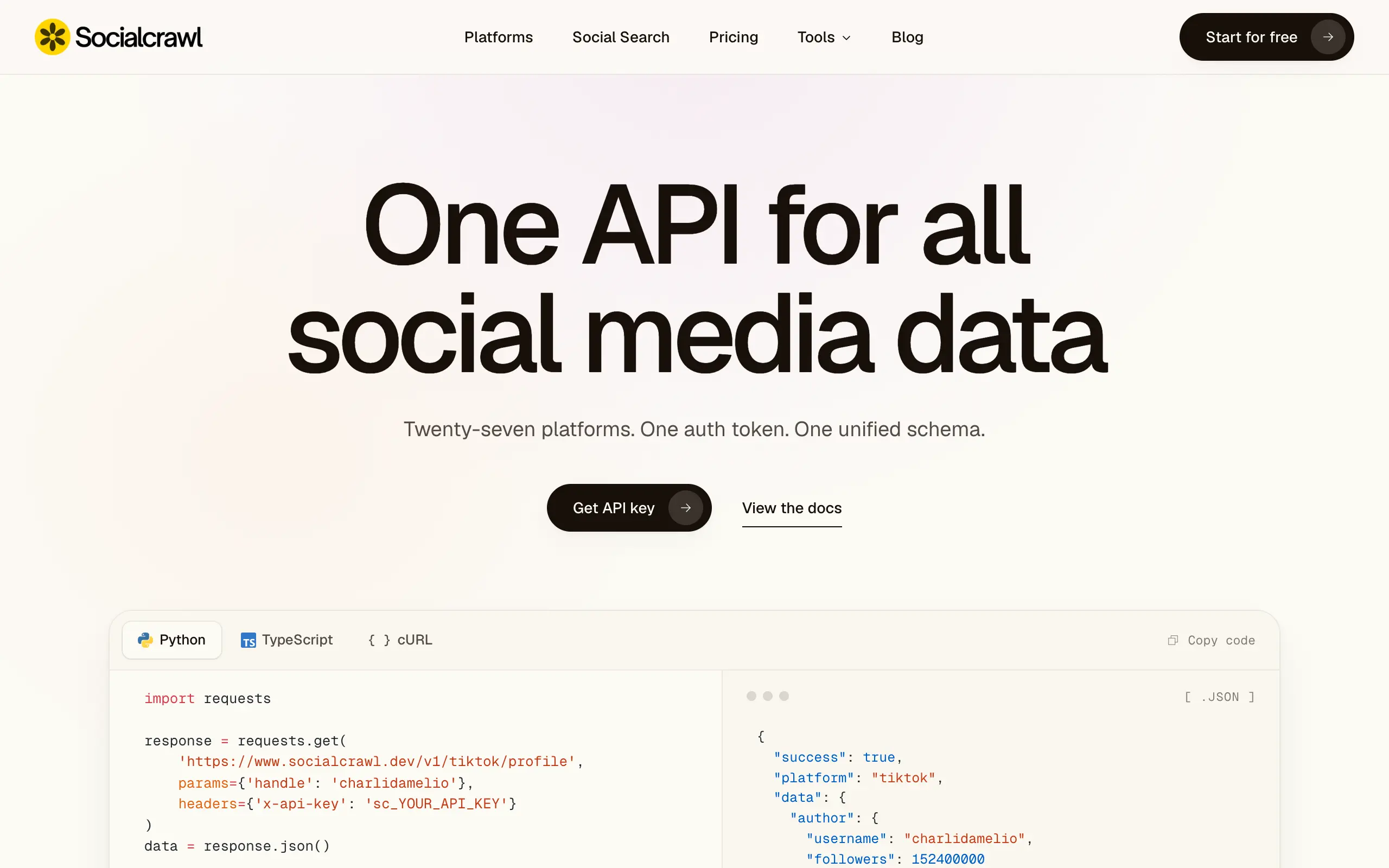
Socialcrawl
Get clean, structured data from 21 platforms like TikTok, Instagram, and YouTube with a single request 📊
Statiko
Monitor any Telegram channel in real time - track posts, edits, deletions, and growth with AI recaps 📡
Shibui
AI website builder - describe your business, pick a niche template, edit by chatting, and publish instantly ✨
Pro Service
Find verified home service professionals, compare quotes, and pay securely through escrow - built for Brazilians across the US 🏠
RankGrow
Fix your SEO with AI agents - connect Search Console, get prioritized tasks, and grow organic traffic 📈
SyncReads
Sync your favorite content for distraction-free reading, save time and replace multiple apps. Anytime, anywhere 🔄
Socialcrawl
Get clean, structured data from 21 platforms like TikTok, Instagram, and YouTube with a single request 📊
Statiko
Monitor any Telegram channel in real time - track posts, edits, deletions, and growth with AI recaps 📡
Shibui
AI website builder - describe your business, pick a niche template, edit by chatting, and publish instantly ✨
Pro Service
Find verified home service professionals, compare quotes, and pay securely through escrow - built for Brazilians across the US 🏠
RankGrow
Fix your SEO with AI agents - connect Search Console, get prioritized tasks, and grow organic traffic 📈
SyncReads
Sync your favorite content for distraction-free reading, save time and replace multiple apps. Anytime, anywhere 🔄
Socialcrawl
Get clean, structured data from 21 platforms like TikTok, Instagram, and YouTube with a single request 📊
Statiko
Monitor any Telegram channel in real time - track posts, edits, deletions, and growth with AI recaps 📡
Shibui
AI website builder - describe your business, pick a niche template, edit by chatting, and publish instantly ✨
Pro Service
Find verified home service professionals, compare quotes, and pay securely through escrow - built for Brazilians across the US 🏠
RankGrow
Fix your SEO with AI agents - connect Search Console, get prioritized tasks, and grow organic traffic 📈
SyncReads
Sync your favorite content for distraction-free reading, save time and replace multiple apps. Anytime, anywhere 🔄
Socialcrawl
Get clean, structured data from 21 platforms like TikTok, Instagram, and YouTube with a single request 📊
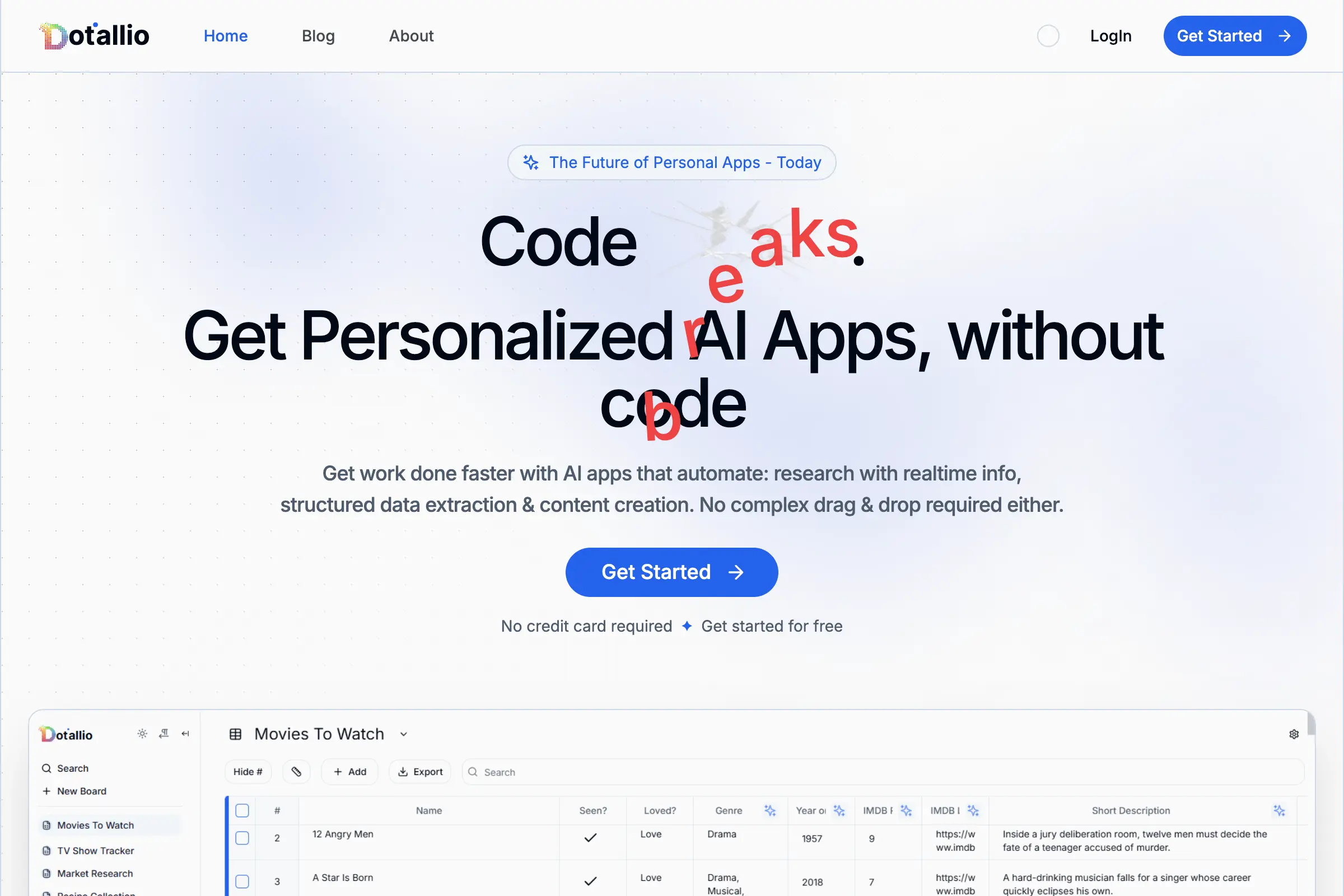
Dotallio
Personalized AI apps that automate research, data extraction, and content creation without code 🤖
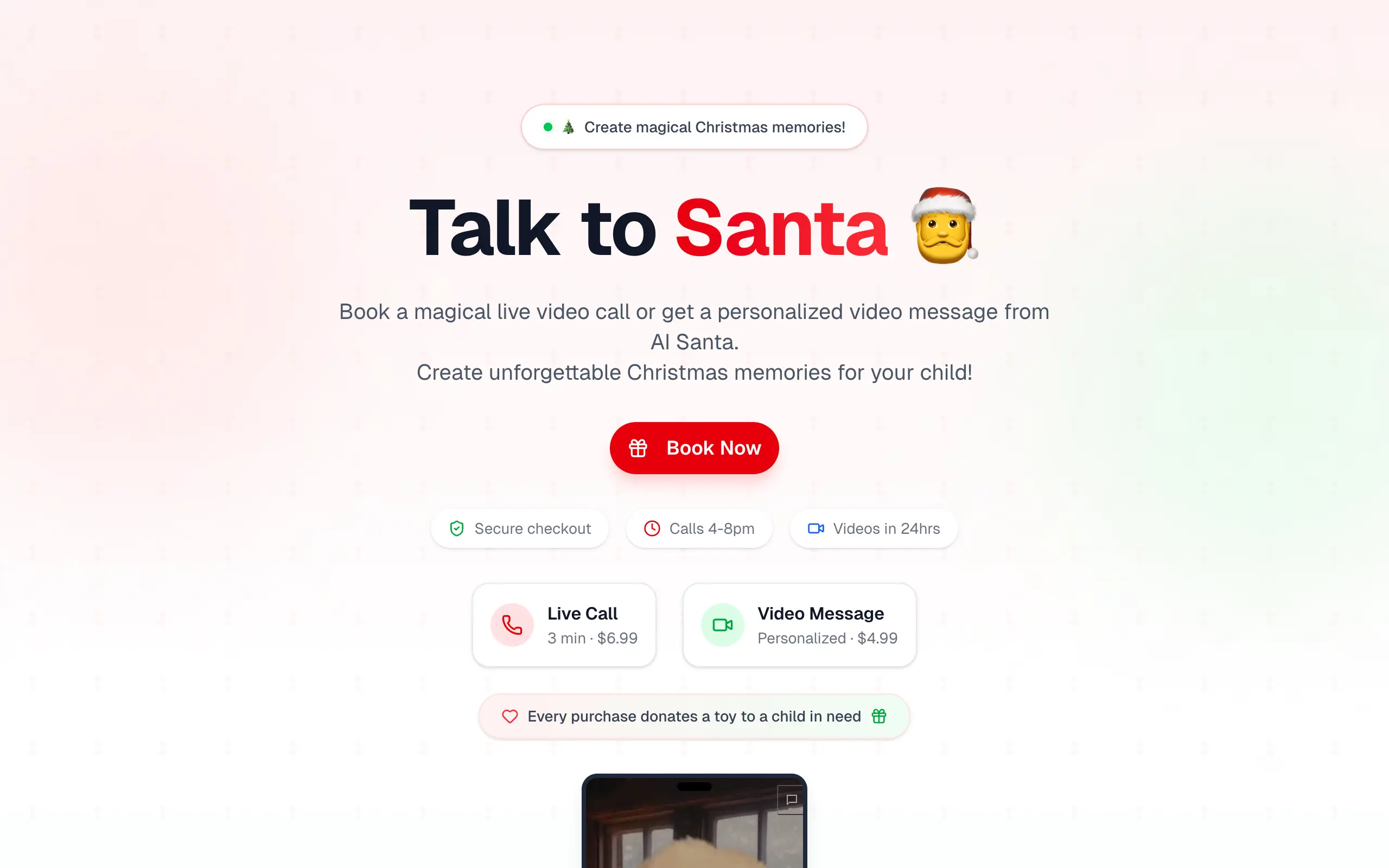
Talk to Santa
Enjoy a magical live video chat or receive a unique AI-generated video greeting from Santa Claus 🎅
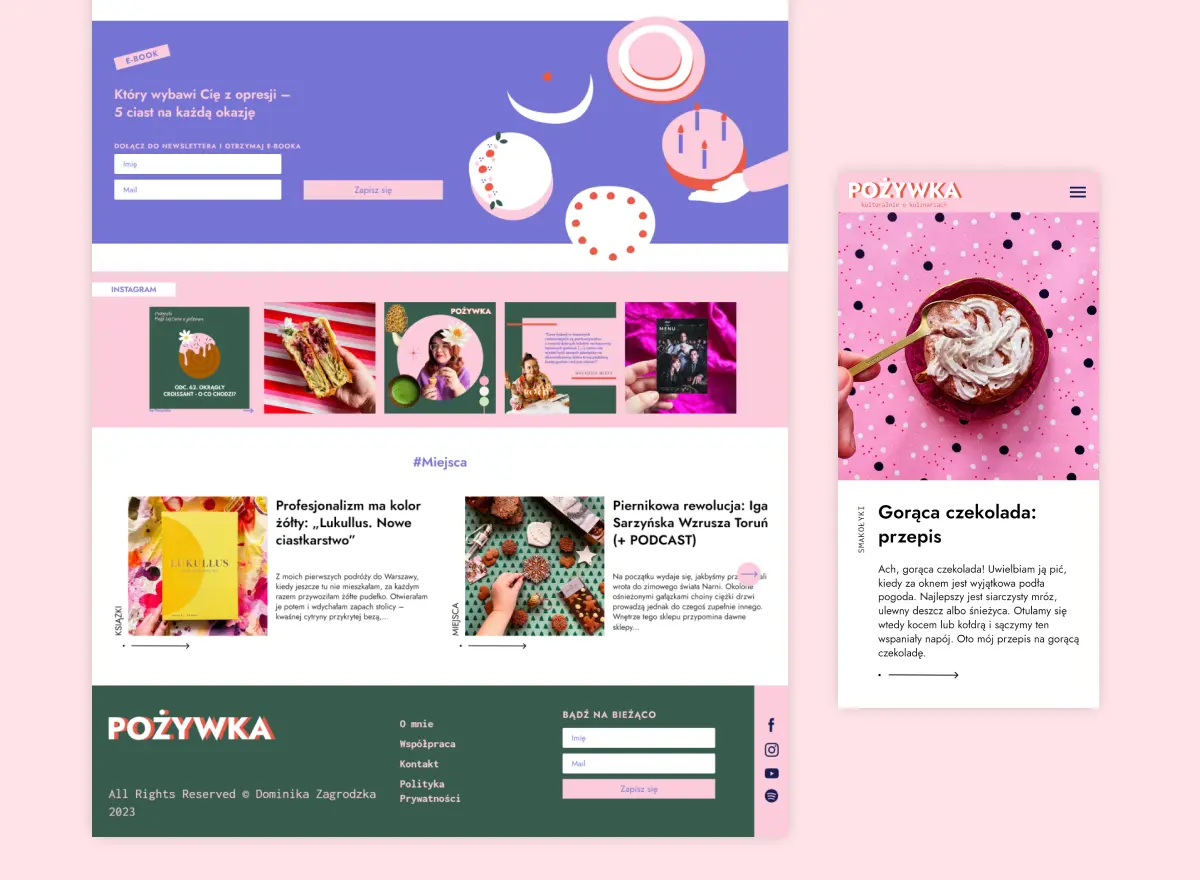
pozywka.pl
Scalable blog for food journalist, focused on performance and user experience 🌭
zagrodzki.me
Personal blog and portfolio of Bart Zagrodzki, where he shares his knowledge and work 💼
TurboStarter
Ship your startup everywhere. In minutes.
HTML to Markdown
Convert HTML to Markdown with ease, directly in your browser 📄
Dotallio
Personalized AI apps that automate research, data extraction, and content creation without code 🤖
Talk to Santa
Enjoy a magical live video chat or receive a unique AI-generated video greeting from Santa Claus 🎅
pozywka.pl
Scalable blog for food journalist, focused on performance and user experience 🌭
zagrodzki.me
Personal blog and portfolio of Bart Zagrodzki, where he shares his knowledge and work 💼
TurboStarter
Ship your startup everywhere. In minutes.
HTML to Markdown
Convert HTML to Markdown with ease, directly in your browser 📄
Dotallio
Personalized AI apps that automate research, data extraction, and content creation without code 🤖
Talk to Santa
Enjoy a magical live video chat or receive a unique AI-generated video greeting from Santa Claus 🎅
pozywka.pl
Scalable blog for food journalist, focused on performance and user experience 🌭
zagrodzki.me
Personal blog and portfolio of Bart Zagrodzki, where he shares his knowledge and work 💼
TurboStarter
Ship your startup everywhere. In minutes.
HTML to Markdown
Convert HTML to Markdown with ease, directly in your browser 📄
Dotallio
Personalized AI apps that automate research, data extraction, and content creation without code 🤖
Talk to Santa
Enjoy a magical live video chat or receive a unique AI-generated video greeting from Santa Claus 🎅
pozywka.pl
Scalable blog for food journalist, focused on performance and user experience 🌭
zagrodzki.me
Personal blog and portfolio of Bart Zagrodzki, where he shares his knowledge and work 💼
TurboStarter
Ship your startup everywhere. In minutes.
HTML to Markdown
Convert HTML to Markdown with ease, directly in your browser 📄
Omichat
Chat with 50+ AI models, including ChatGPT and Claude, in one place - switch models anytime without losing context 🤖
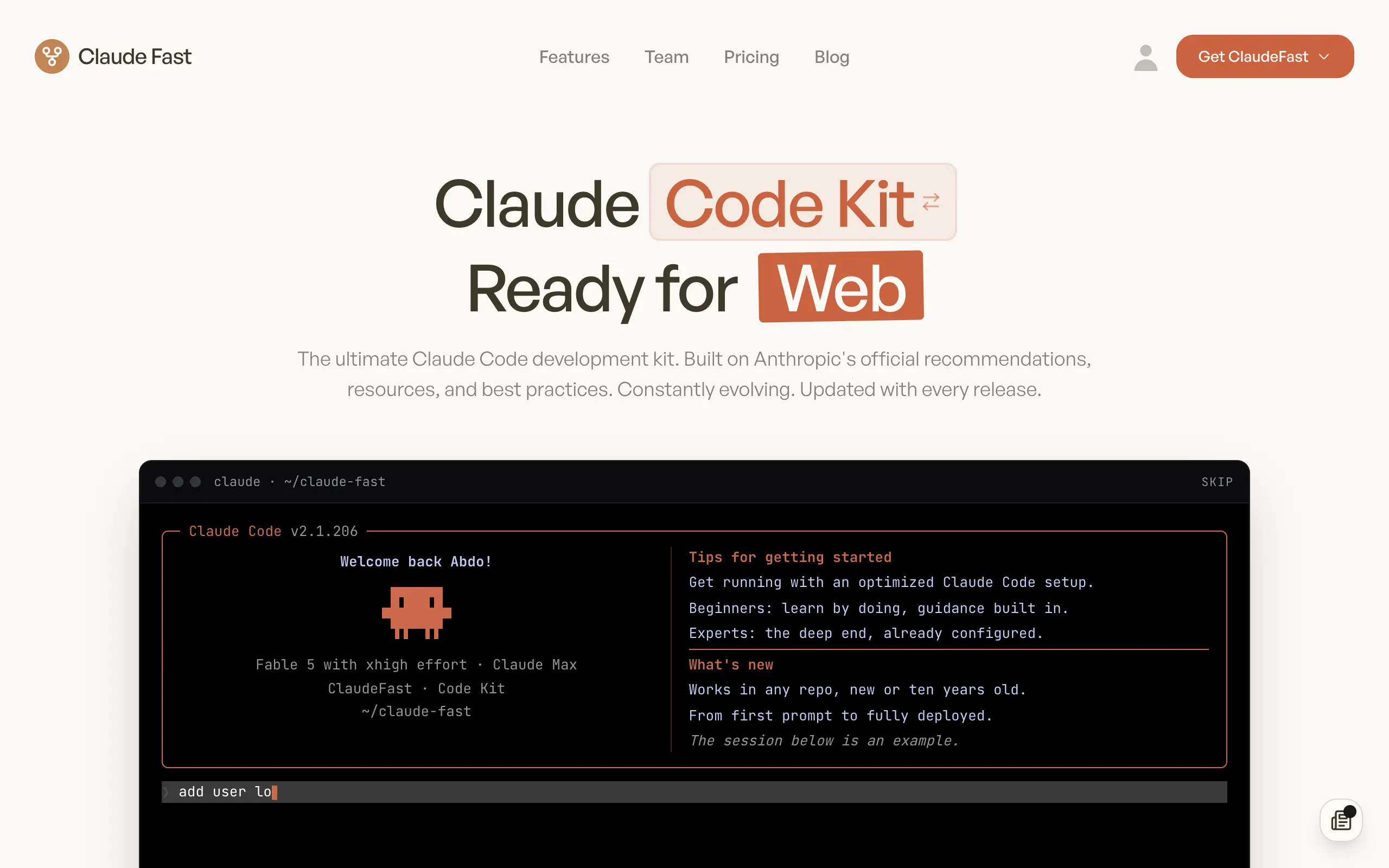
Claude Fast
Supercharge your Claude Code with 6x effective context window and specialized AI agents 🤖
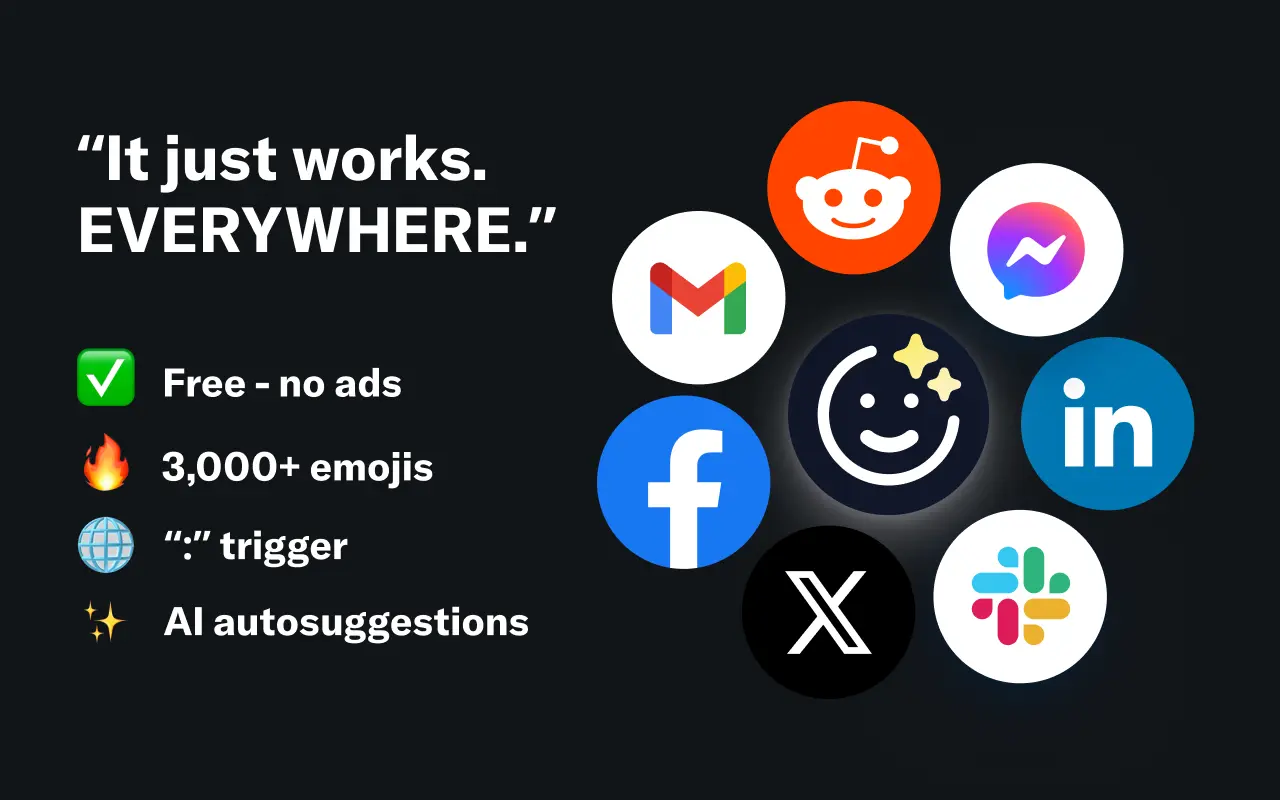
EmojAI
AI-powered emoji picker with smart, context-aware suggestions 🤖
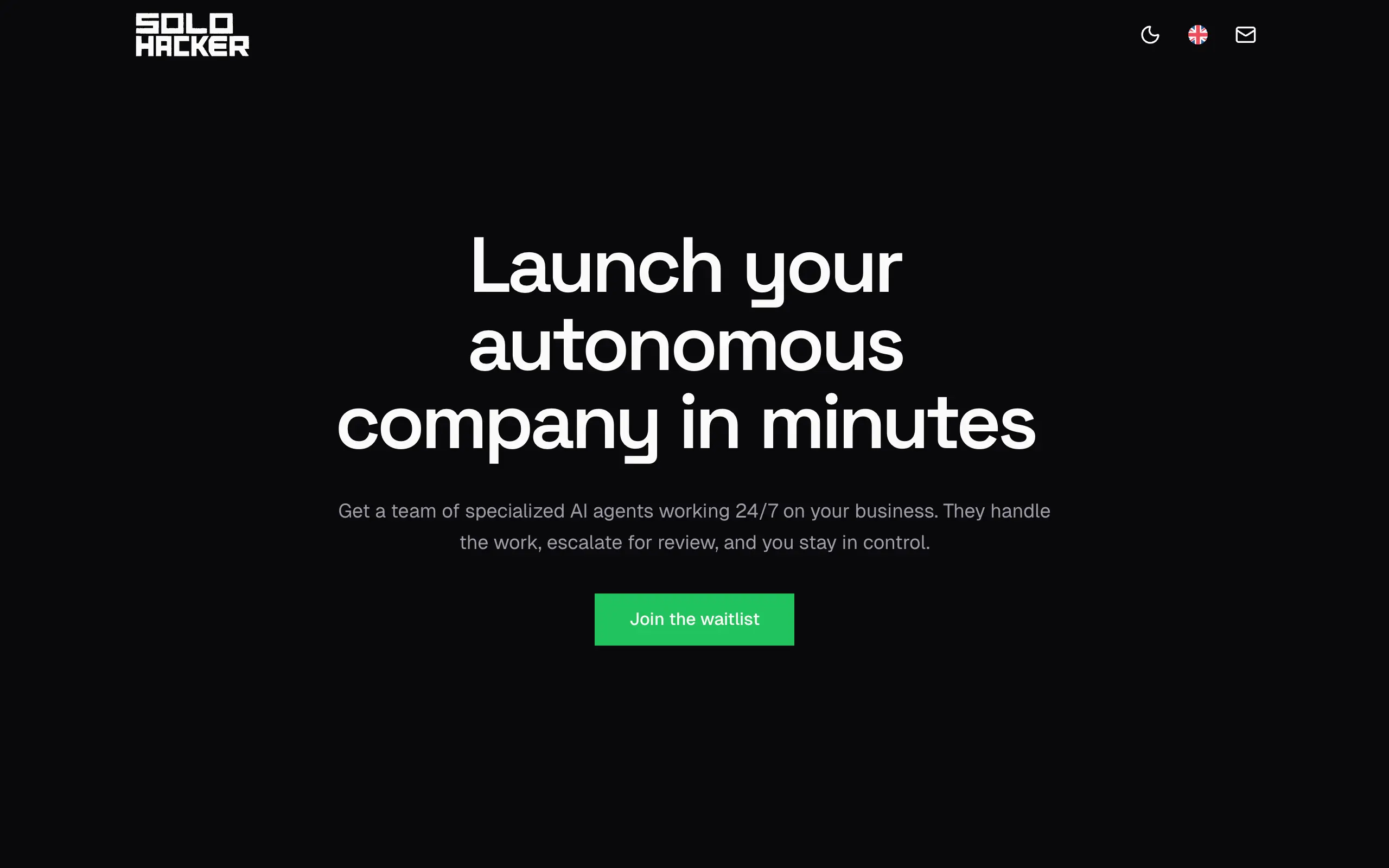
Solohacker
Autonomous company launcher - AI agents work 24/7, escalate what matters, and you stay in control 🤖
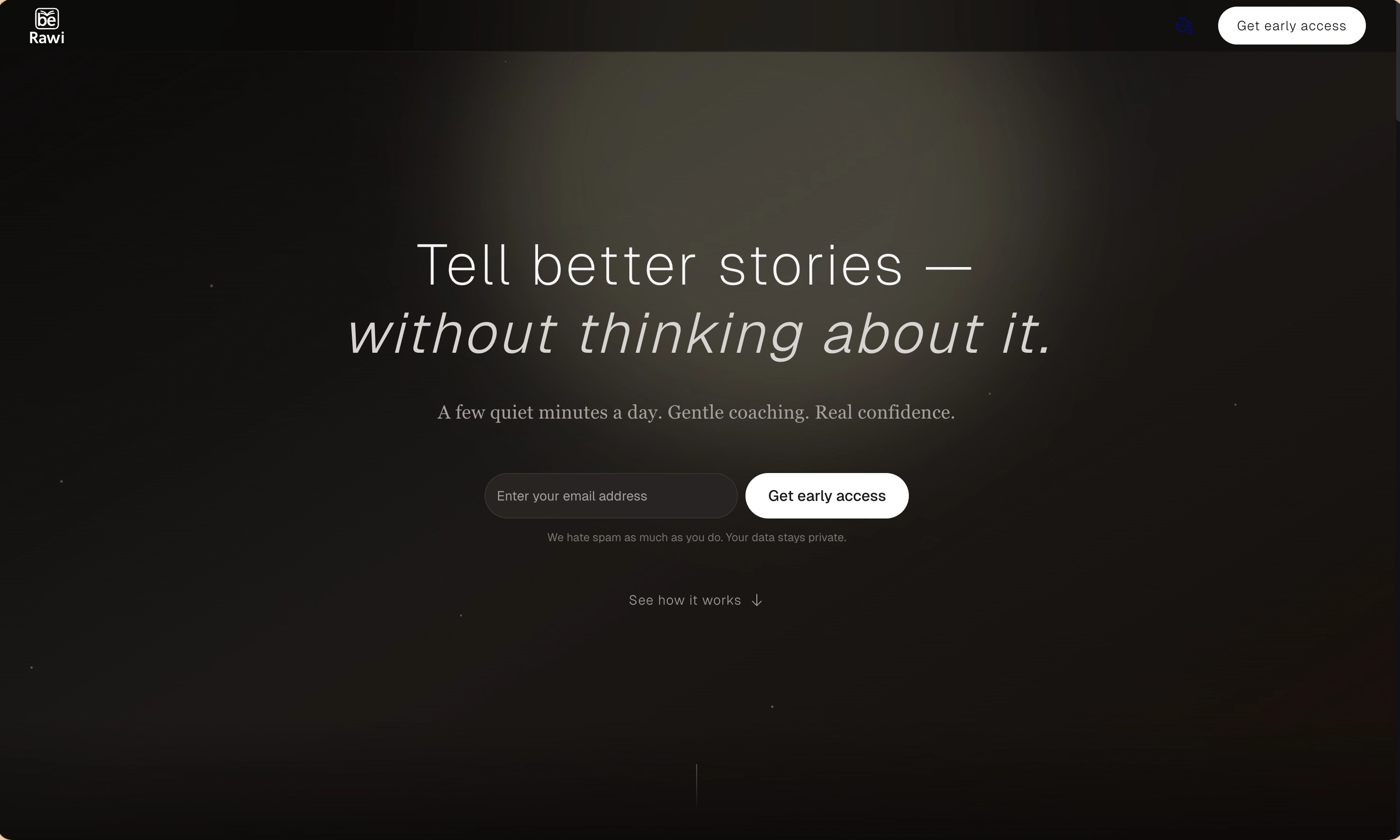
BeRawi: Storytelling Coach
Practice storytelling daily with instant feedback to sound clearer, more engaging, and confident 🎤
Omichat
Chat with 50+ AI models, including ChatGPT and Claude, in one place - switch models anytime without losing context 🤖
Claude Fast
Supercharge your Claude Code with 6x effective context window and specialized AI agents 🤖
EmojAI
AI-powered emoji picker with smart, context-aware suggestions 🤖
Solohacker
Autonomous company launcher - AI agents work 24/7, escalate what matters, and you stay in control 🤖
BeRawi: Storytelling Coach
Practice storytelling daily with instant feedback to sound clearer, more engaging, and confident 🎤
Omichat
Chat with 50+ AI models, including ChatGPT and Claude, in one place - switch models anytime without losing context 🤖
Claude Fast
Supercharge your Claude Code with 6x effective context window and specialized AI agents 🤖
EmojAI
AI-powered emoji picker with smart, context-aware suggestions 🤖
Solohacker
Autonomous company launcher - AI agents work 24/7, escalate what matters, and you stay in control 🤖
BeRawi: Storytelling Coach
Practice storytelling daily with instant feedback to sound clearer, more engaging, and confident 🎤
Omichat
Chat with 50+ AI models, including ChatGPT and Claude, in one place - switch models anytime without losing context 🤖
Claude Fast
Supercharge your Claude Code with 6x effective context window and specialized AI agents 🤖
EmojAI
AI-powered emoji picker with smart, context-aware suggestions 🤖
Solohacker
Autonomous company launcher - AI agents work 24/7, escalate what matters, and you stay in control 🤖
BeRawi: Storytelling Coach
Practice storytelling daily with instant feedback to sound clearer, more engaging, and confident 🎤

Connect with like-minded people
Join our community to get feedback, support, and grow together with 1,000+ builders on board, let's ship it!
Join usShip your startup everywhere. In minutes.
Don't burn tokens on setup and start building features on day one.