ChapterQuest
Turn Class 11 revision into bite-size RPG quests with streaks, boss battles, and subject packs students can unlock as they learn.
Why a Class 11 revision game could solve a real study problem
Class 11 is a demanding transition. Students encounter deeper concepts, more independent study, and—in many subjects—a larger gap between learning a topic once and remembering it well enough to use in an exam. Yet revision often gets postponed until a test is close, when students are left trying to cover too much at once.
ChapterQuest is a Class 11 revision game that turns subject revision into short, structured RPG-style quests. Students work through bite-size learning activities, build streaks by returning to their studies, and take on “boss battles” that test what they have learned. Subject packs give the experience a sense of progression, with new content unlocked as students move forward.
The product idea is compelling because it connects a familiar educational need—consistent, effective revision—with the motivational structure of a game. But ChapterQuest should be more than a quiz with points. Its long-term value will depend on whether it helps students practise the right material, understand mistakes, and build sustainable study habits.
This article explores the product opportunity, target users, feature set, technology choices, business model, risks, and practical steps for developing a Class 11 revision game.
What is ChapterQuest?
ChapterQuest is a gamified study platform for Class 11 students. It organizes revision into small learning sessions that feel like quests rather than an unstructured list of chapters.
A student might choose a subject, complete a short activity on a topic, answer a series of practice questions, and earn progress toward a larger challenge. Later, a boss battle could combine questions from multiple concepts to check whether the student can recall and apply what they have learned.
The product’s central promise is straightforward:
Make it easier for students to return to revision regularly, while helping them practise course material in manageable steps.
That promise has two parts. The game layer can encourage students to start and continue sessions. The learning layer must make those sessions relevant, understandable, and worthwhile.
A strong product should therefore treat:
- Progression as a way to guide students through material, not just a decorative map.
- Streaks as a prompt for consistency, not a source of shame.
- Boss battles as meaningful review, not merely harder-looking quizzes.
- Subject packs as organized curriculum content, not just collectible rewards.
The distinction matters. A student may enjoy earning rewards, but they will keep using ChapterQuest only if the content helps them feel more prepared.
Who is the target audience for ChapterQuest?
The primary audience is students studying Class 11 who want revision to feel more manageable and motivating. However, students are not the only users who influence adoption. Parents, teachers, tutors, and coaching providers may also evaluate or recommend the product.
Class 11 students
Students are the main users. Their needs may differ according to their subjects, study habits, exam goals, and confidence levels.
Some students need help getting started. Others already study regularly but want focused practice or a clear way to identify weak topics. ChapterQuest should account for these differences rather than assuming every learner needs the same game mechanics.
Useful student needs include:
- Breaking a large syllabus into achievable tasks.
- Revisiting concepts regularly instead of cramming.
- Practising recall and application, not only rereading notes.
- Seeing which topics need more attention.
- Receiving feedback that explains why an answer is wrong.
- Making progress without feeling overwhelmed by a long study plan.
The product should also be designed for short, focused sessions. A student may have only a few minutes between classes or other commitments. A quest should offer a clear beginning and end, so learners can make useful progress without needing to commit to a long session.
Parents and guardians
Parents may pay for a subscription or encourage their children to use the product. They are likely to care about educational value, safety, screen time, and whether the platform supports learning instead of simply keeping a student engaged.
For this audience, ChapterQuest should explain:
- What subjects and curriculum pathways it supports.
- How questions and explanations are reviewed.
- What progress information is available.
- How student data is collected and protected.
- How notifications and rewards are designed to avoid unhealthy pressure.
Parents may value a concise progress summary, but ChapterQuest should avoid presenting game activity as proof of academic improvement. Completing quests can indicate participation; it does not, on its own, show that a student has mastered a topic.
Teachers, tutors, and coaching providers
Educators could use ChapterQuest to assign practice, recommend revision activities, or identify topics students are finding difficult. For this group, useful features may include class groups, assignment links, topic-level reports, and the ability to align content with a specific curriculum.
These features should not be built too early. They introduce administrative complexity and can slow down a student-focused launch. First, test whether students use the core revision experience and whether educators find the content trustworthy. Add classroom tools only when real partners identify a clear need.
The market opportunity and product gap
The opportunity is not simply to put a game around study questions. It is to connect curriculum-aligned revision, manageable session design, useful learning feedback, and a motivating sense of progress in one coherent product.
Many study tools focus on one part of that experience. A flashcard app may support recall but leave students to organize their own syllabus. A question bank may offer lots of practice but provide little guidance about what to do next. A conventional learning platform may deliver structured content without making short, repeatable revision sessions feel inviting.
ChapterQuest can explore the space between those approaches.
Where ChapterQuest can stand out
The strongest product opportunity is a focused learning loop:
- Help a student choose a subject and topic.
- Offer a short quest with a clear learning objective.
- Give feedback that explains answers.
- Use performance to recommend what to practise next.
- Show progress toward a larger review challenge.
That loop combines structure with student agency. The learner knows what to do next but still has a reason to return.
ChapterQuest should be careful about curriculum fragmentation. “Class 11” can refer to different boards, syllabuses, subjects, and exam expectations. The company should select an initial curriculum and subject scope, then make that scope explicit. A reliable, clearly bounded subject pack is more valuable than a broad catalogue with uneven coverage.
Validate demand before building a large content library
A large question bank is expensive to create and maintain. Before commissioning content across many subjects, test whether students understand and value the product’s main experience.
Validation questions include:
- Will students voluntarily return to a quest after their first session?
- Do they understand the difference between a quest, review session, and boss battle?
- Which reward types feel motivating without distracting from study?
- Do explanations help students correct misunderstandings?
- Which topics are difficult to find or practise in existing tools?
- Would parents or educators trust the content enough to recommend it?
- Which subject or curriculum is the best starting point?
Use interviews, prototype tests, and small pilots to answer these questions. Avoid treating initial enthusiasm as proof of retention. A student may like the concept in a demo but still fail to incorporate it into a weekly routine.
Core features for a Class 11 revision game
The first version should prove that ChapterQuest can deliver a useful study session and give students a reason to return. That means prioritizing learning quality and clarity over a large collection of game systems.
Bite-size quests
A quest should focus on a small, understandable objective. For example, it could ask a student to review a concept, answer a few questions, or identify the steps involved in solving a problem.
Each quest should make clear:
- The subject and topic.
- The estimated time required.
- The skill or concept being practised.
- What the student will do during the session.
- What happens after completion.
Short sessions can reduce the friction of getting started, but “bite-size” should not mean shallow. A short activity can still require meaningful recall, reasoning, or application.
Streaks with supportive recovery
Streaks can help make revision visible as a habit. However, strict streak loss can discourage students who miss a day because of illness, exams, family commitments, or a change in routine.
Consider using a flexible design:
- Let students choose a realistic weekly goal.
- Provide a recovery option or grace period.
- Celebrate returning after a break.
- Avoid guilt-based language and alarming notifications.
- Let students pause reminders or change their schedule.
The product goal should be sustained practice, not a perfect streak at any cost.
Boss battles for cumulative review
Boss battles can create a memorable checkpoint at the end of a topic or unit. They are most useful when they ask students to retrieve knowledge from several lessons and apply it in varied ways.
A boss battle might include:
- Questions from previously completed quests.
- A mix of question formats.
- A short explanation after each response.
- A review summary that identifies strengths and topics to revisit.
- A recommended next quest based on the result.
Do not use difficulty as the only measure of quality. A challenge should be fair, aligned with the material, and designed to reveal what a student understands.
Subject packs and progression
Subject packs can make the product easier to explore and create a natural way to expand the content library. A pack might contain quests, revision challenges, and a progression path for a defined set of topics.
The word “unlock” needs careful handling. Students should not be blocked from essential learning content because they cannot pay or because they have not accumulated enough points. Keep core learning access separate from cosmetic or optional game rewards.
Explanations and error review
A question without useful feedback is a missed learning opportunity. When a student answers incorrectly, ChapterQuest should explain the reasoning behind the correct answer and help them identify the misconception or step they missed.
An error-review feature could collect questions a student struggled with and bring them back in later sessions. This supports more purposeful revision than simply repeating the full question set in the same order.
Progress that reflects learning activity
Students benefit from seeing progress, but dashboards should be understandable and honest. Track activities such as topics attempted, questions reviewed, or quests completed. If the product uses mastery labels, explain how those labels are calculated and avoid implying that a brief quiz can fully measure subject knowledge.
Quest path
A clear route through selected Class 11 topics, broken into short sessions.
Boss battles
Cumulative review challenges that help students revisit earlier concepts.
Progress insights
Simple summaries that show completed practice and suggest useful next steps.
Competitive advantage and positioning
ChapterQuest’s unique selling proposition is not “learning, but with points.” Many products can add badges, timers, or streaks. The defensible advantage must come from how the product combines curriculum structure, learning feedback, and game progression.
A focused audience can improve product quality
Starting with a specific Class 11 curriculum or subject area gives ChapterQuest a chance to build a more coherent experience than a general-purpose study app. Students should be able to see that the quests map to the material they are expected to learn.
A narrow launch also helps the team evaluate content quality and gather feedback from students and educators before expanding.
RPG progression can make revision feel purposeful
The RPG framing gives the product a recognizable identity. A quest can represent an achievable study task, a boss battle can represent cumulative practice, and a subject pack can represent a larger learning journey.
The game layer should support navigation and motivation, rather than compete with the content. If students spend more time managing rewards than understanding concepts, the experience is misaligned.
Learning feedback can become a product differentiator
A platform that explains mistakes and recommends relevant practice can deliver more value than one that simply records a score. Over time, ChapterQuest may learn which content students find confusing and where explanations need improvement.
Any personalization should remain transparent and appropriate. Students should understand why a topic has been recommended, and the system should not treat a small number of answers as a definitive assessment of ability.
Recommended technology stack for ChapterQuest
The right technology stack depends on the team’s experience, expected scale, content workflow, and privacy requirements. For an early product, a web-first application can make it easier to test onboarding and lesson design without maintaining separate native apps immediately.
Front end
React can support a component-based interface for quests, progress views, and interactive question types. If the team wants a full-stack React framework with routing and server-rendering options, Next.js is one established option.
A responsive web app can work well for early validation, particularly if students access it on both phones and computers. Native mobile apps may become worthwhile later if the product needs dependable offline study, deeper notification support, or platform-specific functionality.
Styling and accessible interface design
Tailwind CSS can help a small team build and iterate on a consistent interface quickly. Its utility-first approach is flexible, but it requires clear conventions so that design decisions do not become inconsistent across screens.
Whichever styling approach is selected, the product should support readable text, keyboard navigation, sufficient color contrast, and clear feedback states. Game effects should not make it harder to read questions or understand correct and incorrect answers.
Back end and database
A relational database such as PostgreSQL can represent users, curriculum structures, questions, attempts, quest progress, and subscription status in a structured way. This is useful when the product needs to answer queries such as “Which topics has this student attempted?” or “Which questions belong to this subject pack?”
A managed back-end service can speed up early development, but the team should evaluate authentication, data access rules, backups, export options, and privacy controls before storing student information. The architecture should prevent one student from accessing another student’s records.
Content management and review
Question content should be manageable without requiring a software release for every correction. A content workflow should support drafts, review status, version history, curriculum tags, and the ability to retire outdated items.
For learning content, a basic editorial workflow is a product requirement, not an administrative extra. It helps the team correct errors, update explanations, and track which version of a question a student encountered.
Analytics and experimentation
Collect only the analytics needed to improve the product. Useful early measures may include onboarding completion, quest starts, quest completion, return visits, and where students stop during a session.
Avoid collecting unnecessary personal information. Establish clear retention rules, access controls, and consent practices appropriate to the audience and market. If the product is used by minors, obtain qualified legal and privacy guidance before launch.
A practical build-versus-buy choice
Using an established starter can reduce time spent on common SaaS foundations such as authentication, billing, and application structure. For example, TurboStarter may help a team move faster on the general platform scaffolding, leaving more time for curriculum design and the quest experience.
The trade-off is that a starter should not dictate the product’s learning model. Evaluate the codebase, licensing, maintenance expectations, and fit with your deployment and data requirements before building on it.
Monetization strategies
ChapterQuest can test several business models, but monetization should support trust. Students and parents need to understand what is free, what requires payment, and whether paying affects access to essential learning.
Freemium subscription
A free tier can offer a useful introduction to the product, while a paid plan may include additional subject packs, expanded practice, or more detailed progress tools.
The free experience should be complete enough to demonstrate educational value. If students cannot meaningfully use ChapterQuest without paying, they may leave before they understand what makes it useful.
Paid subject packs
Subject packs can be sold individually or included in a subscription. This model may work for families who want focused support in one subject rather than access to every available pack.
Pricing should reflect the cost of developing, reviewing, and maintaining high-quality content. Test willingness to pay through interviews and pilots rather than choosing a price based only on competitor comparisons.
Family plans
A family plan could support multiple student accounts under one payer. This may simplify purchasing for households with more than one learner, but it introduces account management and privacy requirements that should be designed carefully.
Parents should have appropriate visibility without exposing more student information than necessary.
School, tutor, or coaching plans
Institutional plans could provide classroom assignment tools, educator dashboards, and group access. This model may offer a route to broader distribution, but it usually involves longer sales cycles, onboarding, procurement, and support expectations.
Build this channel in response to educator demand. Do not assume that a student product will automatically fit school workflows.
Sponsorships and advertising
Advertising is a poor default for a product aimed at students. It can distract from learning, complicate privacy decisions, and reduce parent trust. If sponsorships are considered, they should be clearly disclosed and should not influence educational recommendations or question content.
Risks and how to mitigate them
A promising concept still needs careful execution. ChapterQuest’s risks include learning quality, student engagement, curriculum coverage, safety, and sustainable economics.
Risk of making the game more engaging than the learning
Students may focus on streaks, rewards, and unlocks without spending enough time thinking about the subject matter.
Mitigation: Make each game action part of a learning task. Test whether students can explain what they learned, not only whether they enjoyed the session. Keep rewards proportionate and make feedback the main payoff for answering questions.
Risk of inaccurate or poorly aligned content
An incorrect question or explanation can damage trust and teach the wrong idea. Curriculum changes can also make old content less relevant.
Mitigation: Use a documented review process that includes subject expertise. Track content versions, provide a way to report errors, and prioritize corrections. Make the supported board, subject, and syllabus visible to users.
Risk of uneven retention
A novelty effect may produce high initial interest followed by lower usage. Streaks alone cannot solve this problem.
Mitigation: Study how students use the product over time. Ask why they return or stop, test different quest lengths, and improve the usefulness of the next recommended activity. Treat retention as a product-learning question rather than a notification problem.
Risk of unhealthy pressure
Competitive leaderboards, harsh streak penalties, or frequent reminders can increase stress for students who already feel exam pressure.
Mitigation: Make reminders configurable, avoid public rankings by default, provide recovery paths, and use supportive language. Give students control over when and how they engage.
Risk of privacy and child-safety issues
Class 11 students may be minors. Their personal information and study activity require careful handling, and applicable requirements vary by location.
Mitigation: Minimize data collection, restrict access, use secure authentication, document retention practices, and obtain qualified legal advice for the markets where the product will operate. Provide clear privacy information for students and parents.
Risk of overbuilding before finding product-market fit
It is easy to spend months building a full RPG world, dozens of subjects, or advanced adaptive learning before confirming that students use the core revision loop.
Mitigation: Launch with a defined audience, a small set of high-quality content, and the minimum features needed to test repeat use. Expand only when evidence supports the next investment.
Metrics to evaluate the product
ChapterQuest should use a balanced measurement approach. Activity metrics show whether students use the product, while learning-oriented measures help the team understand whether the experience supports revision.
Potential early metrics include:
- Onboarding completion.
- The share of new users who begin a first quest.
- Quest completion and abandonment rates.
- Return usage over a defined period.
- Topics students revisit.
- Use of explanations after incorrect answers.
- Student and parent feedback on usefulness and clarity.
- Content error reports and time to resolve them.
- Conversion from free access to a paid plan, if monetization is active.
Do not interpret time spent in the app as proof of learning. Longer sessions may indicate engagement, but they may also reflect confusing navigation or inefficient activities. Pair behavioral metrics with interviews, usability tests, and appropriate learning assessments.
If the team wants to make claims about educational outcomes, it should define the outcome, choose a suitable evaluation method, and avoid broad claims unsupported by evidence. A pilot can help identify promising signals, but it should not be presented as definitive proof of improved grades.
Actionable implementation steps
A focused implementation plan helps the team learn quickly without sacrificing content quality.
Choose a precise launch audience. Select an initial curriculum, subject, and student segment. State clearly which syllabus the first subject pack supports.
Interview students and educators. Ask how students currently revise, where they lose momentum, and what makes existing resources difficult to use. Avoid pitching the solution before understanding the problem.
Prototype the core loop. Design a student journey from choosing a topic to completing a quest, reviewing feedback, and deciding what to do next. Test the flow before developing the full game system.
Create a small, reviewed content set. Build a limited number of quests with clear objectives, varied questions, and explanations. Have qualified reviewers check accuracy and alignment.
Develop the minimum viable product. Include account access, subject selection, quest completion, feedback, basic progress tracking, and a way to report content issues. Delay features that do not test the core value proposition.
Run a supervised pilot. Observe how students use the product, collect feedback from students and parents, and track where they stop or become confused. Protect participant privacy and obtain appropriate consent.
Improve the learning and retention loop. Refine quest length, explanations, recommendations, and supportive streak mechanics based on observed behavior rather than assumptions.
Test a sustainable business model. Compare subscription, subject-pack, and partner interest. Keep essential learning access clear and avoid monetization that undermines trust.
Expand deliberately. Add subjects, curricula, classroom features, or mobile capabilities when users and partners demonstrate a real need for them.
Start with learning quality
A polished RPG world can attract attention, but accurate content, useful explanations, and a repeatable revision routine are what give ChapterQuest a reason to exist.
The outlook for ChapterQuest
ChapterQuest has a clear product opportunity: make Class 11 revision feel more structured, approachable, and motivating through bite-size quests, cumulative boss battles, streaks, and subject progression. Its strongest positioning is as a curriculum-focused revision game that combines the familiarity of RPG progression with practical study support.
The idea will succeed only if the game mechanics serve learning. Start with a narrow curriculum scope, validate the experience with real students, build a reliable content review process, and measure whether learners return for useful practice. Treat parents and educators as important trust stakeholders, especially when the product serves students who may be minors.
For founders, the key decision is not how many game features to build. It is which student problem to solve first—and how to prove that the solution helps students revise more consistently without compromising educational quality.
More 🎮 Game SaaS ideas
Discover more innovative game SaaS ideas that are trending in 2026. Each idea is AI-generated with market validation and growth potential to help you find your next profitable venture faster than competitors.
Your competitors are building with TurboStarter
Below are some of the SaaS ideas that have been generated and built with our starter kit.
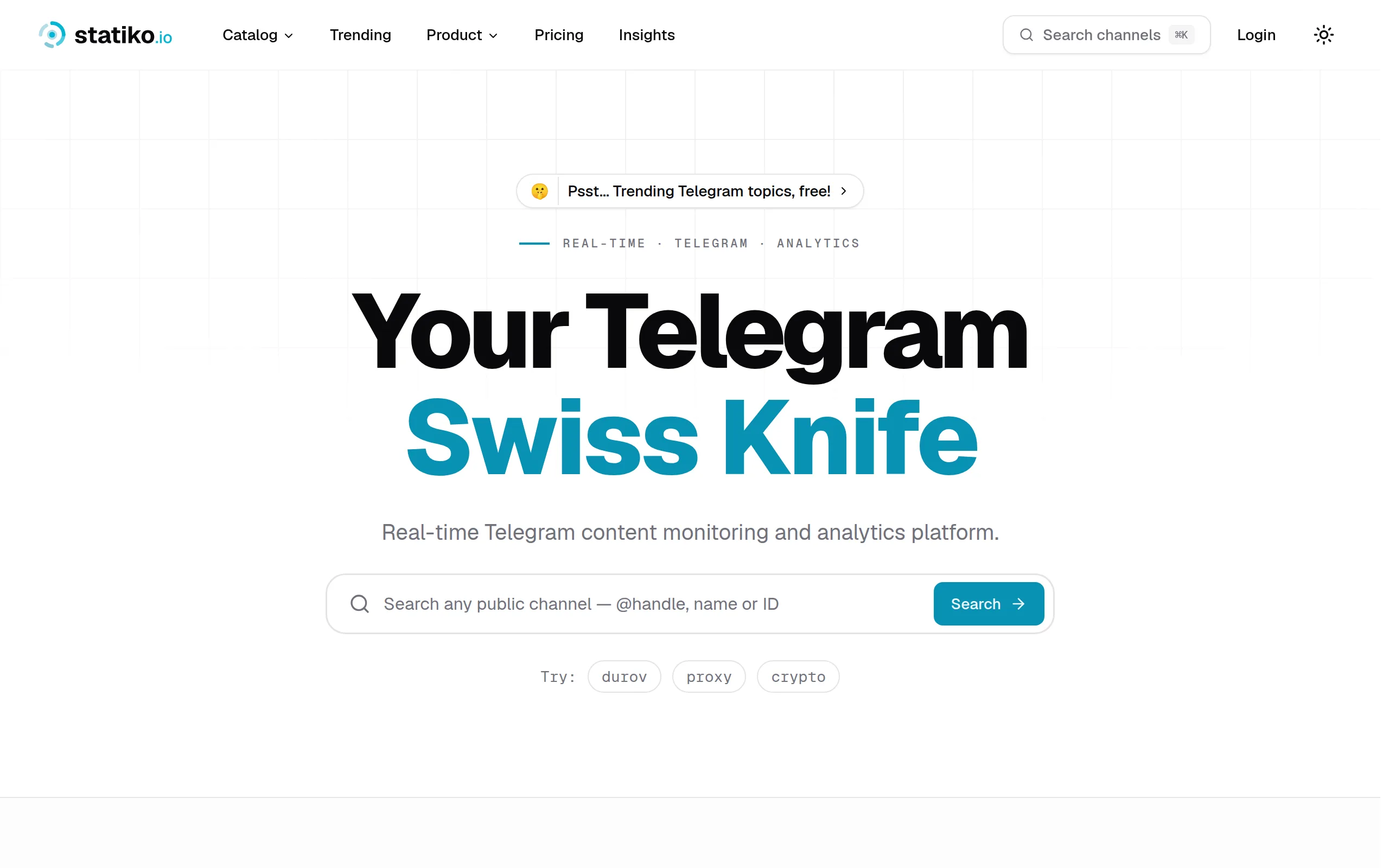
Statiko
Monitor any Telegram channel in real time - track posts, edits, deletions, and growth with AI recaps 📡

Shibui
AI website builder - describe your business, pick a niche template, edit by chatting, and publish instantly ✨

Pro Service
Find verified home service professionals, compare quotes, and pay securely through escrow - built for Brazilians across the US 🏠
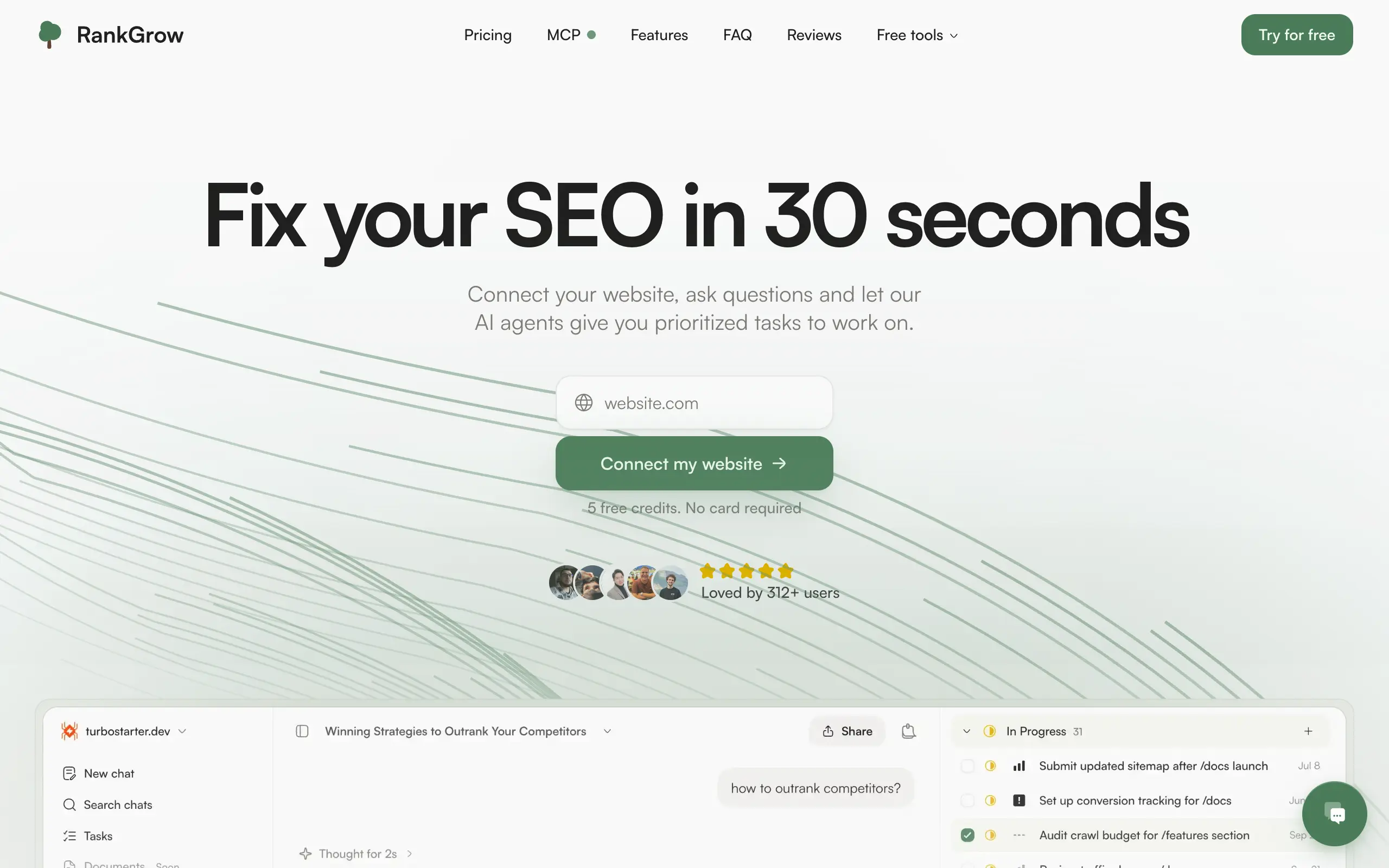
RankGrow
Fix your SEO with AI agents - connect Search Console, get prioritized tasks, and grow organic traffic 📈
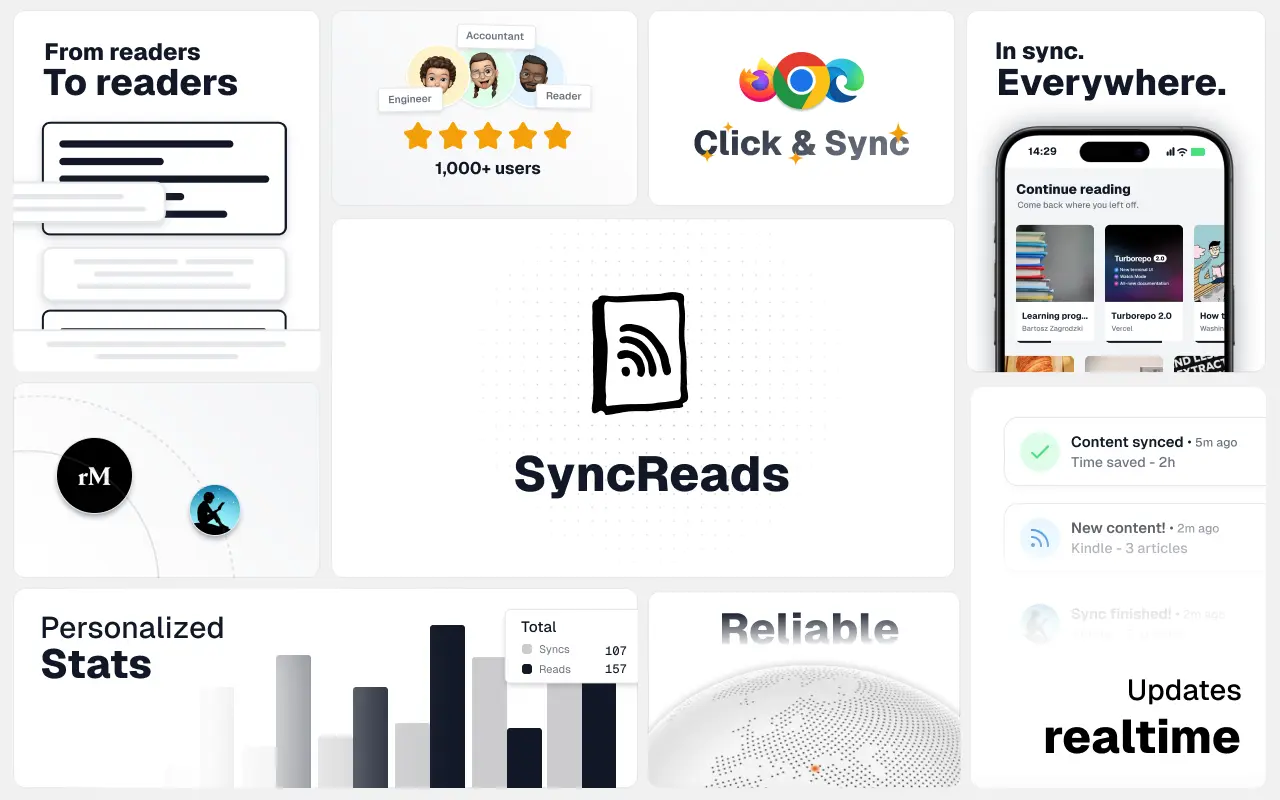
SyncReads
Sync your favorite content for distraction-free reading, save time and replace multiple apps. Anytime, anywhere 🔄
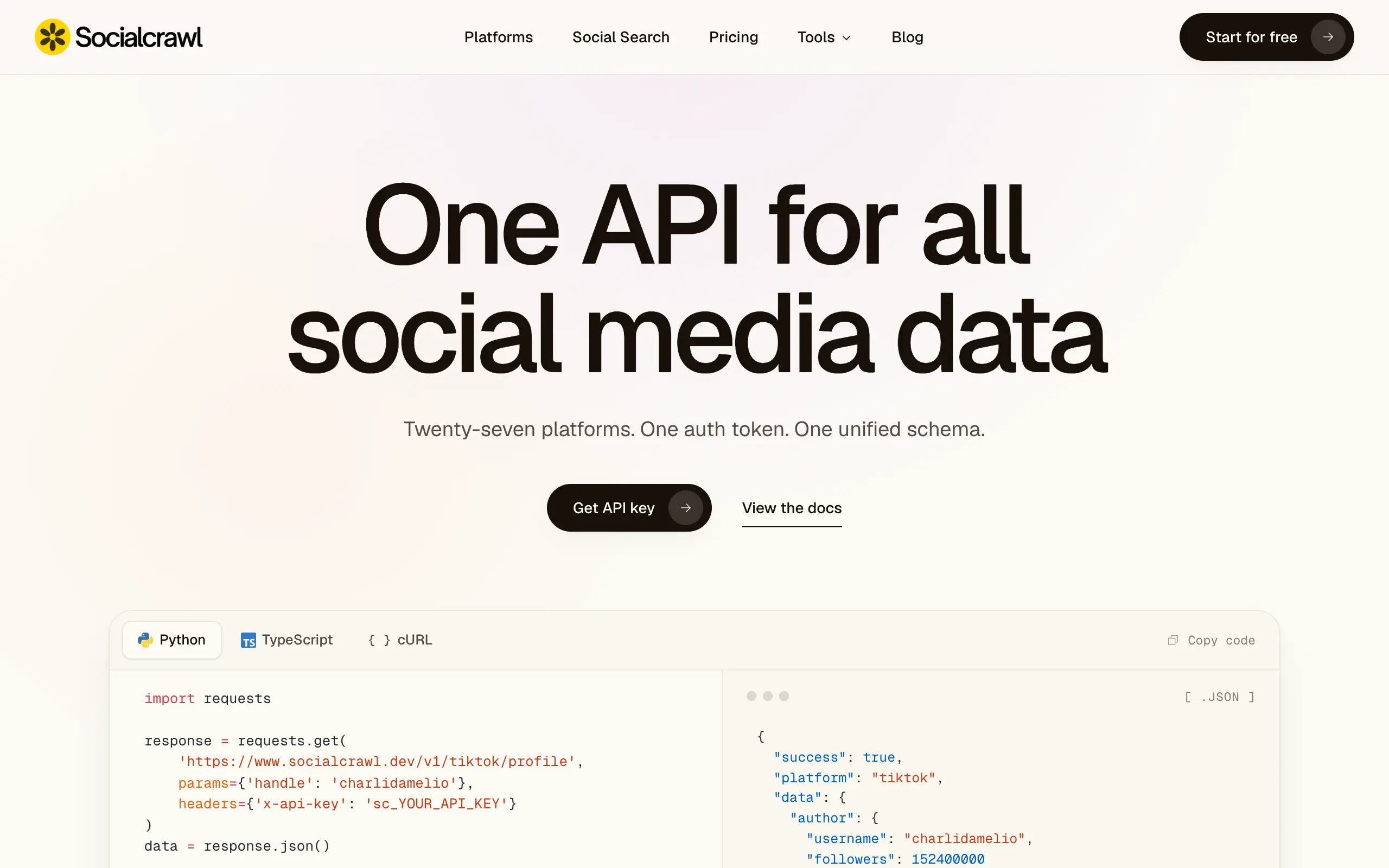
Socialcrawl
Get clean, structured data from 21 platforms like TikTok, Instagram, and YouTube with a single request 📊
Statiko
Monitor any Telegram channel in real time - track posts, edits, deletions, and growth with AI recaps 📡
Shibui
AI website builder - describe your business, pick a niche template, edit by chatting, and publish instantly ✨
Pro Service
Find verified home service professionals, compare quotes, and pay securely through escrow - built for Brazilians across the US 🏠
RankGrow
Fix your SEO with AI agents - connect Search Console, get prioritized tasks, and grow organic traffic 📈
SyncReads
Sync your favorite content for distraction-free reading, save time and replace multiple apps. Anytime, anywhere 🔄
Socialcrawl
Get clean, structured data from 21 platforms like TikTok, Instagram, and YouTube with a single request 📊
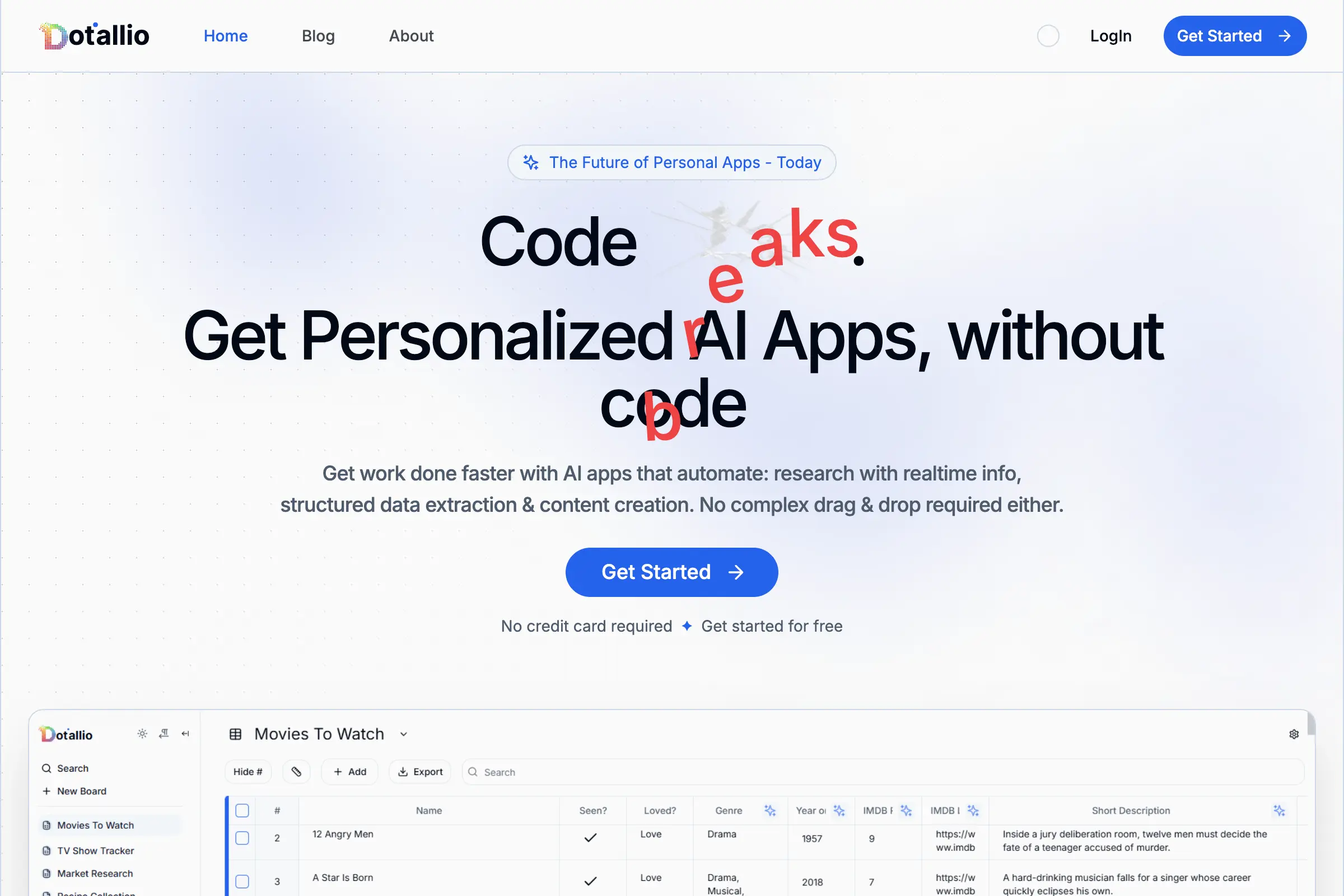
Dotallio
Personalized AI apps that automate research, data extraction, and content creation without code 🤖
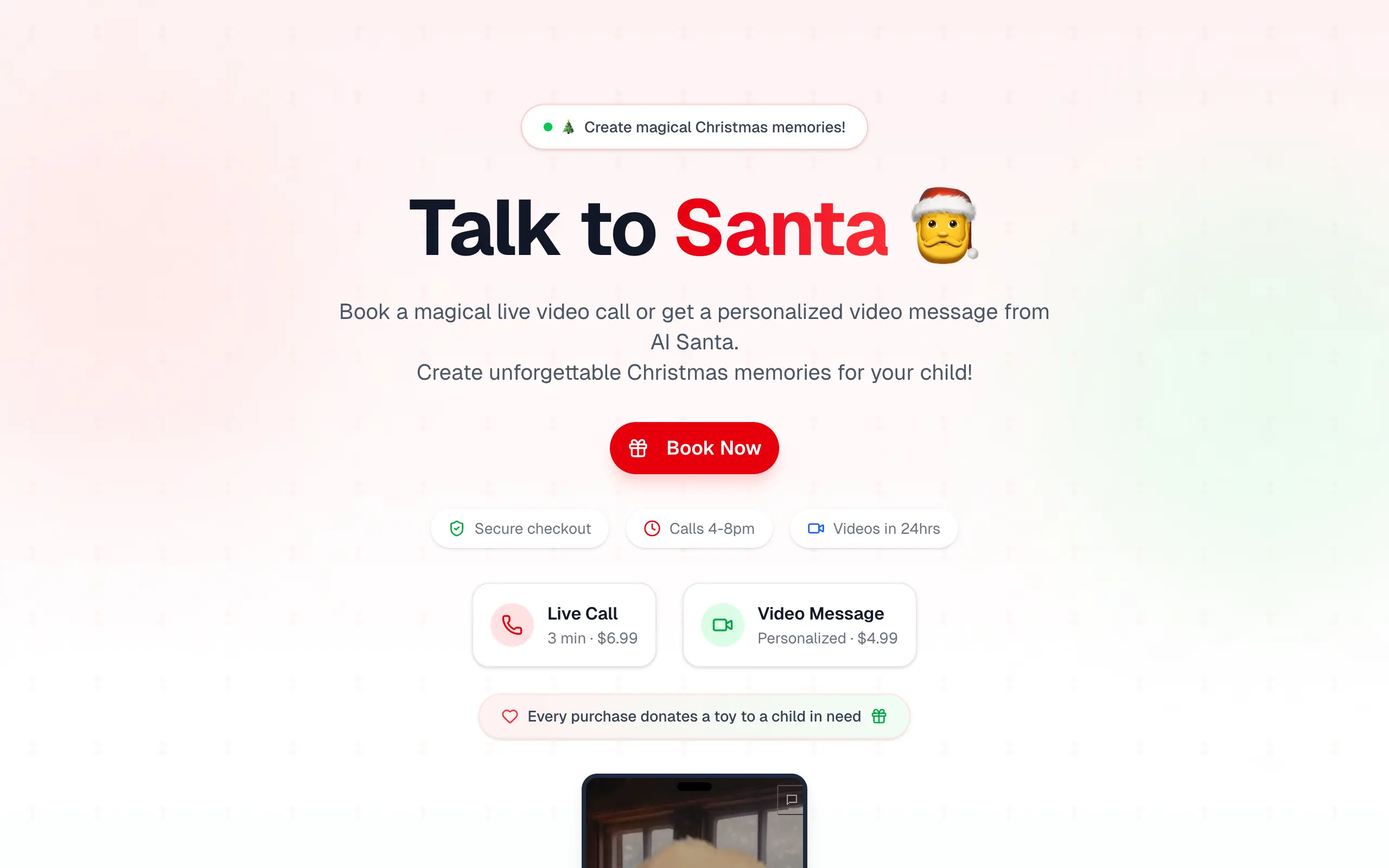
Talk to Santa
Enjoy a magical live video chat or receive a unique AI-generated video greeting from Santa Claus 🎅
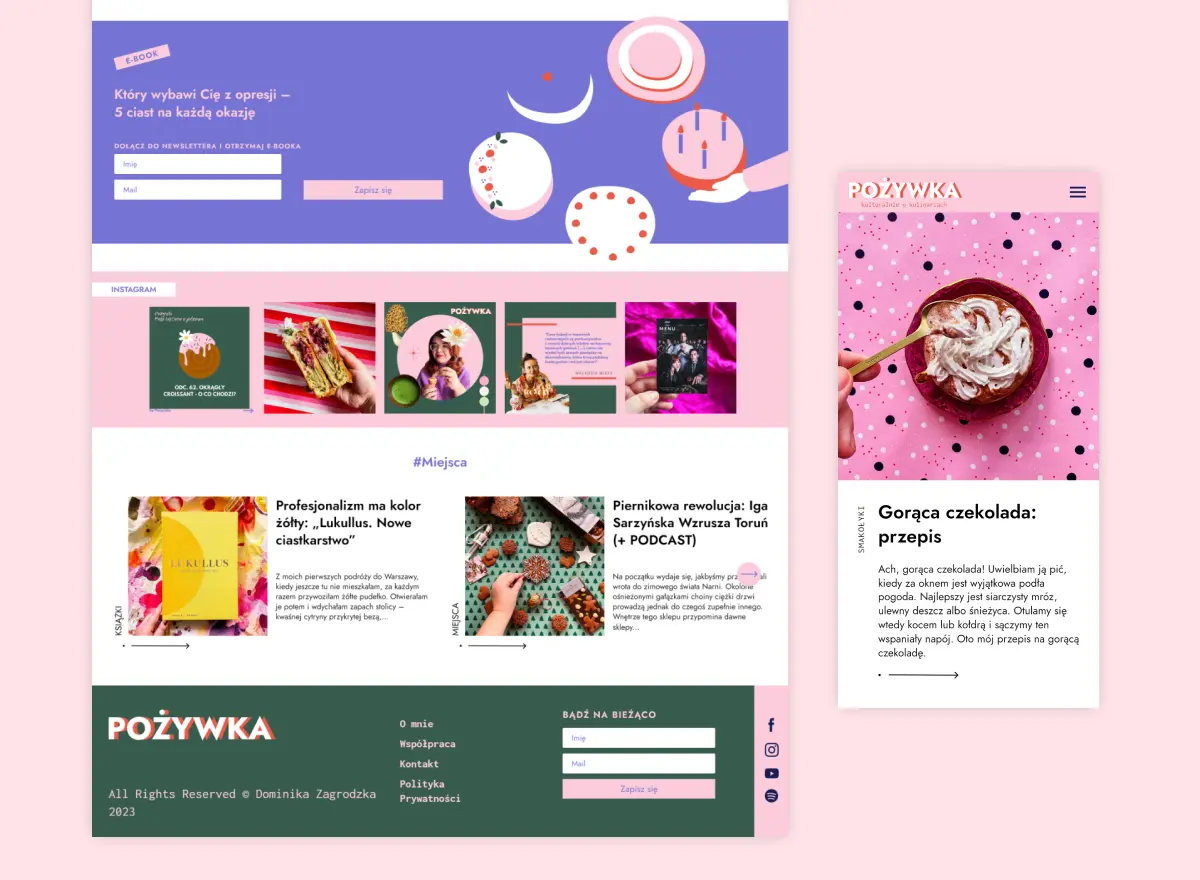
pozywka.pl
Scalable blog for food journalist, focused on performance and user experience 🌭
zagrodzki.me
Personal blog and portfolio of Bart Zagrodzki, where he shares his knowledge and work 💼
TurboStarter
Ship your startup everywhere. In minutes.
HTML to Markdown
Convert HTML to Markdown with ease, directly in your browser 📄
Dotallio
Personalized AI apps that automate research, data extraction, and content creation without code 🤖
Talk to Santa
Enjoy a magical live video chat or receive a unique AI-generated video greeting from Santa Claus 🎅
pozywka.pl
Scalable blog for food journalist, focused on performance and user experience 🌭
zagrodzki.me
Personal blog and portfolio of Bart Zagrodzki, where he shares his knowledge and work 💼
TurboStarter
Ship your startup everywhere. In minutes.
HTML to Markdown
Convert HTML to Markdown with ease, directly in your browser 📄
Omichat
Chat with 50+ AI models, including ChatGPT and Claude, in one place - switch models anytime without losing context 🤖
Claude Fast
Supercharge your Claude Code with 6x effective context window and specialized AI agents 🤖

EmojAI
AI-powered emoji picker with smart, context-aware suggestions 🤖
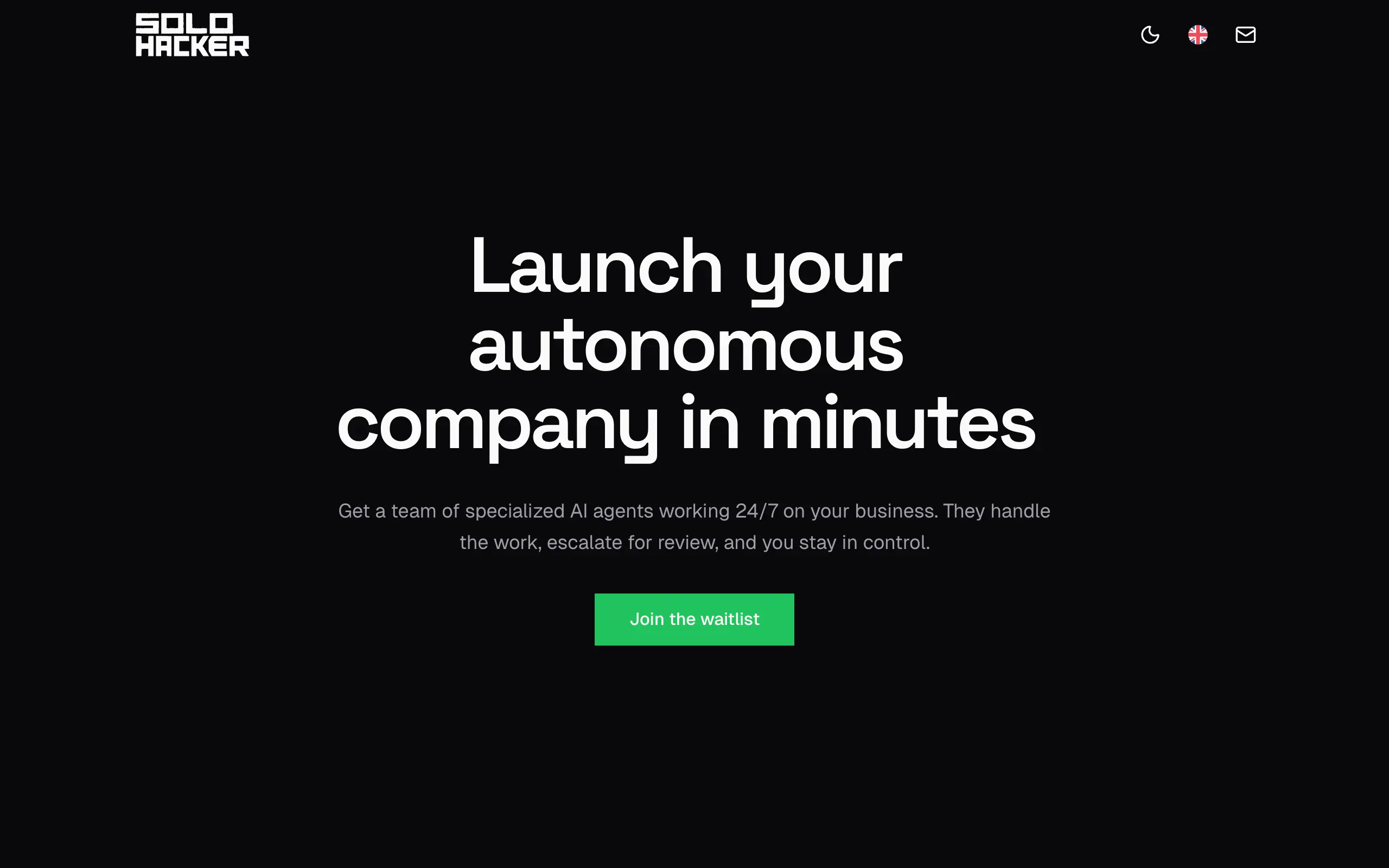
Solohacker
Autonomous company launcher - AI agents work 24/7, escalate what matters, and you stay in control 🤖
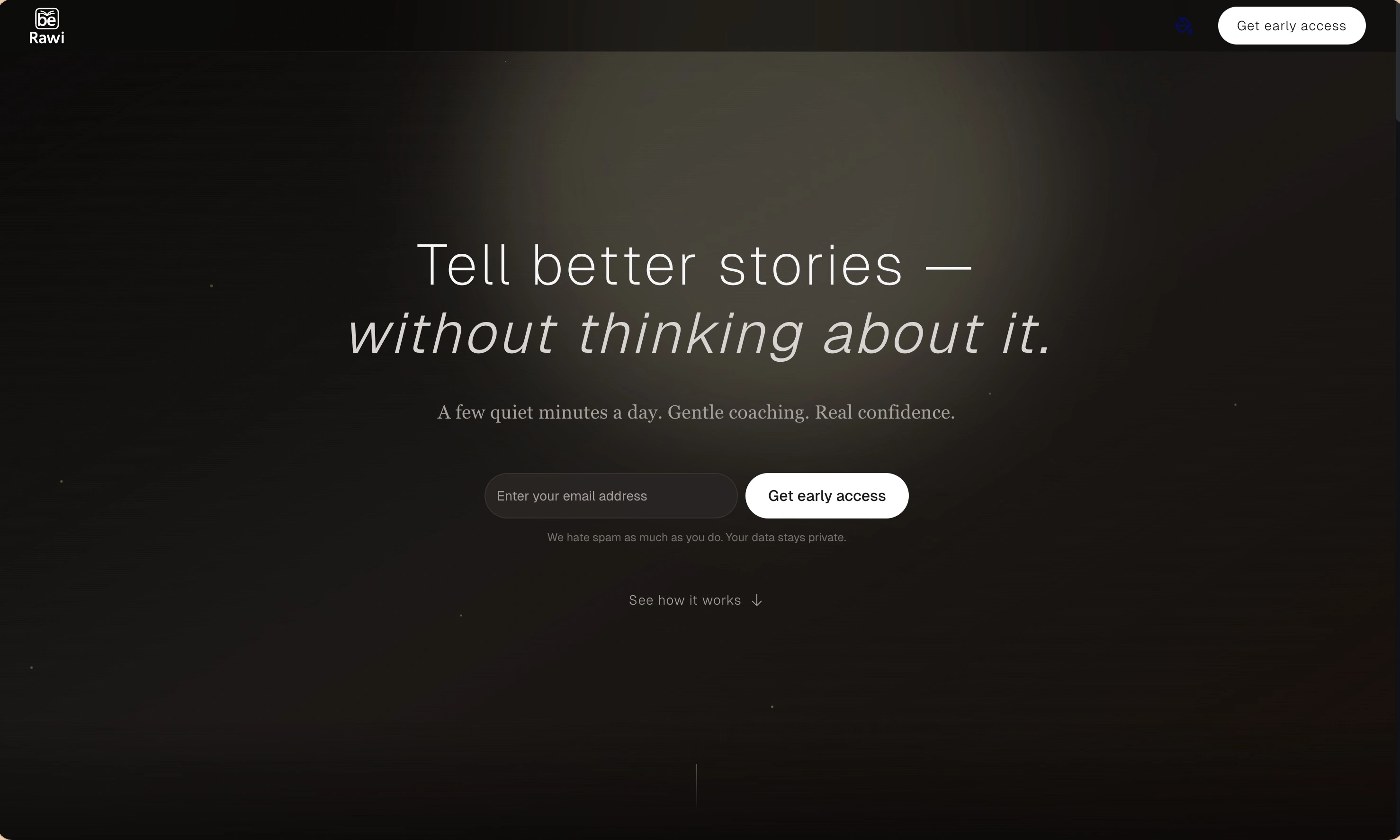
BeRawi: Storytelling Coach
Practice storytelling daily with instant feedback to sound clearer, more engaging, and confident 🎤
Omichat
Chat with 50+ AI models, including ChatGPT and Claude, in one place - switch models anytime without losing context 🤖
Claude Fast
Supercharge your Claude Code with 6x effective context window and specialized AI agents 🤖
EmojAI
AI-powered emoji picker with smart, context-aware suggestions 🤖
Solohacker
Autonomous company launcher - AI agents work 24/7, escalate what matters, and you stay in control 🤖
BeRawi: Storytelling Coach
Practice storytelling daily with instant feedback to sound clearer, more engaging, and confident 🎤

Connect with like-minded people
Join our community to get feedback, support, and grow together with 1,000+ builders on board, let's ship it!
Join usShip your startup everywhere. In minutes.
Don't burn tokens on setup and start building features on day one.