CodeTycoon
Build your tech startup from the ground up in this simulation game for programmers, where coding skill unlocks new game features and challenges.
Understanding CodeTycoon: A simulation game for programmers
CodeTycoon is an innovative simulation game that immerses players—especially those with a programming background—in the authentic highs and lows of building a tech startup from scratch. Unlike ordinary simulation titles, CodeTycoon is designed to leverage and improve your real-world coding skills, unlocking new features and challenges as you progress. This blend of gamification and educational mechanics is set to resonate with a rapidly expanding audience of tech-savvy and entrepreneurial gamers.
In this comprehensive guide, we’ll explore CodeTycoon’s core vision, market fit, unique selling points, feature roadmap, optimal tech stacks, monetization potentials, risks, and actionable steps to go from concept to launch.
Target audience analysis: Who will play CodeTycoon?
To develop a sustainable and popular gaming SaaS such as CodeTycoon, it’s crucial to map the needs, interests, and online behaviors of your ideal users. Let’s break down the primary target audience segments for CodeTycoon:
- Aspiring programmers & computer science students: Millennials and Gen Z learners seeking engaging and interactive ways to sharpen their coding abilities outside of traditional coursework.
- Professional developers: Engineers looking for a fun side project that nonetheless helps them stay mentally sharp, experiment with frameworks, or practice for programming interviews.
- Tech startup enthusiasts: Entrepreneurs and business students curious about the dynamics, trade-offs, and iterative growth challenges of running a real startup.
- Gamers who love tycoon/management simulation games: Fans of games like Game Dev Tycoon, Software Inc, and Startup Company—especially those looking for games with more technical or coding-driven depth.
- Educators & bootcamp instructors: Teachers seeking innovative ways to introduce coding concepts or entrepreneurial thinking to students in a gamified environment.
Key audience motivations:
- Level up real programming skills through hands-on challenges.
- Experience the thrill (and stress) of growing a startup.
- Learn from simulated failure without real financial risk.
- Earn badges, compete on leaderboards, or even collaborate in multiplayer modes.
Market opportunity: The gap CodeTycoon fills
The intersection of educational technology, gamification, and the ever-growing interest in software startups presents an exciting market window. Let’s assess where CodeTycoon fits—and disrupts—the competitive simulation game landscape.
Current landscape of coding simulation games
Most coding-centric simulation games focus primarily on abstract business management (e.g., hiring staff, launching products). Conversely, code education platforms like Codecademy or LeetCode offer real programming challenge—but lack the immersive storytelling, resource management, and progression mechanics beloved by gamers.
What’s missing:
An authentic, fun, and customizable experience where programming skills genuinely impact gameplay depth, unlocking new scenarios and features. Learners want to see their code proficiency have in-game consequences, not just tick off quizzes.
| Game/Platform | Real Coding Impact | Startup Simulation | Educational Value | Moddability | |
|---|---|---|---|---|---|
| Game Dev Tycoon | ❌ | ✅ | ❌ | ✅ | ❌ |
| CodeTycoon | ✅ | ✅ | ✅ | ✅ | ❌ |
Key market trends supporting CodeTycoon
- Explosion in learn-to-code demand: Coding bootcamp attendance and self-guided learning platforms have seen double-digit YoY growth since 2020.
- Rise of gamification in education: Gamified platforms improve learner engagement and retention rates (Source: suggest referencing the 2023 Gamification in Education survey results).
- "Play-to-learn" and hybrid edutainment: The success of titles like Human Resource Machine shows there’s appetite for coding-centered gameplay.
- Indie game market growth: The indie game space is expected to grow by 7.9% CAGR through 2027 (Source: suggest referencing Global Games Market Report).
Key insight
CodeTycoon is uniquely positioned to combine actual technical upskilling with the addictive loops of management sims—solving for both fun and educational utility, a gap not yet filled by existing titles.
Core features: What makes CodeTycoon unique?
The secret to CodeTycoon’s appeal lies in how deftly it knits coding, business simulation, and gamification into a cohesive, rewarding experience.
Core gameplay loops
Found & grow your virtual tech company
Start with a minimal product concept and bootstrap your way to unicorn status, making key technical and business decisions along the way.
Real code unlocks real features
Challenge players with actual programming problems. Successfully completed challenges unlock new features, automate processes, or improve resource efficiency in-game.
Hire, mentor, and scale your team
Recruit AI or real players as your team grows. Mentor staff to boost productivity, ship faster, and handle burnouts—all reflecting realistic startup life.
Dynamic market events
Adapt to simulated tech booms, economic downturns, or surprise competitor launches that test your strategic flexibility.
Upgradeable tech stack
Choose (and upgrade) between different real-world tech stacks, each with trade-offs in speed, reliability, and developer happiness.
Multiplayer and community modes
Compete or collaborate with friends or the public, benchmarking your virtual startup's growth and survival rate.
LSI keywords and how they relate
Throughout these features, CodeTycoon naturally incorporates LSI keywords such as:
"startup simulator," "code challenge game," "business strategy simulation," "gamified coding platform," "developer edutainment," and "software company management."
Feature breakdown & sample gameplay flow
-
Startup foundation
- Pick a startup genre (SaaS, mobile app, AI, etc.)
- Generate your founder avatar, with traits impacting learning speed/coding focus.
-
MVP design and first lines of code
- Write or solve programming puzzles in real languages (e.g., Python, JavaScript, or pseudo-code).
- Coding accuracy and efficiency determine early product quality.
-
Recruitment & scaling
- Meet AI or real resumes; make hiring and firing decisions.
- Assign tasks, implement SCRUM/Sprints, or delegate mentoring.
-
Market adaptation
- Respond to customer feedback, adapt product roadmap.
- Navigate real-world phenomena—bugs, outages, funding rounds, tech debt.
-
Exit or expand
- IPO, acquisition, or continue scaling toward global dominance.
- Earn badges, unlock harder coding challenges, or try new startup genres.
Recommended tech stack for CodeTycoon
Building a SaaS simulation game with in-depth programming mechanics and multiplayer features requires careful tech stack selection. Trade-offs in scalability, cross-platform support, and development speed should be weighed.
Suggested frontend technologies
- React: Best-in-class component-driven UI, massive community, flexible for interactive dashboards and gameplay loops.
- Next.js: Provides server-side rendering, static site generation, and excellent SEO for landing pages/community features.
- TailwindCSS: Rapid prototyping and utility-first styling, ideal for a slick, developer-friendly look.
- Canvas/WebGL framework (PixiJS or Three.js): For the optional gameboard or interactive visualizations.
Backend & real-time multiplayer
- Node.js: Great for real-time websockets, matchmaking, and scalable logic.
- PostgreSQL: Advanced relational database, perfect for storing user/player stats, company growth states, and achievements.
- Redis: Caching, leaderboard management, and real-time session handling.
- Socket.io: Real-time multiplayer logic (matches, co-op, leaderboards).
Code challenge engine
- Safe sandboxing service (e.g., Docker) for running user-submitted code.
- Optional: Integrate with an external evaluation platform (Sphere Engine) for language diversity and security.
DevOps & deployment
- Cloud hosting on AWS, Google Cloud, or Vercel for fast scaling.
- Continuous Integration/Deployment via GitHub Actions.
Trade-offs to consider
-
Web-first vs. desktop/mobile native:
Web stacks (React/Next.js) offer easy access and fast iteration, but performance-intensive features (high frame-rate animation, advanced graphics) may require supplementing with game engines for native desktop apps later (consider Electron). -
Security for code execution:
Running real code in a browser is risky without robust sandboxing. Start with supported languages and gradually expand once security processes are hardened.
Monetization strategy: Turning CodeTycoon into sustainable SaaS
CodeTycoon’s hybrid nature—part game, part ed-tech platform—enables multiple monetization paths. Each path can be tailored to user base preference and market feedback.
Proven SaaS game monetization models
- Freemium base game
- Free core gameplay with premium "pro packs" (additional startup genres, advanced coding challenges, special events).
- Monthly/annual subscriptions
- Access to all content, exclusive features, and multiplayer community events.
- Educational/bulk licensing
- Sell annual site licenses to coding bootcamps, universities, and schools. Offer instructor dashboards and reporting.
- Skill validation ‘certification’
- For a fee, users complete rigorous challenge tracks and earn shareable credentials for resumes or LinkedIn.
- Cosmetic & social upgrades
- Paid skins for avatars, unique company office designs, or special animations/badges.
- In-game advertising or sponsorships
- Brand partnerships with real-world tech companies, tools, or hardware providers, relevantly integrated.
Pricing recommendations
- Start with an approachable $8–$12/month subscription for individuals.
- Educational site licenses at $500–$2000/year depending on institution size.
- Bundle exclusive content packs for $5–$15 each (limited run events, advanced challenge arcs).
Ensure paid content focuses on cosmetic, storyline, or community perks—not core gameplay advantages or learning track blockers.
Risks and mitigation strategies
Even with a robust SaaS idea and clear demand, CodeTycoon faces challenges unique to hybrid gaming and educational platforms.
Key risks
- Security & abuse of code execution: Player-submitted code could be exploited to harm the system.
- Educational rigor vs. fun: Too much real coding may frustrate gamers seeking ‘fun first.’ Too little may not engage programmers.
- Player retention: Sims and edutainment games are prone to early drop-off after initial curiosity wears out.
- Market oversaturation: New simulation games launch frequently; need to maintain ongoing differentiation.
- Scaling multiplayer infrastructure: Player base surges can overwhelm real-time systems.
How to mitigate
- Use strict sandboxing (Docker/VMs), input validation, and resource limits for code execution security.
- Offer adjustable challenge difficulty, robust onboarding, and both “business sim” and “coding path” tracks for different player types.
- Invest in community management, update roadmap transparency, and regular events/content drops.
- Establish a clear, unique brand identity and reward real skill progression.
- Build with scalable backend infrastructure from day 1; leverage cloud auto-scaling and queueing.
Competitive advantage: Why CodeTycoon stands out
Let’s summarize CodeTycoon’s unique selling proposition in the context of direct and adjacent competitors.
Real skill unlocks, not just idle clicks
Progress and game advancement directly tied to solving real programming tasks, unlike most idle or clicker management sims.
Customizable learning tracks
Players tailor the coding language, challenge depth, and business scenarios to their background and learning objectives.
Built for both solo devs and classrooms
Robust single-player modes and multiplayer/team options, with teacher dashboards for educational deployment.
Relentless replayability
Randomized events, strategic pivots, unlockable storylines, and constantly updating challenge pools keep returning players engaged.
Instant feedback, global community, and real coding recognition
Active leaderboards, social sharing, and meaningful badges validate coding skill and business acumen, supporting real-world career goals.
TurboStarter: your SaaS launchpad
TurboStarter is the perfect companion tool for getting your SaaS product off the ground, with templates and integrations that can accelerate CodeTycoon’s MVP launch. Check out TurboStarter for best practices and free resources.
Implementation steps: How to bring CodeTycoon to life
Launching a sophisticated simulation game SaaS like CodeTycoon requires moving swiftly yet strategically. Here’s a pragmatic launch roadmap:
Research & Validation:
Conduct deep user interviews with target segments, build a quick landing page, and gauge interest. Use sign-up intent, survey feedback, and community listening (Reddit, Discord, forums).
Design MVP pipeline:
Define core game loops, build clickable wireframes, and map coding challenge mechanics. Prioritize 1–2 startup storylines and 3+ core coding tracks.
Choose and set up initial tech stack:
Assemble the web frontend (React + TailwindCSS), backend (Node.js, Postgres), and begin integrating code challenge sandboxing.
Develop core features:
Implement incremental management sim logic, onboarding, first coding challenge flows, and persistent player progression.
Secure multiplayer pilot:
Add Socket.io-based multiplayer or leaderboard, and test for concurrency/support load.
Launch closed beta:
Invite early access users; collect granular feedback, usage metrics, and bug data.
Iterate & polish:
Refine based on feedback, expand content libraries, prepare additional language support, and optimize the security of the code executor.
Public launch & scale:
Release full version, ramp up community-building, influencer partnerships, and educational outreach.
Conclusion: Building the future of edutainment with CodeTycoon
CodeTycoon is more than a typical simulation game—it’s a next-generation SaaS platform gamifying the very real, exhilarating process of launching a tech startup. By uniting advanced coding challenges, business strategy, and multiplayer engagement, it directly addresses the needs of both current and aspiring developers.
If you’re passionate about building impactful edtech, hybrid games, or simply crave to “play” your way to entrepreneurial mastery—CodeTycoon is an unmissable opportunity. Prioritize clear onboarding, robust security, and a steady cadence of fresh content to create a sticky, high-retention community.
For further inspiration or to accelerate your SaaS launch journey, be sure to explore TurboStarter—your launchpad for SaaS excellence.
Frequently asked questions
It uniquely ties real coding proficiency to simulation gameplay depth, integrating both management challenges and technical upskilling.
Absolutely—adjustable challenge levels and robust onboarding make it accessible, while still offering depth for advanced developers.
Yes; educator dashboards and group play mechanics are planned for bulk educational licenses and classroom integration.
A regular roadmap of monthly updates is planned, including new coding tracks, startup genres, and seasonal events.
More 🎮 Game SaaS ideas
Discover more innovative game SaaS ideas that are trending in 2026. Each idea is AI-generated with market validation and growth potential to help you find your next profitable venture faster than competitors.
Your competitors are building with TurboStarter
Below are some of the SaaS ideas that have been generated and built with our starter kit.
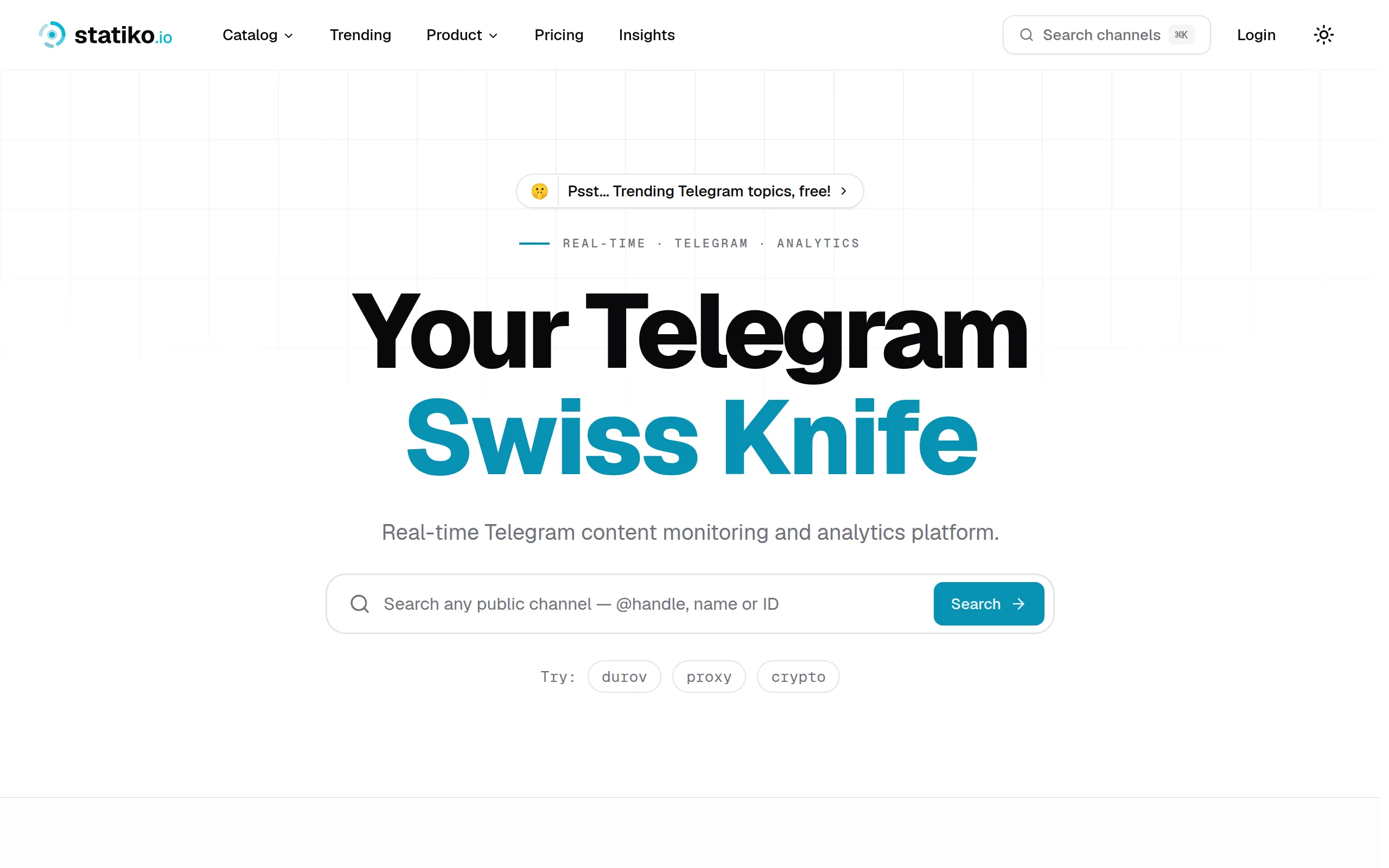
Statiko
Monitor any Telegram channel in real time - track posts, edits, deletions, and growth with AI recaps 📡

Shibui
AI website builder - describe your business, pick a niche template, edit by chatting, and publish instantly ✨

Pro Service
Find verified home service professionals, compare quotes, and pay securely through escrow - built for Brazilians across the US 🏠

RankGrow
Fix your SEO with AI agents - connect Search Console, get prioritized tasks, and grow organic traffic 📈
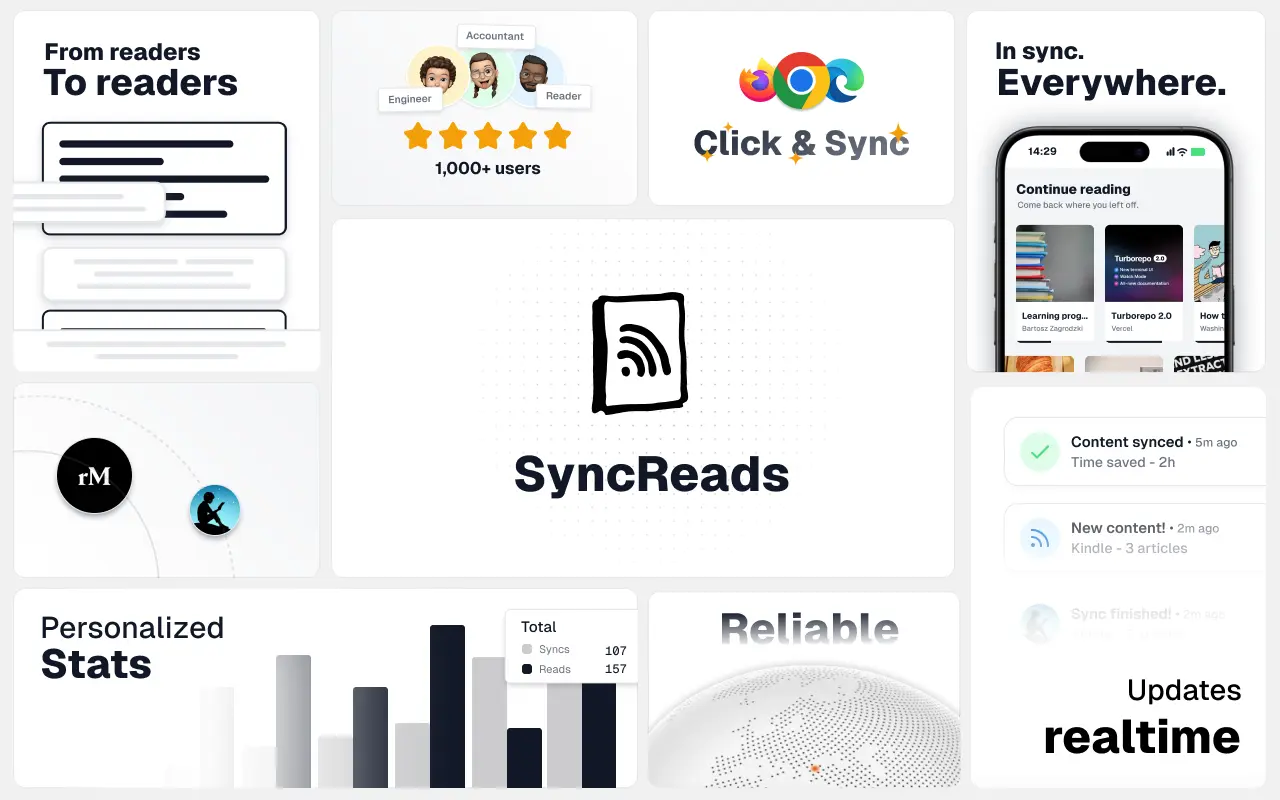
SyncReads
Sync your favorite content for distraction-free reading, save time and replace multiple apps. Anytime, anywhere 🔄
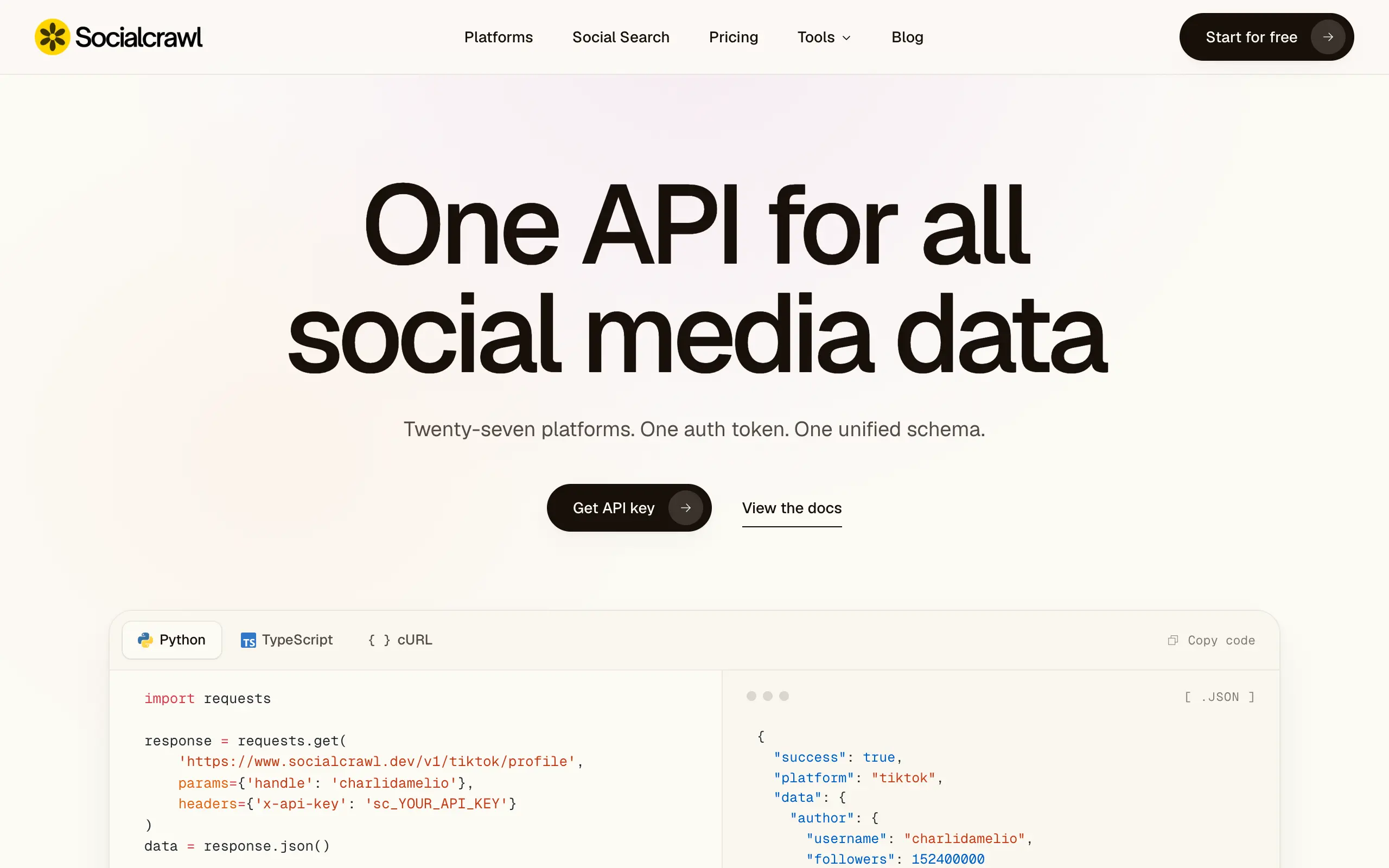
Socialcrawl
Get clean, structured data from 21 platforms like TikTok, Instagram, and YouTube with a single request 📊
Statiko
Monitor any Telegram channel in real time - track posts, edits, deletions, and growth with AI recaps 📡
Shibui
AI website builder - describe your business, pick a niche template, edit by chatting, and publish instantly ✨
Pro Service
Find verified home service professionals, compare quotes, and pay securely through escrow - built for Brazilians across the US 🏠
RankGrow
Fix your SEO with AI agents - connect Search Console, get prioritized tasks, and grow organic traffic 📈
SyncReads
Sync your favorite content for distraction-free reading, save time and replace multiple apps. Anytime, anywhere 🔄
Socialcrawl
Get clean, structured data from 21 platforms like TikTok, Instagram, and YouTube with a single request 📊
Statiko
Monitor any Telegram channel in real time - track posts, edits, deletions, and growth with AI recaps 📡
Shibui
AI website builder - describe your business, pick a niche template, edit by chatting, and publish instantly ✨
Pro Service
Find verified home service professionals, compare quotes, and pay securely through escrow - built for Brazilians across the US 🏠
RankGrow
Fix your SEO with AI agents - connect Search Console, get prioritized tasks, and grow organic traffic 📈
SyncReads
Sync your favorite content for distraction-free reading, save time and replace multiple apps. Anytime, anywhere 🔄
Socialcrawl
Get clean, structured data from 21 platforms like TikTok, Instagram, and YouTube with a single request 📊
Statiko
Monitor any Telegram channel in real time - track posts, edits, deletions, and growth with AI recaps 📡
Shibui
AI website builder - describe your business, pick a niche template, edit by chatting, and publish instantly ✨
Pro Service
Find verified home service professionals, compare quotes, and pay securely through escrow - built for Brazilians across the US 🏠
RankGrow
Fix your SEO with AI agents - connect Search Console, get prioritized tasks, and grow organic traffic 📈
SyncReads
Sync your favorite content for distraction-free reading, save time and replace multiple apps. Anytime, anywhere 🔄
Socialcrawl
Get clean, structured data from 21 platforms like TikTok, Instagram, and YouTube with a single request 📊
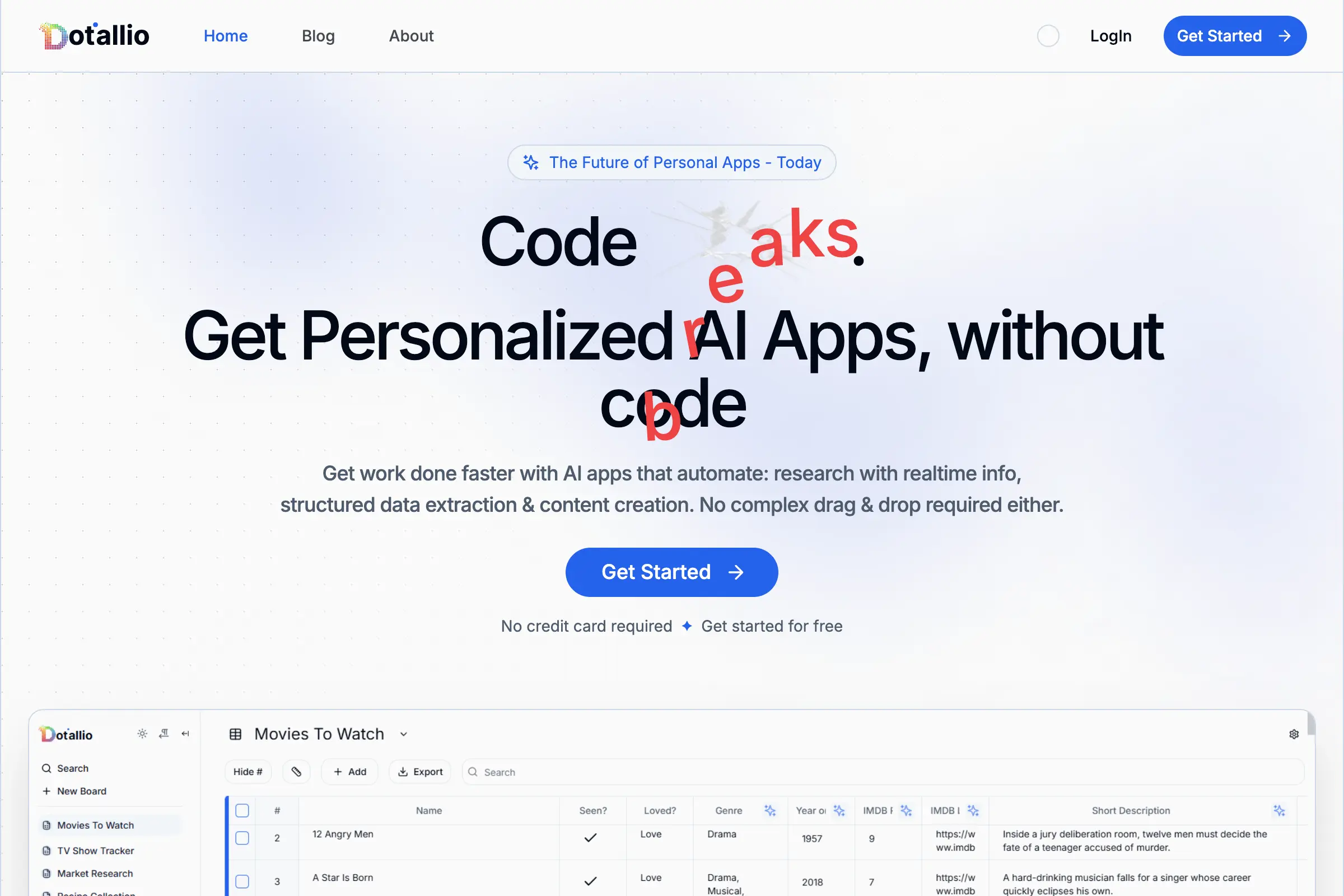
Dotallio
Personalized AI apps that automate research, data extraction, and content creation without code 🤖

Talk to Santa
Enjoy a magical live video chat or receive a unique AI-generated video greeting from Santa Claus 🎅

pozywka.pl
Scalable blog for food journalist, focused on performance and user experience 🌭
zagrodzki.me
Personal blog and portfolio of Bart Zagrodzki, where he shares his knowledge and work 💼
TurboStarter
Ship your startup everywhere. In minutes.
HTML to Markdown
Convert HTML to Markdown with ease, directly in your browser 📄
Dotallio
Personalized AI apps that automate research, data extraction, and content creation without code 🤖
Talk to Santa
Enjoy a magical live video chat or receive a unique AI-generated video greeting from Santa Claus 🎅
pozywka.pl
Scalable blog for food journalist, focused on performance and user experience 🌭
zagrodzki.me
Personal blog and portfolio of Bart Zagrodzki, where he shares his knowledge and work 💼
TurboStarter
Ship your startup everywhere. In minutes.
HTML to Markdown
Convert HTML to Markdown with ease, directly in your browser 📄
Dotallio
Personalized AI apps that automate research, data extraction, and content creation without code 🤖
Talk to Santa
Enjoy a magical live video chat or receive a unique AI-generated video greeting from Santa Claus 🎅
pozywka.pl
Scalable blog for food journalist, focused on performance and user experience 🌭
zagrodzki.me
Personal blog and portfolio of Bart Zagrodzki, where he shares his knowledge and work 💼
TurboStarter
Ship your startup everywhere. In minutes.
HTML to Markdown
Convert HTML to Markdown with ease, directly in your browser 📄
Dotallio
Personalized AI apps that automate research, data extraction, and content creation without code 🤖
Talk to Santa
Enjoy a magical live video chat or receive a unique AI-generated video greeting from Santa Claus 🎅
pozywka.pl
Scalable blog for food journalist, focused on performance and user experience 🌭
zagrodzki.me
Personal blog and portfolio of Bart Zagrodzki, where he shares his knowledge and work 💼
TurboStarter
Ship your startup everywhere. In minutes.
HTML to Markdown
Convert HTML to Markdown with ease, directly in your browser 📄
Omichat
Chat with 50+ AI models, including ChatGPT and Claude, in one place - switch models anytime without losing context 🤖
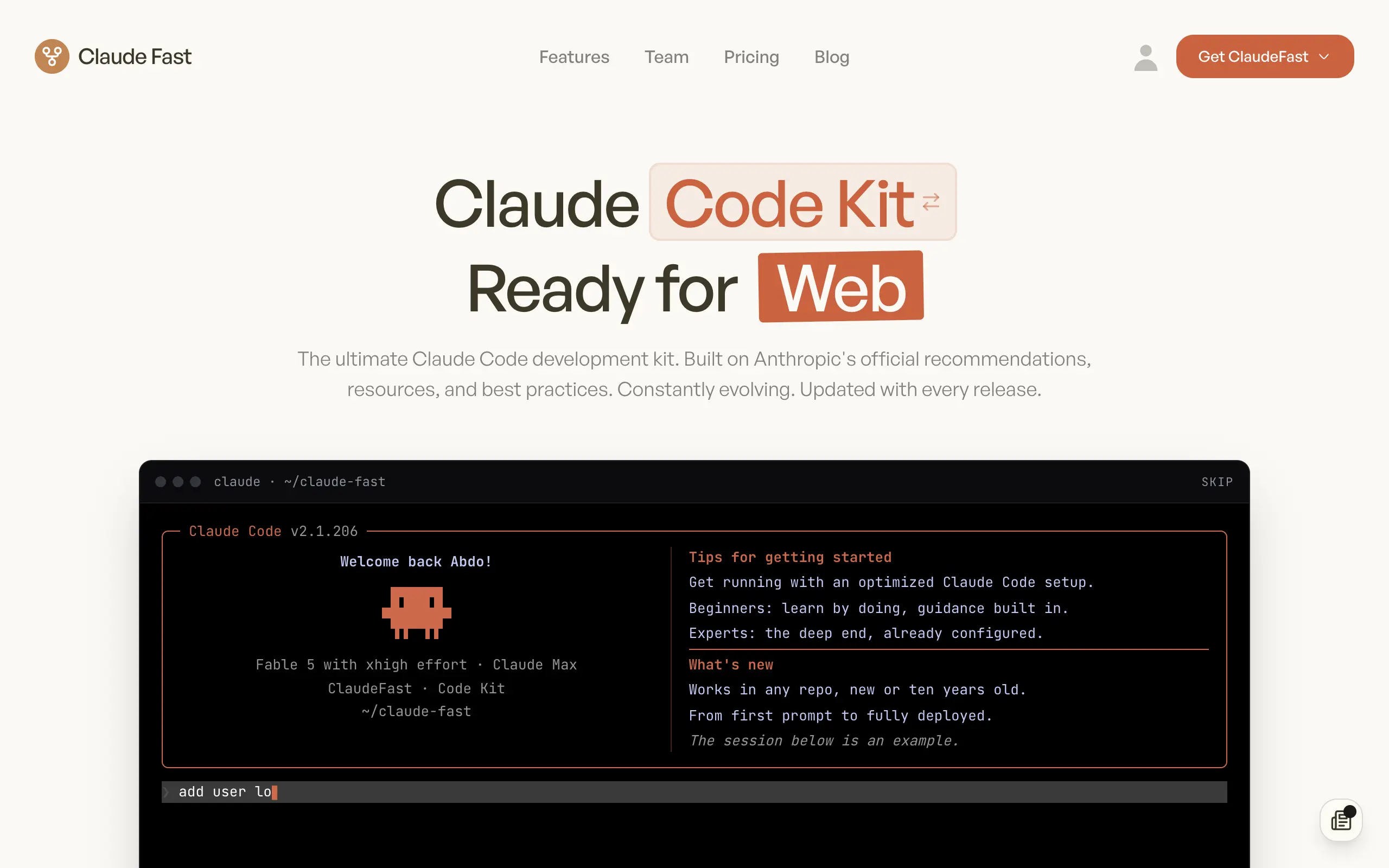
Claude Fast
Supercharge your Claude Code with 6x effective context window and specialized AI agents 🤖
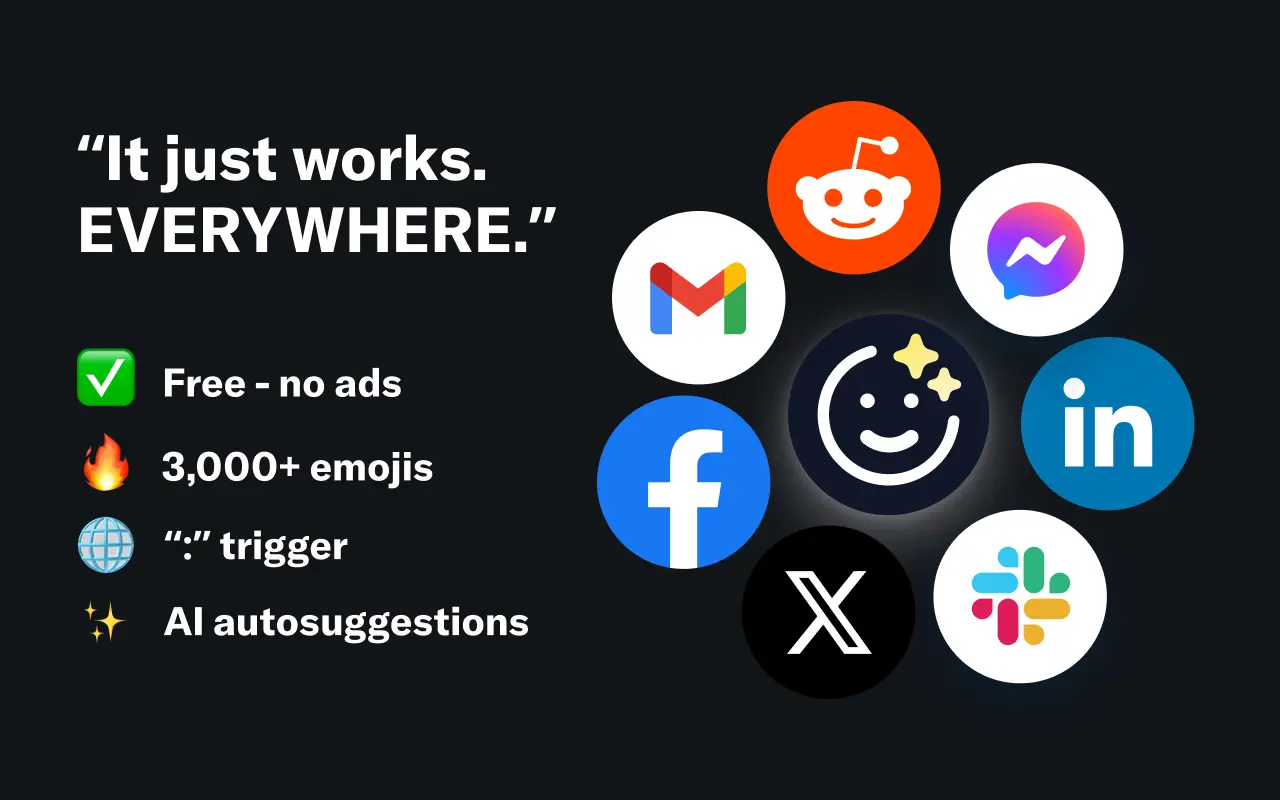
EmojAI
AI-powered emoji picker with smart, context-aware suggestions 🤖

Solohacker
Autonomous company launcher - AI agents work 24/7, escalate what matters, and you stay in control 🤖

BeRawi: Storytelling Coach
Practice storytelling daily with instant feedback to sound clearer, more engaging, and confident 🎤
Omichat
Chat with 50+ AI models, including ChatGPT and Claude, in one place - switch models anytime without losing context 🤖
Claude Fast
Supercharge your Claude Code with 6x effective context window and specialized AI agents 🤖
EmojAI
AI-powered emoji picker with smart, context-aware suggestions 🤖
Solohacker
Autonomous company launcher - AI agents work 24/7, escalate what matters, and you stay in control 🤖
BeRawi: Storytelling Coach
Practice storytelling daily with instant feedback to sound clearer, more engaging, and confident 🎤
Omichat
Chat with 50+ AI models, including ChatGPT and Claude, in one place - switch models anytime without losing context 🤖
Claude Fast
Supercharge your Claude Code with 6x effective context window and specialized AI agents 🤖
EmojAI
AI-powered emoji picker with smart, context-aware suggestions 🤖
Solohacker
Autonomous company launcher - AI agents work 24/7, escalate what matters, and you stay in control 🤖
BeRawi: Storytelling Coach
Practice storytelling daily with instant feedback to sound clearer, more engaging, and confident 🎤
Omichat
Chat with 50+ AI models, including ChatGPT and Claude, in one place - switch models anytime without losing context 🤖
Claude Fast
Supercharge your Claude Code with 6x effective context window and specialized AI agents 🤖
EmojAI
AI-powered emoji picker with smart, context-aware suggestions 🤖
Solohacker
Autonomous company launcher - AI agents work 24/7, escalate what matters, and you stay in control 🤖
BeRawi: Storytelling Coach
Practice storytelling daily with instant feedback to sound clearer, more engaging, and confident 🎤

Connect with like-minded people
Join our community to get feedback, support, and grow together with 1,000+ builders on board, let's ship it!
Join usShip your startup everywhere. In minutes.
Don't burn tokens on setup and start building features on day one.