EchoHeist
A stealth puzzle game where players solve heists using sound instead of sight. Outsmart guards by manipulating echoes, noise, and silence in immersive audio-first levels.
Understanding the concept behind EchoHeist
EchoHeist is an audio-first stealth puzzle game where sound replaces sight as the primary mechanic. Players navigate heist-style missions by listening carefully, manipulating echoes, creating distractions, and leveraging silence to outsmart guards and environmental hazards. Instead of relying on visuals, EchoHeist challenges players to build a mental map of the level through spatial audio cues.
The primary keyword for this idea is audio-first stealth puzzle game, with related semantic keywords such as sound-based game design, audio-only games, immersive audio gameplay, stealth puzzle mechanics, and accessibility-focused games. These terms naturally align with the game’s core promise and search intent.
From a market perspective, EchoHeist sits at the intersection of:
- Indie stealth games
- Experimental puzzle games
- Accessibility-driven game design
- Immersive audio experiences
This combination creates a rare opportunity to stand out in a crowded gaming market while also addressing underserved player needs.
Who is EchoHeist for? Target audience analysis
Core player segments
EchoHeist is not a mass-market casual game. Its strength lies in appealing deeply to specific, highly engaged audiences:
1. Indie and experimental game enthusiasts
These players actively seek out:
- Unique mechanics
- Non-traditional gameplay loops
- Games featured at indie showcases or festivals
They are comfortable with abstraction and are often early adopters who amplify word-of-mouth.
2. Stealth and puzzle game fans
Players who enjoy titles like stealth-based or logic-driven games are already primed for:
- Trial-and-error learning
- Environmental awareness
- Strategic planning
EchoHeist replaces vision with sound, but the cognitive challenge is familiar.
3. Accessibility-focused gamers
Audio-first design opens the door for:
- Blind or visually impaired players
- Players with visual fatigue or preference for non-visual gameplay
Accessibility is not an afterthought here; it is the core mechanic.
4. Headphone and immersive audio enthusiasts
With the rise of spatial audio, high-quality headphones, and binaural sound:
- Players are increasingly interested in sound-driven experiences
- EchoHeist becomes a showcase for what modern audio design can achieve
Player motivations and search intent
When users search for an audio-first stealth puzzle game, they are often looking for:
- Validation that such games exist and are well-designed
- Insight into how sound-based gameplay works in practice
- Innovation beyond traditional visual mechanics
- A meaningful, immersive experience rather than pure action
EchoHeist directly satisfies this intent by offering a clear, differentiated gameplay loop rooted in sound.
Market opportunity: why audio-first games are still rare
Despite advancements in game engines and audio middleware, sound remains underutilized as a primary gameplay system. Most games treat audio as:
- Feedback (gunshots, footsteps)
- Atmosphere (music, ambient noise)
- Accessibility support (subtitles, cues)
Very few games make sound the main interface.
The gap EchoHeist addresses
There is a clear market gap at the intersection of:
- Stealth gameplay
- Puzzle-solving
- Audio-first interaction
This gap exists for several reasons:
- Audio design is technically complex
- Visual-first design is the industry default
- Accessibility is often deprioritized
EchoHeist turns these challenges into a competitive advantage.
Strategic insight
Games that challenge dominant design conventions often gain disproportionate visibility in indie showcases, press coverage, and streaming platforms.
Core gameplay loop: how EchoHeist works
At its heart, EchoHeist is about listening, interpreting, and acting.
Key mechanics
Spatial audio navigation
Players understand their environment through:
- Footsteps approaching or receding
- Echoes bouncing off walls
- Changes in reverb indicating room size
This creates a mental map without visual cues.
Noise as a tool
Sound is not just information; it is a weapon:
- Throw objects to create distractions
- Trigger alarms intentionally to redirect guards
- Use silence to hide movement
Guard AI driven by sound
Enemies respond dynamically to:
- Volume
- Direction
- Frequency
This enables emergent gameplay rather than scripted solutions.
Puzzle-driven level design
Each level is crafted as a sonic puzzle:
- Multiple solutions exist
- Player creativity is rewarded
- Mastery comes from understanding sound behavior
Why EchoHeist stands out: the unique selling proposition
EchoHeist’s USP is clear and defensible:
A stealth puzzle game designed from the ground up around sound, not sight.
This leads to several differentiators:
- Accessibility by design, not by patch
- High immersion, especially with headphones
- Replayability, as players experiment with sound strategies
- Strong brand identity, easy to communicate in one sentence
Audio-first gameplay
Sound is the main interface, not a supporting system.
Stealth meets accessibility
Designed to be playable without visual reliance.
Emergent problem solving
Multiple valid solutions driven by player creativity.
Competitive landscape analysis
Comparison with traditional stealth games
| Feature | EchoHeist | Traditional stealth games | Audio-only games | Puzzle games |
|---|---|---|---|---|
| Sound-driven mechanics | ✅ | ❌ | ✅ | ❌ |
| Stealth gameplay | ✅ | ✅ | ❌ | ❌ |
| Accessibility-first design | ✅ | ❌ | ✅ | ❌ |
EchoHeist occupies a blue-ocean niche by combining these dimensions rather than competing head-on with AAA stealth titles.
Technology stack for building EchoHeist
Game engine considerations
Unity
Unity is a strong candidate due to:
- Mature audio pipeline
- Large ecosystem of audio tools
- Cross-platform support
Trade-off: Performance tuning is critical for complex audio simulations.
Unreal Engine
Unreal offers:
- Advanced spatial audio support
- High-fidelity sound propagation
Trade-off: Higher complexity and steeper learning curve.
Audio middleware
Using dedicated audio middleware is essential:
- FMOD or Wwise for spatial audio and real-time sound manipulation
- These tools enable dynamic mixing, occlusion, and environmental effects
Frontend and supporting tools
For marketing site, analytics dashboards, or companion tools:
- React for frontend interfaces
- TailwindCSS for rapid UI iteration
For launching faster and validating early traction, many indie teams leverage boilerplates like TurboStarter to handle infrastructure, authentication, and payments outside the core game.
Monetization strategies for EchoHeist
EchoHeist’s niche positioning allows for several viable monetization models.
Premium purchase
- One-time purchase on PC or console
- Aligns well with indie and puzzle audiences
Episodic content
- Base game + paid expansions
- New heists with unique audio challenges
Accessibility-focused licensing
- Partnerships with educational or accessibility organizations
- Institutional licenses or grants
Bundles and soundtracks
- Sell the original soundtrack separately
- Appeal to audio enthusiasts
Monetization caution
Avoid aggressive microtransactions. They can undermine immersion and trust, especially in a premium, accessibility-focused game.
Risks and mitigation strategies
Risk: limited audience size
Mitigation:
- Strong positioning in indie and accessibility communities
- Targeted marketing rather than mass appeal
Risk: audio fatigue
Mitigation:
- Thoughtful pacing
- Adjustable audio settings
- Optional visual assist modes
Risk: technical complexity
Mitigation:
- Start with small, polished levels
- Validate mechanics early with prototypes
Accessibility as a strategic advantage
EchoHeist is not just inclusive; it is inherently accessible.
Key accessibility benefits:
- Playable without sight
- Customizable audio levels and frequencies
- Clear, non-visual feedback loops
This positions EchoHeist well for:
- Awards and grants
- Press coverage
- Community advocacy
Games designed with accessibility at their core often receive coverage from both mainstream and specialized media, increasing organic reach.
Go-to-market strategy
Pre-launch validation
- Release audio demos or vertical slices
- Collect feedback from accessibility communities
Community-driven development
- Open development logs
- Invite players to test sound mechanics
Distribution channels
- PC platforms (Steam, itch.io)
- Console marketplaces later
- Potential mobile adaptation with headphones
Implementation roadmap
Why EchoHeist is a strong long-term bet
EchoHeist is not chasing trends; it is creating a category. As spatial audio, VR, and accessibility continue to gain importance, sound-first design will only become more relevant.
Its strengths include:
- Clear differentiation
- Strong E-E-A-T potential through thoughtful design
- Authentic alignment with accessibility values
For founders, developers, or studios looking to build something memorable and meaningful, EchoHeist represents a rare opportunity to innovate without competing directly with industry giants.
Final thoughts and next steps
EchoHeist proves that innovation in games does not require bigger budgets or better graphics. Sometimes, it simply requires listening differently.
If you are considering turning EchoHeist into a real product, the next step is execution speed and focus. Validate early, listen to players, and build the audio experience with the same care others reserve for visuals.
By grounding its vision in sound, accessibility, and thoughtful design, EchoHeist has the potential to leave a lasting echo in the indie game landscape.
More 🎮 Game SaaS ideas
Discover more innovative game SaaS ideas that are trending in 2026. Each idea is AI-generated with market validation and growth potential to help you find your next profitable venture faster than competitors.
Your competitors are building with TurboStarter
Below are some of the SaaS ideas that have been generated and built with our starter kit.

Statiko
Monitor any Telegram channel in real time - track posts, edits, deletions, and growth with AI recaps 📡

Shibui
AI website builder - describe your business, pick a niche template, edit by chatting, and publish instantly ✨

Pro Service
Find verified home service professionals, compare quotes, and pay securely through escrow - built for Brazilians across the US 🏠
RankGrow
Fix your SEO with AI agents - connect Search Console, get prioritized tasks, and grow organic traffic 📈
SyncReads
Sync your favorite content for distraction-free reading, save time and replace multiple apps. Anytime, anywhere 🔄
Socialcrawl
Get clean, structured data from 21 platforms like TikTok, Instagram, and YouTube with a single request 📊
Statiko
Monitor any Telegram channel in real time - track posts, edits, deletions, and growth with AI recaps 📡
Shibui
AI website builder - describe your business, pick a niche template, edit by chatting, and publish instantly ✨
Pro Service
Find verified home service professionals, compare quotes, and pay securely through escrow - built for Brazilians across the US 🏠
RankGrow
Fix your SEO with AI agents - connect Search Console, get prioritized tasks, and grow organic traffic 📈
SyncReads
Sync your favorite content for distraction-free reading, save time and replace multiple apps. Anytime, anywhere 🔄
Socialcrawl
Get clean, structured data from 21 platforms like TikTok, Instagram, and YouTube with a single request 📊
Statiko
Monitor any Telegram channel in real time - track posts, edits, deletions, and growth with AI recaps 📡
Shibui
AI website builder - describe your business, pick a niche template, edit by chatting, and publish instantly ✨
Pro Service
Find verified home service professionals, compare quotes, and pay securely through escrow - built for Brazilians across the US 🏠
RankGrow
Fix your SEO with AI agents - connect Search Console, get prioritized tasks, and grow organic traffic 📈
SyncReads
Sync your favorite content for distraction-free reading, save time and replace multiple apps. Anytime, anywhere 🔄
Socialcrawl
Get clean, structured data from 21 platforms like TikTok, Instagram, and YouTube with a single request 📊
Statiko
Monitor any Telegram channel in real time - track posts, edits, deletions, and growth with AI recaps 📡
Shibui
AI website builder - describe your business, pick a niche template, edit by chatting, and publish instantly ✨
Pro Service
Find verified home service professionals, compare quotes, and pay securely through escrow - built for Brazilians across the US 🏠
RankGrow
Fix your SEO with AI agents - connect Search Console, get prioritized tasks, and grow organic traffic 📈
SyncReads
Sync your favorite content for distraction-free reading, save time and replace multiple apps. Anytime, anywhere 🔄
Socialcrawl
Get clean, structured data from 21 platforms like TikTok, Instagram, and YouTube with a single request 📊
Dotallio
Personalized AI apps that automate research, data extraction, and content creation without code 🤖

Talk to Santa
Enjoy a magical live video chat or receive a unique AI-generated video greeting from Santa Claus 🎅

pozywka.pl
Scalable blog for food journalist, focused on performance and user experience 🌭
zagrodzki.me
Personal blog and portfolio of Bart Zagrodzki, where he shares his knowledge and work 💼
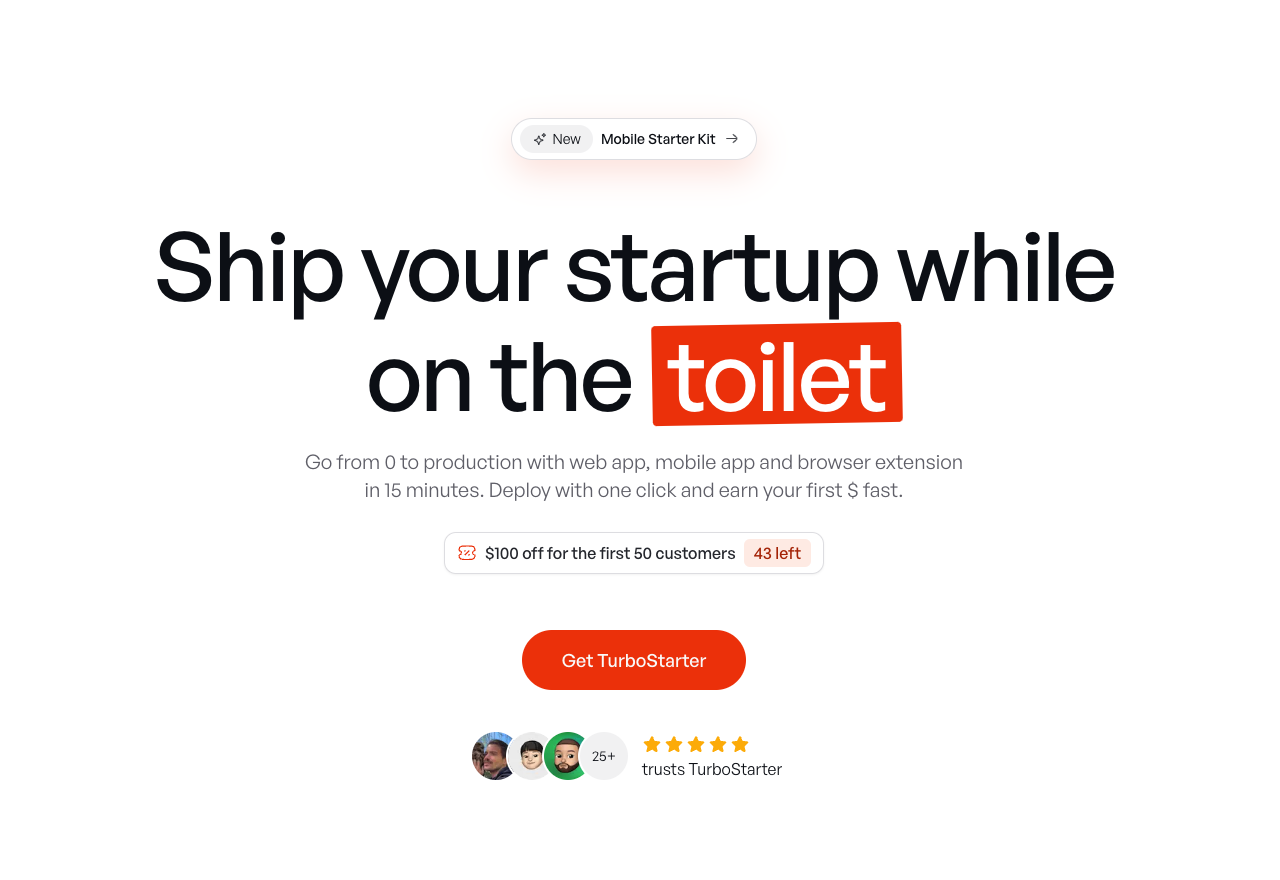
TurboStarter
Ship your startup everywhere. In minutes.
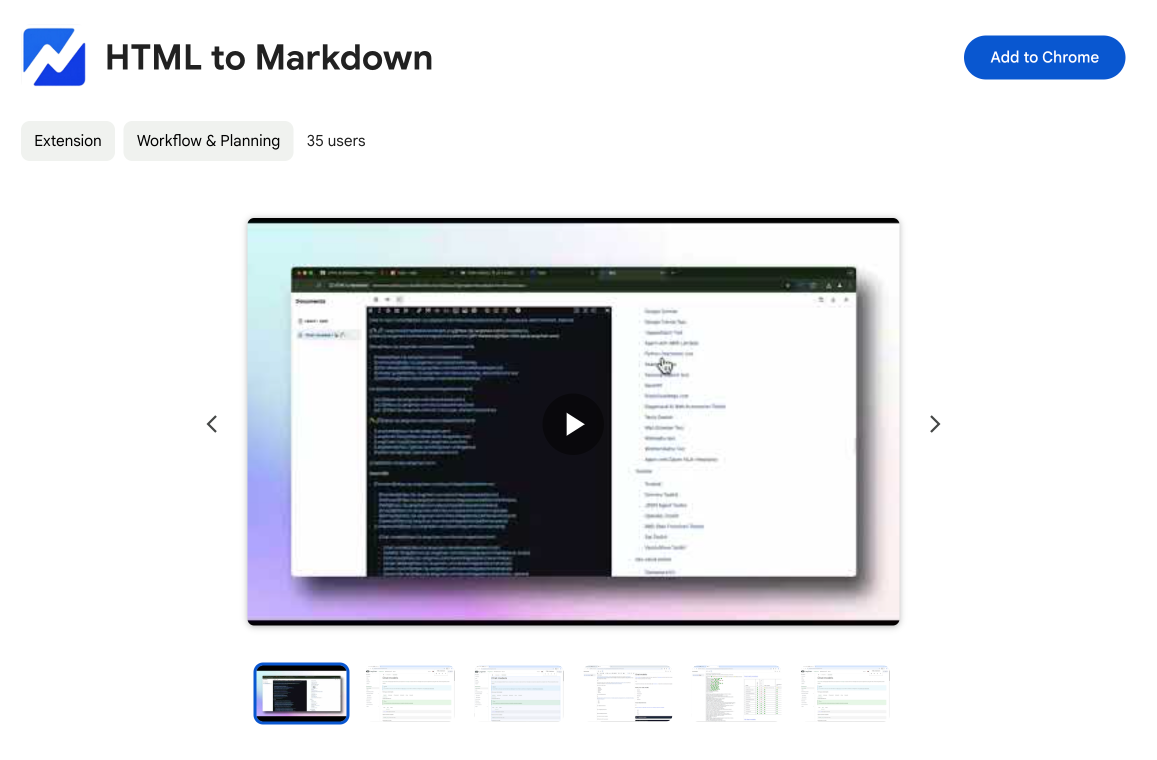
HTML to Markdown
Convert HTML to Markdown with ease, directly in your browser 📄
Dotallio
Personalized AI apps that automate research, data extraction, and content creation without code 🤖
Talk to Santa
Enjoy a magical live video chat or receive a unique AI-generated video greeting from Santa Claus 🎅
pozywka.pl
Scalable blog for food journalist, focused on performance and user experience 🌭
zagrodzki.me
Personal blog and portfolio of Bart Zagrodzki, where he shares his knowledge and work 💼
TurboStarter
Ship your startup everywhere. In minutes.
HTML to Markdown
Convert HTML to Markdown with ease, directly in your browser 📄
Dotallio
Personalized AI apps that automate research, data extraction, and content creation without code 🤖
Talk to Santa
Enjoy a magical live video chat or receive a unique AI-generated video greeting from Santa Claus 🎅
pozywka.pl
Scalable blog for food journalist, focused on performance and user experience 🌭
zagrodzki.me
Personal blog and portfolio of Bart Zagrodzki, where he shares his knowledge and work 💼
TurboStarter
Ship your startup everywhere. In minutes.
HTML to Markdown
Convert HTML to Markdown with ease, directly in your browser 📄
Dotallio
Personalized AI apps that automate research, data extraction, and content creation without code 🤖
Talk to Santa
Enjoy a magical live video chat or receive a unique AI-generated video greeting from Santa Claus 🎅
pozywka.pl
Scalable blog for food journalist, focused on performance and user experience 🌭
zagrodzki.me
Personal blog and portfolio of Bart Zagrodzki, where he shares his knowledge and work 💼
TurboStarter
Ship your startup everywhere. In minutes.
HTML to Markdown
Convert HTML to Markdown with ease, directly in your browser 📄
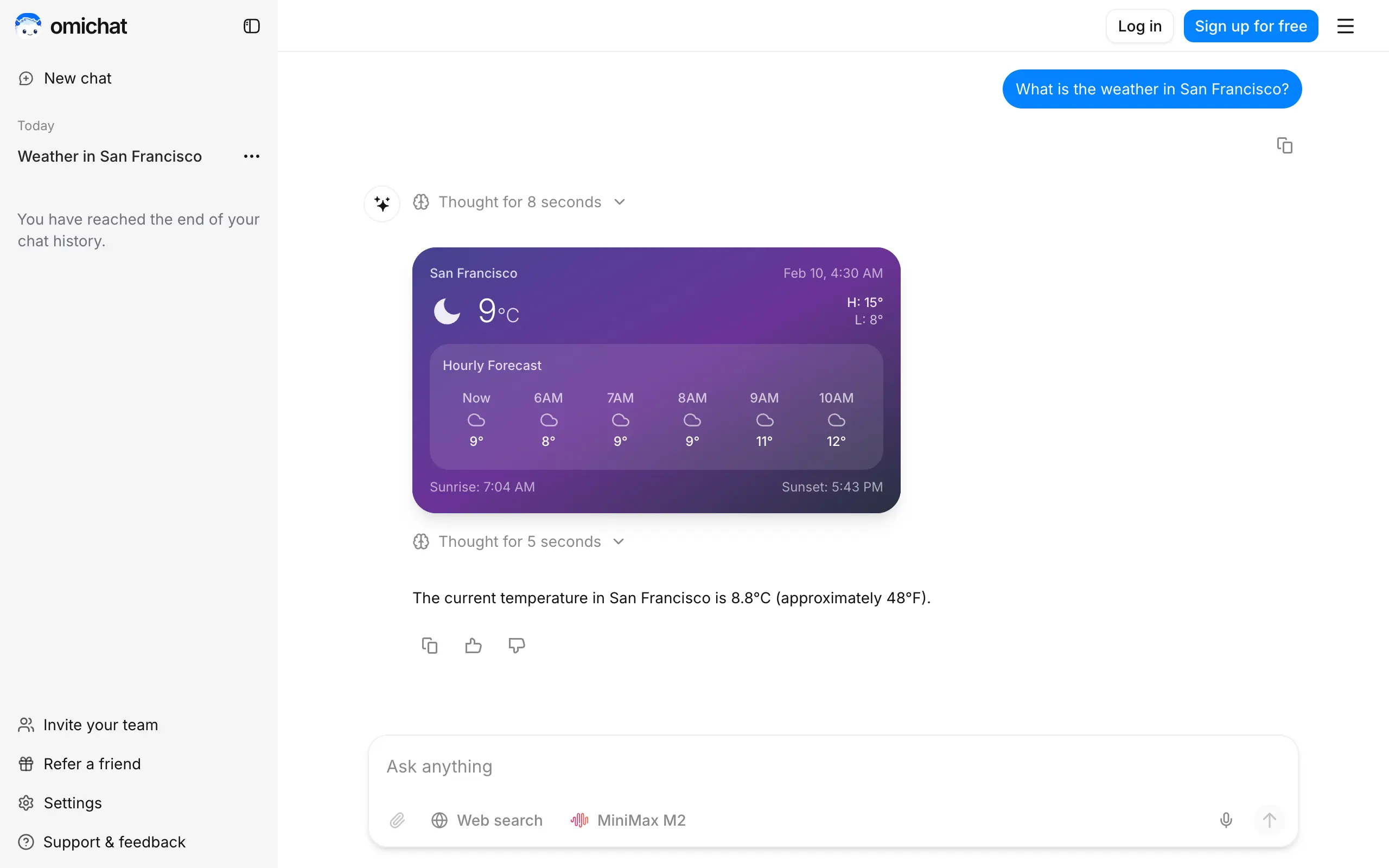
Omichat
Chat with 50+ AI models, including ChatGPT and Claude, in one place - switch models anytime without losing context 🤖
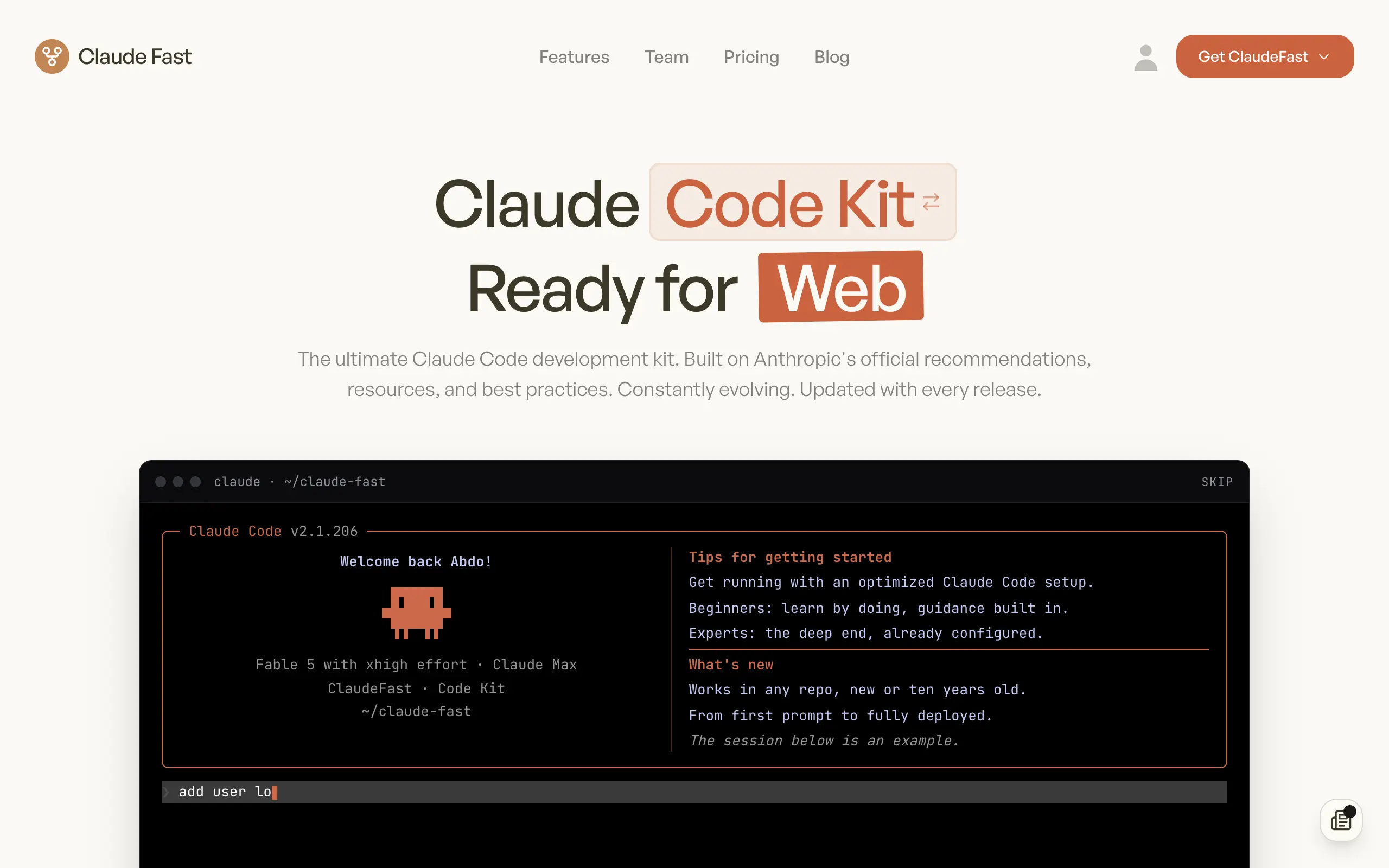
Claude Fast
Supercharge your Claude Code with 6x effective context window and specialized AI agents 🤖
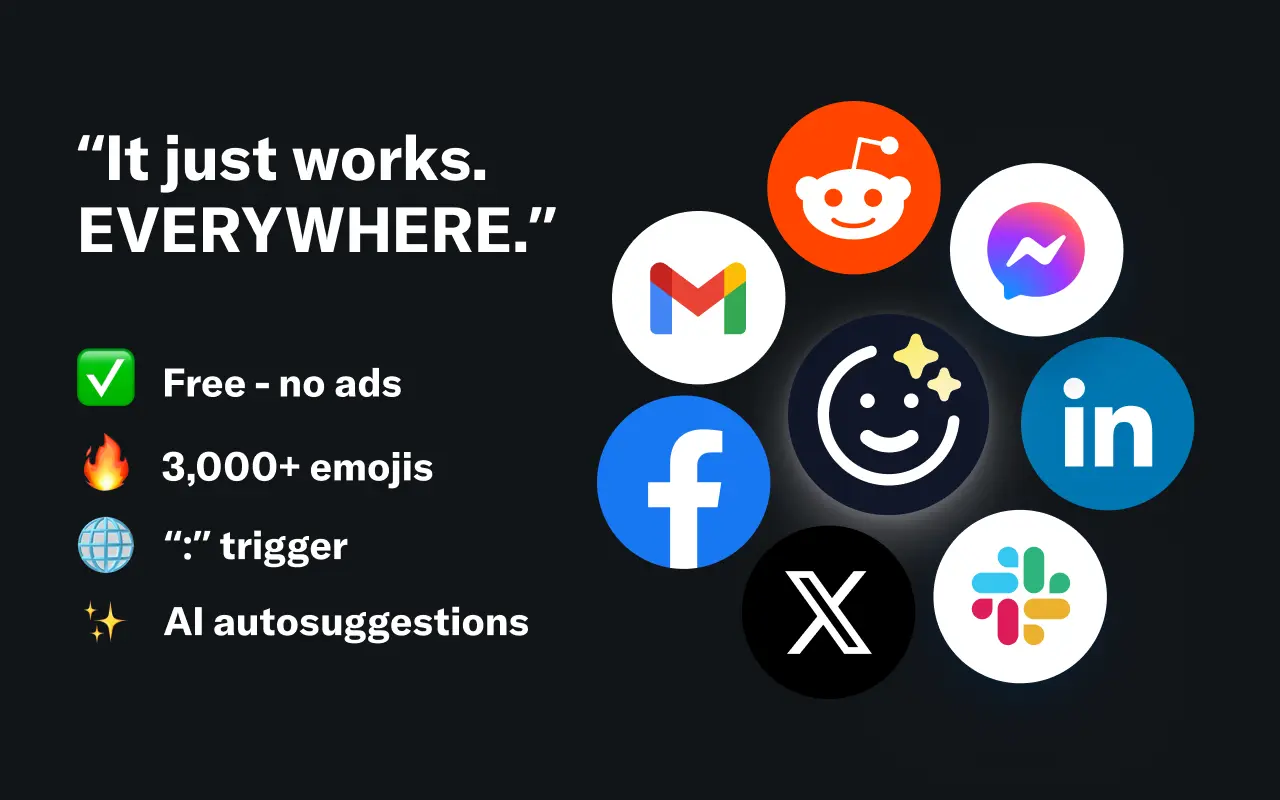
EmojAI
AI-powered emoji picker with smart, context-aware suggestions 🤖
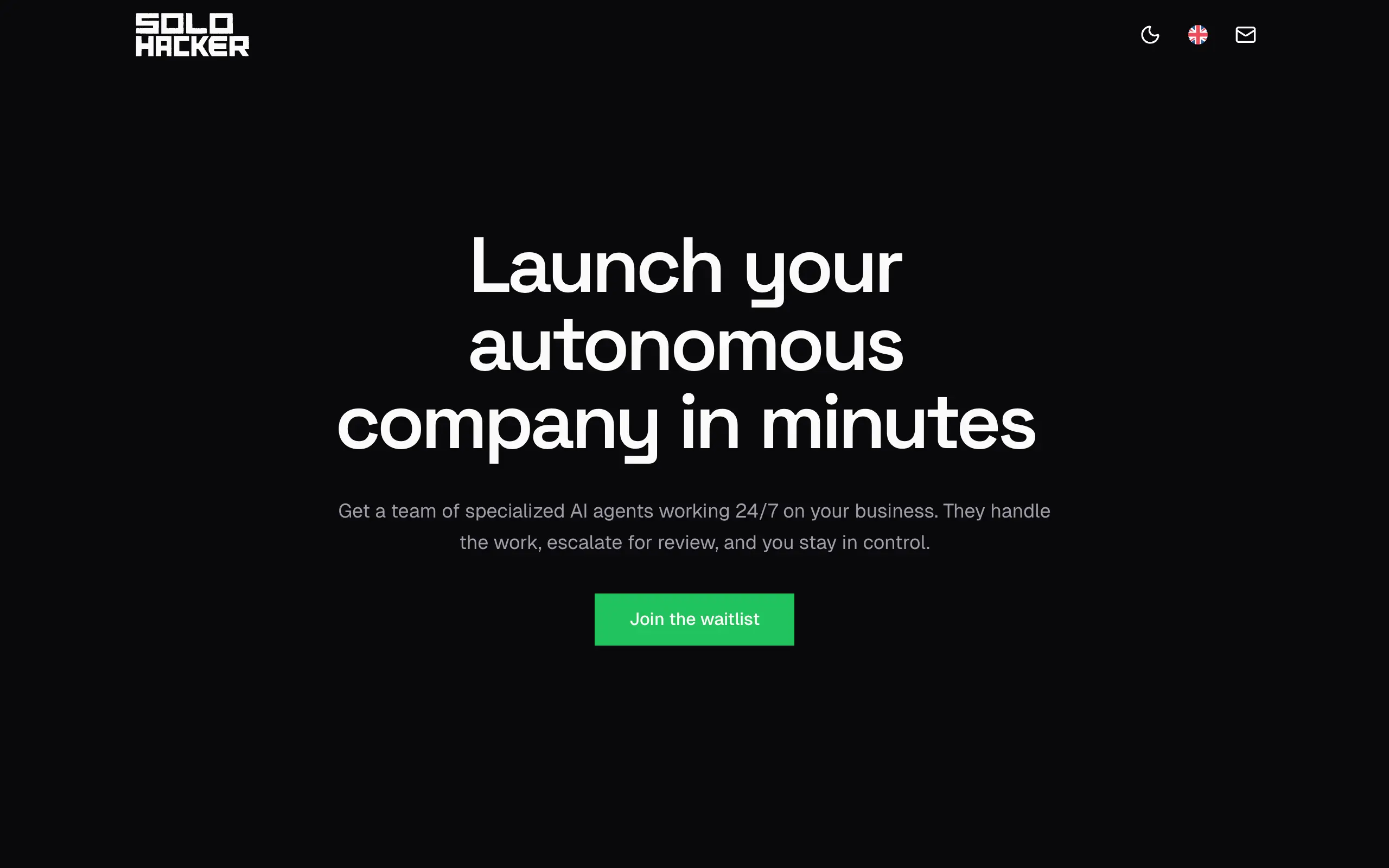
Solohacker
Autonomous company launcher - AI agents work 24/7, escalate what matters, and you stay in control 🤖
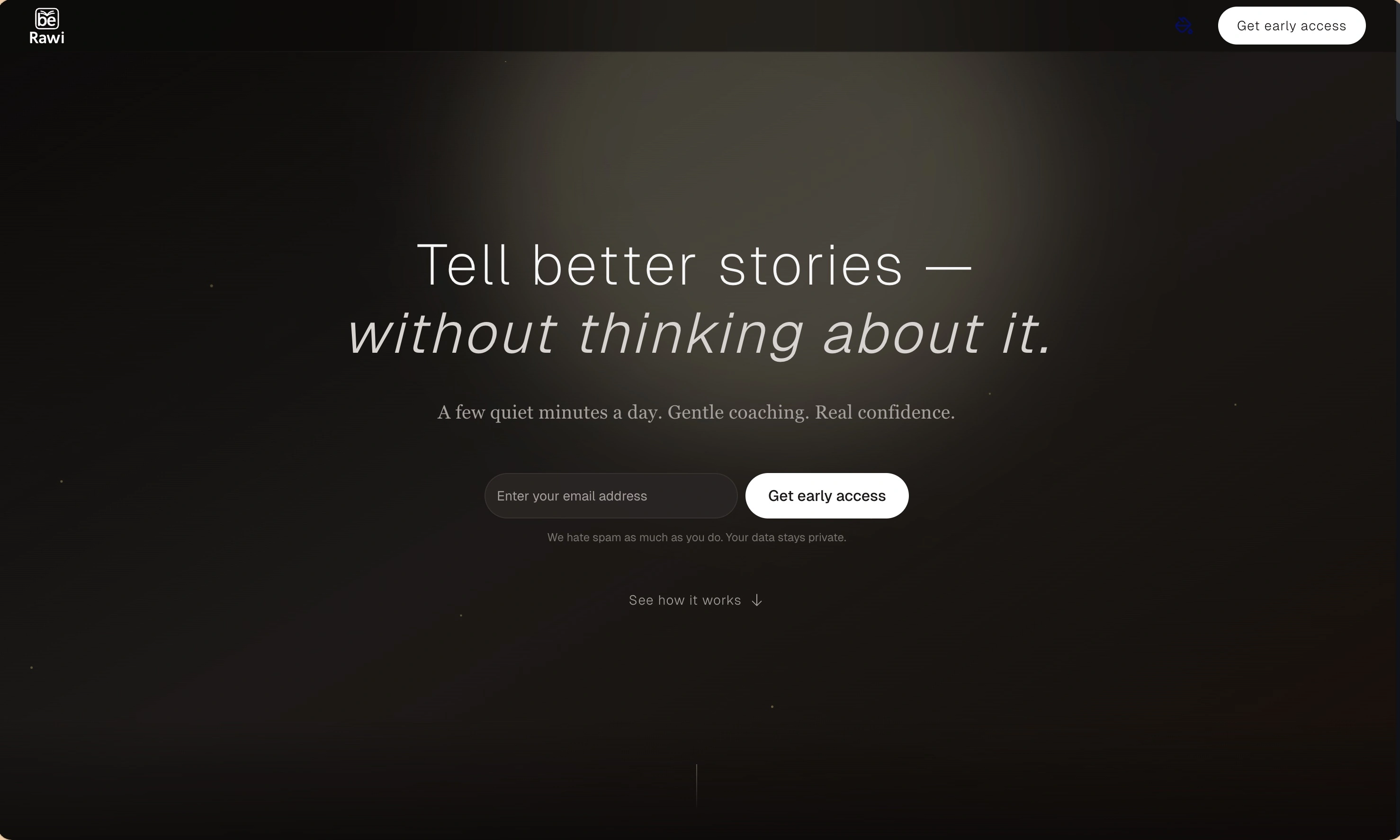
BeRawi: Storytelling Coach
Practice storytelling daily with instant feedback to sound clearer, more engaging, and confident 🎤
Omichat
Chat with 50+ AI models, including ChatGPT and Claude, in one place - switch models anytime without losing context 🤖
Claude Fast
Supercharge your Claude Code with 6x effective context window and specialized AI agents 🤖
EmojAI
AI-powered emoji picker with smart, context-aware suggestions 🤖
Solohacker
Autonomous company launcher - AI agents work 24/7, escalate what matters, and you stay in control 🤖
BeRawi: Storytelling Coach
Practice storytelling daily with instant feedback to sound clearer, more engaging, and confident 🎤
Omichat
Chat with 50+ AI models, including ChatGPT and Claude, in one place - switch models anytime without losing context 🤖
Claude Fast
Supercharge your Claude Code with 6x effective context window and specialized AI agents 🤖
EmojAI
AI-powered emoji picker with smart, context-aware suggestions 🤖
Solohacker
Autonomous company launcher - AI agents work 24/7, escalate what matters, and you stay in control 🤖
BeRawi: Storytelling Coach
Practice storytelling daily with instant feedback to sound clearer, more engaging, and confident 🎤
Omichat
Chat with 50+ AI models, including ChatGPT and Claude, in one place - switch models anytime without losing context 🤖
Claude Fast
Supercharge your Claude Code with 6x effective context window and specialized AI agents 🤖
EmojAI
AI-powered emoji picker with smart, context-aware suggestions 🤖
Solohacker
Autonomous company launcher - AI agents work 24/7, escalate what matters, and you stay in control 🤖
BeRawi: Storytelling Coach
Practice storytelling daily with instant feedback to sound clearer, more engaging, and confident 🎤

Connect with like-minded people
Join our community to get feedback, support, and grow together with 1,000+ builders on board, let's ship it!
Join usShip your startup everywhere. In minutes.
Don't burn tokens on setup and start building features on day one.