Escape the Cell
Dive into a virtual hide and seek game set in a prison environment. Use stealth and cunning to evade capture and find your way to freedom in this engaging mobile game.
Dive into an immersive, virtual hide and seek experience set within the confines of a high-security prison environment. In this mobile game, players must harness stealth, tactical acumen, and quick-thinking strategies to outsmart relentless guards, navigate treacherous corridors, and ultimately find a path to freedom. The journey unfolds across a richly detailed environment where every move counts, and the tension builds with every narrowly escaped encounter.
Understanding the Target Audience
This game is designed for a diverse group of players with varied interests in mobile gaming and strategic challenges. Here’s a breakdown of the primary target audience:
-
Casual Gamers:
Players seeking quick, engaging intervals of gameplay on their mobile devices will appreciate the adrenaline rush and strategic challenge. -
Stealth and Puzzle Enthusiasts:
Fans of stealth mechanics, strategic planning, and intricate puzzles will find the game’s unique blend both challenging and immensely satisfying. -
Fans of Immersive Narrative Experiences:
Gamers who gravitate toward story-rich environments, intense atmospheres, and character-driven narratives can immerse themselves fully in the prison escape plot. -
Competitive Mobile Gamers:
Those who enjoy comparing scores and performance metrics with friends and global players will find plenty of opportunities for high replayability and community-driven challenges.
Such a diverse audience not only broadens the game’s appeal but also invites continuous engagement as players adapt different strategies and explore multiple escape routes.
Capturing the Market Opportunity
The mobile gaming sector continues to thrive, with a significant impact on casual and mid-core gaming audiences worldwide. The unique prison escape narrative fused with stealth gameplay positions this mobile game to capture a niche yet rapidly growing segment of the market. Consider these key market insights:
-
Rising Demand for Unique Mobile Experiences:
With thousands of games flooding app stores, distinct concepts like a stealth prison escape game create a buzz and attract dedicated players looking for something beyond the standard fare. -
Adoption of Immersive Technologies:
Enhanced smartphone capabilities and improvements in in-game graphics and sound design have created an optimal environment for delivering an immersive visual and auditory experience. -
Community-Driven Play:
Modern gamers are enthusiastically embracing community challenges, leaderboards, and live events. This dynamic can not only boost user retention but also inspire a devoted community that shares strategies and gameplay highlights. -
Monetization Trends:
The potential to leverage a variety of monetization streams—from in-app purchases to ad integrations—ensures multiple revenue channels while still delivering a fair and balanced gameplay experience.
The blend of narrative depth, stealth challenges, and high replayability offers a compelling proposition to both players and investors, making the market opportunity robust and promising.
A Deep Dive into the Tech Stack
Creating such a dynamic mobile game requires an advanced and flexible tech stack. Prioritizing performance and scalability is essential. Here's a high-level view of the components:
-
Game Engine:
The game could be built using engines such as Unity or Unreal Engine, which are well-suited for both 2D and 3D mobile game development. -
Mobile Frameworks:
Leveraging frameworks like React Native can facilitate cross-platform deployment. For rapid prototyping and streamlined development, consider using TurboStarter – a starter kit designed for web, mobile, and browser extension projects that significantly accelerates the development process. -
Backend Infrastructure:
Node.js or Python-based backends can support multiplayer interactions, real-time events, and secure player data management. Cloud platforms like AWS or Google Cloud ensure scalability and global reach. -
Animation and Physics Libraries:
Tools like Spine or DragonBones may be integrated to create fluid animations, while physics engines such as Box2D (for 2D) can add a layer of realistic dynamics to the gameplay.
Below is an example of a simple code snippet that could be part of the game’s initial testing phase:
const testEscapeRoute = () => {
  console.log("Testing escape calculations...");
  // Placeholder function for escape algorithm simulation
};
This blend of modern and proven tools ensures that the development process remains agile and responsive to the creative requirements of the game.
Monetization Strategy: Balancing Profit and Play
Developing a compelling gaming experience is just one part of the equation. Effectively monetizing that experience without sacrificing the essence of gameplay is critical. Consider these strategies:
-
In-App Purchases (IAP):
Offer unique abilities, character customizations, or temporary power-ups that provide a competitive edge in gameplay, all while ensuring balance is maintained for non-paying users. -
Ad-Based Revenue:
Implement video ads, rewarded advertisements, or native advert placements that do not disrupt gameplay.- Rewarded ads can be integrated after successful missions or when a player’s progress stalls, providing extra motivation.
-
Subscription Models:
Provide a premium membership option with exclusive levels, early access to new content, or unique escape missions that can be accessed on a monthly or yearly basis. -
Event-Driven Monetization:
Plan in-game events that require a small entry fee but offer enormous in-game rewards. These events can drive a temporary surge in player engagement and revenue.
This multi-faceted approach ensures that revenue streams are diversified, reducing dependency on a single monetization method and thereby securing long-term financial sustainability.
Risks and Strategic Mitigation
The journey from concept to market is rarely without risks. Identifying potential pitfalls early allows for timely interventions. Here are some of the risks accompanied by mitigation strategies:
-
Overcomplexity in Game Mechanics:
- Excessively intricate controls or gameplay loops may deter casual gamers.
- Mitigation:
- Focus on intuitive controls and provide in-depth tutorials and practice sessions.
-
Market Saturation:
- The mobile game market is highly competitive.
- Mitigation:
- Undertake thorough market research and emphasize unique elements in your marketing messages.
-
Monetization Backlash:
- Over-reliance on in-app purchases or intrusive ads can alienate players.
- Mitigation:
- Strive for a natural balance between monetization and gameplay, ensuring that both paying and non-paying players enjoy a fair challenge.
-
Technical Hiccups:
- Issues like crashes, network latencies, or bugs may impact user retention.
- Mitigation:
- Ramp up beta testing phases and allow early access programs to identify and fix glitches before full-scale release.
Developer Tip
Monitor user feedback continuously and adapt your venture strategy. Agile development and iterative improvements are key for enduring success.
- Security Vulnerabilities:
- Managing player data introduces risks of breaches or hacks.
- Mitigation:
- Implement robust security protocols and leverage cloud-based security services.
Competitive Advantages: Standing Apart in a Crowded Market
What makes this game concept unique? The competitive advantages lie in both design excellence and strategic planning:
-
Innovative Gameplay:
Players experience a high-stakes, stealth-driven narrative that invites multiple strategic approaches. Each playthrough can be unique, driven by procedural generation and branching scenarios. -
Immersive Atmosphere:
High-quality graphics, sound design, and meticulously crafted environments draw players deep into the narrative, ensuring long-term engagement. -
Community Integration:
Built-in live events, clan challenges, and leaderboard competitions encourage a socially connected experience, boosting organic growth and retention. -
Flexible Monetization Framework:
A diversified revenue strategy—from in-app purchases to subscriptions and event bonuses—ensures the game remains financially viable without compromising the user experience. -
Scalable Architecture:
Using a robust tech stack enables scaling both the number of players and the complexity of in-game interactions concurrently. Future updates can introduce entirely new escape scenarios or additional challenges.
Additionally, incorporating regular updates and community feedback loops transforms the game into an evolving platform, keeping both new and veteran players engaged for months and years.
Feature highlight
In-game dynamic environments that respond to player actions, ensuring no two escape routes are ever the same.
Product Differentiation Through Engagement and Innovation
Balancing engaging narrative arcs with fresh, strategic gameplay elements is essential. Consider utilizing modern content consumption techniques to ensure that players consistently engage with new material:
-
Dynamic Storytelling:
By interspersing narrative cutscenes with player-driven decisions, the game maintains an element of suspense and unpredictability. The storyline may pivot based on cumulative player actions, adding an additional layer of excitement. -
User-Generated Challenges:
Encourage players to create and share their own levels or “escape challenges” through an integrated level editor, promoting community interaction and providing a continuous stream of fresh content. -
Adaptive Difficulty Levels:
Implement algorithms that adjust game difficulty based on player performance. This not only keeps experienced players challenged but also makes the game accessible to beginners without overwhelming them.
For those who prefer a more relaxed experience, the Easy Mode offers guided hints, slower-paced challenges, and intuitive controls.
Expert Mode ramps up the challenges with minimal hints, faster-paced gameplay, and intricate escape puzzles that demand a high level of strategic planning.
Such thoughtful differentiation not only boosts initial downloads but also encourages prolonged engagement, allowing the game to evolve with its community.
Integrating Advanced Analytics and Player Feedback
A critical factor in a game’s success is understanding and reacting to player behavior. Advanced analytics tools can provide a wealth of insights:
-
Player Behavior Data:
Collect data points on session lengths, level completions, and in-game purchases. This data can guide future updates and help balance game difficulty. -
User Feedback Mechanisms:
Direct in-game surveys or feedback forms help capture real-time thoughts and suggestions from players. This facilitates an agile approach to development where changes are implemented based on tangible user data. -
A/B Testing for Features:
Experiment with different game elements—such as level difficulty or monetization methods—and track performance differences. Use these insights to refine the overall user experience.
Here’s a glance at a simple snippet that might be used to log player events:
const logPlayerAction = (action: string) => {
  // Logic to record player action for analytics
  console.log(`Player performed: ${action}`);
};
Integrating these systems ensures that the development team is continuously informed and can pivot quickly to meet user needs, thereby enhancing the growth trajectory of the game.
Long-Term Vision and Strategic Expansion
Looking past the initial release, several expansion opportunities can ensure the game remains relevant and profitable:
-
Expansion Packs:
Introduce new prison maps, additional storylines, and character customization packs. Constantly evolving the game world keeps the current player base engaged while attracting new players. -
Cross-Platform Capabilities:
Consider adapting the game for browser or desktop experiences. A multi-platform presence can dramatically broaden the potential audience. -
AR/VR Integration:
Future iterations could explore augmented reality (AR) or virtual reality (VR) elements, offering players an even more immersive experience. -
Collaborative and Competitive Modes:
Integrate multiplayer functionalities that allow for cooperative escapes or competitive challenges, adding layers of excitement that differentiate the game from others in its category.
Implementation Steps and Conclusion
Realizing a concept of this scale requires a well-defined roadmap and agile execution. Here’s a step-by-step guide to implementing this project:
Finalize game mechanics, narrative arcs, and high-level features. Develop a detailed design document outlining every aspect of the gameplay loop and user experience.
Establish the core team, select the game engine (e.g., Unity or Unreal), and leverage frameworks like React Native for cross-platform development. Utilize starter kits like TurboStarter for rapid prototyping and acceleration.
Build a Minimum Viable Product (MVP) that includes the primary escape mechanics, a simplified storyline, and core user interfaces. Integrate basic analytics and initial monetization strategies.
Launch a beta version and actively solicit player feedback. Use in-game surveys, analytics, and community engagement to refine gameplay mechanics and remove friction points.
Based on user insights, enhance game dynamics, polish the visuals and audio, and optimize performance. Prepare for a stable release by rigorously testing on multiple devices and platforms.
Execute a robust marketing campaign leveraging social media, influencer partnerships, and targeted ads. Highlight the game’s unique aspects such as its immersive narrative, dynamic stealth mechanics, and expansive replayability.
Implement a continuous update strategy including additional levels, seasonal events, and ongoing monetization optimization. Maintain an active developer community to foster feedback and long-term engagement.
By following these steps, the development process remains organized, scalable, and agile—a necessity for launching a successful mobile game in today’s competitive market.
In summary, this game concept not only taps into the thriving mobile gaming market but also leverages unique gameplay dynamics to create an immersive, captivating escape experience. The integration of diverse monetization strategies ensures a strong revenue model, while advanced tech tools and community engagement secure longevity. With a thoughtful approach to risk management and an eye for scalability, this game sets the stage for a truly groundbreaking experience in the mobile entertainment space.
For developers and teams looking for a jumpstart in implementing cutting-edge mobile projects, consider taking advantage of tools like TurboStarter to accelerate your development cycle. This powerful starter kit provides the necessary building blocks for web, mobile, and browser extension applications, ensuring faster time-to-market and a robust foundation for your next big project.
With careful planning, agile development, and ongoing community engagement, you can transform this innovative idea into a standout success in the competitive world of mobile gaming. Embrace the challenge, plan meticulously, and prepare for an exhilarating journey towards freedom both in-game and in the marketplace.
More 🎮 Game SaaS ideas
Discover more innovative game SaaS ideas that are trending in 2026. Each idea is AI-generated with market validation and growth potential to help you find your next profitable venture faster than competitors.
Your competitors are building with TurboStarter
Below are some of the SaaS ideas that have been generated and built with our starter kit.
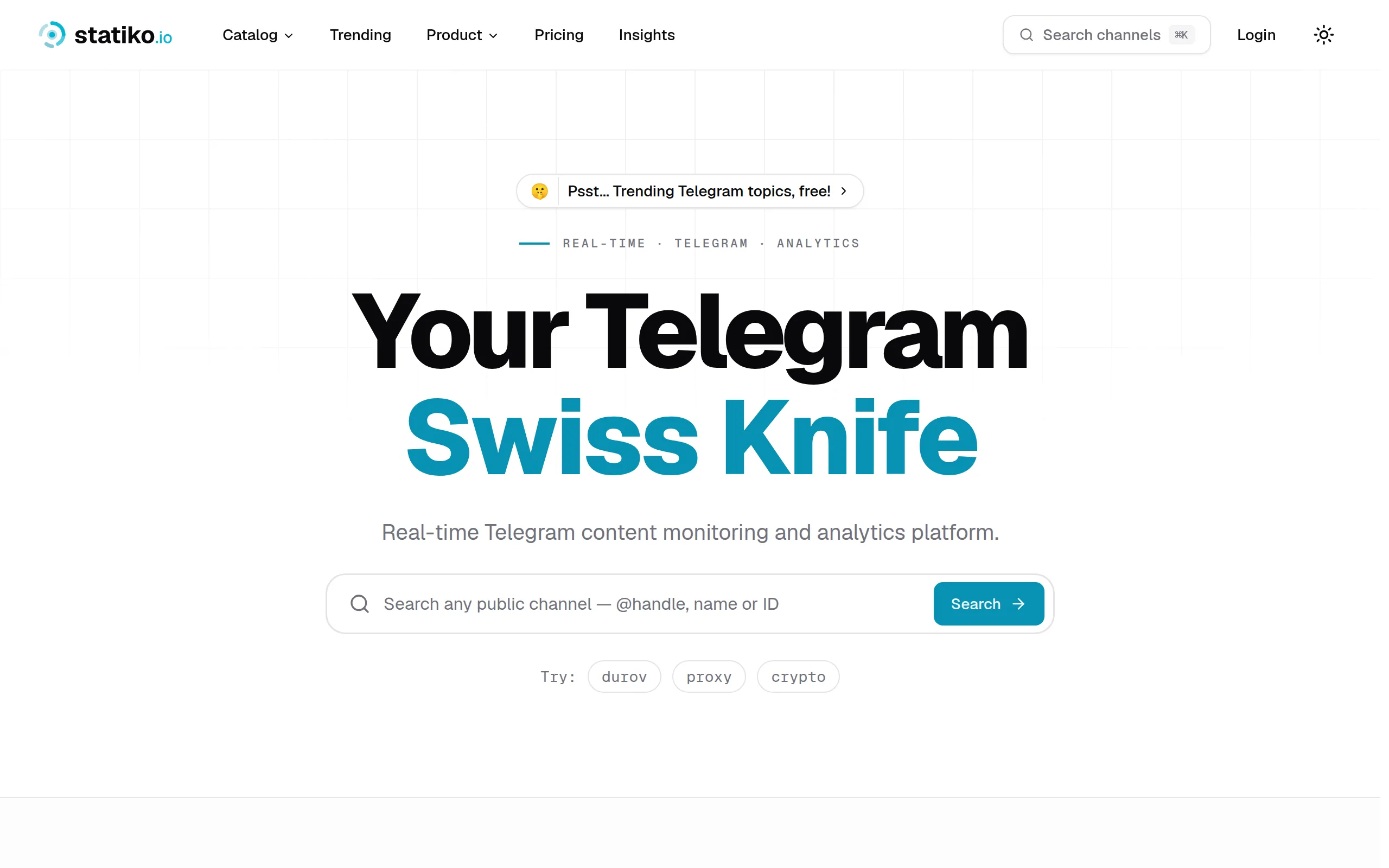
Statiko
Monitor any Telegram channel in real time - track posts, edits, deletions, and growth with AI recaps 📡

Shibui
AI website builder - describe your business, pick a niche template, edit by chatting, and publish instantly ✨

Pro Service
Find verified home service professionals, compare quotes, and pay securely through escrow - built for Brazilians across the US 🏠

RankGrow
Fix your SEO with AI agents - connect Search Console, get prioritized tasks, and grow organic traffic 📈

SyncReads
Sync your favorite content for distraction-free reading, save time and replace multiple apps. Anytime, anywhere 🔄
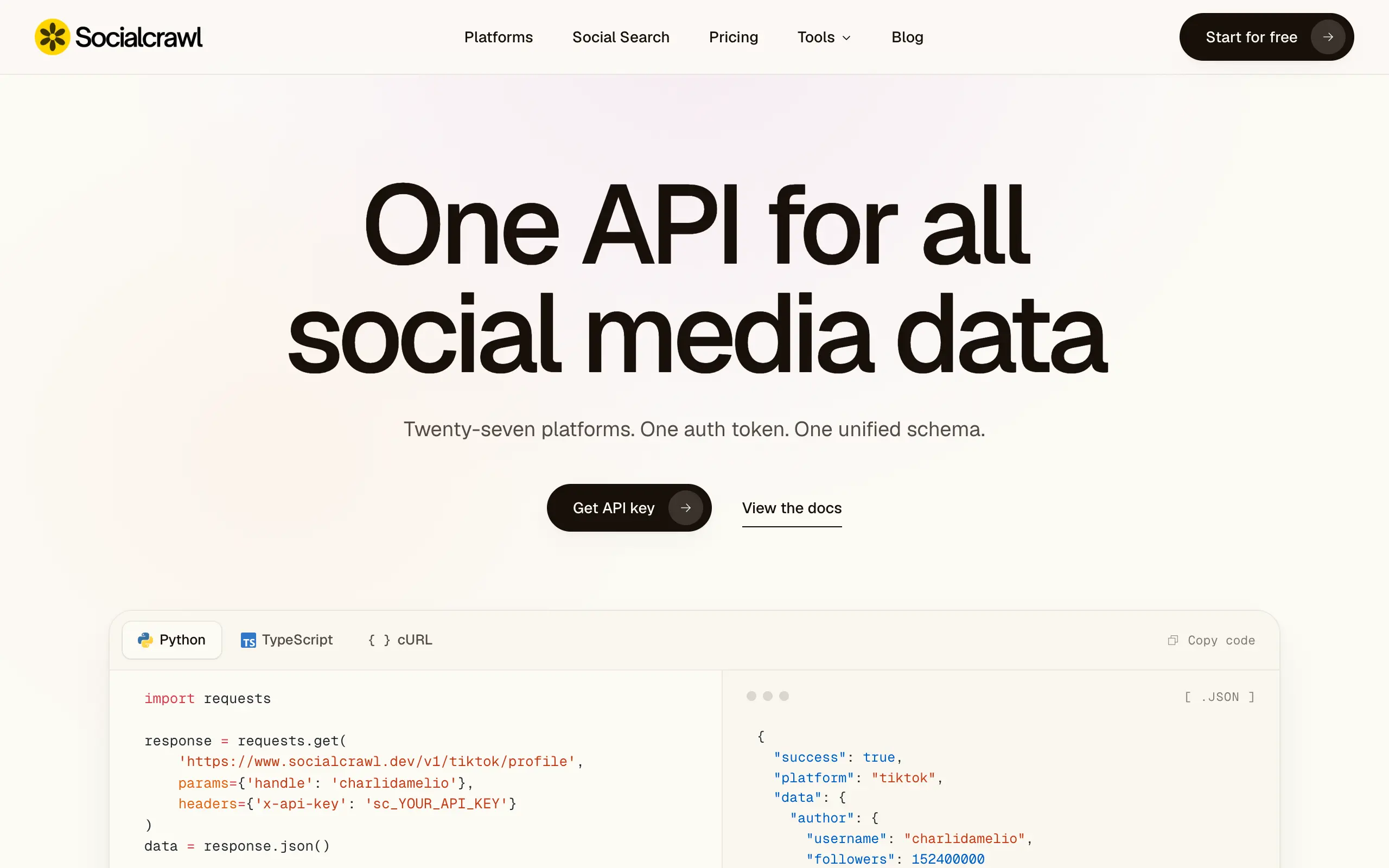
Socialcrawl
Get clean, structured data from 21 platforms like TikTok, Instagram, and YouTube with a single request 📊
Statiko
Monitor any Telegram channel in real time - track posts, edits, deletions, and growth with AI recaps 📡
Shibui
AI website builder - describe your business, pick a niche template, edit by chatting, and publish instantly ✨
Pro Service
Find verified home service professionals, compare quotes, and pay securely through escrow - built for Brazilians across the US 🏠
RankGrow
Fix your SEO with AI agents - connect Search Console, get prioritized tasks, and grow organic traffic 📈
SyncReads
Sync your favorite content for distraction-free reading, save time and replace multiple apps. Anytime, anywhere 🔄
Socialcrawl
Get clean, structured data from 21 platforms like TikTok, Instagram, and YouTube with a single request 📊
Statiko
Monitor any Telegram channel in real time - track posts, edits, deletions, and growth with AI recaps 📡
Shibui
AI website builder - describe your business, pick a niche template, edit by chatting, and publish instantly ✨
Pro Service
Find verified home service professionals, compare quotes, and pay securely through escrow - built for Brazilians across the US 🏠
RankGrow
Fix your SEO with AI agents - connect Search Console, get prioritized tasks, and grow organic traffic 📈
SyncReads
Sync your favorite content for distraction-free reading, save time and replace multiple apps. Anytime, anywhere 🔄
Socialcrawl
Get clean, structured data from 21 platforms like TikTok, Instagram, and YouTube with a single request 📊
Statiko
Monitor any Telegram channel in real time - track posts, edits, deletions, and growth with AI recaps 📡
Shibui
AI website builder - describe your business, pick a niche template, edit by chatting, and publish instantly ✨
Pro Service
Find verified home service professionals, compare quotes, and pay securely through escrow - built for Brazilians across the US 🏠
RankGrow
Fix your SEO with AI agents - connect Search Console, get prioritized tasks, and grow organic traffic 📈
SyncReads
Sync your favorite content for distraction-free reading, save time and replace multiple apps. Anytime, anywhere 🔄
Socialcrawl
Get clean, structured data from 21 platforms like TikTok, Instagram, and YouTube with a single request 📊
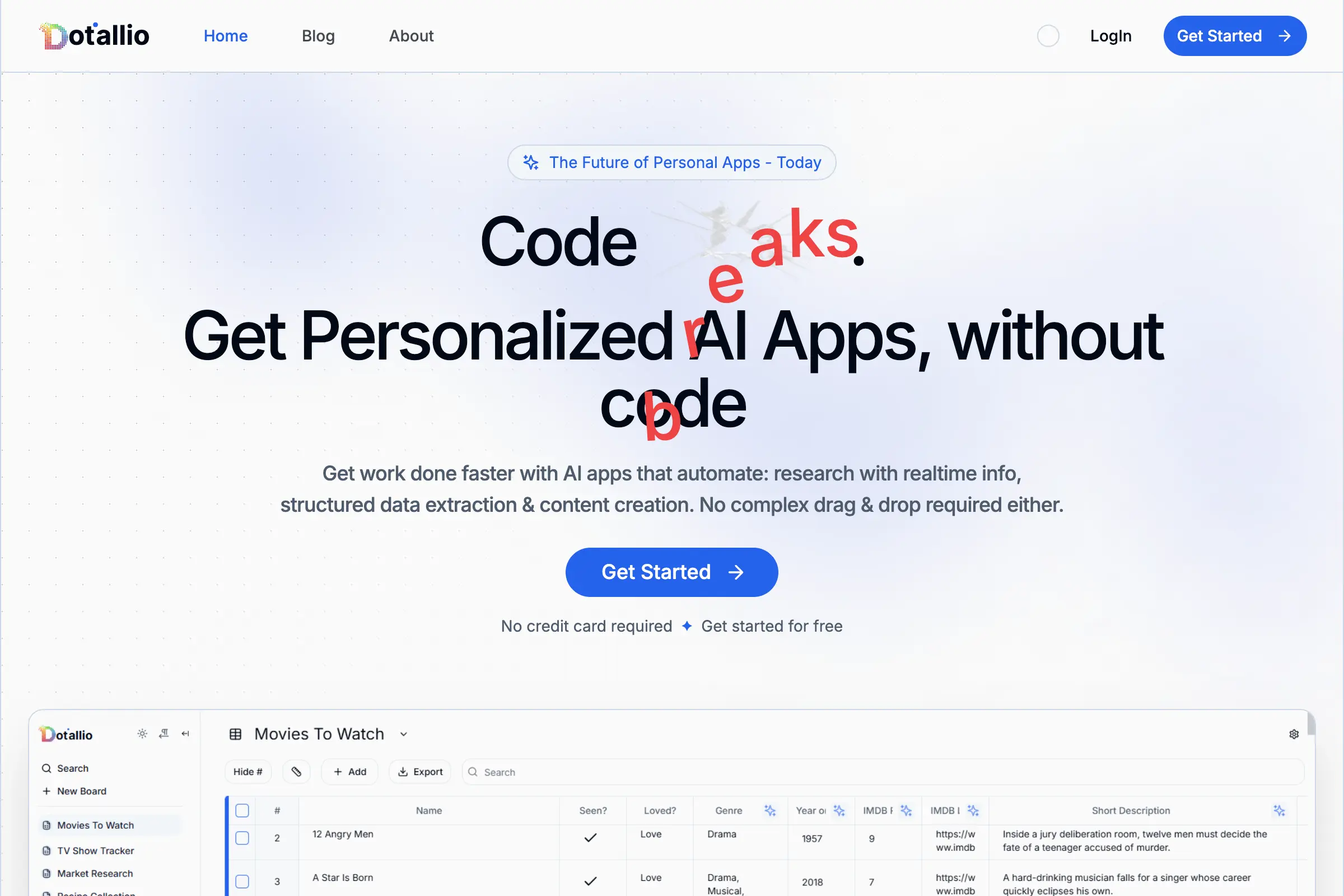
Dotallio
Personalized AI apps that automate research, data extraction, and content creation without code 🤖

Talk to Santa
Enjoy a magical live video chat or receive a unique AI-generated video greeting from Santa Claus 🎅

pozywka.pl
Scalable blog for food journalist, focused on performance and user experience 🌭
zagrodzki.me
Personal blog and portfolio of Bart Zagrodzki, where he shares his knowledge and work 💼
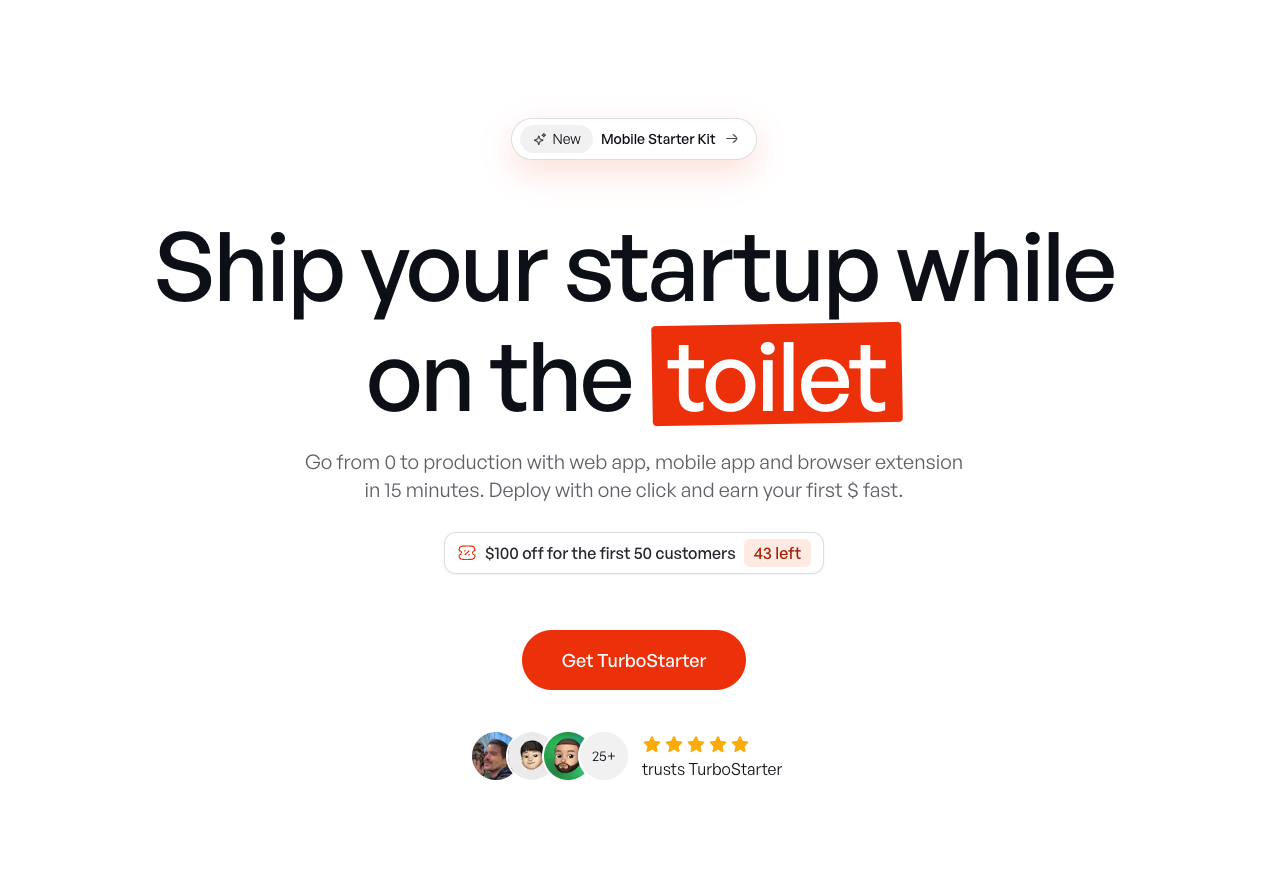
TurboStarter
Ship your startup everywhere. In minutes.
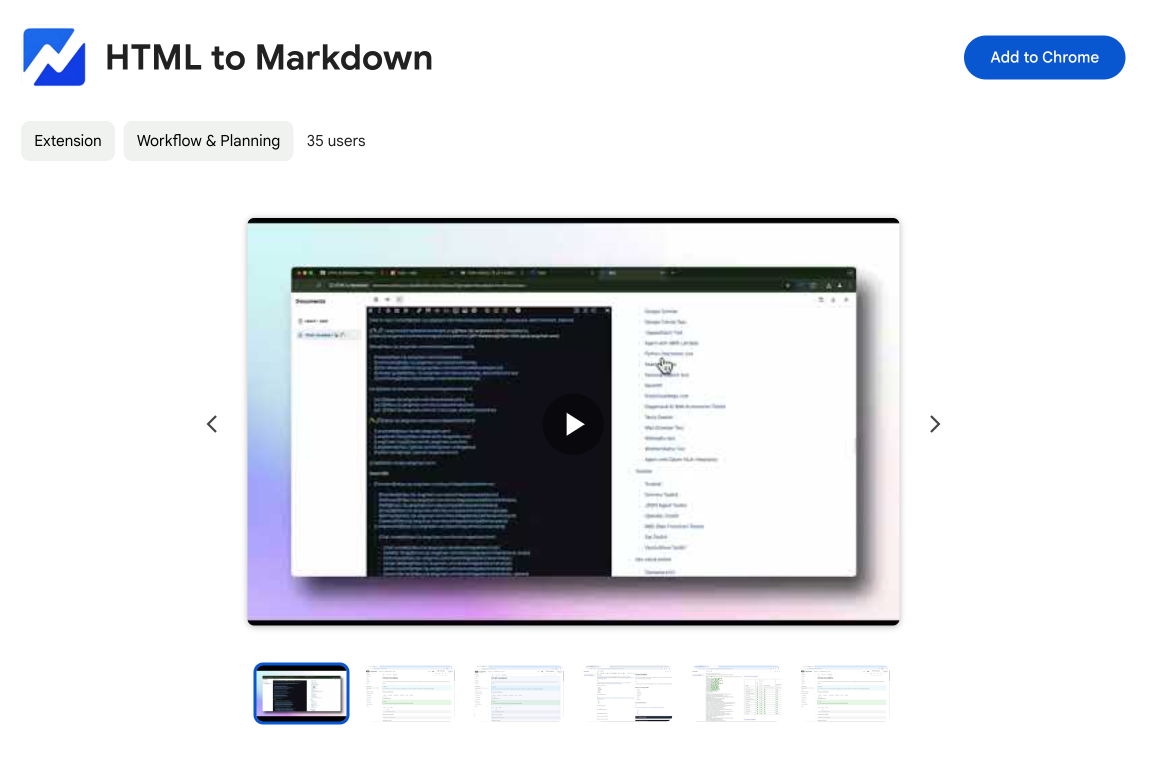
HTML to Markdown
Convert HTML to Markdown with ease, directly in your browser 📄
Dotallio
Personalized AI apps that automate research, data extraction, and content creation without code 🤖
Talk to Santa
Enjoy a magical live video chat or receive a unique AI-generated video greeting from Santa Claus 🎅
pozywka.pl
Scalable blog for food journalist, focused on performance and user experience 🌭
zagrodzki.me
Personal blog and portfolio of Bart Zagrodzki, where he shares his knowledge and work 💼
TurboStarter
Ship your startup everywhere. In minutes.
HTML to Markdown
Convert HTML to Markdown with ease, directly in your browser 📄
Dotallio
Personalized AI apps that automate research, data extraction, and content creation without code 🤖
Talk to Santa
Enjoy a magical live video chat or receive a unique AI-generated video greeting from Santa Claus 🎅
pozywka.pl
Scalable blog for food journalist, focused on performance and user experience 🌭
zagrodzki.me
Personal blog and portfolio of Bart Zagrodzki, where he shares his knowledge and work 💼
TurboStarter
Ship your startup everywhere. In minutes.
HTML to Markdown
Convert HTML to Markdown with ease, directly in your browser 📄
Dotallio
Personalized AI apps that automate research, data extraction, and content creation without code 🤖
Talk to Santa
Enjoy a magical live video chat or receive a unique AI-generated video greeting from Santa Claus 🎅
pozywka.pl
Scalable blog for food journalist, focused on performance and user experience 🌭
zagrodzki.me
Personal blog and portfolio of Bart Zagrodzki, where he shares his knowledge and work 💼
TurboStarter
Ship your startup everywhere. In minutes.
HTML to Markdown
Convert HTML to Markdown with ease, directly in your browser 📄
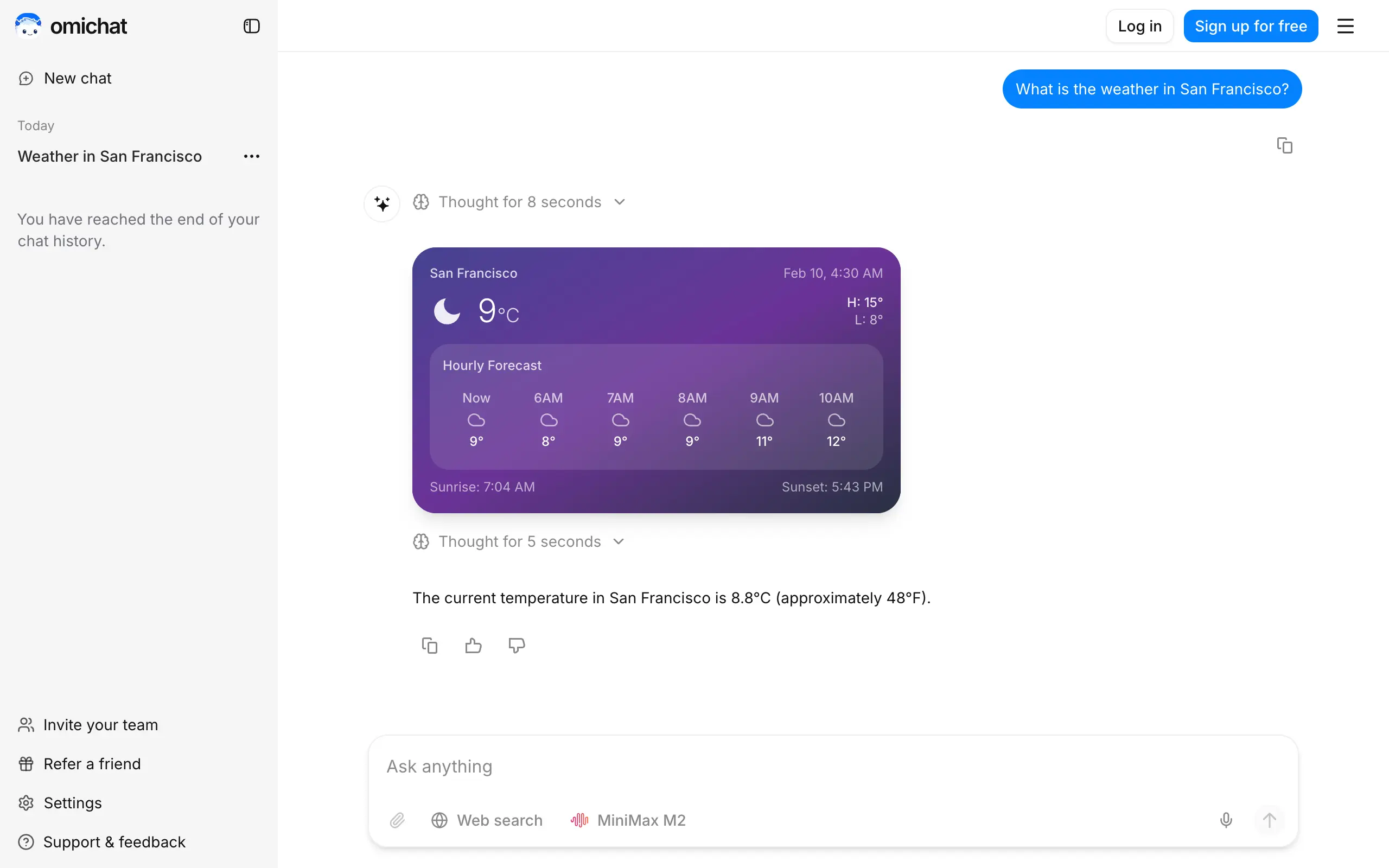
Omichat
Chat with 50+ AI models, including ChatGPT and Claude, in one place - switch models anytime without losing context 🤖
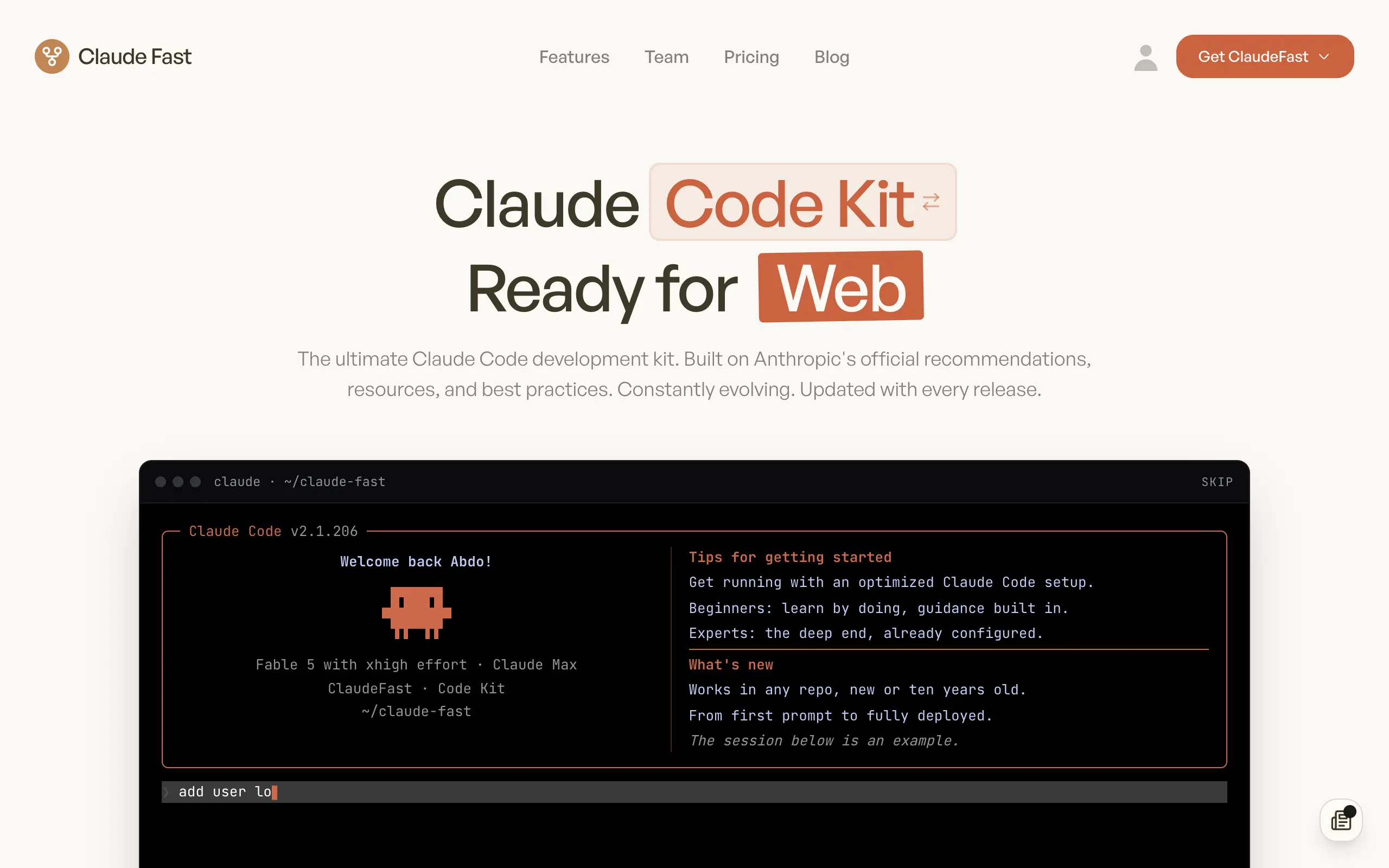
Claude Fast
Supercharge your Claude Code with 6x effective context window and specialized AI agents 🤖
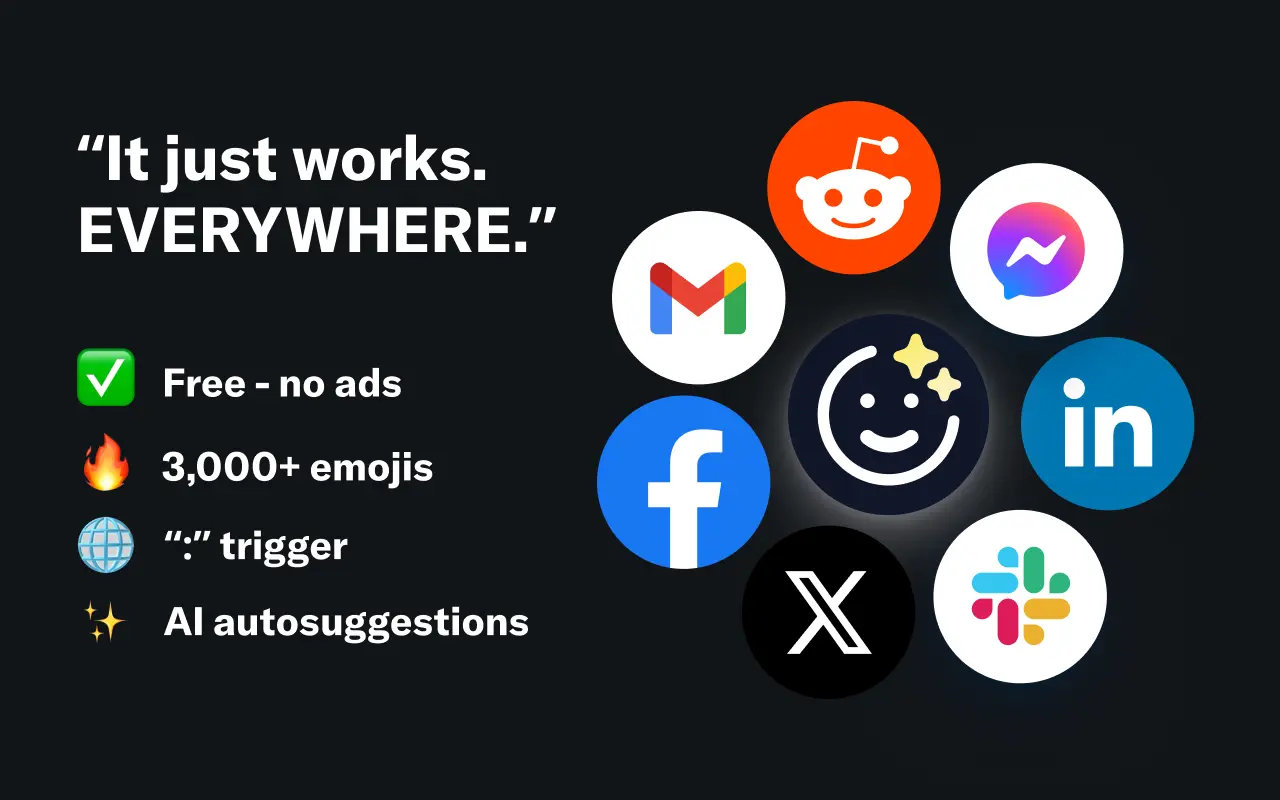
EmojAI
AI-powered emoji picker with smart, context-aware suggestions 🤖

Solohacker
Autonomous company launcher - AI agents work 24/7, escalate what matters, and you stay in control 🤖
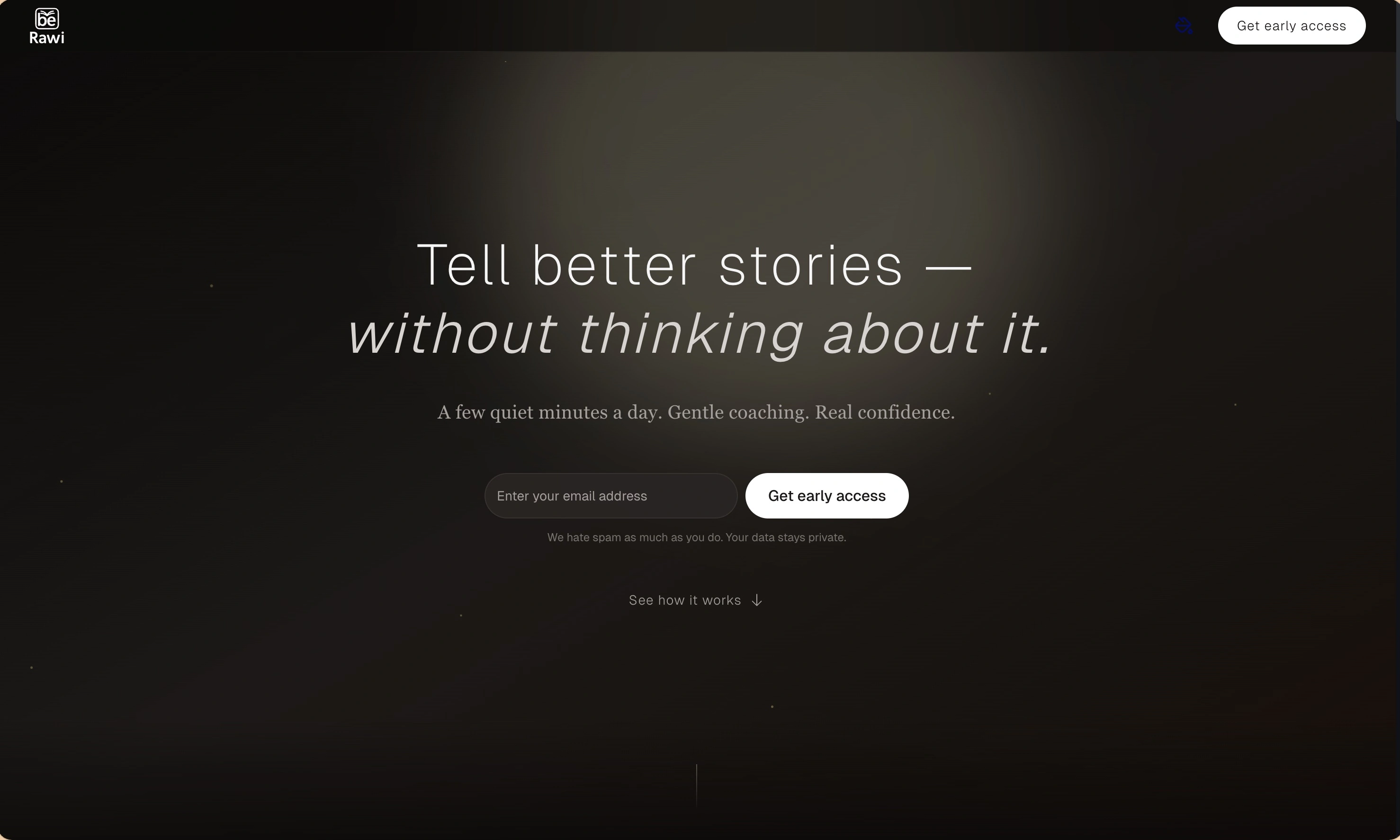
BeRawi: Storytelling Coach
Practice storytelling daily with instant feedback to sound clearer, more engaging, and confident 🎤
Omichat
Chat with 50+ AI models, including ChatGPT and Claude, in one place - switch models anytime without losing context 🤖
Claude Fast
Supercharge your Claude Code with 6x effective context window and specialized AI agents 🤖
EmojAI
AI-powered emoji picker with smart, context-aware suggestions 🤖
Solohacker
Autonomous company launcher - AI agents work 24/7, escalate what matters, and you stay in control 🤖
BeRawi: Storytelling Coach
Practice storytelling daily with instant feedback to sound clearer, more engaging, and confident 🎤
Omichat
Chat with 50+ AI models, including ChatGPT and Claude, in one place - switch models anytime without losing context 🤖
Claude Fast
Supercharge your Claude Code with 6x effective context window and specialized AI agents 🤖
EmojAI
AI-powered emoji picker with smart, context-aware suggestions 🤖
Solohacker
Autonomous company launcher - AI agents work 24/7, escalate what matters, and you stay in control 🤖
BeRawi: Storytelling Coach
Practice storytelling daily with instant feedback to sound clearer, more engaging, and confident 🎤
Omichat
Chat with 50+ AI models, including ChatGPT and Claude, in one place - switch models anytime without losing context 🤖
Claude Fast
Supercharge your Claude Code with 6x effective context window and specialized AI agents 🤖
EmojAI
AI-powered emoji picker with smart, context-aware suggestions 🤖
Solohacker
Autonomous company launcher - AI agents work 24/7, escalate what matters, and you stay in control 🤖
BeRawi: Storytelling Coach
Practice storytelling daily with instant feedback to sound clearer, more engaging, and confident 🎤

Connect with like-minded people
Join our community to get feedback, support, and grow together with 1,000+ builders on board, let's ship it!
Join usShip your startup everywhere. In minutes.
Don't burn tokens on setup and start building features on day one.