FairPlay Puzzles
A skill-based puzzle game with zero fake ads and transparent rewards. Enjoy story-driven levels without paywalls or manipulative monetization tactics.
Introduction: why a fair monetization puzzle game matters now
The global mobile gaming industry generates hundreds of billions of dollars annually, with a significant portion driven by in-app purchases and advertising. According to industry reports from firms like Newzoo (see their annual Global Games Market Report for updated statistics), free-to-play models dominate downloads—but they also face increasing criticism for manipulative monetization, dark patterns, and intrusive ads.
Players are more aware than ever of:
- Fake “play-to-earn” ads
- Misleading reward systems
- Energy timers designed to frustrate
- Paywalls that block story progression
- Loot box mechanics bordering on gambling
At the same time, there is growing demand for:
- Ethical game design
- Transparent reward systems
- Skill-based progression
- Ad-free or honest ad-supported experiences
FairPlay Puzzles positions itself directly in this gap: a skill-based puzzle game with zero fake ads, transparent rewards, and story-driven levels without paywalls or manipulative tactics.
This article provides a comprehensive, expert-level breakdown of the concept, market opportunity, feature set, technical stack, monetization strategy, risk analysis, and implementation roadmap for building a successful ethical puzzle game SaaS in today’s competitive gaming landscape.
Understanding the user search intent
Users searching for a concept like “fair puzzle game without ads” or “ethical mobile puzzle game monetization” are typically looking for:
- A better gaming experience
- Alternatives to pay-to-win games
- Transparent reward systems
- Non-predatory monetization
- Games focused on skill rather than spending
From a founder or builder perspective, search intent may also include:
- Validating the business opportunity
- Understanding monetization models without dark patterns
- Learning how to technically build such a game
- Evaluating competitive differentiation
This article addresses both player expectations and founder-level strategic insights.
Target audience analysis
Building FairPlay Puzzles requires a clear understanding of who it’s for—and who it’s not for.
Primary audience: ethically conscious casual gamers
Demographics:
- Ages 18–45
- Mobile-first users (iOS & Android)
- Moderate disposable income
- Familiar with free-to-play games
Psychographics:
- Frustrated with manipulative monetization
- Value fairness and transparency
- Enjoy logic, strategy, and story-driven experiences
- Willing to pay for quality
These players are not necessarily anti-paying; they are anti-manipulation.
Secondary audience: skill-driven competitive players
- Prefer deterministic mechanics over RNG
- Want measurable improvement
- Appreciate leaderboards and skill validation
- Dislike pay-to-win advantages
A skill-based puzzle system appeals strongly to this group, especially if rewards are transparently tied to performance.
Tertiary audience: parents and educators
There is growing concern around:
- Gambling-like mechanics in games
- Addictive monetization systems
- Psychological manipulation
FairPlay Puzzles can position itself as:
- Child-safe
- Ethically designed
- Transparent in reward mechanics
This expands potential into educational and family-friendly segments.
Market gap and opportunity
The problem: manipulative monetization fatigue
Free-to-play models often rely on:
- Artificial difficulty spikes
- Time gates
- Energy systems
- Loot boxes
- False urgency (“limited time only!”)
- Fake playable ads
While profitable short-term, these erode trust.
Trust is becoming a competitive advantage.
Emerging trends supporting FairPlay Puzzles
- Regulatory scrutiny of loot boxes in various countries.
- Increased discussion of “dark patterns” in digital products.
- Growth of premium indie games on mobile.
- Subscription fatigue driving demand for transparent one-time purchases.
- Rise of ethical tech and conscious consumerism.
This positions FairPlay Puzzles not as a niche concept—but as a strategic response to a maturing market.
Core value proposition of FairPlay Puzzles
At its heart, FairPlay Puzzles promises:
Skill determines success. Rewards are transparent. Story progression is not locked behind paywalls.
This can be broken down into four pillars:
Skill-based progression
No pay-to-win mechanics. Puzzle difficulty scales logically with player skill.
Zero fake ads
No misleading playable ads or deceptive reward claims.
Transparent rewards
Clear reward tables and probability disclosures (if applicable).
Story-driven without paywalls
Narrative progression unlocked through skill, not payment gates.
Core feature architecture
1. Skill-based puzzle engine
The core gameplay must be:
- Deterministic (minimal RNG)
- Replayable
- Skill-escalating
- Deep enough to avoid stagnation
Possible puzzle archetypes:
- Grid-based logic puzzles
- Pattern recognition systems
- Strategic tile mechanics
- Physics-based brain challenges
Difficulty scaling can rely on:
- Procedural complexity
- Multi-layered objectives
- Time optimization
- Move efficiency scoring
2. Transparent reward system
Transparency is a core differentiator.
If rewards exist (coins, cosmetics, unlockables), the system should:
- Clearly state what is earned per level
- Show exact thresholds for achievements
- Display ranking-based bonuses
For example:
type RewardTier = {
  minScore: number;
  rewardCoins: number;
  bonusItem?: string;
};

const rewardTable: RewardTier[] = [
  { minScore: 0, rewardCoins: 50 },
  { minScore: 80, rewardCoins: 75 },
  { minScore: 95, rewardCoins: 100, bonusItem: "Golden Frame" },
];
No hidden multipliers. No mystery probabilities.
If random elements exist (e.g., cosmetic chests), publish exact odds.
3. Story-driven progression without paywalls
Instead of:
- “Buy chapter 3 for $4.99”
Use:
- Unlock chapter 3 by achieving X puzzle mastery
- Complete 10 advanced challenges
- Reach 90% average efficiency
This creates:
- Motivation through competence
- Narrative reward for skill
- Long-term engagement
4. Ethical monetization framework
FairPlay Puzzles can adopt:
- Cosmetic-only purchases
- Expansion packs
- Optional season passes (purely cosmetic)
- One-time premium upgrade
Key principle
Monetization must enhance expression, not progression.
Competitive landscape analysis
The puzzle game market includes:
- Candy Crush-style match games
- Hyper-casual puzzle games
- Premium indie logic games
- “Play-to-earn” puzzle variants
Most competitors monetize through:
- Ad overload
- Pay-to-continue
- Boosters for sale
- Artificial difficulty spikes
FairPlay Puzzles competes on trust and fairness.
Feature comparison
| Feature | Typical F2P Puzzle | Hyper-Casual Puzzle | Premium Indie Puzzle | FairPlay Puzzles |
|---|---|---|---|---|
| Skill-based progression | ❌ | ❌ | ✅ | ✅ |
| No manipulative monetization | ❌ | ❌ | ✅ | ✅ |
| Transparent rewards | ❌ | ❌ | ✅ | ✅ |
| Story-driven without paywalls | ❌ | ❌ | ✅ | ✅ |
Recommended tech stack
Building a scalable skill-based puzzle game requires balancing performance, development speed, and cross-platform support.
Frontend / game engine
Option 1: Unity
- Mature mobile support
- Large developer ecosystem
- Strong 2D tools
Option 2: Godot
- Open-source
- Lightweight
- Increasingly popular for indie devs
Option 3: React Native + custom engine
- Faster SaaS-style iteration
- Shared logic with web
- Less ideal for complex physics
For web companion dashboards or landing pages:
Backend
- Node.js (API layer)
- PostgreSQL for persistent progression
- Redis for leaderboard caching
- Cloud hosting (AWS, GCP, or similar)
Core backend features:
- Player authentication
- Secure score validation
- Anti-cheat logic
- Reward calculation service
Anti-cheat and fairness validation
Because rewards are tied to skill, validation must be secure:
- Server-side score verification
- Deterministic puzzle seeds
- Replay validation system
Monetization strategy options
FairPlay Puzzles must monetize ethically but sustainably.
1. Cosmetic store
Sell:
- Themes
- Avatars
- Visual effects
- Story skins
No gameplay advantages.
2. Expansion packs
Release:
- New puzzle sets
- New narrative arcs
- Advanced challenge modes
One-time purchase model.
3. Fair subscription model
Optional subscription could include:
- Early access to new content
- Exclusive cosmetics
- Community tournaments
No skill advantage.
4. Transparent ad model (optional)
If ads are used:
- Only optional rewarded ads
- Clearly stated reward value
- No deceptive playable ads
Revenue modeling
Projected revenue depends on:
- Conversion rate (3–8% typical for ethical models)
- Average revenue per paying user
- Retention rate
Because trust is central, long-term LTV (lifetime value) may exceed manipulative models with high churn.
Retention > exploitation.
Risks and mitigation strategies
Risk 1: Lower short-term revenue
Ethical models may initially earn less than aggressive F2P systems.
Mitigation:
- Focus on high retention
- Build brand trust
- Develop community-driven growth
Risk 2: Player skepticism
Players may assume “fair” is marketing.
Mitigation:
- Publish reward tables
- Openly explain monetization
- Transparent communication blog
Risk 3: Competitive cloning
Larger studios may copy the concept.
Mitigation:
- Build brand identity
- Foster community loyalty
- Iterate quickly
Unique selling proposition (USP)
FairPlay Puzzles stands out by combining:
- Skill-based mechanics
- Zero fake ads
- Transparent rewards
- Story progression without paywalls
Most games excel in one of these. Few combine all four.
The USP is not just gameplay—it is ethical design as a core product feature.
Implementation roadmap
Go-to-market strategy
1. Community-first launch
- Reddit puzzle communities
- Indie game forums
- Ethical tech communities
2. Transparency as marketing
Publish:
- Monetization manifesto
- Reward system breakdown
- Design philosophy
3. Influencer partnerships
Focus on:
- Puzzle YouTubers
- Indie reviewers
- Ethical gaming commentators
Long-term vision
FairPlay Puzzles can expand into:
- Competitive seasonal tournaments
- Educational variants
- Web-based version
- Cross-platform sync
The brand can evolve into a broader ethical gaming ecosystem.
Building efficiently with the right foundation
To accelerate development while maintaining high-quality architecture, use a scalable SaaS starter framework like TurboStarter. It provides:
- Authentication systems
- Scalable backend foundations
- Production-ready structure
- Clean architecture
This allows founders to focus on gameplay and fairness innovation rather than rebuilding boilerplate infrastructure.
Final thoughts: can fairness be profitable?
Yes—if executed correctly.
The gaming industry is shifting. Players are more informed. Regulations are increasing. Trust is becoming a differentiator.
FairPlay Puzzles is not just a puzzle game.
It is a positioning strategy.
It bets that:
- Skill > spending
- Transparency > deception
- Long-term trust > short-term monetization
If built with discipline, fairness can become the core growth engine.
Actionable next steps
- Define your puzzle mechanic.
- Create a fairness manifesto.
- Prototype deterministic reward logic.
- Test transparency messaging with users.
- Build with scalable architecture.
- Launch with trust as the headline feature.
Ethical gaming is no longer idealistic.
It is a competitive advantage waiting to be claimed.
More 🎮 Game SaaS ideas
Discover more innovative game SaaS ideas that are trending in 2026. Each idea is AI-generated with market validation and growth potential to help you find your next profitable venture faster than competitors.
Your competitors are building with TurboStarter
Below are some of the SaaS ideas that have been generated and built with our starter kit.
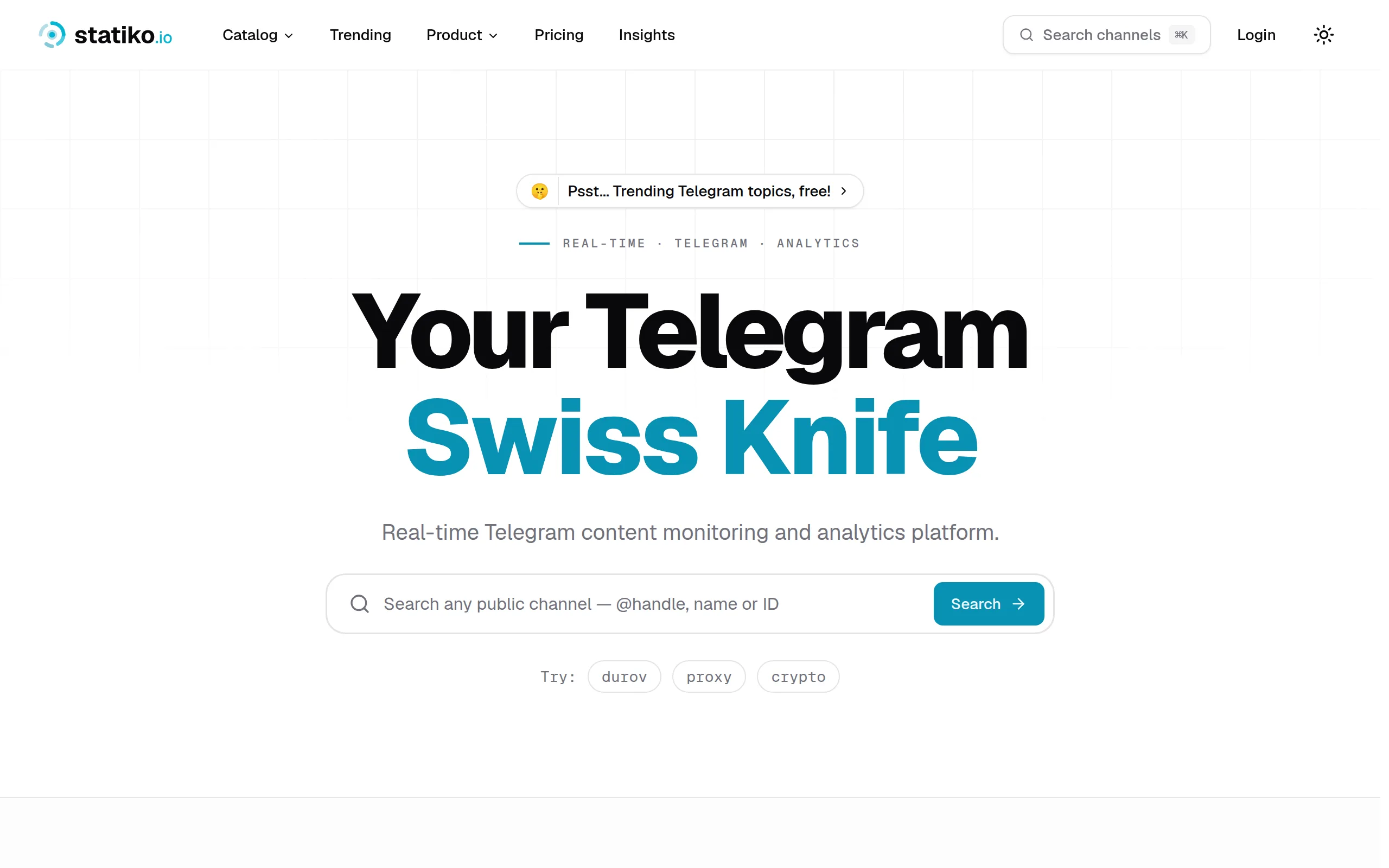
Statiko
Monitor any Telegram channel in real time - track posts, edits, deletions, and growth with AI recaps 📡

Shibui
AI website builder - describe your business, pick a niche template, edit by chatting, and publish instantly ✨

Pro Service
Find verified home service professionals, compare quotes, and pay securely through escrow - built for Brazilians across the US 🏠
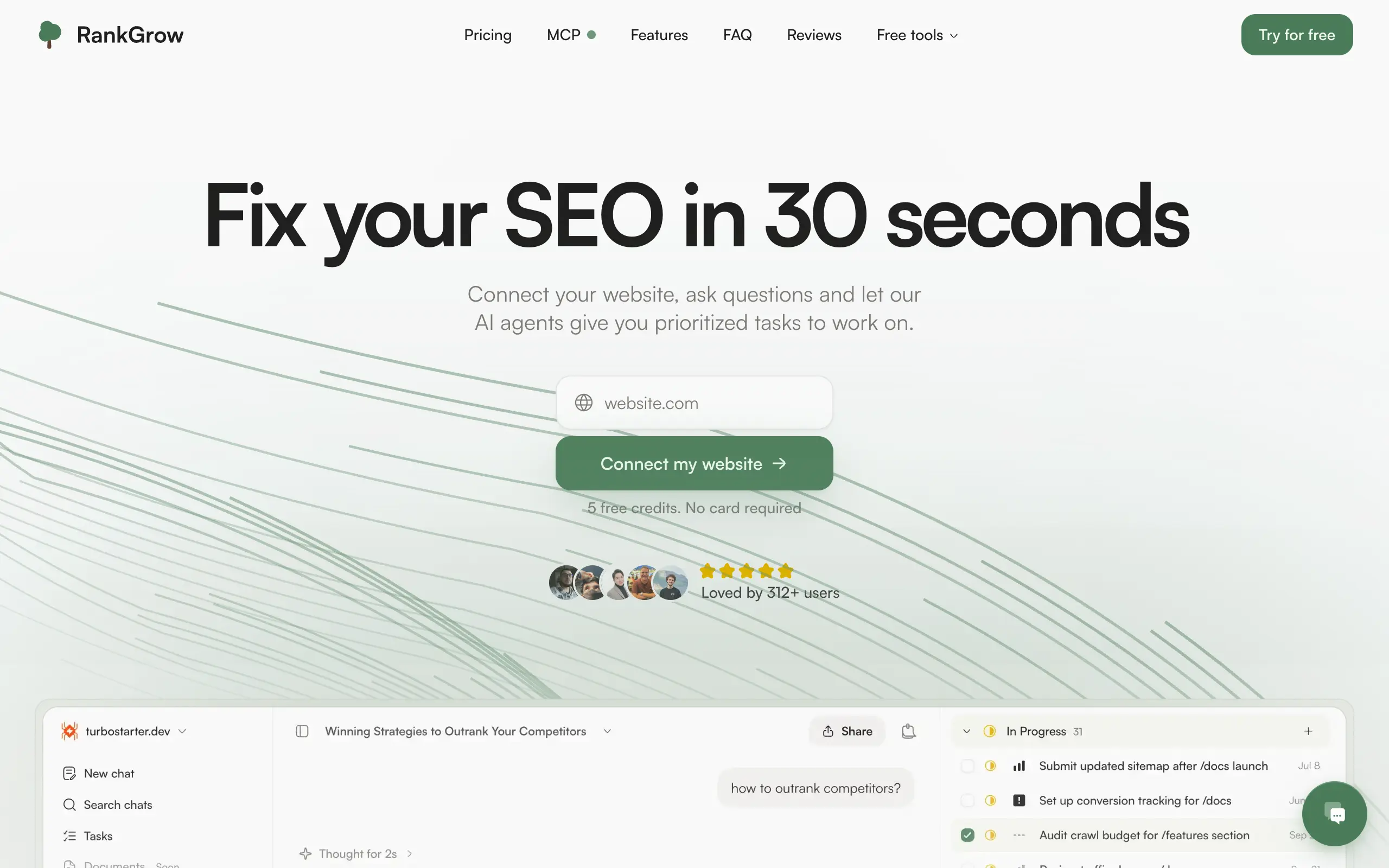
RankGrow
Fix your SEO with AI agents - connect Search Console, get prioritized tasks, and grow organic traffic 📈
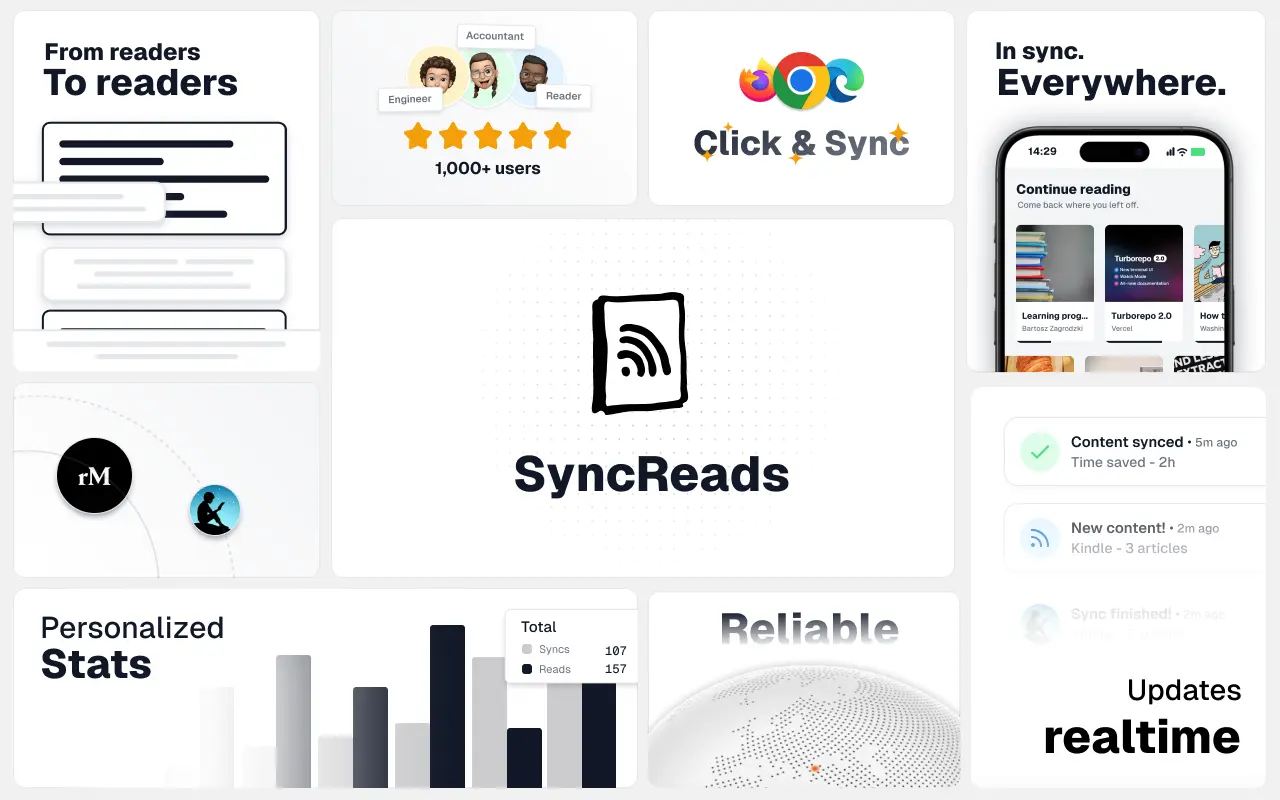
SyncReads
Sync your favorite content for distraction-free reading, save time and replace multiple apps. Anytime, anywhere 🔄
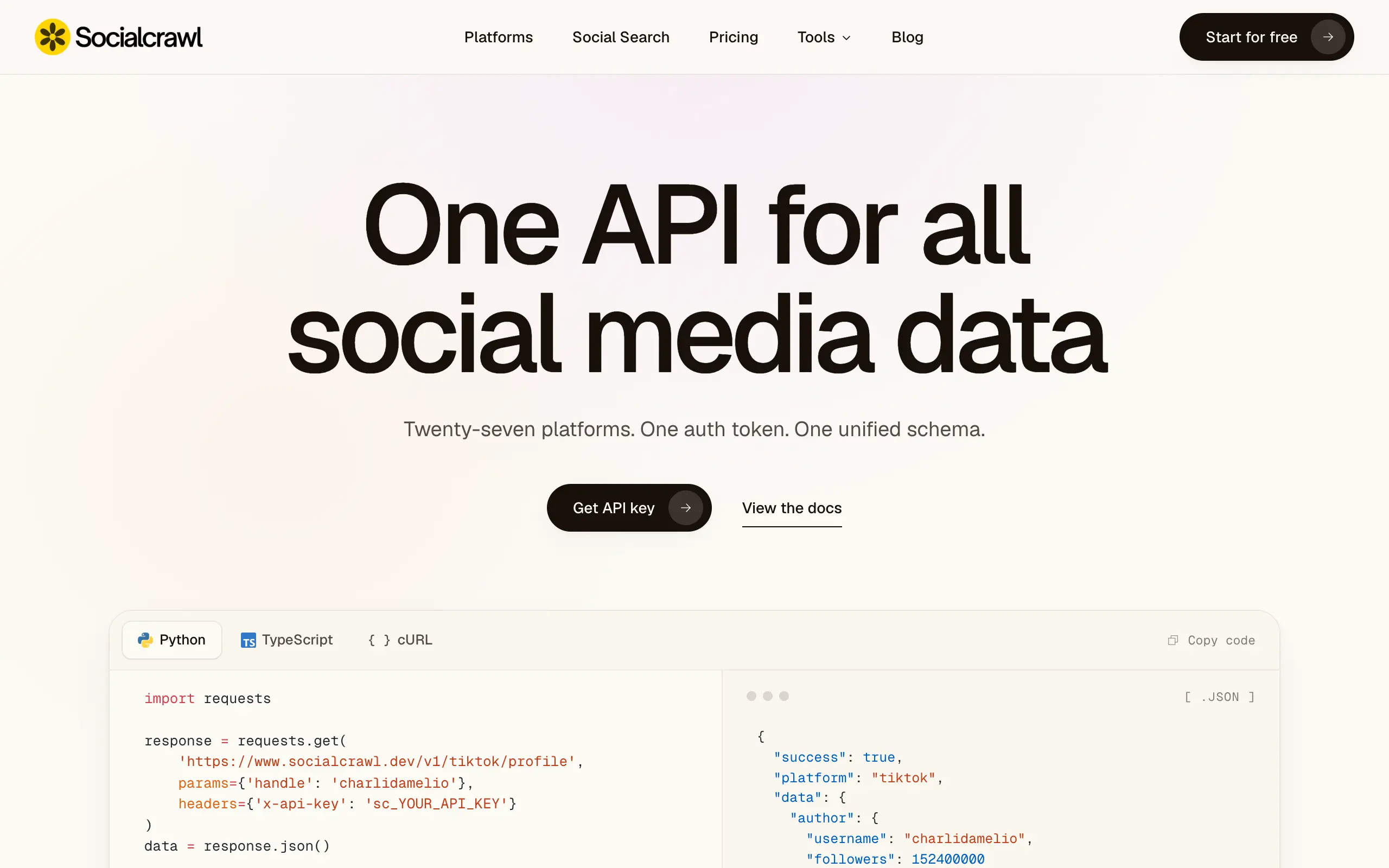
Socialcrawl
Get clean, structured data from 21 platforms like TikTok, Instagram, and YouTube with a single request 📊
Statiko
Monitor any Telegram channel in real time - track posts, edits, deletions, and growth with AI recaps 📡
Shibui
AI website builder - describe your business, pick a niche template, edit by chatting, and publish instantly ✨
Pro Service
Find verified home service professionals, compare quotes, and pay securely through escrow - built for Brazilians across the US 🏠
RankGrow
Fix your SEO with AI agents - connect Search Console, get prioritized tasks, and grow organic traffic 📈
SyncReads
Sync your favorite content for distraction-free reading, save time and replace multiple apps. Anytime, anywhere 🔄
Socialcrawl
Get clean, structured data from 21 platforms like TikTok, Instagram, and YouTube with a single request 📊
Statiko
Monitor any Telegram channel in real time - track posts, edits, deletions, and growth with AI recaps 📡
Shibui
AI website builder - describe your business, pick a niche template, edit by chatting, and publish instantly ✨
Pro Service
Find verified home service professionals, compare quotes, and pay securely through escrow - built for Brazilians across the US 🏠
RankGrow
Fix your SEO with AI agents - connect Search Console, get prioritized tasks, and grow organic traffic 📈
SyncReads
Sync your favorite content for distraction-free reading, save time and replace multiple apps. Anytime, anywhere 🔄
Socialcrawl
Get clean, structured data from 21 platforms like TikTok, Instagram, and YouTube with a single request 📊
Statiko
Monitor any Telegram channel in real time - track posts, edits, deletions, and growth with AI recaps 📡
Shibui
AI website builder - describe your business, pick a niche template, edit by chatting, and publish instantly ✨
Pro Service
Find verified home service professionals, compare quotes, and pay securely through escrow - built for Brazilians across the US 🏠
RankGrow
Fix your SEO with AI agents - connect Search Console, get prioritized tasks, and grow organic traffic 📈
SyncReads
Sync your favorite content for distraction-free reading, save time and replace multiple apps. Anytime, anywhere 🔄
Socialcrawl
Get clean, structured data from 21 platforms like TikTok, Instagram, and YouTube with a single request 📊
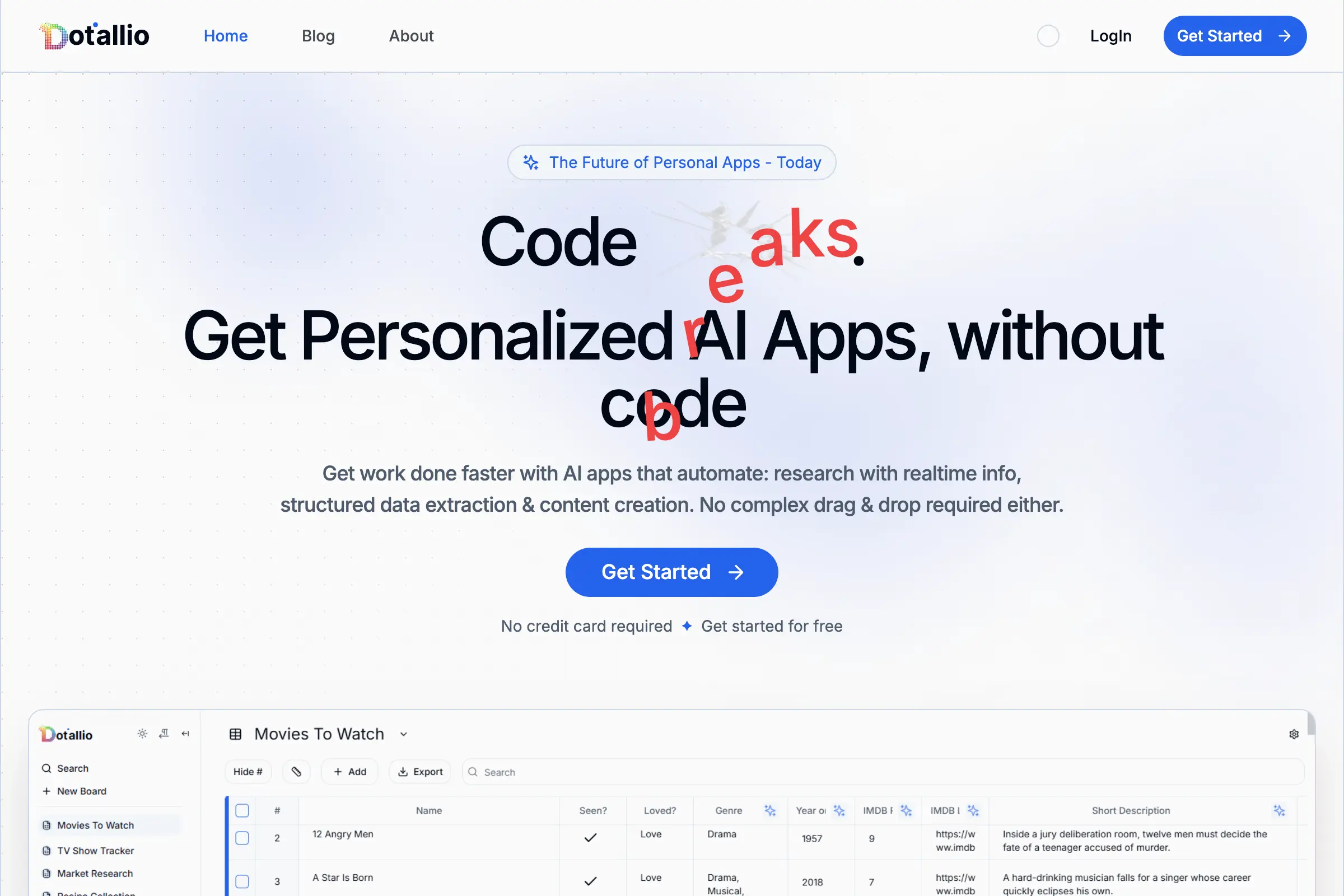
Dotallio
Personalized AI apps that automate research, data extraction, and content creation without code 🤖

Talk to Santa
Enjoy a magical live video chat or receive a unique AI-generated video greeting from Santa Claus 🎅
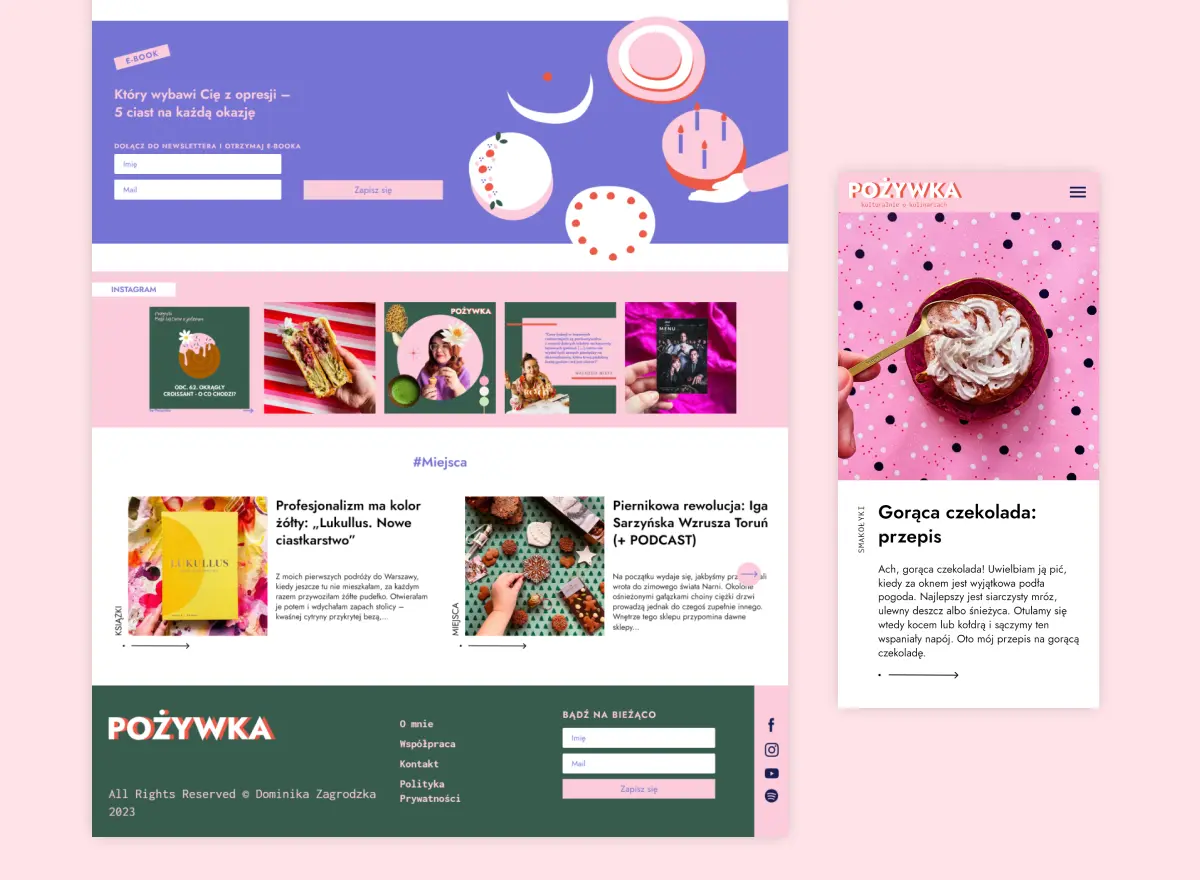
pozywka.pl
Scalable blog for food journalist, focused on performance and user experience 🌭
zagrodzki.me
Personal blog and portfolio of Bart Zagrodzki, where he shares his knowledge and work 💼
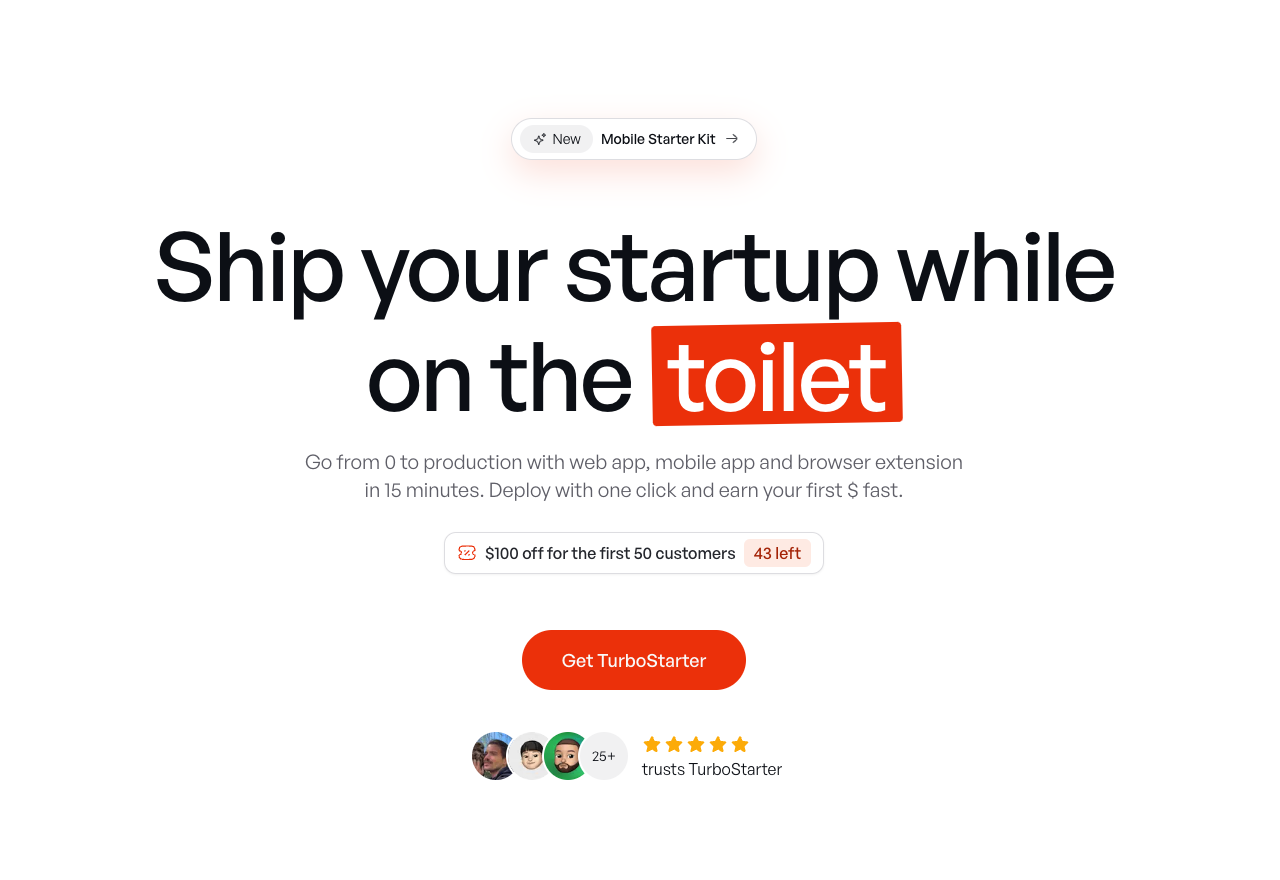
TurboStarter
Ship your startup everywhere. In minutes.
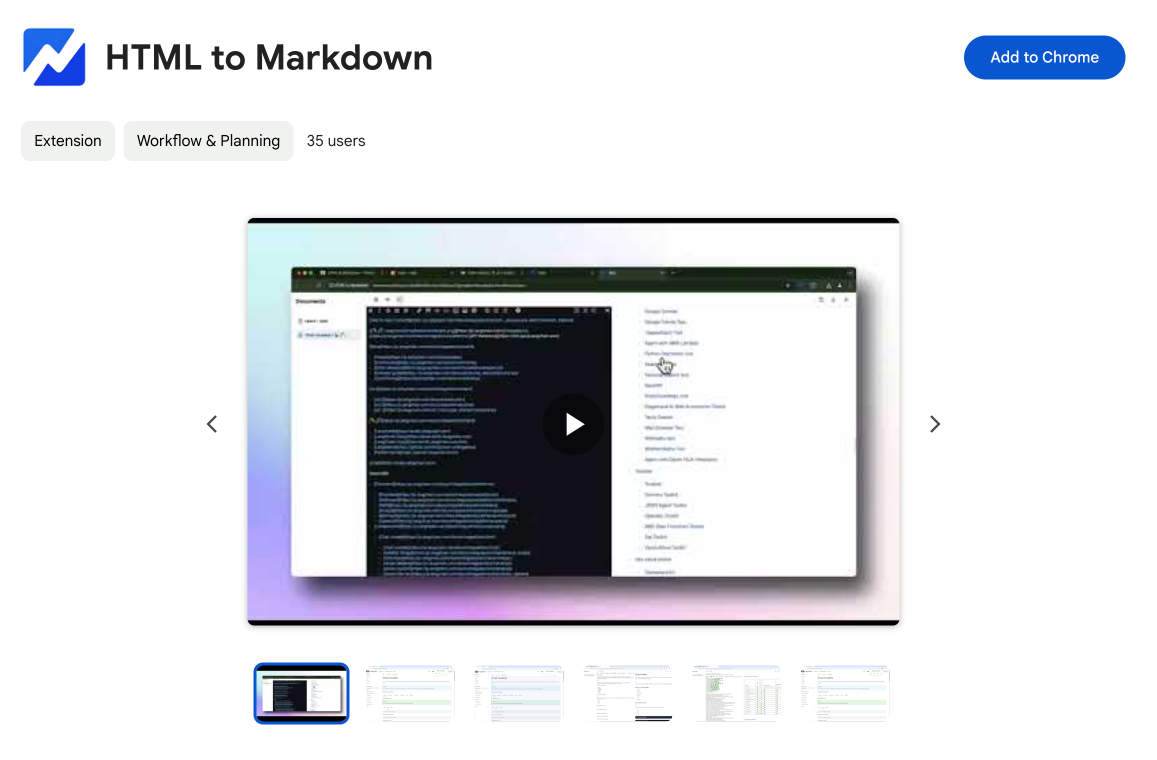
HTML to Markdown
Convert HTML to Markdown with ease, directly in your browser 📄
Dotallio
Personalized AI apps that automate research, data extraction, and content creation without code 🤖
Talk to Santa
Enjoy a magical live video chat or receive a unique AI-generated video greeting from Santa Claus 🎅
pozywka.pl
Scalable blog for food journalist, focused on performance and user experience 🌭
zagrodzki.me
Personal blog and portfolio of Bart Zagrodzki, where he shares his knowledge and work 💼
TurboStarter
Ship your startup everywhere. In minutes.
HTML to Markdown
Convert HTML to Markdown with ease, directly in your browser 📄
Dotallio
Personalized AI apps that automate research, data extraction, and content creation without code 🤖
Talk to Santa
Enjoy a magical live video chat or receive a unique AI-generated video greeting from Santa Claus 🎅
pozywka.pl
Scalable blog for food journalist, focused on performance and user experience 🌭
zagrodzki.me
Personal blog and portfolio of Bart Zagrodzki, where he shares his knowledge and work 💼
TurboStarter
Ship your startup everywhere. In minutes.
HTML to Markdown
Convert HTML to Markdown with ease, directly in your browser 📄
Dotallio
Personalized AI apps that automate research, data extraction, and content creation without code 🤖
Talk to Santa
Enjoy a magical live video chat or receive a unique AI-generated video greeting from Santa Claus 🎅
pozywka.pl
Scalable blog for food journalist, focused on performance and user experience 🌭
zagrodzki.me
Personal blog and portfolio of Bart Zagrodzki, where he shares his knowledge and work 💼
TurboStarter
Ship your startup everywhere. In minutes.
HTML to Markdown
Convert HTML to Markdown with ease, directly in your browser 📄
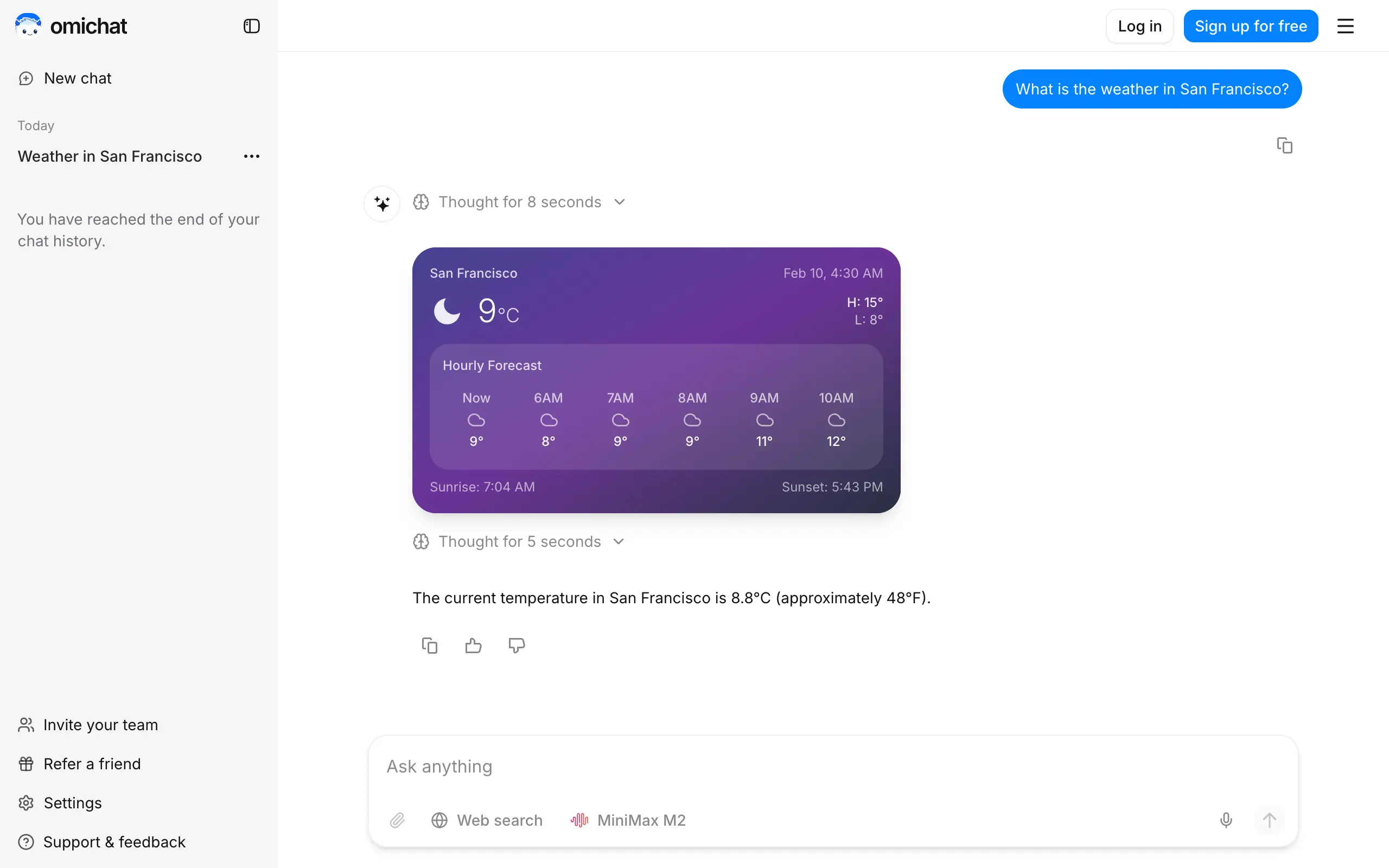
Omichat
Chat with 50+ AI models, including ChatGPT and Claude, in one place - switch models anytime without losing context 🤖
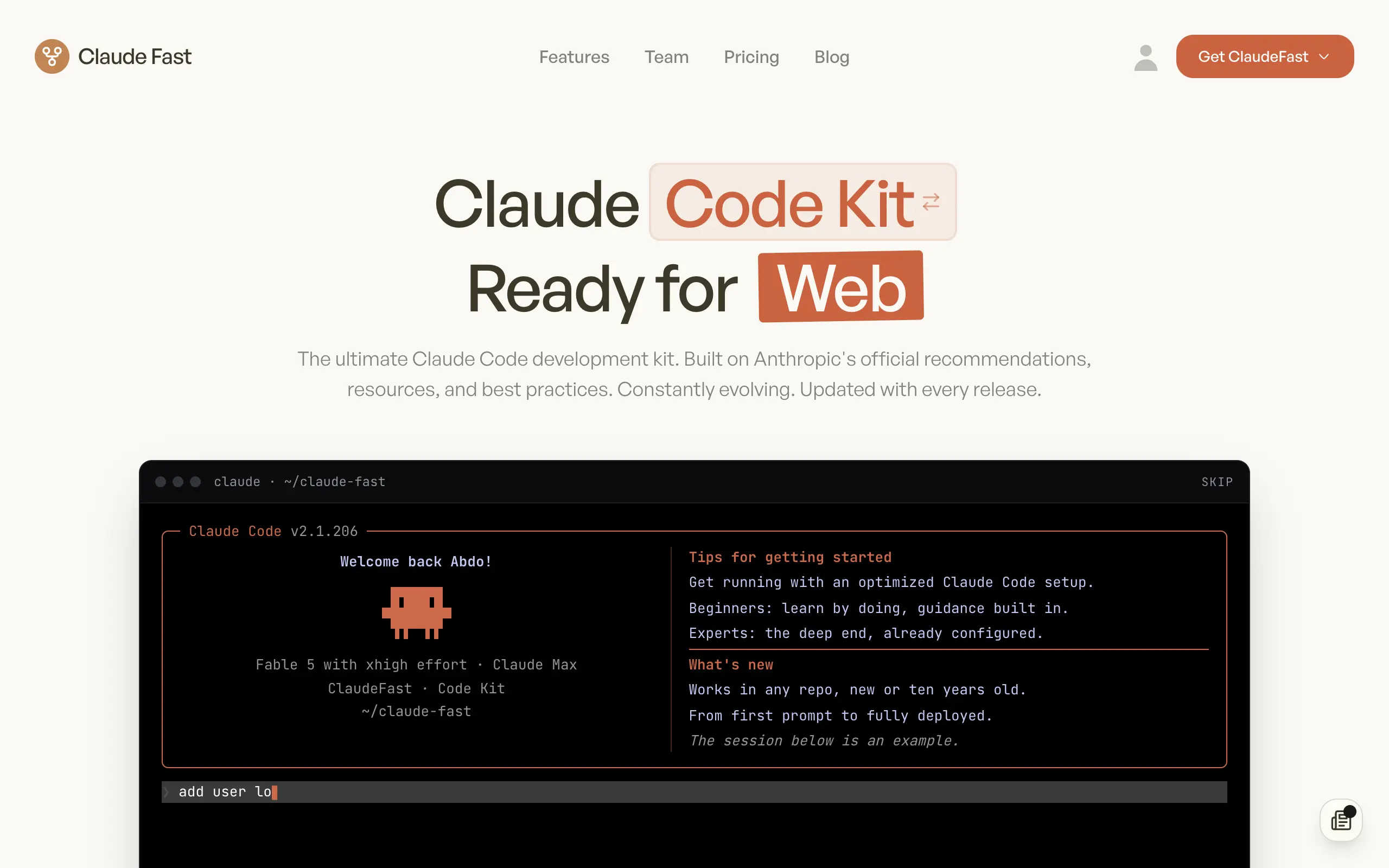
Claude Fast
Supercharge your Claude Code with 6x effective context window and specialized AI agents 🤖
EmojAI
AI-powered emoji picker with smart, context-aware suggestions 🤖
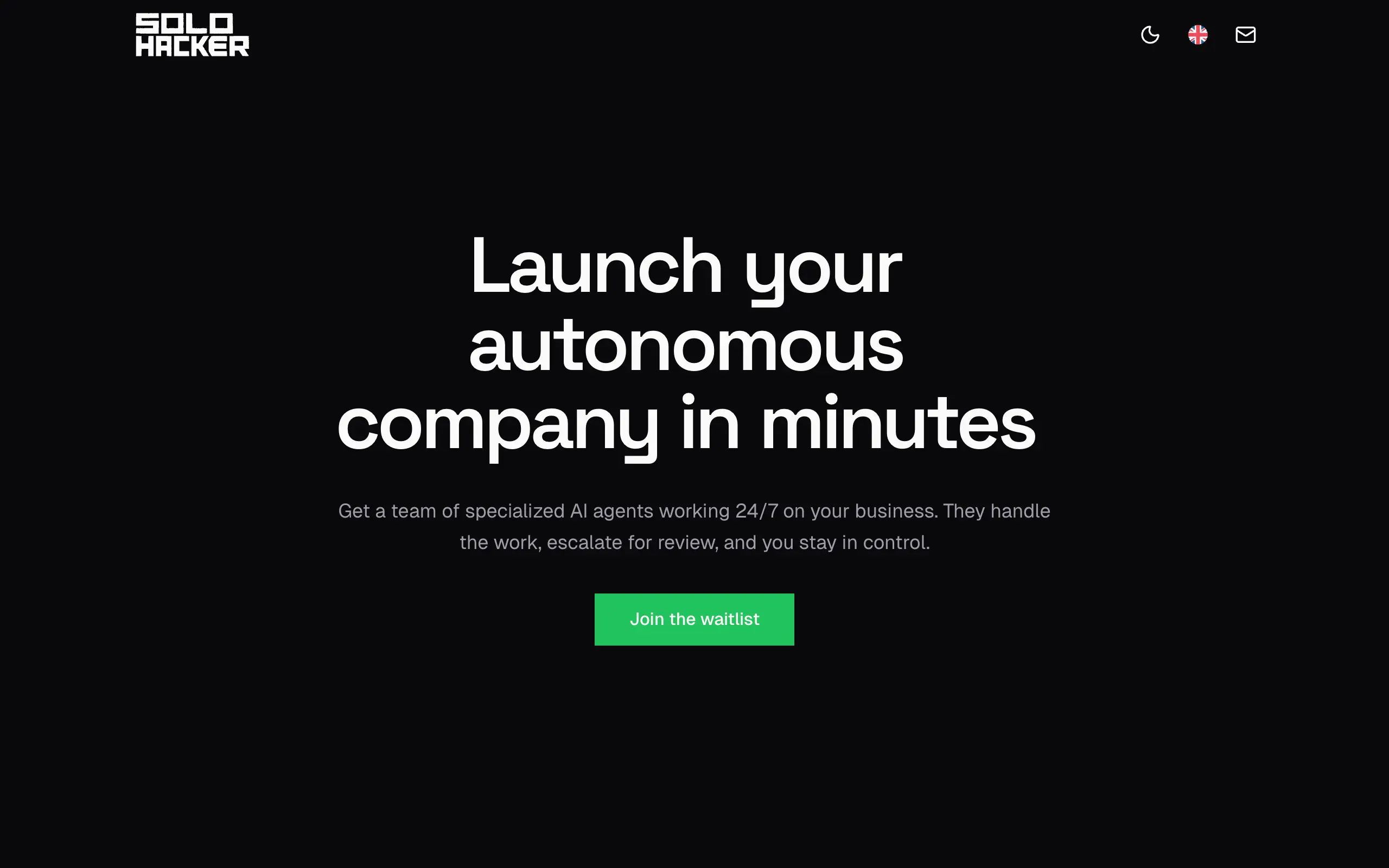
Solohacker
Autonomous company launcher - AI agents work 24/7, escalate what matters, and you stay in control 🤖
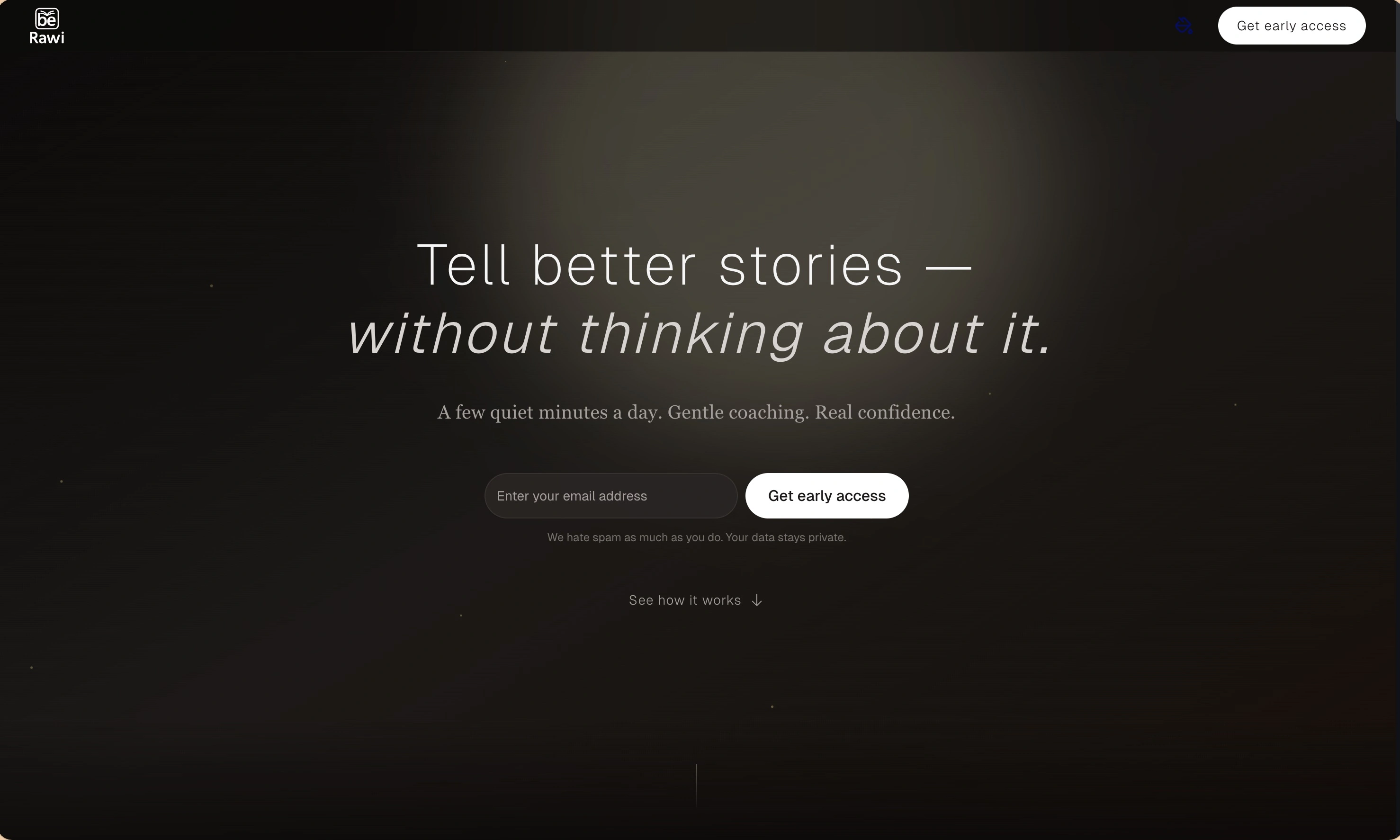
BeRawi: Storytelling Coach
Practice storytelling daily with instant feedback to sound clearer, more engaging, and confident 🎤
Omichat
Chat with 50+ AI models, including ChatGPT and Claude, in one place - switch models anytime without losing context 🤖
Claude Fast
Supercharge your Claude Code with 6x effective context window and specialized AI agents 🤖
EmojAI
AI-powered emoji picker with smart, context-aware suggestions 🤖
Solohacker
Autonomous company launcher - AI agents work 24/7, escalate what matters, and you stay in control 🤖
BeRawi: Storytelling Coach
Practice storytelling daily with instant feedback to sound clearer, more engaging, and confident 🎤
Omichat
Chat with 50+ AI models, including ChatGPT and Claude, in one place - switch models anytime without losing context 🤖
Claude Fast
Supercharge your Claude Code with 6x effective context window and specialized AI agents 🤖
EmojAI
AI-powered emoji picker with smart, context-aware suggestions 🤖
Solohacker
Autonomous company launcher - AI agents work 24/7, escalate what matters, and you stay in control 🤖
BeRawi: Storytelling Coach
Practice storytelling daily with instant feedback to sound clearer, more engaging, and confident 🎤
Omichat
Chat with 50+ AI models, including ChatGPT and Claude, in one place - switch models anytime without losing context 🤖
Claude Fast
Supercharge your Claude Code with 6x effective context window and specialized AI agents 🤖
EmojAI
AI-powered emoji picker with smart, context-aware suggestions 🤖
Solohacker
Autonomous company launcher - AI agents work 24/7, escalate what matters, and you stay in control 🤖
BeRawi: Storytelling Coach
Practice storytelling daily with instant feedback to sound clearer, more engaging, and confident 🎤

Connect with like-minded people
Join our community to get feedback, support, and grow together with 1,000+ builders on board, let's ship it!
Join usShip your startup everywhere. In minutes.
Don't burn tokens on setup and start building features on day one.