FairVille
A city-building mobile game with zero pay-to-win mechanics and transparent progression. Players grow thriving towns through skill-based challenges, not endless microtransactions.
Why a zero pay-to-win city-building game is the future of mobile gaming
The mobile gaming industry has grown into a multi-billion-dollar ecosystem, largely fueled by free-to-play mechanics and microtransactions. However, this growth has also created a backlash. Players increasingly criticize aggressive monetization models, loot boxes, and pay-to-win systems that prioritize spending over skill.
FairVille, a zero pay-to-win city-building mobile game, directly addresses this frustration. Instead of locking progress behind microtransactions, FairVille emphasizes:
- Transparent progression systems
- Skill-based challenges
- Strategic resource management
- Fair competition
- Cosmetic-only monetization (optional)
This article explores the full SaaS and product strategy behind FairVille—from market validation to monetization, technology stack, competitive positioning, and implementation roadmap.
Understanding the user intent behind “zero pay-to-win city-building game”
When players search for:
- “city-building game without microtransactions”
- “fair mobile strategy game”
- “no pay to win city builder”
- “ethical mobile games”
They are looking for:
- Fair gameplay
- Transparent progression mechanics
- Long-term engagement without financial pressure
- Strategic depth
- Community trust
This is not just entertainment demand. It is a trust gap in the gaming industry.
FairVille exists to fill that gap.
Market opportunity: the anti-pay-to-win movement
The mobile gaming paradox
Mobile gaming dominates global gaming revenue, yet player sentiment often skews negative toward monetization models.
Common pain points:
- Energy timers that force purchases
- Loot boxes with unclear odds
- PvP imbalance caused by spending
- Artificially slow progression
Communities on Reddit, Discord, and gaming forums repeatedly discuss “fair” alternatives. This signals a strong niche opportunity.
The underserved segment
There are three primary segments in the city-building genre:
- Casual decorators
- Competitive PvP spenders
- Strategy-first players seeking fairness
Segment #3 is growing but underserved.
These players:
- Value mastery over money
- Prefer transparent mechanics
- Enjoy progression systems with clarity
- Appreciate ethical monetization
FairVille’s positioning is laser-focused on this third segment.
Target audience analysis
Primary audience: strategic mobile gamers
- Age: 18–35
- Tech-savvy
- Familiar with games like SimCity, Clash of Clans, and Cities: Skylines
- Frustrated with paywalls
- Active in online gaming communities
Secondary audience: ethical gamers & parents
- Parents concerned about predatory monetization
- Gamers who prefer premium-like experiences
- Players seeking relaxing but challenging city simulators
Psychographic traits
- High fairness sensitivity
- Analytical thinking
- Long-term planners
- Strong community engagement
The core value proposition of FairVille
FairVille is not just another city-building game. Its unique selling proposition (USP) is simple:
“Progress is earned through skill and strategy, not spending.”
Key pillars
- Zero pay-to-win mechanics
- Transparent progression math
- Skill-based expansion challenges
- Cosmetic-only monetization
- Community-driven development roadmap
This transparency becomes a powerful marketing advantage.
Core gameplay and feature set
1. Skill-based city expansion
Instead of waiting timers or paying to accelerate, expansion depends on:
- Strategic zoning efficiency
- Resource optimization
- Environmental balancing
- Citizen satisfaction metrics
2. Transparent progression system
Every upgrade displays:
- Exact resource requirements
- Estimated time based on performance
- Clear performance bonuses
No hidden algorithms.
Transparency advantage
Publishing progression formulas builds trust and differentiates FairVille from traditional mobile city builders.
3. Fair competitive events
Multiplayer events reward:
- Planning efficiency
- Resource allocation accuracy
- City sustainability scores
Not spending.
4. Cosmetic monetization
Revenue comes from:
- Skins
- Decorative building styles
- Seasonal themes
- Non-gameplay-altering expansions
No stat boosts.
5. Community governance features
- Player voting on new features
- Transparent roadmap updates
- Dev transparency reports
Feature comparison vs traditional city-building games
| Feature | FairVille | Traditional F2P | Premium PC Sim | Hybrid Models |
|---|---|---|---|---|
| Zero pay-to-win | ✅ | ❌ | ✅ | ❌ |
| Cosmetic monetization | ✅ | ✅ | ❌ | ✅ |
| Transparent progression | ✅ | ❌ | ✅ | ❌ |
| Mobile-first | ✅ | ✅ | ❌ | ✅ |
Game design mechanics that reinforce fairness
Balanced economy model
- Fixed inflation curves
- No purchasable currency advantages
- Skill multipliers tied to performance metrics
Skill-based progression algorithm
function calculateGrowthBonus(cityEfficiency: number, sustainability: number) {
  const efficiencyWeight = 0.6;
  const sustainabilityWeight = 0.4;

  return (cityEfficiency * efficiencyWeight) +
         (sustainability * sustainabilityWeight);
}
This formula ensures that smart planning beats spending.
Recommended technology stack
Building FairVille requires scalability, performance, and cross-platform support.
Frontend (Mobile)
Why: Cross-platform development reduces cost and speeds iteration.
Game engine layer
- Unity (for advanced simulation)
OR - Lightweight custom engine in React Native for 2D simplicity
Backend
Real-time systems
- WebSockets
- Redis for caching
Hosting
- AWS or Google Cloud
- Scalable container infrastructure (Docker + Kubernetes)
Trade-offs
- Unity increases realism but adds complexity
- React Native-only simplifies stack but limits advanced simulations
Monetization strategy without pay-to-win
Option 1: Cosmetic-only marketplace
- Themed city skins
- Decorative packs
- Landmark styles
Option 2: Battle pass (non-competitive rewards)
- Cosmetic unlock tiers
- Profile badges
- Seasonal decorations
Option 3: Premium subscription
- Early cosmetic access
- Development voting perks
- Exclusive seasonal themes
No competitive edge.
Financial sustainability modeling
A fairness-first game must still generate revenue.
Key metrics:
- ARPU (Average Revenue Per User)
- Retention rate (D30, D90)
- Cosmetic conversion rate
Instead of relying on “whales,” FairVille depends on:
- Broad moderate spenders
- High retention loyalty
- Community-driven marketing
Competitive landscape analysis
Major competitors include:
- SimCity BuildIt
- Clash of Clans
- Township
- Forge of Empires
Most use time-gating + premium currency acceleration.
FairVille’s differentiation:
- Ethical monetization
- Transparent economy
- Skill-centric design
- Community governance
Risks and mitigation strategies
Risk 1: Lower short-term revenue
Mitigation:
Focus on retention and long-term lifetime value.
Risk 2: Difficulty balancing economy
Mitigation:
Use data analytics and A/B testing to refine progression.
Risk 3: Player skepticism
Mitigation:
Publish economic formulas and development transparency reports.
Go-to-market strategy
Phase 1: Build credibility
- Dev logs on YouTube
- Reddit transparency posts
- Early Discord community
Phase 2: Closed beta
- Invite fairness-focused gamers
- Collect balance feedback
- Showcase transparent design
Phase 3: Launch
- Highlight “Zero Pay-to-Win” as core branding
- Partner with ethical gaming influencers
- Promote anti-microtransaction messaging
Community-driven growth strategy
Transparency reports
Quarterly breakdown of monetization and economy balance.
Public roadmap
Community votes on feature prioritization.
Open balance notes
Detailed explanations for economic adjustments.
Implementation roadmap
Development acceleration strategy
Building a SaaS-powered game backend can be time-consuming.
Using a production-ready SaaS foundation like TurboStarter can significantly reduce:
- Authentication setup time
- Payment infrastructure complexity
- User management configuration
- Subscription logic
This allows the team to focus on game mechanics rather than boilerplate backend systems.
Long-term vision for FairVille
FairVille can expand into:
- Educational urban planning modes
- Sustainability-focused city challenges
- Competitive seasonal leagues
- Modding support
- Web companion dashboard
The long-term goal is not just a game.
It’s a movement toward ethical mobile gaming.
Why FairVille has strong long-term potential
- Trust is becoming a competitive advantage
- Ethical monetization builds loyal communities
- Skill-based design increases retention
- Transparency reduces churn
- Word-of-mouth spreads fairness narratives
The anti-pay-to-win segment is not niche—it is growing.
Final thoughts: building the first truly fair mobile city-building game
FairVille represents a strategic shift in mobile gaming:
From extraction → to trust
From whales → to community
From spending → to skill
By combining:
- Transparent progression
- Skill-based challenges
- Cosmetic monetization
- Community governance
FairVille can establish itself as the leading zero pay-to-win city-building game in the mobile market.
The opportunity is not just financial.
It is cultural.
The mobile gaming industry is ready for a fairness revolution.
More 🎮 Game SaaS ideas
Discover more innovative game SaaS ideas that are trending in 2026. Each idea is AI-generated with market validation and growth potential to help you find your next profitable venture faster than competitors.
Your competitors are building with TurboStarter
Below are some of the SaaS ideas that have been generated and built with our starter kit.
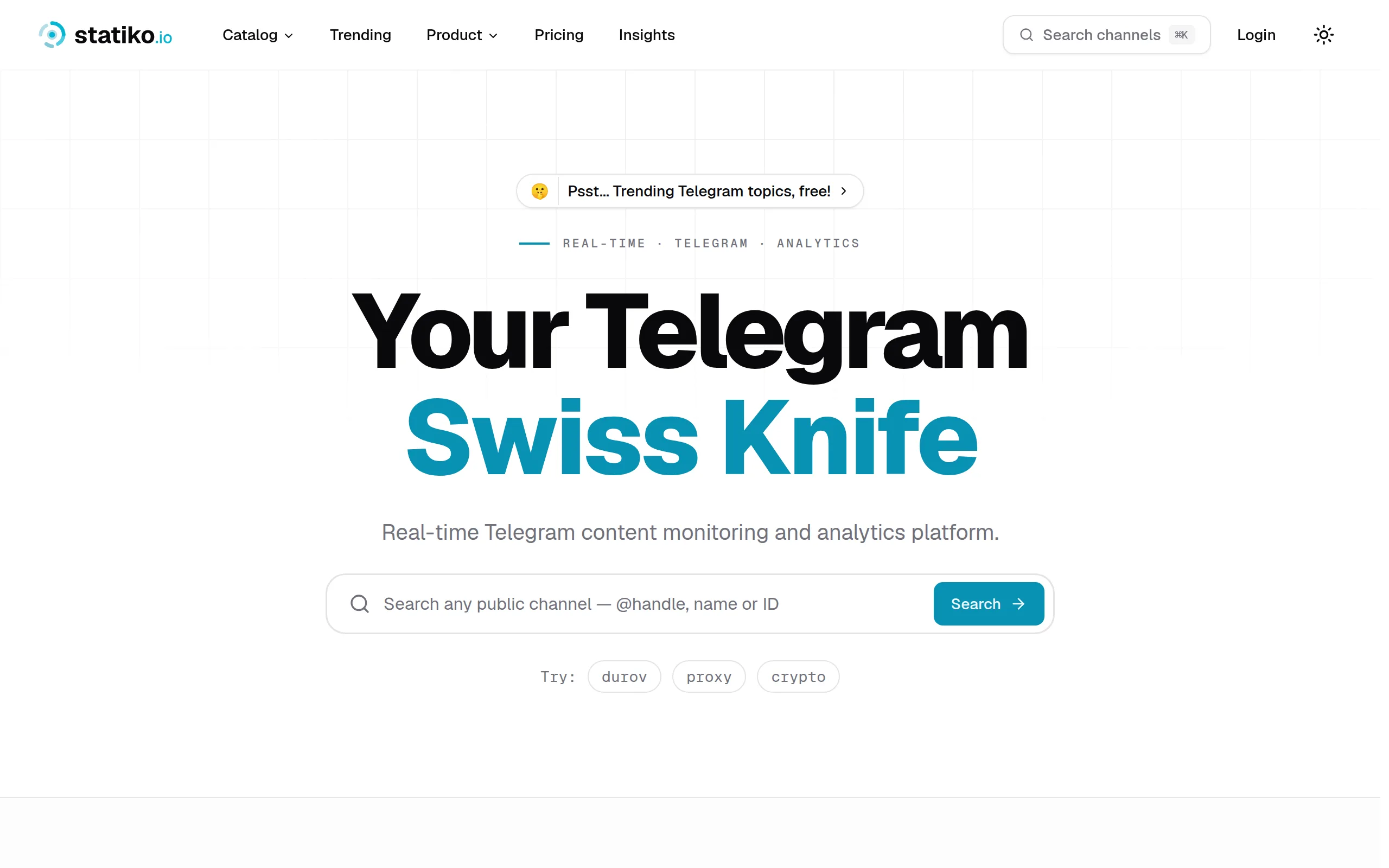
Statiko
Monitor any Telegram channel in real time - track posts, edits, deletions, and growth with AI recaps 📡

Shibui
AI website builder - describe your business, pick a niche template, edit by chatting, and publish instantly ✨
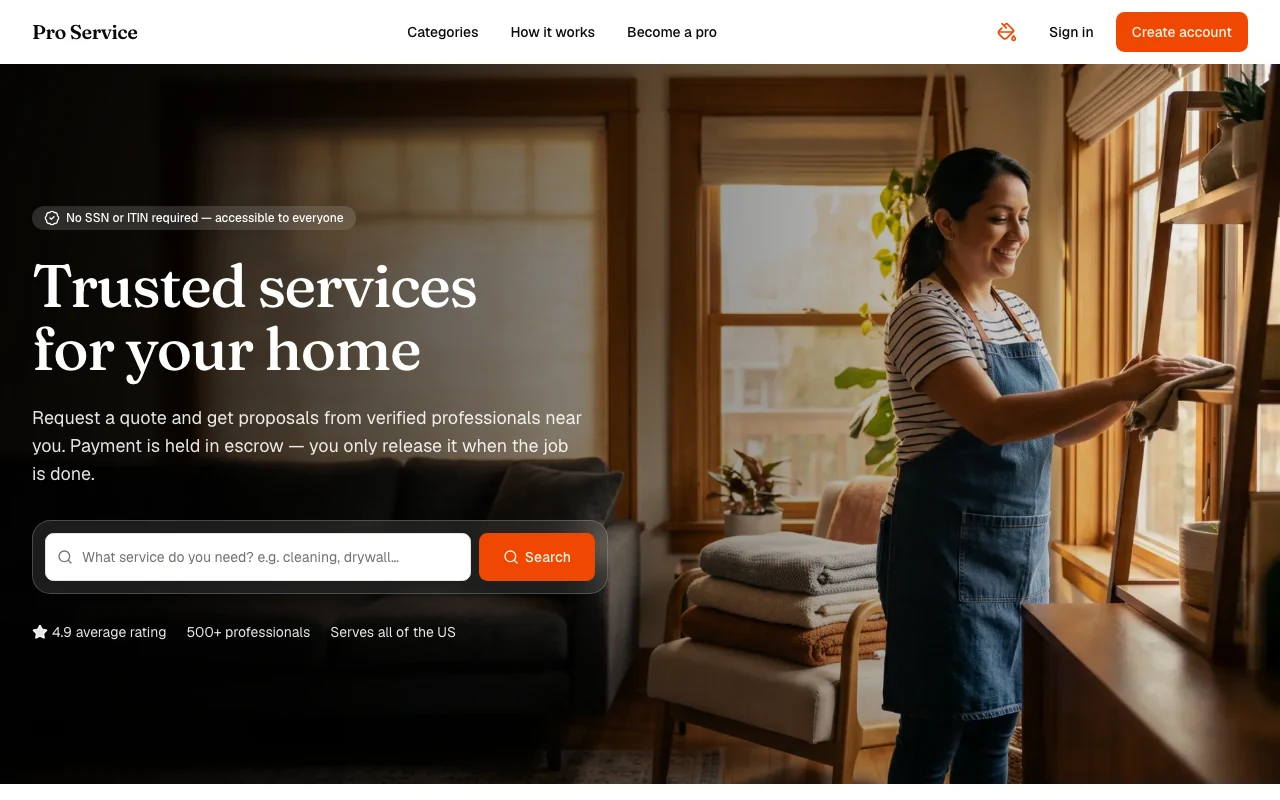
Pro Service
Find verified home service professionals, compare quotes, and pay securely through escrow - built for Brazilians across the US 🏠
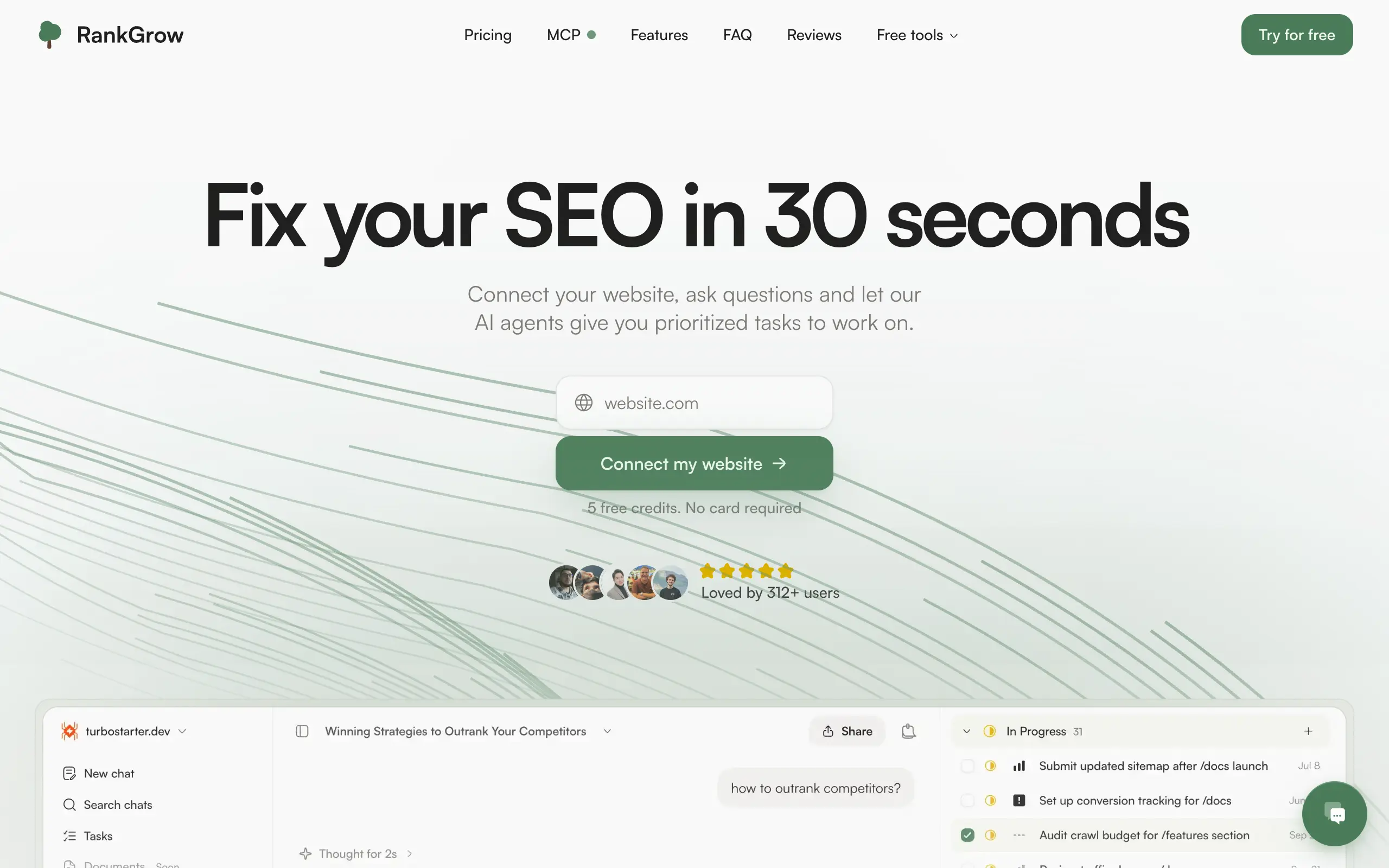
RankGrow
Fix your SEO with AI agents - connect Search Console, get prioritized tasks, and grow organic traffic 📈
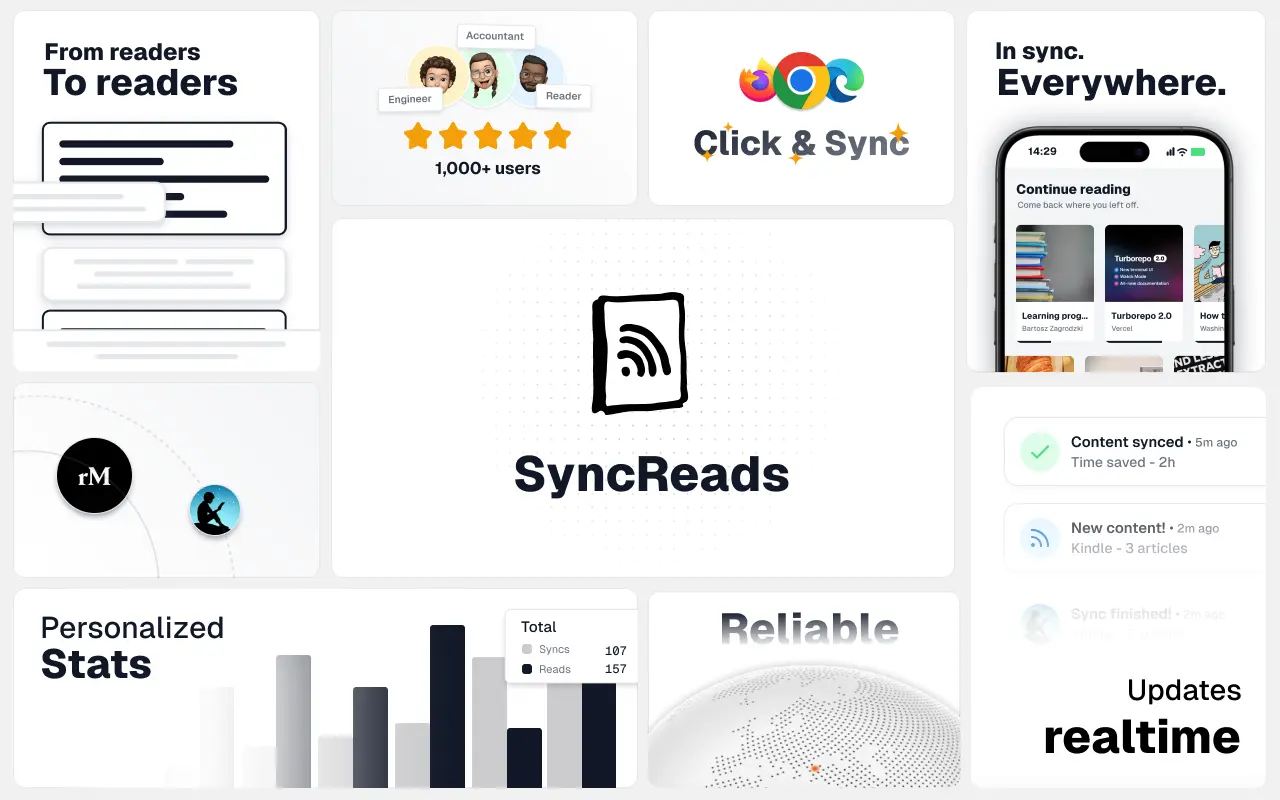
SyncReads
Sync your favorite content for distraction-free reading, save time and replace multiple apps. Anytime, anywhere 🔄
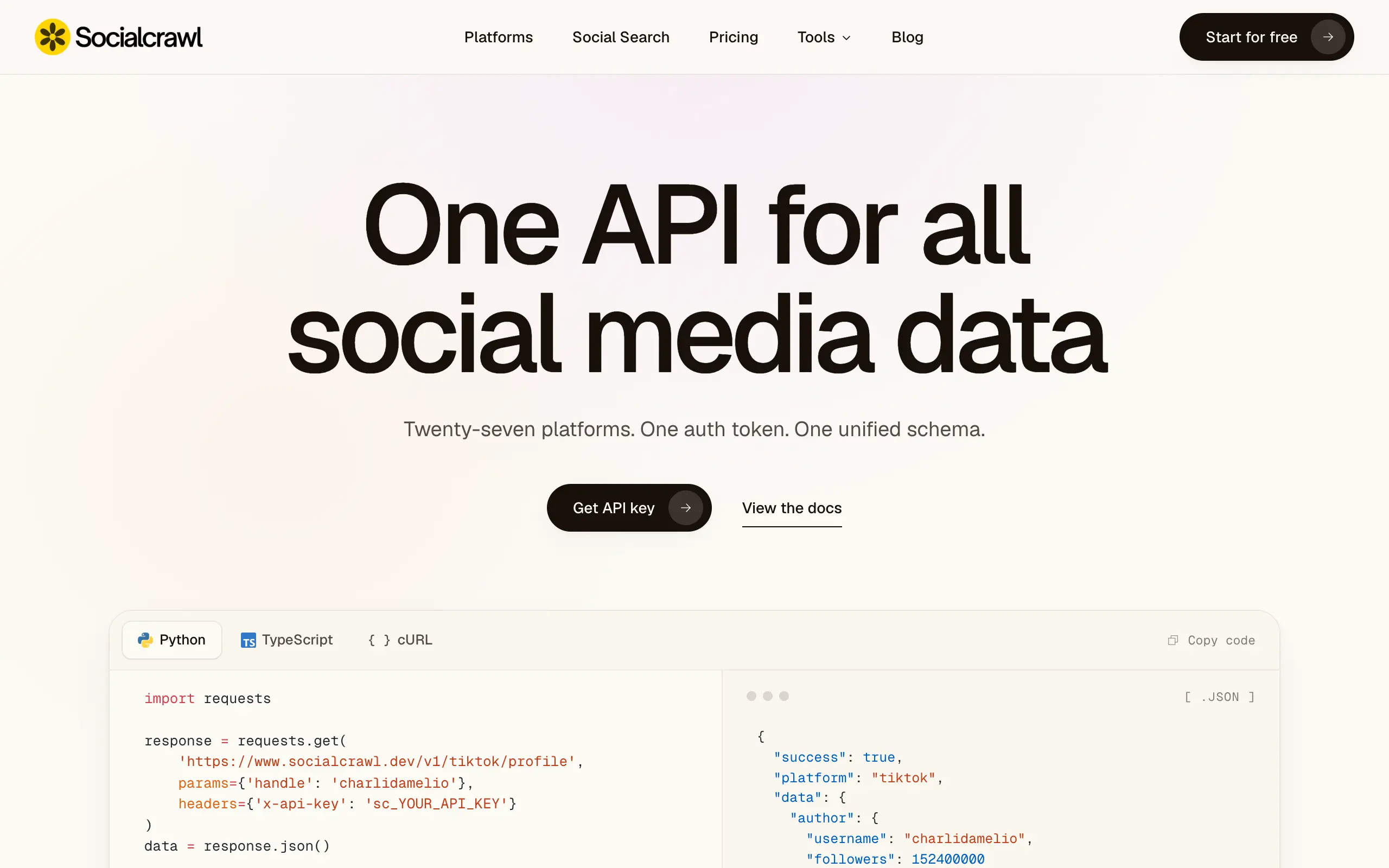
Socialcrawl
Get clean, structured data from 21 platforms like TikTok, Instagram, and YouTube with a single request 📊
Statiko
Monitor any Telegram channel in real time - track posts, edits, deletions, and growth with AI recaps 📡
Shibui
AI website builder - describe your business, pick a niche template, edit by chatting, and publish instantly ✨
Pro Service
Find verified home service professionals, compare quotes, and pay securely through escrow - built for Brazilians across the US 🏠
RankGrow
Fix your SEO with AI agents - connect Search Console, get prioritized tasks, and grow organic traffic 📈
SyncReads
Sync your favorite content for distraction-free reading, save time and replace multiple apps. Anytime, anywhere 🔄
Socialcrawl
Get clean, structured data from 21 platforms like TikTok, Instagram, and YouTube with a single request 📊
Statiko
Monitor any Telegram channel in real time - track posts, edits, deletions, and growth with AI recaps 📡
Shibui
AI website builder - describe your business, pick a niche template, edit by chatting, and publish instantly ✨
Pro Service
Find verified home service professionals, compare quotes, and pay securely through escrow - built for Brazilians across the US 🏠
RankGrow
Fix your SEO with AI agents - connect Search Console, get prioritized tasks, and grow organic traffic 📈
SyncReads
Sync your favorite content for distraction-free reading, save time and replace multiple apps. Anytime, anywhere 🔄
Socialcrawl
Get clean, structured data from 21 platforms like TikTok, Instagram, and YouTube with a single request 📊
Statiko
Monitor any Telegram channel in real time - track posts, edits, deletions, and growth with AI recaps 📡
Shibui
AI website builder - describe your business, pick a niche template, edit by chatting, and publish instantly ✨
Pro Service
Find verified home service professionals, compare quotes, and pay securely through escrow - built for Brazilians across the US 🏠
RankGrow
Fix your SEO with AI agents - connect Search Console, get prioritized tasks, and grow organic traffic 📈
SyncReads
Sync your favorite content for distraction-free reading, save time and replace multiple apps. Anytime, anywhere 🔄
Socialcrawl
Get clean, structured data from 21 platforms like TikTok, Instagram, and YouTube with a single request 📊
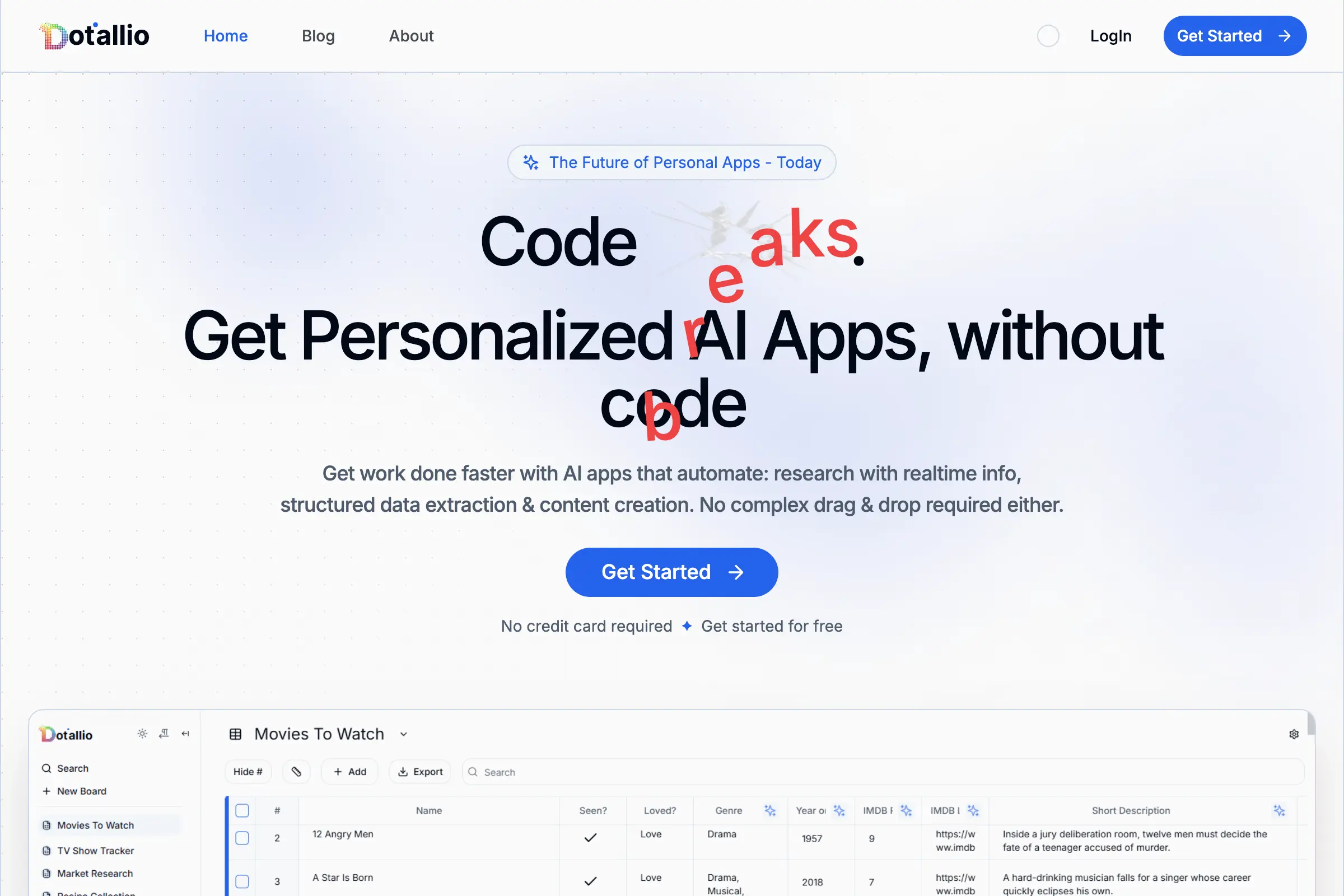
Dotallio
Personalized AI apps that automate research, data extraction, and content creation without code 🤖
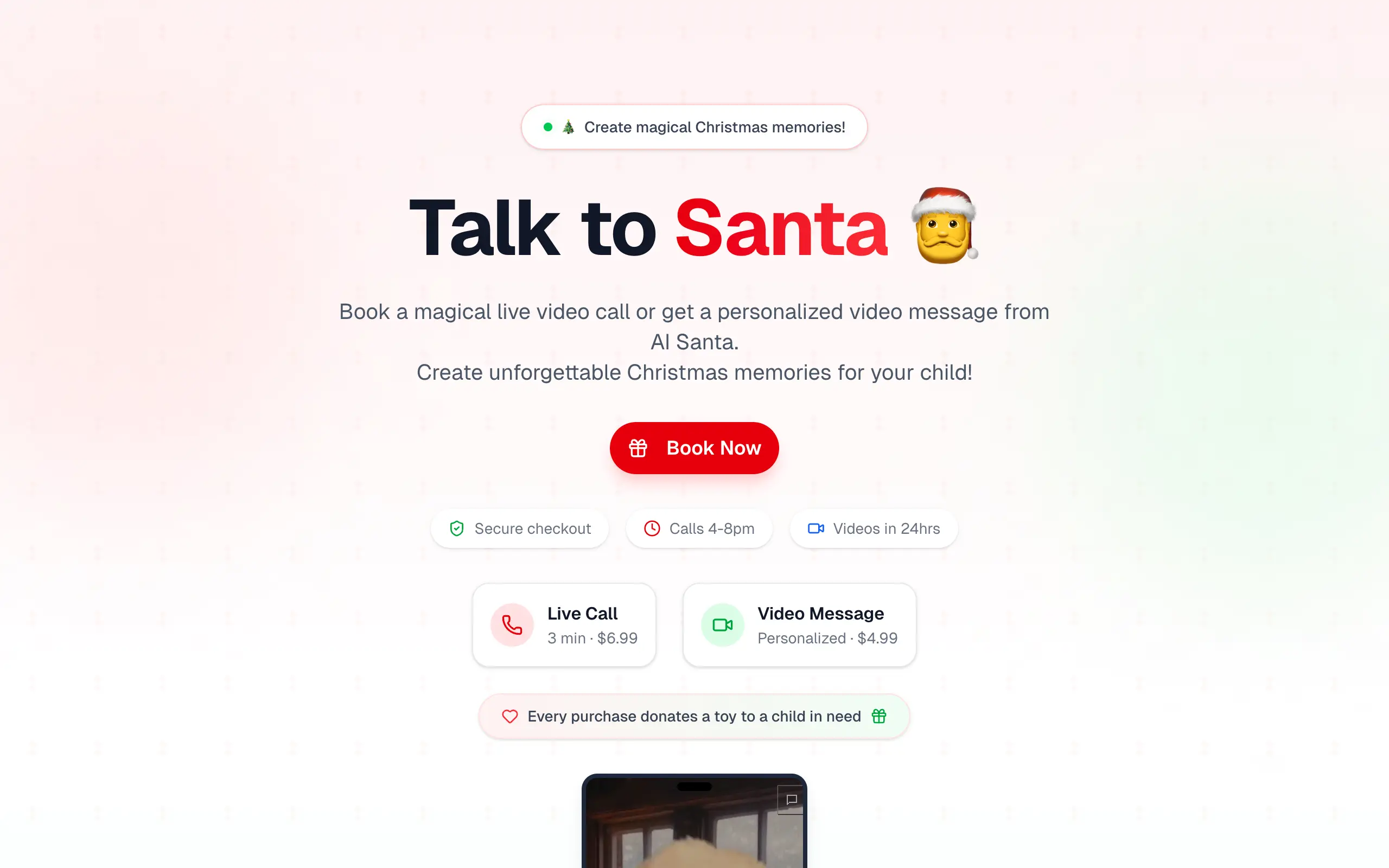
Talk to Santa
Enjoy a magical live video chat or receive a unique AI-generated video greeting from Santa Claus 🎅
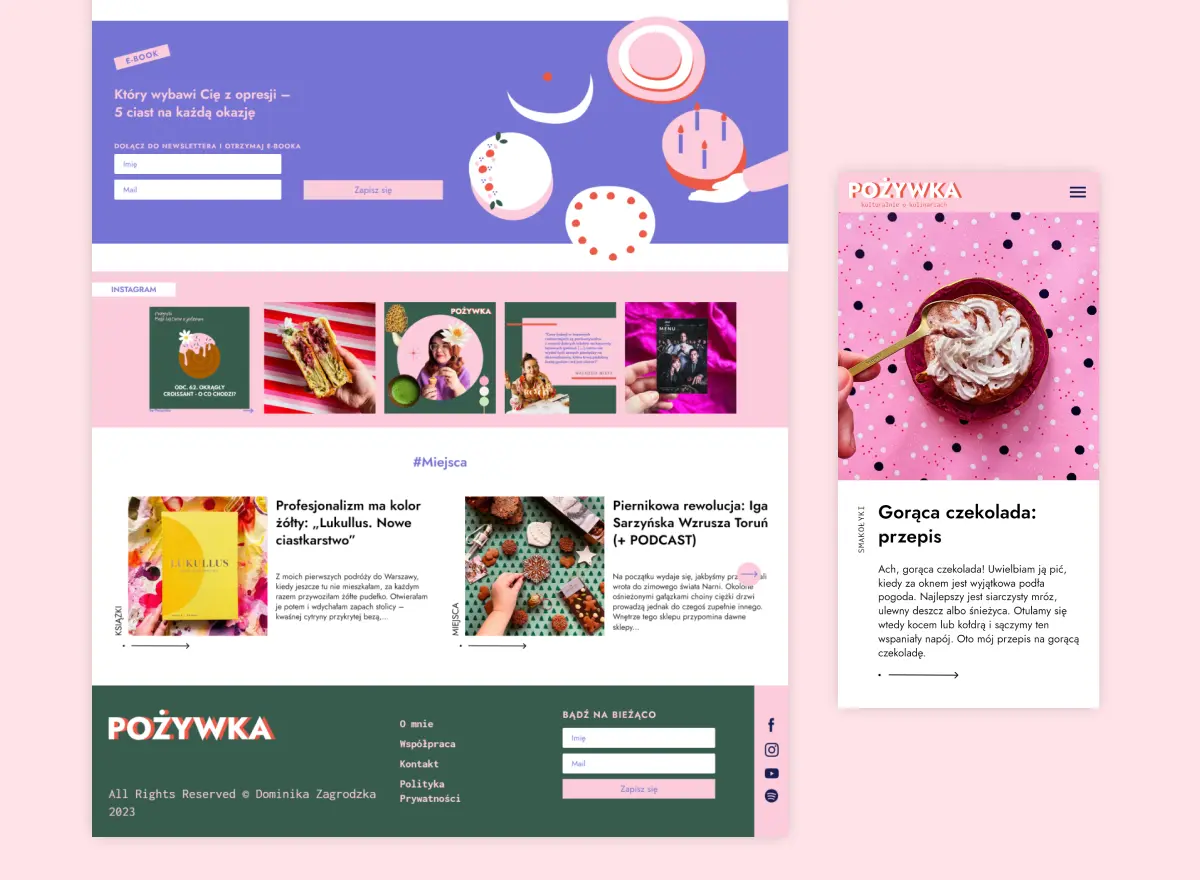
pozywka.pl
Scalable blog for food journalist, focused on performance and user experience 🌭
zagrodzki.me
Personal blog and portfolio of Bart Zagrodzki, where he shares his knowledge and work 💼
TurboStarter
Ship your startup everywhere. In minutes.
HTML to Markdown
Convert HTML to Markdown with ease, directly in your browser 📄
Dotallio
Personalized AI apps that automate research, data extraction, and content creation without code 🤖
Talk to Santa
Enjoy a magical live video chat or receive a unique AI-generated video greeting from Santa Claus 🎅
pozywka.pl
Scalable blog for food journalist, focused on performance and user experience 🌭
zagrodzki.me
Personal blog and portfolio of Bart Zagrodzki, where he shares his knowledge and work 💼
TurboStarter
Ship your startup everywhere. In minutes.
HTML to Markdown
Convert HTML to Markdown with ease, directly in your browser 📄
Dotallio
Personalized AI apps that automate research, data extraction, and content creation without code 🤖
Talk to Santa
Enjoy a magical live video chat or receive a unique AI-generated video greeting from Santa Claus 🎅
pozywka.pl
Scalable blog for food journalist, focused on performance and user experience 🌭
zagrodzki.me
Personal blog and portfolio of Bart Zagrodzki, where he shares his knowledge and work 💼
TurboStarter
Ship your startup everywhere. In minutes.
HTML to Markdown
Convert HTML to Markdown with ease, directly in your browser 📄
Dotallio
Personalized AI apps that automate research, data extraction, and content creation without code 🤖
Talk to Santa
Enjoy a magical live video chat or receive a unique AI-generated video greeting from Santa Claus 🎅
pozywka.pl
Scalable blog for food journalist, focused on performance and user experience 🌭
zagrodzki.me
Personal blog and portfolio of Bart Zagrodzki, where he shares his knowledge and work 💼
TurboStarter
Ship your startup everywhere. In minutes.
HTML to Markdown
Convert HTML to Markdown with ease, directly in your browser 📄
Omichat
Chat with 50+ AI models, including ChatGPT and Claude, in one place - switch models anytime without losing context 🤖
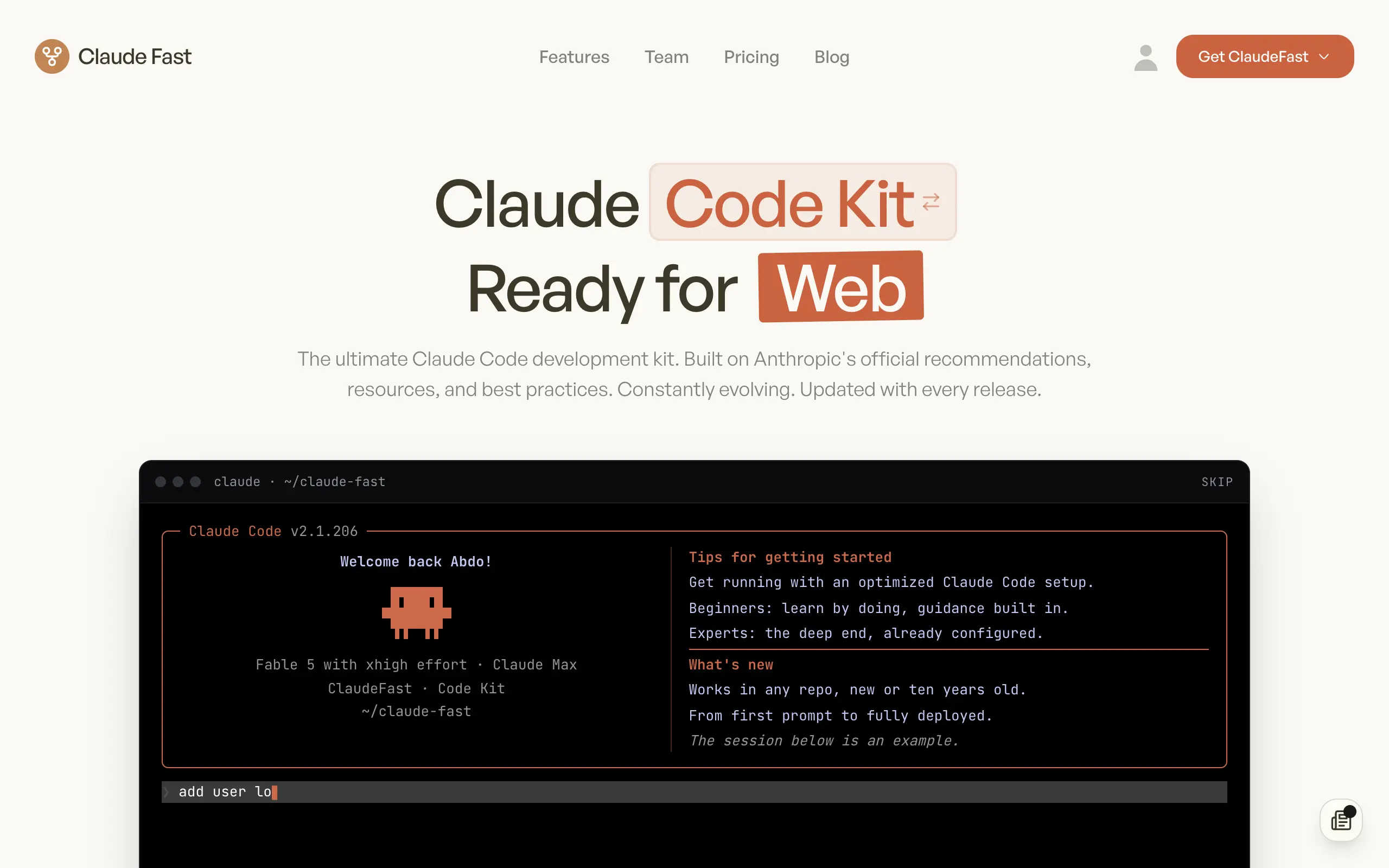
Claude Fast
Supercharge your Claude Code with 6x effective context window and specialized AI agents 🤖
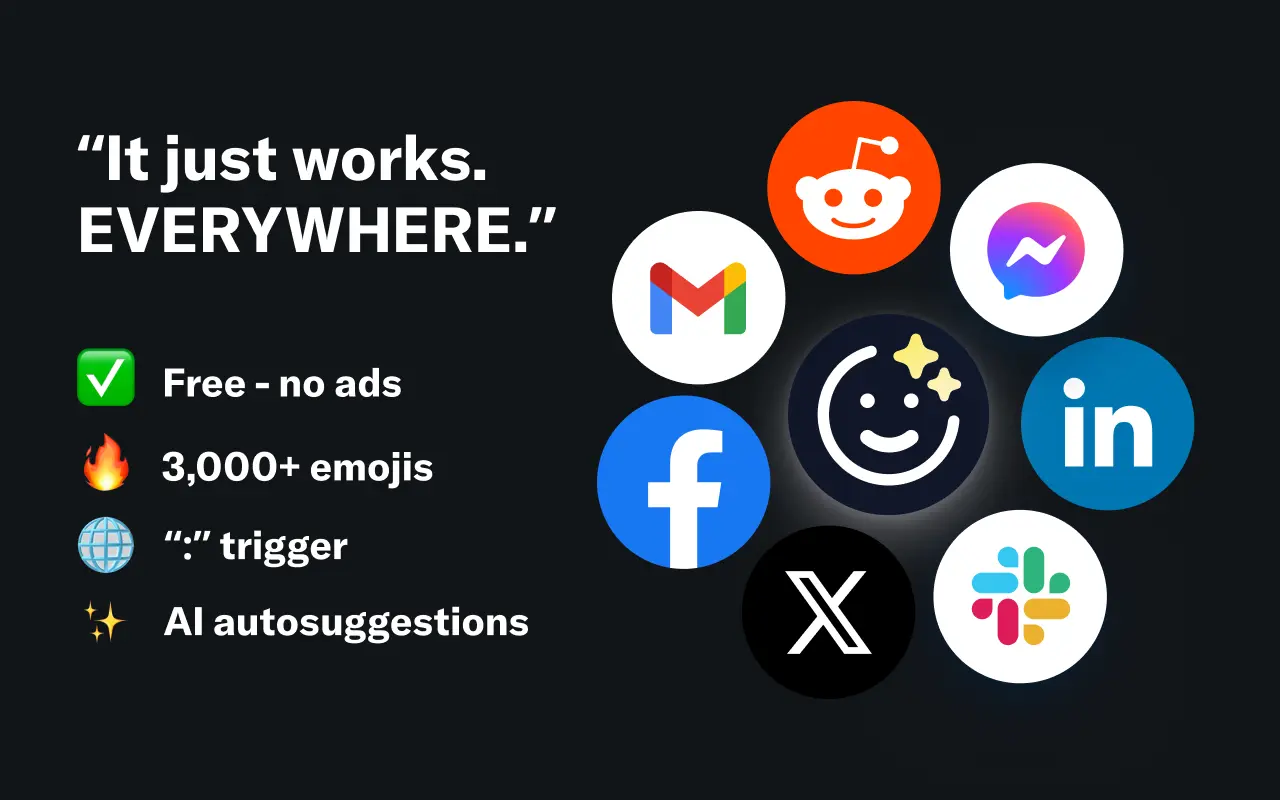
EmojAI
AI-powered emoji picker with smart, context-aware suggestions 🤖
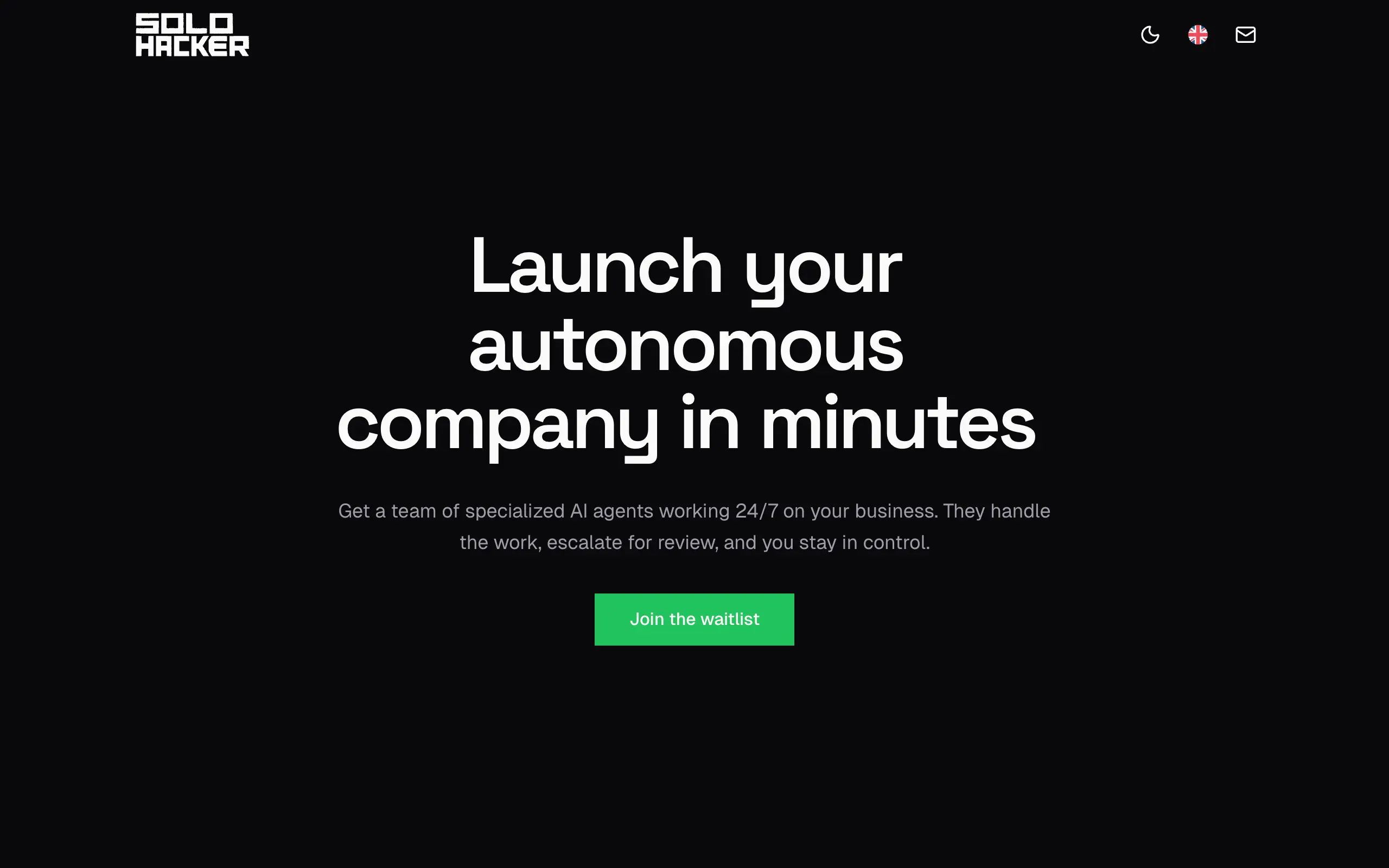
Solohacker
Autonomous company launcher - AI agents work 24/7, escalate what matters, and you stay in control 🤖
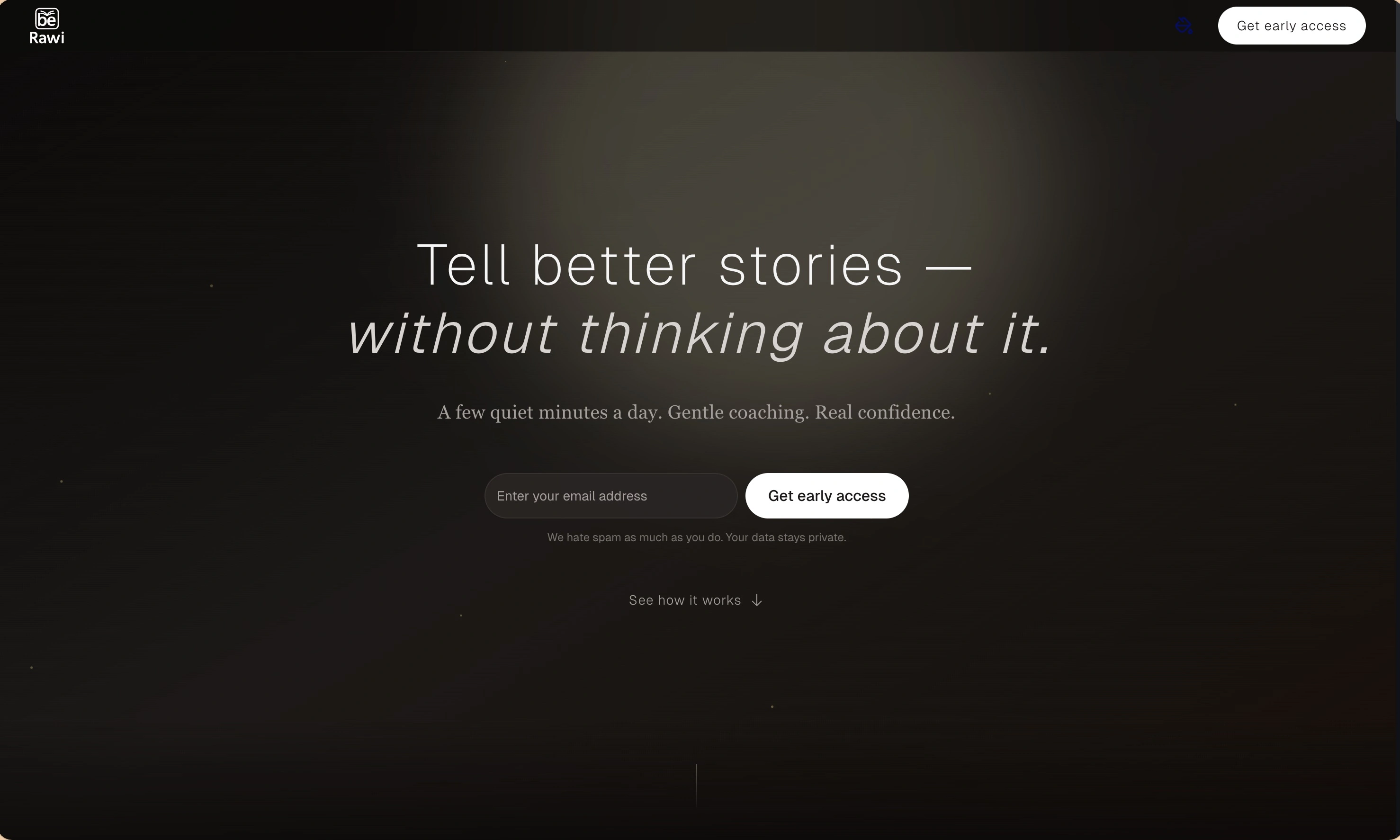
BeRawi: Storytelling Coach
Practice storytelling daily with instant feedback to sound clearer, more engaging, and confident 🎤
Omichat
Chat with 50+ AI models, including ChatGPT and Claude, in one place - switch models anytime without losing context 🤖
Claude Fast
Supercharge your Claude Code with 6x effective context window and specialized AI agents 🤖
EmojAI
AI-powered emoji picker with smart, context-aware suggestions 🤖
Solohacker
Autonomous company launcher - AI agents work 24/7, escalate what matters, and you stay in control 🤖
BeRawi: Storytelling Coach
Practice storytelling daily with instant feedback to sound clearer, more engaging, and confident 🎤
Omichat
Chat with 50+ AI models, including ChatGPT and Claude, in one place - switch models anytime without losing context 🤖
Claude Fast
Supercharge your Claude Code with 6x effective context window and specialized AI agents 🤖
EmojAI
AI-powered emoji picker with smart, context-aware suggestions 🤖
Solohacker
Autonomous company launcher - AI agents work 24/7, escalate what matters, and you stay in control 🤖
BeRawi: Storytelling Coach
Practice storytelling daily with instant feedback to sound clearer, more engaging, and confident 🎤
Omichat
Chat with 50+ AI models, including ChatGPT and Claude, in one place - switch models anytime without losing context 🤖
Claude Fast
Supercharge your Claude Code with 6x effective context window and specialized AI agents 🤖
EmojAI
AI-powered emoji picker with smart, context-aware suggestions 🤖
Solohacker
Autonomous company launcher - AI agents work 24/7, escalate what matters, and you stay in control 🤖
BeRawi: Storytelling Coach
Practice storytelling daily with instant feedback to sound clearer, more engaging, and confident 🎤

Connect with like-minded people
Join our community to get feedback, support, and grow together with 1,000+ builders on board, let's ship it!
Join usShip your startup everywhere. In minutes.
Don't burn tokens on setup and start building features on day one.