Gravlet
Helps parents teach gravity to kids aged eight to twelve. Kids build ramps and bridges while live force meters show what works.
Gravlet is a physics sandbox for kids aged eight to twelve, where they build ramps and bridges while live force meters show why a design holds or collapses. It gives parents a way to teach gravity and structural intuition without buying lab kits or hovering over a worksheet. In 2026, educational game SaaS ideas that combine real simulation with parent-friendly guidance have room to grow, because parents are tired of screen time that teaches nothing.
Key takeaways
- Target customer: parents of kids aged eight to twelve who want screen time to count as learning, plus homeschool families.
- Pricing angle: a family subscription, assuming roughly $8 to $12 per month, with a free tier of a few levels to prove the hook.
- Biggest risk: kids' games are hard to market, and retention drops fast once the novelty fades.
- Time to MVP: about 4 to 6 weeks for a web-based version with a handful of levels and a parent dashboard.
What problem does a gravity game for kids actually solve?
Parents want their kids to understand how the physical world works, but the available options are either too abstract or too much work. A textbook explains that gravity accelerates objects at a constant rate. A child aged ten still cannot feel why a steep ramp launches a toy car farther than a shallow one.
Who is the ideal customer?
The sharpest target is a parent, often a science-curious or STEM-minded one, with a child in grades three to seven. They are willing to pay for educational content, already use a tablet or laptop at home, and feel guilty about passive video time. Homeschooling families are a strong secondary segment because they actively look for supplements that cover science standards.
A teacher buying for a classroom is a different customer with a different sales cycle. Start with parents.
What do they do today, and why does it fail?
Current workarounds fall into four buckets:
- Physical kits: cardboard ramps, marble runs and building blocks. They are great, but messy, one-off and hard to measure.
- Video explainers: YouTube channels that explain gravity well but never let the child test an idea.
- General sandbox games: titles like Minecraft or Roblox builds, where physics is incidental and nothing tells the child why a bridge failed.
- Worksheets and quiz apps: they test recall, not intuition.
The common failure is the missing feedback loop. A child needs to change one variable, see a force respond, and form a hypothesis. That is the core of early physics learning, and few products deliver it in a way a parent can follow.
Why is the educational physics game market open in 2026?
The gap sits between entertainment-first games and curriculum-first apps. Established players such as Khan Academy Kids, Prodigy and PhET simulations from the University of Colorado each cover part of the space, but none combines a build-and-test sandbox with live force visualization aimed at a parent who wants to see progress.
Several trends make this timing reasonable:
- Browser performance: modern browsers handle 2D physics engines and canvas or WebGL rendering well, so no app store approval is needed to ship the first version.
- Screen time scrutiny: parents increasingly ask whether time on a device is productive, which favors products that report what a child learned.
- AI-assisted content: generating level variations, hints and parent summaries is cheaper than it was, though a human should design the core puzzles.
- Homeschool and microschool growth: these families buy supplemental tools directly rather than through district procurement.
The honest caveat: this is a crowded attention market. Winning requires a clearly better learning loop, not just a nicer interface.
What should the Gravlet MVP include?
Build the smallest version that produces one aha moment: a child builds a bridge, watches a live force meter turn red where the load is too high, strengthens that spot, and sees it turn green. If that moment works in the first five minutes, everything else is polish.
Ramp and bridge builder
A 2D drag-and-drop sandbox with a few materials, where a child places beams, planks and supports and then presses play.
Live force meters
Visual gauges for weight, tension and compression that update in real time so cause and effect are obvious.
Challenge levels
Ten to fifteen short goals such as getting a ball to a target or holding a load across a gap, each tied to one concept.
Parent dashboard
A simple view showing which concepts a child tried, where they got stuck, and one question the parent can ask at dinner.
What should you cut from version one?
Cut multiplayer, user-generated level sharing, 3D, avatars, in-game currency and a teacher portal. Each is tempting and each adds moderation, safety or complexity. A single-player puzzle experience with a clean parent view is enough to test whether families return on day seven.
How is Gravlet different from other kids' science apps?
The unique selling proposition is visible forces in a build-and-test loop, explained to the parent. Most alternatives do one or two of those things, not all three.
| Option | Hands-on building | Live force feedback | Parent progress view | Low setup effort |
|---|---|---|---|---|
| Gravlet | ✅ | ✅ | ✅ | ✅ |
| Physical kits | ✅ | ❌ | ❌ | ❌ |
| YouTube explainers | ❌ | ❌ | ❌ | ✅ |
| General sandbox games | ✅ | ❌ | ❌ | ✅ |
| Free simulations | Partial | ✅ | ❌ | ✅ |
Free simulations are the toughest comparison because they are strong on accuracy. Gravlet competes on structure: guided challenges, a kid-friendly tone, and a parent who finally knows what the child learned.
How would Gravlet make money?
The simplest model is a family subscription. Parents already pay for educational apps monthly, and a single plan covering several children keeps pricing easy to explain.
Option 1: freemium family subscription
Offer three to five free levels, then charge about $9 per month or a discounted annual plan. As an assumption, if 10,000 visitors become 1,500 free signups and 4% of those convert, that is 60 paying families, or roughly $540 per month. Run your own numbers, since conversion in kids' products varies widely.
Option 2: one-time level packs
Sell themed packs, such as bridges, ramps or pendulums, for a single payment. This suits families who dislike subscriptions, though it makes recurring revenue harder to predict.
Option 3: homeschool co-op licenses
Offer a small group price for co-ops of five to twenty families. It raises the average deal size and brings in word of mouth, but needs light sales effort.
Which growth channel works first?
Start with homeschool and parent communities, such as forums, newsletters and local groups, plus short screen recordings of a bridge collapsing and being fixed. These clips show the hook in ten seconds and suit short-form video. Paid ads to parents are expensive and a poor fit before you know your retention.
How do you validate Gravlet before building it?
Spend one to two weeks proving that parents care and that kids stay engaged. You do not need working physics to test this.
Interview ten parents
Talk to parents of children aged eight to twelve about the last time their child showed curiosity about science and what they tried. Listen for existing spending and frustration, not compliment.
Run a paper or clickable prototype session
Sketch a bridge challenge in Figma or on paper and watch three to five kids try it with a parent nearby. Note where they get confused and whether they ask to keep playing.
Launch a landing page with a demo clip
Show a short mockup of the force meters and one promise: your child learns gravity by building. Collect waitlist emails and record where visitors came from.
Offer a founding family price
Ask waitlist members to pre-pay a discounted annual plan, or at least put down a small refundable deposit. Even five to ten real payments say more than a hundred emails.
Set a go or no-go threshold
Decide in advance what counts as success, such as a certain share of interviewees asking for access or a minimum number of pre-sales. If you miss it, change the audience or the hook before writing code.
What tech stack should you use to build Gravlet?
Use a web-first stack: a TypeScript front end with a 2D physics engine in the browser, plus a backend for accounts, progress and billing. The game loop itself runs client-side, which keeps server costs low and makes the experience responsive.
Which physics and rendering approach fits?
Matter.js is a mature 2D rigid body engine that is easy to learn. It is a good pick for an MVP, though stacked structures can jitter, which you must tune for believable bridges.
Rapier is a fast, stable physics engine that compiles to WebAssembly. It handles joints and heavier structures better, at the cost of a steeper setup and a smaller pool of tutorials.
Phaser bundles rendering, input and physics into one game framework. It speeds up a first prototype, but it can feel heavy if most of your product is UI and dashboards around a small game area.
For most solo founders, Matter.js with a canvas renderer is the quickest way to reach the aha moment. Revisit the engine if structures feel unstable.
What does the app around the game need?
The game is the differentiator. Everything else is undifferentiated work: sign-in, parent and child profiles, subscription billing, progress storage and transactional email. TurboStarter provides a monorepo with these pieces already wired, so you spend your weeks on levels and force meters instead of plumbing.
The parts you will use most:
- Accounts: parent sign-in through authentication, with child profiles stored under the parent account.
- Payments: a family plan and annual discount through billing.
- Progress data: attempts and completed levels in the database.
- Weekly summaries: parent recap messages through emails.
A starting data model for progress could look like this:
create table level_attempt (
  id uuid primary key default gen_random_uuid(),
  child_id uuid not null,
  level_slug text not null,
  passed boolean not null default false,
  max_load_reached numeric,
  duration_seconds integer,
  created_at timestamptz not null default now()
);
Keep child data minimal. Store a first name or nickname and an age band, not photos or free text.
What could make Gravlet fail?
Most failures in this category are about attention and trust, not code. These are the realistic ones:
- Weak retention: kids finish ten levels and leave. Mitigate with a steady cadence of new challenges and a daily or weekly goal, and track day-seven return from the first test.
- Learning that is not real: if force meters are decorative, parents will notice. Have a physics teacher review the levels and explanations.
- Distribution cost: consumer apps for kids are expensive to acquire. Lean on communities, content clips and co-op deals before paid ads.
- Simulation quality: wobbly physics breaks trust fast. Limit materials and structures in version one so the engine stays stable.
Biggest risk: children's privacy and compliance
A product used by kids under thirteen can fall under rules such as COPPA in the United States and GDPR provisions for children in Europe. Design for parent-held accounts, collect minimal data, avoid third-party ad trackers and get legal advice on consent before launch. Skipping this step can end the business faster than any competitor.
What does a 30-day launch plan look like?
Week 1: validate and scope
Run the interviews, build the landing page and pick five levels that each teach one concept.
Week 2: build the core loop
Set up the app on TurboStarter, then implement the builder, physics and force meters for the first level.
Week 3: add levels and the parent view
Ship ten levels, the progress tracking and a simple parent summary. Test with five families and fix what confuses them.
Week 4: soft launch
Turn on billing, invite the waitlist, post clips in parent communities and track conversion, day-seven return and support questions.
If the first cohort returns and a few families pay, you have a business worth extending. If not, adjust the hook before adding features. Start with the landing page this week, and let real parents tell you whether this gravity game for kids deserves a full build.
FAQ
Watch real children play a paper or clickable prototype while a parent observes, then ask parents to pre-pay a founding price. Interest from adults is easy to get, so payment and repeat play are the signals that matter.
Many families accept a monthly price in the single digits to low teens, assuming it covers several children. Test a monthly and a discounted annual option, and measure which one converts better with your audience.
Indirect competitors include Khan Academy Kids, Prodigy, PhET simulations and general sandbox games. None is built around a build-and-test loop with a parent progress view for ages eight to twelve, which is the gap to target.
A TypeScript web app with a 2D physics engine such as Matter.js or Rapier, plus a backend for accounts, billing and progress. A starter kit like TurboStarter covers the surrounding product so you only build the game itself.
A solo developer can usually reach a playable MVP with a few levels in four to six weeks. Costs are mostly your time, hosting and a small design budget, assuming you start with a web version and skip native apps.
More 🎮 Game SaaS ideas
Discover more innovative game SaaS ideas that are trending in 2026. Each idea is AI-generated with market validation and growth potential to help you find your next profitable venture faster than competitors.
Your competitors are building with TurboStarter
Below are some of the SaaS ideas that have been generated and built with our starter kit.

Monitor any Telegram channel in real time - track posts, edits, deletions, and growth with AI recaps 📡

AI website builder - describe your business, pick a niche template, edit by chatting, and publish instantly ✨

Find verified home service professionals, compare quotes, and pay securely through escrow - built for Brazilians across the US 🏠
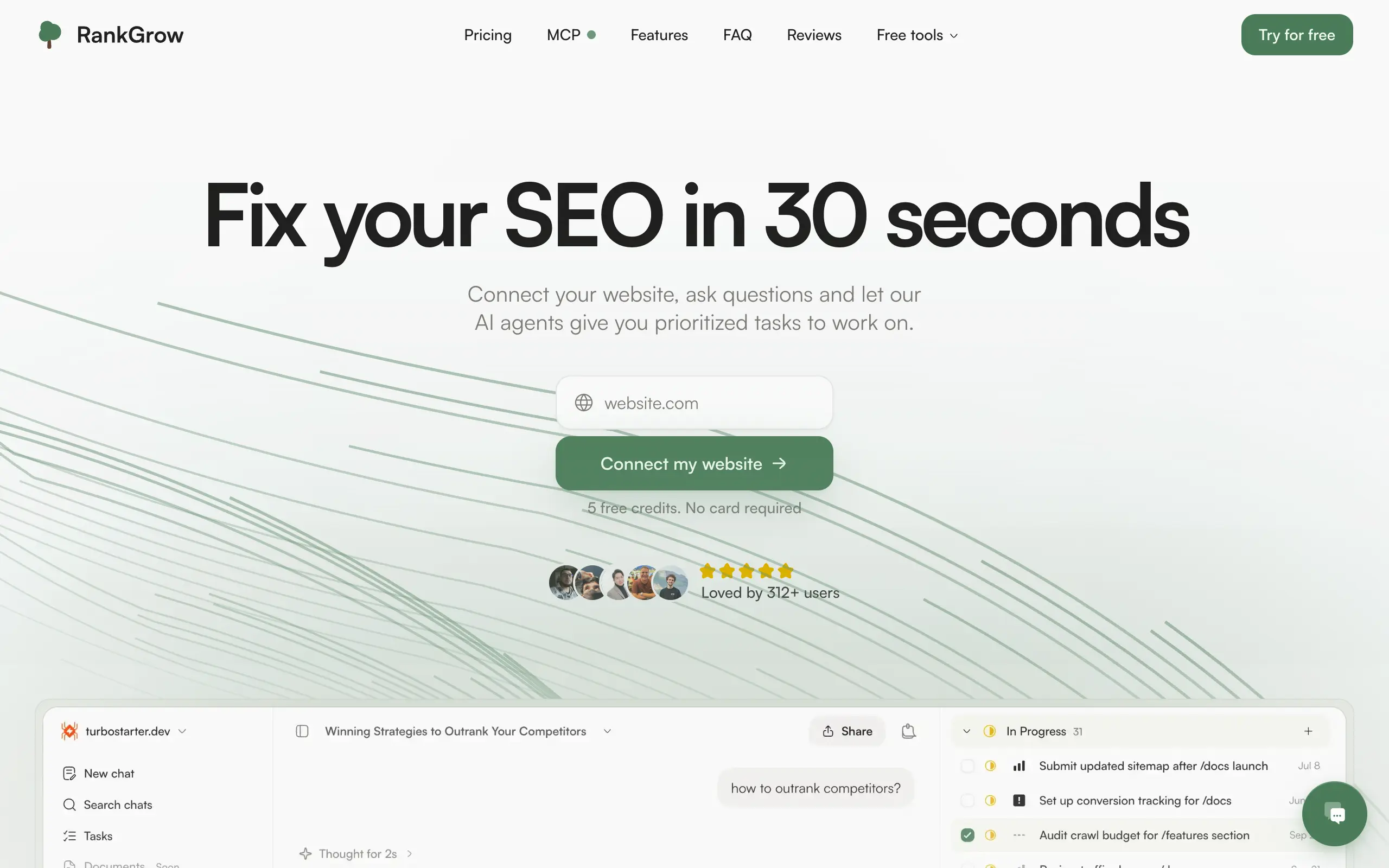
Fix your SEO with AI agents - connect Search Console, get prioritized tasks, and grow organic traffic 📈
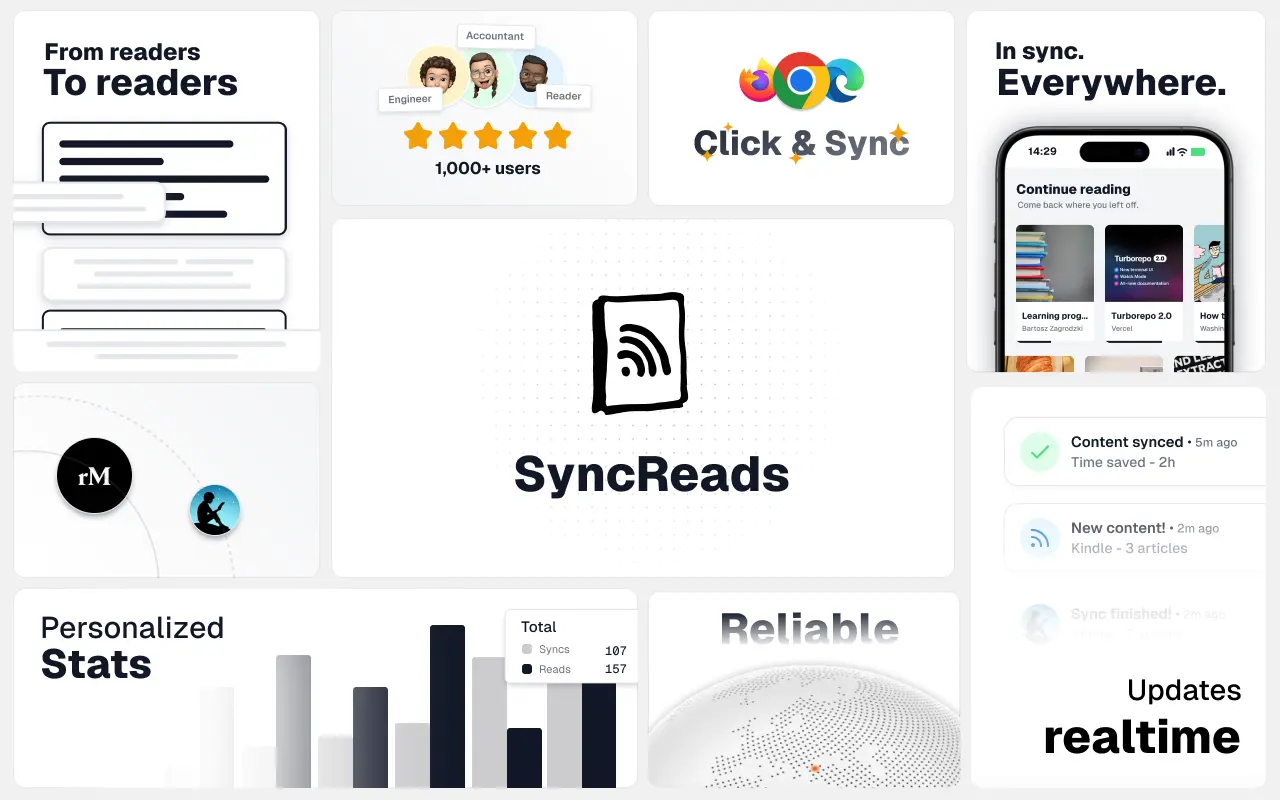
Sync your favorite content for distraction-free reading, save time and replace multiple apps. Anytime, anywhere 🔄
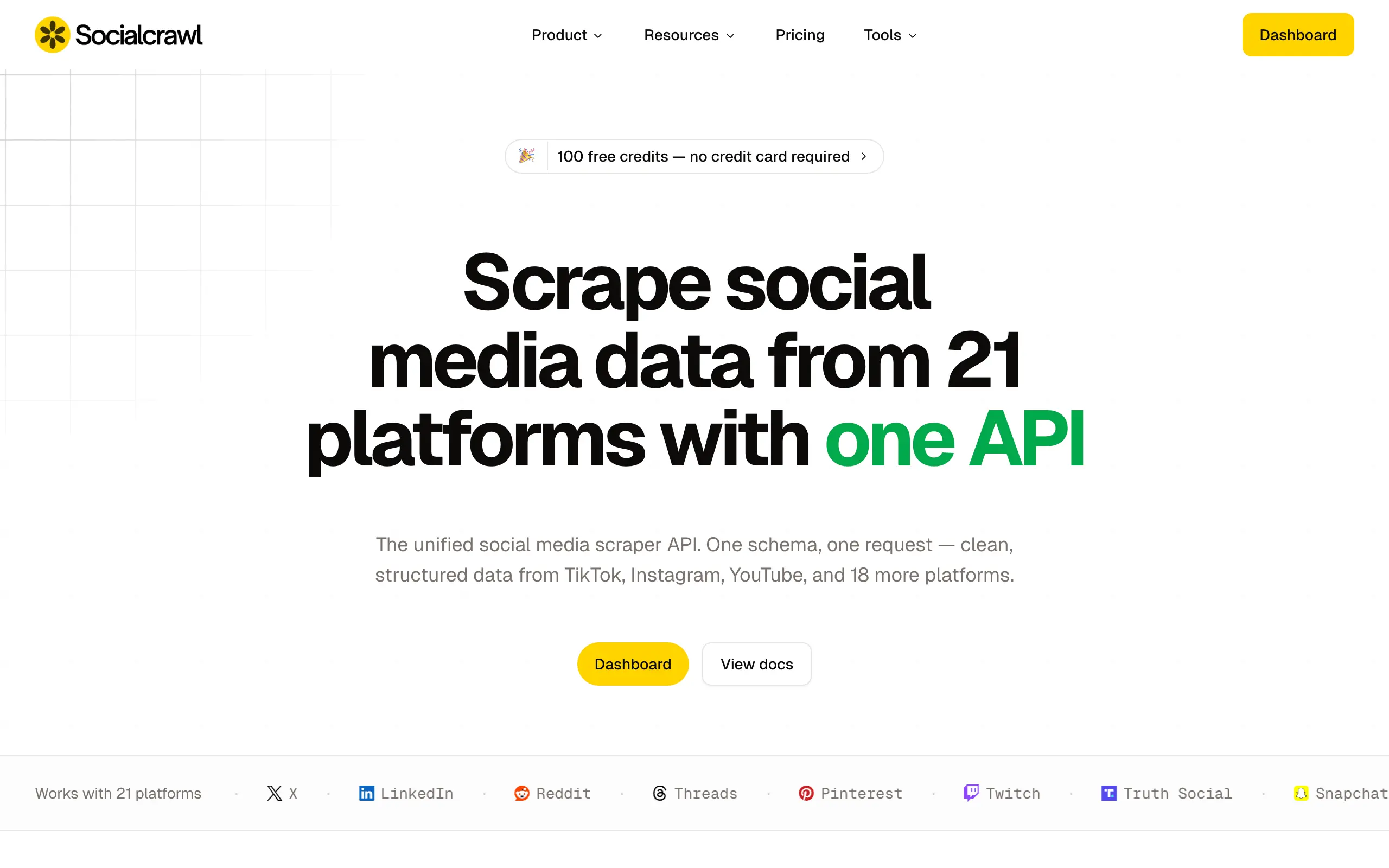
Get clean, structured data from 21 platforms like TikTok, Instagram, and YouTube with a single request 📊
Monitor any Telegram channel in real time - track posts, edits, deletions, and growth with AI recaps 📡
AI website builder - describe your business, pick a niche template, edit by chatting, and publish instantly ✨
Find verified home service professionals, compare quotes, and pay securely through escrow - built for Brazilians across the US 🏠
Fix your SEO with AI agents - connect Search Console, get prioritized tasks, and grow organic traffic 📈
Sync your favorite content for distraction-free reading, save time and replace multiple apps. Anytime, anywhere 🔄
Get clean, structured data from 21 platforms like TikTok, Instagram, and YouTube with a single request 📊
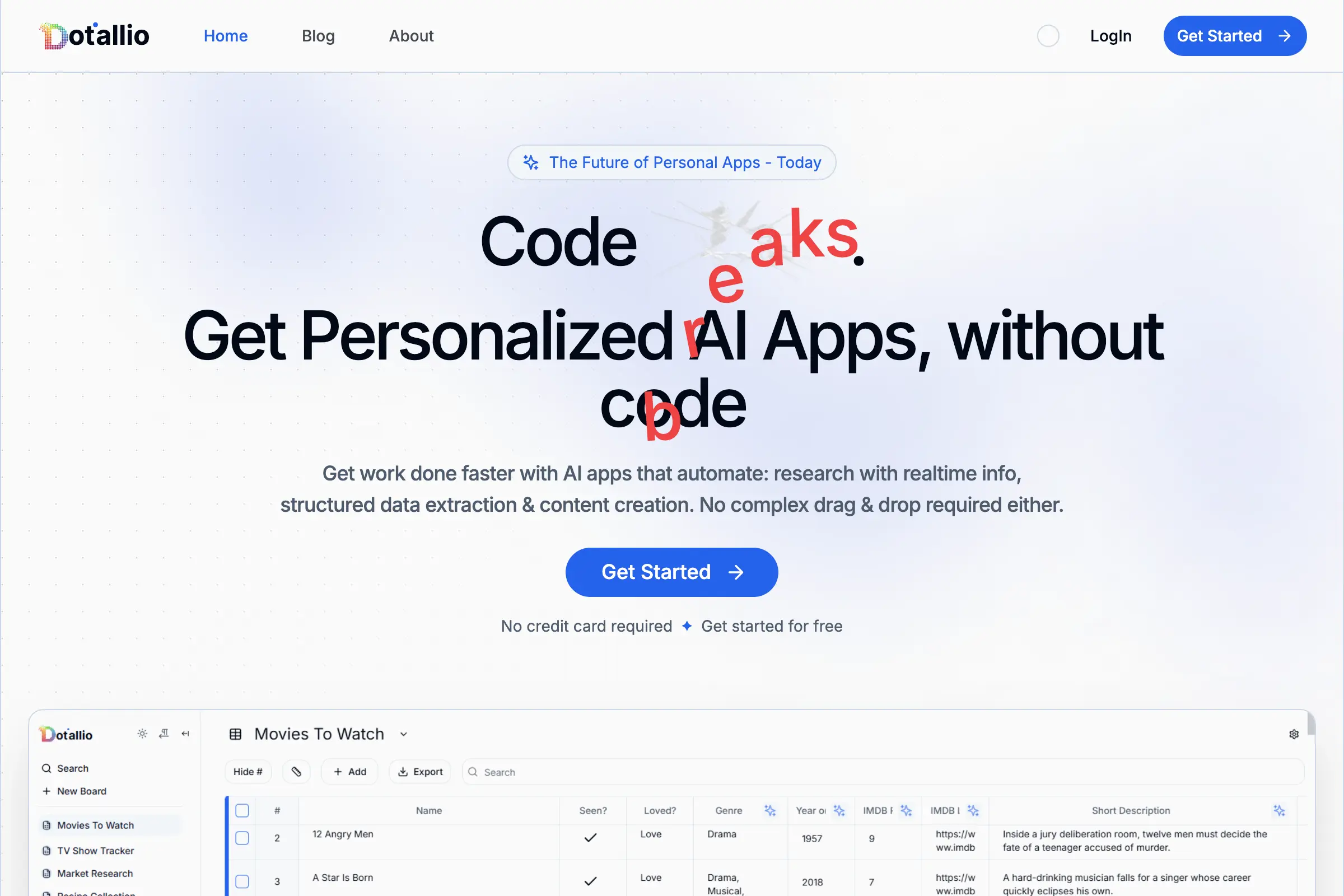
Personalized AI apps that automate research, data extraction, and content creation without code 🤖
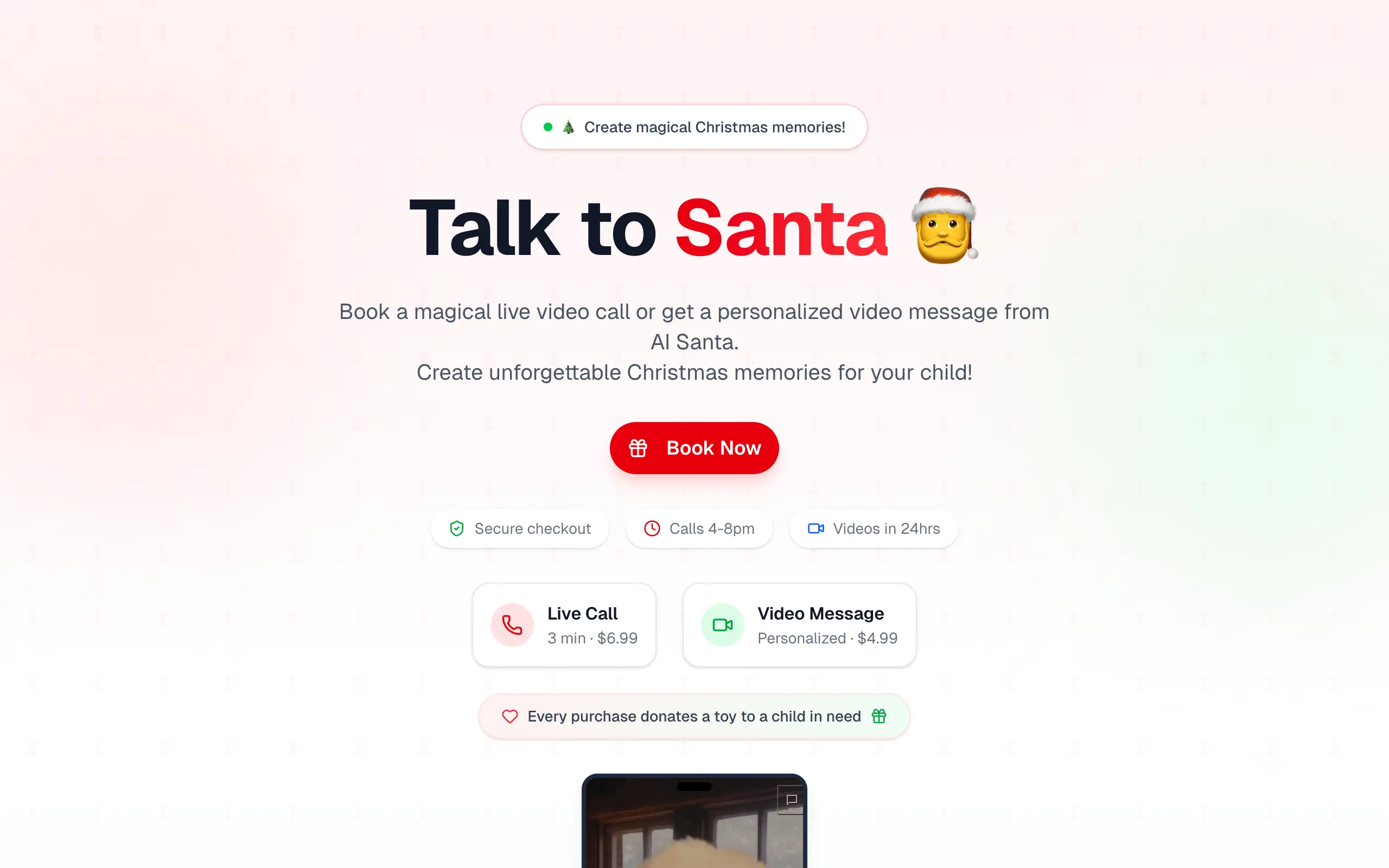
Enjoy a magical live video chat or receive a unique AI-generated video greeting from Santa Claus 🎅
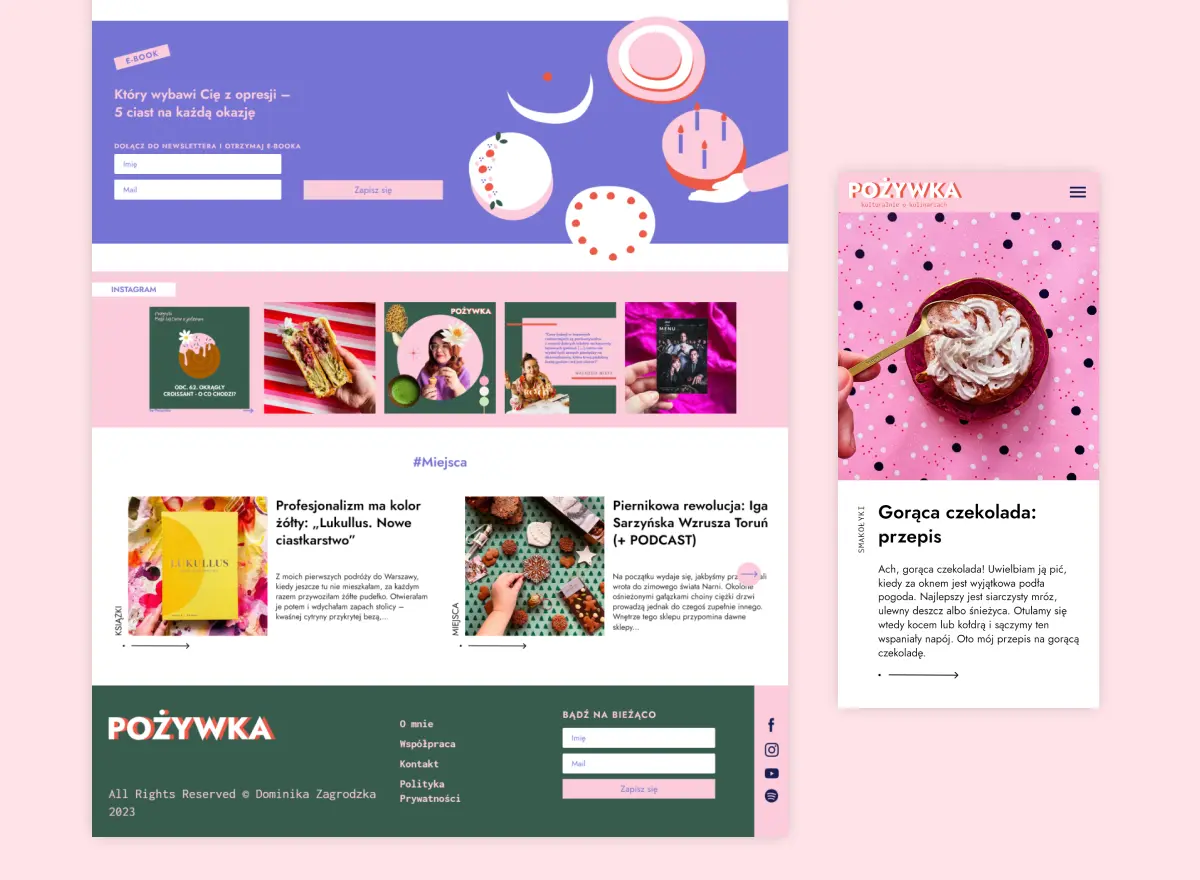
Scalable blog for food journalist, focused on performance and user experience 🌭
Personal blog and portfolio of Bart Zagrodzki, where he shares his knowledge and work 💼
Ship your startup everywhere. In minutes.
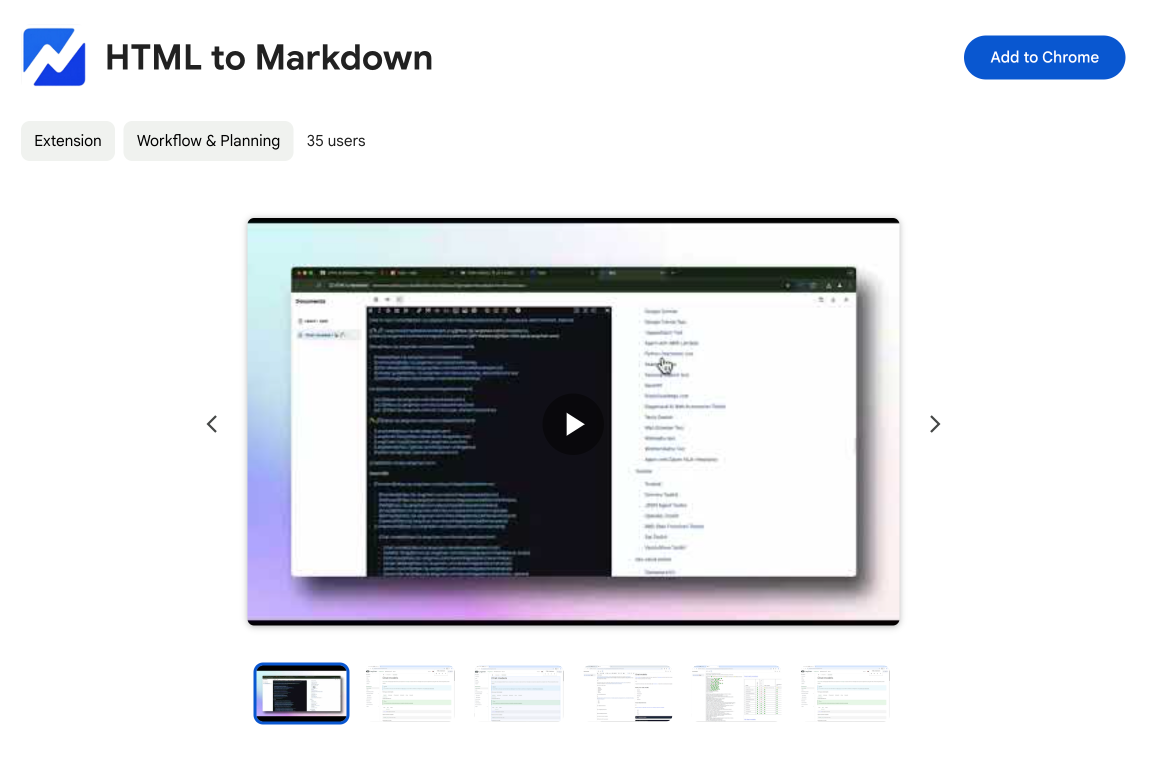
Convert HTML to Markdown with ease, directly in your browser 📄
Personalized AI apps that automate research, data extraction, and content creation without code 🤖
Enjoy a magical live video chat or receive a unique AI-generated video greeting from Santa Claus 🎅
Scalable blog for food journalist, focused on performance and user experience 🌭
Personal blog and portfolio of Bart Zagrodzki, where he shares his knowledge and work 💼
Ship your startup everywhere. In minutes.
Convert HTML to Markdown with ease, directly in your browser 📄
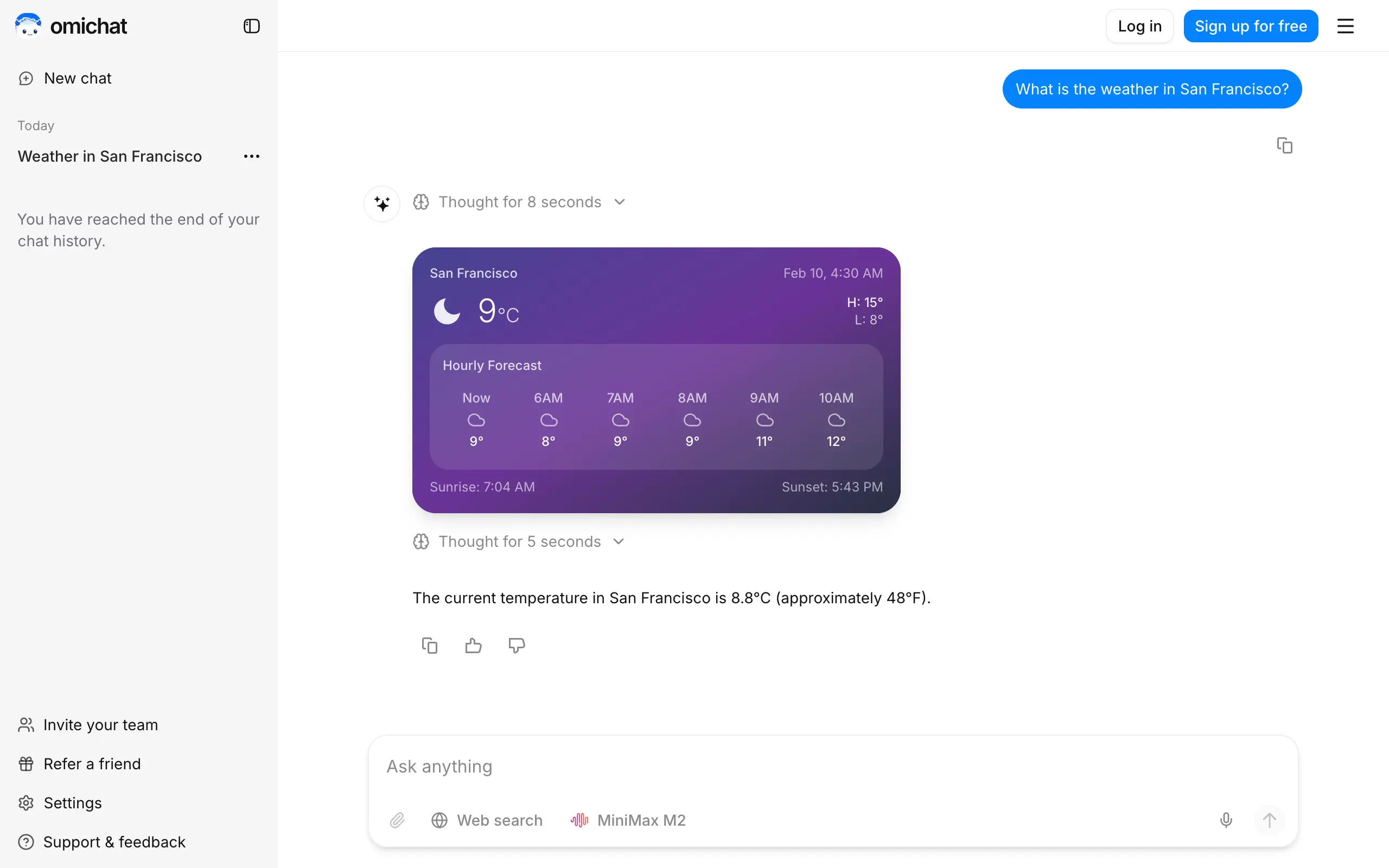
Chat with 50+ AI models, including ChatGPT and Claude, in one place - switch models anytime without losing context 🤖
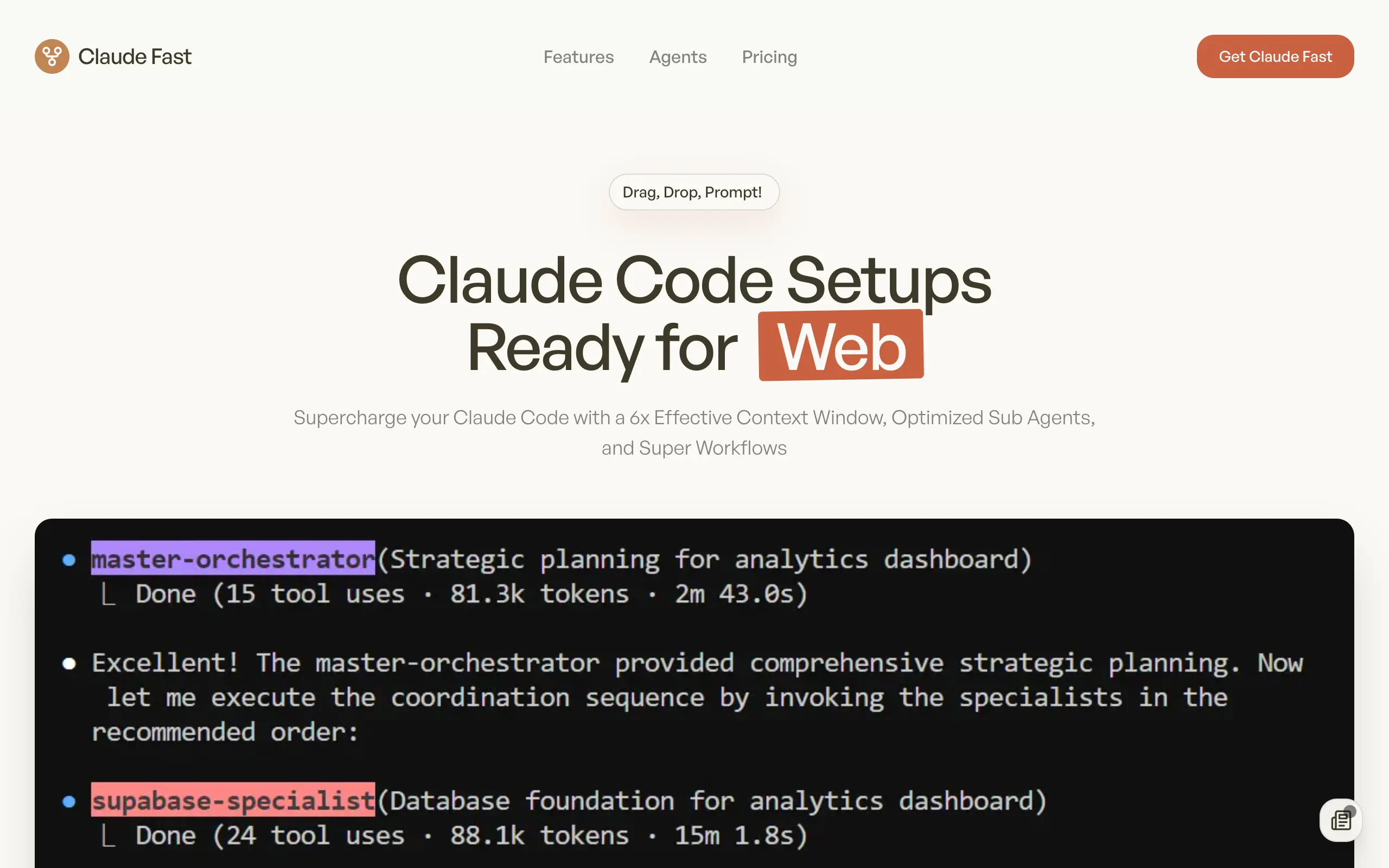
Supercharge your Claude Code with 6x effective context window and specialized AI agents 🤖
AI-powered emoji picker with smart, context-aware suggestions 🤖
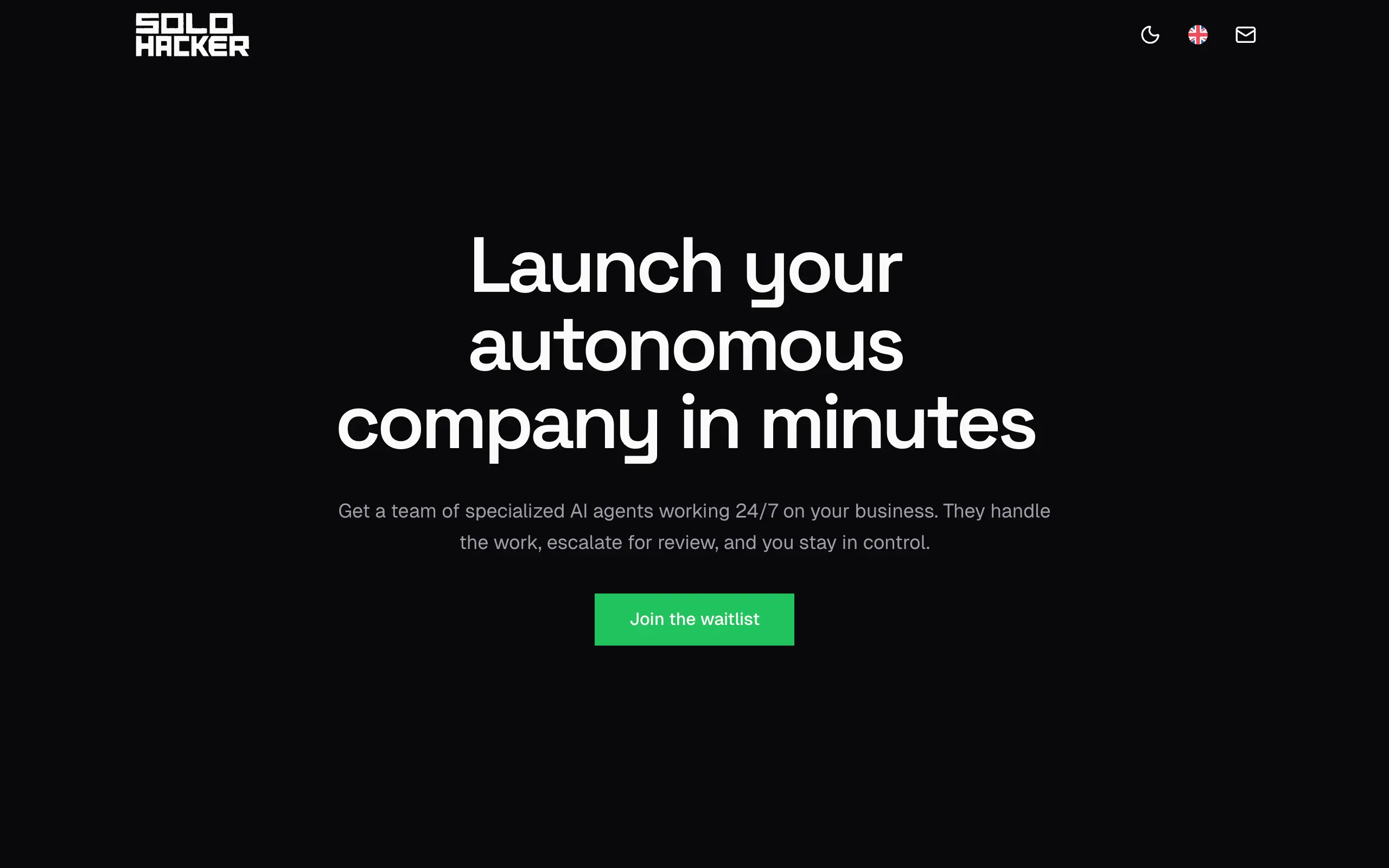
Autonomous company launcher - AI agents work 24/7, escalate what matters, and you stay in control 🤖
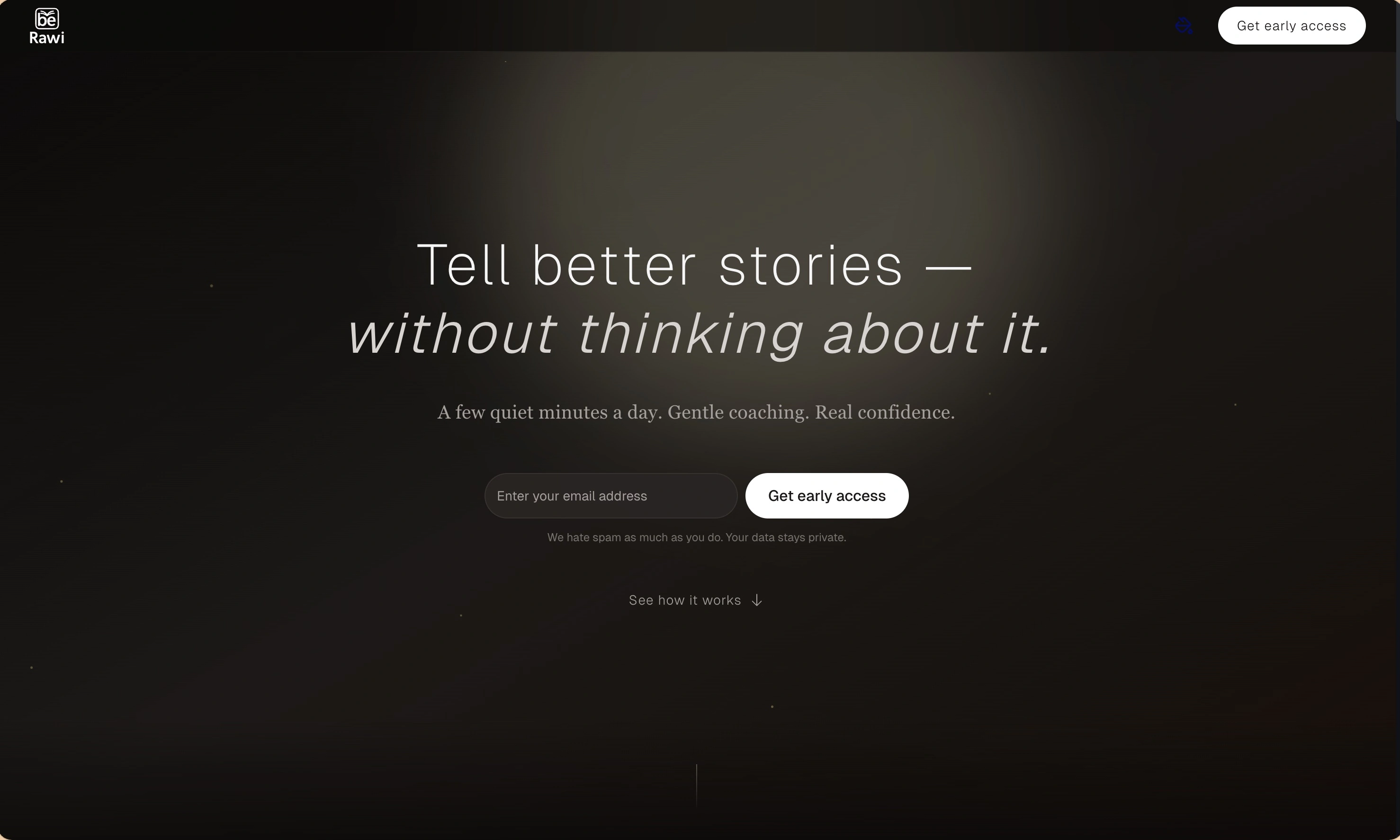
Practice storytelling daily with instant feedback to sound clearer, more engaging, and confident 🎤
Chat with 50+ AI models, including ChatGPT and Claude, in one place - switch models anytime without losing context 🤖
Supercharge your Claude Code with 6x effective context window and specialized AI agents 🤖
AI-powered emoji picker with smart, context-aware suggestions 🤖
Autonomous company launcher - AI agents work 24/7, escalate what matters, and you stay in control 🤖
Practice storytelling daily with instant feedback to sound clearer, more engaging, and confident 🎤

Connect with like-minded people
Join our community to get feedback, support, and grow together with 1,000+ builders on board, let's ship it!
Join usShip your startup everywhere. In minutes.
Don't burn tokens on setup and start building features on day one.