HaulHQ
Run an ETS2 virtual trucking company with driver ranks, automated payouts, route dispatching, and a live OpenStreetMap fleet board.
HaulHQ is a focused SaaS opportunity for the Euro Truck Simulator 2 virtual trucking company ecosystem. It gives VTC owners a single operational hub for driver ranks, automated payouts, route dispatching, and a live fleet board powered by OpenStreetMap data.
Unlike generic Discord bots, spreadsheet-based systems, or basic VTC websites, HaulHQ is designed around the operational reality of a growing ETS2 community. Administrators need to assign work fairly, recognize driver activity, monitor fleet movement, maintain an in-game economy, and make the company feel alive between convoys. Drivers need a clear reason to complete routes, improve their rank, and return consistently.
The primary keyword for this concept is ETS2 virtual trucking company management software. Related terms include Euro Truck Simulator 2 VTC management, ETS2 dispatch system, virtual trucking company software, VTC driver tracking, ETS2 route planner, Trucky, TruckersMP VTC, virtual trucking company payouts, and live fleet tracking map.
The core positioning
HaulHQ should position itself as the operations platform for serious ETS2 virtual trucking companies, not simply as another VTC website builder or mileage logger.
Why ETS2 virtual trucking companies need better management software
Euro Truck Simulator 2 has sustained a highly social simulation community because the game supports long-term progression, modding, multiplayer events, and roleplay. For many players, joining a VTC transforms solo deliveries into a shared experience with ranks, convoys, company goals, internal competitions, and recognizable team identity.
The management layer behind that experience is often fragmented.
A typical VTC may use Discord for communication, Google Sheets for payout tracking, a form or bot for job submissions, an external tracker for telemetry, a basic website for applications, and manually updated maps for fleet status. This setup can work for a small friend group, but operational friction increases rapidly when a community reaches dozens or hundreds of active drivers.
The result is predictable:
- Dispatchers spend too much time validating jobs and answering repetitive questions.
- Drivers cannot easily see which routes matter to the company.
- Promotion decisions feel inconsistent or opaque.
- Financial rewards become delayed, manual, or prone to disputes.
- Fleet managers lack a live visual view of activity.
- New recruits encounter a confusing onboarding process.
- Owners lose visibility into whether their community is actually healthy.
HaulHQ can replace these disconnected workflows with a purpose-built ETS2 VTC management system that makes virtual logistics feel coordinated, rewarding, and credible.
The target audience for HaulHQ
A strong product strategy begins with precise audience segmentation. The ETS2 VTC market is not one homogeneous group. Different organizations have different maturity levels, priorities, and willingness to pay.
Primary audience: established VTC owners and managers
The most valuable initial segment is established VTCs with roughly 20 to 300 active members. These groups already feel the pain of manual operations, but they are still agile enough to adopt new software.
Their decision-makers commonly include:
- VTC founders and owners
- Operations managers
- Dispatch managers
- Human resources or recruitment leads
- Event organizers
- Finance or economy managers
- Technical administrators who manage bots and integrations
These users care about reliability, clear permission controls, data integrity, branding, and a polished driver experience. They are likely to pay when HaulHQ saves staff time, improves retention, or helps their VTC look more professional to recruits.
Secondary audience: new VTC founders
New founders have a different need. They may have fewer drivers and less operational complexity, but they need a credible system that helps them launch quickly.
Their challenges include:
- Creating an application workflow
- Establishing fair driver ranks
- Designing an internal economy
- Finding routes for events
- Avoiding a messy collection of spreadsheets from day one
- Presenting a polished public image
This segment is useful for top-of-funnel acquisition. A generous free plan can help new VTCs establish their operations in HaulHQ, creating a natural upgrade path as their membership grows.
Tertiary audience: individual ETS2 drivers
Drivers are not necessarily the paying customer, but they are central to product adoption. If drivers dislike the dashboard, fail to understand dispatches, or feel that logging jobs takes too long, a manager cannot extract full value from the platform.
Drivers want:
- A fast profile setup process
- Clear delivery requirements
- Visible rank progression
- Accurate, timely payouts
- Leaderboards that feel fair
- Recognition for event participation and consistency
- A live fleet map that makes the community feel active
- Mobile-friendly access during or after a driving session
Buyer and user alignment
HaulHQ has a favorable buyer-user relationship. The VTC owner pays, but drivers receive direct value through better routes, rewards, visibility, and progression. This makes it easier to build product-led growth because a driver who enjoys HaulHQ may recommend it when they join, create, or manage another VTC.
VTC owner
Needs a reliable, branded operations system with member oversight, permissions, reporting, and less administrative work.
Dispatcher
Needs quick route creation, fair assignment rules, progress visibility, and fewer repetitive messages.
Driver
Needs a clear next job, transparent rewards, rank progression, and recognition for completed work.
The market gap in Euro Truck Simulator 2 VTC management
The market contains trackers, Discord bots, standalone websites, and multiplayer community tools. However, there is room for a platform that treats VTC operations as a connected system rather than a series of unrelated utilities.
Existing solutions often fall into one of these categories:
- "Tracking tools" that are excellent at collecting telemetry but weak at dispatch and internal progression.
- "Website builders" that provide a public page but do not support operational workflows.
- "Discord bots" that are convenient for commands but are difficult to use for complex administration and analytics.
- "Spreadsheets" that are flexible but fragile, inconsistent, and hard to make engaging for drivers.
- "Event tools" that are useful for a convoy but do not create an everyday company operating model.
HaulHQ’s opportunity is to combine the operational elements VTCs already try to assemble manually.
| Operational need | Common current approach | Failure point | HaulHQ opportunity |
|---|---|---|---|
| Job assignment | Discord messages and spreadsheets | Routes are missed or duplicated | Central dispatch board with status tracking |
| Driver rewards | Manual calculations | Delayed or disputed payouts | Rules-based automated payout engine |
| Rank progression | Manager judgment alone | Perceived favoritism | Transparent rank requirements and audit trail |
| Fleet visibility | Static screenshots or no map | Little sense of shared activity | Live OpenStreetMap fleet board |
| Performance analysis | Fragmented exports | Hard to identify retention risks | Operational dashboard and driver insights |
The strategic insight is that VTC management is not just administrative. It is a form of community game design. A platform that helps leaders create clarity, progression, recognition, and shared visibility can directly improve driver engagement.
HaulHQ’s unique selling proposition
HaulHQ’s unique selling proposition is simple:
It turns an ETS2 VTC into an operating company with a live dispatch loop, transparent progression, automated economics, and a visible fleet presence.
A VTC owner should be able to answer four questions without opening a spreadsheet:
- Who is currently active and where are they driving?
- Which routes need to be completed next?
- How are drivers progressing through the company?
- What rewards, incentives, or issues require attention?
The combination matters more than any individual feature. Route dispatching is more valuable when payouts are automatic. Payouts are more motivating when they contribute to rank progression. Ranks are more credible when activity is verifiable. Live fleet visibility makes completed work feel part of a living company rather than an isolated log entry.
The HaulHQ operational flywheel
The product can create a repeatable engagement loop:
- Managers publish routes, contracts, or event assignments.
- Drivers claim or receive routes based on rank and availability.
- Deliveries are logged and validated through supported data sources.
- HaulHQ calculates rewards, bonuses, and progression automatically.
- Drivers see their contribution on the fleet board and company dashboard.
- Managers use performance insights to design better future dispatches.
This loop provides both operational efficiency and community retention, two outcomes that VTC leaders value.
Core HaulHQ features and how they solve VTC problems
The first version should avoid trying to become every tool in the ETS2 ecosystem. The product should instead deliver an exceptional experience around the workflows that create daily value.
Driver ranks and progression
A configurable rank system is a foundational feature because it gives drivers long-term goals beyond raw distance.
Each VTC should be able to define:
- Rank names and visual badges
- Required completed deliveries
- Required distance driven
- Minimum activity thresholds
- Safety or compliance criteria
- Minimum tenure in the company
- Eligibility for premium contracts
- Promotion approval rules
- Automatic demotion or inactive status rules
A transparent rank model reduces management disputes. Rather than asking why another driver was promoted, members can see the requirements and their progress toward the next level.
For example, a VTC could create a progression path from Trainee Driver to Regional Driver, Senior Driver, Elite Hauler, and Dispatch Captain. Each rank can unlock access to higher-paying jobs, specialized cargo, or leadership tools.
Rank criteria should be visible, measurable, and consistently applied. HaulHQ should show each driver exactly what they have completed, what remains, and whether a human approval step is required. Managers should also have an audit log for overrides, promotions, and policy changes.
Not necessarily. Fully automatic promotions reduce administration, while approval-based promotions preserve a roleplay-oriented culture. HaulHQ should support both models and let VTCs decide which ranks require human review.
Automated payout engine
The payout engine is one of HaulHQ’s strongest opportunities to remove repetitive work. It should calculate virtual currency or internal credits from configurable rules rather than requiring managers to process every delivery manually.
Useful payout variables include:
- Distance completed
- Cargo category
- Route urgency
- Delivery completion status
- Driver rank multiplier
- Company priority bonus
- Event participation bonus
- Fuel efficiency bonus where supported by data
- Damage or policy deductions
- First-time route completion bonus
- Weekly activity streak bonus
VTCs should be able to choose whether their economy is simple or simulation-heavy. Some communities will want a fixed amount per kilometer. Others will want detailed incentives based on cargo difficulty, route conditions, and company demand.
Trust is essential here. Every payout needs an explanation. Drivers should see a line-item breakdown that shows the base rate, bonuses, deductions, and final credited amount.
Route dispatching and contract management
An effective ETS2 dispatch system should feel useful to both dispatchers and drivers.
Dispatchers need to create routes efficiently, whether they are assigning a specific job to one driver, posting an open contract board, or planning a convoy. Drivers need to understand the job requirements without digging through chat threads.
A dispatch record can include:
- Origin and destination
- Cargo type
- Distance estimate
- Expiry date
- Priority level
- Payout rules
- Required driver rank
- Assignment status
- Delivery instructions
- Optional screenshot or proof requirements
- Event association
- Notes for route-specific roleplay
The product should support several assignment modes:
An open board lets eligible drivers claim available deliveries. This works well for daily activity, flexibility, and competitive driver communities.
Direct assignment lets managers send specific contracts to drivers or teams. This fits training, roleplay operations, and time-sensitive company objectives.
Scheduled event dispatches support convoy operations. Managers can publish meeting points, departure time, server details, assigned cargo, and attendance expectations.
A useful future feature is smart dispatch recommendations. For example, HaulHQ could suggest routes based on a driver’s recent activity, rank, preferred regions, uncompleted contracts, or the company’s current cargo demand. These recommendations should remain explainable and optional, not opaque automation.
Live OpenStreetMap fleet board
The live fleet board is likely to be HaulHQ’s most visually compelling feature. A map provides an immediate answer to a question every active community member has: Where is everyone right now?
Using OpenStreetMap as the map data foundation can support an interactive, cost-conscious mapping experience. The board can display active drivers, destination markers, convoy groups, depot locations, route segments, and recent completed deliveries.
Important privacy controls should be built in from the start:
- Allow drivers to hide their live position.
- Let VTCs choose whether the map is private, member-only, or publicly embeddable.
- Support delayed location visibility for communities that prefer it.
- Show clear status states such as online, driving, paused, and offline.
- Avoid collecting more location data than the platform needs.
The map should never become a surveillance feature. Its purpose is social presence, fleet coordination, and operational awareness.
Company dashboard and analytics
A VTC manager needs concise insights, not a wall of telemetry. The dashboard should answer practical questions about activity and retention.
Useful metrics include:
- Active drivers this week
- Completed dispatches
- Dispatch claim rate
- Average completion time
- Total company distance
- Payouts issued
- Drivers approaching promotion
- Drivers at risk of inactivity
- Most popular route categories
- Event attendance
- New applications and onboarding completion
Analytics should be framed as decision support. For instance, a low dispatch claim rate may indicate that routes are too restrictive, rewards are unattractive, or drivers are not discovering the board. A sudden decline in active drivers may prompt managers to organize an event or revisit company rules.
When publishing product marketing claims that rely on market statistics, cite trustworthy sources such as Steam platform data, official SCS Software announcements, or published community platform reports. Avoid unsupported claims about player counts, retention percentages, or market size.
Discord and community integrations
Discord is central to the VTC ecosystem, so HaulHQ should integrate with it rather than attempting to replace it.
Core integration capabilities should include:
- Discord OAuth for account connection
- Role synchronization based on HaulHQ ranks
- Dispatch announcements in selected channels
- Payout and promotion notifications
- Event reminders
- Application review alerts
- Deep links from Discord messages to HaulHQ records
- Optional command support for basic lookup actions
The platform should treat Discord as the communication layer and HaulHQ as the operational source of truth. This distinction prevents data from becoming trapped in chat history.
Trucking telemetry and validation integrations
Data validation is a sensitive but strategically important area. HaulHQ can start with manual job logging while designing the data model for tracker integrations later.
Potential integration paths may include supported community trackers, uploadable delivery reports, or API-based verification where permitted. Any integration should respect platform terms, driver privacy, and the technical constraints of ETS2 multiplayer ecosystems such as TruckersMP.
A practical launch sequence is:
- Manual delivery submission with evidence options.
- CSV or structured import for existing VTC data.
- Integration with selected tracking sources.
- Automated validation rules and fraud flags.
- Real-time fleet board updates where reliable telemetry is available.
This staged approach gets the product into users’ hands before the hardest integration work is complete.
Recommended technology stack for HaulHQ
HaulHQ needs a stack that supports real-time updates, geospatial queries, role-based permissions, background jobs, and a polished responsive interface.
A modern TypeScript-first architecture is a strong fit.
| Layer | Recommended option | Why it fits | Trade-off |
|---|---|---|---|
| Web application | Next.js with React | Strong full-stack patterns and fast dashboard development | Requires disciplined server and client boundary management |
| UI system | Tailwind CSS | Fast branded interface development and responsive consistency | Utility classes need component conventions to stay maintainable |
| Database | PostgreSQL with PostGIS | Reliable relational data plus geospatial capabilities | Spatial indexing adds operational complexity |
| Realtime layer | WebSockets or managed realtime service | Supports live fleet board and dispatch updates | Connection scaling and event ordering need attention |
| Background processing | Queue-based workers | Handles payouts, imports, notifications, and reconciliation | Requires idempotent job design |
For the frontend, React provides a mature ecosystem for interactive dashboards, while Next.js offers a practical foundation for server-rendered public pages, authenticated applications, API endpoints, and SEO-friendly VTC landing pages. Tailwind CSS is well suited for quickly developing custom company branding options without maintaining a large separate stylesheet system.
PostgreSQL is the preferred primary database because HaulHQ has inherently relational entities:
- Organizations
- Members
- Roles
- Ranks
- Dispatches
- Deliveries
- Payouts
- Fleet positions
- Events
- Audit logs
- Notifications
Adding PostGIS makes route, depot, and fleet-map features more practical. It enables geographic queries such as finding drivers near a convoy starting point or clustering active fleet positions at lower zoom levels.
Suggested data model
The central design principle is multi-tenancy. Every operational entity must belong to a VTC organization, and authorization checks must verify both membership and role permissions.
type Dispatch = {
  id: string;
  organizationId: string;
  title: string;
  originCity: string;
  destinationCity: string;
  cargoType: string;
  minimumRankId?: string;
  payoutRuleId: string;
  status: "open" | "assigned" | "in_progress" | "completed" | "expired";
  assignedDriverId?: string;
  expiresAt?: Date;
  createdAt: Date;
};

type PayoutLedgerEntry = {
  id: string;
  organizationId: string;
  driverId: string;
  deliveryId: string;
  amount: number;
  currencyCode: string;
  calculationVersion: string;
  createdAt: Date;
};
The calculationVersion field is especially important. Economy rules change over time. Saving the ruleset version used for each payout makes historical calculations explainable and auditable.
Real-time architecture considerations
The live fleet board is not a reason to send every GPS update to every connected user. That approach will become expensive and noisy.
A more resilient design includes:
- Throttling incoming location events
- Publishing updates only when position or status meaningfully changes
- Using map clustering at broad zoom levels
- Persisting periodic snapshots rather than every event indefinitely
- Separating real-time presence from long-term activity history
- Applying organization-level access checks before broadcasting updates
- Handling disconnected drivers and stale positions explicitly
For an MVP, updates every 15 to 60 seconds may be sufficient. A smoother update interval can be introduced later for active convoys if the telemetry source supports it.
Monetization strategies for HaulHQ
HaulHQ should monetize at the VTC level, not per individual driver at launch. Per-driver pricing creates friction in a volunteer-led community environment and makes costs unpredictable for managers.
A tiered subscription model is the clearest approach.
Free plan for early-stage VTCs
A free plan should be genuinely useful while imposing limits that naturally encourage upgrades.
Potential free plan limits include:
- One VTC organization
- Up to 15 or 25 active drivers
- Basic rank system
- Limited dispatch history
- Standard payout rules
- One Discord integration
- Member-only fleet board
- HaulHQ branding
This plan supports product-led acquisition and helps early founders validate their VTC operations.
Pro plan for growing communities
The Pro plan should target serious VTCs that want automation and customization.
It can include:
- Higher active-driver limits
- Unlimited dispatch history
- Advanced payout rules
- Custom rank badges
- Custom subdomain or branded portal
- Detailed analytics
- Automated Discord announcements
- Fleet board customization
- Event management tools
- Scheduled exports
- Priority support
Enterprise or network plan
A higher tier can serve very large VTCs, gaming networks, content creator communities, or multi-company organizations.
Possible capabilities include:
- Multiple VTC entities
- Advanced audit controls
- SSO or enhanced identity controls
- Dedicated onboarding
- Custom reporting
- White-label options
- API access
- Service-level support expectations
- Migration assistance
Additional revenue opportunities
Subscription revenue should remain the foundation, but several secondary models may fit the community:
- Paid premium visual themes
- Marketplace revenue share from approved route packs
- Event ticketing tools for large organized convoys
- Branded public fleet-map embeds
- Custom onboarding and migration services
- Partner referrals for hosting, communities, or content tools
Be cautious with advertising. Intrusive ads can undermine immersion and trust, especially inside a paid operational product.
Competitive advantage and defensibility
HaulHQ’s competitive advantage should not rely only on having a map or a payout calculator. Those individual features can be copied. The durable advantage comes from combining operational data, community workflows, and a strong user experience.
Workflow depth creates switching costs
Once a VTC has configured ranks, payout rules, dispatch templates, branded pages, member permissions, historical activity, and Discord automation, moving away becomes inconvenient. This is healthy switching cost because it results from genuine workflow value rather than lock-in tactics.
HaulHQ should still offer data export. Trustworthy SaaS products let customers retain ownership of their operational data.
A structured economy becomes proprietary context
Over time, HaulHQ can understand the operational patterns of each VTC:
- Which route types are popular
- What payout levels produce faster claim rates
- Which drivers are ready for promotion
- How events affect retention
- Which onboarding steps predict active membership
This context can power recommendations that are hard for a standalone bot or spreadsheet to replicate.
Design quality matters in community software
Gaming communities make adoption decisions partly on emotion and presentation. A polished, fast dashboard with clear maps, satisfying progression feedback, and customizable company identity can outperform technically capable but confusing alternatives.
The interface should feel like a modern operations center while remaining appropriate for a trucking simulation culture. Avoid overly corporate language that breaks immersion, but do not sacrifice usability for roleplay.
Risks and mitigation strategies
Every SaaS opportunity has execution risks. HaulHQ’s roadmap should openly account for them.
Dependency on third-party game and tracker ecosystems
ETS2 telemetry, multiplayer platforms, and community trackers may have changing APIs, policies, or technical limits.
Mitigation should include:
- Designing a modular integration layer
- Supporting manual and import-based workflows
- Avoiding promises that depend on unofficial APIs
- Monitoring integration terms and platform announcements
- Clearly communicating data-source limitations to users
Data privacy and location sensitivity
Live fleet tracking can raise privacy concerns even in a game context.
Mitigation should include:
- Explicit opt-in location sharing
- Clear visibility settings
- Position hiding and delayed display options
- Short, documented retention periods for detailed location history
- Organization-level privacy defaults
- Transparent privacy documentation
Fraud and manipulated delivery data
Any reward system can attract attempts to submit false or manipulated deliveries.
Mitigation should include:
- Evidence requirements for manual submissions
- Configurable approval flows
- Anomaly detection for impossible distance or time values
- Immutable payout ledger records
- Clear dispute workflows
- Trusted integration sources where available
Overbuilding before validation
It is tempting to build sophisticated route intelligence, detailed simulations, and multiple tracker integrations before proving that managers will pay.
Mitigation should include launching with a narrow operational wedge:
- Member and rank management
- Dispatch board
- Transparent payouts
- Discord notifications
- Basic fleet board
- Manager dashboard
Validate usage frequency and willingness to pay before investing heavily in advanced optimization features.
Community churn and seasonal activity
Gaming communities can experience seasonal activity changes or leadership turnover.
Mitigation should include:
- Monthly plans without punitive contracts
- Easy ownership transfer
- Automated backup and export capabilities
- Re-engagement tools for inactive VTCs
- Templates that make relaunching a company easy
- A free tier that keeps communities connected to the product
An actionable MVP implementation plan
The best HaulHQ MVP is not a complete trucking simulation platform. It is a reliable answer to the daily question: What should our company and drivers do next?
Define the multi-tenant foundation with organizations, users, membership roles, audit logs, and permission checks.
Build driver profiles, configurable ranks, and a transparent progression screen.
Launch an open dispatch board with route creation, claiming, assignment, expiry, and completion states.
Add manual delivery submission and a versioned payout engine with manager approval options.
Integrate Discord authentication, rank synchronization, and dispatch notifications.
Release a member-only OpenStreetMap fleet board using privacy-first status and position controls.
Add manager analytics for active drivers, completed jobs, payout volume, and rank readiness.
Run design-partner pilots with five to ten VTCs and prioritize improvements based on repeated operational pain.
Phase one: validate the operational wedge
The initial product should optimize for three outcomes:
- A manager can publish a dispatch in under two minutes.
- A driver can understand and claim a route in under one minute.
- A completed delivery results in a visible, explainable reward without spreadsheet work.
These are measurable product promises. Instrument them from the first release.
Track activation metrics such as:
- Percentage of VTCs that create their first rank system
- Time until first dispatch is published
- Percentage of invited drivers who complete profile setup
- Dispatch claim rate
- Completed dispatch rate
- Percentage of payouts processed automatically
- Weekly active managers
- Weekly active drivers per VTC
Phase two: deepen retention features
Once the core workflow is adopted, add features that make HaulHQ central to VTC culture:
- Event and convoy operations
- Advanced payout formulas
- Driver achievements
- Route templates
- Performance reports
- Public recruitment pages
- Seasonal company campaigns
- Automated inactivity workflows
- Branded fleet-map embeds
Phase three: create platform expansion paths
After establishing product-market fit, HaulHQ can become a broader ecosystem platform through:
- Public API access
- Tracker integrations
- Route pack marketplace
- Community templates
- Multi-VTC networks
- Coach or consultant dashboards for VTC operators
- Analytics benchmarks based on anonymized aggregate data
Do not expose benchmark data until privacy safeguards and sufficient aggregation are in place.
Building HaulHQ with a production-ready SaaS foundation
HaulHQ will need much more than a polished dashboard. It requires authentication, organizations, roles, billing, transactional emails, database patterns, user onboarding, responsive layouts, and secure account management.
Starting from a proven SaaS starter can reduce time spent rebuilding these non-differentiating systems. TurboStarter is a practical option for accelerating the foundational work so the product team can focus on VTC-specific workflows such as dispatches, payouts, ranks, and fleet visibility.
Final takeaways for the HaulHQ opportunity
HaulHQ has a credible path to becoming essential ETS2 virtual trucking company management software because it addresses recurring operational pain rather than offering a novelty feature.
The most compelling version of the product does five things exceptionally well:
- It gives managers a centralized operational command center.
- It gives drivers meaningful progression and transparent rewards.
- It makes dispatching structured, visible, and easy to complete.
- It turns fleet activity into a shared live experience through an OpenStreetMap board.
- It integrates with the community tools VTCs already rely on, especially Discord.
The key strategic decision is to build for the daily operating rhythm of a VTC. A virtual trucking company does not need more disconnected tools. It needs one trusted place where work is assigned, deliveries are recognized, drivers advance, payouts are explained, and the fleet feels active.
By starting with dispatching, rank progression, automated payouts, and privacy-conscious live fleet visibility, HaulHQ can offer a differentiated platform that helps VTCs operate more smoothly and gives ETS2 drivers a stronger reason to keep hauling.
More 🎮 Game SaaS ideas
Discover more innovative game SaaS ideas that are trending in 2026. Each idea is AI-generated with market validation and growth potential to help you find your next profitable venture faster than competitors.
Your competitors are building with TurboStarter
Below are some of the SaaS ideas that have been generated and built with our starter kit.
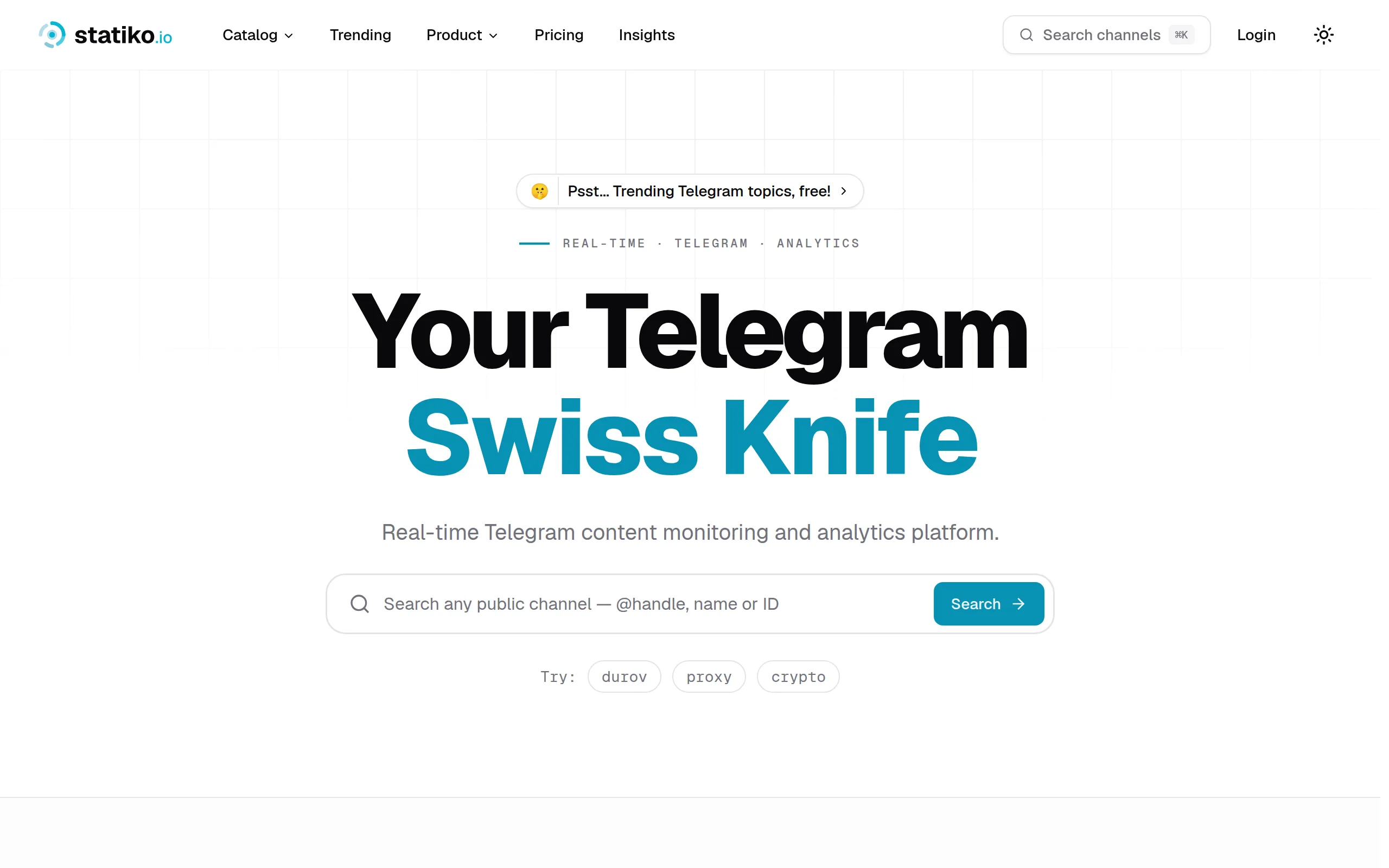
Statiko
Monitor any Telegram channel in real time - track posts, edits, deletions, and growth with AI recaps 📡

Shibui
AI website builder - describe your business, pick a niche template, edit by chatting, and publish instantly ✨

Pro Service
Find verified home service professionals, compare quotes, and pay securely through escrow - built for Brazilians across the US 🏠

RankGrow
Fix your SEO with AI agents - connect Search Console, get prioritized tasks, and grow organic traffic 📈
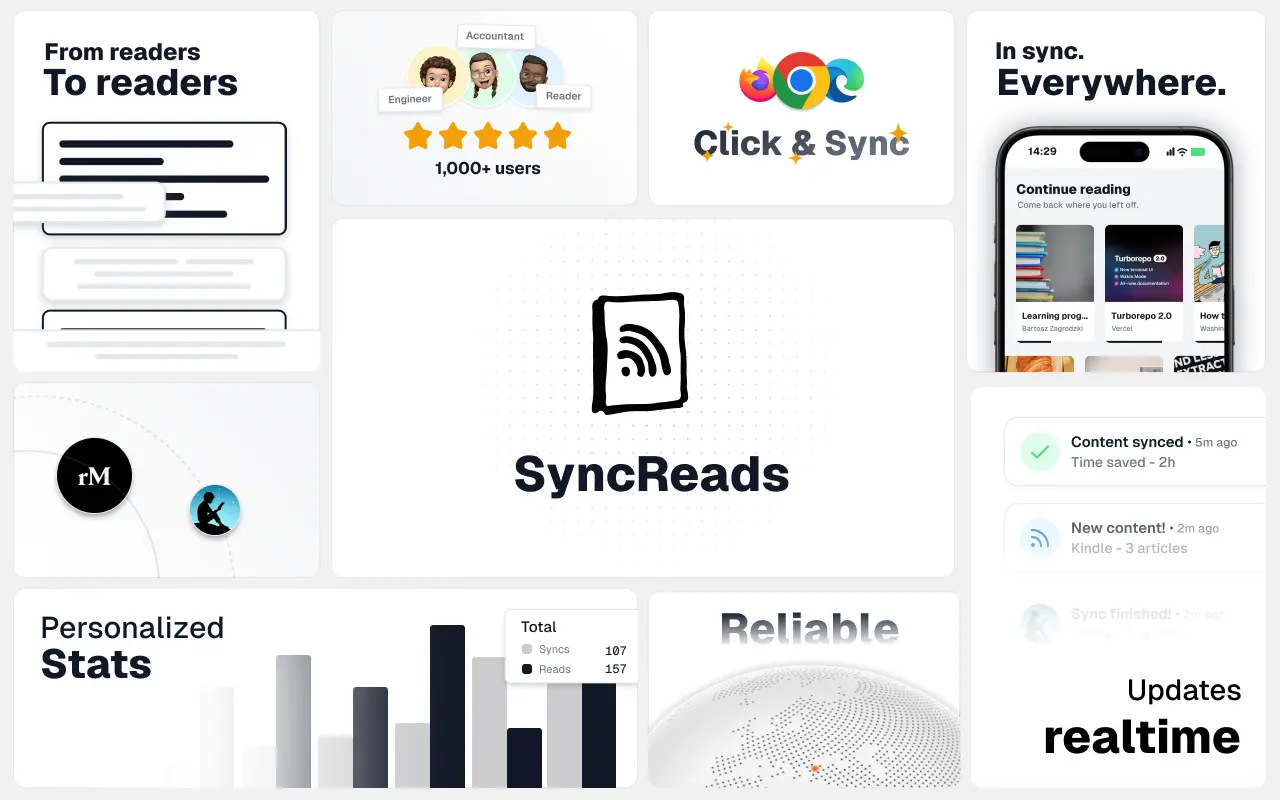
SyncReads
Sync your favorite content for distraction-free reading, save time and replace multiple apps. Anytime, anywhere 🔄
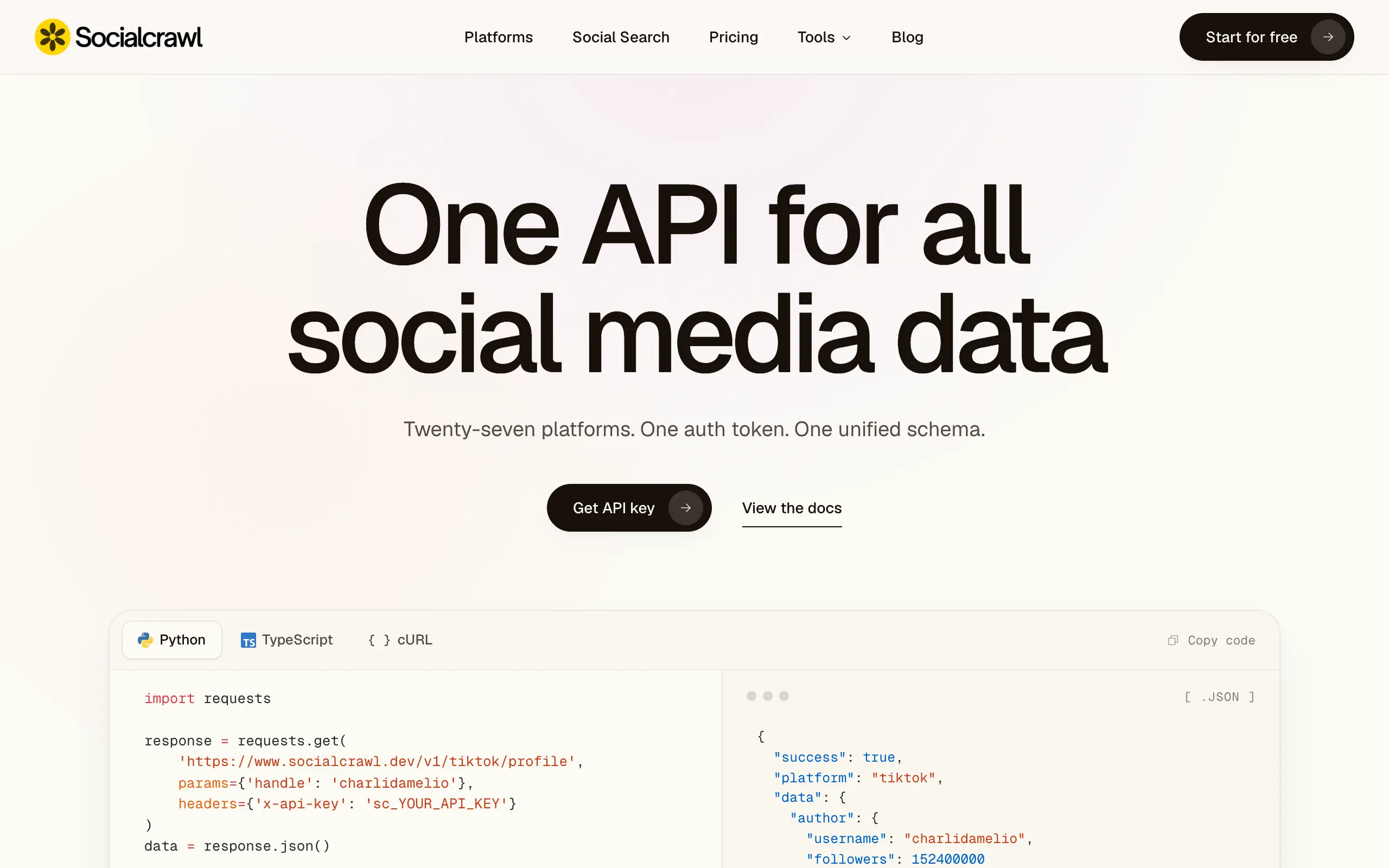
Socialcrawl
Get clean, structured data from 21 platforms like TikTok, Instagram, and YouTube with a single request 📊
Statiko
Monitor any Telegram channel in real time - track posts, edits, deletions, and growth with AI recaps 📡
Shibui
AI website builder - describe your business, pick a niche template, edit by chatting, and publish instantly ✨
Pro Service
Find verified home service professionals, compare quotes, and pay securely through escrow - built for Brazilians across the US 🏠
RankGrow
Fix your SEO with AI agents - connect Search Console, get prioritized tasks, and grow organic traffic 📈
SyncReads
Sync your favorite content for distraction-free reading, save time and replace multiple apps. Anytime, anywhere 🔄
Socialcrawl
Get clean, structured data from 21 platforms like TikTok, Instagram, and YouTube with a single request 📊
Statiko
Monitor any Telegram channel in real time - track posts, edits, deletions, and growth with AI recaps 📡
Shibui
AI website builder - describe your business, pick a niche template, edit by chatting, and publish instantly ✨
Pro Service
Find verified home service professionals, compare quotes, and pay securely through escrow - built for Brazilians across the US 🏠
RankGrow
Fix your SEO with AI agents - connect Search Console, get prioritized tasks, and grow organic traffic 📈
SyncReads
Sync your favorite content for distraction-free reading, save time and replace multiple apps. Anytime, anywhere 🔄
Socialcrawl
Get clean, structured data from 21 platforms like TikTok, Instagram, and YouTube with a single request 📊
Statiko
Monitor any Telegram channel in real time - track posts, edits, deletions, and growth with AI recaps 📡
Shibui
AI website builder - describe your business, pick a niche template, edit by chatting, and publish instantly ✨
Pro Service
Find verified home service professionals, compare quotes, and pay securely through escrow - built for Brazilians across the US 🏠
RankGrow
Fix your SEO with AI agents - connect Search Console, get prioritized tasks, and grow organic traffic 📈
SyncReads
Sync your favorite content for distraction-free reading, save time and replace multiple apps. Anytime, anywhere 🔄
Socialcrawl
Get clean, structured data from 21 platforms like TikTok, Instagram, and YouTube with a single request 📊
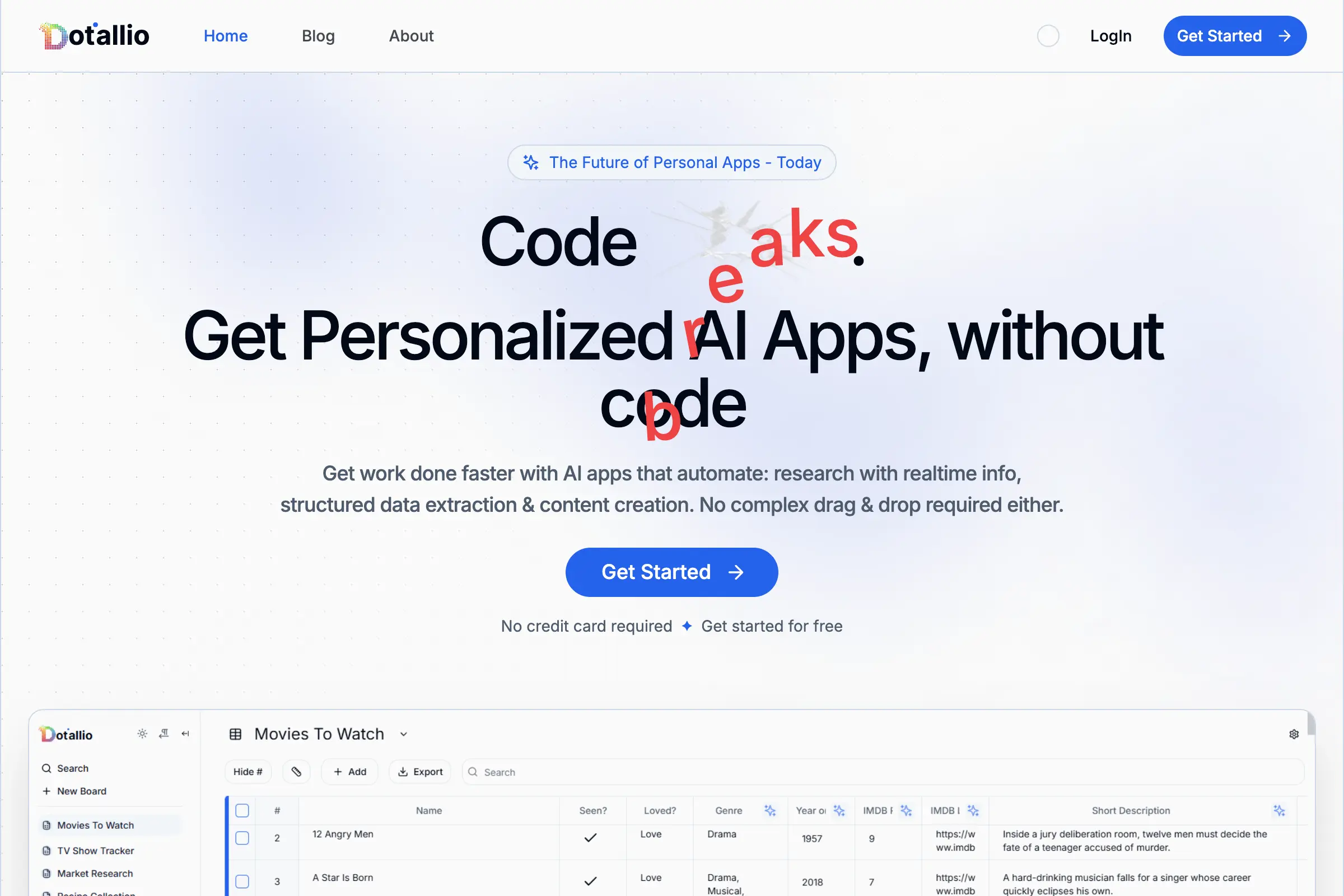
Dotallio
Personalized AI apps that automate research, data extraction, and content creation without code 🤖
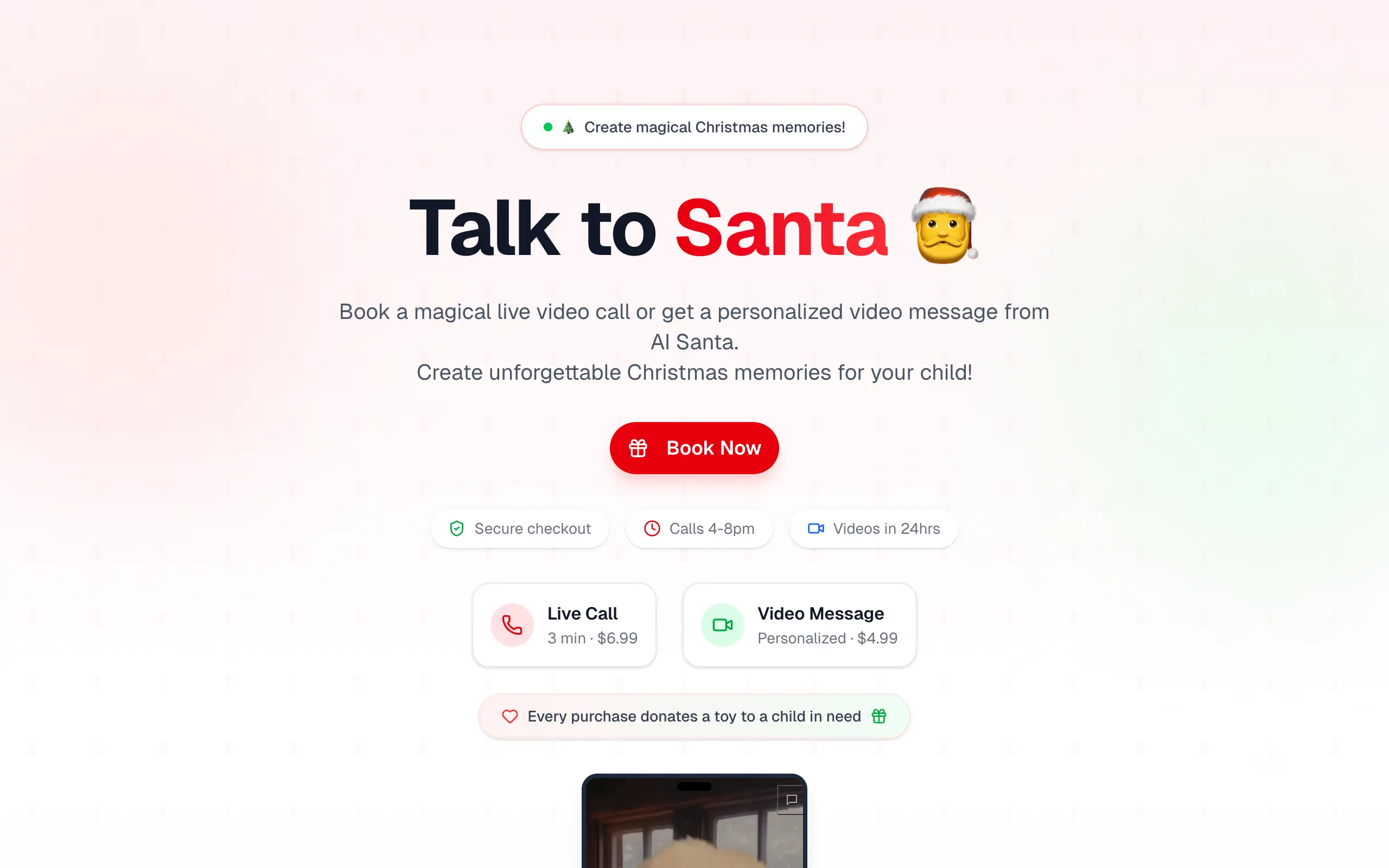
Talk to Santa
Enjoy a magical live video chat or receive a unique AI-generated video greeting from Santa Claus 🎅

pozywka.pl
Scalable blog for food journalist, focused on performance and user experience 🌭
zagrodzki.me
Personal blog and portfolio of Bart Zagrodzki, where he shares his knowledge and work 💼
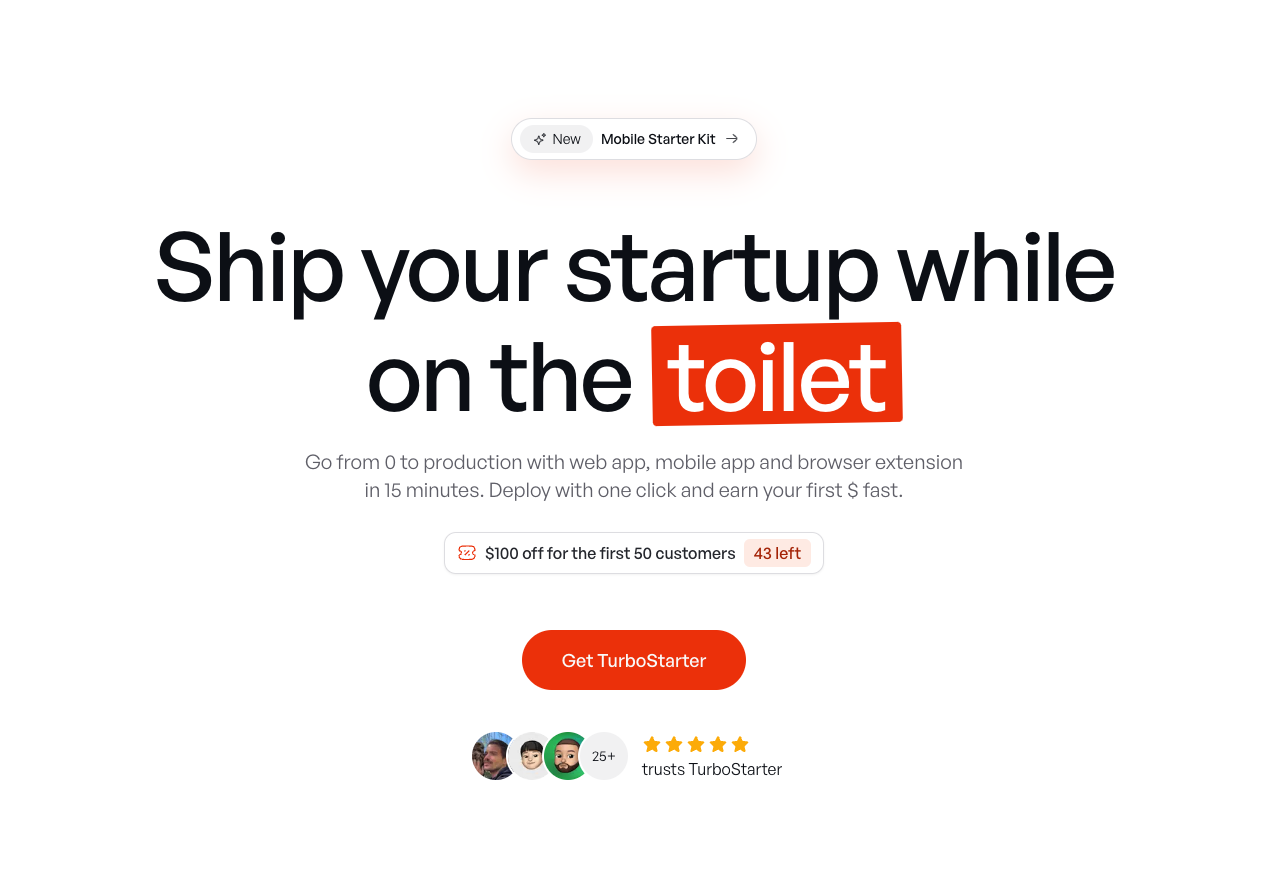
TurboStarter
Ship your startup everywhere. In minutes.
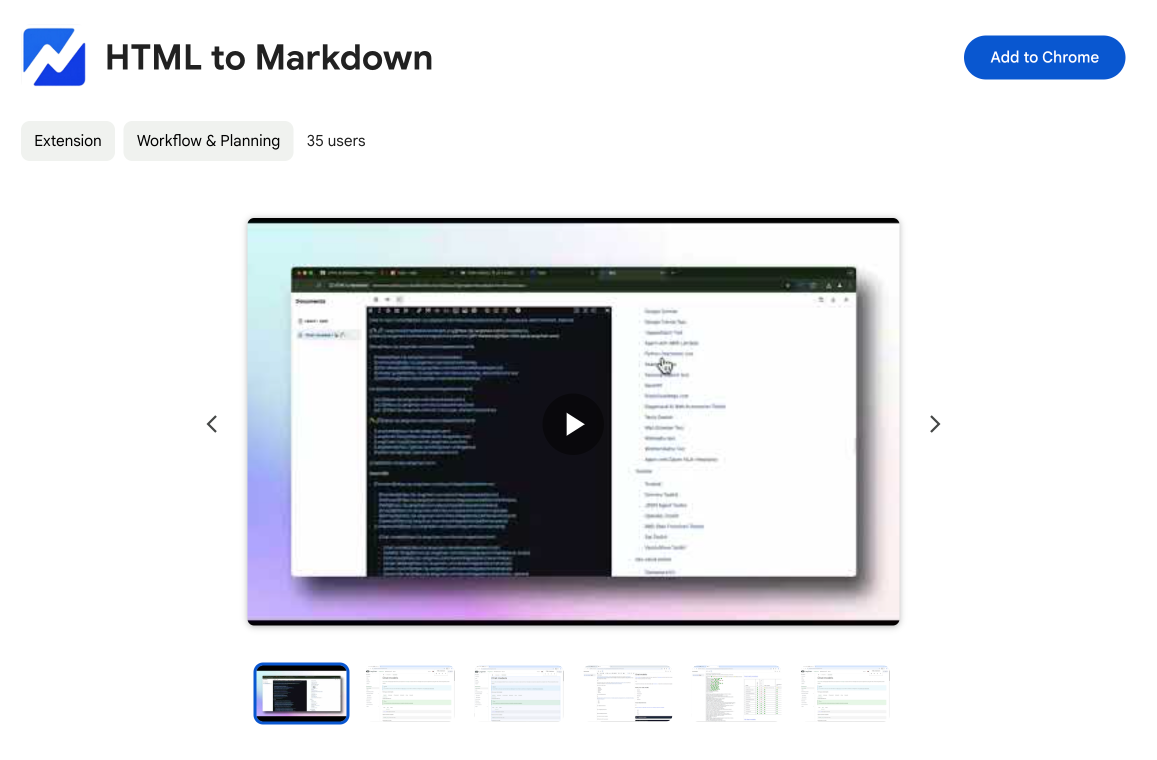
HTML to Markdown
Convert HTML to Markdown with ease, directly in your browser 📄
Dotallio
Personalized AI apps that automate research, data extraction, and content creation without code 🤖
Talk to Santa
Enjoy a magical live video chat or receive a unique AI-generated video greeting from Santa Claus 🎅
pozywka.pl
Scalable blog for food journalist, focused on performance and user experience 🌭
zagrodzki.me
Personal blog and portfolio of Bart Zagrodzki, where he shares his knowledge and work 💼
TurboStarter
Ship your startup everywhere. In minutes.
HTML to Markdown
Convert HTML to Markdown with ease, directly in your browser 📄
Dotallio
Personalized AI apps that automate research, data extraction, and content creation without code 🤖
Talk to Santa
Enjoy a magical live video chat or receive a unique AI-generated video greeting from Santa Claus 🎅
pozywka.pl
Scalable blog for food journalist, focused on performance and user experience 🌭
zagrodzki.me
Personal blog and portfolio of Bart Zagrodzki, where he shares his knowledge and work 💼
TurboStarter
Ship your startup everywhere. In minutes.
HTML to Markdown
Convert HTML to Markdown with ease, directly in your browser 📄
Dotallio
Personalized AI apps that automate research, data extraction, and content creation without code 🤖
Talk to Santa
Enjoy a magical live video chat or receive a unique AI-generated video greeting from Santa Claus 🎅
pozywka.pl
Scalable blog for food journalist, focused on performance and user experience 🌭
zagrodzki.me
Personal blog and portfolio of Bart Zagrodzki, where he shares his knowledge and work 💼
TurboStarter
Ship your startup everywhere. In minutes.
HTML to Markdown
Convert HTML to Markdown with ease, directly in your browser 📄
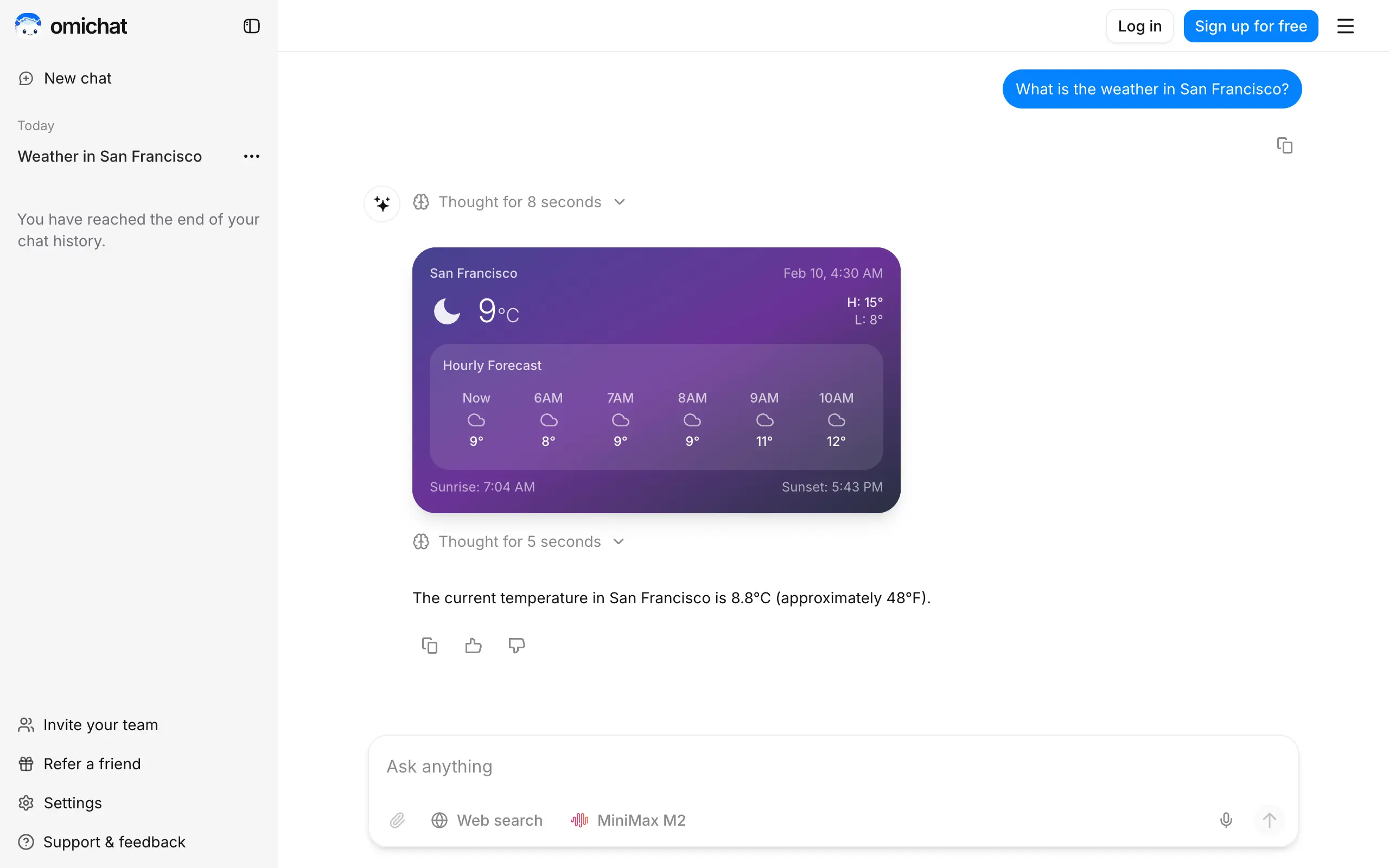
Omichat
Chat with 50+ AI models, including ChatGPT and Claude, in one place - switch models anytime without losing context 🤖
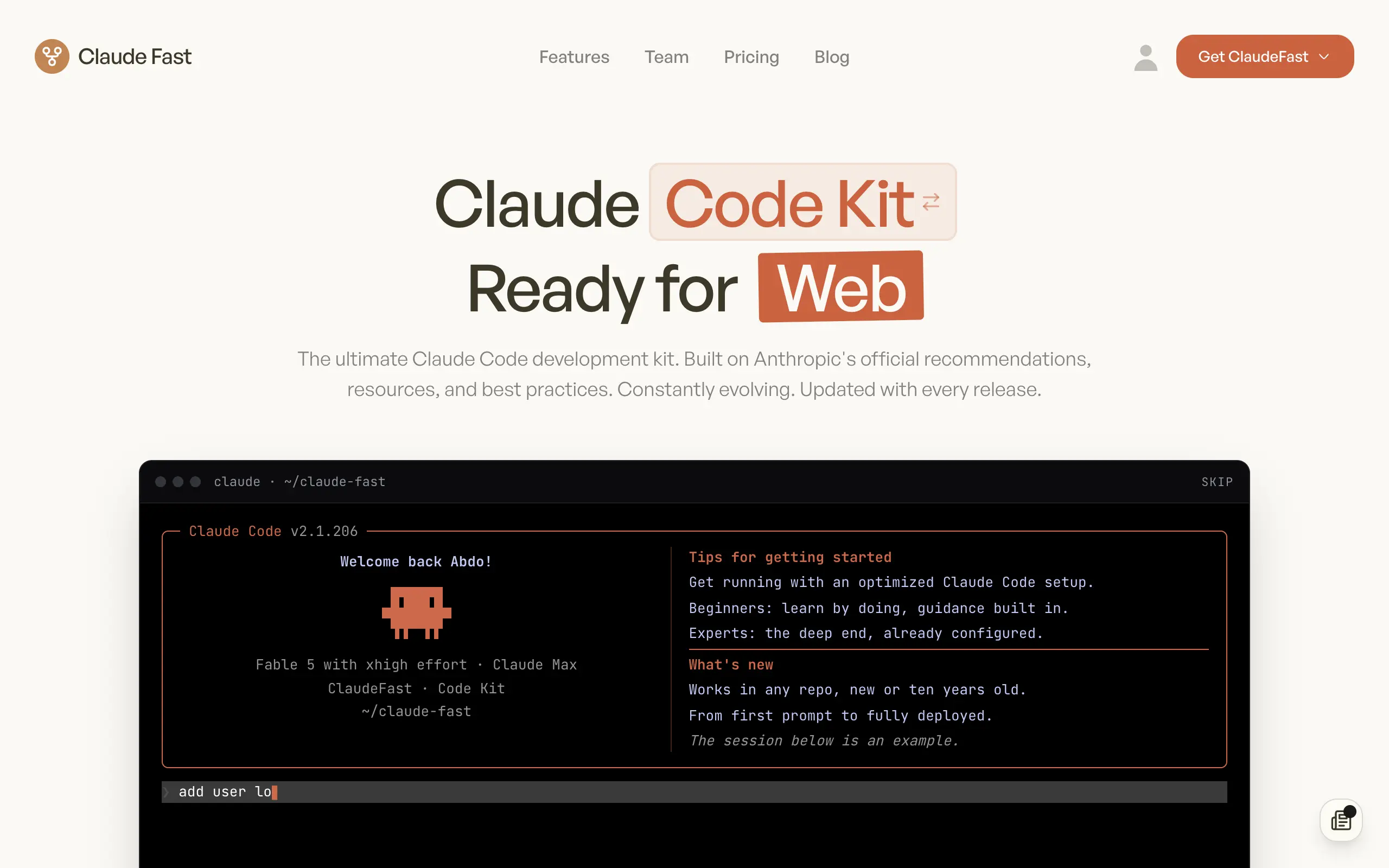
Claude Fast
Supercharge your Claude Code with 6x effective context window and specialized AI agents 🤖

EmojAI
AI-powered emoji picker with smart, context-aware suggestions 🤖
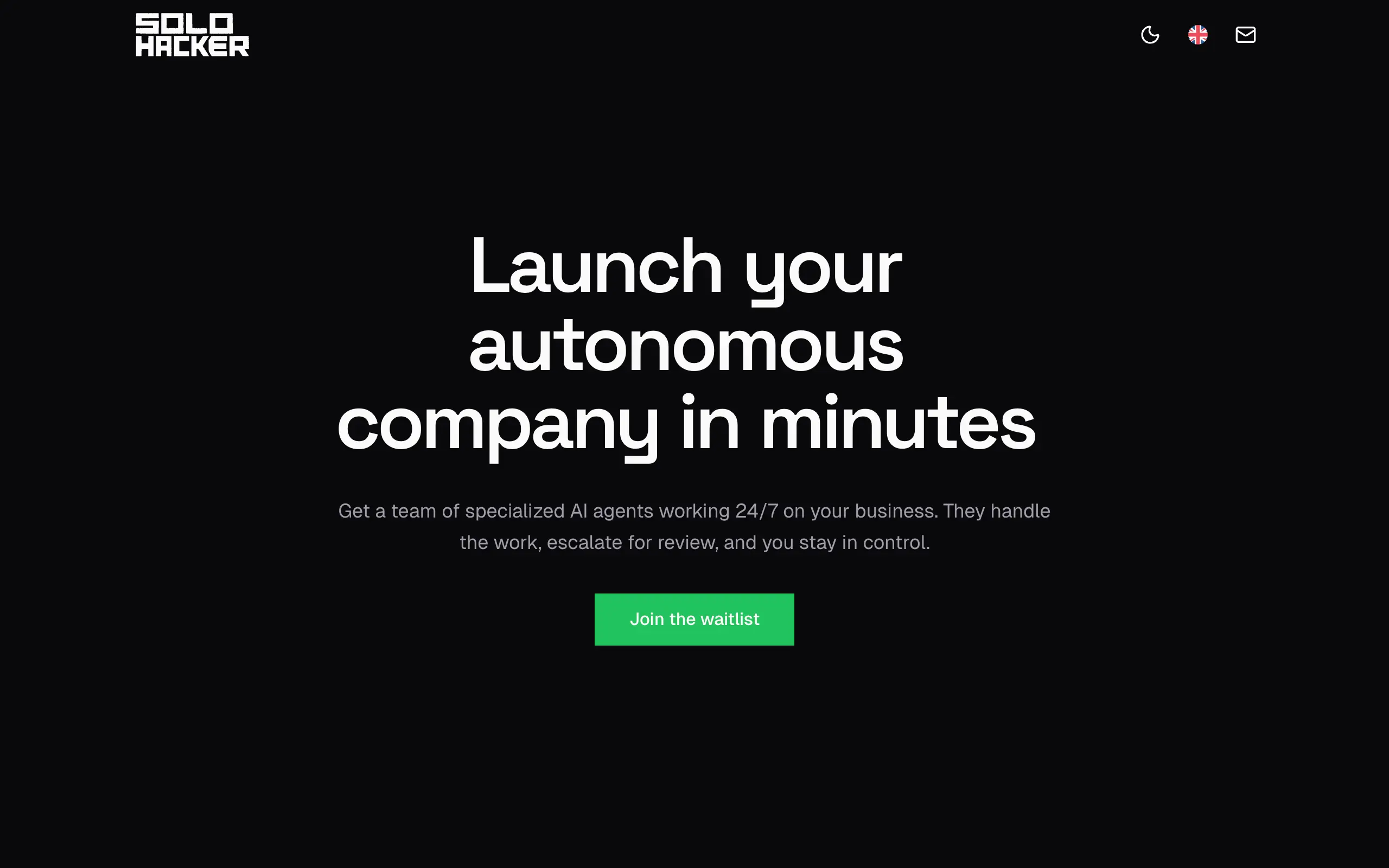
Solohacker
Autonomous company launcher - AI agents work 24/7, escalate what matters, and you stay in control 🤖

BeRawi: Storytelling Coach
Practice storytelling daily with instant feedback to sound clearer, more engaging, and confident 🎤
Omichat
Chat with 50+ AI models, including ChatGPT and Claude, in one place - switch models anytime without losing context 🤖
Claude Fast
Supercharge your Claude Code with 6x effective context window and specialized AI agents 🤖
EmojAI
AI-powered emoji picker with smart, context-aware suggestions 🤖
Solohacker
Autonomous company launcher - AI agents work 24/7, escalate what matters, and you stay in control 🤖
BeRawi: Storytelling Coach
Practice storytelling daily with instant feedback to sound clearer, more engaging, and confident 🎤
Omichat
Chat with 50+ AI models, including ChatGPT and Claude, in one place - switch models anytime without losing context 🤖
Claude Fast
Supercharge your Claude Code with 6x effective context window and specialized AI agents 🤖
EmojAI
AI-powered emoji picker with smart, context-aware suggestions 🤖
Solohacker
Autonomous company launcher - AI agents work 24/7, escalate what matters, and you stay in control 🤖
BeRawi: Storytelling Coach
Practice storytelling daily with instant feedback to sound clearer, more engaging, and confident 🎤
Omichat
Chat with 50+ AI models, including ChatGPT and Claude, in one place - switch models anytime without losing context 🤖
Claude Fast
Supercharge your Claude Code with 6x effective context window and specialized AI agents 🤖
EmojAI
AI-powered emoji picker with smart, context-aware suggestions 🤖
Solohacker
Autonomous company launcher - AI agents work 24/7, escalate what matters, and you stay in control 🤖
BeRawi: Storytelling Coach
Practice storytelling daily with instant feedback to sound clearer, more engaging, and confident 🎤

Connect with like-minded people
Join our community to get feedback, support, and grow together with 1,000+ builders on board, let's ship it!
Join usShip your startup everywhere. In minutes.
Don't burn tokens on setup and start building features on day one.